Last updated on Tuesday, 31, March, 2026
Last Updated on 6 months ago by Ahmed Usman
Table of Contents
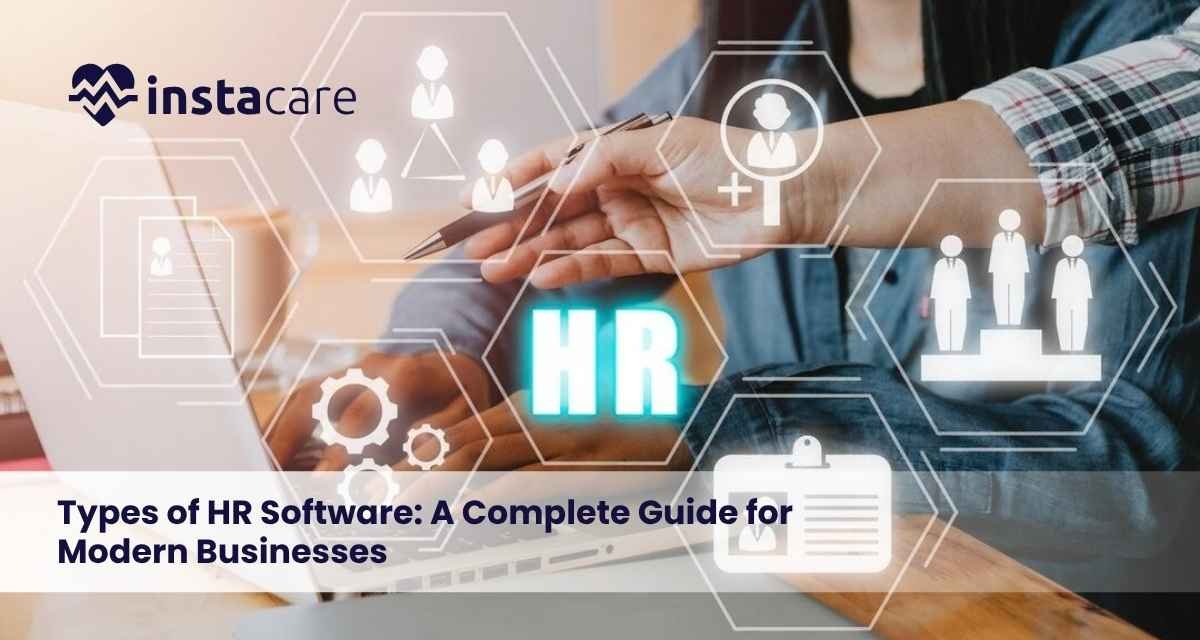
Types of HR Software: A Complete Guide for Modern Businesses
Human Resources software is really important for businesses nowadays. It helps them manage their employees in a way. From hiring people to paying them and tracking how they are doing this software makes things a lot easier.
With more companies using automated HR tools and cloud-based software they can now do things faster with less work and be more productive. Knowing what different HR software for small businesses can do, helps them pick the one for their needs.
What Is HR Software?
HR software is a computer program that helps with things like hiring, paying and keeping track of employees. It also helps companies store information, do tasks automatically and make their HR work better.
Modern software for managing employees combines tasks into one platform. This makes it easier for the HR team to do their job. Both small and big companies use these tools.
Main Types of HR Software (Core Systems)
The Cloud-based HR software types are the foundation of managing employees.
HRIS (Human Resource Information System)
HRIS is used to store and manage information about employees. It is like a database for HR.
HRMS (Human Resource Management System)
HRMS has features like paying employees for hiring and tracking performance. It is a solution.
HCM (Human Capital Management)
HCM systems focus on HR tasks like managing talent training employees and planning the workforce.
These main systems are part of Enterprise HR software solutions used by large companies.
Types of HR Software by Function
Best HR software types can also be grouped by what it does.
Payroll Software
Payroll software systems calculate salaries, deducts taxes and makes payslips.
Recruitment Software
Recruitment software helps with job postings, applications and hiring.
Employee Management Software
Employee management software stores and organizes employee information.
Performance Management Systems
Performance management systems track employee goals, evaluations and productivity.
Attendance Management Software
Attendance management software monitors working hours, leaves and time.
This way of grouping helps businesses choose the tools for their needs.
Cloud-Based vs On-Premise HR Software
Companies can choose between cloud-based and on-premise HR software.
Cloud-Based HR Software
Cloud-based HR software is online. Can be used from anywhere. It is flexible, can grow with the company and’s cost-effective.
On-Premise HR Software
On-premise software is installed on the company’s servers. It gives control but needs more maintenance and costs more.
Most companies today prefer cloud solutions because they are easy to use and can be accessed from anywhere.
Benefits of Using HR Software
HR software has advantages for businesses.
- It Makes Things Efficient: Automating tasks saves time and reduces work.
- It Helps Manage Information Better: Centralized systems make information more accurate and easier to access.
- It Improves the Employee Experience: Employees can easily get information through platforms.
- It Saves Money: It reduces paperwork and manual tasks.
- It Grows With the Company: It supports business growth with solutions.
These benefits make HR software a valuable investment for companies.
Get Your Free HR Software Demo
How to Choose the HR Software?
Choosing the HR software depends on several things.
Company Size
Choose HR software based on the size of your company.
Features Needed
Decide if you need payroll, recruitment or full HR management features.
Budget
Consider how much it costs and what the long-term costs will be.
Ease of Use
User- systems are adopted more easily by employees.
Integration
Make sure it works with existing tools and systems.
Looking at these factors helps businesses choose the HR tools and systems list for their needs.
Future Trends in HR Software
HR technology is changing fast with innovations.
Artificial Intelligence
Artificial Intelligence improves recruitment, analytics and decision-making.
Automation
Advanced automation tools reduce HR tasks even more.
Cloud Expansion
More companies are using cloud-based HR software for flexibility.
Focus on Employee Experience
Modern systems prioritize engagement, being and productivity.
Data Analytics
Advanced insights help improve workforce planning and performance.
These trends are shaping the future of HR software solutions.
Conclusion
HR software helps make managing employees easier and more efficient. It does this by making things simpler for the people in charge of the employees. There are kinds of HR software like HRIS and HRMS and also specialized tools like payroll software and attendance management software.
To pick the HR software companies need to understand what HR software is and what they need for their business. As HR automation tools and cloud technology get better, HR software will keep changing how companies manage their employees. This means HR software will keep making things easier for companies to manage their employees.
FAQs
1. What are the main kinds of HR software?
The main kinds of HR software include HRIS, HRMS and HCM along with tools like payroll software, Recruitment software tools and performance management systems. These are all types of HR software that companies can use.
2. Which HR software is best for companies?
The best HR software for companies should be affordable and easy to use. It should also have features like payroll, attendance and employee management. Companies should look for HR software that has these features.
3. What is the difference between cloud-based HR software and on-premise HR software?
Cloud-based HR software is online which means it can be used from anywhere. On-premise HR software is installed on the company’s computers. Needs more work to keep it running. This is a difference between cloud-based HR software and, on-premise HR software.