
Last updated on Tuesday, 8, September, 2026
Last Updated on 3 hours ago by Ahmed Usman
Table of Contents
Telepharmacy: What It Is, How It Works, Benefits & Services
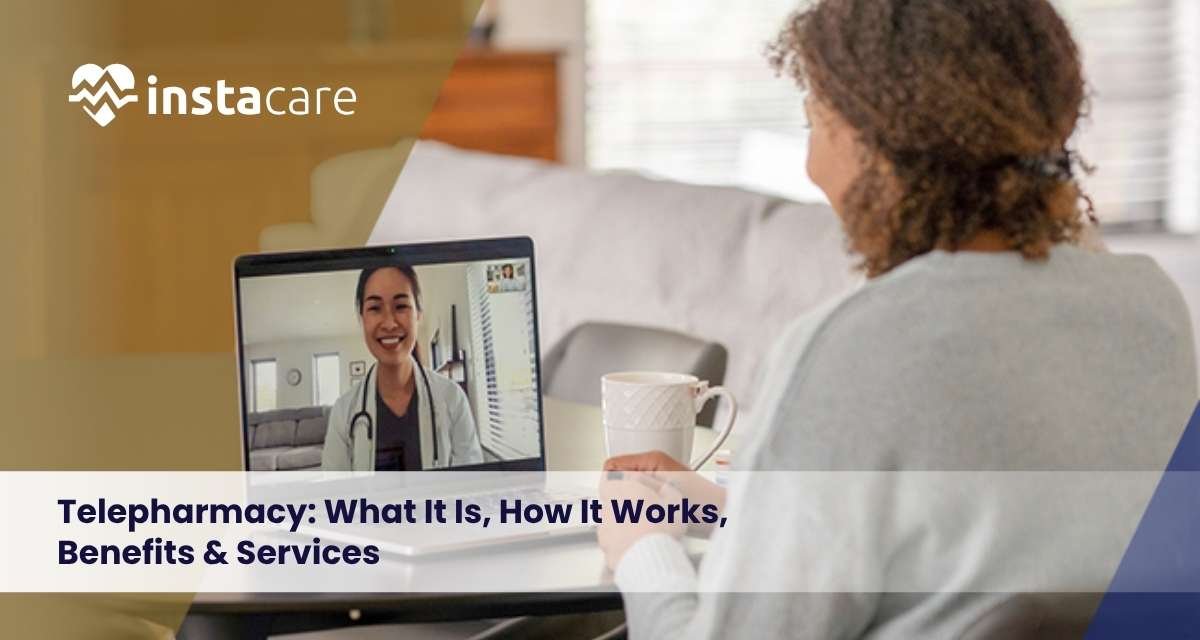
Digital technology is advancing rapidly. For the healthcare industry this means an increased ability to deliver caring services. One example is the innovation of services that pharmacies can now provide directly to their patients. Telepharmacy is a way to provide pharmacy services to patients while enabling them to avoid the in-person visit to a pharmacy. Telepharmacy utilizes technology to connect the patient to a pharmacy and the pharmacy’s team members regardless of their locations.
The advantage of telepharmacy is the flexibility that it brings to patients to obtain their medications and consult with a pharmacy professional for the reasons that include being in a remote location, being physically challenged or having the need for a more convenient way to access care.
Remotely working pharmacy professionals provide an important role of patient consultation and medication assessment. Through the use of telepharmacy, pharmacy professionals can provide a service to fill care gaps, even when a location does not have a physical pharmacy.
What Is Telepharmacy?
Telepharmacy is the practice of practicing pharmacy remotely. It uses both digital and telecommunication technologies. Pharmacists have the ability to utilize the various digital and telecommunication technologies, including consultations, phone calls, or system messaging, to deliver care to patients.
In contrast to telepharmacy, traditional pharmacy requires the patient to present to the pharmacy and have a face-to-face interaction with a pharmacist. By providing this service, patients are no longer forced to live with the burden of geographic barriers to care. Common services provided by telepharmacy include:
- Delivering interventions related to the safety of medication and confirming the correctness of the orders
- Reviewing prescriptions
- Delivering patient counseling on medications
- Providing support for medication orders
- Supplying patients with drug information
- Monitoring progress of patients
Supporting healthcare services whose pharmacy services are lacking.
How Does Telepharmacy Work?
Telepharmacy combines traditional pharmacy operations with digital technologies. The process will be slightly different for each provider and regulated by local laws; nevertheless, each will involve specific steps.
Patient Consultation
A patient conducts a consultation with a pharmacist through a digital interface, phone call, or video call. The pharmacist will describe the patient’s:
- Medicines
- Medicine-related problems
- Side effects
- Incorrect use of medicines
- Concerns with prescriptions
Consultations offer an opportunity for advising patients and prevent unnecessary travel by patients.
Prescription Review
A pharmacist assesses an order for a medicine or prescription. This assessment will focus on the following:
- If the correct dosage was ordered
- Assessment of potential harmful effects of the interaction of the medicine with other medicines
- Allergies
- Correct directions for use of a medicine
Review of a prescription conducted remotely supports safety of the patient and the prescriber in the management of the best possible treatment.
Medication Dispensing Support
For some telepharmacy systems, medications can be prepared through a remote process with oversight and safety measures. Authorized staff at a location can assist, and a pharmacist can provide remote verification, based on local laws.
Follow-Up and Monitoring
Telepharmacy offers several solutions for the ongoing management of a patient with compliance, control of symptoms, emergence of side effects, and need for further direction.
Benefits of Telepharmacy
There are many advantages that telepharmacy possesses for patients, healthcare facilities, and communities. Some of the advantages are listed below.
Increased Access to Care
There are rural and underserved communities that have difficult drawn access to medication. One component of telepharmacy is delivering healthcare services to medicines and pharmacy support that these communities previously lacked.
Increased Convenience
For patients that have time constraints, that are limited or inhibited in their travel, telepharmacy can provide needed support at a location convenient to the patient, including their place of residence.
Increased Knowledge and Understanding of Medications
Patients that have several questions about their medications, that are unclear about the instructions, including timing and storage of medication, or the potential side effects of the medications, will benefit from the telepharmacy consultation.
Managing Chronic Conditions/Diseases
Frequent monitoring of medications for patients with chronic conditions and/or diseases is necessary for the pharmacist to perform ongoing support to the patient. Telepharmacy provides this level of support to the patient.
Decreased Travel
The older population, or patients that are limited in their ability to travel, will appreciate pharmacy services done remotely
Support for Healthcare Facilities
Healthcare facilities that do not have a pharmacist, including hospitals and/or care units, can utilize telepharmacy to provide pharmacy support for their patients. This aid includes safety reviews and support as well as professional consultative support.
Book Your Free Marketing Consultation
Common Telepharmacy Services
The services telepharmacy offers are expansive and include the following:
Medication Counseling
Pharmacists provide instruction and are available to respond to questions about the correct usage of medicines.
Placement of Verification Calls
Pharmacists verify the completeness and accuracy of prescriptions and illness safety concerns.
Review of Medications Therapy
A pharmacist reviews the therapy ordered and assesses problems such as therapy duplications and medication excess, incorrect therapy and medication use, and safety issues due to therapy interactions.
Assist with Refill Requests
A pharmacist reviews a patient’s request for a prescription refill and verifies the medication is scheduled for use.
Education
Healthcare staff can receive medication safety education, as well as education on lifestyle and disease management.
Remote Professional Oversight
Healthcare locations that do not have full time pharmacy staff can provide professional oversight for pharmacy practice through the service of remote pharmacists.
Who Can Benefit From Telepharmacy?
Telepharmacy can help:
- People living in remote areas
- Elderly patients without transportation
- Patients with multiple prescriptions
- Patients needing frequent medication assessments
- Patients with limited mobility
- Healthcare systems needing extra pharmacy services
- Healthcare facilities needing extra pharmacy support
Challenges of Telepharmacy
Even with the advantages it poses, telepharmacy has its challenges.
Technology
First, patients must have proper digital devices and consistent internet or communication service. Digital technology can be difficult for some people to use.
Privacy and Security
With the nature of telepharmacy services, privacy measures and secure communication systems are essential for the sharing of health information in electronic format.
Limited Physical Assessment
Some services require direct contact with health care providers, and in those cases, telepharmacy may not be adequate to satisfy the service.
Regulations and Infrastructure
The constraints imposed by the various rules of telepharmacy services, the health care infrastructure, and the local laws can create a disparity of availability of telepharmacy services in varying geographical regions.
The Future of Telepharmacy
With the rapid expansion of digital healthcare, telepharmacy will be a key service within the pharmacy profession. More sophisticated technology for communication, electronic health records, and remote care will all contribute to the ease and convenience of pharmacy support for medication.
Telepharmacy represents how pharmacy services can begin to be more patient-centered by bringing pharmacy services to the patient, no matter how remote they may be.
Conclusion
Telepharmacy relies on digital tools such as Pharmacy Software and, therefore, helps pharmacists deliver medication-related care from great distances. It increases convenience for patients, supports medication safety, and expands access to essential pharmacy services.
Telepharmacy provides much needed services for modern healthcare. From reviewing prescriptions to offering ongoing treatment support, telepharmacy connects healthcare in different locations. It has its constraints, but telepharmacy continues to contribute to the growing field of pharmacy care.
FAQS
How does telepharmacy compare to online medicine delivery?
Telepharmacy focuses on delivering professional care via services such as consults, checks, and medicine therapy management provided by a pharmacist. There is a distinction between medicine delivery services and telepharmacy.
Does telepharmacy allow me to talk to a pharmacist?
Yes. Telepharmacy enables patients to communicate with pharmacists via various forms of phone and/or video communication and other secure messaging services offered.
How risky is it to use telepharmacy for managing medications?
Though there are state laws that require telepharmacy to be licensed, telepharmacy still has limitations. One of those limitations is the inability to provide a physical exam. This means that patients are advised to seek face-to-face care when a physical exam is needed.