
Last updated on Monday, 28, September, 2026
Last Updated on 47 minutes ago by Ahmed Usman
Table of Contents
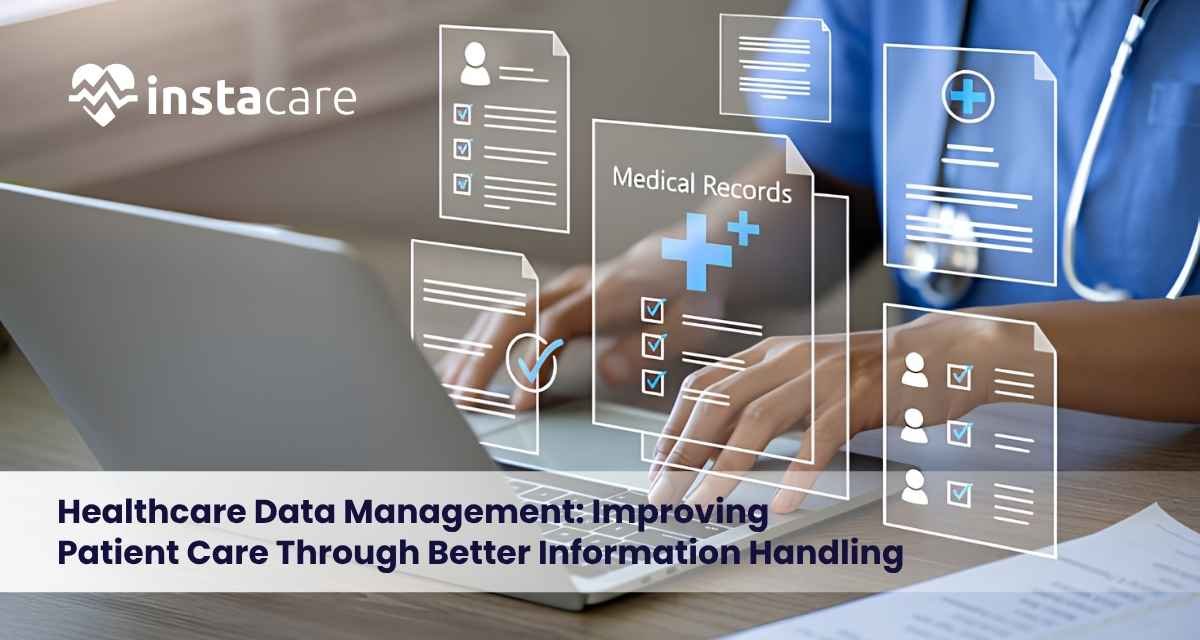
Healthcare Data Management: Improving Patient Care Through Better Information Handling
Efficient healthcare data management helps healthcare organizations collect, organize, store, access, and utilize valuable patient information. The increasing use of digital records has created opportunities for healthcare providers to analyze information in ways that can improve and personalize patient services.
Effective data management ensures that the right information reaches the right person at the right time. Accurate and well-organized healthcare data can benefit healthcare professionals, patients, and caregivers by reducing errors, minimizing communication gaps, and supporting better-quality care.
What Is Healthcare Data Management?
Healthcare data management refers to the processes and procedures used to collect, document, organize, store, protect, and retrieve information related to healthcare services.
Healthcare data may include:
- Past and current medical conditions
- Treatments and medications
- Diagnostic and laboratory test results
- Appointment information
- Patient health assessments
- Care and treatment plans
- Billing and administrative information
- Clinical and encounter records
Because healthcare information is highly sensitive, organizations need integrated strategies to ensure that data is available when required, accessible only to authorized users, and protected against unauthorized access or misuse.
Why Is Healthcare Data Management Important?
Accurate and accessible healthcare data helps healthcare professionals understand patients’ conditions and make informed decisions about their care. Since healthcare delivery often involves multiple professionals, effective data management also supports communication and coordination across the care team.
Key benefits include:
- Improving patient safety
- Reducing documentation errors
- Making patient information easier to access
- Supporting collaboration among healthcare teams
- Tracking and monitoring patient progress
- Facilitating coordinated care
- Supporting informed healthcare decisions
These benefits can also extend to patients receiving healthcare services in community and home-care settings.
Types of Healthcare Data
Healthcare data comes in different formats and can have both clinical and administrative purposes. Understanding the different types of healthcare data helps organizations manage information effectively.
Patient Health Records
Patient health records contain information about an individual’s medical history and current health status. This may include existing medical conditions, previous treatments, allergies, medications, and healthcare interventions.
Accurate patient records are essential for developing appropriate and personalized care plans.
Medical Test Results
Results from laboratory tests, diagnostic procedures, and health assessments provide important information about a patient’s condition.
Healthcare professionals can use these results to monitor health conditions, evaluate treatment effectiveness, and identify changes that may require further attention.
Interventions and Care Plans
Healthcare interventions and care plans document the actions taken by healthcare professionals to improve or maintain a patient’s health.
These records help members of the healthcare team understand the patient’s treatment objectives, ongoing interventions, and progress toward expected outcomes.
Administrative Data
Administrative healthcare data relates to the organization and management of healthcare services.
It may include information related to appointments, billing, insurance, staffing, scheduling, and other administrative activities.
Benefits of Effective Healthcare Data Management
Proper healthcare data management can improve the efficiency, accuracy, and coordination of healthcare services.
Better Patient Care
Healthcare professionals need complete and accurate information to understand patients’ needs and develop appropriate care strategies.
Well-managed data provides healthcare workers with relevant information that can support better-informed decisions.
Better Collaboration
Healthcare is often delivered by teams rather than individual professionals. Timely and accurate information allows team members to stay informed about a patient’s condition, treatment, and progress.
This can improve communication and continuity of care.
Faster Healthcare Services
Well-organized information can reduce the time required to search for and retrieve patient records.
When healthcare professionals can access relevant information efficiently, they can spend more time on patient care and other important responsibilities.
Reduced Errors
Accurate healthcare data can help reduce mistakes associated with incomplete, outdated, or incorrect patient information.
Having reliable medical histories, medication information, test results, and treatment records can support safer healthcare decisions.
Support for Special Healthcare Needs
Comprehensive patient information can help healthcare professionals identify specific conditions, requirements, or risks.
This information can contribute to the development of care plans that address individual patient needs.
Book Your Free Marketing Consultation
Challenges in Healthcare Data Management
Managing healthcare data effectively can be challenging because of the sensitive, complex, and rapidly growing nature of medical information.
Data Security and Privacy
Healthcare information contains sensitive personal and medical details. Protecting this information from unauthorized access is essential.
Strong security practices can help organizations protect patient privacy and maintain trust.
Data Quality
Incorrect, incomplete, or outdated information can negatively affect healthcare decisions.
Healthcare organizations need processes for reviewing and updating patient records to maintain data accuracy and reliability.
Large Volumes of Data
Healthcare organizations generate significant amounts of information through patient visits, diagnostic testing, electronic records, prescriptions, billing, and other activities.
Organizations therefore need appropriate systems and processes to store, organize, and retrieve large volumes of information.
Data Access and Transfer
Healthcare professionals often need to share relevant information with other members of a patient’s care team.
Efficient data access and transfer can support better communication and continuity of care while maintaining appropriate privacy and security controls.
Staff Training
Healthcare employees need appropriate training on data management systems, documentation procedures, privacy requirements, and security practices.
Well-trained staff are better equipped to maintain accurate records and handle healthcare information responsibly.
Best Practices for Healthcare Data Management
Healthcare organizations can improve their data management processes by following consistent documentation, security, and review practices.
Maintain Accurate Records
Patient records should be kept accurate and up to date. Changes in health status, medications, treatments, and care plans should be documented appropriately.
Create Comprehensive and Clear Records
Healthcare documentation should be organized, understandable, and sufficiently detailed.
Clear records make it easier for authorized healthcare professionals to understand patient information and coordinate care.
Protect Patient Records
Appropriate security controls should be implemented to restrict access to patient information.
Access should be provided according to the responsibilities and authorization levels of healthcare staff.
Standardize Data Collection
Healthcare organizations should use consistent approaches to collecting and documenting information.
Standardized data collection can make information easier to interpret, compare, communicate, and use across different healthcare settings.
Regularly Analyze Healthcare Data
Healthcare data should be reviewed regularly to identify missing information, outdated records, changes in patient conditions, and potential gaps in care.
Regular analysis can help organizations improve documentation and support better care management.
Role of Technology in Healthcare Data Management
Digitalization has transformed the way healthcare organizations generate, store, access, and manage information. Hospital Management Software allow professionals to maintain digital records and retrieve information more efficiently.
Technology can support healthcare data management through:
- More structured patient records
- Faster access to patient information
- Improved information exchange among care teams
- Long-term storage of health information
- Reduced administrative data-entry workload
- Easier monitoring of patient information
- Improved organization of healthcare records
Technology can provide significant benefits, but healthcare organizations must also consider data privacy and security when implementing digital solutions.
Healthcare Data Management in Home Care
Home healthcare professionals manage numerous data points while providing care to patients in their homes. Accurate documentation can help care teams understand changes in a patient’s condition and adjust care plans when necessary.
Home healthcare data may include:
- Patient-reported medication schedules
- Daily health assessment results
- Hydration and nutrition information
- Appointment details
- Changes in symptoms or health concerns
- Instructions from other healthcare professionals
- Updates to care plans
Comprehensive data management allows healthcare teams to maintain a clearer picture of a patient’s condition, progress, and changing needs.
The Future of Healthcare Data Management
Healthcare data management will continue to play an important role as healthcare systems become increasingly digital and data-driven.
Better organization and use of healthcare information can support healthcare professionals in making informed decisions and coordinating services more effectively.
The primary objective of healthcare data management is to organize information in a way that supports the different activities involved in healthcare delivery. When healthcare data is accurate, accessible, secure, and properly managed, it can provide a strong foundation for informed decision-making and improved patient outcomes.
Conclusion
Effective healthcare data management has a direct impact on the quality, safety, and efficiency of healthcare services. Proper management of health information can support accurate documentation, better communication, improved care coordination, and safer healthcare delivery.
Healthcare organizations should focus on maintaining accurate, secure, accessible, and up-to-date information. By combining effective data management practices with appropriate technology and staff training, healthcare providers can support continuity of care and work toward better health outcomes for patients and communities.
Frequently Asked Questions About Healthcare Data Management
What Is the Importance of Healthcare Data Management?
Healthcare data management provides a framework for collecting, organizing, storing, protecting, and retrieving patient information. Accurate information can support healthcare professionals in delivering appropriate care, improving coordination, and maintaining efficient healthcare services.
What Does Healthcare Data Management Cover?
Healthcare data management covers information related to an individual’s health and healthcare services. Examples include medical history, care plans, diagnostic and laboratory results, prescriptions, immunizations, clinical information, appointments, and other healthcare service records.
How Can Healthcare Data Security Be Ensured?
Healthcare organizations can use several measures to protect health information, including encryption, access controls, authentication systems, audit trails, secure data storage, and regularly updated devices and software.
Organizations should also ensure that employees who handle healthcare information understand and follow applicable organizational policies and privacy requirements.
How Does Healthcare Data Management Improve Patient Care?
Effective data management gives authorized healthcare professionals access to relevant and accurate patient information. This can improve communication, support informed decisions, reduce documentation errors, and help healthcare teams coordinate patient care more effectively.
What Role Does Technology Play in Healthcare Data Management?
Technology enables healthcare organizations to store and retrieve electronic records, exchange information between authorized care team members, analyze healthcare data, and reduce some administrative workloads. However, technology should be implemented alongside appropriate privacy and security measures.