Last updated on Thursday, 15, October, 2026
Table of Contents
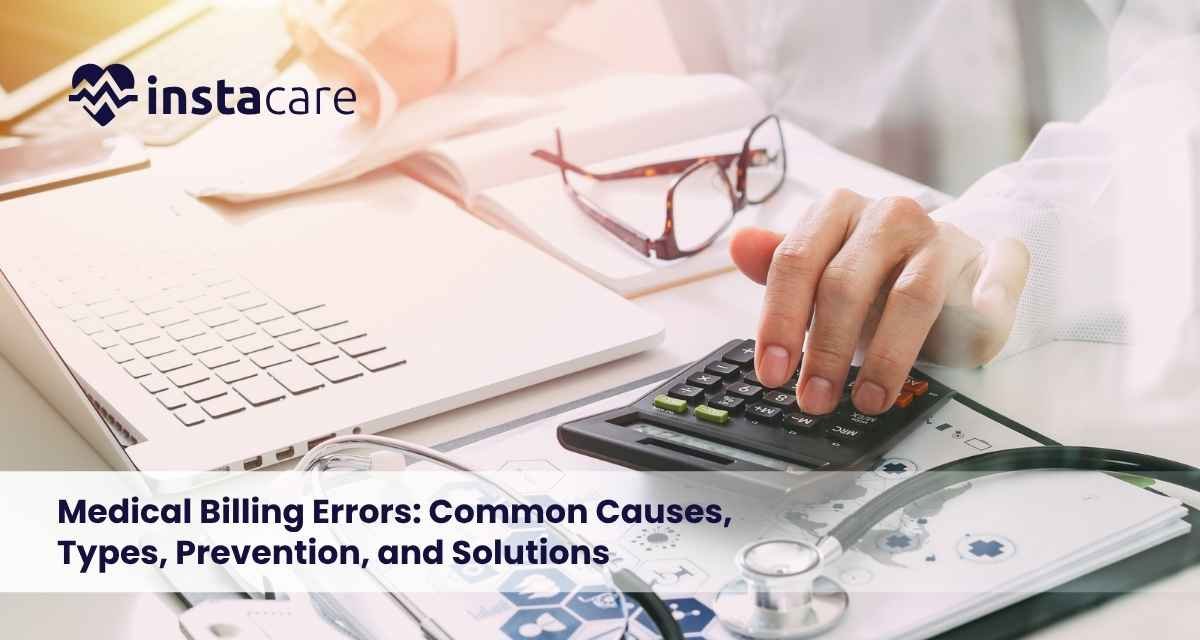
Medical Billing Errors: Common Causes, Types, Prevention, and Solutions
Medical billing is an integral part of the healthcare process, ensuring that healthcare providers are properly compensated for their work. Nevertheless, even a small mistake during the billing process may cause claim denials, payment delays, financial losses for healthcare providers, and patient complaints. Such mistakes are called medical billing errors and may affect healthcare providers, insurance companies, and patients.
Knowledge about the reasons for medical billing errors and ways to prevent them can help maintain accurate financial records in healthcare organizations, increase claim acceptance rates, and improve the quality of patient care.
This article describes the most frequent medical billing errors, their causes, consequences, and possible solutions.
What Are Medical Billing Errors?
Medical billing errors include mistakes or discrepancies made during the documentation, coding, billing, and submission of healthcare services to insurance companies. These errors can involve incorrect patient information, inaccurate coding, duplicate charges, insufficient documentation, or misunderstandings about insurance coverage.
Medical billing errors can occur at any stage of the revenue cycle, from patient registration to payment collection. The consequences may include insurance claim denials or incorrect charges for patients. Accurate medical billing requires coordination among multiple healthcare professionals and administrative staff.
Common Types of Medical Billing Errors
Billing errors can take many forms. Understanding the most common mistakes is the first step toward preventing them.
1. Incorrect Patient Details
One of the most common medical billing mistakes is entering incorrect patient information.
These errors can include misspelled names, incorrect dates of birth, inaccurate insurance ID numbers, or outdated contact details. Even minor mistakes can lead to claim rejections or payment processing delays.
Verifying patient information during registration and before submitting claims reduces the risk of these errors.
2. Incorrect Medical Coding
Medical coding involves using standardized medical codes for billing purposes.
Using incorrect diagnosis or procedure codes can lead to claim denials, inaccurate payments, or non-compliance. Common causes include outdated codes, insufficient documentation, and incorrect code selection by billing staff.
3. Duplicate Billing
Duplicate billing occurs when the same service is billed more than once without justification. This may result from administrative mistakes, claim resubmissions, or technical errors in the billing system.
Duplicate billing can lead to insurance payment disputes and financial strain for patients. Billing staff should review claims and payment records to identify and prevent duplicate charges.
4. Lack of Adequate Documentation
Medical billing requires accurate and complete documentation. When medical records lack sufficient information about a diagnosis, procedure, treatment plan, or medical necessity, claims may be denied or the insurance provider may request additional details.
Maintaining complete medical records helps support accurate coding and appropriate claim processing.
5. Outdated and Inaccurate Insurance Information
Using invalid or inaccurate insurance information can cause payment delays and claim rejections.
Examples include outdated insurance policies, incorrect member ID numbers, inaccurate payer information, and failure to verify coverage. Reviewing insurance details before appointments can help prevent these mistakes.
6. Unbundling and Upcoding
Unbundling occurs when services that should be reported together are billed separately. Upcoding refers to billing for a more expensive service or a higher level of care than the service actually provided.
These practices can result in inaccurate claims and regulatory non-compliance. Accurate coding practices and regular reviews help ensure that claims reflect the services actually performed.
7. Failure to Submit Claims Within the Deadline
Insurance companies establish deadlines for claim submissions. When claims are submitted late because of inefficient processes or communication problems, reimbursement may be denied.
Tracking submission deadlines and maintaining efficient billing workflows can help reduce the risk of missed deadlines.
What Causes Medical Billing Errors?
Medical billing errors can arise from several operational and administrative problems, including:
- Human error: Manual data entry can result in typographical mistakes, incorrect code selection, and missing claim information.
- Insufficient training: Billing personnel who are unfamiliar with coding requirements or insurance guidelines may submit inaccurate claims.
- Outdated billing software: Older systems may lack updated coding information, effective validation processes, and useful automation features.
- Poor communication: Miscommunication between clinical and billing departments can create discrepancies between patient records and submitted bills.
- Different insurance plans: Each insurance company may have its own coverage rules, documentation requirements, and claim submission procedures.
Understanding these causes helps healthcare organizations develop effective preventive measures.
Book Your Free Marketing Consultation
How Medical Billing Errors Affect Healthcare Providers and Patients
Medical billing errors can create financial and administrative challenges for healthcare providers and patients.
Impact on Healthcare Providers
- Delayed payments and claim denials can reduce revenue.
- Repeated errors can increase administrative workloads and operational costs.
- Inaccurate billing can affect revenue forecasts and revenue cycle management.
- Coding and billing mistakes may trigger investigations or penalties, depending on the circumstances and applicable legislation.
Impact on Patients
- Incorrect billing may result in unexpected medical expenses.
- Duplicate charges can lead to payment disputes or unnecessary payments.
- Insurance problems can create confusion about financial responsibilities.
- Billing discrepancies can reduce patient trust and cause financial stress.
Accurate billing practices help protect both healthcare organizations and patients from avoidable complications.
How to Prevent Medical Billing Errors
Preventing medical billing errors requires proper documentation, competent staff, structured workflows, and effective billing software.
1. Confirm Patient Details
Patient demographics and insurance information should be verified before healthcare services are provided. This can reduce claim rejections and minimize the time spent correcting administrative mistakes.
2. Maintain Proper Medical Documentation
Accurate documentation of diagnoses, treatments, procedures, and other relevant medical information is essential for effective coding and correct billing.
Healthcare providers should ensure that medical records contain the information needed to support the services billed.
3. Conduct Routine Billing Audits
Regular billing audits help identify incorrect codes, duplicate charges, missing medical documentation, and other inconsistencies.
These reviews allow healthcare organizations to detect problems early and improve billing accuracy.
4. Provide Regular Staff Training
Billing rules, coding standards, and insurance policies change over time. Regular training helps staff stay informed about current requirements, recognize potential errors, and submit claims accurately.
5. Use an Automated Billing System
Medical billing software can help identify missing information, detect potential duplicate claims, and validate certain billing codes.
Using an appropriate system can improve workflow efficiency and reduce some errors associated with manual data entry.
How to Correct Medical Billing Errors
Correcting medical billing errors promptly can help prevent further financial and administrative complications.
First, review the original claim, relevant medical records, and payments made by the insurance company to determine the cause of the error. Once the mistake has been confirmed, make the necessary corrections and submit an amended or corrected claim according to the payer’s procedures.
Patients who notice discrepancies in their medical bills can request an itemized bill and compare it with the explanation of benefits provided by their insurance company. They should review the dates of service, listed procedures, charges, and payment amounts to identify potential discrepancies.
Addressing errors promptly helps clarify financial responsibilities and supports more accurate claim processing.
Importance of Accurate Medical Billing
Accurate medical billing supports the financial stability of healthcare organizations and helps protect patients from incorrect charges. It improves payment efficiency, reduces avoidable administrative costs, supports regulatory compliance, and promotes transparency.
Effective billing processes also allow healthcare professionals to spend less time resolving payment issues and more time focusing on patient care.
Conclusion
Medical billing errors can negatively affect healthcare providers and patients through delayed payments, claim denials, inaccurate charges, and unnecessary financial burdens. Common errors include incorrect patient information, coding mistakes, duplicate billing, insufficient documentation, inaccurate insurance details, and late claim submissions.
Improving staff training, maintaining accurate medical records, using effective billing systems, and conducting regular audits can help prevent these problems.
Ensuring accuracy in medical billing contributes to a more efficient healthcare system, better financial management, and a more transparent experience for patients.
Frequently Asked Questions (FAQs)
1. What Are the Most Frequent Medical Billing Mistakes?
The most frequent medical billing mistakes include incorrect patient information, mis-coding of diagnoses and procedures, duplicate charges, insufficient documentation, outdated insurance information, and delayed claim submissions. These errors can result in claim denials, delayed reimbursement, and incorrect patient bills. Regular claim reviews and proper documentation can help minimize these mistakes.
2. How Can Patients Detect Medical Billing Errors?
Patients can identify potential medical billing errors by requesting an itemized bill and comparing it with the explanation of benefits provided by their insurance company. They should review treatment dates, services provided, duplicate charges, and payment discrepancies.
3. Can Medical Billing Errors Cause Claim Denials?
Yes, medical billing errors can result in claim denials. Incorrect coding, insufficient documentation, outdated insurance information, and missed submission deadlines can prevent claims from being processed successfully. Depending on the circumstances and the insurance company’s procedures, healthcare providers may be able to correct and resubmit claims or appeal denials.