

Last updated on Monday, 19, October, 2026
Table of Contents
Patient Counseling: Importance, Benefits, Process, and Role in Better Healthcare
Effective patient counseling is important for patients to understand their condition, treatment options and available medications. Through counseling, patients learn to manage their condition, make informed choices and actively participate in their treatment plan.
There are many aspects of healthcare beyond simply diagnosing and prescribing. Patients frequently feel anxious, uncertain and confused about their condition. The role of patient counseling is to provide education, reassurance, emotional and/or moral support to the patient in order to understand their diagnosis and treatment plan better.
What Is Patient Counseling?
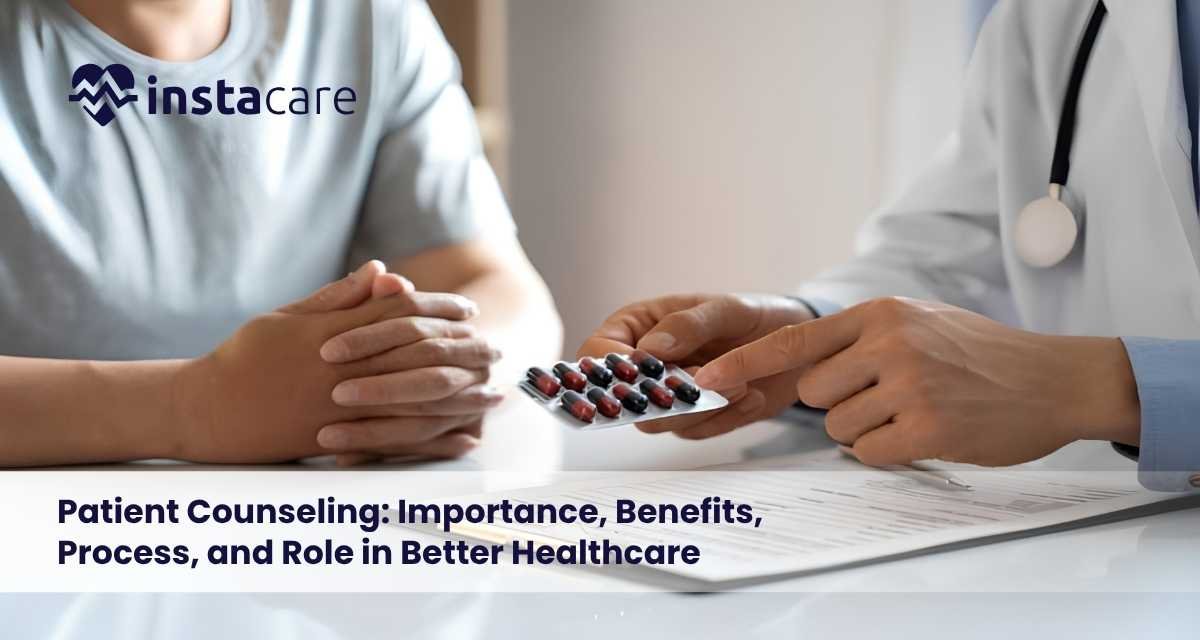
Patient counseling consists of the communication practices utilized by a healthcare professional to assist a patient in understanding medical conditions and treatment. Counseling prepares patients to make informed choices about their medical conditions and treatment options, including the potential consequences of those choices and possible means to mitigate the risks associated with those choices. Counseling is a responsibility of all members of the healthcare team including doctors, nurses, pharmacists, and mental health professionals and other providers.
Counseling occurs throughout the healthcare experience, including during initial medical consultations and/or exams, hospital visits, outpatient follow-up, and the management of ongoing health conditions. Positive counseling fosters a dialogue in which a patient is given the opportunity to express concerns, give input and make choices regarding their health and medical care.
Why Is Patient Counseling Important?
A positive patient counseling experience helps the patient to experience an improved healthcare interaction as well as improve their health outcome.
Improves Patient Knowledge
Using simple and easy to understand language, patient counseling can help explain a patient’s condition as well as the plan of action. This information is oftentimes difficult for the patient to comprehend because of use of complicated and often-times foreign medical terminology.
Facilitates Treatment Compliance
The patient is oftentimes more likely to strictly adhere to a plan of action if they fully comprehend the rationale for prescribed treatment and the planned course of action. Oftentimes, barriers to treatment adherence are uncovered as a result of patient counseling.
Minimizes Anxiety and Fear
Frequently, patient counseling facilitates the patient’s ability to verbally express concerns and fears as it relates to their expected treatment course, outcome and prognosis.
Improves Informed Consent
Complete and useful patient counseling includes information as it relates to benefits, risks, alternatives to treatment as well as other related information. This often aids the patient to make medically informed decisions.
5. Promotes Preventive Healthcare
Counseling helps people establish healthy lifestyle habits, get regular health screenings, get the recommended vaccinations, and recognize early signs and symptoms of potential health issues. Preventive measures such as these may lower the risk of developing certain health conditions and complications.
Different Types of Patient Counseling
Many different elements can be included in patient counseling depending on the person’s health conditions and required treatments.
Medication Counseling
Medication counseling is focused on patients’ understanding of how to use their medications safely and effectively. This includes the rationale for the dosage, when and how to take the medication, what side effects may occur, what other medications may interact with the medication, and what to do if a dose is missed.
It may also include how to safely use over-the-counter medications and what symptoms may require medical attention.
Disease Management Counseling
Patients with chronic conditions, such as heart disease, diabetes and hypertension, often require education to help them achieve and maintain the goals set by their healthcare team. They also need education to recognize new or worsening conditions, and to safely manage their symptoms.
Nutritional Counseling
Dietary counseling may include teaching patients how to meet their nutritional needs with a well-balanced diet and portion control. It may also include what fluids are appropriate for them to consume, and how to achieve this.
Lifestyle Counseling
Behavioral modifications such as quitting smoking, getting enough rest and managing stress may be incorporated into patient counseling. Modifications such as these are known to improve general health and wellness, and possibly prevent some health complications.
Emotional and Psychological Counseling
Patients dealing with chronic illnesses, major surgery, and serious diagnoses are often distressed, and can benefit from emotional support. Licensed mental health professionals are qualified to work with patients to process distress, implement and refine coping strategies, and address psychological issues that impact their daily life.
What Happens During a Patient Counseling Session?
The process for patient counseling is individualized. One-on-one counseling consists of the following steps.
1. Listening to the Patient
The healthcare professional reviews the patient’s medical history and symptoms to gain a better understanding of the patient’s health concerns. The level of the patient’s health literacy is important to evaluate in order to effectively communicate.
2. Explaining the Medical Condition
Healthcare professionals explain a patient’s medical condition using words that a patient can easily understand. Some factors that may be included in an explanation of a patient’s condition include possible causes, symptoms, and potential outcomes.
3. Explaining Available Options
Healthcare professionals explain all of the available options for treatment including the potential benefits, side effects and alternatives to the treatment.
4. Offering Guidance
Healthcare professionals provide patients with information on treatment and explain any changes that are required of the patient, such as changes to the patient’s diet or exercise, and what to expect during treatment.
5. Checking for Understanding
Healthcare professionals may utilize the teach-back method to ask patients to explain in their own words, key points of treatment to check for the patient’s understanding of the instructions.
Book Your Free Marketing Consultation
Benefits of Effective Patient Counseling
Both patients and healthcare practitioners benefit from effectively counseling patients.
- Increase in treatment adherence: Patients have a better understanding of their prescribed treatments.
- Improve communication: Trust between the patient and the healthcare practitioner grows as a result of open discussions.
- Grow patient confidence: Patients are more prepared to handle their own medical needs.
- Reduce medication errors: Patients may understand instructions better and, therefore, be less likely to make preventable medication errors.
- Better self-management: Patients understand how to manage and monitor their symptoms, and engage in preventive care.
- Make better health care decisions: Patients gain understanding of what medical issues they should seek help for, and when.
Under the circumstances of the patient, and the access to and quality of communication and follow-up care, the benefits listed above are likely to occur.
Common Challenges in Patient Counseling
A number of barriers can stand in the way of patient counseling. Language differences, limited health literacy, and hearing difficulties can all make it hard to understand medical terminology.
There are also cultural factors that may affect patient counseling. Embarrassment and/or fear may prevent patients from asking questions. Some patients may have cultural expectations not to question the health care provider.
There are many challenges when attempting to adequately address patients’ concerns due to time constraints.
Health care professionals can help address these barriers by reducing the use of medical jargon and providing different modes of communication (e.g. using interpreters, or written communication). Health care professionals should also allow time for questions, acknowledge patients’ cultural differences, and promote a counseling environment that allows for patients’ privacy.
How Can Patients Prepare for Counseling?
Preparing for counseling sessions can help improve communication around medical issues. There are a few strategies that patients can use to prepare, including, but not limited to, writing down their symptoms, questions, and concerns.
In addition, patients should be ready to share treatment difficulties and barriers, e.g. financial and lifestyle-related challenges, as well as anything else that may affect their ability to comply with medical recommendations.
Patients should also provide an updated list of their medications and supplements, including known allergies. If appropriate and with the patient’s consent, participation in the discussion by a family member or caregiver may be allowable.
The Role of Patient Counseling in Long-Term Healthcare
Patient counseling is beneficial to patients with long-term conditions as symptoms, treatments and healthcare routines are constantly changing and adapting.
Regular communication with patients can help identify various problems with medication and treatment as well as psychological and behavioral issues.
Counseling supports a change in patient behavior to enable them make informed decisions about their healthcare. This contributes to a more collaborative approach to the treatment process.
Conclusion
Effective healthcare relies on open communication in order to build trust and understanding that helps patients make informed decisions. Patient counseling plays a significant role in all of the above, as it helps with understanding medical conditions and safe and proper use of medications. It encourages adherence to treatment and supports the incorporation of healthy lifestyle habits.
There are many ways to make patient counseling more individualized, person-centered and participative. Such approaches focus on offering emotional support and education tailored to the individual’s personal situation and needs, and do much more to improve the healthcare experience.
Lasting health outcome improvements depend on a person’s ability to self-manage their health. Sustainable health outcome improvements require the knowledge and confidence to provide self healthcare management over a long period of time. Counseling has the ability to create such an outcome.
FAQS
What is the main purpose of patient counseling?
The main purpose of patient counseling is to allow patients to gain a better understanding of their medical conditions, available treatment options, medications, and appropriate health care interventions. This allows the patients to make more informed decisions and facilitate the choices they make to adequately plan their health care needs.
Who can benefit from patient counseling?
Patient counseling can benefit all ages, patients with chronic conditions, acute conditions, and those on preventive health measures. This includes patients that are about to start on a new medication, patients with procedures and family members or caregivers if the patient consents.
How does patient counseling improve treatment outcomes?
Patient counseling can provide patients with the knowledge on how to appropriately manage side effects, what to expect, how to adequately adhere to health care plans and various other ways to help achieve treatment goals. It creates a forum for patients to state their concerns and barriers that may impede on treatment goals.