
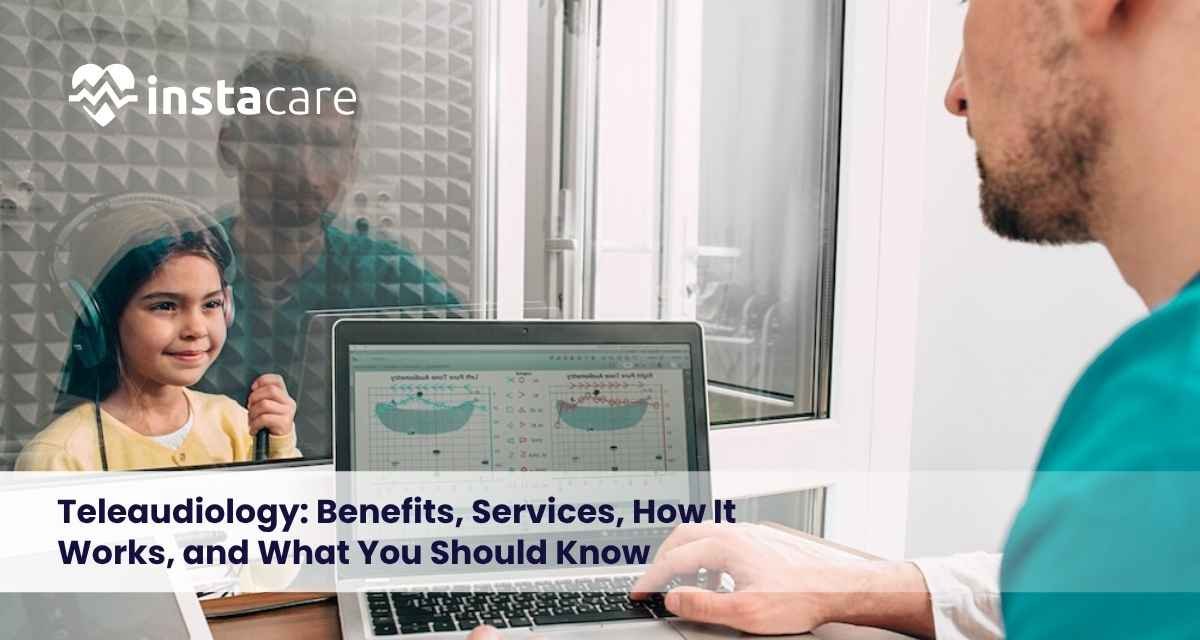
Teleaudiology: Benefits, Services, How It Works, and What You Should Know Before telemedicine, hearing healthcare services involved travel to the clinic for evaluations, tests, and follow-up visits. However, patients now have more options for medical support thanks to advances in digital healthcare. One of these is teleaudiology – a means of providing hearing services via digital communication. Teleaudiology allows hearing healthcare to be provided without the necessity of face-to-face meetings for every appointment. Teleaudiology can enable remote hearing assessments, hearing aid services, counseling, and follow-up support for individuals who are far from facilities or have accessibility issues. With the growth of remote healthcare, teleaudiology is a critical part of hearing care for the convenience and flexibility it offers. What is Teleaudiology? Teleaudiology is the branch of telemedicine that involves hearing care professionals offering distant services via telecommunication. Teleaudiology includes the following: Initial assessments Hearing aid management Follow-up visits Rehabilitation Counseling How is Teleaudiology delivered? In teleaudiology, patients and hearing care professionals are connected via tools such as video calls, secured online platforms, and mobile applications. The process may contain the following steps: Scheduling and attending a hearing assessment virtually Discussing you hearing issues and your medical history Assessments appropriate to your hearing issues Receiving recommendations and/or treatment Continuing your care digitally Most hearing aids can now be adjusted virtually by an audiologist or hearing aid specialist without a clinic visit. Services Offered via Teleaudiology Teleaudiology can provide many diverse hearing health services. Teleaudiology Remote Consultations During an online appointment patients consult with a hearing health specialist to review hearing related symptoms, discuss hearing concerns, share lifestyle concerns, and review hearing treatment options. Teleaudiology Remote Hearing Tests Assessments and hearing tests can be performed via HIPAA compliant audiology software and can help identify patients in need of treatment. Teleaudiology Remote Hearing Aid Services Teleaudiology can be used to manage hearing aids by making adjustments, troubleshooting hearing aids, and providing care and guidance for hearing aid users. Teleaudiology for Hearing Rehabilitation and Counseling Teleaudiology can assist those having difficulty adapting to hearing loss by offering rehabilitation and hearing related counseling. Guidance can include hearing loss education and improved communication during day to day interactions. Book Your Free Marketing Consultation Benefits of Teleaudiology Having teleaudiology services available has many benefits to patients as well as hearing health related services. Improved Access to Care Those who previously had limited access, including those living in rural areas or with limited transportation, are able to complete hearing health appointments. Teleaudiology significantly improves access to hearing care. Greater Convenience With remote appointments, patients are no longer required to travel, helping to save time for both the patient and the clinician. This would encourage patients to be more regularly engaged in their preventive hearing care routines. Faster Support Through various modes of digital communication, patients receive quicker support, especially for hearing device support and queries regarding hearing issues and concerns. Increased Continuity of Care Through the use of teleaudiology, professionals can document ongoing progress on a case and provide ongoing support. Support for Older Adults Hearing difficulties affect a large population of the older age group, and they may struggle with leaving the house for in-person appointments. Teleaudiology bridge this gap in accessibility. Limitations of Teleaudiology While teleaudiology creates many opportunities, it cannot fully replace in-person hearing services. In-person visits or clinic visits may be needed. Occasional in-person exams may be needed. Teleaudiology may not fully meet the needs of some patients. Who Can Benefit From Teleaudiology? Teleaudiology can be easily accessible to many groups, including: Persons who live far from hearing clinics Persons with low mobility Hearing aid users who require frequent adjustments Those needing routine check-ups First-time hearing support users It is best suited to persons who need consistent support with occasional in-person visits. Technology Used in Teleaudiology Improved teleaudiology focuses on using different digital technologies and modes of communication to improve service delivery. Common tools: Video conferencing software Smartphone applications Remote hearing aid management systems Online hearing evaluation tools Patient data monitoring systems Tools that help hearing care professionals keep in contact with their patients and provide individualized support. The Future of Teleaudiology The digitization of healthcare brings with it great potential for growth of teleaudiology. The future may bring improvements to the accuracy of remote hearing care as a result of the growth in AI, remote monitoring, and connected hearing devices. The future of teleaudiology may include: Improved remote hearing assessments More personalized hearing technology Better hearing support integration within health tech More accessible hearing support around the globe The objective of teleaudiology is not to overhaul traditional hearing care, but to provide additional means and be more accessible to the users of the service. Conclusion Teleaudiology allows hearing healthcare to involve both professional support and modern technology to provide flexibility and convenient scheduling options for consultations and follow-up care. This option is ideal for individuals that have limited access to traditional hearing healthcare because of physical, financial, or circumstantial challenges. In some cases, hearing healthcare may still require face-to-face contact. FAQs Is teleaudiology a substitute for in-person hearing care? Many consultations, follow-ups, and hearing device adjustments can be effectively done with teleaudiology. In some cases and with more complex situations, in-person appointments may still be necessary. Can hearing aids be modified by teleaudiology? It is possible to modify hearing aids with teleaudiology as long as the hearing aids are the latest devices. Hearing aids that can be controlled digitally mean fewer in-person visits are needed. Do I need special equipment for teleaudiology? Equipment necessary for appointments varies for the services offered. Most appointments just require a working internet connection, quiet area, and phone or computer. Additional hearing technology may be needed for some assessments.
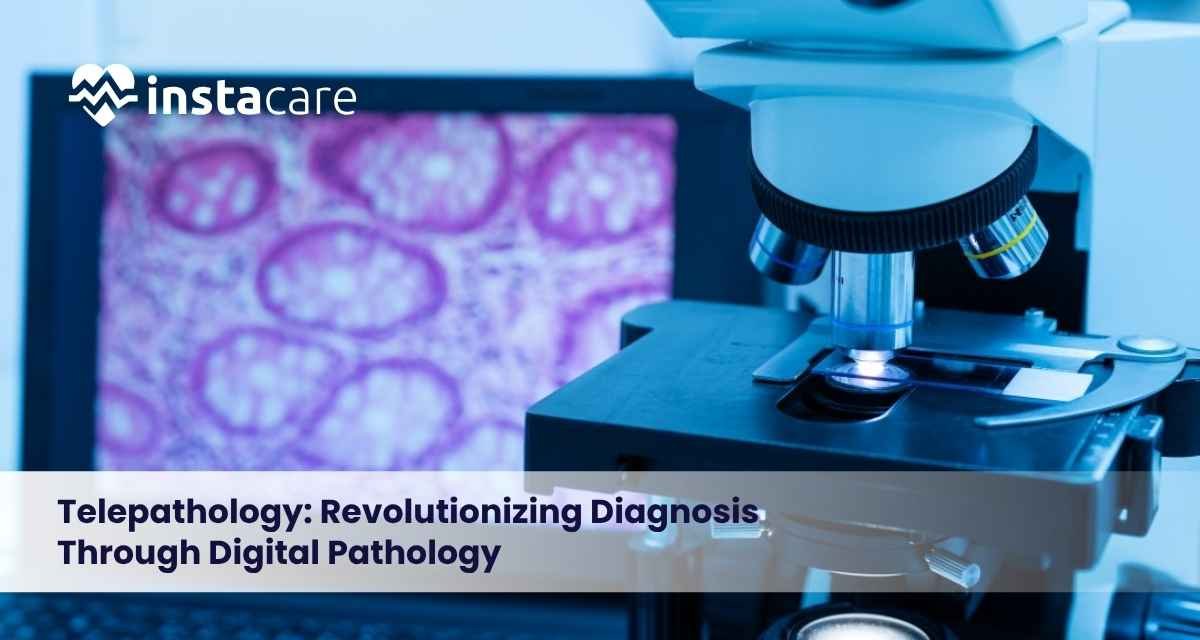
Telepathology: Revolutionizing Diagnosis Through Digital Pathology Telepathology is the use of electronic pathology to digitize tissue samples and pathology slide images to enable pathologist remote diagnostic quantity and interpretation. A remotely located pathologist does not need to be in the same location as the microscope and specimen. With the use of secure digital pathology systems, telepathology supports diagnostic consultations, teaching and research. The digital healthcare ecosystem has increasingly embraced telepathology as a new specialty in pathology. This expanding field is changing the delivery of specialized healthcare services in remote locations. What is Telepathology? Telepathology is the use of digital technologies to transmit images of pathology samples, cells or slides from one location to the other for diagnosis and interpretation. In traditional pathology, a pathologist views glass slides in a microscope. In telepathology, the slides are scanned into high resolution images, and the images are uploaded in a computer-based cloud system. The pathologist reviews the samples, provides their diagnosis and expertise, from their remote location. How Does Telepathology Work? The first step in telepathology is the preparation of tissue samples. The samples are collected via surgical procedures and biopsy. The samples are then processed and placed on glass slides in the laboratory. Digital Slide Scanning A user-specific scanner can transform a glass slide into a high-quality digital file. These files contain a wealth of detail that can be enlarged by a computer for easier analysis. Secure Image Sharing secure networks can transmit the digital files of the slides to pathologists or medical sub-specialists that are located off-site. These users can access and analyze the digital files using a computer software program. Diagnosis and Consultation After reviewing the digital slides, a pathologist can provide a diagnosis and report the findings to the healthcare team involved. This system can also support a case review for consultations by multiple pathologists. Types of Telepathology Telepathology can be described using several techniques based on the manner in which the images are captured and reviewed. Static Telepathology Using this technique, selected images of specified regions of interest on a slide are captured and transmitted for review. This technique can be utilized for limited consultation or teaching. However, the user does not see the slide in its entirety. Dynamic Telepathology In dynamic telepathology, a pathologist controls a remote microscope, and/or views live images. This technique allows real time interaction and diagnostic consultations. Whole Slide Imaging (WSI) This technique involves digitization of the entire slide, preserving all the information. Whole slide imaging has had a profound effect on the practice of pathology. Benefits of Telepathology Access to Specialists First and foremost, telepathology enables far-flung healthcare facilities to gain direct access to pathologists, rather than having to send slides through often long and tedious processes. Optimized Workflow and Diagnostics Beyond improving the workflow, this technology reduces the time a pathology report takes to reach its desired destination. Complex Cases This technology enables multiple pathology specialists to view the same digital slides and collaborate on the same report to provide the most accurate diagnosis. Effective Use of Digital Resources Digital slides can be easily stored, organized and accessed. This can lead to the development of a better pathology record maintenance system and enables users to retrieve past slides that can aid in the comparison of various observations and findings. Cost-Effective Use of Slides Digital slides can also be used to teach both pathology and non-pathology students. AI Telepathology Digital pathology services involving artificial intelligence (AI) are just starting and may help reduce the workload on pathologists. Efficient Services Although it is limited in its current form, AI technology can aid pathologists in recognizing and analyzing pathology images. It is also worth noting that AI will not be able to offer diagnostics in the absence of experienced staff. Future of Pathology The combination of AI and digital imaging holds the promise of revolutionary changes in pathology services for the better in the coming years. Book Your Free Marketing Consultation Applications and Challenges of Telepathology Telepathology is an approach to healthcare that has many applications, including: Diagnosing Cancer Many kinds of cancer can be diagnosed with an examination of tissue done by a pathologist. Telepathology means that pathologists can examine samples and provide their evaluations from a distance. Remote Guidance for Surgeons The pathology assessment for certain surgeries may require rapid evaluations. This means that a pathologist may guide the surgeon from a distance. Receiving a Second Opinion For complicated diagnoses, patients or their care team may decide to seek additional evaluations. Telepathology can help them. Digital pathology databases can help researchers and educators conduct studies and enhance their practice. Although there are many advantages of telepathology, some challenges remain. Higher Technology High quality digital pathology requires excellent scanners and secure data systems, as well as a fast and reliable internet connection. Data Security Diagnostic images store sensitive data. Strong control measures must be in place to secure patient confidentiality. Uniformity Different laboratories may have different appliances and procedures. Uniformity in systems and rules helps guarantee the quality of services. Training Pathologists and lab assistants may need to have additional training to fully optimize use of digital pathology. Telepathology in the Future Accessibility of technology, digital changes, cloud based technologies, and artificial intelligence may allow telepathology to offer diagnostic services to more people no matter where they are located. There may be many more pathology experts available to patients in less developed regions, telepathology networks may help connect with specialists. New technologies, in combination with pathology expertise, may help provide better diagnostic services in the future. Conclusion The combination of pathology and digital technology in telepathology provides the ability to conduct consultations, collaborate, and provide advanced specialty medicine to a wider audience. Despite the security, technology, and standardization challenges, telepathology has the ability to change the way pathology services are delivered. Innovation and development of telepathology is anticipated to increase the significance of telepathology throughout the globe in the future. FAQs What is the main purpose of telepathology? Telepathology’s main purpose
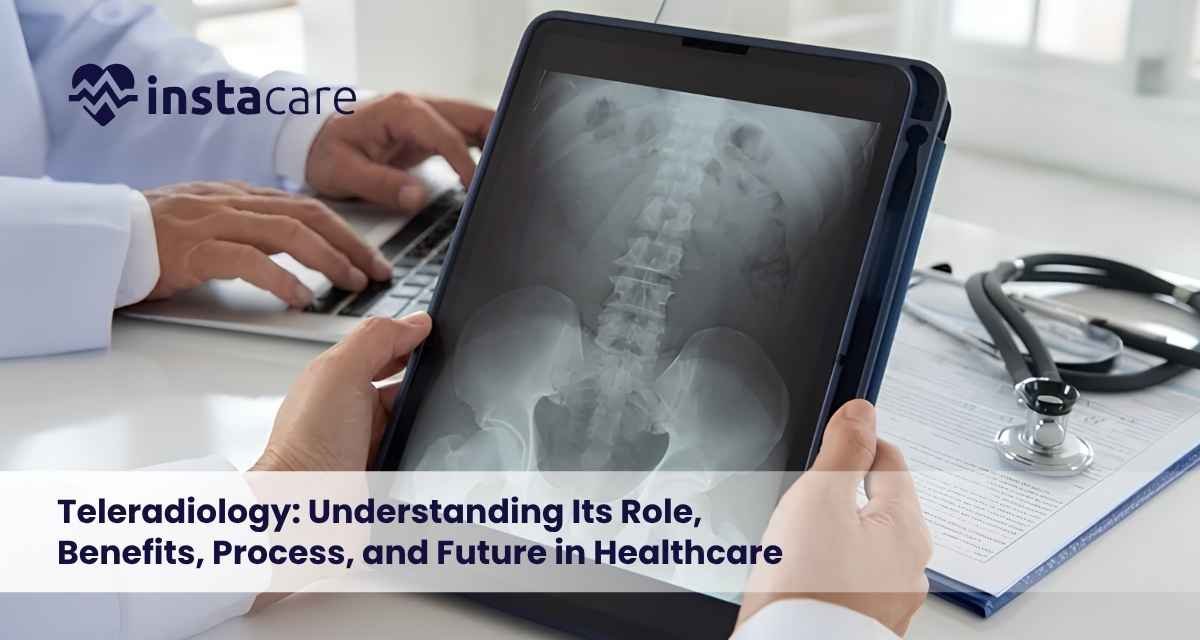
Teleradiology: Understanding Its Role, Benefits, Process, and Future in Healthcare Teleradiology uses telemedicine to send radiology images for interpretation and report generation by radiologists from remote locations. This technology enables the electronic delivery of radiology images to a remote specialist, eliminating the radiologist’s physical presence at the site of the patient. Teleradiology has gained great significance in medicine and healthcare due to the rapid growth of digital imaging, the internet, and secure information technology infrastructure. It improves the availability and timeliness of specialty diagnostic evaluations and expertise in areas lacking availability of healthcare personnel. Teleradiology supports the delivery of timely diagnostic results for image evaluations performed as part of routine or emergency care. It has many beneficial impacts on care delivery. What Is Teleradiology? Teleradiology includes the transmission of an image such as an X-ray or CT scan, to a radiologist via the Internet or another information technology platform for interpretation. Previously, radiologists had to be located in a hospital or an imaging clinic for the purpose of interpreting patient scans. With teleradiology, images can be sent for interpretation by a specialist in a secure manner to a remote location. A radiologist is able to prepare a diagnostic report containing findings and interpretations of the images without being in the same location as the patient. This is a valuable service in cases where the immediate interpretation of an image is needed or when the radiology specialist is not available locally. What is Included in Imaging Reviews Through Teleradiology? Medical Imaging types that can be reviewed through this system include: X-rays: Used to locate breaks or infections and assist in diagnosis of other health conditions in the chest. CT: A scan that creates detailed images of body sections and is used to identify injuries and other health conditions. MRI: Used to scan soft tissues in various body sections. Ultrasound: Used to scan blood flow and check on the health of various organs and pregnant women Why is Teleradiology Needed? With this technology, healthcare providers can clear many obstacles or challenges that are faced in the healthcare system such as: Improved Access To Specialists Smaller community hospitals often lack access to specialty radiologists. Teleradiology provides smaller community hospitals access to radiology subspecialty expertise remotely. Faster Diagnosis Time is a critical factor in emergency situations. Access to radiology specialty expertise rapidly streamlines decision making by healthcare providers. 24-Hour Radiology Support Given that remote reviews of images are possible, teleradiology enables radiology support beyond the typical scope of the traditional work day. Better Collaboration Teleradiology incorporates healthcare workers from disparate locations, supports the review of images, and aids in the diagnostic process. Book Your Free Marketing Consultation Benefits Of Teleradiology Increased Efficiency Digital media transfers remove delays caused by waiting for a specialist to be available and erases delays caused from the transportation of physical films. Support for Emergency Care Urgent and critical care cases, such as time-sensitive trauma and unstable and critically ill patients, can be rapidly reviewed by qualified radiologists. Reduced Geographic Limitations Patients are no longer constrained to the local medical care resources when specialized medical care is needed. Improved Use of Medical Expertise Radiology subspecialists can provide care and perform a critical role across multiple healthcare facilities to reduce specialty care disparities. Challenges Of Teleradiology While advances in technology have made many things easier, including teleradiology, there are still some challenges to this evolving technology. Data Security and Privacy Privacy and security of patient information is of utmost importance with medical images and needs to be addressed for teleradiology services. Technology Requirements Secure communication, reliable high speed internet, and appropriate specialty radiology imaging equipment are requisite for high quality teleradiology service. Communication Between Healthcare Teams A report can only be considered a findings report when the radiologist has effectively communicated the findings and ensured the treating clinician has a full understanding of the report. Maintaining Consistent Reporting Standards Consistent reporting standards allow radiologists to practice in different locations and with different healthcare systems. Artificial Intelligence and Teleradiology AI-based technology in medical imaging is gradually developing and may assist radiologists by suggesting patterns, showing possible abnormalities, and prioritizing emergencies. AI was developed to assist and not replace physicians. Complex cases require multiple factors and patient history to be fully appreciated, which is a task exclusive to physicians. The advancement of technology and the addition of specialized knowledge may continuously improve diagnostic imaging. Future of Teleradiology Increased demand for fast accessible healthcare services will likely lead to advancements in teleradiology. These advancements will likely be: Better digital imaging tools More AI-based tools Smarter remote collaboration systems Faster communication between healthcare professionals Increased remote availability of specialized healthcare professionals Within the expanding framework of interconnected healthcare, teleradiology will likely continue to be a premier diagnostic tool. Conclusion Teleradiology has been highly beneficial to the practice of medicine by allowing radiologists to offer their services remotely. It improves access to specialized services and enables a speedy diagnostic process, which leads to improved healthcare.Managing the challenges of teleradiology (i.e. security, technology, and communication) will be worth the benefits. Through increased digital and medical technologies, teleradiology will continue enhancing diagnostic systems and services. FAQs What is teleradiology? Teleradiology is the ability to review and interpret medical images remotely by radiologists to improve access to diagnostics and timely reports. What types of studies can be interpreted using teleradiology? Teleradiology assists in the interpretations of many types of diagnostic images including X-rays, CT scans, MRIs, ultrasound images and others. Does teleradiology eliminate the need for radiologist? No. Teleradiology helps radiologists work from a remote site, and use technology to aid in the delivery of diagnostic services.
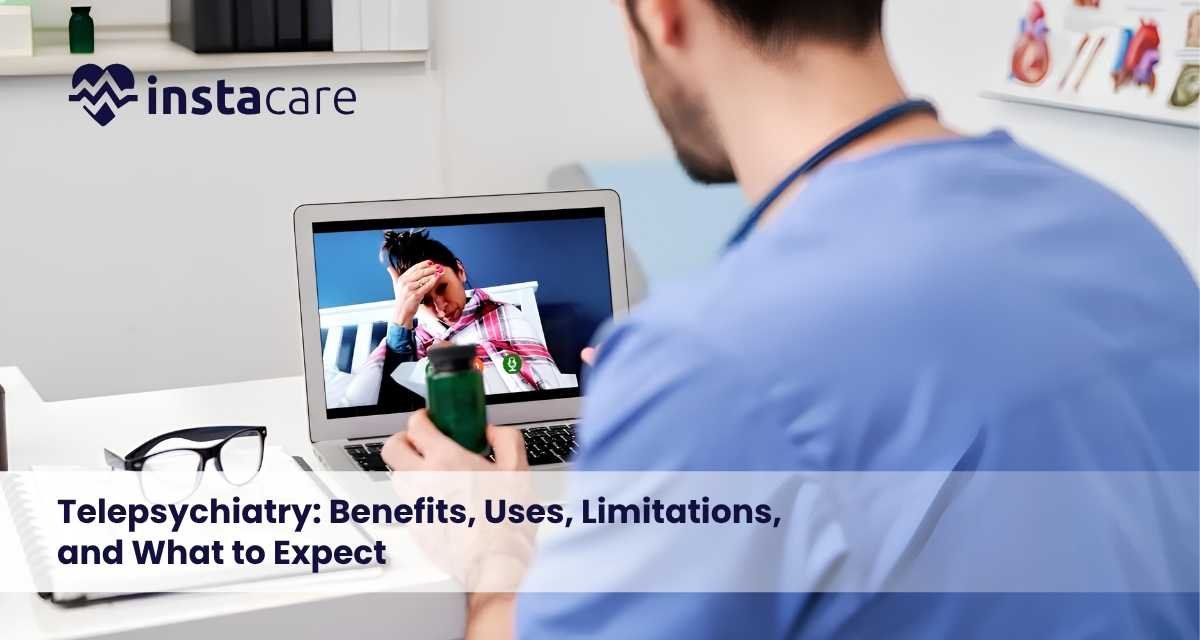
Telepsychiatry: Benefits, Uses, Limitations, and What to Expect Telepsychiatry is one type of mental health service that reaches the patient by using technology, as opposed to physically bringing a patient to a clinic for a face-to-face meeting. Safely using video communication, telephone calls, and digital messages, patients and service providers are able to communicate. Telepsychiatry is a type of telehealth and can consist of many psychiatric services, including evaluations, therapies, assessments, ongoing support, medication management and many more. For many there are obvious benefits to receiving mental health support with the convenience of a reduced time commitment and a reduced need to travel. However, it should be noted not every psychiatric service can and should be completed using this method. Service delivery must consider the patient’s needs, the technology available to the patient, and the clinical situation. What is Telepsychiatry? Telepsychiatry is defined as a service provided by a mental health professional who is not in the same location as the patient. This service can be provided on a video-based call, by phone, or other secure communication methods. In a telepsychiatry appointment the service provider should follow the same processes that are used in traditional, or face-to-face, psychiatric services. Telepsychiatry can include: Evaluations Consultations Individual Therapy, Family Therapy Group Therapy Management and review of medication Process of Prescribing and managing medication Follow-up Consultation Education of patient Progress of Psychiatric Symptoms and Treatment Telepsychiatry creates a way to receive mental healthcare, even when traveling to a clinic-based service would not meet the patient’s clinical needs. Instructions to the patient before the appointment should describe how to access the virtual appointment. The patient will likely need a device with internet, such as a computer, tablet, or smartphone, to access a video appointment. During the consultation, the mental health practitioner will ask about the patient’s symptoms, feelings, relationships, functioning, sleep, mood, medications, and the patient’s medical history and may ask other relevant questions. If the patient is taking medication, the clinician will assess the effectiveness of the medication and if the patient is experiencing medication side effects. Follow-up sessions can be done remotely as well to monitor the patient’s progress and adjust the treatment plan accordingly. Conditions That May Be Managed Through Telepsychiatry Telepsychiatry is one of the ways to take care of many common mental health concerns. Depending on the situation, remote psychiatric services may be appropriate for individuals with: Anxiety Disorders People with ongoing anxiety and worry or people with panic symptoms and certain phobias may be able to have assessments and therapy and follow-up sessions remotely. Depression Remote psychiatric services may be able to assess and manage depression and look at the reasons for the changes in mood, sleep, and functioning and if the daily activities and treatment are being done. Attention and Concentration Difficulties Some assessments and follow-up sessions may be able to be done remotely and appropriately for symptoms of attention and concentration difficulties and impulsivity. Mood Disorders People being treated for mood-related problems may be able to have remote sessions for the assessment of the mood and symptoms, check issues with their treatment, and consider the problems with mood and daily functioning. Book Your Free Marketing Consultation Trauma-Related and Stress-Related Conditions It can also assist people with trauma-related symptoms, ongoing stress, or difficulty with the adjustment process. Telepsychiatry can be tailored to the individual rather than to the diagnosis. There are patients that may need both virtual and in-person appointments. Telepsychiatry The greatest aspect of telepsychiatry is the extension of mental health services. More Services People that live far from psychiatric care or mental health services may have more limited access to mental health care. Psychiatric assessment and care may be more accessible if long distance travel is not required. Easier care People may be able to meet work and other responsibilities that tend to affect the ability to get care such as time off for child care or other appointments. People may be relieved to get care that requires minimal travel. Mobility Issues It can be especially beneficial for people whose chronic issues or disabilities make it difficult to travel and may provide a needed alternative to in-person care. Concerns around Stigma Some people would be able to get care that is more private due to being in their own homes instead of a mental health service. It can provide much needed stabilization of care during transport difficulties and during times of relocation since it makes care services more accessible. Adherence to follow-up is the most important when either the symptoms or the meds undergo changes which require constant monitoring. What Are the Limitations of Telepsychiatry? Though telepsychiatry offers many benefits, it also has its limitations. Technology There are many factors that come into play including a good internet connection, an adequate device, camera, microphone, and basic digital skills. Poor internet connection may result in interrupted conversations or delays that can result in an ineffective conversation between the clinician and the patient. Poor internet connection and a lack of proper technology may result in a barrier to remote mental health care. Limited Physical Assessment In a virtual encounter, there is a big difference from what one can do with a physical assessment compared to what one can do in a face to face encounter. If a physical assessment, lab work, or medical evaluation is going to be done, then a face to face visit would be required. Privacy Concerns Mental health situations often contain sensitive information about the patient, therefore, the patient should be in a private space. Additionally, remote services need to create a privacy and security protection zone because of the nature of the remote services that handle sensitive health information. Communication Difficulties Some visual, behavioral and interpersonal cues that are important in clinical communication may not be identifiable when communicating virtually. Low quality audio, lighting, camera positioning, etc. can impede clinical communication. Is Telepsychiatry Useful for Emergencies? Telepsychiatry can help manage a patient with worsening psychiatric symptoms, but telepsychiatry should not
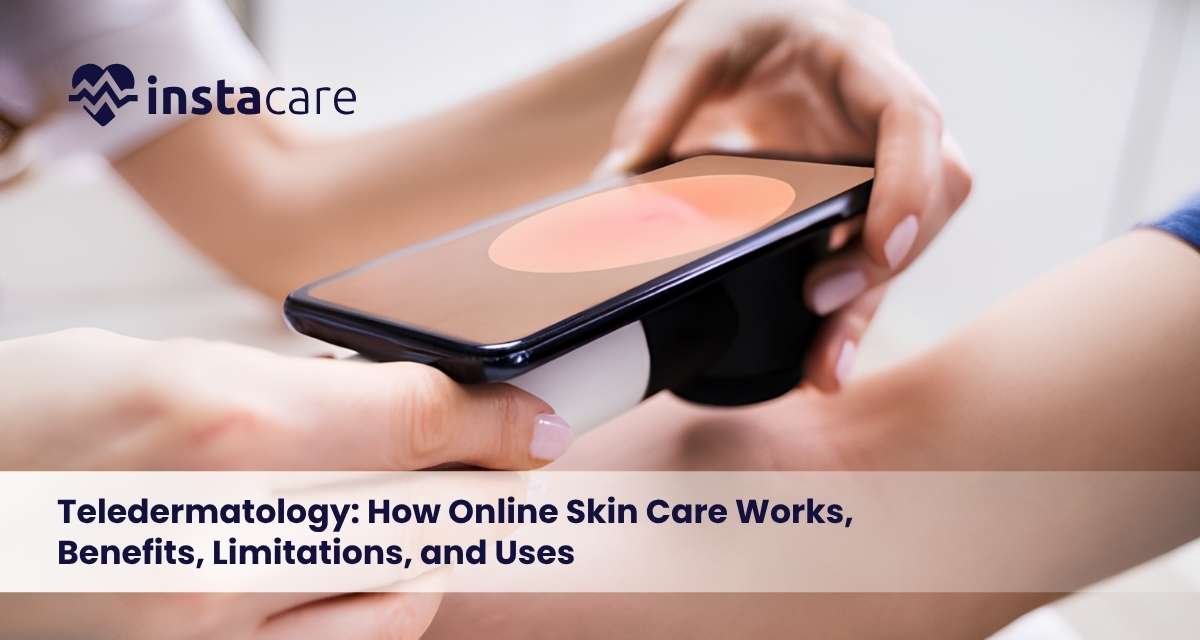
Teledermatology: How Online Skin Care Works, Benefits, Limitations, and Uses Digital healthcare enables patients to get medical advice and guidance for many health concerns without the need to go to a healthcare facility. One of these is teledermatology. This is the use of photographs and video conferencing coupled with secure messages to assess, diagnose and treat dermatological conditions. Compared to other fields in medicine, dermatology is more amenable to remote care, because many skin conditions can be observed and diagnosed with a simple video assessment. Teledermatology can be used to improve services to patients, reduce unnecessary travel and allay the need for some patients to see a dermatologist for a follow-up. However, there are many skin conditions which still require an in-person visit for examination and assessment, as well as other procedures for an accurate determination of the condition. What Is Teledermatology? Teledermatology is the extension of dermatological care through available telecommunication technologies. Rather than having a face to face meeting with a dermatologist, a patient may submit photographs, provide a description of their symptoms and history to a healthcare professional for assessment. There are two primary approaches to teledermatology, real-time video consultations and store-and-forward communications. Store-and-forward teledermatology is a telemedicine approach in which the patient photographs their skin condition of concern and submits the photographs, along with relevant medical information, for the healthcare professional to assess at their convenience. The specific approach in a teledermatology encounter is dependent on the patient’s symptoms, available technologies, and the need for additional diagnostic tests or in-person assessments. How Does Teledermatology Work? A typical teledermatology encounter begins with the patient describing their skin concern. A teledermatology consultation typically begins with the patient explaining their skin concern. When assessing the patient, information may be collected on the following: The onset of the skin problem Developments or changes in the skin problem (size, shape, color) Symptoms relating to the skin problem (pain, itching, burning, sensitivity) Current medications Previous skin problems Allergies The patient’s efforts to treat the skin problem The patient’s other medical issues Clear photos can then be submitted through a secure site. In other cases, patients and healthcare professionals have a live video appointment. Healthcare professionals must rely on what they can see and hear as well as ask many questions about symptoms and medical history during online consultations. Based on the information, the healthcare professional may suggest a treatment, advise that no treatment is necessary for the time being, request more photos, or advise that the patient be examined in person by a dermatologist. Types of Teledermatology Live Video Teledermatology For live video teledermatology, the patient and the healthcare professional connect using a live video service. The patient is then able to show the healthcare professional the problem area and verbalize their symptoms. The healthcare professional can then ask the patient to change the lighting, move the camera, or show them a closer view of the problem. This method of communication also allows for a real time client-to-caregiver dialogue, and a client is easily able to ask questions during the consultation. Store and Forward Teledermatology Store and forward teledermatology is an electronic capture and submission of photos and medical data for the dermatologist to review at a later time. The dermatologist does not have to be available to the patient at the same time. This may be a more convenient option for people in remote and rural locations where specialist appointments are a long distance away. The quality of the images is very important because poor images can compromise an accurate assessment. What Dermatological Concerns Can Teledermatology Help With? Teledermatology can assist with the evaluation and monitoring of various concerning visible skin conditions. Acne Patients can interact with health care professionals (HCP’s) to discuss breakouts, skin irritations, treatment history and progress. HCP’s can monitor advancements in skin condition and treatment response. Eczema and Dermatitis Certain cases with symptoms presenting as itchiness, dryness, or inflammation, may be assessed through teledermatology. The symptoms and any photographs provided can provide sufficient information. Psoriasis Psoriasis patients can use teledermatology for reviewing the progress of their case, treatment, and medication with health care professionals. Rashes Sometimes photographs or videos are sufficient to review certain rashes. Other rashes can have various causes such as infection, an allergic or a medication-related reaction, or an underlying systemic issue. Hair and Scalp Concerns Certain scalp conditions, hair loss, dandruff or other scalp inflammations and visible changes can be assessed through teledermatology. Nail Concerns Evaluation of changes in the texture of the nail can be done through teledermatology. Skin Lesions Through remote assessment, concerns such as appearance of new moles and spots (“lesions”) can also be reviewed. Teledermatology, however, should not replace a physical examination to rule out other serious concerns. Remote assessments should not replace an in-person examination when examining patients with skin cancer or other concerning conditions. Evaluating various types of skin lesions through remote and in-person examinations has shown that the accuracy of a direct examination is often superior to remote evaluation for some skin lesions. Book Your Free Marketing Consultation Benefits of Teledermatology Teledermatology provides benefits that make this service practical and accessible to individuals that previously did not have access to specialty care. Easier Access Teledermatology makes it possible for those living in rural communities without easy access to specialty care to receive an initial assessment without traveling for great distances. Teledermatology can assist healthcare systems to determine which cases warrant an immediate in-person assessment. Convenience With virtual consultations, there is less time traveling, less time waiting in clinics, and less disruption to the patient’s normal daily activities. For patients that require many follow-up consultations, managing ongoing care may now be easier. Faster Initial Assessments Digital images can be reviewed in a timely manner to assist in determining if a patient can be treated remotely or if an in-person appointment is necessary. In some healthcare systems, teledermatology has been used to assess and provide treatments in a shorter timeframe from the diagnosis to the initiation

Disease Management: A Practical Guide to Better Long-Term Health Managing a chronic health condition requires more than just taking medication when you begin to feel the symptoms. For many conditions, there is a need for routine checks, adaptable lifestyles, medication management, appointments, and an understanding of how each decision you make affects your health. This approach is often referred to as disease management. Disease management seeks to promote a better quality of life while mitigating the symptoms, avoiding the complications, and allowing you to delicately control your health. This especially applies to health conditions that require many months or years of continuous medical care. What is Disease Management? Disease management is a procedure focused on caring for health conditions with the goal of avoiding the worsening of complications, control of symptoms and improvement of the quality of life. A disease management plan typically includes: Compliance with prescribed medications Attending medical visits Recording symptoms Record keeping of activity and health measurements Balance Physical activity Staying aware of stress Going to sleep and waking up Avoiding bad habits Being responsive to signals Reflection to learn more about the condition The management plan in this case is likely different for different people, but the severity of the condition and the individual treatment goals will play a role. Why is Disease Management Important? There are many health conditions that despite care, the symptoms can never be completely eliminated and will require a lifetime of prevention of worsening symptoms. It can also minimize some of the life threatening complications associated with the health condition. Effective disease management helps patients engage in when they are taught to actively manage their symptoms, treatments, and the nutrition, physical activity, sleep, and stress components. This engagement may help patients support healthcare management of the disease. Self-management is the next step to making informed choices to improve their quality of life. Often, the goal of treatment is not to cure a patient, but to manage the disease, how it affects the patient, and how it progresses, including the prevention of complications and the ability for the patient to carry out their daily activities with ease. Which Diseases Require Management? Chronic or recurring illnesses and/or diseases are the focus of disease management. Examples include: Diabetes High blood pressure Heart disease Asthma Arthritis Chronic respiratory problems Kidney disease Digestive issues Neurological problems Long standing mental health issues Patients with multiple chronic health conditions have to have a coordinated treatment approach since their symptoms, medications and lifestyle recommendations are often interwoven. What Characterizes Disease Management? Successful management of a disease requires integration of several separate components, and cannot rely on a single factor. Understanding the Condition Knowledge of a health condition is the foundation of its management. A patient should understand what the condition is, what the associated symptoms may be, what the triggers may be, the various treatment alternatives, the potential risks and complications of the condition, and when to seek medical assistance. Patients should also be educated to perform daily activities and manage other self-care activities that are related to medication to facilitate their active participation in the treatment process. Medication Management The prescription of multiple medicines and the subsequent adherence to the proper regimen can often be challenging. Taking the prescribed dose on a consistent basis is a key aspect to the effectiveness of a medication. Managing medications can include: Knowledge of the reason each medication is prescribed Proper dose of each medication Prescribed timing Reduction or elimination of missed doses Possible side effects of each medication Possible effects of medication interaction Ordering and maintaining the appropriate supply of each medication Long term management of a chronic condition becomes more challenging due to an increase in the complexity of daily management and from the lack of recognizable signs and symptoms. Poor adherence to treatment may worsen the health condition as a whole. Medications should not be stopped, increased or decreased without proper and timely advice. Regular Health Monitoring It is essential to be aware of any changes in the body. Depending on the condition, certain measurements may need to be tracked and reported to the health care professional, such as: Blood pressure Blood sugar Weight Pulse Symptoms of breathing and pain Sleep and rest Side effects of medications Patterns can be seen when simple record keeping (paper or digital) is practiced. It can help recognize situations, such as changing diet, levels of stress, sleep, and missed doses of medications, that can affect the worsening of condition. Healthy Eating Diet can be highly effective along with other therapies in the management of a disease. Modifying food intake can mean incorporating fresh and healthy food in adequate amounts and restricting food intake and foods that can worsen the disease condition. There are varying health needs. Persons with high blood pressure will likely have different requirements than persons with diabetes, digestion problems, or kidney problems. Rather than taking extreme diets as advice, persons with long-term conditions should focus on dietary adjustments that are applicable to their condition. Physical Activity There are various health benefits to having an active lifestyle and this is applicable in counteracting or lessening some chronic conditions. Regular physical activity supports: Heart and lung health Muscle and joint strength Optimal movement and flexibility Weight control and support Energy levels throughout the day Sleep Emotional wellbeing Though this is the case, for some individuals, particular types or intensities of physical activity may not be appropriate. People experiencing significant medical issues such as heart disease, pain, breathing problems, severe joint issues, or other conditions that have a significant impact on their health, may need to modify or develop new exercises with the guidance of a health expert. Book Your Free Marketing Consultation Symptom management Many chronic conditions include variable symptoms. Learning to best respond to these symptoms can help with the overall management of the condition. Pain symptoms can be fatigue, breathing issues, or dizziness, digestive symptoms, sleep issues, or emotional stress. A management plan usually describes what symptoms can
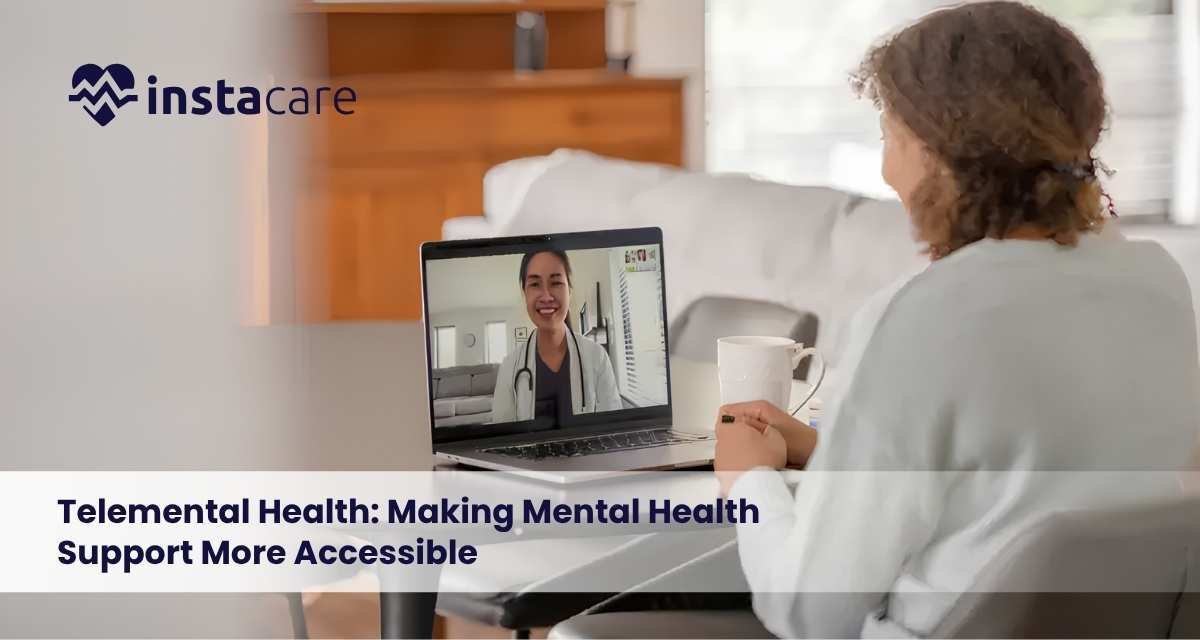
Telemental Health: Making Mental Health Support More Accessible Thanks to advancements in technology, mental healthcare has changed and adapted in many ways, including how patients can connect with mental health professionals. Digital mental healthcare, also known as telehealth, allows patients to connect with providers via video communication to receive counseling, therapy, conduct mental health evaluations, and other supportive mental health services. To those in rural areas without mental health services, or for those that have an inadequate schedule, or even those that struggle to attend mental health appointments, telemental healthcare may be a great way to receive professional support. While it also has its limitations for support (in-person care won’t be replaced), it has greatly expanded the mental healthcare services available. What Is Telemental Health? Telemental health describes mental healthcare that crosses geographic boundaries and uses secured video communications, phone calls, or other approved electronic communications to provide mental healthcare services. Depending on one’s needs, remote mental healthcare can include: Individual Counseling Psychotherapy Mental Health Assessment Psychiatric Evaluation Medication Management Follow-Up Care Group or Family Therapy Behavioral Health Education Symptom or Treatment Progress Monitoring For some situations, video and audio-only appointments may be an option, however, availability and appropriateness may depend on individual conditions and healthcare requirements. How Does Telemental Health Work? Telemental health appointments generally resemble standard mental healthcare appointments, except the patient is not physically present in the same location as the therapist. The patient uses a smartphone, tablet, or computer to connect for the appointment. The mental health professional will ask about emotions, behaviors, symptoms, relationships, sleep, stress, and other issues that may be concerning. Based on the issues presented, the session may involve guiding participation, teaching coping skills, behavioral interventions and exercises, designing a treatment plan, and/or offering progress updates. For video therapy sessions, you should choose a private, quiet location. Having a working camera, microphone, and internet as well as a working device would be very helpful. Telemental health has many advantages and the most notable is convenience. Those people that reside in rural underserved areas have limited access to mental health care. Remote therapy sessions can lessen the travel to you getting necessary therapy. Another advantage is convenience. Fitting your therapy sessions into your already busy schedule becomes much easier and less time is wasted on travel. Many people also feel more comfortable in their own space as they discuss things that may make them anxious. Telemental health also helps people continue care. Despite barriers like distance, mobility, and scheduling, people may continue to meet their Mental Health Care goals. Conditions That Can Be Addressed With Telemental Health Telemental health supports people with a variety of emotional and behavioral concerns. Depending on the assessment of the person, emotional and behavioral concerns may include (but are not limited to: Anxiety Depression Stress Relationship issues Grief Sleep issues Distress Workplace issues Behavioral issues Major changes in life Not all virtual treatment is the same. Some people may be able to fully participate in remote treatment while others may need a mix of virtual and in-person treatment. Telemental Health and Privacy Privacy is very important when providing treatment for emotional and behavioral concerns because of the nature of the issues involved. A focus for people providing telemental health is to ensure that the technology they use is designed to protect personal health information. People seeking treatment also have a responsibility to ensure their side of the conversation is private by, for example, going into a private space to participate in the telemental health session. Prior to engaging in remote treatment, individuals should be informed of how the treatment will be provided, the expected limitations of the service, privacy concerns, the methods of communication that will be used, and what will happen if there are technical problems. Book Your Free Marketing Consultation Limitations of Telemental Health While there are many benefits to telemental health, it is not the best option for every concern. With telemental health, some people may not have access to good internet or even good devices. Additionally, some people do not have a private place they can use to talk comfortably. Distractions and unreliable internet can also be an issue. It might be more difficult to notice things like body language and other forms of communication in a remote setting, making in-person meetings preferable in some cases. There are also some emergencies or situations in which one might need immediate intervention, for which virtual care also might not be appropriate. In that case, mental health professionals offering remote services should describe the next steps in an emergency, as part of their emergency care planning, and verify the patient’s location and available local resources. How to Prepare for a Telemental Health Appointment? Some preparations can help ease the concerns about virtual mental health sessions. Decide on a room where distractions and interruptions will be minimal before the session. Also, test your internet connection, camera, microphone and speakers (if you will be using video). Consider jotting down some reminders for yourself about the symptoms you are experiencing, the questions you want to ask, concerns you want to bring up, the medications you are taking, recent emotional changes, and important events you want to bring up with the mental health practitioner. During your first appointments, you can ask about the focus of the treatment, the schedule of the sessions, the practitioner’s information privacy policy, how to contact the practitioner between sessions to request support, and the treatments provided to address your concerns if they arise. Is Telemental Health as Useful as In-Person Care? The utility of mental health treatment also can depend on the situation, such as the person’s preferences and engagement, the quality of communication, the practitioner’s methods and experience, the nature of the condition being addressed, and the approaches to the treatment. For many kinds of counseling and behavioral health support, virtual appointments can work well for the ongoing portion of care. In contrast, remote care should not be seen as a replacement for
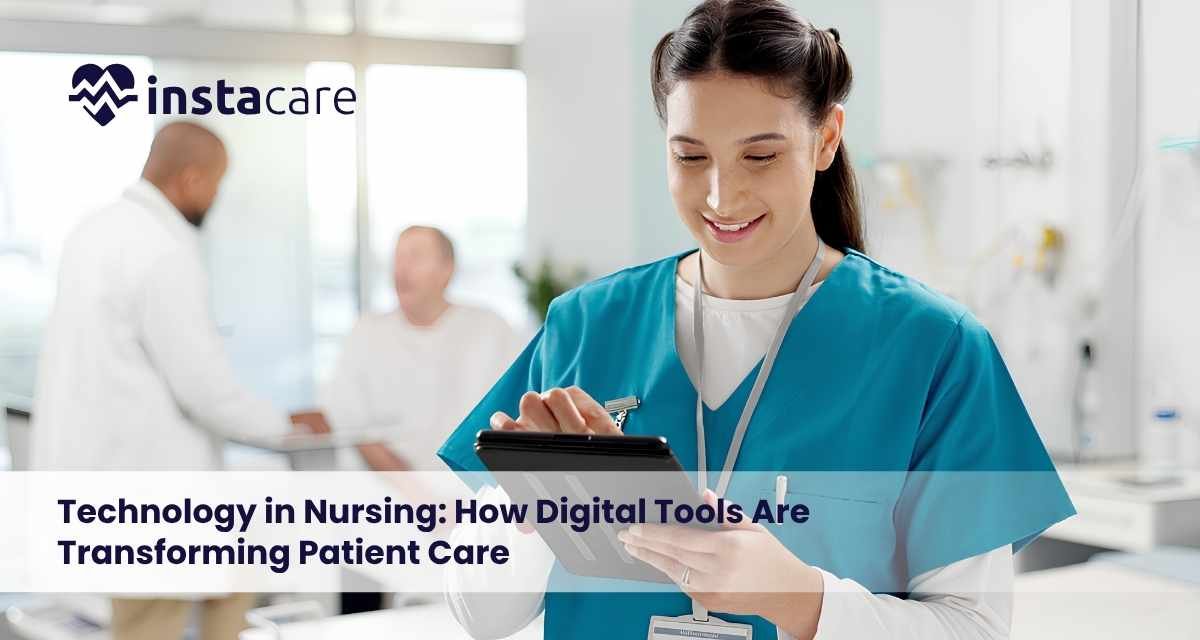
Technology in Nursing: How Digital Tools Are Transforming Patient Care Modern nursing cannot exist without technology. Nurses use technology to aid in the delivery of safer, more efficient, and more effective patient care. Technology also aids in healthcare communication and documentation, education, and decision making. Nursing combines a simple logic with a sense of touch and humanity. Technology enhances the practice of nursing. It expands the capacity of the nursing staff in the face of the changing and complex healthcare system. Healthcare technology is advancing and nurses must be prepared to keep up and stay patient centered. What is Technology in Nursing? Technology in nursing is facility based or mobile based equipment or systems that assist in patient care optimization and the operation of the healthcare system. Systems of this nature can be found in hospitals or clinics or in any care environment. Some systems are designed to capture patient information, while others collect data on vital signs or assist in the administration of medication, or provide a means of interfacility communication or healthcare consults. These systems also help as supports for continuing education and professional development of the nurse. Electronic Health Records These are a type of technology that is used extensively in nursing. These systems allow the storage and retrieval of patient data from a computer. Nurses may use electronic records to formulate data on: Patient symptoms Vital signs Medication administration Nursing assessments Treatment responses Care plans Patient progress Discharge information Digital records can make the organization and distribution of information to authorized members of the healthcare team easier. Accurate documentation is vital to nursing because it forms a valuable record of the care offered to the patient and makes the patient’s condition understandable to the other members of the healthcare team. Electronic recording also requires accuracy, confidentiality, and data security. Digital Patient Monitoring Patient monitoring technologies enable nursing teams to record important health measurements more efficiently. Monitoring systems may capture data on: Heart rate Blood pressure Oxygen levels Body temperature Breathing rate Heart rhythm Some technologies provide continuous monitoring and alert staff if the measurements move outside the safe control limits. Such alerts allow nurses to recognize changes in the patient status more quickly. However, technology must be used as a supplement to clinical judgment. Nurses are required to perform nursing assessments, then decide on a course of action that considers the entire patient (their symptoms and behavior) and integrates their medical record and history. Medication Management Technology Medication administration is an integral part of nursing. Technology can help promote best practices in medication administration. Technology is able to provide nursing staff with patient identification and medication verification and also remind staff of the correct dose and administration time. Digital medication administration systems may be able to reduce documentation errors and provide reminders of the time of medication administration. Some of these systems incorporate the use of barcode identification to confirm the identity of the patient and the correct medication prior to administration. Even with digital support, nurses must continue to follow safety precautions. Some risks that technology can reduce will always remain under the responsibility of the nurse. Telehealth and Remote Nursing Using telehealth, nurses can communicate and support patients in new ways. Video consults, phone calls and secure messages are just some of the ways that nurses can support patients all while working remotely. There are multiple types of nursing that can be conducted remotely. These include: Checking symptoms Monitoring conditions Giving instructions Instruction and support following a course of treatment Offering health education Answering queries Supporting patients following a course of treatment Remote nursing is particularly effective for the treatment of those who are: Mobility restricted Far from health care services Require frequent monitoring There are some health issues that still require hands-on care, and some that require a health care worker to perform a physical examination, and some that require a health care worker to perform a diagnostic test or respond to a call for help. Mobile Technology in Nursing iPads, smart phones, mobile app technology, and other electronic health technology are tools that are commonly used by nurses in a variety of settings. Nurses are able to use mobile technology to check on patients, contact colleagues, or document care after accessing electronic medical records, or after receiving notifications. Some individuals are able to use technology to help them manage and monitor their health (blood pressure, glucose level, physical activity, scheduling). Nurses can help patients use the digital health technologies appropriately and safely. Technology in Nursing Education Technology has impacted nursing education.Domain specific resources can be used for education and training at multiple sites. This includes assessments and lectures. Nursing students and professionals can access the resources from different locations. Technology-based simulation training is highly effective in nursing education. The real risk to patients is eliminated with simulated clinical experiences. Virtual simulations are useful in developing skills related to: Assessing patients Responding to emergency situations Making decisions in a clinical setting Effective communication Proper administration of medication Effective collaboration within a nursing team Although it cannot fully substitute for real clinical experience, simulation training is extremely valuable in preparing novice nurses for the realities of clinical practice. Book Your Free Marketing Consultation AI in Nursing AI has the ability to analyze millions of patient records to pinpoint and interpret patterns which suggest troubling or concerning clinical deterioration. Many digital systems are adept at both recognizing and interpreting clinical patterns which may include deteriorating patients, concerning medications, and even vital sign changes. Automating the nursing process may provide many benefits such as increased documentation efficiency, improved scheduling, and better information management. However, it is the responsibility of the nurse to integrate and interpret information in the context of the broader clinical situation. Automated suggestions may not be a substitute for clinical judgment, patient assessment, and/or the communication with other healthcare team members. AI and other technologies can decrease the burden of redundant, repetitive documentation and can improve the delivery of nursing care.
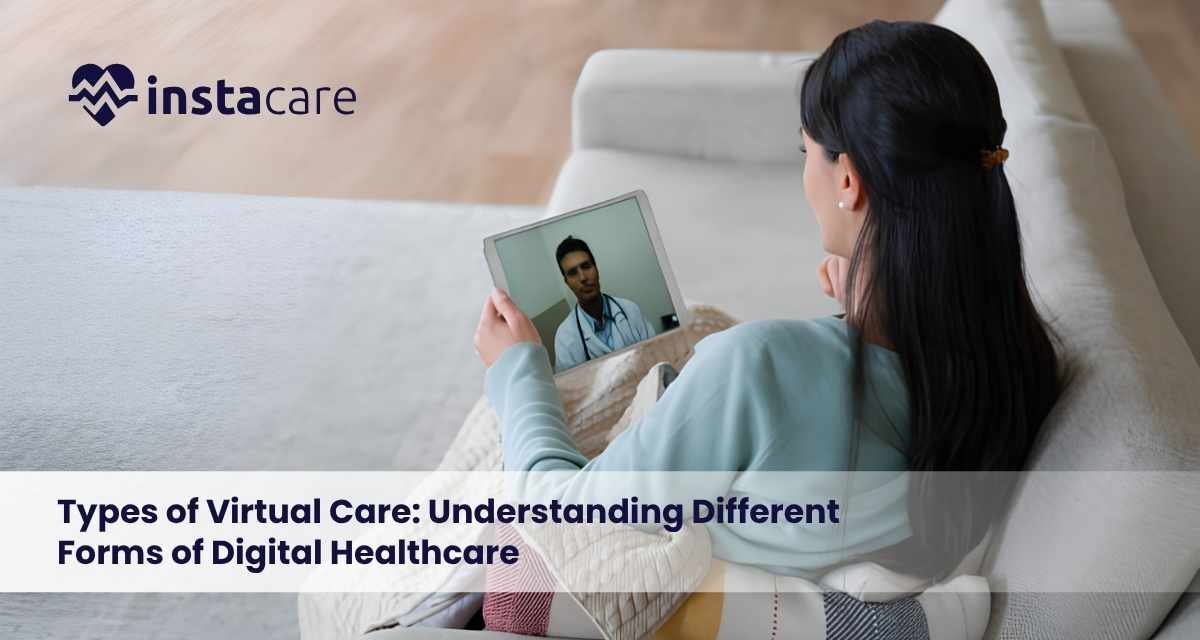
Types of Virtual Care: Understanding Different Forms of Digital Healthcare Virtual care has been a game changer by allowing the public and healthcare practitioners to meet via the internet. Rather than having to visit a healthcare institution many times, people can be given advice, carried out consultations, and even have their health monitored and supported from the comfort of their homes using video calls, phone calls, and even healthcare apps and websites. Virtual care offers ease of access to healthcare services especially for people residing in hard to reach places. This type of care is also very beneficial for people with chronic illnesses. There are many variations of virtual care. What Is Virtual Care? This type of care is healthcare service that is given remotely, beyond the four walls of a healthcare institution. Virtual care is made possible when healthcare practitioners are able to assess conditions, give advice and monitor health, without the patient being physically present. Virtual care employs many forms of technology, some of them are: Video calls Telephone calls Health apps Monitoring device Message systems Health platforms Virtual care cannot meet the demand for all type of healthcare services, however, it is an excellent alternative for many services, such as consultations, health teaching, follow-up visits, and management of health conditions. Types of Virtual Care Telemedicine Of all the forms of virtual care, this is the most popular. This service is the remote provision of healthcare via the internet. Telemedicine is most frequently adopted for accessibility and convenience drives the popularity of these services. Video Consultations Video Consultations are secure, video-based, virtual communication that connects patients and healthcare providers. Routine checkups, specialist appointments, and follow up visits are examples of healthcare services that are made easier and more personal when video communication is used, compared to voice only phone calls. Telephone Based Care Telephone Based Care is the most traditional and basic form of virtual care. It simply involves the healthcare provider and patient communicating via voice call. Discussions about symptoms, advice and next steps for treatment, and questions about prescriptions are all examples of phone based healthcare services. Telephone based care is the most accessible and least sophisticated form of virtual care. Remote Patient Monitoring Remote Patient Monitoring involves the use of virtual care technology that allows healthcare providers to track and monitor the patient’s health from a distance. This technology is used to monitor and collect healthcare data such as, but not limited to, blood pressure, heart rate, blood sugar levels, and weight. Virtual care is particularly useful for patients with chronic illnesses that require constant monitoring. Mobile Health Applications Mobile health applications are software that can be downloaded to a user’s smartphone or tablet and provide features that assist users in managing their health. These applications may allow users to do the following: Log Symptoms Document Health Records Book Appointments Get Reminders for Medications Read Health Literature Set and Monitor Health and Wellness Goals Mobile health applications empower health management. Store-and-Forward Care Store-and-forward care is the process of digitally sending health information to a health care professional to be reviewed at a future time. This may include: Digital Images Laboratory Results Health Records Health care professionals may view, analyze, and make recommendations based on the information, all without the need for a scheduled appointment. This method of virtual care describes the absence of a need for real time communicative interaction. Online Patient Portals Online patient portals are secure websites that house patient health care information and allow for health care communication. These portals may allow patients to do the following: Check Health Records Check Laboratory Results Schedule Appointments Message Health Care Team Members Read Descriptions of Treatments Patient portals increase the ease of health care communication and access to health care information. Virtual Mental Health Care Virtual mental health care is the provision of mental health care via a digital platform. This may include, but is not limited to, the following: Therapy Video Calls Therapy Text Messages Therapy Phone Calls Virtual mental health care is an effective way to reach mental health care for people who cannot access traditional mental health care. Digital Health Coaching Digital health coaching is the provision of health coaching in a digital format. Health coaches may guide clients with regard to: Nutrition Exercise Stress management Sleep Wellness Digital coaching tools can help individuals remain inspired and keep track of their progress. Virtual Second Opinions A Virtual Second Opinion service gives patients the option to receive more medical counsel without an in-person visit. This service is often used by patients who want to: Confirm a diagnosis Learn about other treatment options Obtain an expert opinion before a healthcare decision Virtual Second Opinions gives patients more medical options to consider without an extensive travel requirement. Book Your Free Marketing Consultation Benefits of Virtual Care There are several benefits of Virtual Care that impact patients as well as the healthcare system. Greater Access Virtual Care allows people to receive healthcare support regardless of their location, and is extremely beneficial to people who live in areas that lack adequate healthcare. More Convenience Patients can attend a consultation from their own home, which eliminates travel and wait time. Better Management of Chronic Conditions Remote care, as well as Virtual Care, allows patients to manage their chronic conditions better. Fewer Healthcare Barriers Virtual Care may improve access for people who have difficulty with transportation, mobility, or time. Ongoing Health Support Virtual Care allows communication and monitoring between support sessions. Limitations of Virtual Care Some Virtual Care benefits come at a cost. Some of the cost may be: The inability perform a physical exam Technology Issues Concerns regarding the Internet Health Privacy Concerns Situations that require an immediate or emergency response Some conditions require a physical examination, and/or laboratory testing. The Future of Virtual Care Given the right circumstances, alongside facilitating supportive policies, the development of telemedicine, eHealth, mHealth, virtual care, and integrated health systems will continue to change the healthcare system as we know
What Is a Smart Hospital? Smart hospitals enhance the patient experience by employing different technologies. They incorporate the Internet of Things, Artificial Intelligence, electronic medical records, smart sensors, robotics, and more. They utilize integrated technologies, automated systems, and real-time data to streamline hospital operations. The technology in a smart hospital is not meant to satisfy the need for an updated version of the traditional tools that existed before. Smart hospitals exchange the tools of healthcare in the traditional sense for those of a connected one. Their purpose is to enable the seamless exchange of information among patients, healthcare employees, and even the different devices and divisions of a hospital. An example of the technology that a smart hospital uses is a smart patient monitoring system. A smart patient monitoring system tracks vital signs in real-time and conveys the information to the medical team so they can respond. In addition to more optimal utilization of healthcare resources, smart hospitals also help accelerate the administration process, enhance the safety of patients, and elevate the overall quality of the healthcare experience. How Does a Smart Hospital Work? Within a smart hospital, all the different medical devices and the different divisions and systems of healthcare are all digitally interconnected to a safe network. Information and data from patient care and the different services and divisions of a hospital can be easily accessed and stored by authenticated healthcare employees. When a patient arrives at a smart hospital, they need to be digitally registered. After they are registered, healthcare employees can access the patient’s information and even the patient’s medical history, prescribed medications and orders, and even the patient’s scheduled services and interventions. In some instances, patient data is gathered on a constant basis by connected devices. If an anomaly is detected, and for example, a patient’s oxygen takes a sharp decline, an alert can be sent to the corresponding medical staff. Inappropriate uses of automation may include, but are not limited to, scheduling appointments, managing inventory, tracking medication, assigning rooms, managing billing, and facilitating communication among staff. The integration of the aforementioned processes allows smart hospitals to eliminate bottlenecks and give healthcare staff an opportunity to focus on the actual care of the patient. Main Technologies Used in Smart Hospitals There are a myriad of technologies that ensure the reliable operation of smart hospitals. Internet of Things The Internet of Things (IoT) encompasses devices that can gather data and transmit and/or receive data over a network. In a hospital setting, these devices can range from patient monitors to sensors, smart beds, infusion pumps, and all medical devices. Being connected enables these devices to furnish data in real-time and relieve the medical team of the tedious task of monitoring patients by checking every reading. Artificial Intelligence AI has the power to analyze copious amounts of medical and operational data. As a result, AI has the potential to assist the medical team in multiple tasks such as finding patterns in data, organizing patient data, determining the level of urgency for cases, and recognizing possible threats. AI is neither a replacement nor a substitute for a doctor or a nurse. AI is a value-adding tool for the medical team and an aid to ensure precise and timely decisions are made. The shift from paper to electronic files has an impact on how people access information. It has advantages when considering lost documents, illegible writing, and paperwork redundancy. Smart Patient Monitoring Smart monitoring systems keep track of critical health metrics. These can include heart rate, blood pressure, blood glucose, breathing rate, and levels of oxygen and body temperature. This data can either be displayed on a monitoring screen or be sent directly to health professionals. Readings that are deemed unsafe can trigger alerts. Robotics and Automation There are multiple types of robotic and automated systems that can facilitate various functions throughout a hospital or medical facility. These can assist with transporting supplies, disinfecting a room, sorting and organizing medications, delivering items between various departments, and even help with certain medical procedures. Robots and automation can significantly ease the burden of multiple redundant administrative functions, and as a result, allow hospital staff to spend more time dedicated to interacting with patients. Telemedicine Telemedicine utilizes a secure digital platform to facilitate communication between patients and healthcare professionals at a remote distance. This can be implemented for typical routine consultations, treatment reviews, and other non-emergency procedures and monitoring. Remote healthcare can be especially advantageous for patients who live a great distance away from medical care facilities or have traveling difficulties to access them. The Unique Characteristics of a Smart Hospital A smart hospital integrates multiple digital systems and advanced technologies to improve both patient care and hospital operations. Smart beds can monitor patient movement, pressure, and sleeping position. They can also be equipped with alert systems that notify healthcare staff if a patient attempts to leave the bed without assistance, helping prevent falls. Digital check-in systems reduce waiting times and simplify the patient registration process. Automated systems can also send appointment reminders, provide navigation within the hospital, share test instructions, and notify patients about their discharge. Indoor tracking systems enable healthcare staff to quickly locate essential medical equipment, supplies, and personnel. This significantly reduces the time spent searching for devices and improves operational efficiency. Advanced energy management systems use intelligent controls for lighting, HVAC, and electrical systems. These systems maintain a comfortable hospital environment while minimizing energy consumption and operating costs. Digital pharmacy systems enhance medication inventory management, reduce medication errors, monitor expiration dates, and streamline prescription dispensing and refill scheduling. Advantages of Smart Hospitals One of the greatest benefits of smart hospitals is enhanced patient safety. Continuous monitoring allows healthcare providers to detect changes in a patient’s condition earlier, enabling faster intervention. Smart hospital networks provide healthcare professionals with instant access to clinically relevant patient data across departments. This is far more efficient than simply retrieving medical records, allowing for faster and better-informed clinical decisions. Smart hospital technologies also reduce