
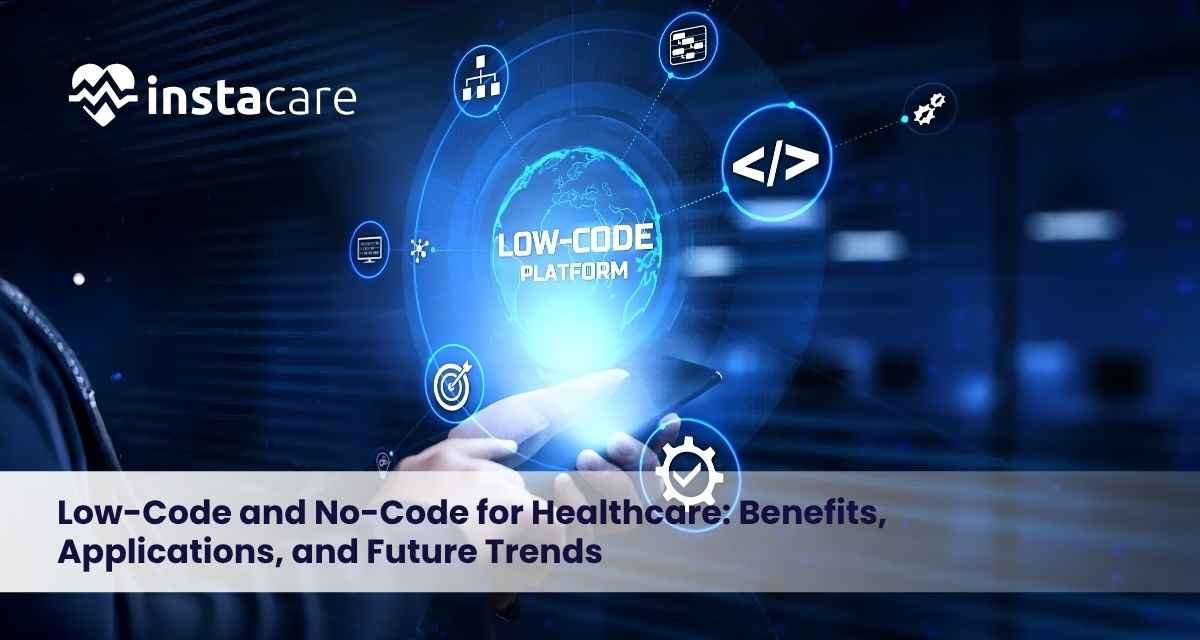
Low-Code and No-Code for Healthcare: Benefits, Applications, and Future Trends Currently, the global push for the digitization of healthcare has made improving patient access, optimizing administrative management processes, and increasing the productivity of healthcare staff and practitioners a primary focus. Traditionally developing healthcare software requires a significant level of investment. Low-code and no-code are making a big difference in these situations. Building applications on low-code and no-code development platforms can be achieved using little or no coding at all. Development can be carried out using a graphical interface and drag-and-drop, pre-assembled building blocks. All of this can be done without much of the time and effort usually required by healthcare software developers. Low-code and no-code platforms enable the development of systems to automate patient appointments, streamline and automate workflows, and even automate the creation and delivery of electronic healthcare forms. These platforms are enabling the development of more cost-effective solutions to more pressing and changing demands in the delivery of healthcare systems. What Are Low-Code and No-Code Platforms? Low-code and no-code platforms are software development systems that simplify the creation of applications. Low-code platforms are development systems that integrate a visual approach to the majority of the development system, and therefore, require a bit of programming knowledge. They can be used for all the healthcare applications that are complex and demand a higher degree of customization and need to be integrated with other applications. No-code platforms are development systems that have a drag-and-drop interface, templates, and configurable workflows. These systems are much more suited to healthcare staff and practitioners who do not have a technical background, as they require no programming at all. In comparison to coding in the traditional way, both systems offer a much more rapid way to develop applications. Why Healthcare Is Adopting Low-Code and No-Code Solutions? The delivery of healthcare systems is under increasing pressure to do more with less and provide a much better patient experience. All the while, systems and applications that help to deliver this have to be designed, developed, and deployed in a regulatory compliant fashion. Using traditional software development systems, the delivery of these systems can take months or years. Benefits to Using Low-Code/No-Code Tools in Healthcare Low-code and no-code tools enable healthcare organizations to: Rapidly build new healthcare applications Lower the total cost of building healthcare applications Build more efficient healthcare applications Build applications that address healthcare needs more rapidly Automate various healthcare tasks Improve integration and teamwork between healthcare administration and healthcare delivery These advantages give healthcare organizations more time to focus on the improvement and delivery of patient care. Common Applications in Healthcare The only limit to the applications of low-code and no-code tools in healthcare is your imagination. Client Booking Healthcare organizations are able to build online appointment systems that help patients book, change, or cancel appointment times, while also decreasing the burden of appointment management on office staff. Client Registration Forms and systems can now be built to help clients register and complete online/on-site intake in a time efficient and systematic manner. Workflow Automation Many administrative tasks can now be automated using low-code and no-code tools. These tasks include but are not limited to: Appointment messaging Referrals Prescription renewals Staff/Client Notifications Approvals Follow-up Task Automation Patient Portals Staff portals can be built to help staff view, edit, and manage: Schedules Shift Requests Staff Performance Staff Training Staff Onboarding Staff Portals can help improve management. Inventory Management Clinics and hospitals now have the ability to be notified when supplies or equipment stock is low. Incident Reporting Safety incidents and equipment failures can now be reported quickly to the necessary department using automated digital forms. Internal Dashboards Healthcare administrators can design dashboards to track: Patient numbers Appointment data Staff usage Resource use Operational data Service data Advantages of Low-Code and No-Code in Healthcare Speed With low-code systems, apps that would typically take months to develop can sometimes be built in a matter of weeks and in some cases, days. Cost With less coding and more clicks, costs associated with developing the app decrease while the organization uses more of its internal resources. Productivity Healthcare staff have more time to focus on patient care instead of being bogged down by tedious paperwork and administrative tasks. Flexibility Because the coding is so easily adjustable, the app can be updated to fit the regulations and workflow of the healthcare office. Collaboration Because clinical staff, administrative staff, and IT staff work together to design the app, the app works for the staff and fits the workflow. Process Automation Repetitive tasks are automated and integrated into the app, causing less delay, more consistent inter-office workflow, and less human error. Accessibility Most low-code and no-code systems are responsive and easily adaptable to work on desktops, laptops, and phones. Book Your Free Marketing Consultation Disadvantages of Low-Code and No-Code in Healthcare These systems are not without their faults so organizations must be aware of issues these systems might cause. Data Protection Most healthcare apps are handling sensitive patient data and as such, strong protection of this data with secure systems, user protection, and management of data access is critical. Compliance Most of the healthcare low-code and no-code systems are not compliant with the required protections and healthcare data regulations. Designing compliant systems is possible, but will require some level of coding. Customization Most no-code systems require the app to be designed with a workflow in mind, and therefore, can’t support complex healthcare workflows. Integration Complexity Healthcare systems usually combine many digital solutions. Integrating new tools with current electronic health records systems, billing, laboratory, or imaging software may need specialized skills. Scalability Applications need to be able to handle larger amounts of data and larger numbers of concurrent users as healthcare organizations expand. Best Practices for Successful Implementation Maximizing the advantages of low-code and no-code platforms for healthcare organizations can be realized by following best practices. Understanding the workflow issues will help to ensure the solution developed to address the problem will meet the

Remote Therapy: Benefits, Types, Effectiveness, and What to Expect Remote therapy, or teletherapy, refers to therapy that can be done virtually rather than requiring an in-person appointment. Remote therapy has added a level of convenience and accessibility to mental healthcare that can be helpful to people with a busy schedule, physical limitations, or people that live in areas that lack mental health services. Remote therapy is useful for a variety of mental health issues. There are situations where it may not be the best fit, but a lot of people find it to be a suitable replacement for traditional therapy. With the advancement of secure technology, and the acceptance of virtual healthcare, remote therapy is an excellent tool for improving mental health. What is Remote Therapy? Remote therapy is a method of providing mental health counseling that utilizes digital communication in place of in-person office visits. This type of therapy is still conducted through secured online systems. Therapy can still be provided through real-time, live video sessions, telephone sessions, or secure and proprietary systems of text-based messaging, depending on the specific needs, preferences, and goals of the client. The objectives and outcomes are the same as in-person therapy. Who Is Remote Therapy Good For? Remote therapy can be used for a broad range of mental issues and concerns. It is especially useful for those who have challenges going to in person sessions due to work, travel, physical limitations, or family responsibilities. Remote therapy can be used for: Anxiety and worry Depression Stress Relationships Grief Trauma Burnout Therapy Transitions Self-esteem Emotional concerns Remote therapy can be used as supportive therapy for people with long-term mental conditions who are being treated and monitored by a mental health professional. Book Your Free Marketing Consultation What Are The Various Types of Remote Therapy? There are multiple options for therapy that can be chosen based on personal preference and comfort. Video Therapy In this type of therapy, the session is very similar to a face-to-face meeting. The therapist and client are able to see each other and communicate in a very personal way by interpreting facial and body language. Telephone Therapy Telehealth Therapy over the phone is a great option for those who do not have reliable internet access or do not feel comfortable appearing on camera. Even without video, it provides meaningful therapy, emotional support, and a convenient way to connect with a licensed therapist from the comfort of home. Secure Messaging Some therapy services support clients contacting their therapist through secure written messages. This option supports therapy in between scheduled sessions, however it is not a substitute for live therapy. Group Remote Therapy Group therapy is a from a virtual therapy session where multiple clients with similar issues can share their experiences with a therapist, learn and practice coping strategies, and receive support. Convenience is a highlight when it comes to the perks of remote therapy. Travelling to a location for your appointment is eliminated and it’s easier to fit remote therapy into your schedule. Some additional benefits include: More flexible appointments Less expensive Easier appointment scheduling for rural or underserved populations Easier appointment scheduling when moving or traveling More private and comfortable Remote therapy often leads to a feeling of privacy, and many people feel it is easier to open up. Is Remote Therapy Effective? Remote therapy is very successful for many people. If people remote therapy are going to be successful, it is very important to be proactive and schedule regular appointments because many people see a decrease in depression, anxiety, and stress. Success of remote therapy is up to the therapist and the person receiving therapy, but it is also important to use the right therapy for the person and their situation. What to Expect During a Remote Therapy Session? The first appointment will often gather your history, present concerns and help your therapist set goals for your treatment. They willask about symptoms, your feelings, everyday life and relationships. Once therapy is in full swing, therapy will help you navigate your feelings about what’s going on in your life, practice coping skills and set goals. To be successful in therapy, you need to be in a quiet room with a fast connection and good sound, and you need to be honest with your therapist. Keep a journal to help document insights and coping strategies. Potential Limitations of Remote Therapy Remote therapy has a multitude of pros, but that doesn’t mean it is universally beneficial to everyone. Some consider the following to be potential drawbacks: Internet or other technical issues Difficulty interpreting body language over the phone Lack of privacy during the session due to your living situation Inability to help during some mental health crises Some people find it hard to develop a relationship over Remote Therapy If your situation is a safety or psychiatric emergency, you should seek in person emergency care. How to Prepare for Your First Appointment? You’ll be more comfortable and it will be more beneficial if you prepare in advance for your first session. Before your first session, outline the topics you’d like to cover and what you’d like to accomplish with therapy. To get ready for your session: Check the Internet connection and functionality of your computer Select a private location free of other people List out symptoms and concerns you have Prepare some questions to help guide the session Keep water and tissues nearby Having the right mindset and approach will help out a lot. Strategies for Remote Therapy Engagement To achieve a desirable outcome, the therapy strategies should be employed consistently. During the sessions, some strategies to help you progress include: Showing up at the scheduled time. Doing the exercises or the homework that’s outlined during the session. Employ working coping strategies. Be honest and open while communicating with your therapist. Talk about any concerns you have regarding therapy. Be aware that progress will be incremental, and adapting your approach to the circumstances will help with the process. When Should
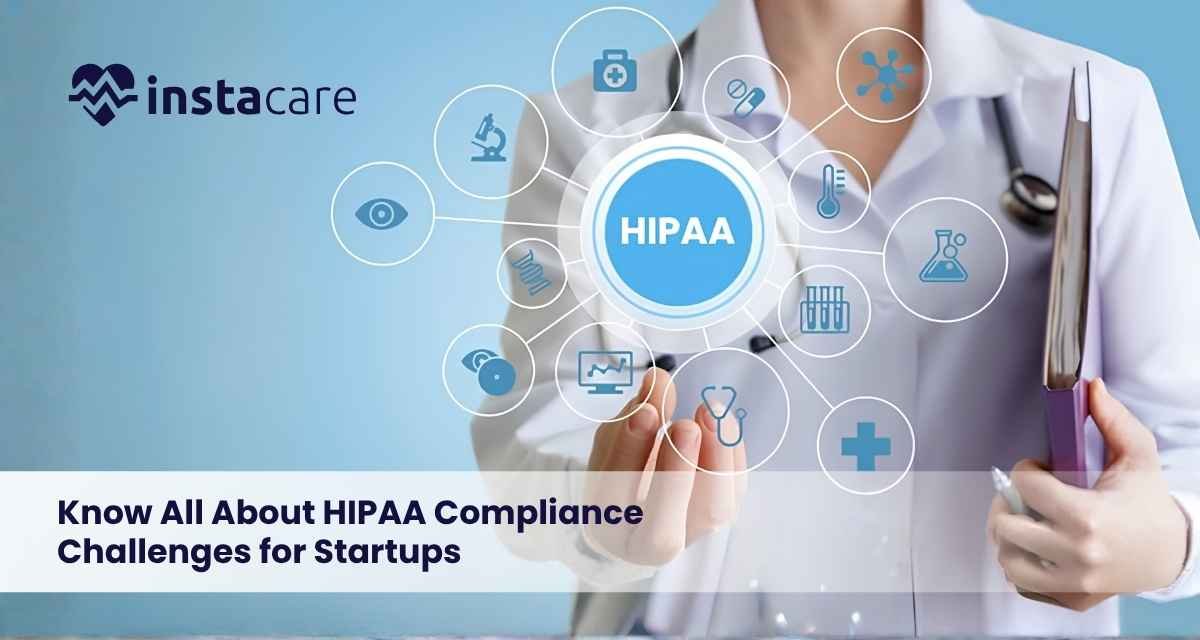
Know All About HIPAA Compliance Challenges for Startups The industry is changing with the emergence of new digital solutions by healthcare startups, such as telehealth platforms, health tracking apps, electronic medical records, and AI-based healthcare solutions. As much as these technologies are opening new growth and patient care opportunities, they are also posing serious regulatory burdens. The compliance with the Health Insurance Portability and Accountability Act (HIPAA) is one of the most critical needs of healthcare-oriented startups in the United States. HIPAA defines the national standards of protection of sensitive health information of patients. Non-compliance may lead to hefty fines, loss of reputation, legal implications and customer trust. Small teams, limited budgets, and fast development cycles make HIPAA compliance especially difficult to achieve and maintain in startups with limited resources. This blog discusses the most prevalent HIPAA compliance issues in startups and offers effective measures to overcome them. Understanding HIPAA Compliance HIPAA is created to safeguard Protected Health Information (PHI) that encompasses any identifiable health-related data including medical records, diagnoses, treatment data, insurance data, and patient identifiers. To ensure that patient information is not accessed, disclosed, or misused, organizations that create, store, process, or transmit PHI should adopt administrative, physical, and technical safeguards. The HIPAA requirements apply to healthcare providers, insurers, healthcare clearinghouses, and numerous technology vendors that process PHI. Limited Compliance Knowledge and Expertise A shortage of in-house compliance expertise is one of the greatest challenges faced by startups. Most founders are technical or business-oriented and might not be well versed with healthcare regulations. Without proper knowledge, startups often: Misinterpret HIPAA requirements Overlook security risks Delay compliance planning Implement incomplete safeguards Underestimate legal obligations Since the HIPAA rules may be complicated, startups often need legal counsel, compliance experts, or security specialists to help in implementation. Budget Constraints The majority of startups have limited financial resources in their initial stages of development. Consequently, compliance programs can be in conflict with product development, recruitment, and marketing. Typical issues associated with budgets are: Hiring compliance specialists Conducting security audits Purchasing secure infrastructure Implementing encryption tools Performing risk assessments Training employees The biggest mistake that many startups make is to think that compliance is something to look forward to in the future instead of a necessity. Nevertheless, it is usually cheaper to tackle HIPAA compliance at the beginning than to resolve security vulnerabilities once they are breached. Data Security and Cybersecurity Risks One of the most valuable pieces of information that is targeted by cybercriminals is healthcare data. Startups are also prone to increased security threats due to the fact that their systems might be in their developmental stages. Strong cybersecurity controls, such as, are needed to protect PHI, which include: Data encryption Secure user authentication Access control policies Multi-factor authentication Continuous monitoring Vulnerability management Most startups find it hard to strike the right balance between fast innovation and high security. Security controls can be under-emphasized as development teams work to deliver products in a short time. Ransomware, phishing, credential theft, and unauthorized access are examples of cyberattacks that can reveal sensitive patient data and cause HIPAA breaches. Managing Third-Party Vendors The most common types of modern healthcare startups are cloud providers, software platforms, analytics tools, customer support systems, and development partners. Any third-party vendor accessing or processing PHI can be regarded as a business associate by the HIPAA regulations. Challenges include: Determining vendors that deal with PHI. Assessing the security practices of vendors. Business Associate Agreement (BAA) negotiations. Monitoring ongoing compliance Managing vendor-related risks Startups may face huge compliance costs due to failure to adequately vet and manage third-party providers. Book Your Free Marketing Consultation Rapid Product Development Cycles Speed to market is usually a priority of startups to gain customers, investors, and competitive advantages. Although rapid development is a key to business growth, it may be incompatible with the HIPAA compliance requirements. Common issues include: Insufficient security testing Incomplete documentation Lack of formal risk assessments Ineffective change management procedures. Delayed compliance reviews Startups in healthcare need to implement a security by design philosophy that incorporates compliance concerns into all phases of product development and not as an afterthought. Training and Awareness of Employees Human error can even compromise even the most sophisticated security systems. Employees are a key component in HIPAA compliance. Startups usually encounter problems like: Limited training programs Absence of compliance knowledge. Security risks of remote workforce. Inconsistent security practices Social engineering attacks The employees who deal with PHI should be aware of: HIPAA requirements Data privacy responsibilities Password security practices Incident reporting procedures Phishing awareness techniques Frequent training will minimize the chances of accidental disclosures and security breaches. Conducting Risk Assessments HIPAA mandates organizations to determine and assess possible threats to patient data. Effective compliance programs are based on risk assessments. Most startups have difficulties with: Identifying vulnerabilities Documenting security risks Prioritizing remediation efforts Maintaining ongoing assessments Understanding technical requirements Startups might not be aware of the key weaknesses that might result in compliance failures without extensive risk assessments. User Management and Access Control One of the fundamental HIPAA requirements is to ensure that PHI is only accessed by authorized persons. Challenges often include: Managing user permissions Restricting access levels of employees. Removing inactive accounts Monitoring privileged users Supporting remote access securely Access management is more complicated as the number of startup teams increases. Lack of proper user management may lead to unauthorized access and exposure of data. Cloud Compliance and Data Storage Cloud computing is flexible and scalable to startups, yet it also brings about compliance issues. Startups should make sure that cloud environments are able to support HIPAA requirements, such as: At rest and in transit encryption. Secure backups Audit logging Disaster recovery capabilities Access controls Business Associate Agreements Selecting cloud providers without considering HIPAA preparedness may pose considerable compliance risks. Incident Response and Breach Management There is no security system that is totally immune to incidents. HIPAA mandates organizations to have security event and data breach response procedures. A lot of startups do
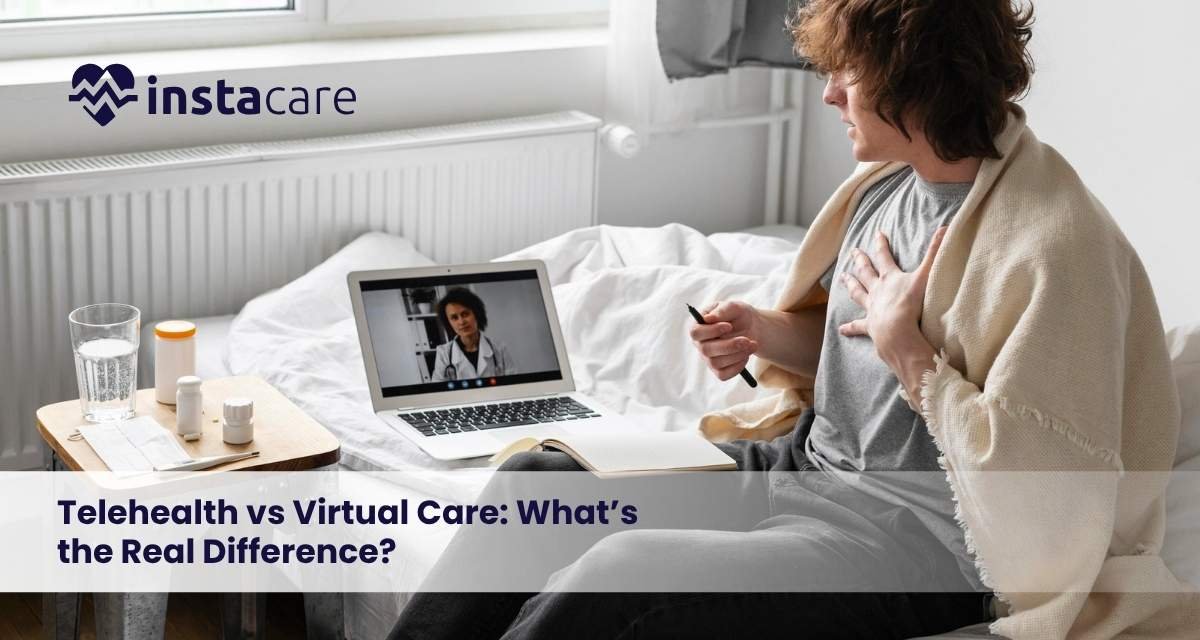
Telehealth vs Virtual Care: What’s the Real Difference? Digital healthcare has revolutionized the process of accessing medical services and made care more convenient and accessible to patients. Two terms that are quite common in this space are telehealth and virtual care. Although it is common to use them interchangeably, they have different meanings and uses. Knowing the distinction between the Telemedicine vs virtual care differences will allow patients and providers to make the correct choice. They are both components of current digital health care services and they are based on new technologies of remote patient care. What Is Telehealth? Telehealth is defined as the application of digital communication technology to provide health care services over long distances. It contains a broad variety of services other than doctor visits. Telehealth services in healthcare can include: Video or telephone doctor appointments. Home based patient monitoring. Education and awareness on health. Scheduling and following up of appointments. Telehealth is concerned with enhancing care access and particularly addressing individuals in remote or underserved communities. It contributes significantly to the growth of digital healthcare services and enhances patient convenience. What Is Virtual Care? Virtual care is a wider term that encompasses all types of care provided remotely via digital means. It concentrates on the nonstop patient treatment through the technology. Contrary to telehealth, virtual care can require continuous communication between patients and healthcare providers on virtual care platforms. Examples include: Diagnosis and treatment on-line. Electronic prescription order. Constant surveillance using applications and gadgets. Electronic communication with medical staff. Virtual care focuses on the long-term management of the patient and is one of the major elements of remote patient care technologies. Key Differences Between Telehealth and Virtual Care Telehealth and virtual care are similar terms, but they do not mean the same thing. Scope Education and administrative work are just one of the many services that telehealth covers. Virtual care deals primarily with direct patient care and treatment. Interaction Telehealth can be a one-time or a few communication process. Virtual care is conducive to continuous and ongoing care. Technology Use Telehealth involves the use of simple communication devices such as telephones and video. Virtual care is based on advanced virtual care platforms and systems. Purpose Access and convenience Telehealth enhance access and convenience. Virtual care improves the management of long-term care. The concept of online doctor consultation vs telehealth also reveals that telehealth is more extensive than the mere consultations. Book Your Free Marketing Consultation Benefits of Telehealth There are a number of benefits associated with telehealth both to patients and health care providers. Improved Accessibility In the healthcare sector, telehealth services can be provided to patients virtually, thereby saving time on traveling. Convenience Healthcare will become more flexible as it is easy to schedule appointments. Cost-Effective Telehealth has the ability to save money on transportation and face-to-face meetings. Reduced Exposure to Illness It reduces the number of visits to the hospital, and it reduces the risk of infections. With these Advantages of virtual care, telehealth is an effective substitution to telehealth vs in-person care in most cases. Benefits of Virtual Care Virtual care offers more intensive and ongoing healthcare solutions. Continuous Monitoring Remote patient care technologies can help monitor patients on a regular basis. Personalized Care Therapy plans may be adjusted according to the current data and communication. Better Patient Engagement Virtual care platforms keep patients in touch with healthcare providers. Improved Health Outcomes Consistent check-ups and communication would aid in timely diagnosis and effective treatment of ailments. These are some of the benefits of virtual care making it very effective in long-term care. Challenges and Limitations Both telehealth and virtual care have some challenges, despite their merits. Technology Barriers Not every patient has access to good internet or device required to access digital healthcare services. Data Security Concerns It is important to protect patient data in virtual care. Restrained Physical Examination There are still some conditions that need to visit a doctor to be correctly diagnosed. Learning Curve There can be time required to make new systems and technologies adaptable to patients and providers. These problems need to be solved to enhance the performance of both systems. When to Choose Telehealth vs Virtual Care? The decision to administer telehealth or virtual care will rely on the nature of the medical need. Choose Telehealth When: You should have a word of caution. You need medical advice in general. Follow-up appointments are required. Choose Virtual Care When: You require continuing care or follow-up. Treatment of chronic diseases. Frequent contact with healthcare providers is needed. Knowing the difference between online doctor consultation and telehealth will allow you to choose the best option. The Future of Digital Healthcare Future of telehealth and virtual care and technology continues to improve. Advanced remote patient care technologies, artificial intelligence, and wearable devices will make patient care and access more accessible. Digital healthcare services will also be more efficient when integrated with systems. Telehealth and virtual care will become an important part of providing patient-centered care as healthcare continues to change. Conclusion Telehealth and virtual care are the two important parts of contemporary healthcare that have distinct advantages. Where telehealth emphasizes the element of accessibility and convenience, virtual care is an ongoing and individualized care. Learning the difference between telemedicine and virtual care will empower patients to make wise choices. With digital healthcare services on the rise, the two methods will continue playing a crucial role in the future
What Is Healthcare Technology? A Complete Guide to Modern Medical Innovation Medical technology has now become a necessity of medicine. Technology is changing the way healthcare services are managed and delivered through the digital patient records to sophisticated surgical equipment. These new health care technologies assist in enhancing diagnosis, treatment and care of patients in hospitals and clinics. The increased relevance of healthcare technology is evident in efficiency, effectiveness of communication between medical workers, and patient outcomes. Health information technology (HIT) and electronic health records technology can enable healthcare providers to manage and retrieve patient information more easily. Technology is increasingly becoming important in determining the future of healthcare as medical systems keep on changing. What Is Healthcare Technology? The technology of healthcare is the tools, systems, and innovations aimed to enhance medical care, patient management, and healthcare services. It comprises physical medical machines as well as computerized systems that assist in medical processes. These Technology used in hospitals vary between diagnostic equipment and surgical apparatus on the one hand and digital platforms that process patient data on the other. Examples of the use of technology in healthcare today, include the use of IT systems, telemedicine system, and digital monitoring systems. Role of technology in healthcare is maximizing efficiency, increasing accuracy of treatment and assist healthcare professionals in providing better care. Hospitals and clinics can achieve faster diagnosis, improved treatment plans, and better monitoring of the patient by incorporating sophisticated systems and digital tools. Types of Healthcare Technology Types of healthcare technology is a broad category of tools and systems utilized in a medical setting. Health Information Technology (HIT) Health information technology (HIT) refers to electronically controlled records of patients. This also incorporates electronic health records technology that enables physicians to view the history of patients in a safe and fast manner. Medical Equipment and Diagnostic Products Most of the hospitals are dependent on hi-tech machines like MRI scanners, CT scanners, and even ultrasound machines. The tools assist the doctors to identify diseases at the initial stages and make precise diagnosis. Telemedicine Technology Telemedicine has enabled physicians to meet patients at a distance using video or electronic gadgets. This technology enhances the access to health care, particularly to patients in remote locations. Surgical Technology Robotics The high-tech robots facilitate the surgeons in the carrying out of complex surgeries more accurately. These Modern healthcare innovations are a significant technology that is applied in hospitals to enhance surgical results. Wearable Health Devices Health trackers and Smartwatches track vital signs that include heart rate, sleep patterns, and physical activity. These gadgets assist users and physicians to monitor health information on a real-time basis. Key Benefits of Healthcare Technology Benefits of healthcare technology are numerous to both the patients and healthcare providers. Improved Patient Care Digital technology is used to assist physicians in diagnosing diseases at an earlier stage and also tracking the health of patients more precisely. This results in improved patient safety and outcomes of treatment. Better Data Management The technology of healthcare IT systems and electronic health records enables healthcare givers to keep and retrieve patient data in a convenient manner. This saves paper work and enhances inter-departmental coordination. Greater Productivity in Hospitals Digital systems and automation simplify the work of a hospital, and such processes as scheduling, record keeping, and billing are facilitated and more efficient. Enhanced Communication Technology enables medical practitioners to communicate and exchange information within a short time. This enhances patient care and decision making. Increased Healthcare Accessibility Telemedicine and mobile health applications also increase the accessibility of healthcare services especially to patients in rural or underserved regions. These are the strengths of the increasing usefulness of healthcare technology in contemporary medical apparatus. Book Your Free Marketing Consultation Challenges of Healthcare Technology Healthcare technology has numerous issues as well as benefits, despite the obvious advantages of using technology in the healthcare sector. High Implementation Costs Modern medical equipment and computer systems are costly to invest in. Mini health institutions might fail to cover such technologies. Data Security and Privacy Patient information is sensitive and stored by digital healthcare systems. The security of this data against cyber attacks and unauthorised access is a significant issue. Training and Adoption Medical workers should be educated on how to operate new systems. Technology can fail to provide its advantages without adequate training. Technical Issues Healthcare can be interrupted by system failures or software errors. To avoid any downtime, hospitals should have a good infrastructure. The challenges should be addressed in order to make the best out of healthcare technology and make its implementation safe. Future Trends in Healthcare Technology Healthcare technology is a developing field that operates at a quick rate of digital and medical development. Artificial Intelligence in Medicine. AI is assisting physicians in interpretation of medical images, disease prediction and clinical decision-making. Remote Patient Monitoring Home-based devices to monitor patient health are on the increase as it saves them the hassle of having to visit the hospital on a regular basis. Personalized Medicine Technology is facilitating personalized treatment to individual patients depending on genetic and health information. Smart Hospitals Hospitals are now shifting to the use of integrated digital systems that bind the equipment, patient records, and hospital management tools. These technological advances are some of the popular Healthcare technology trends and they illustrate the . Impact of Healthcare Technology on Patients and Providers The healthcare technology has tremendously transformed the interaction between patients and healthcare providers. Digital tools provide patients with rapid diagnosis, easy access to telehealth, and access to health information. Wearables and mobile applications allow patients to monitor their health. In the case of healthcare providers, technology enhances efficiency and precision. IT systems in healthcare are used to facilitate the work of physicians to handle patient records, to communicate with other professionals and to make effective treatment decisions. In general, technology enhances the interactions between providers and patients and increases the quality of provided care. Conclusion Modern medicine is changing due to technology in healthcare,

Claude AI for Healthcare: Transforming Patient Care and Clinical Workflows AI is changing the healthcare sector in a very dramatic way. Claude AI in Healthcare is becoming one of the most popular solutions that promote clinical processes, lighten patient care, and optimize operation. Claude AI, a combination of sophisticated AI models and healthcare systems, assists providers in analyzing complex medical data, facilitating clinical decision-making, and automating routine tasks. What Is Claude AI for Healthcare? Claude AI is an open-source AI platform that was created with healthcare in mind. Claude AI, in contrast to traditional AI tools, is a natural language processing system with medical domain knowledge. This enables it to read patient records, summarize clinical notes, and give insights that will help in better patient care. Some of the important Claude AI for Healthcare applications are: Helping physicians with AI clinical documentation tools. Producing summaries of patient care. AI patient data analysis Automation of administrative processes. Using AI assistants in healthcare, hospitals and clinics will be able to decrease the administrative workload and pay more attention to patient-centered care. How Claude Helps Patients Claude AI enhances the patient experiences in a variety of ways: Individualized Health Advice. AI algorithms examine the history of patients and offer specific insights on preventive treatment, lifestyle modifications, and chronic disease management. Quickened Information Access. AI-powered chat interfaces can answer health-related questions instantly and provide patients with instant feedback. Improved Diagnostics Claude AI can be used to detect the medical conditions early by analyzing the lab results, imaging reports, and symptoms to support healthy interventions. Medication Management Claude AI assists patients in monitoring medications, alerts, and possible drug interactions, enhancing their compliance with prescription treatment. Such Claude AI medical use cases eventually enable patients to be equipped with actionable information and active healthcare management. Book Your Free Marketing Consultation How Claude Supports Healthcare Providers Claude AI helps doctors, nurses, and administrative staff to simplify their work: Clinical Documentation Automated AI tools for doctors for clinical documentation systems produce progress notes, discharge summaries, and referral letters and minimize the manual workload. Decision Support Claude AI analyzes patient records, identifies deviant trends, and recommends possible diagnoses, helping medical workers to make the right decisions. Workflow Automation AI-powered healthcare automation makes operational procedures easier and efficient, as the process of appointment scheduling, insurance claim processing, etc. Research and Analytics Claude AI for medical research is capable of large-scale data processing, pattern recognition, and clinical trials, which can make progress in the field of medicine. With the implementation of AI solutions among physicians, hospitals will be able to better allocate resources, as well as enhance patient outcomes in general. Data Security and Compliance Sensitive health data should be given great attention in terms of security. Claude AI incorporates: Patient data end-to-end encryption. Adherence to HIPAA, GDPR and others. Role-based access to be used to make sure that only authorized personnel have access to sensitive information. Single-use storage and audit log of all transactions. These precautions ensure that Claude AI healthcare applications are safe to be incorporated in the hospital information systems and clinical workflows. Benefits of Using Claude AI in Healthcare The benefits of introducing Claude AI would be: Less Administrative Stress: Automates records and procedures. Improved Patient Care: Gives specific recommendations and prompt notifications. Greater Precision: Minimizes the risks of human mistakes in information analysis and presentation. Time Efficiency: Allows quicker response time and enhanced use of resources. Data-Driven Insights: Helps in predictive analytics and clinical decision-making. Scientific studies can also be expedited by the adoption of Claude AI in medical research, and healthcare can be enhanced by this technology. Challenges and Considerations Even with this potential, Claude AI has certain challenges: Complexity of integration: Making sure that it is easily integrated with the current Electronic Health Record (EHR) systems. Data Privacy Issues: Patient data privacy in AI-based analytics. Training Needs: The health care employees should be trained to use AI. Reliance on Data Quality: AI-recommendations are as good as the data they are based on. These issues have to be balanced by organizations because Claude AI healthcare applications will be effective and safe. Future of AI in Healthcare AI holds a bright future in healthcare. Emerging trends include: Generative AI in healthcare to develop predictive algorithms and summarize the medical literature. Complex imaging-assisted diagnostics AI in CT scan analysis and AI in MRI diagnostics. Improved patient interaction using virtual Healthcare AI assistants. AI growth in administrative role, research and clinical trials. Claude AI vs ChatGPT healthcare applications are bound to complement one another and give research insights and provide a solution to patients in the long run. Conclusion Claude AI in Healthcare is transforming patient care and clinical workflows by automating routine activities, assisting medical decision-making, and enhancing patient engagement. Its applications extend to clinical documentation, patient monitoring, research, and administrative automation. When integrated with Clinic Management Software, Claude AI can further streamline scheduling, patient records management, and operational processes within healthcare facilities. Although challenges related to data security and system integration still exist, Claude AI presents a significant opportunity for healthcare providers to improve efficiency, reduce errors, and deliver more personalized care to their patients. FAQs Does Claude AI have a safe possession of patient information? Yes, Claude AI uses encryption, HIPAA and GDPR compliance, and role-based access to guarantee the privacy and security of the data. What is the benefit of Claude AI to a doctor in his everyday work? Claude AI helps in clinical documentation, decision support, workflow automation, and data analysis to minimize the amount of manual work and enhance efficiency. Are patients able to draw a direct interaction with Claude AI? Indeed, through AI-based interfaces, patients are able to receive personalized health advice, monitor medications, and get insights on the basis of their health history.
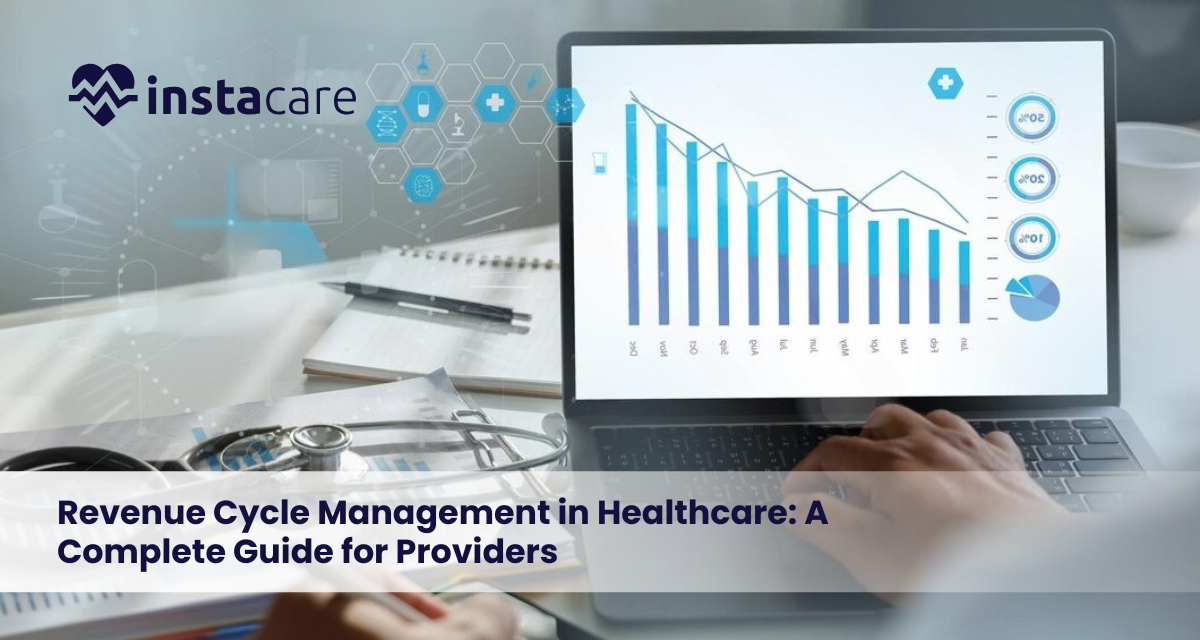
Revenue Cycle Management in Healthcare: A Complete Guide for Providers The financial component of the current healthcare systems is Revenue Cycle Management (RCM). It helps ensure that they make their payments to their providers on time and in the correct amount, without any delays or irregularities in the process. RCM is crucial to the financial survival of healthcare organizations from patient registration through final payment. As operation expenses increase and payers become more complicated to meet, hospitals need to implement effective measures in the revenue cycle to enhance their cash flow and minimize denial of claims. What Is Revenue Cycle Management (RCM)? Healthcare revenue cycle management is the financial process involved in the healthcare organizations tracking patient care episodes in terms of initial appointment booking to the final patient payment. It integrates administrative functions and clinical functions so that there is proper billing and reimbursement. The activities covered by RCM in healthcare encompass insurance verification, medical coding, and claim filing, payment recording, and payment denial resolution. An efficient revenue cycle will guarantee predictable revenue and improve patient satisfaction and efficiency. Key Stages of the Revenue Cycle Registration and Scheduling of patients This starts when a patient makes an appointment. The correct demographic and insurance information is obtained here. Insurance Verification The Insurance verification process are performed to verify patient eligibility, coverage limits and co-pay requirements prior to treatment. Medical Coding Healthcare billing and coding relies on the standardization of codes of clinical services through use of ICD and CPT systems. Charge Capture Every service offered is recorded and translated into billable services. Claims Submission Medical claims processing involves claims being electronically filed to insurance providers in order to have them reimbursed. Payment Posting Insured and patient payments are documents that are documented and matched with the claims presented. Denial Management Denial management in healthcare will refer to recognizing declined claims, rectifying mistakes, and repaying them. Billing and Collections of Patients All the remaining would go on to patients through modern patient billing solutions. Why Revenue Cycle Management Is Important? Guarantees Financial Stability Effective RCM will ensure a consistent flow of revenue and reduce leakage of finances. Reduces Claim Denials A well-established medical revenue cycle procedure reduces mistakes and enhances approval. Enhances Patient Experience. Clear billing and correct estimates result in improved trust and satisfaction. Supports Compliance Good documentation and coding implies compliance with the regulatory requirements. Efficiency in Operations. Automated processes save the administrative load and enhance productivity. Book Your Free Marketing Consultation Common Challenges in Healthcare RCM Frequent Claim Denials Coding errors or failure to document the case completely results in rejection of claims. Complex Insurance Policies The Healthcare reimbursement process has different payer rules making it complicated. Manual Processes Old systems enhance mistakes and reduce work speeds. Poor Data Integration Interoperability between systems is lacked, and hence inefficiency. Patient Payment Delays Collections are more difficult due to high deductibles and co-pays. Role of Technology in Modern RCM Technology has changed the face of RCM; it has helped in removing monotony and enhancing precision. Key Technologies Include: AI-powered coding tools Eligibility checking upon a robot. Billing solutions on the cloud. Live analytics dashboard. Electronic health records (EHR) that are integrated. Digital resources will also improve the Medical revenue cycle process through errors minimization and faster reimbursements. Benefits of Effective RCM Implementation Faster Reimbursements Robotization reduces the time of submitting and approving claims. Minimized Administrative Expenses. Automated processes reduce man-hours and overheads. Improved Cash Flow The collections are efficient, hence they guarantee a steady stream of revenue. Better Denial Management High-technology analytics recognize trends and minimize denials. Enhanced Compliance Automated procedures reduce regulatory risks. Best Practices for Optimizing Revenue Cycle Management Improve Front-End Processes Proper patient data and eligibility checks minimize errors at the downstream level. Invest in Staff Training Common training makes sure that the standards are met with respect to coding. Use Automation Tools Billing and claims tracking software should be adopted. Monitor KPIs Regularly Performance tracking assists in detecting inefficiencies at an early stage. Strengthen Communication It is vital that there should be a clear coordination between clinical and administrative staff. Outsourcing vs In-House RCM In-House RCM Pros: Increased dominion over activities. Immediate issue resolution Cons: High staffing costs Resource-intensive Outsourced RCM Pros: Access to industry experts Reduced operational burden Scalable solutions Cons: Less direct control Potential security issues of data. Decision to have in-house or outsourced RCM is influenced by the size, budget as well as complexity of the organization. Key Performance Indicators (KPIs) in RCM Monitoring of KPIs assists in gauging the healthcare revenue cycle management efficiency. Important Metrics: Days in Accounts Receivable (AR) Clean claim rate Denial rate Net collection rate First-pass resolution rate These ratios give information about financial performance and health of operation. Future Trends in Revenue Cycle Management RCM is fast changing due to changes in technology and a shift in regulations. Emerging Trends: Predictive analytics by AI. Robotic process automation (RPA) Patient-based billing models. Price transparency tools Claim data security via blockchain. Such innovations will transform the RCM in healthcare making processes quicker, smarter, and transparent. Conclusion RCM is critical in ensuring the financial viability of healthcare providers. Optimizing every phase of the revenue cycle, from patient registration to ultimate reimbursement, helps organizations improve cash flow, minimize claim denials, and boost patient satisfaction. Leveraging an advanced Clinic Management System streamlines billing workflows, automates claims processing, enhances documentation accuracy, and improves overall financial transparency. The use of modern technology, adherence to best practices, and continuous monitoring of performance indicators are essential for developing an efficient RCM strategy. In the ever-changing healthcare environment, a robust Clinic Management System integrated with strong RCM processes will remain pivotal as healthcare institutions strive for long-term growth and operational excellence. Frequently Asked Questions What does healthcare revenue cycle management mean? The full financial process encompasses billing, coding, claims submission, and payment collection in healthcare organizations. What is RCM and why is it significant in healthcare? RCM provides prompt reimbursements, minimizes billing claims and enhances the
Healthcare Data Sets: Types, Uses, and Importance in Modern Healthcare The modern healthcare is supported by data. Healthcare data sets are essential to enhancing patient outcomes and medical innovation in clinical decision-making to research on the state of health in society. Structured medical data becomes increasingly available and valuable as the healthcare systems are becoming digitalized at a very fast pace. This paper discusses the nature of healthcare data sets, their categories, uses, advantages and future trends that yield data-driven healthcare. What Are Healthcare Data Sets? Healthcare data sets refer to a set of structured or unstructured medical data that can be employed to serve clinical, research and administrative purposes. Such datasets may contain patient-related data, diagnosis outcomes, treatment history, imaging, and population health data. Hospitals, research institutions, pharmaceutical companies, and AI developers are some of its frequent users. The high quality Healthcare datasets for research leads to a high-quality clinical trials, predictive modelling, and evidence-based medicine. Types of Healthcare Data Sets Clinical Data Sets These data sets include patient-specific data that is gathered in the process of patient care provision, such as diagnosis, treatment, laboratory findings, and physician notes. They are commonly called Clinical data sets and they are fundamental to the clinical decision-making and research. Electronic Health Records (EHR) EHR Software datasets contain electronic patient health records including medical history, prescriptions, allergies, and imaging reports. One of the most useful healthcare analytics and interoperability resources is electronic health record data. Medical Imaging Data These data sets contain radiology data such as X-rays, CT scans and MRIs. They are the ones that are generally used to train AI models in diagnostic imaging and computer-aided detection. Genomic and Molecular Data Genomic datasets are genes and molecular biomarkers involved in precision medicine and cancer biology. Public Health Data Public healthcare datasets are a collection of data on disease outbreak, vaccination rates, and health trends of the population gathered by government agencies and international organizations. Claims Data and Administrative Data These data sets cover the billing, insurance claims and hospital utilization data sets. They assist in streamlining operations and planning of policy. Patient-generated and Wearable Data Fit trackers, smart watches and other mobile health applications are a source of real-time health information and constant data tracking. Applications of Healthcare Data Sets Medical Research Data sets in Medical research are utilized to examine disease patterns, treatment results, as well as risk factors on a population basis. Machine Learning and Artificial Intelligence The use of AI models as a source of intraproduct training predictive algorithms, diagnostics, and clinical automation is based on a large dataset, which leads to innovation in Healthcare data analytics. Drug Development Pharmaceutical industries use data to determine possible drug targets and hasten the medical experiment. Public Health Surveillance Big data in healthcare is used to track epidemics and trends of diseases on a large scale, monitored by health agencies. Personalized Medicine Patient-focused clinical insights enable clinicians to provide specific treatments according to specific patient features and genetic data. Hospital Operations The datasets allow healthcare providers to optimize the staffing, resource allocation, and patient flow management. Benefits of Healthcare Data Sets Improved Patient Outcomes Evidence-based conclusions allow identifying diseases in the initial stages and developing an individual plan of treatment. Faster Medical Research Availability of a variety of Medical data sets increases the pace of clinical research and Hack. Greater Healthcare Effectiveness Automation and analytics minimize mistakes and automation. Predictive Healthcare Predictive analytics is used to detect high-risk patients and avoid complications. Greater Population Health Management Big data will assist in health trend analysis and in the development of preventive treatment plans. Digital Health Innovation AI, Telemedicine, Clinic Management Software and digital therapeutics are dependent on good datasets to develop and verify. Challenges in Managing Healthcare Data Data Fragmentation The information about healthcare is usually fragmented in various systems and is tricky to integrate. Poor Data Quality Missing or incomplete information may impact on research accuracy and clinical decisions. Interoperability Issues The various systems can employ different formats that do not facilitate easy sharing of data. High Storage Costs Storage and security the ability to handle big data demands scalable architecture. Ethical Concerns When patient information is used to conduct research, there are ethical issues to be considered regarding consent and disclosure. Data Privacy and Compliance Healthcare information is very confidential and it needs to be handled in a strict adherence to regulations. Legislation that has to be adhered to includes HIPAA, GDPR, and local healthcare data protection systems. The major privacy practices are: Anonymization and data encryption. Authentication and access control. Audit trails and monitoring Protect cloud storage of Open healthcare data programs. Compliance assurance fosters patient trust and helps institutions to avoid legal liabilities. Book Your Free Marketing Consultation Future of Healthcare Data Sets The innovativeness of data is closely related to the future of healthcare. Emerging trends include: AI-Driven Insights Newer machine learning models will be able to dig more insights in the large-scale data. Achieving Interoperable Health Systems Better data standards will allow sharing between providers and platforms without any issues. Real-Time Data Integration The wearables and IoT devices are going to create constant streams of health data. Federated Learning Patient privacy will not be compromised since AI models will be trained on decentralized data. Expansion of Open Data There is increased release of Open healthcare data by more governments and institutions to facilitate international research and innovation. Precision Medicine Growth Genomic data sets will guide extremely individualized therapy and customized cure. Conclusion The nature of healthcare datasets is changing the way medicine is practiced, researched, and delivered. Data is central to the contemporary healthcare ecosystem, from clinical decision-making to AI-based diagnostics. Although there are still issues such as privacy, interoperability, and data quality, ongoing improvements in analytics and governance structures are addressing these problems. In the constantly changing healthcare, the use of high-quality datasets will be critical towards the provision of smarter, more personalized, and efficient patient care. Frequently Asked Questions What is the application
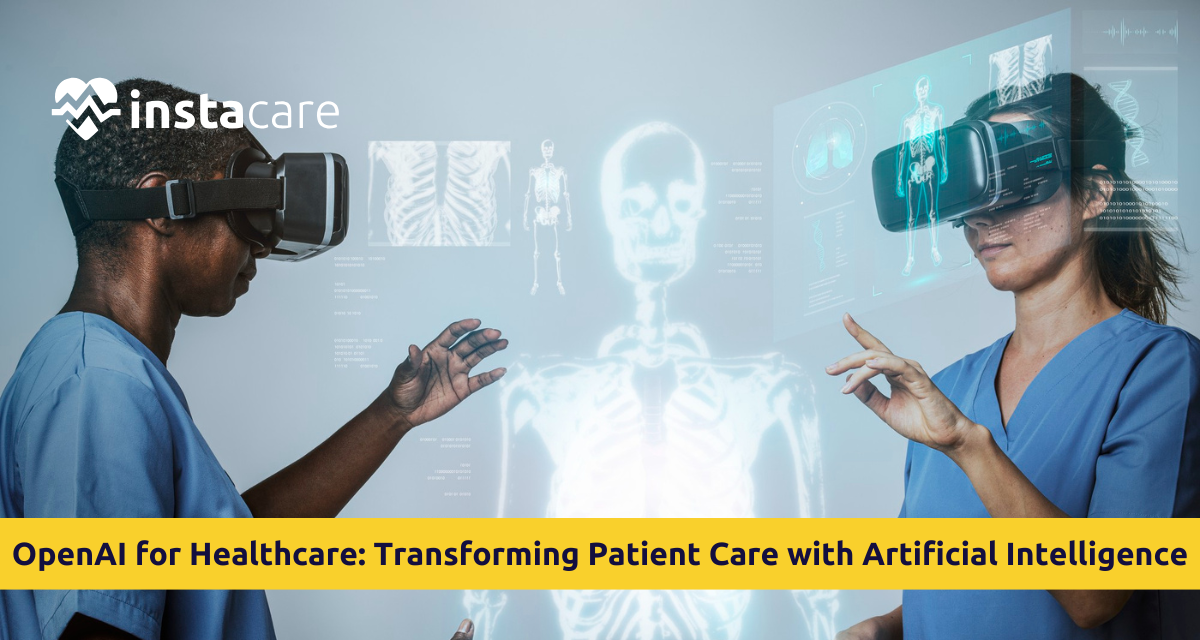
OpenAI for Healthcare: Transforming Patient Care with Artificial Intelligence The future of healthcare is changing rapidly with artificial intelligence, which has allowed making diagnoses much quicker, smarter workflow, and patient-centred care. OpenAI is a leader in the transformation, as its advanced AI models are already being deployed in healthcare systems worldwide. AI tools are also assisting providers in providing more efficient and accurate care through clinical documentation to prediction analytics. This paper will discuss the transformations that OpenAI is bringing to the field of modern medicine and its major uses, advantages, ethical aspects, and the future of AI-driven innovation in healthcare. What Is OpenAI? OpenAI is a research and technology company that creates more sophisticated AI models that could comprehend and produce human-like language, analyse data, and address sophisticated problems. Its tools are very common in all other industries such as education, finance and more so in healthcare. OpenAI-driven models may be used in medical environments to support clinicians, carry out monotonous tasks, and enhance decision-making through profound data analysis. The tools are included in the wider trend of AI in healthcare, where automation and intelligence can be applied to improve care delivery and patient outcomes. Why Healthcare Needs AI Solutions? The healthcare systems are under increasing stress due to the increase in patients, clinician burnout, and the complexity of administration. Techniques of the past are typically unable to cope with data-intensive processes and decision-making that are time-sensitive. The AI solutions can help overcome these issues by: Automating reporting and documentation. Clustering of big data. Improving the accuracy of diagnosis. Fostering distance and online health care. With the expanding nature of medical data, AI-based systems are increasingly becoming imperative to the sustainable provision of healthcare. Key Applications of OpenAI in Healthcare Clinical Documentation and Automation The results of conversations with patients can be structured and formed as a clinical note using AI models, which saves administrative overhead. This will enable physicians to enjoy more time with the patients as opposed to documentation. Virtual Health Assistants AI chatbot offer rudimentary triage, check-in of symptoms, schedule appointments, and drug notifications. It is among the most widespread OpenAI healthcare applications of telehealth technologies. Medical Research and Literature Review AI is able to review large volumes of medical literature, summarize results, and assist the researcher to draw patterns at a rate exceeding what can be achieved by human processing. Patient Education and Engagement Understanding of diagnoses, treatments, and how to take medications using simple language is done by AI-powered tools and enhances health literacy and adherence. Clinical Decision Support AI assists physicians to interpret complicated medical data and recommend evidence-based advice, which enhances Clinical decision support AI systems in hospitals. Benefits of OpenAI in Healthcare Improved Efficiency The repetitive duties such as documentation, billing summaries, and patient intake are automated thus decreasing the usage of administrative resources. Improved Diagnostic Accuracy The AI models, which are trained on large datasets, are able to identify patterns that humans might miss and AI for medical diagnosis can be used, such as radiology and pathology. Better Patient Experience The chat systems powered by AI offer 24/7 service, making them more accessible and quicker to respond to. Cost Reduction Optimized processes and automation contribute to lowering operations and quality care. Personalized Medicine AI examines medical histories and genomes to aid in personalized care, which is becoming a trend in Artificial intelligence in medicine. Real-World Healthcare Use Cases Telemedicine Platforms AI chatbot help with pre-triage and telehealth visits, particularly in underserved areas. Radiology Support Medical imaging AIs are used to identify abnormalities in medical images and allow radiologists to prioritize severe cases. Electronic Health Record (EHR) Optimization AI enhances the precision of documentation and provides pertinent details about patients in real-time. Mental Health Support AI-based conversational systems offer primary care to anxiety, depression and behavioral health, in addition to human care. Hospital Operations AI enables predicting the admission of patients, staffing optimizations, and supply chain management with the help of Clinic Management Software. Challenges and Ethical Considerations Data Privacy Medical information is extremely sensitive and AI instruments have to meet stringent privacy laws. Bias in AI Models The biases of the AI systems that are trained on small data sets can be represented and, therefore, impact the quality of care among some population groups. Transparency It means that AI recommendations should be explained in a way that would allow clinicians to trust and validate the results. Over-Reliance on Automation Human judgment should be aided by AI and not replaced. It is necessary to have a balance between automation and clinical expertise. OpenAI and Healthcare Compliance Healthcare organizations should make sure that the AI tools are in line with the laws of the region including HIPAA (US), GDPR (EU), and additional local health data regulations. Some of the compliance considerations are: Secure data encryption Audit trails and monitoring Patient consent management Model transparency Ethical regulations and technical protection can only prevent irresponsible use of ChatGPT in healthcare. Book Your Free Marketing Consultation Future of OpenAI in Healthcare The future of AI in healthcare is bright and it is unlikely to stagnate in various spheres: AI-powered drug discovery Prognostic disease modelling. Clinical decision tools in real-time. Individual simulation of treatment. Medical interfaces that are voice-activated. With more refining of AI models, they will probably become a common and standard part of medical life and not an option that improves medical performance. Best Practices for Healthcare Organizations Start with Pilot Programs Initial deployments, e.g. AI documentation assistants, can be scaled out. Prioritize Data Security Make sure that there is a strong encryption, anonymization, and access controls. Train Healthcare Staff The understanding of AI capabilities and limitations should be known to clinicians and administrators. Maintain Human Oversight Qualified medical professionals must always review the outputs of AI. Concentrate on Patient Centric Design The AI devices should help improve the quality of care, rather than make the interaction with patients harder. Conclusion OpenAI is leading a central role in changing the current healthcare system
Data Breaches in Healthcare: Causes, Consequences, and Prevention Medical facilities have giant amounts of sensitive patient data, such as health history, insurance records, and patient identifiers. With the growth of digital systems, patient privacy and organizational credibility have become threatened by healthcare data breaches as one of the most severe risks. The reason why healthcare is targeted by cybercriminals is that patient data is very valuable in the black market, and most healthcare systems are yet to upgrade to a more advanced infrastructure. It is crucial to understand the reasons, effects, and ways of prevention to enhance the security of data in healthcare. What Is Data Breaches In Healthcare? Healthcare data breach is a situation where sensitive information regarding patients or an organization is accessed, stolen, or disclosed by unauthorized parties. Such incidents can concern the electronic health records, billing systems, or paper-based documents. Cyberattacks, human error, system failure, or mismanagement of patient data can lead to patient data breaches. Such breaches in various nations are perceived to be healthcare privacy violations and should be reported within some regulatory frameworks such as HIPAA. Types Of Healthcare Data Breaches Healthcare breaches may be done in different channels depending on the method of data storage and access. Common types include: Breach of electronic health records through hacking or unauthorized access to the system. Ransomware attacks in healthcare that encrypt the data and require payment. Breach of physical records like stolen laptops or paper records. Employee misuse of access privileges by insiders. Misconfigured storage systems result in cloud data breaches. Both types have various risks and need to be prevented in a specific way. Common Causes Of Healthcare Data Breaches Healthcare data breakage is caused by either technical issues or human errors. A combination of poor security controls and user behavior is a cause of many breaches. Key causes of healthcare data breaches include: DDoS and other attacks, such as phishing and malware. Healthcare ransomware attack in critical hospital systems. Poor password and authentication errors. Insider threats or negligence of the employees. Obsolete software and unpatented software. Vulnerabilities of third party vendors. Incorrect handling of hardware or documents. Knowledge of these causes is the key to developing an effective healthcare information security plan. Impact Of Data Breaches In Healthcare Data breaches may have a severe and lasting effect on health care organizations and patients. Major impact of data breaches on healthcare include: Losses of money due to fines, legal suits, and system recovery. Patient distrust and reputation loss. Incident of clinical operations and patient care. Patients and identity theft and fraud. Penalty regulations on failure to comply with data protection regulations. The healthcare data breach statistics indicate that healthcare is one of the top targeted industries because of the high price of medical and personal data. High-Profile Healthcare Data Breaches A number of significant breaches have brought out the weaknesses of healthcare systems. These breaches have revealed millions of patient information and paved the way to more stringent regulations and security changes. The high-profile breaches include: Hospital network ransom attacks of large scale. Violation of data of millions of policyholders by insurance providers. Cloud misconfigurations that lead to electronic health record breaches. These events prove that the measures to increase healthcare compliance and data protection policies are required. Detecting And Responding To Data Breaches Quick response and early detection is important in minimizing the effects of breaches. Response plans on the issue of healthcare data breach should be clear and often drilled. Key healthcare data breach response steps include: Detecting and incurring the intrusion. Evaluating the extent and the data involved. Informing the patients and the regulatory authorities. Recovering systems and data of safe backups. Forensic analysis to avoid repetition. Having a structured response plan will lead to the reduction of organizational risk as well as the adherence to the regulations. Book Free Demo Role Of Technology In Preventing Breaches Technology is an important aspect in preventing data breach in healthcare by enhancing the security of the systems and tracking the threats. Such crucial technologies comprise: Data encryption Data encryption Data encryption in transit Data encryption at rest. Multi-factor authentication (MFA). Intrusion detection and prevention mechanism. Threat monitoring and analytics using AI. High security cloud infrastructure and controls. Frequent vulnerability scanning and patch. The tools assist healthcare agencies in safeguarding sensitive patient data and ensuring regulatory compliance. Future Of Healthcare Data Security Further developments of data security in healthcare will be directed to automation, artificial intelligence, and zero-trust security frameworks. With the rise in digital health technologies, companies should proceed to embrace proactive security models in order to minimize vulnerabilities. Future trends include: Automated cybersecurity surveillance. Safe sharing of patient data with blockchain. Zero-trust access models Better international data security laws. More investment in workforce training in cybersecurity. These innovations are supposed to enhance the security of healthcare information and safeguard the data of patients in more digital settings. Conclusion Healthcare data breaches are critical to patient privacy, clinical practice, and organizational integrity. As cyber threats are on the increase, healthcare organizations need to focus on cybersecurity, employee education, and compliance policies. Knowledge of the causes, consequences and data breach prevention in healthcare measures enables healthcare providers to develop strong systems and safeguard confidential patient data. The health care compliance and data protection should be enhanced as the key to preserving the trust and providing the care safety in the digital era. Frequently Asked Questions What are healthcare data breaches? Healthcare data breaches refer to the case when sensitive patient or organizational information is accessed or disclosed by people who are not authorized to do so. Why do hackers attack healthcare organizations? Healthcare data is desirable as it is comprised of personal, financial and medical data that can be utilized in frauds and identity theft. What is a HIPAA data breach? A HIPAA data breach is the illegal access or transmission of protected health information that contradicts the HIPAA laws.