Last updated on Friday, 6, November, 2026
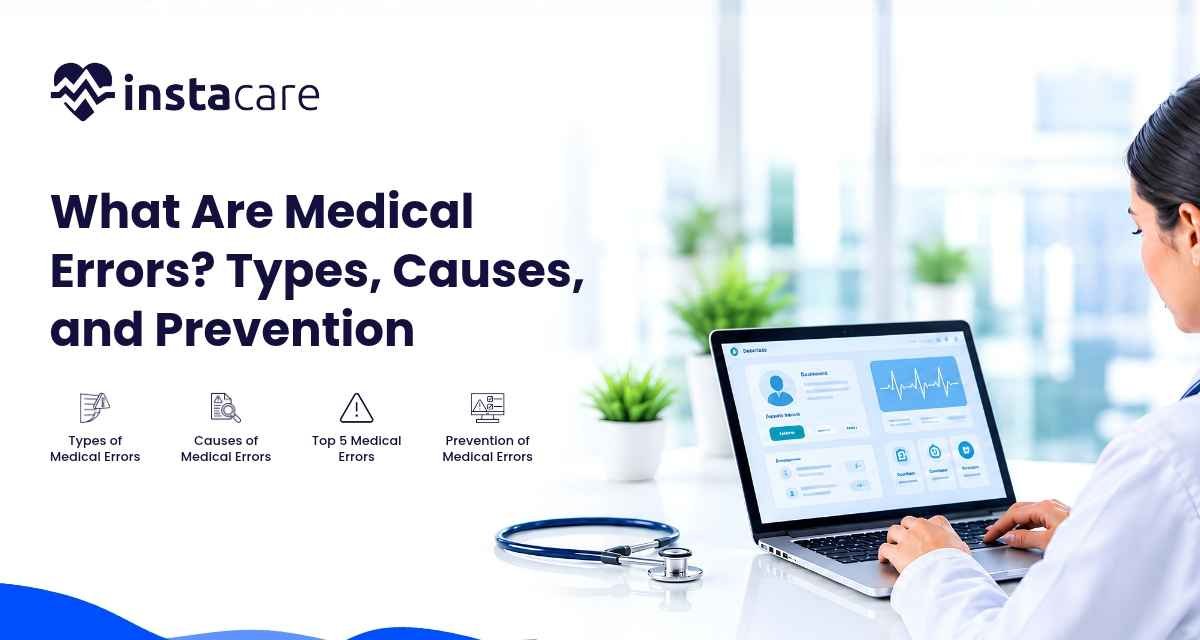
Mistakes are unavoidable in the field of medicine. However, there should be fewer preventable medical mistakes. Healthcare workers should work to understand the types and causes of medical errors and the methods that help prevent them. Patients should have some basic knowledge of medical errors to become better advocates for their own safety and health.
Medical errors can happen at any stage of the healthcare process. These types of mistakes may cause patient harm. For example, a medical worker may choose an incorrect treatment for a patient or may omit a crucial step in the treatment process.
Not all medical errors cause patient harm, but some may result in no improvement of patient condition or increased length of patient stay. Medical errors can occur in all healthcare settings such as hospitals, clinics, emergency centers, and other care facilities. Understanding the causes of medical errors in healthcare settings helps develop improved and safer procedures and enhance patients’ experience.
Table of Contents
Types of Medical Errors
There are multiple ways to classify types of medical errors, but distinguishing them helps describe the risks and choose the best strategy to eliminate or reduce them.
Diagnostic Errors
These errors involve missing or delaying the diagnosis of a condition or misdiagnosing it, all of which ultimately results in the delivery of inadequate or no medical care.
Some of the more common examples include: failure to appropriately interpret test results; failure to consider clinically relevant information in the history or physical examination; overlooking clinically significant symptoms or changing vital signs; and failing to order the appropriate diagnostic tests.
Medication Errors
These types of errors occur at any point along the medication process from prescribing, transcribing, dispensing, and preparing the medication to administering and monitoring the medication.
Examples of medication errors include ordering, transcribing or dispensing the wrong dose; giving the wrong medication to the wrong patient; and failing to consider or recognize a potentially dangerous drug interaction.
Surgical Errors
These errors occur during a surgical procedure and include operating on the wrong body part, performing an unintended procedure, and failing to complete the intended procedure. These can lead to adverse outcomes and require further medical intervention.
Communication Breakdowns
Breakdowns in communication happen when important information about the patient is misunderstood or not communicated at all to the health care team. Information may also be documented in an illegible fashion or omitted from medical records, increasing the chance of treatment errors.
Patient Misidentification
When a patient is misidentified, there is an increased chance the patient will receive an inappropriate treatment, or a diagnostic specimen will be collected for the wrong patient.
Accurate patient verification is essential for preventing these risks. Learn more about the importance of patient identification in healthcare and how it helps improve patient safety.
Treatment and Monitoring
A treatment error occurs when the wrong treatment is given to a patient. Monitoring errors occur when a patient’s condition is not monitored, and changes to the patient’s condition are not identified and addressed in a timely manner.
Causes of Medical Errors
A number of factors contribute to medical errors, including human, organizational, and systems-related factors.
Communication
Poor communication can lead to errors in the transmission of patient condition, order, or medicine information.
Fatigue and Workload
Errors can occur due to lack of adequate staffing and excessive workload. Fatigue may lead to healthcare professionals overlooking important pieces of information.
Training
Medical errors can occur due to inadequate or insufficient training and/or inexperience with particular medical procedures and/or equipment.
Information
Errors may occur from lack of sufficient and/or accurate patient information and/or medical history including known allergies and sensitivities.
Failure of Systems and Technology
Equipment or system failures (EHRs, computing and/or communication devices), poor technology design and/or integration may lead to medical mistakes. Implementing reliable Electronic Health Record (EHR) software helps healthcare facilities maintain organized patient information and improve access to clinical records.
Failure to Follow Safety Protocols
Preventable errors can occur from failure to adhere to the established rules, procedures, and/or guidelines.
What Are the Top 5 Medical Errors?
While there are different types of errors in different healthcare settings, the following five categories of errors are almost always classified as significant medical safety concerns.
Diagnostic Errors
Making the wrong diagnosis, or missing a diagnosis and therefore not treating the patient, can result in the patient’s condition getting worse, and possibly in the development of new, additional complications.
Medication Errors
Administration of an incorrect medication, or the wrong dosage of a medication, can result in an adverse effect on the patient’s health.
Surgical Errors
There can be consequences on patient safety if an incorrect surgical procedure is performed, or if surgical items are left in the patient.
Infection Control
There are patient safety consequences when there are lapses in the control of infection. For example, if a health care worker does not perform hand hygiene, there can be the spread of infection to patients.
Not every health care-associated infection is due to a lapse in infection control, and not every health care-associated infection is due to a medical error.
Identification of Patients
There are consequences to patients if the healthcare worker does not correctly identify the patient, such as the patient receiving the wrong medication, or the wrong diagnostic sample being taken from the patient.
These are examples to illustrate the need for quality and accuracy in healthcare identification procedures.
Book Your Free Marketing Consultation
How to Prevent Medical Error?
A collaborative effort of healthcare professionals, organizations, patients and their caregivers can lessen the occurrence of medical errors.
Communication
It is the responsibility of all members of the healthcare team to ensure clear communication as they hand-off patients, and during the formulation and discussion of diagnoses and treatment plans. Use of structured communication methods can lessen communication breakdowns and enhance teamwork.
Standard Safety Protocols
Consistent adherence to established safety protocols is essential. An integrated Hospital Management Information System can help standardize workflows, improve information sharing between departments, and reduce errors caused by fragmented processes.
Correct Patient Identification
Two or more patient identifiers, for example, full name and date of birth, should be used to verify patient identity prior to administration of medications, performance of a procedure or a diagnostic test.
Medication Safety
Maintaining the safety of patients during the administration of medications requires adherence to all aspects of the nursing process.
Staff Education
Continuous training of staff helps maintain and enhance clinical knowledge and skills and promote use of effective safety practices.
Error Reporting
Healthcare organizations should promote a no-blame culture to encourage staff to report any medical error and/or near miss incident.
Patient Participation
Involving the patient helps verify the accuracy of the information related to the patient’s medical conditions and treatment, and helps identify potential errors.
Conclusion
Errors by healthcare professionals can occur in the diagnosis and treatment process and can adversely impact patient health. Identifying the causes of these errors and familiarizing with different types of medical errors helps develop corrective and preventive measures to mitigate associated adverse events.
Various strategies can help in reducing error risks in healthcare facilities. These include having effective communication, training staff regularly, and use of clinical checklists and other clinical protocols to ensure consistency. Learning from reported incidents and encouraging patient participation contribute to developing a culture of safety in a facility. Such an approach enables identification of holes in the system and subsequently helps address them in order to prevent errors. Ultimately, patients benefit from improved health outcomes and greater confidence in the healthcare system.
FAQS
What is the most common cause of medical errors?
No single cause of a medical error exists. There are a variety of factors including fatigue, heavy workloads, inadequate communication, and incomplete patient information. There are also inadequate safety procedures and a number of other failures and weak links within the system.
Can medical errors be prevented completely?
While it is not always possible to completely prevent medical errors, the errors that do occur are often preventable. There are numerous ways that healthcare facilities can minimize errors, including using procedures, technology, and practices that are geared toward enhancing safety.
What should patients do if they believe a medical error occurred?
Patients should ask the physician for an explanation about the diagnosis, treatment and/or medication. It is the patient’s right to have a review of their medical records. In addition, patients can request an independent medical opinion.