
Last updated on Friday, 21, August, 2026
Table of Contents
Telepathology: Revolutionizing Diagnosis Through Digital Pathology
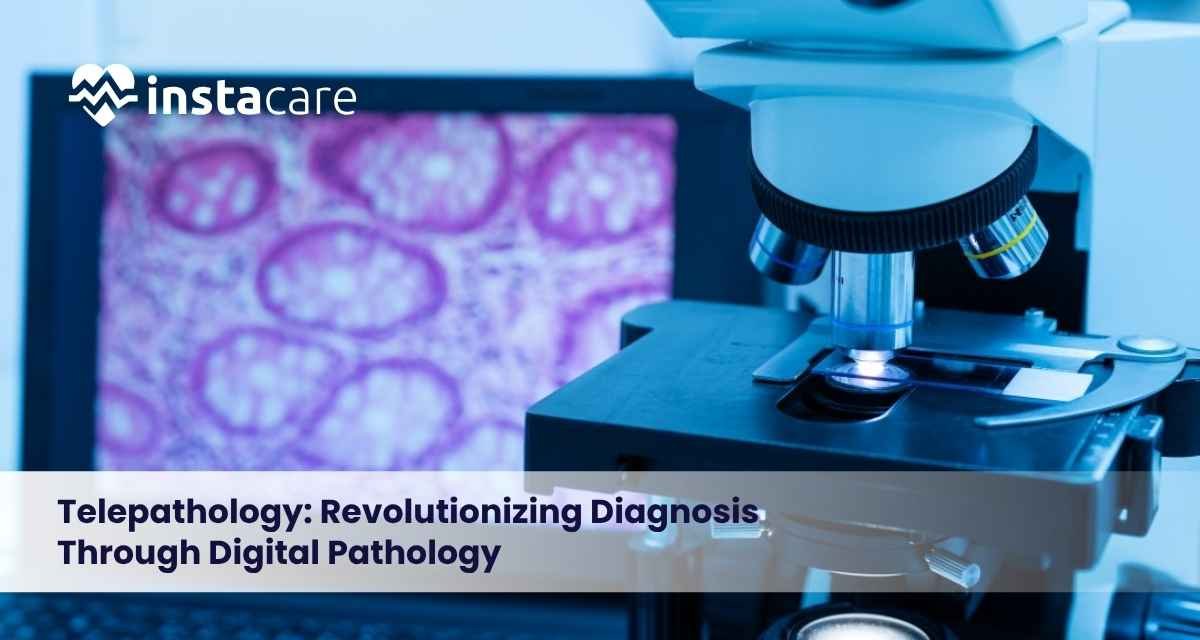
Telepathology is the use of electronic pathology to digitize tissue samples and pathology slide images to enable pathologist remote diagnostic quantity and interpretation. A remotely located pathologist does not need to be in the same location as the microscope and specimen. With the use of secure digital pathology systems, telepathology supports diagnostic consultations, teaching and research.
The digital healthcare ecosystem has increasingly embraced telepathology as a new specialty in pathology. This expanding field is changing the delivery of specialized healthcare services in remote locations.
What is Telepathology?
Telepathology is the use of digital technologies to transmit images of pathology samples, cells or slides from one location to the other for diagnosis and interpretation.
In traditional pathology, a pathologist views glass slides in a microscope. In telepathology, the slides are scanned into high resolution images, and the images are uploaded in a computer-based cloud system. The pathologist reviews the samples, provides their diagnosis and expertise, from their remote location.
How Does Telepathology Work?
The first step in telepathology is the preparation of tissue samples. The samples are collected via surgical procedures and biopsy. The samples are then processed and placed on glass slides in the laboratory.
Digital Slide Scanning
A user-specific scanner can transform a glass slide into a high-quality digital file. These files contain a wealth of detail that can be enlarged by a computer for easier analysis.
Secure Image Sharing
secure networks can transmit the digital files of the slides to pathologists or medical sub-specialists that are located off-site. These users can access and analyze the digital files using a computer software program.
Diagnosis and Consultation
After reviewing the digital slides, a pathologist can provide a diagnosis and report the findings to the healthcare team involved. This system can also support a case review for consultations by multiple pathologists.
Types of Telepathology
Telepathology can be described using several techniques based on the manner in which the images are captured and reviewed.
Static Telepathology
Using this technique, selected images of specified regions of interest on a slide are captured and transmitted for review. This technique can be utilized for limited consultation or teaching. However, the user does not see the slide in its entirety.
Dynamic Telepathology
In dynamic telepathology, a pathologist controls a remote microscope, and/or views live images. This technique allows real time interaction and diagnostic consultations.
Whole Slide Imaging (WSI)
This technique involves digitization of the entire slide, preserving all the information. Whole slide imaging has had a profound effect on the practice of pathology.
Benefits of Telepathology
Access to Specialists
First and foremost, telepathology enables far-flung healthcare facilities to gain direct access to pathologists, rather than having to send slides through often long and tedious processes.
Optimized Workflow and Diagnostics
Beyond improving the workflow, this technology reduces the time a pathology report takes to reach its desired destination.
Complex Cases
This technology enables multiple pathology specialists to view the same digital slides and collaborate on the same report to provide the most accurate diagnosis.
Effective Use of Digital Resources
Digital slides can be easily stored, organized and accessed. This can lead to the development of a better pathology record maintenance system and enables users to retrieve past slides that can aid in the comparison of various observations and findings.
Cost-Effective Use of Slides
Digital slides can also be used to teach both pathology and non-pathology students.
AI Telepathology
Digital pathology services involving artificial intelligence (AI) are just starting and may help reduce the workload on pathologists.
Efficient Services
Although it is limited in its current form, AI technology can aid pathologists in recognizing and analyzing pathology images. It is also worth noting that AI will not be able to offer diagnostics in the absence of experienced staff.
Future of Pathology
The combination of AI and digital imaging holds the promise of revolutionary changes in pathology services for the better in the coming years.
Book Your Free Marketing Consultation
Applications and Challenges of Telepathology
Telepathology is an approach to healthcare that has many applications, including:
Diagnosing Cancer
Many kinds of cancer can be diagnosed with an examination of tissue done by a pathologist. Telepathology means that pathologists can examine samples and provide their evaluations from a distance.
Remote Guidance for Surgeons
The pathology assessment for certain surgeries may require rapid evaluations. This means that a pathologist may guide the surgeon from a distance.
Receiving a Second Opinion
For complicated diagnoses, patients or their care team may decide to seek additional evaluations. Telepathology can help them. Digital pathology databases can help researchers and educators conduct studies and enhance their practice. Although there are many advantages of telepathology, some challenges remain.
Higher Technology
High quality digital pathology requires excellent scanners and secure data systems, as well as a fast and reliable internet connection.
Data Security
Diagnostic images store sensitive data. Strong control measures must be in place to secure patient confidentiality.
Uniformity
Different laboratories may have different appliances and procedures. Uniformity in systems and rules helps guarantee the quality of services.
Training
Pathologists and lab assistants may need to have additional training to fully optimize use of digital pathology.
Telepathology in the Future
Accessibility of technology, digital changes, cloud based technologies, and artificial intelligence may allow telepathology to offer diagnostic services to more people no matter where they are located.
There may be many more pathology experts available to patients in less developed regions, telepathology networks may help connect with specialists.
New technologies, in combination with pathology expertise, may help provide better diagnostic services in the future.
Conclusion
The combination of pathology and digital technology in telepathology provides the ability to conduct consultations, collaborate, and provide advanced specialty medicine to a wider audience. Despite the security, technology, and standardization challenges, telepathology has the ability to change the way pathology services are delivered. Innovation and development of telepathology is anticipated to increase the significance of telepathology throughout the globe in the future.
FAQs
What is the main purpose of telepathology?
Telepathology’s main purpose is to enable pathologists to examine and provide interpretation on digital pathology images remotely to improve the accessibility of specialized diagnosis and consultations.
Is telepathology as accurate as traditional microscopy?
Diagnostic support that is as reliable as traditional microscopy is available through telepathology when the appropriate technology, high quality images, and the proper procedures are used.
How does telepathology help patients?
Telepathology improves the healthcare services that are available to patients by helping to achieve faster access to diagnosis and consultations. Telepathology also improves the availability of expert pathologists to patients.