

Last updated on Wednesday, 21, January, 2026
Last Updated on 3 months ago by Ahmed Usman
Table of Contents
Nanotechnology in Healthcare: Revolutionising Diagnosis and Treatment
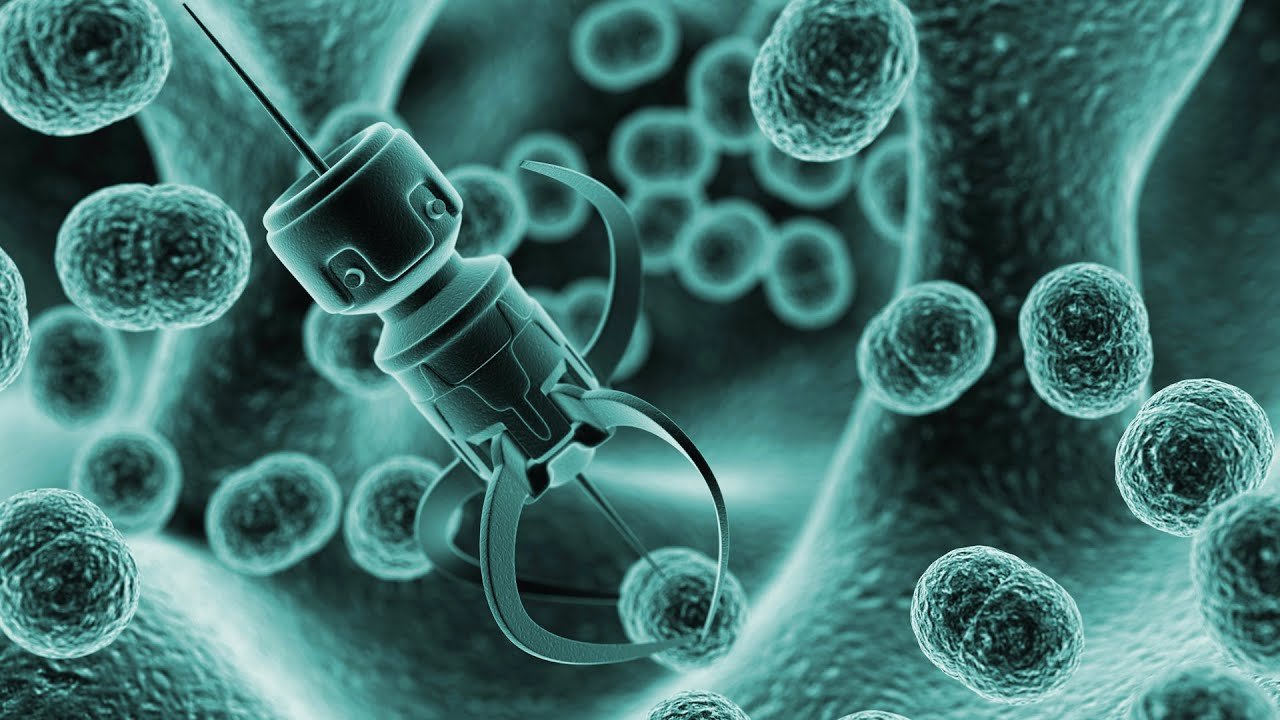
No other industry is changing as rapidly as the healthcare industry because of the discoveries made in science, which are trying to make the treatment process more secure, quicker and more efficient. Nanotechnology is one such innovation that has come out with enormous power, that is transforming the boundaries of medical science. It runs on the scale of the extremely small object, which allows medical workers to communicate with the human body in ways that were impossible to imagine only several decades ago.
Nanotechnology does not just treat the symptoms but aims at eliminating the cause of the disease, all the way down to the cell and molecular level. This is changing the landscape to early diagnosis, targeted treatments, and prevention of the disease in the long run. This has led to improved outcomes, reduced complications, and increased custom care for patients than ever before.
What Is Nanotechnology in Healthcare?
In healthcare, nanotechnology entails the development and use of very tiny structures that can interact with biological systems without any complications. These are usually comparably similar in size to proteins, viruses and DNA strands, making them the best in medical nanotechnology applications.
The best thing about this method is that it is not hostile to the body, but it actually complements it. The nanoscale tools are capable of entering cells, detecting abnormalities, and also performing certain tasks without causing any disruption to the surrounding tissues.
Why Size Matters in Medicine
- Allows contact with the cells.
- Enhances biological systems compatibility.
- Enables the medical processes to be accurately controlled.
This type of precision is a significant break as compared to traditional therapies which tend to target broad parts of the body.
How Nanotechnology Works in Medicine?
Nanotechnology functions through the engineering of materials in particular physical, chemical and biological attributes. The materials are programmed such that they will react intelligently to the body upon being introduced into the body.
Molecular Targeting
Nanoscale systems can be used to target diseased cells and detect some distinct biological tags on the cell surface.
Smart Activation
Upon target identification, the nanomaterial triggers its activity, e.g. the release of medicine, a higher contrast of an image, or a therapeutic reaction.
Biodegradability
Nanomaterials are created in large numbers with properties that allow them to degrade naturally once they are used, thus they are safe and reduce long-term risks.
The smart behavior enables treatments to be more effective and at the same time cause minimal harm to healthy tissues.
Key Applications of Nanotechnology in Healthcare
Nanotechnology has reached almost all spheres of modern nanotechnology in medicine, helping doctors and patients with the help of sophisticated instruments and technologies.
Diagnostic Advancements:
- Detection of disease at an ultra-sensitive level.
- Faster nanotechnology diagnostics results
- Greater accuracy in detecting infection and abnormalities.
With ultra-sensitive detection methods producing large volumes of diagnostic data, modern laboratories increasingly rely on Laboratory Management Software to organise test results, maintain accuracy, and ensure efficient reporting workflows.
Therapeutic Innovations:
- There is improved drug efficacy.
- Reduced treatment duration
- Reduced potential of negative reactions.
Preventive Healthcare:
- Early disease screening
- Constant health monitoring.
- Better immunization techniques.
All these nanomedicine applications are turning healthcare into a proactive and preventive system rather than a reactive one.
Role of Nanotechnology in Cancer Treatment
The application of cancer has been one of the most complicated medical issues and this was because of the fact that cancer has the capacity to propagate and cannot respond to conventional nanotechnology for cancer treatment. Nanotechnology is a technology that presents a higher degree of accuracy that directly overcomes these challenges.
Selective Cell Targeting
Nanostructures have the capability to distinguish between normal and cancerous cells, which means they will only treat the destructive tissues.
Enhanced Tumor Penetration
Nano-based carriers get deep into tumors which are hard to access through conventional methods because of their small size.
Support for Combination Therapies
Nanotechnology enables other therapeutic modalities (n.e, drug therapy and imaging) to be integrated in one system.
These breakthroughs have a considerable positive effect on the survival rates and the physical burden on the patients.
Book Your Free Marketing Consultation
Benefits of Nanotechnology in Healthcare
The application of nanotechnology in healthcare can be seen to have advantages that are applicable at the patient, provider, and healthcare system levels.
Clinical Benefits:
- Increased accuracy of treatment.
- Reduced toxicity
- Faster healing and recovery
Improvements in patient experience:
- Less invasive procedures
- Shorter hospital stays
- Improved comfort and safety
Healthcare System Advantages:
- Reduced long-term costs
- Improved resource exploitation.
- Higher success rates of treatment.
Nanotechnology helps to make the healthcare ecosystem more sustainable by solving medical and operational problems.
Future Trends in Nanotechnology in Healthcare
The future of healthcare has a strong association with further development of nanotechnology. Medical professionals and researchers are equally looking into new possibilities that may rebrand care delivery to patients.
Real-Time Health Monitoring
New nano-based sensors can be the next generation that enables a continuous monitoring of vital conditions and disease indicators.
Personalized Treatment Models
As a therapist, future treatment will be designed to the personal genetic profile, thus being as effective as possible.
Integration with Artificial Intelligence
The AI-based systems with nanotechnology will be used to improve diagnosis and treatment planning.
Long-Term Impact
- Earlier disease prevention
- Totally personalized medical services.
- Better access to better treatments across the world.
These technologies are a promise of a more predictive, precise, and patient-oriented healthcare in the future.
Precision Drug Delivery: Changing Treatment Outcomes
Among the most significant contributions of nanotechnology is the enhancement of the way targeted drug delivery into the body.
The benefits of Precision Delivery:
- Reduces the loss of drugs in the blood.
- Protects healthy tissues
- Increases the efficiency of treatment.
The benefits of Precision Delivery in improving care:
- The location of disease is reached by drugs.
- Less doses are more effective.
- The number of side effects has greatly decreased.
The development has defined the new approach to chronic diseases and complicated conditions.
The Role of Nanoparticles in Modern Medicine
Most medical breakthroughs rely on nanoparticles in healthcare. They can be modified into different functions in the body because of their versatility.
- Common Medical Uses
- Imaging enhancement
- Drug transport systems
- Disease detection tools
They are very flexible and efficient to be left behind in the development of modern medical practices.
Conclusion
Nanotechnology is redefining the future of healthcare by providing precise, intelligent and patient-centered solutions. Early diagnosis to advanced treatment regimens, it allows the health care experts to make the most fundamental form of treatment to the disease. Such transformation does not only enhance the outcomes of patients but also minimizes the overall pressure on healthcare systems.
With the ever-growing research and increased availability of technology, nanotechnology will still have a larger part to play in the development of healthcare in the world today. The outcome will be smarter, safer, and more attentive to the individual needs of patients, which is a real breakthrough in the diagnosis and treatment.
Frequency Asked Questions
1. How does nanotechnology improve disease diagnosis?
Nanotechnology enhances the diagnosis of diseases because it allows the disease to be detected at molecular and cellular levels. Nano-based technologies are able to detect diseases way earlier than the conventional methods and even before the symptoms can be observed. This early diagnosis would enable the doctors to commence treatment earlier and increase chances of recovery and minimise complications.
2. Is nanotechnology-based treatment safe for patients?
Yes, the majority of treatments based on nanotechnology are safety-oriented. The number of nano-materials that have biodegradation or elimination can safely be removed after utilization is high. The potential of causing harm to healthy tissues or having long term side effects is subject to extensive laboratory tests and clinical trials.
3. How is nanotechnology different from traditional medical treatments?
The conventional therapies usually target both the normal and the sick cells with the resultant side effects. The treatments using nanotechnology would be more specific and only the affected cells or tissues would be targeted. This is the targeted methodology that enhances the effectiveness of treatment, decreases drug dosage, and limits harm to the healthy body parts.
4. Can nanotechnology help in treating chronic diseases?
Yes, nanotechnology is increasingly used in the treatment of chronic illnesses like diabetes, heart diseases and autoimmune diseases. It allows constant monitoring, automatic medication dispensing, and better treatment accuracy, which can help the patient handle his or her condition better in the long-term.
5. What is the future potential of nanotechnology in healthcare?
Nanotechnology in healthcare has enormous potential in the future. Current studies indicate that it will make it possible to do personalised medicine, real-time monitoring of health, non-invasive therapies, and prevent diseases at a quicker pace. This is likely to be integrated into modern healthcare in the world, as technology is the future of healthcare.