


A Practical Guide to Accurate OB/GYN Billing in Kentucky Accurate billing is crucial for OB/GYN practices as reproductive and female healthcare covers a broad range of services, from routine investigations, and prenatal care on deliveries, processes, diagnostic testing and postpartum visits. Each service must be properly documented and coded to enable processing of claims without unnecessary delays. The practices should also take into account the specific requirements of the payer and Medicaid billing rules, in order to maintain a consistent revenue cycle in Kentucky. Understanding the OB/GYN Billing Process With accurate information about patients and insurance companies, the billing for OB/GYN begins. Before a service is provided, staff should verify eligibility, confirm coverage, and determine whether authorization or referrals are required. These steps are particularly important for practices to be used by patients with various commercial insurance plans, Medicare, Kentucky Medicaid and managed care organizations. For practices involving a high level of claims, ob/gyn medical billing services in kentucky may assist organize credit evaluation, coding testing, submission of applications, payment posts and follow-up. A structured process decreases administrative errors and enhances visibility of providers in unpaid or rejected claims. Kentucky Medicaid makes a distinction between claims for services and those for managed care and it is therefore important to understand which organization is responsible for addressing each claim. Verify Patient Eligibility Before Services The verification of eligibility should be seen as a routine part of the billing activity instead of an occasional administrative task. The coverage may change between appointments and a patient may receive various benefits for prenatal care, diagnostic services, procedures, or hospital-based treatment. Kentucky Medicaid advises providers of verify eligibility via KYHealth-Net or the automated qualification system. The practice should confirm identification data, coverage status, payer’s benefits and the appropriate benefit to the patient before filing claims. In OB/GYN it should also be taken into consideration in order to verify whether the service provider was correctly included in the patient’s plan, and whether there was a specific prior authorization service required. Kentucky Medicaid claims that each administered care organisation should handles prior authorization for its beneficiaries, while Gainwell Technologies handles prior authorization for the fees-to-service beneficiary. Maintain Complete Clinical Documentation Documentation supports almost every phase of the billing process. A claim should accurately shall reflect the service supplied and the clinical rationale behind that service. The ability to support procedure codes, diagnosis codes, modifiers or medical needs can be hampered by lack of or inconsistent documentation. OB/GYN practices should gives clear reporting of prenatal meetings, ultrasounds, laboratory services, procedures, labour, postoperative care and subsequent visits. The documentation should also clearly distinguish between separate services when different services are performed during same encounter. The establishment of standards of documentation for suppliers and clinical staff is a useful approach. This can help to ensure consistent gathering of important information before reaching a billing team’s meeting. Use Accurate Diagnosis and Procedure Codes Accuracy of coding is a critical component of the success of OB/GYN billing. Diagnosis codes should accurately describes the status or cause of the treatment of the patient, while procedure codes should match the actual service. Kentucky Medicaid requires the use of the codes CPT, HCPCS and ICD-10-CM of applicable claims. The program also applies National Correct Coding Initiative Edits, medically unlikely edits and other claim checker systems to identify possible wrong or conflicting codes. OB/GYN practices should therefore revised its coding prior to filing claims. Particular attention should be paid to procedures which were performed during and same encounter, international maternity services, separate reportable services and applicable modifiers. The coding of staff must be updated on an annual basis with changes in the code set and a specific billing policy for the payer. Pay Attention to Provider Information Another important part of the clean claims is the precise provider information. In accordance with enrollment records, National Provider Identifier information, taxonomy details, invoicing provider information and rendering provider information shall be. Just like Kentucky’s current billing instructions, situations that would require taxonomic information may be identified, particularly when NPI corresponds to more than one Kentucky Medicaid supplier number. Practically, the provider should regularly review the enrollment records and update the information when doctors join, leave or change their practice arrangements. Keeping those details can help to keep avoidable claim rejections from happening. Submit Clean Claims and Monitor Rejections Claims should be assessed in relation to demographic, insurance, coding, licensing and documentation errors before submission. Automatic claim scrubbing tools can help identify a number of problems but human evaluation remains valuable for complex OB/GYN encounters. While each managed care organization handle its own claims, Kentucky Medicaid provider information confirms that fee-for-service claims is processed via Gainwell Technologies. In the event of a claim being rejected or rejected, the billing team must identify the exact reason and not simply demonstrate the claim again. Common problems might include incorrect patient information, conflict of codes, lack of approval, issues of admissibility, or incomplete areas of claims. Track Denials and Payment Trends Denial management must be a continuous process. OB/GYN practices may categorise denials by cause and identify recurring issues. Thus, recurrent refusals of eligibility may indicate weaknesses in the front of Desk verification, while coding-related denials could indicate a need for additional documentation or coding evaluation. Tracking denial rates, days received in billing, clean claim rates, pay turnaround. Outstanding balances provide practitioners with useful information about financial performance. While the suppliers contesting the managed care claim address the applicable MCO, Kentucky Medicaid also provides formal procedures to appeal the rejection of fee-for-service claims. Keep Staff Updated on Payer Requirements Insurance requirements may change, and accurate billing therefore requires continued education. Staff should monitor updates to the Payer, billing manuals, Fees Plans, authorization requirements and coding changes. Kentucky Medicaid maintains providers’ resources that contain the billing manuals, rate, fee, provider letters, forms, and other billing information. You can simplify the management of such requirements by creating an easy internal checklist for approval, authorization, documentation, coding, claim submission and follow-up. Conclusion Accurate OB/GYN
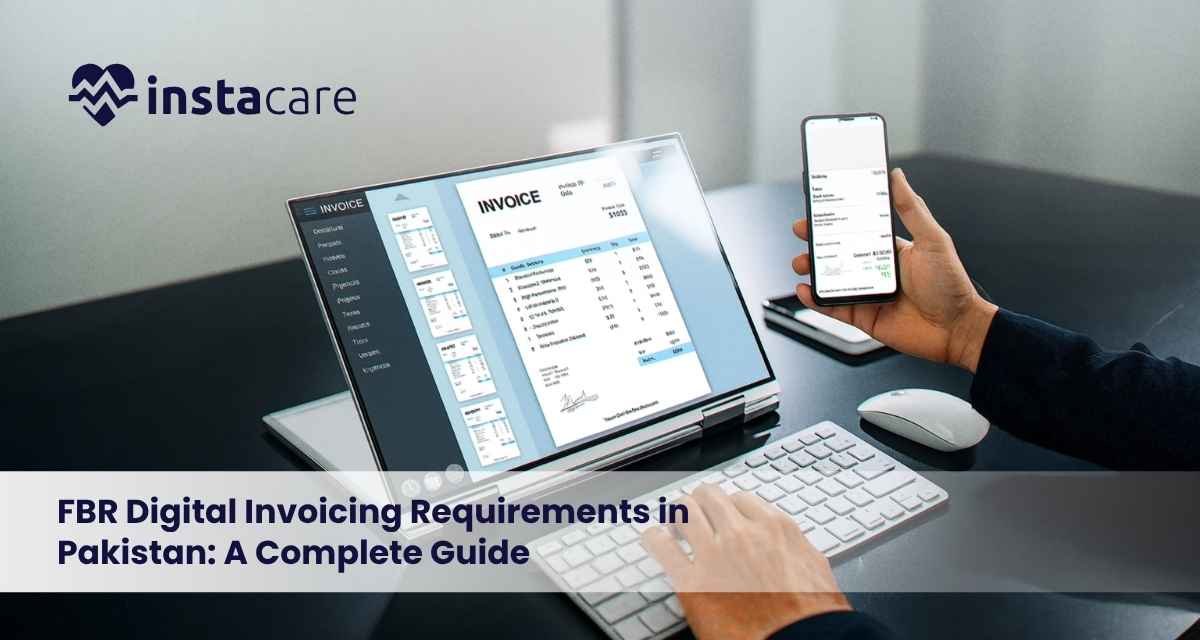
FBR Digital Invoicing Requirements in Pakistan: A Complete Guide There is a fast development of the digitization of the tax system in Pakistan, and one of the most crucial aspects for registered companies is the introduction of digital invoicing by the FBR. This process is supposed to increase transparency, eliminate the need for manual reporting and enable the sales transaction reporting to be carried out electronically by the Federal Board of Revenue. For registered businesses, which must pay sales tax, it becomes especially crucial to understand the requirements for the reason that digital invoicing is not just sending a PDF invoice via email. According to the existing rules, an electronic invoice should be created in the digital format and connected to the tax authority’s computer system. What Is FBR Digital Invoicing? Digital invoice or electronic invoice or e-invoice is an electronic creation and transmission of invoices in the structured form. The scanning of the paper invoice or generation of the PDF version of a manually generated invoice cannot be considered as structured electronic invoice. It has to be generated and transmitted in a structured electronic form as per the prescribed format and via the integrated invoicing system. The integrated invoicing system has been introduced with the intention of facilitating real time or system based reporting of the sales transactions. Is Digital Invoicing Mandatory in Pakistan? Yes. FBR has gradually increased the scope of electronic invoicing requirement to sales tax registered persons. The present stance of FBR is that the electronic invoicing is mandatory for corporate and non-corporate registered persons. The system mandates the registered persons to connect their invoices to the computerized system of FBR and issue electronic invoices under the prescribed guidelines. It is therefore imperative on the part of businesses to confirm the nature of their registration and notifications issued by FBR in this regard. Who Needs to Integrate With FBR? The digital invoicing system applies to sales tax registered persons under any of the categories notified by FBR. Integration could include a business’s: Enterprise Resource Planning system Point-of-Sale system Accounting or billing system Invoicing system Other electronic invoicing system As per the FBR guidelines, it is mandatory for the notified registered persons to integrate their invoicing system using an authorized licensed integrator. Those businesses having more than one branch or system or sales channel have to make sure of integrating all systems generating invoices. What Information Must a Digital Invoice Contain? An electronic sales tax invoice shall have all the required transactional details. They may consist of: Name of the seller Address of the seller Seller’s registration number Name of the buyer/recipient Address of the buyer Registration number of the recipient, if any Date of invoice Tax period Description of the goods/services Quantity Value without tax Sales tax rate applicable Amount of sales tax Sales tax deducted at source, if any Additional tax, if any Further tax, if any Federal excise duty payable under sales tax mode, if any Total discount Reference number of invoice HS code Unit of measurement SRO and its serial number, if any Some details may not be applicable in all cases, especially for some retail transactions with the general public. Therefore, the correct master data becomes very significant. An incorrect tax rate, HS code, unit of measurement, buyer details, or description of products may lead to wrong reporting. Real-Time Transmission of Invoices One of the key requirements in the digital invoicing in FBR is that of issuing an electronic verifiable invoice by the businesses that operate on integrated basis. The provisions allow for the businesses to report their taxable supplies via the integrated system instead of preparing invoices manually and reporting total amounts after that. Thus, businesses require good invoicing software, internet access, proper tax data configuration, and procedures for handling rejected/incomplete invoice transmission. Role of Licensed Integrators In the framework of FBR, the licensed integrators can be used in order to ensure the interconnection between the registered businesses and systems of the tax authority. Licensed integrator represents an organization that is eligible for providing electronic invoicing integration service according to the relevant regulation. The guidance of FBR indicates that those organizations which are obliged to configure and integrate their invoicing system should use a licensed integrator. FBR holds a list of officially recognized integrators. Does a Business Need New Accounting Software? Not really. The firm could have an existing ERP, POS, accounting system, or even customized billing software that is capable of producing all the required information. Yet, the existing system will require some technical alterations in order to: Produce invoices in the required format Communicate through the relevant API Validate mandatory fields on the invoice Send transaction details Receive a confirmation or a validation reply Store digital invoices Manage debit and credit notes The FBR offers technical information on how to integrate digital invoices, which include information on the API. Thus, a firm needs to make a technical assessment before deciding on its future actions. Digital Credit and Debit Notes The requirements for digital invoicing are not confined to just the normal sales invoice. If an adjustment is necessary, it may be necessary to create a debit note or a credit note using the system too. This is vital since the business has to make sure that any change after the sale is recorded properly in its electronic system. These records must also be stored according to the set period. Record-Keeping Requirements Companies should keep complete and accurate electronic documents for their digital invoices. In this regard, the relevant sales tax regulations allow for the storage of electronic documents related to invoices for a period of six years. Debit and credit notes generated via the integrated system should be stored similarly. Companies, therefore, need to take appropriate steps to safeguard invoice information from: Accidental deletion Computer breakdown Any modifications Corruption of data Any cybersecurity issues Effective record management is helpful in tax audit processes too. Digital Invoicing for Online Sales Online-based companies who conduct sales on their websites or
What Is FBR Digital Invoicing in Pakistan? Pakistan’s tax system is transforming to a more digital system, and one of the important elements of this transformational change is FBR Digital Invoicing. This system replaces traditional sale invoices prepared in a paper format, and requires generation of invoices in an electronically readable format and reporting them in an XML or other structured digital format to the tax authority. Digital invoicing has important changes in the way businesses record, report and verify their sales and purchases, and requires integration of businesses’ invoicing systems to the Federal Board of Revenue’s (FBR) computerized system. The change to a digital tax environment requires businesses to electronically transmit invoicing information to the tax authorities and may require businesses to make changes to their accounting systems to increase compliance and reduce invoicing errors. What Is FBR Digital Invoicing? FBR Digital Invoicing is Pakistan’s electronic invoicing framework, which allows businesses to issue digital sales tax invoices. The framework additionally requires businesses to electronically submit required information for their business transactions. Electronic invoices are not simply a scanned copy or PDF version of a paper invoice. An electronic invoice is digitally created with a structured format using electronic systems. Scanning or photographing a traditional paper invoice does not make it a digital invoice. The core objective of the framework is to provide a more transparent relationship between businesses and the tax administration. The framework enables businesses to electronically capture sales transactions. This in turn, helps businesses determine their tax liability and identify potential inconsistencies. Why Has Digital Invoicing Been Introduced? Invoicing systems can use manual data entry and lead to lost, illegible, or delayed records. These systems increase the opportunity for errors, fraud, and manipulation. Digital invoicing reduces the need for reconciliation and standardizes systems. The intended effects include improved transparency and Traceability of Tax Systems (TST), reduced invoice-related fraud, lower manual errors, and stronger sales tax compliance. It enables tax authorities to receive sales information electronically. This improves the efficiency of businesses by allowing invoices and transaction credit and debit notes to be electronically stored, transmitted and exchanged in a structured format. This leads to the reduced use of paper and improves the organization of financial records. Who Is Required to Use Digital Invoicing? Digital invoicing regulations mostly apply to businesses operating under the sales tax system in Pakistan. The FBR’s instructions refer to the mandatory use of electronic invoicing by corporate and non-corporate registered persons under the sales tax system. Previously, official instructions had set the integration dates of electronic invoicing at 1st June 2025 for corporate registered persons and 1st July 2025 for non-corporate registered persons. Later notifications and orders have amended and expanded the earlier requirements. For instance, the ST-3 General Order of 30 March 2026, requires sales-tax-registered persons to integrate their invoicing systems and issue digital invoices. As requirements may be amended, businesses should refer to the latest notification and sales tax rules to determine their compliance obligations. How Does FBR Digital Invoicing Work? The digital invoicing process integrates a company’s invoicing or accounting system with the tax authority’s online system. When a company makes a taxable sale, it issues an invoice through its electronic invoicing software or solution integrated with its point-of-sale system, accounting or resource planning system. The system then transfers the information required for the invoice to the tax authority’s online system electronically. Information Included in a Digital Invoice Depending on the jurisdiction and situation, the information required may include: Seller’s identification Buyer’s identification Invoice number Invoice date Description of the product or service provided Quantity Tax category Taxable value Sales tax Total value of the invoice HS Code A company is required to ensure that its system classifies a product or service correctly, especially if more than one product has the same HS Code but are classified for tax purposes differently. What Is System Integration? Integration refers to connecting the business’s invoicing system to the digital, computerized invoicing system used for tax reporting. This can mean integrating an existing ERP, POS, accounting, or other electronic invoicing software. For businesses subject to these requirements, integration is typically done through an authorized integration facility. Official documents state that notified registered persons may be required to integrate their invoicing systems via a licensed integrator. There are technical documents available to both businesses and software professionals to configure their invoicing systems. Normally, businesses do not have to visit a tax office to physically help complete the integration process. What Is a Licensed Integrator? An integrator is an entity legally authorized under sales tax laws to help connect companies’ invoicing systems with the tax authority’s digital invoicing system. Integrators can configure and integrate software and perform tests, and ultimately send invoice data to the tax authority. Businesses should verify that an integrator has legal authorization before allowing access to invoicing or accounting systems. A tax authority can provide a list of licensed integrators to businesses who need help with system integration. Benefits of FBR Digital Invoicing Digital invoicing can improve accuracy, recordkeeping, and transparency of transactions for the tax system and businesses. Reduced Manual Errors Digital invoicing reduces mistakes caused by manual data entry. Many enterprises digitize invoices after they’ve been generated and processed by other systems, resulting in errors in data. Automated invoice generation can eliminate errors. Better Recordkeeping Digital invoices can be stored, organized, and retrieved more easily than paper invoices, and can be automatically reconciled with accounting systems. Electronic records of sales transactions facilitate better and more timely documentation for tax reporting. Improved Financial Reconciliation Businesses can also benefit from improved reconciliation of sales records with accounting records and tax returns. For large organizations, the integration of invoicing with the accounting or ERP system can improve the financial workflow of the organization. Book Your Free Marketing Consultation What Businesses Should Do to Prepare? Businesses should first determine if they are within the categories of business required to use digital invoicing. They should then review their existing accounting, ERP, POS, or invoicing

How OBGYN Medical Billing Services Reduce Denials Across Maternity and Gynecology Claims Denials in an OB/GYN practice rarely come from one source. A maternity claim may fail because of eligibility changes during pregnancy, an authorization issue, or confusion over services included in a maternity package. A gynecology claim may be delayed because of an unsupported modifier, procedure-code combination, diagnosis mismatch, or incomplete documentation. That mix of maternity care and procedure-heavy gynecology makes denial prevention more complicated than simply checking a claim before submission. Gynecology billing services must understand where errors originate, how payer rules affect different services, and which problems can be corrected before they reach adjudication. Effective OBGYN medical billing services therefore approach denials as a revenue-cycle issue rather than a back-office problem. Why OB/GYN Denials Require Specialty-Specific Review OB/GYN practices manage preventive visits, prenatal care, deliveries, postpartum care, ultrasounds, diagnostic testing, office procedures, and surgery. Each service can follow a different billing path. A generic claim review may confirm that required fields are present. Specialty-focused billing goes further by examining whether the service fits the clinical encounter, whether the diagnosis supports it, whether another service affects its reportability, and whether the payer has additional requirements. Professional gynecology billing services can help practices identify these risks before they turn into repeated denials across similar claims. Maternity Claims Can Break Down Before Delivery Pregnancy-related billing creates challenges long before the delivery claim is submitted. Insurance coverage can change during pregnancy. A patient may switch plans, become eligible for Medicaid, or receive care from more than one practice. These changes can affect how antepartum, delivery, and postpartum services are reported. Effective obstetrics billing services track coverage and payer responsibility throughout the pregnancy rather than relying solely on insurance information collected at the first prenatal appointment. This is especially important when care is transferred between providers or when the practice does not provide every component of maternity care. An experienced obstetrics billing company should recognize when the billing pattern differs from a routine maternity case instead of forcing every pregnancy into the same workflow. Gynecology Procedure Claims Need Documentation That Matches the Code Gynecology creates a different type of denial risk. Procedures such as colposcopy, biopsy, LEEP, hysteroscopy, endometrial procedures, and other office or surgical services need documentation that clearly reflects what was performed and why it was medically necessary. A claim may contain a valid CPT code and still be denied if the diagnosis relationship, modifier, authorization, or clinical documentation does not support the service. A specialized gynecology billing company reviews the connection between the procedure note and the submitted claim. This reduces the chance of billing based only on a charge entry that does not fully reflect the documented encounter. Same-Day Services Need More Than a Modifier OB/GYN practices frequently provide more than one service during the same encounter. A patient scheduled for a procedure may also require a separately significant evaluation. A preventive examination may identify a new problem requiring additional work. These situations require careful coding because not every service performed on the same day is automatically separately payable. CMS uses National Correct Coding Initiative Procedure-to-Procedure edits to identify certain code combinations that generally should not be reported together. In some circumstances, separate reporting may be appropriate when the clinical situation supports it and an allowed modifier is correctly used. Practices can review the official CMS NCCI Procedure-to-Procedure guidance when evaluating Medicare coding edits. An OB GYN billing company should therefore determine whether documentation actually supports separate services before adding a modifier. Using one simply to bypass an edit can create another billing or compliance problem. Diagnosis Selection Can Determine Whether a Claim Survives Review Procedure coding receives considerable attention, but diagnosis coding is equally important. The diagnosis should reflect the condition, symptom, finding, or reason documented for the service. Payers may evaluate that relationship when determining medical necessity or coverage. Strong OB/GYN billing services review the diagnosis-to-procedure relationship instead of treating diagnosis codes as an administrative requirement added after the service has been coded. This becomes particularly important for diagnostic procedures, follow-up testing, abnormal findings, and services that are subject to payer-specific coverage policies. Prior Authorization Problems Should Be Found Before Treatment Some denials cannot be fixed easily after the service has already been provided. Prior authorization is a good example. Depending on the payer and procedure, authorization may be tied to a specific provider, location, date range, service, or number of units. Effective ob gyn medical billing services verify authorization requirements early and keep approval information accessible to the billing team. A missing authorization discovered after adjudication can be considerably harder to resolve than one identified before the procedure. Denial Management Should Identify Patterns, Not Just Rework Claims Correcting individual denied claims is necessary, but it does not prevent the same problem from happening again. A practice may repeatedly receive denials for one procedure because of a modifier issue. Another payer may consistently deny maternity claims because eligibility is not being rechecked. A particular location may have frequent authorization problems. The best OBGYN revenue cycle management approach categorizes these denials and traces them back to their source. That allows the practice to determine whether the real problem sits in registration, eligibility, authorization, documentation, coding, claim submission, or payer processing. Payment Review Is Part of Denial Prevention Not every revenue problem appears as a complete denial. A claim may be paid at a lower amount than expected, partially denied, bundled incorrectly, or adjusted in a way that requires closer review. If payment posting focuses only on whether money arrived, these issues may remain unnoticed. Strong ob gyn billing services compare adjudication results with the submitted claim and applicable payer requirements. This creates a clearer view of both denials and underpayments. Learning From Denials Strengthens Future Claims Denial management works best when information from rejected and denied claims flows back into the front end of the revenue cycle. If authorization problems are increasing, intake procedures may need attention. If procedure claims repeatedly fail coding edits, the coding

How Incorrect Place-of-Service Codes Affect Mental Health Claim Payments A therapy session can be documented correctly, coded correctly, and still produce the wrong payment. The problem may be a two-digit field on the claim. Place of service codes, also known as POS codes, tell the payer where the patient received the service. That difference is important because an office visit, a telehealth encounter at home and care provided in a different setting may not be reimbursed by the same rules. For behavioral health practices, the risk has grown as clinicians move between office-based and virtual care. Mental health billing services help keep the setting documented in the clinical record aligned with what ultimately appears on the insurance claim. When those two records do not match, payment problems can follow even when everything else looks right. Why Two Digits Can Change the Way a Claim Is Paid Place-of-service codes are not simply administrative labels. They give the insurer information about the setting in which care took place. CMS maintains the national POS code set used on professional healthcare claims.For example, POS 11 identifies an office, POS 02 identifies telehealth when the patient is in a location other than home, and POS 10 identifies telehealth received in the patient’s home. Commercial insurers may have their own reimbursement policies, so a code that is accepted by one payer may not yield the same result with another. And that’s where a lot of billing problems start. A Therapy Visit Can Move Settings Without Anyone Noticing Consider a psychologist who normally sees a patient in the office. The appointment was originally scheduled as an in-person visit, but the patient calls that morning and asks to switch to video. The clinician conducts the session while the patient remains at home. Clinically, the appointment is completed without difficulty. Billing may be another story. If the system carries forward the office setting from the original appointment and the claim goes out with POS 11, the claim no longer reflects how the service was actually delivered. The mistake is small on screen, but the payer may use that information when determining payment. Telehealth Is Where POS Errors Often Become Visible Behavioral health practices are particularly exposed because psychotherapy and psychiatric services are commonly delivered through telehealth. For Medicare professional billing, CMS distinguishes between telehealth delivered while the patient is at home and telehealth received elsewhere. POS 10 is used when the patient is in the home, while POS 02 describes telehealth when the patient is not at home. That distinction can matter financially as well as administratively. CMS states that, beginning January 1, 2024, Medicare pays qualifying telehealth services reported with POS 10 at the Physician Fee Schedule non-facility rate. A default telehealth code therefore deserves the same scrutiny as the procedure code itself. For a broader look at location, modifiers, documentation, and payer checks in virtual care, healthcare providers should review current telehealth billing requirements and payer-specific guidance before submitting claims. Incorrect POS Coding Does Not Always Produce a Clean Denial One reason these mistakes are easy to miss is that the claim may not simply reject. A payer might deny the service, reduce payment, process it according to the wrong setting, or request additional information. In other situations, an incorrect claim may initially pay and only surface later during an audit or payment review. That makes POS errors more complicated than a missing field that immediately stops a claim. A billing team needs to look at both denials and unexpected reimbursement patterns. If the same service suddenly pays differently for one group of visits, the care setting is one of the details worth checking. The Clinical Note and Claim Need to Tell the Same Story Place of service should be supported by what actually happened during the encounter. Suppose the progress note clearly describes a video session with the patient at home, while the submitted claim reports an office POS. The two records now conflict. The reverse problem can occur as well. A session completed in the office might accidentally inherit a telehealth setting from an earlier appointment. Behavioral health billing services can help catch these discrepancies before submission by comparing scheduling information, documentation, telehealth indicators, and the claim record instead of relying on a single system field. This is especially useful when practices use separate scheduling, EHR, and billing platforms. Default Settings Can Quietly Create Repeated Errors Not every POS problem comes from a biller choosing the wrong code. Sometimes the software chooses it. EHR templates may populate a default setting based on appointment type. Scheduling systems may keep the original location even after a visit changes from office to telehealth. Interfaces between systems can also fail to transfer location information as expected. One incorrect default can affect dozens of claims before anyone notices. That is why an occasional spot check can be valuable after a practice changes telehealth workflows, adds a new location, changes billing software, or updates appointment templates. The important question is not simply whether the software produced a claim. It is whether the claim reflects the encounter that actually occurred. Payer Rules Still Need to Be Checked Individually The CMS code set provides the standard POS definitions, but payment policies are not identical across Medicare, Medicaid programs, and commercial insurers. CMS itself advises providers to check with individual payers regarding reimbursement policies associated with POS coding. A commercial plan may also require a telehealth modifier or apply its own combination of POS and modifier rules. That makes payer-specific configuration important. Using one universal setup for every insurer can create avoidable denials or payment differences, particularly in a behavioral health practice with a large telehealth population. Catching the Error Before the Claim Leaves the Practice A good claim scrubber may flag an invalid or inconsistent place of service, but software cannot identify every payer-specific problem. Pre-submission edits can identify issues such as invalid POS information, missing modifiers, incorrect dates, and incomplete provider identifiers. The human review still matters. If a patient’s appointment
What is Lab Billing Software? A Complete Guide for Diagnostic Laboratories Billing in diagnostic laboratories may be complicated because of a number of tests, insurance, and coding claims, and payment of patient. The manual billing systems usually introduce mistakes, payment delay and administrative burdens. It is at this stage that a laboratory billing system becomes very crucial. Lab billing software computerizes the process of invoicing, coding and insurance handling, and payment tracking to enable the laboratories enhance efficiency and accuracy in financials. This guide will discuss the functionality of billing software, its purpose, advantages, and reasons it is necessary in the present-day diagnostic labs. What is Lab Billing Software? Lab billing software is a dedicated software that is used to handle billing functions in diagnostic and pathology laboratories. It automates the process of invoice creation, test pricing, insurance claims and financial reporting. Also known as: Diagnostic laboratory billing program. Medical laboratory billing software. Pathology lab billing software The primary aim of these tools is to simplify the work of billing, without violating healthcare regulations and coding standards. How Lab Billing Software Works? Lab billing software is an integration with laboratory management systems, and it automates the billing cycle of the test order to payment collection. Typical workflow: Test data of patients is automatically imported. There is use of test pricing and billing codes. Invoices are created as soon as possible. Claims of insurance are handled. Payments are followed and accounted. The software reduces the manual error by automating lab billing and coding, accelerating the revenue cycle. Key Features of Lab Billing Software The current lab billing software has a diverse scope of capabilities aimed at efficiency and compliance. Automated Invoicing Creates invoices in real time. Accepts various billing types. Handles bulk billing Insurance Claim Management On-line filing of claims. Status updates and tracking claims. Denial management tools Coding Support Inbuilt libraries on medical coding. Healthcare billing standard compliance. Reduces coding errors Payment Tracking Follows up patient and insurance payments. Automated reminders Several support payment gateways. Reporting and Analytics Revenue reports Excellent payment monitoring. Financial dashboards These are the building blocks of Automated lab billing system. Benefits of Lab Billing Software The use of lab billing software has operational and financial benefits. Reduced Billing Errors The automation reduces the number of manual errors that are created when pricing and coding and enhances accuracy and compliance. Faster Payments Automated claim process saves time in payment and enhances cash flow. Improved Efficiency Employees have to spend less time in paperwork and more time in the main laboratory activities. Increased Financial Transparency The sophisticated reporting systems give an overview of revenue, pending payments, and dynamics. Scalability Software can expand with your lab requirements with hundreds of tests per day or thousands per day. The following Lab billing software benefits make it a must-have investment to the expanding labs. Who Can Use Lab Billing Software? Lab billing software belongs to the range of the healthcare providers and diagnostic facilities. Primary users include: Diagnostic laboratories Pathology labs Hospital labs Radiology centers Research laboratories Multi-location lab networks Diagnostic lab billing software can be used in both small clinics and large diagnostic chains based on their complexity in billing. Book Your Free Marketing Consultation Important Factors to Consider Before Choosing Lab Billing Software There is a variety of factors to consider when choosing the appropriate software to bill. Integration Capabilities Ensure compatibility with: Laboratory Information Systems (LIS). EHR/EMR platforms Accounting tools Compliance and Security Search to find software that can support: Medical data security regulations. Secure payment processing Audit trails Ease of Use The interfaces are easy to use and enhance the productivity of the staff. Customization Options Choose software that allows: Custom billing rules Flexible invoicing formats Pricing adjustments Cost and ROI Price lab billing software depending on: The subscription vs single cost. Hidden fees Long-term savings Challenges Solved by Lab Billing Software The paper-based billing systems pose some difficulties that can be overcome with the help of software. Common issues solved: Billing inaccuracies Delayed insurance claims Revenue leakage Manual data entry errors The absence of financial transparency. Complicated laboratory billing and coding. With automated workflow, labs would be able to get rid of administrative bottlenecks and improve financial results. Future Trends in Lab Billing Software Automation, AI, and integration are the trendsetters of the future of lab billing software. AI-Powered Billing Artificial intelligence will: Predict claim approvals Detect billing errors Automate denial management Cloud-Based Platforms Cloud solutions offer: Remote access Lower infrastructure costs Real-time updates Integrated Healthcare Ecosystems The next generation platforms will combine billing with: LIS and LIMS Patient portals Telehealth platforms Smart Analytics Sophisticated analytics will assist labs: Forecast revenue Optimize pricing Improve financial planning These innovations will transform the manner within which medical lab invoicing software works in the contemporary healthcare. Conclusion Lab billing software is an important application that can be used by diagnostic laboratories in order to optimize operations and enhance financial precision. These systems change the way laboratories manage billing and revenue cycles since they help automate invoicing, insurance claim management, and real-time analytics. Acting either as a small pathology laboratory or a network of multiple diagnostic centers, implementing a sound laboratory billing system can save mistakes, speed up the processing, and increase the efficiency of the work. With the development of technology, more intelligent and integrated billing systems will still define the future of health care finance. FAQs What is the primary objective of the lab billing software? The key aim of laboratory billing system is to automatize invoicing, insurance claims and payment follow-up and maintain correct lab billing and coding. Is the small diagnostic lab appropriate to use lab billing software? Yes, diagnostic lab billing software comes in scalable versions which can support small clinics and large laboratory networks. What is the price of lab billing software? Lab billing software pricing is offered in different features, deployment type (including cloud and on-premise), and the size of the lab and is usually priced at affordable monthly subscriptions to

Automated Medical Billing: How Technology is Transforming Healthcare Finance Medicine has never been simple to practice. Clinics, private practices, and hospitals handle thousands of claims daily that require proper coding, insurance verification, and follow-up. A weary, time-consuming, inefficient, and money-sucking process was the past. But thanks to Automated medical billing software, the finances of healthcare professionals are completely revolutionized for the better. With reduced errors, streamlined Automated medical billing workflow, and greater transparency, automation is allowing providers to spend more time with patients and less time shuffling paper. All sizes of healthcare organizations are increasingly comprehending the ability of automation in achieving more steady financial performance. Large hospitals and small community health centers are embracing automation no longer as a luxury but as an additional requirement of modern healthcare finance. What is Automated Medical Billing? Basically, automated medical billing systems were developed to carry out duplicate monetary processes that were initially done manually. They encompass checking insurance eligibility, assignment of proper medical codes, claim preparation, payment submission, and claims follow-up. Computerized medical billing makes every process conducted quickly and accurately with less room for delayed or rejected claims. In the context of manual billing, in which there is ample space for significant revenue loss through incorrect information, automation puts more money into the hands of health caregivers. Most automated medical billing solutions are cloud-based and are therefore able to easily interface with electronic health records (EHRs), practice management systems, and insurance portals. Interfacing allows for free data exchange as well as reducing administrative costs. Whatever automated medical billing for clinics or business clinic software, such systems aim to simplify one of the most intricate elements of healthcare: the revenue cycle. Key Features of Automated Medical Billing Systems Sophisticated billing software is a lot more than claim submission. It incorporates some elegant features that allow providers to effortlessly handle financial operations: Electronic Claims Management – Claims get automatically created, updated, and submitted with reduced denial. Real-Time Insurance Verification – The system checks for coverage before treating the patient to avoid future billing issues. Automatic Coding Guidance – Certain systems include automated medical billing and coding features to ensure precision with the use of ICD-10, CPT, and HCPCS codes. Payment Tracking – Providers can monitor pending payments and determine where the hold-up is. AI-powered automated billing – Predictive analytics is powered by artificial intelligence, detects probable denials, and simplifies decision-making. Personalized Reports and Dashboards – Financial administrators enjoy transparent and unambiguous vision of revenue performance. Integrated Patient Records – Integration of billing information with patient care records for accuracy and transparency. Compliance Controls – Automation of reports, compliance with healthcare legislation and payer guidelines. Automated medical billing process – Payment to registration, all processes get streamlined for effectiveness. All such skills not only facilitate billing but also minimize the fiscal risk of healthcare organizations. Benefits of Automated Medical Billing The use of automation has transformed the healthcare finance with several benefits: Improved Accuracy – There are fewer chances of errors in billing since automated systems cross-matching codes and data with payer rules. Quicker Revenue Cycles – Claims are quicker, and providers get payments sooner. Cost Savings – It reduces the gigantic billing personnel to a bare minimum, saving administrative costs. Better Compliance – Compliant designs protect providers from audits and fines. Transparency with Data – Real-time monitoring enables administrators to make sound money decisions. Better Patient Experience – Streamlined billing, fewer complaints, and quicker claim settlement ensure better patient care. For smaller clinic medicine, automated medical billing is especially applicable. Billing errors can stone dead small clinics. Providers can achieve regular cash flow and free up more cash to use to invest in patient care by using automated medical billing for clinics. Automated medical billing for hospitals helps larger hospitals because it combats large volumes of patients and numerous various payer systems within a single one, avoiding fiscal delays and increasing general efficiency. Problems with Automated Medical Billing While there are advantages, health organizations continue to be urged to apply it: Low Starting Costs – Hiring new staff and retraining existing staff is expensive, and that’s discouraging small centers. Integration Issues – There are still legacy systems in most hospitals that are not compatible with new billing software. Security Threats – Because billing involves personal patient data, robust security shielding against cyber attack is of paramount importance. Systems Reliance – A system meltdown brings down the entire billing system. Worker Resistance – People who are used to doing things the old way will resist switching to automation. Training Requirements – Computer-automated medical billing services implementation is a daunting experience that requires considerable employee training to ensure optimal efficiency. In spite of all these problems, most physicians choose to reap long-term financial benefits and business optimization beyond the initial problems. Book Free Demo What the Future Holds for Medical Billing Automation The future of healthcare finance is increasingly digital, and automation will be the star. More advanced technologies further hone efficiency and precision: Automated revenue cycle management – New systems will not only automate billing but also the entire revenue cycle from registration to collections. Smart AI Tools – AI will not only anticipate denials but even suggest remediation prior to claims submission. Cloud-Based Expansion – Cloud-based technology will automate small practices without the massive capital outlays. More Patient Engagement – Patients will have easier access to billing notices, payment portals, and financial consulting. Interoperability – Systems will start sharing data more with EHRs, payers, and even government agencies to simplify workflow. Automation will no longer be only about efficiency; it will also be applicable to profitability and patient satisfaction because technology will be more advanced. Final Thoughts Automated processes are not a choice but a necessity in healthcare finance. With the process being automated, less human error, and quick payments, automated medical billing systems are

Credentialing in Medical Billing: Process, Significance, and Best Practices Credentialing of medical billing in today’s highly regulated medical health market is unavoidable and mandatory. As a solo practitioner or as an employee of a large practice, going credentialed ensures you’re certified to treat payers and patients for insurance for work done. Without the valuable process, delayed payments, denied claims, and non-compliance are threats to the financial success of a practice. This guide will walk you through the provider credentialing process, explain why credentialing is so important to medical billing, and provide you with best practices in having your credentialing process done correctly and efficiently. What is Credentialing in Medical Billing? Credentialing is assurance that healthcare providers, physicians, nurse practitioners, or physician assistants are competent to practice medicine and receive reimbursement from insurance carriers. It involves verification of: Medical education and degrees Board certifications State licensure Work history Malpractice insurance DEA registration NPI number Credentialing in revenue cycle management is important to ensure the provider is able to bill and receive payment for services. While some mix up enrollment with credentialing, they are not the same. Credentialing vs enrollment in healthcare is a two-part process that is separate but not unrelated: credentialing confirms qualifications, and enrollment formally places the provider on insurance providers’ lists so they can start billing. Both processes are critical and must be handled with care and accuracy. The Credentialing Process The credentialing process cycle differs for every payer and provider type but typically ranges from 60 to 180 days. Delay at any stage can hinder a provider from bringing in revenue. Step 1: Gather Documents Needed Begin by stockpiling valuable content, such as: State medical licenses DEA certificate Malpractice insurance Board certifications and school transcripts Tax ID and NPI numbers Work history and peer references These constitute the majority of the credentialing checklist for medical billing and must be correct and current. Step 2: Submit Applications to Insurance Payers Applications are submitted to Medicare, Medicaid, and commercial payers like Aetna, UnitedHealthcare, or Blue Cross Blue Shield. Accuracy here is paramount to avoid delay. Step 3: Primary Source Verification Insurance providers conduct a serious verification of all papers submitted directly with the source (e.g., medical schools, licensing commissions). Inconsistencies may prompt follow-up or denial. Step 4: Committee Review Credentialing committees review the provider’s credentials and decide on eligibility for inclusion in their network. Step 5: Enrollment and Contracting Approved, the provider is enrolled and signs on to a contractual agreement with the payer, legally authorizing them to bill for services provided. Most practices utilize the medical billing and credentialing services in order to accomplish the task efficiently. Book Your Free Marketing Consultation Role of Credentialing in Medical Billing The role of credentialing in medical billing has a lot to do with the financial success and compliance of a healthcare practice. 1. Legal and Financial Eligibility Credentialed providers alone are reimbursed by payers. Uncredentialed filing will generally result in denial and loss of revenue. 2. Compliance and Risk Management Credentialing safeguards against criminal or underqualified providers. Confirmation of credentialing assures credentialing and compliance in medical billing by validating provider legitimacy. 3. Direct Revenue Cycle Impact Credentialing is just one revenue cycle management method of credentialing. When properly implemented, it reduces claim rejections and delays, enhancing cash flow. 4. Gives Trust and Credibility Both patients and insurers are at ease with credentialed providers. It is reassuring and shows that there is a desire to keep professional standards. Best Practices for Credentialing To effectively manage the credentialing process, the following best practices in credentialing must be used by health organizations: 1. Start Early Start the credentialing process 3–6 months before a provider’s projected start date to allow for the frequently lengthy credentialing process timeline. 2. Utilize Credentialing Software Invest in credentialing software in healthcare that will automate data gathering, monitor progress, and automatically remind for license renewals or expirations. 3. Maintain Centralized Credentialing File Maintain a locked, centralized electronic file of all provider records. Updates and renewals are thus maintained with ease. 4. Perform Internal Audits Keep tabs periodically to ensure all provider files are current and compliant with credentialing requirements for healthcare providers. 5. Use the Services of a Professional Hiring medical billing and credentialing companies saves time and eliminates expensive mistakes, particularly for small or undermanned practices. Most Frequent Issues and How to Avoid Them Nursery-rhyme practices continue to face common credentialing challenges in healthcare. Below are how to avoid them: 1. Incomplete Applications Solution: Utilize a comprehensive checklist and review each of them thoroughly before submitting them. 2. Failure to Follow Up Solution: Appoint one staff person to monitor progress and follow up with payers from time to time. 3. Insurance Company Delays Solution: Start early and make a record of all contacts. 4. Misunderstanding between Enrollment vs Credentialing Solution: Educate employees to differentiate to make the processes effective. 5. Renewals and Re-credentialing Solution: Install credentialing software in healthcare that sends automatic renewal reminders to remain compliant and prevent lapses. Conclusion Credentialing isn’t a rule, credentialing is an essential business process that impacts an organization’s operational success and bottom line. Proper credentialing assures providers are legally qualified to provide care, bill payers, and get reimbursed promptly. Without it, practices lose claims denials, delayed payments, and even possible compliance violations. An effective provider credentialing process is equivalent to an effective revenue cycle, decreases administrative time and effort, and generates improved payer and patient relationships. It also earns confidence by confirming a provider’s credentials and commitment towards quality care. With best practices in place within the industry, proper documentation, and an earlier start, practices can go more smoothly and avoid pitfalls. Outsourcing to professional medical billing and credentialing services or credentialing software in healthcare will make it more efficient and accurate. Credentialing, if handled strategically well, is not only necessary, it is a competitive edge and differentiator in today’s health care complexity. FAQs What is the difference between credentialing and enrollment in healthcare Credentialing generates the provider’s licensure, certification,

Denial Management in Healthcare: Process, Strategies & Best Practices Healthcare providers are increasingly being forced to remain cost-neutral while providing quality patient outcomes. Denial management is now a revenue cycle denial management critical element that has definitive implications for an organization’s bottom line and daily operations. Industrywide denial levels are 5-10%, and denial management in medical billing is a significant means by which healthcare providers can reclaim lost dollars and get their money moving more productively. The intricacy of contemporary healthcare payment systems, the constantly changing payer policies and regulatory needs, presents a wide gamut of opportunities for delay or denial of claims. Healthcare providers with poor denial management processes in healthcare techniques get trapped in lengthy payment cycles, escalating administrative expenses, and poor cash flow. Mastery and comprehension of the art of denial management are the keys to financial prosperity in today’s competitive healthcare environment. What is Healthcare Denial Management? Denial management is the systematic process of denial identification, analysis, appeal, and denial prevention in medical billing within healthcare revenue cycle management. Denial management is an integrated process incorporating the entire life cycle of denied claims from discovery through to ultimate closure. The process engages multiple stakeholders such as billing professionals, physicians, and revenue cycle managers, who communicate with each other to maximize reimbursement and reduce claim denials in healthcare. Successful denial management is more than the resolution of denied claims. It is an active process including denial prevention techniques, root cause analysis, and ongoing process improvement initiatives. Health care organizations that have effective denial management workflow systems tend to have better cash flow, less administrative stress, and better payer relationships. The activity uses dedicated personnel, payer requirement specialist expertise, and advanced tracking systems to measure performance as well as to spot areas for improvement. Common Denial Reasons Knowledge of common claim denial reasons in healthcare is the building block of successful denial prevention. Health care providers are faced with many categories of denials, each with their own solution methods and prevention steps. Administrative Denials include the most common, which most often stem from: Absent or incomplete demographic patient information Incorrect provider identifiers or credentials Duplicate submission No prior authorizations or referrals Incorrect diagnosis or procedure coding Clinical Denials are historically followed by medical necessity decisions and can be: Lacking documentation clinically to support Services are not considered medically necessary based on the payers’ review Investigational or experimental procedures Not meeting coverage guidelines or clinical criteria Technical Denials occur due to technical problems in the billing system like: Mistaken format for claim Technical flaws in electronic transmission Timing error in transmitting the claim Incorrect provider information for billing Based on such trends by denial tracking in revenue cycle management from total denial allows healthcare organizations to stage denial prevention in medical billing procedures against causations, rather than symptoms. Denial Resolution Process The denial resolution process uses a formal process approach that maximizes recovery at the lowest administration expense. Equal handling of denied claims and open visibility throughout the resolution process is facilitated by a formal process. Initial Denial Identification is when payers claim denials of claims through electronic remittance advice or mail. There must be established processes for capturing and classifying healthcare claim denials in a timely manner so delays would not affect the timelines of appeals or statute of limitations. Denial Analysis and Categorization is conducting a review of denial causes, evaluating appealability, and categorizing claims based on financial severity and ability to succeed. This function demands experienced personnel with expertise in payer policies, regulatory rules, and clinical documentation requirements. Appeal Preparation and Submission includes support document collection, letter preparation for appeals, and submission requests promptly. The denial appeal process in healthcare tends to be multilevel in nature and necessitates persistence as well as payor-specific procedure knowledge at detailed levels. Tracking and Follow-up ensure appeals go through payer review cycles and detect additional information requests or support document requirements. Effective tracking solutions give insight into the status of appeals and enable proactive management of open cases. Successful Denial Management Strategies Effective claim denial management strategies involve active prevention coupled with effective resolution processes. Providers must craft good strategies that cover short-term denial matters and long-term prevention measures. Proactive Denial Prevention applies front-end processes to determine and resolve possible causes of denial before claims are submitted. These include eligibility verification, pre-authorizations, and clinical documentation improvement programs. Prevention-focused companies enjoy better success rates compared to companies that implement post-denial resolution only. Denial Reporting and Analysis offer denial trends, drivers, and patterns. Denial rates by payers, denial reason codes, and rates of appeal success must be developed as key performance metrics. Regular monitoring of these metrics enables focused improvement actions and resource planning. Staff Training and Education confirms staff understanding of payer rules, documentation rules, and appeal processes. Ongoing training sessions must incorporate coding updates, regulatory changes, and payer policy updates that impact denial levels. Payer Relationship Management involves open lines of communication with insurance company representatives and attending provider education forums. Good payer relationships can quickly resolve hard issues and give a warning of policy changes. Book Your Free Marketing Consultation Best Practices for Denial Reduction With a focus on prevention of denials through process improvement by systematic and quality control processes, denial management best practices are grounded in healthcare organizations adopting total strategies involving administrative as well as clinical elements of the revenue cycle. Improved Documentation Practices guarantee clinical records to support billed services and payers’ requirements. Clinical documentation guidelines should be imposed by healthcare providers, along with physician education modules and regular audits to detect where improvement is needed. Accurate documentation is the cornerstone of effective claim processing and appeal resolution. Technology Integration simplifies denial management processes with workflow, electronic appeal filing, and real-time eligibility verification. Advanced denial management tools/software in healthcare today offer greater analytics, automated workflow queues, and integration capabilities for improved efficiency and accuracy. Quality Assurance Programs take a systematic review of the claims submission process to determine errors before payer transmission. Pre-submission audits,

Payment Posting in Medical Billing: Process, Importance & Best Practices Payment posting is the financial pillar of healthcare. Role of payment posting in revenue cycle management. Payment posting ensures that all payments received, whether from payers or patients, are properly posted, allocated, and associated with claims submitted. Proper payment posting process in medical billing cuts out discrepancies, identifies reimbursement patterns, and maintains steady cash flow. Without timely payment posting, providers suffer from revenue leakage, compliance issues, and angry patients with incorrect bills. Healthcare organizations invest in specialized personnel, standardized processes, and advanced technology to maintain their financial cycle productive and accurate. What is Payment Posting in Medical Billing? Payment posting is the organized posting of insurance and patient payments against health care claims. It’s not so much a matter of typing numbers into a system, it’s doing things clearly, preventing scams, and having good finances. Two core elements constitute payment posting: Insurance Payment Posting in Billing – Insurer payments for services given to patients. Payments can be in the form of an explanation of benefits (EOB) or remittance advice. Patient Payment Posting in Medical Billing – Direct payments to patients, i.e., co-pays, deductibles, or balance due. By keeping both streams in control, health organizations are able to have greater clarity for accounts receivable balances and prevent loss of revenue. A sound process minimizes error, closes claims with efficiency, and enables financial reporting. The Payment Posting Process Payment posting is an organized series of procedures implemented to properly account for payments in their entirety. Let’s break it down step by step: Receiving Payments – Payments can arrive in a multitude of ways: checks, EFTs (Electronic Funds Transfer), or electronically, such as ERA (Electronic Remittance Advice) posting. Payments can also be received at the point of service by the patients. Verification of Information – Every payment is verified against the claim filed. This guarantees that the amount received is the same as the amount reimbursed. Posting Payments – Payments are posted and credited to the relevant patient accounts or claims after verification. Identification of Errors or Adjustments – Discrepancies and underpayments are identified. Denial management and payment posting interface and payment posting have now become relevant, as denied or partially paid claims must be taken care of within an expeditious time period. Reconciling Payments – Payments are reconciled against internal financial accounts and bank deposits, a reconciliation activity referred to as payment reconciliation in medical billing. Reporting – Reports are generated to examine payer trends, payment delay, or ongoing underpayment. This process is the foundation of open revenue management. Need for Proper Payment Posting The importance of payment posting in RCM because it touches all facets of the revenue cycle: Financial Accuracy – Providers can view precisely what has been paid and what is still outstanding. Patient Confidence – Correct posting of payments reduces overcharging or undercharging, improving the patient billing process. Faster Revenue Cycle – Providers can close claims efficiently and proceed without delay once payments are posted on time. Operational Effectiveness – Staff can spend less time redoing errors and more time on denial resolution and patient care. Regulatory Compliance – Neater records lower chances of audit failure and financial penalties. The Payment posting workflow is self-explanatory: without proper posting, the whole fiscal structure of healthcare collapses. Book Your Free Marketing Consultation Common Issues with Payment Posting Though essential, payment posting has various problems affecting accuracy and punctuality. Some of the most prevalent issues with Payment posting challenges in healthcare include: Remittances Delay – Insurers can delay claim payments, and reconciliation is complicated. Human Mistakes – Hand postings generate medical billing payment posting discrepancies, including misposting payments or not posting adjustments. High Transaction Volume – Busy practices and hospitals process many thousands of transactions daily, jeopardizing accuracy. Denials and Underpayments – Denied claims due to coding or documentation mistakes will creep through if not identified immediately. Unposted Payments – Unmatched payments mislead patient accounts and skew financial reports. Resource Constraints – Medical practices cannot deal with the size and complexity of postings if not supported with manpower or infrastructure. Best Payment Posting Practices Following best practices in payment posting guarantees accuracy, consistency, and punctuality. Effective practices are: Standardizing Procedures – Create standard procedures for posting insurance and patient information, as well as rules regarding adjustments. On-Time Posting – Post payments immediately upon receipt to avoid backlog and enhance financial clarity. Staff Training – Ongoing training sessions enable teams to remain current on payer policy and compliance regulations. Audit Trails – Implement a system of scheduled audits to detect Medical billing payment posting errors and assess compliance with healthcare policy. Communication – Have open communication channels with insurance carriers to enable expeditious resolution of disagreements or explanation of adjustments. Technology Adoption – Invest in automated and high-end payment posting software for medical billing to speed up processes and minimize human mistakes. Role of Technology in Payment Posting Medical professionals frequently bemoan Manual vs automated payment posting. Manual is rooted in so much staff typing in data, laborious and error-ridden. In contrast, automation links directly with banking systems and clearinghouses, importing data into the billing system without tedium. Automation offers several advantages: Error Reduction – Removes miskeys and missed transactions. Efficiency – Reduces turnaround times significantly. Data Insights – Gives insights of payer behavior and denials. Scalability – Processes large amounts of claims with ease. By using payment posting software for medical billing, organizations can maximize productivity, accuracy, and decision-making. Accurate Payment Posting Benefits An effective payment posting system has many accurate payment posting benefits: Better cash flow through faster reimbursements Reduction in denials and rejections Unobstructed transparency of patient balances that build trust Better audit readiness and compliance Detailed reportings for financial planning Better staff productivity by minimizing rework All of these benefits are reasons why payment