
Last updated on Thursday, 9, July, 2026
Last Updated on 3 months ago by Ahmed Usman
Table of Contents
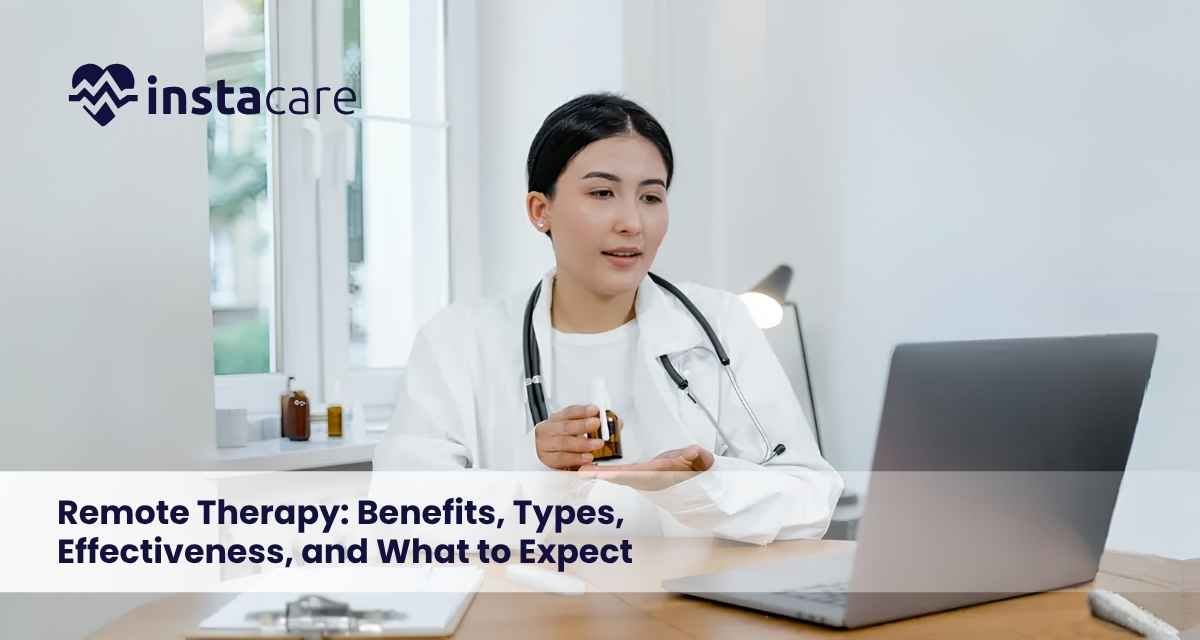
Remote Therapy: Benefits, Types, Effectiveness, and What to Expect
Remote therapy, or teletherapy, refers to therapy that can be done virtually rather than requiring an in-person appointment. Remote therapy has added a level of convenience and accessibility to mental healthcare that can be helpful to people with a busy schedule, physical limitations, or people that live in areas that lack mental health services.
Remote therapy is useful for a variety of mental health issues. There are situations where it may not be the best fit, but a lot of people find it to be a suitable replacement for traditional therapy. With the advancement of secure technology, and the acceptance of virtual healthcare, remote therapy is an excellent tool for improving mental health.
What is Remote Therapy?
Remote therapy is a method of providing mental health counseling that utilizes digital communication in place of in-person office visits. This type of therapy is still conducted through secured online systems.
Therapy can still be provided through real-time, live video sessions, telephone sessions, or secure and proprietary systems of text-based messaging, depending on the specific needs, preferences, and goals of the client. The objectives and outcomes are the same as in-person therapy.
Who Is Remote Therapy Good For?
Remote therapy can be used for a broad range of mental issues and concerns. It is especially useful for those who have challenges going to in person sessions due to work, travel, physical limitations, or family responsibilities.
Remote therapy can be used for:
- Anxiety and worry
- Depression
- Stress
- Relationships
- Grief
- Trauma
- Burnout
- Therapy
- Transitions
- Self-esteem
- Emotional concerns
Remote therapy can be used as supportive therapy for people with long-term mental conditions who are being treated and monitored by a mental health professional.
Book Your Free Marketing Consultation
What Are The Various Types of Remote Therapy?
There are multiple options for therapy that can be chosen based on personal preference and comfort.
Video Therapy
In this type of therapy, the session is very similar to a face-to-face meeting. The therapist and client are able to see each other and communicate in a very personal way by interpreting facial and body language.
Telephone Therapy
Telehealth Therapy over the phone is a great option for those who do not have reliable internet access or do not feel comfortable appearing on camera. Even without video, it provides meaningful therapy, emotional support, and a convenient way to connect with a licensed therapist from the comfort of home.
Secure Messaging
Some therapy services support clients contacting their therapist through secure written messages. This option supports therapy in between scheduled sessions, however it is not a substitute for live therapy.
Group Remote Therapy
Group therapy is a from a virtual therapy session where multiple clients with similar issues can share their experiences with a therapist, learn and practice coping strategies, and receive support.
Convenience is a highlight when it comes to the perks of remote therapy. Travelling to a location for your appointment is eliminated and it’s easier to fit remote therapy into your schedule.
Some additional benefits include:
- More flexible appointments
- Less expensive
- Easier appointment scheduling for rural or underserved populations
- Easier appointment scheduling when moving or traveling
- More private and comfortable
Remote therapy often leads to a feeling of privacy, and many people feel it is easier to open up.
Is Remote Therapy Effective?
Remote therapy is very successful for many people. If people remote therapy are going to be successful, it is very important to be proactive and schedule regular appointments because many people see a decrease in depression, anxiety, and stress.
Success of remote therapy is up to the therapist and the person receiving therapy, but it is also important to use the right therapy for the person and their situation.
What to Expect During a Remote Therapy Session?
The first appointment will often gather your history, present concerns and help your therapist set goals for your treatment. They willask about symptoms, your feelings, everyday life and relationships.
Once therapy is in full swing, therapy will help you navigate your feelings about what’s going on in your life, practice coping skills and set goals.
To be successful in therapy, you need to be in a quiet room with a fast connection and good sound, and you need to be honest with your therapist.
Keep a journal to help document insights and coping strategies.
Potential Limitations of Remote Therapy
Remote therapy has a multitude of pros, but that doesn’t mean it is universally beneficial to everyone.
Some consider the following to be potential drawbacks:
- Internet or other technical issues
- Difficulty interpreting body language over the phone
- Lack of privacy during the session due to your living situation
- Inability to help during some mental health crises
- Some people find it hard to develop a relationship over Remote Therapy
- If your situation is a safety or psychiatric emergency, you should seek in person emergency care.
How to Prepare for Your First Appointment?
You’ll be more comfortable and it will be more beneficial if you prepare in advance for your first session. Before your first session, outline the topics you’d like to cover and what you’d like to accomplish with therapy.
To get ready for your session:
- Check the Internet connection and functionality of your computer
- Select a private location free of other people
- List out symptoms and concerns you have
- Prepare some questions to help guide the session
- Keep water and tissues nearby
- Having the right mindset and approach will help out a lot.
Strategies for Remote Therapy Engagement
To achieve a desirable outcome, the therapy strategies should be employed consistently. During the sessions, some strategies to help you progress include:
- Showing up at the scheduled time.
- Doing the exercises or the homework that’s outlined during the session.
- Employ working coping strategies.
- Be honest and open while communicating with your therapist.
- Talk about any concerns you have regarding therapy.
Be aware that progress will be incremental, and adapting your approach to the circumstances will help with the process.
When Should You Seek Immediate Help?
Remote therapy has its limits. Some situations require more immediate care than scheduling the next available slot for therapy.
Look for emergency services if you or someone else is:
- Having thoughts about hurting yourself or someone else
- Losing touch with reality
- Experiencing extreme confusion
- Unable to care for yourself
- In the state of a mental health emergency
Mental health emergency services have the ability to respond to most situations where the delay in response would have a significant impact.
Final Thoughts
Remote therapy provides the great benefit of allowing people to pursue mental health care without leaving their homes. One of the great aspects of remote therapy is the variety of ways to pursue therapy: video, phone, or secure messaging. This allows people to fit therapy into their schedule. It allows people to manage anxiety, stress, depression, relationship issues, and many other challenges.
Remote therapy may not be able to address all the challenges of face-to-face therapy, but for many people, it has been a great service. The best way to get the most out of remote therapy is to select a private place, be a part of the therapy session, and have consistent communication with your therapist.
FAQS
Is remote therapy as good as in-person therapy?
For a lot of mental health support, remote therapy is just as good as in-person therapy. It relies on the same things: participation, communication, the right therapeutic modality, etc.
What do I need for online therapy?
Going to online therapy usually just requires having a device that can connect to the internet for video sessions. You’re set with just a microphone, camera, and a reliable internet connection. For phone therapy, you just need a reliable phone.
Is online therapy safe and secure?
Definitely! Remote therapy employed by licensed mental health professionals is usually really good at utilizing communication platforms with secure channels to help keep client confidentiality. It’s also important to choose a private location where you can speak comfortably without interruptions.