

Last updated on Thursday, 3, September, 2026
Table of Contents
What Are Medication Errors? Causes, Types, Prevention, and Safe Medication Use
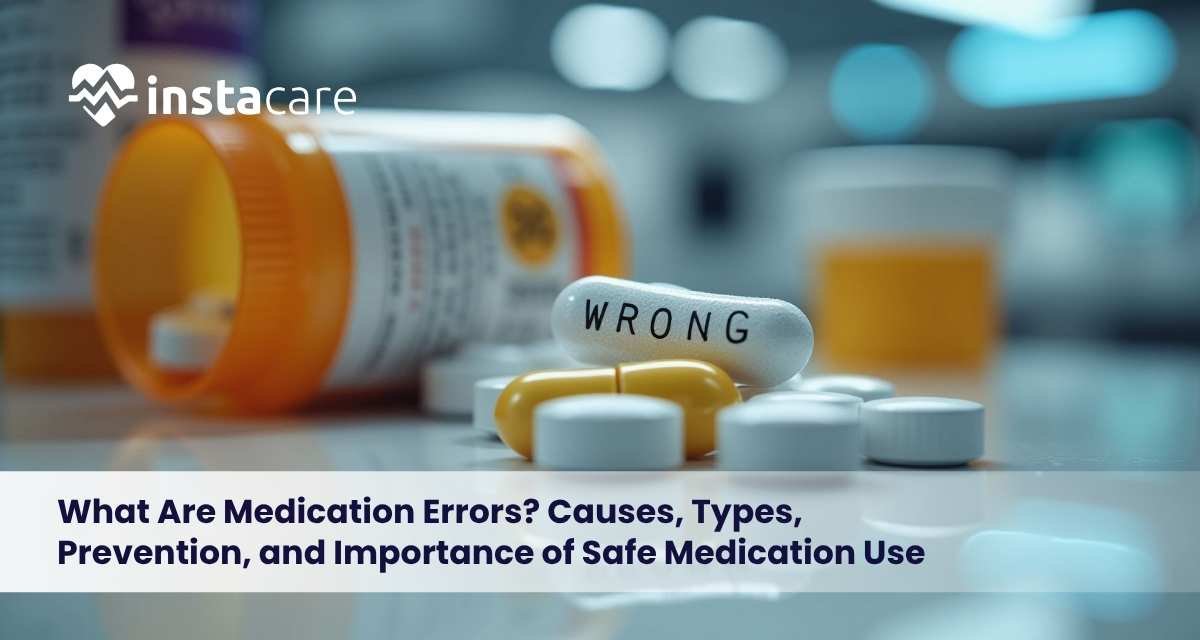
Medicines play an essential role in treating, managing, and preventing illnesses while helping relieve symptoms such as pain and discomfort. However, mistakes can occur at different stages of the medication process. These mistakes are known as medication errors and can sometimes affect a patient’s health and recovery.
Medication errors can happen while prescribing, preparing, dispensing, administering, or taking medicines. They may involve the wrong medication, incorrect dosage, improper timing, incorrect administration methods, or misunderstanding medication instructions. These errors can occur in hospitals, clinics, pharmacies, and even at home.
Understanding what medication errors are, what causes them, and how they can be prevented can help patients, caregivers, nurses, and other healthcare professionals promote safer medication use.
What Is a Medication Error?
A medication error is an unintentional mistake that occurs during any stage of the medication-use process. It can happen when a medicine is prescribed, prepared, dispensed, administered, or taken incorrectly.
Medication errors do not always cause harm. However, some mistakes can result in ineffective treatment, adverse reactions, complications, or worsening of a patient’s condition. Careful communication and attention at every stage of medication use can significantly reduce these risks.
Common Types of Medication Errors
Medication errors can occur in several forms. Understanding the most common types can help patients and caregivers identify potential risks.
Wrong Medication
A wrong medication error occurs when a person receives or takes a medicine that was not intended for them or is inappropriate for their condition.
For example, medicines with similar names or packaging may be confused. Poor storage and labeling can also increase the risk of taking the wrong medication.
Wrong Dosage Error
A dosage error occurs when a patient takes more or less medicine than prescribed.
Taking too much of a medication can increase the risk of adverse effects or toxicity, while taking too little may make the treatment less effective.
Wrong Timing Error
Some medications need to be taken at specific times or at particular intervals to work effectively.
Taking a medicine too early, too late, or missing a scheduled dose can affect treatment. Patients should follow the timing instructions provided by their healthcare professional or pharmacist.
Wrong Patient Error
A wrong patient error occurs when medication intended for one person is given to another person.
This may happen because of poor identification procedures, incorrect labeling, communication problems, or confusion between patients.
Incorrect Method of Administration
Some medicines must be administered in a specific way. For example, certain medications may need to be taken with food, while others may need to be taken on an empty stomach.
Using the wrong administration method can reduce the effectiveness of a medicine or increase the risk of unwanted effects.
Missed Medication Doses
Forgetting to take a prescribed medicine is another common medication error.
Repeatedly missing doses may reduce the effectiveness of treatment and can potentially delay recovery. Medication reminders, organized routines, and caregiver assistance can help patients stay on schedule.
What Causes Medication Errors?
Medication errors can have several causes. Many are preventable when appropriate safety measures and communication practices are followed.
Lack of Proper Information
Patients may make mistakes when they do not fully understand their medication instructions.
Healthcare professionals should clearly explain the medication name, dosage, timing, duration, and method of administration. Patients should also ask questions if any instructions are unclear.
Similar Medicine Names or Packaging
Some medicines have similar names or packaging, which can increase the possibility of confusion.
Proper labeling, organized storage, and carefully checking the medicine before administration can help reduce this risk.
Poor Medication Management
People who take multiple medications may find it difficult to remember different doses and schedules.
Keeping an updated medication list and using a structured medication routine can make medication management easier.
Communication Problems
Poor communication between patients, caregivers, doctors, nurses, and pharmacists can contribute to medication errors.
Important information such as allergies, existing health conditions, current medications, and dosage instructions should be communicated accurately.
Distraction and Carelessness
Distractions, fatigue, workload, time pressure, and inadequate attention can contribute to mistakes during medication preparation or administration.
Following standardized procedures and taking time to verify medication details can help reduce avoidable errors.
Inadequate Instructions
Patients may incorrectly use a medicine when they do not understand its purpose or how it should be taken.
Clear instructions and appropriate patient education are important parts of safe medication use.
Who Is More at Risk of Medication Errors?
Although medication errors can affect anyone, certain groups may face a higher risk because of complex treatment plans or difficulties managing medicines independently.
Older Adults
Older adults may take several medications to manage multiple health conditions. Managing different medicines, doses, and schedules can increase the risk of confusion.
People With Multiple Health Conditions
Individuals with several health conditions may require multiple medications. A complex medication schedule can make it harder to maintain accurate medication routines.
Children
Children often require carefully calculated medication doses based on factors such as their age, weight, and medical condition. Even a small dosing mistake can potentially cause problems.
People With Memory Problems
Individuals experiencing memory difficulties may forget medication schedules, take a dose more than once, or accidentally miss doses.
They may benefit from reminders, organized medication systems, and assistance from caregivers.
What Are the Consequences of Medication Errors?
The consequences of medication errors depend on the type of error, the medicine involved, and the patient’s health condition.
Potential consequences can include:
- Ineffective treatment
- Delayed recovery
- Unwanted or adverse effects
- Allergic reactions
- Worsening of an existing condition
- Additional healthcare requirements
- Increased risk of complications
Because the consequences can vary significantly, suspected medication errors should be addressed promptly by an appropriate healthcare professional.
Book Your Free Marketing Consultation
How Can Medication Errors Be Prevented?
Many medication errors can be reduced through simple and consistent safety practices.
Keep an Updated Medication List
Maintain a current list of all medications being taken. Include:
- Medication names
- Dosages
- Frequency
- Instructions
- Relevant allergies or medication-related information
An updated medication list can help patients, caregivers, doctors, and pharmacists understand the complete medication routine.
Follow Medication Instructions Carefully
Always follow the instructions provided by your healthcare professional or pharmacist.
Do not independently increase, decrease, or stop a prescribed medication unless advised by an appropriate healthcare professional.
Store Medicines Properly
Medicines should be stored according to their specific storage instructions.
Keeping medicines in their original labeled containers and separating different medications can help prevent confusion. Medicines should also be stored safely away from children when appropriate.
Check Medicine Information Before Taking It
Before taking a medication, check the name, dosage, instructions, and expiration information where applicable.
If the medicine looks different than expected or there is uncertainty about the prescription, ask a healthcare professional or pharmacist before using it.
Use Medication Reminders
People who frequently forget their medication can use reminders to maintain a consistent schedule.
Depending on individual needs, reminders may include alarms, calendars, medication organizers, or caregiver assistance.
Ask Questions
Never guess when you are unsure about a medication.
Patients should ask their doctor or pharmacist about the purpose of a medicine, how to take it, when to take it, and what to do if a dose is missed.
The Role of Caregivers in Preventing Medication Errors
Caregivers can play an important role in medication management, particularly for older adults, people with disabilities, and individuals who take multiple medications.
Organizing Medications
Caregivers can help maintain an organized medication routine and ensure medicines are kept in appropriate labeled containers.
Monitoring for Problems
Caregivers can observe patients for unexpected reactions or changes after medication administration and communicate relevant concerns to healthcare professionals.
Communicating With Healthcare Professionals
Caregivers can help communicate medication-related information to doctors, nurses, and pharmacists, particularly when patients have difficulty explaining their medication routines or concerns.
Why Is Medication Safety Important at Home?
Medication safety is not limited to hospitals and healthcare facilities. Safe medication practices are equally important at home.
A structured medication routine can help reduce confusion and prevent common mistakes.
Important medication safety practices at home include:
- Keeping medicines in their original labeled containers
- Following professional instructions
- Avoiding the use of someone else’s prescription medicine
- Storing medicines according to their instructions
- Keeping medicines out of children’s reach
- Maintaining an updated medication list
- Checking medication information before use
How Can Home Nursing Support Help With Medication Management?
Medication management can be particularly challenging for older adults and individuals with complex treatment plans.
Home nursing support can assist eligible patients with maintaining medication routines, reminders, monitoring, and other aspects of care according to the care plan provided by healthcare professionals.
Trained healthcare professionals can also help caregivers maintain a more organized approach to medication management and communicate relevant concerns to the patient’s healthcare provider. Using Pharmacy Software can also support pharmacies in organizing medication-related processes and maintaining accurate records.
For families caring for individuals who need additional support at home, professional home nursing services can provide greater convenience while supporting safer medication routines.
Conclusion
Medication errors can occur during prescribing, preparation, dispensing, administration, or the use of medicines by patients. Common examples include taking the wrong medication, using an incorrect dosage, taking medicine at the wrong time, missing doses, or misunderstanding medication instructions.
Many medication errors can be prevented through clear communication, careful organization, proper medication storage, adherence to professional instructions, and regular medication checks.
Patients who require additional assistance may benefit from professional support with medication management. Instacare Home Nursing Services provides home-based healthcare support to help patients and families manage their care with greater convenience and confidence.
Safe medication use is an important part of overall healthcare, and proper guidance can help reduce preventable medication mistakes.
Frequently Asked Questions About Medication Errors
What Is the Main Reason for Making Mistakes With Medicines?
Medication mistakes can occur because of unclear instructions, incorrect dosages, poor medication organization, communication problems, distractions, or misunderstanding how a medicine should be taken.
Can Medication Errors Be Prevented?
Yes. Many medication errors can be prevented by following healthcare professionals’ instructions, maintaining an organized medication routine, checking medication information, communicating clearly, and asking questions whenever instructions are unclear.
What Should I Do If I Make a Medication Error?
If you take the wrong medication, take an incorrect dose, or make another medication-related mistake, contact a healthcare professional or pharmacist promptly for advice. Do not take additional doses or make further changes to your medication unless you receive appropriate professional guidance.