

Last updated on Friday, 7, August, 2026
Last Updated on 2 months ago by Ahmed Usman
Table of Contents
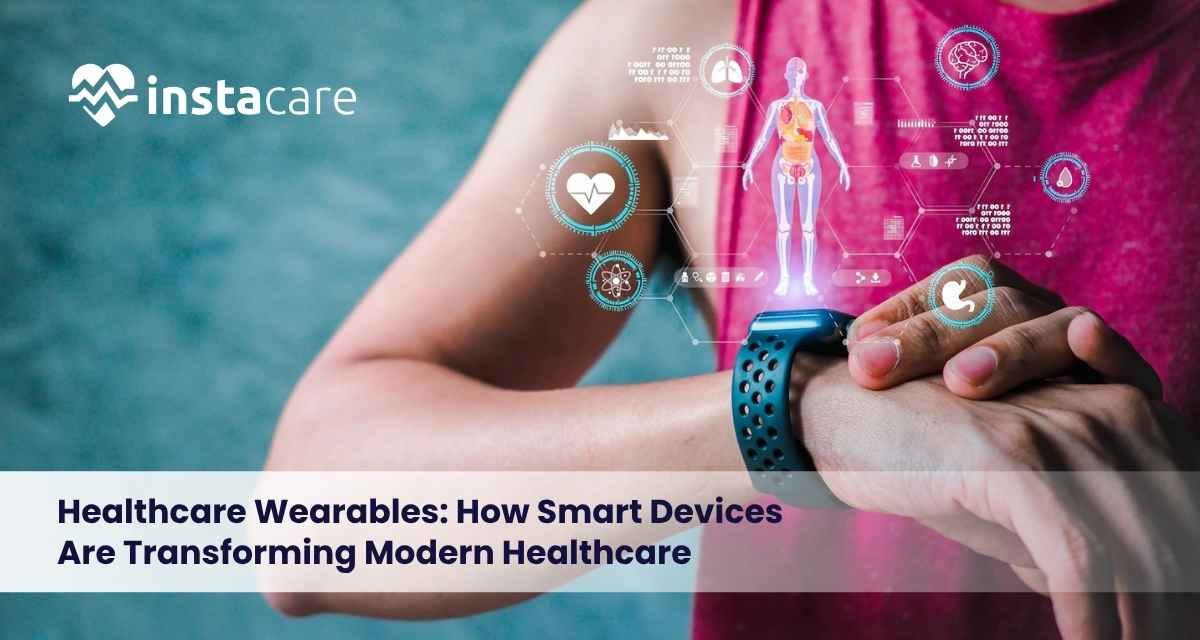
Healthcare Wearables: How Smart Devices Are Transforming Modern Healthcare
An important innovation in healthcare is the development of health tech wearables. These devices have the potential to transform how the public coordinates with healthcare providers. They can track, manage, and analyze health data in real-time and provide useful information on the data collected. Traditional healthcare devices are used during clinical testing and are not designed for real-time monitoring; health tech wearables allow the user to monitor data continuously.
Wearable health tech is revolutionary in the management of wellness and chronic conditions. Tracking sleep patterns, physical activity, heart rate, and blood oxygen levels are subsets of data that transform how care is accessed and administered. The advancement of personalized care and proactive health management is the future focus of the healthcare industry, and wearable technology is at the forefront of this evolution.
What’s a Healthcare Wearable?
Similar to other consumer electronics, healthcare wearables are designed with the capability to gather and transmit health data. They contain sensors that capture health data in the form of physical or biological signals.
Healthcare wearables can be smart watches, fitness trackers, smart textiles, medical patches, or other monitoring devices. They contain sensors and assistive technologies that aid the consumer in the management of their health.
Healthcare wearables are designed to transform the monitoring of health from a reactive measure to a proactive one. They allow the user to monitor their health continuously even before symptoms or data concerning their health is alarming.
Mechanism of Healthcare Wearables
Wearables in healthcare incorporate sensors and frameworks for data storage and digital connectivity. Sensors collect data on a user’s physiology or their movements. This data is processed in the device and is frequently transferred to user connected apps.
A wearable may capture the rate of an individual’s heart after a workout or capture patterns in the individual’s movements in a day. This data allows individuals to gain an understanding of their activity levels, behavioral patterns, and health.
Incorporating advanced data analytics and artificial intelligence, healthcare wearables can identify patterns and offer tailored suggestions. Implications of these technologies make devices easier to manage and more effective for health in the long run.
The Advantage of Healthcare Wearables
Ongoing Health Assessment
An advantage of healthcare wearables is the continuous health tracking. Traditional healthcare often requires scheduled appointments that occur at intervals; health data can be collected continuously with wearables.
This continuous health assessment can signal the user of issues that can be harmful to their health in a timely manner. This is especially beneficial for individuals with healthcare concerns that require constant monitoring of specific health parameters.
In healthcare, prevention is more effective than treatment. Monitoring specific body parameters can signal users to healthcare concerns sooner. Irregular heart activity, and even abnormal movement patterns, can indicate that a user should seek further assistance and be evaluated. This can prevent larger health concerns from occurring.
Improved Management of Chronic Illnesses
For people managing long-term health issues, healthcare technology that is wearable has the potential to bring significant improvement. These devices have the ability to collect important data and provide feedback that supports every day management of the condition.
People managing a long-term health condition that is chronic can have a much better understanding of the implications of their health condition when they have access to the data in a timely manner. This data has the potential to impact their condition and provide great insight into the implications of their medication, daily activities, and the choices they make.
Promoting Positive Health Behavior Changes
Healthcare wearables can support the adoption of positive health behaviors by providing the ability to track physical activity, movement, sleep, and other factors that comprise one’s lifestyle. In addition, health technology wearables can have a significant impact by providing constant reminders that will maintain a health behavior and track progress.
Wearable technology can enhance health goals by offering feedback on stress management, sleep health, and physical fitness.
Book Your Free Marketing Consultation
Most Common Healthcare Technology Wearables
Fitness and Activity Trackers
Healthcare technology wearables that have the ability to track activity, exercise, and movement are the most common devices that are wearable. They can track steps.
These devices promote an active lifestyle and make the user aware of their daily habits and the effect on wellness.
Smart Health Monitoring Devices
Wearable technology that is smart and focuses on the monitoring of health has the ability to track a number of health indicators. These technology devices can monitor heart activity and body functions. These technology devices are great for people who need to have health monitoring frequently conducted.
Smart Clothing and Medical Sensors
Smart clothing is clothing that has woven sensors that can monitor movement, posture, and other health-related measurements. Medical sensors can be placed on the skin to gather a constant data set of health measures.
These innovations are great for personalized healthcare and monitoring on the spot and at a distance.
Importance of Health Wearables in Remote Patient Care
The need for remote care services is continually growing, and health wearables are offering solutions by eliminating the need for health professionals to travel to their patients and increasing the value of the service.
Remote monitoring of patients is particularly useful for senior citizens, patients recovering from a procedure, or patients with a chronic illness. The data is available in real time, allowing the provider to make informed clinical decisions.
Ultimately, the patient is more comfortable, and the health care system is more productive.
Challenges of Healthcare Wearables
The services of health care wearables come with a price.
Data Protection and Security
The protection of data is crucial because the devices are collecting sensitive medical data. Security and protection of personal health data warrant the use of elaborate security measures.
Accuracy of Data
The measurement of data is only as good as the quality of the device and its sensors. Care should be taken to not rely solely on data collected by wearables, and a medical professional should be consulted.
Providing Access for Users
Some individuals cannot afford the wearables, while others may have a lack of knowledge in how to use them. Making wearables more affordable and increasing digital literacy may make these devices more accessible.
The Future of Healthcare Wearables
The next generation of health care wearables is expected to provide more robust monitoring and tailored care options. Enhanced precision of the devices and increased their functionality will stem from advancements in artificial intelligence, sensors, and analytics.
Future iterations of wearable health tech may provide more granular insights into a user’s health, especially in the area of preventive health. This tech may also facilitate better communication between the user and their health provider.
Wearable tech will continue to be a valuable health management resource for users, as health systems continue to pivot toward prevention and personalization.
Conclusion
Healthcare wearables impact the healthcare industry by making health monitoring more ubiquitous and customized. Smart health wearables promote the tracking of health info, health lifestyles, the management of chronic health conditions, and the improvement of remote health services.
Privacy, precision, and the pervasiveness of wearables are important issues to consider; however, the future of wearable tech suggests improvement in these areas will continue. The growth of adoption of wearable tech will make them an important health resource of the future, and will facilitate greater health management.
FAQs
What are healthcare wearables used for?
Healthcare wearables are used for the monitoring of health data, such as heart health, physical health, and even data on the quality of sleep. They provide valuable data for both the user and the health system.
Can healthcare wearables help manage chronic illnesses?
Yes, healthcare wearables help the management of chronic health conditions by enabling the monitoring of key health data. Health providers are able to make more informed decisions about the care of the individual.
Are healthcare wearables accurate for medical monitoring?
A healthcare wearables accuracy relies on the type of technology used and how the device is used. They can give consumers useful health information, but major health-related decisions should always be made in conjunction with trained medical practitioners.