Clinic Management Software EHR software EHR vs EMR Health Technology Telemedicine
AI-in-Telehealth

AI in Telehealth: Transforming Virtual Care with Smart Technology 

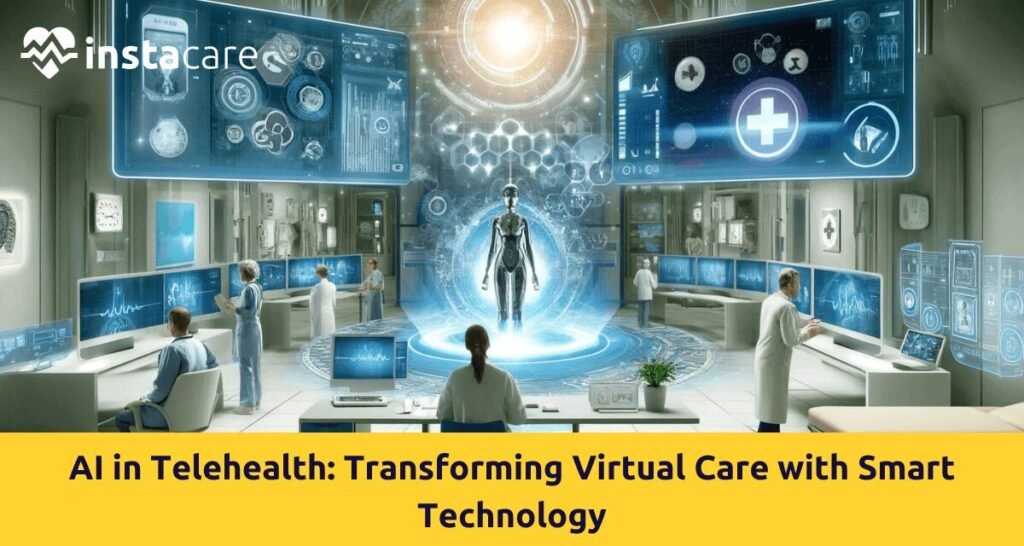
AI in Telehealth: Transforming Virtual Care with Smart Technology  With digital health taking off around the globe, Artificial intelligence in healthcare is introducing a new paradigm of customized, effective, and affordable virtual care. Telehealth, once a novelty relegated to rural or underserved locations, has now transformed into a mainstream healthcare practice, particularly during the COVID-19 pandemic era. AI has driven this growth much faster through automating workflows, improving decision-making, and supporting more preventative models of care.  From Telemedicine AI tools that support physicians with diagnoses to AI-based healthcare apps empowering patients to manage chronic illnesses, artificial intelligence is transforming how care is delivered remotely. With the promise of cost savings, scalability, and better patient outcomes, AI is no longer something out of the future it is the future and present of telehealth.  The Evolution of Telehealth Telehealth has existed for decades, with initial simple audio and video interactions between patients and physicians. As technology evolved with better internet connectivity, wearable devices, and cloud computing, the reach and availability of virtual medical services improved. However, a complete shift only occurred with the injection of AI technologies.   The incorporation of Machine learning in telehealth enables systems to learn from patient information and get better with time, which helps providers deliver more accurate and effective care.   The transition towards telehealth automation is also minimizing administrative weight, simplifying workflows for patients, and enabling healthcare professionals to concentrate more on important tasks  Telehealth is not just video calls anymore. It now involves remote patient monitoring with AI, mobile health apps, and even AI-driven robots that engage patients. The convergence of telehealth and AI provides a more complete, interactive, and data-based solution for healthcare.  Key Applications of AI in Telehealth   AI-Based Diagnostics: One of the most compelling uses of AI in telemedicine is in AI-based healthcare apps diagnostics. Through patient history, lab tests, and image analysis, AI can assist clinicians in achieving faster and more accurate diagnoses. This reduces diagnostic error and reduces treatment time both essential in managing health outcomes.   AI for Virtual Consultations: Virtual consultation AI leverages natural language processing (NLP) and machine learning to allow real-time doctor-patient interaction. Conversational speech may be transcribed by AI systems, provide possible diagnoses, or even alert providers to inconsistencies or left-out information within a patient’s clinical history.   AI for Patient Triage: In crises or peak-demand cases, AI patient triage prioritizes cases according to severity. AI programs examine symptoms and medical histories to direct patients to the right level of care, self-care, virtual consultation, or emergency care.   Remote Patient Monitoring: With the advent of wearables and IoT devices, remote patient monitoring using AI has also picked up much steam. Data from heart rate monitors, glucose meters, and other sensors is interpreted by AI algorithms to identify abnormalities and alert doctors in real time.   Predictive Analytics in Telemedicine: Predictive analytics for telemedicine helps healthcare professionals anticipate complications even before they occur. AI can recognize trends and patterns in patient information to predict hospital readmissions, medication non-adherence, or impending disease outbreaks.   Chronic Disease Management: For patients suffering from chronic diseases, AI chronic disease management offers sustained, individualized care. AI algorithms can observe vitals, modify treatment suggestions, and warn healthcare professionals about deteriorating conditions, allowing for more proactive intervention. Benefits of AI-Enhanced Telehealth   Enhanced Accuracy and Efficiency: AI technologies automate processes involving the execution of routine tasks and enable informed decisions. Healthcare providers are given tools that learn and improve continuously in AI-based diagnostics and machine learning, which in turn leads to higher clinical accuracy.   Increased Accessibility: By triaging and consultative services using AI, healthcare services are made more available through rural or underserved areas. 24/7 access to health care is offered by the Chatbots in telehealth and the AI-based virtual consultations, especially to people who have a limited mobility or no access to traditional clinics.   Personalized Patient Care: AI analyzes overwhelming volumes of patient information in order to produce highly individualized recommendations. Healthcare apps based on AI can be adjusted to the peculiarities of each patient, making fitness, nutrition, and medication plans tailored to meet specific needs; this will increase engagement and outcomes.   Cost Savings: AI automation lessens the necessity for in-office visits and eliminates excessive tests or procedures. Telehealth automation slashes administrative and operational expenses considerably, rendering healthcare more affordable.   Early Detection and Prevention: With predictive analytics in telemedicine, possible health threats can be identified early. AI algorithms evaluate past and present data to raise warning flags about chronic conditions or acute illnesses, often before symptoms become apparent.   Less Burnout for Clinicians: By handling routine questions, bureaucratic paperwork, and data entry, AI lets clinicians off bureaucratic duties. This enables them to focus on more relevant cases, therefore improving their job satisfaction and preventing burnout.  Book Free Demo The Future of AI in Virtual Healthcare The prospects for AI in telehealth are huge. Advances in healthcare, Natural language processing in healthcare will make patients’ interactions with AI systems less formal and more sensible. NLP can not only be utilized to record consultations but also to monitor patient sentiment, mood, and mental health status.   Another critical growth space is AI-powered healthcare applications, which will become smarter and more user-focused.   Such applications will harness behavioral information and feedback to improve and evolve continuously, making health plans seamless.   Telemedicine AI systems will continue to develop, whereby they will be multi-modal systems for diagnostics, treatment planning, and follow-up management.   Interoperability will improve as AI systems will be able to draw and work with data from various e-health records, lab systems, and patient-generated sources. Conclusion The rollout of artificial intelligence throughout healthcare is revolutionizing the telehealth by facilitating more intelligent, faster, and personalized virtual care. From remote patient monitoring with help of AI to predictive analytics for telemedicine, AI is changing all patient touchpoints.  Looking forward, the collaboration between clinicians, technologists, and policymakers will be important in actualising the full potential of AI in telehealth. Smart

Healthcare Software Health Telemedicine
AI-Driven Pharmacovigilance

AI-Driven Pharmacovigilance: Revolutionizing Drug Safety Monitoring

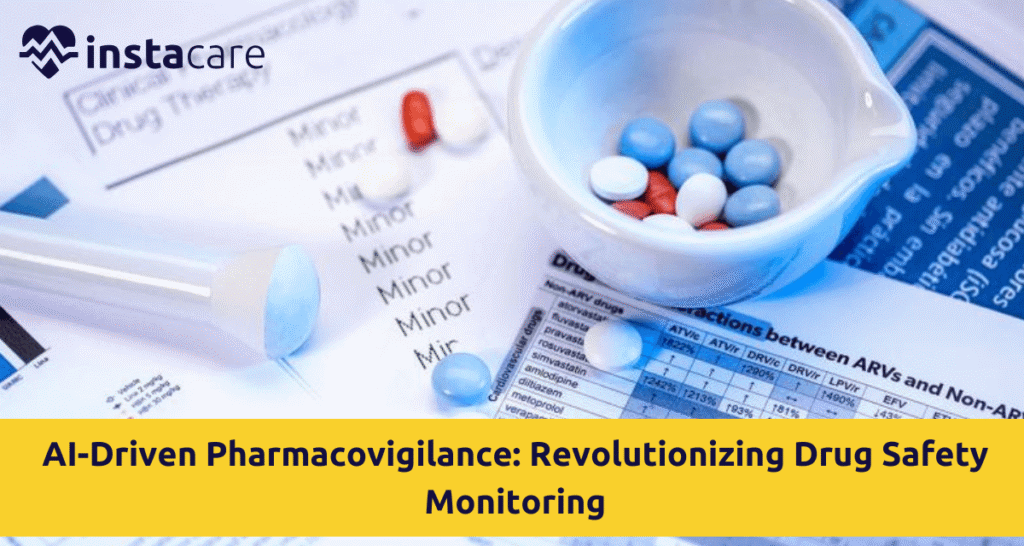
AI-Driven Pharmacovigilance: Revolutionizing Drug Safety Monitoring Pharmacovigilance is the study of the monitoring and evaluation of all adverse effects related to pharmaceutical products, and all of this has undergone a drastic transformation owing to the impact of Artificial Intelligence (AI) on this field. Traditional systems are important, but rather reactive and limited in scope. The rise of AI innovations in healthcare is changing the way the world manages drug safety with real-time, data-driven insights. Even countries like Pakistan tend to see Pharmacovigilance System Implementation that need to be implemented for a stronger AI in the Public Health infrastructure and improved patient safety. Understanding Pharmacovigilance By identifying, monitoring, and preventing ADRs, pharmacovigilance can maintain safety to the patient and public trust in medicines, especially upon the introduction of new drugs. A process through which adverse drug reaction notification can greatly increase public safety and trust in medicines. Pharmacovigilance in Pakistan is still developing in countries like Pakistan. It is evident in the growing interest by many health institutions in building better drug safety systems that conform to international standards. Traditional methods, however, seem to fall short on several challenges relating to speed, accuracy, and scope. Limitations of Traditional Pharmacovigilance Methods Conventional pharmacovigilance primarily relies on manual reporting, case analysis, and passive databases for recording adverse reactions to drugs. These enable underreporting, delays, and inconsistencies in the detection of adverse reactions to drugs. Certain incidents may not be reported by healthcare providers, whether owing to time constraints or due to sheer lack of awareness, thereby compromising the efficacy of the entire monitoring system.  To add to that, these systems cannot withstand any further scaling with the current volume of healthcare data that continue to be generated from hospitals, pharmacies, and digital health platforms such as telemedicine and drug safety consultations. This becomes a bottleneck for real-time detection of emerging safety signals or effortless management of complex datasets. How AI is Transforming Pharmacovigilance? Artificial intelligence is throwing its weight on drug safety to mitigate various limitations in the above situations by automating the data collection, processing, and analysis processes. Machine learning in pharmacovigilance enables the identification of patterns from large datasets that facilitate the early detection of ADRs that may evade traditional reviews. Natural language processing (NLP) extracts relevant safety information from unstructured data sources, such as clinical notes, social media posts, and electronic health records. AI can merge different information sources to enhance real-time drug safety monitoring and predictive model building. Such AI systems in healthcare are capable of analyzing the patient’s genetic profile, lifestyle, and medical history for predicting Drug Reactions that would otherwise occur. This approach shifts pharmacovigilance from a reactive system to a proactive one regarding its intervention for improving patient outcomes.  Book Free Demo  Benefits of AI-Driven Pharmacovigilance ●   Detection of ADRs at an Early Stage Millions of health records and reports on incidents may be rapidly analyzed by AI for untoward drug reactions. This will enable safety regulators or pharmaceutical companies to react promptly by sending safety announcements or amending drug dosage, etc. ●   Enhanced Scalability and Efficiency Automation shortens the time we need to analyze extensive sets of data on pharmacovigilance, thus alleviating the pressure on human resources. This is particularly a huge blessing in nations like Pakistan, where there is hardly any resource for carrying out manual assessment. ●   Enhanced Decision-Making With a modular form of AI, decision-making is aided by real-time dashboards and actionable insights to healthcare professionals and regulators. This enhances decision-making to combat safety threats at an early stage of their development. ●   Increased Patient Safety By using artificial intelligence, hospitals can enhance Patient Safety through AI with pharmacy data and telemedicine platforms. Artificial intelligence highlights high-risk drugs or interactions, thereby decreasing patient harm. ●   Support for Health Initiatives Public AI plays an important role in identifying trends in the public health sector, whether drug misuse or areas of regional side effects, which, when monitored and predicted better, can be useful in designing more effective health policy interventions.  ●   Convergence with Wearable and Mobile Health Data AI systems typically aggregate and analyze data received from wearable devices and integrated health applications for tracking Adverse Drug Reaction Detection incidents outside clinical settings. Thus, the entire health picture becomes better visible for a patient. It allows real-time, continuous monitoring of drug safety.  ●   Predictive Assessment of Patients on an Individual Level By better individualizing risk profiles, including genetic evaluation, age, gender, comorbidities, and drug history, artificial intelligence through machine learning in the field of pharmacovigilance can provide risk assessments at the individual level. Hence, personal drug safety improvements in intervention, along with better treatment efficacy and reduced side effects. ●   Compliance Support from Regulatory Agencies AI technologies make the financial house easier to recognize to fulfill local and international regulatory requirements through a much more reliable reporting and documentation system created for the pharmaceutical industry and healthcare providers. Automation reduces human error and provides reliability, making pharmacovigilance reporting consistent. ●   Strong Clinical Trial Monitoring Automatic processing of participant data leads to a quicker detection of ADRs using AI in the course of clinical trials. This advances safety when conducting trials and facilitates quicker approvals of promising treatments. ●   Improve Communication Healthcare Provider AIs can provide notifications and alerts for doctors and pharmacists at the time real-time events when there is an incident likely to warrant a follow-up. Thereby improving communication, the readiness for quick clinical decisions will significantly minimize the possibility of complications. Challenges and Ethical Considerations These AI healthcare innovations are promising in nature, but they have their challenges and some points of ethical concern. ●   Data Privacy and Security About the need for AI to enhance pharmacovigilance, a huge volume of sensitive health data is paramount. Privacy and security become a major issue in bringing Healthcare Data Integration with AI under the wings of AI because mishandling of the data can dent public trust. ●   Bias in Algorithms “The

Clinic Management Software EHR software Electronic Health Record Smart Clinic Software Technology Telemedicine
Healthcare Software

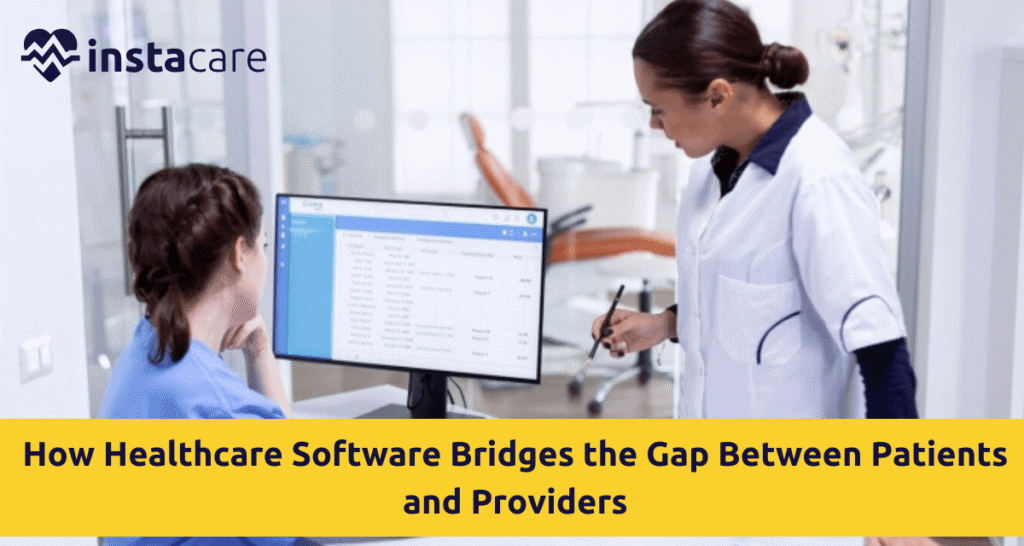
How Healthcare Software Bridges the Gap Between Patients and Providers?

How Healthcare Software Bridges the Gap Between Patients and Providers? Healthcare software has emerged as an essential solution which tackles existing challenges concerning communication and care coordination, as well as care continuity problems in the healthcare field.  The rapidly evolving healthcare sector has narrowed the physical gap between patients and healthcare professionals through digital methods. The medical industry adopted modern connectivity and access alongside enhanced efficiency after healthcare software became available. The digital transformation is impacting healthcare delivery by creating patient-focused care approaches that utilise data to improve treatment. This blog examines the patient-provider connection facilitated by healthcare software and its positive impact on healthcare services and key performance indicators for patients and providers. Understanding the Communication Gap in Healthcare The digital revolution introduced significant changes to patient-provider interactions, as they previously relied on personal encounters and phone chats, supplemented by written medical documents. Under the previous healthcare system, patients faced problems due to delayed care, disrupted communication, and diminished transparency. Patients felt uninformed and disengaged regarding their health, while providers faced administrative burdens, including manual record maintenance and limited access to external clinic health information. The approach to healthcare shifted from proactive to reactive due to these measures. Healthcare software systems emerged to address the continuous care needs of providers, who sought enhanced communication and more effective coordination between offices through computerised medical applications. What is Healthcare Software? Healthcare software features various digital tools and platforms that help support medical service delivery while ensuring service management. Computer applications in healthcare span simple appointment management systems to advanced AI-driven systems. These tools work together to strengthen communication, enhance accessibility, and enable providers and patients to access instant data for more informed and empowered care. Most Commonly Used Healthcare Software Electronic Health Records (EHR) Electronic Health Record (EHR) represents the most influential healthcare software system currently available. An Electronic Health Record system unifies all patient clinical records into a single digital system, including medical data such as history, test outcomes, images, and therapeutic plans. EHR systems enable provider staff to access key medical information in a streamlined process, which simultaneously decreases documentation work and minimises medical mistakes. Through EHRs patients avoid relaying their medical history at each visit they make and receive care that is both timely and individualised. The standardised structure of electronic health records allows healthcare workers to team up for patient care, which enhances continuity while decreasing possibilities for misunderstandings between providers. Telemedicine Healthcare delivery experienced revolutionary changes through telemedicine solutions and software, which provide virtual care solutions and consulting opportunities between healthcare providers and patients. Patients access medical consultations through protected video sessions from their residences. The technology enables better healthcare accessibility to patients while decreasing their travel expenses and diminishing their journey durations. Healthcare providers achieve better flexibility, and their system allows remote patient monitoring while managing patient queues in an optimised way. Telemedicine platforms link with EHRS and appointment systems, which deliver a unified service experience to health providers and patients. Patient Portals The healthcare connection relies heavily on patient portals as essential elements for communication excellence. Patients can access their health information through secure, structured web-based portals that operate 24 hours a day. Patients can: Healthcare technology users access medical documentation along with their laboratory test results through the portal system. Schedule or cancel appointments Request prescription refills Communicate directly with providers Telehealth platforms and solutions allow patients to pay medical expenses and maintain coverage records. The system delivers higher levels of transparency that increase both patient-provider communication and provider accountability. Patients who enjoy open access to their records and health providers demonstrate increased health journey participation, which results in better treatment results. Mobile Health Apps The mobile health apps transform how individuals handle their daily medical routines. Mobile applications provide users with customised functions that assist in improving patient outcomes and routine medical care practices. Most applications enable wearable devices to track multiple metrics simultaneously. Heart rate Blood sugar levels Blood pressure Sleep patterns Physical activity Healthcare providers gain access to real-time data, which enables them to make better decisions and find medical issues in an early stage. Remote Patient Monitoring RPM systems use technological devices to monitor patients at home outside regular hospital settings. Digital thermometers and blood pressure monitors along with glucose meters, gather patient vital signs which healthcare providers receive during real-time transmissions. Developing the remote patient monitoring system works best in managing chronic diseases because it enables these three key benefits: Early detection of complications Reduced hospital readmissions Personalised treatment adjustments RPM promotes better patient compliance with their prescribed healthcare plan. For patients, RPM offers peace of mind. Through RPM, providers implement preventive measures rather than responding to situations. Practice Management and Billing Software Healthcare facilities need operational efficiency as a priority to run efficiently, but they must focus mainly on delivering clinical care. Practices that implement management tools automate their daily operations, which include: Appointment scheduling Patient registration Insurance verification Billing and claims management The systems cut down paper-based work, resulting in more time available for healthcare personnel to tend to their patients directly. These healthcare systems reduce billing mistakes while expediting reimbursements, and they strengthen operational longevity for medical practices. Challenges in Adopting Healthcare Software Organizations face different obstacles when deploying healthcare software, although they yield positive results. The sensitive health data management must meet all requirements set by HIPAA and GDPR, alongside privacy and security needs. Numerous systems maintain limited connectivity because they fail to operate and exchange data properly. Small practices encounter obstacles to funding and operating sophisticated software systems that handle implementation costs. Healthcare providers, along with their patient engagement experience varying degrees of comfort using digital technology. To succeed with these barriers, one needs to invest in infrastructure development alongside training programs and user-friendly interface development. Conclusion Clinic Management Software is reaching its modern-day importance as an essential healthcare technology. From enabling telemedicine to facilitating real-time health tracking and simplifying administrative processes, it has significantly transformed patient-provider relationships and improved access to

Digital Health Telemedicine
Telehealth-in-Rural-Areas

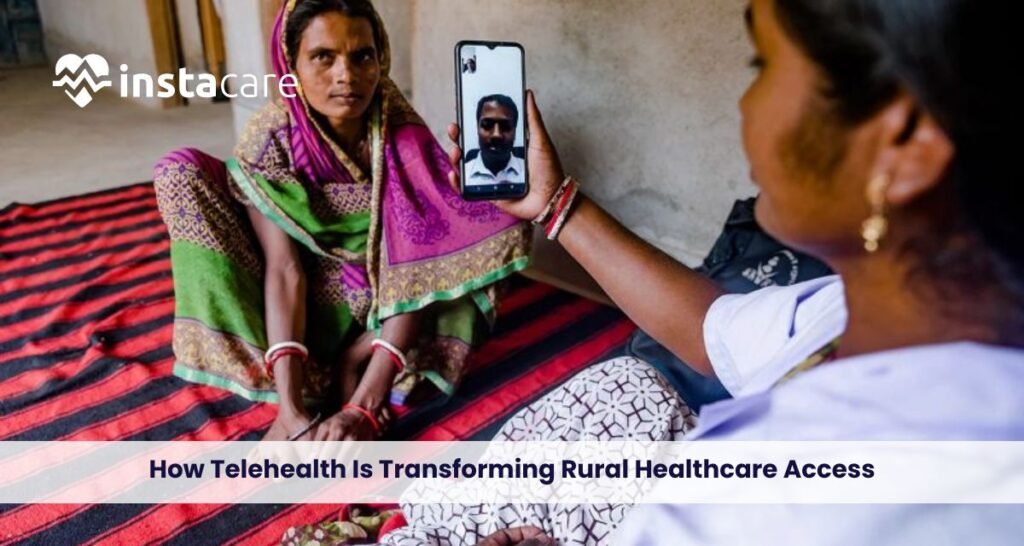
How Telehealth Is Transforming Rural Healthcare Access?

How Telehealth Is Transforming Rural Healthcare Access? Telehealth in Rural Areas has been a revolution for hundreds of millions of residents of remote areas in recent years. Lack of access to health professionals, distances, and the affordability of specialist centers have long tormented rural communities. But with telemedicine, the gap between rural communities and good treatment has been narrowed, improving the availability, efficacy, and potential punctuality of healthcare. What includes Rural Telemedicine Success Stories? Across the United States, many rural telemedicine success stories speak volumes about its broad reach. One such story is of a rural patient in Nebraska with a heart condition in Nebraska who avoided regular hospital visits through remote monitoring. An Alaskan child was also treated for timely neurological care using Telehealth in Rural Areas, both saving time and travel costs. These anecdotal examples illustrate how technology can diffuse care geographically more evenly. Learn About the Relevance of Telehealth in Rural Counties Telehealth in Rural Areas fills the most significant gap: geospatial remoteness. While the overwhelming majority of small villages and remote hamlets have experienced poor health provider availability overall, if not specifically, specialist care telehealth in rural communities can hardly be downgraded since it expands the fact of speedy consultation, diagnosis, and check-up with a visit. The importance of Telehealth in Rural Communities is significant. Telemedicine enables patients to have primary care physicians, mental health therapists, and chronic disease management providers in the comfort of their own homes. This convenience is particularly valuable to those with chronic illnesses or mobility impairments.  Virtual Care for Underserved Populations: A Lifeline Virtual Care for Underserved Populations is not something one can pay for; it must be done. Poor and elderly patients greatly benefit from virtual visits. The Benefits of virtual care extend beyond convenience—it includes improved access through language services, disability accommodations, and integrated behavioral health programs, all designed to ensure that no patient is left behind. Telehealth Services for Rural Seniors By far the most compelling success story is the innovation of Telehealth Services for Rural Seniors who live in rural districts. These citizens have a combination of chronic ailments with mobility issues. Telehealth in Rural Areas enables the elderly to:       Discuss their primary physicians consistently       Have access to networked monitoring of their vital signs       Take medications online with electronic reminders       Get visited virtually for physical therapy visits These services are instrumental in facilitating independence with round-the-clock care, even in the home. Mobile Health Clinics and Telehealth Integration Mobile Health Clinics and Telehealth complement each other to increase access to health care for the most difficult-to-reach individuals. Mobile clinics are equipped with technology so that patients can still be connected to remote physicians as on-site nurses administer standard treatment procedures. Its key features are:       Diagnostic testing and screening while on the move       Video consultation with city-based experts       Immunization service and education       Remote instrument-assisted evaluation of chronic disease This hybrid model is especially useful in areas where the nearest hospital is hours away. Rural Healthcare Telehealth Policy: Role of the Government An effective Telehealth Policy for Rural Healthcare is needed to ensure long-term success. Government programs include the expansion of telehealth reimbursements, broadband penetration promotion, and endorsement of cross-state licensure for medical doctors to practice virtually. The policies are aimed at:       Eliminating regulatory hurdles to rural providers       Encouraging hospital and clinic use of telehealth       Backing telehealth training programs Policymakers will need to continue to fight for equal access to virtual health resources across all regions. Benefits of Telehealth for Rural Patients One of the most significant benefits of telehealth for rural patients is its convenience. It is time and money-saving, as it spares travel, which is usually time-consuming and expensive. The patient is also treated earlier before complications set in as a result of delayed treatment. Other advantages are:       Specialized cardiology, psychiatry, and endocrinology services are provided at access       Remote fill prescriptions and review lab tests       Scheduling is flexible to patients’ daily schedules       Waiting time and the emergency department have been reduced With care continuity facilitation and patient control, telehealth tremendously enhances the outcome of rural residents. Understanding the Increased Rural Telemedicine Access Despite all of this, there are issues with Telemedicine Access in Remote Areas. These include being unable to connect, using digital applications, and having no device. Efforts are, however, underway across the country to expand the Telehealth Infrastructure in Rural Areas. Federal and state investments are now focused on:       Broaden broadband services       Supplying finance for the clinic’s mobile technology       Educating local healthcare providers to use telehealth software       Improve cybersecurity for safe information transmission This expanding infrastructure must modernize and maintain telemedicine solutions in rural and underserved areas. Challenges to Telehealth in Rural Communities Even with such advances being extremely promising, there remain Barriers to Telehealth in Rural Areas.       Poor high-speed internet       Poor training of providers and patients       Data security issues       Huge investment budget restrictions for small clinics These challenges will take multi-stakeholder planning and effort in the long run. Overcoming Healthcare Challenges in Rural Regions Rural care is confronted with the majority of the Healthcare Challenges in Rural Regions as a result of shortages of providers, namely for mental illness and chronic disease management. Patients defer care due to unavailability and suffer from avoidable complications. Telehealth provides a solution for Improving Healthcare Access Through Telemedicine by:       Linking patients to out-of-state experts       Offering evening virtual urgent care       Enabling early diagnosis through constant monitoring With strategic deployment, telehealth can minimize these long-standing rural healthcare hurdles. Know about Remote Patient Monitoring in Rural Areas Remote Patient Monitoring in Rural Settings

Telemedicine
Telehealth for Elderly

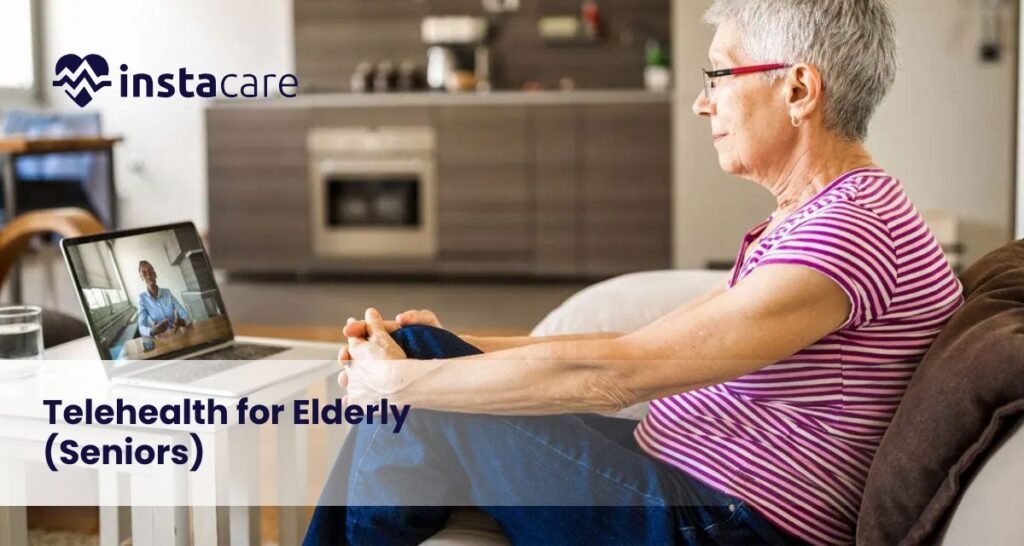
Telehealth for Elderly: A Modern Shift in Senior Healthcare

Telehealth for Elderly: A Modern Shift in Senior Healthcare Telehealth for Elderly is transforming how elderly people are treated medically. Using technology, elderly people can get treated at home, reducing hospital visits. Telehealth facilitates virtual consultations, regular check-ups, medication management, and round-the-clock monitoring, all from the comfort of their own homes. In recent years, especially after the COVID-19 pandemic, the healthcare industry has experienced an overnight boom in virtual care solutions for elderly individuals. Ranging from home-based to mobile health applications, older individuals are gradually adopting digital healthcare solutions for chronic condition management, specialty care, and well-being. The Advantages of Telehealth for Seniors The Benefits of Telehealth for Seniors are numerous and contribute to their overall well-being. By minimizing travel time and providing quicker access to medical consultation, elderly people have both comfort and improved healthcare.       Less stress and travel expense       Quicker consultation for chronic conditions       Less exposure to infectious diseases       Easy access to experts       Improved medication compliance with digital reminders The main advantage is regular contact with primary care practitioners. Regular contact allows for case following up on medical trends, recording early signs of deterioration, and preventing emergencies, particularly among the elderly with multiple states of illness or living alone. Principal Telemedicine Services to Older Patients Older patient telemedicine care has expanded exponentially. They include virtual consultation, online counseling of the mind, physical rehabilitation guidance, and monitoring of chronic diseases. The following are the Telemedicine Services for Elderly Patients:       Video call-based first care visits       Post-hospital discharge follow-ups       Treatment of anxiety and depression remotely for mental health       Electronic management of prescriptions       Tracking vital signs with wearable technology Telemedicine facilitates greater care coordination among specialists, caregivers, and family members. Doctors can share electronic notes on the same platform and refer patients to physical therapists or nutritionists as needed. How Seniors Can Use Telehealth? We must realize How Seniors Use Telehealth to develop systems ideally suited to their requirements. Older persons primarily utilize telehealth via smartphone, tablet, or desktop computers to call physicians, ask for medication refills, or attend therapy. Today’s older population increasingly makes appointments online, receives follow-up test results via telehealth portals, and even consults a dietician remotely to ensure nutrition. Others utilize devices connected to telehealth systems, which allow physicians to analyze health in real time. Proper training and technical assistance make seniors capable telehealth users. Technology Barriers in Elderly Telehealth One of the biggest challenges in the growth of technology barriers in elderly telehealth is the digital divide. Most elders have trouble with:       No access to high-speed internet       Lack of familiarity with smartphones or computers       Physical disability (hearing, vision, dexterity)       Concerns regarding privacy and data security Technophobia is another significant barrier. Sure, seniors are unwilling to accept telehealth because they are unfamiliar with it, leading to frustration or avoidance. This can be addressed with easy-to-use sites, guides, and quick technical support. Steps are also taken to provide low-cost or subsidized internet plans and easy-to-use devices to seniors. Caregiver support and community education classes also facilitate seniors’ use of Telehealth for Elderly equipment. Senior-Friendly Telehealth Sites To be used optimally, telehealth sites utilized by seniors must be easy to use. Easy-to-use features with fewer complexities are:       High-contrast color and large print       Easy one-click scheduling       Captions and audio cues       Technical support via phone or chat       HIPAA-safe secure connections A good platform is not merely interested in appearances; it also considers seniors’ motor skills and brain processes. Simplification, reducing the number of steps, and using graphical icons rather than textual menus are examples of usability. Some health practitioners now have senior helplines and tutorial videos specifically for seniors. These provide seniors with the capability to receive Telehealth for the Elderly easily. Remote Healthcare for Older Adults Remote Healthcare for older adults isn’t a band-aid; it’s an effective model for continuing care. Physicians can detect early signs of declining health by conducting continuous remote checks and adjusting care plans accordingly. Remote medicine also enhances chronic disease management, such as:       Hypertension       Diabetes       Arthritis       Heart disease       COPD It improves patient outcomes and decreases hospital readmission. Seniors no longer need to wait for signs and symptoms to worsen before visiting a physician; timely care via digital is now available. Home-Based Telehealth for Seniors: Bringing Care Close Home-based telehealth for Seniors brings medical services to their doorsteps virtually. They no longer have to take the highway to clinics for all those minor complaints. The advantages of Senior-Friendly Telehealth Platforms are:       Off-site diagnosis through mobile applications       Regular follow-ups conducted through video consultations       Home-based drug delivery according to prescription       Health counseling and lifestyle counselling This model is useful, particularly for elderly individuals living in rural or dispersed environments. It offers level access to quality service and avoids excluding them on geographic grounds. In addition, home care is economic. It keeps ambulatory treatment, ER usage, and unwarranted admission to a minimal level. It also maintains minimal stress and an environment conducive to peaceful healing. Telehealth Solutions for the Aging Population Creating effective Telehealth Solutions for the Aging Population requires a combination of medical expertise and technology based on user experience. The solutions tend to include:       Easy-to-use personalized apps       24/7 virtual nurse phone helplines       Telehealth-connected emergency alert systems       Live health monitoring using smartwatches       Coordination between experts, caregivers, and family members These technologies, including tools like a Clinic Management System, bridge the gap in medical care for elderly people who need regular consultations with a physician. They also empower older adults

Telemedicine
Communication Tools Reduce Errors in Healthcare

How Communication Tools Reduce Errors in Healthcare Settings

How Communication Tools Reduce Errors in Healthcare Settings Effective communication stands as the essential building block which supports high-quality healthcare delivery. Patient care complexity creates environment for greater risks of medical errors. Modern communication tools function as healthcare resources which reduce errors and increase patient safety while advancing the quality of medical care. Various communication systems deployed throughout health care operations work to reduce mistakes and improve patient healthcare results. Understanding the Impact of Communication in Healthcare Importance of Communication Communication in healthcare refers to the flow of information among healthcare providers, patients, and their families. When communication fails between medical staff and patients the result becomes misinterpretation as well as prescription errors and mistreated diseases and numerous critical safety issues that threaten patients. A study shows that communication breakdowns stand as the leading source of sentinel events that create unexpected healthcare incidents causing death or severe injuries. The Joint Commission Journal on Quality and Patient Safety published research showing miscommunications between healthcare professionals cause 70% of sentinel events. Types of Healthcare Errors Healthcare errors can take several forms, including: Medication Errors: Using inappropriate dosages, wrong medicine, or drug interactions. Error Detection: Poor diagnosis or miscommunication and late diagnostic communication. Operative Errors: In or after surgical treatment due to miscommunication at surgery. Communication Errors: Because the patient did not know what the prescriptions were and did not report new or worsening symptoms to their treating physicians. These failures in communication with ramifications for their health and safety make interventions to address these most effective. Healthcare Communication Tools Electronic Health Records (EHRs) All medical records exist as Electronic Health Records (EHRs) which function as digital representations of patient paper data. The transmission of critical information enhances healthcare communication between providers and patients along with providers across the board. Benefits of EHRs Information deposited in an already connected database where the chances of communication gone wrong or data loss are ruled out. Real-Time Updates: The information about patients with EHRs can be updated real-time by the health care providers; thereby, all individuals concerned with a patient’s treatment will be up to date if there are changes. Medication Management: The EHR contains tools for managing medication, especially where most have alerts about interactions between drugs, allergies, and contraindications. Secure Messaging Systems Secure messaging systems enable the direct contact between the health care provider and also directly with a patient in the most confidential ways. Most the messaging systems applied are HIPAA compliant and other laws concerning patient’s information, such that the privacy of the information remains assured. Benefits of Secure Messaging Timely Communication: It enables providers to send and receive messages within the shortest time possible hence reducing delays in care and decision-making. Explanation and Follow-Up: With secure messaging, patient concerns or care plans are easily followed up on so as to clear up any misconceptions. Patient Involvement: With the use of secure messaging, patients can question their providers or even report their symptoms, which increase communication and involvement in care. Telehealth Platforms Telehealth has seen rapid adoption during the last few years and particularly accelerated strongly since the COVID-19 pandemic. Through virtual consultations patients use Telehealth service platforms to connect with health providers without leaving their home. Book Free Demo Advantages of Telehealth Accessibility: It makes care easier for patients with mobility issues and those living in remote areas. Barriers to communication are significantly reduced. Real-Time Interaction: Video consultations will allow real-time discussion with providers. This will ensure providers can visually see the patients and assess them verbally. Documentation: Most telehealth systems can interface with the EHR so that the entire healthcare team can view the patient visit. Clinical Decision Support Systems (CDSS) Health-care professionals using Clinical Decision Support Systems make treatment decisions based on patient-relevant data that follows best practices defined by clinical guidelines. Advantages of CDSS: Evidence-Based Recommendations: This will be reducing the dangers of a risk of error from diagnosis missed due to specific evidence-based recommendations to be given to such a need as the case. Alerts and Reminders: The system sends the provider important information regarding a patient, such as overdue screenings or drug interactions. Improved Collaboration: Consolidation of data from several sources helps health teams collaborate by giving a holistic view in care provision. Less Mistakes through Better Communication Team Coordination Improvements The effective communication tools promote collaboration between healthcare teams, thus reducing errors. When team members share information and work out the roles and responsibilities of each member, chances of errors lessen. Interdisciplinary Rounds: The different health care professionals can meet together, come up with a feasible communication with teamwork, and ensure that the patient get quality care. Clear Protocols: Such clear communication protocols as standardized handoff help information are transferred at the transitions of care. Empowering Patients Communication tools empower patients to take charge of their own care. If the patient is informed and engaged, the patient tends to adhere to treatment plans and raise their concerns. Patient Education: Information can be made available to patients regarding their conditions and options for treatment in order to avoid confusing them. Shared Decision-Making: Shared decision-making tools empower the patient to be an active participant in his or her care, which then leads to more informed decisions and, therefore, compliance. Monitoring and Feedback Communication tools enable providers to track the progress of a patient and get immediate feedback. In this manner, problems are detected earlier, and the error does not continue any further. Patient Monitoring Systems: Wearable devices and remote monitoring tools assist the healthcare team in monitoring the health metrics of the patient and, therefore, intervene on time. Feedback Mechanisms: The systems through which feedback can be received from the patients and families may assist in identifying points for improvement in communication and care. Challenges in Implementing Communication Tools Though the benefits of the communication tools abound, challenges in implementing them persist: Training and Adoption: Staff within healthcare organizations need training to master new communication tools along with potential rejection of change as a barrier for

Telemedicine
Role of Communication Tools

The Role of Communication Tools in Telemedicine Success

The Role of Communication Tools in Telemedicine Success Telemedicine is one of the transformations that the health sector has experienced, considering the last global events that have called for accessible and efficient medical care. The communication tools at the center of this shift are those which make interaction between healthcare providers and patients possible. In this article, critical roles communication tools play in telemedicine success, benefits, challenges, and future prospects are discussed. Understand Telemedicine Doctors perform health care procedures across distances using advanced technology. Telemedicine includes different medical services that include digital patient visits as well as tracking patient status from a distance with smartphone apps. The most critical aim of telemedicine is enhancing access to health care without lowering the quality of care or increasing it. Why Communication Matters in Telemedicine Communication plays an important role in telemedicine for the following reasons: Patient Engagement: There is an effective and transparent communication which engages the patient in his health care journey so that he becomes better aware of the conditions and the treatment available. Interdisciplinary Collaboration: There are usually a number of different healthcare providers with diverse specialties, which makes up a telemedicine setting. Good communication will ensure all the members on the team understand the approach being used to patient care. Data Sharing: There is the need to have appropriate timely sharing of information among the patients, particularly where there is an indication of complicated medical conditions that would require such information. Critical Communication Tools for Telemedicine Several communication tools are important to the success of telemedicine implementation. Some of them include: Video Conferencing Platforms: Such platforms include Zoom, Microsoft Teams, and others dedicated specifically to telehealth, enabling providers and patients to engage in face-to-face, real-time video consultations. Secure Messaging Systems: Secure messaging systems help health care providers to communicate efficiently and effectively. Secure messaging allows them to quickly exchange information, seek clarification in case of need, and provide patient care follow-up. Electronic Health Records (EHRs): EHR is the central core of the telemedicine systems. Using telemedicine, any physician can quickly obtain necessary data of a patient about their history, drugs and medicines, test reports, and all that he wants to decide wisely about their patient’s medical problem. Remote Monitoring Devices: The devices monitor in real time such vital signs and many other health metrics; this data will be sent directly to healthcare providers. This allows the use of communication tools for sharing and analysis of the data, making it possible for proactive care. Patient Portals: These are online platforms through which patients can view their health information, schedule appointments, and communicate with healthcare providers. Patient portals are designed to enhance engagement and streamline communication. Using Communication Tools to Enhance Telemedicine Success Improve Patient-Provider Interactions Video conferencing tools allow for real-time interaction that mimics face-to-face visits. This way, health care providers can assess patients better, creating a connection sometimes lost in text-based communication. Example: A doctor can identify important patient communications through their body language during video visits that standard forms or telephone exchanges might miss. Care Coordination Improvement Secure messaging systems improve the quality of communication among healthcare teams. Providers can share updates very quickly, discuss treatment plans, and consult with specialists as necessary to keep everyone who participates in a patient’s care up to date about what is happening. Patient Engagement The patient portal lets people see their health data and talk to their healthcare team without barriers. When patients can see all their medical records they become more involved in managing their healthcare needs. Streamlining Data Sharing The healthcare system uses EHRs to give providers easy access to patient information. EHR enhancements plus telemedicine links enable healthcare teams to view and change patient records while making better decisions faster. Book Free Demo Advantages of Communication Tools in Telemedicine Increased Accessibility: Communication tools enable patients to receive medical services from home through digital platforms that overcome transportation and scheduling problems. Cost-Effectiveness Improved Health Outcomes Ease and Convenience Challenges in Implementing Communication Tools The communication tools can improve telemedicine, but it is not an easy task as there are several challenges, which include: Technical Barriers: Not everyone has access to reliable internet and devices for using telemedicine. Healthcare providers need to consider such differences and find means of accommodating such patients who would face technological barriers. Privacy and Security Concerns: Healthcare organizations need to guard patient information at all times. Healthcare facilities must use patient data systems that obey HIPAA rules when they connect with patients. User Resistance: Some healthcare providers and patients will resist the new technologies. Training and support can ease this transition and encourage the use of communication tools. Quality of Care: Telemedicine is effective in such situations; however, some conditions require personal evaluation. The professional judgment of the providers must decide when telemedicine is appropriate and when a physical evaluation is required. Future Prospects of Communication Tools in Telemedicine Telemedicine, along with its communication tools, holds promising futures. Innovative advancements in technology are most likely to further enhance telemedicine capabilities: Artificial Intelligence (AI): AI will help telemedicine through patient data analysis, prediction of health trends, and helping the healthcare providers to make better decisions. Wearable Technology: Healthcare providers can value health metrics measured in real time with devices. Proactive care management will be facilitated, and tools for communication will be necessary for the exchange and analysis of data. Integrated Platforms: Integrated platforms will abound as telemedicine grows. In this regard, telemedicine will facilitate more integrated communication tools, EHRs, and remote monitoring into a smooth interface for the provider and the patient. Conclusion Effective communication tools help telemedicine succeed by improving contact between patients and healthcare providers as well as between healthcare teams and promoting patient participation while managing medical information more effectively. Telemedicine offers many ways to improve healthcare but technology advances too quickly for us to take advantage of them all. Health care organizations must handle telemedicine challenges and accept new communication technology to keep delivering medical care efficiently. Using the latest

Telemedicine
Healthcare Communication Solutions

Best Healthcare Communication Solutions for Modern Clinics

Best Healthcare Communication Solutions for Modern Clinics Communication in the health sector is highly prominent in modern clinics where satisfactory servicing of patients and efficient operations are also the top priorities. Digital technology is on the rise, and this has helped clinics to have different communication solutions that can streamline processes, enhance patient engagement, and overall delivery of healthcare services. This article is set to discuss the best communication solutions tailored for modern clinics, including their features, benefits, and practical applications. Importance of Effective Communication in Healthcare Effective communication in healthcare is the transfer of information between the health care providers, patients, and administrative staff. It is an essential aspect to guarantee: Patient Safety: Better patient results depend on the prevention of communication mistakes during patient care. Patient Engagement: Involving patients in their care encourages trust and adherence to the treatment plan. Operational Efficiency: Simple exchanges between staff help lower patient wait times and make better appointment statements and work together better. Data Management: Effective communication enhances data sharing and management, which is a huge reason for monitoring patient histories and outcomes. Considering all these factors, the modern clinic requires effective healthcare communication solutions. Top Healthcare Communication Solutions 1- Telehealth Platforms Telehealth platforms gained increased usage during the COVID-19 pandemic period. With these services clinics can now arrange digital appointments so patients can connect with medical support from any home location. Features: Video Conferencing: Allows for secure video calls for real-time patient-provider interaction. Appointment Scheduling: Patients can book and manage appointments online. Prescription Management: Providers can send prescriptions electronically. Integrated EMR: Telehealth platforms connect directly to Electronic Medical Records (EMR) systems to send medical data between them. Benefits: Convenience: Saves the need for a visit and saves time both for the patients and the providers. Accessibility: Healthcare services become easier for people to reach because of their physical or location barriers. 2- Patient Portal Solutions Patients gain secure online access to their medical records when they sign in to their patient portal to speak with doctors and manage their healthcare. Features: Health Record Access: Test results, prescription, and medical advice accessible to a patient Inpatient Secure Messaging: The facility can allow communication directly between patients and providers when dealing with routine concerns. Self-management of the Appointment: This patient can be enabled to schedule an appointment, postpone an appointment or even cancel View and payment of medical Bill online Benefits: It Empowers the Patient. This creates the responsibility towards one’s own health care condition which results in improved outcomes Efficient for it reduces clinic call and paper works. Effective Communication: It will ensure timely communication between patients and providers. Book Free Demo 3- Secure Messaging Solutions Secure messaging solutions are peculiar to healthcare. It enables the provider to securely and efficiently communicate with each other. Features: HIPAA Compliance: All communications will be guaranteed to be private. Group Messaging: It will enable care teams to communicate together for collaborative decision-making. File Sharing: Enables the secure sharing of patient documents and images. Read Receipts: Providers can confirm that messages have been received and read. Benefits: Speed: It facilitates quick communication, reducing response times for patient inquiries. Security: Guards sensitive patient information while communicating. Enhanced Coordination: Better patient health comes from stronger teamwork between medical professionals. 4- Cloud-Based Collaboration Tools Cloud-based collaboration tools enable teams in healthcare organizations to collaborate regardless of where the members are. Features: Collaboration tools: Share, and work securely on patient information and treatment plans. Task list: Assigning and tracking healthcare team tasks Video conferencing: Conduct a virtual team meeting and case presentation Real time updates: Accurate information in real time for use in dealing with patients Benefits Work flexibility: The modern healthcare calls for it; remote or off-site teamwork is facilitated by the tool. Streamlined Workflow: It makes processes streamlined and turns the team effective. Better Care for Patients: It aids in communication and coordination for the patient’s care appropriately. Integrated Health Information Systems (HIS) The integrated health information systems amalgamate almost all aspects related to the process of delivering healthcare, ranging from a patient’s account to billing and scheduling, together under one format. Holistic Data Management: It offers access to central access for patient-related data and administrator work. Interoperability: It provides flexibility in data exchange through integration with an external healthcare system or provider Analytics and Reporting: Helps for the monitoring of the performance metrics in addition to results Tools of Patient Engagement: Improves Communication and Education due to patients  Smoothen Operations: reduces workload with Administrative Tasks with added efficiency Proper Decision: This gives proper information to all the providers on hand to draw judgements at all times Better Experience for Patients: From scheduling the appointment all the way through to follow-up care, patients has a smooth experience 1- Select the Right Health Communication Solution When clinics select the health communication solution, they must look out for a few issues Usability: The solution should be friendly to use to both the patients and the employees. Integration: Solutions to be integrated with the current software and workflows must be sought after. Security: The solution should ensure HIPAA and other privacy legislation compliance. Scalability: A scalable solution that may keep up with the clinic’s changing needs should be chosen. Cost: Considerations about cost of ownership, and there shouldn’t be any maintenance update fees, if applicable. Future of Health Communication Health care communications will become more advanced due to technological advancement. Artificial intelligence, machine learning, and telemedicine would make healthcare communication more efficient and effective. AI-Powered Chatbot AI-powered chatbot can provide patients with answers for some of their queries almost immediately, help them with appointment scheduling, and walk them through the process of even routine things. These tools will make the administrative load lighter and bring about a rise in patient engagement. Advanced Analytics on Data In the future, these communication solutions would have high-quality and advanced analytics built into them so that clinics could know and understand the patient’s behavior, preferences, and outcomes. These would help more in giving

Telemedicine
Healthcare Communication Tools

How Healthcare Communication Tools Enhance Collaboration

How Healthcare Communication Tools Enhance Collaboration Advanced ways with which communication in healthcare is optimized to collaborate among healthcare providers by ensuring patients have safe services for better results has given meaning to healthcare due to enhanced forms of collaboration over information exchanged across the platform. This blog  looks at all ways through which the sophisticated tools of communication aid teamwork in the health practice environments, advantages along with the disadvantages that users of advanced collaboration tools face when they are put into use in such environments, and outlines the prospect with such technological tools. Why Communication Counts in Health Care Good communication is essential in health care for many reasons: There is a protected patient: Since miscommunication can risk error, patients experience accurate treatments with the right type of medication prescribed. Miscommunication will result in several adverse drug effects or wrong diagnosing. Multidisciplinary Teamwork: In healthcare delivery, there are also several professionals and experts involved among them include medical doctors, Nurses, pharmacologists, and various therapists. Coordination through joint communication helps cement the team through better health healing of patients where all the team elements are well coordinative. Patient Engagement: The engagement of a patient in their care by transparent communication promotes satisfaction and compliance with treatment plans. When a patient is treated as well-informed and included, they tend to comply more with healthcare suggestions. Efficiency: Good communication saves time and delays. Free information flow among the members of the healthcare team helps the team to reach decisions promptly. Overall healthcare delivery improves with rapid decision-making. Key Healthcare Communication Tools Many tools are changing the way communication is done in healthcare: Electronic Health Records (EHRs): EHRs allow real-time access to information about the patient. That way, healthcare providers can easily make well-informed decisions very quickly. They are a centralized database that contains all information related to patient history, medications, allergies, and treatment plans. Secure Messaging Systems: That application provides safe two-way communication among health workers, as there is more private patient information being kept confidential. Information can be sent urgently whenever needed and follow-ups or clarification on patient care. Telemedicine: As telemedicine offers the flexibility to have tele-consultation services, telemedicine enhances care access and will facilitate easy communication with the patient in this regard, making it convenient for patients who come from rural locations or suffer from any kind of physical disability. Collaboration Tools: Applications like Slack, Microsoft Teams, and Asana create collaborations among the team of health care where they do share their real-time updates and insights and tear down interdepartmental silos. Patient Portals: These web-based applications allow a patient to access his or her medical information, receive messages from health care providers, and make appointments. Because a patient accesses some information, there is an enormous empowerment for this patient to become more proactive about his or her health care. Book Free Demo Communication Tools to Improve Collaboration 1- Facilitating Information Flow They minimize interaction between healthcare givers and data flows are brought in an automated way. For the reason, EHR gives a single vision of a patient, thus availing becomes a lot easier therefore, and the healthcare providers can also update the medical records fast so that the task prevents duplication that is it makes others in charge of treating him/her conscious of all varied instances where a patient receives care. Example: If a patient visits a specialist, the specialist can access the patient’s EHR to view previous tests, medications, and treatment plans. This access facilitates informed decision-making and improves continuity of care. 2- Reducing Response Times Secure messaging allows healthcare professionals to communicate quickly with one another. Providers can immediately send messages or ask questions as opposed to the time-consuming call or in-person meeting. The speed of these interactions may be very critical in emergent situations. For example, a nurse can send a message to a doctor on the change in patient’s status. This leads to prompt intervention and better results for the patient. In emergency conditions, communication is what saves the patient’s life or death. 3- Team effort promotion The collaboration platforms will strengthen work teams as there will be a space for healthcare professionals to share any insight, cases, and collaborations towards treatment plans. The systems can be integrated with the EHRs, thus keeping all team members on the same information. For instance, a multidisciplinary team may use a collaboration platform to discuss a complex case, thus using the diverse perspectives and expertise for informing the patient’s care plan. This is a collaborative approach that may bring more comprehensive and effective treatment strategies. 4- Improving Patient Involvement Communication tools also help in better engagement with the patients. Telemedicine allows a patient to access healthcare providers without having to go to the facility. Secure messaging systems allow the patient to pose questions and get answers in due time. For example, a patient may send a message to their provider regarding side effects of a newly prescribed medication, and their treatment plan is updated immediately. A listened-to and cared-for patient will be more likely to comply with treatment advice. Benefits of Increased Interoperability Healthcare providers using communication tools will have many benefits: Improve Patients Outcome: Coordination between the service providers in the health care leads to a better coordinated treatment. The studies proved that effective communication leads to higher clinical outcomes along with reduced chances of readmissions. Efficient Service: Efficiencies in Healthcare teams increase while the communication line is streamlined reducing the delays thereby leading to an efficient service towards the patients on the other end, and maximum time for professionals to provide quality care. Cost Savings: The collaboration enhances the cost-cutting measures of the healthcare facilities. The organizations decrease readmissions and prolonged hospitalizations by reducing errors and thus produce improved patient outcomes. Increased Employee Satisfaction: The tools of improved communication reduce frustration among healthcare professionals due to improved teamwork and collaboration. Normally, when the staff feels that they are supported and a part of the team, job satisfaction and retention rates increase. Although healthcare communication

Telemedicine
Medical Practices with Advanced Communication Tools

Streamline Medical Practices with Advanced Communication Tools

Streamline Medical Practices with Advanced Communication Tools High-quality patient care demands modern approaches to communication in healthcare. Streamline medical practices today consider efficient communication tools to be essential assets for better collaboration among health professionals, increased patient involvement, and optimal operational efficiency. Accordingly, in this blog, the various ways advanced communication tools could impact medical practices are analyzed while providing benefits not only to the providers but also to the patients. Importance of Communication in Healthcare Communication is the backbone of delivering successful healthcare. It encourages cooperation among providers, improves patient safety, and helps to bring about better outcomes in treatment. Here are a few key reasons why communication is important in healthcare: 1- Patient Safety Miscommunication can lead to such circumstances as medication errors, wrong diagnoses, and poor patient outcomes. Clear, concise communication makes sure that the whole team is conversant about patient conditions, treatment plans, and changes in status. 2- Care Coordination Modern health care, in most cases, requires that several providers treat a patient together. Coordination of physicians, nurses, specialists, and other healthcare providers, therefore, depends on efficient communication. Such collaboration enhances the quality of care while reducing the chance of fragmented services. 3- Patient Engagement Engaging patients are those individuals who have valuable knowledge of disease’s or illness’ state or treatment process. Effective communication makes the patient be more willing to seek clarification on any issue, voice any concern they may have or even adhere to doctors recommendations meaning we would enhance the patient’s overall wellness. 4- Operational Efficiency Streamlined communication reduces delays in care delivery, minimizes administrative burdens, and enhances the overall patient experience. Efficient communication processes help practices manage appointments, follow-ups, and referrals more effectively. Book Free Demo Advanced Communication Tools Revolutionizing Healthcare 1- Telemedicine Platforms Telemedicine is revolutionizing the face of healthcare delivery since it brings the opportunity of consulting with providers from far away. It includes video conferencing, secure messaging, and scheduling appointments among other features. Advantages: Availability: Telemedicine brings an opportunity for accessing healthcare by patients in distant or underdeveloped areas. Ease: The patients can access health care from their homes; hence travel time and the cost of travel are removed. Continuity of Care: The follow-ups are easy through telemedicine and thus encourage patients to continue care. 2- Secure Messaging Systems Secure messaging systems allow healthcare providers and patients to communicate in real time, but ensure the same compliance as regulations like HIPAA. Benefits: Quick Communication: Providers can communicate with patients, sharing information to quickly respond to problems. Fewer Phone Tags: Secure messaging eliminates phone calls. This is because providers can send messages when they are available. Patient Empowerment: Patients can ask questions and seek advice without the need to see a provider. 3- Electronic Health Record Systems EHRs are a mainstay of present-day healthcare by allowing the smooth storage, access, and share of patient details. Most have features such as secure messaging and appointment reminders, portals for patients and others. Benefits: Comprehensive Patient Information: Providers can be able to access and make informed decisions based on full medical history Interoperability: EHRs can also be integrated to other systems ensuring that data exchanges between different entities in healthcare flow smoothly. More Detailed Documentation: Machine documentation saves on administrative work and is more detailed. 4- Patient Portals Patient portals are web based systems that permit patients to view their own information thus enable them to interact with providers or manage their schedules. Pros Patient Access to Information: The most importance of the change is that patients are able to see information such as lab results, prescribed medications, and treatment plans, which help them, have a better perspective about their health. Effective Communication: Patients can communicate with their health care team, request refill of prescriptions, and request appointments. Self-Management: Availability of learning materials and self-monitoring aids support the patient in self-management. 5- Mobile Health Applications MHealth applications enable patients to track their health, communicate with the providers, and learn resources. MHealth applications range from simple reminders to prescription refill, or medication use to full-blown platforms of chronic disease management. Benefits Personalized Care: mHealth apps can deliver individualized content and support for every patient’s unique needs. Engagement: Patients who access these applications engage more in the process of getting care. Data Acquisition: These application can collect many data that practitioners can use while designing treatment care. Overcoming Barriers of Communication On the other side, the benefits advanced communication tools bear are evident while there are certain challenges to overcoming them: 1- Training and Acceptance Staff should be trained to implement these new technologies productively. Organizations have to invest in these elaborate training programs so that transition is a gradual process and benefits from these technologies are maximized. 2- Integration It is challenging to integrate new communication technologies with existing systems. Providers have to opt for a solution with interoperability with current EHR systems ensuring that the data flows without any obstructions and there is no disruptively. 3- Educating the Patient The people are not always aware of these digital communication tools. It means that the duty of health care providers is to provide avenues through which their patients can access those resources and be facilitated to be a part of them fully. The Future of Health Care Communication Health care communication for the future has much promise with further advance technology. Artificial intelligence and machine learning will lead to enormous improvements in efficiency, especially in communication. For instance, AI can be used in the triaging of patient inquiries, directing them to the most appropriate provider or resource. Hybrid care models will be developed with the increasing acceptance of telemedicine, which combines in-person and virtual visits, providing patients with better access and enabling greater engagement. Conclusion Advanced communication equipment will be relevant in streamlining medical practices while enhancing patient safety and quality care. Through telemedicine, secure messaging, EHR systems, and patient portals plus mobile health applications, healthcare professionals will enhance the better communication between all stakeholders and facilitate better collaboration. Other than that, these

We’re Here to Help

Our customer service team is ready to assist with your questions or concerns. From orders to product queries, we’re always here to help.