Last updated on Friday, 23, October, 2026
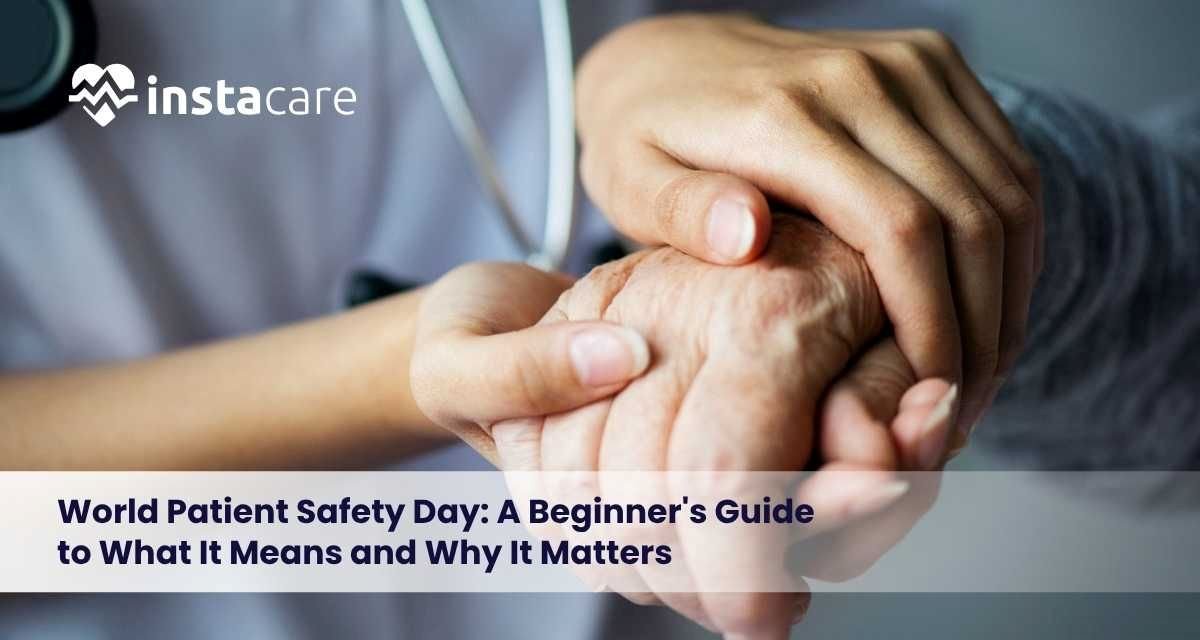
One in twenty patients who receive medical care is affected by avoidable medication harm. That number comes from global health research, and it’s the reason a day like this exists. World Patient Safety Day isn’t a feel-good slogan on a hospital banner. It marks a real, ongoing problem, one that affects patients, families, and healthcare workers everywhere. This guide walks you through what the day is, what this year’s theme means, and what you can actually do the next time you’re a patient yourself. It’s also a topic our own team has engaged with directly, including at the 8th International Patient Safety Conference in Karachi.
Table of Contents
What Is World Patient Safety Day
World Patient Safety Day falls on September 17 every year. The World Health Organization created it in 2019, after the 72nd World Health Assembly passed a resolution calling for global action on patient safety.
The day is meant for everyone touched by healthcare: patients, family caregivers, nurses, doctors, hospital administrators, and the policymakers who write the rules hospitals follow. It’s one of a small number of official global health campaign days the WHO runs each year, which says something about how seriously the organization treats preventable harm.
Why This Day Matters More Than a Slogan
Medication errors alone account for close to half of all avoidable harm in healthcare. That’s not a niche problem tucked away in one department. It touches nearly every patient interaction, from a prescription written in a rush to a dose administered without double-checking the chart. Elderly patients and people in intensive care face the highest risk, which matters if you have older parents or a family member who’s ever needed critical care.
Here’s the thing: most of this harm doesn’t trace back to one careless person. It usually comes from a system under strain. Short-staffed wards, rushed handoffs between shifts, and weak communication protocols create the conditions where small mistakes turn into serious harm. That’s what people mean when they talk about patient safety in healthcare systems. It’s less about individual blame and more about building processes that catch errors before they reach the patient.
The World Patient Safety Day 2026 Theme
This year’s theme is “Safe care for noncommunicable diseases,” with the slogan “Safe care for life.” Noncommunicable diseases include conditions like heart disease, diabetes, cancer, and chronic respiratory illness.
These conditions rarely involve one visit and one treatment plan. A person managing diabetes might see an endocrinologist, a cardiologist, and a primary care doctor across a single year, each prescribing something different. Every added provider raises the odds that two medications conflict or a treatment plan falls out of sync. The 2026 theme exists because long-term, multi-provider care is exactly where safety gaps tend to open up.
A Quick Look at How the Day Has Evolved
The WHO changes its focus each year based on what’s failing patients most at that moment. Past themes tell the story:
- 2019: Patient Safety: A Global Health Priority
- 2020: Health Worker Safety: A Priority for Patient Safety
- 2021: Safe Maternal and Newborn Care
- 2022: Medication Safety
- 2023: Engaging Patients for Patient Safety
- 2024: Improving Diagnosis for Patient Safety
- 2025: Safe Care for Every Newborn and Every Child
Each theme responds to a real, documented gap from that period. The 2020 theme arrived as COVID-19 put health workers directly in harm’s way. The shift to chronic disease in 2026 reflects how much of today’s healthcare now revolves around long-term conditions instead of single, short-term illnesses.
What Improving Patient Safety in Healthcare Systems Actually Looks Like
Hospitals don’t reduce harm through good intentions. They reduce it through specific, repeatable practices. Four stand out.
Surgical safety checklists catch wrong-site or wrong-patient errors before a single incision is made. The surgical team confirms the patient’s identity, the procedure, and the correct site out loud, every time, no exceptions. A hospital management software system helps enforce this by making the checklist a required step before a procedure can even be logged.
Barcode medication scanning stops wrong-dose or wrong-drug errors at the bedside. A nurse scans the patient’s wristband and the medication together, and the system flags a mismatch before the drug is given.
Structured handoff protocols, often called SBAR (situation, background, assessment, recommendation), keep critical details from getting lost when one nurse’s shift ends and another begins. Without this, a small but important detail can vanish between shift changes.
Accreditation standards like NABH or JCI force hospitals through regular, independent audits instead of letting them grade their own work. A hospital can’t just claim it’s safe. It has to prove it, on a schedule, to outside reviewers.
How You Can Improve Your Own Patient Safety
Systems matter, but you’re not powerless in the room either. A few habits make a real difference.
Ask about every medication before you take it. Ask the name of the drug, what it treats, and what the normal dose looks like. If something sounds off, that question just caught a possible error.
Confirm your identity out loud before every test or medication, even if the staff already seems to know you. State your name and date of birth yourself rather than just nodding along. Mix-ups in patient identification remain one of the most common preventable errors in hospitals, which is exactly why a reliable patient management software system matters behind the scenes.
Bring a written list of every medication and supplement you take to each appointment. A new doctor has no way of knowing what you’re already on unless you tell them. This single habit, called medication reconciliation, prevents a huge share of dangerous drug interactions.
Speak up without needing to be confrontational about it. A simple line works: “Can you walk me through why I’m getting this medication?” That question opens a conversation instead of starting an argument, and it gives the provider a natural chance to catch their own mistake.
Bring someone with you when you can. A family member or friend in the room catches details a stressed, tired, or sedated patient often misses. Two sets of ears beat one, especially during a hard diagnosis or a complex treatment plan.
Common Patient Safety Risks Worth Knowing
A handful of risks show up again and again across hospital data, and knowing them helps you stay alert.
Medication errors happen at any stage: prescribing, dispensing, or administering. A single missed step in that chain can lead to the wrong drug or the wrong dose.
Healthcare-associated infections often trace back to something as simple as inconsistent hand hygiene, not some rare or exotic cause. Basic habits prevent most of them.
Falls remain a major risk for older or weakened patients, particularly right after surgery or during a hospital stay when mobility is limited.
Diagnostic delays happen when test results get lost, misread, or simply take too long to reach the right doctor, pushing treatment back when timing matters most.
Wrong-patient identification mix-ups occur when two patients share a similar name or when a chart gets pulled up for the wrong person entirely, which is exactly why confirming your identity out loud matters so much.
Wrapping Up
World Patient Safety Day exists because most harm in healthcare is preventable, not inevitable. Systems can be built better, and patients can play an active role in catching problems before they happen. Pick one habit from this guide, whether it’s asking about your medication or bringing a written list to your next appointment, and use it the next time you’re in a doctor’s office or hospital bed. That one small step is where safer care actually starts.