

Last updated on Wednesday, 2, September, 2026
Last Updated on 2 hours ago by Ahmed Usman
Table of Contents
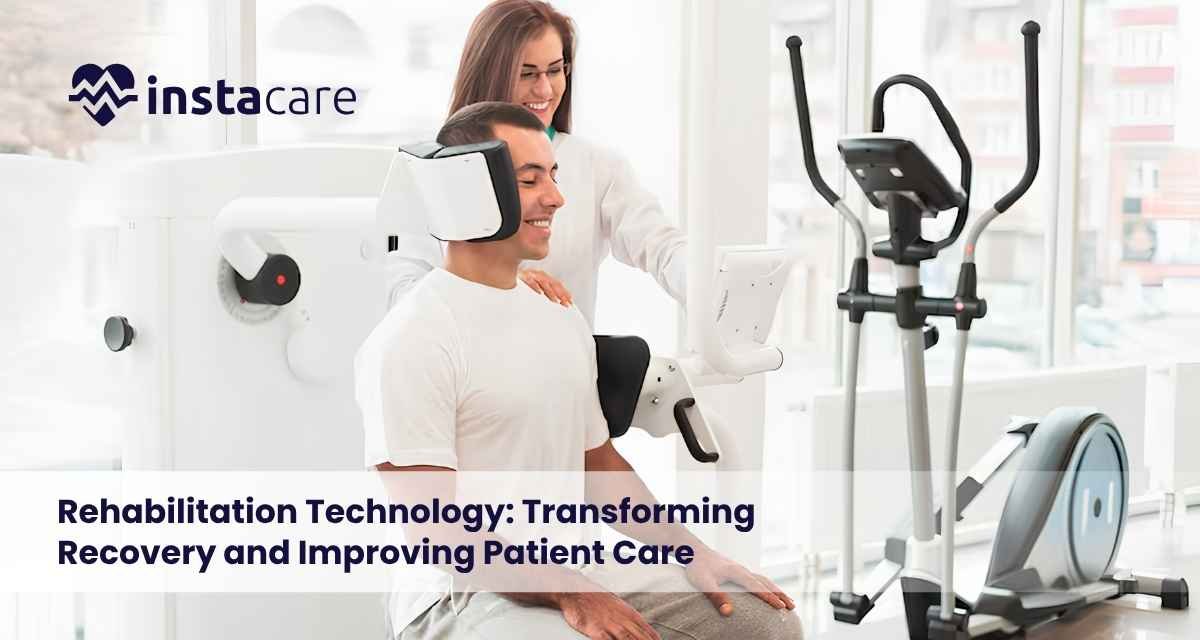
Rehabilitation Technology: Transforming Recovery and Improving Patient Care
Rehabilitation technologies design personalized solutions for patients to recover from injuries, surgeries, disabilities or health conditions that require long-term recovery. Technology with tools, equipment, and digital solutions, supports patients to regain movement and enhances their life.
Healthcare professionals can better assist patients during their recovery with the help of rehabilitation devices and technology. The solutions enable the patients to recover on their own. Technology helps bridge the gap between the physical therapy and active recovery of patients.
What Is Rehabilitation Technology?
“Rehabilitation technology” applies to the use of machinery, equipment, digital systems, and similar devices in the restoration of physical, cognitive, and other functional abilities of individuals following illness, injury, or impairment.
Rehabilitation technology is utilized in physical and occupational therapy, as well as neurological rehabilitation and home-based recovery. These technologies assist patients in restoration of strength, coordination, balance, mobility, and the basic activities of daily living.
Rehabilitation technology strives to treat physical limitations and address the individual’s need for greater independence in everyday activities.
Importance of Rehabilitation Technology
Although rehabilitation has not changed significantly in terms of the end-goal, technology has allowed for the methods to get there to advance at an unprecedented rate. With the use of technology, rehabilitation can be catered for each patient. A few ways that rehabilitation technology is advancing the field:
- Customized rehabilitation plans
- Progress assessment
- Motivating therapy
- Monitoring of recovery
- Support for less mobile patients
- Express Therapy at home
Technology has also made rehabilitation more accessible by supporting patients in their recovery process beyond the clinic.
Types of Rehabilitation Technology
Robotic Rehabilitation Devices
Mechanical aids known as robotic rehabilitation systems are used alongside therapy and exercise to facilitate movement of patients with limited mobility due to trauma or injury and neurological conditions.
These systems help therapists support patients as they practice repetitive exercise movements that aid brain-retraining of patients.
Virtual Reality (VR) Rehabilitation
Technology and programming can help design user-controlled environments to facilitate therapeutic exercises that can be used in duplicating movements and balancing. This can improve engagement and participation in therapy.
Wearable Rehabilitation Devices
Wearable devices can help healthcare professionals collect necessary data, analyze movements, and provide feedback to patients and their therapists on improvements made.
Assistive Mobility Technology
These technologies are used to ensure the safety and autonomy of people with injuries and disabilities or even the elderly.
Tele-Rehabilitation Technology
This technology allows professionals to offer therapy sessions without frequent travel.
Convenient access to therapy during the recovery process is achieved through house calls or therapy sessions conducted virtually. This recovery process also includes the support of a professional to provide assistance and stimulation during the recovery process. It includes the development of a rehabilitation home program.
The body of this essay continues by stating three benefits of virtual rehabilitation. They include: the journey to therapy is reduced, convenience of therapy access, and job support is increased.
Rehabilitation Technology in Home Care
More and more patients recover at home because they prefer that option. Home-based rehabilitation is further reinforced by technology that delineates responses and tracks patient progress when therapy is carried out at home. Technology that supports home-based rehabilitation includes:
- Tools that track and monitor exercise performance
- Devices or systems that aid movement
- Applications or devices that deliver therapy
- Devices that support remote consultation
- Technology that supports patient recovery tracking
These support home-based rehabilitation because patients are still close to their family members and are more likely to be consistent in their therapy.
Book Your Free Marketing Consultation
How Rehabilitation Technology Helps Different Patients?
Post-Surgery Patients
Surgery requires the body to recover and build strength and flexibility through exercise and the gradual progression of movements. Technology for rehabilitation provides insight and control during the recovery process.
Elderly Individuals
The symptoms of aging may include increased falling risk due to balance issues and diminished mobility and muscle weakness. Falling is amplified when unassisted and technology-enhanced rehabilitation can address independence and balance.
Neurological Rehabilitation Patients
The effects of brain and nervous system injuries may warrant the use of specialized therapies during rehabilitation. Movement and the aid of technology during rehabilitation increase the frequency of practice and enhance movement.
Injury Recovery Patients
Athletes and others with traumatic injuries can use rehabilitation to regain functional strength and coordination using technology to assist movement.
Future of Rehabilitation Technology
The emergence of artificial intelligence, smart devices, and digital health seems to shape the future of rehabilitation. With AI, smart devices, and digital health, these modalities may learn how to better achieve personalized rehabilitation based on patient trajectory and design tailored exercise progression automatically.
The combination of AI-based assessments, advanced robotic technologies, and smart devices is going to change rehabilitation for the better, making it more accessible and more effective.
Rehabilitation will become more accessible to more people. As technology advances, more health care systems will offer quality rehabilitation services both in clinics and remotely.
Conclusion
The use of technology is helping the healthcare field heal people in a better, faster way. This technology can help patients heal on their own and has the potential to revolutionize the field. Technology includes everything from therapy-focused video games to smart, automated therapy equipment.
In the future, rehabilitative technology will help individuals recover from trauma, control their disabilities, and gain a better quality of life than before.
FAQs
What is rehabilitation technology used for?
It is used to help patients recover movement, strength, balance, and independence after injuries, surgeries, disabilities, or medical conditions.
Can rehabilitation technology be used at home?
Yes, there are rehabilitation technologies that are designed with the home user in mind. These technologies enable patients to continue to conduct their exercises and participate in their recovery programs outside of the hospital.
Who can benefit from rehabilitation technology?
Technology designed for rehabilitation can help post surgical, injury, neurological, and age related, physical, mobility issues.