

Transforming Best Healthcare with Automation From electronic health records (EHRs) to medical imaging systems, healthcare with automation is rapidly transforming the way. Automation has allowed clinicians to better manage their workflow, improve accuracy and efficiency in providing care, and ultimately respond more effectively and quickly to patients’ needs. As healthcare continues to go digital, automation can become an invaluable tool for providers by offering a wide range of benefits that will help shape the direction of modern medicine far into the future. In this blog post, we’ll look at how healthcare providers are leveraging automation technology to provide better service while streamlining operations and improving outcomes for patients across all areas of health. How Automation is emerging as a Major Factor in the Healthcare Industry Healthcare with automation is proving to be a game-changing development in the medical world. With the increasing pressure on practitioners to deliver high-quality care, automation is emerging as a vital factor in keeping up with the demand. Automation has transformed medical care by making previously time-consuming and complex processes, such as medical records management and patient monitoring, more efficient and effective. Furthermore, it has helped minimize human error and free up medical professionals to focus on more critical and complex medical procedures. Healthcare automation is transforming the way medical professionals manage care, leading to better health outcomes for patients, and revolutionizing the industry as we know it. Book Free Demo Benefits of Automation for Patients and Professionals Advancements in medical automation have been a game-changer for both patients and professionals in the healthcare industry. With complex algorithms and cutting-edge technology, the benefits of automation are undeniable. Patients are experiencing improved accuracy in diagnosis and treatment, as well as faster turnaround times when it comes to receiving test results. Meanwhile, healthcare professionals are able to streamline processes, reduce the margin of error, and ultimately provide better care to their patients. By allowing technology to handle repetitive tasks, medical professionals are able to focus on providing personalized care to their patients. All in all, the implementation of medical automation is a crucial step towards more efficient and effective healthcare delivery. Challenges Faced by Automation in Healthcare The advancements in technology are driving automation and digitalization in various industries, and healthcare is no exception. Although automation has been adopted by many healthcare institutions to simplify processes and reduce errors, there are still challenges to its widespread adoption. One of the significant challenges faced by automation in healthcare is optimizing the healthcare process. Physicians, nurses and other healthcare workers have a lot of responsibilities to ensure quality patient care. Hence they need a smooth and efficient process to maintain accuracy and minimize delays. However, automation can sometimes halt certain processes due to technical errors or conflicting data. Therefore, healthcare institutions must optimize their processes before the adoption of automation so that the integration of technology can lead to improved healthcare outcomes. Examples of healthcare with automation Automation has become an increasingly important tool in many industries, including healthcare. One area where it has made a significant impact is in automated patient care. This technology allows for medical professionals to better monitor and treat patients remotely, reducing the need for in-person visits and providing more efficient care. For example, some hospitals have implemented automated bedside monitoring systems that track vital signs and alert nurses to potential problems, allowing for quick and effective intervention. Other applications include automated medication dispensing systems and robot-assisted surgeries. As technology continues to advance, we can expect to see even more innovative uses of automation in healthcare. View More: Streamline Your Medical Billing with Medical Billing Software Exploring the Potential of AI and Machine Learning in Healthcare The healthcare industry is continuously seeking innovative solutions to improve the quality and efficiency of their services. One of the most promising advancements in this field is the integration of Artificial Intelligence (AI) and Machine Learning techniques. By relying on technology to analyze vast amounts of data, healthcare providers can access valuable insights that inform better decision-making for patients’ health. With the rise of digital healthcare solutions, AI and Machine Learning have become even more critical in providing accurate and timely diagnoses, reducing medical errors, and personalizing treatment plans for patients. The potential of these technologies to transform healthcare is undeniable, and the industry is moving towards greater reliance on AI and Machine Learning to provide effective and efficient solutions. The Impact of Automation on Cost, Quality, and Accessibility The healthcare industry has seen a significant shift towards automation in recent years, with machines and advanced technologies changing the way medical services are delivered. This shift has brought about several advantages, including lower costs, improved quality, and greater accessibility. With automation, processes that were once labor-intensive and time-consuming have become streamlined and efficient, and this has resulted in reduced costs for patients and providers alike. Additionally, healthcare with automation has improved the quality of healthcare services by minimizing errors and enabling more accurate diagnoses. Finally, automation has made healthcare services more accessible by expanding possibilities for remote monitoring and treatment, particularly for patients with chronic conditions. The impact of automation on cost, quality, and accessibility in the healthcare industry is truly transformative and will continue to be an area of significant innovation in years to come. Conclusion Transforming healthcare with automation holds great potential for streamlining and improving medical operations. Automation can allow patients to have faster, more accurate diagnosis, as well as increased access to quality homecare services. Not only this, but implementation of automated systems can also boost lower-division staff efficiency and reduce costly mistakes in the long run. In short, automation is a tool that has immense potential in revolutionizing the entire scope of care given to patients, and health professionals should begin integrating it into their workflow sooner than later. Automation does not replace patient care; instead it empowers healthcare workers to provide better service, allowing them the time to focus on addressing individual needs while improving accuracy and quality. By looking at where
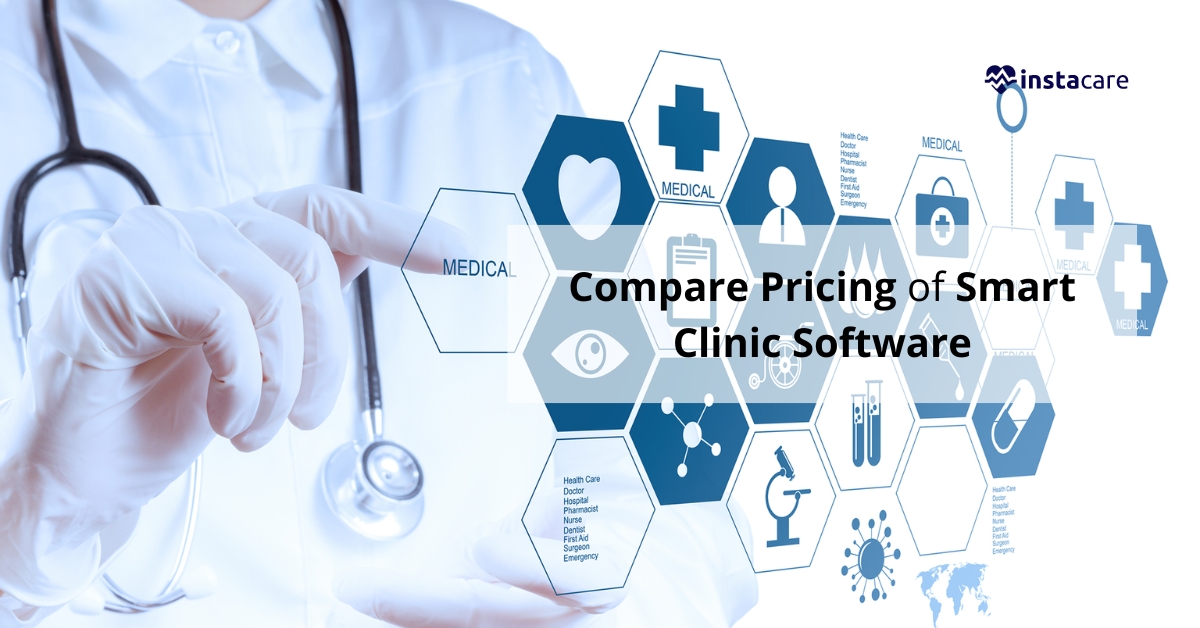
Compare Best Pricing of Smart Clinic Software Are you looking to save money and improve efficiency when it comes to running your healthcare clinic through the best pricing of smart clinic software? Smart clinic software can be a beneficial resource that allows you to do both. With so many different types of health software out there, how do you know which one best suits your needs? Understanding the pricing and features that each option offers is key in making an informed decision. In this blog post, we’ll explore the various pricing models for smart clinic software so that you can choose the right fit for your practice. Overview of Smart Clinic Software and its Benefits Smart Clinic Software is an innovative solution for healthcare providers looking to streamline their operations and improve patient care. By automating administrative tasks such as appointment scheduling, patient record-keeping, and billing, this software can greatly enhance the efficiency of healthcare facilities. However, many providers may be hesitant to invest in this technology due to concerns about pricing. The good news is that there are a wide range of options available, from free versions with basic features to more robust paid versions with comprehensive functionality with best pricing of smart clinic software. Ultimately, choosing a smart clinic software that fits your needs and budget can lead to significant benefits for both providers and patients alike. Advantages of Using a Smart Clinic Software Platform The healthcare industry is constantly evolving, and with that evolution comes new and innovative ways to streamline patient care. One such way is through the use of intelligent clinic software platforms. These platforms offer a multitude of advantages, including increased efficiency and accuracy in record-keeping, improved communication among healthcare providers, and enhanced patient engagement. While some may argue that the initial costs of implementing such a system may be high, the long-term benefits far outweigh the expenses. By utilizing smart clinic software, healthcare providers can improve patient outcomes, reduce administrative burdens, and ultimately provide better care to those in need. Book Free Demo Pros and Cons of Different Best Pricing of Smart Clinic Software As technology continues to advance and revolutionize the healthcare industry, it’s important to consider the pros and cons of different pricing of smart clinic software. These plans can vary from per-user pricing to one-time fees, and it’s crucial to determine which option best fits your specific needs. The benefits of some pricing models might include scalability and flexibility, while others might be more cost-effective in the long run. However, it’s important to weigh these advantages against potential drawbacks, such as hidden fees or limitations on usage. Ultimately, it’s up to each individual healthcare organization to evaluate their own unique circumstances and choose the pricing plan that will help them provide the most effective and efficient care possible. Factors to Consider When Choosing the Right Plan for Your Practice When deciding on the best plan Pricing of Smart Clinic Software, there are several key factors to consider. One of the most important is smart clinic management software – does the plan include this technology and, if so, how intuitive and user-friendly is it? Additionally, you’ll want to carefully examine the fees associated with each plan. Are there hidden costs or unexpected charges that could impact your practice’s bottom line? By taking a thorough and thoughtful approach to selecting the right plan, you can ensure that your practice is well-positioned for success in the years ahead. View More: Simplifying Record-Keeping with a Patient Record Management System Tips for Getting the Most Out of Your Features In today’s world, smart clinic solutions are becoming increasingly popular due to their ability to make patient care more efficient and streamlined. However, it’s important to note that many of these solutions come at a cost that can add up quickly. To get the most out of your features, it’s important to take the time to explore all the different options available to you and choose the ones that suit your specific needs. Additionally, regularly updating your software and staying on top of any new developments can help ensure you’re always benefiting from the latest advancements. By investing in your smart clinic solutions wisely, you can improve patient care while also keeping your budget in check. Common Mistakes to Avoid When Setting Up Your Smart Clinic Software Setting up smart clinic software can be a game-changer for healthcare providers. With its plethora of advanced features, improved accuracy, and increased efficiency, the software can streamline operations and enhance patient care. However, if not done carefully, mistakes can be made that would make the process frustrating and costlier than anticipated. One common mistake is not considering smart clinic software pricing before installation. Before you start the setup process, ensure you do thorough research to ensure that you’re getting the best pricing of smart clinic software. Don’t be scared to negotiate deals, and if an offer sounds too good to be true, do your due diligence to avoid hidden costs that are often a burden on your budget. Get it right from the start, and your clinic will be on its way to reap maximum benefits from this wonderful integration. Conclusion In conclusion, it’s important to consider all aspects of pricing of smart clinic software and features when selecting the best Smart Clinic software for your medical practice. The cost of the software you choose can vary greatly depending on what it provides and how user-friendly it is for both you and your patients. While free software may seem like an attractive option, going with a quality provider who offers extra features and more support could save you time and money in the long run. It’s worth considering different providers to determine which one is right for you, so that your practice can benefit from powerful technology solutions that make the healthcare experience easier, smoother, and more efficient. Don’t forget – your patients are counting on you to make their visits as convenient as possible!
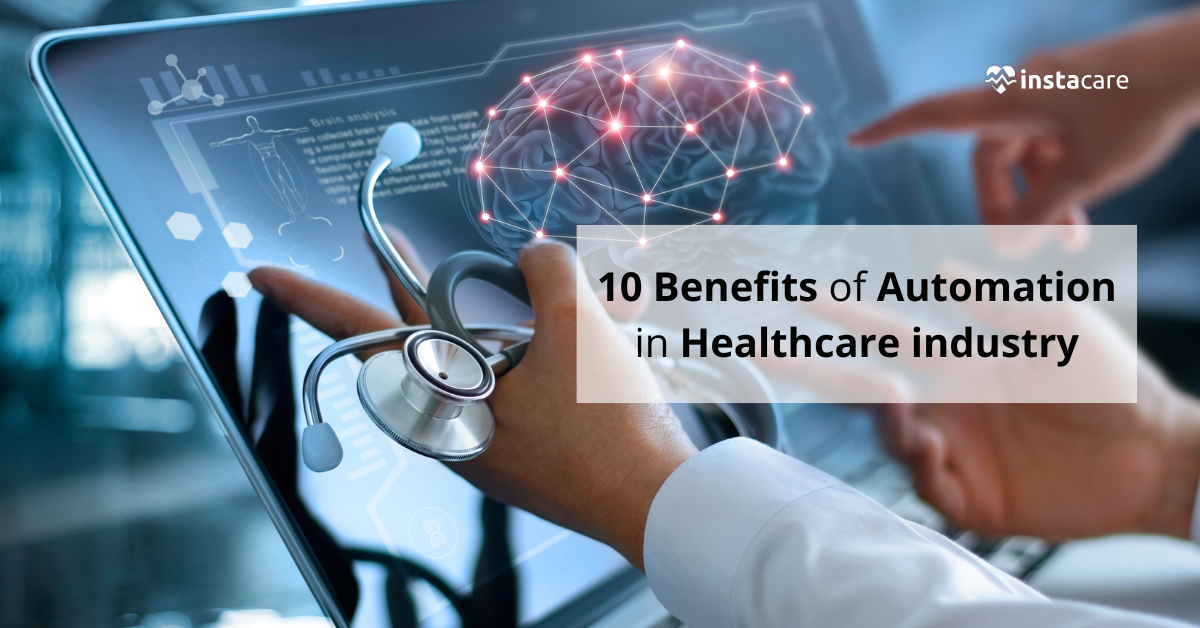
10 Benefits Of Automation In Healthcare Industry It’s important to understand what automation in healthcare actually entails first. Although vendors frequently claim that their goods or services include some automation, this isn’t always the case. Products that must be started by staff members before they can function aren’t truly automated. True automation in healthcare based services and products operate in the background without constant attention. Automated solutions are those that can complete a sequence or task, even when staff members are not aware they are doing so. Remember that for a solution to qualify as automatic, it must be able to start, run, and finish without the need for human involvement or assistance. Benefits of automation in healthcare are as follows: Lower Costs One of the main benefits of automation in healthcare is helps lower costs. Automation helps do this in several ways, such as Reduced errors Less overtime Superior efficiency Automation allows practitioners to complete even more tasks in a shift, which reduces overall stress. The decrease in overtime also enables staff to devote more time to patient care, resulting in fewer medical errors necessitating significant payouts. View More: 5 Reasons Why Your Paper Based System is Slowing Your Practice Down Easy Scheduling Due to scheduling conflicts and the requirement to match patients with the appropriate location and provider, manual scheduling requires time and frequently proves challenging. This can be done more successfully by automating scheduling, which improves the effectiveness of making and canceling appointments. Improved Information Access and Transfer Automation of data transfer and immediate addition of patient data after collection to a database Data sharing with other departments or organizations is made simple as a result. In the healthcare sector, data sharing is frequently a challenge, and automating this procedure eases treatment workflow bottlenecks when several departments must collaborate on a patient’s diagnosis or treatment. Changing With The Times Many healthcare systems now use machine learning, a form of automation, to more easily adapt to change, such as sudden changes in patient volume. This frequently helps emergency rooms because it enables them to change their staffing levels as patient volumes change. Additionally, it reduces ambulatory service wait times. Decrease In Errors Reduced human involvement in automated care lowers the possibility of human error. Although automated provider tools are used to aid in patient diagnosis and treatment, automating administrative operations processes also has significant advantages. Book Free Demo Rapidity And Accuracy Of Diagnoses When diagnosing patients, especially those with serious illnesses, time is of the essence. The likelihood of more serious complications or even death rises when a diagnosis is postponed. Automating procedures enables clinicians to provide patients with quicker, more accurate results. Improving Patient Privacy Respecting the Health Insurance Portability and Accountability Act is crucial for safeguarding patients’ protected health information and personally identifiable information. By automating case management data, it is possible to ensure HIPAA compliance and limit access to personal health information to only those who are authorized. Managing Healthcare Workflows Operating healthcare facilities requires managing a variety of workflows, including remote monitoring, hiring, scheduling, and supervising staff as well as case management, utilization management, and patient wellness. Every workflow contains details about common but crucial tasks that are necessary for patients and providers. Staff must invest a lot of time in manually managing these workflows. Improved Patient Satisfaction Patient satisfaction is influenced by many variables. While the caliber of care received is an important consideration, patients’ satisfaction is also impacted by how simple it is to check in, schedule appointments, and complete those appointments. Patient satisfaction is also impacted by the overall appointment time, which includes wait time and the time it takes to schedule an appointment. Improved Clinical Diagnosis And Decision-Making One of the main benefits of automation in healthcare is that it can improve clinical judgments and support evidence-based practice, which combines clinical practice with the application of research to identify the best methods for diagnosis and treatment. Conclusion Automation in healthcare continues to become more common in the healthcare industry, and many tasks within healthcare lend themselves to automation. For the best Automation in healthcare industry feel free to contact us https://instacare.com.pk/.
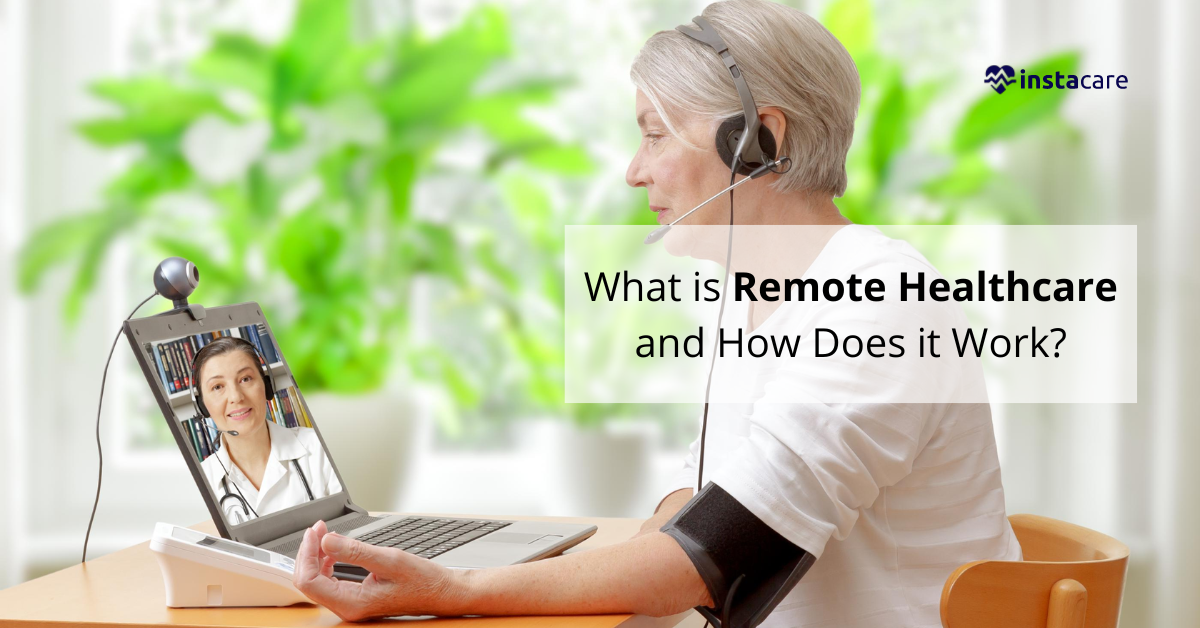
What Is Remote Healthcare System, And How Does It Work? Telehealth or telemedicine has been around for a while. However, the coronavirus pandemic has made telemedicine the preferred method of providing remote healthcare. Even though it might be the most popular option, other options exist for remotely diagnosing and treating patients. Remote healthcare system and remote patient monitoring software have made lives too easier now! The Process Of Remote Healthcare System And Telehealth Services The remote healthcare system supports all facets of online medical assistance, from consultation to precise diagnosis. You can use a laptop, tablet, or any iOS or Android device to access these services. Mechanism Of Remote Healthcare System First, a video visit appointment for telemedicine is scheduled online using a scheduler. The patient can then attend the session at the scheduled time from a quiet, private area of their home or office. The Electronic Health Record (EHR) system is then updated as usual with the documentation and information of this remote session. Similar to when conducting a routine internal checkup, this data is saved. Lab analysis and other tests are necessary for a patient’s complete diagnosis and recovery. Online Scheduling Online scheduling and maintenance of radiology tests are possible with an EHR system. When the outcomes of these online testing processes are ready, the patient is then notified. The patient is then given a thorough explanation of the available therapy alternatives. Medicated Therapy Only in the case of medicated therapy is the patient’s prescription kept online and referred to as an “e-prescription.” These telemedicine services are available to patients with Medicare and Medicaid. Before scheduling an appointment, the patient and the provider discuss the payment option and the billing procedure. Book Free Demo Fee Deposits Following that, the fees are paid in two installments: first, as a deposit before the virtual meeting, and second, following the successful conclusion of the online session. Using Modern Technology To Monitor Patients Remotely The ability of a remote healthcare system to monitor patients effectively depends on the use of cutting-edge technology. These virtual interactions with the patient are conducted at a high level due to the accuracy with which the data is recorded. The device guarantees real-time measurements of Body temperature Heart rate Blood pressure Blood glucose levels With warnings and notifications, this monitoring system reinforces diagnostic procedures and reminds patients. An Interactive Patient Portal With the help of this technology, the patient can remotely monitor the most recent gadget upgrades. The patient portal is a valuable communication tool that encourages patients to practice all their medical services conveniently. This gateway makes it easier for patients to schedule appointments online and allows them to be more independent. Benefits Of Remote Healthcare And Remote Patient Monitoring Software The advantages of remote patient monitoring software are countless, as is the list. Also some of the most significant ones are listed below: Reducing Their Expenses And Time Chronic patients are to blame for 90% of healthcare costs in the US. Remote Healthcare makes their lives easier than remote patient monitoring software by reducing expenses and time. Benefits To Both Patients And Medical Providers Remote Healthcare has benefited both patients and medical providers by allowing patients to be guided while at home. It allies the worry that essential items like hospital beds will be in limited supply. Easier To Schedule Patients using remote healthcare systems and remote patient monitoring software benefit from more excellent health since they can precisely schedule their medications. Additionally, it aids patients in making lifestyle decisions based on the findings of their vital signs. Smooth Workflow Most importantly, the disappearance of waiting room delays missed appointments, and remote patient monitoring contributes to a smooth workflow. When they have the time, doctors can provide their patient’s advice on what to do next. InstaCare Is The Authenticated One! InstaCare is the best EMR/EHR Company in Pakistan. By offering cutting-edge management software, they closely collaborate with healthcare providers like physicians’ offices, hospitals, gyms, and fitness facilities. You can contact them by visiting https://instacare.com.pk/ for your daily treatments.
What Is Healthcare Software Implementation? In a world driven by technology, the healthcare sector is slowly but surely modernizing in the correct direction with healthcare software implementation. The mechanisms that power the healthcare institutions that serve as the foundation of society are increasingly dependent on software. But it may be exaggerated to some extent how difficult it is to switch from outdated to modern approaches. The software has frequently been adopted at healthcare facilities without success, resulting from failing to recognize organizational and cultural concerns and viewing new methods as merely technological problems. In the sector, frustrating issues with the software and unmet expectations that arise after deployment are not unusual. However, addressing the challenges before and during implementation could significantly smooth this process of the healthcare system in Pakistan. The Steps Involved In Healthcare Software Implementation Identify All The Needs Before Implementation In the application of healthcare software implementation, The question of “Why is this a good idea?” is crucial. It will be simpler to choose vendors if you know why implementation is required at the institution. It’s vital to consider the software’s usability and features as a system at your institution. Consider aspects like the vendor’s industry expertise and the level of support you can anticipate, then adapt it to your needs. Book Free Demo Assemble Your Team Make a team of individuals who can assist you in selecting the software to use, assessing how it will impact your facility’s operations, and emphasizing the significance of the software to all of your staff. A minimum of one software user, one manager to oversee results, and one representative from each department to serve as team lead and mentor are required for the team. The team members should ideally be familiar with technology and well-liked by their coworkers. Decide On The Best Practices Before Purchasing After you’ve put together your team, collaborate with the vendor and everyone on it to decide on best practices or how your company will use the product. Understanding tasks, processes, user access, and system monitoring are necessary for this. Ask for demonstrations of the software and perhaps a trial time to test it out before you begin your implementation because doing this without experiencing the software can be challenging. View More: InstaCare – Best Telemedicine Company In Pakistan Identify The Infrastructure Of Your IT Department Examine the software’s configuration at the same time. Will you employ a cloud-based system or your servers to host the software? While hosting your system demands a significant financial commitment, cloud-based software typically only requires a monthly or annual subscription. Programs hosted in the cloud can be accessed from any computer or mobile device with an internet connection. Additionally, the majority of programs will demand some initial manual data upload. Understanding how much time this will take is crucial because it is frequently the most time-consuming step in your implementation process. Find out if the vendor can upload existing data or use spreadsheets in the new system. This can help the installation or implementation go more smoothly, save a lot of time, and make it suitable for Pakistan’s healthcare system. Educate The Potential Users In software management, top-down management needs to be reversed. The users must be involved right from the start. In addition to assisting with installation, building a user community will provide an invaluable platform for support for novice and less technically adept users. It won’t work to buy a piece of software and expect it to “plug and play” since healthcare practitioners won’t trust such a decision. Unfortunately, this is primarily caused by the abundance of subpar software implementations that have previously tried and failed. Describe the benefits to the users and the reasons they should try to change. Usually, all that is required is to inform the users of the software’s benefits. Lastly At the end of this topic, we have seen some of the essential aspects of healthcare software implementation. InstaCare is working amazingly for the betterment of the healthcare system in Pakistan and providing brilliant software. You can also get one by contacting them or visiting their website as follow https://instacare.com.pk/ for any information you can contact them.