What Are The Dos and Don’ts of Billing Communication for Medical Billers? Effective communication is part and parcel of a medical biller’s job description and ensures that the billing is accurate, timely, and compliant. Your communication with patients, healthcare providers, and insurance companies is literally shaping a lot of expectations regarding your organization’s revenue and the overall patient experience. In this blog post, we’re going to dive into the dos and don’ts of billing communication to help guide medical billers like you through this important aspect of your work. Dos of Billing Communication 1-Be Pro-Active and Responsive Good communication is one which involves being proactive and responsive. There may be a need to get in touch with patients, providers, and insurance companies from time to time to flag off and ensure that all information is current and issues are attended to while still fresh. Try to respond to any inquiries and requests raised; delayed responses breed frustration and may cause delay along the billing process. 2-Use Clear and Concise Language The words used in issues concerning billing should be very clear and simple to facilitate understanding. Steer clear of technical jargon or acronyms with which the recipient may not be familiar. Use plain language that delivers exactly what you are trying to communicate. 3-Detailed and Accurate Information Be sure to provide all information in detail and accurately. This includes procedure codes, diagnosis codes, insurance coverage details, and all other information that may be required in the process of billing. Poor or incomplete information may result in lengthened cycle time, denials, or even severe consequences like litigation. 4-Professional Tone Even when contentious issues have to be discussed, all communication should be professional in tone. Avoid being informal or argumentative while writing but rather gracious and assistive. It can make all the difference in keeping proper, positive relationships out of your stakeholders. 5-Document Everything It’s also very vital to document everything in regard to your medical billing. Maintain detailed records of the calls and contacts with clinics, including the date, time, and a small summary of the conversation. Thus, you will be able to refer back to these records if any future problems arise and assure that you have a complete and accurate paper trail. Book Free Demo Here we discuss About The Dos and Don’ts of Billing Communication for Medical Billers!! Don’ts of Billing Communication 1-Don’t Use Aggressive or Threatening Language Abusive or threatening language over a billing issue is the last thing that should happen. While getting frustrated periodically due to a situation can be understood, the exclusion of hostile responses will not only save relationships from reaching a point of deterioration and making resolution difficult but will also help resolve issues more amicably. 2-Not to Provide Incomplete/Wrong Information Inaccurate or incomplete information in the claim form may result in several problems, such as delays in payment, claim denials, and increases in possible litigation. Never sign off on a claim until you have checked your work a second time to be sure that you are providing information that is current and accurate. 3-Don’t Delay Responding to Inquiries Delayed responses will help alienate patients, providers and insurance companies alike and may considerably delay the billing process. Thus, inquiries or requests must be responded to promptly. 4-Never Presume Knowing or Understanding Never presume that the person one speaks to understands medical billing intricacies. Take the time to explain clearly and ensure whosoever received the information understood what was given. 5-Avoid Unprofessional Conduct The medical billing professional must at all times behave in a professional manner. Unbecoming conduct—gossip, unethical humor, or a negative attitude—degrades a person’s character in the eyes of other stakeholders and may lead to relationship problems. Conclusion Effective and proper communication, therefore, becomes very essential in medical billing operations. The dos and don’ts of effective communication create the takeaway from this blog post toward stronger communication skills, building relationships, and contributing to an organization’s financial health. Bring to mind that good communication is not just about what you say but how you say it. Hence, by being proactive, using very clear and concise language, providing the necessary details and accuracy of information, maintaining a professional tone, and documenting everything, you can help ensure that your billing communication is effective, efficient, and compliant. Ultimately, the key to successful billing communication is in putting oneself in the shoes of the person with whom one communicates. Understand their needs, concerns, and expectations, and adjust your approach accordingly. This will better position you to not only facilitate improvement in the billing process but also to enhance the total patient experience and bring success to your organization. FAQs How proactive and responsive is this with respect to billing communication? Medical billing communication should be very proactive and responsive. By engaging with patients, providers, and insurance companies up front to resolve problems or updates of any kind, one can avoid potential delay and ensure the smooth running of the billing process.. What are the tips toward the usage of clear and concise language in any billing communication? In medical billing, what is important is to convey the message in as simple a language as will be understood by the recipient. No technical jargon or acronyms unknown to the patient or the provider should be used; simple, plain language should be utilized to clearly state what one is trying to convey. Why should the tone of the billing communication always be professional? There are some major reasons as to why the tone of any kind of billing communication needs to be professional. It builds a rapport with all those that have expectations from you—patients, providers, insurance companies—and fosters a good relationship. Sometimes, day-to-day problems and other simple issues can be solved if one is courteous and helpful. What are some common mistakes to avoid in billing communication? Some of the common mistakes that have to be avoided while communicating on matters of billing are: Passing on incomplete or inaccurate information: Inaccurate or missing details will lead
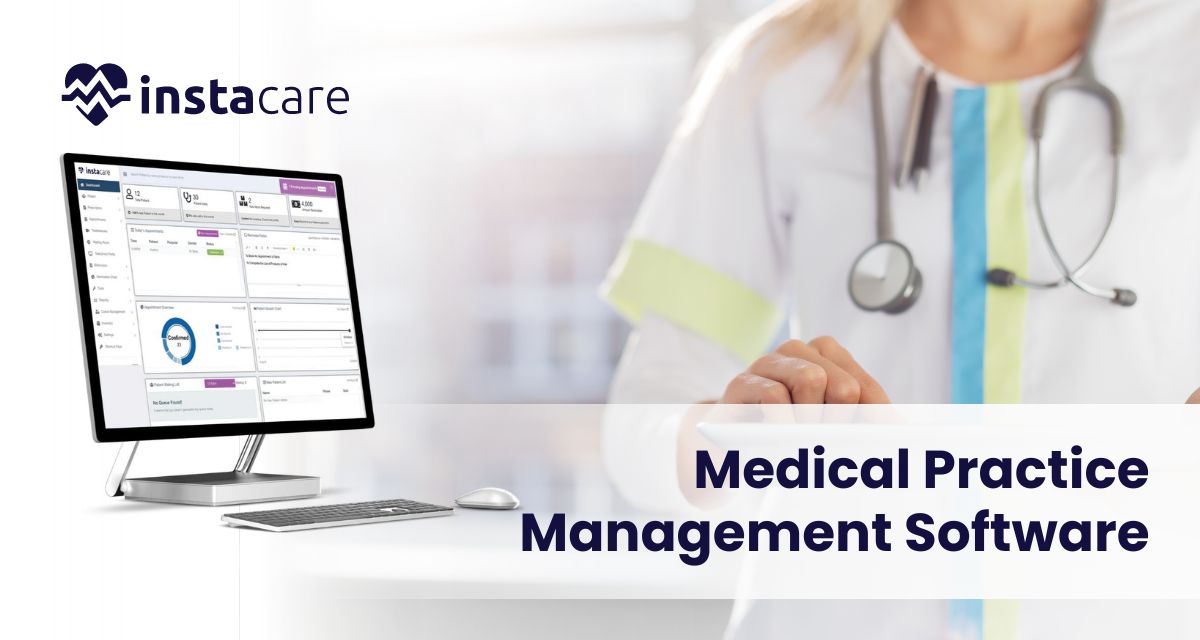
What Tasks Can Your Medical Practice Management Software Automate? The medical field is in a time-warp. Every worker try to provide excellent services while managing an extensive number of different admin responsibilities that come with their line of work. In summary, the use of medical practice management software has benefited the way that health services are given. Explore the many tasks that MPMS may simplify and how it can transform your medical practice. Let’s Discuss About The Tasks Your Medical Practice Management Software Automate!! 1-Appointment Scheduling For any medical office, one of the biggest problems is the manual patient scheduling. Even through the patient’s website, MPMS offers a computerized scheduling process for patients to make, change, or cancel appointments. This lessens their difficulties and raises patient satisfaction at the same time. By sending patients an automated reminder via email or SMS, you may reduce the number of no-shows and facilitate an automatic schedule adjustment. 2-Patient Registration And Check-In The process of manual registration is both time-consuming and error-prone. MPMS makes it possible for automated registration whereby patients can fill out forms online before coming for an appointment. Upon check-in, patients again verify their information through kiosk self-service or tablets, speeding up the process, and hence releasing the staff for more critical assignments. It will also mean that the data on the patients are current and correct. 3-Medical Billing And Coding Manual registration takes a lot of time and is easy to make mistakes. MPMS allows automatic registration, allowing patients to complete online paperwork before of their scheduled visit. Patients use computers or stands the use of self- to confirm their information once more at check-in, simplifying the procedure and freeing up staff members for other important tasks. It will also imply that the patient data is accurate and up to date. 4-Patient Records Management The processes of medical coding and billing are lengthy and complicated. When used in combination with EHRs, MPMS makes sure both coding and billing automation is supported and that the right codes are applied for the patient’s medical condition and course of treatment. Automated billing speeds up the payment process, recreates and reduces errors, and helps in a practice’s ongoing well-being. Also, it can help with claims related to insurance by confirming being eligible, processing claims via the internet, and keeping track of status. 5-Prescription Management Prescription management done by hand is subject to delays and errors. By providing an element for healthcare providers to use when creating electronic prescriptions for delivery to pharmacies, MPMS simplifies the management of drug prescriptions. In this manner, it speeds up the procedure while lowering the possibility of prescription errors. Certain MPMS technologies offer decision support, whereby healthcare professionals are informed about potential drug interactions or reactions while also considering the patient’s medical history. Book Free Demo 6-Patient Communication In the end, the supply of excellent medical care requires effective interaction between physicians and their patients, which can be achieved by organizing various forms of communication via MPMS. Through secure messaging, it may warn patients of next visits, following up instructions, or test findings. Additional applications include providing patients with educational materials, health advice, and letters to keep them informed and involved in their health. 7-Revenue Cycle Management As a result, the management of revenue cycles is critical to any medical practice since it assures the practice’s financial stability. Each part of RCM, including patient registration, insurance verification, process filing, and payment posting, will be handled by MPMS. Automating workflows avoids errors, speeds up the process of earning money for easier access to cash flows, and cuts down on the time and effort required to complete it. Furthermore, the MPMS’s advanced analytics will assist with rating the practice’s financial performance, allowing managers to make more informed decisions. 8-Inventory Management MPMS can literally save practices with managed drug and medical supply inventories. Stock level monitoring is a component of automated inventory management systems. When supplies run low, the staff is notified and purchase orders are generated as needed. This reduces the possibility that the practice will run out of any crucial supplies and guarantees that a sufficient supply of supplies will always be ready. Keeping precise records for compliance with regulations is another benefit of robots in handling inventory. 9-Staff Scheduling Any manual employee planning process, no question, has the ability to become a bad dream, especially if the practice is large and involves a large number of providers and support workers. When it comes to planning, MPMS automates the process by considering numerous factors such as the availability of doctors, patient demand for additional appointments, and staff members’ desire to work. These can be taken into consideration by the structures, which guarantee a steady staffing level for the practice. 10-Reporting And Analytics Making decisions based on data is one of the most important things that keeps a medical practice together. Strong and rich in analytics and reporting is MPMS. It is required for managers to provide detailed information on several facts of the business, including financial performance, patient information, appointment designs, and more. Time savings and insight into operations are made possible by this systematic reporting, which also improves patient care and improves profit. 11-Patient Portal A patient portal is a website that gives patients access to their medical records, facilitates interaction among patients and healthcare professionals, and offers additional services. The MPMS facilitates the patient’s easy access to test results, treatment plan, and medical data by simplifying patient portal maintenance. In addition, patients can schedule appointments, request refills on medications, and message their physician. As a result, patients are more involved and have greater control over the decisions they make regarding their care. Conclusion Medical practice management software simplifies many extremely labor-and error-intensive operations in modern medical practice, which is changing the way care is delivered. It improves accuracy and patient experience by simplifying medical processes from registration of patients and appointment scheduling to billing, communication, and compliance with regulations. Thus, if you haven’t already, now could be the
Primary Reasons Why Practices Should Be Done Using a Patient Portal Under the modern healthcare circumstance, a patient portal has proved to be a rich transformer and can enhance practical functions for medical practices with strategies to engage patients better. A patient portal is a comprehensive web-based platform from which patients are allowed to access a wide scope of healthcare services and information, such as viewing medical records and lab results, and managing future appointments—all from the comfort of one’s home or even on the go, that is why practices should be done using a patient portal. Here We discuss about some reasons why practices should be done using a patient portal!! Enhanced Patient Engagement Patient engagement is very instrumental for better health outcomes and the creation of a proactive wellness culture. A patient portal is a web-based platform that healthcare providers can put in place to allow easy access to health information by their patients, motivating them towards taking an active stance towards addressing their health-related needs. It allows patients to easily view the results of their tests, track their progress over time with graphic trends, and communicate in complete security with their healthcare team—all functionalities that make patients feel more active and informed about their care journey. Enhanced Communication Efficiency Effective healthcare delivery is based on effective communication. Patient portals provide one avenue for a patient to communicate with a health provider through features for secure messaging. Besides calling a doctor’s office or physically coming to the office, one can contact his or her doctor for any non-urgent issue, request refill of prescriptions, or clarify the prescription regime. This saves time for both the doctor and the patient and, at the same time, reduces the likelihood of miscommunication or sending messages without passing on the information. Streamlined Administrative Work Normally, administrative work devours a hefty resource in healthcare environments. Patient portals put a check to this by essentially automating the routine processes in appointment scheduling, pre-registration form filling, and the processing of billing and payment transactions online. This is, in fact, going to free up staff time, which is usually deployed in the more critical aspects of attending to patients, thus enhancing overall practice efficiency and patient satisfaction. Enhanced Patient Satisfaction This goes to the very convenience and quality of health care delivery to them. The greatest contribution that a patient portal can make in relation to the betterment of patient satisfaction is in the easy availability of personal health information and services by the patients themselves that is why recommendation for experts are Practices Should Be Done Using a Patient Portal. An interface designed to be friendly implies that the patients end up in greater control over their interactions in healthcare practices, something that assures highly enhanced patient experiences. They can view their medical records, know the treatment plans, and send a secure message to health providers, which promotes an increase in customer satisfaction and the retention of patients. Book Free Demo Allows Care Coordination Care coordination is very important in patients with complicated medical conditions or those who receive help from several service providers. Patient portals act as key promoters in sharing between health practitioners. Providers share medical records, test results, treatment plans, and other statutorily required information very securely to continue with the care process without repetition of medical errors. Such collaborative care management promotes overall health outcomes and makes the experiences of the patients more integrated. Empowers Patient Education Education is such a strong tool toward accomplishing health literacy and goes further in empowering patients to make appropriate decisions regarding their health. One of the key channels through which a healthcare provider can directly deliver education materials, preventive care guidelines, and an individual’s health information is a patient portal. Practices Should Be Done Using a Patient Portal, Portals encourage patient education and knowledge regarding diseases, treatment plans, and adherence to a healthier lifestyle. It allows easy access to current and precise information concerning health issues. This proactive approach to patient knowledge makes the health outcomes better and builds the trust-based sound association between patients and health providers. Facilitates Care Coordination It’s important that every provider of service in healthcare ensure the privacy of the patients and comply with strict personal data protection legislation—for instance, the Health Insurance Portability and Accountability Act of the United States. Security features prevent unauthorized access and protect sensitive health information in a patient portal. This technology provides very strong encryption protocols for safeguarding information, secure authentication procedures, and access control from any kind of unauthorized access, manipulation, or divulgence. Ensuring the integrity of the health information and allowing healthcare practice to instill confidence in patients about matter pertaining to confidentiality is a sure way of securing trust from them coupled with ensuring adherence to stipulated regulations. Supports Remote Healthcare Delivery In fact, this is really when telehealth services and a global pandemic like COVID-19 have brought out their need the most: for remote delivery of healthcare. Patient portals support virtual consultations, telemedicine appointments, and remote monitoring of a chronic (. These digital platforms offer a chance for patients to access healthcare providers from any point and thus get medical advice at the right time to receive the needed healthcare services without moving physically to reach them. Flexibility in the delivery of healthcare does increase patient convenience, but simultaneously also guarantees continuity during emergencies or disruptions in the traditional healthcare settings. Conclusion This allows medical practices to effectively gain in operational efficiencies and patient satisfaction by harvesting the digital platform for communication, administrative streamlining, and empowerment of patients with education and accessibility to health information. This paper concludes by stating that patient portals are certainly an information technology tool category that brings modernity into health delivery and calls for patient-centered care. Medical practices can effectively benefit in operational efficiencies and patient satisfaction by harvesting the digital platform for communication, administrative streamlining, and patient empowerment with education and access to health information. In summary, as a result of patient portals
The Role Of Technology In Effective Revenue Cycle Management Services Technology plays a major role in improving the continued existence of Income Cycle Management (RCM) systems in the modern medical care environment. Modern technological arrangements have changed the way medical care providers handle their financial responsibilities, leading to increased efficiency, accuracy, and benefit. This blog explores the basic function that creativity plays in RCM administrations, outlining important mechanical advancements, their benefits, and how they affect the overall framework for medical care. Understanding Revenue Cycle Management Revenue Cycle Management (RCM) make referring to the financial exchange that health care providers use to track patient care events from enrollment and scheduling appointments to the final payment of an agreement. RCM includes the ID, the board, and various forms of patient help earnings ensuring that healthcare providers receive easy payments for services done. For medical services groups, convincing RCM is essential since it directly affects their financial health. A efficient RCM system reduces guarantee rejections, speeds up payment cycles, lowers administrative costs, and enhances patient satisfaction. The enlargement of technological advancement has emerged as a clear benefit in enhancing these cycles recently. Benefits Of Technology In Effective Revenue Cycle Management The integration of technology In effective revenue cycle management offers numerous benefits that significantly improve the efficiency and effectiveness of revenue cycle processes. These benefits include: 1-Enhanced Accuracy And Efficiency Artificial intelligent, or computer-based intelligence, and robotization help to reduce human error by making sure all important rules are followed and that charging and coding are completed correctly. This accuracy suggests that fewer cases are turned down and that providers of medical services are paid even faster. The entire interaction becomes more efficient through the robotization of these tasks, leading to faster repayment cycles. In the end, this helps medical services groups manage their finances more effectively and ensures they receive the due payments without needless delays or problems. 2-Improved Financial Performance Medical care groups can increase their income and reduce operating costs by improving income cycle operations. RCM works on overall financial welfare, reduces the amount of inaccessible records, and closely monitors income. These developments allow medical service providers to make sure that they receive payments quicker and more precisely, leading to a more secure financial situation. This greater skill benefits the organization financially and also takes improved asset classification and continuous care into consideration. 3-Streamlined Workflow Technology helps medical care providers improve the way they work by simplifying complicated RCM procedures. Simple duties like cost and coding are handled by computerized frameworks, which frees up staff time for more important tasks such as involving patients and organizing their care. In addition to increasing effectiveness, this allows medical professionals to provide their patients with more support and consideration, resulting in an overall improvement in the quality and satisfaction of care. 4-Better Patient Experience RCM procedures make sure charging is completed accurately and quickly, reducing the likelihood of mistakes and conflicts over billing. Patients benefit from a smoother and more open pricing process thanks to this ability. Patients feel more confident and satisfied with their medical treatment understanding when charging procedures are simple and any problems are resolved rapidly. Precise and clear pricing improves overall patient understanding and creates positive interactions in addition to improving the financial operations of healthcare providers. 5-Regulatory Compliance In order to guarantee that RCM methods follow to rules including HIPAA and CMS laws, technology plays a crucial role. By managing and balancing these cycles, technology reduces the risk of consequences for resistance. This preserves patient privacy and improves confidence of medical professionals. A successful application to creative thinking in RCM ensures that healthcare organizations operate within the law while maintaining trustworthiness and reliability in their financial activities. Book Free Demo Impact On Healthcare Providers The impact of technology on RCM extends beyond financial benefits, significantly influencing the overall operations of healthcare providers. Key impacts include: Resource Optimization Technology-driven RCM enables healthcare providers to optimize their resources by automating administrative tasks and reducing the need for manual intervention. This leads to better utilization of staff and resources, enhancing overall operational efficiency. Improved Decision-Making Data analytics and business intelligence tools provide healthcare organizations with real-time insights into their financial performance. This enables informed decision-making, allowing providers to identify trends, predict financial outcomes, and implement strategies to enhance revenue. Increased Transparency Technology enhances transparency in financial transactions and billing processes. Patients can access their billing information online, track their claims, and make payments electronically. This transparency builds trust between patients and healthcare providers, fostering a positive relationship. Scalability Technology In Effective Revenue Cycle Management systems are scalable, allowing healthcare organizations to adapt to changing demands and expand their services. As healthcare providers grow, their RCM systems can accommodate increased volumes of claims and transactions without compromising efficiency. Future Trends In RCM Technology The future of RCM technology promises even more advancements that will further enhance the efficiency and effectiveness of revenue cycle processes. Emerging trends include: 1-Artificial Intelligence And Machine Learning The continued development of AI and machine learning will enable more sophisticated data analysis, predictive analytics, and automated decision-making. These technologies will further reduce errors, optimize billing processes, and enhance revenue collection. 2-Blockchain Integration As blockchain technology matures, its integration into RCM systems will become more widespread. Blockchain will enhance data security, reduce fraud, and improve the accuracy and transparency of financial transactions. 3-Patient-Centric RCM Future RCM technology will focus more on patient-centric solutions, enhancing patient engagement and satisfaction. Patient portals, mobile apps, and online payment systems will provide patients with greater control over their billing and payment processes. 4-Cooperation The push for interoperability will drive the development of RCM systems that can seamlessly integrate with other healthcare systems. This will enhance data sharing, improve care coordination, and streamline billing processes. 5-Value-Based Care As the healthcare industry shifts towards value-based care models, RCM technology will evolve to support these models. This will include tools for tracking patient outcomes, managing bundled payments, and ensuring that healthcare providers are reimbursed based on the quality of
What Are The Benefits of Cloud-Based Internal Medicine EHR Solutions In the fast-moving world of internal medicine—efficiency, accuracy, and patient-centered care have been hallmarks of care for years. Providers can navigate that maze in many ways to make modern healthcare delivery work, but contact with innovative solutions is not an option. One of those innovative solutions is Cloud-Based Internal Medicine EHR Solutions. Here Are Some Of The Valuable Benefits To Know The following are a number of benefits in which Cloud-Based Internal Medicine EHR Solutions change health delivery for health providers by maintaining patient records, managing workflows, and providing care up to the best of one’s ability. Let’s analyze the advantages in great detail. 1-Improved Accessibility and Flexibility Gone are the days when healthcare providers were restricted within the four walls of their office premises for their patient records. With cloud-based EHR solutions, a doctor can have a secure way of accessing patient information at his convenience from virtually anywhere, round the clock. Be it from the hospital, clinic, or even at one’s home, the ability to fetch critical patient data on the go means that more informed decisions can be made promptly. This improved accessibility not only optimizes efficiency but also enables healthcare providers to extend their service well beyond the walls of traditional healthcare environments. 2-Better Collaboration and Coordination Healthcare is primarily a team sport in which effective collaboration and coordination is the name of the game. Cloud-based EHR systems support the achievement of this collaboration through the development of a single centralized platform through which various healthcare professionals access and update real-time patient records. From primary to specialty care physicians, nurses to pharmacists, everyone involved in a patient’s care journey will have a chance to contribute to and make use of a single view of patient information. This enables easy sharing of information and teamwork, finally leading to comprehensive and patient-centered care. 3-Greater Data Security and Compliance In a time when the threat of a data breach is ripe, the ability to secure patient information is most important. Cloud-based EHR solutions come with state-of-the-art and cutting-edge security measures that will protect sensitive health data against access, breach, and other potential cyber threats. Utilizing advanced techniques for encryption, robust authentication protocols, and frequent updates in security guarantee that the sensitive patient information remains safe and that stringent regulatory requirements, such as HIPAA, are met. Inherent risks can be lowered by healthcare organizations, who store their data with reputable cloud providers, without losing patient trust and maintaining the level of confidentiality. 4-Cost Effectiveness and Scalability Healthcare organizations that have traditionally implemented and maintained on-premise EHR systems require heavy upfront investments in terms of hardware, software, and infrastructure. On the other hand, cloud-based EHR solutions, by their nature, are predictable with low-cost alternatives, including subscription-based pricing. The scalability and flexibility offered by cloud are such that a healthcare organization won’t have to invest in capital expenses upfront or face the associated maintenance costs down the line. Additionally, these solutions can expand with small independent practices and large healthcare institutions as per their needs, and their scalability is actually up and down. All these processes free the organizations concerned from the limitations imposed by a physical infrastructure. Book Free Demo 5-Workflow and Productivity Improvement Healthcare providers are all too aware of the administrative burden that accompanies paper-based or legacy EHR systems. Cloud-based EHR solutions alleviate that by automating routine administrative tasks, streamlining workflows, and reducing manual errors. Features that tend to streamline operations, including electronic prescribing, appointment scheduling, and billing integration, allow the healthcare professional to focus more on the right patient care and less on the paperwork associated with it. In addition, intuitive user interfaces and template options further boost documentation efficiency, enabling more time for providers to be with patients rather than trying to work through intricate systems. 6-Enhanced Patient Engagement and Satisfaction In the world of digital health, patients are increasingly informed and active in their health and care journey. Cloud-based EHR solutions make patients feel empowered with online portals that offer secure access to their health records, booking appointments, asking for prescription renewals, and communicating with health providers. The transparency of information fosters a sense of empowerment, trust, and collaboration between patients and providers, leading to improved patient satisfaction and outcomes. By enabling patient-centered technologies, healthcare organizations can further grow the bond between patients and providers, driving positive patient experiences. 7-Advanced Analytics and Insights Cloud-based EHR solutions act as repositories of patient data but also serve as a conduit to extract meaningful and actionable insights using advanced analytics. By making use of machine learning algorithms and predictive analytics, healthcare providers can come up with significant trends, patterns, and potential risk factors associated with the patient populations. From predicting disease progression to identifying opportunities for early and preventive intervention, this information will equip the provider to take intelligent decisions that will further support optimization of not only patient outcomes but the most efficient utilization of resources. In addition, analytics capabilities facilitate a health organization to measure and monitor key performance indicators, identify areas for improvement, and drive continuous quality improvement initiatives. 8-Interoperability and Integration In a modern healthcare ecosystem, interoperability and integration of information from different systems must be seamless to ensure coordinated and comprehensive care. As such, cloud-based EHR solutions become the backbone for the exchange and aggregation of health data from across various healthcare settings and stakeholders. Cloud-based EHR systems, through standardized data exchange protocols such as HL7 and FHIR, seamlessly integrate with other healthcare applications in use at facilities, including laboratory information systems, imaging systems, and telehealth platforms. Conclusion In conclusion, Cloud-Based Internal Medicine EHR Solutions are transformative to health provision, which is a bouquet of benefits that empowers healthcare providers to deliver high-quality, patient-centered care in a progressively digital world. Ranging from increased access and collaboration to security and efficiency, the benefits of cloud-based EHR solutions are immense. The operations of healthcare facilities that embrace these innovative technologies will be future-proofed while enhancing
Unveiling the Best EHR for Psychiatry Practices: Practice EHR An EHR system should be effective in psychiatric care for the best patient outcomes to be achieved—one at the top of its class in practice management. In such context, Practice EHR becomes an indispensable tool for psychiatry practice, being tailored especially for psychiatry and offering a lot of stuff to ensure a step up in quality and workflow. Psychiatry typically presents its own set of unique challenges for medical practice—not shared with other disciplines. Practice EHR aims to deliver powerful features that respond to the unique needs of the psychiatrist and their patient population. As it is made easy through Practice EHR to manage complex medication regimens right up to the last detail of documentation supporting even a minor alteration in mental health assessment, this allows the clinician to focus more on the care aspect rather than its administering. Here we discuss about some steps for best EHR for psychiatry practices!! Simplified Patient Management Through Practice EHR Productive psychiatric practices are born from effective patient management. And when it comes to patient management, Practice EHR takes you beyond—an interface that is simple to use, making scheduling, charting, and communication simple for the psychiatrists and their teams so that they can juggle appointments, update the records of the patients on the fly, and maintain full and comprehensive treatment histories—all from a simple, clean, and easily accessible platform increasing their efficiency. It also reduces the chances of errors that might come up while handling records manually. This enables the psychiatrist to dedicate further time to the patient without getting engrossed in management, which in turn fosters increased patient satisfaction and better patient outcomes. Psychiatric Care Templates That Can Be Customized The differentiating factor for Practice EHR stands out in its psychiatric care customizable templates—brilliantly developed to capture effective and salient points in psychiatric evaluations, progress notes, and treatment plans. This allows psychiatrists to set up templates that go in line with specific practice preferences and patient demographics so that all encounters are always thoroughly and accurately achieved. This further enhances efficiency in the clinical encounter by allowing the psychiatrist to focus their full attention on the patient instead of the computer. The approach is further customized to enhance overall workflow efficiency and allows for the optimization of the personalized patient care provision, which will improve the relationship between doctors and their patients. Facilitate Clinical Decision-Making This is attributed to the fact that EHR for Psychiatry Practices ensures that, as psychiatrists go about their work, they get the most state-of-the-art and up-to-date support and clinical decision-making tools in order to shed light on the way forward in treatment. These, among very many others, comprise prompts for medication management, integrated screening assessments, and reminders for follow-up care—all equally instrumental in supporting evidenced-based treatments and interventions by the clinicians. By incorporating the best clinical guidelines within the EHR, the system allows direct following of best practices within the system. This is highly proactive in nature and is valid in improving the level of treatment outcomes while minimizing the risk of any overlook or error by the doctors, thus enhancing the overall patient safety and satisfaction level. Book Free Demo Secure Communication And Collaboration Effective communication is key to psychiatric care settings, where multidisciplinary collaboration is often necessary. Practice EHR improves the collaboration by offering communication channels such as secure messaging, which allows for encrypted, HIPAA-compliant communication among members of a care team. It makes collaboration possible through this secure means of communication. The team members are fully updated and informed on patient progress and treatment in real-time, related or critical updates. Consultation with a psychologist, coordinating care with a social worker, or reporting information to support staff will no longer be experienced as stressful by the doctors, as the latter can depend on Practice EHR to guarantee them smooth information interchange leading to better care coordination and patient outcomes. Compliance And Data Security There is no room to allow for excuses in the healthcare environment when compliance is maintained within the confines of regulations as strict as HIPAA. Practice EHR is designed from the ground up for data security and regulatory compliance, and that’s why it enforces very powerful security using standards. This further builds confidence between the clinicians and the patients since sensitive data is safeguarded. The psychiatrists will be able to fully depend on Practice EHR for the patient’s privacy and breaches mitigation, while changing laws in the healthcare provides assurance of the highest quality of ethical practice and proper patient confidentiality. Scalability And Integration Practice EHR is designed from the ground up to be interoperable, therefore allowing it to seamlessly integrate with other systems and health applications. It also boosts usability and functionality with other platforms, such as laboratories, billing software, and telehealth, across the healthcare ecosystem. This interoperability not only provides an easier transition between different systems but also maintains scalability as psychiatric practices grow or adopt new technologies. Utilizing the provided integrated solutions, psychiatrists are able to ease administrative workflow, enhance information sharing, and improve overall practice efficiency without compromising quality of patient care. The Future Of Psychiatry EHR for Psychiatry Practices As psychiatric care advances, so too must the tools that support it. Practice EHR represents the future of psychiatric practices through its forward-thinking solution, adapting to most current trends and clinical advancements. Its user-centric design and rich feature set positions Practice EHR as an invaluable asset in modern psychiatric healthcare. Through the adoption of Practice EHR, psychiatry practices have a chance to increase operational process efficiency, raise patient care standards, navigate mental health management through its complexities, and do so with confidence and assurance of negotiating this course effectively. Conclusion When psychiatry practices are looking for an EHR solution that offers sophisticate intuitive usability combined with specialized functionalities, Practice EHR emerges the winner. From customizable templates and advanced clinical support tools, including robust security measures, to the completely included, fully integrated capabilities, Practice EHR has been designed to
Top 7 Challenges in Urgent Care Medical Billing Their Solution with EHRs Urgent care centers have emerged as vital health care systems for the quick treatment of patients who are experiencing non-life-threatening illnesses. Irrespective of the role and valuable contribution of urgent care centers in health care delivery, such health care treatment centers stand at the receiving end while considering the challenges in managing financial operations, especially medical billing. Proper and accurate medical billing is not merely essential to attain financial stability, but it also ensures the smooth running of operational workflows and facilitates the maintenance of patient satisfaction. Here we discuss about the challenges in urgent care medical billing and their solution with EHR.. 1-Coding Accuracy and Compliance Medical billing demands the greatest level of accuracy in coding so that health services provided are properly documented and paid. If a coding is incomplete or inaccurate, it leads to claim denials, delayed reimbursement, and even violation of health care regulations such as the HIPAA-Health Insurance Portability and Accountability Act. Urgent care presents a great challenge in sustaining the accuracy of coding given the great turnover of patients and the immense array of services rendered. Among all the disparate and undocumented data that remains in a lot of organizations, EHR stands out as a very potent tool whereby techniques to increase coding accuracy and compliance can be applied. Updated coding guidelines and automated checks that assist health providers with choosing the most appropriate codes for services delivered are contained within most modern EHR products. 2-Timely Claim Submission Timely submission of claims is essential to the smooth operation of urgent cares since it provides a constant flow of income into the center. Slow claim submissions imply longer revenue cycles, larger accounts receivables, and strained finances. The conventional method of generating and submitting claims tends to be slow and error-prone, more so in fast-paced urgent cares. EHRs make the submitting of claims easier as it automates the creation, checking, and transmissions of claims to insurers, that is payers. That is accomplished by capitalizing on the inbuilt billing modules that capture every patient encounter in real-time, auto-filling of the claim forms, and running initial checks on completeness and accuracy. 3-Insurance Verification Insurance verification in patient care is one of the first measures that need to be taken in the entire medical billing process in order to make sure that the services offered to the patient are well covered under the reins of reimbursement. The traditional or manual processes of insurance verification are very cumbersome, time-consuming, and prone to errors. The error-prone nature of these techniques might be a cause of denials and lagging in payments against the claim. Immediate health care sectors are those sectors where immediate attention is given to the patients; that is why quick execution of the insurance verification process is mandate for speedy workflow and better customer satisfaction. EHRs have automated insurance verification technology built into their patient registration and scheduling modules. Each time a patient is checked in to an urgent care facility using an EHR, the system immediately draws the patient’s insurance information from live databases to determine coverage and the copayment or deductible requirement. Book Free Demo 4-Denials and Rejections Denial and rejection, being the most worrisome problems in medical billing, have to be rapidly pinpointed as to where the issues are and how to get over the same. Denial may happen for various reasons such as coding errors, missing documentation, or inconsistency in patient details. In immediate care centers, where the turnover of patients is pretty rapid and the disease profile of the patients also varies, effective denial management holds the key towards revenue integrity and ensures continuous operations. EHRs possess robust analytics and reporting capabilities that healthcare providers can utilize to assess trends in claim denials to pinpoint its causes in a root-cause manner, but with correction in mind. 5-Patient Payment Collection Collecting payments from patients is a core component of urgent care financial management, as it provides revenue capture and sustainability. Collecting payments at the point of service is, at times, very difficult in such environments where the encounters are short and limited to immediate medical attention. If payments are not captured in a timely or adequate manner, accounts receivable grow and urgent care providers face increased financial instability. Integrated payment solutions are another critical feature on offer; EHRs collect payments right from the point of care. Secure payment processing functions have been built into the system so that the providers can charge different credit/debit card types and mobile payments, thereby enabling the providers to use an integrated method for collecting payments instead of logging into other third-party payment gateways charging money for each transaction performed. 6-Regulatory Changes With every one of them, urgent care centers have to go through developing healthcare regulations and compliance requirements most of the time. This also might include changes in policies or updates in coding guidelines or even changes in reimbursement criteria that impact the billing and financial results at the end. Other than this, non-compliance with the established regulatory standards tends to be costly because it puts a health care provider at risk for penalties, audits, and reputational risks. EHR systems are designed in a manner that they dynamically evolve to reconcile regulatory changes, hence having already set functionalities that allow for robust compliance monitoring and conformance. The systems are given updates on a regular basis for the incorporation of newly introduced regulatory requirements and industry standards for the purpose of ensuring continuous compliance by urgent care providers with all laws that are federal and state-level dealing with healthcare services. 7-Integration with Revenue Cycle Management (RCM) Effective revenue cycle management is critically linked with urgent care financial performance and operational effectiveness. The RCM spans the patient care continuum, from appointment scheduling to the final payment collection, and hence requires smooth and bi-directional integration of clinical workflow with the Billings function. Inefficient RCM results in revenue leakage, increased administrative expenses, and reduced patient satisfaction. EHR systems today
The Role of EHR Software in Reducing Medication Errors With the introduction of Electronic Health Record, or EHR, software, healthcare has witnessed a sea change, more so in medication safety measures. Electronically capturing patient health information, EHR systems make sure emergency providers have pervasive access to accurate data that reduces the chance of medication errors. Facilitated Prescription Management Prescribing management gets reformed through EHR systems because all data concerning patient medication history along with other related information get consolidated. Healthcare professionals can quickly access all the relevant data of the patient, including past prescriptions or known allergies and possible drug interactions, before prescribing drugs to the patient. All the necessary information is gathered at one place so that the concerned healthcare experts can quickly go through it and make a well-informed decision. This reduces the possibility of prescribing errors and hence improves overall patient safety. Time is saved and accuracy ensured as far as medication management is concerned by the lean process brought into play by the EHR system. Healthcare professionals will be able to give more time to the care of patients and less on administrative tasks if there is no need to scour through lines and pages of different paper records or numerous electronic systems. Support For Decisions In Real Time Among the most valuable features of EHR software, though is its capability to offer real-time decision support to healthcare providers themselves. The systems actually embed clinical guidelines and best practices in the prescribing workflow. They will identify adverse reactions to physicians with an alert or warning over drug interactions or dosage discrepancies. Empowered with the right information at the right time, EHRs enable proactive decision-making that reduces risks associated with medication errors and improves patient outcomes. The ability of a real-time decision support tool to act proactively for the modern healthcare setting environment is crucial because, in this setting, a quick response to each critical information usually means the difference between effective treatment and possible harm for the patient. Improved Communication And Coordination Effective communication and coordination among health teams serves as the basis for avoiding medication errors and enhancing patient care outcomes. The EHR Software in Reducing Medication Errors will permit efficient information sharing between physicians, pharmacists, nurses, and other caregivers. This is because the platforms ensure real-time access to patients’ information, including current medications, treatment plans, and medical history. This particle of interoperability ensures healthcare team members are up to date with the trends and can efficiently collaborate in patient care. EHR systems reduce the risk of medication errors that may result from misunderstandings or oversights by ensuring transparency in health care workflows and improving channels of communication. When health professionals are more coordinated, then transitions of care become very smooth with continuity for the patients remaining well maintained. This in turn, supports the adaptation of safer practices in the course of delivering the best possible health outcomes. Book Free Demo Automated Alerts And Reminders EHR systems can contribute greatly to patient safety with automated alerts and reminders. These systems are designed to notify the healthcare providers on time about their important medication-related work. The notifications can be regarding renewal of medication, allergies of the patients, dosage change needs, or even more such drug interaction feasible. They avoid probable errors before their occurrence since EHRs notify the healthcare experts in real-time. This feature not only tightens the noose on the risk factor but also tightens the noose for medication-related challenges on the caregivers. Also, automation reminders have an effect to critically improve patient safety, with timely interventions and proper adherence to set treatment guidelines. Medication administration accuracy and completeness are maintained by healthcare teams through reminder alerts, hence reducing the chances of adverse outcomes. The alertness proactive safety aspect of the EHR system creates the difference in prevention of medication errors and improvement in quality of health care generally. Improved Patient Engagement With EHR Software in Reducing Medication Errors One of the ingredients in realizing this good medication management and medication-adherence situation is patient engagement. EHR Software in Reducing Medication Errors ensures patient engagement by allowing the individual to access and have a record of his own personal health information. A patient can get complete information about his medication list, dose, and other ongoing treatment procedures. This brings to light more understanding of their current condition, the kind of treatment someone is undergoing, which in real sense allows them to take charge when it comes to managing their care. Well-educated on their health, the patient will, therefore be better placed to keep on their prescribed drugs and keenly adhere to all treatment recommendations. This kind of enthusiastic involvement can significantly reduce medication errors and thereby enhance adherence to treatment that ultimately translates to improved health outcomes. Data-Driven Insights And Continuous Improvement Moreover, the EHRs have sophisticated data analysis tools that provide much worthwhile information on trends of medication usage, medication-adherence rates, and their impact on patient outcomes. Healthcare organizations apply these data to define trends, track weak points, and bring about targeted interventions. Providers can, use data-driven insights to make constant improvements to medication safety, but finally to deliver optimal care and patient safety. This means that better analysis of comprehensive data sets places healthcare providers in a better capacitated position to tailor treatment plans to meet the individual needs of every single patient. From that point onward, quality of care and general patient-satisfaction is bound to improve through these improved medication management strategies. EHR systems are, therefore, useful in realizing continuous improvement in healthcare settings. This mechanism ensures medication safety and progress in patient care are consistently pursued and realized. Conclusion It therefore follows that EHR software has a high impact in the reduction of medication errors because it improves prescription accuracy, supports informed decision-making and enhances communication among healthcare teams, empowers patients and finally, provides data-driven insights. As technological advancement in the use of healthcare continues to change with time, the adoption of such digital solutions is crucial to the improvement of
Essential Features to Look for in a Gastroenterology EHR System Throwing light on the continuously expanding horizon of technology, it has become imperative to define the best Electronic Health Record (EHR) for your gastroenterology practice. Unfortunately, with the current trends, many choices are available and it can be quite deceiving to know what aspects of the program are fundamental. Here is a guide to the features where one needs to focus to sort out the overwhelming options and determine which specific gastroenterology EHR system components are most effective. Seamless Integration with Practice Workflow Gastroenterology EHR System It indicates that the best gastroenterology EHR System for your practice this year should work well within practice’s existing environment without adding complexity or inefficiency. Choose the system with aspects like easy scheduling, patient charting, clear billing, and effective reporting features. LIMS compatibility with other systems, for instance, laboratory connectors and imaging equipment guarantees the automation of data transfers and minimizes the possibility of human error. Comprehensive Endoscopy Documentation Review of endoscopy records is paramount to any gastroenterologist in practice. Ideally, any EHR system should incorporate detailed templates for different forms of endoscopic examinations: colonoscopies, sigmoidoscopies, and upper endoscopies. These should cover basic information like the findings on a procedure, biopsy report, and recommendations for the next course of action. Moreover, the photographic competence of capturing images and videos into the patient’s record provides better documentation and helps to share the information efficiently with care team members. Customizable Templates and Note-taking Tools It is, therefore, necessary for professional to ensure they develop personalized documentation to capture the unique experiences with patients in GI practice. There should be the possibility of selecting the templates and the tools for note-taking, which would be convenient for a worker. It is preferable for these templates to address a broad range of gastrointestinal disorders, surgeries, and management strategies so that the note-taking process can be streamlined without compromising the incision’s precision. Book Free Demo Built-in Decision Support and Alerts Implementing clinical decision support tools can have pervasive importance in the process of improving patient safety and patient care in practice of gastroenterology. An enhanced EHR design should have clinical decision support mechanisms like medication interaction check, Allergy check, Preventative care check etc. These alerts are used in real time during patient care and enhance a healthcare provider’s decision-making process, thus reducing the likelihood to make mistakes. Furthermore, decision support tools may help clinicians to reduce the deficits in their knowledge and practice in accordance with the guidelines and best practices, therefore enhancing the quality of the care provided to patients. Secure Communication With Organize and Embed Telemedicine ESP functionality for secure communication and telemedicine are critical features that are required within a modern gastroenterology EHR system in the digital era. To select from EHR vendors, search for such characteristics as the capacity to support safe healthcare provider and patient communication as well as provide demanding access in reference to the physicians they referred within the EHR. EMA provides real-time communications, coordination, and patient engagement, thus filling a gap in information sharing. Also, telemedicine is a possibility of distant communication with patient, as well as patient monitoring, which makes telemedicine a beneficial tool in healthcare with regard to the availability of health service and triumph over its limitations. Robust Reporting and Analytics Thus, evidence-based analytics and GI practice findings are of great importance for its enhancement and lasting effectiveness. Select an EHR system with optimal reporting features specifically designed based on the metrics of gastroenterology. It allows practices to monitor several indicators, assess the results, and determine possible future step. Whereas in the past, there may have been only basic reports static reports on procedure volumes and reimbursement important for billing and collections today’s reports offer quantifiable measures of quality, patient satisfaction, and other key indicators. With the aid of data analytics, gastroenterology practices can identify appropriate actions that need to be taken, introduce specific changes, and assess practice activities outcomes. Further, reporting functionalities help in meeting requirements of legal regulations and engaging in quality reporting initiatives, which in turn, improve practice workflows, patient results, satisfaction, and overall care. Scalability and Interoperability As the gastroenterology practices become more practice entities and expanding, issues of scale and integration emerge as key factors to consider on EHR systems. Select a large-scale system that will capable of being expanded as the practice grows, the volume of patients increases or as further specialty services are added or new legislation/regulations are enacted. Generally, scalable EHR systems enable smooth expansion to allow an organization to expand capacity without incurring a loss of capability or data quality to ensure adequate care for the growing patient population and optimized function. Besides, it should also focus on interconnectivity features that help the exchange of data with other health institutions and other third parties. Interoperability of EHR systems proactively support care coordination, directly and effectively foster communication among the care teams, and engage the patients. Responsive Customer Support and Training Another aspect is that organizations need to invest in high-quality customer support, as well as provide comprehensive training for EHR to enhance its utilization in gastroenterology practices. A dependable vendor should provide customers with exceptional support through rapid replies to inquiries, updates, complaints, and technical problems. This way, the practice can limit interruptions during its operations while the customers are encouraged to give positive feedback. Moreover, when selecting these EHR vendors, it is prudent to opt for vendors who have well-developed training programs that meet the requirements of your practice. Conclusion Finally, it cannot be over-stressed that choosing an ideal EHR system is critical for the success of every gastroenterologist practice. With smart choices such as integration, documentation, decision making tools, serving telemedicine, reporting mechanism, scalability, and customer relation service, the clinical outcomes, operation ability and patient’s satisfaction will be attained. Always given enough time to compare and analyze various EHR systems to identify how best you can meet the needs of you and your practice. FAQs Q: How
Understand The Impact of EHR on Cardiology Practice Management In today’s ever-changing world of healthcare, the Impact of EHR on Cardiology Practice Management comes as one of the revolutionary moments. As the need for high-quality care increases, it is fundamentally important to understand how cardiology practices have been deeply impacted by EHR systems. This paper goes on to expound more on the multidimensional advantages of EHR implementation; it provides an overview of patient care, administrative task optimization, communication strengthening, and performance enhancement in driving continuous improvement. Facilitating Patient Care with EHR Systems Ensuring the best in class patient care is the core of every cardiology practice. EHR systems present key infrastructural support in this pursuit by providing a centralized platform for storing, managing, and accessing the health information of a patient. Medical record digitization would enable cardiology practices to ensure continuous care, since a situation where healthcare providers from the same practice can instantly access comprehensive patient histories, diagnostic tests, medication records, and treatment plans would have been created. This availability would be tantamount to more rapid and better decisions concerning diagnosis and treatment, which would ultimately lead to better patient outcomes. In addition, EHR systems can help patients get involved in their health journey by offering them secure access to their medical records, test results, and treatment plans. Using patient portals and mobile apps, they can easily communicate with their healthcare providers, as well as schedule their appointments, request prescription refills, and access educational resources. This approach, focusing on the patient, will enhance their involvement in the given process and create a transparent relationship between them and the providers. Streamlining Administrative Tasks As already mentioned, other than ensuring better care for patients, EHR systems turn around the way cardiology practices perform administrative tasks. Normally, healthcare providers deal with a lot of paperwork covering functions from making appointments to processing related insurance claims. This is, however, different when EHR software has already been implemented. The processes are streamlined and appropriately automated to bring out efficiency in their functions. Today, administrative employees can manage patients’ intake forms easily using digital tools, send automated appointment reminders, and even submit electronic prescription requests. Additionally, EHR systems provide easy integration with third-party billing and coding software to support clear and on-time reimbursement for services rendered. These systems automate coding and highlight potential errors to reduce the risk of billing errors, which in turn reduces inefficiencies in the revenue cycle. In such a manner, cardiology practices are capable of leveraging their cash flow, targeting resources accurately, and attaining financial stability. Book Free Demo Better Communication and Collaboration Communication and collaboration are vital to the delivery of quality patient care, and that is not an exception in cardiology, where teamwork is an interdisciplinary component. EHR systems boost communication and collaboration between all members of the care team, specifically cardiologists, nurses, technicians, and additional support staff. Through secure messaging platforms, real-time updates, and information sharing functionalities within the systems, health providers can easily share the most critical patient information, make clinical decisions, and consult with information care providers. EHR systems further facilitate easy transition of care across various healthcare facilities, such as hospitals, clinics, or rehabilitation facilities. Since all information is kept in a single repository, all the members of the care team will have access to this data no matter where the patient is currently situated. Such interfacing positively enhances better care coordination, brings down medical errors, and improves patient safety. Better Data Analysis and Reporting with Impact of EHR on Cardiology Data-driven insights are at the core of every successful cardiology practice management system, and they drive continuous improvement. EHR systems arm cardiology practices with powerful data analytics tools for monitoring key performance indicators, patient outcomes, and continuous improvement. Making use of analytics, cardiology practices can inform decisions, impact evidence-based practices, and measure the effectiveness of interventions. Furthermore, data analytics allow EHRs to breed integrated reports and dashboards, whereby cardiology practices can appreciate the data trends, visualize areas of improvement, and demonstrate regulatory compliance. It allows providers to optimize the process, allocate resources efficiently, and deliver value-based care. Compliance and Security In an age of growing regulatory requirements and consistent concerns around security, EHR systems represent a powerful cardiology solution for compliance and patient data protection. For the practice, the systems provide improved security chiefly by meeting privacy requirements under the Health Insurance Portability and Accountability Act and applying advanced techniques of encrypting sensitive data. The systems also have role-based access, audit trails, and data encryption protocols that serve to minimize risk from unauthorized access, data breaches, and identity theft. The EHR also helps perform periodic security audits and vulnerability assessments to identify, beforehand, areas vulnerable to security threats. By being updated on the threats associated with cybersecurity, the cardiology practice can ensure privacy, integrity, and availability of the patient’s information. In fact, this commitment to data security not only protects the privacy of the patients but also builds trust and maintains the reputation of the practice, Impact of EHR on Cardiology has revolutionize the system. Going All-Digital Cardiology practices are increasingly adopting EHR systems since they represent a basic step in achieving competence at work and ensuring optimum patient care delivery. The power of technology liberates healthcare providers to outpace traditional challenges, standardizes workflows, and maintains cardiology practice management. Besides, EHR systems act as a pivotal point for innovation, as they allow cardiology practices to adopt emerging technologies such as telemedicine, remote patient monitoring, and artificial intelligence in enhancing patient engagement, improving clinical outcomes, and driving sustainable growth. Conclusion EHR integration has transformed cardiology practice management by providing multiple benefits, from improved patient care and reduced administrative hassles to teamwork and quality data-driven decisions. Cardiology practices will open new vistas of efficiency, productivity, and its reflection in patient outcomes if they embrace EHR systems. As a health landscape, EHRs will play an increasingly pivotal role in shaping cardiology care in the future, driving innovation in transforming cardiovascular service delivery. FAQs 1-How do EHR
- 1
- 2