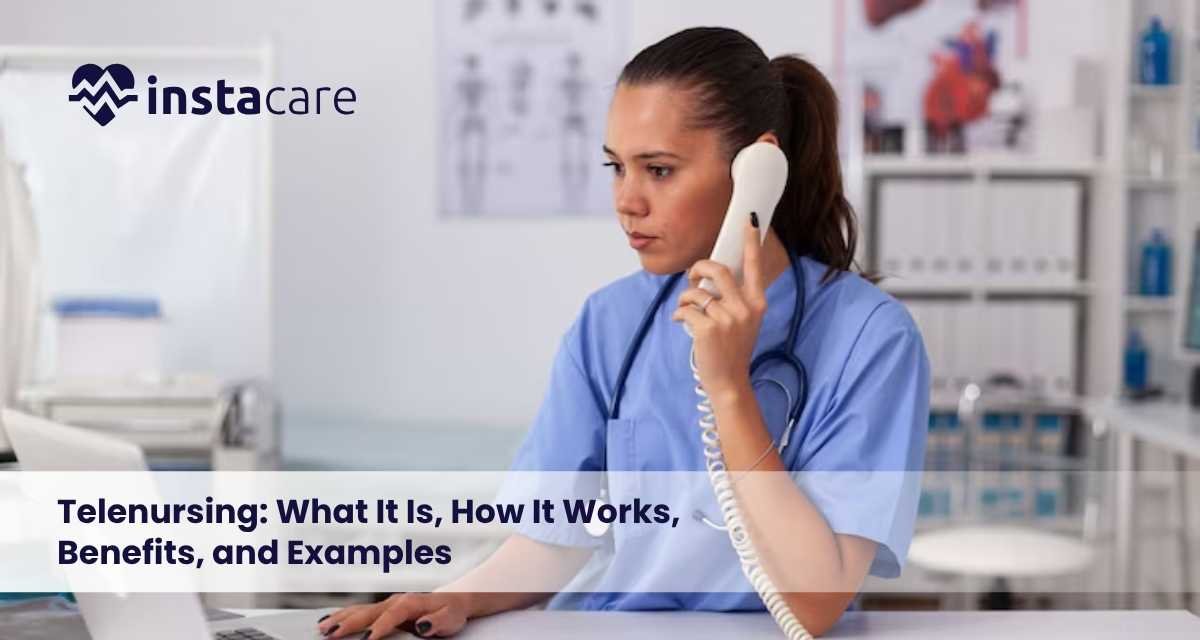
Telenursing: What It Is, How It Works, Benefits, and Examples Healthcare has transformed traditional methods of delivering care. Technology creates new opportunities for patients to receive support outside of healthcare facilities. One of the most significant changes to modern healthcare is the development of telenursing. Telenursing is the ability for nurses to provide care and support via communication technology. Telenursing uses phone, video, messaging, and other digital communication tools to provide remote health services and support patients that are unable to travel to a healthcare facility or require ongoing health support. This approach of healthcare delivery has proven to be useful for patients who have chronic health conditions, require health education, and need routine check-ups and support. What is Telenursing? Telenursing is the delivery of nursing services via telecommunication. Nurses use telecommunication in other ways than in-person visits to deliver healthcare services to patients which includes evaluating, giving advice to patients, monitoring patients, and offering extended services. Telenursing is not a substitute for face to face healthcare. Telenursing is an added healthcare support service that improves care, convenience, and connectivity. Telenursing allows patients to connect with nurses and receive much needed healthcare via telecommunication rather than requiring the patient to travel unnecessarily. How Does Telenursing Function? Telenursing allows patients to receive ongoing health support and connects patients to a nurse via any communication tool. The service is activated when a patient requires healthcare support or a follow up appointment. Prior to interacting with a patient via a secure communication tool, the nurse has been previously briefed to support the patient. A Typical Telenursing Process Includes Initial Assessment A Talennurse collects the patient’s health concerns, symptoms, medical history, medications, and current needs over a phone call or video, or using a communication tool of their preference. The telenurse may ask about pain levels, habits, and recovery progress. They may also ask about newly developed symptoms. Health Monitoring There are several health conditions that, once diagnosed, can be managed by a telenurse. Patients can send telenurses updates on their progress, relief, symptoms, or even changes in medications and recovery status. This provides a nurse with key information that allows them to make an early assessment and encourage development of healthy routines. Education and Guidance One of the main roles of telenursing is to educate the patient about their condition. This can include education for the safe and effective use of medication and management of symptoms. In some cases this will also involve patient education for the management of wounds, prevention of lifestyle disease, and detection of emergency changes. Information will empower patients to make informed decisions regarding their health. Follow-Up Support Of the main aspects of telenursing, follow-up support is the longest of these. Most healthcare scenarios involve a prolonged period of time before the desired goal is reached. Telenursing is ideal support for this period as it enables the telenurse to progress assessments, provide support, and ensure constant adherence to the recovery goal. Common Examples of Telenursing Telenursing has uses across the entire spectrum of health care. Some of the more common examples of this are: Chronic Disease Management Healthcare conditions that have ‘high-risk’ patient groups, like diabetes, high blood pressure and cardiovascular cases, require chronic disease management. Telenursing is invaluable for the management of these patients, allowing the nurse to assist with the routine of symptoms, the routine of medications and the self-management of a healthier choice. Post-Surgery Follow-Up Care Patients typically have lots of questions about surgery recovery, wound care, how and when to take prescribed medication, the types of activities they can engage in, and how to differentiate between normal vs. abnormal symptoms. Through the process of telenursing, recovery progress can be assessed to offer guidance and/or determine if there are concerns that warrant medical attention. Medication Management Adults and seniors, in particular, can have difficulty with the management of multiple medications. Nurses can give medication reminders, as well as simple instructions and explain any medication concerns. Elder Care Support Older adults’ health status can be monitored and daily health needs managed. Telenursing can offer more support to older adults who wish to have care delivered at home and who are unable to leave their homes. Mental Health Support and Health Education Nurses can offer health education, emotional support and guidance to those with stress and lifestyle changes and those with health-related concerns. Telenursing is unable to provide substitute therapy and counseling. It can offer employees emotional support and a temporary sense of peace. Book Your Free Marketing Consultation Advantages of Telenursing Increased Accessibility to Care Telenursing enables nurses to reach clients who would otherwise be inaccessible due to distance, physical limitations, or lack of mobility. This helps remove some of the barriers that prevent some individuals from seeking health care services. Added Convenience Telenursing minimizes the trips that patients might have to take to health facilities for routine and needed care. Patients can communicate with the nurse and receive care from the convenience of their homes. Enhanced Continuity Telenursing, through routine contact with the nurse, creates a connection that helps patients feel supported and helps the nurses to understand the needs of the patient at that moment. Prevention and Assessment of Health Concerns Telenursing can help actually identify an issue as it is developing by helping patients to recognize symptoms. Improved Health Literacy Patients must understand their conditions and the role they must play in order to attain their goals for health. Family Caregiver Support Family members of patients who are not healthcare providers must also be supported and educated about basic healthcare, especially for the elderly and those who need additional time to recover. Challenges Associated with Telenursing While the advantages of telenursing are numerous, there are areas of concern that need to be taken into account. Technology Access Use of some of the telenursing services requires the patient to have an internet connection, a device, and be able to make a call. Some individuals may lack one or all of these. Communication There
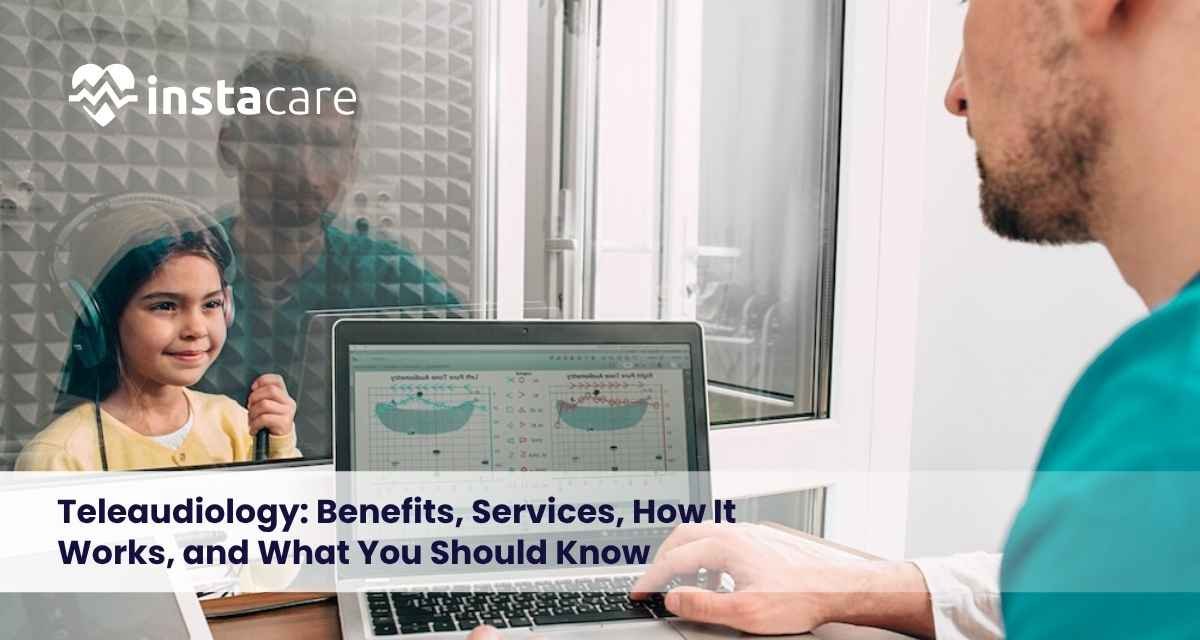
Teleaudiology: Benefits, Services, How It Works, and What You Should Know Before telemedicine, hearing healthcare services involved travel to the clinic for evaluations, tests, and follow-up visits. However, patients now have more options for medical support thanks to advances in digital healthcare. One of these is teleaudiology – a means of providing hearing services via digital communication. Teleaudiology allows hearing healthcare to be provided without the necessity of face-to-face meetings for every appointment. Teleaudiology can enable remote hearing assessments, hearing aid services, counseling, and follow-up support for individuals who are far from facilities or have accessibility issues. With the growth of remote healthcare, teleaudiology is a critical part of hearing care for the convenience and flexibility it offers. What is Teleaudiology? Teleaudiology is the branch of telemedicine that involves hearing care professionals offering distant services via telecommunication. Teleaudiology includes the following: Initial assessments Hearing aid management Follow-up visits Rehabilitation Counseling How is Teleaudiology delivered? In teleaudiology, patients and hearing care professionals are connected via tools such as video calls, secured online platforms, and mobile applications. The process may contain the following steps: Scheduling and attending a hearing assessment virtually Discussing you hearing issues and your medical history Assessments appropriate to your hearing issues Receiving recommendations and/or treatment Continuing your care digitally Most hearing aids can now be adjusted virtually by an audiologist or hearing aid specialist without a clinic visit. Services Offered via Teleaudiology Teleaudiology can provide many diverse hearing health services. Teleaudiology Remote Consultations During an online appointment patients consult with a hearing health specialist to review hearing related symptoms, discuss hearing concerns, share lifestyle concerns, and review hearing treatment options. Teleaudiology Remote Hearing Tests Assessments and hearing tests can be performed via HIPAA compliant audiology software and can help identify patients in need of treatment. Teleaudiology Remote Hearing Aid Services Teleaudiology can be used to manage hearing aids by making adjustments, troubleshooting hearing aids, and providing care and guidance for hearing aid users. Teleaudiology for Hearing Rehabilitation and Counseling Teleaudiology can assist those having difficulty adapting to hearing loss by offering rehabilitation and hearing related counseling. Guidance can include hearing loss education and improved communication during day to day interactions. Book Your Free Marketing Consultation Benefits of Teleaudiology Having teleaudiology services available has many benefits to patients as well as hearing health related services. Improved Access to Care Those who previously had limited access, including those living in rural areas or with limited transportation, are able to complete hearing health appointments. Teleaudiology significantly improves access to hearing care. Greater Convenience With remote appointments, patients are no longer required to travel, helping to save time for both the patient and the clinician. This would encourage patients to be more regularly engaged in their preventive hearing care routines. Faster Support Through various modes of digital communication, patients receive quicker support, especially for hearing device support and queries regarding hearing issues and concerns. Increased Continuity of Care Through the use of teleaudiology, professionals can document ongoing progress on a case and provide ongoing support. Support for Older Adults Hearing difficulties affect a large population of the older age group, and they may struggle with leaving the house for in-person appointments. Teleaudiology bridge this gap in accessibility. Limitations of Teleaudiology While teleaudiology creates many opportunities, it cannot fully replace in-person hearing services. In-person visits or clinic visits may be needed. Occasional in-person exams may be needed. Teleaudiology may not fully meet the needs of some patients. Who Can Benefit From Teleaudiology? Teleaudiology can be easily accessible to many groups, including: Persons who live far from hearing clinics Persons with low mobility Hearing aid users who require frequent adjustments Those needing routine check-ups First-time hearing support users It is best suited to persons who need consistent support with occasional in-person visits. Technology Used in Teleaudiology Improved teleaudiology focuses on using different digital technologies and modes of communication to improve service delivery. Common tools: Video conferencing software Smartphone applications Remote hearing aid management systems Online hearing evaluation tools Patient data monitoring systems Tools that help hearing care professionals keep in contact with their patients and provide individualized support. The Future of Teleaudiology The digitization of healthcare brings with it great potential for growth of teleaudiology. The future may bring improvements to the accuracy of remote hearing care as a result of the growth in AI, remote monitoring, and connected hearing devices. The future of teleaudiology may include: Improved remote hearing assessments More personalized hearing technology Better hearing support integration within health tech More accessible hearing support around the globe The objective of teleaudiology is not to overhaul traditional hearing care, but to provide additional means and be more accessible to the users of the service. Conclusion Teleaudiology allows hearing healthcare to involve both professional support and modern technology to provide flexibility and convenient scheduling options for consultations and follow-up care. This option is ideal for individuals that have limited access to traditional hearing healthcare because of physical, financial, or circumstantial challenges. In some cases, hearing healthcare may still require face-to-face contact. FAQs Is teleaudiology a substitute for in-person hearing care? Many consultations, follow-ups, and hearing device adjustments can be effectively done with teleaudiology. In some cases and with more complex situations, in-person appointments may still be necessary. Can hearing aids be modified by teleaudiology? It is possible to modify hearing aids with teleaudiology as long as the hearing aids are the latest devices. Hearing aids that can be controlled digitally mean fewer in-person visits are needed. Do I need special equipment for teleaudiology? Equipment necessary for appointments varies for the services offered. Most appointments just require a working internet connection, quiet area, and phone or computer. Additional hearing technology may be needed for some assessments.
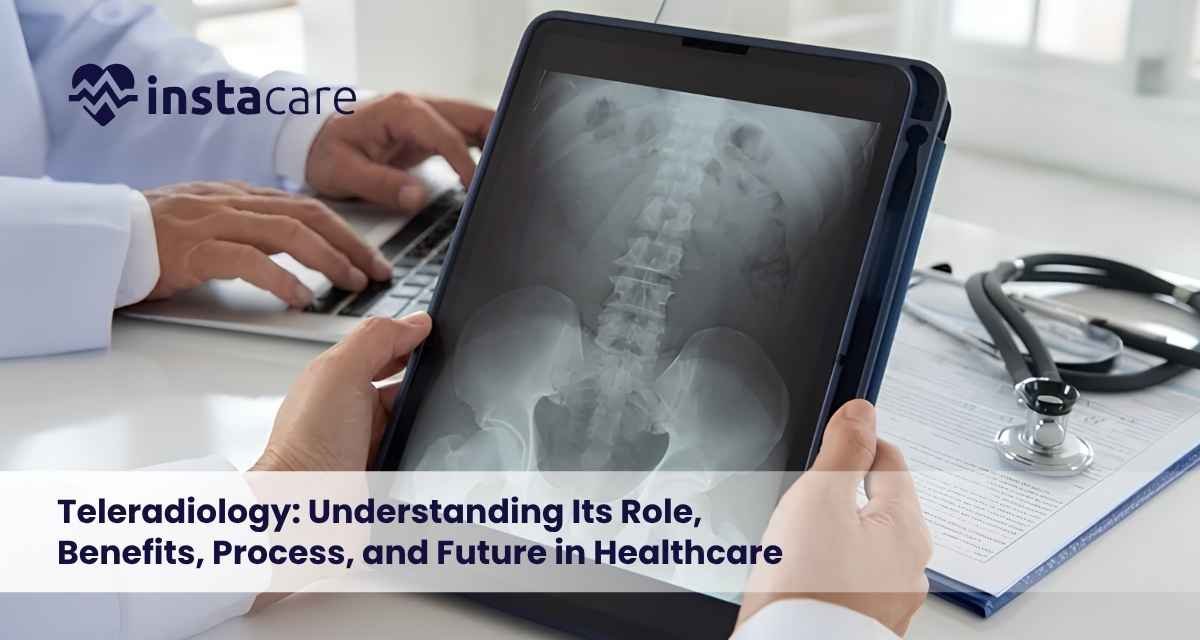
Teleradiology: Understanding Its Role, Benefits, Process, and Future in Healthcare Teleradiology uses telemedicine to send radiology images for interpretation and report generation by radiologists from remote locations. This technology enables the electronic delivery of radiology images to a remote specialist, eliminating the radiologist’s physical presence at the site of the patient. Teleradiology has gained great significance in medicine and healthcare due to the rapid growth of digital imaging, the internet, and secure information technology infrastructure. It improves the availability and timeliness of specialty diagnostic evaluations and expertise in areas lacking availability of healthcare personnel. Teleradiology supports the delivery of timely diagnostic results for image evaluations performed as part of routine or emergency care. It has many beneficial impacts on care delivery. What Is Teleradiology? Teleradiology includes the transmission of an image such as an X-ray or CT scan, to a radiologist via the Internet or another information technology platform for interpretation. Previously, radiologists had to be located in a hospital or an imaging clinic for the purpose of interpreting patient scans. With teleradiology, images can be sent for interpretation by a specialist in a secure manner to a remote location. A radiologist is able to prepare a diagnostic report containing findings and interpretations of the images without being in the same location as the patient. This is a valuable service in cases where the immediate interpretation of an image is needed or when the radiology specialist is not available locally. What is Included in Imaging Reviews Through Teleradiology? Medical Imaging types that can be reviewed through this system include: X-rays: Used to locate breaks or infections and assist in diagnosis of other health conditions in the chest. CT: A scan that creates detailed images of body sections and is used to identify injuries and other health conditions. MRI: Used to scan soft tissues in various body sections. Ultrasound: Used to scan blood flow and check on the health of various organs and pregnant women Why is Teleradiology Needed? With this technology, healthcare providers can clear many obstacles or challenges that are faced in the healthcare system such as: Improved Access To Specialists Smaller community hospitals often lack access to specialty radiologists. Teleradiology provides smaller community hospitals access to radiology subspecialty expertise remotely. Faster Diagnosis Time is a critical factor in emergency situations. Access to radiology specialty expertise rapidly streamlines decision making by healthcare providers. 24-Hour Radiology Support Given that remote reviews of images are possible, teleradiology enables radiology support beyond the typical scope of the traditional work day. Better Collaboration Teleradiology incorporates healthcare workers from disparate locations, supports the review of images, and aids in the diagnostic process. Book Your Free Marketing Consultation Benefits Of Teleradiology Increased Efficiency Digital media transfers remove delays caused by waiting for a specialist to be available and erases delays caused from the transportation of physical films. Support for Emergency Care Urgent and critical care cases, such as time-sensitive trauma and unstable and critically ill patients, can be rapidly reviewed by qualified radiologists. Reduced Geographic Limitations Patients are no longer constrained to the local medical care resources when specialized medical care is needed. Improved Use of Medical Expertise Radiology subspecialists can provide care and perform a critical role across multiple healthcare facilities to reduce specialty care disparities. Challenges Of Teleradiology While advances in technology have made many things easier, including teleradiology, there are still some challenges to this evolving technology. Data Security and Privacy Privacy and security of patient information is of utmost importance with medical images and needs to be addressed for teleradiology services. Technology Requirements Secure communication, reliable high speed internet, and appropriate specialty radiology imaging equipment are requisite for high quality teleradiology service. Communication Between Healthcare Teams A report can only be considered a findings report when the radiologist has effectively communicated the findings and ensured the treating clinician has a full understanding of the report. Maintaining Consistent Reporting Standards Consistent reporting standards allow radiologists to practice in different locations and with different healthcare systems. Artificial Intelligence and Teleradiology AI-based technology in medical imaging is gradually developing and may assist radiologists by suggesting patterns, showing possible abnormalities, and prioritizing emergencies. AI was developed to assist and not replace physicians. Complex cases require multiple factors and patient history to be fully appreciated, which is a task exclusive to physicians. The advancement of technology and the addition of specialized knowledge may continuously improve diagnostic imaging. Future of Teleradiology Increased demand for fast accessible healthcare services will likely lead to advancements in teleradiology. These advancements will likely be: Better digital imaging tools More AI-based tools Smarter remote collaboration systems Faster communication between healthcare professionals Increased remote availability of specialized healthcare professionals Within the expanding framework of interconnected healthcare, teleradiology will likely continue to be a premier diagnostic tool. Conclusion Teleradiology has been highly beneficial to the practice of medicine by allowing radiologists to offer their services remotely. It improves access to specialized services and enables a speedy diagnostic process, which leads to improved healthcare.Managing the challenges of teleradiology (i.e. security, technology, and communication) will be worth the benefits. Through increased digital and medical technologies, teleradiology will continue enhancing diagnostic systems and services. FAQs What is teleradiology? Teleradiology is the ability to review and interpret medical images remotely by radiologists to improve access to diagnostics and timely reports. What types of studies can be interpreted using teleradiology? Teleradiology assists in the interpretations of many types of diagnostic images including X-rays, CT scans, MRIs, ultrasound images and others. Does teleradiology eliminate the need for radiologist? No. Teleradiology helps radiologists work from a remote site, and use technology to aid in the delivery of diagnostic services.

Teledermatology: How Online Skin Care Works, Benefits, Limitations, and Uses Digital healthcare enables patients to get medical advice and guidance for many health concerns without the need to go to a healthcare facility. One of these is teledermatology. This is the use of photographs and video conferencing coupled with secure messages to assess, diagnose and treat dermatological conditions. Compared to other fields in medicine, dermatology is more amenable to remote care, because many skin conditions can be observed and diagnosed with a simple video assessment. Teledermatology can be used to improve services to patients, reduce unnecessary travel and allay the need for some patients to see a dermatologist for a follow-up. However, there are many skin conditions which still require an in-person visit for examination and assessment, as well as other procedures for an accurate determination of the condition. What Is Teledermatology? Teledermatology is the extension of dermatological care through available telecommunication technologies. Rather than having a face to face meeting with a dermatologist, a patient may submit photographs, provide a description of their symptoms and history to a healthcare professional for assessment. There are two primary approaches to teledermatology, real-time video consultations and store-and-forward communications. Store-and-forward teledermatology is a telemedicine approach in which the patient photographs their skin condition of concern and submits the photographs, along with relevant medical information, for the healthcare professional to assess at their convenience. The specific approach in a teledermatology encounter is dependent on the patient’s symptoms, available technologies, and the need for additional diagnostic tests or in-person assessments. How Does Teledermatology Work? A typical teledermatology encounter begins with the patient describing their skin concern. A teledermatology consultation typically begins with the patient explaining their skin concern. When assessing the patient, information may be collected on the following: The onset of the skin problem Developments or changes in the skin problem (size, shape, color) Symptoms relating to the skin problem (pain, itching, burning, sensitivity) Current medications Previous skin problems Allergies The patient’s efforts to treat the skin problem The patient’s other medical issues Clear photos can then be submitted through a secure site. In other cases, patients and healthcare professionals have a live video appointment. Healthcare professionals must rely on what they can see and hear as well as ask many questions about symptoms and medical history during online consultations. Based on the information, the healthcare professional may suggest a treatment, advise that no treatment is necessary for the time being, request more photos, or advise that the patient be examined in person by a dermatologist. Types of Teledermatology Live Video Teledermatology For live video teledermatology, the patient and the healthcare professional connect using a live video service. The patient is then able to show the healthcare professional the problem area and verbalize their symptoms. The healthcare professional can then ask the patient to change the lighting, move the camera, or show them a closer view of the problem. This method of communication also allows for a real time client-to-caregiver dialogue, and a client is easily able to ask questions during the consultation. Store and Forward Teledermatology Store and forward teledermatology is an electronic capture and submission of photos and medical data for the dermatologist to review at a later time. The dermatologist does not have to be available to the patient at the same time. This may be a more convenient option for people in remote and rural locations where specialist appointments are a long distance away. The quality of the images is very important because poor images can compromise an accurate assessment. What Dermatological Concerns Can Teledermatology Help With? Teledermatology can assist with the evaluation and monitoring of various concerning visible skin conditions. Acne Patients can interact with health care professionals (HCP’s) to discuss breakouts, skin irritations, treatment history and progress. HCP’s can monitor advancements in skin condition and treatment response. Eczema and Dermatitis Certain cases with symptoms presenting as itchiness, dryness, or inflammation, may be assessed through teledermatology. The symptoms and any photographs provided can provide sufficient information. Psoriasis Psoriasis patients can use teledermatology for reviewing the progress of their case, treatment, and medication with health care professionals. Rashes Sometimes photographs or videos are sufficient to review certain rashes. Other rashes can have various causes such as infection, an allergic or a medication-related reaction, or an underlying systemic issue. Hair and Scalp Concerns Certain scalp conditions, hair loss, dandruff or other scalp inflammations and visible changes can be assessed through teledermatology. Nail Concerns Evaluation of changes in the texture of the nail can be done through teledermatology. Skin Lesions Through remote assessment, concerns such as appearance of new moles and spots (“lesions”) can also be reviewed. Teledermatology, however, should not replace a physical examination to rule out other serious concerns. Remote assessments should not replace an in-person examination when examining patients with skin cancer or other concerning conditions. Evaluating various types of skin lesions through remote and in-person examinations has shown that the accuracy of a direct examination is often superior to remote evaluation for some skin lesions. Book Your Free Marketing Consultation Benefits of Teledermatology Teledermatology provides benefits that make this service practical and accessible to individuals that previously did not have access to specialty care. Easier Access Teledermatology makes it possible for those living in rural communities without easy access to specialty care to receive an initial assessment without traveling for great distances. Teledermatology can assist healthcare systems to determine which cases warrant an immediate in-person assessment. Convenience With virtual consultations, there is less time traveling, less time waiting in clinics, and less disruption to the patient’s normal daily activities. For patients that require many follow-up consultations, managing ongoing care may now be easier. Faster Initial Assessments Digital images can be reviewed in a timely manner to assist in determining if a patient can be treated remotely or if an in-person appointment is necessary. In some healthcare systems, teledermatology has been used to assess and provide treatments in a shorter timeframe from the diagnosis to the initiation
Telemental Health: Making Mental Health Support More Accessible Thanks to advancements in technology, mental healthcare has changed and adapted in many ways, including how patients can connect with mental health professionals. Digital mental healthcare, also known as telehealth, allows patients to connect with providers via video communication to receive counseling, therapy, conduct mental health evaluations, and other supportive mental health services. To those in rural areas without mental health services, or for those that have an inadequate schedule, or even those that struggle to attend mental health appointments, telemental healthcare may be a great way to receive professional support. While it also has its limitations for support (in-person care won’t be replaced), it has greatly expanded the mental healthcare services available. What Is Telemental Health? Telemental health describes mental healthcare that crosses geographic boundaries and uses secured video communications, phone calls, or other approved electronic communications to provide mental healthcare services. Depending on one’s needs, remote mental healthcare can include: Individual Counseling Psychotherapy Mental Health Assessment Psychiatric Evaluation Medication Management Follow-Up Care Group or Family Therapy Behavioral Health Education Symptom or Treatment Progress Monitoring For some situations, video and audio-only appointments may be an option, however, availability and appropriateness may depend on individual conditions and healthcare requirements. How Does Telemental Health Work? Telemental health appointments generally resemble standard mental healthcare appointments, except the patient is not physically present in the same location as the therapist. The patient uses a smartphone, tablet, or computer to connect for the appointment. The mental health professional will ask about emotions, behaviors, symptoms, relationships, sleep, stress, and other issues that may be concerning. Based on the issues presented, the session may involve guiding participation, teaching coping skills, behavioral interventions and exercises, designing a treatment plan, and/or offering progress updates. For video therapy sessions, you should choose a private, quiet location. Having a working camera, microphone, and internet as well as a working device would be very helpful. Telemental health has many advantages and the most notable is convenience. Those people that reside in rural underserved areas have limited access to mental health care. Remote therapy sessions can lessen the travel to you getting necessary therapy. Another advantage is convenience. Fitting your therapy sessions into your already busy schedule becomes much easier and less time is wasted on travel. Many people also feel more comfortable in their own space as they discuss things that may make them anxious. Telemental health also helps people continue care. Despite barriers like distance, mobility, and scheduling, people may continue to meet their Mental Health Care goals. Conditions That Can Be Addressed With Telemental Health Telemental health supports people with a variety of emotional and behavioral concerns. Depending on the assessment of the person, emotional and behavioral concerns may include (but are not limited to: Anxiety Depression Stress Relationship issues Grief Sleep issues Distress Workplace issues Behavioral issues Major changes in life Not all virtual treatment is the same. Some people may be able to fully participate in remote treatment while others may need a mix of virtual and in-person treatment. Telemental Health and Privacy Privacy is very important when providing treatment for emotional and behavioral concerns because of the nature of the issues involved. A focus for people providing telemental health is to ensure that the technology they use is designed to protect personal health information. People seeking treatment also have a responsibility to ensure their side of the conversation is private by, for example, going into a private space to participate in the telemental health session. Prior to engaging in remote treatment, individuals should be informed of how the treatment will be provided, the expected limitations of the service, privacy concerns, the methods of communication that will be used, and what will happen if there are technical problems. Book Your Free Marketing Consultation Limitations of Telemental Health While there are many benefits to telemental health, it is not the best option for every concern. With telemental health, some people may not have access to good internet or even good devices. Additionally, some people do not have a private place they can use to talk comfortably. Distractions and unreliable internet can also be an issue. It might be more difficult to notice things like body language and other forms of communication in a remote setting, making in-person meetings preferable in some cases. There are also some emergencies or situations in which one might need immediate intervention, for which virtual care also might not be appropriate. In that case, mental health professionals offering remote services should describe the next steps in an emergency, as part of their emergency care planning, and verify the patient’s location and available local resources. How to Prepare for a Telemental Health Appointment? Some preparations can help ease the concerns about virtual mental health sessions. Decide on a room where distractions and interruptions will be minimal before the session. Also, test your internet connection, camera, microphone and speakers (if you will be using video). Consider jotting down some reminders for yourself about the symptoms you are experiencing, the questions you want to ask, concerns you want to bring up, the medications you are taking, recent emotional changes, and important events you want to bring up with the mental health practitioner. During your first appointments, you can ask about the focus of the treatment, the schedule of the sessions, the practitioner’s information privacy policy, how to contact the practitioner between sessions to request support, and the treatments provided to address your concerns if they arise. Is Telemental Health as Useful as In-Person Care? The utility of mental health treatment also can depend on the situation, such as the person’s preferences and engagement, the quality of communication, the practitioner’s methods and experience, the nature of the condition being addressed, and the approaches to the treatment. For many kinds of counseling and behavioral health support, virtual appointments can work well for the ongoing portion of care. In contrast, remote care should not be seen as a replacement for
Types of Virtual Care: Understanding Different Forms of Digital Healthcare Virtual care has been a game changer by allowing the public and healthcare practitioners to meet via the internet. Rather than having to visit a healthcare institution many times, people can be given advice, carried out consultations, and even have their health monitored and supported from the comfort of their homes using video calls, phone calls, and even healthcare apps and websites. Virtual care offers ease of access to healthcare services especially for people residing in hard to reach places. This type of care is also very beneficial for people with chronic illnesses. There are many variations of virtual care. What Is Virtual Care? This type of care is healthcare service that is given remotely, beyond the four walls of a healthcare institution. Virtual care is made possible when healthcare practitioners are able to assess conditions, give advice and monitor health, without the patient being physically present. Virtual care employs many forms of technology, some of them are: Video calls Telephone calls Health apps Monitoring device Message systems Health platforms Virtual care cannot meet the demand for all type of healthcare services, however, it is an excellent alternative for many services, such as consultations, health teaching, follow-up visits, and management of health conditions. Types of Virtual Care Telemedicine Of all the forms of virtual care, this is the most popular. This service is the remote provision of healthcare via the internet. Telemedicine is most frequently adopted for accessibility and convenience drives the popularity of these services. Video Consultations Video Consultations are secure, video-based, virtual communication that connects patients and healthcare providers. Routine checkups, specialist appointments, and follow up visits are examples of healthcare services that are made easier and more personal when video communication is used, compared to voice only phone calls. Telephone Based Care Telephone Based Care is the most traditional and basic form of virtual care. It simply involves the healthcare provider and patient communicating via voice call. Discussions about symptoms, advice and next steps for treatment, and questions about prescriptions are all examples of phone based healthcare services. Telephone based care is the most accessible and least sophisticated form of virtual care. Remote Patient Monitoring Remote Patient Monitoring involves the use of virtual care technology that allows healthcare providers to track and monitor the patient’s health from a distance. This technology is used to monitor and collect healthcare data such as, but not limited to, blood pressure, heart rate, blood sugar levels, and weight. Virtual care is particularly useful for patients with chronic illnesses that require constant monitoring. Mobile Health Applications Mobile health applications are software that can be downloaded to a user’s smartphone or tablet and provide features that assist users in managing their health. These applications may allow users to do the following: Log Symptoms Document Health Records Book Appointments Get Reminders for Medications Read Health Literature Set and Monitor Health and Wellness Goals Mobile health applications empower health management. Store-and-Forward Care Store-and-forward care is the process of digitally sending health information to a health care professional to be reviewed at a future time. This may include: Digital Images Laboratory Results Health Records Health care professionals may view, analyze, and make recommendations based on the information, all without the need for a scheduled appointment. This method of virtual care describes the absence of a need for real time communicative interaction. Online Patient Portals Online patient portals are secure websites that house patient health care information and allow for health care communication. These portals may allow patients to do the following: Check Health Records Check Laboratory Results Schedule Appointments Message Health Care Team Members Read Descriptions of Treatments Patient portals increase the ease of health care communication and access to health care information. Virtual Mental Health Care Virtual mental health care is the provision of mental health care via a digital platform. This may include, but is not limited to, the following: Therapy Video Calls Therapy Text Messages Therapy Phone Calls Virtual mental health care is an effective way to reach mental health care for people who cannot access traditional mental health care. Digital Health Coaching Digital health coaching is the provision of health coaching in a digital format. Health coaches may guide clients with regard to: Nutrition Exercise Stress management Sleep Wellness Digital coaching tools can help individuals remain inspired and keep track of their progress. Virtual Second Opinions A Virtual Second Opinion service gives patients the option to receive more medical counsel without an in-person visit. This service is often used by patients who want to: Confirm a diagnosis Learn about other treatment options Obtain an expert opinion before a healthcare decision Virtual Second Opinions gives patients more medical options to consider without an extensive travel requirement. Book Your Free Marketing Consultation Benefits of Virtual Care There are several benefits of Virtual Care that impact patients as well as the healthcare system. Greater Access Virtual Care allows people to receive healthcare support regardless of their location, and is extremely beneficial to people who live in areas that lack adequate healthcare. More Convenience Patients can attend a consultation from their own home, which eliminates travel and wait time. Better Management of Chronic Conditions Remote care, as well as Virtual Care, allows patients to manage their chronic conditions better. Fewer Healthcare Barriers Virtual Care may improve access for people who have difficulty with transportation, mobility, or time. Ongoing Health Support Virtual Care allows communication and monitoring between support sessions. Limitations of Virtual Care Some Virtual Care benefits come at a cost. Some of the cost may be: The inability perform a physical exam Technology Issues Concerns regarding the Internet Health Privacy Concerns Situations that require an immediate or emergency response Some conditions require a physical examination, and/or laboratory testing. The Future of Virtual Care Given the right circumstances, alongside facilitating supportive policies, the development of telemedicine, eHealth, mHealth, virtual care, and integrated health systems will continue to change the healthcare system as we know
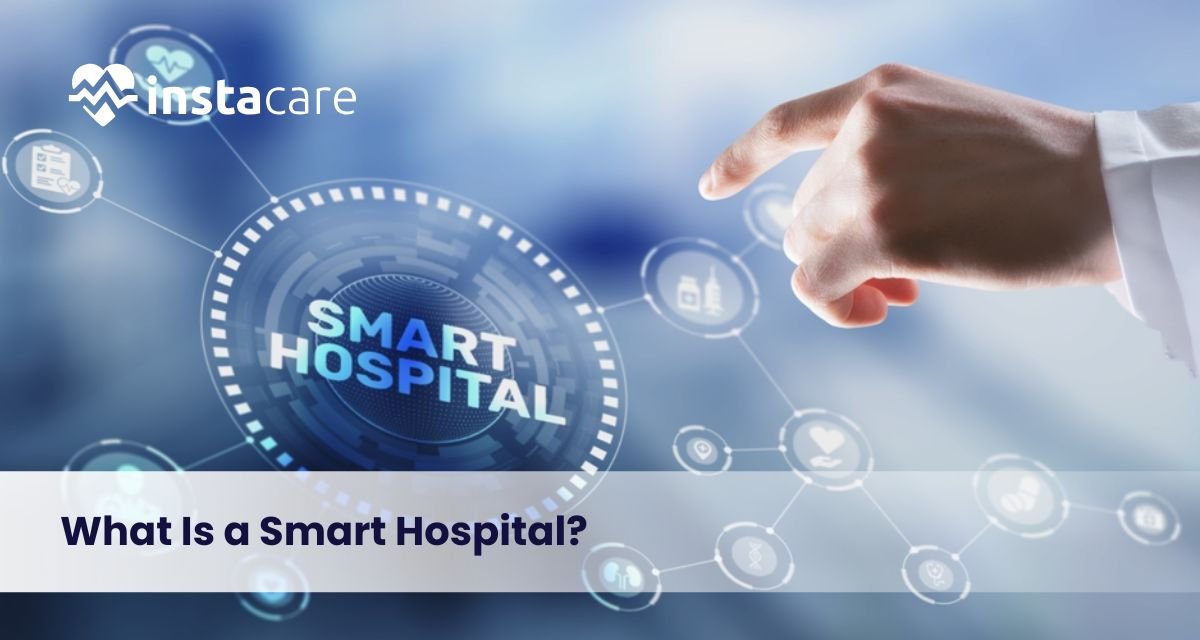
What Is a Smart Hospital? Smart hospitals enhance the patient experience by employing different technologies. They incorporate the Internet of Things, Artificial Intelligence, electronic medical records, smart sensors, robotics, and more. They utilize integrated technologies, automated systems, and real-time data to streamline hospital operations. The technology in a smart hospital is not meant to satisfy the need for an updated version of the traditional tools that existed before. Smart hospitals exchange the tools of healthcare in the traditional sense for those of a connected one. Their purpose is to enable the seamless exchange of information among patients, healthcare employees, and even the different devices and divisions of a hospital. An example of the technology that a smart hospital uses is a smart patient monitoring system. A smart patient monitoring system tracks vital signs in real-time and conveys the information to the medical team so they can respond. In addition to more optimal utilization of healthcare resources, smart hospitals also help accelerate the administration process, enhance the safety of patients, and elevate the overall quality of the healthcare experience. How Does a Smart Hospital Work? Within a smart hospital, all the different medical devices and the different divisions and systems of healthcare are all digitally interconnected to a safe network. Information and data from patient care and the different services and divisions of a hospital can be easily accessed and stored by authenticated healthcare employees. When a patient arrives at a smart hospital, they need to be digitally registered. After they are registered, healthcare employees can access the patient’s information and even the patient’s medical history, prescribed medications and orders, and even the patient’s scheduled services and interventions. In some instances, patient data is gathered on a constant basis by connected devices. If an anomaly is detected, and for example, a patient’s oxygen takes a sharp decline, an alert can be sent to the corresponding medical staff. Inappropriate uses of automation may include scheduling appointments, managing inventory, tracking medication, assigning rooms, managing billing, and facilitating communication among staff. An integrated Hospital Management System Software in Pakistan helps hospitals streamline these processes, connect different departments, and improve operational efficiency. The integration of these processes allows smart hospitals to eliminate bottlenecks and give healthcare staff an opportunity to focus on patient care. Main Technologies Used in Smart Hospitals There are a myriad of technologies that ensure the reliable operation of smart hospitals. Internet of Things The Internet of Things (IoT) encompasses devices that can gather data and transmit and/or receive data over a network. In a hospital setting, these devices can range from patient monitors to sensors, smart beds, infusion pumps, and all medical devices. Being connected enables these devices to furnish data in real-time and relieve the medical team of the tedious task of monitoring patients by checking every reading. Artificial Intelligence AI has the power to analyze copious amounts of medical and operational data. As a result, AI has the potential to assist the medical team in multiple tasks such as finding patterns in data, organizing patient data, determining the level of urgency for cases, and recognizing possible threats. AI is neither a replacement nor a substitute for a doctor or a nurse. AI is a value-adding tool for the medical team and an aid to ensure precise and timely decisions are made. The shift from paper to electronic files has an impact on how people access information. It has advantages when considering lost documents, illegible writing, and paperwork redundancy. Smart Patient Monitoring Smart monitoring systems keep track of critical health metrics. These can include heart rate, blood pressure, blood glucose, breathing rate, and levels of oxygen and body temperature. This data can either be displayed on a monitoring screen or be sent directly to health professionals. Readings that are deemed unsafe can trigger alerts. Robotics and Automation There are multiple types of robotic and automated systems that can facilitate various functions throughout a hospital or medical facility. These can assist with transporting supplies, disinfecting a room, sorting and organizing medications, delivering items between various departments, and even help with certain medical procedures. Robots and automation can significantly ease the burden of multiple redundant administrative functions, and as a result, allow hospital staff to spend more time dedicated to interacting with patients. Telemedicine Telemedicine utilizes a secure digital platform to facilitate communication between patients and healthcare professionals at a remote distance. This can be implemented for typical routine consultations, treatment reviews, and other non-emergency procedures and monitoring. Remote healthcare can be especially advantageous for patients who live a great distance away from medical care facilities or have traveling difficulties to access them. The Unique Characteristics of a Smart Hospital A smart hospital integrates multiple digital systems and advanced technologies to improve both patient care and hospital operations. Smart beds can monitor patient movement, pressure, and sleeping position. They can also be equipped with alert systems that notify healthcare staff if a patient attempts to leave the bed without assistance, helping prevent falls. Digital check-in systems reduce waiting times and simplify the patient registration process. Automated systems can also send appointment reminders, provide navigation within the hospital, share test instructions, and notify patients about their discharge. Indoor tracking systems enable healthcare staff to quickly locate essential medical equipment, supplies, and personnel. This significantly reduces the time spent searching for devices and improves operational efficiency. Advanced energy management systems use intelligent controls for lighting, HVAC, and electrical systems. These systems maintain a comfortable hospital environment while minimizing energy consumption and operating costs. Digital pharmacy systems enhance medication inventory management, reduce medication errors, monitor expiration dates, and streamline prescription dispensing and refill scheduling. Advantages of Smart Hospitals One of the greatest benefits of smart hospitals is enhanced patient safety. Continuous monitoring allows healthcare providers to detect changes in a patient’s condition earlier, enabling faster intervention. Smart hospital networks provide healthcare professionals with instant access to clinically relevant patient data across departments. This is far more efficient than simply retrieving medical records, allowing for
Healthcare Cloud Migration: Benefits, Challenges, Process, and Best Practices Healthcare cloud migration involves relocating healthcare applications, patient records, and IT systems from data centers to the cloud. Digital transformations in healthcare help achieve greater scalability, data accessibility, collaboration, and operational effectiveness. After the careful design of the migration, the cloud can provide safe storage of data and aid the healthcare industry in speeding up the delivery of patient care. What is Healthcare Cloud Migration? The migration of healthcare data, applications, storage, and workloads to cloud systems from on-premises servers is called healthcare cloud migration. Healthcare providers can choose public, private, hybrid, or multi-cloud systems based on their needs. Cloud migration can be defined as the relocation of data and the enhancement of application and system performance, the level of security, and compliance with healthcare regulations. Why Are Healthcare Organizations Moving to the Cloud? The healthcare cloud migration can help accommodate the massive amount of data generated by the healthcare industry on a daily basis. This data includes electronic patient records, images, lab results, prescriptions, insurance, and patient interactions. Healthcare cloud migration can also facilitate the care of patients at a distance and the use of health services and telemedicine offered by digital technologies. Types of Healthcare Cloud Migration Public Cloud A public cloud is a third-party managed, scalable, and flexible cloud system. It is an excellent choice for organizations with cost and time constraints. Private Cloud Private Cloud is for a single healthcare organization. More control over infrastructure and security and about sensitive patient information. Hybrid Cloud Hybrid Cloud is a mix of having some infrastructure on-site and some in the cloud. Sensitive information can stay in the Private environment while less important work can go to the Public cloud. Multi-Cloud Multi-cloud is a strategy that utilizes different clouds to improve flexibility, reliability, and business continuity. Benefits of Healthcare Cloud Migration Better Data Accessibility With the ability to access patient information at the required locations, collaborative and timely clinical decisions can be made. Better Scalability Healthcare organizations can make better use of cloud computing, having the ability to scale up as necessary using external infrastructure. Better Security Using cloud computing and the internet, sensitive healthcare information can be protected using a variety of security techniques such as encryption and automated constant security. Better Disaster Recovery Using cloud computing, information can be restored faster after an unforeseen event. Lower Infrastructure Costs Using cloud computing, the costs of using and maintaining physical infrastructure is reduced. Better Collaboration Healthcare providers can collaborate more efficiently with access to real time information. Better Supported Telemedicine Using cloud computing, the full spectrum of healthcare services is better supported. Faster Innovation New technologies such as artificial intelligence (AI), machine learning (ML), predictive analytics, and Internet of Medical Things (IoMT) are becoming easier to implement within healthcare organizations after migrating to the cloud. Applications of Cloud Migration in Healthcare The healthcare cloud migration process enhances many different digital healthcare services including: Electronic Health Records (EHR) Medical Management Information Systems (MMIS) Image Management Systems (IMS) Laboratory Information Systems (LIS) Telehealth Solutions Appointment Booking Systems Pharmacy Management Systems Health Analytics Solutions Remote Patient Monitoring (RPM) Medical Billing Systems Insurance Claims Processing Systems Common Challenges of Healthcare Cloud Migration Data Security Patient data is sensitive and protecting it during the migration process is paramount. Regulatory Compliance Cloud healthcare systems must comply with certain privacy, security, and data protection regulations. Legacy System Integration Older healthcare systems may need to modernize in order to integrate with the new cloud systems. Downtime Poorly planned migration projects that integrate new systems may bring healthcare operations to a standstill. Data Migration Healthcare systems contain a plethora of both structured and unstructured data that system migrations need to capture accurately. Staff Training Healthcare and Information Technology (IT) staff may need to learn how to properly and securely use the new cloud systems. Book Your Free Marketing Consultation Healthcare Cloud Migration Process Assessment and Planning An organization’s infrastructure, applications, and workloads, as well as security and migration requirements, are assessed prior to cloud migration frameworks being designed. Prepare the Infrastructure Cloud environments are designed with the appropriate storage, networking, security controls, backup systems, and access management policies. Data Migration We facilitate the secure transfer of patient records, applications, databases, and entire healthcare systems to the cloud with minimal impact to ongoing healthcare services. Application Testing Health applications undergo migration testing to assess their functionality, performance, security, and compatibility. Security Validation We maintain patient information protection throughout the cloud environment by validating security controls. Staff Training and Deployment Cloud systems become fully operational to healthcare teams when training for staff cloud system deployment is completed. Continuous Monitoring To enhance cloud system operations, organizations assess the effective delivery of services with an emphasis on system performance, security, expense, and compliance. Best Practices for Healthcare Cloud Migration Careful planning with the following best practices is essential for effective healthcare cloud migration. A migration roadmap is created. Data security is protected for patients. Security risks are assessed. Healthcare information is encrypted. Access is limited by user role. Backup and recovery plans are established. Systems are validated and deployed. Healthcare staff are trained. Cloud services are monitored. Security and compliance assessments are conducted. Future Trends in Healthcare Cloud Migration Developing and adopting new technologies bring valuable trends to healthcare cloud migration. Artificial intelligence Predictive healthcare The Internet of Medical Things (IoMT) Hybrid cloud computing The use of multiple clouds Edge computing Cloud-based healthcare applications Streamlining administrative tasks with greater security. Data Analytics and advanced security. These trends focus on the customization of patient care and the development of efficient workflows. Conclusion Healthcare cloud migration is one of the initial steps focused on modernizing healthcare systems to make them more connected and efficient. Moving applications and data to safe healthcare cloud systems enables organizations to make services more accessible and improve collaboration within the system, all while reducing operational costs and providing innovative digital healthcare services. Healthcare cloud migration is certainly challenged
Cloud-Based Healthcare: Benefits, Applications, Challenges, and Future Trends Cloud-based healthcare helps medical organizations simplify how they store, organize, and share patient information. Using cloud technology, a collection of hospitals, clinics, labs, and healthcare providers can access medical records safely, work collaboratively, and provide patient care more efficiently. The digital transformation of healthcare means the industry needs solutions that most cloud providers offer, like operational and cost efficiencies as well as increased telemedicine and improved patient care. This guide provides information on cloud-based healthcare, its advantages, uses, drawbacks, and anticipated developments. What Is Cloud-Based Healthcare? Cloud-based healthcare is the application of cloud computing to use the internet for the storage, processing, and management of healthcare data, whereas, previously, there was an overreliance on both local and physical data storage. Using a cloud system, healthcare organizations have the ability to view and manage EHRs, medical images, lab reports, clinical notes and schedules, and billing and other healthcare-related information virtually, safely, and system collaboratively. Cloud systems, however, provide the means to mobilize healthcare data and keep healthcare data systems secure. How Cloud-Based Healthcare Works? In a cloud healthcare system, medical data and information are stored in the healthcare system and secure on the data storage servers of the cloud providers. Healthcare system that have been authorized to view the data and information have the ability to do so via a secure Internet connection from a desktop computer, tablet, or mobile device. In addition to being able to protect and keep sensitive healthcare data secured, modern cloud systems allow healthcare teams to record and synchronize data across multiple locations and departments. Benefits of Cloud-Based Healthcare Health care made available via the cloud means better accessibility. Staff at every level can access the patient record system securely and at any point in time. This drastically cuts the time needed for staff to formulate the next steps and further improves the overall patient care system. Because of a cloud system, the need for time-consuming and costly in-house IT systems and services is eliminated. This makes the system financially accessible by even small town clinics. The major points are: Patient records systems have better security. The different health care staff levels work seamlessly. The costs for IT systems and services drastically drop. Data management systems have built-in recovery. Health data systems communicate rapidly. Data systems can be expanded rapidly and economically. Common Uses of Cloud-Based Healthcare Cloud-based systems can be utilized in virtually every health care service and even some of the administrative services required. Health care systems that have electronic health records are more cloud-based. This lessens redundant tests and improves the quality and flow of health care. The cloud provides the basis for video-based health care, remote health care, and even follow up health care. Cloud networks aid health care imaging, lab and pharmacy systems, scheduling and billing systems, and inter-health care data systems. Cloud-Based Health Care Improves Patient Care Because the cloud makes patient data and health care services available in real time, health care staff are empowered to improve the timeliness, efficiency, and quality of health care. Patient engagement is enhanced by the secure patient portals that support viewing of medical records, scheduling of appointments, access to test results, prescription refill requests, and the ability to message providers. Remote patient monitoring with cloud-embedded care devices also allows providers to assess and manage chronic conditions, including diabetes, hypertension, and heart disease, without requiring as many office visits. Book Your Free Marketing Consultation Security and Data Protection Protecting patient information is one of the highest priorities of cloud-based healthcare. The most advanced cloud systems provide multiple layers of protection for sensitive medical data. Some of the standard protective measures are as follows: Data encryption Multi-factor authentication Role-based access controls Security monitoring Data back up Auditing access to data Healthcare organizations must also comply with the privacy regulations that are applicable to them, and have their own policies of limiting access to, the storage and sharing of, data. Challenges of Cloud-based Healthcare Even though there are so many advantages of cloud technology, healthcare organizations may face numerous challenges when implementing cloud technology. Cybersecurity challenges will always be a concern since valuable data are of higher risk in the healthcare cloud. Failure to secure systems and educate staff of the possible threats will be the responsibility of the organization. Also, reliable internet access is essential for utilizing cloud services. Uninterrupted access to medical records may be impossible if there are no adequate backup systems. Additional challenges include integrating older healthcare systems with cloud systems, staff training, data migration and upholding healthcare regulations. The Role of Cloud Computing in the Future of Healthcare Alongside healthcare, cloud computing will develop with the rest of technology. AI, machine learning, the analytics of large data sets, and Internet-of-Medical-Things devices are all going to use cloud computing in the delivery of healthcare. Cloud computing will also facilitate the development and deployment of predictive analytics, personalized medicine, and precision healthcare. Furthermore, robotic surgery and advanced clinical decision support systems will likely be enhanced through cloud computing. With the continued development of cloud computing, the healthcare systems of the world will appreciate benefits in efficacy, reach, and patient experience. Cloud Strategies for Healthcare Organizations Before the implementation of cloud computing, healthcare systems should have a thorough plan. The selection of an appropriate cloud computing vendor, an ongoing evaluation of the security posture, employee training, and a strong data governance framework are a few of the key areas for adoption. Healthcare operations should also rely on the establishment of disaster recovery plans, the ongoing assessment of the safety of systems, and the assurance of optimal functioning of systems. Conclusion Cloud computing in healthcare offers a world of possibilities. The traditional approaches to the delivery of healthcare services are being made more efficient from the digitization of patient records and the use of cloud computing in telehealth, online patient monitoring, and advanced analytics. With the necessary precautions in place for safety and compliance, the
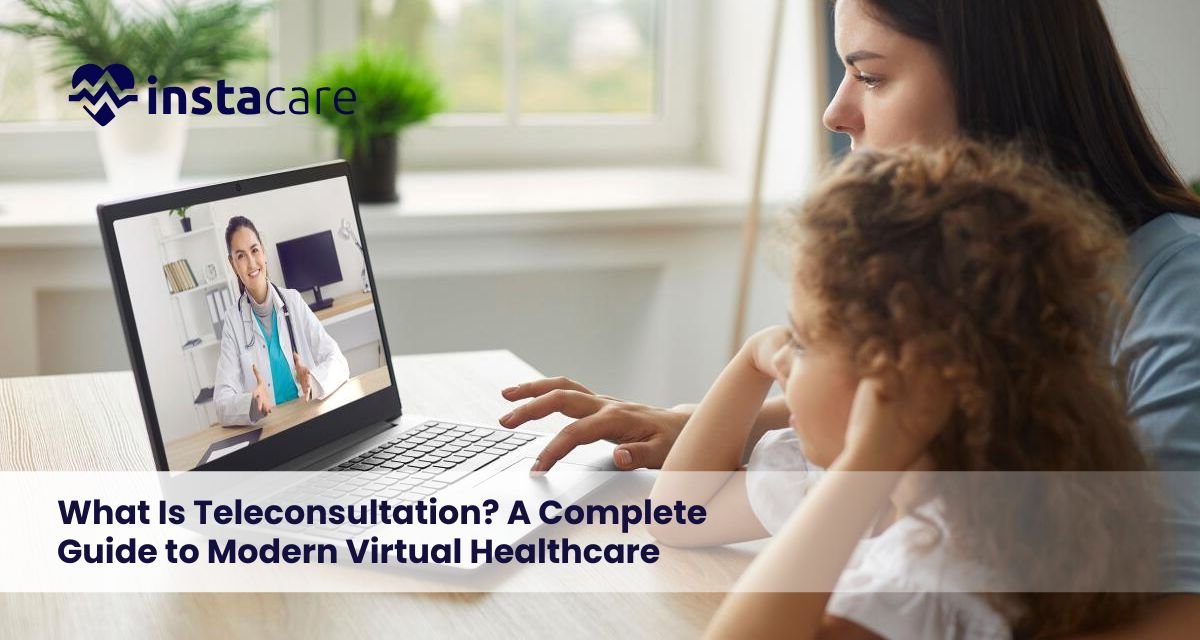
What Is Teleconsultation? A Complete Guide to Modern Virtual Healthcare Teleconsultation, which was in the past an innovative idea, has now become a normal way of attending to patients by millions of people across the globe. It allows patients to contact the doctor at home, office, or during traveling, through smart phones, tablets, and computers. Teleconsultation helps save time, minimize expenses, and enhance patient satisfaction regardless of whether the medical consultations are urgent, covering long-term conditions, or regular follow-ups. Telehealth tools are becoming more and more popular in healthcare systems, hospitals, and clinics to manage the growing patient demand and provide ongoing professional assistance. With the current trend of the drive to digital healthcare, teleconsultation will have an even more significant role to play in influencing the way medical care would be in the future. What Is Teleconsultation? Teleconsultation is a health care provision service in which the patients are able to interact with the medical workers digitally through the use of communication devices rather than physically going to the clinic. It is an inseparable aspect of Virtual healthcare where doctors are able to assess symptoms, make a diagnosis, recommend treatment and prescribe medications without the need to see the patient physically. It does not match the usually available online medical content as teleconsultation is done with licensed doctors or specialists in real-time. It facilitates live video/audio consultation as well as asynchronous communication (text-based or recorded messages). Teleconsultation is very much associated with Telemedicine services, which involve diagnostics, remote monitoring, and medical advice using technology. How Teleconsultation Works Teleconsultation is generally organized and secure: Patient Registration or Logging in Patients use telehealth platforms or mobile health apps to build accounts, identify themselves, and enter basic medical data. Appointment Scheduling Customers choose a physician, specialty, or time of appointment. There are also numerous services with the instant Online video doctor appointments in case of an urgent situation. Medical Submission of Information Patients complete questions, submit past reports or present the symptoms. This move helps the doctors to be ready in advance of the consultation. Live Consultation Consultations may occur via: Video call Audio cal Chat messaging In the session, physicians evaluate symptoms, test results and discuss treatment. This is what Remote patient consultation is all about. Electronic Prescriptions and Recommendations Hospital physicians discuss the prescriptions, lab tests orders, and follow-up details electronically. Aftercare and Internet-based medical support The patients are provided with constant attention by messaging, check-ins, and reminders of medications or tests. Online medical support is where the long-term outcomes are enhanced. Key Benefits of Teleconsultation Teleconsultation is becoming one of the most desired nowadays since it introduces hitherto unknown convenience and effectiveness to the medical experience. Comfort and Saving of time No commuting, no time wastage, and no time constraints. Teleconsultation is convenient and suitable to hectic schedules and enables instant healthcare. Increased Availability of Experts Patients in rural and remote areas will have access to the best specialists regardless of their location in the world. Reduced Healthcare Costs The Benefits of teleconsultation include the expense reduced. Patients save in transportation, clinic cost and sick leave. Services will become cheaper as providers will be able to lower the operational expenses. Improved Chronic Disease Management Teleconsultation enables regular check-ups with the help of digital devices, which are more effective in controlling the status of diabetes, hypertension, asthma, and heart disease. Improved Privacy and comfort Virtual channels may help patients to feel more relaxed when talking about sensitive matters. After-Hours Care Teleconsultation offers the possibility to get medical advice during the time when a clinic is closed, and it allows the patient to obtain the help on time. Lower Risk of Infection Virtual consultations enable the safety of both the patients and the medical practitioners because physical contacts are minimized. Common Services Offered via Teleconsultation Teleconsultation helps in a large scope of medical requirements. Common services include: Consultations with general physicians. Mental health counseling Dermatology assessments Pediatric consultations Nutrition and diet guidance Chronic care follow-ups Second opinions Medication reviews Post-surgery monitoring Interpretation of laboratory tests. Most of the sites also feature Online doctor consultation of urgent but non-emergency cases like cold, fever, allergies, infections, stomach-related problems etc. Who Should Use Teleconsultation? Tele Consultation is appropriate in: Busy Professionals Patients that have busy schedules and cannot easily access clinics. Parents with Young Children The virtual care minimizes the burden of taking ill children. Elderly Patients Less effort to get regular follow-ups without having to drive far. People in Remote Areas Teleconsultation fills the unmet needs gap that exists between medical facilities. Patients who demand Long- term care. Virtual check-in is simpler to monitor. Travelers Staff access to licensed medical practitioners, 24/7. People Who Are Frightened by Exposure to Infection Virtual care decreases the exposure to congested health facilities. Teleconsultation should not be used in an emergency and there is an urgent need of care like bleeding, big injuries, a heart attack, or a problem breathing. Book Your Free Marketing Consultation Limitations of Teleconsultation Despite this, teleconsultation has some weaknesses: Absence of Physiological Analysis. Diagnosis of some of them needs physical examination like palpation, detailed auscultation, or imaging. Technology Dependency Needs consistent internet, compatible devices and digital literacy. Not Ideal for All Conditions Complex processes or emergencies cannot be addressed remotely. Data Privacy Concerns Patient information needs to be secured through secure platforms. Service Quality Fluctuation. The quality of care is based on the knowledge of the doctor, the reliability in the platform, and communication tools. The knowledge of such limitations enables patients to make an informed choice of when to use teleconsultation. Teleconsultation Trends & Future Digital innovation and expanding demand by patients keep the field of teleconsultation developing. Future trends include: AI-Powered Diagnostics Artificial intelligence will help in symptom analysis, providing potential diagnosis proposals, as well as determining the level of risk. Remote Monitoring Devices Smart medical sensors and wearable will enable real-time tracking of heart rate, glucose, oxygen, and blood pressure, etc. In-depth Digital Health Ecosystems There will be