

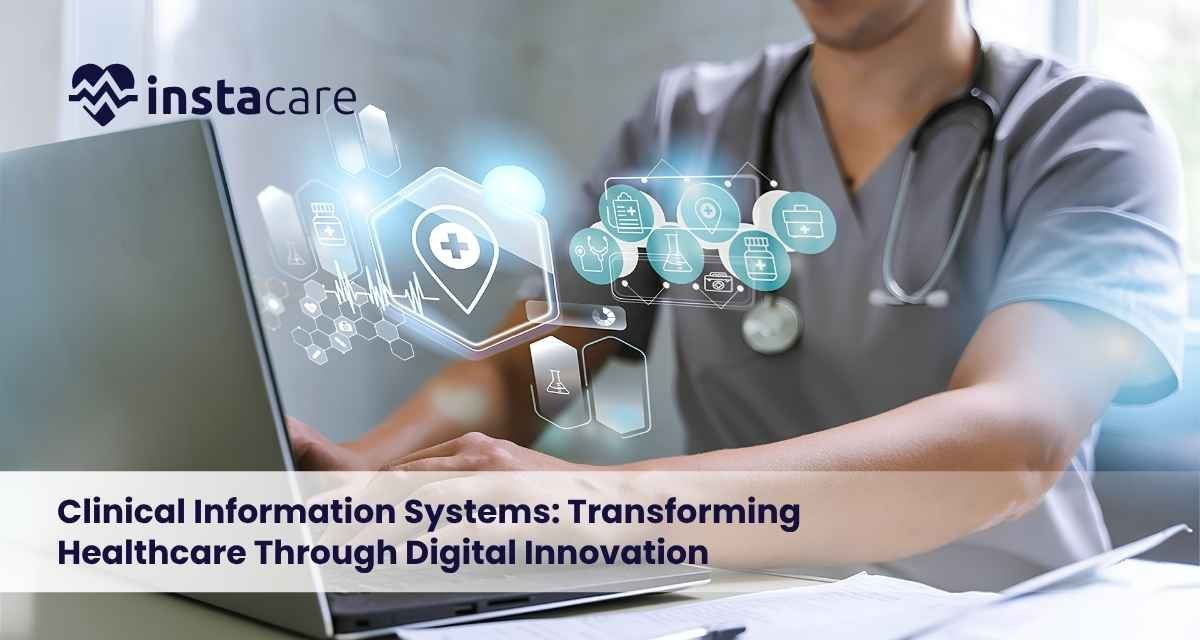
Clinical Information Systems: Transforming Healthcare Through Digital Innovation The use of technology in healthcare has improved numerous aspects of the industry, including patient care and the efficiency of healthcare procedures. One of the latest developments in the industry is the use of Clinical Information Systems (CIS). These systems enable healthcare professionals to manage patient information in a structured manner that improves the quality and speed of service delivery. A Clinical Information System is a type of software that helps healthcare organizations manage patient information systematically. The system enables healthcare professionals to manage information related to various stages of the clinical process, including patient evaluation, diagnosis, and treatment. By improving the management of patient information, Clinical Information Systems enable healthcare professionals to spend more time with patients and less time searching for records. As a result, the overall efficiency of healthcare services can be improved. What Are Clinical Information Systems? Clinical Information Systems (CIS) electronically capture and manage multiple formats of health-related data, including a patient’s previous and existing health conditions, diagnoses, prescriptions, laboratory and radiologic tests, treatment plans, and other clinical information. These systems improve healthcare delivery by making relevant data accessible at the time and place where it is needed. CIS are not simply systems for electronically storing data. They can enhance the clinical process by providing clinical reminders and alerts, assisting with patient assessment and monitoring, and improving communication among healthcare workers. Through these capabilities, Clinical Information Systems can help healthcare organizations improve the accuracy, accessibility, and management of patient data. Key Components of Clinical Information Systems Clinical Information Systems consist of interconnected components designed to support healthcare professionals and improve the delivery of clinical services. Key components include: Electronic Health Records (EHRs) Electronic Health Records (EHRs) are essential components of Clinical Information Systems. They are used to capture and organize a patient’s health information, including medical history, health conditions, allergies, previous and ongoing treatments, and diagnostic tests. Through EHRs, healthcare professionals can access patient records and use relevant clinical information to support appropriate treatment decisions based on the patient’s condition and requirements. Computerized Provider Order Entry (CPOE) Computerized Provider Order Entry (CPOE) allows healthcare providers to electronically issue orders for diagnostic tests, medications, and other therapeutic interventions. By replacing many manual ordering processes, CPOE can help standardize clinical orders, improve information accessibility, and reduce errors associated with handwritten or manually transferred orders. Clinical Decision Support Systems (CDSS) Clinical Decision Support Systems (CDSS) provide clinicians with recommendations, reminders, and alerts based on available clinical information and evidence. Examples include identifying potential medication conflicts, notifying clinicians about abnormal laboratory or test results, and generating recommendations for routine screenings and preventive interventions. The overall goal of CDSS is to support healthcare professionals in making informed clinical decisions. Integration of Laboratory and Diagnostic Services Integration with laboratory and diagnostic systems allows Clinical Information Systems to incorporate test results and diagnostic reports directly into patient records. This reduces the need for manual transfer of information between departments and can improve the speed at which test results become available to the clinical team. Continuous Patient Monitoring Some Clinical Information Systems can integrate with devices used to monitor patients and collect clinical data. These systems can help healthcare professionals analyze patient information across different platforms. They may also support the identification of changes in a patient’s condition and generate alerts when further clinical assessment or intervention may be required. Benefits of Clinical Information Systems Clinical Information Systems can provide several benefits to healthcare organizations, healthcare professionals, and patients. Improved Patient Safety Improving patient safety is one of the major benefits associated with Clinical Information Systems. Digital systems can reduce documentation errors and help maintain the integrity of patient information. Digital records can provide healthcare professionals with access to a patient’s medical history, while automated alerts can notify clinicians about potential medication interactions, abnormal results, or other issues requiring attention. Facilitates Communication Another advantage of CIS is the ability of different members of the healthcare team to access current patient information. Improved communication can support the development and coordination of a patient’s care plan, particularly when treatment involves multiple healthcare professionals or departments. Improves Timeliness Clinical Information Systems can reduce delays associated with accessing medical records. Patient information can be made digitally available to authorized healthcare workers at the point where care is provided. Quick access to relevant information can support healthcare professionals when assessing, diagnosing, and treating patients. Improves Healthcare Worker Productivity CIS can automate many clinical and administrative tasks performed by healthcare workers. This can allow professionals to spend less time handling paperwork and searching for information and more time providing direct patient care. Digital systems can also streamline various administrative processes involved in managing healthcare organizations. Book Your Free Marketing Consultation Challenges of Implementing Clinical Information Systems Despite their potential benefits, Clinical Information Systems also present several challenges that healthcare organizations need to address. Data Security and Privacy Healthcare organizations handle highly sensitive patient information, making data security and privacy essential considerations when implementing CIS. Organizations need appropriate technical, administrative, and physical safeguards to protect patient information from unauthorized access, data breaches, and other security risks. Staff Acceptance and Use Clinical Information Systems can improve healthcare quality and workforce efficiency, but their effectiveness also depends on staff adoption. Insufficient training, limited technical knowledge, or resistance to changes in established workflows can reduce the potential benefits of a new system. Continuing education and appropriate training can help healthcare workers understand and effectively use Clinical Information Systems. System Integration Healthcare organizations often operate across multiple locations, departments, and facilities. Integrating different information systems can therefore be a complex process. Effective integration can improve information sharing and coordination, but compatibility issues between existing systems can make implementation more challenging. Cost and Maintenance The adoption of Clinical Information Systems can require significant investment in software, hardware, implementation, training, and infrastructure. In addition to initial implementation costs, organizations must account for ongoing maintenance, technical support, system upgrades, and cybersecurity requirements. The Future of Clinical Information Systems
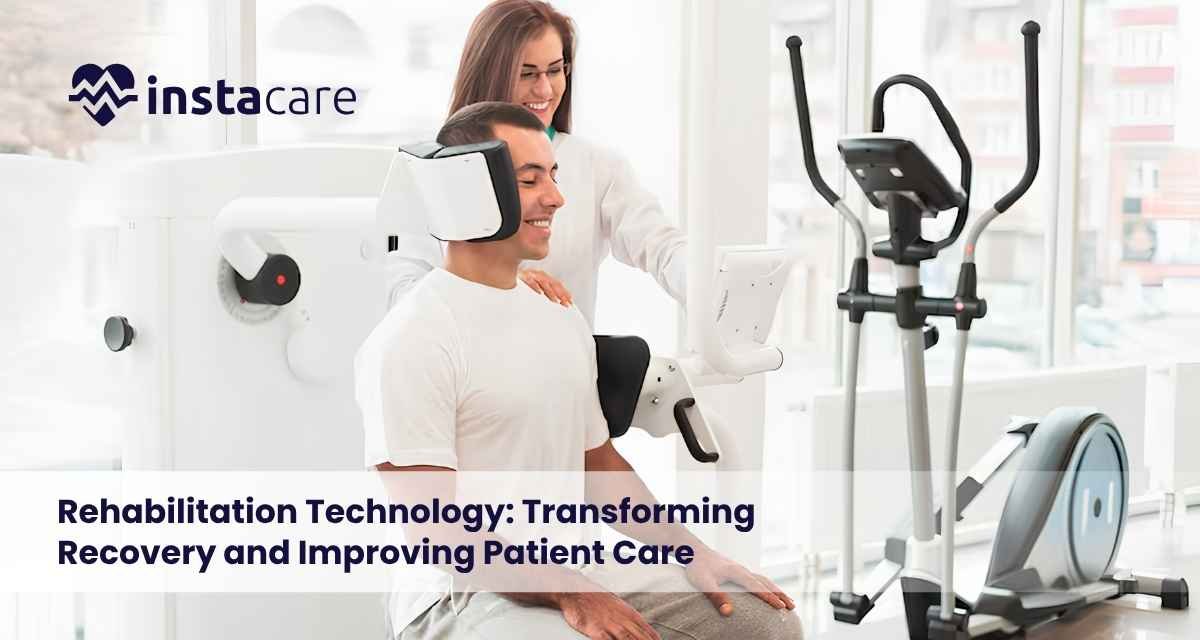
Rehabilitation Technology: Transforming Recovery and Improving Patient Care Rehabilitation technologies design personalized solutions for patients to recover from injuries, surgeries, disabilities or health conditions that require long-term recovery. Technology with tools, equipment, and digital solutions, supports patients to regain movement and enhances their life. Healthcare professionals can better assist patients during their recovery with the help of rehabilitation devices and technology. The solutions enable the patients to recover on their own. Technology helps bridge the gap between the physical therapy and active recovery of patients. What Is Rehabilitation Technology? “Rehabilitation technology” applies to the use of machinery, equipment, digital systems, and similar devices in the restoration of physical, cognitive, and other functional abilities of individuals following illness, injury, or impairment. Rehabilitation technology is utilized in physical and occupational therapy, as well as neurological rehabilitation and home-based recovery. These technologies assist patients in restoration of strength, coordination, balance, mobility, and the basic activities of daily living. Rehabilitation technology strives to treat physical limitations and address the individual’s need for greater independence in everyday activities. Importance of Rehabilitation Technology Although rehabilitation has not changed significantly in terms of the end-goal, technology has allowed for the methods to get there to advance at an unprecedented rate. With the use of technology, rehabilitation can be catered for each patient. A few ways that rehabilitation technology is advancing the field: Customized rehabilitation plans Progress assessment Motivating therapy Monitoring of recovery Support for less mobile patients Express Therapy at home Technology has also made rehabilitation more accessible by supporting patients in their recovery process beyond the clinic. Types of Rehabilitation Technology Robotic Rehabilitation Devices Mechanical aids known as robotic rehabilitation systems are used alongside therapy and exercise to facilitate movement of patients with limited mobility due to trauma or injury and neurological conditions. These systems help therapists support patients as they practice repetitive exercise movements that aid brain-retraining of patients. Virtual Reality (VR) Rehabilitation Technology and programming can help design user-controlled environments to facilitate therapeutic exercises that can be used in duplicating movements and balancing. This can improve engagement and participation in therapy. Wearable Rehabilitation Devices Wearable devices can help healthcare professionals collect necessary data, analyze movements, and provide feedback to patients and their therapists on improvements made. Assistive Mobility Technology These technologies are used to ensure the safety and autonomy of people with injuries and disabilities or even the elderly. Tele-Rehabilitation Technology This technology allows professionals to offer therapy sessions without frequent travel. Convenient access to therapy during the recovery process is achieved through house calls or therapy sessions conducted virtually. This recovery process also includes the support of a professional to provide assistance and stimulation during the recovery process. It includes the development of a rehabilitation home program. The body of this essay continues by stating three benefits of virtual rehabilitation. They include: the journey to therapy is reduced, convenience of therapy access, and job support is increased. Rehabilitation Technology in Home Care More and more patients recover at home because they prefer that option. Home-based rehabilitation is further reinforced by technology that delineates responses and tracks patient progress when therapy is carried out at home. Technology that supports home-based rehabilitation includes: Tools that track and monitor exercise performance Devices or systems that aid movement Applications or devices that deliver therapy Devices that support remote consultation Technology that supports patient recovery tracking These support home-based rehabilitation because patients are still close to their family members and are more likely to be consistent in their therapy. Book Your Free Marketing Consultation How Rehabilitation Technology Helps Different Patients? Post-Surgery Patients Surgery requires the body to recover and build strength and flexibility through exercise and the gradual progression of movements. Technology for rehabilitation provides insight and control during the recovery process. Elderly Individuals The symptoms of aging may include increased falling risk due to balance issues and diminished mobility and muscle weakness. Falling is amplified when unassisted and technology-enhanced rehabilitation can address independence and balance. Neurological Rehabilitation Patients The effects of brain and nervous system injuries may warrant the use of specialized therapies during rehabilitation. Movement and the aid of technology during rehabilitation increase the frequency of practice and enhance movement. Injury Recovery Patients Athletes and others with traumatic injuries can use rehabilitation to regain functional strength and coordination using technology to assist movement. Future of Rehabilitation Technology The emergence of artificial intelligence, smart devices, and digital health seems to shape the future of rehabilitation. With AI, smart devices, and digital health, these modalities may learn how to better achieve personalized rehabilitation based on patient trajectory and design tailored exercise progression automatically. The combination of AI-based assessments, advanced robotic technologies, and smart devices is going to change rehabilitation for the better, making it more accessible and more effective. Rehabilitation will become more accessible to more people. As technology advances, more health care systems will offer quality rehabilitation services both in clinics and remotely. Conclusion The use of technology is helping the healthcare field heal people in a better, faster way. This technology can help patients heal on their own and has the potential to revolutionize the field. Technology includes everything from therapy-focused video games to smart, automated therapy equipment. In the future, rehabilitative technology will help individuals recover from trauma, control their disabilities, and gain a better quality of life than before. FAQs What is rehabilitation technology used for? It is used to help patients recover movement, strength, balance, and independence after injuries, surgeries, disabilities, or medical conditions. Can rehabilitation technology be used at home? Yes, there are rehabilitation technologies that are designed with the home user in mind. These technologies enable patients to continue to conduct their exercises and participate in their recovery programs outside of the hospital. Who can benefit from rehabilitation technology? Technology designed for rehabilitation can help post surgical, injury, neurological, and age related, physical, mobility issues.
mHealth vs Telehealth: What’s the Difference? Digital technology has transformed healthcare in significant ways. Now, people can find health information, message health professionals, manage health conditions, and even track their personal health and wellness goals using technology. These types of technologies have led to the development of two concepts: mHealth and telehealth. These phrases are often used to mean the same thing, but they are technically different. Understanding the differences shows how the development of digital solutions leads to increased access, improved convenience, and greater consumer engagement in healthcare systems. What is mHealth? mHealth is the use of mobile and wireless technologies to support healthcare and wellness. It specifically concerns mobile equipment and software that enable consumers to monitor, manage, and track health and wellness. The purpose of mHealth technologies is to improve wellness and health self-management by making it easier to access health information and resources. mHealth technologies include: Software that can monitor your exercise and nutrition and help you manage sleep habits. Software that sends medication reminders. Tools that collect daily health self-report data. Devices that collect health data. Software that provides health education and support. The primary aim of mHealth technologies is to support health and enhance wellness. It empowers the user to make informed choices about their health. As an example, a person may use a mobile application to track their daily activity, record their symptoms, and track their medication. These technologies enhance the consumer’s engagement in health management. What Is Telehealth? Telehealth describes health care services delivered electronically, beyond traditional in-person care. It supports communication between patients and health care workers. Telehealth employs digital technologies including video, phone, online messaging, and remote physiological monitoring to enhance delivery of health care services. Examples of telehealth include: Virtual health care consultations Follow up care remotely Digital health education Improving health delivery; using telehealth is convenient for patients to receive health care without traveling to health care facilities. Main Differences Between mHealth and Telehealth mHealth is primarily concerned with the use of mobile devices to manage personal health information. Telehealth, however, is concerned with delivery of health care across distances. mHealth is typically personal, e.g. mobile devices assist users to record health data, measure, monitor and encourage, through digital technology, daily wellness activities. Telehealth is concerned with the communication between the patient and the health care worker. For example: Telehealth is the sending of the recorded blood pressure data from the smartphone application to your health care professional. In most cases, to ensure that the right health care is delivered, mHealth ecosystems and telehealth are integrated. A mobile application may collect some health data; however, telehealth may be needed for a health care provider to review the data and provide the right care needed. How mHealth Contributes to Modern Healthcare? mHealth technology empowers management of personal wellness and preventative healthcare. Instead of waiting for illness to strike, people can proactively manage their health. Promotes the Use of Preventive Health Strategies mHealth technology motivates the development of healthy behaviors through the tracking of physical activity, eating, sleeping, and the overall lifestyle. Increases Health Self-Awareness mHealth technology gives people the information they need to understand and grasp trends they can use to motivate the adoption of positive changes in the management of their health. Supports Health Condition Management Technology strategies used to manage a chronic health condition include tracking of symptoms, the monitoring of trends, and maintaining a routine. Ensures Service Convenience The use of technology is convenient since everyone has a mobile device. Book Your Free Marketing Consultation How Telehealth Impacts Healthcare Delivery? Telehealth offers the ability to overcome barriers and provide healthcare services to the people who need them the most. It provides a way for people to communicate with their healthcare practitioners no matter where they are located. Improved Healthcare Availability Healthcare is now more accessible for people from remote areas and for those who are unable to easily travel. Decreased Travel Time and Increased Convenience Now, instead of having to travel to see a healthcare practitioner, a healthcare appointment is available without the need for travel. Easily Facilitates Follow-Up Communications New ways to conveniently manage follow-up care are made possible with telehealth. Increased Quality and Frequency of Communications New avenues to answer questions and solve health care related concerns are made possible with communications that are no longer restricted to in-person visits. Similarities Between mHealth and Telehealth Though they are different medical technologies, there are similarities between mHealth and telehealth. Both: Improve healthcare with technology. Increase the accessibility of health services. Improve the ability to communicate and share information. Increase the involvement of patients. Address certain burdens of standard healthcare delivery. Both are necessary components to the growing digital healthcare ecosystem. Limitations of mHealth and Telehealth Though digital healthcare possesses an abundance of advantages, there are also disadvantages. The use of mHealth is dependent on the availability of accurate mobile devices, internet, and technology. Some tools may have limited utility and should not be a substitute for seeking care. Telehealth may not always be appropriate for healthcare delivery. With others, it may be necessary to conduct a physical examination, order diagnostic tests, or perform a procedure that can not be done remotely. Security and the protection of privacy are vital concerns as well. Trust is diminished when the digital systems of healthcare lack adequate protection. Which Is More Useful: mHealth or Telehealth? It depends on the situation. mHealth is more appropriate for: Record keeping for personal health info Developing and maintaining healthier behaviors Tools for monitoring wellness Self-management Telehealth is more appropriate for: Consultations given remotely Methods of communication in healthcare Offering guidance Using both together is more useful. Conclusion The rising trend of using digital assets will continue. More tools for personalized care will be available with the increasing availability of mobile devices, more advanced wearables, and better remote monitoring and communication. mHealth and telehealth technologies represent progressive steps in the industry. mHealth will advance health ownership and telehealth will improve the connection

Telenursing: What It Is, How It Works, Benefits, and Examples Healthcare has transformed traditional methods of delivering care. Technology creates new opportunities for patients to receive support outside of healthcare facilities. One of the most significant changes to modern healthcare is the development of telenursing. Telenursing is the ability for nurses to provide care and support via communication technology. Telenursing uses phone, video, messaging, and other digital communication tools to provide remote health services and support patients that are unable to travel to a healthcare facility or require ongoing health support. This approach of healthcare delivery has proven to be useful for patients who have chronic health conditions, require health education, and need routine check-ups and support. What is Telenursing? Telenursing is the delivery of nursing services via telecommunication. Nurses use telecommunication in other ways than in-person visits to deliver healthcare services to patients which includes evaluating, giving advice to patients, monitoring patients, and offering extended services. Telenursing is not a substitute for face to face healthcare. Telenursing is an added healthcare support service that improves care, convenience, and connectivity. Telenursing allows patients to connect with nurses and receive much needed healthcare via telecommunication rather than requiring the patient to travel unnecessarily. How Does Telenursing Function? Telenursing allows patients to receive ongoing health support and connects patients to a nurse via any communication tool. The service is activated when a patient requires healthcare support or a follow up appointment. Prior to interacting with a patient via a secure communication tool, the nurse has been previously briefed to support the patient. A Typical Telenursing Process Includes Initial Assessment A Talennurse collects the patient’s health concerns, symptoms, medical history, medications, and current needs over a phone call or video, or using a communication tool of their preference. The telenurse may ask about pain levels, habits, and recovery progress. They may also ask about newly developed symptoms. Health Monitoring There are several health conditions that, once diagnosed, can be managed by a telenurse. Patients can send telenurses updates on their progress, relief, symptoms, or even changes in medications and recovery status. This provides a nurse with key information that allows them to make an early assessment and encourage development of healthy routines. Education and Guidance One of the main roles of telenursing is to educate the patient about their condition. This can include education for the safe and effective use of medication and management of symptoms. In some cases this will also involve patient education for the management of wounds, prevention of lifestyle disease, and detection of emergency changes. Information will empower patients to make informed decisions regarding their health. Follow-Up Support Of the main aspects of telenursing, follow-up support is the longest of these. Most healthcare scenarios involve a prolonged period of time before the desired goal is reached. Telenursing is ideal support for this period as it enables the telenurse to progress assessments, provide support, and ensure constant adherence to the recovery goal. Common Examples of Telenursing Telenursing has uses across the entire spectrum of health care. Some of the more common examples of this are: Chronic Disease Management Healthcare conditions that have ‘high-risk’ patient groups, like diabetes, high blood pressure and cardiovascular cases, require chronic disease management. Telenursing is invaluable for the management of these patients, allowing the nurse to assist with the routine of symptoms, the routine of medications and the self-management of a healthier choice. Post-Surgery Follow-Up Care Patients typically have lots of questions about surgery recovery, wound care, how and when to take prescribed medication, the types of activities they can engage in, and how to differentiate between normal vs. abnormal symptoms. Through the process of telenursing, recovery progress can be assessed to offer guidance and/or determine if there are concerns that warrant medical attention. Medication Management Adults and seniors, in particular, can have difficulty with the management of multiple medications. Nurses can give medication reminders, as well as simple instructions and explain any medication concerns. Elder Care Support Older adults’ health status can be monitored and daily health needs managed. Telenursing can offer more support to older adults who wish to have care delivered at home and who are unable to leave their homes. Mental Health Support and Health Education Nurses can offer health education, emotional support and guidance to those with stress and lifestyle changes and those with health-related concerns. Telenursing is unable to provide substitute therapy and counseling. It can offer employees emotional support and a temporary sense of peace. Book Your Free Marketing Consultation Advantages of Telenursing Increased Accessibility to Care Telenursing enables nurses to reach clients who would otherwise be inaccessible due to distance, physical limitations, or lack of mobility. This helps remove some of the barriers that prevent some individuals from seeking health care services. Added Convenience Telenursing minimizes the trips that patients might have to take to health facilities for routine and needed care. Patients can communicate with the nurse and receive care from the convenience of their homes. Enhanced Continuity Telenursing, through routine contact with the nurse, creates a connection that helps patients feel supported and helps the nurses to understand the needs of the patient at that moment. Prevention and Assessment of Health Concerns Telenursing can help actually identify an issue as it is developing by helping patients to recognize symptoms. Improved Health Literacy Patients must understand their conditions and the role they must play in order to attain their goals for health. Family Caregiver Support Family members of patients who are not healthcare providers must also be supported and educated about basic healthcare, especially for the elderly and those who need additional time to recover. Challenges Associated with Telenursing While the advantages of telenursing are numerous, there are areas of concern that need to be taken into account. Technology Access Use of some of the telenursing services requires the patient to have an internet connection, a device, and be able to make a call. Some individuals may lack one or all of these. Communication There
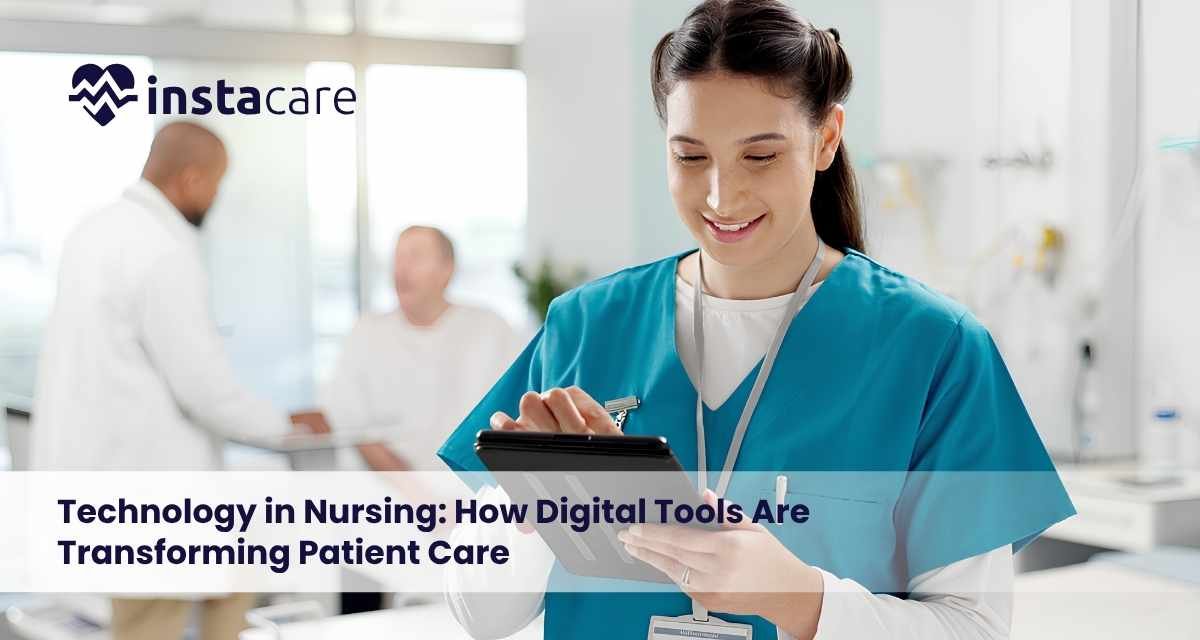
Technology in Nursing: How Digital Tools Are Transforming Patient Care Modern nursing cannot exist without technology. Nurses use technology to aid in the delivery of safer, more efficient, and more effective patient care. Technology also aids in healthcare communication and documentation, education, and decision making. Nursing combines a simple logic with a sense of touch and humanity. Technology enhances the practice of nursing. It expands the capacity of the nursing staff in the face of the changing and complex healthcare system. Healthcare technology is advancing and nurses must be prepared to keep up and stay patient centered. What is Technology in Nursing? Technology in nursing is facility based or mobile based equipment or systems that assist in patient care optimization and the operation of the healthcare system. Systems of this nature can be found in hospitals or clinics or in any care environment. Some systems are designed to capture patient information, while others collect data on vital signs or assist in the administration of medication, or provide a means of interfacility communication or healthcare consults. These systems also help as supports for continuing education and professional development of the nurse. Electronic Health Records These are a type of technology that is used extensively in nursing. These systems allow the storage and retrieval of patient data from a computer. Nurses may use electronic records to formulate data on: Patient symptoms Vital signs Medication administration Nursing assessments Treatment responses Care plans Patient progress Discharge information Digital records can make the organization and distribution of information to authorized members of the healthcare team easier. Accurate documentation is vital to nursing because it forms a valuable record of the care offered to the patient and makes the patient’s condition understandable to the other members of the healthcare team. Electronic recording also requires accuracy, confidentiality, and data security. Digital Patient Monitoring Patient monitoring technologies enable nursing teams to record important health measurements more efficiently. Monitoring systems may capture data on: Heart rate Blood pressure Oxygen levels Body temperature Breathing rate Heart rhythm Some technologies provide continuous monitoring and alert staff if the measurements move outside the safe control limits. Such alerts allow nurses to recognize changes in the patient status more quickly. However, technology must be used as a supplement to clinical judgment. Nurses are required to perform nursing assessments, then decide on a course of action that considers the entire patient (their symptoms and behavior) and integrates their medical record and history. Medication Management Technology Medication administration is an integral part of nursing. Technology can help promote best practices in medication administration. Technology is able to provide nursing staff with patient identification and medication verification and also remind staff of the correct dose and administration time. Digital medication administration systems may be able to reduce documentation errors and provide reminders of the time of medication administration. Some of these systems incorporate the use of barcode identification to confirm the identity of the patient and the correct medication prior to administration. Even with digital support, nurses must continue to follow safety precautions. Some risks that technology can reduce will always remain under the responsibility of the nurse. Telehealth and Remote Nursing Using telehealth, nurses can communicate and support patients in new ways. Video consults, phone calls and secure messages are just some of the ways that nurses can support patients all while working remotely. There are multiple types of nursing that can be conducted remotely. These include: Checking symptoms Monitoring conditions Giving instructions Instruction and support following a course of treatment Offering health education Answering queries Supporting patients following a course of treatment Remote nursing is particularly effective for the treatment of those who are: Mobility restricted Far from health care services Require frequent monitoring There are some health issues that still require hands-on care, and some that require a health care worker to perform a physical examination, and some that require a health care worker to perform a diagnostic test or respond to a call for help. Mobile Technology in Nursing iPads, smart phones, mobile app technology, and other electronic health technology are tools that are commonly used by nurses in a variety of settings. Nurses are able to use mobile technology to check on patients, contact colleagues, or document care after accessing electronic medical records, or after receiving notifications. Some individuals are able to use technology to help them manage and monitor their health (blood pressure, glucose level, physical activity, scheduling). Nurses can help patients use the digital health technologies appropriately and safely. Technology in Nursing Education Technology has impacted nursing education.Domain specific resources can be used for education and training at multiple sites. This includes assessments and lectures. Nursing students and professionals can access the resources from different locations. Technology-based simulation training is highly effective in nursing education. The real risk to patients is eliminated with simulated clinical experiences. Virtual simulations are useful in developing skills related to: Assessing patients Responding to emergency situations Making decisions in a clinical setting Effective communication Proper administration of medication Effective collaboration within a nursing team Although it cannot fully substitute for real clinical experience, simulation training is extremely valuable in preparing novice nurses for the realities of clinical practice. Book Your Free Marketing Consultation AI in Nursing AI has the ability to analyze millions of patient records to pinpoint and interpret patterns which suggest troubling or concerning clinical deterioration. Many digital systems are adept at both recognizing and interpreting clinical patterns which may include deteriorating patients, concerning medications, and even vital sign changes. Automating the nursing process may provide many benefits such as increased documentation efficiency, improved scheduling, and better information management. However, it is the responsibility of the nurse to integrate and interpret information in the context of the broader clinical situation. Automated suggestions may not be a substitute for clinical judgment, patient assessment, and/or the communication with other healthcare team members. AI and other technologies can decrease the burden of redundant, repetitive documentation and can improve the delivery of nursing care.
Speech Recognition Technology in Healthcare Voice interfaces are modifying how clinicians engage with applications and the way they manage and manipulate data. As opposed to entering the comments or records manually, clinicians can verbally enter report data, search queries, and even document the data entry. In tandem with the digitization of healthcare, speech recognition offers a means of reducing clinical administrative work and increasing the efficiency of workflows. It can also offer inclusive digital interfaces for individuals for whom keyboard/digital interface use is challenging. Despite these benefits, the effective use of speech recognition technology necessitates a few concerns. These include system accuracy, adequate security protocols, and a manageable level of oversight. What Is Speech Recognition Technology? Speech recognition technology enables digital and computer systems to interpret what is said and convert it to written word or interpreted commands. Modern day speech recognition systems are capable of understanding complex, natural speech, different accents, and even medical terminology. Used in conjunction with healthcare, the technology is adaptable with and can be implemented on computers, smartphones and tablets, or dedicated devices. From there, a clinician can verbally reference any patient information and have it converted to digitized, editable text. Unlike standard voice to text tools, speech recognition technology for healthcare use can be adapted to directly understand medical terminologies, abbreviated words, and standard medical phrases. How Does Speech Recognition Work in Healthcare? In this context, the process is initiated with a clinician stating the information in a digitally compatible device equipped with a microphone. The system is then able to interpret the audio and process the words. Tech converts digital sounds to text, word by word. This recognition can boost with added context to help identify sentence structure and interpret complex language. The drafted text can be modified, checked for accuracy, and added to its final position on an electronic document. Perfection in this technology isn’t guaranteed which still justifies human review. Imperfections can still arise from a plethora of sources like surrounding noise, poor word pronunciation, word similarities, and complex language using unusual words. Healthcare Applications Medical Documentation A key application of this technology in healthcare is assisting medical personnel with dictating and documenting patient care. This technology allows healthcare personnel to complete documentation with reduced time spent on typing. This technology empowers medical personnel to document patient care with improved focus. Patient Records This technology can assist users with documentation in patient records. Users can dictate data, which, once checked for accuracy, can be incorporated in the patient records. For accurate documentation, the dictated data must be verified. Clinical Notes and Reports Healthcare personnel are often required to draft and document lengthy reports. This technology can aid in drafting reports with the spoken text converted to written form.This technology can aid this documentation process. Administrative Tasks This technology can be used in other administrative tasks with voice commands to create digital content, dictate digital searches, or direct movement in controlled digital environments. Improving workflow means eliminating unnecessary, repetitive tasks. Accessibility Voice technology can improve usability of digital systems for the healthcare professional with temporary or permanent physical limitations. Voice technology can be designed to allow the users to interact with the systems by speaking. Voice-enabled digital systems can be designed to allow patients to interact with the digital systems when appropriate. Benefits of Speech Recognition Technology Saves Time Lengthy notes require a long time to enter. Dictation of long reports can improve documentation. This can be especially beneficial for professionals whose speaking speed is higher than their typing speed. Reduces Repetitive Work Dispensing care services require significant time for data entry. Speech recognition can be used to reduce some data entry work. Improves Workflow Easier documentation can be used to improve productivity of the services and the overall workflow, and to devote more time to other important issues like caring for the patients. Supports Better Accessibility Digital systems that can be operated by voice can be more accessible for many users who are limited by their inability to use traditional keyboard and/or mouse input methods. Allows Hands-Free Interaction When healthcare professionals need to use their hands for other activities, speech recognition can be of great help. Book Your Free Marketing Consultation Challenges of Speech Recognition in Healthcare One of the greatest challenges of using speech recognition technology is the difference in how spoken words are understood as compared to the typed words. Accuracy Issues Due to the nature of the spoken words / names, speech recognition systems can misunderstand the pronunciations of words. Complex terminology or slang that is not used often can be mistakenly omitted. Healthcare professionals should always review speech recognized texts. Background Noise Healthcare facilities can be chaotic and noisy, which affects accuracy when recognizing background noises. The use of the appropriate microphones, as well as quieter surroundings, can yield better results. Privacy and Security The private nature of healthcare data makes it imperative that speech recognition systems have related privacy and security procedures. Organizations must be diligent in how voice data and the resulting text/data are collected, processed, stored, and used. Training Requirements It may take the healthcare workers some time to adjust to voice interaction systems. This can be mitigated through appropriate training. This training will help staff understand how to speak effectively and use the available commands and prompts to minimize errors. Speech Recognition and Patient Communication Care delivery is an interactive process. Digital solutions should be designed to support the delivery of healthcare services rather than substituting the processes of engagement and communication. Tech solutions should support effective engagement while healthcare professionals should be active participants in the therapeutic process. The Future of Speech Recognition in Healthcare Improved voice-processing systems will have the ability to differentiate between various phrases and/or commands, support voice-activated command systems, and address the needs of peripheral, hard-to-reach communities with more capability to support language and social user nuances. The ability to support data capture with voice prompts may improve the integration of digitally-based, personal healthcare services. The
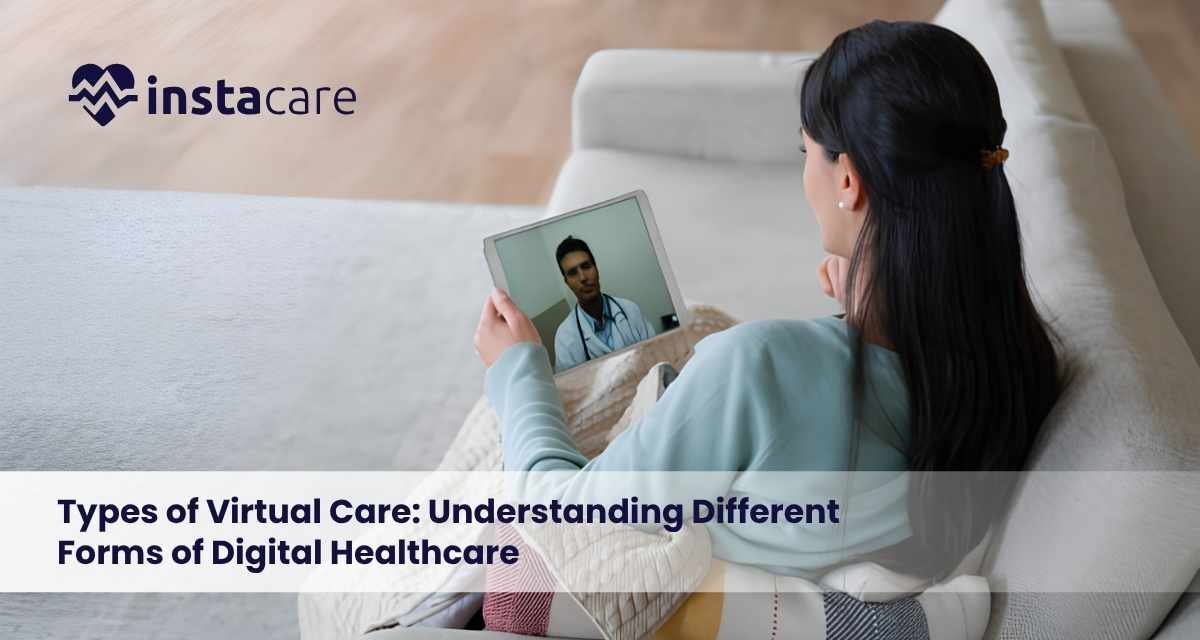
Types of Virtual Care: Understanding Different Forms of Digital Healthcare Virtual care has been a game changer by allowing the public and healthcare practitioners to meet via the internet. Rather than having to visit a healthcare institution many times, people can be given advice, carried out consultations, and even have their health monitored and supported from the comfort of their homes using video calls, phone calls, and even healthcare apps and websites. Virtual care offers ease of access to healthcare services especially for people residing in hard to reach places. This type of care is also very beneficial for people with chronic illnesses. There are many variations of virtual care. What Is Virtual Care? This type of care is healthcare service that is given remotely, beyond the four walls of a healthcare institution. Virtual care is made possible when healthcare practitioners are able to assess conditions, give advice and monitor health, without the patient being physically present. Virtual care employs many forms of technology, some of them are: Video calls Telephone calls Health apps Monitoring device Message systems Health platforms Virtual care cannot meet the demand for all type of healthcare services, however, it is an excellent alternative for many services, such as consultations, health teaching, follow-up visits, and management of health conditions. Types of Virtual Care Telemedicine Of all the forms of virtual care, this is the most popular. This service is the remote provision of healthcare via the internet. Telemedicine is most frequently adopted for accessibility and convenience drives the popularity of these services. Video Consultations Video Consultations are secure, video-based, virtual communication that connects patients and healthcare providers. Routine checkups, specialist appointments, and follow up visits are examples of healthcare services that are made easier and more personal when video communication is used, compared to voice only phone calls. Telephone Based Care Telephone Based Care is the most traditional and basic form of virtual care. It simply involves the healthcare provider and patient communicating via voice call. Discussions about symptoms, advice and next steps for treatment, and questions about prescriptions are all examples of phone based healthcare services. Telephone based care is the most accessible and least sophisticated form of virtual care. Remote Patient Monitoring Remote Patient Monitoring involves the use of virtual care technology that allows healthcare providers to track and monitor the patient’s health from a distance. This technology is used to monitor and collect healthcare data such as, but not limited to, blood pressure, heart rate, blood sugar levels, and weight. Virtual care is particularly useful for patients with chronic illnesses that require constant monitoring. Mobile Health Applications Mobile health applications are software that can be downloaded to a user’s smartphone or tablet and provide features that assist users in managing their health. These applications may allow users to do the following: Log Symptoms Document Health Records Book Appointments Get Reminders for Medications Read Health Literature Set and Monitor Health and Wellness Goals Mobile health applications empower health management. Store-and-Forward Care Store-and-forward care is the process of digitally sending health information to a health care professional to be reviewed at a future time. This may include: Digital Images Laboratory Results Health Records Health care professionals may view, analyze, and make recommendations based on the information, all without the need for a scheduled appointment. This method of virtual care describes the absence of a need for real time communicative interaction. Online Patient Portals Online patient portals are secure websites that house patient health care information and allow for health care communication. These portals may allow patients to do the following: Check Health Records Check Laboratory Results Schedule Appointments Message Health Care Team Members Read Descriptions of Treatments Patient portals increase the ease of health care communication and access to health care information. Virtual Mental Health Care Virtual mental health care is the provision of mental health care via a digital platform. This may include, but is not limited to, the following: Therapy Video Calls Therapy Text Messages Therapy Phone Calls Virtual mental health care is an effective way to reach mental health care for people who cannot access traditional mental health care. Digital Health Coaching Digital health coaching is the provision of health coaching in a digital format. Health coaches may guide clients with regard to: Nutrition Exercise Stress management Sleep Wellness Digital coaching tools can help individuals remain inspired and keep track of their progress. Virtual Second Opinions A Virtual Second Opinion service gives patients the option to receive more medical counsel without an in-person visit. This service is often used by patients who want to: Confirm a diagnosis Learn about other treatment options Obtain an expert opinion before a healthcare decision Virtual Second Opinions gives patients more medical options to consider without an extensive travel requirement. Book Your Free Marketing Consultation Benefits of Virtual Care There are several benefits of Virtual Care that impact patients as well as the healthcare system. Greater Access Virtual Care allows people to receive healthcare support regardless of their location, and is extremely beneficial to people who live in areas that lack adequate healthcare. More Convenience Patients can attend a consultation from their own home, which eliminates travel and wait time. Better Management of Chronic Conditions Remote care, as well as Virtual Care, allows patients to manage their chronic conditions better. Fewer Healthcare Barriers Virtual Care may improve access for people who have difficulty with transportation, mobility, or time. Ongoing Health Support Virtual Care allows communication and monitoring between support sessions. Limitations of Virtual Care Some Virtual Care benefits come at a cost. Some of the cost may be: The inability perform a physical exam Technology Issues Concerns regarding the Internet Health Privacy Concerns Situations that require an immediate or emergency response Some conditions require a physical examination, and/or laboratory testing. The Future of Virtual Care Given the right circumstances, alongside facilitating supportive policies, the development of telemedicine, eHealth, mHealth, virtual care, and integrated health systems will continue to change the healthcare system as we know
What Is a Smart Hospital? Smart hospitals enhance the patient experience by employing different technologies. They incorporate the Internet of Things, Artificial Intelligence, electronic medical records, smart sensors, robotics, and more. They utilize integrated technologies, automated systems, and real-time data to streamline hospital operations. The technology in a smart hospital is not meant to satisfy the need for an updated version of the traditional tools that existed before. Smart hospitals exchange the tools of healthcare in the traditional sense for those of a connected one. Their purpose is to enable the seamless exchange of information among patients, healthcare employees, and even the different devices and divisions of a hospital. An example of the technology that a smart hospital uses is a smart patient monitoring system. A smart patient monitoring system tracks vital signs in real-time and conveys the information to the medical team so they can respond. In addition to more optimal utilization of healthcare resources, smart hospitals also help accelerate the administration process, enhance the safety of patients, and elevate the overall quality of the healthcare experience. How Does a Smart Hospital Work? Within a smart hospital, all the different medical devices and the different divisions and systems of healthcare are all digitally interconnected to a safe network. Information and data from patient care and the different services and divisions of a hospital can be easily accessed and stored by authenticated healthcare employees. When a patient arrives at a smart hospital, they need to be digitally registered. After they are registered, healthcare employees can access the patient’s information and even the patient’s medical history, prescribed medications and orders, and even the patient’s scheduled services and interventions. In some instances, patient data is gathered on a constant basis by connected devices. If an anomaly is detected, and for example, a patient’s oxygen takes a sharp decline, an alert can be sent to the corresponding medical staff. Inappropriate uses of automation may include, but are not limited to, scheduling appointments, managing inventory, tracking medication, assigning rooms, managing billing, and facilitating communication among staff. The integration of the aforementioned processes allows smart hospitals to eliminate bottlenecks and give healthcare staff an opportunity to focus on the actual care of the patient. Main Technologies Used in Smart Hospitals There are a myriad of technologies that ensure the reliable operation of smart hospitals. Internet of Things The Internet of Things (IoT) encompasses devices that can gather data and transmit and/or receive data over a network. In a hospital setting, these devices can range from patient monitors to sensors, smart beds, infusion pumps, and all medical devices. Being connected enables these devices to furnish data in real-time and relieve the medical team of the tedious task of monitoring patients by checking every reading. Artificial Intelligence AI has the power to analyze copious amounts of medical and operational data. As a result, AI has the potential to assist the medical team in multiple tasks such as finding patterns in data, organizing patient data, determining the level of urgency for cases, and recognizing possible threats. AI is neither a replacement nor a substitute for a doctor or a nurse. AI is a value-adding tool for the medical team and an aid to ensure precise and timely decisions are made. The shift from paper to electronic files has an impact on how people access information. It has advantages when considering lost documents, illegible writing, and paperwork redundancy. Smart Patient Monitoring Smart monitoring systems keep track of critical health metrics. These can include heart rate, blood pressure, blood glucose, breathing rate, and levels of oxygen and body temperature. This data can either be displayed on a monitoring screen or be sent directly to health professionals. Readings that are deemed unsafe can trigger alerts. Robotics and Automation There are multiple types of robotic and automated systems that can facilitate various functions throughout a hospital or medical facility. These can assist with transporting supplies, disinfecting a room, sorting and organizing medications, delivering items between various departments, and even help with certain medical procedures. Robots and automation can significantly ease the burden of multiple redundant administrative functions, and as a result, allow hospital staff to spend more time dedicated to interacting with patients. Telemedicine Telemedicine utilizes a secure digital platform to facilitate communication between patients and healthcare professionals at a remote distance. This can be implemented for typical routine consultations, treatment reviews, and other non-emergency procedures and monitoring. Remote healthcare can be especially advantageous for patients who live a great distance away from medical care facilities or have traveling difficulties to access them. The Unique Characteristics of a Smart Hospital A smart hospital integrates multiple digital systems and advanced technologies to improve both patient care and hospital operations. Smart beds can monitor patient movement, pressure, and sleeping position. They can also be equipped with alert systems that notify healthcare staff if a patient attempts to leave the bed without assistance, helping prevent falls. Digital check-in systems reduce waiting times and simplify the patient registration process. Automated systems can also send appointment reminders, provide navigation within the hospital, share test instructions, and notify patients about their discharge. Indoor tracking systems enable healthcare staff to quickly locate essential medical equipment, supplies, and personnel. This significantly reduces the time spent searching for devices and improves operational efficiency. Advanced energy management systems use intelligent controls for lighting, HVAC, and electrical systems. These systems maintain a comfortable hospital environment while minimizing energy consumption and operating costs. Digital pharmacy systems enhance medication inventory management, reduce medication errors, monitor expiration dates, and streamline prescription dispensing and refill scheduling. Advantages of Smart Hospitals One of the greatest benefits of smart hospitals is enhanced patient safety. Continuous monitoring allows healthcare providers to detect changes in a patient’s condition earlier, enabling faster intervention. Smart hospital networks provide healthcare professionals with instant access to clinically relevant patient data across departments. This is far more efficient than simply retrieving medical records, allowing for faster and better-informed clinical decisions. Smart hospital technologies also reduce
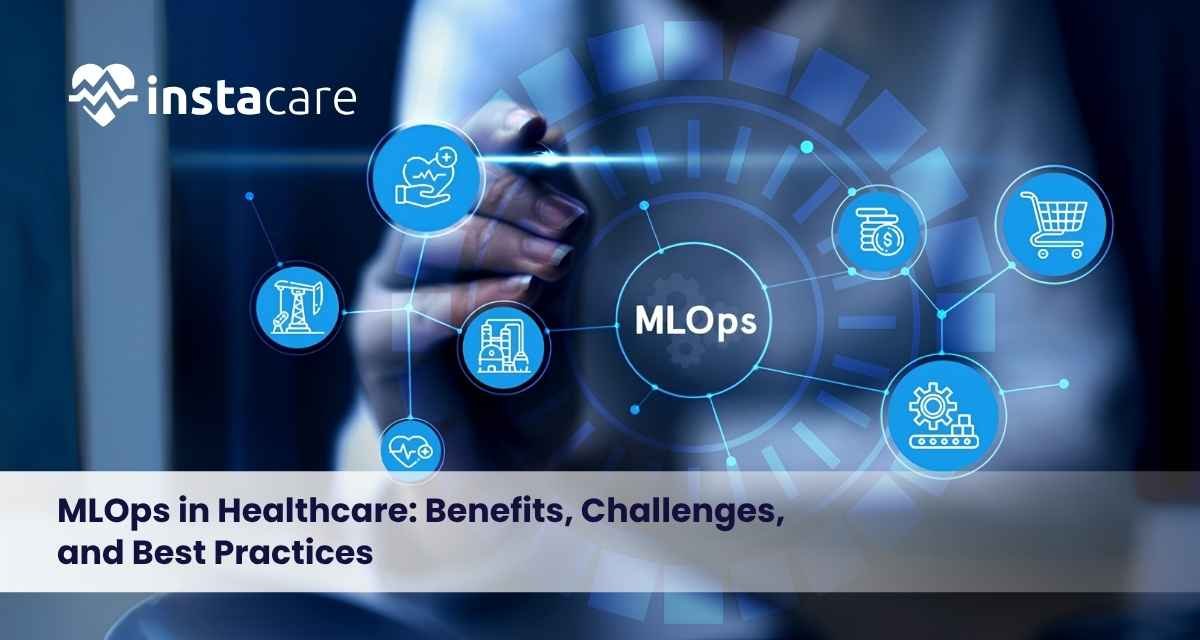
MLOps in Healthcare: Benefits, Challenges, and Best Practices The application of machine learning in healthcare has gained traction for its benefits in diagnosing and managing risk, organizing clinical data, improving the efficiency of the hospital, and tailoring treatment options. However, building the right model is just the first step. Healthcare institutions are also responsible for the implementation, monitoring, maintenance, protection, and control of the model for the duration of its operational life. Machine Learning Operations (MLOps) are the frameworks and methods used to manage the model lifecycle. It integrates and builds upon clinical knowledge, data science, and several disciplines of IT, to keep healthcare machine learning systems safe and reliable. What Are MLOps in Healthcare? The term MLOps describes the application of a set of software and engineering operations to the machine learning workflow. In the case of healthcare, MLOps also includes the fairness of the model, the validation of the clinical process, justification of the model, and the regulations of the healthcare industry. A model may be correct at the development stage, but may fail to be correct with a different set of patients, different equipment, different clinical procedures, and different data. Therefore, healthcare MLOps is concerned with the complete lifecycle of the model, whereas other industries may consider the deployment of the model as the final step. This is especially important for machine learning systems embedded in medical devices, or clinical decision support systems, because of the inherent risks involved with the model and the need to control model performance and the risks of frequent updates. Why Is MLOps Important in Healthcare? Healthcare systems are especially dynamic. Changes in patients, diseases, and clinical systems are common. Likewise, the tools used in healthcare and the methods of data collection and recording may undergo frequent and radical changes. MLOps prevents multiple issues by ensuring models can be monitored after deployment. Without MLOps, models can provide healthcare predictions without considering the performance of the model. This can lead to missed risks as the model fails to identify them and alerts that do not provide useful information. Using MLOps provides healthcare teams the ability to: Ensure models are consistent Recognize changes in the data and predictions Control updates to the models Safeguard the privacy of patients Keep track of the development and the deployment of the models Enhance teamwork between the technical staff and the healthcare staff Improve response time when a system has malfunctioned Ease the burden of audits and compliance MLOps and responsible AI have one critical concern in common: the continuous evaluation and monitoring of a system. The risks of using a system can be identified at any time. The Healthcare MLOps Lifecycle Data Collection and Preparation Healthcare model data can be sourced in a multitude of ways, from electronic health records to administrative data. There are multiple ways data can be collected to be used to develop a model. Data must be evaluated for a number of reasons before model construction can be initiated. At a minimum, the data must be evaluated for accuracy, completeness, consistency, and relevancy. Poor data can lead to unreliable results from the model. Data must also be evaluated to ensure that it accurately reflects the population being targeted. If the data used to construct a healthcare model is limited due to the population, then the results from the model will likely be limited as well. Model Development and Validation During the development of a model, multiple things must be considered, such as the selection of the appropriate algorithm and the evaluation of the model. In healthcare, simply accuracy is not going to be enough. Validation should encompass the following: Tests should incorporate: Sensitivity and specificity Rate of false-positive and false-negative Performance across the broad patient population Functionality Consistency across varying conditions Interpretability Patient safety risk Clinical specialists should determine whether the outputs generated by the model are meaningful and appropriate for the specified healthcare workflow. The performance of the integrated human AI System should also be considered. Controlled Model Deployment Once the model has been validated, it is incorporated into healthcare software and/or clinical workflows. This may also include integration with electronic patient record systems, clinical decision support systems, diagnostic and monitoring systems, and/or clinical dashboards. A stepwise approach to deployment is preferable to an instantaneous full-scale deployment across the organization. It is common practice for the model to be used in an initial deployment to an ‘isolated’ environment where the outputs are generated and assessed, but are not used to impact clinical care directly. Deployment should incorporate standard approval processes for deployment, the ability to retract the deployment, controlled access with accountability, documented procedures and instructions, and clearly defined roles and responsibilities. Ongoing Performance Evaluation Once a model has been deployed in a healthcare setting, the model should be routinely assessed. This may involve: Changes in the data being used Deterioration in prediction quality Unpredictable outputs Increased error outputs Differences in performance of the model based on the patient population Prediction delays System malfunction Attempts to breach the system Technical performance of the model should be evaluated alongside clinical outcomes. It is possible a model continues to function from a technical standpoint, but outputs are no longer clinically valuable. Model Update and Retraining A model may need an update and retraining if data are added and/or its performance no longer matches the required standard. It should be noted, however, that retraining a model too readily and/or without appropriate controls may increase potential risks of the model. Before any updated model version can completely replace the existing version, it must go through the validation, fairness testing, security checks, and clinical reviews. Older Version models must remain so that teams can analyze incidents and restore the model if needed. Update policies must define what type of changes can be made, how those changes will be validated, and how the effects of those changes will be monitored. Data Privacy and Security Healthcare data is extremely sensitive. MLOps systems can work with data that contains
AI Lifecycle in Healthcare: From Planning to Continuous Monitoring AI application spans many areas including medical imaging, patient monitoring, clinical documentation, risk assessment, treatment, and administrative tasks. Developing an AI application for healthcare goes beyond training an algorithm and deploying it in the hospitals. Healthcare decisions have implications on patient safety, privacy, and accessibility, as well as care-related outcomes. Thus, every AI application must be governed from conception to its decommissioning. The AI lifecycle in healthcare outlines the governance process for the responsible design, development, validation, deployment, oversight, maintenance, and discontinuation of AI systems in healthcare. What Is the AI Lifecycle in Healthcare? The AI lifecycle refers to the entire governance process of the design, development, and deployment of AI systems, as well as their ongoing maintenance and eventual discontinuation. The AI systems lifecycle differs from conventional software systems because AI systems learn from data. Therefore, the systems will function in unpredictable ways as the population of the patients served, the data, the medical practice, or the equipment used in the hospital changes. A system that frequently delivers optimal results during its development phase may, in the course of time, perform sub-optimally in another hospital. Lifecycle management makes it possible for an organization to identify risks early, evaluate the system’s performance prior to deployment, and monitor the system in practice to assess and manage any changes. Identifying the Healthcare Problem The governance lifecycle commences with the precise identification of the clinical or operational problem to be solved. The development teams should answer the following questions: what healthcare problem are they intending to solve; what will the AI system users’ roles be; which patients stand to be impacted by the system; and what are the key performance indicators that will define the success of the system. Use cases may be leveling the risk of health deterioration amongst patients, decreasing the prevalence of missed patient appointments, prioritization of time-sensitive x-ray scans, or making clinical documentation less tedious. Health-related problems should be clear, focused, and meaningful in the clinical setting. As a rule, AI should be considered only if there are no other simpler, more efficient, and effective clinical solutions. Establishing Governance Governance involves assigning responsibilities and making decisions regarding control mechanisms for safety throughout the lifecycle. The organization must include the system’s purpose and acceptable use, the role of human oversight, privacy, and performance and reporting requirements, along with the procedures for reporting and approving updates. Good governance removes ambiguity regarding responsibility and aligns the development of AI with clinical safety and quality, along with cybersecurity and data protection. Collecting and Preparing Data AI in healthcare relies on managed data that is relevant and accurate. When data is to be used, the team must consider consent, confidentiality, and ownership, as well as access control and data protection retention and transfer. Preparation may include duplication removal, format and information centrality correction, standardization of terminology and unnecessary identifiers, and labeling of clinical events. Data of poor quality produces poor results. In addition, the team must confirm that the data sets represent the intended population with regard to age, gender, ethnicity, condition, where data was collected, and the equipment and the care environment. Developing the AI Model The AI Model is developed by a specialized team. Suggested algorithms and methods are used to train the model to recognize patterns and predictions. Data is taught to the model through training. Validation and test data evaluate adjustments and the final performance, respectively. Leakage of data must be avoided. The model is a programmed construct of elements, such as data sources and descriptions of the criteria for inclusion, as well as the design and type of the model, along with the assumptions, limitations, and potential for failure. Trade-offs between reliability and safety, speed, cost, and compatibility with legacy systems must also be made. Book Your Free Marketing Consultation Validating Performance The model must be able to generalize beyond the training data. Technical validation of a model may assess, among other things, the time taken to process a request, along with accuracy, sensitivity, specificity, precision, and the rates for false positives and false negatives. Clinical validation determines if a system has realistic value. Testing must consider various patient demographics, the impact of the system on the clinical workflows, comprehension of the system among clinical staff, system reliability, and the potential harm caused by erroneous results. External validation is important because it tests the model on data from a different hospital, population, location, or device. Ethics and Regulation AI in healthcare may fall under medical devices, privacy, cybersecurity, data protection, and healthcare regulations. Appointment scheduling software typically falls under fewer regulations than AI that prescribes treatments or identifies severe medical conditions. From an ethical viewpoint, the most relevant would be the assessment of autonomy, justice, beneficence, and non-maleficience. Patients and care providers should know what the system does, how its outputs are to be interpreted, and the circumstances where human judgement will override the system. Workflow Integration of AI A precise AI system can still fail if it is not usable within a clinical workflow. Controlled pilots should be used to reveal issues within workflows and the system, along with new and unanticipated risks. AI systems should be used within clearly defined boundaries. There should be unambiguous human responsibility for the implications of AI on clinical decisions and patient care. Real-World Performance Evaluation Evaluation of AI in healthcare should look at accuracy, missed cases, false alarms, response times, failures, overrides, user feedback and complaints, and impact on patients differentiated by groups. AI performance should be continually monitored because of the impact of new data, changed clinical practices, new or updated equipment, altered patient populations, and changed data-entry methods on original performance. System Updates AI systems might need updates if the system is found to work incorrectly, if the system needs to become more accurate, to reduce security threats, or to support additional patient types. If changes are made to the data, code, thresholds, interfaces, or model behavior, those