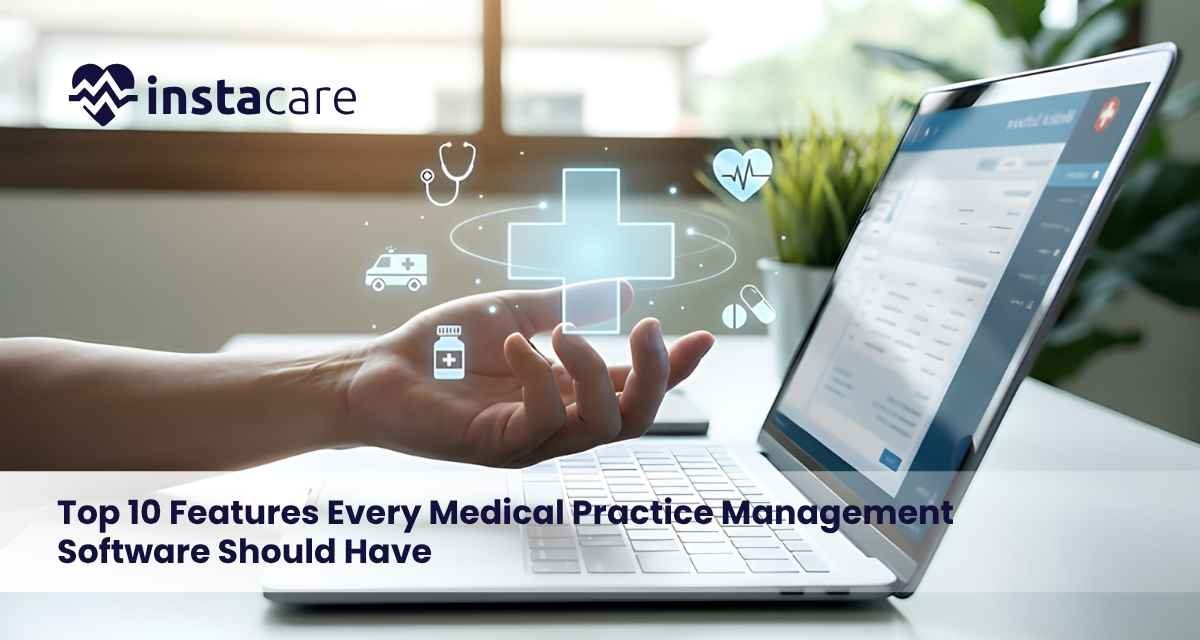
Top 10 Features Every Medical Practice Management Software Should Have Healthcare practice management goes beyond the necessary provision of quality healthcare. Daily management of patient schedules, billing, records, claims, reports, etc. demands efficient management. Completely automating these daily tasks with medical practice management software provides better healthcare workflows as well as a better patient experience. Practice management software varies in offered capabilities. To smooth practice operations, it is essential to have a solid understanding of software features that will support core functionality. Below are the features we consider as the most essential that a medical practice management software solution should have. Scheduling and Calendar Management Practice management software should provide a powerful, efficient employee scheduling system. Staff should be able to reliably schedule, reschedule, and cancel patient appointments with minimal staff and scheduling conflicts. An effective and comprehensive scheduling module is one that supports: Multiple provider calendars Real time appointment availability Automated reminders Waitlist management Recurring appointments Color-coded scheduling views Email and text appointment reminders can also facilitate less missed appointments and improved patient engagement. Patient Registration and Demographics Practice management software should provide the capability to easily and securely collect and organize patient information. Practice management software should provide the capability to maintain patient profiles and provide patient contact, insurance, and emergency contact information, medical history, and consent documentation. An effective patient registration system should eliminate or reduce the paperwork and improve data accuracy as well as administrative staff data accessibility. Electronic Billing and Invoicing Integrated premium medical practice management software should significantly streamline the practice billing and invoicing process. Automated practice management software should be able to create invoices and charge, process payment, and manage collections. Helpful billing features include: Automatic invoicing Flexible payment methods Payment and balance tracking Financial summaries Refunds Billing efficiency strengthens cash flow and lessens the admin burden. Insurance Claims Management Manual insurance claims and poor insurance workflow equal increased claims processing times, as well as a higher probability of claim denials. A good practice management solution facilitates the entire claims process and eases the burden of tracking claims. Key claims management features include: Submitting certified electronic claims Checking eligibility Claims status tracking Detection of claims submission errors Denial management Resubmission of claims Increased claims processing times and decreased claims denials are direct results of these features. Electronic Health Record (EHR) Integration Though practice management software primarily focuses on the practice management aspect of the operations, integration of EHR Software is a great way to increase operational efficiency. Systems integration allows clinicians to access the clinical data they need, billing data, and scheduling data, without having to switch between multiple systems. Advantages include: Less duplication of data entry Enhanced communication Timely patient check-in Accurate documentation Greater coordination of care Patient Portal Today’s patients expect digital offerings when it comes to healthcare. A patient portal streamlines communication and lessens the volume of calls to healthcare staff. A patient portal allows patients to: Schedule appointments View scheduled appointments Access and download their medical notes and billing Request prescription refills Change personal information Send messages The self-service option is the best way to streamline operations and increase patient satisfaction. Reporting and Analytics Built-in reporting tools help managers view and analyze the performance of the business in both the financial and operational segments. Valuable reports might consist of: Revenues Stats on Appointments Productivity of Provider Demographics of Patients Balances Reimbursements from Insurances Rates of Cancellations Performance of Collections Analytics identify patterns. These can focus on better ways of doing things and promote growth that lasts. Managing Inventory and Supplies In many healthcare practices, management of some form of medication, vaccines, medical supplies and equipment takes place. A good inventory management system allows practice managers to keep control of their supplies and avoid wasting stock. Some helpful features of good inventory management systems are: Tracking of Stock Alerts for Low Stock Monitoring of Expiration Dates Management of Purchase Orders Management of Suppliers Reports on Usage Control of inventory means good management of finances, by having in stock what is needed and everything required to practice. Protection of Data and Compliance Healthcare practices are custodians of sensitive data about patients. System security and privacy compliance of data protection have high priority. Some of the security features of importance are: User Verification Access Control Based on Role Security of Data through Encryption Backups of Data to the Secure Cloud Audit Trials Logs Monitored Automatically Protection of Data along with Compliance of Security of Data is highly needed. Accessibility on Mobile Devices and Via the Cloud Practitioners in healthcare are increasingly required to have access to healthcare practice data from many different locations. Software that resides in the cloud allows users authorized access to data via a laptop, tablet, or mobile phone. Some of the advantages of cloud access include: The Ability to Schedule Remotely The Ability to Bill on the Go Access to Data with Instant Updates Automatic Updates of the Software Less Required Hardware Assistance with Recovery From a Disaster Cloud-based Systems are also a great benefit for Practices that have more than one location. Some Additional Features Worth Considering Aside from what is listed above, the modern practice management system can offer features that make things easier. Other functionalities can include: Automated patient notifications Telehealth Digital management of documents Online payments Staff Scheduling Task Management Referrals Lab Integration Prescriptions Managing multiple locations Voice Integration Dashboards Scaling operations, practice management software takes both staff productivity and patient satisfaction to the next level. Book Your Free Marketing Consultation Advantages of Medical Practice Management Software The robust features offered by modern practice management software have brought numerous improvements in the practice of healthcare.Some of these improvements are: Less admin work Easier to manage appointments Streamlined billing and payments Corrected claim submissions Higher patient satisfaction Better staff and patient communication Increased efficiency Improved operations Better finances and financial reporting Increased security of patient data and practice More time to be with patients Greater patient satisfaction The new software does the tedious
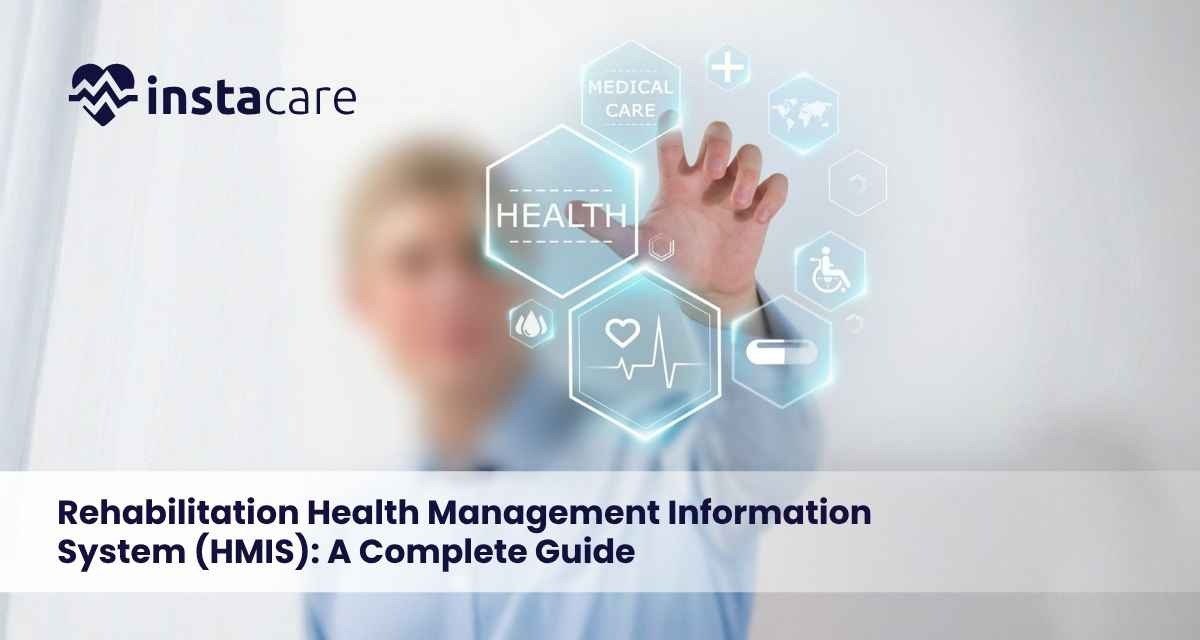
Rehabilitation Health Management Information System (HMIS): A Complete Guide Rehabilitation services aim to assist patients with recovering, regaining independence, and improving the overall quality of life after suffering from illnesses, injuries, surgeries, disabilities, or long-term health conditions. Patients may require different types of rehabilitation, such as physical, occupational, or speech therapy. Patients may also need rehabilitation for post-surgery, mental health, or wellness. The management of care is most vital in this instance. A Rehabilitation Health Management Information System (HMIS) provides a solution for the management of rehabilitation care. In contemporary rehabilitation health care, the need for a smart system is vital to improving accuracy, decreasing the time needed to facilitate all the services, and helping healthcare professionals to make efficient and timely decisions and assist in providing optimal patient care. Rehabilitation HMIS caters to all of these vital needs and serves the rehabilitation care services in an organized, clear, and constructive manner. What Is a Rehabilitation Health Management Information System? A Rehabilitation Health Management Information System is a specialized health care software system that provides all the management needs of rehabilitation-related health care services from a medical, administrative, and operational point of view. The software provides a system that can store patient data, track and manage therapy sessions, assess and monitor therapy progress, and facilitate communication between patients and employed heath care professionals. Unlike generic hospital management systems, rehabilitation HMIS manages long-term patient care, looks at functionality, therapy goals, and the tracking of progress. Rehabilitation involves multiple specialists. Some of them are: Physiotherapists Occupational therapists Speech therapists Psychologists Nurses Doctors Social Workers HMIS gives all these professionals the patient information they need to manage rehabilitation care. Importance of HMIS in Rehabilitation Healthcare Rehabilitation care and therapy are continual and require constant assessment. Patients may receive several therapy sessions in a matter of weeks or even months. The therapists involved in rehabilitation care need to assess progress, modify treatment and document results and communicate these to other members of the therapy team. In the absence of such a system, information may be lost, duplicated, or even delayed. These problems are alleviated by the Rehabilitation HMIS, which builds a comprehensive and centralized framework for the tracking of rehabilitation progress. The benefits of a Rehabilitation HMIS are seen by healthcare administrators as improved systems for: Staff Scheduling Resource Planning Managing Patient Flow Billing and Insurance Reporting and Analytics Monitoring Service Quality For rehabilitation centers, this means smoother operations and better patient care. Key Features of a Rehabilitation HMIS Patient Registration and Medical Records A core function of a Rehabilitation HMIS is patient registration. This feature stores comprehensive patient data. Electronic medical records allow doctors and therapists to quickly assess a patient’s medical history and treatment. As a result, care can be delivered faster and the need for redundant documentation is minimized. Assessment and Evaluation Management Most patients undergo a comprehensive assessment prior to the initiation of the rehabilitation process. This assessment can cover multiple dimensions, including the person’s physical condition, pain, range of motion, speech, mental health, as well as deficits in activities of daily living and function. HMIS allows therapists to conveniently document assessment results. This feature aids the construction of rehabilitation goals and treatment plans. Additionally, periodic reassessments are easily documented, and results are compared to track progress. Treatment Planning Each rehabilitation patient requires a unique treatment plan. HMIS Rehabilitation Modules allow therapists to create treatment plans based on the patient’s rehabilitation diagnosis, goals, type of therapy, number of sessions, and the anticipated outcome. A stroke patient, for example, could require the following therapies: Physiotherapy (for movement and balance) Speech therapy (for communication) Occupational therapy (for assistance with daily living activities) Psychological therapy (for the recovery of emotions) HMIS Rehabilitation Modules keep all the treatment plans integrated. Book Your Free Marketing Consultation Appointment and Scheduling Management Due to the numerous appointments handled daily, scheduling therapies manually can easily lead to missed sessions, overbooked schedules, or delays. HMIS Rehabilitation Modules provide therapy scheduling solutions to effectively manage: Staff availability for therapy sessions Patient therapy sessions and Follow up therapy sessions Automated reminders for scheduled therapy significantly improves patient attendance by decreasing missed appointments. Tracking Progress and Measuring Outcomes Tracking progress is vital to rehabilitation. An effective HMIS makes it easier for therapists to document patient progress each session. These may include positive changes to: Poor mobility Pain levels Strength Balance Speech Emotional wellbeing Activity of daily living Access to progress reports helps healthcare providers determine if a treatment plan is effective or if it requires modification. This process of tracking progress helps improve patient outcomes and centers around evidence-based care. Billing and Insurance Rehabilitation services can require many sessions and different types of therapy, sometimes resulting in multiple approvals and payment plans. HMIS Software provides a system that manages billing, invoices, insurance claims, payments, and financial reports. The administration burden is reduced, and new systems are more transparent for both the healthcare facility and the patient. Reports and Analytics A Rehabilitation HMIS can create a variety of reports for doctors, therapists, managers, and healthcare authorities. These reports may include: The progress of patients The success of different treatments Statistics on appointments The performance of staff Utilization of services Financial reports Patient satisfaction Analytics allow rehabilitation centers to improve their decision-making, service quality, and identify areas that require improvement. Benefits of Rehabilitation HMIS Better Patient Care Better patient care is the primary advantage of Rehabilitation HMIS. When patient data is consolidated to a single system, providers are better able to make informed decisions as the data is more likely to be current. Before each therapy session, providers can check a patient’s treatment history, progress notes, and the care plan. Enhanced Collaboration Between Treatment Teams Rehabilitation is typically a group effort. HMIS enables collaboration through the use of a singular patient database. This fosters an understanding of the patient’s barriers, objectives, and progress amongst every member of the team. Less Manual Labor HMIS eliminates much of the hardware and labor intensive paper

Automated Medical Billing: How Technology is Transforming Healthcare Finance Medicine has never been simple to practice. Clinics, private practices, and hospitals handle thousands of claims daily that require proper coding, insurance verification, and follow-up. A weary, time-consuming, inefficient, and money-sucking process was the past. But thanks to Automated medical billing software, the finances of healthcare professionals are completely revolutionized for the better. With reduced errors, streamlined Automated medical billing workflow, and greater transparency, automation is allowing providers to spend more time with patients and less time shuffling paper. All sizes of healthcare organizations are increasingly comprehending the ability of automation in achieving more steady financial performance. Large hospitals and small community health centers are embracing automation no longer as a luxury but as an additional requirement of modern healthcare finance. What is Automated Medical Billing? Basically, automated medical billing systems were developed to carry out duplicate monetary processes that were initially done manually. They encompass checking insurance eligibility, assignment of proper medical codes, claim preparation, payment submission, and claims follow-up. Computerized medical billing makes every process conducted quickly and accurately with less room for delayed or rejected claims. In the context of manual billing, in which there is ample space for significant revenue loss through incorrect information, automation puts more money into the hands of health caregivers. Most automated medical billing solutions are cloud-based and are therefore able to easily interface with electronic health records (EHRs), practice management systems, and insurance portals. Interfacing allows for free data exchange as well as reducing administrative costs. Whatever automated medical billing for clinics or business clinic software, such systems aim to simplify one of the most intricate elements of healthcare: the revenue cycle. Key Features of Automated Medical Billing Systems Sophisticated billing software is a lot more than claim submission. It incorporates some elegant features that allow providers to effortlessly handle financial operations: Electronic Claims Management – Claims get automatically created, updated, and submitted with reduced denial. Real-Time Insurance Verification – The system checks for coverage before treating the patient to avoid future billing issues. Automatic Coding Guidance – Certain systems include automated medical billing and coding features to ensure precision with the use of ICD-10, CPT, and HCPCS codes. Payment Tracking – Providers can monitor pending payments and determine where the hold-up is. AI-powered automated billing – Predictive analytics is powered by artificial intelligence, detects probable denials, and simplifies decision-making. Personalized Reports and Dashboards – Financial administrators enjoy transparent and unambiguous vision of revenue performance. Integrated Patient Records – Integration of billing information with patient care records for accuracy and transparency. Compliance Controls – Automation of reports, compliance with healthcare legislation and payer guidelines. Automated medical billing process – Payment to registration, all processes get streamlined for effectiveness. All such skills not only facilitate billing but also minimize the fiscal risk of healthcare organizations. Benefits of Automated Medical Billing The use of automation has transformed the healthcare finance with several benefits: Improved Accuracy – There are fewer chances of errors in billing since automated systems cross-matching codes and data with payer rules. Quicker Revenue Cycles – Claims are quicker, and providers get payments sooner. Cost Savings – It reduces the gigantic billing personnel to a bare minimum, saving administrative costs. Better Compliance – Compliant designs protect providers from audits and fines. Transparency with Data – Real-time monitoring enables administrators to make sound money decisions. Better Patient Experience – Streamlined billing, fewer complaints, and quicker claim settlement ensure better patient care. For smaller clinic medicine, automated medical billing is especially applicable. Billing errors can stone dead small clinics. Providers can achieve regular cash flow and free up more cash to use to invest in patient care by using automated medical billing for clinics. Automated medical billing for hospitals helps larger hospitals because it combats large volumes of patients and numerous various payer systems within a single one, avoiding fiscal delays and increasing general efficiency. Problems with Automated Medical Billing While there are advantages, health organizations continue to be urged to apply it: Low Starting Costs – Hiring new staff and retraining existing staff is expensive, and that’s discouraging small centers. Integration Issues – There are still legacy systems in most hospitals that are not compatible with new billing software. Security Threats – Because billing involves personal patient data, robust security shielding against cyber attack is of paramount importance. Systems Reliance – A system meltdown brings down the entire billing system. Worker Resistance – People who are used to doing things the old way will resist switching to automation. Training Requirements – Computer-automated medical billing services implementation is a daunting experience that requires considerable employee training to ensure optimal efficiency. In spite of all these problems, most physicians choose to reap long-term financial benefits and business optimization beyond the initial problems. Book Free Demo What the Future Holds for Medical Billing Automation The future of healthcare finance is increasingly digital, and automation will be the star. More advanced technologies further hone efficiency and precision: Automated revenue cycle management – New systems will not only automate billing but also the entire revenue cycle from registration to collections. Smart AI Tools – AI will not only anticipate denials but even suggest remediation prior to claims submission. Cloud-Based Expansion – Cloud-based technology will automate small practices without the massive capital outlays. More Patient Engagement – Patients will have easier access to billing notices, payment portals, and financial consulting. Interoperability – Systems will start sharing data more with EHRs, payers, and even government agencies to simplify workflow. Automation will no longer be only about efficiency; it will also be applicable to profitability and patient satisfaction because technology will be more advanced. Final Thoughts Automated processes are not a choice but a necessity in healthcare finance. With the process being automated, less human error, and quick payments, automated medical billing systems are
Efficient Medical Billing Software for Practices Are you a healthcare provider or office manager looking for the best medical billing software for your practice? You’re in luck! Today, there are various easy-to-use and efficient medical billing solutions to choose from that can save time and money while helping you maintain accuracy and security. From cloud-based systems to customizable options, the world of medical billing software is filled with amazing opportunities to streamline payment processing, automated patient payments, and data management. In this blog post, we will discuss the different types of medical billings software available – including what features make one program stand out against another – so your practice can make an informed decision when choosing the optimal solution. Overview of Medical Billing Software – what it is, how it works and why it’s important for practices Medical billing software is an essential tool for any medical practice looking to streamline their billing process and improve their bottom line. This software enables practices to create, submit, and track insurance claims electronically, reducing errors and increasing efficiency. With medical billing software, practices can also manage patient information and billing histories in one central location, saving time and reducing administrative costs. The importance of medical billing software is not only due to its practical benefits, but also because it ensures compliance with regulatory requirements and helps practices stay up-to-date with changing industry standards. By implementing medical billing software, practices can improve their revenue cycle management and focus on providing high-quality care to their patients. Book Free Demo Benefits of Using Medical Billing Software – ease of use, accuracy, time-saving, and cost-efficiency Medical billing software has become an essential tool for the healthcare industry, providing a range of benefits that cannot be ignored. With the use of a medical invoicing system, healthcare providers can simplify their billing process by reducing errors and improving accuracy. This not only saves time, but it also ensures that payments are processed efficiently, making it easier to keep track of revenue streams. In addition to accuracy and time-saving benefits, medical billing software also offers cost-efficiency as it eliminates the need for manual data entry and reduces administrative costs.With all these benefits, it’s no wonder that medical billing software is becoming increasingly popular in healthcare practices worldwide. Types of Medical Billing Software Available – cloud-based, onsite and hybrid solutions Medical reimbursement software is an essential tool for healthcare providers looking to streamline their billing and payment processes. With so many different types of medical billing software available, it can be difficult to choose the right solution for your practice. Cloud-based software is becoming increasingly popular, offering the flexibility and convenience of access anywhere, anytime. Onsite solutions provide greater control and security, while hybrid solutions offer the best of both worlds. Ultimately, the right choice will depend on your practice’s specific needs and goals. Regardless of which medical billing software type you choose, it’s important to select a reputable provider that offers robust features and responsive support to simplify your billing and reimbursement processes. Steps to Select the Right Medical Billing Software – research features, understand user feedback and compare pricing Choosing the right practice management software can be a daunting task, but it doesn’t have to be. Take the right steps to ensure you select the best medical billing software for your practice by starting with research. Make a list of features that are important to you and your practice’s needs. Then, take time to understand user feedback and reviews to see how the software is performing in real-world situations. Finally, compare pricing to ensure you’re getting the best value for your investment. All of these steps will help you make a well-informed decision and ultimately select the right medical billing software for your practice. View More: Streamline Your Medical Billing with Medical Billing Software Advantages of Automated Medical Billing – reduce paperwork, streamline processes and improve accuracy In today’s fast-paced healthcare industry, it’s no secret that managing financials can be quite the challenge. Fortunately, automated medical billing offers a solution – and not just any solution, but one that is efficient, precise, and simpler. By reducing paperwork, streamlining processes and improving accuracy, automated medical billing is well worth considering for healthcare financial management. Whether it be for a small clinic or large hospital, automated billing can help reduce stress, streamline the billing process, and increase overall financial productivity. Gone are the days of paper trails, lost receipts, and incorrect billings – it’s time to take the leap towards automated medical billing. How to Optimize Your Medical Billing System – implement best practices for billing process optimization Having an efficient medical billing system is critical to the success of any healthcare provider. With the right tools and processes, you can streamline your billing procedures, reduce errors, and ensure that payments are received promptly. One way to achieve this is by implementing best practices for billing process optimization, using state-of-the-art medical billing software. With this software, you can automate many of your billing tasks, making the billing process faster and more accurate. Additionally, you can easily track reimbursements, insurance claims, and patient payments, giving you greater visibility into your financial health. By optimizing your medical billing system, you can improve your cash flow, reduce risk, and focus on what really matters: providing high-quality patient care. Conclusion Thankfully, with the advent of efficient medical billing software, practices are now able to keep up with streamlining their billing processes. It is important for practices to remain knowledgeable about the ever-evolving advances in medical billing technology so they can make sure that they are utilizing the best possible option and fully maximizing profits. Moreover, having an adequate medical billing software ensures a practice has access to secure data storage – allowing them to readily track patient records no matter where they are located. Overall, this leads to better accuracy which translates into greater overall revenues for practices over time. Given the overwhelming capabilities of such software – it’s worth investing in

The Benefits of Using Medical Billing Software for Your Practice Patients expect providers to keep accurate, up-to-date records of all their healthcare information. By using medical billing software, doctors and staff are able to do just that – with accuracy and timeliness. In this digital age, it’s essential for any practice or hospital to stay on top of its recordkeeping in order to remain competitive and serve clients efficiently. Medical billing software allows you to easily access patients’ health history from anywhere with an internet connection. Not only is data considerably more secure than paper records– but retrieval times are significantly faster as well. With improved accuracy come reduced costs through better applied insurance payments and enhanced cash flow when done right! Read on to discover how medical billing software can benefit your practice – no matter the size or sector of healthcare you specialize in! Increased Efficiency Medical billing software allows your practice to streamline the billing process and increase efficiency. Implementing this software can lead to faster claims processing times, fewer errors, and a reduction in paperwork. With automated systems in place, your staff can focus on other important tasks and provide better patient care. Additionally, medical billing software can provide real-time updates on your billing process, allowing you to make informed decisions and stay on top of financials. The benefits of utilizing medical billing software are clear – increased efficiency can save your practice time and money. Reduced Errors Using medical billing software for your practice can offer numerous benefits, one of which is reduced errors in billing and claims. Any mistake in the billing process can lead to denied claims and delayed reimbursement, ultimately affecting the financial stability of your practice. With medical billing software, you can automate many of the billing processes and eliminate human errors that may result from manual entries or calculations. The software can also flag any inconsistencies or missing information, allowing you to correct errors before submitting the claims. This, in turn, can lead to faster claims processing and improved revenue for your practice. Ultimately, using medical billing software can help to streamline your billing process, minimize errors, and improve the financial health of your practice. Improved Cash Flow As a medical professional, it’s no secret that managing your practice’s finances can be an overwhelming task. However, the implementation of medical billing software can significantly improve your organization’s cash flow. With features like automated payment posting and claims processing, this software can streamline the billing process and reduce claim rejections. This improved efficiency means fewer overhead costs for your practice and greater cash flow. In addition, the ability to track reimbursements and outstanding payments can help you better manage your finances and plan for future growth. By utilizing medical billing software, you can ultimately improve your practice’s bottom line and focus on what you do best – providing quality care to your patients. Better Patient Satisfaction Medical billing software has revolutionized the healthcare industry in numerous ways. One of the biggest benefits of using medical billing software for your practice is the improvement in patient satisfaction. With the software’s automated and streamlined billing processes, patients receive prompt and accurate bills, reducing the chances of billing errors or delays. Additionally, the software eliminates the need for manual data entry, freeing up staff time to focus on essential tasks, such as personalized patient care. Ultimately, using medical billing software results in a more efficient and organized workflow, leading to enhanced patient satisfaction and trust in your practice’s services. Book Free Demo Enhanced Security Using medical billing software for your practice can provide a multitude of benefits, including enhanced security measures. By utilizing such software, you can safeguard sensitive patient information with features such as data encryption and access controls. Additionally, these systems are regularly updated with the latest security patches to ensure that your data stays protected against cyber threats. This level of security not only reduces the risk of data breaches and HIPAA violations, but it also gives your patients peace of mind knowing that their personal information is in safe hands. With medical billing software, you can focus on providing quality care to your patients while also maintaining the highest standards of security for their confidential information. Easy Reporting As health care providers, it’s crucial to monitor and report financial data accurately for the longevity of your practice. With the help of medical billing software, you can simplify your reporting and management process. Medical billing software is a technology solution that automates billing and coding procedures, reduces errors, and streamlines the billing cycle, which ultimately leads to faster and more effective payment for your services. Your practice can benefit from the integration of financial activity reports, including payment summaries, billing data analysis, aging reports, and more. Keep your practice organized, efficient, and financially healthy with the use of medical billing software. Increased Revenue In the healthcare industry, medical billing software has quickly become a crucial tool for modern medical practices. With the ability to streamline the billing process, practices can maximize their revenue potential while minimizing the risk of errors. The benefits of medical billing software are not limited to just eliminating errors, either. By utilizing the latest technology, medical billing software can also improve communication within a practice and provide valuable insights into the financial health of the business. Ultimately, incorporating medical billing software into your practice can lead to increased revenue and a more efficient and effective operation. Conclusion Overall, the use of medical billing software for your practice can be incredibly advantageous. It may take a bit of effort and some trial-and-error to perfect your system, but eventually you’ll be able to streamline your billing services and improve the overall efficiency of your practice. Additionally, this technology provides a number of necessary features like real-time payments, automated payment reminders and simplified claim management that make it easier for everyone involved. For clinics looking to reduce paperwork errors and increase their financial clarity, implementing medical billing software is

Streamline Your Medical Billing with Medical Billing Software Are you tired of dealing with the chaos and inaccuracies that come with traditional medical billing? If so, you’re not alone! It can be incredibly time-consuming and complicated to ensure accuracy while tracking payments, making sure all insurance claims are processed correctly, and keeping records up-to-date. Fortunately, there is a way to make your life easier when it comes to managing medical billing – software! Streamlining the process with efficient and reliable software enables you to manage your accounts more accurately while saving time overall. In this blog post we will discuss how introducing automated technology into your practice can significantly improve outcomes for both practices and patients. What is medical billing software? Medical billing software is an essential tool for any healthcare provider looking to streamline their billing processes. From automating tedious tasks to reducing the risk of errors, medical billing softwares offers a range of benefits that can significantly improve practice efficiency. By automating tasks such as patient tracking, claims submission, and payment processing, medical billing softwares can save healthcare providers time and money while also improving accuracy. In addition, medical billing softwares can help healthcare providers stay up-to-date with changing regulations and requirements, ensuring that they are always operating in compliance with the latest industry standards. Overall, the benefits of medical billing software make it an indispensable tool for any healthcare provider looking to simplify their billing processes and improve their practice’s bottom line. How can medical billing software help you streamline your medical billing process? Managing the complex process of medical billing requires attention to detail and expertise in the field of healthcare. Thankfully, there are effective tools available to streamline the entire process and reduce the workload of medical professionals. Enter Medical Billing Software – an innovative solution that offers a range of benefits to medical practitioners. This powerful software is designed to automate time-consuming tasks and seamlessly integrate all aspects of billing. With features like electronic claims processing, secure data storage, and real-time reporting, medical billing software can help you save time, money, and effort. In a constantly changing healthcare environment, medical billing software is a must-have for any medical practice looking to run a successful, efficient operation. Benefits of using medical software for your practice As a healthcare professional, you want to provide the best care possible for your patients. One essential aspect of your practice’s success is efficient medical billing. By investing in medical billing softwares, you can streamline the billing process, reduce errors, and save time and money. The benefits of using medical billing softwares extend beyond just billing; software can also aid in patient information management, scheduling, and analytics. With the right medical billing softwares in place, you can focus on your patients’ care and wellness while increasing profitability and efficiency in your practice. In today’s ever-evolving healthcare industry, medical billing softwares is an invaluable tool. View More: 5 Benefits Of Technology In Healthcare How to choose the right medical billing software for your needs As the healthcare industry continues to evolve, so does the need for an efficient and reliable medical billing software. Choosing the right software can make a significant difference in streamlining your billing process and overall practice management. With various options available in the market, selecting the appropriate solution for your needs can be overwhelming. One of the significant benefits of medical billing softwares is the reduction of human error, which can improve cash flow and minimize claim denials. To ensure you choose the best software for your practice, consider factors such as features, cost, and ease of use. With careful consideration and research, you can implement a medical billing softwares that meets your requirements and helps you achieve your practice objectives. Tips for getting the most out of your medical billing software As the healthcare industry continues to rapidly modernize, it’s more important than ever for medical professionals to take advantage of the many benefits that medical billing softwares has to offer. Not only can these powerful platforms streamline billing and coding processes, but they can also help reduce errors, improve patient care, and boost overall efficiency across your practice. To get the most out of your medical billing software, it’s important to take the time to fully understand its features and capabilities. Be sure to work closely with your vendor or provider to ensure that you’re using your software to its fullest potential and that you’re taking advantage of all the benefits it has to offer. With the right approach, your medical billing software can play an integral role in helping you better manage your practice, boost revenue, and provide top-quality care to your patients. Common mistakes to avoid when using medical billing software Medical billing software is an essential tool for healthcare providers, as it streamlines the billing process and improves financial accuracy. However, it’s crucial to avoid some common mistakes that can hinder its effectiveness. One of the most crucial mistakes is not investing in the right software that suits your specific needs. With many options available, it’s essential to evaluate the features and functionality to make an informed decision. Additionally, not updating the software regularly or failing to back up data can pose severe risks to your operations. It’s also essential to train your staff on how to use the software properly to minimize errors and maximize its benefits. By avoiding these common mistakes, you can ensure that your medical billing operates smoothly and contributes to the success of your healthcare practice. Cost-saving strategies when using medical billing software Keeping track of patient data and managing insurance claims can be a daunting task for healthcare providers. This is where medical billing software comes in, providing an efficient and cost-effective solution. Not only does it streamline the billing process and reduce errors, but it can also be tailored to fit the specific needs of individual practices. By utilizing medical billing, providers can free up valuable time and resources, allowing them to focus on
Medical Billing Software for Small and Medium-sized Practices Are you a healthcare professional in need of an efficient and reliable medical billing software? If yes, then you’re not alone! Many small and medium- sized practices are looking for solutions to make life easier for their staff, reduce administrative hassles associated with billing, and maintain accurate patient records. To help alleviate these common pain points experienced by professionals in the health industry, we’ll be discussing why medical billing software is essential for any practice size and how it helps ensure secure payment from patients to providers. Benefits medical billing software provides to small and medium-sized practices Running a small or medium-sized medical practice can be a challenge, especially when it comes to billing. With limited resources, it can be difficult to keep up with the latest coding changes, stay on top of denials, and manage patient accounts. However, with the right medical billing software, you can simplify these tasks and enjoy a range of benefits. Medical billing software provides you with an efficient way to manage your billing processes, automate your workflows, and reduce errors. Additionally, it can help you to streamline your revenue cycle management, increase cash flow, and improve your overall financial performance. If you’re looking for ways to improve the efficiency and profitability of your small or medium-sized practice, investing in medical billing software is definitely worth considering. Features to look for in a good medical billing software package Medical billing is a critical aspect of healthcare administration and is essential for the smooth running of healthcare facilities. With the right medical billing software, healthcare providers can save time, reduce errors, increase efficiency, and improve revenue. When looking for a good medical billing software package, there are several features to consider. These include the ability to generate accurate patient bills, manage claims and denials, automate tasks, generate reports, and integrate with other systems. The benefits of using a reliable medical billing software solution are numerous, including reduced workload for staff, improved financial performance, and higher patient satisfaction. Ultimately, a good medical billing software package should streamline the billing process, allowing healthcare providers to focus on delivering quality care to their patients. View More: How To Build A Powerful Clinic Brand? How to select the best medical billing software for your practice’s needs As the healthcare industry continues to digitize, upgrading to a reliable medical billing software can streamline your practice’s revenue cycle management. When it comes to choosing the best medical billing software for your practice, it can be overwhelming to navigate through the options available. However, with careful consideration of the features and benefits each software offers, you can make an informed decision that not only saves time and money but also improves productivity and patient care. To ensure that you select the most suitable medical billing software that aligns with your practice’s specific needs, take into account factors such as budget, compatibility with your existing systems, and ease of use. With the help of the right medical billing software, your practice can more efficiently manage billing and collections, leading to greater profitability and patient satisfaction. Tips for implementing and training staff on how to use the new system Implementing a new system can be a daunting task, especially when it comes to training staff on how to use it. However, the benefits of a well-implemented Medical Billing Software are numerous and cannot be ignored. For starters, it can streamline the billing process, reduce errors, and speed up reimbursements. To train staff effectively, it is essential to provide them with comprehensive guidance that covers all the features and functionalities of the new system. A hands-on approach where staff members can practice using the system is vital. It is also essential to encourage feedback from staff to improve the system and ensure that it meets their needs. With the right training and support, staff can adapt to the new system and take full advantage of its various benefits. What you should expect from customer service when using medical billing software As technology continues to advance in the healthcare industry, it’s becoming increasingly common for medical practices to adopt medical billing software. Using these innovative tools can significantly improve workflow and optimize financial performance. However, when experiencing issues or questions, the quality of customer service can make or break the experience. Expectations for customer service should include highly skilled and knowledgeable staff who are readily available to assist with any problems that may arise. They should be equipped to provide solutions in a timely and satisfactory manner, helping users to take full advantage of the benefits of their medical billing software. Excellent customer service is paramount for successful use of any software, especially when it comes to medical billing. Benefits of upgrading from manual systems to automated ones Upgrading from manual systems to automated ones can bring countless benefits, especially in the medical industry. The implementation of Medical Billing Software, for instance, can streamline the billing and payment processes, allowing healthcare providers to focus on their primary task – caring for patients. This software reduces the risk of errors, billing fraud, and delays in payment, ultimately improving the financial health of the practice. Additionally, it enables healthcare providers to access real-time billing data and analyses, providing insights that were not previously possible with manual methods. In essence, Medical Billing Software Benefits are numerous, from improving efficiency and accuracy to increasing revenue and reducing human error. Making the switch from manual to automated systems is a no-brainer for any healthcare practice looking to stay competitive in today’s digital age.

Medical Billing Made Easy: The Ultimate Software Guide Medical billing is a critical part of healthcare and one of the most complex components to manage. Despite the complexity, medical billing can be made simpler with the right software by streamlining processes like claims management, reimbursement processing, coding compliance, and data analysis. For individuals or organizations dealing with medical billing—male or female health care providers, administrators at hospitals, clinics and general practices—having effective software can make all the difference in achieving operational efficiency. In this guide we will explore how you can leverage various dedicated medical-billing software programs to save time while maximizing profits. Introducing Medical Billing Software – What it Do? Medical billing software is a powerful tool that can streamline the entire billing process in a medical practice. From creating and submitting claims to tracking payments and generating reports, this software can help save time and reduce errors. Some of the key benefits of using medical billing software include faster claims processing, increased productivity, improved accuracy, simplified compliance, and better financial management. With all these advantages, it’s no wonder that more and more medical practices are turning to medical billing software to help them stay competitive and provide better patient care. Whether you’re a small physician practice or a large hospital system, investing in the right medical billing software can be a wise decision. How Can Medical Billing Software Help? Medical billing can be a complicated and overwhelming process for healthcare professionals. Fortunately, the introduction of medical billing software has made the process much simpler and more efficient. The benefits of using medical billing software are numerous, including a reduction in errors and inaccuracies, faster billing and payment processing, and increased revenue for healthcare providers. Utilizing medical billing software can also streamline workflow and improve communication between staff and patients. With these advantages in mind, it is clear that medical billing software is an essential tool for any healthcare practice looking to improve their operations and provide the best possible care for their patients. View More: How to Maximize Revenue with Medical Billing Software? Evaluating Medical Billing Software – Important Features to Consider When searching for the right medical billing software, it’s important to consider its benefits in order to ensure a smooth and efficient billing process. With the right software, healthcare providers can streamline billing operations, simplify administrative tasks, and improve overall revenue cycles. Some important features to look for include automated payment posting, insurance eligibility verification, and real-time claim tracking. Additionally, user-friendly interfaces, customizable reporting options, and an integrated clearinghouse can also make a significant difference in optimizing your billing procedures. By evaluating the various medical billing software options, you can choose the one that best suits the needs of your healthcare organization and improves your billing system. Popular Medical Billing Softwares – Pros and Cons Medical billing software has transformed the way healthcare professionals manage their revenue cycle. The days of manual billing procedures are long gone, as medical billing software has become an essential tool in streamlining the billing and coding process. With multiple options available in the market, choosing the right medical billing software can be overwhelming. Each software comes with its own set of pros and cons, and it’s important to weigh these options carefully before making a decision. One of the most significant benefits of medical billing software is its ability to save time and reduce errors. However, it’s important to consider factors such as cost, user-friendliness, and customer support while choosing the best software for your practice. Understanding the Pricing of Medical Billing Softwares Medical billing software is an essential tool for any healthcare organization looking to streamline its billing practices. However, understanding the pricing of these software solutions can be a daunting task. It’s important to note that the pricing of medical billing software varies depending on the vendor, the features included, and the complexity of the application. When considering the benefits of medical billing software, it’s easy to see why investing in a high-quality solution is worth the expense. These tools can not only save valuable time by automating billing processes but can also help healthcare organizations increase revenue by minimizing errors and identifying areas for improvement. Overall, understanding the pricing of medical billing software is critical in determining the most cost-effective solution for your organization’s needs. Tips for Maximizing Your Use of Medical Billing Software In today’s fast-paced healthcare industry, it’s essential to maximize the efficiency and accuracy of your medical billing procedures. One of the greatest tools at your disposal for achieving this goal is Medical Billing Software. With its advanced functionality and user-friendly interface, this software can streamline your billing process, saving you time and improving your cash flow. By automating tedious tasks such as claim submissions and payment tracking, medical billing software can free up your staff to focus on more important tasks and allow you to analyze your financial performance in real-time. With the many benefits of medical billing software, it’s no wonder why it has become an indispensable tool for healthcare providers of all sizes. How to Get Started with a Medical Billing Software Solution? The implementation of a Medical Billing Software can revolutionize your healthcare revenue cycle management in a multitude of ways. With medical billing software, you can automate the entire billing process, which will ultimately increase efficiency and productivity. The software can streamline the cumbersome financial operations, saving time and decreasing potential human-generated errors. The benefits of a Medical Billing Software include saving money, improving cash flow, minimizing rejected claims, and improving the overall patient experience. It is worth taking the time to research which software solution is the best fit for your medical practice, and investing in it can be an advantageous decision in the long run. Conclusion As you can see, there are a multitude of software options available to help you streamline and simplify your medical billing process. Not only do these platforms provide comprehensive and secure billing solutions, they also enable businesses to reduce costs
How to Maximizing Revenue with Medical Billing Software? If you’re in the medical field, then you know how important it is to maximize revenue. But the process of billing medical clients and filing insurance claims can be daunting without a streamlined system in place. That’s where medical billing software comes into play – it simplifies the entire billing process and ensures higher accuracy when submitting data and properly tracking payments. With so much information passing through your hands every day, having reliable technology at your fingertips is key to ensuring success both now and in the future. In this blog post, we’ll discuss how utilizing medical billing software can help optimize revenue streams for any health-related business! Understand the Benefits of Using Medical Billing Software In today’s healthcare sector, medical billing software has become an essential aspect of the business. The traditional medical billing process was complex and time-consuming, often leading to errors, delay, and financial losses. However, with the advent of sophisticated medical billing software, healthcare providers can now streamline their billing process, reduce costs, and improve efficiency. Utilizing medical billing software benefits providers by simplifying the coding, billing, and collections process, which ultimately leads to a quicker payment turnaround. Moreover, it enhances transparency by allowing you to monitor the financial performance of your organization and the productivity of your billing staff. Medical billing software is a valuable tool that can significantly improve the overall revenue cycle management of your healthcare practice. Book Free Demo Identify the Right Billing Software for Your Practice Medical billing is an essential aspect of any modern healthcare practice. However, to make the billing process more efficient and accurate for your practice, you need the right medical billing software. With so many options on the market, it can be challenging to identify the right software for your practice. Choosing the right medical billing software can boost your practice’s efficiency by streamlining your billing process and reducing errors, providing you with better insights into revenue management. Selecting the right software can be the key to unlocking the benefits of medical billing software for your practice. Get Your Team Trained on Proper and Efficient Use of the Software As the healthcare industry continues to evolve, it’s important to ensure that your team is equipped with the tools and skills needed to stay competitive. One crucial component of any medical practice is the use of Medical Billing Software. Not only does this software make billing and payment processing more streamlined, but it also reduces the potential for errors and saves valuable time. However, without proper training, the benefits of this software could be lost. By investing in training for your team, you’ll ensure that they’re able to use the software correctly and efficiently, making a significant impact on the success of your practice. Streamline Payment Collection Processes with Automation Tools Paying for healthcare services has become a headache for many patients, especially when the billing and payment collection process is inefficient. Medical practitioners understand the pains of tracking down payment from health insurance providers and patients, as it can lead to decreased cash flow and increased accounts receivables. However, there is a solution that can streamline payment collection processes while increasing efficiency in medical billing. Medical billing software provides a suite of benefits that medical practitioners can take advantage of to optimize their financial operations. Some of the benefits include real-time payment processing, reduction of billing errors, and automation of payment reminders. With automation tools, medical practitioners can take a sigh of relief and focus on delivering exceptional healthcare services to their patients. View More: Advanced Features to Look for in Smart Clinic Software Leverage Electronic Health Records (EHR) Integration for Accurate Data Entry As the world continues to progress, it’s essential that healthcare professionals keep up with the changes, particularly with the integration of Electronic Health Records (EHR). The integration of EHR provides medical billing software to reduce human error and ensure accurate data entry. This technology streamlines medical billing, allowing healthcare providers to deliver top-notch patient care without getting bogged down in administrative tasks. Additionally, integrating EHR brings several benefits to medical billing software, such as improving cash flow, decreasing claims errors, and increasing revenue cycle sustainability. Adopting EHR integration is key to providing cost-effective and quality patient care while reducing the burden of manual data entry. Analyze Reports Generated by Medical Billing Software to Track Performance and Increase Revenue As healthcare practices continue to evolve, medical billing software has become an essential tool for providers to improve financial performance. These tools offer various benefits to medical practices and providers by automating the billing process and reducing human error. Medical billing software does not only help improve revenue by reducing mistakes in the billing process but also provides valuable insights for practice managers and healthcare providers to track revenue, payments, and rejected claims. Through analyzing the generated reports, medical practices can identify areas of improvement and opportunities for growth, streamline their billing processes, and ultimately increase their bottom line. By leveraging the benefits of medical billing software, practices can focus on providing better patient care and staying ahead of the competition. Conclusion To conclude, medical billing software is an indispensable tool for medical practices and facilities looking to maximize their revenue. With the right software on board, users are able to easily monitor and analyze data while ensuring accuracy in claims. Take the time to research and compare providers to find one that fits your specific needs, as not all programs offer the same features. Furthermore, speak with a financial expert or knowledgeable third party if you need more advice on how to make a final decision. With help from the right medical billing system partner, you can ensure that your healthcare organization is maximizing its earnings and collecting what it’s owed for services rendered with fewer errors. In short, investing in top-notch medical billing software can optimize administrative processes, maximize revenues and help providers focus on patient care.

Cloud-Based Medical Billing Software: The Future of Healthcare Administration Recent technological advancements have revolutionized the way healthcare services are administered and billing is one of these areas in particular. Hospitals, medical offices, and other healthcare companies need a reliable system to manage their patient data and payment processing systems. Cloud-based medical billing software offers an innovative solution that eliminates manual paperwork while ensuring records are kept safe and secure. By combining cloud technology with powerful features, users gain unprecedented control over their administrative operations and how they handle financial tasks related to treating patients. In this blog post, we will explore the potential of cloud-based medical billing software in order to understand how it could make managing one’s practice easier than ever before. What is cloud-based medical billing software? Medical billing software has revolutionized the healthcare industry by streamlining payment processes and allowing for more efficient and accurate billing. Cloud-based medical billing software, in particular, is a powerful tool that allows medical practices to access their billing information from anywhere, at any time. This type of software is stored on remote servers instead of on-premise servers, allowing for increased flexibility and mobility. One of the biggest benefits of cloud-based medical billing software is the ability to reduce the time it takes to process claims and receive payment, which can be a major headache for many healthcare providers. Other benefits of this software include real-time updates, increased security, and the ability to easily track billing information. Overall, cloud-based medical billing software has become an essential tool for any practice looking to simplify their billing process and improve their financial performance. Why should healthcare providers consider using cloud-based medical billing software? Medical billing software has been a game-changer in the healthcare industry, making it easier for healthcare providers to manage their billing processes. With the advancements in technology, cloud-based medical billing software has emerged as the next best thing for healthcare providers. Thanks to the cloud, healthcare providers can securely store patient data and access their medical records from any location, at any time. View More: Improving Patient Outcomes with an Efficient Record Management System This means that providers can save time and money on administrative tasks and focus on delivering quality patient care. Additionally, cloud-based medical billing software comes with several benefits, including faster reimbursement, improved accuracy of data, and reduced errors in billing. By using a cloud-based medical billing software, healthcare providers can streamline their billing processes, save money, and provide better care for their patients. Benefits of Cloud-Based Medical Billing Software Cloud-based medical billing software offers a wide range of benefits in the healthcare industry. One of its most notable advantages is that it enables medical practitioners to handle billing and coding operations through an online platform, which eliminates the need for a physical setup and reduces the time it takes to accomplish tasks. Additionally, the software allows multiple users to access and modify data simultaneously, ensuring that information is complete and up-to-date. Cloud-based medical billing software also has a powerful reporting system that produces detailed analytical reports that can be used to identify areas of improvement in revenue collection. By utilizing these advantages, healthcare professionals can improve their billing efficiency and reduce errors, leading to a more streamlined practice overall. Key Features of Cloud-Based Medical Billing Software The healthcare industry is rapidly evolving, and with it comes the increasing need for efficiency in medical billing practices. This is where cloud-based medical billing software comes in. Unlike traditional billing methods, cloud-based medical billing software allows healthcare providers to access patient data, claim information and payment receipts remotely. This convenient accessibility translates to enhanced revenue cycle management, streamlined billing processes, and ultimately more efficient patient care. With features like real-time reporting, automated billing, and a centralized platform for patient information, healthcare providers can focus on their core objectives while leaving administrative tasks to the software. The benefits of cloud-based medical billing software are extensive, making it an indispensable tool for healthcare providers in today’s fast-paced world. Advantages of Cloud-Based Medical Billing Software over Traditional On-Premise Solutions Cost savings The rise of cloud-based technology has transformed the way medical billing is approached and maintained. Cloud-based Medical Billing Software offers a plethora of benefits over traditional on-premise solutions, with cost savings being one of the biggest advantages. Unlike on-premise solutions, cloud-based medical billing software removes the need for expensive hardware and maintenance costs, making it a more cost-effective solution. This is crucial for small medical practices and independent healthcare providers who are looking to streamline their revenue cycle management while managing their budget. With cloud-based Medical Billing Software, these providers can enjoy a heightened level of efficiency at a much lower cost, which ultimately leads to increased revenue and a more sustainable financial future. Book Free Demo Scalability Cloud-based medical billing software offers numerous benefits over traditional on-premise solutions, with scalability being a key advantage. Cloud-based systems are designed to expand or shrink depending on your business needs, making it easy for you to allocate resources as needed. This means that practices can seamlessly scale their operations up or down, without worrying about the complexities involved in expanding on-premise systems. In addition, cloud-based medical billing software often offers flexible pricing models based on usage, meaning that businesses can pay only for what they use, rather than being locked into expensive contracts. Ultimately, these benefits allow practices to focus on what they do best – providing high-quality patient care – rather than worrying about the intricacies of their billing software. Accessibility Cloud-based medical billing software is a relatively new concept that is fast gaining popularity amongst healthcare providers. One of the key benefits of using cloud-based medical billing software is its accessibility. Unlike traditional on-premise solutions, cloud-based software allows physicians and medical staff to access patient information and billing records from anywhere, at any time. This makes it much easier and more convenient for healthcare providers to manage their billing processes and ensure that patient claims are processed accurately and in a
- 1
- 2