
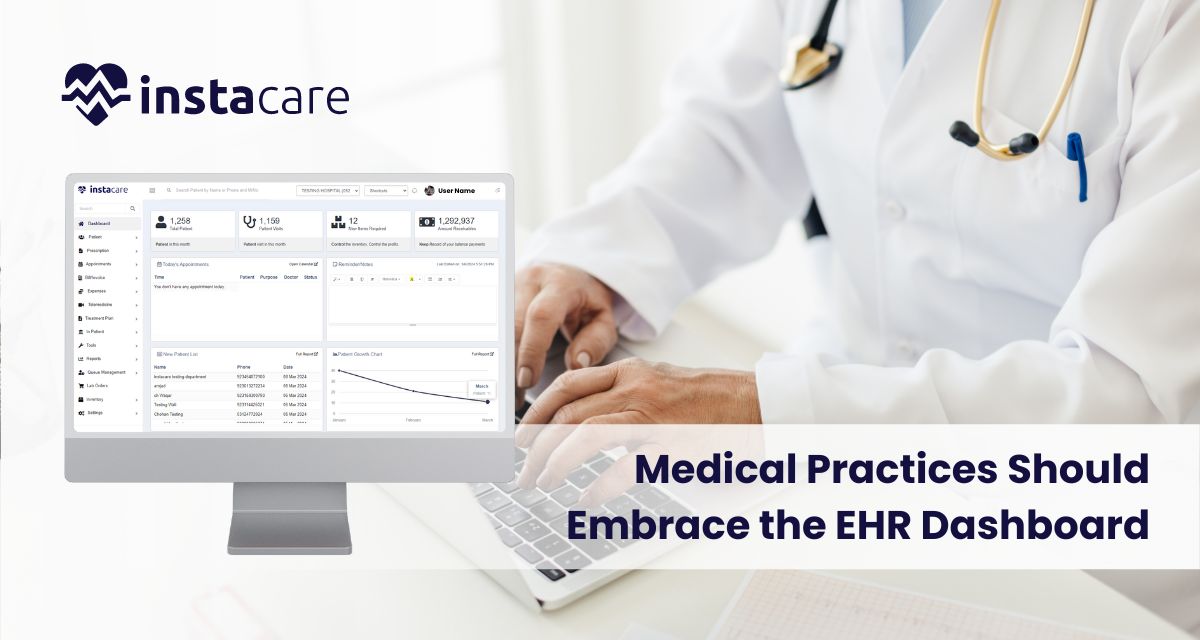
Last Updated on 2 years ago by Ahmed Usman Why Medical Practices Should Embrace the EHR Dashboard? Efficiency and care for the patients are paramount in today’s time and hectic schedules in healthcare. EHR made a big difference in how medical practices manage patient information; however, there is much more to achieve with EHR through its dashboard. The EHR dashboard makes practices more efficient and helps to improve patient outcomes by streamlining workflows and enhancing communication. Here is why your practice should adopt the EHR dashboard. Understanding the EHR Dashboard The EHR dashboard is a visual interface through which critical patient information and practice metrics are presented to the healthcare professional for quick access. It puts together information from a host of sources onto one easy-to-operate platform. The dashboard would include, but was not limited to, patient records, appointment schedules, clinical alerts, billing information, and analytics on practice performance. Real-time Access to Information A few of the major advantages of the EHR dashboard for the clinical users include; The EHR dashboard enables real time patient information. Doctors will be able to monitor in real time their patients’ past history, diagnosis and treatment, medications, allergies, and lab results. In this regard, through immediate access, informed decision-making during consultations will lead to improved patient care. Improved Care Coordination The EHR dashboard allows communication between healthcare providers. When a variety of specialists and primary care providers can view the same information about the patient, then care starts to become coordinated. For instance, if a patient is seeing a variety of specialists, having a shared dashboard ensures that all providers are on the same page about treatment plans and reduces conflicting medicines and procedures. Personalized Patient Interactions The EHR dashboard gives the health care provider a reason and way to personalize interactions with the patients. By knowing the patient’s history and preferences, one is able to give recommendations and advice relevant to that particular patient; hence, this fosters a good relationship between the patient and the health provider. This may improve patient compliance and patient satisfaction. Increased Efficiency The EHR dashboard simplifies workflow by putting all the data needed in one convenient location. Professionals are able to quickly navigate from patient records to scheduling and onto billing in much less time than it would take them to search for information. This, in turn, will allow providers to see more patients and thus enhance profitability of the practice. Automation of Routine Tasks Many of these EHR dashboards have automation features that can perform basic tasks, such as appointment reminders and follow-up notifications. Automating these processes frees up the workload of staff to work more on critical areas, such as patient care and administrative support. Book Free Demo Effective Resource Management Such a dashboard is the window to the performance of a practice: one can ascertain from the various types of metrics on patient volume, appointment cancellation rates, and staff productivity. Analysis of these metrics will enable the practices to make informed decisions on resource allocation, staffing needs, and how to improve operatively. This is a proactive approach to ensure practices run smoothly and efficiently. Improved Data Analytics The analytics tools in EHR dashboards will provide comprehensive and effective interpretations of the trends in practices. Practices could track patient outcomes to know about treatments that work best and apply changes through evidence-based practice improvements. Quality Improvement Initiatives Quality improvement is part of any healthcare practice. EHR dashboards will make it possible to track key quality metrics such as patient satisfaction scores, readmission rates, and treatment outcomes. Through the tracking of these metrics on a regular basis, practices will be able to implement changes that improve their quality of care and experience for patients. Compliance and Security Some of these regulations include HIPAA and the requirements for Meaningful Use. An EHR dashboard will go a long way in ensuring that compliance is easy to attain since reports and documentation necessary for audits are easily accessible. Such transparency protects the practice and increases community regard for the practice. Enhanced Data Security In the present age of growing cyber threats, data security remains one of the main concerns for medical practices. Advanced security features, including encryption and access controls, are widely part of most of the EHR dashboards. Such measures ensure sensitive patient information is kept secure and that medical institutions stay in compliance with regulations. User-Friendly Interfaces A common concern in the adoption of any new technology relates to the learning curve. Fortunately, today’s modern EHR dashboard offers an intuitive interface that makes navigation relatively easy. Training programs will help the staff get acquainted with the system sooner and minimize disruption to practice operations. Ongoing Support Also crucial to the utilization of an EHR dashboard is continued support on the part of the software vendor. Regular updates, technical support, and training resources will help practices derive the most value from their EHR system. This support enables a culture of continuous quality improvement in the practice. Overcoming Resistance to Change Change does not always come easily, and health care is a very complex arena. Some staff will have concerns that new technologies will replace jobs or add to their workload. The practice leaders must communicate the benefits of the EHR dashboard and engage the staff in the implementation process. Engaged team members feel ownership of the new process and are more accepting of it. Data Quality An EHR dashboard is only as good as the data it gets, which means that practices have to have appropriate protocols in place for ensuring that the data going in is both accurate and complete. Periodic audits and training also provide ways to ensure data integrity and maximize the effectiveness of the dashboard. Conclusion The EHR dashboard is only one of many ways the landscape of healthcare will continue to evolve, and for medical practices looking to remain strong in their field, embracing this technology is no longer an option but a necessity. It can enhance patient care, streamline workflows, and enhance

Last Updated on 2 years ago by Ahmed Usman How Referral Data Insights Can Improve Patient Engagement? One of the most crucial factors in gaining higher health outcomes and quality care in today’s fast-paced health environment boils down to patient engagement. One of the most potent means to drive patient engagement is leveraging insights from referral data. It is the analysis of data generated from patient referrals to different healthcare services that reveals valuable patterns and trends, allowing significant enhancement in patient care and satisfaction. This paper looks into how the insights from referral data can be used to enhance patient engagement, therefore giving a general background of this very important aspect in today’s healthcare. Understanding Referral Data Insights Referral data insights are interpreted as an analysis in a health system of data concerning patient referrals. Such data may contain many different aspects: for example, kinds of specialists or services to be referred; reasons for referral; and subsequent outcomes. It helps healthcare providers to understand a patient’s needs, preferences, and behaviors better by scrutinizing this information, thereby helping in the tailoring of engagement strategies. The Importance of Personalized Care Quite possibly, one of the most significant advantages of using such referral data insights lies in an opportunity to provide more personalized care. With nuanced referral data in their possession, healthcare providers are in a much better position to comprehend the specific needs and preferences of their patients: many vital benefits ensue from this. Book Free Demo Personalized Communication Strategies The data from referrals can give a clue to health providers in personalizing communication. More insights into the referral data would help to do an analysis of the referral patterns, which can show what kind of information the patients are more responsive to or show the messaging that worked best. For instance, if the data indicates that patients referred with chronic conditions respond more to detailed materials for education, it makes sense for doctors to craft their messages in that way. Personalized Care Plans The accumulated history of referrals helps a healthcare provider to design more personalized care plans. For instance, if a patient continues to see specialists for the cause of related problems, this can be addressed through the creation of a comprehensive care plan including the history of repeated concerns and taking proper measures to help alleviate these concerns. Enhancing Patient Education The information obtained from referral data may also point to inadequate patient education. If the data shows that too many patients need repetitive referrals for conditions that could have been easily prevented, then it suggests that there is a need for targeted educational programs. Armed with this type of information, health providers can develop and provide educational programs regarding general health matters and preventive measures, hence avoiding referrals and enhancing the outcomes of patients. Streamlining of Referral Process To this end, high levels of patient engagement must be accompanied by an effective referral process. To this respect, the insights from referral data have a key role to play in improving the efficiency of this process and leading to a much more seamless healthcare experience for patients. Optimize Referral Pathways This way, analyzing referral data can show a healthcare provider where the most effective referral pathways lie. It enables a view of which specialists or services exactly give the best outcomes so that providers can guide their patients through the convoluted healthcare maze more effectively. This process reduces the timeline, at the end of which the patient gets the right care at the right time, which is a major contributor to positive patient experiences. Reduced Referral Bottlenecks Such data may pinpoint bottlenecks or inefficiencies in the referral process. For example, if it is discovered through data analysis that the referral process to one type of specialist takes a very long time, then it would become easy to implement changes that rectify this anomaly. This might involve improving communication with the specialist’s office, smoothing out the referral procedure, or increasing the availability of the specialist. Tracking Referral Outcomes Tracking outcomes related to referrals sheds very important insights pertaining to referral effectiveness. Through the use of data about the outcome, a provider can get a picture of which referral strategy would work best for the best outcomes. Data-driven decisions on referral practices will, therefore, improve the quality of care and satisfaction of patients. Improved Follow-up and Patient Support Follow-up and support are two key aspects of engaging patients. In that case, with insights on referral data, these very aspects will be enhanced: timely follow-up health care and necessary support will be brought to every patient along the continuum of health care. Bringing Timeliness into Follow-up Referral data help healthcare providers to schedule timely follow-up appointments and interventions. For example, one can determine a patient’s next batch of follow-up care that is due through referral patterns and make respective timely appointments. This proactive approach prevents any gap in caring for the patient and thereby assures that the support necessary for the patient to properly manage their health is in place. Providing Patient Support and Navigation Understanding the referral patterns can help the provider to recognize which patient may need extra support or navigation services. For instance, patients referred to multiple specialists may need some help in coordinating their appointments and care. By providing support services, such as care coordinators or patient navigators, providers assist patients in efficiently maneuvering through health systems by ensuring that the necessary care and support of each patient is taken care of. Leveraging Technology to Enhance Engagement This health facility also uses some important technologies to ensure patient engagements are very responsive and based on correct referral data. It applies different technological tools or systems to advance the efficiency of referral data in support of engaging patients. Data Analytics Tools Advanced data analytics tools can sift through huge amounts of referral data to reveal trends and patterns. Such advanced tools provide healthcare providers with actionable insight, particularly helpful in decision-making, towards strategies for better patient engagement.
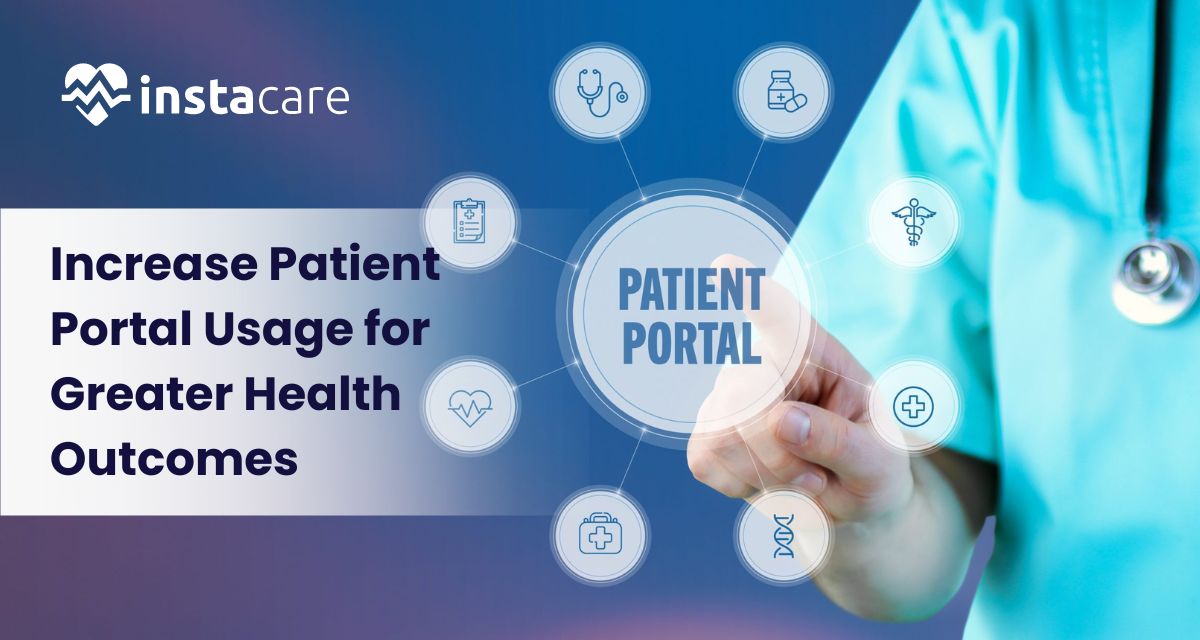
Last Updated on 2 years ago by Ahmed Usman Increase Patient Portal Usage for Greater Health Outcomes Patient engagement through participation in their own care is essential for healthcare providers, who are particularly vital in the digital world today, since patient portals link them back and empower them to a greater degree. Secure web platforms afford them access to personal medical information, communication with their care team, appointment scheduling, and prescription refill requests from the convenience of their homes. However, the real value in a patient portal is driven by meaningful engagement and enhancing health outcomes. The sad thing is that too many healthcare organizations really struggle to get their patients to use and regularly engage with these portals. Rest assured that if your practice is struggling with the patient portal, there are some simple things that can be done in order to generate higher patient engagement and thus reap the full potential of this feature. In this blog post, we will discuss why increasing patient portal usage is critical and will explore 5 tips that could get your patients interested in logging into their accounts and taking a proactive approach towards patient self-management. The Benefits of Robust Patient Portal Engagement Among a host of other benefits, active patient use and engagement of their healthcare provider’s patient portal can have some positive results, including: Enhanced Communication and Coordination With features for secure messaging, it becomes quite easy for patients to get in touch with their care team in case they have any questions or would just like to share an update regarding their condition. Such transparency and openness of communication build better relationships between the patient and the health provider so that all parties are on the same page with what needs to be done next or what the plan is. Many of these patient portals include the ability to request refills of a prescription, view a medication history, and independently set reminders. Medication adherence can be vital towards controlling chronic disease and limiting chronic illness complications. Improved Patient Satisfaction Empowered and engaged patients might thus feel more satisfied with the overall quality of care. This will actually satisfy the patient, hence likely to stick around in your practice and refer others, which again is good for business. Driving Patient Portal Adoption and Engagement Now that we’ve taken a closer look at the key benefits, let’s discuss in greater detail five proved strategies to improve the bar regarding the adoption of the patient portal for your healthcare organization. These are as follows: Ease Registration and Onboarding First and foremost, the process of registration for a patient portal should be made easy and user-friendly for any user. Provide clear instructions online and face-to-face that guide the patients through the steps required for registration. Perhaps even offer in-person assistance or online tutorials to get people who aren’t as technology-savvy set up. Also, ensure that new patient onboarding emails mention the portal and its features and benefits. Encourage your staff to demonstrate to patients the capabilities and benefits of the portal. It will ensure, in turn, that the portal is set up as part and parcel of the patient’s experience from the very outset. Book Free Demo Promote the Portal at Multiple Touch points The notice about the new patient portal should not only be limited to a pincer approach from one to two communication channels. A multi-pronged approach should promote the portal, and in addition to the above, you should help to spread the news about it with all kinds of touch points: In-office signage and brochures Your practice website and its social media channels Email newsletters/ campaigns and text messages Oral reminders from the doctors/nurses or the front desk staff each time the patient comes in Repetition is key, so keep reminding patients about the benefits of the portal and urge them to log in and explore its features. That will bring the portal to mind and make it feel as if it is part of the very texture of their health journey. Call Out Specific Features of the Portal and Use Cases Some patients are the type to jump right into a new portal and fumble their way through, while others maybe not so much. Point out the portal features that will be particularly important to your patients and make those features known. For instance, if you have many patients with chronic illnesses, explain how this is going to help them better manage their symptoms and test results, staying in touch with the team managing the patient’s care. Alternatively, if appointment scheduling is the sore spot, show how easy and quickly one can request or reschedule an appointment right from or through the portal. It would be easier for your patients to relate and get a better grip on the value of the portal with all these real-life examples and use cases provided. Incentivize Portal Engagement Use incentive programs to drive more patients to use the portal on a regular basis. This may be in the form of some kind of reward or small gift, such as a gift card, merchandise, or charity donation, for the completion of certain portal tasks, including: A patient’s online profile Appointment reminders Accessing test results Engaging in secure message exchanges with their provider You can also gamify the experience by allowing patients to earn “points” for various portal actions, which they can then redeem for prizes. Creating a sense of friendly competition and recognition can go a long way in boosting portal usage. Monitor Usage and Continuously Improve Ultimately, it is very key to monitor and analyze the performance of the patient portal on a timely basis. The KPIs need to be tracked and monitored to ensure registration rates, frequency of logins, use of features, and patient satisfaction. Use these insights to identify areas for improvement and make iterative changes to the portal’s design, content, and functionality. Meanwhile, gather direct feedback from your patients. This may be through a portal, but also by
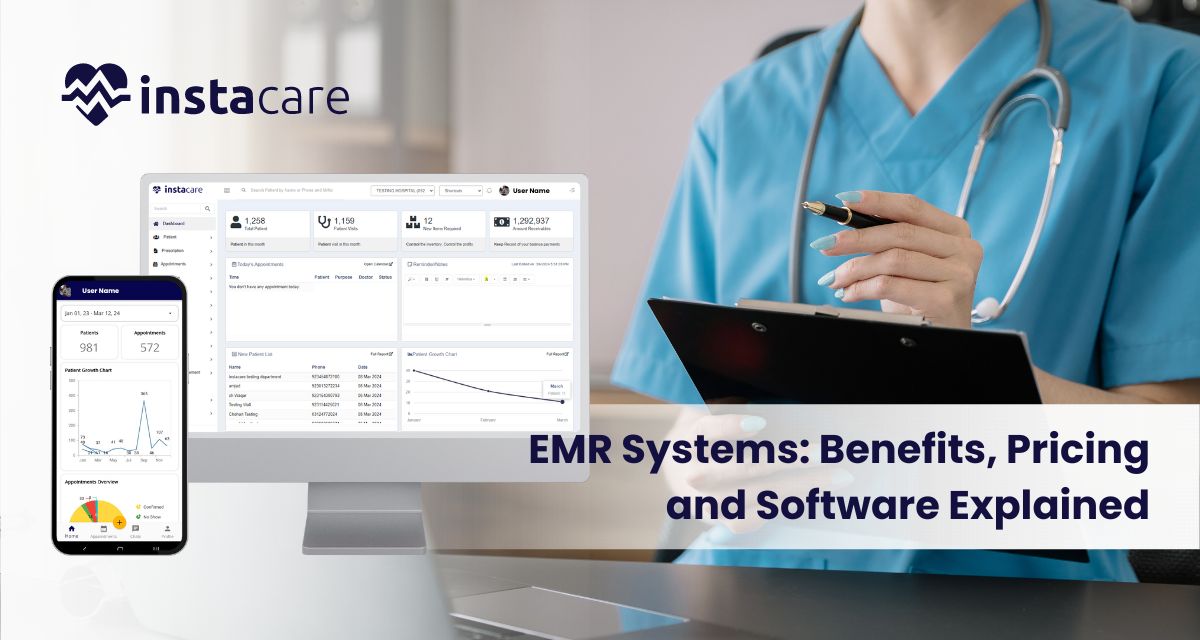
Last Updated on 2 years ago by Ahmed Usman EMR Systems: Benefits, Pricing, and Software Explained The digitization of patient records, workflow streamlining, and enhancing quality in patient care have been some of the leading transformations that EMR systems have brought into the healthcare industry. The systems provide a platform where healthcare providers will easily store, retrieve, and manage patient information. More formally, the adoption of EMR systems continues to mushroom with an increase in demand for more effective and efficient health services. The article highlights the benefits, pricing models, and key software options available for EMR systems, hence providing a comprehensive guide to healthcare professionals who are contemplating availing themselves of these solutions. Some of the Benefits of EMR Systems Better Care of Patients One of the key benefits identified with the aid of EMR systems is an improved level of patient care. Integrated solutions that provide patients’ complete, clear, and updated data reduce the likelihood of medical error. This makes it possible for the clinician to see an overview of the patient’s history, possible allergies, medication history, and laboratory results with a view of making informed decisions. Enhanced Coordination and Communication EMR systems ensure higher levels of coordination and integration among the various professionals involved in health care. Sharing of information on a patient across departments or health institutions, especially under the traditional paper-based record systems, was cumbersome and error prone. Improved efficiency and productivity EMR systems make much administrative work automatic, thereby enabling health carers and professionals to avail more time for patients. Scheduling, billing, and documentation feature automation reduces the time and effort demanded for these components. For instance, electronic prescribing is an element of an EMR, to which it is incorporated and on its own, this element is automated and enables the providers to send prescriptions directly to the pharmacy and avoid writing on papers. Improved Compliance and Security With strict regulations like HIPAA, healthcare organizations have to protect the patient data. EMR systems have been designed with features to help in protecting the data up to required security levels. Access controls, encryption, and audit trails are some system features required to safeguard the sensitive information of a patient. Book Free Demo Cost Savings While the initial investment in an EMR system may be large, the cost savings eventually are also great. This is in monetary terms: reduction in operational costs from decreasing paper records, storage space for these records, and the accompanying administrative labor. Cost savings also come from efficiency gains and error reduction because of medical errors, less malpractice claims, and from better revenue cycle management. Pricing Models for EMR Systems Prices for implementing an EMR system vary depending on the size of a healthcare organization, needed features, and deployment model used. The common pricing models for EMR are: Subscription-Based Pricing One of the most well-known methods of pricing the cloud-based options is known as the subscription model, which is also applicable to the EMR system. In this pricing model, the healthcare organizations will be charged a constant amount as per month or per year and they would get full access to the software. Perpetual License Pricing Whenever a healthcare organization has the need for an EMR, the perpetual license model implies that it pays a one-time fee to purchase software with a lifetime license. Such licenses may set one back for spend ensured through regular updates to software that is supported and maintained, primarily provided as optional service offerings. Pay-Per-User Pricing Some EMRs have a price per user intended to access their system. This means that a healthcare provider is charged for an EMR per user employed to use the service, whether monthly or yearly. This pricing model is advantageous to smaller practices because it enables them to scale up in terms of the system. However, with an increase in users, this model type becomes dearer. Tiered Pricing With tiered pricing models, different price points are attached to different services. A healthcare organization is, therefore, able to choose a better pricing tier out of those that are available. Features in this kind of model usually range from the basic tier that includes features such as patient record management and e-prescription to advanced features in higher tiers like analytics, telemedicine, and even patient portals. Custom Pricing Custom pricing is one that will be best for big health care organizations or those that come with unique requirements. In this model, the EMR vendor structures a deal with the organization to come up with a solution that befits the organization’s specific needs. Usually, a full assessment of the organizational needs is taken, followed up by a proposal which has the cost of developing software, implementation, and support moving forward. Key EMR Software Solutions There are many EMR systems available in the market. Each one has its benefits, features, and target users. Below are some of the most popular EMR software solutions: Epic Systems One of the most widely occurring EMR systems is Epic. It is mainly deployed within larger healthcare organizations and academic medical centers. Being a fully functional system, Epic contains modules for a comprehensive list of specialties, patient engagement tools, and robust reporting capabilities. Cerner Cerner is also among the best-rated EMR providers for solutions for every size practice and setting in a healthcare organization. Similarly, Cerner EMR enjoys an intuitive interface and custom workflows. The system also easily integrates with various third-party applications, further boosting its functionalities. Allscripts Allscripts, on its part, offers its EMR solutions to small and larger healthcare providers. It has a highly flexible EMR solution that is ridiculously configurable so practices can do modifications within the system to their own workflows. Among the features available in Allscripts are e-prescribing, a patient portal, and telehealth integration. NextGen Healthcare The NextGen Healthcare provides an EMR system that is cloud-based and, therefore, befitting to perform well with small to mid-sized practices. The system is appreciated for ease of use and the intuitive interface it comes with. Other features of NextGen’s
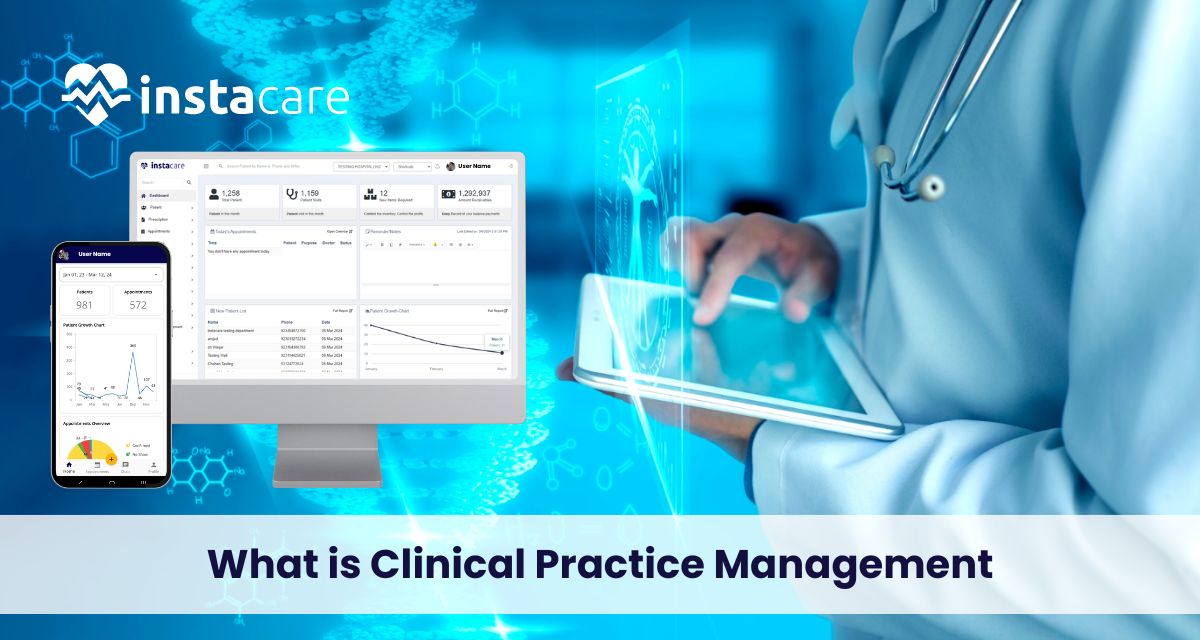
Last Updated on 2 years ago by Ahmed Usman What is Clinical Practice Management? Clinical practice management can be defined as structured coordination of multiple features in a healthcare practice for efficient service delivery. It deals with the integration of all administrative, financial, and operational procedures up to optimum standards in healthcare, improvement of workflow, and better performance of health facilities. This concept is of great importance both to small clinics and large institutions in health since it affects the quality of care delivered and the financial survival of a practice. Elements of Clinical Practice Management Clinical practice management has various elements that work together in perfect unison to help a clinical site. These include scheduling appointments, patient management, billing and coding, regulatory compliance, and management of the staff. The level of excellence in managing these five items ensures success for any clinical practice. Scheduling Appointments and Patient Flow The management of patient appointments is an important role in clinical practice management. Effective scheduling of time helps the facility to avoid delays experienced by patients, promotes effective deployment of clinical resources within the facility, and assures good utilization of health providers’ time. Effective patient flow management involves planning appointments, cancellations, and providing timely attention to patients. Patient Management and Communication Patient management can be defined as the clinical practice management concerned with the maintenance of accurate and up-to-date patient records, the assurance of continuity of care, and promotion of communication between all providers and patients. This includes being sure that information concerning a patient, treatment plans, and adequate information regarding a patient’s treatment and follow-up care are appropriately handled. Effective patient communication is essential in improving patient satisfaction and outcomes. Billing and Coding in Clinical Practice Management It is in any clinical practice management that billing and coding go directly to the financial health of the healthcare practice. Good coding ensures a provider’s services are well compensated, while good billing practices reduce the number of denied claims and potential lost revenue. Clinical practice management takes care of the whole cycle: from coding services provided like submission of claims to management of payment. Compliance and Regulatory Requirements One of the major parts of clinical practices management deals with the compliance of healthcare rules and standards. This means that a wide array of legislations, like the Health Insurance Portability and Accountability Act, needs to be met by properly maintaining the privacy and information security of patients. Clinical practice management has facilitated adherence to all legislations by avoiding lawsuit cases or fines against the practice. Staff Management and Training Effective management of staff in a clinical practice instills much-needed impetus to its operations. It includes organizing, training, and supervising clinical and administrative workers for their effective performance of duties. Training and development are very vital and must be constantly done to maintain high-quality patient care and to keep the employees informed and updated regarding new healthcare practices and technologies. Financial Management of a Clinical Practice Some of the essential parts include the clinical practice management of financial management, which includes budgeting, financial planning, and management of revenues. Proper financial management would ensure that high-quality care be delivered to patients with a profit-making aspect of the practice. This manages expenses, monitors cash flow, and makes well-informed decisions, hence ensuring optimum financial health for the practice. Technology and Clinical Practice Management Technology has played an important role in clinical practice management over the years. These tools are used to help keep the operations running efficiently, improve patient care, and create effective communication within the healthcare practice. This would include selecting the right technology for implementation, dependent upon the needs of the practice. Book Free Demo Quality Improvement and Patient Outcomes QI is the continuous process of managing clinical practices for improved quality and health outcomes. It encompasses periodic evaluation of the quality of services extended, identification of opportunities for improvement in services offered, and the introduction of those changes that would bring about improved health outcomes for patients. Clinical practice management must be managed effectively with a focus on patient care, ensuring that every practice is aimed at achieving better health outcomes for patients. Risk Management in Clinical Practice Risk management in this aspect of clinical practice management incorporates the identification, assessment, and mitigation of possible risks that may have an impact on the practice. This includes risks towards patient safety, legal issues, financial stability, and staff performance. Effective risk management strategies protect the practice and the safety and wellbeing of both patients and staff. Role of Leadership in Clinical Practice Management Success in clinical practice management is dependent on the leadership. It is because good leadership supports the running of the practice, smooth, well-motivated, highly trained staff, and guarantees high-quality care for their patients. The leaders outline goals, strategies, and decisions enabling clinical practice management to execute successful execution. The effective leader encourages a good working atmosphere and continuous improvement culture. Patient Satisfaction and Clinical Practice Management Successful management of clinical practice is characterized by patient satisfaction. Satisfied patients are likely to return for future care and recommend the practice to others. Dimensions place in the model states that clinical practice management seeks to improve patient satisfaction through efficient operations, effective communications, and quality care. There is a need to maintain high levels of patient satisfaction through monitoring of patients’ feedback upon which changes are implemented. Challenges to Clinical Practice Management This is characterized by a good number of challenges that health care providers have to sail through. The challenges are complexities in billing and coding, compliance with regulatory requirements, and needs catering of a diversified patient base. On the other hand, it is tough to manage staff, maintain financial stability, and integrate new technologies. In essence, clinical practice management is successful if one is able to adapt, learn continuously, and solve problems proactively. Future of Clinical Practice Management Growth in technology, change in healthcare regulations, and shifting in patient expectation will most likely all play a big part in setting out the
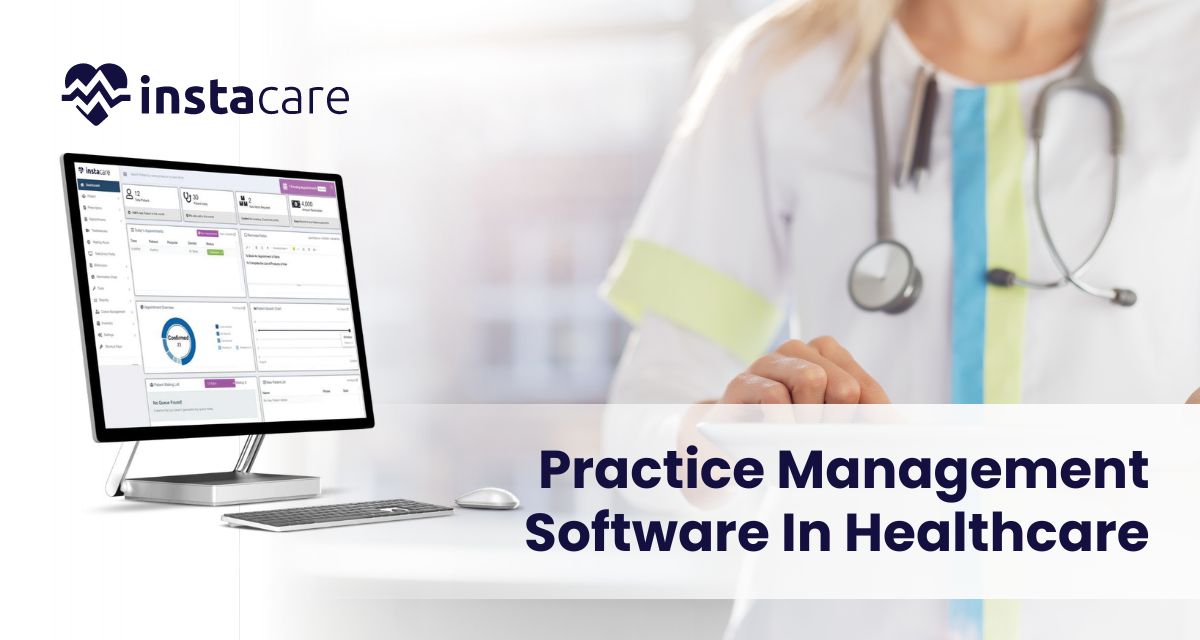
Last Updated on 2 years ago by Ahmed Usman What Is Practice Management Software In Healthcare? Practice management software, often known as PMS, is an important tool in modern healthcare as it helps medical practices organize day-to-day activities. It ranges from schedule making of appointments to charges that are to be levied and from keeping records of all the patients in hospitals to any other Administrative duties that may be asked of it. In this article we shall discuss on a topic, what is practice management software; fundamentally reviewing features and benefits of practice management software showing how it makes difference in the success of healthcare practices. Introduction to Practice Management Software Practice management software on the other hand is an electronic system that is used for organizing the running of a medical practice. It eliminates the time otherwise spent on activities such as appointment making, patient registration, billing, and production of reports in that it frees up a lot of time for healthcare practitioners to attend to patients. Normally, practice management software is implemented in medical offices, clinics, and hospitals to help in organizing the practice in that the flow of operations and management of administrative procedures is enhanced. The software can be hosted on the web, meaning that the users can access from any place, or local, depending on the need of the practice. List of Characteristics of Practice Management Software Appointment Scheduling Another key practice of use of practice management software is in managing appointments. It can be used to book, modify, and generally control patients’ appointments by the staff. Other features could be in the nature of alerts in form of short messages or electronic mails to remind a patient not to miss an appointment or to adhere to the appointed date. Patient Registration And Record Management Patient registration is a standard module that is integrated in the practice management software that is used for storing of patient data including their demographic details and insurance details and medical history. This database makes the information to be easily retrievable and can be changed anytime; this makes the continuity of care to be achievable. Billing And Claims Processing Billing is an important activity in any healthcare practice, and the practice management helps in the simplification of billing activities. The possibilities of the software are the ability to create invoices, payments, and insurance claims. It can also encompass coding support to guarantee the appropriateness of the billing codes thus minimizing rejection of the claims. Reporting And Analytics Most of the practice management software has reporting features that enable the identification of different performance aspects of the practice. Such reports may include information concerning the organization’s financial performance, information on the patients, and the appointment schedule among others. This way of decision making enables the healthcare providers to make good decisions on the development and the improvement of the practice. Book Free Demo The Use Of Integration With Electronic Health Records: Some of the features of practice management systems are that many of them can be easily interfaced with the EHR systems. This integration means that both the clinical and the administrative data collected will be combined hence avoiding the duplication of data entry. Advantages of Practice Management Software Increased Efficiency When it comes to the functions like appointment scheduling, billing and patient record management, practice management software cuts down the overall time greatly. This automation means that much of the work that administration used to do will be done by the system hence freeing time for staff to perform other activities that cannot be automated. Improved Patient Experience It also improves health care by reducing time taken to secure an appointment with the doctor, reducing time spent waiting for a doctor and having comprehensive and updated records of the patient. This is also useful when it comes to patient satisfaction as they do not have to be often reminded regarding the bill that they have to pay. Enhanced Financial Management The practice management software also enables the healthcare providers to enhance the management of their financial needs. The software allows for revenue tracking, for expense control and financial reporting. Efficient and proper billing and claims processing also avoids revenue leakages from wrong or denied claims. Data Security And Compliance Many Non-small organizations are needed to practice many regulations such as HIPAA in the United States that specify the protection of patient information. Security measures are incorporated in practice management software in the form of data encryption and user authentication, with audit trails to check on the compliance of the practice with the legal requirements regarding protection of patient data. Scalability In this case, the target healthcare practice increases its operation overall requirement as it expands. An example of elemental software is the practice management software and this is a product because it is scalable where it can accommodate the needs of a growing practice. Incorporation of new providers, extension of services, and establishment of more offices, among others can be made easily because the software can be configured to meet the change without causing disintegration of the practice. Selection of Right Practice Management Software Choosing the right practice management software for your healthcare practice is very important if the advantages are to be realized. Here are some factors to consider: User-Friendliness Essentially the software should be friendly to everybody in staff irrespective of the level of their computer literacy. A good user interface minimizes the training aspect so that everyone within the team embraces the software. Customization Options Customization is a feature that may be equally valuable for every healthcare practice because practices have different needs. This could be in the form of field templates for bills, reports or to and from patients that should be integrated but can be modified or added to depending on practice needs. Integration Capabilities If your practice is already utilizing an EHR system or other technologies, there must be an opportunity to choose practice management software with a clear compatibility with all
Last Updated on 2 years ago by Ahmed Usman Healthcare Purchasing: Key Opinion Leaders vs. Decision-Makers In the often-changing and competitive sphere of healthcare purchasing, it is essential to comprehend the functions of KOL and DM. Both of these groups have vital tasks in influencing purchasing decisions, but they do this in different ways and from different perspectives. This article discusses KOLs and decision-makers in the context of purchasing in the healthcare industry, the bios of these two entities, and the nature and degree of influence they share, as well as the conflicts that exist when their conclusions align in an effort to purchase appropriately for treatment. What are Key Opinion Leaders (KOLs)? Definition and Role KOLs are authorities of their fields, who can be awarded for their scientific achievements, experience, and discoveries in the sphere of medicine. They are usually physicians, researchers or professors of university with good track records whose work are disseminated in research journals, clinical trials, and invited lectures. They enjoy respect from their peers, healthcare providers and even patients hence the making of opinion leaders in the healthcare sector. Influence on Healthcare Purchasing KOLs play a likely critical role in HC purchasing decisions, especially with regard to the adoption of new technologies, drugs, or medical devices. This is a big boost for matters regarding their endorsements that can shift the stance of other health care practitioners and institutions. For example, when a KOL gives a good word about the new medical device, doctors or other medical practitioners in the hospitals or clinics will embrace it. However, KOLs are more inclined mainly to the clinical utility and evidence-based adage of products. It is not the cost, or whether the device is easy to transport or how it fits in the healthcare system that concern them but rather how the new product will enhance the quality of patients’ care or the general practice of medicine in any way. This makes their input highly useful especially in cases where the main criteria for assessment are uniqueness or application in the clinical field. Challenges Faced by KOLs But then again, KOLs can endorse products and recommend solutions which may not be in harmony with the reality of the budget or procurement procedures now in place. Also, the second and third objectives major on innovation, meaning they might miss the whole picture of adopting a product, like extra training that will be needed, or compatibility with other systems. An Analysis of Healthcare Purchasing Decision Makers Definition and Responsibilities HC Purchasing Decision-Makers are the formal buyers learning decision-making power over HC purchasing either as individuals or in the committees. Such could be the hospital officials, procurement agents, the financial directors, or perhaps a purchasing committee. Their purpose is to compare different options by a set of factors, which comprises the price per item, the quality, compatibility with the rest of the equipment, and the ability to sustain the acquisition. Influence on Healthcare Purchasing Deciders are the ultimate authorities in the decision making of a purchase. They do account for the clinical relevance of products, or rather their clinical utility, yet they are far more concerned with costs, standards, and implement ability. As stewards of organizational funds, they must confirm that any purchase is within the organization’s better interest either financially or in the strategies on the ground making KOLs less risky. Often, Decision-Makers make their decisions based on the information they are given by KOLs. However, others also consider facets like credibility of a supplier, cost attached to the product throughout its usage, and the profit that may well be earned out of the deal. This broader point of view makes certain that the last decision made is the right one clinically and fiscally. Book Free Demo Challenges Faced by Decision-Makers Managers and/or leaders have the dilemma of interfacing between KOL prescriptions and the business facts concerning the company. It has to strike the balance between innovation and cost control, making decisions that can at times be politically sensitive. Also, they bear responsibility for the outcomes of their decisions; it places pressure on the choice made not just in terms of efficiency, but also in terms of where blame resides. Superimposing the Concepts of KOLs and Decision-Makers Collaboration and Communication It can be said that KOLs and Decision-Makers need to work hand in hand most of the time when it comes to successful purchase of healthcare. KOLs present the medical perspective that enables them to evaluate the prospects of new products, while Decision-Makers show the financial and practical approaches to effective purchases. When both these groups of people come together, it is possible to make informed decisions that would be creative, yet would be feasible. As in most such relationships, communication is the most important thing in this partnership. When communicating with Decision-Makers, KOLs must adapt and present their arguments according to the opinions of such individuals: for instance, persisting on the clinical efficiency of a new technology, although DMs might be more fascinated by the long-term advantages. Balancing Innovation and Cost If one is looking at factors influencing healthcare purchasing, then one of the most critical aspects that have to be managed is the tension between innovation and rationalization. Being concerned with clinical results, KOLs can promote the implementation of state-of-the-art solutions that could bring large values to patients. But these are useful and effective often enough because they require more money to be spent at the initial stage and are a concern for Decision-Makers who are to oversee the expenditures of their organizations. To this end, it is important for KOLs and Decision-Makers to engage in a conversation and consult one another on possible proximate and distant effects of a purchase. For instance, a new technology may be costly in the first instance, but over the course, it may offset the costs through, for example, through patients’ better health, few readmissions or technologies that are easier to maintain. Issues Present When Attempting to Coordinate KOL and Decisions Maker

Last Updated on 2 years ago by Ahmed Usman How Patient’s Journey Influence Medical Device Strategy? Patient journeys are influential during the development and implementation of medical devices. A patient journey is described as the entire journey a patient undergoes from the first manifestations of a condition, diagnosis, treatment, and follow-up care. It is important to understand this journey so that a medical device that will not only answer the clinical needs but also improve patient’s outcomes and satisfaction is come up with. Understanding the The patient journey can be understood as the chronological documentation of all stages a patient passes through in the process of dealing with an illness, from recognizing symptoms and seeking medical help to diagnosis, treatment, and further management or follow-up. It is not linear and can substantially vary depending on the condition, health system, and individual circumstances of a patient. Stages of a Patient Journey This can be broken down into the period from the first onset of symptoms, which leads the patient to seek medical care. This initial stage summarizes the experiences shared by the patient with regard to the doctor and other medical personnel, the diagnosis itself, and the emotional and physical cost of the condition. Upon diagnosis, the patient moves to the treatment stage, which involves medical devices, medication, and other forms of therapeutic interventions. This journey continues with ongoing management, whereby the patient copes with long-term aspects of his or her condition and recovery. Impact of Patient Journey on Medical Device Strategy Both medical device manufacturers and healthcare providers must take into account a number of factors in the patient journey as a means to come up with devices that answer real needs and challenges. The influence crops up in a number of ways: Spotting Unmet Needs Perhaps the most important way in which the patient journey impacts strategy is that it exposes unmet needs within the healthcare system. It is through observing how patients experience their conditions and the real challenges they face at each stage of the journey that manufacturers are able to recognize gaps that exist and which, in many cases, current devices do not serve effectively. For example, in the case of a diabetic, the patient would whine about the hassle of monitoring blood glucose every so often or in the need of more user-friendly, less invasive ways of monitoring blood glucose. Improved Usability of Devices Patient journeys reveal not only how patients use a device but also how the use is easy, comfortable, or accessible. Therefore, a device that will be used at home must be simple and user-friendly so that the patients can operate it with ease. The detailed knowledge on how the patient has previously interacted with similar devices helps the improvement of designs with more intuitive interfaces, ergonomics, and streamlined operation. Greater Patient Engagement And, embedding patient journey insights within medical device strategy also empowers patient engagement: e.g., enabling devices to engage a patient in the care delivery process, if designed appropriately, it would beget better outcomes and increased satisfaction. For instance, devices with integrated educational features or feedback mechanisms help patients understand their condition better and adhere to their treatment plans more effectively. Patient involvement through the entire journey can also include support and resources designed for the needs of patients at different stages. For instance, a medical device providing continuous education and support will assist patients in better self-care and feeling empowered with their medical decisions. Dealing with the Emotional and Psychological Part Patients do not only go through physical hardships, for many patients it becomes a purely emotional or psychological journey. A medical device designed considering these factors can do so much in making a difference in their experience and outcomes. For example, all the ways in which devices reassure, de-escalate anxiety, or provide comfort will improve the experience for patients undergoing treatment. This could drive the design and production of devices through the recognition of the emotional and psychological struggles of these patients. For example, wearable technologies to monitor health indicators, unobtrusively report health outcomes, and reassure the patient would eliminate patient anxiety and raise adherence rates to treatment plans. Book Free Demo Alignment with Health Ecosystem Medical device strategy should also be in relation to the broader healthcare ecosystem within which the patient journey happens. This means interfacing between healthcare providers, electronic health record integrations, and care coordination among various stakeholders. Devices that easily fit into the existing systems and workflows of health care will have more adoption and proper usage. By aligning device design with the use and workflow of providers, manufacturers can assure that their products fit seamlessly within the patient’s larger care experience. More alignment can help to communicate better, share data, and coordinate care for improved patient outcomes and satisfaction. The Role of Data in Forming Device Strategy Data is key to understanding patient’s journeys and to inform the strategy of medical devices. Generally, experiences of patients through the collected and analyzed data on the patient experience, usage of the device, and the results of the treatment offer a wider understanding of the successes and shortcomings of a medical device. Patient Feedback Patient input is an important source of information in contributing to shaping medical device strategy. Direct feedback from patients based on what they experience with devices points out an outline of the strengths and weaknesses that are to be worked on in future technologies and innovations. Surveys, focus groups, and interviews can provide information on how patients actually interact with devices and what would be helpful for any changes that were made moving forward to enhance an experience. Clinical Outcomes Clinical outcomes data are captured to establish whether the medical devices truly function in a real-world setting. By describing how the device affects the health of patients and the successes of their treatment, it becomes possible to ascertain whether the manufactured devices actually serve the intended purposes or are in dire need of optimization. This data-driven approach assures that the devices
Last Updated on 2 years ago by Ahmed Usman The Reshaping of Medical Affairs with Better Data Leaders in medical affairs are exposed to many of the latest advancements in the life sciences sector. However, they are also at the forefront of overcoming scientific communication barriers to provide the newest medications or technology to the market. Medical affairs professionals must look for new technology, skills, and data sources to successfully improve scientific communications’ transparency and teamwork. The Field Of Medicine Is Changing Due To Precision Medicine The expanding emphasis on precision medicine has contributed to a steady increase in the life sciences industry’s investment in medical and scientific affairs. The healthcare sector is changing as a result of precision medicine’s contribution to patient-centric treatment. Nonetheless, scientific communication between medical affairs and healthcare practitioners becomes even more crucial in precision medicine because of its frequently intricate and customized treatment alternatives. To fulfill the promise of precision medicine, top life sciences organizations are reimagining their execution skills. Medical affairs must be built on data and analytics. Teams in charge of medical affairs are now expected to take on a more strategic and cross-functional role within their companies. It is anticipated that they will: Boost Medical Engagement Medical Affairs personnel now need to comprehend the changing demands and difficulties that healthcare practitioners encounter on a deeper level. Through the use of information-driven bits of knowledge, they might upgrade their capacity to associate with doctors, medical caretakers, and other significant partners by offering personalized showing materials and help. Enhance Patient Outcomes Medical Affairs teams are investing increasingly more energy into finding out about the real understanding experience and utilizing information to track down ways of further developing results and patient consideration. This could be looking at outcomes as reported by patients, figuring out what needs aren’t being met, or working with medical professionals to create patient support initiatives. Inform Decision-Making Medical Affairs teams have access to a multitude of data, including real-world evidence and clinical trial results, which allow them to offer insightful analysis that can guide strategic decision-making throughout the company. This includes market access, product development, and marketing strategy. Foster Cross-Functional Collaboration As the roles of Medical Affairs continue to increase, their integration with functions such as R&D, Regulatory, and Commercial becomes very key. This kind of cross-functional integration can be allowed and alignment of the value proposition made by the organization to the patients and healthcare professionals through insights generated by the data. Medical Affairs teams must understand the true power of data and develop the necessary competencies that will enable appropriate harnessing of it to navigate these changing surfaces. This comprises: 1- Improving Data Literacy A good medical affairs professional needs relevant knowledge and skill sets for the interpretation, analysis, and communication of data-driven insights. For this to happen, there should be constant education and training in the areas of narrative, data analysis, and visualization. 2- Integrating Cross-Functional Data Sources The medical affairs teams are responsible for piecing together data from a plethora of sources, from CRM systems to real-world evidence, through clinical trials, to market research. If data silos are removed, they could develop a granular view of the healthcare environment and would be able to drive better decision-making. 3- Leverage Advanced Analytics That is, sophisticated analytics techniques, such as predictive modeling, machine learning, and natural language processing, may help Medical Affairs teams make more in-depth analyses and detect new patterns for developing a more focused and successful strategy for engaging patients and health providers. 4- Embracing Digital Transformation With increased digitization in the healthcare sector, opportunities are opened up for Medical Affairs to engage with several stakeholders. Digital data-driven efforts can improve reach and effectiveness in many contexts, such as online education platforms and virtual advisory boards, among others. 5- Fostering a Data-Driven Culture In the end, Medical Affairs’ ability to succeed in this new era will rely on its capacity to establish an internal data-driven culture. Strong leadership, skillful change management, and a dedication to ongoing learning and development are necessary for this. Book Free Demo In The Age Of Value-Based Healthcare, Data Is King Medical affairs teams and their commercial counterparts must use better tactics to comprehend and satisfy the evolving expectations of the treating community as patient care grows more complex. Even if it’s impossible to forecast medical affairs trends with 100% precision, data will likely remain the most crucial resource that businesses need to use to guide their medical strategy. Improved and expanded data sets will be required to fulfill the promise of value-based care, a care model that pays physicians for helping patients live better lives and lessen the symptoms and incidence of chronic disease. In the era of value-based care, medical affairs leaders must rethink the definition and generation of strategic insights. Integration of data from several sources can yield insights that represent the experience and behavior of the physician, and enhanced analytics will play a crucial role in creating customized engagement programs. These new insights, which combine clinical trials, real-world facts, expert profiling, and stakeholder involvement, will permanently enhance the collaboration between industry and physicians. The medical community will look to medical affairs as dependable partners as data utilization becomes more sophisticated. The Modern Function Of Medical Affairs The medical affairs sector is actively creating new avenues for success as it looks to the future. Organizations need to know how their peers are handling contemporary issues and how to take the lead in medical affairs. The days of conducting ad hoc, transactional meetings with outside specialists are long gone. Rather, medical affairs must foster knowledgeable expert partnerships enhanced by concrete measurements and KPIs. Furthermore, medical affairs should reconsider the scientific exchange with non-traditional professionals when it comes to new treatments. Care teams, advocates, and leaders in allied health should now be included in the scientific exchange as they can offer invaluable insights and assist in developing the commercialization strategy for a therapy or device. Medical affairs may build meaningful connections
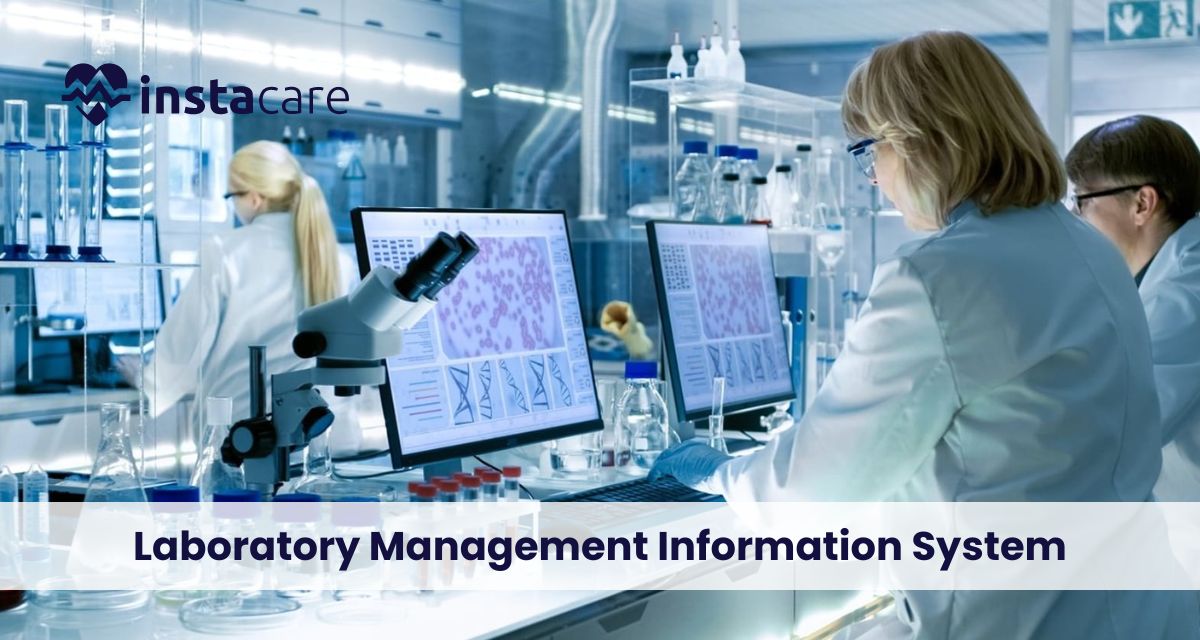
Last Updated on 2 years ago by Ahmed Usman Whys and How’s of Laboratory Management Information System? Changes in technology are now necessary rather than appealing. Development in technology has revolutionized many of our sectors. The intervention of technology in healthcare is not only changing the way the general public is being treated but is also changing the attitude of the customers towards healthcare. Healthcare is more accessible and effective than it has ever been. This change is partially due to the use of different healthcare software. Software is taking over the healthcare industry, from medical diagnosis to hospital management information systems. Management software, like LIMS, is acknowledged to play a part in improving healthcare. Let’s examine the healthcare sector from a software perspective, with a particular emphasis on LIMS! The name identifies a Laboratory Information Management System (LIMS) as a software application primarily used in efficiently managing a laboratory facility. Put the software aside and consider the significance of laboratories. Can a diagnosis of an illness be made without using laboratory testing? Could we have developed a vaccine and survived the recent COVID-19 epidemic without laboratory testing? Naturally, no! The importance of laboratory management software is demonstrated by these and many other factors. The Laboratory Information Management Systems (LIMS) Advantages We already know the significance of laboratory management systems in light of the need for quality laboratory facilities. These are some of the main advantages of LIMS that you should be aware of: 1- Sample Registration Sample gathering and appropriate handling constitute the initial phase where LIMS is crucial. Every time a sample is taken at a laboratory, regardless of whether it’s blood or urine, all patient data is documented. We are able to document this comprehensive data and go forward with sample processing thanks to the laboratory management system. 2- Allocation of Samples A laboratory may function independently or in conjunction with a medical facility. There are two categories of laboratory testing: In-house testing, in which test specimens are handled within the same lab building. laboratory testing that is outsourced, in which test samples are often transferred to different testing facilities when a specific test isn’t available. Based on available resources, a test sample may be assigned for additional testing through LIMS. 3- Tracking Samples A test sample is sent for analysis as soon as it gets to a lab rotary facility. A laboratory may receive, handle, and interpret hundreds or thousands of samples every day while keeping patient flow in mind. Managing a large number of samples can be somewhat challenging, but laboratory management solutions help by giving you a thorough understanding of each step of the sample processing process. 4- Management of Laboratory Tests Which tests will be carried out first and which must be completed on a single sample? Thanks to LIMS, test management has become much simpler in this and many other areas. You now have more control over the testing processes that need to be carried out. 5- Creating Reports on Tests As a test report is being created, lab tests that are either internally or externally done are examined. The LIMS is used to make lab test reports. Data is entered into the system by laboratory staff, and automated lab reports are produced. You have the opportunity to customize these lab test results using LIMS, and they can be created in several forms. Before being given to patients, these test reports are not only prepared here but also verified. 6- Monitoring Stocks and Supplies Inventory management in laboratories can be difficult, particularly in establishments with higher customer traffic. Because of this, it’s critical to maintain track of laboratory supplies and inventory, and fortunately, LIMS is available here. You don’t need to worry about repeatedly monitoring inventory supplies because you can access all of this information with a single click. Book Free Demo 7- Laboratory Instrument Monitoring For effective laboratory testing, laboratory devices might cost millions of rupees and need to be properly monitored. With LIMS, you can monitor the instrumentation status and combine all equipment details. Reminders for technician visits are available, and this will guarantee efficient laboratory operations. 8- Information Administration Data is crucial, particularly when it comes to medical data. In this sense, both individual and population data are significant and can offer reliable, healthful insights. Managing various patient data formats can be quite challenging; in this situation, the laboratory management system helps to keep the database up to date. How Do I Select a LIMS? When looking for the best laboratory management information system, there are a lot of options available. This is conceivable because choosing a choice might be difficult, but there are a few things that can assist you in making an informed choice; For any software program, user-friendliness is an essential component. It should be able to adequately meet the needs of your establishment. Appropriate security measures are necessary to stop data breaches. Any program you select ought to be reasonably priced. There ought to be a ton of customizing possibilities. How Can LIMS Benefit Your Company? This could be the case if you are a facility manager of laboratories and might be looking to use laboratory management software, wondering what kind of return on investment this would provide for the company. This is a compelling summary of the factors you ought to be aware of; You benefit from a win-win situation because of automated operations. transparency as all of your operations will be automated. An efficient workflow leads to effective laboratory operations. Real-time management as a result of accurate tracking throughout the entire sample processing process. Assurance of authenticity since a report generated by a computer is checked for accuracy before being given to patients. Enhanced client flow as a result of easier procedures and greater convenience. How Can an LMIS Be Implemented? Determine Needs and Requirements: To begin, assess the laboratory’s present procedures, areas of concern, and long-term objectives. This will assist in determining the precise specifications and features an LMIS needs. Choose the
- 1
- 2