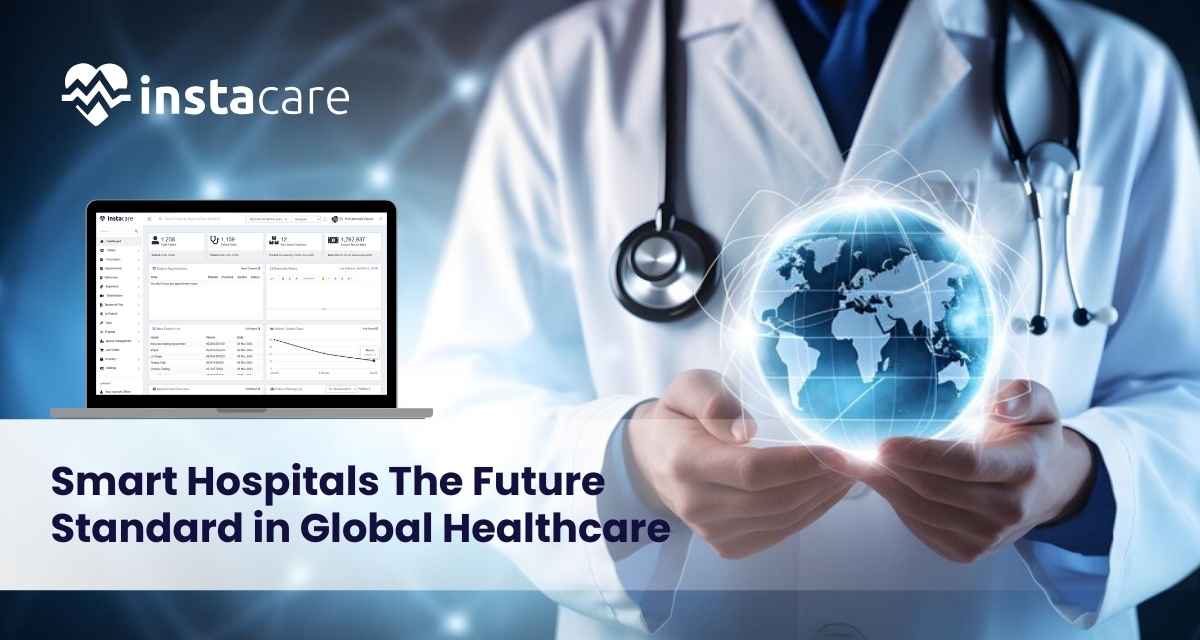
In the past couple of years, technology has revolutionized the health care sector widely. Within these many changes, smart hospitals are one of the revolutionary changes in health care that incorporate sophisticated technologies for improving patient treatment, workflow systems, and the best possible health care outcomes. What is a smart hospital, its benefits, its primary technologies used in such a system, and the way it is changing health care around the world is a matter of this paper. Smart hospitals strive to enhance patient experience in line with optimizing the workflow of care providers. These institutions converge on connection, data sharing, and real-time communication so that each patient can receive care that is customized and delivered at the right time. Important Features of Smart Hospitals 1- Iot Integration Smart hospitals make IoT devices essential hubs that collect real-time information to be shared across systems. Wearable devices, smart beds, and remote monitoring tools help track patient health metrics over time. For example, a smart bed adjusts itself for comfort and alerts the staff if a patient may fall. 2- Analytics The fourth cornerstone of smart hospitals is big data analytics. This would entail analysis of tremendous amounts of health data in order to realize trends and predict patient needs for better decision-making. For example, predictive analytics would allow health systems to project admissions, which could then help to better allocate resources and staff. 3- Telemedicine Telemedicine solutions exist in most smart hospitals, and patients can, therefore, communicate with their healthcare providers from anywhere. This is good for individuals in rural settings or handicapped in any way as they can access healthcare. This increases access and reduces pressure on hospital facilities. 4- Artificial Intelligence AI algorithms can analyze patient data to be used for diagnostic purposes and treatment recommendations. For example, AI helps radiologists to achieve higher accuracy and quicker identification of anomalies in imaging studies. In addition, AI-based chatbots provide insights and support to patients, thus enhancing overall engagement. 5- Automated Processes Smart hospitals improve operational efficiency through automation. Automated systems can execute administrative tasks such as scheduling, billing, and inventory management. This thus frees up much of the administrative burden on the healthcare staff so that they may focus more on their actual profession: looking after patients. 6- Patient Experience End A smart hospital is patient-centric. Some of its characteristics include appointment scheduling via mobile applications, real-time wait-time information, and individualized health data that advance and also improve the experience of patients. Benefits of Smart Hospitals 1- Improved Patient Outcomes With smart hospitals, the care of patients is enhanced. Real-time monitoring and analyzing data will warn the health professionals to begin interventions as soon as problems are noticed. This early response may be associated with fewer complications and faster recovery. 2- Productivity Smart hospitals will greatly minimize the wasteful inefficiencies of operations. Having automated administrative tasks and optimized resource use, these places will operate accordingly, thereby decreasing costs. 3- Effective Communication Smart hospitals encourage effective communication between the patient and healthcare providers. Since there is wide accessibility to real-time information through telemedicine, health teams can communicate effectively so that care can be delivered cohesively. 4- Savings Although the initial expenditure of smart technology is high, cost effectiveness improvements could lead to decreases in length of stay and overall positive health outcomes, that means provider and patient healthcare costs may decrease. 5- Higher Patient Engagement Smart hospitals facilitate patient engagement by incorporating technology into the patient experience. Patients can use mobile apps, educational materials, and telemedicine programs to take charge of their healthcare plans. Important Technologies in Smart Hospitals 1- Wearable Devices Wearable technology – the use of fitness trackers and smartwatches – tracks a variety of physiological measures that include heart rate, activity level, and sleep patterns. These can provide real-time feedback to healthcare professionals in smart hospitals, so proactive care is delivered in good time. 2- Smart Sensors Smart sensors can monitor environmental conditions. Such conditions include temperature, humidity, and air quality within the hospital. This information is crucial for patient safety and comfort, especially in critical care units. 3- Robotics Robotic systems can assist in various hospital functions, from surgical procedures to logistics. For instance, robotic surgery can enhance precision and reduce recovery times, while automated delivery robots can transport medications and supplies within the facility. 4- Blockchain Technology Blockchain would ensure better security and interoperability between smart hospitals. Blockchain takes care of the privacy of patient’s records through secured and transparent transmission of information about a patient, which thus keeps the point of view of health care providers over precise data. 5- Cloud Computing Cloud computing allows for huge amounts of data to be stored and shared among several healthcare systems. The technology fosters teamwork among healthcare providers, and patient records become very accessible, which leads to proper coordination of care for the patient. Book Free Demo Challenges and Consideration While smart hospitals have numerous benefits, there are several issues and challenges to be considered. 1- High Initial Cost The installation of smart technologies is expensive. The cost must be balanced against the benefit, with a view to realizing an upbeat return on investment. 2- Data Security and Privacy The more hospitals rely on technology, the more they expose themselves to the danger of hacking into patients’ information. Hospitals need to offer cybersecurity measures that will ensure sensitive information is not hacked into. 3- Training of Staff The healthcare staff should be properly trained to use the smart technology in an efficient manner. To empower the staff, some kind of continuous training and support would be really important to make the best use of smart technologies. 4- Interoperability With more and more varied systems and devices being used, interoperability among these would be an issue that needs to be tackled. Better data sharing between different platforms would be essential for both the quality of patient care and operational efficiency. 5- Patient Acceptance Again, some patients will not feel comfortable with technology-based care. Such hospitals should create
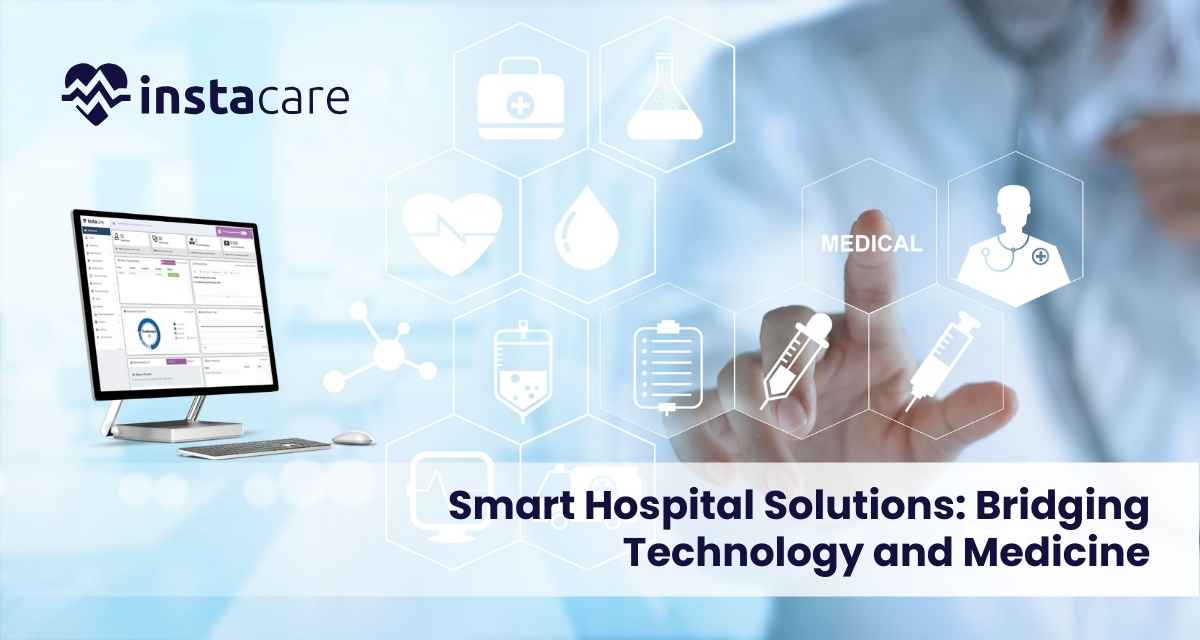
It is changing deeply because of its response to advancing technology and demand for efficient, patient-centered care. The concept of the smart hospital represents a new level in this process of change, with the latest technologies being leveraged to improve outcomes in patients’ operations and to enhance how healthcare is delivered. This report covers a comprehensive overview of smart hospital solutions, including their benefits, challenges, and future trends in healthcare technology. What is a Smart Hospital? Smart hospitals refer to new-generation healthcare facilities that have incorporated advanced technologies aimed to enhance the efficiency of operations, as well as the quality of patient care, and the interaction among service providers. Smart hospitals depend on the internet of things, artificial intelligence, big data analytics, and telemedicine as tools to create an ecosystem for healthy living. Characteristics of Smart Hospitals IoT Devices: The smart hospital tracks the patients real-time. This encompasses wearables, the bed sensors, and connected medical equipment, which continually monitor the check signs and report any abnormalities to the healthcare professionals. Big Data Analytics: The health care providers churn out informed decisions and customized treatment plans based on the massive volumes of data collected from the patients. Telemedicine Interface: Smart hospitals come pre-equipped with the integration of telemedicine solutions to enable remote consultation and follow-up services. This should help many patients who cannot, because of some locations or weak mobility, physically reach a hospital. Automations of Functions: Automation of appointments, billing, and other administrative functions with regard to doctor and patient scheduling by minimizing workload on personal staff and enhancing hospital operations in general. Patient-Centric Care: Smart hospitals treat the patient experience as including appointment scheduling via mobile app, virtual healthcare assistants, and responsive healthcare services. Requirements for Smart Hospital Solution Smart hospitals are based on various integrated technologies and systems that work in collaboration to offer improved delivery of health care services. 1- Internet of Things (IoT) Data collection and real-time monitoring use IoT-enabled devices. Wireless wearable devices may capture the heart rate and blood pressure of patients, while smart beds alert the healthcare workers when a patient appears to be falling and is likely to fall. Such devices collect continuous data that enables improvement in care provision for patients as well as the detection of health issues early on. 2- Artificial Intelligence It plays an important role in analyzing data and in the decision-making process. Machine learning algorithms extract data from the patients to predict outputs, determine trends, and aid in diagnosis. AI can determine the optimal number of personnel and resources to be available for each health care facility by optimizing operations. 3- Big Data Analytics Advanced analytics on big data allow a healthcare provider to process large datasets to extract meaningful insights. Analysis of histories, outcomes, and operational efficiencies for treating patients makes good decisions in patient management as well as resource allocation by healthcare providers. 4- Telehealth Solutions Telehealth platforms provide remote consultation; thereby, patients can stay at home and receive medical services. This has been on the rise, largely due to COVID-19, and telehealth is part of a smart hospital. 5- Robotics and Automation They can be applied in virtually any role-from surgeries and medicine delivery to inventory management and cooking-to name a few examples. What’s more, automation saves time and also corrects human mistakes, making healthcare more accurate. 6- Electronic Health Records (EHRs) EHRs are digital versions of patient charts that provide healthcare providers with real-time access to patient information. Smart hospitals use interoperable EHR systems that allow for seamless sharing of data among healthcare providers, improving collaboration and care coordination. 7- Patient Engagement Tools Patient engagement tools, through mobile apps and patient portals, help engage patients more proactively. For example, these solutions help patients create, manage and confirm appointments and access their electronic medical records and send messages to healthcare providers. Book Free Demo Benefits of Smart Hospital Solutions The smart technologies introduced in the health care facilities have various benefits in many ways as enumerated below: 1- Improved Patient Outcomes Smart hospitals can improve patient outcomes through real-time monitoring and data analysis. A continuous and timely intervention of health issues reduces complications and hospitalization. 2- Better Operational Proficiency Automating paper works and, more importantly, resource management boost the operational proficiency of a smart hospital. Staff can spend more time attending to the patients rather than filling lots of papers, which might translate into decreasing the waiting lines and improving their experiences. 3- Improved Communication Smart hospitals hence upgrade the interaction among health care providers, patients, and families of the patients. Live data exchange ensures that everyone who takes care of a patient is informed about the patient and acts cohesively. 4- Cost Efficiency Smart technologies are costly at the onset; nonetheless the cost efficiency takes place in the long run through efficient efficiency by lesser readmission to the hospitals, and resources are optimized. 5- Customized Care to Patients Data analytics enable smart hospitals to implement tailor-made care regimes on individual patients. It minimizes the ineffectiveness of treatments and increases the satisfaction of the patients. Challenges of Implementing Smart Hospital Solutions Even though the list of the pros of implementing smart hospital solutions is pretty long, the following are reasons it is full of obstacles: 1- Initial Investment is High A wise hospital transition is expensive: so much investment in technologies, infrastructure, and staff training. This tends to be cost-prohibitive for most health care facilities, especially the smaller ones. 2- Data Privacy and Security Concerns Integration of smart devices also raises a few privacy and security issues about the data of patients. It would be quite inconvenient for the smart hospitals to concentrate on building strength in cyber security to secure such sensitive information about the patient. 3- Technological Integration Integration of new technologies with already in use systems is also very challenging. Information must be exchanged in a suitable manner between all hardware and software in order to hold out for a smart hospital. 4- Training and Adaptation of Staff Health
The healthcare industry in Pakistan is evolving rapidly, with increasing emphasis on improving patient care, operational efficiency, and compliance with regulatory standards. One significant step in this direction has been the Punjab Healthcare Commission’s (PHC) Minimum Service Delivery Standards (MSDS), which aim to enhance the quality and accountability of healthcare establishments (HCEs). In light of a recent development in the healthcare sector, it is clear that the adoption of Electronic Medical Records (EMR) and Electronic Health Records (EHR) will soon become mandatory for all healthcare providers in Punjab. This shift marks a pivotal moment for clinics, hospitals, and healthcare practices across Pakistan. As a market leader in health tech innovation, InstaCare offers CoreMedix, a state-of-the-art EMR/EHR solution, perfectly aligned with the Punjab Healthcare Commission’s MSDS. Whether you’re running a single-doctor clinic or a multi-specialty hospital, InstaCare’s software is designed to optimize your practice, ensure compliance, and deliver exceptional patient care. Why Punjab Healthcare Commission Compliance Matters The Punjab Healthcare Commission’s MSDS are the cornerstone of quality assurance for healthcare establishments in Punjab. These standards provide a structured framework for HCEs to ensure patient safety, maintain accurate records, and streamline healthcare delivery. As the PHC moves toward making EMR/EHR adoption mandatory, healthcare providers must embrace solutions that meet these standards. InstaCare’s CoreMedix EMR/EHR software is developed explicitly in alignment with PHC’s MSDS, offering you a seamless way to ensure compliance while elevating the quality of your services. What is CoreMedix? CoreMedix is a comprehensive clinic management software that integrates EMR/EHR functionalities to support healthcare providers in managing their operations efficiently. Designed to meet the unique challenges of the healthcare sector in Pakistan, it streamlines administrative tasks, enhances patient management, and improves the overall workflow of clinics and hospitals. Whether you’re in Lahore, Karachi, Islamabad, or a smaller city in Pakistan, CoreMedix is tailored to meet your needs. Key Features of CoreMedix EMR/EHR Software Patient Management Managing patient records is the backbone of any healthcare practice. CoreMedix enables healthcare providers to maintain detailed digital records, ensuring accuracy and security. The features include: Comprehensive Patient Profiles: Store demographics, medical history, allergies, prescriptions, and lab results in one place. Appointment Scheduling: Simplify booking, rescheduling, and managing patient appointments. Digital Prescriptions: Eliminate manual errors with e-prescriptions that can be shared with patients and pharmacies. Follow-Up Reminders: Automatically notify patients about follow-ups, ensuring continuity of care. Clinic Management CoreMedix offers advanced tools to manage day-to-day clinic operations seamlessly: Billing and Invoicing: Generate accurate bills for consultations, procedures, and services with integrated invoicing. Inventory Management: Keep track of medical supplies and equipment, avoiding stockouts or overstocking. Queue Management: Organize patient flow efficiently to reduce waiting times. Customized Reporting: Generate detailed operational reports to analyze clinic performance and financial health. Practice Management For multi-specialty clinics and hospitals, CoreMedix offers robust practice management features: Multi-User Access: Allow multiple healthcare providers and staff to work on the system simultaneously with secure role-based access. Document Management: Upload, store, and retrieve patient documents and diagnostic reports with ease. Revenue Cycle Management: Track payments, outstanding balances, and revenue performance in real-time. Referral Management: Collaborate with other specialists or facilities by managing patient referrals efficiently. Regulatory Compliance What sets CoreMedix apart is its adherence to Punjab Healthcare Commission (PHC) standards: Standardized Documentation: Ensure compliance with PHC’s MSDS for documentation and record-keeping. Data Security: Safeguard patient information with robust encryption and secure access protocols. Audit Trails: Maintain a complete log of user activities to ensure accountability and transparency. Why Choose InstaCare’s CoreMedix? Developed for Pakistan’s Healthcare Needs CoreMedix is not just another clinic management software; it is a solution developed with deep insights into Pakistan’s healthcare ecosystem. It is designed to overcome common challenges such as fragmented data, inefficient workflows, and regulatory hurdles. Seamless Implementation InstaCare ensures smooth onboarding, training, and technical support for all users, minimizing disruption to your practice during the transition to digital systems. Cost-Effective Solutions Adopting an EMR/EHR system can seem daunting for smaller clinics, but CoreMedix offers scalable pricing models to suit businesses of all sizes, ensuring affordability without compromising on quality. Scalable and Customizable CoreMedix can be tailored to meet the specific needs of your practice, whether you’re a small clinic or a large hospital. Its modular approach ensures that you only pay for the features you use. Future-Proof Your Practice With the PHC’s mandate for EMR/EHR systems on the horizon, adopting CoreMedix now positions your practice ahead of the curve. By ensuring compliance today, you eliminate the risk of penalties or disruptions tomorrow. The Growing Importance of EMR/EHR in Pakistan The global healthcare industry is increasingly shifting towards digital solutions, and Pakistan is no exception. From major cities to rural areas, the demand for EMR/EHR systems is growing as healthcare providers recognize their benefits in enhancing patient care and operational efficiency. CoreMedix not only meets but exceeds the expectations of healthcare professionals by offering a solution that is intuitive, reliable, and compliant with local regulations. How to Get Started with CoreMedix Transitioning to digital healthcare has never been easier. Here’s how you can get started: Schedule a Demo: See CoreMedix in action and explore its features with a guided demonstration. Customize Your Package: Select the features that align with your practice’s needs. Onboarding and Training: InstaCare’s team will ensure your staff is fully trained and confident in using the system. Go Live: Start delivering enhanced patient care while managing your practice with ease. Summary The Punjab Healthcare Commission’s initiative to mandate EMR/EHR systems reflects a critical step forward in modernizing Pakistan’s healthcare landscape. InstaCare’s CoreMedix EMR/EHR software, with its robust clinic and practice management capabilities, stands out as the ultimate solution for healthcare providers looking to comply with these new standards while improving their operational efficiency and patient satisfaction. As the leading clinic management software in Pakistan, CoreMedix is your gateway to a more streamlined, compliant, and patient-centric practice. Don’t wait for the mandate to take effect—act now and transform your healthcare practice with InstaCare.
The healthcare industry has been on the most tremendous transformation during the past years, from a view of technology and digital solutions. Smart hospitals, which embrace not only advanced technologies but also digital solutions, rank at the top among the institutions turned around as part of this revolutionized scenario. The guide will explore what it means to be a smart hospital, its features, the benefits, challenges, and health care in this digital age. What is a Smart Hospital? Smart hospital is a form of health facility characterized by the adoption of leading-edge technologies to enhance patient care and optimize operational efficiencies and quality in healthcare delivery. Such facilities leverage a combination of Internet of Things (IoT) devices, artificial intelligence, big data analytics, and telemedicine in an effort to create an integrated ecosystem that improves health delivery. Some key characteristics of smart hospitals Connected Devices Data Driven Decision Making Telemedicine Features Automated Processes Patient-focused Care Benefits of Smart Hospitals Advances in technologies associated with healthcare bring numerous benefits: 1-Improved Patient Outcome Continuous monitoring along with the real-time data analysis in smart hospitals would improve the outcomes for patients to a great extent. The health problems are diagnosed early, and interventions take place that minimize the chances of complications and hospital readmissions. 2- Efficient and Effective Quality of administration increases due to automation and AI for the management of data, and healthcare professionals focus more on providing better care faster. Wait times decrease, resources are utilized well, and costs of operations reduce. 3- Better communication Smart hospitals enable the health professionals, patients, and families to better communicate with each other. Moreover, data sharing in real-time and telemedicine will make all those concerned with the care of the patient ‘synchronized on each other’s treatment efforts,’ hence leading to coherent plans. 4- Personalized Care Smart hospitals can care for patients depending on personal needs by assessing patient data. Personalized medicine makes treatments more effective, thus further enhancing patient satisfaction. 5- Cost Savings Even though technology is very expensive to begin with, smart hospitals can really save a lot in the long run. They cut down on readmissions, optimize the use of resources and hence, become operationally efficient, thereby lowering the overall health expenditure. Book Free Demo Challenges of Smart Hospitals There are numerous benefits that people consider availing smart hospital technologies, but the implementation is not without challenges: 1- High Initial Costs One of the entry barriers to smart hospitals is that which requires one-time investments. For example, buying technology and training people to utilise them requires high investments that are difficult for most health facilities. 2- Data Privacy and Security Also paramount aspects for smart hospitals are growing patient concerns for privacy and security of data due to higher interconnectivity and information sharing. Such hospitals must have absolutely solid cybersecurity. 3- Technological Integration Technologies may be easy to join the system already in place but the integration may become challenging. The communication of all devices and software may make or break a smart hospital. 4- Employee Training and Adjustment Health care personnel need training to efficiently use new technologies. Staff resistance to change will greatly impede the integration of a successful smart hospital system. 5- Legal Compliance Smart hospitals have to deal with numerous regulations and standards. Compliance along with the integration of new technologies will ensure no legal complications. Important Technologies of Intelligent Hospitals A few technologies are crucial for the functioning of intelligent hospitals: 1- Internet of Things (IoT) The adoption of real-time tracking of patients is required with the use of IoT devices. wearable devices can track vital signs in patients. alert staff if a patient is falling or requires assistance using smart beds. 2- Artificial Intelligence (AI) Algorithms are used by AI in computing and analyzing various data patterns to achieve a predicted outcome, such as diagnosing, creating a treatment plan, and scheduling with minimal human errors. 3- Telemedicine Platforms Telemedicine It is a service through which any patient may access consultation from any place. Its features include video visits, remote monitoring, and secure messaging between patients and providers. 4- Big Data Analytics Big data analytics is employed in smart hospitals to process large volumes of health information so that insights might be gained to improve patient care, operational efficiency, and strategic planning. 5- Robotics and Automation Robotic systems can be used in surgeries, drug delivery, and inventory management. Automation reduces the scope of human error so precision can be achieved in different healthcare processes. Bright Future of Smart Hospitals Continuous developments in technology have shown promise to smart hospitals and betterment in healthcare delivery. Some of the trends to watch include: 1- Increased Application of Artificial Intelligence AI will act as an enabler for even more extensive diagnostics, treatment planning, and operational management. In this regard, the algorithm will make better predictions about patient outcomes as algorithms get smarter. 2- Increase in Telehealth Services Due to the COVID-19 pandemic, expansion of telehealth services is expected to continue. The telemedicine solutions implemented by smart hospitals will use improved access and convenience to and from the healthcare facility. 3- Personalized Medicine The use of genomics and biomarker information will be increased with the ready availability of such information. In a few years, smart hospitals will start using this information to provide patient-specific treatment based on the profile of the patient. 4- Interoperability Across Systems Interoperability across disparate health systems will be improved by EHR and other system integration: uninterrupted seamless data sharing and collaboration between providers will improve. 5- Engage Patients New issues to be addressed by the smart hospitals will include patient empowerment in their health care. The mobile applications and online portals are going to become the primary means of informing patients about their opportunity to take responsibility for managing their health. Conclusion Smart hospitals are going to be the future of health care combining sophisticated technologies that transform patient care, effective operations, and a quality healthcare experience. It has lots of excellent benefits and unfolds more
Such a transformation journey from traditional care facilities to smart hospitals is quite amazing since it illustrates improvements in technology, patient care, and the healthcare system altogether. This change has been directly driven by the need to enhance patient outcomes, operational efficiency, and complex healthcare demands. In this article, we discuss the historic overview of hospitals, technological innovations that have shaped modern healthcare, and changes in these developments for patients and providers alike. The Historical Background Early Years Taking care of the sick has been an important part of almost all ancient civilizations, usually carried out in temples or other centers of religious observance. The early institutions were basically mostly spiritual and offered very little in terms of medical treatment. The first hospitals emerged during the middle Ages, more specifically in Europe, when monastic communities constructed institutions for the ill and poor. Hospitals had often originated as charitable institutions and survived from the charity of donors. Evolution of Contemporary Hospitals The 19th century was actually a very critical stage in the evolution of modern hospitals. The birth of modern hospitals: As the fundamental focuses on public health anatomy advanced, improved sociable knowledge and greater consciousness of personal cleanliness and sanitation developments, new structures to accommodate modern hospitals came into form. Major developments that emerged include the following: Florence Nightingale and Nursing Anesthesia and Surgery Specialization The Advent of Technology in Health Care Late 20th Century: A Technological Revolution This saw the hospitals of the late 20th century embracing new technologies, which revamped health patient care and efficiency in operating. Main innovations during the period were: Medical Imaging: Technologies such as X-rays, CT scans, and MRIs accelerated medical imaging diagnostic capabilities. A lot was achieved through non-invasive studies of the internal structures. Electronic Health Records (EHRs): Electronic health records proved a significant transformation from paper-based records. Management, accessibility, and communication became much easier for healthcare providers. Telemedicine: The progress in telemedicine has allowed medical professionals to conduct consultations and continuation of care at remote sites. This, consequently, increased the number of people who can easily access health care services. Book Free Demo 21st Century: Smart Hospital Age The 21st century has been marked by innovative smart hospital that embrace technologies to enhance both patient care and operational efficiency. Examples include: Internet of Things: In smart hospital, IoT devices are used to monitor vital signs and track equipment along with its resource utilization. A wearable device, for example, consistently monitors heart rates and alerts potential problems before getting unmanageable. Artificial Intelligence: AI is used in the interpretation of patient data, finding patterns, and assisting in making diagnoses. Predictive analytics can even predict when patients need what, leading to better coordination of care and resource utilization. Robotics: Robotic systems are increasingly applied in surgeries; the precision they bring cuts on the recovery time needed. Robots are also being applied in nitty-gritty tasks such as distributing medication and the logistics of hospitals. Impact of Smart Technologies on Patient Care Advancement in the experience of patients Smart technologies have impacted patient experiences in the following way: Personalized care: The comprehensive information regarding a patient enhances the effectiveness of healthcare providers in using the treatment to meet the individual needs of the patient much better. Real-Time Monitoring: The continuous monitoring of patients’ vital signs through connected devices allows the early intervention with a patient and this avoids complications and makes safety more enhanced. Improved Communication: Patient portals and mobile applications enable effective communication between patients and providers, providing easy access to medical records, appointment scheduling, prescription refills, among others. Increased Efficiency and Cost Savings Smart technologies in hospitals have also led to increased efficiency and cost savings: Streamline operations with automation systems for inventory management and scheduling that, for instance, cut down on waiting times and optimize resource use. Less readmission: Predictive analytics allow hospitals to spot patients at risk and respond with preventive measures earlier before it’s too late, meaning less chance of readmission and the costs thereof. Challenges Faced During Transition to Smart Hospital While there are many benefits smart hospital have in offering, a few challenges must be addressed:- 1- Data Security and Privacy This would make the threat of data breaches and cyberattacks very urgent, considering hospitals incorporate much more digital systems and IoT devices. Protecting patient information would thus be essential to maintain trust in respect to various regulations and secure sensitive data with respect to various regulations, such as HIPAA in the United States. 2- Integration of Systems There are many challenges facing the incorporation of novel technologies in the current system of hospitals. The need is high for interoperability among different platforms and devices to ensure smooth data exchange and effective care coordination. 3- Training and Adoption Training and adaptation by employees are necessary when new technologies are introduced. Healthcare professionals should have appropriate skills to utilize these new tools, which are very resource-intensive and time-consuming. 4- Implementation Cost Although smart technologies promise long-term savings, the initial investment is expensive. The balance of such investments in new systems with these expected benefits decides whether hospitals will put them into actual practice. Future of Hospitals: Trends to Follow Increase in Use of Telehealth Telehealth practice has seen tremendous growth due to recent events, and this situation will persist in the future. The hospitals will find a way to include telemedicine into their care services so that the physicians can consult or follow up with a patient from miles away or even monitor that patient. Virtual Reality (VR) and Augmented Reality (AR) The education and training programs for both healthcare professionals and patients are developed using these VR and AR technologies. These can provide the user with the potential to experience immersive experiences that improve comprehension and engagement. While awareness regarding the environment is growing, hospitals are laying groundwork for their carbon footprint reductions. Green buildings, waste reduction programs, and sustainable sourcing of supplies are some of those practices. Conclusion From a care facility, the hospitals have evolved into more
The healthcare sector, in the recent past, has taken significant leaps with the inflow of technological breakthroughs. Among these numerous innovations, “smart hospitals” is the most crucial development that affects direct care for patients and the efficiency levels in the human workforce. This type of smart hospital integrates several technologies such as IoT, AI, and analytics to create an environment that has an impact on the entire healthcare experience. This article highlights great value smart hospitals offer to both patients and staff. What are Smart Hospitals? A smart hospital uses digital technologies for optimized operational performance, improved patient outcome, and communication. In other words, smart hospitals are interconnected devices and systems that collect data in real time, analyze, and communicate it real-time. This system permits a smooth decision-making process, better monitoring of patients, and an efficient workflow for doctors. Advantages to Patients 1- Improved Patient Care An obvious advantage of smart hospitals is better patient care. The use of real-time monitoring of patient vital signs and health indicators makes the monitoring of patient life support signs and health indicators efficient. For example, by wearable devices, heartbeats and oxygen levels can be continuously monitored among other possibly life-threatening parameters. Such information can enable early detection of complications and help the providers intervene before it is too late, maybe even saving lives. 2- Tailor-made treatment plans With big data and AI, smart hospitals could mine gigantic amounts of patient information. This shall thus enable a treatment plan for an individual patient based on the medical history, genetic profile, and other lifestyle-specific reasons. The doctors will be better treated because their treatment will have a possibility of needing much less since this can cater to the unique case of the patient well. 3- High Patient Engagement The smart hospital system of the modern period introduces the patient portal and mobile health application, which has consequently increased patient engagement. The patient can easily view their medical records, schedule an appointment, and even enjoy convenient communication with their healthcare providers. This access thus makes the overall journey of health care completely under the control of the patient by due adherence to treatment plans and proper management of health. 4- Greater Safety and Minimum Errors Smart hospitals operate medicine and other medical equipment using the technologies linked with the barcodes and RFID tags. This ensures that the patient receives the right quantity of medication as well as rules out the risk. AI further helps diagnose with much accuracy for the safety of even more patients. 5- Smooth Process The integration of smart technologies streamlines various hospital processes. For example, automated scheduling systems can optimize appointment times, reducing wait times for patients. Moreover, smart hospitals can utilize predictive analytics to anticipate patient admissions and allocate resources more efficiently, ensuring that patients receive timely care. Book Free Demo Benefits for Staff 1- Improved Workflow Efficiency Smart hospitals give permission for the use of technology to enable routine chores be done automatically, hence time will be spent on the patient itself and not on paperwork. An example of this is through EHRs that allow instant access to information regarding a patient and minimize time consumption on paperwork. This has consequently seen individual productivity not only of the staff but also improve the workspace through organized events. 2- Efficient Communication and Coordination Better Communication among Healthcare Teams. Interconnected smart hospitals would encourage interaction among healthcare teams and enable staff members to communicate with each other through instant messaging systems and collaborative platforms regarding the sharing of necessary information. Such interconnectivity maximizes teamwork, where individuals in a team are best informed of plans as well as patient care updates, thus reaping better positive outcomes for patients. 3- Continuous Professional Development Smart hospitals make sure that the employees are provided with continuous training and professional development. Therefore, the healthcare workforce learns about the latest medical breakthroughs, discoveries, and scientific knowledge and technological innovations through online education tools and simulation-based training sessions. Continuous staff competence and self-confidence at work enhance high-quality patient care. 4- Reduced Burnout Given the work environment and nature, health workers easily get burnt out. Smart hospitals eliminate this problem by streamlining the workflow and administrative burden. This reduces the administrative burden on them and increases their attention on patient care, thus providing the needed work satisfaction combined with a low rate of hospital staff turnover. 4- Greater Access to Data With the incorporation of smart technologies, health care staff can readily access data from patients for their use. This will therefore be able to offer more informed decisions and rapid responses to a patient’s needs. On an institutional level, real-time data can enable healthcare professionals to come up with more accurate diagnoses and treatments in order to ensure better care for patients. Future of Smart Hospitals The more and more futuristic the technology appears, the more the overall concept of a smart hospital will be extended. Hospitals in the future would find new variations in the form of smart technologies like medical robots, robotic surgery, advanced algorithms for AI, telemedicine, and so on. The 5G network would connect hospitals across the country, opening up the world to much more complex applications for smart technologies in hospitals. Smart hospitals will also respond to changing expectations by patients who are becoming better informed and active. There will be more consciousness to achieve patient-centered environments which will be comfortable, convenient, and personalized for patient care. Conclusion In the context of appearing smart hospitals, the mode and quality of health care delivery can be considered to be one significant step. With advanced integration of technology, such facilities become integrated towards betterment by increasing efficiency in patients and staff and healthy outcomes. The benefit of a smart hospital due to growth in the healthcare industry will further establish a more effective compassionate healthcare system. FAQs 1- What technologies are integrated in the smart hospital? Smart hospitals have a different array of technologies, among them: IoT device and AI algorithms; electronic health record systems;
The growing technologies along with the increasing emphasis on the patient-centered approach are further helping to bring about a transformation in the health care scenario. Lead changes in this through smart hospitals, acquiring a new vision through digital technologies, data analytics, and innovative healthcare practices to make them improve patient outcomes while making operations smoother. This article analyses how the face of patient care is changing through smart hospitals, the technologies behind it all, the benefits arising from these changes, and the challenges they pose. Smart Hospitals: Understanding A smart hospital is defined as an inter-networked healthcare delivery unit that has utilized cutting-edge technologies to enhance the quality and efficiency of care. It basically targets the provision of one very much continuing, patient-centered experience through technology-a combination of health technologies such as IoT, AI, telemedicine, and big data analytics. Key Features of Smart Hospitals Interconnected Systems: Smart hospitals with interconnected medical devices and IoT networks will allow the interconnecting of the medical equipment with electronic health records and administration systems. There is real-time sharing and communication between service providers in healthcare. Data-Driven Decision Making: The big data analytics will enable a smart hospital to analyze the data of the patient, hence making informed decisions regarding a treatment plan as well as resource allocation, as this may lead to personalized care for the specific patients. Patient Engagement: A smart hospital engages the patient by employing technology. Patients can have access to their health information, communicate with health care providers, and even participate in telehealth services as a means of controlling their own care. Automation: These are some of the most trending technologies in automation that a smart hospital like this also utilizes nowadays, which includes robotics and artificial intelligence for the automation of medication dispersion, surgical assistance, and other transportations leading to efficient safe, and human error-free operations. Smart hospitals are enhancing safety and efficiency: They have enriched safety protocols with enhanced monitoring systems. Sensors can alert and help in responding to changes in the patient’s condition quickly. Technologies Changing Patient Care 1- Internet of Things (IoT) IoT devices are the heart of smart hospitals as they facilitate live monitoring of patients and machinery. Wearable devices can monitor the vital status of a patient and alert health care professionals in case anything is identified to be abnormal. For instance, smart heart monitors monitor the heart rhythm of a patient day and night for significant information that might abort complications. 2- Artificial Intelligence AI technologies can change the way in which diagnostics and treatment planning are approached. A relevant example of this is that algorithms in machine learning enable the analysis of the enormous amounts of data connected with patient health care and provide clues that predict outcomes. AI, for instance, can quickly and accurately analyze medical imaging to diagnose conditions like cancer sooner than a human radiologist. 3- Telemedicine Moreover, telemedicine has become more popular; again this is attributable to the COVID-19 situation. They adopt telehealth solutions in order to have remote consultations since patients can be treated at their own home. This pays a way to more comprehensive medical services especially to people who stay far from the hospitals or places with few healthcare service providers. 4- Big Data Analytics Big data analytics the integration of big data analytics lets healthcare providers analyze large datasets to improve patient outcomes. Smart hospitals can hence enhance their operational efficiencies, identify vulnerable populations, and provide treatments accordingly based on the examination of trends and data-driven decisions. 5- Robotics More and more, smart hospitals resort to robotic technologies. Through surgical robots, the surgical operation becomes more precise. Robotic assistants can be used to transport medications and supplies. This way, healthcare staff would be busy much less about direct patient care. Book Free Demo Advantages of Smart Hospital 1- Better Patient Care Smart hospitals enhance the treatment of patients by availing customized care plans whose implementation is closely monitored. Since there is available real-time data, healthcare providers are in a position to make timely decisions that result in good health outcomes. An example can be the prevention of complications and a reduction in readmission since the patient visits the hospital early due to a change in their condition. 2- Efficiency Automating and straightening processes decrease waiting times and enhance operational efficiency. This allows employees to spend more time attending to patients instead of paperwork which in turn has increased levels of patient and employee satisfaction. Smart hospitals also maximize usage of resources such that the capabilities of both employees and equipment are used to the fullest. 3- Cost Reduction It will also save huge sums of money in smarter hospitals. Through resource optimization, the stay in hospital is reduced, and unnecessary tests are avoided without compromising the quality of healthcare, thereby reducing operational costs that do not compromise the quality of healthcare. It will also reduce the transport cost and enable a better access to specialists through telemedicine. 4- Better Access to Services Telemedicine and telecare monitoring extend the wings of health services to all people living in rural or undervalued places. Even if patients cannot travel, health care becomes easy without much difficulty for them. 5- Enhanced Health Outcomes The betterment in health outcomes can be achieved by smart hospitals through data-driven decision-making and the application of cutting-edge technology. It calls for constant monitoring, thereby implying early detection for the reduction of complications and readmission in hospitals. Also, personalized care plans help maximize the effectiveness of treatments and interventions. Challenges Against Smart Hospitals Despite the numerous advantages of smart hospitals, several challenges have to be addressed regarding them: 1- Data Privacy and Security With this increased technological reliance comes the aspect of private data and access security. The private information concerning the patients needs to be safeguarded from potential cyber attacks, and thus, it needs robust cybersecurity measures alongside regulation compliance, such as HIPAA. 2- Interconnectivity Integration of distinct systems and technologies within a hospital faces challenges in and of themselves. Each appliance
For example, the healthcare industry is growing rapidly, while technological advancements enhance the likelihood of providing better care to the patient, ensuring greater operational efficiency at lower cost. Smart hospitals are key drivers of this new development trend, embracing many technologies to transform healthcare delivery. In so doing, they connect several systems to form data analytics that automates many human tasks and reduces their workload in creating an effective, patient-centered environment. This article discusses the core technologies that shape smart hospitals, their benefit, and implementation challenges. What are smart hospitals? The sophisticated technologies help in a seamless, efficient, and patient-centered health care experience. Smart hospitals achieve this by integrating various systems to facilitate better communication between patients and healthcare providers while aiming at streamlining operations and enhancing health outcomes. Some of the key technologies involved in smart hospitals include Internet of Things, artificial intelligence, big data analytics, telemedicine, and robotics. Main Technologies Used in a Smart Hospital 1- Internet of Things (IoT) It refers to a network of interrelated devices that do share information amongst themselves. In the case of smart hospitals, there will be the following IoT devices: Wearable health monitors Smart Beds Asset Tracking 2- Artificial Intelligence (AI) AI technologies are shaping various health-care systems starting from diagnosis to administrative works. Major applications of AI in smart hospitals are: Predictive Analytics: AI-based algorithms can assess data of a patient to identify patterns or predict any health issue and take preventive measures to cut down or prevent hospitalization. Natural Language Processing (NLP): Technologies in NLP are able to make healthcare providers perform their job efficiently, by converting spoken or written language into structured data as a way to smooth out the documentation process and to improve communication. RPA: RPA can automate mundane administrative tasks, like appointment scheduling and billing, thereby freeing up staff time for more patient care. 3- Big Data Analytics Big data analytics will help the health sector manage the vast information generated each day. Smart hospitals will use big data analytics to make better decisions. Some of the benefits are as follows: Better Patient Insights: Care providers will have an insightful understanding of patient health while coming to a conclusion based on data from other sources. It will assist them in coming up with customized plans for treatment. Operational Efficiency: Data analytics can detect the bottlenecks in the hospital operations, thus allowing management to adopt measures to enhance workflow and resource utilization. Population Health Management: Smart hospitals can analyze data from whole populations to identify trends and assess health risks, thus enabling interventions on high-risk groups. 4- Telemedicine Telemedicine has, of course, gained traction of late. One of the reasons was surely the COVID-19 pandemic. Smart hospitals deploy the telemedicine technologies for: Expand Access to Care: It enables the patient to consult with a healthcare provider from anywhere, at any time, easing barriers to access for those in a rural or other underserved areas. Improve Patient Engagement: Telehealth platforms enable active participation of patients, which may likely have better health outcomes. Streamline Follow-up Care: Virtual appointments will ease the process of follow-up visits, making it easier for patients to continue receiving care without unnecessary travel. 5- Robotics Robotic technologies are increasingly being used in intelligent hospitals for better management of the patient and operational efficiency. Some of its major uses include the following: Surgical Robots: These can help surgeons do their work far better through minimally invasive surgical procedures, thus leading to a probable quicker recovery period and less complication for patients. Service Robots: Such robots will be helpful in delivering medicines, supply movements, and cleaning works which otherwise take much of the time of the staff to complete. Rehabilitation Robots: Assisting robots can make the task easier by helping patients regain their mobility strength in the course of rehabilitation and tailoring treatment. Book Free Demo Benefits of Intelligent Hospital Technologies 1- Better Patient Care Intelligent hospital technologies ensure better patient care as per the real-time monitoring, customized treatment, and easier access to health care. Continuously monitoring devices along with predictive analytics enable health providers to intervene instantly in any fluctuation of a patient’s situation and minimize the likelihood of potential complications. 2- Efficiency Maximization Smart hospitals may reduce wait times and enhance patient throughput due to highly efficient processes. The staff will have more opportunity for treatment of patients, and paperwork being less time-consuming will lead to higher job satisfaction and better interaction with the patient. 3- Cost Savings A set of smart technologies can save a hospital many costs. Efficient distribution of healthcare resources can reduce hospital readmissions and minimize medical errors for these smart hospitals to incur fewer operational costs without compromising their quality of care. In the same vein, telemedicine saves the traveling costs of patients and providers 4- Efficient Data Management With the integration of big data analytics and IoT devices, smart hospitals can do a better job in managing patient data. Better data management leads to increased compliance with regulations and prudent decisions as well as better outcomes concerning patients. 5- Better Patient Engagement Smart hospital technologies allow patients to be involved and engaged in their treatments through the use of telemedicine and the patient portal. Individuals are allowed to view their health information, reconnect with providers, and even plan their next appointments by themselves for the improvement of patients’ satisfaction and adherence to treatment. Challenges in Implementing Smart Hospital Technologies Despite the said benefits provided by smart hospitals, several challenges have to be addressed 1- Huge initial investment A large financial investment is typically required to deploy smart hospital technologies, which health facilities must balance against long-term savings or enhanced care for patients. It could also be a challenge for small institutions to access funding and resources for such technologies. 2- Data Privacy and Security These facilities are also going to look at more reliance on digital systems with serious apprehension over data privacy and data security that puts more burdens on securing sensitive patient information against cyber
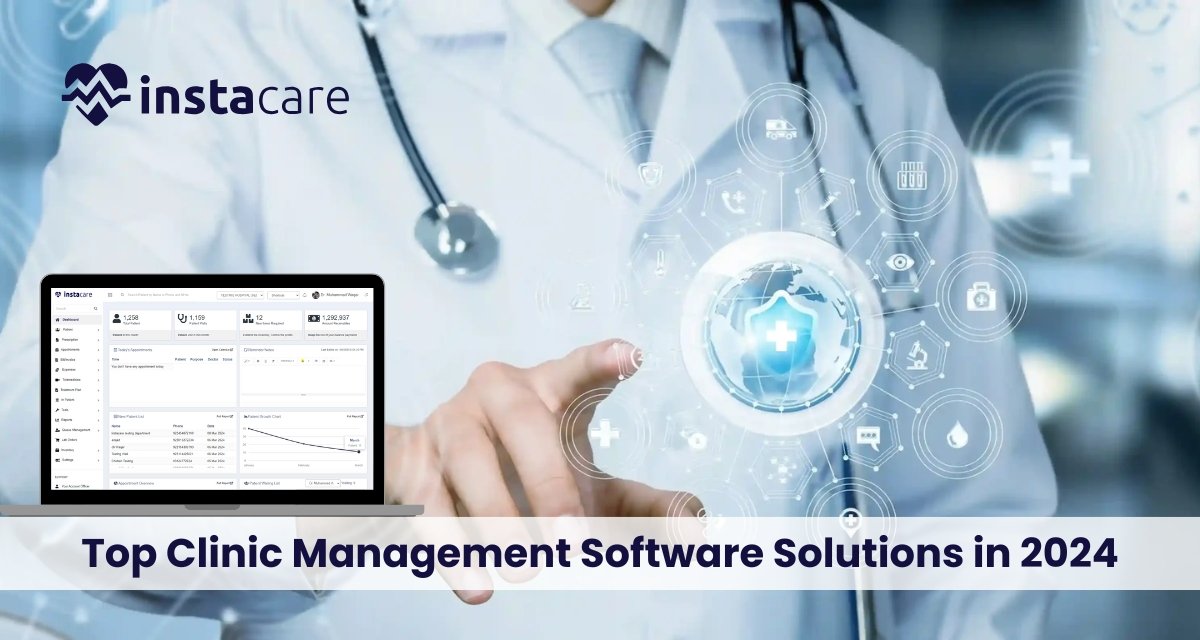
In this healthcare landscape, clinic management software helps in optimizing operations, enhancing the quality of care provided to patients, and simplifying administrative tasks. As the year progresses into 2024, different clinic management software solutions meet the distinct needs of clinics – from very small practices to large healthcare centers. The following guide discusses the top clinic management software available this year and their respective features, benefits, and what puts them at the forefront of the competitive market. 1- InstaCare InstaCare offers a cutting-edge solution for the management of healthcare operations in clinics of all sizes. InstaCare is a user-friendly clinic management platform that bundles rich functionalities for streamlining clinical and admin workflows. The software will fit practices looking forward to enhancing operational efficiency and patient engagement. Key Features Patient Management: All tools managing patient records, medical history, and treatment plans. Appointment Scheduling: Convenience features of appointments that means the choice of appointments that can be achieved online including appointments booking, changing or cancellation without any difficulties. Besides, it has default alerts to help reduce no-show instances in appointments. Billing and Financial Management: It has an integrated billing solution, making invoicing easier and streamlining the processes of payment and insurance claims management. Telehealth: Secure telehealth functionality includes video visits, so a patient’s care isn’t interrupted. Reporting and Analytics: Extremely feature-rich for tracking performance metrics and reporting on patient outcomes to guide decision-making. Pros Provides with additional free time for human management, because it reduces the administrative work It is convenient to get information in health and telehealth-related things. It provides with the cost-effective solution; price structure transparent and clear Clinics are scalable to grow. 24/7 customer service to help deal with any issues. Cons Smaller systems might miss some advanced features. In comparison to “all-inclusive” and comprehensive packages, customizations may be fewer. 2- Kareo Kareo is considered as one of the best practices management tools for practices of small to the mid-size medical concern. It has incorporated a generous amount of different functions, all of which seem to essentially minimize tasks relating to clinical and administrative procedures; thus it is ideal for use in a practice that aims to maximize on productivity. Key Features Patient Management: streamlined scheduling, reminders, electronic health records (EHR). Billing and Revenue Cycle Management: Billing tools are very well-integrated in order to reduce claims denials and increase revenue. Telehealth Capabilities: HIPAA-compliant video consulting. Pros User-friendly interface. Good customer support. Extensive training. Cons Limited flexibility. Potentially pricey for added functionality. 3- Athena health Athena health is a cloud-based service vendor that streamlines the management of clinical, administrative, and financial workloads. This solution is very suitable for larger practices and hospitals. Key Features EHR and Practice Management: Fully integrated EHR solutions to improve clinical workflow functionalities. Patient Engagement: Online appointment scheduling, reminders, and portals. Analytics and Reporting: Analytics are quite advanced to track practice performance and patient outcomes. Benefits A deep emphasis on interoperability. Flexible pricing plans Profound regulation compliance support. Cons Steep learning curve for new users May need additional training for more complex features 4- Cerner Cerner has been one of the forerunners in health information technology offering solutions mainly to large healthcare organizations. Their rich ecosystem is capable of carrying out a broad range of functionality, hence ideal for a highly complex environment. Key Features Population Health Management: Tools to manage and improve community health outcomes. Interoperability: Seamless data sharing with other healthcare systems. Data Analytics: Ability to harness advanced analytics to inform an appropriate decision Strengths Highly customizable to meet specific needs of any organization Extensive reporting capability Strong support for large-scale implementations. Cons More expensive than other smaller solutions. Implementation may be very time-consuming. Book Free Demo 5- NextGen Healthcare Meant for ambulatory care settings, NextGen Healthcare provides an array of functionalities to enhance both clinical and administrative work flows. Key Features Fully Integrated EHR and Practice Management: All-encompassing tools for managing patients and creating clinical documentation. Patient Portal: Interactive interface of the patient to access their medical information. Telehealth Services: Secure telemedicine services that allow for remote consultations. Pros For specialty practices with special needs. Support for robust customization options. Built-in billing and reporting features. Cons Not that easy to grasp and navigate for first-time users. The customer support strictly depends upon the tier of service. 6- Practice Fusion Practice Fusion is one of the cloud-based EHRs, designed specifically for medium-size and small practices. The system is relatively easy to use and is priced affordably. Key Features EHR and Patient Scheduling: User-friendly interface for maintaining patient information and scheduling. Billing and Insurance Verification: Appliances for making billing and insurance verification smoother. Health Information Exchange: You can exchange information with other providers. Pros Core EHR product free for eligible practices. The interface is very easy to use. Effective patient engagement tools. Cons Has fewer advanced modules than large systems. Customer service varies. 7- Meditech Meditech is one of the most recognized healthcare IT companies. It supports hospitals and health systems and aims at improving care for patients and operational efficiency. Key Features EHR: This software has a fully functional module for electronic health record support and clinical documentation. Patient Engagement Tools: Practice that enables appropriate communication among patients and, therefore, treatment. Mobile Access: Healthcare provider applications that allow a glance at patient data from mobile. Benefits Renowned brand and reliability factor Huge library of training Patient-centered care Cons Too costly for small clinics Rather old-fashioned user interface when compared with contemporary peers 8- eClinicalWorks eClinicalWorks is a well-established brand in the healthcare software market which offers a single tool that can be used by clinics of any sizes Key Features EHR and PM Solutions: An integrated system for handling patient records and practice management. Telehealth Services: Secure and user-friendly telemedicine capabilities. Patient Portal: Engaging patient communication and access to health records. Strengths Has several functionalities. High interoperability emphasis. Good customer service and training. Cons Initial setup is complicated. Users have complained of a few bugs in the system. 9- Simple Practice Simple Practice
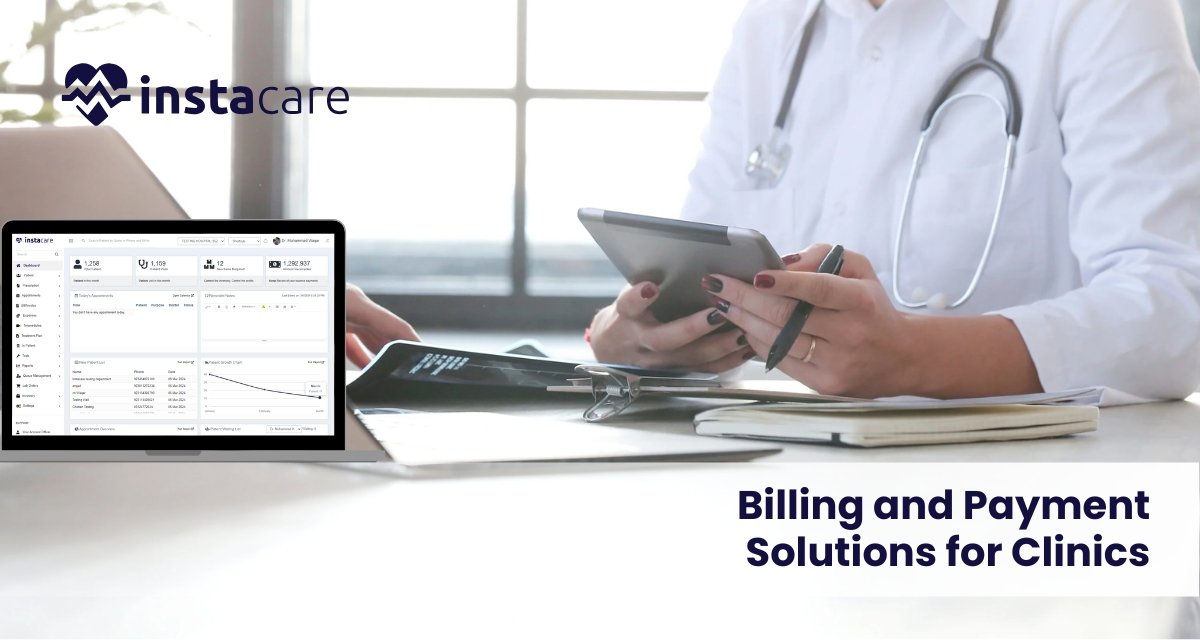
Billing and payment systems must work well in clinics for them to reduce mistakes, raise patient satisfaction levels, and enhance revenue cycle management. Even more, complexity in insurance coverage and copayments-deductibles, among others, makes billing and payment processes complicated. The proper application of the right tools will help smoothen these processes in the clinics, thus ensuring that payments are collected faster, there is less work on their part, and there is comfort among employees and patients. This article covers the features, benefits, and best practices for the various billing and payment solutions and options to be implemented by clinics. The Value of Efficient Payment and Billing Systems Clinic billing and payment procedures aim to provide patients with a smooth and reliable experience while maintaining the clinic’s financial stability, not only to collect money. Effective payment and billing systems help with: Better Cash Flow: The clinic may maintain a consistent revenue stream and minimize payment delays by using faster, more precise billing procedures. Enhanced Patient Satisfaction: Flexible payment alternatives and unambiguous, easily comprehensible billing information improve the patient experience. Decreased Administrative Load: The administrative personnel of the clinic saves time and avoids manual errors thanks to automated billing systems. Regulatory Compliance: To lower legal risks, several billing systems are made to assist clinics in adhering to healthcare laws like HIPAA. Types of Clinic Billing and Payment Solutions Clinics can choose the best instruments for their purposes by being aware of the possibilities available. The primary categories of billing and payment solutions are as follows: Conventional Methods of Billing Conventional billing solutions manage patient payments and submit insurance claims using paper-based or simple electronic techniques. Traditional billing techniques are laborious, error-prone, and give patients little flexibility, even if some smaller clinics still employ manual processes. Furthermore, they are devoid of sophisticated features like real-time insurance verification and automation. Integrated Billing for Electronic Health Records (EHR) Billing functions are frequently included in EHR systems, enabling clinics to integrate scheduling, billing, and medical records data in one location. Because patient data is available across departments and only needs to be entered once, this integrated method lowers data entry errors. EHR-based billing systems also provide automatic tracking and submission of claims, which streamlines the revenue cycle and lowers the possibility of claims being rejected. Well-known EHR platforms with integrated billing include: Epic Cerner Athena health DrChrono Solutions for Cloud-Based Billing Web-based platforms that are accessible from a distance are known as cloud-based billing solutions. They lower the chance of data loss by providing the benefits of real-time updates and data backup. Additionally, because cloud-based providers offer automatic updates for security and compliance standards, these systems are frequently more secure. Cloud-based billing solution examples include: AdvancedMD Kareo TherapyNotes Services for Third-Party Billing Another choice is to outsource billing to a third-party firm, particularly for smaller clinics that do not have the internal resources necessary to effectively handle invoicing. On behalf of the clinic, these services manage patient billing, claim filings, and follow-ups on rejected claims. Outsourcing can be more economical than recruiting specialized billing staff and free up clinic staff to concentrate on patient care, despite the associated costs. Well-known third-party billing services consist of: Billing Paradise RCM Centric CureMD Portals for patient payments Many clinics are using patient payment portals to improve out-of-pocket payment convenience in addition to processing insurance claims. Patients can access their account statements, pay bills online, and, if necessary, set up payment plans using patient portals. By offering a clear and simple payment process, this choice can greatly increase patient satisfaction. Book Free Demo Key Elements of Payment and Billing Systems It’s critical to search for particular features that meet the requirements of your clinic when selecting a billing solution. Here are a few crucial aspects to think about: Verification of Insurance and Claims Management Clinic employees may verify patients’ coverage in real time with automated insurance verification, which lowers the number of claims that are refused because of inaccurate information. Clinics can monitor claims, follow up on denials, and resubmit claims as needed with the use of effective claims management software. Automatic Reminders for Billing and Payment Automated billing systems that remind patients when payments are due can dramatically reduce payment reminders. This would also improve the patient experience, as reminders could be conveyed via SMS, email, or push notification with gentle suggestions and would not require follow-up calls. HIPAA Compliance and Data Security Clinics have to be HIPAA compliant. Hence, data security is essential here. A safe billing system will offer encryption, two-factor authentication, and other protection methods to safeguard the patient’s data. It should also include critical access records and audit trails for accountability. Flexible Payment Plans and Adjustable Billing Options This is likely to increase patient satisfaction and collection rates because patients may pay their bills easily if they have flexible payment alternatives such as the ability to pay online, with checks, or with credit/debit cards. Analytics and Reporting The reporting services help the clinic managers know their revenue cycle and even have a good pattern of financial decision-making. Clinics should work on such KPIs as days in A/R, a claim denial rate, and collection percentage. The Best Ways to Put a Billing and Payment Solution Into Practice Planning and close attention to detail are necessary for the successful deployment of a new billing and payment system. The following are some recommended practices: Assess Clinic Needs: Prior to selecting a solution, consider the clinic’s size, patient volume, and billing issues. Train Staff: Make certain that every member of the billing and administrative teams has received thorough training on the new system. To keep employees informed about new features or procedures, give them continual training. Make a Smooth Transition: Make sure data integration and migration are carried out precisely and securely if you’re moving from a manual or antiquated system. Track Metrics: To find opportunities for improvement, evaluate KPIs on a regular basis, such as payment collection times and claim rejection rates. Remain Compliant: When utilizing cloud-based