

Everything You Need to Know About Social Media Marketing for Clinics This digital-first world is the new normal, and social media marketing for clinics is not a fad; it’s a necessity that is strategically sound. How patients locate and interact with healthcare providers has been radically altered. Word-of-mouth or referrals are so yesterday. New-age patients turn to social media as a source of information, reviews, and interaction. Competitively, an established online presence for clinics is paramount. From Facebook ads for clinics to Instagram marketing for doctors, today’s healthcare professionals utilize platforms to gain, learn, and engage with their patient population. With a solid healthcare social media strategy, clinics can significantly boost brand exposure, credibility, and patient numbers. Why Social Media Marketing Is Important for Clinics? The health care profession is built on trust, and that’s built by consistent communication and transparency. Social media gives clinics an excellent platform to build that trust and establish themselves as innovative, responsive, and patient-focused. A successful clinic digital marketing strategy plays multiple roles: Boosts brand recognition Educates existing and potential patients Builds long-term relationships Controls online reputation Impacts patient engagement and acquisition Also, the best platforms for clinic marketing, like Facebook, Instagram, and LinkedIn, provide advanced targeting, so paid ads for medical clinics are more effective than before. You can target nearby populations, ages, or individuals interested in health-related issues, reaching the right people. Benefits of Clinics Using Social Media Marketing Let’s now learn seven benefits of social media for doctors and successful ways clinics can utilize social media. 1. Patient Engagement in a Larger Number Social media provides instant interactions. Patients may comment, message, and post, and this provides an opportunity for clinics to respond instantaneously. This will create rapport and augment patient engagement through social media. When patients get to hear and see their voices, they will be loyal and will refer your clinic. 2. Cost-Effective and Targeted Advertising Social marketing on social media is far more affordable than on TV or newspaper. Social media sites such as Facebook allow clinics to have targeted advertising campaigns with users from a specific zip code, age range, sex, and interests. Clinic Facebook advertising allows for measurable return on investment (ROI) and acquires new patients faster than many conventional practices. 3. Reputation Management Patients talk online, and your clinic must be on that list. Online comments, ratings, and reviews can break or make your clinic’s reputation management online. Engaging online reputation management of your clinic entails answering comments, placing positive testimonials, and pushing back against misinformation before it goes viral. 4. Increased Website Traffic and Bookings With motivational posts and call-to-action buttons, clinics can encourage followers to their websites, online forms, or appointment pages. For example, implementing doctors’ Instagram marketing with a “Book Now” button or click-through stories makes it easy for followers to become patients. 5. Educational Content Builds Authority Sharing social media tips for healthcare professionals and educational information not only informs your visitors but also positions your clinic as an expert in your field. From wellness tips and Q&As to treatment descriptions and winter health tips, there’s no limit to content ideas for clinic social media that showcase your expertise. 6. The Promotion of Clinic Culture and Services Behind-the-scenes shots, staff profiles, patient success stories, or community outreach news make your clinic more human. These posts are emotionally resonant and build trust. They also make your clinic stand out from competitors who might provide similar services but don’t have a relatable online footprint. 7. Competitive Advantage in the Digital Space Whereas most of the clinics lag, those utilizing it enjoy an early mover advantage. With consistent branding, functional content, and health care professional social media advice, you can become the go-to clinic in your neighborhood. Book Your Free Marketing Consultation Some Common Mistakes to Avoid Although there are many positive things about social media, some clinics do not get to experience them, not that the site is ineffective, but because of mistakes in healthcare social media strategy that are easily preventable. Those errors may slow down growth, decrease engagement, and tarnish your clinic’s reputation. For your convenience, here are four preventable pitfalls: 1. Posting Randomly or Dropping Accounts An inactive social media profile damages your reputation worse than having none. Your patients will think your clinic is either closed or being investigated. Utilize scheduling tools and content calendars to post consistently. 2. Over-Promotion and No Value Even as marketing services or deals are easy to accomplish, excessive self-promotion will drive away followers. Promotional updates must be balanced with informative updates, health tips, and value-adding interactive polls on your followers’ feeds. 3. Failure to Respond to Comments and Messages Slow or no reply to messages or criticism kills the mood and destroys trust. Social media is dynamic. Grow a clinic with social media. Even a simple “Thank you” or response to grievances makes it seem that your clinic listens and cares. 4. Not Toning Down Content for Every Platform What works on Instagram does not necessarily work on Facebook or LinkedIn. Each one has its advantages. For instance, advertising doctors on Instagram works through visuals and narrative, while Facebook is best for group discussion and patient reviews. Customize your material accordingly. Conclusion Social networking is a game changer in health care. Used strategically, it’s not an ad tool, it’s a relationship tool, an ed tool, and a patient acquisition machine. A thoughtful medical practice social media marketing plan keeps your clinic in the game, out there, and believable. From social reputation management of virtual clinics to engaging social interaction with patients, the possibilities are endless. But success depends on planning, consistency, and creativity. Utilize the advantages outlined in this guidebook and steer clear of the most common landmines in order to establish a successful and enduring social media presence. In the competitive market of today, social media can help you not only

Large Language Models in Healthcare: Revolutionizing Medical Intelligence Artificial Intelligence (AI) has steadily been transforming industries across the board, and healthcare is no exception. Among AI’s most groundbreaking innovations are Large Language Models (LLMs), like OpenAI’s GPT series, that can analyze, generate, and understand human language with exceptional accuracy. These models are reshaping how medical professionals access, process, and utilize information. What is a Large Language Model in Healthcare? Healthcare applications with Large Language Models utilize AI systems that receive extensive medical data training to create texts resembling human-written content. Large Language Models help healthcare professionals through document creation while also offering clinical decision assistance and patient solutions, and performing medical research. The implementation of these systems improves operational efficiency as well as accuracy and accessibility, yet introduces risks related to data security and data truthfulness. Impact of Large Language Models in Healthcare Enhancing Clinical Decision-Making One of the most thrilling uses of LLMs in medicine is helping with clinical decision-making. They can scan through extensive medical literature, patient histories, and diagnostic data to give precise diagnoses and treatment recommendations. Physicians can utilize LLMs to double-check patient histories, medication interactions, and symptoms and save precious minutes in emergency and regular care. These technologies do not supplant human judgment but are sound decision-support systems and decrease the likelihood of oversight or mistake. Additionally, LLMs have the ability to provide case-specific evidence-based guidance, useful in unusual or unprecedented cases. Having AI added into Electronic Health Records (EHRs) also enhances their usefulness by streamlining processes and lowering administrative burdens. Medical Research and Literature Analysis In medicine, one has to keep up with new evidence but more and more challenging. LLMs are able to scan thousands of scientific articles in a matter of seconds and extract findings as well as identify important points of data for researchers. With multidisciplinary data set pattern discovery, LLMs assist scientists in finding areas of missing knowledge and suggesting novel hypotheses. It speeds up the research cycle and enables innovation in pharmaceuticals, disease modeling, and public health policy. In addition, LLMs can generate literature reviews, summarize clinical trial results, and aid regulatory documents, all in a time and cost-effective manner for medical researchers. Patient Engagement and Health Education Good-quality healthcare is the bedrock of doctor-patient interaction. Medical terminology, though, introduces misunderstandings, particularly by non-medical people. LLMs are doing commendable work in ensuring health literacy. By application of chatbots and virtual assistants via AI and LLMs, the following is possible: Translating medical jargon into plain language. Offering answers to straightforward health queries. Publishing post-treatment guidance and reminders. This real-time assistance empowers and engages patients, potentially enhancing compliance and outcomes. Multilingual capability also enables communication with more individuals, bridging the language gap in more diverse healthcare systems. Book Free Demo Various Hospital and Clinic Use Cases for LLMs LLMs are already proving useful in many hospital and clinic environments. Some of the most promising uses are: Clinical Documentation: Automatically generating SOAP notes from physician-patient conversation. Medical Transcription: Transcribing dictations into medical text with formatting. Triage Support: Computerized aides direct patients to the right levels of care. Pre-visit Planning: Patient history summaries for doctors before visits. Coding and Billing: Software automatically determines billing codes and diagnosis codes in insurance claims processing. Such services offer clinicians time-saving benefits and allow increased efficiencies in service delivery. LLMs in Mental Health Treatment The mental health industry is also being enriched by LLM utilization: Virtual Therapy Support: AI buddies providing cognitive behavior therapy (CBT) methods. 24/7 Emotional Support: Chatbot provides immediate responses during a crisis. Anonymized Feedback Tools: Collecting patient feedback without stigma or bias. Mood and Language Analysis: Monitoring language patterns for early depression or anxiety detection. These tools supplement professional mental health treatment but introduce layers of care, particularly where access is limited. Read More about Mental Health Ethical Concerns and Data Privacy via LLMs With the fast speed of LLMs in healthcare, there also arise numerous severe ethical issues. Patient information is highly sensitive, and the use of AI tools is an issue of privacy, consent, and data security. Use of LLMs will be on the understanding that they are used as per the law as embodied in the regulations like HIPAA (US) or GDPR (EU). Any model used must maintain the anonymity of the patient and must remain unbiased while making decisions. Bias is the largest hurdle. If LLMs are not trained on representative data, they will generate biased output, which impacts patient care quality. The systems need to be audited and refreshed from time to time by the developers to ensure safety and fairness. Transparency is also needed. Physicians and patients need to be informed as to how these systems work and the limitations thereof so that they can make intelligent decisions about their use. LLMs and Training and Implementation Issues While LLMs are enormous in potential, implementation in actual healthcare environments presents technical and logistical issues. Hospitals need to invest in infrastructure and training to allow staff to use AI tools to the fullest. Apart from that, compatibility with current healthcare systems like EHRs would also involve vendor and inter-departmental cooperation. The clinicians would also fight against the systems in case they perceive them as invasive or unreliable. The cost is also an issue. LLMs are computationally intensive, and healthcare organizations will have to account for thinking about long-term return on investment. LLMs – The Future of Personalized Medicine LLMs will be at the forefront of the precision medicine revolution, with treatment plans customized according to an individual’s genetic profile, lifestyle, and surroundings. LLMs, using genomic information, medical history, and live health inputs, can assist in creating extremely customized care plans. They can be applied for predictive diagnosis, recognizing potentially high-risk patients even before symptoms manifest, and chronic disease management

6 Tips to Attract More Patients to Your Clinic In today’s competitive healthcare industry, bringing new patients through the door is one of the biggest challenges for medical professionals. Whether you’ve just opened your clinic or are looking to expand your medical practice, it’s essential to employ effective patient acquisition strategies to attract and retain more patients. These six tried-and-true methods will help you develop clinic foot traffic and attract more patients without discouraging your current patients’ interest and satisfaction. 1. Establish a Strong Online Presence Patients nowadays conduct internet research before choosing their healthcare provider. A clinic that lacks a presence in local listings, along with an unprofessional website, will never be considered. Start with a clean, mobile-optimized website that showcases your services, address, contact information, and doctor profiles to increase clinic foot traffic. Add a blog with valuable content, ranging from health tips to wellness guides, to create organic traffic. Another critical part of your online presence is local search visibility. That is where Local SEO for doctors comes into play. Claim and optimize your Google Business Profile. Optimize page titles and meta descriptions using locally focused keywords. Encourage patients to leave reviews and share photos to establish credibility and visibility in your region. When potential patients can locate and trust your clinic online, it becomes simpler to turn clicks into appointments. 2. Take Advantage of Online Reviews and Reputation Patient’s Online reviews for clinics do work when attempting to get someone to make an appointment. They want to know they will be treated well, and online review sites for clinics often make a first impression. Motivates good patients to provide honest reviews about your practice on Google, Facebook, Healthgrades, and other online health-related directories. Post positive feedback on your website and social media accounts. And for goodness’ sake, don’t let that bad review just remain there, too. Respond fast, take the responsibility, and attempt to repair. A positive web presence further enhances trust and serves as the crown jewel for all your efforts in patient generation. Include review requests in your follow-up process, and consider allowing automated platforms to facilitate them for added convenience. 3. Leverage Targeted Digital Advertising Campaigns Advertising is no longer done with the widespread use of blanket flyers and road signs. These are changing times, where digital marketing for clinics serves as a targeted form of reaching patients in need of their services. Google AdWords and Facebook paid posts enable you to target users based on age, location, interests, and even their web search history. If your clinic is also linked with dermatology, contact the users searching for “skin treatment near me.” Effective campaign methods are: Targeting the public by medical need or age group Writing wonderful titles with hard-and-fast benefits to the patients Including professional images or patient endorsements in the advertisements Incorporating call-to-action buttons like “Book Your Visit” or “Schedule Now” Including seasonal specials on check-ups or specialty procedures Email marketing is an affordable way to keep your clinic top of mind. Remind patients regularly of services, wellness tips, or success stories to stay connected with your audience. 4. Optimize Your Clinic for Patient Retention Acquiring new patients is just half the battle; retaining them is what creates long-term growth. A seamless, patient-focused clinic visit is the key to patient retention. How to attract new patients. Begin with small but effective changes, such as streamlining scheduling (whether by phone or online), reducing wait times, and educating staff to be empathetic communicators. Provide customized care plans and follow up on critical treatments to ensure optimal patient outcomes. To improve patient retention: Put in place reminder systems for regular checkups Provide patient reward or loyalty programs Provide post-visit surveys to get feedback Provide flexible scheduling or telehealth visits Satisfied patients will become brand advocates, referring co-workers, family, or friends by word of mouth, one of the most valuable sources of healthcare promotion. 5. Network Locally and Partner Perhaps the most effective way to expand clinic volume is by forming genuine relationships within your local community. Look beyond your clinic doors and locate businesses with similar values. Partner with local gyms to sell wellness packages or with pharmacies to sell check-up vouchers. If your clinic is a children’s clinic, consider partnering with local schools for regular health check-ups or health education seminars. Good Local Networking Ideas: Join local business associations or local chambers of commerce Partner with local cafes or salons and provide cross-promotions Host free camps on health in local shopping centers or community halls Host offline or online awareness programs Advertise space in local newsletters, local dailies, or local community radios Partnering at a local level not only makes you credible but also generates buzz where it will have the greatest impact, within your target community. 6. Monitor Results and Make Changes Often What gets measured gets managed. Regardless of how creative your clinic’s Healthcare marketing concepts are, they will succeed only if you regularly monitor their performance. Utilize software such as Google Analytics, Facebook Insights, or CRM software to monitor where new patients are coming from. Monitor key metrics such as: Website traffic and bounce rate Appointment booking by channel ROI of ad campaigns Social media engagement rates Rebooking and referrals Clinic Marketing Tips for Faster Growth: Online campaign conversion rates Cost per acquisition of new patients Average patient lifetime value Trends in feedback from reviews or surveys Best services or procedures All of that information will help you to tailor your approach and double down on what is working best. Conclusion Being clinically competent in today’s healthcare system does not fulfill the requirements. Your successful adoption of digital trends, combined with effective community engagement, superior patient experiences, and a robust Clinic Management System, controls your pace for acquiring fresh patients as well as holding onto existing ones. Your medical practice’s success will increase through the

What You Must Know About Patient Engagement Solutions? In the rapidly evolving healthcare landscape of today, Patient Engagement Solutions are arising to transform how and when care is received and embraced. These solutions are customised to facilitate meaningful interactions between patients and healthcare professionals through technology as a way of informing, empowering, and actively engaging people with their health. From AI platforms to health communication platforms tailored for every patient, medical advancements are fast redefining the medicine of the future today. From improved communication to enabling chronic disease care to maximizing learning, patient engagement is at the core of Improving Patient Satisfaction with Technology. With an oppressive system, digital platforms are streamlining processes, closing gaps in care, and building trust. The Importance of Patient Engagement in Modern Healthcare In value-based care, the measures are outcomes, and patient engagement is number one. With Patient Engagement Solutions, healthcare is a two-way process where patients are not passive patients but informed decision-makers. These solutions ensure that healthcare is accessible and engaging by providing services such as real-time messaging, personalised dashboards, mobile reminders, and patient portals. They ensure that preventive care is achievable through timely reminders for check-ups, screenings, and vaccinations. Aside from that, Patient Communication Tools in Healthcare are setting the pace when it comes to shattering barriers of communication among patients and caregivers, most surprisingly in home-care or outpatient contexts. From telemedicine consultations to secure messaging software, the tools guarantee that the patient is never left in the dark regarding his or her health status. Effective Patient Engagement Strategies To truly engage patients, clinicians need to embrace reflective, thoughtful practices that transcend boilerplate outreach. Targeted Patient Engagement Strategies include constructing rich, contextually grounded interactions based on patient behavior, preference, and demographics. Effective strategies are widely used by healthcare organizations as described below: Segment patients by risk level, age, and communication style Leverage patient feedback to enhance service delivery Construct mobile-first systems for communications Offer culturally sensitive educational materials Use automated workflows for follow-up and post-discharge care A strategic plan not only boosts enhanced patient Satisfaction with Technology but also minimizes readmissions and maximizes compliance rates. Patient Engagement Drivers 1. Communication & Educational Tools Patient education is the key to patient empowerment. Web-based tools like apps, video, symptom checkers, and individualized care pathways break information into smaller pieces. They also empower patients more and stress them less. Patient Education and Engagement Tools facilitate learning outside of the care environment, from taking medication to post-operative follow-up. These solutions are designed to provide patients with a firm understanding of their condition, treatment possibilities, and what it will take to get well. Digital Health Engagement Platforms, in turn, offer seamless access to records, reminders, live chat help, and health advice, which are simple to share and invite patients to self-manage. 2. Patient Portals and Mobile Integration Personal health information access is among the leading causes of participation. Patient Portal Integration provides patients with secure access to test results, medical history, prescriptions, and appointment dates. When used with mobile applications, it provides a single, uncomplicated experience. Furthermore, Mobile Apps for Patient Engagement provide an immediate means of using healthcare systems anywhere, anytime. Push notification for medication refilling is easier, and ease dominates, a contributing factor toward the perpetuation of hectic lives. Main Features of the Patient Engagement Software Today’s engagement platforms are packed with features and very customizable. Key Patient Engagement Software Features include: Real-time Patient Communication for Healthcare through video consults, live chat, and secure messaging Remote Patient Engagement Solutions for long-term care, telemonitoring, and home-based diagnosis Seamless integration with Healthcare CRM and Patient Retention software for active patient follow-up Personalized alerts and Custom Healthcare Communication by treatment plans Voice and chatbot support for repetitive question handling Ease of use through mobile and web-based access All these features make it easier for a more streamlined, personalized delivery of care. Enhancing Patient Experience with Technology The digital experience is as relevant as individual one-to-one treatment. Healthcare services need to be easy, agile, and accessible. Enhancing Patient Experience through Technology means reducing friction and delay and making information more accessible. For example, wearable devices that track vitals and present them to healthcare providers help detect issues early. Virtual visits are made convenient without compromising care quality. Digital consent forms, billing, and automated feedback save administrative time while keeping patients informed and engaged. By integrating Patient Engagement Solutions into these touchpoints, providers build a better, more human-centered healthcare experience. Role of AI and CRM in Modern Patient Engagement AI is increasingly contributing to healthcare engagement. The Role of AI in Patient Engagement includes natural language processing for chatbots, predictive analytics for determining patients at high risk, and content personalization for engagement campaigns. The Role of AI in Healthcare is evident in how it analyzes patient behavior patterns to send timely, context-sensitive messages or reminders. For instance, if a diabetic patient hasn’t logged a blood glucose level in a few days, the system can issue a gentle prompt or initiate a call to connect them with a nurse. Furthermore, Patient Retention and Healthcare CRM offerings maintain patient information for optimal retention and interaction. They can tailor contact by patient characteristics, history of visits, and even level of satisfaction, guaranteeing continuous, customized communication. Personalized and Real-time Communication One of the most potent Patient Engagement Solution differentiators is the ability to communicate effectively and in real-time. Some of the most critical elements of personalized, Real-time Communication in Healthcare are listed below: AI-driven care reminders, personalized by health status Multilingual SMS/email messaging for multilingual populations Virtual assistant robots for appointment booking and FAQ Personalized video messages or voice messages from doctors after treatment Feedback-informed outreach for continuous quality improvement Wearable device

How Telehealth Is Transforming Rural Healthcare Access? Telehealth in Rural Areas has been a revolution for hundreds of millions of residents of remote areas in recent years. Lack of access to health professionals, distances, and the affordability of specialist centers have long tormented rural communities. But with telemedicine, the gap between rural communities and good treatment has been narrowed, improving the availability, efficacy, and potential punctuality of healthcare. What includes Rural Telemedicine Success Stories? Across the United States, many rural telemedicine success stories speak volumes about its broad reach. One such story is of a rural patient in Nebraska with a heart condition in Nebraska who avoided regular hospital visits through remote monitoring. An Alaskan child was also treated for timely neurological care using Telehealth in Rural Areas, both saving time and travel costs. These anecdotal examples illustrate how technology can diffuse care geographically more evenly. Learn About the Relevance of Telehealth in Rural Counties Telehealth in Rural Areas fills the most significant gap: geospatial remoteness. While the overwhelming majority of small villages and remote hamlets have experienced poor health provider availability overall, if not specifically, specialist care telehealth in rural communities can hardly be downgraded since it expands the fact of speedy consultation, diagnosis, and check-up with a visit. The importance of Telehealth in Rural Communities is significant. Telemedicine enables patients to have primary care physicians, mental health therapists, and chronic disease management providers in the comfort of their own homes. This convenience is particularly valuable to those with chronic illnesses or mobility impairments. Virtual Care for Underserved Populations: A Lifeline Virtual Care for Underserved Populations is not something one can pay for; it must be done. Poor and elderly patients greatly benefit from virtual visits. The Benefits of virtual care extend beyond convenience—it includes improved access through language services, disability accommodations, and integrated behavioral health programs, all designed to ensure that no patient is left behind. Telehealth Services for Rural Seniors By far the most compelling success story is the innovation of Telehealth Services for Rural Seniors who live in rural districts. These citizens have a combination of chronic ailments with mobility issues. Telehealth in Rural Areas enables the elderly to: Discuss their primary physicians consistently Have access to networked monitoring of their vital signs Take medications online with electronic reminders Get visited virtually for physical therapy visits These services are instrumental in facilitating independence with round-the-clock care, even in the home. Mobile Health Clinics and Telehealth Integration Mobile Health Clinics and Telehealth complement each other to increase access to health care for the most difficult-to-reach individuals. Mobile clinics are equipped with technology so that patients can still be connected to remote physicians as on-site nurses administer standard treatment procedures. Its key features are: Diagnostic testing and screening while on the move Video consultation with city-based experts Immunization service and education Remote instrument-assisted evaluation of chronic disease This hybrid model is especially useful in areas where the nearest hospital is hours away. Rural Healthcare Telehealth Policy: Role of the Government An effective Telehealth Policy for Rural Healthcare is needed to ensure long-term success. Government programs include the expansion of telehealth reimbursements, broadband penetration promotion, and endorsement of cross-state licensure for medical doctors to practice virtually. The policies are aimed at: Eliminating regulatory hurdles to rural providers Encouraging hospital and clinic use of telehealth Backing telehealth training programs Policymakers will need to continue to fight for equal access to virtual health resources across all regions. Benefits of Telehealth for Rural Patients One of the most significant benefits of telehealth for rural patients is its convenience. It is time and money-saving, as it spares travel, which is usually time-consuming and expensive. The patient is also treated earlier before complications set in as a result of delayed treatment. Other advantages are: Specialized cardiology, psychiatry, and endocrinology services are provided at access Remote fill prescriptions and review lab tests Scheduling is flexible to patients’ daily schedules Waiting time and the emergency department have been reduced With care continuity facilitation and patient control, telehealth tremendously enhances the outcome of rural residents. Understanding the Increased Rural Telemedicine Access Despite all of this, there are issues with Telemedicine Access in Remote Areas. These include being unable to connect, using digital applications, and having no device. Efforts are, however, underway across the country to expand the Telehealth Infrastructure in Rural Areas. Federal and state investments are now focused on: Broaden broadband services Supplying finance for the clinic’s mobile technology Educating local healthcare providers to use telehealth software Improve cybersecurity for safe information transmission This expanding infrastructure must modernize and maintain telemedicine solutions in rural and underserved areas. Challenges to Telehealth in Rural Communities Even with such advances being extremely promising, there remain Barriers to Telehealth in Rural Areas. Poor high-speed internet Poor training of providers and patients Data security issues Huge investment budget restrictions for small clinics These challenges will take multi-stakeholder planning and effort in the long run. Overcoming Healthcare Challenges in Rural Regions Rural care is confronted with the majority of the Healthcare Challenges in Rural Regions as a result of shortages of providers, namely for mental illness and chronic disease management. Patients defer care due to unavailability and suffer from avoidable complications. Telehealth provides a solution for Improving Healthcare Access Through Telemedicine by: Linking patients to out-of-state experts Offering evening virtual urgent care Enabling early diagnosis through constant monitoring With strategic deployment, telehealth can minimize these long-standing rural healthcare hurdles. Know about Remote Patient Monitoring in Rural Areas Remote Patient Monitoring in Rural Settings
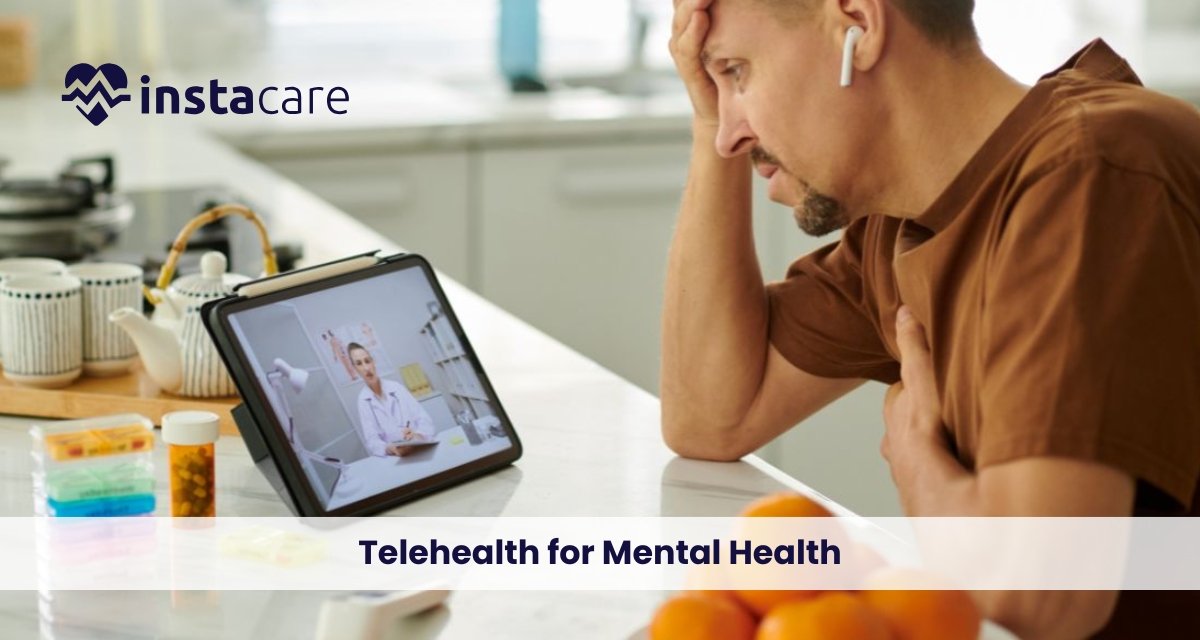
Understand The Importance Of Telehealth for Mental Health Telehealth for mental health has gained momentum pretty rapidly, changing the way mental health care can be accessed. The flexibility of using technology to provide a series of mental health services-from teletherapy and telepsychiatry to online Telehealth counseling services -has become highly effective in modern times. Societal awareness regarding mental wellness has been growing, coupled with an unprecedented demand for uncomplicated access to effective mental health care, eventually forcing the shift from face-to-face mental health virtual consultations to virtual mental health care. In a world where stress, telehealth for anxiety and depression are becoming more common, telehealth is an answer that can make services gap-less in terms of accessibility, convenience, and comfort. Online mental health services have enabled access to Psychological support and online support from licensed professionals, which previously were perceived as barriers to traditional therapy settings. Definition of Telehealth and Its Elements Telehealth is any service that might be delivered remotely through digital technology. This term encompasses various virtual healthcare, including physical and mental healthcare. In terms of telehealth for mental health care, there could be teletherapy, in which virtual sessions would be carried out with therapists, and telepsychiatry, under which online consultation with psychiatrists would lead to diagnosis and even prescription. This variety allows one to select the service suitable to their needs, making mental care more individual and effective. Mental health telemedicine enables licensed professionals to connect with patients through safe video conferencing tools or telephone calls. It benefits those with transportation problems, living in remote areas, or having other limitations that visit a professional difficult to access. The use of technology in telehealth for mental health eliminates many of the barriers that prevent people from getting the help they need. The Emergence of Teletherapy One of the most popular forms of telehealth for mental health is teletherapy. This service allows people to conduct therapy sessions from the comfort of their homes. The ease of teletherapy has made it an attractive option for many, especially in times of crisis, such as the COVID-19 pandemic. As social distancing measures were enforced, mental health providers quickly adapted by offering remote counseling options to ensure that patients could continue receiving care despite physical limitations. Teletherapy covers everything related to anxiousness, depression, and issues between partners. It is also quite convenient, meaning that one can have therapy at the most convenient time for them. With online therapy platforms offering their services, there is an option of choosing from a long list of therapists based on specific needs, preferences, or areas of specialty. Customization enhances the therapeutic session; therefore, telehealth mental health treatment results will be highly effective. Book Free Demo Advantages of Virtual Mental Health Care The benefits of virtual mental health care are numerous and profound. The most significant advantage is increased accessibility. For a large number of people, traditional treatment can be frightening simply because of barriers of distance or stigma associated with getting help. Telehealth for mental health eliminates the concern because no geographical location would be considered a barrier. After all, it only requires an internet connection to get help. Telehealth also provides comfort to clients that, perhaps, their traditional settings cannot offer. While some individuals consider it convenient to talk about personal problems in familiar territory, such as one’s place of abode, the comforts associated with familiarity may open such a client when talking about more personal issues as therapy progresses between the client and the therapist for a better rapport. The most significant advantage is the convenience of scheduling appointments. The patients can visit them without necessarily travelling. They will save time and money, hence ensuring that they increase efficiency and improve the treatment outcome with more regular attendance. Tackling Specific Mental Health Issues The best applications of mental health telehealth are targeting particular conditions, such as Telehealth for depression or anxiety telehealth. For patients who present signs of depression, the act of leaving their homes might be impossible. In such a respect, tele counseling offers the most feasible solution because the individual can seek a therapist online. Access will eliminate the burden on the individual to travel to a location where he can meet a counsellor. Similarly, mental health telemedicine may prove useful for people suffering from anxiety in the sense that the virtual environment provides a safe place for therapy. Practitioners can help patients find coping skills they can apply directly to their clients’ lives, making the treatment very effective. Digital Mental Health Resources Besides, digital mental health resources, such as applications and online support groups, can be used with traditional therapy. These resources allow clients to control the well-being process outside sessions, further empowering a proactive approach to wellness. Challenges and Limitations of Telehealth The benefits of telehealth in Mental health support via telehealth are apparent, but there are challenges and limitations to be considered. One major issue is the possibility of technology barriers. Not everyone can access reliable internet or the necessary devices to participate in virtual sessions. This digital divide can disproportionately affect marginalized communities, further exacerbating existing inequalities in mental health care access. It raises privacy and security concerns about using therapy online. Everyone needs to select a site with proper regulation, such as HIPAA or others, that deals with confidentiality when using their information. Ideally, therapists must be able to inform patients about how sensitive information will be protected while they provide virtual sessions. Others would find that face-to-face contact is preferred and more suitable for more intense therapy requiring a personal connection. Telehealth, in some cases, may not be ideal for everyone, and a few individuals will still need traditional in-person treatment. Future of Telehealth for Mental Health Telehealth in mental health would seem promising due to its continuously evolving nature of technology and ever-growing consciousness over mental well-being. More people are embracing the medium of telehealth to deliver their services in the mental health field, with more extended reach in service offered. Group therapy sessions, workshops,

The Founder & Chief Executive Officer of InstaCare , Mr. Bilal Amjad had the privilege of holding an impactful discussion with Ms. Shaza Fatima Khawaja, Federal Minister of IT & Telecom, and DG IT Mr. Asfandyar Khan to discuss the pressing digital health challenges in Pakistan. This insightful discussion centered around leveraging technology to address barriers in healthcare accessibility, enhance operational efficiency, and support the burgeoning tech ecosystem in the country. Minister’s Vision and Leadership The meeting underscored the forward-thinking leadership and dedication of Ms. Shaza Fatima Khawaja in addressing Pakistan’s digital challenges. Her commitment to fostering innovation and supporting the health-tech ecosystem reflects a clear vision for the future of healthcare in Pakistan. Her proactive approach to ensuring digital infrastructure improvements has been instrumental in laying the groundwork for sustained progress in the sector. Exploring Challenges and Opportunities While Pakistan’s digital health landscape has immense potential, the discussion acknowledged several challenges faced by the sector, including operational disruptions and barriers to adopting technology at scale. These challenges were addressed in the context of finding collaborative solutions and exploring avenues to ensure the uninterrupted delivery of digital healthcare services. The meeting also highlighted opportunities to improve digital infrastructure, streamline healthcare processes, and empower tech startups to innovate and scale their solutions effectively. Reaffirming Commitment to InstaCare Customers InstaCare’s discussions with the IT Ministry reaffirm its commitment to addressing challenges and delivering reliable, high-quality healthcare solutions to its customers. While hurdles such as service disruptions are part of a growing digital landscape, the company is actively working with key stakeholders to ensure seamless operations and consistent service delivery. Driving Healthcare Innovation Forward This dialogue highlights the shared commitment of InstaCare and the Ministry of IT to advancing digital health innovation in Pakistan. Under the forward-thinking leadership of Ms. Shaza Fatima Khawaja and with the invaluable support of Ignite and NICs, InstaCare is poised to address challenges, foster trust, and deliver impactful solutions that enhance healthcare accessibility and efficiency. By working collaboratively, we are building a stronger digital health ecosystem that empowers healthcare providers, supports tech startups, and ultimately benefits communities across Pakistan. InstaCare remains steadfast in its mission to shape the future of healthcare through innovation and strategic partnerships.
The healthcare industry in Pakistan is evolving rapidly, with increasing emphasis on improving patient care, operational efficiency, and compliance with regulatory standards. One significant step in this direction has been the Punjab Healthcare Commission’s (PHC) Minimum Service Delivery Standards (MSDS), which aim to enhance the quality and accountability of healthcare establishments (HCEs). In light of a recent development in the healthcare sector, it is clear that the adoption of Electronic Medical Records (EMR) and Electronic Health Records (EHR) will soon become mandatory for all healthcare providers in Punjab. This shift marks a pivotal moment for clinics, hospitals, and healthcare practices across Pakistan. As a market leader in health tech innovation, InstaCare offers CoreMedix, a state-of-the-art EMR/EHR solution, perfectly aligned with the Punjab Healthcare Commission’s MSDS. Whether you’re running a single-doctor clinic or a multi-specialty hospital, InstaCare’s software is designed to optimize your practice, ensure compliance, and deliver exceptional patient care. Why Punjab Healthcare Commission Compliance Matters The Punjab Healthcare Commission’s MSDS are the cornerstone of quality assurance for healthcare establishments in Punjab. These standards provide a structured framework for HCEs to ensure patient safety, maintain accurate records, and streamline healthcare delivery. As the PHC moves toward making EMR/EHR adoption mandatory, healthcare providers must embrace solutions that meet these standards. InstaCare’s CoreMedix EMR/EHR software is developed explicitly in alignment with PHC’s MSDS, offering you a seamless way to ensure compliance while elevating the quality of your services. What is CoreMedix? CoreMedix is a comprehensive clinic management software that integrates EMR/EHR functionalities to support healthcare providers in managing their operations efficiently. Designed to meet the unique challenges of the healthcare sector in Pakistan, it streamlines administrative tasks, enhances patient management, and improves the overall workflow of clinics and hospitals. Whether you’re in Lahore, Karachi, Islamabad, or a smaller city in Pakistan, CoreMedix is tailored to meet your needs. Key Features of CoreMedix EMR/EHR Software Patient Management Managing patient records is the backbone of any healthcare practice. CoreMedix enables healthcare providers to maintain detailed digital records, ensuring accuracy and security. The features include: Comprehensive Patient Profiles: Store demographics, medical history, allergies, prescriptions, and lab results in one place. Appointment Scheduling: Simplify booking, rescheduling, and managing patient appointments. Digital Prescriptions: Eliminate manual errors with e-prescriptions that can be shared with patients and pharmacies. Follow-Up Reminders: Automatically notify patients about follow-ups, ensuring continuity of care. Clinic Management CoreMedix offers advanced tools to manage day-to-day clinic operations seamlessly: Billing and Invoicing: Generate accurate bills for consultations, procedures, and services with integrated invoicing. Inventory Management: Keep track of medical supplies and equipment, avoiding stockouts or overstocking. Queue Management: Organize patient flow efficiently to reduce waiting times. Customized Reporting: Generate detailed operational reports to analyze clinic performance and financial health. Practice Management For multi-specialty clinics and hospitals, CoreMedix offers robust practice management features: Multi-User Access: Allow multiple healthcare providers and staff to work on the system simultaneously with secure role-based access. Document Management: Upload, store, and retrieve patient documents and diagnostic reports with ease. Revenue Cycle Management: Track payments, outstanding balances, and revenue performance in real-time. Referral Management: Collaborate with other specialists or facilities by managing patient referrals efficiently. Regulatory Compliance What sets CoreMedix apart is its adherence to Punjab Healthcare Commission (PHC) standards: Standardized Documentation: Ensure compliance with PHC’s MSDS for documentation and record-keeping. Data Security: Safeguard patient information with robust encryption and secure access protocols. Audit Trails: Maintain a complete log of user activities to ensure accountability and transparency. Why Choose InstaCare’s CoreMedix? Developed for Pakistan’s Healthcare Needs CoreMedix is not just another clinic management software; it is a solution developed with deep insights into Pakistan’s healthcare ecosystem. It is designed to overcome common challenges such as fragmented data, inefficient workflows, and regulatory hurdles. Seamless Implementation InstaCare ensures smooth onboarding, training, and technical support for all users, minimizing disruption to your practice during the transition to digital systems. Cost-Effective Solutions Adopting an EMR/EHR system can seem daunting for smaller clinics, but CoreMedix offers scalable pricing models to suit businesses of all sizes, ensuring affordability without compromising on quality. Scalable and Customizable CoreMedix can be tailored to meet the specific needs of your practice, whether you’re a small clinic or a large hospital. Its modular approach ensures that you only pay for the features you use. Future-Proof Your Practice With the PHC’s mandate for EMR/EHR systems on the horizon, adopting CoreMedix now positions your practice ahead of the curve. By ensuring compliance today, you eliminate the risk of penalties or disruptions tomorrow. The Growing Importance of EMR/EHR in Pakistan The global healthcare industry is increasingly shifting towards digital solutions, and Pakistan is no exception. From major cities to rural areas, the demand for EMR/EHR systems is growing as healthcare providers recognize their benefits in enhancing patient care and operational efficiency. CoreMedix not only meets but exceeds the expectations of healthcare professionals by offering a solution that is intuitive, reliable, and compliant with local regulations. How to Get Started with CoreMedix Transitioning to digital healthcare has never been easier. Here’s how you can get started: Schedule a Demo: See CoreMedix in action and explore its features with a guided demonstration. Customize Your Package: Select the features that align with your practice’s needs. Onboarding and Training: InstaCare’s team will ensure your staff is fully trained and confident in using the system. Go Live: Start delivering enhanced patient care while managing your practice with ease. Summary The Punjab Healthcare Commission’s initiative to mandate EMR/EHR systems reflects a critical step forward in modernizing Pakistan’s healthcare landscape. InstaCare’s CoreMedix EMR/EHR software, with its robust clinic and practice management capabilities, stands out as the ultimate solution for healthcare providers looking to comply with these new standards while improving their operational efficiency and patient satisfaction. As the leading clinic management software in Pakistan, CoreMedix is your gateway to a more streamlined, compliant, and patient-centric practice. Don’t wait for the mandate to take effect—act now and transform your healthcare practice with InstaCare.
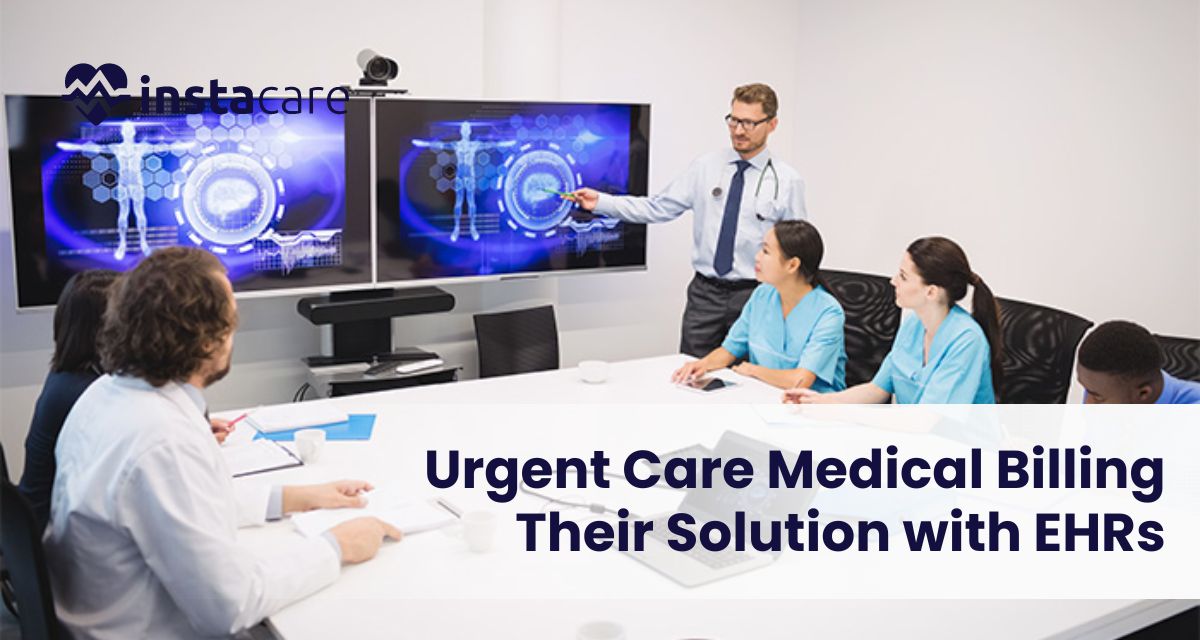
Top 7 Challenges in Urgent Care Medical Billing Their Solution with EHRs Urgent care centers have emerged as vital health care systems for the quick treatment of patients who are experiencing non-life-threatening illnesses. Irrespective of the role and valuable contribution of urgent care centers in health care delivery, such health care treatment centers stand at the receiving end while considering the challenges in managing financial operations, especially medical billing. Proper and accurate medical billing is not merely essential to attain financial stability, but it also ensures the smooth running of operational workflows and facilitates the maintenance of patient satisfaction. Here we discuss about the challenges in urgent care medical billing and their solution with EHR.. 1-Coding Accuracy and Compliance Medical billing demands the greatest level of accuracy in coding so that health services provided are properly documented and paid. If a coding is incomplete or inaccurate, it leads to claim denials, delayed reimbursement, and even violation of health care regulations such as the HIPAA-Health Insurance Portability and Accountability Act. Urgent care presents a great challenge in sustaining the accuracy of coding given the great turnover of patients and the immense array of services rendered. Among all the disparate and undocumented data that remains in a lot of organizations, EHR stands out as a very potent tool whereby techniques to increase coding accuracy and compliance can be applied. Updated coding guidelines and automated checks that assist health providers with choosing the most appropriate codes for services delivered are contained within most modern EHR products. 2-Timely Claim Submission Timely submission of claims is essential to the smooth operation of urgent cares since it provides a constant flow of income into the center. Slow claim submissions imply longer revenue cycles, larger accounts receivables, and strained finances. The conventional method of generating and submitting claims tends to be slow and error-prone, more so in fast-paced urgent cares. EHRs make the submitting of claims easier as it automates the creation, checking, and transmissions of claims to insurers, that is payers. That is accomplished by capitalizing on the inbuilt billing modules that capture every patient encounter in real-time, auto-filling of the claim forms, and running initial checks on completeness and accuracy. 3-Insurance Verification Insurance verification in patient care is one of the first measures that need to be taken in the entire medical billing process in order to make sure that the services offered to the patient are well covered under the reins of reimbursement. The traditional or manual processes of insurance verification are very cumbersome, time-consuming, and prone to errors. The error-prone nature of these techniques might be a cause of denials and lagging in payments against the claim. Immediate health care sectors are those sectors where immediate attention is given to the patients; that is why quick execution of the insurance verification process is mandate for speedy workflow and better customer satisfaction. EHRs have automated insurance verification technology built into their patient registration and scheduling modules. Each time a patient is checked in to an urgent care facility using an EHR, the system immediately draws the patient’s insurance information from live databases to determine coverage and the copayment or deductible requirement. Book Free Demo 4-Denials and Rejections Denial and rejection, being the most worrisome problems in medical billing, have to be rapidly pinpointed as to where the issues are and how to get over the same. Denial may happen for various reasons such as coding errors, missing documentation, or inconsistency in patient details. In immediate care centers, where the turnover of patients is pretty rapid and the disease profile of the patients also varies, effective denial management holds the key towards revenue integrity and ensures continuous operations. EHRs possess robust analytics and reporting capabilities that healthcare providers can utilize to assess trends in claim denials to pinpoint its causes in a root-cause manner, but with correction in mind. 5-Patient Payment Collection Collecting payments from patients is a core component of urgent care financial management, as it provides revenue capture and sustainability. Collecting payments at the point of service is, at times, very difficult in such environments where the encounters are short and limited to immediate medical attention. If payments are not captured in a timely or adequate manner, accounts receivable grow and urgent care providers face increased financial instability. Integrated payment solutions are another critical feature on offer; EHRs collect payments right from the point of care. Secure payment processing functions have been built into the system so that the providers can charge different credit/debit card types and mobile payments, thereby enabling the providers to use an integrated method for collecting payments instead of logging into other third-party payment gateways charging money for each transaction performed. 6-Regulatory Changes With every one of them, urgent care centers have to go through developing healthcare regulations and compliance requirements most of the time. This also might include changes in policies or updates in coding guidelines or even changes in reimbursement criteria that impact the billing and financial results at the end. Other than this, non-compliance with the established regulatory standards tends to be costly because it puts a health care provider at risk for penalties, audits, and reputational risks. EHR systems are designed in a manner that they dynamically evolve to reconcile regulatory changes, hence having already set functionalities that allow for robust compliance monitoring and conformance. The systems are given updates on a regular basis for the incorporation of newly introduced regulatory requirements and industry standards for the purpose of ensuring continuous compliance by urgent care providers with all laws that are federal and state-level dealing with healthcare services. 7-Integration with Revenue Cycle Management (RCM) Effective revenue cycle management is critically linked with urgent care financial performance and operational effectiveness. The RCM spans the patient care continuum, from appointment scheduling to the final payment collection, and hence requires smooth and bi-directional integration of clinical workflow with the Billings function. Inefficient RCM results in revenue leakage, increased administrative expenses, and reduced patient satisfaction. EHR systems today
What You Must Know About Digital Disruption In Healthcare? Mechanized aggravation has transformed into an in vogue articulation in various organizations, and clinical consideration is no extraordinary case. The joining of cutting edge developments might conceivably change how clinical consideration is conveyed, dealing with open minded results, further developing efficiency, and modifying the patient experience. In this article, we will explore the imperative pieces of mechanized aggravation in clinical consideration and its impact on the business. The Contribution Of Telemedicine By working with distant counsels among patients and medical services experts, telemedicine has reformed medical care. Without the requirement for in-person visits, patients can get clinical guidance, analysis, and treatment through video conferencing and other correspondence advances. This innovation is particularly useful for individuals who live in country regions and might not have simple admittance to medical care administrations. It in like manner further creates convenience for patients with flexibility issues or individuals who find it attempting to make an outing to clinical benefits workplaces. Distant Patient Checking With Digital Disruption In Healthcare Far off quiet checking includes the utilization of wearable gadgets and sensors to gather patient information beyond conventional medical services settings. These gadgets can follow imperative signs, for example, pulse, circulatory strain, and glucose levels, as well as movement levels and rest designs. The gathered information is communicated to medical care suppliers continuously, permitting them to remotely screen patients’ wellbeing. This innovation is particularly important for overseeing ongoing circumstances, as it empowers early discovery of likely issues and takes into account opportune mediations. In rundown, digital disruption In healthcare and far off quiet observing are huge progressions in computerized disturbance in medical services. Telemedicine gives remote admittance to medical care administrations, further developing availability and accommodation for patients. Distant patient observation permits medical care suppliers to gather and screen patient information from a distance, upgrading the administration of constant circumstances and empowering early mediation. These innovations can possibly change medical care conveyance, making it more open, productive, and patient-focused. Developed Information Exactness The change from paper-based clinical records to electronic wellbeing records (EHRs) has fundamentally further developed information precision in medical care associations. With EHRs, medical services suppliers can enter patient data straightforwardly into a computerized framework, decreasing the gamble of blunders that can happen during manual recording. This guarantee that patient information is recorded precisely, prompting more dependable and thorough clinical records. Book Free Demo Improved Data Sharing EHRs work with consistent data division among medical services suppliers, further developing coordination and congruence of care. Sharing patient data across various healthcare settings can be time-consuming and error-prone with paper-based records. EHRs empower approved medical care experts to get to patient records electronically, taking into consideration a more effective trade of data. This upgrade coordinated effort among medical services groups, prompting better-educated navigation and working on tolerant results. Smoothed Out Work Process And Effectiveness The reception of EHRs has smoothed out the work process and further developed productivity in medical care associations. With advanced records, medical care suppliers can rapidly recover patient data, killing the need to look through piles of paper documents. This recovers time and permits medical services experts to zero in more on quiet consideration. Additionally, digital disruption In healthcare, reducing paperwork and increasing overall efficiency. Improved Patient Security EHRs add to upgraded patient security by diminishing the gamble of mistakes and further developing drugs across the board. With computerized records, medical care suppliers can undoubtedly get to a patient’s finished clinical history, including sensitivities, past conclusions, and meds. This data forestalls medicine mistakes, for example, endorsing prescriptions that might collaborate adversely or cause unfavorable responses. EHRs also help clinical decision support systems by alerting healthcare providers to potential drug interactions or dosage errors and reminding them to avoid them. Information Examination And Populace Wellbeing Digital Disruption In Healthcare organizations use strategies for population health management and data analytics. By examining huge datasets inside EHRs, medical services suppliers can distinguish patterns, examples, and experiences that can illuminate populace wellbeing drives. In order to improve overall health outcomes, this data-driven strategy aids in the identification of patients at high risk, the observation of trends in population health, and the implementation of specific interventions. Taking everything into account, the reception of electronic wellbeing records (EHRs) has changed medical services associations by further developing information exactness, upgrading data sharing, smoothing out work processes, improving patient security, and empowering information examination for populace wellbeing. EHRs have changed how patient data is recorded, put away, and gotten to, prompting more productive and viable medical care conveyance. As computerized disturbance keeps on developing, EHRs will assume a vital part in forming the eventual fate of medical services, empowering better tolerance and results. Infection Analysis And Treatment Computer based intelligence and AI calculations can break down clinical pictures, like X-beams, X-rays, and CT checks, to aid infection conclusion. These calculations can recognize examples and inconsistencies that might be challenging for natural eyes to distinguish, prompting more exact and ideal analyses. Artificial intelligence can likewise assist with anticipating treatment results by breaking down persistent information and contrasting it with comparative cases before. This data can help medical care experts create customized therapy designs and work on persistent results. Clinical Choice Help Computer based intelligence and AI can give clinical choice help by breaking down understanding information, clinical writing, and treatment rules. These calculations can help medical services experts in settling on proof based choices, recommending fitting therapy choices, and making them aware of likely dangers or complexities. This innovation can assist with decreasing clinical mistakes, work on persistent security, and improve the general nature of care. Prescient Investigation And Preventive Consideration Enormous datasets can be examined by man-made intelligence and AI calculations to find examples and patterns that can anticipate the movement of an infection or recognize people in danger of fostering a specific condition. This data can empower medical services suppliers to carry out preventive measures and meditations to relieve gambling and work on persistent results. By utilizing prescient investigation,