

PHC HMIS Implementation Guide for Hospitals in Pakistan Healthcare regulation in Pakistan is evolving rapidly as the Punjab Healthcare Commission (PHC) introduces new requirements to improve patient safety, hospital accountability, and healthcare transparency. One of the most important regulatory changes is the mandatory implementation of Hospital Management Information Systems (HMIS) in private hospitals. This shift marks a transition from traditional paper-based hospital operations to digitally integrated healthcare management systems. Hospitals must now implement software solutions that allow them to manage patient records, clinical workflows, pharmacy operations, laboratory reporting, and administrative processes through a centralized digital platform. This guide explains everything hospitals need to know about PHC compliant hospital management software, including implementation, required modules, compliance timelines, and how healthcare software helps meet regulatory standards. What Is PHC HMIS? A Hospital Management Information System (HMIS) is an integrated digital platform designed to manage hospital operations, patient records, and clinical workflows through a centralized system. Under PHC regulations, hospitals must use HMIS to ensure: Accurate patient documentation Integrated hospital departments Real-time clinical data management Regulatory compliance with PHC standards Improved patient safety and service quality An HMIS connects multiple hospital departments, including outpatient services, emergency departments, laboratories, radiology units, pharmacies, and inpatient facilities. By implementing HMIS, hospitals can replace fragmented paper systems with structured digital healthcare records that improve efficiency, reduce errors, and enhance regulatory compliance. Why PHC Requires HMIS in Hospitals PHC has introduced HMIS requirements to strengthen healthcare governance and ensure hospitals maintain reliable clinical documentation. Traditional hospital operations often rely on manual record-keeping, which creates several challenges: Lost or incomplete patient records Duplicate patient files Delayed laboratory reporting Lack of operational transparency Limited traceability during inspections Digital hospital systems help address these problems by providing a secure and auditable platform for managing healthcare information. PHC encourages hospitals to adopt HMIS systems because they support: Accurate medical record management Improved coordination between hospital departments Better monitoring of clinical activities Regulatory transparency during inspections Data-driven healthcare management Hospitals Required to Implement HMIS PHC regulations primarily apply to Category-I private hospitals, which typically include large healthcare facilities with extensive clinical services and inpatient capacity. However, smaller hospitals and clinics are also increasingly adopting HMIS systems to ensure compliance with PHC standards and improve operational efficiency. Hospitals implementing HMIS early gain several advantages: easier compliance during PHC inspections improved operational workflows enhanced patient care coordination long-term digital transformation readiness PHC HMIS Implementation Phases PHC recommends implementing hospital information systems through structured phases to ensure a smooth transition from manual systems to digital healthcare management. Phase 1 – Core Clinical Modules The first phase focuses on essential hospital departments that directly interact with patient care. Key modules include: Outpatient Department (OPD) The OPD module manages: patient registration appointment scheduling consultation documentation prescription management clinical visit records Digital OPD systems allow hospitals to maintain structured patient histories and improve consultation workflows. Emergency Department (ED) Emergency modules enable hospitals to document urgent cases, track treatment timelines, and ensure proper patient documentation during emergency care. This improves clinical accountability and patient safety. Clinical Laboratory Information System Laboratory modules support: diagnostic test management laboratory order tracking result reporting sample traceability integration with patient medical records Laboratory systems reduce reporting delays and ensure diagnostic accuracy. Radiology Management Radiology systems help hospitals manage: imaging requests scan reports digital imaging records radiology documentation These systems allow physicians to access diagnostic imaging reports quickly. Pharmacy Management Pharmacy modules in pharmacy management software for hospitals manage medication dispensing, prescription tracking, and pharmaceutical inventory. They help hospitals maintain medication traceability and improve drug safety. Hospital Dashboard Dashboards provide hospital administrators with a centralized view of hospital operations, patient flow, and departmental performance. This allows leadership teams to monitor hospital performance in real time. Book Your Free Marketing Consultation Phase 2 – Advanced Operational Modules Once core modules are implemented, hospitals expand HMIS functionality to cover additional clinical and administrative operations. Inpatient Department (IPD) IPD systems manage hospitalized patients, including: admission and discharge records bed allocation inpatient treatment documentation nursing documentation These systems help hospitals track patient care across the entire inpatient journey. Operation Theatre (OT) OT modules manage surgical procedures, surgical scheduling, and operating theatre documentation. They support better coordination between surgeons, anesthesiologists, and nursing teams. Intensive Care Unit (ICU) ICU systems allow hospitals to monitor critically ill patients through structured documentation and real-time patient data tracking. Infection Prevention and Control Healthcare facilities must monitor infection control procedures to protect patients and healthcare staff. Digital systems help hospitals track infection incidents and implement prevention protocols. Equipment and Asset Management Hospitals must maintain accurate records of medical equipment, maintenance schedules, and asset tracking. This ensures equipment safety and regulatory compliance. Complaint Management Systems Hospitals are expected to maintain a structured system for managing patient complaints and feedback. Complaint tracking systems help hospitals resolve patient concerns and improve service quality. Continuous Quality Improvement (CQI) Quality improvement modules allow hospitals to monitor clinical performance indicators and implement corrective actions where necessary. These systems help healthcare facilities maintain high standards of care. Human Resource Management Healthcare facilities must maintain accurate records of healthcare professionals, including their credentials, training records, and professional certifications. HR modules support staff credential management and workforce tracking. Phase 3 – Emergency Preparedness and System Integration The final phase of HMIS implementation focuses on hospital emergency preparedness and overall system integration. Hospitals must establish systems to manage emergency events such as: fire incidents disaster response emergency preparedness plans Advanced dashboards allow healthcare administrators to monitor hospital performance and operational risks more effectively. Benefits of Implementing HMIS Hospitals that implement HMIS systems experience major improvements in operational efficiency and healthcare quality. Key benefits include: Improved Patient Record Management Digital systems allow hospitals to maintain accurate and complete medical records for every patient. Better Clinical Coordination Integrated hospital departments improve collaboration between doctors, nurses, laboratories, and pharmacies. Regulatory Compliance Hospitals can easily maintain documentation required during PHC inspections. Operational Transparency Hospital leadership teams gain better visibility into hospital operations and clinical performance. Reduced Administrative Work Automation
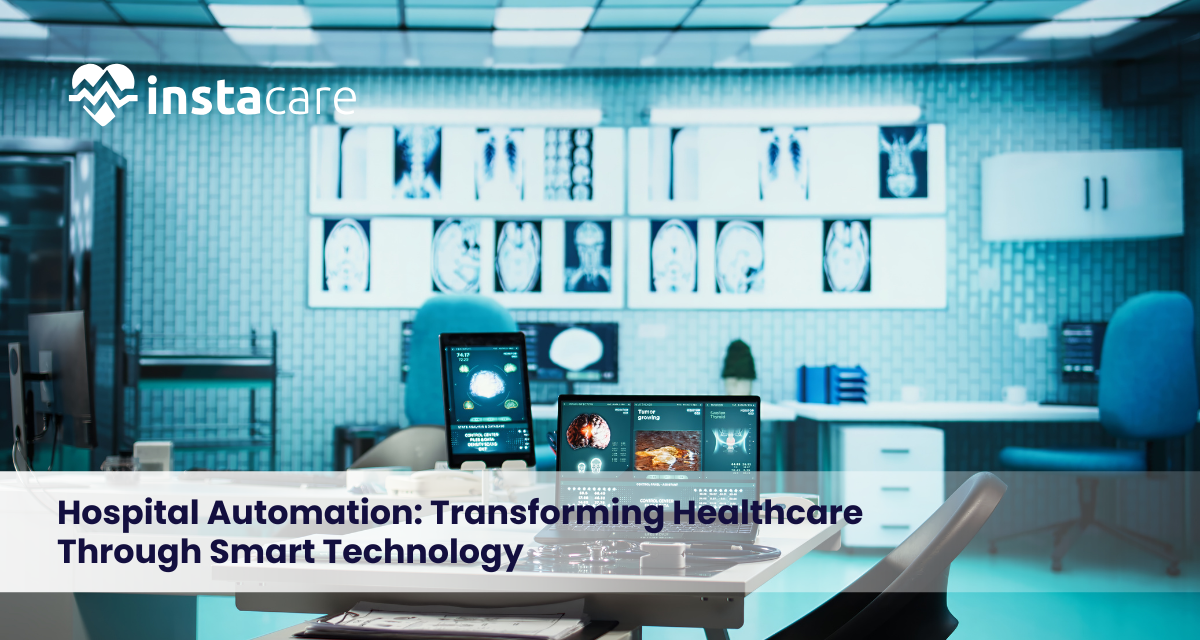
Hospital Automation: Transforming Healthcare Through Smart Technology The world of healthcare is quickly changing with the implementation of digital technologies, and one of the areas that are being affected the most by the change is hospital automation. The automation of hospitals is making them work more efficiently and accurately, reducing paperwork, enhancing patient care, and streamlining operations. Through the integration of intelligent instruments, data analytics, and interconnected systems, hospitals will be able to improve patient safety, reduce human error, and streamline workflows. This article discusses the role automation is playing in transforming current hospitals and why it will become a necessity in future health care systems. What Is Hospital Automation? Hospital automation is the use of computerized tools, programs, and smart solutions to simplify clinical and management procedures in medical centers. It eliminates the manual processes and it introduces automated processes that enhance efficiency, accuracy, and patient outcomes. It comprises all automated patient records and billing to AI-based diagnostics and robotic surgeries. In essence, automation is expected to produce more efficient, safer, and more patient-centered care. Key Components of Hospital Automation Hospital Information Systems A Hospital information system (HIS) is a digital platform that unites all hospital activities. It integrates patient, billing, scheduling, and diagnostics into a single system, forming the foundation of a comprehensive Hospital Management Software solution. Electronic Medical Records EMR automation enables hospitals to store and handle patient data in digital format. This will enhance accessibility and lessen paperwork. Automated Billing Systems Hospital billing automation will reduce manual errors and increase the rate at which payments are processed. Patient Management Systems Patient management automation helps track appointments, admissions, discharges, and follow-ups. Integration of Laboratories and Diagnostic Laboratory automation in hospitals enables rapid, more precise testing. Types of Hospital Automation Clinical Automation This encompasses diagnostic systems, robotic surgery, and treatment planning systems that help doctors provide accurate care. Administrative Automation Billing, cover, schedule and insurance processing and documentation. Workflow Automation Automated hospital workflows eliminate delays because the communication between departments is simplified. Pharmacy Automation Medication dispensing and tracking of inventory automation improve patient safety. Infrastructure Automation Hospital environments are enhanced with smart lighting, the HVAC control, and energy-efficient systems. Benefits of Hospital Automation Improved Patient Care This minimizes mistakes and improves treatment accuracy, resulting in better outcomes. Increased Efficiency The automation of healthcare can be used to accomplish tasks that previously required hours in minutes. Reduced Operational Costs The automation systems reduce the staffing and administrative expenses. Enhanced Data Accuracy Electronic systems are used to remove duplication and the errors in manual entries. Better Patient Experience Online booking of appointments to automated reminders should make patients happier. Real-Time Data Access Medical records can be accessed immediately by the doctors enhancing diagnosis and treatment decisions. Role of Artificial Intelligence and IoT Artificial Intelligence Vital AI improves the process of clinical decision-making through processing medical data and forecasting the health risk. It supports: Disease detection Individualized care delivery plans. Predictive analytics Internet of Things (IoT) IoT devices can enable real-time patient monitoring through connected sensors and wearables. These systems: Monitor the vital signs. Create remote patient monitoring. Enhance the response times during emergencies. The future of digital hospital management is AI and IoT. Book Your Free Marketing Consultation Challenges in Implementing Hospital Automation High Initial Investment Hospital automation systems are quite expensive to install. Data Security Concerns Cybersecurity is required in manipulating sensitive patient information. Employee Training Needs Healthcare staff should be trained to use automated tools. Integration Issues Existing systems might not lend themselves well to new automation systems. Resistance to Change The implementation of new technologies can be obstructed by employees accustomed to doing things the old way. Future Trends in Hospital Automation Due to constant improvement in technology, automation of hospitals is promising in its future. Emerging Trends: AI-powered diagnostics Voice recognition clinical documentation. Smart robotic surgeries Secure medical records blockchain. Anticipatory patient surveillance. The innovations will also enhance Clinical workflow automation and enhance the provision of health care in the world. Best Practices for Successful Implementation Begin with Scalable Solutions Select systems that are scalable to Healthcare automation solutions’ requirements. Focus on Data Security Put in place effective encryption and compliance measures. Train Healthcare Staff Effective usage and adoption is made easy with proper training. Ensure System Integration They should ensure that all systems work together. Keep an eye on Performance Measures Loyal audits assist in gauging ROI and improvements in operate-ability. Conclusion The revolution in the healthcare sector is hospital automation, which enhances efficiency, accuracy, and patient care. Hospitals can improve operations and patient clinical outcomes by incorporating new technologies, such as AI, IoT, and digital record systems. Although issues like implementation barriers and costs exist, the long-term benefits outweigh the negatives. With the ongoing technological revolution, hospital automation will be significant in creating smarter, safer, and more responsive healthcare systems. FAQs What are the hospital automation systems? Hospital automation systems are digital tools that automate clinical and administrative processes to enhance efficiency and patient care. What is the use of automation in enhancing patient care? Automation minimizes mistakes, speeds diagnosis, and improves coordination between departments, resulting in better treatment outcomes. Is the automation of hospitals costly? Automation may cost a great deal at first, but it decreases long-term operating costs and enhances efficiency.
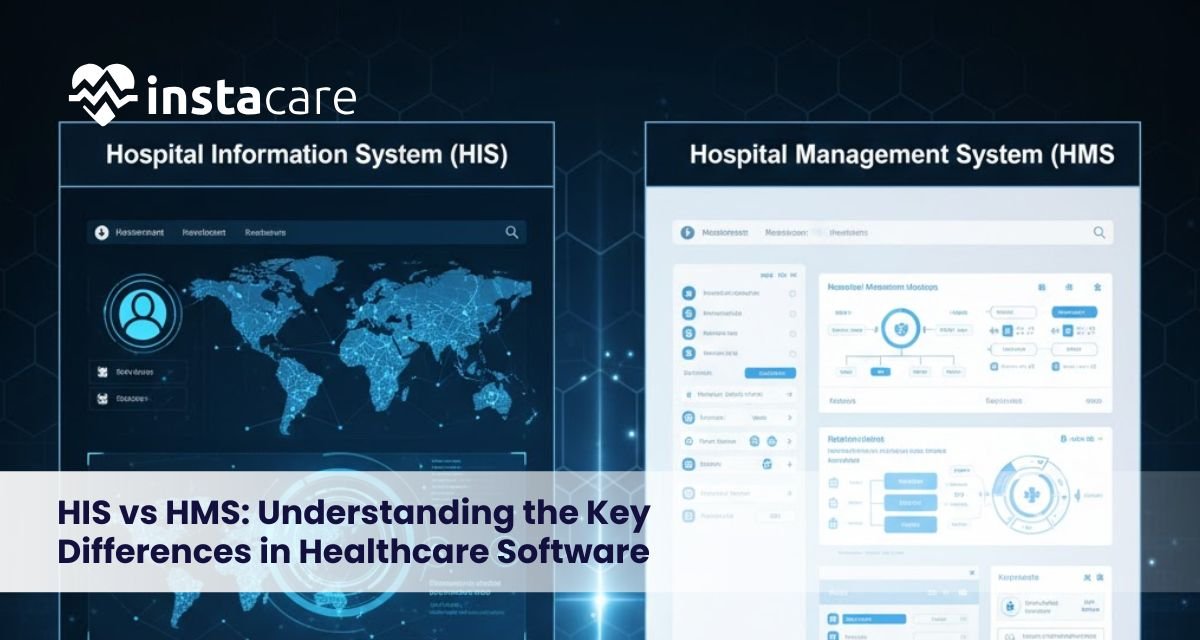
HIS vs HMS: Understanding the Key Differences in Healthcare Software The healthcare organizations have been overly relying on digital systems to facilitate operations, enhance patient care, as well as increase efficiency. The Hospital Information System (HIS) and the Hospital Management System (HMS) are two popular systems of healthcare IT. These terms are used interchangeably though there are some significant differences between the two. The comparison between hospital information system vs hospital management system will help healthcare providers to select the appropriate solution to their problems. This guide elaborates the main characteristics, dissimilarities, and similarities as well as advantages of HIS and HMS. What Is a Hospital Information System (HIS)? A Hospital Information System (HIS) is a software interface comprising of an integrated system used to handle the clinical, administrative, financial, and operational data of a hospital. It pays much attention to the patient data and clinical processes. HIS is integrated with relationship among various departments-laboratory, radiology, pharmacy and billing into one digital hub. In comparison with HIS, HMS is said to be more clinically oriented. What Is a Hospital Management System (HMS)? A Hospital Management System (HMS) is software designed to manage a hospital’s administration and operations. It automates routine procedures and enhances productivity. Although HMS can contain clinical modules, it generally focuses on: Patient registration Appointment scheduling Billing and invoicing Inventory management Staff management Put simply, in HIS vs HMS comparison, HMS is more operational management-centered, whereas HIS is more in-depth in combining both clinical and operational data. Key Features of HIS The HIS software features will help explain its broader scope. Electronic Medical Records (EMR) Integration Keeps patient medical histories electronically. Laboratory Information System (LIS) Tracks lab tests and results efficiently. Radiology Information System (RIS) Manages imaging reports and diagnostic workflows. Pharmacy Management Monitors prescriptions, drug inventory and dispensing. Clinical Decision Support Facilitates doctor treatment plans and alerts. Patient Data Management Enhances through central and safe storage of medical records. Financial & Billing Modules Processes insurances, payments and tracking of revenues. Large hospitals that have many departments may need HIS in order to have a wide integration. Key Features of HMS The HMS software features that are more operational oriented. Appointment Scheduling Books automatically and shortens the waiting of patients. Patient Registration Electronically records the admissions and discharges. Billing & Invoicing Prepares bills and records payments. Inventory & Asset Management Tracks the use of medical supplies and equipment. HR & Payroll Management Administers personnel files and wages. Reporting & Analytics Reports the performance of the administration. HMS is most applicable to small to mid-sized healthcare facilities where administrative efficiency is the primary objective. Book Free Demo Key Differences Between HIS and HMS The scope and functionality of HIS and HMS are the major differences. Regarding a classic comparison between HIS and HMS, HIS focuses on clinical and administrative processes, providing a wide range of patient data management capabilities and sophisticated tools such as EMR, LIS, and RIS. It is extensive in interdepartmental integration and is most applicable to large hospitals and multispecialty health facilities that require deep clinical coordination. Conversely, HMS primarily focuses on administrative and operational activities, such as patient registration, billing, appointment scheduling, and inventory management. It provides a moderate level of integration and is mostly well-suited to small to medium-sized healthcare facilities. The difference between hospital ERP vs HIS is that the HIS is viewed as having more clinical strength than hospital ERP in discussions where HIS is viewed as focusing more on enhancing hospital management processes. Similarities Between HIS and HMS Although they are different, HIS and HMS have a number of similarities: They both digitalize hospital operations. Both enhance efficiency of workflow. Both reduce paperwork Both enhance data accuracy Both favour reporting and analytics. The two systems are the fundamental elements of present-day healthcare IT systems. HMS vs EMR: How Do They Compare? When we are discussing HIS and HMS, it might also be useful to understand HMS vs EMR. EMR (Electronic Medical Record) refers to the computerized medical records of patients. HMS incorporates non-patient record administrative functions. HIS is also the system that typically integrates with EMR. Therefore, EMR is generally part of an HIS rather than an entire hospital management system. Benefits of Implementing Healthcare Software Healthcare organizations also have several advantages regardless of the HIS or HMS selection. Better Operational Efficiency The automation decreases the number of manual jobs and administration. Better Patient Care The centralized data enhances the quality of diagnosis and treatment plan. Enhanced Data Security Digital records are safer as compared to paper based systems. Cost Reduction Automated procedures cut on wasteful costs. Better Hospital Financial Performance Proper billing and revenues recognition enhance profitability. Regulatory Compliance Electronic systems can be used to support healthcare quality and reporting issues. By investing in the appropriate healthcare IT system, one will see a growth in the long run and a better patient outcome. Choosing Between HIS and HMS The choice depends on: Hospital size Budget Clinical complexity Integration requirements Digital transformation long-term objectives. HIS can be more useful to large multi-specialty hospitals, whereas the small facilities can be satisfied with HMS. Conclusion Hospital management system vs hospital information system is vital information that a healthcare decision-maker should understand. Though both HIS and HMS enhance efficiency and digitalize operations, HIS is more deeply integrated clinically, and HMS is rather about the administrative management. An attentive comparison of the HIS and HMS assists the healthcare providers to determine the appropriate solution depending on their size, services, and the long-term goals. Finally, adoption of appropriate healthcare IT system improves patient care, efficiency in operation and financial performance. Frequently Asked Questions How does HIS differ primarily with HMS? HIS concentrates on clinical and administrative operations whereas HM is preoccupied with administrative and operational activities. Is HMS the same as EMR? No. EMR deals with the medical record of patients, whereas HMS has administrative tasks, including billing and scheduling. Which is better: HIS or HMS? It depends on hospital needs. Hospitals that are large
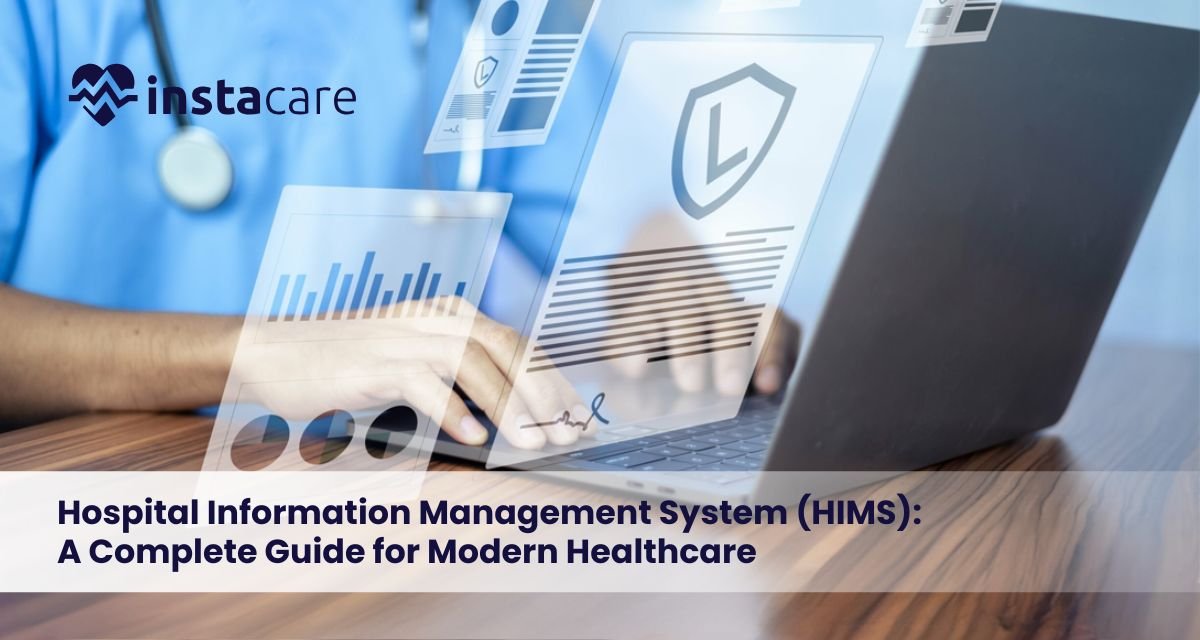
Hospital Information Management System (HIMS): A Complete Guide for Modern Healthcare The world’s healthcare systems are changing fast as a result of digital transformation and the necessity to provide efficient patient-centred care. Manual processes are currently virtually impossible and prone to errors in hospitals that deal with huge amounts of clinical, administrative and financial data. This is where a Hospital Information Management System is required. HIMS assists healthcare professionals in streamlining operations in hospitals by implementing technology in daily practices, decision support, and patient outcomes within a modern healthcare information system. What Is a Hospital Information Management System (HIMS)? A Hospital Information Management System (HIMS) is a complete online tool, which is meant to coordinate every side of hospital work. It integrates clinical, administrative, financial and operational operations into a single hospital information system. HIMS enables the hospitals to store, process and access patient information electronically as opposed to paper-based systems. It helps in registering patients, making appointments, diagnostics, billing, reporting, and compliance. Simply put, it can be described as the backbone of the digital world of the modern hospitals, functioning as advanced hospital management software that facilitates communication within the departments. Key Components of a Hospital Information Management System Strong hospital information system comprises a number of inter-linked modules, whose functions within the hospital activities are: Patient Registration and Admission Module: The module that handles the demographics of the patients, the details of their admission and their discharge, supporting a reliable patient information management system. EMR Stores: Holds clinical information including diagnoses, treatment plans, laboratory results and physician notes within an electronic hospital management system. Clinical Information System: Assists the doctors and the nurses with access to real-time data about the medical information, which enhances the clinical decision making as part of a structured clinical information system. Billing and Financial Management: Automates billing, insurance claims, payments and financial reporting. Pharmacy and Inventory Management: Tracks medications, stock levels, and usage to prevent shortages and wastage. Hospital ERP Software: Integrates into one system the human resources, procurement, payroll, and asset management through hospital ERP software. The Hospital Workflow Management System: Organizes work in different departments to ensure efficiency and minimization of delays using a comprehensive hospital workflow management system. These elements combined form an all inclusive electronic hospital management system supported by a centralized hospital data management system. How HIMS Works in a Hospital Environment? HIMS is a digital ecosystem that is centralized. Every time a patient comes, he or she is keyed into the system and immediately available in all departments. In real time, doctors can access medical histories, nurses can update on the progress of treatment, the labs can post test findings, and the billing departments can create the bill. This continuous flow of data enhances coordination and gets rid of duplication. The hospital data management system will guarantee accuracy and consistency in information and secure access to information, allowing staff to dedicate more time to the patient, as opposed to the administrative aspect, through integrated hospital IT systems. Benefits of Implementing HIMS Implementation of a hospital management software has many benefits: Better Efficiency: Automated processes save on paper work and administration overheads. Improved Data Accuracy: Digital records reduce mistakes that come about due to recording by hand. Enhanced Clinical Decision-Making: Real-time patient access helps in proper diagnoses and treatment plan. Cost Reduction: Improved operations and rationalized resource use reduced the cost of operation. Regulatory Compliance: Ensures that there is proper documentation and reporting in line with the healthcare regulations. Centralized Hospital IT: Systems forms a single point of all operations of the hospital. In general, HIMS enhances productivity at the same time with high care standards using a secure medical information management system. Book Your Free Marketing Consultation Role of HIMS in Improving Patient Experience One of the healthcare performance indicators is patient satisfaction. HIMS is essential in improving the patient experience through the reduction of wait time, enhancement of communication and continuity of care. Having a stable patient information management system, patients can be registered faster, have timely test results, correct billing, and easier follow-ups. Digital documentation also facilitates tailored care, since the medical history is available to the health practitioners. Moreover, billing and treatment plans promote transparency that fosters trust between the patient and health care provider. Challenges in Implementing HIMS Notwithstanding its positive side, HIMS has challenges: The cost of High Initial Investment: Infrastructure, software licensing, as well as training, may be expensive. Resistance to Change: The staff might be hard to adjust to the digital systems replacing the manual systems. Data Safety and Privacy Implications: Assure confidentiality of medical records. System Integration: Problematic with existing system may be complicated. Training Requirements: On-going employee training is also necessary to make good use of it. Nevertheless, these challenges could be managed with the help of appropriate planning and support of vendors. HIMS vs Other Healthcare Information Systems HIMS is not to be confused with other systems, however, it is broader in its scope: Electronic Medical Records (EMR): Only clinical information. Laboratory Information Systems (LIS): Laboratory operations. Radiology Information Systems (RIS): Processes imaging information. HIMS is more comprehensive and involves all these functions in a single medical information management system as compared to standalone solutions. Future of Hospital Information Management Systems The future of HIMS is strongly related to new technologies. The operations in hospitals are being changed by artificial intelligence, machine learning, cloud computing, and big data analytics. The future systems will be predictive, diagnostics based on automation, integration of telemedicine, and interoperability. The postmodern hospitals will be based on the enhanced hospital workflow management systems that will enable hospitals to provide quicker, safer, and more individualised care. HIMS will also be more innovative, safer, and patient-centred and yet again, healthcare will be becoming more digital. Conclusion A Hospital Information Management System is more than a luxury, nowadays, it is a necessity in healthcare institutions. HIMS is also an efficient approach that helps to improve patient care, promote long-term sustainability, and integrate clinical, administrative, and
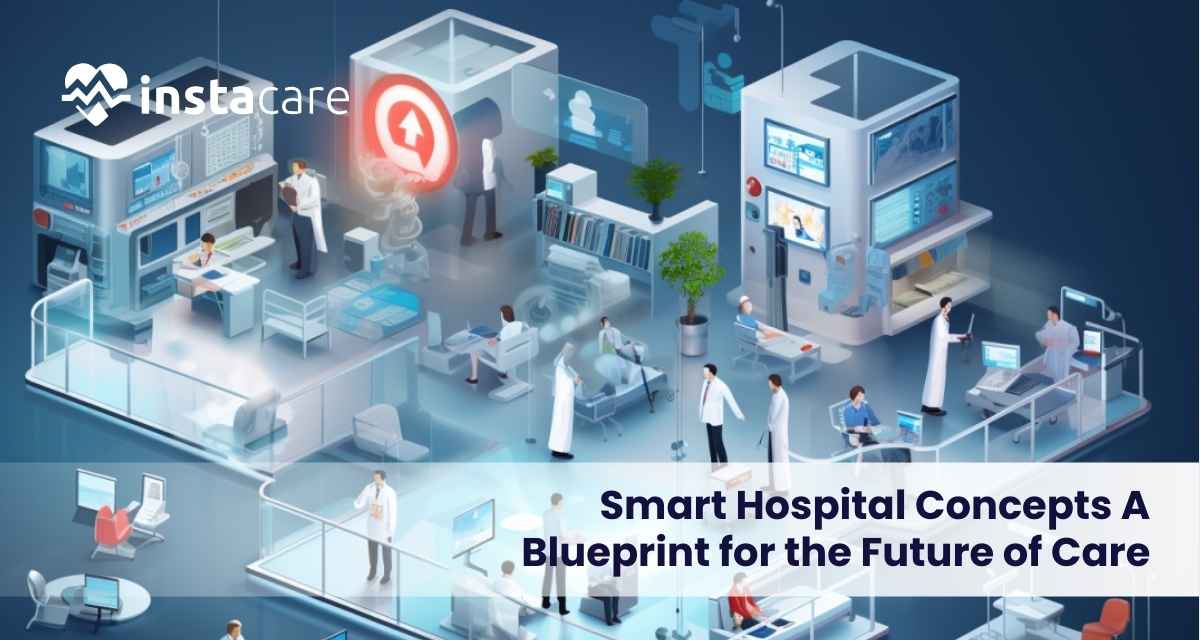
This is how this sector of health care is shifting in the age of fast-approaching technology expansions and the unrelenting pressure for better, more efficient patient care. Smart hospitals are transformational in delivering care by integrating IT support and data-chain drives with operational and practice advances to advance the quality of care in the delivery process. This article delineates the core concepts of smart hospitals, their benefits, challenges, and vision for the future of care. What is a Smart Hospital? A smart hospital leverages advanced technology and analytics to make possible improvements to all those activities involved in the delivering of health care. This includes integration of Internet of Things (IOT) devices, Artificial Intelligence (AI), telemedicine and electronic health record systems (EHR) to allow for efficient seamlessness from the patient end as well as from the health care provider’s perspective. This means better quality care at lower costs with greater patient satisfaction. Key Features of Smart Hospitals Connected Medical Devices: IoT-enabled medical equipment is used by the smart hospitals, so they can converse with one another and with central systems. Patient’s vital signs or medication adherence or any other health metrics can be monitored in real time using IoT. Advanced Data Analytics: Advanced data analytics tools are applied to patient data to identify trends and predict outcomes. It helps with proper clinical decisions and enhances operational efficiency. Telemedicine: Smarter Hospitals integrate remote consultations and telehealth services into their systems. This gives access to their medical care from the comfort of home, especially when they have chronic conditions or reduce a hospital visit. Automated Processes: It’s a big issue for workflow optimizing in hospitals. Automation can make administrative burdens that are associated with scheduling appointments and inventory management decrease and, hence, the risk of human error. It centers on the patient him/herself while designing spaces that better enhance the comfort and accessibility of patients. Features include navigation or wayfinding mobile apps, digital check-in kiosks, and patient portals-all aiming at a smooth healthcare journey. Environment-Friendly Practices: Most of the smart hospitals are constructed with sustainability as one of its prime objectives-the lesser consumption of energy, reduction of wastes, and using environment-friendly materials to reduce their ecological footprint. Advantages of Smart Hospitals 1- Excellent Patient Outcomes Smart hospitals use real-time data and analytics to ensure a better patient safety and effectiveness in the treatment. Monitoring would allow complications sooner that will lead to timely intervention so as to save life. 2-Improved Operational Performance Automation and data-driven decision help to automate the working processes of a hospital by removing delays and ensuring balanced resource allocation, which impacts the efficient usage of staff and facilities by a hospital, thereby reducing operational costs. 3- The New Patient Engagement The smart hospitals lead to patient involvement in the decision-making process on treatment through digital means of accessing healthcare information and educational inputs as well as communicating with healthcare providers. More active patients are more likely to adhere to the recommended lines of treatment and be involved in preventive care. 4- Cost Reduction Smarter hospitals could thereby significantly reduce the cost of healthcare by managing chronic conditions better and subsequently lowering hospital readmissions as well as operational efficiency. It also facilitates telemedicine, reducing in-person visits, which in turn cuts down on associated travel and expenses for patients. 5- Increased Collaboration Data exchange between various departments and external care providers facilitates collaboration and maintains continuity of care. Such an integrated approach will see much more effective treatment plans and better patient outcomes. Book Free Demo Barriers to the Implementation of Smart Hospital Concepts 1- Significant Start-Up Costs Implementation of smart hospital systems entails massive investment in infrastructure, software, and training. Many healthcare organizations lack adequate funds to finance such ventures. 2- Patient Information Confidentiality and Security Issue Greater reliance on digital systems also presents critical concerns about the privacy and security of patients’ information. The problem can only be fought with better cybersecurity incorporated into the IT system for protection of sensitive health information against breaches. 3- Inadequate Interoperability Seamless communication and data transfer among heterogeneous systems and devices are the essence of functionality in smart hospitals. The biggest issue with legacy systems is that most of them are not interoperable, which makes it challenging to integrate. 4- Change Management The transition towards the adoption of a smart hospital model calls for cultural and operations changes within the healthcare organizations. Even the staff may resist the new technologies or workflows and, thus, require all-inclusive training and change management strategies. 5- Regulatory Barriers Smart hospitals in healthcare settings face complex regulatory environments as one of the inherent challenges in their adoption. Observance of both national and local regulations tends to slow the adoption of such initiatives. Future of Smart Hospitals As technology advances, smart hospitals seem bright to shine forward. Some of the major trends that will delineate their evolution include: 1- Artificial Intelligence and Machine Learning This will be achieved with the help of machine and deep learning which will be the core platform for enhancing the probability of various diagnostic techniques and improving the treatment technologies and predicting the likely outcome of a patient. The technologies will process humungous data analysis to find patterns that even the human clinician misses. 2- Wearable Health Technology Plentiful wearables measuring health parameters will empower the patient to take control over his or her own health. Wearable device data may even be fed into intelligent hospitals to provide timely insights and interventions. 3- Virtual and Augmented Reality VR and AR technology can transform medical education, patient education, and even surgical practice. Already complex medical information can be visualized in new dimensions with this immersive technology to build better hands-on training for health practitioners. 4- Blockchain Technology in Health Data Management Blockchain will change how health information is handled by employing safe methods of storage and data sharing that decentralize patient data. Data privacies can be enhanced greatly while interoperability across health systems can be improved immensely. 5- Population Health Management Population
In the past couple of years, technology has revolutionized the health care sector widely. Within these many changes, smart hospitals are one of the revolutionary changes in health care that incorporate sophisticated technologies for improving patient treatment, workflow systems, and the best possible health care outcomes. What is a smart hospital, its benefits, its primary technologies used in such a system, and the way it is changing health care around the world is a matter of this paper. Smart hospitals strive to enhance patient experience in line with optimizing the workflow of care providers. These institutions converge on connection, data sharing, and real-time communication so that each patient can receive care that is customized and delivered at the right time. Important Features of Smart Hospitals 1- Iot Integration Smart hospitals make IoT devices essential hubs that collect real-time information to be shared across systems. Wearable devices, smart beds, and remote monitoring tools help track patient health metrics over time. For example, a smart bed adjusts itself for comfort and alerts the staff if a patient may fall. 2- Analytics The fourth cornerstone of smart hospitals is big data analytics. This would entail analysis of tremendous amounts of health data in order to realize trends and predict patient needs for better decision-making. For example, predictive analytics would allow health systems to project admissions, which could then help to better allocate resources and staff. 3- Telemedicine Telemedicine solutions exist in most smart hospitals, and patients can, therefore, communicate with their healthcare providers from anywhere. This is good for individuals in rural settings or handicapped in any way as they can access healthcare. This increases access and reduces pressure on hospital facilities. 4- Artificial Intelligence AI algorithms can analyze patient data to be used for diagnostic purposes and treatment recommendations. For example, AI helps radiologists to achieve higher accuracy and quicker identification of anomalies in imaging studies. In addition, AI-based chatbots provide insights and support to patients, thus enhancing overall engagement. 5- Automated Processes Smart hospitals improve operational efficiency through automation. Automated systems can execute administrative tasks such as scheduling, billing, and inventory management. This thus frees up much of the administrative burden on the healthcare staff so that they may focus more on their actual profession: looking after patients. 6- Patient Experience End A smart hospital is patient-centric. Some of its characteristics include appointment scheduling via mobile applications, real-time wait-time information, and individualized health data that advance and also improve the experience of patients. Benefits of Smart Hospitals 1- Improved Patient Outcomes With smart hospitals, the care of patients is enhanced. Real-time monitoring and analyzing data will warn the health professionals to begin interventions as soon as problems are noticed. This early response may be associated with fewer complications and faster recovery. 2- Productivity Smart hospitals will greatly minimize the wasteful inefficiencies of operations. Having automated administrative tasks and optimized resource use, these places will operate accordingly, thereby decreasing costs. 3- Effective Communication Smart hospitals encourage effective communication between the patient and healthcare providers. Since there is wide accessibility to real-time information through telemedicine, health teams can communicate effectively so that care can be delivered cohesively. 4- Savings Although the initial expenditure of smart technology is high, cost effectiveness improvements could lead to decreases in length of stay and overall positive health outcomes, that means provider and patient healthcare costs may decrease. 5- Higher Patient Engagement Smart hospitals facilitate patient engagement by incorporating technology into the patient experience. Patients can use mobile apps, educational materials, and telemedicine programs to take charge of their healthcare plans. Important Technologies in Smart Hospitals 1- Wearable Devices Wearable technology – the use of fitness trackers and smartwatches – tracks a variety of physiological measures that include heart rate, activity level, and sleep patterns. These can provide real-time feedback to healthcare professionals in smart hospitals, so proactive care is delivered in good time. 2- Smart Sensors Smart sensors can monitor environmental conditions. Such conditions include temperature, humidity, and air quality within the hospital. This information is crucial for patient safety and comfort, especially in critical care units. 3- Robotics Robotic systems can assist in various hospital functions, from surgical procedures to logistics. For instance, robotic surgery can enhance precision and reduce recovery times, while automated delivery robots can transport medications and supplies within the facility. 4- Blockchain Technology Blockchain would ensure better security and interoperability between smart hospitals. Blockchain takes care of the privacy of patient’s records through secured and transparent transmission of information about a patient, which thus keeps the point of view of health care providers over precise data. 5- Cloud Computing Cloud computing allows for huge amounts of data to be stored and shared among several healthcare systems. The technology fosters teamwork among healthcare providers, and patient records become very accessible, which leads to proper coordination of care for the patient. Book Free Demo Challenges and Consideration While smart hospitals have numerous benefits, there are several issues and challenges to be considered. 1- High Initial Cost The installation of smart technologies is expensive. The cost must be balanced against the benefit, with a view to realizing an upbeat return on investment. 2- Data Security and Privacy The more hospitals rely on technology, the more they expose themselves to the danger of hacking into patients’ information. Hospitals need to offer cybersecurity measures that will ensure sensitive information is not hacked into. 3- Training of Staff The healthcare staff should be properly trained to use the smart technology in an efficient manner. To empower the staff, some kind of continuous training and support would be really important to make the best use of smart technologies. 4- Interoperability With more and more varied systems and devices being used, interoperability among these would be an issue that needs to be tackled. Better data sharing between different platforms would be essential for both the quality of patient care and operational efficiency. 5- Patient Acceptance Again, some patients will not feel comfortable with technology-based care. Such hospitals should create
It is changing deeply because of its response to advancing technology and demand for efficient, patient-centered care. The concept of the smart hospital represents a new level in this process of change, with the latest technologies being leveraged to improve outcomes in patients’ operations and to enhance how healthcare is delivered. This report covers a comprehensive overview of smart hospital solutions, including their benefits, challenges, and future trends in healthcare technology. What is a Smart Hospital? Smart hospitals refer to new-generation healthcare facilities that have incorporated advanced technologies aimed to enhance the efficiency of operations, as well as the quality of patient care, and the interaction among service providers. Smart hospitals depend on the internet of things, artificial intelligence, big data analytics, and telemedicine as tools to create an ecosystem for healthy living. Characteristics of Smart Hospitals IoT Devices: The smart hospital tracks the patients real-time. This encompasses wearables, the bed sensors, and connected medical equipment, which continually monitor the check signs and report any abnormalities to the healthcare professionals. Big Data Analytics: The health care providers churn out informed decisions and customized treatment plans based on the massive volumes of data collected from the patients. Telemedicine Interface: Smart hospitals come pre-equipped with the integration of telemedicine solutions to enable remote consultation and follow-up services. This should help many patients who cannot, because of some locations or weak mobility, physically reach a hospital. Automations of Functions: Automation of appointments, billing, and other administrative functions with regard to doctor and patient scheduling by minimizing workload on personal staff and enhancing hospital operations in general. Patient-Centric Care: Smart hospitals treat the patient experience as including appointment scheduling via mobile app, virtual healthcare assistants, and responsive healthcare services. Requirements for Smart Hospital Solution Smart hospitals are based on various integrated technologies and systems that work in collaboration to offer improved delivery of health care services. 1- Internet of Things (IoT) Data collection and real-time monitoring use IoT-enabled devices. Wireless wearable devices may capture the heart rate and blood pressure of patients, while smart beds alert the healthcare workers when a patient appears to be falling and is likely to fall. Such devices collect continuous data that enables improvement in care provision for patients as well as the detection of health issues early on. 2- Artificial Intelligence It plays an important role in analyzing data and in the decision-making process. Machine learning algorithms extract data from the patients to predict outputs, determine trends, and aid in diagnosis. AI can determine the optimal number of personnel and resources to be available for each health care facility by optimizing operations. 3- Big Data Analytics Advanced analytics on big data allow a healthcare provider to process large datasets to extract meaningful insights. Analysis of histories, outcomes, and operational efficiencies for treating patients makes good decisions in patient management as well as resource allocation by healthcare providers. 4- Telehealth Solutions Telehealth platforms provide remote consultation; thereby, patients can stay at home and receive medical services. This has been on the rise, largely due to COVID-19, and telehealth is part of a smart hospital. 5- Robotics and Automation They can be applied in virtually any role-from surgeries and medicine delivery to inventory management and cooking-to name a few examples. What’s more, automation saves time and also corrects human mistakes, making healthcare more accurate. 6- Electronic Health Records (EHRs) EHRs are digital versions of patient charts that provide healthcare providers with real-time access to patient information. Smart hospitals use interoperable EHR systems that allow for seamless sharing of data among healthcare providers, improving collaboration and care coordination. 7- Patient Engagement Tools Patient engagement tools, through mobile apps and patient portals, help engage patients more proactively. For example, these solutions help patients create, manage and confirm appointments and access their electronic medical records and send messages to healthcare providers. Book Free Demo Benefits of Smart Hospital Solutions The smart technologies introduced in the health care facilities have various benefits in many ways as enumerated below: 1- Improved Patient Outcomes Smart hospitals can improve patient outcomes through real-time monitoring and data analysis. A continuous and timely intervention of health issues reduces complications and hospitalization. 2- Better Operational Proficiency Automating paper works and, more importantly, resource management boost the operational proficiency of a smart hospital. Staff can spend more time attending to the patients rather than filling lots of papers, which might translate into decreasing the waiting lines and improving their experiences. 3- Improved Communication Smart hospitals hence upgrade the interaction among health care providers, patients, and families of the patients. Live data exchange ensures that everyone who takes care of a patient is informed about the patient and acts cohesively. 4- Cost Efficiency Smart technologies are costly at the onset; nonetheless the cost efficiency takes place in the long run through efficient efficiency by lesser readmission to the hospitals, and resources are optimized. 5- Customized Care to Patients Data analytics enable smart hospitals to implement tailor-made care regimes on individual patients. It minimizes the ineffectiveness of treatments and increases the satisfaction of the patients. Challenges of Implementing Smart Hospital Solutions Even though the list of the pros of implementing smart hospital solutions is pretty long, the following are reasons it is full of obstacles: 1- Initial Investment is High A wise hospital transition is expensive: so much investment in technologies, infrastructure, and staff training. This tends to be cost-prohibitive for most health care facilities, especially the smaller ones. 2- Data Privacy and Security Concerns Integration of smart devices also raises a few privacy and security issues about the data of patients. It would be quite inconvenient for the smart hospitals to concentrate on building strength in cyber security to secure such sensitive information about the patient. 3- Technological Integration Integration of new technologies with already in use systems is also very challenging. Information must be exchanged in a suitable manner between all hardware and software in order to hold out for a smart hospital. 4- Training and Adaptation of Staff Health
The healthcare sector, in the recent past, has taken significant leaps with the inflow of technological breakthroughs. Among these numerous innovations, “smart hospitals” is the most crucial development that affects direct care for patients and the efficiency levels in the human workforce. This type of smart hospital integrates several technologies such as IoT, AI, and analytics to create an environment that has an impact on the entire healthcare experience. This article highlights great value smart hospitals offer to both patients and staff. What are Smart Hospitals? A smart hospital uses digital technologies for optimized operational performance, improved patient outcome, and communication. In other words, smart hospitals are interconnected devices and systems that collect data in real time, analyze, and communicate it real-time. This system permits a smooth decision-making process, better monitoring of patients, and an efficient workflow for doctors. Advantages to Patients 1- Improved Patient Care An obvious advantage of smart hospitals is better patient care. The use of real-time monitoring of patient vital signs and health indicators makes the monitoring of patient life support signs and health indicators efficient. For example, by wearable devices, heartbeats and oxygen levels can be continuously monitored among other possibly life-threatening parameters. Such information can enable early detection of complications and help the providers intervene before it is too late, maybe even saving lives. 2- Tailor-made treatment plans With big data and AI, smart hospitals could mine gigantic amounts of patient information. This shall thus enable a treatment plan for an individual patient based on the medical history, genetic profile, and other lifestyle-specific reasons. The doctors will be better treated because their treatment will have a possibility of needing much less since this can cater to the unique case of the patient well. 3- High Patient Engagement The smart hospital system of the modern period introduces the patient portal and mobile health application, which has consequently increased patient engagement. The patient can easily view their medical records, schedule an appointment, and even enjoy convenient communication with their healthcare providers. This access thus makes the overall journey of health care completely under the control of the patient by due adherence to treatment plans and proper management of health. 4- Greater Safety and Minimum Errors Smart hospitals operate medicine and other medical equipment using the technologies linked with the barcodes and RFID tags. This ensures that the patient receives the right quantity of medication as well as rules out the risk. AI further helps diagnose with much accuracy for the safety of even more patients. 5- Smooth Process The integration of smart technologies streamlines various hospital processes. For example, automated scheduling systems can optimize appointment times, reducing wait times for patients. Moreover, smart hospitals can utilize predictive analytics to anticipate patient admissions and allocate resources more efficiently, ensuring that patients receive timely care. Book Free Demo Benefits for Staff 1- Improved Workflow Efficiency Smart hospitals give permission for the use of technology to enable routine chores be done automatically, hence time will be spent on the patient itself and not on paperwork. An example of this is through EHRs that allow instant access to information regarding a patient and minimize time consumption on paperwork. This has consequently seen individual productivity not only of the staff but also improve the workspace through organized events. 2- Efficient Communication and Coordination Better Communication among Healthcare Teams. Interconnected smart hospitals would encourage interaction among healthcare teams and enable staff members to communicate with each other through instant messaging systems and collaborative platforms regarding the sharing of necessary information. Such interconnectivity maximizes teamwork, where individuals in a team are best informed of plans as well as patient care updates, thus reaping better positive outcomes for patients. 3- Continuous Professional Development Smart hospitals make sure that the employees are provided with continuous training and professional development. Therefore, the healthcare workforce learns about the latest medical breakthroughs, discoveries, and scientific knowledge and technological innovations through online education tools and simulation-based training sessions. Continuous staff competence and self-confidence at work enhance high-quality patient care. 4- Reduced Burnout Given the work environment and nature, health workers easily get burnt out. Smart hospitals eliminate this problem by streamlining the workflow and administrative burden. This reduces the administrative burden on them and increases their attention on patient care, thus providing the needed work satisfaction combined with a low rate of hospital staff turnover. 4- Greater Access to Data With the incorporation of smart technologies, health care staff can readily access data from patients for their use. This will therefore be able to offer more informed decisions and rapid responses to a patient’s needs. On an institutional level, real-time data can enable healthcare professionals to come up with more accurate diagnoses and treatments in order to ensure better care for patients. Future of Smart Hospitals The more and more futuristic the technology appears, the more the overall concept of a smart hospital will be extended. Hospitals in the future would find new variations in the form of smart technologies like medical robots, robotic surgery, advanced algorithms for AI, telemedicine, and so on. The 5G network would connect hospitals across the country, opening up the world to much more complex applications for smart technologies in hospitals. Smart hospitals will also respond to changing expectations by patients who are becoming better informed and active. There will be more consciousness to achieve patient-centered environments which will be comfortable, convenient, and personalized for patient care. Conclusion In the context of appearing smart hospitals, the mode and quality of health care delivery can be considered to be one significant step. With advanced integration of technology, such facilities become integrated towards betterment by increasing efficiency in patients and staff and healthy outcomes. The benefit of a smart hospital due to growth in the healthcare industry will further establish a more effective compassionate healthcare system. FAQs 1- What technologies are integrated in the smart hospital? Smart hospitals have a different array of technologies, among them: IoT device and AI algorithms; electronic health record systems;
The growing technologies along with the increasing emphasis on the patient-centered approach are further helping to bring about a transformation in the health care scenario. Lead changes in this through smart hospitals, acquiring a new vision through digital technologies, data analytics, and innovative healthcare practices to make them improve patient outcomes while making operations smoother. This article analyses how the face of patient care is changing through smart hospitals, the technologies behind it all, the benefits arising from these changes, and the challenges they pose. Smart Hospitals: Understanding A smart hospital is defined as an inter-networked healthcare delivery unit that has utilized cutting-edge technologies to enhance the quality and efficiency of care. It basically targets the provision of one very much continuing, patient-centered experience through technology-a combination of health technologies such as IoT, AI, telemedicine, and big data analytics. Key Features of Smart Hospitals Interconnected Systems: Smart hospitals with interconnected medical devices and IoT networks will allow the interconnecting of the medical equipment with electronic health records and administration systems. There is real-time sharing and communication between service providers in healthcare. Data-Driven Decision Making: The big data analytics will enable a smart hospital to analyze the data of the patient, hence making informed decisions regarding a treatment plan as well as resource allocation, as this may lead to personalized care for the specific patients. Patient Engagement: A smart hospital engages the patient by employing technology. Patients can have access to their health information, communicate with health care providers, and even participate in telehealth services as a means of controlling their own care. Automation: These are some of the most trending technologies in automation that a smart hospital like this also utilizes nowadays, which includes robotics and artificial intelligence for the automation of medication dispersion, surgical assistance, and other transportations leading to efficient safe, and human error-free operations. Smart hospitals are enhancing safety and efficiency: They have enriched safety protocols with enhanced monitoring systems. Sensors can alert and help in responding to changes in the patient’s condition quickly. Technologies Changing Patient Care 1- Internet of Things (IoT) IoT devices are the heart of smart hospitals as they facilitate live monitoring of patients and machinery. Wearable devices can monitor the vital status of a patient and alert health care professionals in case anything is identified to be abnormal. For instance, smart heart monitors monitor the heart rhythm of a patient day and night for significant information that might abort complications. 2- Artificial Intelligence AI technologies can change the way in which diagnostics and treatment planning are approached. A relevant example of this is that algorithms in machine learning enable the analysis of the enormous amounts of data connected with patient health care and provide clues that predict outcomes. AI, for instance, can quickly and accurately analyze medical imaging to diagnose conditions like cancer sooner than a human radiologist. 3- Telemedicine Moreover, telemedicine has become more popular; again this is attributable to the COVID-19 situation. They adopt telehealth solutions in order to have remote consultations since patients can be treated at their own home. This pays a way to more comprehensive medical services especially to people who stay far from the hospitals or places with few healthcare service providers. 4- Big Data Analytics Big data analytics the integration of big data analytics lets healthcare providers analyze large datasets to improve patient outcomes. Smart hospitals can hence enhance their operational efficiencies, identify vulnerable populations, and provide treatments accordingly based on the examination of trends and data-driven decisions. 5- Robotics More and more, smart hospitals resort to robotic technologies. Through surgical robots, the surgical operation becomes more precise. Robotic assistants can be used to transport medications and supplies. This way, healthcare staff would be busy much less about direct patient care. Book Free Demo Advantages of Smart Hospital 1- Better Patient Care Smart hospitals enhance the treatment of patients by availing customized care plans whose implementation is closely monitored. Since there is available real-time data, healthcare providers are in a position to make timely decisions that result in good health outcomes. An example can be the prevention of complications and a reduction in readmission since the patient visits the hospital early due to a change in their condition. 2- Efficiency Automating and straightening processes decrease waiting times and enhance operational efficiency. This allows employees to spend more time attending to patients instead of paperwork which in turn has increased levels of patient and employee satisfaction. Smart hospitals also maximize usage of resources such that the capabilities of both employees and equipment are used to the fullest. 3- Cost Reduction It will also save huge sums of money in smarter hospitals. Through resource optimization, the stay in hospital is reduced, and unnecessary tests are avoided without compromising the quality of healthcare, thereby reducing operational costs that do not compromise the quality of healthcare. It will also reduce the transport cost and enable a better access to specialists through telemedicine. 4- Better Access to Services Telemedicine and telecare monitoring extend the wings of health services to all people living in rural or undervalued places. Even if patients cannot travel, health care becomes easy without much difficulty for them. 5- Enhanced Health Outcomes The betterment in health outcomes can be achieved by smart hospitals through data-driven decision-making and the application of cutting-edge technology. It calls for constant monitoring, thereby implying early detection for the reduction of complications and readmission in hospitals. Also, personalized care plans help maximize the effectiveness of treatments and interventions. Challenges Against Smart Hospitals Despite the numerous advantages of smart hospitals, several challenges have to be addressed regarding them: 1- Data Privacy and Security With this increased technological reliance comes the aspect of private data and access security. The private information concerning the patients needs to be safeguarded from potential cyber attacks, and thus, it needs robust cybersecurity measures alongside regulation compliance, such as HIPAA. 2- Interconnectivity Integration of distinct systems and technologies within a hospital faces challenges in and of themselves. Each appliance
For example, the healthcare industry is growing rapidly, while technological advancements enhance the likelihood of providing better care to the patient, ensuring greater operational efficiency at lower cost. Smart hospitals are key drivers of this new development trend, embracing many technologies to transform healthcare delivery. In so doing, they connect several systems to form data analytics that automates many human tasks and reduces their workload in creating an effective, patient-centered environment. This article discusses the core technologies that shape smart hospitals, their benefit, and implementation challenges. What are smart hospitals? The sophisticated technologies help in a seamless, efficient, and patient-centered health care experience. Smart hospitals achieve this by integrating various systems to facilitate better communication between patients and healthcare providers while aiming at streamlining operations and enhancing health outcomes. Some of the key technologies involved in smart hospitals include Internet of Things, artificial intelligence, big data analytics, telemedicine, and robotics. Main Technologies Used in a Smart Hospital 1- Internet of Things (IoT) It refers to a network of interrelated devices that do share information amongst themselves. In the case of smart hospitals, there will be the following IoT devices: Wearable health monitors Smart Beds Asset Tracking 2- Artificial Intelligence (AI) AI technologies are shaping various health-care systems starting from diagnosis to administrative works. Major applications of AI in smart hospitals are: Predictive Analytics: AI-based algorithms can assess data of a patient to identify patterns or predict any health issue and take preventive measures to cut down or prevent hospitalization. Natural Language Processing (NLP): Technologies in NLP are able to make healthcare providers perform their job efficiently, by converting spoken or written language into structured data as a way to smooth out the documentation process and to improve communication. RPA: RPA can automate mundane administrative tasks, like appointment scheduling and billing, thereby freeing up staff time for more patient care. 3- Big Data Analytics Big data analytics will help the health sector manage the vast information generated each day. Smart hospitals will use big data analytics to make better decisions. Some of the benefits are as follows: Better Patient Insights: Care providers will have an insightful understanding of patient health while coming to a conclusion based on data from other sources. It will assist them in coming up with customized plans for treatment. Operational Efficiency: Data analytics can detect the bottlenecks in the hospital operations, thus allowing management to adopt measures to enhance workflow and resource utilization. Population Health Management: Smart hospitals can analyze data from whole populations to identify trends and assess health risks, thus enabling interventions on high-risk groups. 4- Telemedicine Telemedicine has, of course, gained traction of late. One of the reasons was surely the COVID-19 pandemic. Smart hospitals deploy the telemedicine technologies for: Expand Access to Care: It enables the patient to consult with a healthcare provider from anywhere, at any time, easing barriers to access for those in a rural or other underserved areas. Improve Patient Engagement: Telehealth platforms enable active participation of patients, which may likely have better health outcomes. Streamline Follow-up Care: Virtual appointments will ease the process of follow-up visits, making it easier for patients to continue receiving care without unnecessary travel. 5- Robotics Robotic technologies are increasingly being used in intelligent hospitals for better management of the patient and operational efficiency. Some of its major uses include the following: Surgical Robots: These can help surgeons do their work far better through minimally invasive surgical procedures, thus leading to a probable quicker recovery period and less complication for patients. Service Robots: Such robots will be helpful in delivering medicines, supply movements, and cleaning works which otherwise take much of the time of the staff to complete. Rehabilitation Robots: Assisting robots can make the task easier by helping patients regain their mobility strength in the course of rehabilitation and tailoring treatment. Book Free Demo Benefits of Intelligent Hospital Technologies 1- Better Patient Care Intelligent hospital technologies ensure better patient care as per the real-time monitoring, customized treatment, and easier access to health care. Continuously monitoring devices along with predictive analytics enable health providers to intervene instantly in any fluctuation of a patient’s situation and minimize the likelihood of potential complications. 2- Efficiency Maximization Smart hospitals may reduce wait times and enhance patient throughput due to highly efficient processes. The staff will have more opportunity for treatment of patients, and paperwork being less time-consuming will lead to higher job satisfaction and better interaction with the patient. 3- Cost Savings A set of smart technologies can save a hospital many costs. Efficient distribution of healthcare resources can reduce hospital readmissions and minimize medical errors for these smart hospitals to incur fewer operational costs without compromising their quality of care. In the same vein, telemedicine saves the traveling costs of patients and providers 4- Efficient Data Management With the integration of big data analytics and IoT devices, smart hospitals can do a better job in managing patient data. Better data management leads to increased compliance with regulations and prudent decisions as well as better outcomes concerning patients. 5- Better Patient Engagement Smart hospital technologies allow patients to be involved and engaged in their treatments through the use of telemedicine and the patient portal. Individuals are allowed to view their health information, reconnect with providers, and even plan their next appointments by themselves for the improvement of patients’ satisfaction and adherence to treatment. Challenges in Implementing Smart Hospital Technologies Despite the said benefits provided by smart hospitals, several challenges have to be addressed 1- Huge initial investment A large financial investment is typically required to deploy smart hospital technologies, which health facilities must balance against long-term savings or enhanced care for patients. It could also be a challenge for small institutions to access funding and resources for such technologies. 2- Data Privacy and Security These facilities are also going to look at more reliance on digital systems with serious apprehension over data privacy and data security that puts more burdens on securing sensitive patient information against cyber
- 1
- 2