Dental practices also require effective management systems in this day of sophisticated healthcare, The secret to improving patient care and streamlining operations is a Dental Patient Management System (DPMS). Let’s examine the factors that make DPMS integration crucial for contemporary dentistry clinics. Improved Health Care Experience The way dental practices communicate with their patients is completely changed by a Dental Patient Management System (DPMS). Dental professionals may now easily access patient records, giving them a complete picture of each patient’s dental history, treatments, and preferences. Because of this accessibility, dentists may provide individualized care by customizing treatments to meet each patient’s needs. Furthermore, it is impossible to overestimate the convenience of online appointment booking and reminders. Patients no longer need to remember to make an appointment or wait on hold. Alternatively, customers can use smartphone apps to manage their appointments, schedule online at their convenience, and get timely reminders. Because they feel appreciated and cared for by the practice, patients who experience this degree of convenience have higher levels of satisfaction. Enhanced Process Thanks to the introduction of a DPMS, the days of being overwhelmed by paperwork and struggling with unorganized schedules are over. Many of the administrative duties that formerly required a large amount of staff time are now automated by this technology. Everything becomes more organized and effective, from making appointments to billing and invoicing. Staff members can now shift their attention from time-consuming administrative duties to delivering high-quality patient care. Dental practices can decrease wait times, guarantee that patients are treated right away, and enhance patient flow through the clinic by implementing a more organized workflow. The personnel gains from this increased efficiency and patients also profit from it. Data Security And Compliance Patient information protection is not just necessary, but vital in the healthcare sector. Strong security safeguards are built into DPMSs to protect private patient information from hacker attacks, illegal access, and breaches. Furthermore, upholding adherence to healthcare laws like HIPAA is essential for preventing legal issues and fostering patient trust. A DPMS assists practices in adhering to these rules by putting in place the required safeguards, carrying out frequent audits, and educating personnel on data privacy and security best practices. The practice’s integrity and reputation are preserved while patient information is safeguarded thanks to this proactive approach to data protection and compliance. Book Free Demo Better Planning For Treatment With thorough patient histories provided by a DPMS, dentists are better equipped to decide on treatment options. In order to create individualized treatment programs that suit each patient’s particular requirements and concerns, dentists can analyze a patient’s dental history, prior treatments, and current state of oral health. Additionally, the system helps monitor the course of treatment over time. Dentists are able to track the effectiveness of their treatments, schedule follow-up sessions, and modify their treatment plans as needed. This degree of supervision helps dentists provide their patients with the best possible care and guarantees continuity of service. Economy Of Cost The long-term advantages of a DPMS far surpass the initial costs, even if it may need an investment. Practices can run more smoothly and save money and time by automating administrative chores and lowering the possibility of errors. Additionally, a more efficient workflow and better patient care may result in higher patient retention and word-of-mouth recommendations, which may boost income. To put it simply, a dental practice’s future profitability and growth are strategically invested in using a DPMS. Smooth Interaction With Different Systems In the linked healthcare environment of today, interoperability is crucial, and a DPMS shines in this area. It is simple to link with various healthcare systems, including diagnostic instruments, billing software, and electronic health records (EHR). Because of this flawless connection, there is no need for manual data entry, which lowers the possibility of errors, and information flows seamlessly between departments. Additionally, it makes it easier for healthcare professionals to collaborate and communicate with one another, which improves patient care and results. Advanced Analytics To Make Well-Informed Decisions Using data analytics to its full potential is one of a Dental Patient Management System’s (DPMS) most notable aspects. Dental practices can gather and examine a plethora of data about patient care, treatment results, and operational effectiveness with this system. Practices can uncover trends, patterns, and insights that may not be immediately apparent by utilizing advanced analytics techniques. Practices can examine, for instance, the most successful treatments, the most popular appointment times, or the most successful marketing initiatives. Practices may make well-informed decisions that improve patient care, maximize resource allocation, and spur business success thanks to this data-driven strategy. Improved Interaction With Patients The foundation of patient loyalty and satisfaction is effective communication. A DPMS improves patient-dentistry communication by offering a range of features that are intended to keep patients informed, involved, and connected. Through online access to their treatment plans, dental records, and appointment scheduling, patient portals enable patients to actively participate in their oral health care. Patients and dental professionals can communicate easily and quickly by using messaging technologies to convey information. healthcare providers plays vital role in giving advance services to the patients and improve healthcare system. Scalability In Expanding Practices Dental practices have growing needs and requirements as they develop and grow. Scalability is a key consideration in the design of a DPMS, enabling practices to develop and change without overwhelming the system. By scaling its performance and capacity to match rising demand, the system can handle more patients. As the practice grows, it is simple to add more modules and features to support new locations, specialties, or services. Furthermore, by offering user-friendly interfaces, role-based access controls, and training materials for new hires, a scalable DPMS can manage an expanding team. This guarantees that all members of the practice, irrespective of their position or degree of experience, can utilize the system efficiently. Adaptable Elements For Personalized Solutions Every dental practice is different, with its own requirements, preferences, and workflows. Recognizing this variation, a DPMS provides modules and capabilities that
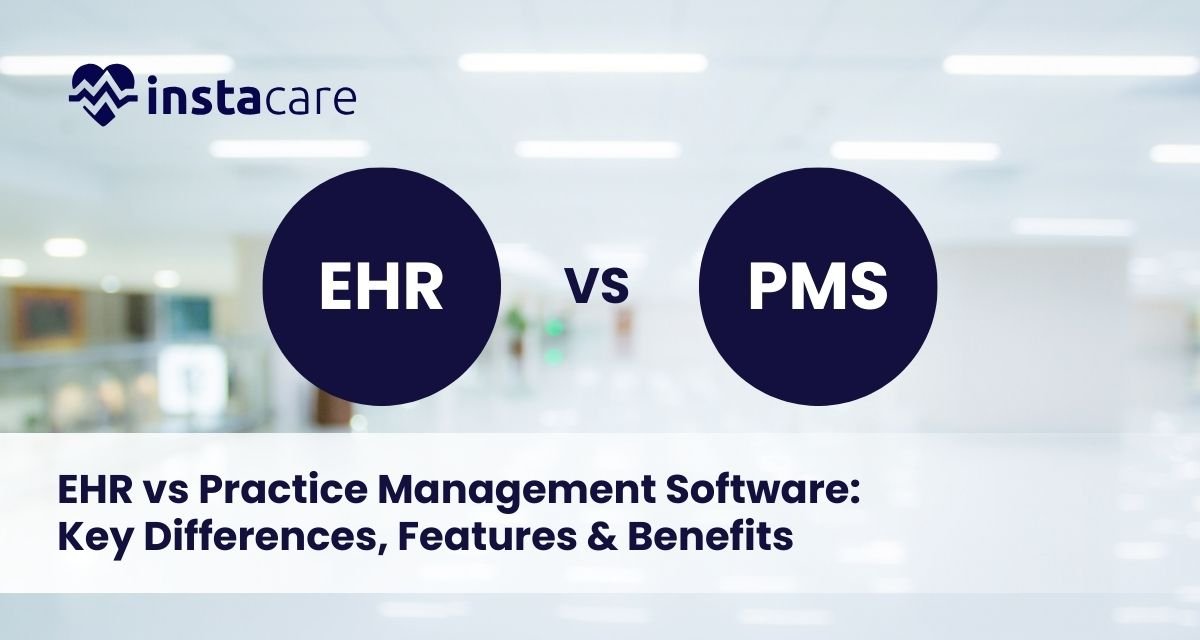
EHR vs Practice Management Software: Key Differences, Features & Benefits Technology has continued to define the core of healthcare in this era, allowing doctors to deliver quality patient care at affordable rates. The most crucial digital tools are Practice Management Software (PMS) and Electronic Health Records (EHR). Both applications have transformed the operations of clinics, hospitals, and private practices. Both are used concurrently but separately from one another. Every small and big healthcare practice needs to understand the distinction between EHR and a practice management system. Though EHRs are focused more on the enablement of clinical operations, PMS supports operations and administration. This article presents an elaborate comparison of EHR and practice management systems, the Difference between EHR and practice management software, outlines their advantages and disadvantages, and analyzes how integration will unlock the complete potential of a healthcare practice. What is an Electronic Health Record (EHR)? An Electronic Health Record (EHR) is not a computerized copy of the patient’s record. It is a single system that brings together all of the patient information into a system that can be accessed. EHRs are utilized by providers to: Capture patient demographics, history, and diagnoses Track medications, allergies, and immunizations Store laboratory test results and radiology images in one location Develop treatment plans and prescriptions Provide clinical decision support, i.e., drug interaction alerts According to practice management software capacity, EHRs are clearly miles ahead in terms of clinical care capacity. What is Practice Management Software (PMS)? Practice Management Software (PMS) makes medical centers operate smoothly from a functional perspective. It can also be referred to as the business engine of a practice as it enables everyday operations without interruption or glitch. A few of the key functionalities of PMS are: Scheduling and Appointments: Automatically sends reminders and reduces no-shows. Billing and Claims: Sends claims electronically to payers, tracks denials, and accelerates payments. Patient Registration: Automates check-in and updates demographics in the proper order. Reporting and Analytics: Provides financial reporting, productivity reporting, and performance metrics. Insurance Verification: Validates coverage before patient visits to minimize denied claims. PMS has a completely different role in the EHR and practice management system comparison debate, it is less about clinical records and more about practice efficiency. While EMRs and EHRs are doctor-centric, PMS brings the financial and business aspects of medicine into alignment. Key Differences Between EHR and PMS Though EHR and PMS complement each other, both serve to solve one unique problem. Let us examine Workflow differences in EHR and practice management differences a bit deeper: Core Purpose EHR: Stores and maintains patient health info for diagnosis and treatment. PMS: Managed by billing, scheduling, and administrative productivity. End Users EHR: Used primarily by clinicians, nurses, pharmacists, and lab techs. PMS: Managed by front-desk, billing, and administrative managers. Data Types EHR: Clinical information such as medical history, test results, and medication. PMS: Insurance, demographic, and financial information. Impact on Workflow EHR: Direct impact on the quality of patient care. PMS: Maintains business operations in a smooth running. Benefits of EHR The benefits of EHR software are numerous, and most go beyond patient documentation. Care organizations adopt EHRs for a plethora of reasons: Improved Patient Safety Embedded reminders alert practitioners about allergies or toxic drug interactions, preventing errors in medical practice. Improved Clinical Outcomes Having complete patient histories available, physicians can make well-informed decisions, leading to proper diagnosis and treatment plans. Provider Interoperability EHRs simplify data sharing between networks, and therefore, patients are not required to be re-run for tests or redo data. Efficiency in Record Maintenance EHRs are accessible and can be altered in real time, and are different from paper records. Patient Engagement Patient portals are standard in most EHRs, where one can receive lab test results, schedule appointments, or even interact with providers face-to-face. Advantages of Practice Management Software (PMS) Advantages of practice management software are financial inclined, and if effectively adopted, it can transform the productivity of a practice. Smooth Scheduling and Check-In Email or text reminders minimize no-shows and enhance patient flow. Efficient Billing and Revenue Cycle Management PMS reduces claim denials and increases reimbursement to practices. Administrative Effectiveness Administrative staff have fewer hours on monotonous work, free to spend more time attending to patient satisfaction. Improved Patient Experience Patients get quicker scheduling, quicker billing, and a smoother process in general. Data-Driven Insights Financial and operations reporting with PMS helps practices prepare for growth. Book Your Free Marketing Consultation EHR + PMS: Why Integration Is Important Having the two systems integrated is one of the best options to enhance practice operations. EHR and practice management integration bridges the communication gap between clinical and administrative processes. Advantages of Integration: Single Data Entry: Patient data keyed once into the PMS rolls forward into the EHR, saving time and minimizing errors. Quick Billing: Clinical documentation in the EHR can automatically populate billing codes in the PMS. Optimized View of Practice Performance: Financial and clinical results are measurable by providers. Improved Patient Experience: Patients enjoy continuous communication from scheduling to follow-ups. Choosing the Right Software for Your Practice Choosing the correct system is not easy. Some of the selection determinants are as follows: Practice Size and Specialty A sole practitioner may initially concentrate on EHR or billing and practice management software. Large hospitals require a complete, system EHR solution. Budget Implications EHR and practice management software is based on licensing fees, implementation, training, and support. Cost of EHR and practice management software. Long-term return on investment has to be calculated. Integration Capabilities Integrated offerings are offered by certain vendors or otherwise separate EHR and PMS offerings are designed to be integrated by others. Ease of Use Employee acceptance is key. The systems have to be easy to use and need minimal training. Vendor Reputation When selecting the Best EHR and practice management software, look for vendors who exhibit high customer support, compliance credentials, and successful scaling. Real-World Examples and Use Cases In a comparison of Practice management software vs EMR vs EHR, consider how each application
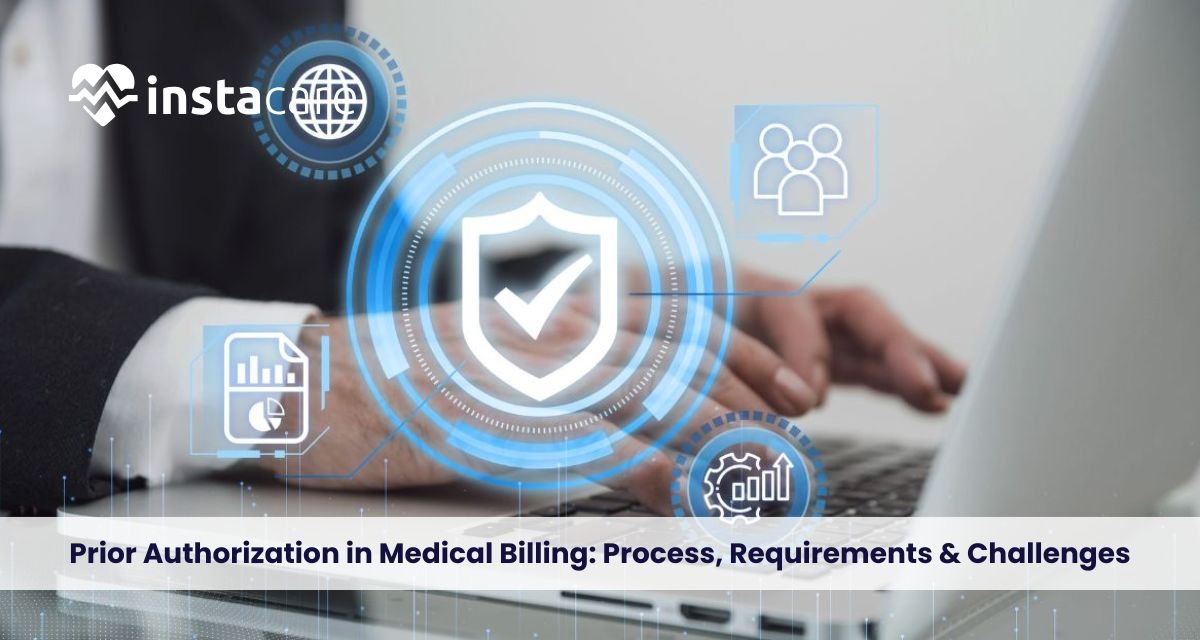
Prior Authorization in Medical Billing: Process, Requirements & Challenges Prior authorization is honestly one of the most frustrating parts of healthcare billing today. This whole process affects millions of patients and healthcare providers every single day, controlling whether people can get the treatments, medications, and medical services they need. If you want to understand the prior authorization process in healthcare, you need to know how medical practices deal with complicated insurance requirements while making sure patients actually get proper care. Here’s the reality – healthcare providers waste tons of hours every week handling authorization requests. We’re talking about nearly 40 prior authorizations per week in most practices. This paperwork mess really hurts patient care and makes practices run less efficiently. That’s why medical billing professionals absolutely have to understand how authorization workflows work. What is Prior Authorization? Prior authorization (people call it PA or prior auth) works like a bouncer at a club – insurance companies use it to decide if they’ll pay for specific medical services, procedures, or medications before patients can get them. The importance of prior authorization in healthcare is huge – it’s basically the wall between what doctors want to do and what insurance will cover. Here’s what you need to know about prior authorization: Insurance companies want tons of paperwork and medical justification from healthcare providers before they’ll approve anything This whole thing is supposed to prove medical necessity for treatments before coverage happens Prior authorization vs preauthorization – people get confused by these terms, but they’re the same thing in healthcare billing Both words mean the same approval process that providers are stuck dealing with This process forces healthcare providers to submit detailed records and clinical reasons to insurance companies, basically proving why treatments are medically needed. Insurance prior authorization in billing is supposed to work like quality control, making sure patients get appropriate, evidence-based care while keeping costs down. But honestly? This system has become a total administrative mess that screws up treatment timing and how care gets delivered. What Includes the Prior Authorization Process? The prior authorization workflow in medical billing has several steps that are all connected, and you have to get every single one right to get approval. Understanding each piece helps practices make their authorization procedures less painful and reduce how many get denied. The main process parts are: Patient eligibility verification – confirming active coverage and figuring out what authorization stuff is needed Clinical documentation gathering – pulling together all medical records and diagnostic reports Authorization request submission – sending everything through the right channels with complete info Insurance review process – where automated systems or clinical staff look everything over Patient Eligibility Verification Everything kicks off with checking patient insurance benefits and coverage details really carefully. Staff have to confirm coverage is active, figure out what specific authorizations are needed, and understand what the policy won’t cover before they start planning treatment. Clinical Documentation Gathering Healthcare providers have to collect tons of medical records, diagnostic reports, treatment histories, and clinical notes that prove why the proposed services are medically necessary. All this paperwork becomes the foundation for whether authorization requests actually succeed. Authorization Request Submission Complete authorization requests include patient demographics, provider info, detailed service descriptions, clinical evidence that supports everything, and all the relevant medical codes. Modern prior authorization software solutions have made submitting this stuff way easier than it used to be. How insurance review and approval work: Insurance companies review requests using their own clinical guidelines and coverage policies Reviews might use automated systems, clinical staff, or medical directors – depends on how complicated things get Prior authorization turnaround time varies like crazy between different insurers and what type of request you’re making Companies tell you their decisions through different ways – either with approval numbers or detailed reasons why they said no Requirements for Prior Authorization Prior authorization requirements are all over the place, depending on insurance plans, what medical services you’re talking about, and where you are geographically. But there are some common things that show up in most authorization processes. The standard stuff you’ll see: Documentation standards with specific formats and clinical information they want Provider credentialing verification to make sure qualifications and specialization are legit Timing requirements with deadlines for when you have to submit before planned services Clinical criteria compliance that has to match insurance-specific guidelines and evidence-based medicine Documentation Standards Insurance companies are picky about documentation formats and what clinical information they want to support authorization requests. Medical records have to clearly show medical necessity, that conservative treatments failed (when that applies), and that everything lines up with established clinical guidelines. Provider Credentialing Only properly credentialed healthcare providers can request authorizations for specific services. Insurance companies verify provider qualifications and specialization before they’ll approve expensive or specialized procedures. Timing and compliance stuff to watch out for: Most insurance plans have specific timeframes for authorization requests – you need submissions days or weeks before planned services Starting January 1, 2025, CMS cut down review timeframes for standard prior authorization requests to 7 calendar days max Rush requests have to get handled within 2 business days under the new rules Authorization requests have to line up with insurance-specific clinical criteria and coverage policy requirements Book Your Free Marketing Consultation Common Challenges in Prior Authorization Common prior authorization challenges create massive problems for healthcare providers and patients. These issues have gotten way worse as authorization requirements spread to more services and get more complicated. The big problems include: Administrative burden that pulls resources away from patient care toward paperwork management Delayed patient care that hurts treatment outcomes and makes medical conditions worse High denial rates from incomplete documentation or policy interpretation issues System complexity where you have to navigate multiple insurance requirements and processes Administrative Burden Research found that 86% of people surveyed said prior authorizations actually increased healthcare resource use, creating waste instead of the cost savings insurers claim. This administrative overhead pulls resources away from taking care of
Ambulatory Care: Definition, Services, Benefits, and Examples Healthcare provision is today a vastly transformed experience that offers patients simpler, streamlined, and specialized treatment without overnight hospital admission. Ambulatory medical care is a fresh and fast-evolving field that is rapidly gaining significance because it allows patients to be diagnosed, treated, and followed with no overnight admission. It is centered on convenience, cost-effectiveness, and patient care and remains one of the key pillars of health systems in current times. From specialty clinics to ambulatory treatment centers, these centers have all kinds of services, from preventive check-ups to sophisticated surgical procedures. What is Ambulatory Care? What is Ambulatory Care? In short, ambulatory care is any form of medical intervention or service rendered to a patient who does not require an overnight stay in the hospital. It is also called outpatient care, where patients visit a facility, receive treatment, and are sent home the same day. It can be anything from routine consultations to sophisticated diagnostic tests and surgery conducted in ambulatory surgery centers. According to the Ambulatory care definition, it focuses on giving safe, effective, and timely medical care without prolonging hospitalization. It can be provided in other alternative places such as ambulatory care clinics, doctor offices, urgent care centers, and specialty clinics. Types of Services under Ambulatory Care Ambulatory health care services are diverse and based on patients’ needs. They are classified as follows: 1. Primary Ambulatory Care Primary ambulatory care is made up of check-ups at regular intervals, prevention screening, and management of chronic illness. Services provided here include vaccinations, blood pressure checks, diabetes management, and health education. 2. Specialist Consultations Ambulatory care clinics also accept patients for specialist consultations such as cardiologists, dermatologists, or neurologists. Such consultations usually involve diagnostic workups and follow-up. 3. Diagnostic Services Most ambulatory care centers do X-rays, ultrasounds, MRIs, and lab tests. They can provide results immediately so that the treatment can be provided simultaneously. 4. Ambulatory Surgery Some surgeries like herniorrhaphy, endoscopy, cataract extraction, and orthopedic surgery, are conducted in ambulatory surgery centers. It is not a hospitalization but provides high-quality of care. 5. Urgent and Emergency Care Other ambulatory care clinics handle minor emergencies such as breaks, cuts, and burns. These are suitable for patients who need urgent care but do not necessarily need to be admitted as inpatients. 6. Rehabilitation and Therapy Certain of the services such as physical therapy, occupational therapy, and speech therapy are ambulatory patient services in which healing and overall improvement is involved. 7. Preventive and Wellness Services Among them are weight management programs, smoking quitlines, and diet counseling to help patients maintain their health. Benefits of Ambulatory Care The benefits of ambulatory care are more than its convenience. It is a cost-effective, patient-focused way of providing health care. 1. Convenience and Accessibility Patient Management Software can fix an appointment as per the patient’s convenience without waiting and spending on transport costs. 2. Cost Savings It is cheaper than inpatient treatment since there is a lesser cost of an Ambulatory care facility and staff. 3. Fewer Hospital-Acquired Infection Opportunities Since the patients are present at the health care centers for fewer hours, they are subjected to hospital-acquired infection for fewer hours. 4. Faster Recovery Treating them with an ambulatory care center, patients are sent home the same day, which in a majority of cases results in faster recovery at home. 5. Customized Treatment With professional healthcare personnel like ambulatory care nursing practitioners, the patients are attended to according to their respective statuses. 6. Efficient Usage of Resources More health conditions are medically treated within a shorter time, efficiently utilizing resources and preventing hospitals from getting saturated. Book Your Free Marketing Consultation Ambulatory Care vs. Inpatient Care Ambulatory care vs inpatient care is crucial to know to make informed decisions regarding healthcare. Ambulatory care is for patients who can be safely sent home after treatment is completed, while inpatient care is hospital overnight stay for at least one night. Typically, ambulatory care is less expensive, quicker, and easier, and inpatient care is required for the more severe diseases that have to be monitored constantly. Ambulatory care involves physical therapy, minor procedures, and diagnostic studies. Inpatient care involves intensive care, major surgery, and post-operative observation. This is how the line splits for the providers and patients to choose the best treatment option by medical need and case. Who Can be Treated by Ambulatory Care? Ambulatory care is suitable for a large population. Patients of chronic diseases – Diabetic, asthmatic, or hypertensive patients are managed with follow-up and preventive examination at a regular interval. Postoperative patients – Those who require follow-up after discharge can choose ambulatory care centers for observation. Ease-seeking patients – Busy lives like ours prefer outpatient treatment, which does not disrupt life. Preventive health seekers – Those who worry about early detection of disease and health receive primary ambulatory care services. Mild illness or injury cases – Non-life-threatening conditions are treated well in ambulatory care clinics. With a focus on quality care, accessibility, and convenience, ambulatory care is ideal for those patients who do not need to be hospitalized overnight. Conclusion Ambulatory care has revolutionized the face of medicine by offering quality treatment within the reach and accessibility of everyone. Either through the avenues of ambulatory care centers, specialty clinics, or ambulatory surgical centers, it allows patients to benefit from immediate medical treatment without the hassle of lying on a hospital bed. The divergence of ambulatory care services, ranging from preventive health programs to complex surgeries, is a reflection of its versatility and patient-friendliness. For others interested in the distinction between inpatient and ambulatory care, it is an issue of medical necessity. But for others, ambulatory care is a less expensive, more convenient, and safer route to wellness and recovery. As the services become more formalized for ambulatory patients, the future of Ambulatory healthcare services shines brighter, is more pliable, more efficient, and available to all. FAQs 1.

The Role of Internet of Medical Things (IoMT) in Remote Patient Monitoring The digital revolution, in general, has transformed the majority of industries, and the healthcare sector is no exception. Intelligent technologies and connectivity have given rise to telemedicine or telecare, which has also gained momentum like never before. Pervasive use of the Internet of Medical Things (IoMT) is one of the most important developments that enable care to be patient-centric and effective. In particular, in remote patient monitoring (RPM), IoMT is bringing new possibilities of real-time diagnosis, disease management, and patient engagement, bridging gaps for conventional care and producing new value in the era of medicine. Understanding IoMT Internet of Medical Things, or IoMT, is a group of networked devices for gathering, processing, and transmitting medical information over the internet. Examples include wearable monitors and sensors, advanced diagnostic equipment, and health apps on mobile devices. With their cloud-based and AI, IoMT enables seamless data transfer between patients and healthcare providers, ensuring continuity of care even if the patient is not physically near a clinic or hospital. This connected system of medical devices makes passive medical devices active participants in patient care. Advanced connected health technology enables clinicians to monitor patient patterns more intensively, personalize treatments, and reduce face-to-face contacts. The advantages are not just convenient but life-saving in cases of serious and chronic diseases. What is Remote Patient Monitoring (RPM)? Remote Patient Monitoring (RPM) is the process for gathering patients’ health data outside of regular clinical settings and transferring it to medical professionals for observation and comment. It most appropriately applies to patients with chronic disease, post-operative care patients, or those needing extended therapy. RPM most often uses remote patient monitoring devices such as automated blood pressure, glucose metering, and pulse oximetry that automatically report in real-time. RPM increases the patient’s experience through home care and ongoing monitoring of conditions by doctors and intervening simultaneously if necessary. A prospective model of care such as this lowers hospitalization and emergency room visits, thereby enhancing overall health outcomes. How IoMT Enables Effective RPM? IoMT integration with RPM has revolutionized the way healthcare is delivered. IoMT devices collect patient information automatically with minimal human intervention to offer a high level of accuracy. Devices are usually sensor-enabled and Bluetooth- or Wi-Fi-supported and send data into cloud platforms from where healthcare providers can see and analyze data. For example, smart medical devices such as digital inhalers, network electrocardiogram monitors, and blood glucose monitors provide real-time feedback regarding a patient’s status. They not only aid in diagnosis but also in treatment tailored to the patient without requiring face-to-face consultations. Another important feature is real-time patient status monitoring, which will ensure that any patient status loss is recorded in real-time. Warning and message alerts offered by IoMT platforms enable taking prompt action, which, in the case of emergencies, can save lives. Additionally, as telehealth and IoMT come with a greater priority, these technologies no longer function in isolation. They collaborate and form a robust virtual care network to enable improved communication and responsiveness of clinicians and patients. Book Free Demo Benefits of IoMT in RPM Enabled and Active Patients: Seeing individual measurements vary daily inspires lifestyle modification and adherence. Targeted reminders by smart medical devices encourage activity, hydration, or medication, turning passive recipients into active stakeholders. Operational Benefits for Providers: Capacity experience may be tuned with automated monitoring. Artificial intelligence triage of normal data allows clinicians to focus on high-risk presentations, reaping benefits of remote monitoring, such as lowered readmission penalties and staffing plans that are smarter. Public Health and Population Insight: Shared dashboards enable community trends, which support resource planning and disease surveillance. Such pan‑view IoMT apps convert discrete points of data into population‑level insight. Preserving Privacy and Trust: IoMT data security, end-to-end encryption, zero-trust architecture, and HIPAA-style global regulation for vast datasets. Transparent policies assure patients that their data is safe. Future of IoMT in Remote Healthcare With advances in technology, the future for remote healthcare is very bright. The future enhancement of AI, machine learning, and 5G will further enhance the value proposition of IoMT for RPM. It will allow clinicians to forecast complications, and care plans will be personalized by machine learning algorithms learning from enormous amounts of health information. Miniaturization of equipment and increased battery life will also make wearable healthcare technology even more efficient and convenient. It will no longer be health monitors, but wearables will be able to help individuals interact with other household systems, living space being smart and integrated for health. Additionally, healthcare IoT devices growth will lead to more innovative and diversified solutions for common and chronic health conditions. They include smart beds, imaging systems with AI, and robotic surgical systems within an active, predictive, and personalized healthcare paradigm. The integration of policy reforms and innovation will serve to bring IoMT into mainstream public health systems. Health organizations and governments are increasingly finding it worthwhile to invest in RPM facilities and infrastructure that can support IoMT on a larger level. IoMT evolution will become a decisive factor in global healthcare equity. With proper infrastructure, even rural and underserved populations will have access to high-quality medical care through RPM. IoMT overcomes geographical distances and shatters conventional barriers in accessing timely healthcare. Conclusion The IoMT applications of remote patient monitoring through IoMT cannot be overstated. IoMT possesses immense possibilities to revolutionize patient care and provide it in, streamlined and agile manner. Whether chronic disease care or IoMT for elderly care population management, IoMT-based RPM is revolutionizing healthcare to unprecedented levels. Despite certain data security and integration issues, so far, there has been encouraging progress. As the healthcare environment continues to digitalize, the importance of IoMT in healthcare will only increase. It is not merely about staying technologically current but also viewing care from a different angle—wellness rather than illness, prevention rather than cure, and person rather than process. Tools like Clinic Management Software
15 Most Common Types of Healthcare Software The aspect of health industry is fast changing and technology is at the centre of this change. Since bettering patient care to simplifying administrative processes, contemporary health care is dependent on software solutions. As the expectation levels of the patients increase and with the compliance demands also growing and the necessity for being efficient, the hospitals and clinics are coming increasingly to relying on the digital facilities. Whether managing patient data or facilitating teleconsultation, healthcare software is creating the future of medicine. What is Healthcare Software? Healthcare software refers to specific digital products created to assist the medical field in clinical, administrative, and operational functions. Such tools support healthcare professionals in diagnosing, treating, and monitoring patients and facilitate internal workflow management in institutions. Healthcare software has a huge variation, from storage and scheduling software to much more intricate systems that include diagnostics, imaging, and decision support. Importance of Healthcare Software in the Medical Sector Getting software tools for healthcare in 2021 is not an option anymore – it is now a necessity. It enhances the precision of diagnostics; it improves the availability of the data, and optimizes patients’ experiences. In addition, healthcare software helps minimize manual errors, reduce operational costs as well and meet healthcare regulations. This technology also facilitates data-driven decisions that would result in better outcomes for the treatment process as well as efficient resource management. Types Of Healthcare Software You Must Know Let’s get into the top 15 most common types of healthcare software systems changing things up in the medical world nowadays: 1. Electronic Health Records (EHR) Software In the core of modern healthcare systems lays the Electronic Health Records (EHR) software, which contains the complete medico-history for patients. It enables access to such information by authorised personnel such as previous treatments, allergies, lab results, and imaging. EHR software helps to coordinate between departments, reduces paper work and allows doctors to make better clinical decisions with real time access to data. 2. Practice Management Software Practice Management Software is a special software system for facilitating management of everyday administrative activities for clinics and hospitals. This entails appointment scheduling, billing and reporting, tracking of patients’ related information. It makes operations easy, eliminates much of the manual labor and guarantees the medical professionals concentrate on the patients leaving them with less of back-end logistics. 3. Medical Billing Software Effective billing in healthcare is very important, and Medical Billing Software is a solution for automatic invoicing and the claim process. This software makes fewer mistakes in cash flow and precise financial records. It also upholds several health insurance laws, as well as dictates regarding health insurance. 4. Telemedicine Software Remote consultations are becoming the standard; therefore, Telemedicine software contributes to video calls, remote diagnostics, and patient monitoring. It is now essential for healthcare access in rural or underserved areas. With this software, the patients can gain medical advice without having to go to a clinic physically, hence convenience and provision of services via book internet is enhanced. 5. e-Prescribing Software A doctor can send prescriptions electronically to pharmacies through the use of e-Prescribing software. This extinguishes handwritten inaccuracies and hastens the prescription process so customers can get prescriptions faster. It also assists in tracking patient drug history and warns providers against any potential drug interactions. 6. Hospital Management Software Hospital Management Software is a comprehensive hospital operation solution including, but not limited to, modules such as patient registration, billing, inventory, pharmacy, and HR. It simplifies all processes and smooth flow of departmental communication. Such systems increase hospital efficiency and affect patient experience. 7. Laboratory Information Management System (LIMS) For clinical laboratories, Laboratory Information Management System (LIMS) software is meant to monitor samples, as well as wanting to store test results, control inventory, and manage quality. LIMS increases a lab’s efficiency; reduces error, hence improves conformity to the regulatory measures, which is vital in the case of diagnostic and research labs. 8. Radiology Information System (RIS) The point, in this case, is to use a Radiology Information System (RIS) for controlling medical imagery and data. Such software is utilised by radiologists in monitoring imaging orders, keeping reports, among other workflow management. It is typically integrated with PACS and EHR systems to see all the patients’ records in full and make diagnoses more expeditious. 9. Picture Archiving and Communication System (PACS) Picture Archiving and Communication System (PACS) archives and retrieves certain medical images, including X-rays, MRI, and CT scans. It eliminates use of film-based storage hence enabling healthcare providers view, share and analyse images in digital format. The PACS also interoperates with RIS and EHR for increased accuracy and efficiency of diagnosing. 10. Clinical Decision Support System (CDSS) The Clinical Decision Support System (CDSS) is a powerful piece of software intended to assist the clinician in making well-informed decisions. It works with the data of patients and alerts and reminds them, as well as offers treatment. CDSS will enhance outcomes and compliance with best practices as errors by humans will be eliminated as well and there is a standard level of care provided by CDSS. Book Free Demo 11. Pharmacy Management Software Pharmacy Management Software supports pharmacists with drug inventory, which automates refilling and answers billing and compliance with regulations. It enhances safe medication by alerting about potential interaction, contraindications and it frequently integrates with EHRs and billing systems to the purpose of making the functionality, as easy as possible. 12. Healthcare CRM Software Healthcare CRM software is aimed at enhancing patient interaction, communication and services. It captures and manages patient data, preferences and communication history. This assists healthcare providers in providing individualized services and send reminders as well as long term relationships with patients. 13. Healthcare Analytics Software Healthcare analytics Software sifts through stupendous amounts of clinical, operational, and financial data to create insights. Hospitals use this software to enhance the delivery of care and cost management, as well as cost projection. It facilitates predictive analytics, population health management, and performance benchmarking.
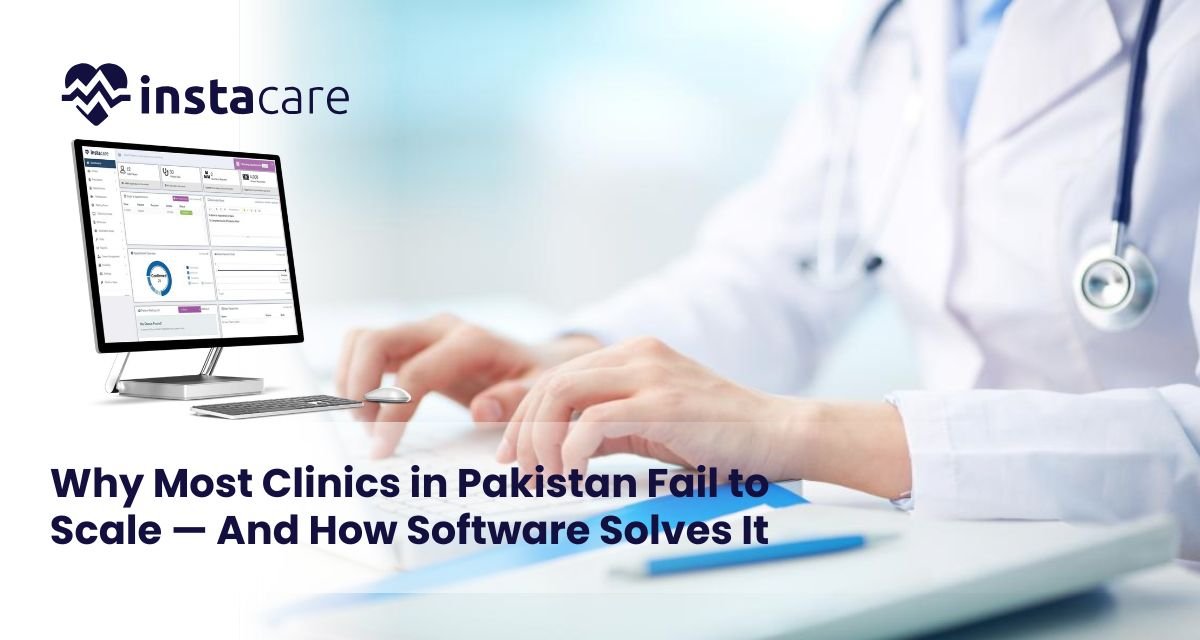
Why Most Clinics in Pakistan Fail to Scale — And How Software Solves It? The rapidly evolving healthcare industry of Pakistan depends heavily on clinics and small medical practices, which provide essential medical care to numerous patients throughout urban and rural areas. These medical facilities treat patients across millions of individuals throughout cities as well as remote areas. Despite performing critical functions, most clinics in Pakistan encounter difficulties expanding their operations past one clinic or doctor location. The expansion of clinics into multi-location healthcare groups remains rare even within densely inhabited areas. Many clinics in Pakistan face growth limitations which leads to a fundamental inquiry about the causes and solutions for this situation. The solution requires an integration of structural problems with business process weaknesses, coupled with weak digital capabilities as the primary reason for growth stagnation. The implementation of digital health record systems and solutions, combined with clinic management software systems, begins to eliminate the barriers that hinder clinic expansion and sustainable scalability. Understanding The Scaling Problem in Pakistani Clinics The objective of scaling a private clinic business exceeds merely extending patient volume across multiple branches. The goal is to develop standardized systems that provide uniform patient care throughout every operational contact point. The majority of clinics in Pakistan battle organizational excellence because of multiple essential factors, and require the best clinic management system in Pakistan 1. Manual Record Keeping and Data Loss Reliable patient documentation records persist on paper at most clinics that operate in the small to mid-sized category. The lack of proper data management produces various problems, which include lost patient history records along with difficult follow-up procedures and increased chances of data loss. Financial expansion through patient data management proves impossible when retrieval capabilities cannot ensure clinical data accessibility. 2. Lack of Operational Visibility The majority of Pakistani clinic owners together with their medical staff operate their clinics without knowing their operational efficiencies. Clinics are effectively making use of the available appointment times. The medical staff manages to follow their scheduled work protocols. What amount of income does the clinic lose through patients who fail to show up and through incorrect inventory management? These important questions remain unanswered because clinics have insufficient monitoring systems. A data-driven strategy is essential for making strategic expansion decisions since the absence of insights will turn important decisions into mere speculation. New clinic branches reflect identical inefficient operational methods from existing facilities, which produce failure instead of growth. 3. Staff Dependency and Lack of Standardization Multiple clinics in Pakistan rely heavily on selected personnel who grasp their operational systems because only these workers enable proper performance. When essential staff members exit, the system fails to function properly. The facilities lack standard operating procedures (SOPs) to train staff and manage flow operations while processing payments. Business expansion depends on standardized operating systems that serve the company beyond individual employees. The absence of automation and enforcement software preserves the fragile and inconsistent operational status of clinics. 4. Financial Leakage and Untracked Expenses Examining monetary movements remains a significant obstacle for businesses trying to expand their medical operations. Several clinics fail to establish proper systems that track both income and expenses, discounts and patient refunds. Petty cash goes unrecorded. Patient payments might be under-reported. The inability to track financial data undermines any possibility of comprehending whether a clinic makes enough profit to grow. The lack of software-backed patient tracking systems results in conflicts about revenue sharing among doctors who share revenue at multi-practitioner clinics. Book Free Demo How Smart Clinic Management Software Solves These Problems? Digital transformation functions across all healthcare institutions, starting from large hospitals to small clinics. A patient management software platform transforms all medical facilities, even in small clinics, through automated operations and improved patient care and data analytics. Here’s how: 1. Automated Appointment Management When patients use clinic software, they can make appointments using a computer or a mobile device options which cuts both telephone congestion and human mistake rates. Software management tools help doctors schedule appointments better so patients obtain their appointments on time, which decreases missed appointments. Real-time updates maintain constant alignment between clinic personnel as well as medical staff. 2. Electronic Medical Records (EMRs) The EMR software for clinics functionality enables clinics to maintain safe storage of patient information including medical records, laboratory reports and clinical prescriptions. The health care quality measures enhance as the system allows patients to keep their medical history accessible across different network doctors or clinics. 3. Centralized Billing and Payments The central billing feature of clinic management software joins all financial operations, including payments and receipt handling together. The software system provides instantaneous transaction recording and report production, and minimises financial loss through cash theft. Seamless payment processing occurs when certain platforms link with POS equipment and digital payment solutions. Benefits of Centralised Billing: Eliminates manual errors Enables transparent revenue-sharing between doctors The software system allows clinic owners to determine their revenue numbers according to service type and department. Patients have better trust in billing processes because items appear separated in statements. 4. Inventory and Pharmacy Management Clinic automation solutions enable clinics with in-house pharmacies to track supply quantities and expiration dates as well as automatically request reorders for consumable materials. The system prevents unnecessary stocking while ensuring essential drugs, together with consumables, remain available during needed. Advantages of inventory automation: Avoids medicine shortages By implementing this measure, expired products cannot reach the market for sale Reduces theft or unaccounted losses The system generates up-to-the-minute evaluations of clinic stock 5. Multi-Branch Management Through software for multi-branch clinics, users can visualise and control various locations through a unified dashboard. Clinic owners gain centralised oversight of all locations’ activities, which include an appointment system along with revenue generation and employee performance tracking, even when they are not physically present. Courting expansion becomes possible for clinics since they gain direct oversight and control across all their new locations. Conclusion Modern medical facilities that will prosper within Pakistan’s changing healthcare environment must begin their

Telemedicine as a concept has in the recent past been on the spotlight as an effective modality of delivering healthcare especially in the management of chronic diseases such as telemedicine for heart disease. This paper therefore seeks to give a comprehensive overview of telemedicine for heart disease and may be very useful for patients or caregivers who wish to understand the trends or advancements in the field of telemedicine. The Rise of Telemedicine Telemedicine sometimes also referred to as telehealth, is a modem form of practicing medicine where contact with patient is made through telecommunication technology. Telemedicine has advanced over the years with technological evolution, and has thus improved in its quality and availability, changing the healthcare industry. Patients are in a position to directly interact with healthcare professionals and get experts advise or any medical opinion they require without being restricted by geographical barriers which improves on convenience and flexibility. The vale of telemedicine can be paramount for the patient with heart diseases. Firstly, it offers an ultimate convenience given the fact that its services do not require a visit face-to-face. It can reach out to large numbers of patients and dispense consultation to them without having to travel to their homes, which can be time-consuming and at times, tiring for both the patients and the healthcare provider. This convenience also promotes a desirable level of patient interaction and repeated visits that are key to compiling with continuous care illnesses. Book Free Demo Key Services Telemedicine for Heart Disease Management 1-Virtual Consultations Patients can directly discuss with cardiologist and other healthcare practitioners using the latest video calling solutions. Such virtual visits provide thorough reviews concerning the client’s disease state, the symptoms, prescriptions, and associated recommendations concerning the client’s daily practices. By the end of the visit, patients can ventilate on the issues that bother them and get individualized management plans being given. 2-Remote Monitoring Devices Smartwatches and mobile health apps are named as the wearable technologies that have significant roles in remote heart disease management. These devices monitor distinct markers such as pulse rate, blood pressure, and the level of activity allowing physicians to analyze the cardiovascular health of the patient. This data is also useful for the healthcare providers to access this data from a distance enabling them to monitor the patient’s status and be in a position to offer timely help whenever a complication or even worsening of the symptoms of this disease is spotted. 3-Telepharmacy Services Medication management is another crucial area in the treatment of heart diseases, whereby telemedicine provides a telepharmacy service to help patients. It is essential for a patient to request a refill on his or her prescription medicines, get advice on any medicines that may be taken together or information concerning any problems or side effects a patient may be experiencing from any medicine. Transitioning to Telemedicine: What Patients Need to Know 1-Technology Requirements Patients have to have equipment like a smartphone or a computer tablet connected to the internet in order to have telemedicine appointment. The patient should ensure that they check the technical specifications of the telemedicine application to determine whether they have all the software, hardware, and other features they need before agreeing to download the application and schedule the appointments. 2-Privacy and Security This is particularly important in telemedicine because patients and providers are essentially transmitting private medical info via electronic communication means. To ensure compliance with the privacy of their information, patients need to ask their care providers how they protect their information from unauthorized use. This entails ciphering measures, secure communication procedures and other aspects conforming to company and country protective. Ways of preserving the privacy and the sanctity of patient information is crucial in propelling the trust of patients and meeting the legal requirements of care organizations. 3-Insurance Coverage Telemedicine is gradually becoming part of the insurance plan for the management of heart diseases, whilst insurance coverage for telehealth services remains in a fluid status dependent on the insurance service provider and options of the various telehealth services to be availed. It’s the patient’s responsibility to contact their insurance provider and understand whether such treatment is available, free of charge or they will need to pay in form of co-payment or out of pocket payment. It’s important to note that some insurers may need pre-authorization for telemedicine teleconsultation or restrict coverage to specific physicians or services. Effective communication with the insurer also plays into not having to deal with surprise expenses added onto a patient’s bills and navigating insurance can only be reinforced by patients making an attempt at understanding the details of their policy beforehand. Conclusion It is therefore cost effective, patient centered and become a perfect model of telecommunication for managing heart diseases. Through integrating information technologies and using telecommunication modern means telemedicine provides access to narrowly-profiled treatment, enables consistent monitoring, and creates the necessary basis for effective prevention of heart diseases. Based on the progression of telemedicine and its endorsement as an appropriate method of delivering care, the use and impact of this technology for heart disease patients has the potential of bringing about favorable change and lead to the improvement of quality of life of numerous patients. Adoption and implementation of telemedicine serves as part of a multilayered management of heart disease hence increasing the chances of healthier outcomes, lighter pockets and happier patients. FAQs 1-What is telemedicine, and how does it work for heart disease? Telemedicine, or telehealth, is a modem method of diagnosing and treating patients without a physical contact with them utilizing telecommunications technology. In heart disease management, teleconsulting can be used where patients can easily interact with cardiologists as well as other doctors through online platforms. Patients can share experiences on products and services, seek medical advice, and get their health checks done, including monitoring vital signs through wearable technology and MH applications. Through the expansion of telemedicine technology, the chances of people with heart diseases getting adequate care are high, and they are closely
Patient management software is an amazing and great change within the management of patient data in hospitals, clinics, and healthcare provision sites in this modern day of healthcare management. These systems are far more efficient, from electronic records and storing of medical records to scheduling appointments and processing payments. However, threats of data breaches resulting from electronic storage weave out improper security and privacy protection about sensitive medical information. At the moment, growing regulatory demands and with a serious rate of attacking the healthcare system, protection of patient data is a particular concern. Why Data Security and Privacy Are Important in Patient Management Software They store the sensitive information accumulated at a great scale using Patient Management Software (PMS). It contains not only the personal details like name, address, or phone numbers but even Social Security numbers, medical histories, test results, prescriptions, and billing information. If it falls into the wrong hands, you will be able to notice identity thefts, frauds in insurance, and other destructive impacts on the patients and health care organizations. Common Flaws in Patient Management Software Patient management software is also not against all flaws. The patient management software has a long list of advantages, but is said to consist of some flaws that need to be diagnosed to avoid its potential impact on healthcare organizations. 1- Cyber attacks and Data Breaches The health sector is the most targeted sector of cyberthieves because their information is extremely valuable on the black market. Ransomware attacks have, to a great extent, increased. Hacking systems, locking patients out, and giving access to the hacked data for money could make the health organization lose their money through data theft, down times, and financial loss. 2- Internal Threats While the biggest culprits may be such external cyberattacks, threats from within cannot be dismissed. A patient’s most sensitive information may be available to employees or contractors with the right kind of access; such information can then be exploited by them or leaked unconsciously with their own information. The most problematic internal threats can be traced almost impossible, and it becomes all the more important for health care service providers to have an access control system as strict as possible, and monitor employee activity. 3- Unsecured Networks and Devices More often, providers log in to their patient management software from several devices, which may include a computer or laptop and tablets and even cell phones. Such devices and networks also present doors through which hackers could gain unauthorized entry. For example, the patient’s data might be exposed to breaches while making use of un-updated mobile device software or when a medical practice was relying on an unsecured Wi-Fi network. 4- Outdated Software The other weakness is outdated software. Past systems may not have security features that would help combat the new attacks by the cyber attack perpetrators. More to that, providers of software will stop updating on security holes in the old software, thus leaving a system to remain in the dark. Patient management software with outdated version exposes the patient’s data. 5- Inadequate Authentication and Password Policy The poor practices in the handling of passwords, such as its poor quality or even sharing, form areas that hackers can use to exploit the vulnerabilities present therein and provide a serious opening in very vulnerable systems. This makes the strong authentication methods very necessary in securing the data. Book Free Demo Best Data Security and Privacy Practices in Patient Management Software Health care service providers should have comprehensive security measures that limit risks during the handling of information on their patients for its storage and protection. Some of the best practices include the following: 1- Data Encryption Maybe, in the current era, one of the guaranteed ways to safeguard sensitive information is through encryption. Since the encryption is put on the data, when they assume an imperceptible shape, it does not matter if the accessibility of the system is hijacked by a person who should not have had access. Data both in their resting places (data that are stored) and in movement (being transferred) ought to be encrypted with proper and unyielding encryption standards. 2- Software Updates and Patching This will ensure that the patient management software has no vulnerabilities covered using the most recent updates available. Constant updates are bound to close security gaps and hence cybercriminals will be locked out of accessing the old software. There must be an update policy statement clearly stated and collaborated with software vendors for health providers to make sure their systems are always safe. 3- Multi-Factor Authentication (MFA) Healthcare organizations should embrace multi-factor authentication, the process by which users are required to provide multiple forms of identification to authenticate more securely. Examples of MFA in common usage include a password plus fingerprint or a password plus one-time code sent from a mobile device. This will keep patients’ information safe because unauthorized access is hard for patients to gain. 4- Access Control and Role-Based Permissions Not every member of an organization has to be granted full access to all capabilities of patient management software. Role-based access controls refer to the availability of only selective amounts of sensitive information to the employee based on the role of the employee within the organization. 5- Backup and Recovery of Data Even if an organization has the best security mechanism in place, it is never ready for the worst. Data backup caters to the policy that patient information will be restored quickly than when the cyberattack or system failure occurs. In addition, there should be a disaster recovery plan to minimize down time or the period when data integrity is lost. 6- Training and Awareness among Employees Most breaches occur because of human error. People fall victims to phishing, mishandle sensitive information, and so on. Employees have to be taken through proper cybersecurity training so that the environment remains safe. Health care employees must be taken through training in regard to the importance of security of information data, on how
Electronic medical record systems serve as proper tools for patient management systems for healthcare managers who are interested in enhancing patient care services. Modern progression in technology has made it possible for the healthcare industry to get many features that can ease on operations, minimize on paper work and improve on patient satisfaction. These are the goals that must be met for choosing the right software for your practice. In this article, we will look at the main aspects that should guide the selection of the patient management software. 1-Symptom And Diagnosis Of all the components of patient management software, the most crucial is arguably the appointment schedule. When properly done it can greatly decrease cases of patients not showing up for their appointment, case of overcrowding and increase customer satisfaction. Look for a system that allows: Online Booking: Most clients need to be able to book an appointment through the website using an easy to navigate interface securely. This reduces phone calls and also gives the patients an easy time in trying to locate suitable timings. Automated Reminders: The software should be able to periodically remind its users through phone or email to help reduce instances where people fail to show up. This does not only educate patients with their condition but also allows clinics to reduce financial losses from unscheduled time off. Calendar Syncing: It also has the possibility for synchronization with some of the most common calendar applications like Google Calendar, which will be helpful for both, the patient and the healthcare provider, in terms of scheduling. 1- Integration Of Electronic Health Record (EHR) One of the best features that augment patient care is the perfect interface with the Electronic Health Records EHR. Another advantage of EHRs is that through integration, a health care provider can review a patient’s health information, his tests, and treatment speeches. Key benefits include: Centralised Data Storage: The software should be able to contain all patient data in one location; this will enable healthcare providers to get an all-around view of the patient’s care history. Interoperability: See to it that the software needs to be able to be interfaced with other health information systems. One of the benefits of having one social platform interact with another is that care and coordination between various health care givers is enhanced. Real-Time Updates: Current information is important so that any relevant information about a patient is current in the clinical setting to support faster decisions. 2- Billing And Invoicing Patient-managing software must have an accurate and functional system of billing and invoicing. This is especially so because there are various ways through which patients receive their bills, such as through insurer claims and acceptance of numerous forms of payment besides grappling with various provisions of healthcare laws. Refilling of invoices that are auto-generated on appointments, treatments, or service rendered will also help in avoiding time wastage and errors. Assure that the system can work with insurance claim processing and is connected with the insurance institution for eligibility verification. This makes the filing of claims easy and also helps to eliminate some mistakes. The integration with payment gateways enables the patients to make payments for the bills issued; the process is convenient. 3- Patient Portal The final vision for the patient portal should be as follows to make sure the patient engagement and patient satisfaction are improved: By being user friendly, it should ensure basic information accessibility. Key features to look for include: Paper based records of patient’s history and medication should be replaced with online services that enable the patients to see their records, test results, and treatment prescribed. The options for secure messaging are available so that patients can ask some questions, request for prescription refill or speak to their health care providers. This helps to cut on traffic in human relations and schedules free time for both the involved parties. Recall, the patient portal should also facilitate appointment booking and use notifications to enhance the number of patients attending appointments. 4- Telemedicine Capabilities As we know that telemedicine is on the rise particularly after COVID, it becomes very crucial that the patient management software has integrated a strong telemedicine interface. Each of these features enables the healthcare providers to practice virtual consultations as well as follow up on their patients from a distance hence increasing the rate of patient’s accessibility. Look for the following capabilities: Video Consultations: The software should provide safe technology for video calling to have an opportunity to consult patients remotely. Remote Monitoring: Some systems are connected to wearable equipment or smartphone applications that allow the patient to send the health data such as blood pressure or glucose levels without visiting the clinic or a doctor’s office very often. Secure Data Transmission: The software must also prevent the leakage of personally identifiable information by offering HIPAA compliant data transmission within virtual visits. Book Free Demo 5- Customizable Templates And Forms A high level of customizability is required so that the applications match the requirements of your practice. It is crucial for a patient management system to have some templates and forms specific to various types of patients’ meetings. Benefits of this feature include: Efficiency: Preprinted forms enable you to develop forms for standard operations or diseases that take a lot of time in documentation. Consistency: Practises specific forms are useful more so in large health organisations where many providers are involved in data collection because it can create cohesion in the practice. Flexibility: This means that the different forms can be programmed to meet the needs of your practice, without having to make major changes to the field structures since fields can be quickly added or removed to accommodate the specific requirements of your practice or firm. 6- Analytics And Reporting The efficiency of practice activities and the expert decision-making process depend on data analysis and reporting. The software should give explanations of several factors in the practice by way of reports. Key features to look for include: Patient