
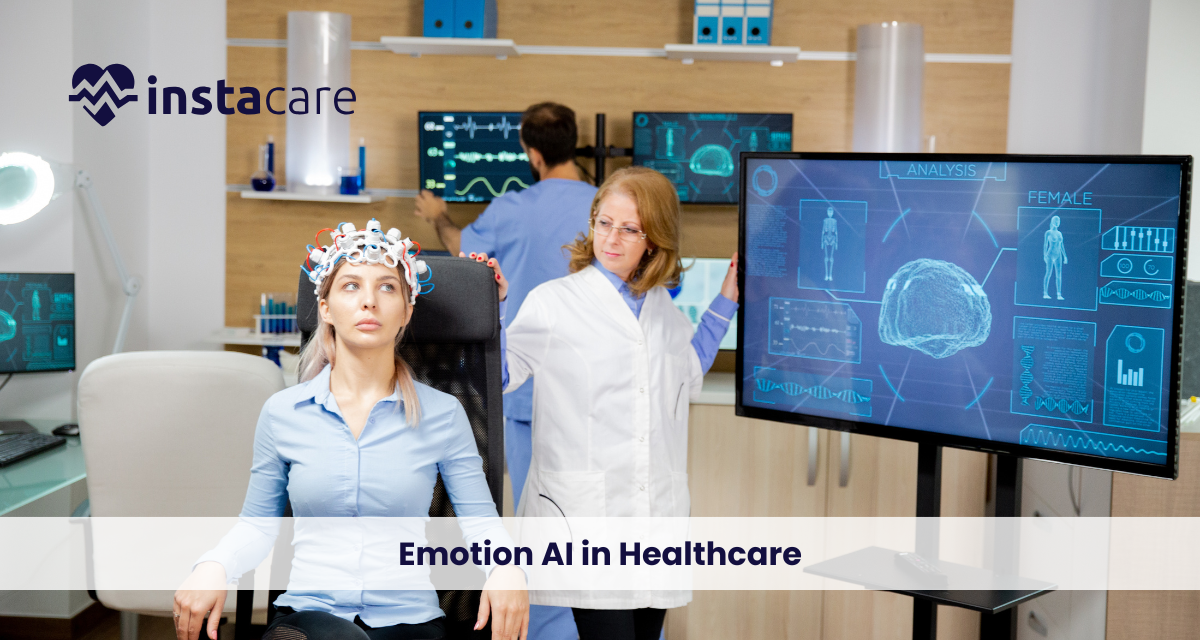
Emotion AI in Healthcare: Transforming Patient Care with Emotional Intelligence The field of healthcare is being revolutionized by incorporation of new and sophisticated technologies and Emotion AI in healthcare is a revolution that is taking shape. This is a technology that examines the emotions of humans based on artificial intelligence and this will allow the providers to comprehend the emotional condition of the patients in addition to their physical condition. Emotional intelligence is able to be integrated with clinical data to enable healthcare providers to provide more individualized care, enhance patient interaction, and streamline clinical processes. Emotion AI can be used in mental health monitoring, patient communication and behavioral health interventions, which is why this technology is a force to introduce into the modern healthcare system. What is Emotion AI? Affective computing or emotion AI is an AI hominoid technology that detects, analyzes, and reacts to human emotions. It works by using algorithms to handle facial expressions, speech patterns, voice tone and physiological signatures. These systems are useful in the healthcare setting to detect emotional distress, anxiety, depression, or stress in patients. Contrary to the conventional AI that is solely concerned with clinical outcomes, Emotion AI integrates AI sentiment analysis in healthcare, enabling the practitioner to comprehend the psychological and emotional aspects of health, which are fundamental in the overall well-being. How Emotion AI Works in Healthcare? Emotion AI works with the analysis of various kinds of information gathered during the interactions with the patients: Facial Recognition and Expression Analysis AI algorithms read micro-expressions, eye movements, and facial expressions that reveal emotions. Voice and Speech Analysis Tone, pitch, and speech cadence may indicate anxiety or depression (or any other emotional state). Behavioral and Physiological Data Wearable sensor, Skin conductance, and Heart rate, information show the level of emotional stress. With these inputs and the clinical records, AI for behavioral health monitoring can detect patterns that would have otherwise been ignored. The AI system then provides actionable insights to the physicians, therapists, and care teams, which enables prompt intervention. Applications of Emotion AI in Healthcare There are several applications of emotion AI in a healthcare environment: Patient Engagement AI emotion recognition systems may direct patient communication, changing to suit emotional responses to enhance comprehension and adherence. Mental Health Monitoring Patients who show emotions can be analyzed continuously, and the provider can identify the first signs of depression, anxiety, or stress in order to implement proactive measures. Therapeutic Support AI can be used to give feedback during therapy sessions to assist psychologists and counselors in designing treatment applications depending on how patients emotionally react. Scientific Research Emotion AI will be used in patient-centered science by measuring the emotional states enhancing the quality of research in behavioral health. These applications also improve patient care and clinical effectiveness, and emotional health is monitored both with physical health. Benefits of Emotion AI in Healthcare Emotion AI in healthcare is associated with many benefits: Better Patient Experience By knowing how the patients feel, providers will be able to react empathetically, and they will be able to make their care environment more comfortable. Early Intervention in Mental Health Problems The constant observation will identify emotional disturbances before it degenerates into serious cases. Data-Driven Insights AI emotional analytics in healthcare empowers making evidence-based decisions to use an individualized treatment plan. Improved Clinical Workflow Automated emotional analysis lessens the need to resort to manual observation to enable the healthcare personnel to concentrate on treating patients. Remote Patient monitoring Emotion AI is useful in telehealth to analyze emotions during virtual visits and increases care quality without meeting in person. All in all, Emotion AI enhances relationships between patients and providers and makes the medical services more efficient. Book Your Free Marketing Consultation Challenges and Ethical Concerns Emotion AI presents numerous challenges, in spite of its potential: Data Privacy and Data Security Emotional information is sensitive and should adhere to the regulations to avoid abuse or violation. Bias and Accuracy There are some cultural, linguistic, and demographic variations that may affect emotion recognition and, therefore, accuracy. Patient Consent Patients should know how the data of their emotions are gathered and utilized. Integration Complexity Implementing Emotion AI into the current Electronic Health Records (EHR) systems needs technical skill and training. To make AI-based patient care effective and ethical, healthcare organizations should take care of those problems. Future of Emotion AI in Healthcare Emotion AI for patient care has a bright future, and the new applications are improving not only diagnostics but also patient care: Predictive Behavioral Analytics Complex AI systems will anticipate emotional distress and mental health issues in advance. Connection with Virtual Health Assistants Emotion AI will complement AI assistants in the form of emotional responses upon interacting with a patient. Individualized Therapy Advice A combination of emotional feedback, cooperating with medical records, will enable highly personalized treatment plans in the field of behavior health. Growth in Telehealth Services Emotion AI will keep enhancing remote patient-emotion monitoring, adding to the access to mental health services. With the advancement in the technology, AI psychology and healthcare technology will form a foundation of the comprehensive treatment of the patient in addition to the usual clinical approach. Conclusion The use of emotion AI in healthcare is changing the way patients are treated as it is offering emotional intelligence to the clinical decision process. To mental health tracking and enhanced interaction with patients, emotion recognition systems based on AI assist providers in offering personalized, sumpter, and effective care. Although issues such as data privacy and integration are present, the advantages of using Emotion AI are more significant, which makes it an essential tool in the healthcare delivery of the present day. FAQs What is the value of Emotion AI in patient care? Emotion AI interprets and analyzes signs of emotion (facial expression, voice tone, and behavioral information) to deliver personal insights that allow the provider to react more empathetically and customize treatment plans. Does Emotion AI jeopardize patient privacy? Yes. With appropriate measures to
Automation in Healthcare: Transforming Patient Care and Hospital Operations The healthcare sector is rapidly changing as more digital technologies are applied to improve operations and enhance patient outcomes. Automation in healthcare is one of the most serious innovations. Since the introduction of automated appointment scheduling, robotic-assisted surgeries, and more, healthcare organisations are using technology to increase efficiency, accuracy, and patient care. Software automation in healthcare is not merely a fad; it is changing the way hospitals, clinics, and diagnostic centres are run in the current age. What Is Automation in Healthcare? In healthcare, automation involves applying technology to perform unskilled tasks with minimal human intervention. It entails the use of digital systems, artificial intelligence (AI), robotics and software to address repetitive operations, data management, and clinical processes. Healthcare automation may include: Administrative processes Clinical procedures Billing and claims management. Patient communication Data management These are aimed at decreasing the number of manuals, reducing errors, and improving the overall quality of care. Key Technologies Driving Healthcare Automation Healthcare transformation is being driven by a number of sophisticated technologies. Artificial Intelligence (AI) Predictive diagnostics Medical imaging analysis Individualized prescribing advice. Robot Process Automation (RPA) The systems based on Robotic process automation healthcare repetitive administrative functions including: Claims processing Patient data entry Insurance verification Electronic Health Records (EHR) Integration Centralized patient data Real-time updates Secure information sharing Telemedicine Automation An automation in telemedicine facilitates: Virtual consultations Follow-ups on patients automated. Electronic prescription management. Healthcare Data Automation Automation of healthcare data assists in: Real-time analytics Automated reporting Surveillance of population health. All these technologies improve the work of hospitals and patient experiences. Applications of Automation in Healthcare There is automation of several functions of health care. Computerized Appointment Scheduling Online booking systems SMS/email automated reminders. Reduced no-show rates Automated Clinical Workflow Automated Clinical Workflow Electronic prescriptions Automated exchange of lab results through integrated Lab Management Software, ensuring faster diagnostics and reduced reporting errors. Smart patient triage systems. Billing and Revenue Cycle Automation Automated insurance claims Error detection in billing Faster payment processing Inventory and Supplies Management Automated stock tracking Smart reordering systems Reduced waste Diagnostic Robotics and Surgical Robotics Robotic-assisted surgeries Precision diagnostics Improved surgical outcomes These applications illustrate the administrative and clinical efficiency of automation of software in healthcare. Benefits of Automation in Healthcare The benefits of automation in hospitals provide quantifiable patient outcome and hospital enhancement. Increased Efficiency Reduces paperwork Accelerates the administrative work. Brings optimal resource allocation. Improved Accuracy Minimizes human error Enhances data precision Enhances the diagnostic reliability. Cost Reduction Reduces costs of operation. Reduces staffing burdens Decreases billing errors Improved Patient Experience Faster service delivery Shorter waiting times Better communication Better Decision-Making Real-time analytics Data-driven insights Better treatment planning. The advantages of automation in hospitals are among the reasons why the digital transformation is a strategic decision. Book Your Free Marketing Consultation Challenges and Limitations Healthcare automation is associated with challenges, even though it has its benefits. Common limitations include: High implementation costs Employee opposition towards change. Data security and technology privacy threats. Problems in integrating with old systems. Requirements on regulatory compliance. To be successful in the adoption, these barriers are to be tackled. Impact on Healthcare Professionals There is no substitution of healthcare professionals by automation, but it expands their abilities. Positive impacts include: Less administrative work. Freer time to interact with a patient. Efficiency in the workflow. Increased diagnostic support. Nevertheless, medical professionals will have no choice but to change and acquire digital literacy and accept new technologies. Future Trends in Healthcare Automation Innovation and integration lead to the future of healthcare automation. AI-Powered Predictive Care Early disease detection Individualized care plans. Health prevention. Smart Hospitals IoT-connected devices Measurement of patients automatically. Real-time bed management Advanced Robotic Surgery Increased precision Reduced recovery time Minimally invasive surgeries. Expanded Telemedicine AI-based chatbots Remote diagnostics through automation. Wearable health combinations. The concept of automation will keep on revolutionizing the manner in which care is provided around the world. Best Practices for Implementing Healthcare Automation Effective automation needs a plan of action. Recommended best practices: Perform workflow analysis prior to implementation. Choose scalable solutions Make certain that there is compliance on data security. Train staff effectively Measure performance frequently. Implement systems in stages. Long term success and maximization of ROI are guaranteed by careful in planning. Conclusion Patient care and hospital management are being revolutionized by automation in healthcare. Automated appointment scheduling, high-tech robotic surgeries, and efficient technology are benefiting efficiency, reducing errors, and improving patient satisfaction. Although issues such as expenses and data confidentiality still exist, the benefits of the long term outweigh the constraints. With the ongoing innovation, healthcare software automation, including advanced Hospital Management Software, will be a very important factor in building smarter, more efficient, and patient-centered healthcare systems. Frequently Asked Questions What is the automation of healthcare? Healthcare automation is the employment of computer technology and software to precisely simplify the administrative, clinical, and operational processes in healthcare facilities. Where are the key advantages of automation in hospitals? The advantages of automation in hospitals are enhanced efficiency, minimized errors, saved costs, and enhanced patient experiences. What is the benefit of robotic process automation in health care? Healthcare systems that use robotics to automate repetitive processes such as data entry and claims processing apply pressure on the process and lead to more accuracy.
OpenAI for Healthcare: Transforming Patient Care with Artificial Intelligence The future of healthcare is changing rapidly with artificial intelligence, which has allowed making diagnoses much quicker, smarter workflow, and patient-centred care. OpenAI is a leader in the transformation, as its advanced AI models are already being deployed in healthcare systems worldwide. AI tools are also assisting providers in providing more efficient and accurate care through clinical documentation to prediction analytics. This paper will discuss the transformations that OpenAI is bringing to the field of modern medicine and its major uses, advantages, ethical aspects, and the future of AI-driven innovation in healthcare. What Is OpenAI? OpenAI is a research and technology company that creates more sophisticated AI models that could comprehend and produce human-like language, analyse data, and address sophisticated problems. Its tools are very common in all other industries such as education, finance and more so in healthcare. OpenAI-driven models may be used in medical environments to support clinicians, carry out monotonous tasks, and enhance decision-making through profound data analysis. The tools are included in the wider trend of AI in healthcare, where automation and intelligence can be applied to improve care delivery and patient outcomes. Why Healthcare Needs AI Solutions? The healthcare systems are under increasing stress due to the increase in patients, clinician burnout, and the complexity of administration. Techniques of the past are typically unable to cope with data-intensive processes and decision-making that are time-sensitive. The AI solutions can help overcome these issues by: Automating reporting and documentation. Clustering of big data. Improving the accuracy of diagnosis. Fostering distance and online health care. With the expanding nature of medical data, AI-based systems are increasingly becoming imperative to the sustainable provision of healthcare. Key Applications of OpenAI in Healthcare Clinical Documentation and Automation The results of conversations with patients can be structured and formed as a clinical note using AI models, which saves administrative overhead. This will enable physicians to enjoy more time with the patients as opposed to documentation. Virtual Health Assistants AI chatbot offer rudimentary triage, check-in of symptoms, schedule appointments, and drug notifications. It is among the most widespread OpenAI healthcare applications of telehealth technologies. Medical Research and Literature Review AI is able to review large volumes of medical literature, summarize results, and assist the researcher to draw patterns at a rate exceeding what can be achieved by human processing. Patient Education and Engagement Understanding of diagnoses, treatments, and how to take medications using simple language is done by AI-powered tools and enhances health literacy and adherence. Clinical Decision Support AI assists physicians to interpret complicated medical data and recommend evidence-based advice, which enhances Clinical decision support AI systems in hospitals. Benefits of OpenAI in Healthcare Improved Efficiency The repetitive duties such as documentation, billing summaries, and patient intake are automated thus decreasing the usage of administrative resources. Improved Diagnostic Accuracy The AI models, which are trained on large datasets, are able to identify patterns that humans might miss and AI for medical diagnosis can be used, such as radiology and pathology. Better Patient Experience The chat systems powered by AI offer 24/7 service, making them more accessible and quicker to respond to. Cost Reduction Optimized processes and automation contribute to lowering operations and quality care. Personalized Medicine AI examines medical histories and genomes to aid in personalized care, which is becoming a trend in Artificial intelligence in medicine. Real-World Healthcare Use Cases Telemedicine Platforms AI chatbot help with pre-triage and telehealth visits, particularly in underserved areas. Radiology Support Medical imaging AIs are used to identify abnormalities in medical images and allow radiologists to prioritize severe cases. Electronic Health Record (EHR) Optimization AI enhances the precision of documentation and provides pertinent details about patients in real-time. Mental Health Support AI-based conversational systems offer primary care to anxiety, depression and behavioral health, in addition to human care. Hospital Operations AI enables predicting the admission of patients, staffing optimizations, and supply chain management with the help of Clinic Management Software. Challenges and Ethical Considerations Data Privacy Medical information is extremely sensitive and AI instruments have to meet stringent privacy laws. Bias in AI Models The biases of the AI systems that are trained on small data sets can be represented and, therefore, impact the quality of care among some population groups. Transparency It means that AI recommendations should be explained in a way that would allow clinicians to trust and validate the results. Over-Reliance on Automation Human judgment should be aided by AI and not replaced. It is necessary to have a balance between automation and clinical expertise. OpenAI and Healthcare Compliance Healthcare organizations should make sure that the AI tools are in line with the laws of the region including HIPAA (US), GDPR (EU), and additional local health data regulations. Some of the compliance considerations are: Secure data encryption Audit trails and monitoring Patient consent management Model transparency Ethical regulations and technical protection can only prevent irresponsible use of ChatGPT in healthcare. Book Your Free Marketing Consultation Future of OpenAI in Healthcare The future of AI in healthcare is bright and it is unlikely to stagnate in various spheres: AI-powered drug discovery Prognostic disease modelling. Clinical decision tools in real-time. Individual simulation of treatment. Medical interfaces that are voice-activated. With more refining of AI models, they will probably become a common and standard part of medical life and not an option that improves medical performance. Best Practices for Healthcare Organizations Start with Pilot Programs Initial deployments, e.g. AI documentation assistants, can be scaled out. Prioritize Data Security Make sure that there is a strong encryption, anonymization, and access controls. Train Healthcare Staff The understanding of AI capabilities and limitations should be known to clinicians and administrators. Maintain Human Oversight Qualified medical professionals must always review the outputs of AI. Concentrate on Patient Centric Design The AI devices should help improve the quality of care, rather than make the interaction with patients harder. Conclusion OpenAI is leading a central role in changing the current healthcare system
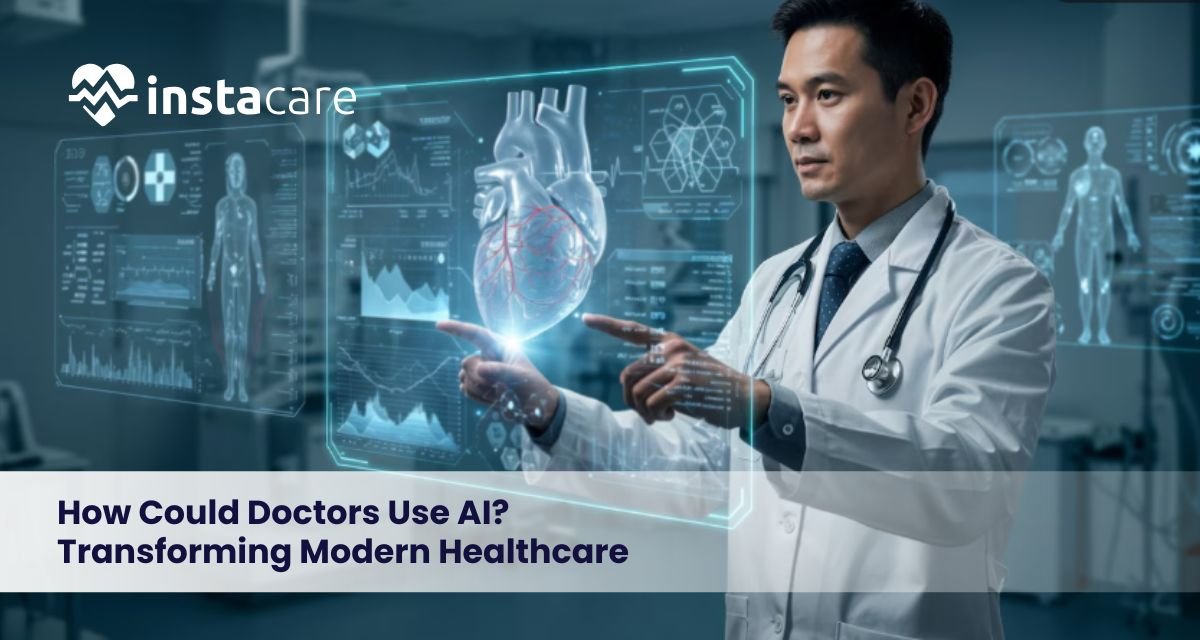
How Could Doctors Use AI? Transforming Modern Healthcare The adoption of AI in healthcare is literally changing the manner in which physicians make diagnoses, treat, and manage patients. Progress in information processing, robots, and predictive modelling can enable clinicians to process more complex medical data more quickly and effectively. Medical artificial intelligence in medicine is not a substitute of the physician; it enhances the clinical knowledge, decreases administration, and enhances patient outcomes. With the transition to data-driven healthcare systems, AI is becoming a key instrument to contemporary healthcare. AI in Medical Diagnosis Diagnostic medicine is one of the most effective AI applications for doctors. Artificial intelligence (AI) systems examine big data collected in the form of clinical records, laboratory results, and images in order to detect patterns that cannot always be apparent to human clinicians. AI in medical diagnosis can induce better diagnostic accuracy by: Pattern recognition of disease early signs. Eliminating cognitive bias-related diagnosis errors. Enhancing quicker triage in emergency and outpatient care. Machine learning algorithms have the potential to match patient data with millions of historical cases to allow early diagnosis of diseases like cancer, cardiovascular disease, and neurological diseases. This evidence-based method improves the level of diagnostic confidence and can enable doctors to intervene at earlier phases of disease. AI for Personalized Treatment Plans AI is an important factor in personalized care using AI in treatment planning. The conventional treatment regimens tend to adhere to universal prescriptions, whereas AI allows custom-made approaches to be developed depending on a specific patient profile. Key benefits include: Genetic, clinical, and lifestyle data analysis. Treatment response and side effects prediction. Maximization of drug choice and dose. With machine learning in healthcare, artificial intelligence systems can constantly learn based on treatment results, improving their recommendations with time. This is an accurate methodology that facilitates more efficient interventions and minimizes unnecessary procedures. AI in Clinical Decision Support AI-driven clinical decision support systems are used to support physicians by making evidence-based recommendations at the point of care. The systems combine patient information and clinical regulations with the real-time research results. Decision support tools that are AI-based assist clinicians in: Identify high-risk patients Assess other types of treatment Minimize clinical practice variability Through data analysis of structured and unstructured data, AI improves the accuracy of decisions and does not limit physicians, who use all clinical control to make decisions. This integration enhances productivity without interfering with professional judgment. AI in Medical Documentation and Admin Tasks One of the greatest problems in healthcare is administrative workload. The solution to this problem lies in AI for administrative tasks in healthcare, which automates administrative operations and documentation. Key applications include: Speech recognition of medical records On-the-fly clinical note generation using automated medical documentation Billings automation and coding Record management and scheduling of appointments AI enables doctors to spend more time attending to patients because they are less involved in paperwork. Such efficiencies also reduce burnout and enhance operational productivity in healthcare systems. Book Your Free Marketing Consultation AI in Patient Monitoring and Remote Care The continuity of care, particularly with chronic and post-operative patients, is improved through AI-based monitoring technologies. AI for patient care can be used to collect data in real-time by use of wearables and remote sensors. Benefits include: Constant check of vital signs Preventive diagnosis of damage Practically no readmissions to the hospitals Predictive analytics in healthcare enables clinicians to foresee complications prior to their development. The AI systems are able to notify the health care provider of unusual trends so that they can take necessary action in time and enhance patient safety. AI in Surgery and Procedural Assistance AI helps in precision, planning, and safety in surgical settings. Technologies that are supported by AI improve accuracy in procedures and reduce the risk. Applications include: Premedical planning with the 3D model Surgical navigation in real-time AI-based robotic-assisted surgery supported by AI in medical imaging AI can also be useful in the interpretation of surgical results to enable surgeons to improve and perfect their methods. These inventions result in fewer complications and shortcomings. Ethical Considerations and Challenges In spite of the benefits, the implementation of AI is associated with ethical and operation challenges. The responsible use of AI in healthcare assumes paying attention to: Data privacy and security Fairness and algorithmic bias AI decision-making transparency Regulatory compliance Physicians need to learn about the limitations of AI and make sure that technology does not override clinical judgment and vice versa. Patient trust and safety rely on ethical systems of governance. The Future of AI for Doctors The future of artificial intelligence in medicine focuses on more integration and cooperation. The doctors will also be more and more dependent on AI systems as they become more sophisticated: Predictive diagnostics Preventive care planning Population health care AI will keep developing into a smart assistant, assisting doctors of various specialties. The emphasis will be made on data-driven, proactive care delivery and not on the reactive treatment. Conclusion The modern healthcare is being revolutionized through AI that gives physicians powerful tools to diagnose, plan treatment, and manage patients. AI improves clinical operational efficiency and decision making, which are achieved by AI in medical imaging and predictive analytics and in administrative automation. Although the issues of ethics and data control cannot be eliminated, responsible use of AI may make it even more powerful instead of taking medical expertise away. With the further development of technologies, AI will continue to be a part of innovative, patient-oriented healthcare. FAQs What are the benefits of AI in the everyday work of doctors? AI will help in diagnosis, treatment suggestions, documentation, and monitoring of patients. Is Artificial Intelligence a credible medical detector? Under the right conditions, AI can help to augment diagnostic accuracy. Can AI replace doctors? No, AI assists clinical decision-making, but cannot substitute human understanding and skills.
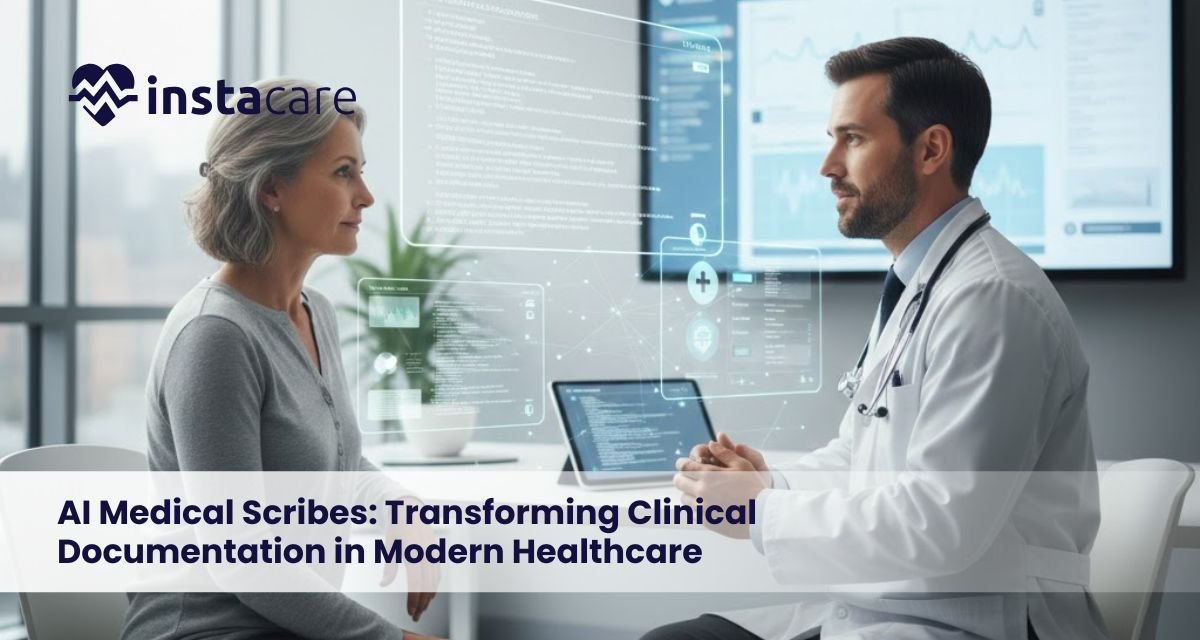
AI Medical Scribes: Transforming Clinical Documentation in Modern Healthcare Clinical documentation has been considered one of the most time-consuming components of the healthcare delivery process. Doctors usually take hours to type in documentation in systems rather than attending to patients. AI medical scribes are altering this fact as they automate documentation processes, reduce burnout, and improve efficiency in healthcare environments. Speech recognition, natural language processing, and ambient clinical intelligence together are transforming the way medical records are made and handled. What Are AI Medical Scribes? AI medical scribers represent smart software applications to automatically record, transcribe, and organize medical dialogue between providers and patients. As opposed to manual writing of notes, AI scribe software listens to real-time communications and translates them into precise and well-formatted medical notes. Such an implementation of medical AI documentation is fully compatible with the present electronic systems, and clinicians can use it without interfering with patient interaction. These tools are also known as virtual medical scribes, and they do not require a human scribe, but they still have clinical accuracy and consistency. Key Features of AI Medical Scribes The current AI medical scribes are powered with highly qualified features that facilitate effective documentation: Real-time speech-to-text conversion in speech recognition in healthcare Automated structuring of SOAP notes and clinical summaries Easy integration of electronic health record (EHR) documentation Medical terminology context-awareness Cloud-based access control and storage Constant training to get better at transcription All of these features allow automated clinical documentation without increasing the administrative load of clinicians. Benefits of AI Medical Scribes The introduction of AI medical scribes can be of great advantage to medical professionals and organizations: Time savings: AI medical scribes save a lot of time in documentation, and instead, physicians spend more time interacting with patients, assessing them, and providing personalized care at an appointment without being distracted by the administrative task at hand. Less burnout: AI documentation tools will enable clinicians to have a more balanced work-life schedule and decrease mental exhaustion and professional burnout due to the reduction of after-hours charting and paperwork. Better fidelity: AI-powered medical transcription gives the medical institution a more accurate representation of clinical data, minimizing the errors in documentation caused by typing by hand, haste, or incomplete killer. Improved patient experience: Since less attention is paid to screens, healthcare professionals are able to look straight into the face of their patients, listen and establish better relationships with them during consultations. Operational efficiency: A quicker process of clinical note development enhances the efficiency of the working process, decreases time spent by patients in line, and allows a healthcare institution to work with a larger number of patients through advanced clinical note automation. The automation of clinical notes will allow the healthcare team to concentrate on the quality of care instead of paperwork. Use Cases in Healthcare Medical scribes AI are common in various clinical settings: Routine check-up clinics of patients Cardiology, orthopedics and psychiatry Specialty practices High activity emergency departments Online medicine and virtual visits Inpatient rounds and outpatient follow ups The AI scribe for doctors can fit into the various clinical workflows in a practice hence it is applicable in a small practice as well as a large hospital system. Book Free Demo AI Medical Scribes and Compliance Healthcare documentation involves a major issue of compliance. Medical scribes are AI that are created to comply with high data protection and privacy standards. The majority of solutions are based on HIPAA, GDPR, and local healthcare regulations by: Cryptography of audio and textual data Limiting access based on role-based access control Keeping of good audit documents Assuring safe integration to EHRs Automated clinical documentation can be most effective and not only in accordance with the regulatory requirements, when done properly. Challenges and Limitations Although AI medical scribes have benefits, they also have challenges: Preliminary setup and workflow optimization Accent variation, speech patterns, or noisy surroundings Clinician review is necessary to ensure contextual accuracy Reliance on audio input of quality Nonetheless, the current developments in speech recognition in healthcare keep enhancing the reliability and performance. AI Medical Scribes vs Traditional Documentation Methods Conventional records are based on manual typing, dictation, or human scribes. Conversely, AI medical scribes offer: Faster turnaround times Reduce long-term operation costs Regularity of the documentation quality Elastic solutions that are staffing-free The flexibility of human scribers does not match the efficiency and scalability of clinical note automation that AI can bring when compared to manual systems. Future of AI Medical Scribes AI medical scribes have a strong connection to ambient clinical intelligence innovations. The next developments would be: Involuntary documentation with no hand interventions More profound context knowledge of patient history Suggestions of predictive documentation Improved cross-platform healthcare interoperability With the development of technology, AI medical documentation will be a part and parcel of digital healthcare transformation. Conclusion AI medical scribers are transforming the definition of clinical documentation by lessening the workload of the administrators, refining the level of accuracy, and improving the interactions between the patients and their health providers. Through AI-based medical transcription and intelligent automation, healthcare workers could rediscover lost time and concentrate on delivering quality care. When combined with electronic health records and Lab Management Software, AI medical scribes help create a more connected, accurate, and efficient clinical workflow across departments. FAQs Are medical scribers using AI accurately enough to be used in clinical practice? Yes, the majority of AI medical scribes reach a high level of accuracy and keep learning with time. Clinicians have an opportunity to make corrections to clinical notes and verify their correctness. Substitute Human scribes with AI medical scribes? They also substantially decrease the use of human scribes, though quality assurance and compliance still have to be assured by the final review of clinicians. Do AI medical scribes support current EHR solutions? The majority of the current solutions facilitate the electronic health record (EHR) documentation and are integrated with significant healthcare platforms.
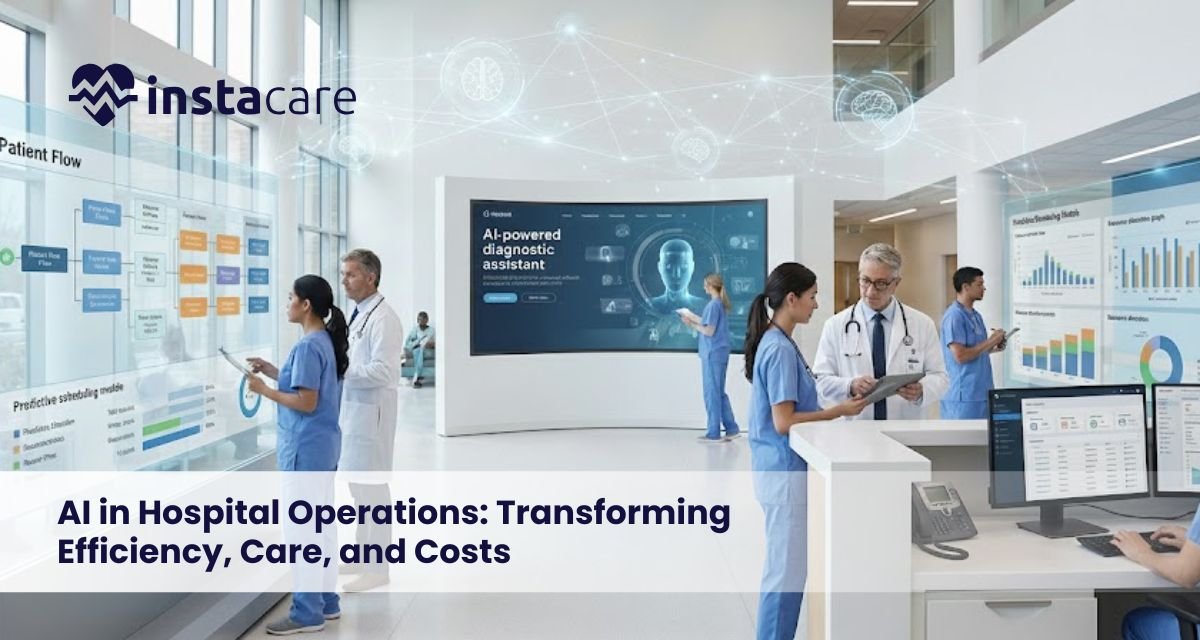
AI in Hospital Operations: Transforming Efficiency, Care, and Costs The current environment in which hospitals operate is highly complicated as it combines the volume of patients, regulatory requirements, shortage of staff, and cost constraints. The conventional models of hospital management cannot scale effectively in such conditions. The adoption of Artificial intelligence in the healthcare sector has been a transformational answer, as hospitals will increase operational effectiveness, clinical results, and regulate the increased spending through automation and intelligence, based on data. What Is AI in Hospital Operations? AI in hospital operations can be defined as the application of superior algorithms, machine learning models, and data analytics in order to optimize the clinical and non-clinical processes in the hospital. In AI in healthcare operations, it uses both structured and unstructured data to identify actionable insights in real-time, using electronic health records, imaging systems, and IoT devices, as well as administrative systems. On the operational level, AI systems act as decision-support engines by improving the planning, prediction, and execution of all hospital departments, allowing them to provide healthcare at a scale and in an intelligible way. Key Areas Where AI Improves Hospital Operations AI has effects on the performance of a hospital at various functional levels and these include: Patient throughput optimization and capacity planning. Scheduling and skillful staffing of the workforce. Computerization of financial operations and billing. Clinical diagnostics and clinical decision support. Supply chain, use of assets. With the help of AI hospital management, organizations will be able to shift to the active and foresight operational control instead of the reactive form. AI in Patient Flow and Resource Optimization When efficiency is poor in terms of patient flow, it causes overcrowding, delays in treatment, and poor use of hospital resources. The AI models can be used to examine the trends of admission, discharge, and the turnaround time of admission diagnoses and availability of staff to streamline inter-departmental flow. Predictive analytics in hospitals allows the prediction of surges, overcrowding of the emergency department, and demand in the ICU. This will enable the administrators to dynamically assign the bed, equipment and staff to enhance throughput without losing quality. Consequently, AI for hospital resource management minimizes waiting durations and idle capacity. AI for Administrative Automation The hospital operating budgets are significantly spent on administrative processes. The automation introduced by AI will deal with the inefficiencies in terms of scheduling, billing, documentation, and processing of claims. Key applications include: Auto-scheduling and reminders of appointment. Smart medical coding and billing validation Clinical documentation Natural language processing. Approval and compliance checks routing. Administrative workloads are decreased through Hospital workflow automation, mistakes are minimized and employees are able to focus on patient activities. Artificial intelligence in healthcare administration helps directly to contain costs and accuracy of compliance. Improving Clinical Decision Support Through AI The sphere of clinical decision-making is becoming more dependent on huge datasets that are beyond the human cognitive limits. AI-powered clinical decision support systems evaluate the history of patients, laboratory values managed through Lab Management Software, imaging outcomes, and clinical guidelines to support physicians in the diagnosis process and planning of treatment. AI for patient care improves the early detection of diseases, diminishes the uncertainty of the diagnosis, and promotes individual treatment courses. Machine learning in healthcare operations not only enhances accuracy in clinical practice but is also operationally efficient when installed in the hospital systems. Benefits of AI in Hospital Operations AI technology implementation provides quantifiable impacts on operations and clinical areas. Key advantages include: Better care coordination and less length of stay. AI-based real-time optimization of the Hospital. Reduced cost of operations through automation and future planning. Less clinician burnout through administrative workloads reduction. Better patient satisfaction and safety results. AI-powered hospital software empowers the performance and resilience of hospital ecosystems by making them data-driven. Book Free Demo Challenges and Limitations Although it has its beneficial aspects, AI implementation in hospitals has significant challenges. Common limitations include: Interoperability limitations and data quality. Complexity of integration with the old hospital systems. Data privacy and regulatory compliance issues. The problem of algorithm bias and model transparency Employee resistance and skills shortage. The absence of strong governance would mean that AI solutions will not be able to enhance operations. Thus, responsible AI in medical administration implementation should include close system validation and constant supervision. Future of AI in Hospital Operations The hospital of the future will trend more on Smart hospital technology, which incorporates AI in the field of clinical layers, operational layers, and infrastructure layers. The modernization of real-time analytics, edge computing, and autonomous systems will allow optimization of its operations at any moment. AI-based hospital optimization will move towards self-learning systems that would make adaptive decisions. AI will assist in predictive maintenance, incorporation of virtual care, and scale population health as part of the larger Digital transformation in hospitals. How Hospitals Can Successfully Implement AI? To effectively implement AI, there must be a plan and gradual process in line with organizational strategy. The major principles of implementation comprise: Creating high-quality data infrastructure that is interoperable. Focusing on use cases that create quantifiable operational impact. Ensuring staff and clinician engagement in deployment. Building AI governance, ethical considerations, and compliance systems. Collaborating with established technology providers and specialists. When applied strategically, AI hospital management will be a long-term service and not an independent technology investment. Conclusion It is no longer an experimental tool but it is an inherent part of contemporary hospital work. Through the incorporation of intelligence into workflows, decision-making, and resource allocation, hospitals will be able to make sustainable gains in Hospital efficiency with AI, quality and financial performance. With the next wave of healthcare systems becoming larger and more complex, AI-based models will characterize the next generation of resilient and patient-centered hospitals. FAQs What does AI do to enhance the efficiency of hospitals? AI enhances productivity by automating operations, streamlining resource allocation, patient demand forecasting, and administrative overload through intelligent data analysis and real-time operational feedback. Is AI safe to be used
AI in Mental Health: Transforming Care and Support for Everyone The increasing need of having affordable, effective, and available mental health care has driven the healthcare industry into high technology. Artificial intelligence in mental health is transforming the way people are being supported, clinicians diagnose mental disorders, and ways treatment plans are customized today. Since it is not only identified at an early stage but also analyzed in order to produce data during the whole process, AI is changing mental health to a more active, involving, and data-driven process. What Is AI in Mental Health? AI in mental health is the domain of using digital systems and algorithms to process behavior, emotions, speech patterns, and physiological data and assist in the diagnosis, prevention, and treatment of mental health conditions. These systems will be able to detect the slightest indicators of distress, monitor progress, and prescribe interventions depending on the behavior of the user. AI mental health diagnosis platforms and intelligent applications are expected to support human professionals, and not to substitute them, offering their in-depth analysis and faster assessments. As AI has become a regular part of everyday life, mental health practitioners can employ such technologies to gain a clearer insight into patients in terms of their emotional conditions, Behavioural patterns, and psychological requirements. Assessments that are based on data minimize guesswork and enhance clarity, particularly in instances where symptoms are hard to judge. How AI Is Used in Mental Health? AI has brought a set of ground-breaking innovations that are currently employed throughout the mental health sector: Early Detection and Screening: AI can process speech, writing, sleeping behavior, social media use, and facial expressions to identify early warning signs of emotional distress. Nowadays, AI can detect depression earlier, when it is not severe yet. AI Therapy and Support: The emergence of AI therapy applications and chatbot has assisted individuals in getting mental health care at any time. These applications offer coping, mood monitoring, and personal advice. Digital Mental Health Apps: There are now numerous AI-based mental health apps, such as those that assist users in tracking their stress, anxiety, sleep, and emotional triggers. They offer live feeds and develop tailored courses of action to improve the emotional state. Predictive Behavioral Insights: Systems that provide AI-assisted insights into behavioral health assist professionals in predicting patterns, including a risk of relapse or emotional breakdowns based on data analytics. Constant Monitoring: Mental health monitoring using AI of sensors and wearables is more accurate. The devices monitor heart rate variation, sleep patterns, and daily behavior, which are used to alert about mood swings. AI for anxiety management: Fresh technologies offer tips to help with stress management, relaxation methods, and cognitive assistance with anxiety management, so that people can better cope with symptoms on their own. Automation: Automated communication systems and predictive analytics in mental health help hospitals and clinics to organize the appointment schedule, remind patients about the exercises of the therapy, and monitor the progress. Digital Mental Health Platforms: Technology-based platforms are platforms that provide integrated and seamless digital mental health solutions, which make care more accessible to remote populations. Benefits of AI in Mental Health AI has many benefits of AI in mental health treatment to patients and mental health practitioners: More rapid and Accurate Diagnosis: Machine learning in mental health can enable clinicians to consider patterns that a human can miss. This has the benefit of lessening the diagnostic lag and enhancing treatment results. Easy Availability of Support: AI chatbot for mental health provides 24/7 support which means that people will get guidance even in case they cannot get professional help. Individual Treatment Plans: Algorithms know the behavior of a person and make specific plans depending on the emotional pattern and lifestyle. The opportunities of AI in the treatment of mental health are increased engagement and increased recovery rates. Inclusive Mental Healthcare: Remote and underserved communities will have the ability to gain access to resources and tools that they did not have before. Efficiency in Professionals: AI can perform tasks such as documentation and monitoring, and therapists can dedicate their time to individual sessions. Improved Clinical Decision-Making: Clinical insights aid clinicians in making evidence-based decisions to support more accurate interventions. Book Your Free Marketing Consultation Challenges and Limitations Although it has its advantages, AI in mental health has a number of challenges: Privacy of Data: Data of an emotional and medical nature is sensitive and needs to be highly secured. The increase in the number of ethical issues in AI mental health underscores the necessity of secure systems and open data use. Absence of Human Compassion: The most sophisticated technology is not able to substitute the emotional attachment or the cultural knowledge. AI should not replace human therapists, but they are supposed to be assisted by it. Biases of the Algorithms: When AI systems are trained on biased data, there is a likelihood of them being misleading to some demographics. Excessive reliance on Technology: Automated systems alone can decrease the amount of human interaction needed to conduct most therapies. Regulation and Standards: The government and other organizations need to develop effective guidelines as the industry advances to make sure that there is safe and responsible usage. The Future of AI in Mental Health The future of AI in mental healthcare is likely to introduce very sophisticated technologies that will develop immersive, predictive, and personal mental health experiences. Future developments entail: Hyper-Personalized Therapy: AI will give an immediate emotional response to adjust therapy sessions in real-time. Sensitive Devices: Wearables will be able to sense stress or panic and prevent its development to a higher level. Virtual Therapists: More complex chat bots will provide AI therapy tools with the help of human therapists. Integrated Care Platforms: Sleep, mood, stress, cognitive performance, and all other mental health data will be integrated into one platform to conduct the holistic analysis. Accessibility around the world: AI-powered systems will enable mental health accessibility across various languages and across regions. These innovations are bound to de-stigmatize,
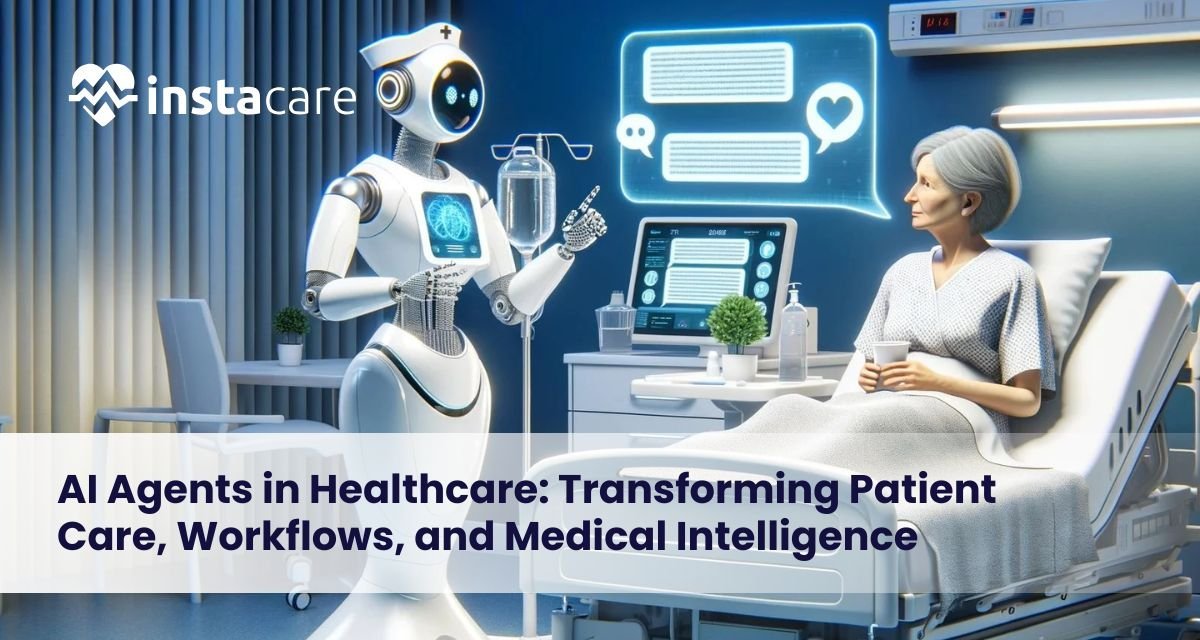
AI Agents in Healthcare: Transforming Patient Care, Workflows, and Medical Intelligence Artificial Intelligence is changing healthcare step by step, bringing new ways to boost recovery results, make processes smoother, also assist doctors and nurses. Within this tech wave, smart AI helpers are becoming key players. Instead of people, these tools take on jobs like watching patients, handling records, organizing visits, either alone or with some guidance. When added into clinics, hospitals, or online health services, they speed things up, cut down mistakes, besides improve how patients feel about care. Thanks to them, medical staff spend less time on routine work; instead, attention shifts toward personal treatment, since machines manage complicated repeat actions accurately. These advances illustrate the potential of autonomous AI agents in healthcare to transform medical workflows. What are AI Agents in Healthcare? AI Agents work alone or with some guidance to get certain jobs done. When used in health settings, they rely on pattern recognition, text analysis, and forecasting tools to aid treatment processes and services for patients. Some examples are smart helpers that give physicians diagnostic advice, digital aides handling conversations with individuals seeking care, while others function as tech-based advisors assessing detailed medical records. Some agents work alone using set rules; others assist medical staff by offering advice. Using several connected systems lets clinics improve operations in different areas at once. This includes clinical AI agents that support specialized departments, ensuring accurate, data-driven insights. Types of AI Agents Used in Healthcare Medical systems use various AI tools, each built for specific tasks. Some handle diagnostics while others manage patient records or support treatment planning AI Patient Monitoring Agents: AI tools watch patient health nonstop, notifying doctors at once when something seems off. Suitable for critical wards or checking patients from a distance. AI Agents for Diagnostics: AI tools help spot health issues by studying scans, test data, or records, supporting physicians with faster, clearer insights. They combine image reviews, lab values, and past cases while improving detection speed through pattern recognition. These systems work alongside clinics to reduce delays using digital analysis instead of guesswork. Generative AI Agents in Healthcare: Generate patient reports, summaries, or treatment suggestions using advanced natural language processing. AI Agents for Appointment Scheduling: AI helpers handle appointment scheduling, streamlining booking, setting alerts, or managing check-ins to free up team hours. Predictive Analytics Agents in Healthcare: Predictive analytics tools help healthcare by estimating how patients might worsen, using past records. These agents track illness patterns over time, giving insights into future demands. Hospitals use them to anticipate bed or staff shortages, not just react. Insights come from data trends rather than guesswork, supporting timely choices. Conversational AI Agents for Healthcare: Chat-based AI helpers in medicine work like bots or spoken tools, leading users through typical questions plus basic check-ups. Such agents together create a digital environment that helps hospitals, as well as clinics and telehealth systems, offer timely and accurate treatment. They integrate seamlessly into multi-agent systems in healthcare for holistic operations. Key Benefits of AI Agents in Healthcare The use of AI agents in hospitals or clinics offers several advantages: Improved Patient Care: AI tools help patients by spotting issues fast, which means quicker care and fewer emergencies. Alerts go out sooner because systems watch closely, so problems get caught earlier instead of later. Enhanced Workflow Automation: AI automates hospital workflows, improving schedules, documentation, or back-office duties, so healthcare workers spend more time on patient care instead. This highlights the importance of ai workflow automation in hospitals. Data-driven Choices: AI tools analyze medical information, helping doctors decide with support from forecasting methods, this boosts accuracy in identifying illnesses while shaping care strategies through statistical insights. Operational Efficiency: Multi-agent setups in healthcare help separate units share info clearly, cutting repeats while speeding up workflows through smoother coordination instead of siloed actions. Custom Care: AI tools guide choices, using a person’s past health and wishes to shape treatments. Machine learning adapts plans, so each fits better. Hospitals using such tools see better performance, lower expenses, alongside happier patients, showing how AI patient monitoring agents and analytics agents can shift operations meaningfully. Book Your Free Marketing Consultation Challenges & Limitations Even though there are advantages, AI systems come with some difficulties: Data Privacy and Security: Managing confidential patient details means following rules such as HIPAA closely, yet care must stay consistent. While standards apply, adherence ensures trust; each step protects personal records without delay or error. Connecting to Old Systems: Outdated hospital technology might not allow modern AI tools to work properly, compatibility becomes an issue when upgrading is limited, some setups simply can’t adapt. Reliability Concerns: Although AI tools suggest solutions, mistakes can happen when information is inaccurate. Staff Training & Acceptance: Medical staff need proper guidance to work well alongside artificial intelligence tools, training ensures smoother adoption across teams. Ethical Considerations: The autonomy of AI brings up issues around responsibility, also, whether patients agree matters. Trust becomes a concern when machines make choices instead. Addressing these constraints calls for thoughtful preparation; a strong technology setup also plays a key role. Meeting legal standards is essential, this supports secure, responsible implementation. Incorporating ai agents for medical data analysis ensures precise insights without compromising patient confidentiality. Future of AI Agents in Healthcare The future of AI agents in health care looks strong. Because of advances like automated systems in clinics, these tools are used more often in medical settings. As a result, treatments can be predicted ahead of time, stopped before they start, or tailored to individuals. When linked to online consultation services, smart helpers talk to people from a distance, so fewer go into hospitals while access improves. Advanced multi-agent setups let AI work together across teams, keeping processes smooth, from diagnosis through care to check-ins. Since machine learning keeps advancing, these AIs should offer sharper advice, helping doctors act quicker with better accuracy. Also, stronger cybersecurity in healthcare safeguards private information, building confidence and encouraging broader use. Integration with autonomous AI agents
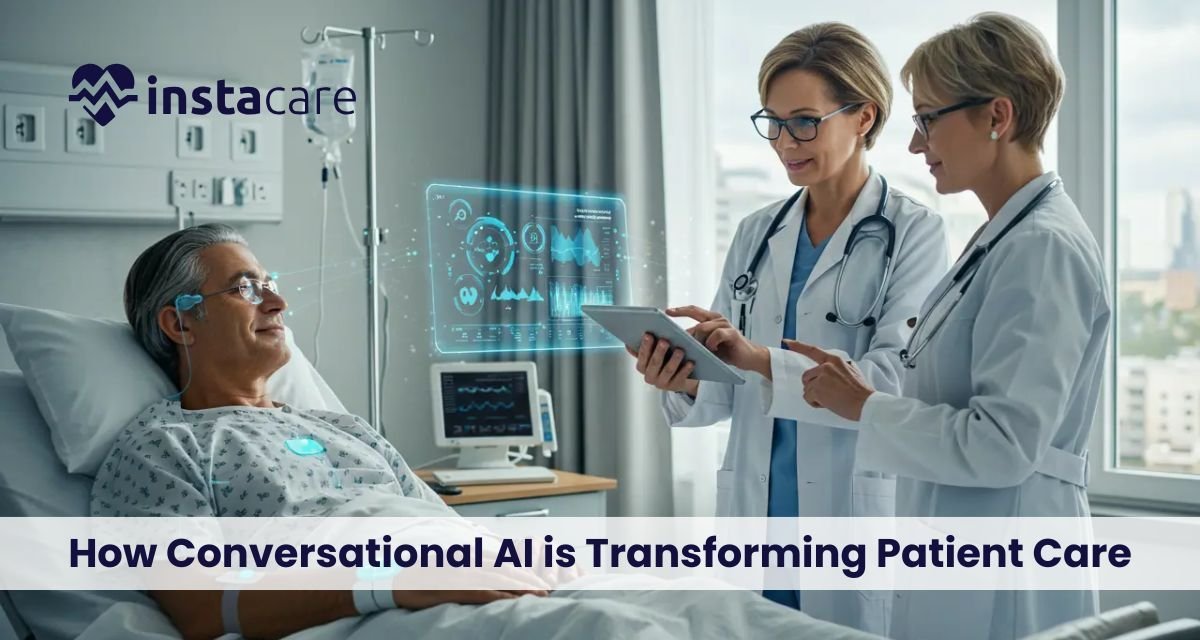
Revolutionizing Healthcare: How Conversational AI is Transforming Patient Care Healthcare is undergoing a significant transformation due to the emergence of conversational AI. Hospitals, clinics and online health platforms are currently implementing AI-based tools that facilitate communication, symptom analysis and administration. The interaction between providers and patients is currently changing rapidly with the emergence of new technologies like AI chatbots for healthcare. This change is turning healthcare to be more accessible, efficient and personalized. What is Conversational AI in Healthcare? Conversational AI is a type of intelligent tool that can have a conversation with you, either in written or spoken form. This also covers virtual health assistants in the healthcare sector that can assist patients, provide responses to their questions, and even support medical personnel. Advanced algorithms, speech recognition, and NLP in healthcare in these systems to learn what the patient means and provide correct answers. These tools have promptly been embraced in healthcare organizations due to their capacity to handle large numbers of patients and also the elimination of administrative workload. Key Applications of Conversational AI Medical applications of conversational AI can be used in medical care in many ways, including as a clinical aid or as an administrative assistant. Among the most influential applications, there are: Automated Patient Support Hospitals are under a continuous stream of inquiries by patients. Conversational tools offer automated patient support, which enables the patients to receive responses 24/7. These systems deal with FAQs regarding hospital schedules, lab results, prescriptions and others as well- ease the burden of manual work, and take the strain off the staff when it comes to communication. AI-Powered Symptom Checkers and Triage The latest symptom checkers are AI-driven to assist patients in evaluating health issues at home. The tools gather the symptoms by natural discussion, interfere with medical databases, and propose symptoms on whether immediate attention should be applied. Smart AI triage systems also direct patients to the appropriate department, specialist, or emergency care, enhancing the response time and decreasing the number of visits. Enhancing Patient Engagement and Experience Patient engagement automation is one of the largest contributions conversational AI is making. Healthcare facilities can offer patients with automation that helps them with reminders, follow-ups, medication reminders, and wellness tips to keep them involved even after they have come out of the hospital. Administrative and Workflow Support Conversational tools facilitate communication, and organizational work in a busy setting. As an example, an AI-based solution applicable in a hospital helps nurses and doctors by retrieving patient information or updating their record or sending a message. Such tools minimize mistakes and speedy processes, which enhance the efficiency of hospital teams. Healthcare Chatbot Applications The emergence of healthcare chatbot applications is transforming digital patient experience. The chatbots assist in making appointments online, insurance, billing insights, and pre-admission. They are presenting a vital intermediary between the healthcare provider and patients in that they provide real-time, precise assistance without prolonged waits in the call center. Improving Digital Experiences Conversational applications are also improving the online patient experience by providing a smooth customer experience in mobile applications, telehealth, and hospital websites. Patients will feel free to communicate with a smart system that is fast to react, comprehends situations and offers explicit instructions. Book Your Free Marketing Consultation Benefits of Conversational AI in Healthcare Conversational AI is associated with numerous benefits that can be of benefit to both hospitals and clinicians and patients. 1. Improved Efficiency The AI makes the healthcare industry less burdened with routine tasks, and the health care provider is able to have time to attend to important cases. Thousands of interactions are handled in automated systems at a time reducing waiting time and speeding up the workflow in hospitals. 2. Enhanced Communication and Coordination Hospital-specific conversational AI for hospital communication in and out of the organization. Clinicians are able to get necessary updates quicker and the patients are notified timely and the healthcare teams are able to work together across the departments. 3. Cost Savings and Resource Optimization Conversational AI for hospitals reduces the expenses on labor since it decreases the necessity of manual operations, eliminates delays, and minimizes the use of hospital resources. 4. Better Clinical Support Assistants powered by AI offer medical professionals access to patient information and treatment plans and initial diagnostics in real-time. With these automation tools in healthcare, there is a great deal of human error minimization, and all decisions are made on the basis of appropriate information. 5. Improved Patient Outcomes AI-based care is beneficial to patients on a big scale. Improved adherence, reduced complications and increased satisfaction levels are achieved through better communication, on time reminders, and responsiveness. These improvements are indicative of the larger medical chatbot benefits that are currently being reaped by contemporary healthcare organizations. Challenges and Limitations Although conversational AI is positive, it is associated with a number of difficulties: Accuracy and Reliability AI technologies should be able to comprehend medical terms and patient-related information correctly. The wrong guidance may result in misinterpretation and that is why training and improvement are to be performed continuously particularly in case of using conversational interfaces in healthcare. Data Privacy Concerns Healthcare is a very sensitive matter. Before the adoption of conversational systems, it is essential to ensure the security of data, encryption, and adherence to the regulations, such as the HIPAA. Integration with Existing System Many hospitals have several systems of management. The incorporation of conversational AI into the EHRs, lab software, and billing systems may be complicated and involves technical skills and planning. Limited Human Touch Although AI is very efficient, there are still patients who like to be interacted with by a human being. The issue of striking the right balance between technology and individual care is one of the challenges facing most healthcare institutions. The Future of Conversational AI in Healthcare Conversational technology promises to have a promising future in the healthcare industry. The smarter the AI is, the more the hospitals will depend on the support systems that will act automatically.
Generative AI in Healthcare: Transforming Diagnostics, Treatment, and Patient Care The healthcare sector is experiencing an enormous digital revolution, and Generative AI is at the center of them. Generative AI has also brought a new age of precision-based, intelligent, and flexible medical arrangements by utilizing powerful models that can generate new data, insights, predictions, and simulations. The technology is transforming the way clinicians practice and how patients are treated with technologies tailoring treatment plans to an individual disease, as well as disease prediction. Advanced algorithms will become more and more popular among hospitals, pharmaceutical companies, and health systems to improve results, decrease workloads, and increase the overall efficiency of operation. What Is Generative AI? Generative AI can be defined as those models and algorithms that can create new content, including images, text messages, predictions, or simulations, using large datasets. The models in healthcare have the potential to produce artificial medical images, generate clinical records, design drug molecules, simulate patient outcomes, and help with predictive analytics. Conventional AI is concerned with identification and marking. Generative AI however builds on this by coming up with new possibilities which assist clinicians in having a better understanding. As an example, synthetic medical imaging AI tools can be used by radiologists to create a superior model, and generative analytics can create several treatment pathways simulations using past and real-time data about a patient. Why Healthcare Needs Generative AI? The global healthcare systems experience the growing patient numbers, the increased rates of chronic illnesses, deficits in personnel, and the rising complexity of operations. Generative AI can provide a solution that will reduce the number of administrative tasks, decrease the error rates, and shorten the diagnostic and treatment process. One of the most significant advantages is the fact that it is possible to process the huge amount of electronic health data and make meaningful conclusions. Generative models allow the use of AI in clinical decision-making with the ability to diagnose faster and provide better treatment suggestions due to the enhanced computational power of these systems. Key Applications of Generative AI in Healthcare Generative AI is changing the process of care delivery in many fields. applications of generative AI in healthcare in the following fields: Diagnostics and Predictive Analysis Generative models are used to aid AI-based medical diagnosis, determine patterns in medical images, laboratory findings, and diagnosis reports. The tools are useful in the early warning of diseases like cancer, heart diseases, and neurological diseases. Simulations are also produced using the predictive models, which enable the clinicians to predict the risk of patient deterioration. Advanced Medical Imaging Artificial intelligence (AI) medical imaging technologies are becoming useful in improving image quality, decreasing noise, and creating high-quality scans. With generative AI, the radiologist can complete missing data in images and reach an earlier diagnosis and determine disease progression more precisely. Drug Discovery and Development Generative algorithms are used to create new drug molecules and recreate biological interactions, significantly accelerating research timeframes. This helps in the development of AI-driven medical diagnosis, which reduces the number of years in the process of developing a drug. Clinical Workflow Automation To healthcare automation with AI, hospitals use AI to support patient monitoring schedules, documentation and automate scheduling. Administrators can generate clinical summaries, discharge notes, and treatment plans automatically through generative AI, which lessens the burden of administrative staff. Patient Care and Engagement Generative models aid the virtual patient assistant, tailored treatment recommendation, and continuous remote observation. These applications can boost generative AI for patient care by forecasting their needs, possible complications, and prescribing lifestyle changes. Electronic Health Records Enhancement Generative AI enhances the quality of documentation and makes the clinical data more organized to access it faster. It is combined with AI in electronic health records (EHR/EMR), which guarantees more precise clinical histories, reduced occurrence of documentation errors, and improved patient tracking abilities. Medical Research and Simulation Generative AI facilitates initial trial with machine learning in healthcare models that produce synthetic data that is used to train. These simulations facilitate the quickening of clinical trials and minimizing expenses and safety improvements prior to actual application in the real world. Applications in Multiple Healthcare Fields Personalised oncology, cardiology decision support, mental health therapy chatbots, surgical planning, and genomic analysis are now among the many generative AI use cases in medicine. Book Free Demo Benefits of Generative AI in Healthcare Generative AI has a number of most outstanding benefits of generative AI for hospitals, such as: Improved Accuracy and Faster Diagnosis Generative models assist clinicians in identifying diseases earlier, scans with high precision, and minimize the possibility of a misdiagnosis. Reduced Administrative Burden The healthcare automation with AI will enable physicians and nurses to pay more time and attention to direct patient care instead of paperwork. Cost Efficiency AI can reduce the cost of operation by ensuring that resources are well distributed, unnecessary tests are eliminated, and resources are not duplicated. Personalized Treatment Plans Generative models can analyze the patient data to create specific plans based on the condition of the particular patient, history, and pattern of response. Enhanced Research and Innovation Predictive modeling and simulation via AI can accelerate the development of new solutions in pharmaceutical companies and research institutions, since AI can be used to create new, more rapid solutions. Improved Patient Experience Predictive alerts, chatbots, and personalized guidance make healthcare smoother, more predictive and supportive to patients. Challenges and Concerns of Generative AI in Healthcare No matter how huge its potential is, Generative AI has a number of challenges. Data Privacy and Security The information in healthcare is confidential and patient information must be secured. Unsecured AI systems may result in data violation and abuse of information. Ethical and Bias Issues The results of models that have been trained using biased data are likely to be unfair. This brings ethical issues to healthcare AI, particularly when algorithms affect the treatment decision. Regulatory Compliance To ensure that the clinical standards, medical devices regulation and other international privacy laws are observed, close monitoring is
- 1
- 2