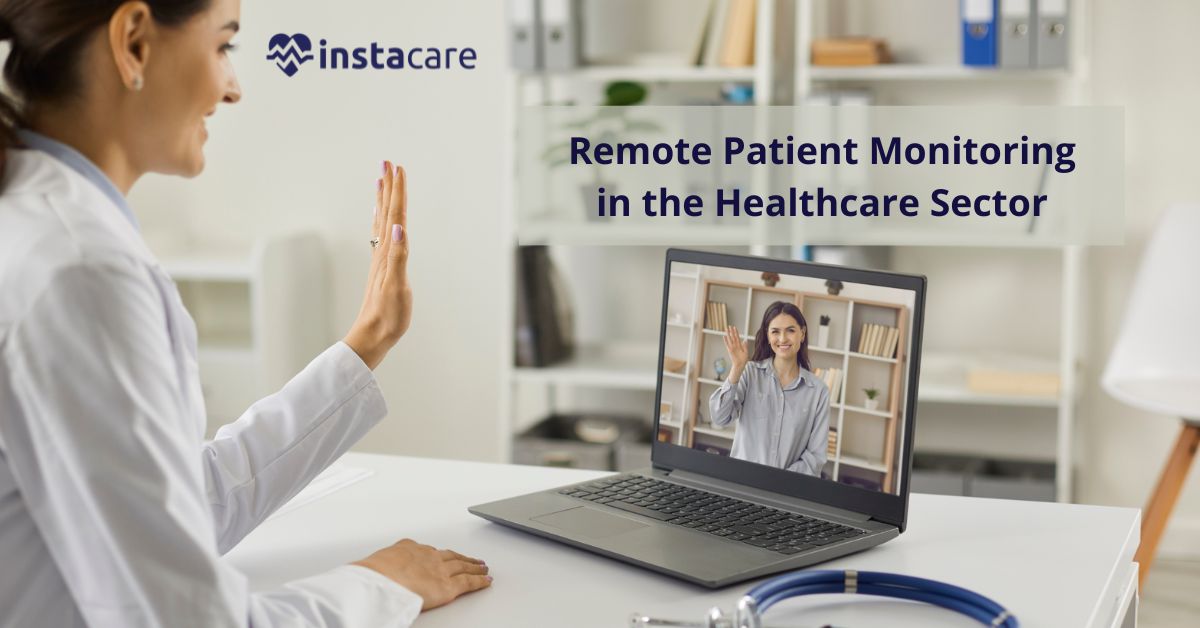
What Is The Significance of Remote Patient Monitoring in the Healthcare Sector? Remote Patient Monitoring (RPM) is a pivotal innovation in medical care that has changed how patients get clinical consideration and how specialists give it. This article examines RPM’s significance, including its advantages, operation, application, challenges, and prospects. RPM allows specialists to monitor patients from a distance, utilizing contraptions like wearable sensors and telephone applications. It’s beneficial for individuals with ongoing circumstances like diabetes or heart issues, as it can get problems early and save excursions to the specialist. Although RPM needs to be fixed, there are worries about protecting and ensuring the innovation works dependably. Despite this, RPM is likely to continue developing and working in the years ahead, making medical care more advantageous and viable for some individuals. Advantages Of Remote Patient Monitoring Improved Patient Outcomes One of the essential advantages of RPM is its capacity to upgrade patient results. Healthcare professionals can spot early indications of weakening or complications by remotely monitoring vital signs and health metrics, allowing quick intervention. This proactive methodology lessens the probability of unfavorable occasions like clinic readmissions and works on generally tolerant well-being. Enhanced Patient Engagement RPM encourages more noteworthy patient commitment by engaging people to function in dealing with their well-being. Through wearable gadgets and versatile applications, patients can follow their well-being information progressively, gain experiences with their condition, and settle on informed conclusions about their way of life and treatment choices. Improved health outcomes result from improved treatment plan adherence as a result of this increased engagement. Cost-Effectiveness As well as working on quiet results, RPM offers financially savvy answers for medical care conveyance. By remotely checking patients, medical care suppliers can lessen the requirement for successive in-person visits, which can be costly and tedious for the two patients and suppliers. In addition, early location of medical problems through RPM can forestall exorbitant clinical mediations and hospitalizations, bringing about colossal expense reserve funds for medical care frameworks. Book Free Demo How Remote Patient Monitoring Works? Remote Patient Monitoring (RPM) relies upon wearable sensors, telephone applications, and remote observing frameworks to assemble and send patient data. These devices monitor significant signs like pulse, circulatory strain, glucose, and movement levels constantly. As it happens, they send this data directly to healthcare providers. This means that nurses and doctors can monitor patients’ health from afar. Supposing they notice any progressions or issues, they can step in rapidly to help. RPM resembles a virtual regular checkup, where the specialist can perceive how you’re managing without venturing out from home. It’s a helpful method for keeping steady over your well-being, particularly assuming that you have a condition that needs customary observing. Applications Of Remote Patient Monitoring RPM has diverse applications across various healthcare settings, including: Chronic Disease Management RPM is essential in overseeing ongoing circumstances like diabetes, hypertension, and coronary illness. By observing patients’ well-being measurements from a distance, medical services suppliers can distinguish changes in condition early and change therapy designs promptly, lessening the gamble of difficulties and working on personal satisfaction for patients with persistent illnesses. Post-Operative Care Patients frequently require close checking to guarantee legitimate mending and healing after a medical procedure. RPM permits medical services suppliers to remotely screen patients’ critical bodily functions and recuperation progress, empowering early discovery of inconveniences like disease or careful site complexities. This proactive way to deal with post-employable consideration can abbreviate clinic stays, decrease readmission rates, and work on understanding results. Elderly Care RPM is likewise significant in being cared for by old patients, particularly those with numerous constant circumstances or restricted versatility. By constantly observing indispensable signs and action levels, RPM empowers early recognition of medical problems and falls, lessening the gamble of unfavorable occasions and empowering ideal mediation. Moreover, RPM gives inner serenity to old patients and their parental figures, realizing that help is accessible at the bit of a button. View More: Simplifying Record-Keeping with a Patient Record Management System Challenges And Solutions To Keep In Mind Regardless of its various benefits, Remote Patient Monitoring (RPM) presents a few difficulties that need tending to: Data Security And Privacy Concerns: The transmission and capacity of touchy well-being information through Remote Patient Monitoring (RPM) frameworks raise critical worries regarding patient protection and information security. Patients legitimately stress over the privacy of their clinical data and the likely dangers of unapproved access or breaks. Medical care suppliers should execute vigorous safety efforts inside RPM stages to address these worries. Integration With Existing Healthcare Systems: Coordinating RPM innovation into existing medical care frameworks presents a complex test. The different clusters of gadgets and stages utilized in RPM might need similarity with laid-out electronic well-being record (EHR) frameworks, blocking consistent information trade and interoperability. To close compatibility gaps, healthcare providers must invest in interoperable technologies and develop standard protocols. This includes making secure connection points and information norms that work with consistently joining RPM information with EHRs, empowering medical services experts to get to thorough patient data progressively. Patient Acceptance And Adherence: Accomplishing far-reaching reception and adherence to Remote Patient Monitoring (RPM) programs among patients requires tending to different boundaries and concerns. Patients might hold onto second thoughts about RPM because of vulnerabilities encompassing information security, ease of use difficulties, or an absence of experience with innovation. To beat these obstructions, medical care suppliers should participate in thorough patient training drives, featuring RPM’s advantages and tending to misguided judgments every day. This entails making information about RPM’s operation, its potential impact on patient outcomes, and the safeguards in place to protect data privacy readily available. Conclusion Finally, remote patient monitoring, or RPM, is vital in the medical services industry and enjoys a few benefits, including a better understanding of results, expanded patient commitment, and cost viability. RPM makes it conceivable to give individualized care, brief mediation, and early finding of medical problems by ceaselessly checking patients’ well-being from a distance. Despite hindrances like information security stresses and mixed hardships, RPM can change medical care conveyance