
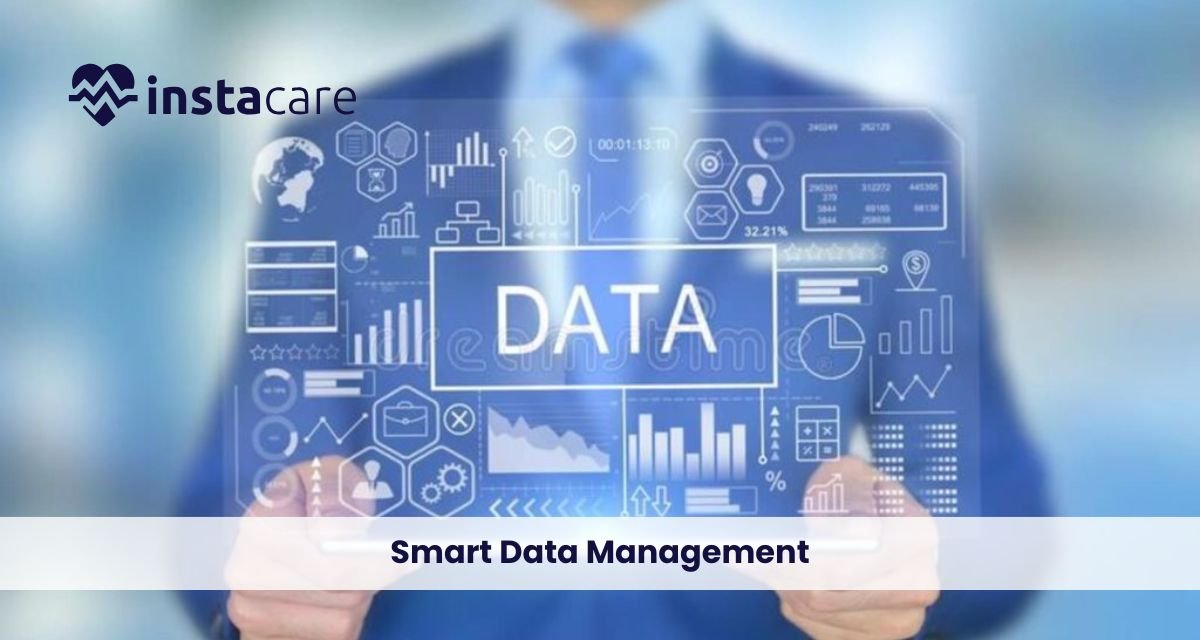
Smart Data Management: Transforming Raw Information into Strategic Business Intelligence Digital economy companies are creating humongous data in seconds in the digital economy. But utilization rather than management is the true value of the data. Intelligent Data Management has been an innovation process encompassing automation, artificial intelligence, and analytics to transform raw data into quality decisions. Smart data management allows companies to streamline operations, deliver better customer experience, and make smarter data-driven decisions than ever before. What is Smart Data Management? Smart Data Management is the application of advanced technology and techniques for data capture, organization, analysis, and utilization by a company in its best possible way. It is not mere repetitive processing of data with AI-based automation, analytics, and real-time processing. The process keeps the data clean, readable, and actionable from the start to the end of the cycle of data, since it is the foundation for an intelligent data management process. Smart data management is distinct from conventional data systems with the main interests in storage and retrieval. Smart data management allows organisations to understand context, identify patterns, and develop predictive insights. It is thus essential to businesses that are based on timely and accurate information. The Need for Smart Data Management in Modern Business With business transacted by companies across many digital outlets, data from millions of sources has been extremely difficult to manage. Legacy systems are not geared to manage silos of data, various types, and security intrusions. Smart data management solves this by integrating data streams and delivering one version of truth to the whole company. Organizations also have other needs for regulation, and so data governance is no longer optional. Consistency, accuracy, and compliance are no longer choices but the necessity of trust and survival. Smart data management allows organizations to achieve these requirements by managing policies through automation, making it possible for transparency, and holding others responsible in all points of contact of data. Key Ingredients of Successful Smart Data Management Systems Some of the features make up the features of effective smart data management systems: Data Integration Tools: They can integrate disparate data sources easily, whether on-premise or cloud, to achieve single visibility and access. Data integration tools minimize human efforts and speed information flows across systems. Automated Data Management: Automation reduces extended human effort, and data clustering, cleaning, and maintenance are automatically and accurately performed. Automated data management improves accuracy and lets the team concentrate on strategic analysis. Data Quality Management: Accuracy and completeness are a concern. Data quality management software is always monitoring and improving data to deliver business intelligence and analytics with certainty. Data Compliance and Security: Breach prevention as well as regulatory compliance are top priorities. Data security and compliance software enable companies to defend sensitive information as well as ensure customer trust. Data Lifecycle Management: Data flows through, from their creation to when they are disposed of, depending on what they are utilized for. Data lifecycle management allows data to be stored, utilized, archived, and ultimately disposed of when no longer needed. How Machine Learning and AI Improve Data Management Machine learning and artificial intelligence have revolutionized data processing and storage for business organizations. Organizations can auto-recognize patterns, detect anomalies, and make predictions based on AI in data management. Anomaly detection, forecasting trends in data for the future, and proposing improvement in decision-making are facilitated by machine learning algorithms. Further, information is processed in real-time data processing by AI systems that sift and respond to streams of real-time information. Through this means, business organizations are able to respond quickly to potential customers’ behavior, business trends, or market trends. AI also enables data analysis and intelligence to ensure that business organizations are able to make conclusions about underlying trends and opportunities from big data. Advantages of Intelligent Data Management Adopting prudent management of information has a number of benefits to contemporary organizations: Improved Decision-Making: Organizations make decisions quicker, with decisions being made in real time and real facts. Improved Efficiency: Strong processes minimize workload and operating expense. Improved Flexibility: Cloud solutions provide access anywhere and facilitate collaboration and scalability. Regulatory Compliance and Security: Governance features integrated ensure data satisfies all the compliance requirements. Innovation and Growth: Precise data allows organizations to innovate and seize opportunities with confidence. For organizations handling large amounts of information, big data management guarantees that even the most complex sets of information are stored, processed, and handled in their optimal conditions. Smart Data Management Tools and Technologies A number of sophisticated technologies power smart data management. Smart data management platforms enable organizations to remotely store, process, and analyze big data more conveniently. The platforms enable intelligent storage of data in a manner in which data is indexed precisely and can be accessed more conveniently. The modern-day business data management software brings together, manages, and analyzes everything under one umbrella that gives the businesses 360-degree visibility of their operations. Another part of the software consists of AI-powered dashboards, predictive analytics, and self-service analytics. Adoption Challenges of Smart Data Management Organizations are confronted with some challenges of smart data management adoption: Complexity of Integration: It is difficult to integrate new software with existing systems. High Human Training and Infrastructure Costs: Highly complex systems have high human training and infrastructure costs. Cyber Attack: The more networking a system has, the more likely it is to be attacked by cyber. Knowledge Gaps: In order to operate together with AI-based systems, there are specific abilities required that may not be in some groups. Strategic planning, competence man force training, and deployable technology implementation allowing for growth with no collateral security loss should be accomplished in order to overcome these challenges. Book Your Free Marketing Consultation Effective Smart Data Management Best Practices optimal smart data management can be achieved by organizations if the following listed best practices are implemented: Develop a Clear Data Management Strategy: Have clear objectives and departmental accountability for data
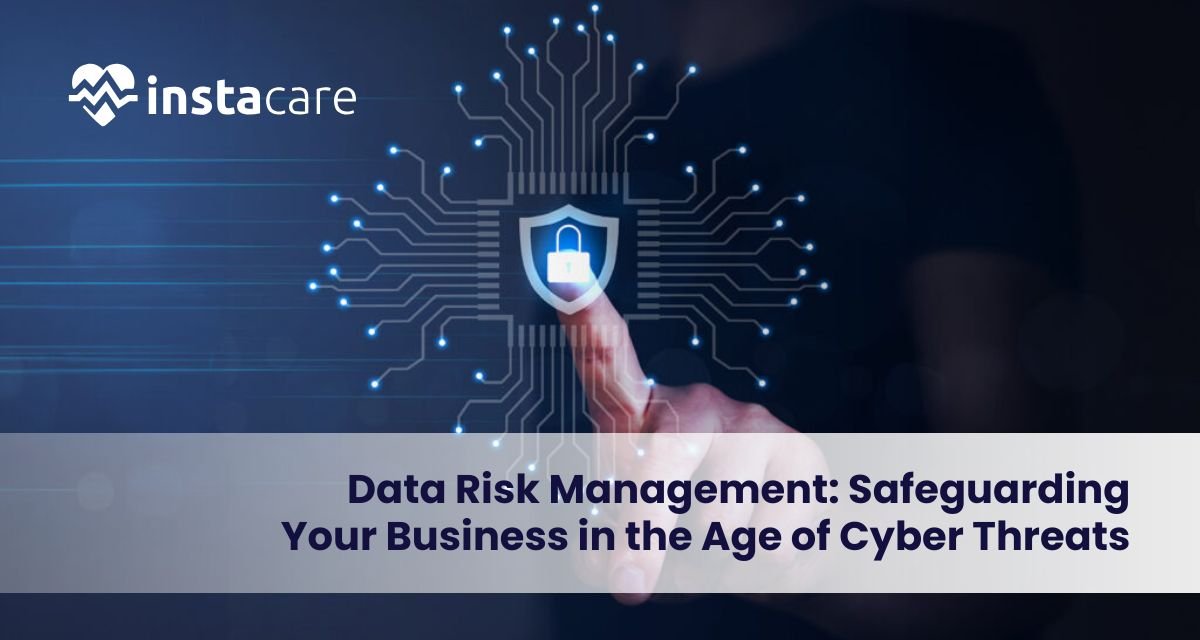
Data Risk Management: Safeguarding Your Business in the Age of Cyber Threats Data risk management is a must in this age of a technology-dominated world to safeguard precious data from hackers. Data risk management is a process of search, evaluation, and countermeasures against the threat that destroys data integrity, privacy, or availability. Assets can be safeguarded and customer confidence can be provided through good governance, compliance with regulatory requirements, and technology solutions. What Is Data Risk Management? With the present computer technology, where information is trusted for conducting the business, decision-making within the business, and relationship with customers, among the most critical of business plans is managing data risk. It is that ongoing set of locating, examining, and addressing potential dangers that will violate the confidentiality, integrity, or availability of the information. The importance of data risk management is that it protects confidential information against internal and external threats in the form of cyber attacks, data loss, and system malfunction. As businesses are creating a lot of information regarding employees, employees, and external partners, they require adequate defense measures so that they don’t fall prey to absolute misuse or loss of precious information. Types of Data Risks Companies operating in today’s world are confronted with different data risks whose occurrence is traceable to technical and human errors. The categorization of these types of risks constitutes the beginning step towards crafting a good data risk management framework. Cyber Attacks: Phishing, ransomware, and malware attacks are likely to breach systems and disclose confidential information. System Failures: Software or hardware malfunction is most likely to destroy data or render it unusable. Third-Party Data Breach: Third-party business vendors or partners occasionally will have inadequate business controls and leak information unintentionally. Cloud Threats: Poor cloud infrastructure access controls or settings may include enabling exposure. Few of them require much more sophisticated data security and risk management that must be tailored to suit a company’s niche environment and activity. The Data Risk Management Process Effective data risk assessment procedure is a range of controls formulated to identify prospective weaknesses and avail the remedial action in advance of time before they grow in magnitude. Asset and Risk Identification: It begins with a compilation of all the assets belonging to the data category, i.e., financial data, personal data, and operational data. The risks to the assets are to be mapped as a list afterwards. Risk Analysis: It is done by giving numerical values to the probability and potential impact of each risk. Quantitative or qualitative methods may be applied in trying to rank high-risk areas. Risk reduction: After vulnerabilities are identified, organizations must develop means of reducing exposure using firewalls, encryption, or access control. Involuntary Response: Where and when an information breach or loss does occur, organisations will be required to have within regulatory timescales in place arrangements for recovery from system failure and notification of stakeholders. This approach facilitates effective proactive mitigation of the risk and facilitates best practices in data governance and risk management. Improve Data Risk Management Practices Businesses must introduce best practices for data risk management as per industry norms to provide additional security against forthcoming cyber attacks. Institutionalize Risk Awareness Culture: Educate workers on data protection practices and train employees on phishing, password, and social engineering attacks. Enforce Access Controls: Limit access to sensitive information individually. This minimizes both insider threats and unauthorized disclosure. Regular Security Audits: Perform periodic tests to detect defects in current controls and establish the effectiveness of security controls deployed. Data Encryption: Protect sensitive data in storage and during its transmission by encrypting data to avoid unauthorized access. Backup and Disaster Recovery: Regularly back up in case of a disaster. Reset information under processes such as. Cyberattacks or system failure. Vendor Risk Assessment: Evaluate third-party vendors’ security processes to respond to your business needs. Book Free Demo The Compliance and Governance Role Compliance and governance is one of the data protection and compliance that places organizations into a regulatory and legal stance. Compliance solutions such as GDPR, HIPAA, and ISO 27001 demand robust control in processing personal and sensitive data. Compliant data governance and risk management procedures promote accountability by defining the process, role, and management of data throughout its life cycle. Governance procedures also ensure accuracy, consistency, and security of data in an organization and mitigate operating risks. Utilization of Technology for Smarter Risk Management Implementation Technology is leading the development of data risk management tools. AI, ML, and automation technologies can be leveraged to detect, detect, and react to threats in real-time. Detection of risk using AI and ML: The technologies can scan massive amounts of data to look for suspicious activity and vulnerabilities before they become breaches. Automated Monitoring Solutions: Real-time monitoring enables companies to keep up with dynamic threats in the threat environment. Cloud Security Platforms: Increasingly, companies are migrating to the cloud, and cloud data risk management software offers continuous visibility and control over sensitive data disseminated across environments. Data Loss Prevention (DLP) Systems: DLP systems detect and restrict sensitive data flow to prevent accidental disclosure. Encryption and Tokenization: These technologies help safeguard data against abuse, even in the case where systems become compromised. Benefits of a Good Data Risk Management Framework A good data risk management framework offers numerous benefits besides data protection. Enhanced Security Posture: A good framework keeps loopholes secured and protects defense mechanisms from cyber-attacks. Regulation Compliance: Conformity to global standards prevents litigation and retains customers’ confidence. Continuity of Operations: Data and business continuity reduce downtime after incidents. Better Decision-Making: Conformant data enables improved business planning and decision-making. Reputation Protection: Timely data protection safeguards customer trust and ensures brand name. Cost Advantage: Detection and prevention of risks early on to save potential cost loss in case of breach. Like in other industries, quality data risk management in healthcare renders the protection of patients’ data real-time, provides HIPAA