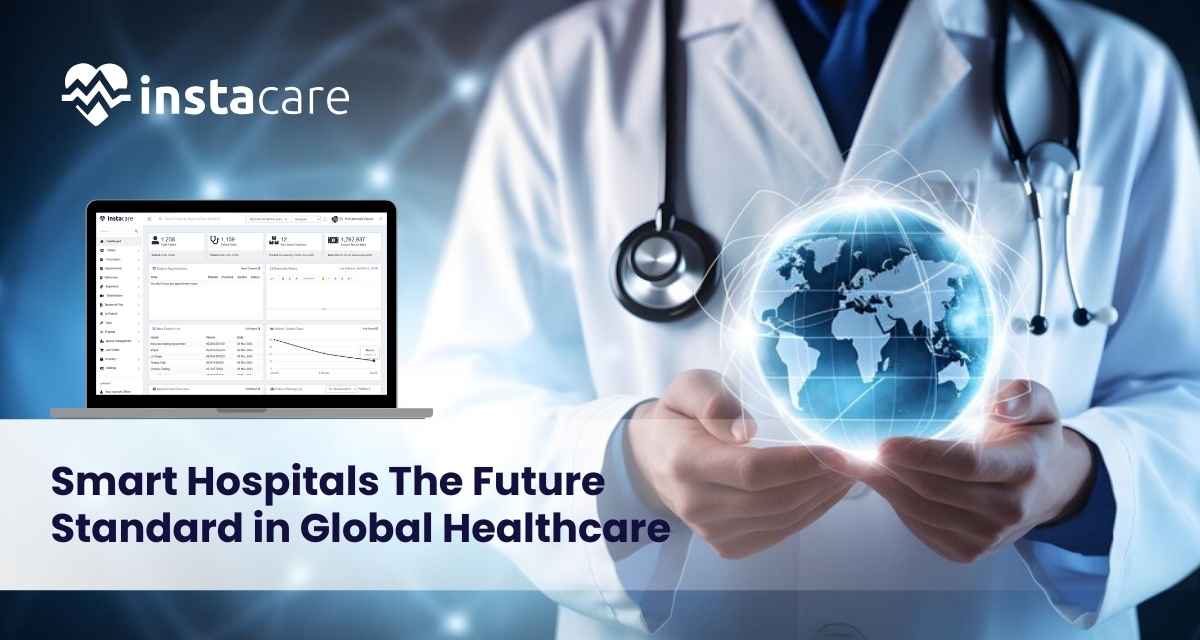
In the past couple of years, technology has revolutionized the health care sector widely. Within these many changes, smart hospitals are one of the revolutionary changes in health care that incorporate sophisticated technologies for improving patient treatment, workflow systems, and the best possible health care outcomes. What is a smart hospital, its benefits, its primary technologies used in such a system, and the way it is changing health care around the world is a matter of this paper. Smart hospitals strive to enhance patient experience in line with optimizing the workflow of care providers. These institutions converge on connection, data sharing, and real-time communication so that each patient can receive care that is customized and delivered at the right time. Important Features of Smart Hospitals 1- Iot Integration Smart hospitals make IoT devices essential hubs that collect real-time information to be shared across systems. Wearable devices, smart beds, and remote monitoring tools help track patient health metrics over time. For example, a smart bed adjusts itself for comfort and alerts the staff if a patient may fall. 2- Analytics The fourth cornerstone of smart hospitals is big data analytics. This would entail analysis of tremendous amounts of health data in order to realize trends and predict patient needs for better decision-making. For example, predictive analytics would allow health systems to project admissions, which could then help to better allocate resources and staff. 3- Telemedicine Telemedicine solutions exist in most smart hospitals, and patients can, therefore, communicate with their healthcare providers from anywhere. This is good for individuals in rural settings or handicapped in any way as they can access healthcare. This increases access and reduces pressure on hospital facilities. 4- Artificial Intelligence AI algorithms can analyze patient data to be used for diagnostic purposes and treatment recommendations. For example, AI helps radiologists to achieve higher accuracy and quicker identification of anomalies in imaging studies. In addition, AI-based chatbots provide insights and support to patients, thus enhancing overall engagement. 5- Automated Processes Smart hospitals improve operational efficiency through automation. Automated systems can execute administrative tasks such as scheduling, billing, and inventory management. This thus frees up much of the administrative burden on the healthcare staff so that they may focus more on their actual profession: looking after patients. 6- Patient Experience End A smart hospital is patient-centric. Some of its characteristics include appointment scheduling via mobile applications, real-time wait-time information, and individualized health data that advance and also improve the experience of patients. Benefits of Smart Hospitals 1- Improved Patient Outcomes With smart hospitals, the care of patients is enhanced. Real-time monitoring and analyzing data will warn the health professionals to begin interventions as soon as problems are noticed. This early response may be associated with fewer complications and faster recovery. 2- Productivity Smart hospitals will greatly minimize the wasteful inefficiencies of operations. Having automated administrative tasks and optimized resource use, these places will operate accordingly, thereby decreasing costs. 3- Effective Communication Smart hospitals encourage effective communication between the patient and healthcare providers. Since there is wide accessibility to real-time information through telemedicine, health teams can communicate effectively so that care can be delivered cohesively. 4- Savings Although the initial expenditure of smart technology is high, cost effectiveness improvements could lead to decreases in length of stay and overall positive health outcomes, that means provider and patient healthcare costs may decrease. 5- Higher Patient Engagement Smart hospitals facilitate patient engagement by incorporating technology into the patient experience. Patients can use mobile apps, educational materials, and telemedicine programs to take charge of their healthcare plans. Important Technologies in Smart Hospitals 1- Wearable Devices Wearable technology – the use of fitness trackers and smartwatches – tracks a variety of physiological measures that include heart rate, activity level, and sleep patterns. These can provide real-time feedback to healthcare professionals in smart hospitals, so proactive care is delivered in good time. 2- Smart Sensors Smart sensors can monitor environmental conditions. Such conditions include temperature, humidity, and air quality within the hospital. This information is crucial for patient safety and comfort, especially in critical care units. 3- Robotics Robotic systems can assist in various hospital functions, from surgical procedures to logistics. For instance, robotic surgery can enhance precision and reduce recovery times, while automated delivery robots can transport medications and supplies within the facility. 4- Blockchain Technology Blockchain would ensure better security and interoperability between smart hospitals. Blockchain takes care of the privacy of patient’s records through secured and transparent transmission of information about a patient, which thus keeps the point of view of health care providers over precise data. 5- Cloud Computing Cloud computing allows for huge amounts of data to be stored and shared among several healthcare systems. The technology fosters teamwork among healthcare providers, and patient records become very accessible, which leads to proper coordination of care for the patient. Book Free Demo Challenges and Consideration While smart hospitals have numerous benefits, there are several issues and challenges to be considered. 1- High Initial Cost The installation of smart technologies is expensive. The cost must be balanced against the benefit, with a view to realizing an upbeat return on investment. 2- Data Security and Privacy The more hospitals rely on technology, the more they expose themselves to the danger of hacking into patients’ information. Hospitals need to offer cybersecurity measures that will ensure sensitive information is not hacked into. 3- Training of Staff The healthcare staff should be properly trained to use the smart technology in an efficient manner. To empower the staff, some kind of continuous training and support would be really important to make the best use of smart technologies. 4- Interoperability With more and more varied systems and devices being used, interoperability among these would be an issue that needs to be tackled. Better data sharing between different platforms would be essential for both the quality of patient care and operational efficiency. 5- Patient Acceptance Again, some patients will not feel comfortable with technology-based care. Such hospitals should create