

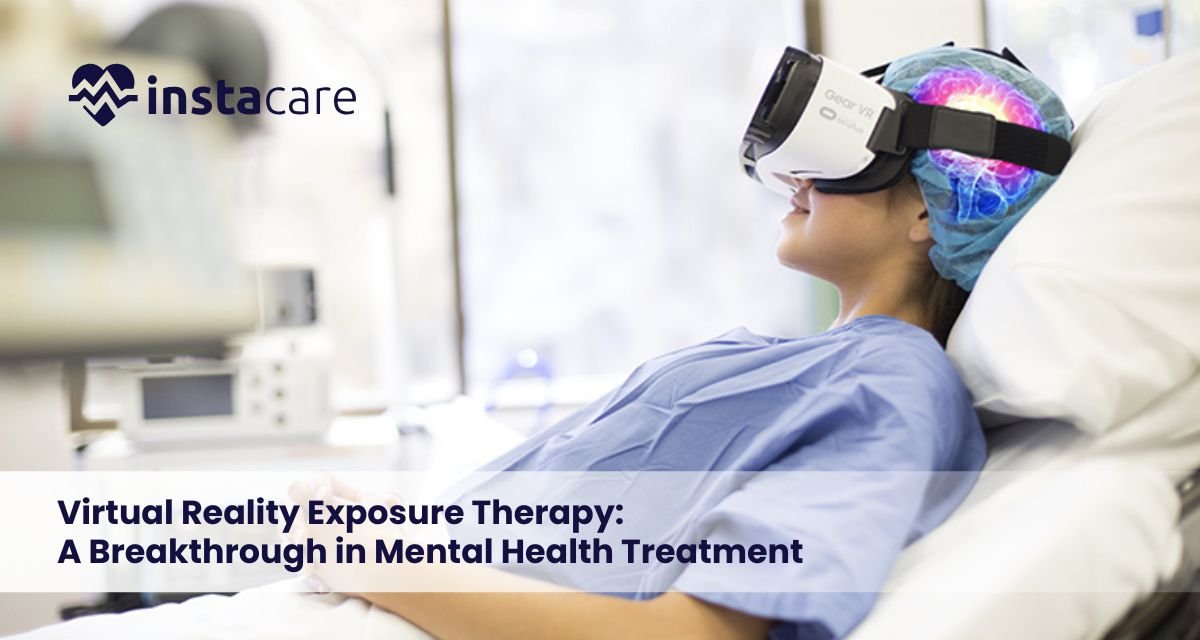
Virtual Reality Exposure Therapy: A Breakthrough in Mental Health Treatment There has been a rapid development in the field of mental health treatment through the incorporation of superior technologies. One of these new innovations has been the Virtual Reality Exposure Therapy (VRET), which has become a revolutionary way of treating anxiety-related and trauma-based conditions. VRET combines psychological principles with immersive digital worlds to provide clinicians with the ability to provide controlled, repeatable, and measurable therapeutic experiences. VRET is also transforming the models of delivering exposure-based interventions as part of greater Digital mental health therapies and is providing easier, more accurate, and personalized therapy. What Is Virtual Reality Exposure Therapy? Virtual Reality Exposure Therapy is a type of psychotherapy that involves the use of immersive and computer-generated environments to subject the patient to anxiety stimuli in a safe and controlled environment. It is a continuation of the old-fashioned exposure therapy based on cognitive-behavioral, and it is generally known as Exposure therapy using virtual reality. In contrast to the imagination-based or in-vivo exposure, VRET allows patients to undergo realistic simulations, which are very similar to real-world situations. This is especially useful in mental health because Virtual reality therapy in mental health allows people to create an image of situations they fear or find themselves in unprotected locations, making it a recognized form of Virtual reality psychotherapy. How Virtual Reality Exposure Therapy Works? VRET is performed with the help of head-mounted displays and senses that make a patient experience virtual environments. In therapy, the clinicians progressively present fear-inducing stimuli as they take patients through coping mechanisms that include breathing, cognitive restructuring and emotional regulation. The treatment is usually made on a hierarchy-based exposure model. Patients begin with lightly wrongful situations and as they become more tolerant, they advance to more difficult situations. This method corresponds to Technology-assisted exposure therapy, which provides clinicians with fine control of the intensity, duration, and repetition of stimulus. Conditions Treated with VRET VRET has proved to be effective in a broad scope of psychological disorders especially in anxiety and disorders related to trauma. Some of the common uses are: VR therapy for anxiety disorders, including generalized and situational anxiety VR treatment for phobias, such as fear of heights or flying Virtual reality PTSD therapy for trauma survivors, including veterans and accident victims Simulated social interactions through VR therapy for social anxiety VR therapy for panic disorder, focusing on exposure to physical sensations and triggers Such applications illustrate the growing Clinical applications of virtual reality in psychology, particularly where avoidance behavior is prominent. The Science Behind VRET VRET is based on the neuropsychology and the theory of learning. Exposure therapy operates in the form of habituation, extinction learning and cognitive restructuring. The virtual settings stimulate the neuro-circuitry that is connected with the fear arousal in real life, allowing emotional processing and desensitization. According to studies of functional imaging, VRET affects brain areas that are a part of fear regulation, including the amygdala and prefrontal cortex. This neurobiological interaction justifies its application in psychotherapy in virtual reality where therapeutic learning is generalized into real life. Benefits of Virtual Reality Exposure Therapy VRET has many benefits compared to conventional exposure-based interventions: Great degree of control over therapeutic stimuli Secure and non-confidential treatment setting Closer interaction with patients via immersion Recurrent and personalized sessions Less logistical hindrance than in in-vivo exposure These strengths highlight the overall VR therapy benefits and effectiveness, particularly for patients who avoid or discontinue traditional therapy, and support discussions around VR therapy vs traditional exposure therapy. Book Your Free Marketing Consultation Effectiveness and Research Findings The effectiveness of VRET in various disorders has always been supported by clinical research. The results of meta-analyses demonstrate similar or better results than those of traditional exposure therapy, especially in the field of phobias, PTSD, and social anxiety. Research has shown that VR therapy, compared to conventional exposure therapy, will more likely lead to increased patient acceptance and reduced drop-out rates. Also, the benefits of treatment are long-term, implying lasting therapeutic effects. The accumulation of evidence makes VRET an evidence-based and valid intervention. What a VRET Session Looks Like One of the standard VRET sessions is assessment and psychoeducation. The therapist illustrates the virtual world, goals and coping skills. Patients next put on a VR headset and are taken into a simulated scenario in accordance with his/her treatment objectives. In the process of exposure, therapists observe physiological reactions and emotions in real time. VR cognitive behavioral therapy (CBT) techniques are frequently used in sessions and are a combination of exposure and cognitive reframing and behavioral skills training. Debriefing after the session supports learning and monitors progress. Challenges and Limitations The lack of access to VR tools and specialized software can be expensive, making it less available in specific clinical settings. A small group of patients may experience motion sickness, eye strain, or discomfort. Ethical concerns include the privacy of patient data within digital platforms. Informed consent is essential due to the immersive nature of exposure. Therapist training and technical competency are required. VRET may not be suitable for individuals with severe dissociation or neurological conditions. These factors must be addressed to ensure the safe and ethical use of Immersive therapy for anxiety. Future of Virtual Reality in Mental Health The future of VRET is directly related to advancements in artificial intelligence, wearable sensors, and telehealth integration. Trends include personalized virtual environments and adaptive scenarios. With greater accessibility, virtual reality therapy in mental health is expected to expand beyond specialty clinics, reinforcing its role in modern psychiatric and psychological care systems. Conclusion Virtual Reality Exposure Therapy represents a significant advancement in mental health care, integrating psychological science with immersive technology. It enhances treatment precision and patient engagement through controlled exposure experiences. As evidence grows, VRET continues to strengthen its position within digital mental health care, offering scalable and personalized solutions. FAQs Is Virtual Reality Exposure Therapy safe? Yes, when delivered by trained professionals, VRET is considered safe and effective. What is the
KP Healthcare Commission (KP HCC): MSDS Compliance Requirements for Clinics & Hospitals Healthcare quality and patient safety are fundamental rights, and in Khyber Pakhtunkhwa, these rights are enforced through the Khyber Pakhtunkhwa Health Care Commission (KP HCC). Established under the KP Health Care Commission Act, 2015, the Commission regulates public and private healthcare establishments by enforcing standards, licensing facilities, and eliminating unsafe and unqualified practices. This guide explains KP HCC MSDS compliance requirements, the licensing process, and how KP HCC compliance software from Instacare helps clinics and hospitals meet regulatory expectations efficiently. What Is the KP Healthcare Commission (KP HCC)? The Khyber Pakhtunkhwa Health Care Commission is an autonomous regulatory authority responsible for improving healthcare quality and safety across the province. KP HCC’s mandate includes: Registration and licensing of healthcare establishments Defining minimum quality and safety standards Monitoring compliance through inspections Eliminating quackery and unqualified practice Addressing public complaints The Commission operates through multiple directorates, including Quality, Licensing, Registration, Legal Affairs, and Operations, enabling province-wide enforcement. At the core of KP HCC regulation are the Minimum Service Delivery Standards (MSDS) — measurable benchmarks that every healthcare establishment must meet to operate legally. What is KP HCC MSDS? MSDS define minimum operational and clinical requirements for: Hospitals General and specialist clinics Diagnostic centres and laboratories Maternity homes Small healthcare establishments These standards ensure patient safety, structured care delivery, and accountability. MSDS Functional Areas Include: Responsibility of Management (ROM) Human Resource Management (HRM) Information Management System (IMS) Facility Management & Safety (FMS) Care of Patients (COP) Continuous Quality Improvement (CQI) Access, Assessment & Continuity of Care (AAC) Patients’ Rights & Education (PRE) Management of Medication (MOM) Hospital Infection Control (HIC) MSDS by Facility Type Hospitals (Group 1 & 2) Up to 34 standards and 160+ indicators GP & Specialist Clinics: 18 standards and ~47 indicators Category 3 Establishments: Defined standards with simplified indicators Each MSDS framework includes scoring matrices and checklists used during inspections. KP HCC Licensing & Compliance Process Operating in Khyber Pakhtunkhwa without a KP HCC license is illegal. Licensing is strictly tied to MSDS compliance. Step-by-Step Compliance Path 1. Online Registration All healthcare establishments must register via the KP HCC online portal to obtain legal recognition. 2. MSDS Training Registered facilities must nominate staff for MSDS training conducted by KP HCC’s Directorate of Quality. Training focuses on: Patient care protocols Infection control Documentation standards Safety and governance systems 3. Provisional License After training, a provisional license (typically valid for three months) is issued. During this period, facilities must implement MSDS across all operations. 4. Inspection & Assessment Facilities submit documentation and request an inspection. KP HCC surveyors assess compliance against MSDS indicators. 5. Full License Facilities meeting compliance thresholds receive a full license, usually valid for three years, after which renewal and reassessment are required. Failure to comply can result in fines, repeated inspections, or facility closure. Recent enforcement actions have sealed multiple non-compliant facilities. Why KP HCC MSDS Compliance Matters MSDS compliance directly improves healthcare quality and sustainability. Key benefits include: Safer patient care through infection and medication controls Structured clinical governance and HR management Reduced operational errors and legal risk Increased public trust and credibility Readiness for future quality certifications MSDS is aligned with internationally recognised healthcare quality frameworks, making it a foundation for long-term excellence. Book Your Free Marketing Consultation How Instacare Helps Meet KP HCC MSDS Requirements Implementing MSDS manually is challenging, especially for small and mid-sized facilities. Instacare’s KP HCC compliance software simplifies this process. 1. Documentation & Record Management Instacare helps facilities: Digitise patient records Maintain MSDS-aligned documentation Track document versions and audit trails This ensures inspection-ready records at all times. 2. Workflow & Protocol Automation Instacare supports: SOP automation Clinical protocol reminders Compliance alerts tied to MSDS indicators This reduces manual errors and improves adherence. 3. Training & Credential Tracking The platform tracks: Staff qualifications Training completion dates Credential validity Helping meet MSDS HR requirements accurately. 4. Audit & Inspection Readiness Facilities can conduct internal MSDS self-assessments using Instacare before official inspections, allowing proactive corrections and higher licensing success rates. Conclusion KP HCC plays a central role in ensuring safe, reliable, and quality healthcare across Khyber Pakhtunkhwa. Through KP HCC MSDS, the Commission enforces minimum standards essential for patient welfare and system accountability. While compliance may seem complex, platforms like Instacare transform regulatory requirements into manageable workflows through documentation support, automation, and inspection readiness. For healthcare providers, achieving KP HCC MSDS compliance is not just a legal requirement it is a strategic investment in trust, quality, and long-term success. FAQs 1. What does KP HCC stand for? KP HCC stands for Khyber Pakhtunkhwa Health Care Commission, the provincial healthcare regulator. 2. What is KP HCC MSDS? Minimum Service Delivery Standards that define mandatory operational and clinical requirements. 3. Is licensing mandatory for clinics and hospitals? Yes. Operating without a KP HCC license can result in penalties or closure. 4. How long is a full KP HCC license valid? Typically, three years, followed by reassessment. 5. What happens if MSDS requirements are not met? Facilities may face corrective actions, fines, sealing, or suspension.
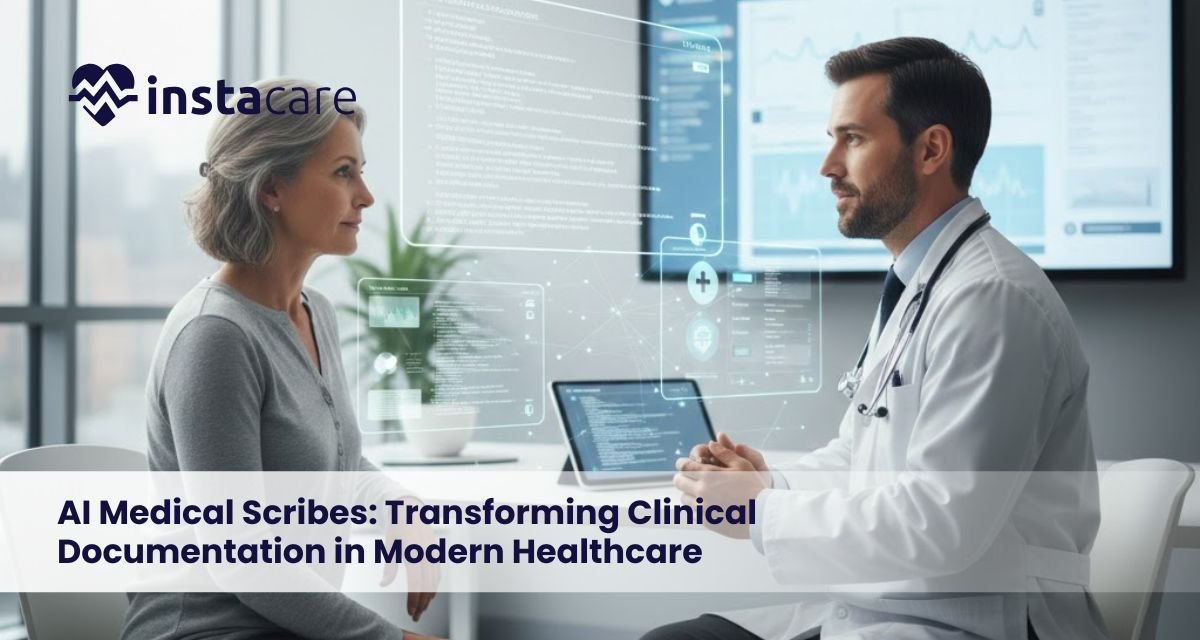
AI Medical Scribes: Transforming Clinical Documentation in Modern Healthcare Clinical documentation has been considered one of the most time-consuming components of the healthcare delivery process. Doctors usually take hours to type in documentation in systems rather than attending to patients. AI medical scribes are altering this fact as they automate documentation processes, reduce burnout, and improve efficiency in healthcare environments. Speech recognition, natural language processing, and ambient clinical intelligence together are transforming the way medical records are made and handled. What Are AI Medical Scribes? AI medical scribers represent smart software applications to automatically record, transcribe, and organize medical dialogue between providers and patients. As opposed to manual writing of notes, AI scribe software listens to real-time communications and translates them into precise and well-formatted medical notes. Such an implementation of medical AI documentation is fully compatible with the present electronic systems, and clinicians can use it without interfering with patient interaction. These tools are also known as virtual medical scribes, and they do not require a human scribe, but they still have clinical accuracy and consistency. Key Features of AI Medical Scribes The current AI medical scribes are powered with highly qualified features that facilitate effective documentation: Real-time speech-to-text conversion in speech recognition in healthcare Automated structuring of SOAP notes and clinical summaries Easy integration of electronic health record (EHR) documentation Medical terminology context-awareness Cloud-based access control and storage Constant training to get better at transcription All of these features allow automated clinical documentation without increasing the administrative load of clinicians. Benefits of AI Medical Scribes The introduction of AI medical scribes can be of great advantage to medical professionals and organizations: Time savings: AI medical scribes save a lot of time in documentation, and instead, physicians spend more time interacting with patients, assessing them, and providing personalized care at an appointment without being distracted by the administrative task at hand. Less burnout: AI documentation tools will enable clinicians to have a more balanced work-life schedule and decrease mental exhaustion and professional burnout due to the reduction of after-hours charting and paperwork. Better fidelity: AI-powered medical transcription gives the medical institution a more accurate representation of clinical data, minimizing the errors in documentation caused by typing by hand, haste, or incomplete killer. Improved patient experience: Since less attention is paid to screens, healthcare professionals are able to look straight into the face of their patients, listen and establish better relationships with them during consultations. Operational efficiency: A quicker process of clinical note development enhances the efficiency of the working process, decreases time spent by patients in line, and allows a healthcare institution to work with a larger number of patients through advanced clinical note automation. The automation of clinical notes will allow the healthcare team to concentrate on the quality of care instead of paperwork. Use Cases in Healthcare Medical scribes AI are common in various clinical settings: Routine check-up clinics of patients Cardiology, orthopedics and psychiatry Specialty practices High activity emergency departments Online medicine and virtual visits Inpatient rounds and outpatient follow ups The AI scribe for doctors can fit into the various clinical workflows in a practice hence it is applicable in a small practice as well as a large hospital system. Book Free Demo AI Medical Scribes and Compliance Healthcare documentation involves a major issue of compliance. Medical scribes are AI that are created to comply with high data protection and privacy standards. The majority of solutions are based on HIPAA, GDPR, and local healthcare regulations by: Cryptography of audio and textual data Limiting access based on role-based access control Keeping of good audit documents Assuring safe integration to EHRs Automated clinical documentation can be most effective and not only in accordance with the regulatory requirements, when done properly. Challenges and Limitations Although AI medical scribes have benefits, they also have challenges: Preliminary setup and workflow optimization Accent variation, speech patterns, or noisy surroundings Clinician review is necessary to ensure contextual accuracy Reliance on audio input of quality Nonetheless, the current developments in speech recognition in healthcare keep enhancing the reliability and performance. AI Medical Scribes vs Traditional Documentation Methods Conventional records are based on manual typing, dictation, or human scribes. Conversely, AI medical scribes offer: Faster turnaround times Reduce long-term operation costs Regularity of the documentation quality Elastic solutions that are staffing-free The flexibility of human scribers does not match the efficiency and scalability of clinical note automation that AI can bring when compared to manual systems. Future of AI Medical Scribes AI medical scribes have a strong connection to ambient clinical intelligence innovations. The next developments would be: Involuntary documentation with no hand interventions More profound context knowledge of patient history Suggestions of predictive documentation Improved cross-platform healthcare interoperability With the development of technology, AI medical documentation will be a part and parcel of digital healthcare transformation. Conclusion AI medical scribers are transforming the definition of clinical documentation by lessening the workload of the administrators, refining the level of accuracy, and improving the interactions between the patients and their health providers. Through AI-based medical transcription and intelligent automation, healthcare workers could rediscover lost time and concentrate on delivering quality care. When combined with electronic health records and Lab Management Software, AI medical scribes help create a more connected, accurate, and efficient clinical workflow across departments. FAQs Are medical scribers using AI accurately enough to be used in clinical practice? Yes, the majority of AI medical scribes reach a high level of accuracy and keep learning with time. Clinicians have an opportunity to make corrections to clinical notes and verify their correctness. Substitute Human scribes with AI medical scribes? They also substantially decrease the use of human scribes, though quality assurance and compliance still have to be assured by the final review of clinicians. Do AI medical scribes support current EHR solutions? The majority of the current solutions facilitate the electronic health record (EHR) documentation and are integrated with significant healthcare platforms.
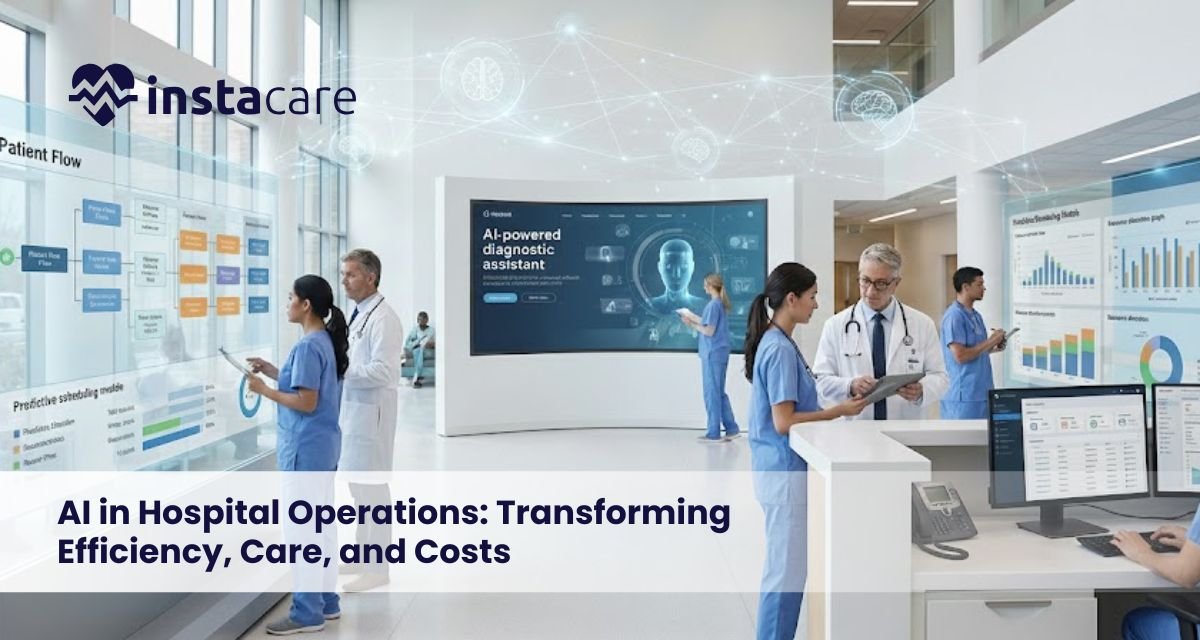
AI in Hospital Operations: Transforming Efficiency, Care, and Costs The current environment in which hospitals operate is highly complicated as it combines the volume of patients, regulatory requirements, shortage of staff, and cost constraints. The conventional models of hospital management cannot scale effectively in such conditions. The adoption of Artificial intelligence in the healthcare sector has been a transformational answer, as hospitals will increase operational effectiveness, clinical results, and regulate the increased spending through automation and intelligence, based on data. What Is AI in Hospital Operations? AI in hospital operations can be defined as the application of superior algorithms, machine learning models, and data analytics in order to optimize the clinical and non-clinical processes in the hospital. In AI in healthcare operations, it uses both structured and unstructured data to identify actionable insights in real-time, using electronic health records, imaging systems, and IoT devices, as well as administrative systems. On the operational level, AI systems act as decision-support engines by improving the planning, prediction, and execution of all hospital departments, allowing them to provide healthcare at a scale and in an intelligible way. Key Areas Where AI Improves Hospital Operations AI has effects on the performance of a hospital at various functional levels and these include: Patient throughput optimization and capacity planning. Scheduling and skillful staffing of the workforce. Computerization of financial operations and billing. Clinical diagnostics and clinical decision support. Supply chain, use of assets. With the help of AI hospital management, organizations will be able to shift to the active and foresight operational control instead of the reactive form. AI in Patient Flow and Resource Optimization When efficiency is poor in terms of patient flow, it causes overcrowding, delays in treatment, and poor use of hospital resources. The AI models can be used to examine the trends of admission, discharge, and the turnaround time of admission diagnoses and availability of staff to streamline inter-departmental flow. Predictive analytics in hospitals allows the prediction of surges, overcrowding of the emergency department, and demand in the ICU. This will enable the administrators to dynamically assign the bed, equipment and staff to enhance throughput without losing quality. Consequently, AI for hospital resource management minimizes waiting durations and idle capacity. AI for Administrative Automation The hospital operating budgets are significantly spent on administrative processes. The automation introduced by AI will deal with the inefficiencies in terms of scheduling, billing, documentation, and processing of claims. Key applications include: Auto-scheduling and reminders of appointment. Smart medical coding and billing validation Clinical documentation Natural language processing. Approval and compliance checks routing. Administrative workloads are decreased through Hospital workflow automation, mistakes are minimized and employees are able to focus on patient activities. Artificial intelligence in healthcare administration helps directly to contain costs and accuracy of compliance. Improving Clinical Decision Support Through AI The sphere of clinical decision-making is becoming more dependent on huge datasets that are beyond the human cognitive limits. AI-powered clinical decision support systems evaluate the history of patients, laboratory values managed through Lab Management Software, imaging outcomes, and clinical guidelines to support physicians in the diagnosis process and planning of treatment. AI for patient care improves the early detection of diseases, diminishes the uncertainty of the diagnosis, and promotes individual treatment courses. Machine learning in healthcare operations not only enhances accuracy in clinical practice but is also operationally efficient when installed in the hospital systems. Benefits of AI in Hospital Operations AI technology implementation provides quantifiable impacts on operations and clinical areas. Key advantages include: Better care coordination and less length of stay. AI-based real-time optimization of the Hospital. Reduced cost of operations through automation and future planning. Less clinician burnout through administrative workloads reduction. Better patient satisfaction and safety results. AI-powered hospital software empowers the performance and resilience of hospital ecosystems by making them data-driven. Book Free Demo Challenges and Limitations Although it has its beneficial aspects, AI implementation in hospitals has significant challenges. Common limitations include: Interoperability limitations and data quality. Complexity of integration with the old hospital systems. Data privacy and regulatory compliance issues. The problem of algorithm bias and model transparency Employee resistance and skills shortage. The absence of strong governance would mean that AI solutions will not be able to enhance operations. Thus, responsible AI in medical administration implementation should include close system validation and constant supervision. Future of AI in Hospital Operations The hospital of the future will trend more on Smart hospital technology, which incorporates AI in the field of clinical layers, operational layers, and infrastructure layers. The modernization of real-time analytics, edge computing, and autonomous systems will allow optimization of its operations at any moment. AI-based hospital optimization will move towards self-learning systems that would make adaptive decisions. AI will assist in predictive maintenance, incorporation of virtual care, and scale population health as part of the larger Digital transformation in hospitals. How Hospitals Can Successfully Implement AI? To effectively implement AI, there must be a plan and gradual process in line with organizational strategy. The major principles of implementation comprise: Creating high-quality data infrastructure that is interoperable. Focusing on use cases that create quantifiable operational impact. Ensuring staff and clinician engagement in deployment. Building AI governance, ethical considerations, and compliance systems. Collaborating with established technology providers and specialists. When applied strategically, AI hospital management will be a long-term service and not an independent technology investment. Conclusion It is no longer an experimental tool but it is an inherent part of contemporary hospital work. Through the incorporation of intelligence into workflows, decision-making, and resource allocation, hospitals will be able to make sustainable gains in Hospital efficiency with AI, quality and financial performance. With the next wave of healthcare systems becoming larger and more complex, AI-based models will characterize the next generation of resilient and patient-centered hospitals. FAQs What does AI do to enhance the efficiency of hospitals? AI enhances productivity by automating operations, streamlining resource allocation, patient demand forecasting, and administrative overload through intelligent data analysis and real-time operational feedback. Is AI safe to be used
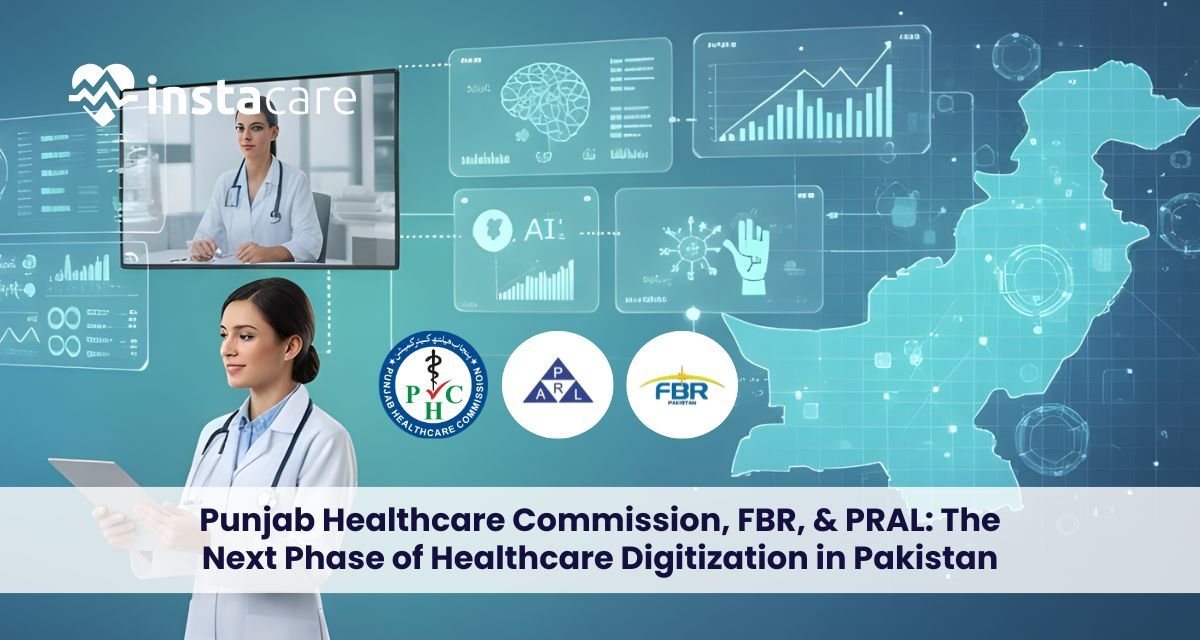
Punjab Healthcare Commission, FBR, & PRAL: The Next Phase of Healthcare Digitization in Pakistan Pakistan’s healthcare industry is undergoing a major digital transformation one that is structured, regulator-driven, and rapidly becoming unavoidable. Recent directives from the Punjab Healthcare Commission (PHC) and the Federal Board of Revenue (FBR) signal a unified national push: healthcare businesses must shift to standardized digital systems to improve transparency, compliance, patient safety, and long-term operational stability. This shift isn’t sudden it is the natural evolution of a modern healthcare ecosystem. Preparing for PHC or FBR Compliance? If your healthcare facility is navigating new regulatory requirements, InstaCare’s healthcare digitization experts can guide you on how HIMS and EMR software streamline operational, clinical, and financial compliance. 👉 Request a compliance readiness consultation PHC and the Mandatory Adoption of HIMS in Punjab The Punjab Healthcare Commission has intensified enforcement of mandatory Hospital Information Management Systems (HIMS) across: Hospitals Clinics & maternity homes Diagnostic laboratories Pharmacies This mandate focuses on strengthening: Standardized clinical documentation Patient safety and traceability Governance and regulatory oversight Data-driven health planning HIMS and EMR software are no longer optional; they are becoming essential infrastructure for delivering regulated, high-quality healthcare in Punjab. FBR, PRAL & the Push for EMR/POS Integration Alongside PHC’s clinical digitization, the FBR has begun formally notifying healthcare businesses about integrating EMR and POS systems with PRAL (Pakistan Revenue Automation Limited). This integration ensures automated, digital invoicing and compliant financial reporting. This aligns with Pakistan’s national goals of: Improved financial transparency Streamlined digital tax compliance Reduced manual reporting errors Better long-term fiscal documentation It’s important to note that platforms like InstaCare function as enablers not taxpayers. Compliance responsibilities lie with healthcare providers, while software platforms provide the secure digital framework. Uniting PHC & FBR Requirements Through Integrated Healthcare Software Healthcare facilities today face two major digitization tracks: Clinical and operational digitization (PHC-led HIMS/EMR compliance) Financial digitization (FBR/PRAL-led digital invoicing and reporting) InstaCare bridges these requirements by supporting: Clinics Hospitals Maternity homes Labs Pharmacies with a fully integrated healthcare software ecosystem designed for regulatory and financial compliance. Regulation Isn’t the Barrier – Fragmented Execution Is Digitization is not the challenge; siloed implementation is. When healthcare regulators, providers, and software partners operate separately, compliance becomes reactive and stressful. But with coordinated integration, digital adoption becomes sustainable and beneficial. When executed correctly, EMR and HIMS systems deliver: Transparent operations Institutional trust Audit-readiness Long-term stability and growth The Road Ahead: Pakistan’s Digital Healthcare Future Healthcare digitization in Pakistan is no longer a matter of “if.” It’s now about how effectively it is implemented. With aligned efforts from PHC, FBR, PRAL, healthcare providers, and technology partners like InstaCare, Pakistan is positioned to build a healthcare system that is: Digitally governed Clinically accountable Financially transparent Future-ready InstaCare remains committed to supporting this national shift by converting policy requirements into real, on-ground digital transformation through reliable and scalable healthcare software. Still Evaluating EMR or HIMS for Your Facility? Explore how InstaCare helps healthcare facilities across Punjab comply with PHC and FBR digitization standards. 👉 Schedule a product walkthrough
Human Resource Management Software: Streamlining Workforce Management for Modern Businesses Human Resource Management Software (HRMS) is now a critical enterprise level technology, which organizations are looking to best automate, optimize and centralize their workforce related functions. Manual HR methods that are used as companies grow lead to inefficiencies like duplication of data, compliance risk, slow approvals, and false insights into the workforce. HRMS solutions address these problems by offering end-to-end digital ecosystems of employee lifecycle functions, real-time analytics, and policy-based automation. Today, companies need a system that can accommodate distributed teams, high volume data processing and compliance with strict regulation. HRMS solutions are able to offer this and at the same time maintain cost-effectiveness, data integrity, and operational efficiency. What Is Human Resource Management Software? An integrated digital platform that provides management of the entire employee lifecycle including recruitment and onboarding, payroll, attendance, and performance analytics. An HRMS is a central human resource system that consolidates data on the employees, automates the processes, and allows HR teams to work more precisely and with less manual intervention. Typical modules of comprehensive HRMS architecture are modules covering personnel management, document management, compliance management, time management, calculation of payroll, and benefits management. There are also cloud-native formations of remote accessibility, multi-location operation, and continuous scaling. Key Features of HRMS An effective HRM software has integrated several levels of functionality to facilitate the operations of the workforce. Key features include: Single-point Employee Information Management The company keeps employee records, contracts, digital documents and organizational structures in a safe database instead of paper methods of storage. Automation of Talent Acquisition and Onboarding of HR Companies automate formalities related to joining, documents submission, role allocation, and induction processes with the help of HR onboarding software, which saves time, and increases compliance accuracy. Biometric Integration and attendance HRMSs tend to incorporate HR attendance management that has time clocks, geofencing of field workers, and automated shift assignments. Payroll Generation and Compliance Since it has inbuilt HR payroll software, monthly payroll calculation encompasses overtime, deductions, insurance, EOS benefits, tax compliance and allowances. Performance Monitoring Structures HR performance management modules are the modules through which organizations monitor KPIs, OKRs, competencies, and appraisal cycles based on analytics and organized evaluation templates. Cloud Infrastructure Contemporary systems are implemented in the form of cloud-based HR software that guarantees their availability, portability, and low scalability. Personnel Management Analytics and Dashboards HRMS systems create real-time attrition, absenteeism, performance, training requirements, and workforce cost projection dashboard like. Benefits of Using HRMS Improved Operational Effectiveness In this way, the HR departments automate repetitive processes in employee management like attendance validation, leave approvals, contract renewals, and payroll by use of employee management software. Minimization of Compliance Risk and Red errors Digitized workflows guarantee that the rules of labor law, policy limits and organizational SLAs are followed in an uninterrupted manner. Data-Driven Decision Making HR software solutions provide embedded analytics that allow leaders to evaluate the performance of the workforce, staffing requirements, trends in overtime, skills gaps, and inefficiency by department. Better Employee Engagement Workforce management software has self-service portals through which employees request leave, upload documents, receive payslips, monitor performance scores and file grievances. Lean Recruitment and Retention The automation saves time to hire, enhances the hiring experience, and offers HR an insight into attrition trends. Growth Business Scaleability Cloud-based architecture will guarantee easy growth to a new location and department without limitations on the infrastructure. Book Your Free Marketing Consultation Choosing the Right HRMS When choosing an HRMS, it is necessary to consider the operational requirement as well as the long-term organizational strategy. Key Criteria: Functional Coverage See to it that the core services like payroll, attendance, performance and onboarding are not third-party add-ons. Integration Capabilities Systems will have to integrate with ERP, financial platforms, access control devices, biometric devices and external identity systems. Adaptability Flexibility Role-based workflows Approval matrices, leave policies, pay structures should be able to be customized to complex organizations. Compliance Alignment The HRMS should facilitate the regional labor laws, the visa renewal process, labor working hours, and insurance policies. Data Security Architecture Find ISO-certified hosting, password encryption, MFA, and role-based access controls. Automation & AI Layer Solutions This provides HR automation tools solutions that would greatly cut down the HR overhead through predictive alerts, automated onboarding and anomaly detection. Implementation Tips for Businesses A successful implementation must have an organized implementation roadmap: Conduct a Process Audit Mapping the existing HR functions to determine manual bottlenecks, redundant processes, and compliance lapses. Data Migration Strategy Clean up and harmony employee data formats and integrity checks completed prior to uploading the HRMS. Configure Custom Workflows Consistent and align the policies of leaves, wage structure, overtime arrangements, and approval lines with the HR governance model of the organization. Integration Phase Integrate the HRMS and the ERP systems, biometric systems, email systems, and document management systems. This is necessary to have a smooth environment for the HR management system. User Training Train HRs, heads, and employees to make sure that the employees know how to use the systems. Pilot Testing Practice soft-launch rollouts to discern the issues with the system, delays in the workflow, and challenges at the user level. Full Deployment & Monitoring Implement organization-wide go-live and observe the system regarding compliance obedience and processes efficiency. Future of HR Management Software HRMS systems will keep on developing with highly automatized systems, analytics and cognitive computers: Anticipatory Workforce Analytics The high-tech models to predict attrition, drops in productivity, and staffing needs will be based on advanced forecasting methods of predictive analytics applied to healthcare but with an HR twist. AI-Driven Recruitment The AI-based engines will filter the resumes, detect skill deficiencies, schedule interviews and rank shortlisted applicants with AI-based healthcare-like reasoning but adapted to the HR. Real-Time Decision Engines The systems in the future will incorporate the enhanced algorithms of real time scheduling, dynamic workload balancing, and the proactive performance interventions. Improved EHR-style Employee Profiles Similarly to the medical systems that have clinical profiles, the HRMS will
Healthcare IT Outsourcing: Benefits, Challenges, and Best Practices for Modern Healthcare Technology has become a key instrument in the modern rapidly changing healthcare sector to better patient care, increase efficiency in operations, and ensure regulatory compliance. Customised IT solutions continue to be embraced by hospitals and healthcare providers to facilitate various procedures, including electronic medical records, telehealth, cybersecurity, and data management. In-house IT development and management may, however be costly and time-consuming. This is where medical IT outsourcing and Healthcare IT services come in as viable and economical solutions to contemporary healthcare organisations. IT outsourcing in healthcare enables hospitals and clinics among other medical facilities to tap into expertise outside the organisation in handling the complex technological requirements. Organisations can have access to scalable solutions, adopt the most advanced technologies, and ensure that they adhere to the strict healthcare regulations by collaborating with provides. What is Healthcare IT Outsourcing? Healthcare IT outsourcing refers to the process of outsourcing third party vendors or service providers to operate, design, or maintain IT infrastructure and software in healthcare organizations. Such services may include outsourcing of software development to healthcare and also to hospitals, as well as telehealth outsourcing of IT services. Outsourcing can cover: EMR/EHR support: The effective management of electronic health records. Healthcare cybersecurity services: Data protection and regulation. Medical cloud computing: It provides storage and access to medical information, which is safe and scalable. Healthcare data management services: Gathering, examining and protecting patient and operational data. Outsourcing these tasks, hospitals do not have to worry about technology management as it is a competency that is left to special professionals. It further enables organizations to be flexible towards embracing digital transformation in healthcare IT. Major Advantages of Healthcare IT Outsourcing IT Healthcare software development outsourcing has many benefits. The most prominent benefits are the following: Cost Effectiveness Outsourcing will not necessitate the inclusion of huge in-house IT departments and the huge investment of capital. The services of the hospitals are paid on a case by case basis and this makes the IT outsourcing for hospitals a cost effective one. Availability of Specialization Third-party providers can provide expertise in Healthcare IT consulting, cybersecurity, and developing software. This makes the hospitals keep pace with the current technologies. Scalability Outsourced solutions entail the ability of healthcare providers to scale operations based on the volume of patients and the needs of the operations. IT system outsourcing to healthcare also makes sure that IT systems expand with organizational needs. Regulatory Compliance Trusted providers are HIPAA compliant and deliver HIPAA compliant IT outsourcing which reduces the chances of legal and compliance claims. Enhanced Patient Experience The outsourced EMR/EHR support and telehealth solutions enhance appointment management, data accuracy, and communication with patients. Greater Security Healthcare cybersecurity protects sensitive medical information against breaches, ransom attacks and unauthorized access. Consider Core Services When IT duties are outsourced, hospital employees have an opportunity to concentrate on patient care and quality enhancement, as well as on strategic activities. These advantages render healthcare IT outsourcing a viable solution to organizations that aim at efficiency, professionalism and technology without overwhelming their internal capabilities. Hardships in Healthcare IT Outsourcing Along with the advantages, the outsourcing of healthcare IT services also has certain difficulties: Data Privacy Issues The process of transferring sensitive patient information to third-party vendors needs to be highly data-protected. Organizations need to make sure that vendors are IT outsourced under the HIPAA compliant standards. Integration Problems The incorporation of the outsourced systems with the existing IT system may be complicated. Outsourced medical billing services or hospital IT support services may also be incompatible with the hospitals. Vendor Reliability Selecting an inappropriate provider may cause delays, technical glitches or disruption of services. The vendor must have experience in Healthcare technology outsourcing. Unknown Expenses Certain outsourcing deals could have undisclosed charges on upgrades, maintenance, or other support. Sustainable outsourcing contracts need transparent pricing. Communication Barriers Using offshore or remote IT teams can create difficulties related to real-time communication and collaboration and impact the timelines of service delivery. Through these issues, hospitals can make wise choices, identify reputable providers as well as institute risk mitigation measures to healthcare IT services. Book Free Demo Best Practices to effective healthcare IT outsourcing Best practices can help healthcare organisations to reap the greatest benefits of IT outsourcing: State Requirements Clearly Determine scope, deliverables, and the anticipated results of the services, including outsourced EMR/EHR support or telehealth IT outsourcing. Select long-term Vendors Find an outsourcing provider of software development and healthcare cybersecurity services. Guarantee Regulatory Compliance Check that the vendors comply with HIPAA and other local healthcare laws to ensure patient data are safe. Determine Communication Rules Frequent reporting, status updates, and collaborative software enhance visibility and organization Monitor Performance Track KPIs, Quality of the services, and user feedback to make sure the outsourced team performs as expected. Data Backup and Security The backup and encryption of data should be robust to ensure that information on patients and the organization is protected. Ongoing Training Promote constant training and updating to ensure outsourced teams have access to knowledge on the trends and changes in healthcare, software, and digital transformation in healthcare IT. These best practices will guarantee the success of the outsourcing relationship, which will enable the hospitals to utilize the potential of the hospital IT support services and other specialized IT solutions. Healthcare IT Outsourcing in the Future There is more expected digital transformation in the healthcare sector, and the role of IT outsourcing will be critical in the transformation. Key trends include: AI and automation integration: Outsourced IT providers will start to be more integrated with AI to provide predictive analytics, workflow automation, and patient monitoring. Telehealth Expansion: The increase in demand of remote care will help expand telehealth IT outsourcing that would implement virtual consultations and remote patient monitoring. Cloud-Based Solutions: Cloud adoption solutions in the healthcare ensure scalability, data security storage
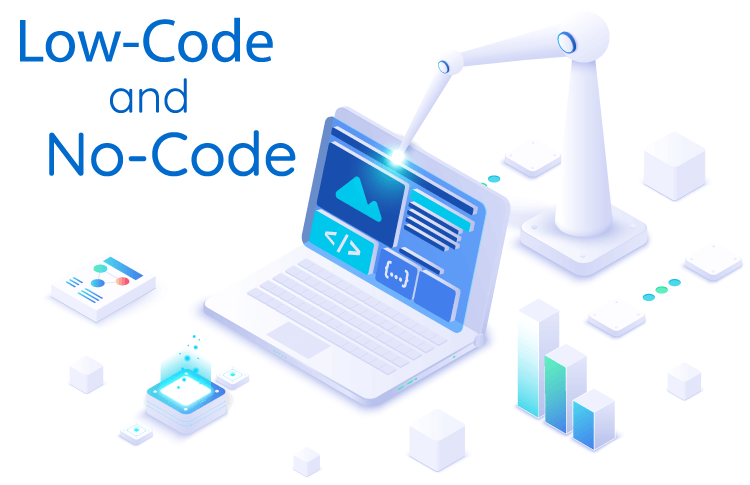
Low-Code & No-Code in Healthcare: Transforming Digital Innovation Without Heavy Coding The healthcare sector faces fast tech changes, yet standard software methods tend to be sluggish, costly, or rely heavily on scarce IT staff. That’s why low-code healthcare platforms and no-code healthcare solutions are gaining ground in medical settings. Instead of coding from scratch, care centers can now create apps through visual interfaces. Automation becomes easier for routine tasks across clinics and health networks. With these platforms, teams design tools tailored to their needs, even without developer support. In this guide, we’ll look at what these systems are; then examine why healthcare relies on them. Real examples show where they’re used, highlighting advantages alongside obstacles. Finally, discover how such tools influence future advancements in health technology. What Are Low-Code and No-Code? Low-code and no-code platforms are software development tools that allow users to create applications with minimal or no coding. Low-Code Platforms Low-code solutions offer: Drag-and-drop interfaces Pre-built components Adaptation using simple coding These tools work well for creating simple low-code EMR software, hospital systems with minimal coding, low-code clinical software that requires less programming, also digital health products built quickly. No-Code Platforms No-code tools let people create apps through drag-and-drop screens or form creators, using automation features instead of code. These often serve to build: No-code telemedicine platforms No-code patient management tools for handling patients No-code EHR solutions No-code digital health tools for digital health Each method lets medical groups build systems more quickly while cutting costs compared to standard methods. Why Healthcare Needs Low-Code and No-Code Solutions? Healthcare faces distinct issues like strict rules, not enough workers, complicated processes, also ever-increasing patient information. Low-code and no-code tools solve these pain points by enabling: 1. Faster Digital Transformation Hospitals can skip long waits for software. Because of fast development, medical apps are built quickly through rapid healthcare app development. Teams now release tools in days, sometimes just a few weeks. 2. Reduced IT Burden Some medical centers don’t have big tech groups. Still, these systems let nurses and office workers create what’s necessary, without coding skills. 3. Affordable Technology Expansion Classic bespoke software comes at a high price. Meanwhile, low-code or no-code options cut expenses by around 60% to 80%. 4. Improved Workflow Efficiency Several medical centers continue using handwritten records. Yet digital health automation streamlines operations, cutting mistakes while boosting efficiency. 5. Better Patient Care Digital health tools help doctors save time, so diagnoses happen quicker; this boosts teamwork among staff while patients get healthier results. Healthcare needs better tech that adapts quickly, so low-code or no-code tools are now essential rather than optional. Book Your Free Marketing Consultation Key Use Cases in Healthcare Low-code or no-code tools open many practical options. Among the strongest examples are: 1. Electronic Medical Records (EMR) & Electronic Health Records (EHR) Hospitals may develop custom low-code EMR tools, while also designing no-code EHR systems that match their processes. 2. Telemedicine Applications Clinics might build no-code telehealth tools fast, using them for virtual visits, web-based booking, or e-prescriptions. 3. Patient Management Systems Create simple digital tools without coding: Manage appointments through automated reminders Use dashboards to handle check-ins instead of manual logs Streamline payments via integrated invoicing systems Enable messaging features for smoother conversations between visits 4. Hospital Management Tools Low-code hospital management system simplifies creating hospital tools for admissions, also streamlining how staff are assigned. It supports pharmacy monitoring while improving control over supplies. Systems become quicker to deploy due to reduced coding needs. Each function integrates smoothly without complex programming. 5. Clinical Decision Support Tools Using simple coding tools, healthcare groups build logic-driven apps that help physicians decide on diagnoses or therapies. These systems guide medical choices via automated rules instead of complex programming. 6. Digital Health Automation Healthcare workflow automation includes: Lab reporting workflows might use digital tools to run automatically Insurance claim steps could operate via tech solutions Triage setups may function through system automation Discharge summary tasks can work using smart software 7. Custom Mobile Apps Groups may create phone tools for nurse checks through healthcare app development, handling equipment, gathering patient opinions, or sharing messages inside departments. 8. Data Dashboards & Analytics Low-code platforms can integrate real-time data to provide dashboards for hospital administrators. These examples reveal how simple and strong low-code or no-code platforms are within today’s medical setups. Benefits for Healthcare Organisations Adopting low-code and no-code tools offers major advantages: 1. Speed Companies may develop software ten times quicker by leveraging fast medical application builders. 2. Lower Cost Less demand for big coding groups or costly tailored programs. 3. Customization Hospitals may adapt tools to fit how they work rather than reshaping routines around programs. 4. Empowered Staff Non-tech team members are able to build digital health solutions addressing actual needs, using simple methods or practical approaches, to reach meaningful outcomes. 5. Easy Integration Many platforms work well with current health tools, such as EMRs or labs, and also connect to hospital records. While some link directly, others need minor adjustments; each setup varies by site. Compatibility depends on structure, yet most adapt without major changes. 6. Better Patient Experience Faster service comes through automation; better care follows clearer communication. 7. Scalability Applications scale smoothly when businesses expand, while updates roll out without hassle. Challenges & Considerations of Low-Code and No-Code Though strong, these tools bring difficulties too, yet they’re useful despite drawbacks. However, issues arise alongside benefits; still, people keep using them regardless. 1. Data Security and Privacy Medical services deal with private details. Firms need to confirm systems meet HIPAA rules, follow GDPR standards, or adhere to regional laws. 2. Limited Customization in No-Code No-code solutions might limit advanced app features. 3. Vendor Lock-In Some platforms limit moving data or apps to different systems, migration becomes a challenge due to restrictions built into the design. 4. Need for Basic Training Although programming isn’t necessary, employees must learn how to build smooth processes, through proper instruction. Yet without hands-on practice, workflow planning may
What Is Healthcare Workflow Automation? Healthcare changes fast as digital tools improve how patients are treated and systems run. Among key advances, automating workflows stands out by simplifying tasks across hospitals, clinics, or health networks. When these automated healthcare processes are used, staff spend less time on paperwork, make fewer mistakes, and meanwhile dedicate greater attention to individuals needing care. With tools like automatic booking and electronic records management, clinics use these systems to boost precision, efficiency, and patient results. Knowing their advantages, tech setup, or real-world uses helps medical organizations adapt during digital transformation in healthcare. What Is Healthcare Workflow Automation? Healthcare workflow automation means applying tools to simplify routine, lengthy duties across medical and office settings. This includes activities like signing in patients, setting appointments, handling test results, processing payments, also organizing treatment plans. Using automation in healthcare helps hospitals cut mistakes while freeing up employee hours; this also boosts how patients feel about their treatment. Tools such as systems that organize hospital duties or refine clinical workflow automation offer clear methods for handling workflows, each part of care stays on track without gaps. Why Healthcare Workflow Automation Matters? Healthcare systems involve many teams, plus different people working together. Outdated methods often take more time, carry mistakes, or demand extra effort. Digital tools help manage tasks better through smarter organization Lessening paperwork tasks for healthcare workers. Enhancing patient happiness by streamlining clinic processes via digital tools. Enhancing operational efficiency and cost-effectiveness. Meeting rules through precise records or verified logs. Hospitals using automated appointment scheduling may speed up treatment, reduce wait times, leading to better patient results through streamlined workflows. Examples of Healthcare Workflow Automation Examples of real-world uses are: Automated appointment scheduling: Patients pick, shift, or skip visits online, less pressure on office staff. EMR workflow automation simplifies handling digital patient files, improving consistency while supporting access between teams through integrated systems that reduce errors over time by maintaining updated information without delays during transfers from one unit to another. Automated medication handling helps give the right dose at the right time, boosting care reliability. These tools reduce mistakes by streamlining delivery schedules through digital oversight. Billing plus insurance tasks get easier, fewer mistakes in codes, claim handling, or balancing payments thanks to automation. Lab and diagnostic processes get automated, test requests move smoothly, outcomes reach doctors quickly, while warnings pop up when needed. These cases show how healthcare automation tools improve medical tasks as well as office work, leading to smoother operations in hospitals. Technologies Used in Workflow Automation Modern healthcare automation relies on various digital technologies: Robotic Process Automation (RPA) handles routine jobs like entering data or creating reports by using software bots that mimic human actions. These tools follow set rules to complete tasks quickly without manual effort involved in daily operations across departments. Artificial Intelligence, along with Machine Learning, aids in forecasting trends, assessing patient risks, or improving clinical choices. Cloud computing allows safe storage while making patient files easy to reach. It supports business information access through digital systems instead of physical servers. Data stays protected yet available when needed across locations using network connections. Integration platforms link various hospital systems, enabling smooth interaction between units through unified data exchange. Apps on phones or online help streamline how patients are managed, also supporting distant healthcare delivery. These tools work together, creating a full system that supports change in health care through digital means. Book Your Free Marketing Consultation Key Areas Where Automation Delivers the Biggest Impact Automation impacts various hospital workflow management tasks differently: some areas improve quickly, others change slowly, while certain processes adapt over time through gradual shifts in workflow standards Medical workflow optimization simplifies how patients are registered, cared for, and tracked, using smart tools that reduce manual steps while improving accuracy across departments by connecting data smoothly between stages. Healthcare operations automation: Optimizes administrative functions, including staffing, inventory, and billing. Healthcare task automation boosts productivity by handling routine work, cutting mistakes while allowing workers to focus more on patients through streamlined processes that replace manual efforts with reliable systems operating consistently over time. Patient workflow automation: Enhances record accuracy, accessibility, and compliance with healthcare regulations. Hospital process automation: makes scheduling easier, cuts missed visits, boosts patient happiness through smoother rescheduling plus reminders. Focusing here helps hospitals improve results while boosting daily performance. How Healthcare Workflow Automation Works? The process of automating hospital workflows generally follows these steps: Process mapping: spot recurring tasks that often fail, then pick ones fit for automated solutions using logical workflows instead. Install healthcare workflow software that work with current hospital tech platforms. Task automation: Apply software to manage appointments, alerts, medical records changes, payments, also post-visit checks. Monitoring plus analytics help measure results, check patient feedback, also assess how well systems work. Keep improving: adjust processes by using data insights along with input from employees and those receiving care. Through consistent automation, healthcare facilities may improve operations without compromising treatment standards. Role of AI in Improving Healthcare Workflows AI helps improve how healthcare tasks are managed. These systems streamline processes through smart technology Predict hospital intake while adjusting team shifts accordingly. Detect irregularities in patient files, enabling quicker choices. Help manage hospital operations through suggested distribution of resources. Streamline healthcare tasks through guidance on difficult diagnoses, using smart tools that help professionals choose next steps. Instead of manual checks, systems suggest actions based on patient data patterns. Analyzing big data helps boost performance while enhancing care results. Smart systems using artificial intelligence, alongside automated health tools, help clinics respond faster and work better. Conclusion Medical centers now use smart systems to manage daily tasks more smoothly. Thanks to digital tools, services become faster while mistakes drop sharply. Staff perform better under less pressure thanks to streamlined routines. Systems like automatic records handling or booking appointments save time as well as money. Putting money into digital upgrades helps clinics stay ahead, yet improve care quality. Since tech keeps changing, automated processes in medicine boost
How Digital Health is Shaping the Future of Medicine? The medical industry is experiencing a radical change, which is brought about by the Telemedicine advancements. Digital tools are transforming the experience and delivery of medicine, whether it is in patient care or hospital management. Knowing the trends in digital health is important to the providers, policymakers, and patients to move through this changing environment. Digital health is a combination of technologies, data analysis, and communication systems aimed at enhancing access, quality, and efficiency of healthcare. The future of healthcare technology will ensure that hospitals and clinics provide quicker diagnoses, treatments tailored to each person, and constant checkups to build a patient-centred healthcare system. What is Digital Health? Digital health is defined as the application of the use of digital technology to improve health care delivery and administration. It includes an extensive set of tools, starting with the telemedicine platforms and wearable devices and ending with AI-based diagnostics and electronic health records (EHR). Digital health has the primary aim of enhancing patient outcomes in addition to streamlining clinical operations. In comparison to traditional healthcare which has been largely based on the traditional face-to-face communication, digital health incorporates virtual health models, remote patient care, and mobile apps to ensure patients and providers remain constantly in touch. Key Components of Digital Health The most important elements of the digital health ecosystem are a combination that promotes efficiency, innovation, and patient-centered care. Evolution of Telemedicine: Remote visits enable patients to meet providers at any time and save them time on the road and enhance access to care. AI in Healthcare: Artificial intelligence assists with diagnostics, predictive analytics, treatment planning, and automation of administration. Remote Patient Monitoring: Sensors and devices that monitor patient health in real time allow preventive actions and chronic disease treatment. Electronic Health Records (EHR): Centralized records of patients enhance sharing and coordination of information and accuracy in the health care systems. Digital Therapeutics: Evidence-based computer applications control disease prevention, management, and rehabilitation. Health Data Analytics: Aggregation and analysis of patient data gives information on improved clinical and operational decisions. Combining these parts, a full-fledged patient-oriented digital care model will be created that enhances efficiency, accuracy, and accessibility. Key Stakeholders in Digital Health The healthcare innovation ecosystem is a diverse group of stakeholders that help to introduce and achieve success of digital health initiatives. Patients: The primary beneficiaries of digital health by having wearable technology, apps, and virtual care. Healthcare Providers: Hospitals, clinics, and individual practitioners who utilize technology in order to enhance service delivery. Technology Developers: Firms developing AI algorithms, computer programs, applications in mobile devices and medical devices. Pharmaceutical and Biotech Firms: Incorporating digital therapeutics into treatment and assessing drug effectiveness. Insurance Companies: Use Data to streamline the claims, risk management and enable telemedicine reimbursements. The idea of successful cooperation between these stakeholders will guarantee a successful digital transformation in healthcare that will produce tangible benefits to both patients and providers. Book Your Free Marketing Consultation The Flow of Value in Digital Health With the introduction of digital tools, the value flow in the healthcare sector has changed considerably. The providers can now predict the needs of the patient and act early instead of responding to them. Wearable, remote patient monitoring, and health data analytics data is processed through EHR systems and can be used to make predictive insights and customized care. The diagnostics and healthcare automation with the help of AI are used in hospitals to optimize the workflow, minimize errors, and increase patient satisfaction. Challenges in Digital Health Regardless of the potential, digital health has a number of challenges to overcome to be embraced by many: Privacy and security: Sensitive patient information mustn’t fall into the hands of hackers. Interoperability Problems: A large number of the systems are unable to interact with each other and impede the flow of data. Digital Literacy: Knowledge on how to use digital tools in a manner that is effective should be trained to both the patient and the providers. Regulatory barricades: Adherence to changing health technology regulations may hamper it. Cost Constraints: Costs of early technology adoption by hospitals and clinics may be high. These challenges need to be addressed in order to achieve the full potential of future of healthcare technology and secure sustainable use of digital health. The Role of Technology and Digital Transformation Digital transformation in healthcare exploits the use of advanced technology to improve the care of patients and operational effectiveness. AI algorithms can help to diagnose diseases with great precision, whereas digital therapeutics offer remote treatment. Telemedicine services lessen geographic boundaries and mobile health (mHealth) applications involve the patients when it comes to health management. Also, wearable health devices offer sustained monitoring, producing real-time data, which can be used to make clinically-related decisions. The combination of EHR and analytics will facilitate a smooth flow of information among providers and minimize errors and redundancies. It is a technology-based solution that changes the concept of healthcare delivery to a proactive, information-driven, patient-centered digital care system, with clinical decisions based on the information obtained through live data analysis. Opportunities for Optimization Digital health is associated with many opportunities to streamline healthcare delivery: Diagnosis with AI: Diagnosis will be quicker and more precise. Expansion of Telemedicine: The expansion of care to remote and underserved groups. Predictive Health Analytics: The early detection of risk factors to preventive actions. Integrated Digital Platforms: Connecting EHR, wearable to patient apps to enable data flow. Remote Care Solutions: Virtual care models and post-discharge follow-ups: chronic disease management. Automation of Administrative Processes: Release of clinicians to work on patient care with healthcare automation. These measures would lead to efficiency, cost reduction, and patient satisfaction, as well as create a continuous advancement in healthcare. The Future of Digital Health Medicine of the future is becoming more digital, patient-centric, and connected. New technologies such as AI,