

Denial Management in Healthcare: Process, Strategies & Best Practices Healthcare providers are increasingly being forced to remain cost-neutral while providing quality patient outcomes. Denial management is now a revenue cycle denial management critical element that has definitive implications for an organization’s bottom line and daily operations. Industrywide denial levels are 5-10%, and denial management in medical billing is a significant means by which healthcare providers can reclaim lost dollars and get their money moving more productively. The intricacy of contemporary healthcare payment systems, the constantly changing payer policies and regulatory needs, presents a wide gamut of opportunities for delay or denial of claims. Healthcare providers with poor denial management processes in healthcare techniques get trapped in lengthy payment cycles, escalating administrative expenses, and poor cash flow. Mastery and comprehension of the art of denial management are the keys to financial prosperity in today’s competitive healthcare environment. What is Healthcare Denial Management? Denial management is the systematic process of denial identification, analysis, appeal, and denial prevention in medical billing within healthcare revenue cycle management. Denial management is an integrated process incorporating the entire life cycle of denied claims from discovery through to ultimate closure. The process engages multiple stakeholders such as billing professionals, physicians, and revenue cycle managers, who communicate with each other to maximize reimbursement and reduce claim denials in healthcare. Successful denial management is more than the resolution of denied claims. It is an active process including denial prevention techniques, root cause analysis, and ongoing process improvement initiatives. Health care organizations that have effective denial management workflow systems tend to have better cash flow, less administrative stress, and better payer relationships. The activity uses dedicated personnel, payer requirement specialist expertise, and advanced tracking systems to measure performance as well as to spot areas for improvement. Common Denial Reasons Knowledge of common claim denial reasons in healthcare is the building block of successful denial prevention. Health care providers are faced with many categories of denials, each with their own solution methods and prevention steps. Administrative Denials include the most common, which most often stem from: Absent or incomplete demographic patient information Incorrect provider identifiers or credentials Duplicate submission No prior authorizations or referrals Incorrect diagnosis or procedure coding Clinical Denials are historically followed by medical necessity decisions and can be: Lacking documentation clinically to support Services are not considered medically necessary based on the payers’ review Investigational or experimental procedures Not meeting coverage guidelines or clinical criteria Technical Denials occur due to technical problems in the billing system like: Mistaken format for claim Technical flaws in electronic transmission Timing error in transmitting the claim Incorrect provider information for billing Based on such trends by denial tracking in revenue cycle management from total denial allows healthcare organizations to stage denial prevention in medical billing procedures against causations, rather than symptoms. Denial Resolution Process The denial resolution process uses a formal process approach that maximizes recovery at the lowest administration expense. Equal handling of denied claims and open visibility throughout the resolution process is facilitated by a formal process. Initial Denial Identification is when payers claim denials of claims through electronic remittance advice or mail. There must be established processes for capturing and classifying healthcare claim denials in a timely manner so delays would not affect the timelines of appeals or statute of limitations. Denial Analysis and Categorization is conducting a review of denial causes, evaluating appealability, and categorizing claims based on financial severity and ability to succeed. This function demands experienced personnel with expertise in payer policies, regulatory rules, and clinical documentation requirements. Appeal Preparation and Submission includes support document collection, letter preparation for appeals, and submission requests promptly. The denial appeal process in healthcare tends to be multilevel in nature and necessitates persistence as well as payor-specific procedure knowledge at detailed levels. Tracking and Follow-up ensure appeals go through payer review cycles and detect additional information requests or support document requirements. Effective tracking solutions give insight into the status of appeals and enable proactive management of open cases. Successful Denial Management Strategies Effective claim denial management strategies involve active prevention coupled with effective resolution processes. Providers must craft good strategies that cover short-term denial matters and long-term prevention measures. Proactive Denial Prevention applies front-end processes to determine and resolve possible causes of denial before claims are submitted. These include eligibility verification, pre-authorizations, and clinical documentation improvement programs. Prevention-focused companies enjoy better success rates compared to companies that implement post-denial resolution only. Denial Reporting and Analysis offer denial trends, drivers, and patterns. Denial rates by payers, denial reason codes, and rates of appeal success must be developed as key performance metrics. Regular monitoring of these metrics enables focused improvement actions and resource planning. Staff Training and Education confirms staff understanding of payer rules, documentation rules, and appeal processes. Ongoing training sessions must incorporate coding updates, regulatory changes, and payer policy updates that impact denial levels. Payer Relationship Management involves open lines of communication with insurance company representatives and attending provider education forums. Good payer relationships can quickly resolve hard issues and give a warning of policy changes. Book Your Free Marketing Consultation Best Practices for Denial Reduction With a focus on prevention of denials through process improvement by systematic and quality control processes, denial management best practices are grounded in healthcare organizations adopting total strategies involving administrative as well as clinical elements of the revenue cycle. Improved Documentation Practices guarantee clinical records to support billed services and payers’ requirements. Clinical documentation guidelines should be imposed by healthcare providers, along with physician education modules and regular audits to detect where improvement is needed. Accurate documentation is the cornerstone of effective claim processing and appeal resolution. Technology Integration simplifies denial management processes with workflow, electronic appeal filing, and real-time eligibility verification. Advanced denial management tools/software in healthcare today offer greater analytics, automated workflow queues, and integration capabilities for improved efficiency and accuracy. Quality Assurance Programs take a systematic review of the claims submission process to determine errors before payer transmission. Pre-submission audits,
Coordination of Benefits: Rules, Process, and Insurance Guidelines In dental and health insurance, having two or more policies can be confusing. This is where coordination of benefits in insurance comes into play. It ensures that where a person is under two or more policies, the benefits are so coordinated that there will be no duplicate payments, and the insured receives maximum coverage availed. By the use of some rules and procedures, it is possible to identify by insurers to identify which policy pays and the amount that will be paid out by the second policy. This is beneficial to the insured and insurers as it prevents overpayment, as well as ensures fairness in paying claims. What does Coordination of Benefits (COB) Mean? It is an insurance process that defines how more than one policy will coexist when insuring the same claim. If you possess more than one policy, e.g., a private policy and a policy sponsored by your employer, COB identifies the primary payer and secondary payer. The first payer pays out on the Coordination of benefits claim, and the second payer pays the balance eligible under the terms of the policy. This allows the policyholders to receive as much of their coverage as can be had without either of the insurers paying more than is necessary for them to do. When is COB employed? COB is employed when the individual possesses more than one active policy. This may be employed when you have coverage from your and a spouse’s employer, children being covered under both parents’ plans, or when an individual possesses dental and medical coverage. It is also employed where coordination of benefits is present with Medicare and where Medicaid is present. Proper usage prevents duplication and provides for prompt payment of benefits in the correct order. Coordination of Benefits Rules Coordination of benefits rules are intended to determine the formula by which it is determined that one plan is primary and the other secondary. The rules vary somewhat for medical, dental, and vision protection, but typically include: Employee vs. Dependent Rule: The plan in which an individual is covered as an employee is given precedence over a plan where he or she is covered as a dependent. Birthday Rule for Dependents: If both parents have the same children covered under a plan, the parent with the earlier birthday (birthday date and birth month) is considered primary. Medicare Secondary Payer Rules: Special rules determine if Medicare is first or second pay depending on employer size and coverage. State and Federal Regulations: These may impact how COB is applied, particularly for Medicaid and workers’ compensation. Correct claim settlements occur when primary and secondary insurance coordination is correctly done, reducing the expense to the insured. COB Process: Step by Step Learning how coordination of benefits occurs is an easy process: Identify All Active Policies – The policyholder must disclose all active vision, dental, or health coverage. Determine the Primary and Secondary Payer – COB rules dictate this. Submit the Claim to the Primary Insurance – The primary insurer is charged by the provider first. Get the Explanation of Benefits (EOB) – The primary insurer provides an account of what they covered. Send Remainder of Costs to Secondary Insurance – From the EOB, the provider or insured sends to the secondary insurer. Secondary Insurer Processes Claim – They cover under the remaining terms of the policy and covered expenses. Through coordination of benefits processing, there is good management of claims and reduced risk for denial. Book Your Free Marketing Consultation Best Practices in Coordination of Benefits Policyholders and insurers must follow best practices for efficient COB: Accurate Documentation: Fill out a coordination of benefits form with up-to-date information in all instances. Regular Policy Changes: Inform insurers promptly in the event of any change in coverage. Clarity in Provider Communication: Inform medical offices of all active policies before receiving treatment. Timely Filing of Claims: Claims get rejected due to late filing. Conformance with COB Policies: Stay in compliance with the coordination of benefits policy of each insurer to avoid disputes. Such procedures improve the efficiency of the claims process and avoid delays. Challenges Associated with COB Even though COB aims to simplify multi-policy coverage, problems still arise: Insufficient Information: Insurers mistakenly pay if the insured does not report all policies. Contradictory Policies: Sometimes coordination of benefits policies among insurers is not similar, and disputes arise. Bugging Errors: Medical offices can bill in error, and this could lead to rejection or delay. Misconceptions about Medicaid and Medicare: Payer order determination of Coordination of benefits and Medicaid cases can be challenging. Dental Insurance Considerations: Rules may vary in medical policies in the Coordination of benefits for dental insurance, particularly regarding frequency limits and annual maximums. These could be avoided through proper education and communication between insurers, providers, and policyholders. Benefits of Smooth COB Effectively implemented, COB has several advantages: Maximum Coverage: Reduces policyholders’ out-of-pocket expense. Fair Payment Distribution: Prevents excessive payment and helps every insurer fairly pay their portion. Smooth Administration: Facilitates billing between insurers and providers, particularly COB in medical billing. Compliance Compliance: Coordination of benefits billing guidelines compliance keeps the insurers in compliance with the law. Successful Claim Files: Effective claim processing increases customer satisfaction. Awareness of procedures and Coordination of benefits regulations protects patients and insurers equally. Examples of COB in the Real World Examples of COB are helpful to illustrate how the process operates: Example 1: John has coverage under his plan and his wife’s. His employer’s plan is primary and covers $800 of a $1,000 bill in a doctor’s office. The secondary plan covers $150, and then John pays a $50 co-payment. Example 2: Sarah’s child is a covered dependent under the dental plan of both parents. Her father was born in March and her mother in June, making her father’s
Principal Care Management: Services, Billing, and Medicare Guidelines With the rapidly transforming healthcare infrastructure of the modern era, the pattern is transforming towards more planned and coordinated management of chronic illnesses. Amongst such practices, Principal care management services (PCM) have been identified as one of the most crucial devices in enhancing patient outcomes and streamlining provider workflows. PCM is tailored to provide overall support to patients suffering from a single complicated chronic illness that needs ongoing care and observation. This model works best with those patients who require close monitoring, management, and adjustments in treatment without hospitalization. With the ongoing expansion of the elderly population and increased chronic conditions, PCM has become an essential element of PCM in healthcare environments like clinics, physician offices, and specialty centers. By studying the guidelines, billing, and benefits of PCM, healthcare providers can provide improved results for patients and proper reimbursement. What is Principal Care Management? Principal care management for a single chronic illness is service offered to patients with a single severe or high-risk chronic illness that will take at least three months. Unlike chronic care management (CCM), where several conditions are treated, the PCM handles a single principal health problem. The principal care management program has care planning organized, coordination with specialists, regular communication with the patients, and medication changes. Common Principal care management examples involve the treatment of uncontrolled diabetes, intense asthma, congestive heart failure, and some types of cancer that need close monitoring. PCM delivers the right care at the right time to the patient while preventing unnecessary hospital stays and enhancing quality of life. Major Services Provided by PCM – Beyond the Basics A comprehensive PCM package usually involves: Care Coordination – Facilitating smooth communication among specialists, primary care doctors, and the patient. Treatment Plan Development – Creating a good plan to treat the chronic illness properly. Regular Monitoring – Monitoring symptoms, use of medication, and possible complications. Patient Education – Informing patients of the knowledge that they should use in self-care from the comfort of their home. Referrals and Follow-ups – Referring patients to other services such as nutrition classes or rehabilitation. These services are not merely patient-centric; they also assist providers in fulfilling key care management expectations under Medicare and other payers. PCM vs. CCM – Finding the Difference Providers are bewildered by principal care management vs chronic care management. While both models are aimed at enhancing patient outcomes, CCM is aimed at patients with two or more chronic conditions, while PCM is intended for patients with a single principal condition necessitating intensive care. PCM is particularly suitable when the principal disease of a patient eclipses other illnesses or necessitates very specialized care. A patient receiving cancer treatment, for instance, might also have high blood pressure, but the treatment of cancer is prioritized under PCM. Book Your Free Marketing Consultation Billing for Principal Care Management – Getting Paid Correctly Correct billing is needed in order for PCM service continuity. Medicare and the payers mandate the utilization of a principal care management CPT code to be reimbursed. The code is utilized for documentation and billing of time spent on care coordination, patient communication, and treatment planning. Adhering to principal care management billing guidelines guarantees prompt reimbursement for providers and prevents claim denials. PCM billing is typically expressed in terms of 30-minute blocks of clinical staff time monthly, with supervisory physician or qualified health professional oversight. Medicare Guidelines for PCM – Compliance is Key Medicare has established well-established policies within principal care management to ensure that services are of quality and meet compliance standards. Some of the primary requirements are: The patient must have only a single serious or high-risk chronic condition with a minimum of three months’ duration. There must be a comprehensive care plan written and given to the patient. Patient consent must be given by the provider before engaging in PCM services. The treatment should incorporate a minimum of 30 minutes of clinical staff time a month. These required care Principal care management requirements ensure transparency, facilitate quality improvement activities, and maintain eligibility for reimbursement. Advantages of PCM to Patients and Providers – A Win-Win Situation The main payoffs of care management come far beyond payback. For patients, PCM translates to greater availability of care, the earlier identification of possible complications, and more participation in their decision-making regarding care. It enhances providers’ relationships with patients, causing improved trust and satisfaction. For physicians and other healthcare providers, PCM presents areas for Principal care management reimbursement, Principal care management workflow improvement, and increased patient retention. Moreover, it can assist practices in handling quality reporting needs of value-based care models, thus supporting practice revenue and patient health. Implementation Tips for Healthcare Practices – Putting PCM to Work for You Effectively deploying PCM takes an effectively ordered principal care management process. Recommendations on effective Principal care management implementation are as follows: Identify Eligible Patients – Utilize your EHR system to mark patients who qualify under Medicare’s PCM requirements. Train Your Staff – Educate care groups on PCM steps, documentation, and billing codes. Leverage Technology – Utilize telehealth features and remote monitoring of patients for ongoing interaction. Speak Clearly – Clarify Principal care management benefits and charges to patients in advance to promote involvement. Monitor Results – Track progress of patients and utilize data to inform decisions to enhance care plans. Through the incorporation of PCM into business day practice, providers are able to provide more quality care while remaining financially sustainable. Conclusion – PCM as a Necessity of Modern Healthcare Principal care management is revolutionizing the management of a highly individualized chronic disease. By following principal care management guidelines, applying the appropriate principal care management CPT code, and keeping up with principal care management billing regulations, providers can stay compliant while providing exceptional patient-centered care. Both patients and providers view PCM as an innovative approach to enabling greater outcomes, more constructive relationships, and effective delivery
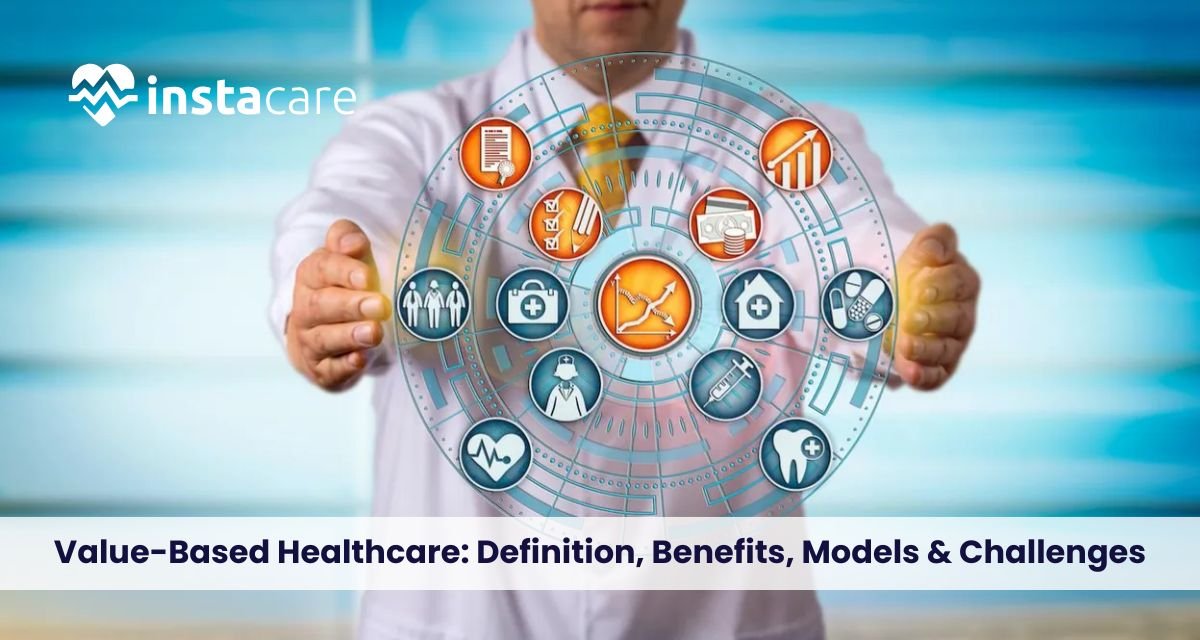
All You Need To Know About Value-Based Healthcare Health care provision is transforming at a quicker rate than ever before, and its most significant shift could be towards the value-based model of health care. The model turns established wisdom on its head to abandon quantity goals of the past to venture into quality as the final performance metric. Rather than being remunerated by volume for services provided, it remunerates health care providers for optimizing patient outcomes within the cost. For patients, more appropriate care, less unneeded treatment, and improved long-term health. For physicians and other clinicians, the chance to concentrate on what is most important instead of attempting to optimize service loads. What is Value-Based Healthcare? Value-Based Healthcare is a system where the healthcare providers are not rewarded per the quantity of services they provide but through their success in ensuring that patients have attained good health. It is a cost-cutting measure in the overall healthcare cost, the enhancement of the quality of care, and patient experiences. Prevention, coordinated care, and evidence-based treatments are promoted by this approach to deliver optimal health outcomes to patients. Defining the Concept: From Theory to Reality Before moving further, let’s define Value-based payment models. It is just about associating payments with observable improvement in a patient’s health. Physicians, hospitals, and other healthcare organizations are paid for the quality of care they provide instead of the number of visits or procedures. Essentially, it is more on prevention, chronic disease management, and quality care coordination. Holding on to the healthier ones longer is cost-effective at the expense of expensive intervention later on. Patients at the Center of the System Of all the components of this change, perhaps the most significant is its focus on patient-centered care. With this model, no longer are patients simply passive recipients of care but rather active participants in their well-being. Care plans are individually designed to meet their unique needs, lifestyle, and self-identified values so that they are directed by an awareness of mutual endeavor on the part of the patient and care team. This most closely matches healthcare quality improvement, with caregivers continually trying to make processes better, minimizing mistakes, and implementing best practices in an effort to provide better and safer care. Why Value-Based Care is an Easier Concept to Understand than Fee-for-Service? It is easier to understand Value-based healthcare vs fee-for-service. Fee-for-service pays providers for each test, procedure, or visit. Whether treated or not. It pays for productivity, but wasteful spending and frivolous treatment too. The value model works oppositely, paying providers for healthy patients, avoiding complications, and fewer avoidable hospital readmissions. It’s a system of preventive health instead of a reactive one. Payment Models That Make Value-Based Care Successful The shift is facilitated by a variety of payment models that provide aligned incentives for improved patient outcomes. Some of the key strategies are: Pay-for-Performance Programs – Incentives to providers for performance or accomplishment of quality targets, for example, reduction in readmission or improved chronic disease care. Bundled Payments – The patient pays one price for the full episode of care, from diagnosis through healing, with an incentive to deliver a reward for efficiency and care coordination by providers. Accountable Care Organizations (ACOs) – Providers are accountable for the cost and care of an assigned patient population with incentives for cost control and better outcomes. These models allow for collaboration, better care coordination, and attention to long-term outcomes rather than short-term profit. Book Your Free Marketing Consultation Why This Model Is Good for Everyone? Some of the advantages of value-based care are: Reduction of the cost of healthcare to patients, payers, and providers. Increased disease prevention through more frequent screening and early treatment. Increased patient satisfaction with improved and customized care. Alleviation of the general population’s health, unloading acute and emergency care functions. More than anything else, perhaps, value measurement in healthcare gives practitioners actual numbers to serve better. These are lower complication rates for chronic disease, higher recovery rates, and fewer hospitalizations. Success Stories across the Globe Value-based care models put into practice illustrate the model’s strength. Diabetes preventive care interventions that avoid hospitalization and improve quality of life for patients, for example, have been put into place by some highest-performing care networks. Orthopedic hip and knee replacement bundle payments optimized outcomes at lower cost. Technology plays a role as well. Telemedicine, remote monitoring of patients, and interoperable electronic health records enable providers to identify issues earlier, relapses, and care coordination with less effort. How Hospitals Are Taking Hold of the Change? It entails re-engineering the process, increasing departmental communication, and data analytics investment. Value-based healthcare in hospitals is constructing multi-disciplinary care teams, following patients’ progress more holistically, and having every step of the process of care charted out with attention to complication avoidance and better recovery. It is usually a matter of deepest cultural change, but those that succeed yield greater efficiency and greater patient confidence. The Government and Policy’s Role in Fostering Change There needs to be a government and Value-based healthcare policy to implement such plans. Most nations possess a value-based policymaking Value-based healthcare system that poses Value-based healthcare challenges to providers to transcend the fee-for-service culture. Payments are likely to incorporate reforms, solutions for standards of care outcomes, and solutions for transparency so patients can view providers practicing. The larger picture of a value-based care health system isn’t so much about hospitals and clinics; it’s about having a healthcare system where patients, providers, payers, and policymakers all share the same language: more health for less cost. The Roadblocks and Real-World Hurdles Some fairly real value-based health care obstacles to overcome, of course: Economically significant up-front investments in technology and training staff. Difficulty in getting, sharing, and comparing the health information across systems. Resistance by providers to learning about existing payment systems. Risk adjustment skill by variation of patient population based on need and complexity. These are the challenges that require
Ambulatory Care: Definition, Services, Benefits, and Examples Healthcare provision is today a vastly transformed experience that offers patients simpler, streamlined, and specialized treatment without overnight hospital admission. Ambulatory medical care is a fresh and fast-evolving field that is rapidly gaining significance because it allows patients to be diagnosed, treated, and followed with no overnight admission. It is centered on convenience, cost-effectiveness, and patient care and remains one of the key pillars of health systems in current times. From specialty clinics to ambulatory treatment centers, these centers have all kinds of services, from preventive check-ups to sophisticated surgical procedures. What is Ambulatory Care? What is Ambulatory Care? In short, ambulatory care is any form of medical intervention or service rendered to a patient who does not require an overnight stay in the hospital. It is also called outpatient care, where patients visit a facility, receive treatment, and are sent home the same day. It can be anything from routine consultations to sophisticated diagnostic tests and surgery conducted in ambulatory surgery centers. According to the Ambulatory care definition, it focuses on giving safe, effective, and timely medical care without prolonging hospitalization. It can be provided in other alternative places such as ambulatory care clinics, doctor offices, urgent care centers, and specialty clinics. Types of Services under Ambulatory Care Ambulatory health care services are diverse and based on patients’ needs. They are classified as follows: 1. Primary Ambulatory Care Primary ambulatory care is made up of check-ups at regular intervals, prevention screening, and management of chronic illness. Services provided here include vaccinations, blood pressure checks, diabetes management, and health education. 2. Specialist Consultations Ambulatory care clinics also accept patients for specialist consultations such as cardiologists, dermatologists, or neurologists. Such consultations usually involve diagnostic workups and follow-up. 3. Diagnostic Services Most ambulatory care centers do X-rays, ultrasounds, MRIs, and lab tests. They can provide results immediately so that the treatment can be provided simultaneously. 4. Ambulatory Surgery Some surgeries like herniorrhaphy, endoscopy, cataract extraction, and orthopedic surgery, are conducted in ambulatory surgery centers. It is not a hospitalization but provides high-quality of care. 5. Urgent and Emergency Care Other ambulatory care clinics handle minor emergencies such as breaks, cuts, and burns. These are suitable for patients who need urgent care but do not necessarily need to be admitted as inpatients. 6. Rehabilitation and Therapy Certain of the services such as physical therapy, occupational therapy, and speech therapy are ambulatory patient services in which healing and overall improvement is involved. 7. Preventive and Wellness Services Among them are weight management programs, smoking quitlines, and diet counseling to help patients maintain their health. Benefits of Ambulatory Care The benefits of ambulatory care are more than its convenience. It is a cost-effective, patient-focused way of providing health care. 1. Convenience and Accessibility Patient Management Software can fix an appointment as per the patient’s convenience without waiting and spending on transport costs. 2. Cost Savings It is cheaper than inpatient treatment since there is a lesser cost of an Ambulatory care facility and staff. 3. Fewer Hospital-Acquired Infection Opportunities Since the patients are present at the health care centers for fewer hours, they are subjected to hospital-acquired infection for fewer hours. 4. Faster Recovery Treating them with an ambulatory care center, patients are sent home the same day, which in a majority of cases results in faster recovery at home. 5. Customized Treatment With professional healthcare personnel like ambulatory care nursing practitioners, the patients are attended to according to their respective statuses. 6. Efficient Usage of Resources More health conditions are medically treated within a shorter time, efficiently utilizing resources and preventing hospitals from getting saturated. Book Your Free Marketing Consultation Ambulatory Care vs. Inpatient Care Ambulatory care vs inpatient care is crucial to know to make informed decisions regarding healthcare. Ambulatory care is for patients who can be safely sent home after treatment is completed, while inpatient care is hospital overnight stay for at least one night. Typically, ambulatory care is less expensive, quicker, and easier, and inpatient care is required for the more severe diseases that have to be monitored constantly. Ambulatory care involves physical therapy, minor procedures, and diagnostic studies. Inpatient care involves intensive care, major surgery, and post-operative observation. This is how the line splits for the providers and patients to choose the best treatment option by medical need and case. Who Can be Treated by Ambulatory Care? Ambulatory care is suitable for a large population. Patients of chronic diseases – Diabetic, asthmatic, or hypertensive patients are managed with follow-up and preventive examination at a regular interval. Postoperative patients – Those who require follow-up after discharge can choose ambulatory care centers for observation. Ease-seeking patients – Busy lives like ours prefer outpatient treatment, which does not disrupt life. Preventive health seekers – Those who worry about early detection of disease and health receive primary ambulatory care services. Mild illness or injury cases – Non-life-threatening conditions are treated well in ambulatory care clinics. With a focus on quality care, accessibility, and convenience, ambulatory care is ideal for those patients who do not need to be hospitalized overnight. Conclusion Ambulatory care has revolutionized the face of medicine by offering quality treatment within the reach and accessibility of everyone. Either through the avenues of ambulatory care centers, specialty clinics, or ambulatory surgical centers, it allows patients to benefit from immediate medical treatment without the hassle of lying on a hospital bed. The divergence of ambulatory care services, ranging from preventive health programs to complex surgeries, is a reflection of its versatility and patient-friendliness. For others interested in the distinction between inpatient and ambulatory care, it is an issue of medical necessity. But for others, ambulatory care is a less expensive, more convenient, and safer route to wellness and recovery. As the services become more formalized for ambulatory patients, the future of Ambulatory healthcare services shines brighter, is more pliable, more efficient, and available to all. FAQs 1.

Virtual Nursing: Distance Patient Care and Telemedicine Support Defined The healthcare industry is fast changing, and leading the change is virtual nursing. Facilitated by telecommunication and electronic technology, virtual nursing offers RNs and healthcare providers a chance to deliver high-quality care from afar. The change is transforming patient care and the manner in which nurses deliver care. Virtual health monitoring, remote nursing care, and telemedicine nursing imply that nowadays, patients can receive the services they require without ever setting foot in the hospital. What Is Virtual Nursing? Virtual nursing is the provision of nursing care provided through digital interfaces, video conferencing software, mobile apps, and telecommunication technologies. It also includes all kinds of services such as virtual nurse consultations, medication, management of chronic diseases, post-discharge, and education of the patient. The primary belief of virtual nursing is to be able to access regular and instant care regardless of where a patient is. From the regular check-ins to emergency follow-ups, web nursing care allows physicians to stay in touch with their patients in real time. This type of model has been more relevant since telehealth nursing has been introduced to facilitate uninterrupted care even during emergencies or pandemic outbreaks. Key Features of Virtual Nursing 1. Remote Patient Monitoring “Remote patient monitoring” takes advantage of electronic monitors to track key vital signs and health metrics. Heart rate, oxygen saturation, blood pressure, blood glucose, and so forth are sensed by sensors and wearables. This data is transmitted to doctors for tracking and intervention if needed. 2. Virtual Nurse Consultation Virtual nurse consultation is a video call or a call by phone between the patient and the nurse. The follow-up, symptom check, health guidance, and drug monitoring are done through the consultations. It saves time and travel time. Additionally, it is convenient for both patients and nurses. 3. Digital Nursing Services E-Nursing services range from the whole scope of remote services, anything at all from making appointments and monitoring patient records to assisting with therapy planning. All these are done through apps, online software, and secure messaging systems. 4. Virtual Health Monitoring Virtual health monitoring is the utilization of equipment and platforms to track patients’ health status in real-time. The program allows for the early identification of complications and immediate medical intervention, reducing hospitalization and emergency visits. 5. Tele-nursing Jobs Tele-nursing roles opportunities are more diversified and have increased by ten times. Tele-triage, mental health treatment, chronic illness treatment, or virtual critical care units can employ nurses. The profession requires much expertise in the management of electronic devices, clinical practice, and excellent communication skills. Book Your Free Marketing Consultation Benefits of Virtual Nursing 1. Expanded Access to Care One of the best is increased accessibility. Rural, underserved, or distant patients can now access good and timely care. Virtual nursing fills gaps between urban medical centers and distant areas. 2. Healthcare Costs Reduced Because of the lowered demand for physical visitation, distance nursing care lowers healthcare costs by a significant proportion. It lowers transportation fee, hospitalization, and administrative fee and thus facilitates care affordability for systems as well as patients. 3. Convenience and Comfort Patients are given home comforts of home care from the comfort of their homes. Patients with mobility issues or chronic aches appreciate that virtual patient care spares them the physical hassle of driving to physical appointments. home care 4. Time Efficiency Virtual interactions save the time of both the patients and the nurses. With minimal logistics, more patients can be treated every day by the nurses who provide customized care according to systematic digital protocols. home care. 5. 24/7 Online Nursing Support 24/7 online nursing support is available anytime. On-demand quality may help address health problems and instill confidence in chronic or complex diseases. Telehealth Nursing Applications Telehealth nursing is utilized with various models of care and specializations. Among the routine applications are: Chronic Disease Management: Patients suffering from diabetes, high blood pressure, and heart failure can be treated and monitored remotely. Mental Health Support: Virtual nurses can offer emotional assistance and therapy planning to anxious, depressed, or PTSD patients. Post-Surgical Care: Post-surgical processes, wound care, and medication schedules can be controlled by virtual nurse consultation. Geriatric and Palliative Care: Geriatric and end-stage patient nursing via telemedicine is made easy, which offers around-the-clock care and psychological support without disturbing the home environment. Role of AI in Virtual Nursing AI in virtual nursing is enhancing the provision and coordination of care. Artificial intelligence is helpful to virtual nurses in the following: Predictive Monitoring: AI will be tracking patient data and identifying risks much earlier than when symptoms are escalating, hence enhancing response time. Virtual Nursing Assistants: virtual nursing assistant based on AI, providing direct interaction with chatbots, voice interaction, or smart applications. Virtual nurses help schedule or remind for appointments, answer frequently asked Questions, or triage, which is easy. Decision Support Systems: AI systems provide recommendations to the nurses based on current clinical guidelines, thereby reducing error and inaccuracy. AI retains the nurses with their patients for longer times by removing the routine aspect of work when handling a series of data. Challenges of Virtual Nursing Even though there are many advantages of virtual nursing, there are a few challenges in virtual nursing too: 1. Digital Divide The majority of the patients, especially the poor or the aged, lack smart devices or access to the internet at all times. Literacy to the new world is also an obstacle in making the best use of the facility of digital nursing services care centers. 2. Data Privacy Issues As health information traverses the internet, this requires secure websites to be embraced by privacy laws. Authentication and safe log-in become essential. 3. Licensing and Legal Restrictions Tele-nursing jobs tend to connote worldwide care, but legislation can restrict where legal practice might be allowed for nurses. States

InstaCare Hosts Sold-Out Workshop in Lahore: Transforming Healthcare Professionals into Business Leaders June 21, 2025 – Pearl Continental Hotel, Lahore InstaCare, Pakistan’s leading healthtech company, successfully hosted a high-impact workshop titled “Building a Patient-Centered Profitable Healthcare Business” in Lahore on June 21, 2025. The session was led by Bilal Amjad, Founder & CEO of InstaCare, and welcomed healthcare professionals from across the ecosystem — including clinic owners, lab managers, pharmacists, and hospital administrators. Location: Pearl Continental (PC) Hotel, Lahore Time: 3:00 PM – 5:00 PM Format: In-person + Virtual | Boardroom-style workshop Seats: Fully Booked (25 seats filled + online participation) Why This Workshop Was Needed In Pakistan, over 75% of small healthcare businesses plateau within the first five years, not because of a lack of medical excellence, but due to limited exposure to structured business education. This workshop was built to bridge that critical gap, offering hands-on training in: Pricing strategies & smart revenue models Financial leak detection Clinic-to-hospital growth roadmaps Leadership thinking for medical professionals Real-world profitability case studies Operational systemization More than just a lecture, it was a movement toward building sustainable, scalable, and patient-centered businesses in healthcare. The Impact 25+ Healthcare business owners turned decision-makers. Multiple specialties represented: clinics, labs, pharmacies, hospitals. Real questions. Practical answers. No fluff. Unforgettable energy and collaboration. “Most doctors are passionate. But no one taught them how to grow a business. This workshop changed that — from overwhelmed owners to empowered entrepreneurs.” — Bilal Amjad, CEO, InstaCare Who Attended? Clinic & lab owners Pharmacy entrepreneurs Hospital administrators Healthtech startup founders Medical professionals seeking growth What’s Next? This was just the beginning. Based on the overwhelming response, InstaCare is committed to bringing more high-impact workshops across Pakistan, combining clinical expertise with entrepreneurial skill-building. For updates or private workshop inquiries: business@instacare.com.pk Highlights Housefull event — Alhamdulillah Incredible engagement from medical leaders Actionable tools used during the session Patient-centered, provider-powered model of profitability Closing Note “Pakistan’s healthcare future doesn’t just need more hospitals — it needs smarter healthcare businesses. That’s our mission.” – Team InstaCare Let’s continue the mission to heal the business of healing.
Top Cybersecurity Threats in Healthcare and How to Protect Patient Data The healthcare industry is also a high-priority target for cybercriminals due to the value and sensitive content of patient information. With electronic health records, networked medical devices, and telemedicine growing in popularity, health care organizations have to put security first. Healthcare data breaches, not only financially costly, erode patient trust and attract legal liability. It is more important than ever to value threats and implement measures that are effective in safeguarding information. Why Healthcare is a Prime Target for Cyberattacks? There are a number of reasons why healthcare has been a prime target for cyberattacks. Firstly, health providers have long records that include complete names, Social Security numbers, medical histories, insurance details, and billing details. Medical details, as opposed to credit card details that can be tampered with once there has been a compromise, cannot be changed. Second, the majority of healthcare organizations continue to utilize outdated technology and legacy systems. These older systems have unpatched vulnerabilities that are easily taken advantage of by attackers, which pose serious healthcare IT vulnerabilities in platforms. Additionally, the chaotic and highly stressful hospital setting can result in the abandonment of security protocols, which further provides easy entry points for cyber attackers. Third, hacking healthcare organizations has the direct potential to disrupt patient care, such as surgery and emergency services. This places attackers at a leverage position when demanding payment of ransom to activate, which has resulted in ransomware attacks in hospitals that leave entire hospital networks crippled until ransom is paid. Top Cybersecurity Threats in Healthcare Healthcare organizations are faced with an array of AI in healthcare cybersecurity attacks of differing sophistication and damage potential. Knowledge of the dangers is the beginning of introducing effective security measures. ● Ransomware Attacks One of the most detrimental attacks, ransomware on healthcare facilities, renders users inoperable on important systems by encrypting their information and demanding payment to resume access. Ransomware attacks are likely to hinder medical treatment, disrupt emergency response, and even jeopardize patient lives. ● Phishing Scams Phishing in the healthcare industry is increasing. Spammers send spoofed messages that look like authentic emails as a way to get login credentials or click on hacked attachments. Phishing attacks tend to open the doors to more dangerous threats like ransomware or data breaches. ● Medical Device Vulnerabilities Hospitals in most hospitals today possess networks with networked, smart medical devices. Such systems do not have impenetrable security controls. This, thus, poses threats of medical device hacking risks that, in an indirect way, breach data as well as the functionality of life-saving devices. ● Electronic Health Record Attacks Electronic health records (EHRs) hold highly valuable and confidential data. Such systems are susceptible to data theft, identity theft, and billing fraud. Poor electronic health records security can lead to humongous breaches and patient trust. ● Insider Threats Employees, whether inadvertently or just sloppy, can indirectly do a tremendous amount of damage. Insider threats are one of the toughest to catch, especially in those systems that do not have good monitoring and access controls. ● Supply Chain Risks The hospitals are also found to rely on third-party suppliers for bill, cleaning, and IT services. The attackers can bypass them without safe security measures by the third-party suppliers. ● Lack of Real-Time Monitoring of Threats There are few hospitals that do effective data threat detection in hospital systems, and that results in delayed response times. Without real-time monitoring and analysis, there is no opportunity to identify unusual behavior prior to most damage having been achieved. Book Your Free Marketing Consultation How to Protect Patient Data: Best Practices? Protecting medical software from threats to patient data requires aggressive, multi-layered action. Technology, employee training, and all the rest must work together. ● Lock down access with strong controls Enforce role-based access control so that only appropriate employees can read or modify sensitive data. It reduces exposure and insider threats. ● Use End-to-End Encryption Encryption of healthcare information protects sensitive content from reading or use by the wrong people even when the data gets intercepted as it is being sent or stolen. ● Employee Training and Awareness Human error is one of the leading causes of information breaches. Conduct regular training sessions to educate employees how to identify phishing, how to handle patient information successfully, and how to implement strong passwords. ● Use AI-Based Security Solutions AI technology in health security can identify anomalies, assess threats in real time, and respond immediately. AI software plays a central role in preventing false positives and identifying true issues. ● Enforce HIPAA Compliance Following legislation, such as HIPA,A maintains patient data as securely as possible. HIPAA-compliant cybersecurity includes administrative, physical, and technical security controls such as secure logins, audit controls, and encryption to keep sensitive data secure. ● Secure Medical Devices and Software As more and more adopt digital health, physician software now also needs to be protected from harm. Secure these computers and monitor illegitimate access with firewalls, antivirus programs, and updates. ● Patch Management and Regular System Updates Malicious actors usually attack unpatched systems. Regularly update software and firmware to eliminate known vulnerabilities. ● Data Backup and Disaster Recovery Plans Store safe regular backups of all important information. This offers a means of re-creating systems without opting to pay ransom on attack. ● Invest in Tailor-Made Cybersecurity Solutions Healthcare organizations must employ cybersecurity solutions for clinics that are made to suit their individual needs. These could be endpoint security, firewall platforms, and security incident response software. ● Conduct Strict Risk Assessments Daily monitoring is what assists in finding weaknesses in your system. It entails evaluating the preparedness of personnel, technical infrastructure, and third-party vendors. Conclusion Cybersecurity in health care isn’t just a technological requirement, it’s a crucial part of ensuring patient safety. As hospitals and clinics become increasingly reliant on computer networks, the risk for cyberattack grows.
Google vs. ChatGPT in Healthcare: Which AI Tool Offers Better Medical Support? Artificial Intelligence (AI) is revolutionizing healthcare by providing quicker access to information, improving diagnostic precision, and even automating patient support. Two organizations are leading the way in this revolution: Google and ChatGPT. Both leverage strong AI capabilities but apply them to medical support in very different ways. Google’s AI is mostly used to fuel search algorithms and health-oriented platforms such as Google Health and Bard, whereas ChatGPT, designed by OpenAI, is more of an interactive assistant with dialogic formats. Both offer strengths, but which provides superior medical assistance? Knowing the AI Tools ● Google Health AI Tools Google’s activity in healthcare is diverse. The firm uses Google Search, Google Health, and Bard AI, combining AI-infused search intelligence and deep learning algorithms to achieve real-time health monitoring, imaging diagnostics, and predictive modeling. Google also partners with organizations such as the Mayo Clinic to improve diagnostics through AI models in patient care. Google Search enables users to input symptoms or health conditions and have instantly available a list of links, articles, and occasionally summaries. Google has brought conversational AI into the equation with Bard AI, providing direct, chat-based answers rather than merely blue links. ● ChatGPT for Medical Advice ChatGPT is intended to interact with users in natural conversations. Having been trained on large sets of data, including open-source medical literature (not individual patient data), ChatGPT for medical advice can provide general medical information, break down symptoms, and describe diseases or medications. While ChatGPT is not a substitute for a physician, it is being more and more utilized in patient education and healthcare decision support systems. As a doctor chatbot, it offers readable and bite-sized information to users, particularly for people drowned in the intricacies of conventional health material. Speed vs. Context: How They Provide Medical Information ● Google: Speed-Oriented Delivery Where speed of search is concerned, Google is unmatched. A user can type in symptoms such as “nausea and headache” and obtain thousands of responses within a couple of milliseconds. Google’s power is in its full-indexing and real-time information retrieval. But Google results are apt to be filtered through several sources. Although this may suit tech-literate users, it drives others crazy. And SEO content is not necessarily always prioritizing medical correctness over clickability, leaving one to question the limits of Google Health AI tools. ● ChatGPT: Context-Rich Conversations ChatGPT strikes a different path; it slows down but deepens. Rather than blinding users with hyperlinks, ChatGPT gives them streamlined, conversational responses. For example, a user inquiring about “possible causes of chest pain” gets a formatted, human-style explanation, graded by severity and emergency. This renders ChatGPT’s medical precision more user-friendly, particularly for non-professionals. Furthermore, ChatGPT can recall a conversation flow, which a search engine cannot. This capacity to preserve context across a series of interactions makes possible AI-powered personalized health recommendations AI advice a capability search engines cannot match. ● Patient Trust in AI Tools The real measure of medical AI tools lies in how much users trust them. Research shows that patient trust in AI tools and they often use both platforms for initial health queries, yet differ in what they rely on more. ● Trust in Google’s Health Ecosystem Google enjoys high user trust due to its long-standing reputation. However, its model lacks empathy and adaptability. It doesn’t remember conversations or tailor information unless you’re using an account with personalized tracking. Additionally, searching through results requires discernment users need to sort out verified sources such as Mayo Clinic or WebMD from suspect blogs. This puts the responsibility for ChatGPT’s medical accuracy on the user. ● Trust in ChatGPT Medical Chatbot ChatGPT establishes trust through its friendly conversational tone. Patients value having a non-judgmental, always-available aide to field personal health inquiries. Its answers incorporate disclaimers, urging users to refer to medical professionals, a function that enforces ethical concerns of AI in medicine, issues of AI in medicine, and demonstrates prudent AI application. The human-like answers also make it perfect for emotional illness discussions, where empathy is paramount. Real-Time Diagnosis with AI: Are We There Yet? Neither Google nor ChatGPT is currently approved for real-time diagnosis with AI. Google has tested AI in radiology and ophthalmology with very good results, but clinical use is still confined. ChatGPT is utilized in triage systems, symptom checkers, and virtual health assistants. While useful, it’s not a diagnostic program. In both instances, the technology is ancillary, not determinative. But AI model advancements in patient care indicate this can turn around. Google is piloting AI systems for cancer screening, and ChatGPT-type models are being trained on up-to-date medical data for improved clinical application. Book Your Free Marketing Consultation ChatGPT vs. Search Engines: Which Provides More Support? This is a comparative analysis: Google (Search/Bard) Speed: Lightning quick; brings back thousands of results in seconds. Personalization: Restricted to search history; not strongly personalized for people. Medical Accuracy: Dependence on the source clicked (some authoritative, some not). Ease of Use: Manual filtering, reading, and clicking through several links. Emotional Sensitivity: No empathy or emotional sensitivity. Offline Integration: Poor integration with healthcare equipment or APIs. Trust Factor: High based on brand reputation, but impersonal and non-interactive. ChatGPT (AI-Powered Assistant) Speed: Slower than search engines, but delivers well-structured answers. Personalization: Highly tailored to continued conversation and context. Medical Accuracy: For the most part, accurate and consistent, with obvious disclaimers. Ease of Use: Straightforward, interactive, and chatty, no need to exit the chat. Emotional Sensitivity: High; answers with sympathy and a human-like tone. Offline Integration: Integratable into health systems and apps using APIs. Trust Factor: Medium to high; conversational tone encourages user trust, particularly in sensitive areas. The main point: Google is ideal for scanning numerous sources in a short time, and ChatGPT is ideal for leading the user through lengthy health-conversation-type interactions. The Future of Healthcare AI AI in

Data-Driven Healthcare: How Analytics is Transforming Patient Care The past two years have witnessed a revolution in the paradigm of the health care sector due to the strength of data. Due to the growing generation of information across the globe, health care organizations are now making use of this information to change patient care delivery, administration, and improvement. Healthcare data analytics is no longer a buzzword but has become a way of daily life, which enables clinicians, hospitals and policymakers to make informed choices and better patient outcomes. The healthcare system is being efficient, effective, and patient-centered with the utilization of such technologies as analysis of large data volumes, e.g., electronic health records (EHR), and real-time health data. Whether in managing the operations of hospitals or in recording trends in the health of populations, data-driven decision making in the healthcare sector is changing the landscape. The Rise of Big Data in Healthcare The health care sector is perhaps the most information-intensive industry on earth. With computerized patient records, imaging machines, wearable monitors, and genomics, there’s a torrent of real-time data that must be sifted and interpreted. This has introduced big data in healthcare, which enables players to isolate insights from patterns, connections, and trends that are not always obvious. Sources of big data within the health care universe are: Electronic Health Records (EHRs) Genomic sequencing data Insurance claims and billing data Medical imaging data Patient data from wearable devices Public health records and surveys Mobile health apps By connecting and analyzing these sources of data, clinicians and health care researchers can capture clinical data insights that inform everything from early disease detection to population health trends. How Analytics is Improving Patient Care? The intersection of healthcare predictive analytics with other cutting-edge data technologies is directly influencing patient care. With risk factor-informing analytics, onset predictability of disease, and optimized treatment regimens, being more proactive and personalized is now a reality. ● Early Diagnosis and Preventive Care Predictive modeling involves the application of history and past and present patient history to predict the possibility of diseases before the disease gets out of control. This is healthy in the treatment of chronic diseases such as diabetes, heart disease, and some form of cancer. Early identification of the ailment would give the medical practitioners a chance to prevent the further progression of the pathology and reduce the cost of the medication. ● Personalized Treatment Plans With data-driven personalized medicine using data, doctors are now able to tailor treatment plans according to a patient’s lifestyle, medical history, and genetic information. Data analysis can reveal subpopulations of patients with improved responses to drugs or treatment, thereby increasing the efficacy of treatment. ● Real-Time Monitoring and Alerts Hospital clinics already have systems that track real-time health data from medical devices, wearables, and monitoring systems. These systems are capable of alerting physicians in real-time if the patient’s vital parameters differ from normal parameters. Such would lead to timely intervention that is life-saving in managing emergency treatment. ● Enhancing Clinical Decision-Making Physicians also gain from decision-support technology based on AI-powered health analytics that makes diagnostic recommendations, treatment recommendations, or drug interaction alerts. Mistakes are reduced, decisions are made faster, and care delivery is enhanced. ● Increased Efficiency in Operations Healthcare business intelligence is being implemented within hospitals to streamline resource allocation, reduce patient waiting times, and predict spikes in admissions. By monitoring patient flow, tracking staffing behaviors, and watching equipment usage, managers can streamline operations for improved delivery and cost reduction. ● Enabling Population Health Initiatives Mass population health management methods utilize data analytics to track disease rates, immunization rates, health disparities, and determinants of health. It assists in planning public health campaign planning, resource distribution, and infectious disease outbreak prevention. Book Your Free Marketing Consultation Challenges in Data-Driven Healthcare Data-driven decision making in healthcare benefits in numerous areas, but several challenges need to be overcome before it is fully established. ● Data Privacy and Security Managing sensitive patient information is replete with greater responsibility. Healthcare data science is at the expense of data breach concerns, unauthorized disclosure, and regulation like HIPAA. With strong cybersecurity measures and encryption technologies to validate integrity and trust, it becomes a requirement. ● Interoperability of Systems The majority of healthcare systems are designed on different platforms and formats, hence creating data transfer issues. Non-standardization of EHR systems, labs, pharmacies, and payers can taint the smooth exchange of information, similar to piecemeal care. ● Data Quality and Completeness Analytics need to be conducted on precise, up-to-date, and complete data for it to function smoothly. Incomplete and inconsistent data yield erroneous conclusions with negative effects on outcome-based healthcare programs. ● Skill Gaps in the Workforce Implementation of advanced analytics requires dual-skilled professionals in data science and health care. Organizations are, however, plagued by a deficiency of trained experts who would enable that role. ● Ethical Implications Decision-making by algorithms is morally contentious in health care. Algorithmic prejudice is risked if the training data employed are non-representative, and thus the care is prejudiced. Transparency and justice of analytical operations should be assured. The Future of Healthcare Analytics With the persistent pace of technology development, the future of healthcare is data-driven and revolutionary. Among the trends and innovations of the future, some of them unveil analytics playing an increasingly central role in patient care design. ● Integration of Artificial Intelligence Machine learning and artificial intelligence will increase the capacity of healthcare systems to process and digest huge amounts of data in quick and accurate ways. From rare disease diagnosis to ICU admission prediction, AI-based healthcare analytics applications are accelerating at a tremendous rate. ● Construction of Predictive Ecosystems The future will see integrated systems together with the capacity to predict epidemics, manage chronic disease, and support aging populations through intelligent surveillance and intervention. These environments will start to redefine healthcare from a reactive to a preventive