
ChatGPT vs Healthcare-Specific AI: Which Model Helps Medical Software More? AI is making a positive impact on healthcare by boosting the performance and accuracy of medical software. AI tools today can be classified into two categories: those designed for broad use, such as ChatGPT, and those for use in healthcare. Discussions around ChatGPT vs Healthcare-Specific AI point out some important factors, for example, adaptability, compliance, and expertise in healthcare. Medical institutions and developers must decide on the model that best meets their planned improvements in diagnostics, managing tasks, or patient communication. This article compares ChatGPT with custom healthcare AI systems, detailing the main differences, highlighted strong points, potential challenges and their applications in software used in healthcare. Understanding ChatGPT and Healthcare-Specific AI? ChatGPT ChatGPT is a language model that OpenAI has developed for general use. It can handle human-style communication and is often applied for creating content, helping with customer support, and responding to basic questions. One use of ChatGPT in medical software is to assist in making simpler patient notes, listing instructions for patients, and making it easier to communicate with them. AI Designed for Healthcare Alternatively, AI designed for healthcare is prepared using the rules and standards found in medical data. In most cases, these models are tied to EHRs, diagnostic tools, and how clinicians work in their specialty. While there are more ChatGPT medical applications, their overall design has some restrictions. Sometimes, they cannot access the proper knowledge for their field, manage difficult terms in medicine and find it tough to deal with sensitive data of patients. The Main Differences Between the Two ChatGPT This technology is a general-purpose language model. It can handle different topics in text, though not specifically designed for medical language, procedures, or industry processes. ChatGPT does not meet HIPAA standards on its own. Dealing with patient information in general requires considerable changes, encryption, and updated healthcare privacy technology. Because ChatGPT does not explain its reasoning, it may be difficult to rely on it in making medical decisions. Healthcare Specific AI AI technology used in healthcare is made with medical areas in mind. With the help of medical information and guidelines, models in this field gain accuracy and dependability. The Healthcare-specific AI tools made for healthcare are all created with compliance to both HIPAA and other regulations in the sector. They always ensure that your data is private and secure. Specific AI models for healthcare often help explain the process behind a recommendation or diagnosis. This helps healthcare professionals trust each other and provide treatment based on research. Book Free Demo Use Cases In Medical Software While both types of approaches help, the results can depend on the chosen application. Here, we compare the use of different models in examples: AI Applications in Electronic Health Records: The purpose of using AI for electronic health records (EHR) is to lessen the amount of paperwork and improve the way data is accessed. Models used in healthcare often do data entry tasks, condense doctors’ notes, and discover errors in medical records with more reliability since their data is organized. Enhancing Healthcare with Natural Language Processing: Without NLP, interpreting doctors’ notes, radiology reports, or discharge summaries would not be practical. Although ChatGPT is effective in general NLP in healthcare, healthcare-specific NLP tools are more accurate at identifying elements in medical records and codes. Many times, these tools are included in decision tools and automated checking methods. Supporting Clinicians Through Decision Tools: With clinical decision support AI, physicians use patient information and get guidance based on evidence. An advantage of AI tools for healthcare is that they rely on methods and tools verified in real clinical settings. Forecasting Patient Outcomes: Predictive analytics in healthcare AI to predict a patient’s outcomes, the possible need for readmission, and the future stages of a disease. Custom AI models trained with hospital data are more accurate than others. Improving Telemedicine with AI in Patient Communication: It is becoming increasingly necessary to apply AI for patient communication in telemedicine and after leaving the hospital. ChatGPT can communicate with patients to respond to basic inquiries, remind people of their appointment,s or offer background information. Ensuring Patient Privacy: It is important to use HIPAA compliance and AI to ensure the privacy of patients is protected. The development of healthcare-related AI systems considers compliance issues and includes encryption, access control and audit logs. Automating Administrative Tasks in Healthcare with AI: It is helpful for healthcare to use AI to automate the repetitive duties of making appointments and issuing bills. But when it comes to AI integration in hospital software, using internal systems and rules for each patient, AI in healthcare does the work best. Comparing Medical Chatbots and Custom AI Solutions Unlike custom AI systems, AI chatbots in healthcare are simple to add and can handle a large workload, though they are less knowledgeable about medicine. Although it takes more time to build a custom AI system, the results are more accurate, conform better to rules, and keep patients more involved with their own health information and treatment plans. Role of OpenAI in Advancing Healthcare Technology OpenAI is being incorporated in healthcare by forming partnerships with healthcare technology firms and research teams, including its integration into Clinic Management Software to enhance administrative efficiency and decision-making. At the same time, there are still concerns related to protecting data, ensuring its accuracy, and maintaining regulatory compliance. To effectively use OpenAI in critical medical settings, additional safeguards and system enhancements are necessary. Conclusion Whether to use ChatGPT or a healthcare-specific AI depends on the organization’s plans, the amount of money available, and the rules they have to follow. While ChatGPT is convenient to use and covers many NLP tasks quickly, it may not meet clinical accuracy, compliance, or integration requirements. FAQs [sc_fs_multi_faq headline-0=”h3″ question-0=”Is there a difference between ChatGPT and healthcare-related AI?” answer-0=”While ChatGPT can be used for various applications, healthcare-specific AI is built
Is SaaS Safe for Storing Patient Data? With healthcare going digital, managing patients, using EHRs, conducting diagnostics, and offering telemedicine have come to rely on Software as a Service (SaaS) platforms. However, there are big concerns about the safety, privacy, and lawful handling of information when it is stored on a cloud platform. The key question arises: Are patients’ health records safe with SaaS software? This article discusses the effects of adopting SaaS healthcare compliance industry by exploring different SaaS risks in healthcare, legal issues, and best safety tips. What is SaaS in Healthcare? Software as a Service, or SaaS, makes it possible for users to run applications directly over the internet, without installing them on their own devices. SaaS is helping hospitals, clinics, and health tech startups to improve the way they function. This means providers can obtain and use medical software from anywhere, often paying a monthly fee. It is especially eye-catching due to its ability to grow, its low costs, and the simplicity of making updates. Some common SaaS applications in healthcare are appointment setup, patient portals, telehealth platforms, medical records software, and billing. The requirement for easy and instant access to information and integration of various applications is encouraging greater use of SaaS solutions by providers. Even so, saving patient records online raises issues about how safe the cloud is in healthcare and if these systems can meet strict information security regulations. Key Security and Privacy Risks With Saas Companies working with Protected Health Information (PHI) have to be aware of the special risks that come with SaaS adoption. Main problems include unauthorized users getting in, insecure APIs, not using encryption, and not requiring strong user authentication. Protecting patient data is a top priority, as Healthtech cybersecurity breaches or leaks can give rise to serious issues, for instance, legal issues and harm the company’s reputation. Because ransom ware and phishing are becoming more advanced, more healthcare data is being breached. As a rule, poorly configured Cloud security in healthcare and social engineering scams are often behind most data breaches. Besides, opening your system to third-party integrations can create security risks if they are not handled correctly. SaaS presents another problem in healthcare by not allowing full awareness of where or how medical data is managed, mainly in situations where many different customers share the same cloud infrastructure. If there are no strong security guidelines and accountability, important data could end up in the wrong hands. What Makes a SaaS Provider Secure for Healthcare? Not all SaaS vendors know how to keep healthcare data safe and secure. It is important for providers to check that vendors follow the laws such as HIPAA and GDPR. A Healthcare SaaS Solution should follow strict guidelines regarding encryption, activity logging, secure user access, and reliable data backup procedures. It’s essential to work with vendors who are willing to sign Business Associate Agreements (BAAs), ensuring accountability in handling PHI. Providers should also have clear conversations with SaaS companies about their data encryption methods, for both stored and transmitted data, to protect against unauthorized access. A safe provider will carry out routine security assessments and certify their actions by SOC 2 Type II, ISO 27001, or HITRUST. An audit of this type helps maintain privacy in the cloud and allows customers to trust that the provider will protect their data. When choosing a SaaS vendor, healthcare organizations also need to think about whether the SaaS services follow the GDPR compliance for SaaS healthcare rules if they are dealing with patients from the EU or process international data. GDPR also requires hospitals to meet certain standards on data access, consent, and reporting data breaches, along with HIPAA. Book Free Demo Best Practices for Healthcare Providers Using SaaS Healthcare providers need to implement multiple strategies, mixing technology and business processes, to protect themselves in SaaS. Following these steps helps lower the risk of threats and makes the company more compliant. Vendor Assessment: Make sure you fully check the compliance, certifications, and honesty of each SaaS vendor. Search for applications that are suitable for healthcare, with security and smooth Secure EMR software usage as priority. Encryption and Access Control: Ensure the SaaS data encryption systems in use are very reliable. Add multi-factor authentication, role-based access control, and make encryption standard throughout the systems. With these steps, PHI in Cloud-based EHR security is better protected from unauthorized people. Staff Training: A lot of Healthcare data breaches happen because of people making mistakes. Training regularly teaches staff why sharing patient data should be avoided and how to protect themselves from phishing and improper usage of sensitive data. Regular Audits and Monitoring: Regularly conduct inside evaluations and vulnerability scans to spot anything unexpected. Check system logs for unusual activities and choose vendors that carefully track and record every action done with patient data. Data Backup and Disaster Recovery: It’s important that your SaaS company automatically backs up its data and has a tested disaster recovery system in place. This is done to keep the system going if something like a fault or an attack occurs. Legal and Contractual Safeguards: Include in the agreement a description of who is responsible for the data, what the liabilities are, and how much time they have to report a breach. Being well structured, a Service Level Agreement (SLA) helps achieve accountability. Compare Deployment Models: Think about the differences in security when choosing between SaaS vs on-premise security options. Large organizations that have their own IT teams may find that on-premise models are a better fit for regaining more control. However, with the right provider, SaaS can be just as secure, if not more so—than on-premise alternatives. Data Residency and Local Laws: Look into whether the supplier stores your data in your region as required. In some countries, the rules say medical data must stay inside the nation’s borders, which affects how software-as-a-service companies can function. Conclusion Using SaaS platforms in healthcare, such as Clinic
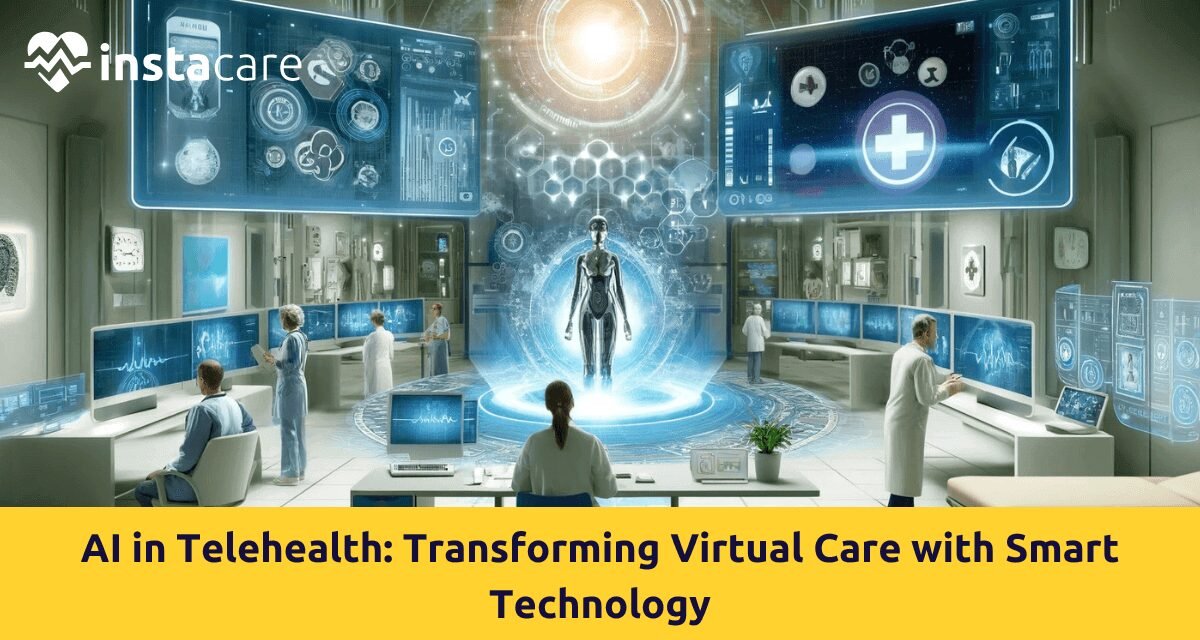
AI in Telehealth: Transforming Virtual Care with Smart Technology With digital health taking off around the globe, Artificial intelligence in healthcare is introducing a new paradigm of customized, effective, and affordable virtual care. Telehealth, once a novelty relegated to rural or underserved locations, has now transformed into a mainstream healthcare practice, particularly during the COVID-19 pandemic era. AI has driven this growth much faster through automating workflows, improving decision-making, and supporting more preventative models of care. From Telemedicine AI tools that support physicians with diagnoses to AI-based healthcare apps empowering patients to manage chronic illnesses, artificial intelligence is transforming how care is delivered remotely. With the promise of cost savings, scalability, and better patient outcomes, AI is no longer something out of the future it is the future and present of telehealth. The Evolution of Telehealth Telehealth has existed for decades, with initial simple audio and video interactions between patients and physicians. As technology evolved with better internet connectivity, wearable devices, and cloud computing, the reach and availability of virtual medical services improved. However, a complete shift only occurred with the injection of AI technologies. The incorporation of Machine learning in telehealth enables systems to learn from patient information and get better with time, which helps providers deliver more accurate and effective care. The transition towards telehealth automation is also minimizing administrative weight, simplifying workflows for patients, and enabling healthcare professionals to concentrate more on important tasks Telehealth is not just video calls anymore. It now involves remote patient monitoring with AI, mobile health apps, and even AI-driven robots that engage patients. The convergence of telehealth and AI provides a more complete, interactive, and data-based solution for healthcare. Key Applications of AI in Telehealth AI-Based Diagnostics: One of the most compelling uses of AI in telemedicine is in AI-based healthcare apps diagnostics. Through patient history, lab tests, and image analysis, AI can assist clinicians in achieving faster and more accurate diagnoses. This reduces diagnostic error and reduces treatment time both essential in managing health outcomes. AI for Virtual Consultations: Virtual consultation AI leverages natural language processing (NLP) and machine learning to allow real-time doctor-patient interaction. Conversational speech may be transcribed by AI systems, provide possible diagnoses, or even alert providers to inconsistencies or left-out information within a patient’s clinical history. AI for Patient Triage: In crises or peak-demand cases, AI patient triage prioritizes cases according to severity. AI programs examine symptoms and medical histories to direct patients to the right level of care, self-care, virtual consultation, or emergency care. Remote Patient Monitoring: With the advent of wearables and IoT devices, remote patient monitoring using AI has also picked up much steam. Data from heart rate monitors, glucose meters, and other sensors is interpreted by AI algorithms to identify abnormalities and alert doctors in real time. Predictive Analytics in Telemedicine: Predictive analytics for telemedicine helps healthcare professionals anticipate complications even before they occur. AI can recognize trends and patterns in patient information to predict hospital readmissions, medication non-adherence, or impending disease outbreaks. Chronic Disease Management: For patients suffering from chronic diseases, AI chronic disease management offers sustained, individualized care. AI algorithms can observe vitals, modify treatment suggestions, and warn healthcare professionals about deteriorating conditions, allowing for more proactive intervention. Benefits of AI-Enhanced Telehealth Enhanced Accuracy and Efficiency: AI technologies automate processes involving the execution of routine tasks and enable informed decisions. Healthcare providers are given tools that learn and improve continuously in AI-based diagnostics and machine learning, which in turn leads to higher clinical accuracy. Increased Accessibility: By triaging and consultative services using AI, healthcare services are made more available through rural or underserved areas. 24/7 access to health care is offered by the Chatbots in telehealth and the AI-based virtual consultations, especially to people who have a limited mobility or no access to traditional clinics. Personalized Patient Care: AI analyzes overwhelming volumes of patient information in order to produce highly individualized recommendations. Healthcare apps based on AI can be adjusted to the peculiarities of each patient, making fitness, nutrition, and medication plans tailored to meet specific needs; this will increase engagement and outcomes. Cost Savings: AI automation lessens the necessity for in-office visits and eliminates excessive tests or procedures. Telehealth automation slashes administrative and operational expenses considerably, rendering healthcare more affordable. Early Detection and Prevention: With predictive analytics in telemedicine, possible health threats can be identified early. AI algorithms evaluate past and present data to raise warning flags about chronic conditions or acute illnesses, often before symptoms become apparent. Less Burnout for Clinicians: By handling routine questions, bureaucratic paperwork, and data entry, AI lets clinicians off bureaucratic duties. This enables them to focus on more relevant cases, therefore improving their job satisfaction and preventing burnout. Book Free Demo The Future of AI in Virtual Healthcare The prospects for AI in telehealth are huge. Advances in healthcare, Natural language processing in healthcare will make patients’ interactions with AI systems less formal and more sensible. NLP can not only be utilized to record consultations but also to monitor patient sentiment, mood, and mental health status. Another critical growth space is AI-powered healthcare applications, which will become smarter and more user-focused. Such applications will harness behavioral information and feedback to improve and evolve continuously, making health plans seamless. Telemedicine AI systems will continue to develop, whereby they will be multi-modal systems for diagnostics, treatment planning, and follow-up management. Interoperability will improve as AI systems will be able to draw and work with data from various e-health records, lab systems, and patient-generated sources. Conclusion The rollout of artificial intelligence throughout healthcare is revolutionizing the telehealth by facilitating more intelligent, faster, and personalized virtual care. From remote patient monitoring with help of AI to predictive analytics for telemedicine, AI is changing all patient touchpoints. Looking forward, the collaboration between clinicians, technologists, and policymakers will be important in actualising the full potential of AI in telehealth. Smart
The Future of API Integrations in Healthcare Technology is changing the landscape of health. In technological advancement today, API integration of EHR systems is cited as the most important and the biggest impact of technological advancement in creating new chances for delivering quality care and improving operations as well as service provision. APIs are application programming interfaces that connect various healthcare systems for easy communication among hospitals, clinics, pharmacies, and laboratories, and payers, making it simple for all of them to share data. Unison of communication extends from the interfacing across the different platforms, allowing healthcare professionals to access all patient information in real-time, which is likely to affect developing better-informed and better quality services. As healthcare data evolves, and becomes increasingly complex, the demand for Health tech APIs, which can manage and work with high volumes of patient data, is exploding. Specifically, FHIR healthcare APIs have arisen as a strong tool for making this process easier. FHIR ensures the easy sharing of all kinds of medical data between different healthcare systems by promulgating standardized formats of sharing medical data interchange. Understand the Current Landscape of API Usage in Healthcare APIs or application programming interfaces are the things which connect different software applications, which allows good communication and exchange of the data between those applications or pieces of software. APIs for health care allow different systems like electronic health records and lab information systems to connect to billing systems more easily, even with health systems in insurance. One of the most promising developments is the FHIR Healthcare API trends (Fast Healthcare Interoperability Resources), which are helping in the standardization of data formats and Interoperability in healthcare. FHIR is a health information exchange (HIE) framework designed to facilitate data exchange and understanding from system to system under the auspices of HL7. Furthermore, integration of third-party health applications has expanded the scope of healthcare systems and is considered to uplift patient engagement and personalized care. When incorporated through APIs, these apps can access and add to patient records and are capable of scheduling appointments, sending medication reminders, and tracking health. Some Benefits of API Integrations in Healthcare The optimization of healthcare systems through integrating APIs into them brings a multitude of benefits: Enhanced Data Exchange: APIs allow patient information to be shared in real time over several different healthcare platforms, thus allowing better coordination between the providers. This results in better and more timely decisions, hence, delay in care is reduced and better care outcomes are achieved. By making sure that all the healthcare workers involved will have the same current information at their disposal, API integration reduces the chances of misunderstanding. Improved Patient Engagement: Through patient data APIs, it is possible for a patient to get hold of health records, lab test results, prescriptions, and their treatment plans with ease. This flexibility allows patients to become agents in their health management and establish a partnership with their medical caregivers. It encourages them to stick more closely to treatment plans and has better long-term health outcomes. Operational Efficiency: By automating administrative procedures, e.g., appointment scheduling, verification of insurance, and handling the billing cycle, the burden of manual workload is reduced on healthcare staff. Not only does this reduce people’s errors, but it also increases the rate at which administrative procedures are carried out, subsequently, the healthcare organizations will spend fewer resources and can concentrate more on looking after patients. Innovation and Flexibility: APIs set the infrastructure on which continuous innovation in healthcare is based. They enable Healthcare organizations to rapidly develop and incorporate new applications/services which would respond to the emergent needs. Whether it’s a telemedicine platform or a new mobile health application, or an AI-enabled diagnostic equipment, APIs provide the ability to change according to the changing dynamics of the industry. Secure Data Handling: The patient-sensitive nature of healthcare data calls for strong protocols for the security of patient privacy. The use of secure API healthcare techniques would allow healthcare entities to guarantee that data is encrypted and safely transmitted according to industry standards such as HIPAA. This is useful in protecting the patient information from cyber-attacks, building a relationship of trust between the patient and his/her healthcare provider, as well as adherence to legal and regulatory requirements. Adding these benefits results in more productive healthcare operations and higher satisfaction ratings for the patient, along with easier application of innovative solutions aimed at addressing the ever-changing needs of the sector. Book Free Demo Emerging Trends Of API Integration in Healthcare Shaping the Future Multiple tendencies are forming the future of API integrations in healthcare: Real-Time Data Access: The escalating demand for real-time healthcare data enables providers to make quick, knowledge-based inferences in case of emergencies or normal care, thus enhancing patient outcomes. Personalized Medicine: Now, APIs are facilitating the integration of genomics data, biometric readings, and history of a patient to form highly customized treatment plans with advances in personalized medicine. Telehealth Expansion: With increased mainstreaming of telemedicine, APIs become important to link everything, make the EMR API integration smooth, and ensure data sharing is secure between doctors and patients. This continuity of care improves accessibility of care, especially for remote populations. Integration with Wearables: As smartwatches and fitness trackers become popular, health data exchange APIs are now capturing real-time information such as heart rate, sleep patterns, and activity levels, providing a wider perspective into patients’ health. Artificial Intelligence and Machine Learning: APIs are making AI-powered tools be integrated into the healthcare system. This integration boosts the quality of predictive analytics, helps in early diagnosis, and also boosts the support of clinical decision-making. Systems can provide more accurate evaluations and tailored treatment suggestions by interfacing with algorithms in the form of APIs. Challenges Ahead Related to API Integration in Healthcare However, several obstacles keep APIs from being well-integrated in healthcare systems: Data Standardization: It is still a major barrier to getting uniform data formats on different systems, which affects the efficiency of the health

How to Get More Repeat Bookings with Clinic Management Software? In today’s competitive healthcare environment, private clinics and practices have to not only gain new clients but also retain established ones. Boosting the patient return rate through repeat bookings is one of the core elements of maintaining patients and running a sustainable, long-term business. The modern clinic software can be one of the most potent ways to provoke this. With integrated functionalities like auto-reminders, communication management, and follow-up scheduling, it ensures ease-to-access communication for healthcare professionals while keeping their operations lean. Understanding Repeat Bookings Repeat bookings mean the patients visiting a clinic for a Follow-up appointment system, continued treatment, or prevention. It is a sign of trust, satisfaction on the part of the patient, and an eventual continuation of the patient-clinician relationship. It ensures consistent revenue for the practice and aids in enhancing the health outcome of the patient due to continuity of care. Why Repeat Booking Matters? Follow-up patients are easier to get through the treatment protocol, are good referral sources, and spread the word about your practice. They are also cheaper to keep than to acquire, hence they are vital organs for the success and well-being of any medical cash flow. Therefore, clinics must maintain a balance between maintaining existing patients and attracting new ones. Moreover, frequent patient visits allow healthcare providers to deliver better personalized care and track progress effectively. In the long run, this increases trust and contributes to better community health outcomes. Common Barriers to Repeat Bookings Before diving into how to enhance repeat bookings, it’s important to identify what might prevent them: Long waiting times Poor follow-up communication Forgetting appointments Inconvenient scheduling process Lack of engagement or motivation These are challenges that have a negative impact on patient experience in clinics and result in lost opportunities for follow-up treatment. Book Free Demo Key Features in Clinic Management Software That Drive Repeat Bookings Current clinic management software advantages go well beyond the convenience of administrative tasks. They encompass dedicated tools that directly affect repeat bookings: Online Appointment Scheduling: Patients appreciate Online appointment scheduling for clinics. A system that provides online appointment booking for clinics enables patients to schedule follow-ups at any time, from anywhere. This self-service option is particularly appealing to younger, technology-savvy patients. Automated Reminders: No-shows are frequent, but usually accidental. With appointment reminder software for physicians, repeat bookings through automated SMS, email, or app reminders can minimize no-shows and prompt early bookings. Built-in Communication Tools: Successful follow-up will frequently rest upon continuous communication. EMR with built-in communication tools allow clinicians to deliver updates, lab results, and reminders—all patient-keeping opportunities. Scheduling for Follow-up and Recall: Staff can be reminded by clinic software or even auto-schedule the next appointment using diagnosis or treatment plans to keep a solid follow-up appointment process in place. Patient History and Integration of Data: Integrated records facilitate individualized care, which informs patients that the clinician remembers and cares about their health history. It can prove to be an immense driver for repeat bookings. How does Clinic Management Software help Increase Repeat Bookings? Let’s see in depth how this software can improve patient return directly. Automates Follow-Up and Recall One of the biggest strengths of automated patient recall systems is that they eliminate human error and provide timely contact. Whether chronic illness reviews, vaccinations, or follow-up post-treatment, automating the process means no one falls through the cracks. For instance, dental offices frequently employ this to remind patients of cleanings every six months. Automating the recall process means clinics don’t have to manually track patients to bring them back regularly. Enhances Loyalty and Experience To increase patient loyalty in private practice, personalization is key. Health education content, frequent updates, and chat features help build confidence and bonds. They are part of a wider Patient engagement solutions strategy that enhances communication, stimulates feedback, and establishes long-term relationships. An active patient is more likely to feel looked after and thus more likely to book their next appointment. Reduces No-Shows No-shows interrupt timetables and waste time. Clinic management software dramatically minimizes this problem by using intelligent reminders. One study demonstrated that reminders by SMS cut no-shows by more than 25%. With repeated bookings via automated SMS, practices can remind, reschedule, and follow up—all without staff interaction. This dependability improves working efficiency and patient satisfaction, both of which lead to repeat visits. Increases Loyalty and Experience To build patient loyalty in private practice, customization is the key. With full access to patient histories, communication logs, and preferences, practitioners can provide personalized care. This makes patients satisfied and more likely to book an appointment in the future. Moreover, software solutions make it easy to conduct post-visit surveys. These assist in finding areas for improvement and make patients feel that their voices are heard, enhancing loyalty. Enables Strategic Marketing Effective digital marketing for private clinics can be integrated with the software, using email campaigns or SMS to notify patients about health tips, new services, or appointment openings. When patients regularly hear from their clinic in useful and non-intrusive ways, they stay connected and are more likely to return. Supports Growth Strategies A strong booking and follow-up system facilitates medical practice growth strategies through retaining existing patients, while also allowing for the ability to service new ones efficiently. Clinic software can provide reporting on booking patterns, patient testimonials, and campaign performance, allowing clinics to make informed decisions to grow and expand. How Clinic Management Software Facilitates? The following is a combined list of how Clinic management software benefits repeat bookings: Streamlines scheduling and rebooking Reduces no-shows with automated reminders Increases engagement with personalized communication Automates follow-up recalls Facilitates feedback gathering and service enhancements Increasing patient return rate with clear and consistent communication Syncs with AI healthcare innovations for predictive scheduling Facilitates real-time drug safety monitoring for patients on complicated medications Streamlines healthcare data integration with AI for enhanced patient tracking Supports telemedicine and
AI-Driven Pharmacovigilance: Revolutionizing Drug Safety Monitoring Pharmacovigilance is the study of the monitoring and evaluation of all adverse effects related to pharmaceutical products, and all of this has undergone a drastic transformation owing to the impact of Artificial Intelligence (AI) on this field. Traditional systems are important, but rather reactive and limited in scope. The rise of AI innovations in healthcare is changing the way the world manages drug safety with real-time, data-driven insights. Even countries like Pakistan tend to see Pharmacovigilance System Implementation that need to be implemented for a stronger AI in the Public Health infrastructure and improved patient safety. Understanding Pharmacovigilance By identifying, monitoring, and preventing ADRs, pharmacovigilance can maintain safety to the patient and public trust in medicines, especially upon the introduction of new drugs. A process through which adverse drug reaction notification can greatly increase public safety and trust in medicines. Pharmacovigilance in Pakistan is still developing in countries like Pakistan. It is evident in the growing interest by many health institutions in building better drug safety systems that conform to international standards. Traditional methods, however, seem to fall short on several challenges relating to speed, accuracy, and scope. Limitations of Traditional Pharmacovigilance Methods Conventional pharmacovigilance primarily relies on manual reporting, case analysis, and passive databases for recording adverse reactions to drugs. These enable underreporting, delays, and inconsistencies in the detection of adverse reactions to drugs. Certain incidents may not be reported by healthcare providers, whether owing to time constraints or due to sheer lack of awareness, thereby compromising the efficacy of the entire monitoring system. To add to that, these systems cannot withstand any further scaling with the current volume of healthcare data that continue to be generated from hospitals, pharmacies, and digital health platforms such as telemedicine and drug safety consultations. This becomes a bottleneck for real-time detection of emerging safety signals or effortless management of complex datasets. How AI is Transforming Pharmacovigilance? Artificial intelligence is throwing its weight on drug safety to mitigate various limitations in the above situations by automating the data collection, processing, and analysis processes. Machine learning in pharmacovigilance enables the identification of patterns from large datasets that facilitate the early detection of ADRs that may evade traditional reviews. Natural language processing (NLP) extracts relevant safety information from unstructured data sources, such as clinical notes, social media posts, and electronic health records. AI can merge different information sources to enhance real-time drug safety monitoring and predictive model building. Such AI systems in healthcare are capable of analyzing the patient’s genetic profile, lifestyle, and medical history for predicting Drug Reactions that would otherwise occur. This approach shifts pharmacovigilance from a reactive system to a proactive one regarding its intervention for improving patient outcomes. Book Free Demo Benefits of AI-Driven Pharmacovigilance ● Detection of ADRs at an Early Stage Millions of health records and reports on incidents may be rapidly analyzed by AI for untoward drug reactions. This will enable safety regulators or pharmaceutical companies to react promptly by sending safety announcements or amending drug dosage, etc. ● Enhanced Scalability and Efficiency Automation shortens the time we need to analyze extensive sets of data on pharmacovigilance, thus alleviating the pressure on human resources. This is particularly a huge blessing in nations like Pakistan, where there is hardly any resource for carrying out manual assessment. ● Enhanced Decision-Making With a modular form of AI, decision-making is aided by real-time dashboards and actionable insights to healthcare professionals and regulators. This enhances decision-making to combat safety threats at an early stage of their development. ● Increased Patient Safety By using artificial intelligence, hospitals can enhance Patient Safety through AI with pharmacy data and telemedicine platforms. Artificial intelligence highlights high-risk drugs or interactions, thereby decreasing patient harm. ● Support for Health Initiatives Public AI plays an important role in identifying trends in the public health sector, whether drug misuse or areas of regional side effects, which, when monitored and predicted better, can be useful in designing more effective health policy interventions. ● Convergence with Wearable and Mobile Health Data AI systems typically aggregate and analyze data received from wearable devices and integrated health applications for tracking Adverse Drug Reaction Detection incidents outside clinical settings. Thus, the entire health picture becomes better visible for a patient. It allows real-time, continuous monitoring of drug safety. ● Predictive Assessment of Patients on an Individual Level By better individualizing risk profiles, including genetic evaluation, age, gender, comorbidities, and drug history, artificial intelligence through machine learning in the field of pharmacovigilance can provide risk assessments at the individual level. Hence, personal drug safety improvements in intervention, along with better treatment efficacy and reduced side effects. ● Compliance Support from Regulatory Agencies AI technologies make the financial house easier to recognize to fulfill local and international regulatory requirements through a much more reliable reporting and documentation system created for the pharmaceutical industry and healthcare providers. Automation reduces human error and provides reliability, making pharmacovigilance reporting consistent. ● Strong Clinical Trial Monitoring Automatic processing of participant data leads to a quicker detection of ADRs using AI in the course of clinical trials. This advances safety when conducting trials and facilitates quicker approvals of promising treatments. ● Improve Communication Healthcare Provider AIs can provide notifications and alerts for doctors and pharmacists at the time real-time events when there is an incident likely to warrant a follow-up. Thereby improving communication, the readiness for quick clinical decisions will significantly minimize the possibility of complications. Challenges and Ethical Considerations These AI healthcare innovations are promising in nature, but they have their challenges and some points of ethical concern. ● Data Privacy and Security About the need for AI to enhance pharmacovigilance, a huge volume of sensitive health data is paramount. Privacy and security become a major issue in bringing Healthcare Data Integration with AI under the wings of AI because mishandling of the data can dent public trust. ● Bias in Algorithms “The

How Healthcare Software Bridges the Gap Between Patients and Providers? Healthcare software has emerged as an essential solution which tackles existing challenges concerning communication and care coordination, as well as care continuity problems in the healthcare field. The rapidly evolving healthcare sector has narrowed the physical gap between patients and healthcare professionals through digital methods. The medical industry adopted modern connectivity and access alongside enhanced efficiency after healthcare software became available. The digital transformation is impacting healthcare delivery by creating patient-focused care approaches that utilise data to improve treatment. This blog examines the patient-provider connection facilitated by healthcare software and its positive impact on healthcare services and key performance indicators for patients and providers. Understanding the Communication Gap in Healthcare The digital revolution introduced significant changes to patient-provider interactions, as they previously relied on personal encounters and phone chats, supplemented by written medical documents. Under the previous healthcare system, patients faced problems due to delayed care, disrupted communication, and diminished transparency. Patients felt uninformed and disengaged regarding their health, while providers faced administrative burdens, including manual record maintenance and limited access to external clinic health information. The approach to healthcare shifted from proactive to reactive due to these measures. Healthcare software systems emerged to address the continuous care needs of providers, who sought enhanced communication and more effective coordination between offices through computerised medical applications. What is Healthcare Software? Healthcare software features various digital tools and platforms that help support medical service delivery while ensuring service management. Computer applications in healthcare span simple appointment management systems to advanced AI-driven systems. These tools work together to strengthen communication, enhance accessibility, and enable providers and patients to access instant data for more informed and empowered care. Most Commonly Used Healthcare Software Electronic Health Records (EHR) Electronic Health Record (EHR) represents the most influential healthcare software system currently available. An Electronic Health Record system unifies all patient clinical records into a single digital system, including medical data such as history, test outcomes, images, and therapeutic plans. EHR systems enable provider staff to access key medical information in a streamlined process, which simultaneously decreases documentation work and minimises medical mistakes. Through EHRs patients avoid relaying their medical history at each visit they make and receive care that is both timely and individualised. The standardised structure of electronic health records allows healthcare workers to team up for patient care, which enhances continuity while decreasing possibilities for misunderstandings between providers. Telemedicine Healthcare delivery experienced revolutionary changes through telemedicine solutions and software, which provide virtual care solutions and consulting opportunities between healthcare providers and patients. Patients access medical consultations through protected video sessions from their residences. The technology enables better healthcare accessibility to patients while decreasing their travel expenses and diminishing their journey durations. Healthcare providers achieve better flexibility, and their system allows remote patient monitoring while managing patient queues in an optimised way. Telemedicine platforms link with EHRS and appointment systems, which deliver a unified service experience to health providers and patients. Patient Portals The healthcare connection relies heavily on patient portals as essential elements for communication excellence. Patients can access their health information through secure, structured web-based portals that operate 24 hours a day. Patients can: Healthcare technology users access medical documentation along with their laboratory test results through the portal system. Schedule or cancel appointments Request prescription refills Communicate directly with providers Telehealth platforms and solutions allow patients to pay medical expenses and maintain coverage records. The system delivers higher levels of transparency that increase both patient-provider communication and provider accountability. Patients who enjoy open access to their records and health providers demonstrate increased health journey participation, which results in better treatment results. Mobile Health Apps The mobile health apps transform how individuals handle their daily medical routines. Mobile applications provide users with customised functions that assist in improving patient outcomes and routine medical care practices. Most applications enable wearable devices to track multiple metrics simultaneously. Heart rate Blood sugar levels Blood pressure Sleep patterns Physical activity Healthcare providers gain access to real-time data, which enables them to make better decisions and find medical issues in an early stage. Remote Patient Monitoring RPM systems use technological devices to monitor patients at home outside regular hospital settings. Digital thermometers and blood pressure monitors along with glucose meters, gather patient vital signs which healthcare providers receive during real-time transmissions. Developing the remote patient monitoring system works best in managing chronic diseases because it enables these three key benefits: Early detection of complications Reduced hospital readmissions Personalised treatment adjustments RPM promotes better patient compliance with their prescribed healthcare plan. For patients, RPM offers peace of mind. Through RPM, providers implement preventive measures rather than responding to situations. Practice Management and Billing Software Healthcare facilities need operational efficiency as a priority to run efficiently, but they must focus mainly on delivering clinical care. Practices that implement management tools automate their daily operations, which include: Appointment scheduling Patient registration Insurance verification Billing and claims management The systems cut down paper-based work, resulting in more time available for healthcare personnel to tend to their patients directly. These healthcare systems reduce billing mistakes while expediting reimbursements, and they strengthen operational longevity for medical practices. Challenges in Adopting Healthcare Software Organizations face different obstacles when deploying healthcare software, although they yield positive results. The sensitive health data management must meet all requirements set by HIPAA and GDPR, alongside privacy and security needs. Numerous systems maintain limited connectivity because they fail to operate and exchange data properly. Small practices encounter obstacles to funding and operating sophisticated software systems that handle implementation costs. Healthcare providers, along with their patient engagement experience varying degrees of comfort using digital technology. To succeed with these barriers, one needs to invest in infrastructure development alongside training programs and user-friendly interface development. Conclusion Clinic Management Software is reaching its modern-day importance as an essential healthcare technology. From enabling telemedicine to facilitating real-time health tracking and simplifying administrative processes, it has significantly transformed patient-provider relationships and improved access to

Large Language Models in Healthcare: Revolutionizing Medical Intelligence Artificial Intelligence (AI) has steadily been transforming industries across the board, and healthcare is no exception. Among AI’s most groundbreaking innovations are Large Language Models (LLMs), like OpenAI’s GPT series, that can analyze, generate, and understand human language with exceptional accuracy. These models are reshaping how medical professionals access, process, and utilize information. What is a Large Language Model in Healthcare? Healthcare applications with Large Language Models utilize AI systems that receive extensive medical data training to create texts resembling human-written content. Large Language Models help healthcare professionals through document creation while also offering clinical decision assistance and patient solutions, and performing medical research. The implementation of these systems improves operational efficiency as well as accuracy and accessibility, yet introduces risks related to data security and data truthfulness. Impact of Large Language Models in Healthcare Enhancing Clinical Decision-Making One of the most thrilling uses of LLMs in medicine is helping with clinical decision-making. They can scan through extensive medical literature, patient histories, and diagnostic data to give precise diagnoses and treatment recommendations. Physicians can utilize LLMs to double-check patient histories, medication interactions, and symptoms and save precious minutes in emergency and regular care. These technologies do not supplant human judgment but are sound decision-support systems and decrease the likelihood of oversight or mistake. Additionally, LLMs have the ability to provide case-specific evidence-based guidance, useful in unusual or unprecedented cases. Having AI added into Electronic Health Records (EHRs) also enhances their usefulness by streamlining processes and lowering administrative burdens. Medical Research and Literature Analysis In medicine, one has to keep up with new evidence but more and more challenging. LLMs are able to scan thousands of scientific articles in a matter of seconds and extract findings as well as identify important points of data for researchers. With multidisciplinary data set pattern discovery, LLMs assist scientists in finding areas of missing knowledge and suggesting novel hypotheses. It speeds up the research cycle and enables innovation in pharmaceuticals, disease modeling, and public health policy. In addition, LLMs can generate literature reviews, summarize clinical trial results, and aid regulatory documents, all in a time and cost-effective manner for medical researchers. Patient Engagement and Health Education Good-quality healthcare is the bedrock of doctor-patient interaction. Medical terminology, though, introduces misunderstandings, particularly by non-medical people. LLMs are doing commendable work in ensuring health literacy. By application of chatbots and virtual assistants via AI and LLMs, the following is possible: Translating medical jargon into plain language. Offering answers to straightforward health queries. Publishing post-treatment guidance and reminders. This real-time assistance empowers and engages patients, potentially enhancing compliance and outcomes. Multilingual capability also enables communication with more individuals, bridging the language gap in more diverse healthcare systems. Book Free Demo Various Hospital and Clinic Use Cases for LLMs LLMs are already proving useful in many hospital and clinic environments. Some of the most promising uses are: Clinical Documentation: Automatically generating SOAP notes from physician-patient conversation. Medical Transcription: Transcribing dictations into medical text with formatting. Triage Support: Computerized aides direct patients to the right levels of care. Pre-visit Planning: Patient history summaries for doctors before visits. Coding and Billing: Software automatically determines billing codes and diagnosis codes in insurance claims processing. Such services offer clinicians time-saving benefits and allow increased efficiencies in service delivery. LLMs in Mental Health Treatment The mental health industry is also being enriched by LLM utilization: Virtual Therapy Support: AI buddies providing cognitive behavior therapy (CBT) methods. 24/7 Emotional Support: Chatbot provides immediate responses during a crisis. Anonymized Feedback Tools: Collecting patient feedback without stigma or bias. Mood and Language Analysis: Monitoring language patterns for early depression or anxiety detection. These tools supplement professional mental health treatment but introduce layers of care, particularly where access is limited. Read More about Mental Health Ethical Concerns and Data Privacy via LLMs With the fast speed of LLMs in healthcare, there also arise numerous severe ethical issues. Patient information is highly sensitive, and the use of AI tools is an issue of privacy, consent, and data security. Use of LLMs will be on the understanding that they are used as per the law as embodied in the regulations like HIPAA (US) or GDPR (EU). Any model used must maintain the anonymity of the patient and must remain unbiased while making decisions. Bias is the largest hurdle. If LLMs are not trained on representative data, they will generate biased output, which impacts patient care quality. The systems need to be audited and refreshed from time to time by the developers to ensure safety and fairness. Transparency is also needed. Physicians and patients need to be informed as to how these systems work and the limitations thereof so that they can make intelligent decisions about their use. LLMs and Training and Implementation Issues While LLMs are enormous in potential, implementation in actual healthcare environments presents technical and logistical issues. Hospitals need to invest in infrastructure and training to allow staff to use AI tools to the fullest. Apart from that, compatibility with current healthcare systems like EHRs would also involve vendor and inter-departmental cooperation. The clinicians would also fight against the systems in case they perceive them as invasive or unreliable. The cost is also an issue. LLMs are computationally intensive, and healthcare organizations will have to account for thinking about long-term return on investment. LLMs – The Future of Personalized Medicine LLMs will be at the forefront of the precision medicine revolution, with treatment plans customized according to an individual’s genetic profile, lifestyle, and surroundings. LLMs, using genomic information, medical history, and live health inputs, can assist in creating extremely customized care plans. They can be applied for predictive diagnosis, recognizing potentially high-risk patients even before symptoms manifest, and chronic disease management

What is LIMS Systems? Overview, Benefits, Features, and Importance In the last few years, as data-based industries have become a standard rather than an alternative, labs have felt mounting pressure to deliver rapid, accurate results together with conformance to regulations and guidelines. Thus, Laboratory Information Management Systems (LIMS) are emerging as an essential software package for labs nowadays. A LIMS enables labs to handle samples in a timely, efficient manner, automates trivial tasks, and ensures extremely high levels of data integrity. Understanding the true scope of LIMS can help laboratories streamline their workflow, report more effectively, and make their entire data handling process more efficient. Let’s define what LIMS systems are, what they can provide, what they can accomplish, and why they are such an excellent resource for laboratories today. Understanding LIMS Systems A LIMS leverages computerization and automation in a laboratory environment. It controls sample movement, laboratory operations, and related data, and offers a formal environment to ensure maximum efficiency, accuracy, and regulatory compliance. LIMS is able to be far more than basic sample tracking systems because they have become complete systems that can carry out inventory control, instrument calibration schedules, billing, customer relationship management, and advanced reporting capabilities. Current LIMS packages are capable of interacting with most of the instruments of a laboratory and enterprise systems such that laboratory data are collected in a single place within a facility and departmental communications are enabled. LIMS software is a very convenient tool to interact with diverse industrial applications like pharmaceutical, environmental science, clinical R&D, testing food and beverages, chemical lab, biotechnology, and forensic science. By employing LIMS packages, laboratory environments can eliminate manual reporting, reduce the degree of human error, and achieve an end-to-end audited trail for all laboratory procedures or tests being performed. Key Advantages of LIMS Systems LIMS systems have numerous advantages that increase operational efficiency, data integrity, and business development. Some key advantages are discussed in detail below: Automation of Manual Process: Does away with manual repetitive tasks such as sample tracking, reporting, and logging. Better Handling of Samples: Trace samples in real-time from collection to final disposal, traceable to the last level. Regulation Compliance: Brought labs into conformity with international standards such as ISO 17025, GLP, GCP, and FDA 21 CFR Part 11. Enhanced Entry: Does away with entry mistakes and lab activity consistency. Ease of Time and Space: Provides trained personnel access to laboratory data anywhere across the globe, so remote work is not a concern. Saving Costs: Reduces the operating expense by rationalizing the procedures, preventing wastage, and maximizing the utilization of resources. Real-time Business Decision Making: Provides instant access to sound data and analysis reports for informed business decisions. Enhanced Client Satisfaction: Effective and timely reporting allows laboratories to deliver enhanced services to clients and enhance client relations. Integrity and Security of Data: Sensitive laboratory information is safeguarded from unauthorized access through user authentication, encryption, and audit trails. Implementation of a LIMS system enhances productivity within as well as service quality and reputation without. Book Free Demo Principal Features of a LIMS System A well-designed LIMS system is replete with features that can be customized to meet the advanced needs of today’s laboratories. Some of the most valuable features are: Sample Tracking and Management: Sample location, status, and custody tracking throughout the workflow. Workflow Automation: Streamline workflow to automatically assign work, set due dates, and locate overdue items. Inventory and Supplies Management: Monitors laboratory reagents, consumables, and equipment to avoid stockouts. Laboratory Instrument Integration: Easily integrates with laboratory instruments to import and automatically analyze test results. User Role Management: Offers varying levels of access based on user roles to ensure data privacy. Document Management: Store and archive crucial documents such as SOPs, certificates, and audit reports in a common repository. Audit Trails: Trace all the activity in the system to support traceability and accountability in internal and external audits. Reporting and Analytics: Provides configurable reports and dashboards to return data on laboratory operation and performance. Regulatory Compliance Support: Comprises capabilities to enable support of data integrity, electronic signatures, and validation procedures needed to facilitate approval following regulatory directives. Upon the selection of a LIMS, the lab has to verify that the system complies with their requirement for workflow, goals in scalability, and regulation. Importance of LIMS in Modern Laboratories The laboratory setup has completely changed over the past ten years. The data volumes have increased exponentially, regulatory requirements have increased, and customers desire faster turnaround times. In this kind of dynamic setup, the function of LIMS cannot be exaggerated. A well-planned LIMS allows for better development to accommodate higher numbers of samples with precision. A LIMS allows laboratories to sustain operational levels whether they grow big operations or not. Highly regulated entities use LIMS as the solution for having records available in an audit-ready form and complying with nation-wide and world-wide quality standards. Besides, recent research studies have also been carried out at numerous places that are collaborative in nature. A web-based LIMS system allows for information sharing between individuals who are geographically distant from one another. The second key planning aspect is future-proofing laboratory operations. While digitalization can no longer be optional today, those labs with LIMS capabilities are in a position to choose newer technologies such as AI, machine learning, and IoT for

AI for Medical Diagnosis: How Artificial Intelligence Is Transforming Disease Detection and Treatment Artificial Intelligence (AI) is transforming medicine in ways people’s imaginations a decade ago could not possibly conceive. No longer science fiction, AI is indeed transforming detection, diagnosis, and disease treatment by physicians. Medical AI diagnosis is the most thrilling development in medicine today, and real-world applications are already transforming lives globally. Let us discuss how artificial intelligence is revolutionising medical diagnosis and the future of medicine. Early Detection Saves Lives One of the best reasons why AI has been applied so extensively to the medical diagnostic process is that it identifies disease early. Early identification is a big determining factor in treatment success. The sooner a condition is identified, the more treatments are available to doctors to treat it, and the better the patient will heal. AI can analyse vast quantities of patient data, lab tests, imaging studies, and genetic markers, faster and more accurately than doctors. To give an example, AI computer algorithms trained on thousands of mammograms can identify fine textures in breast tissue that a radiologist cannot see, such as cancers when they are in stage one. Such precision can enable potentially life-threatening illnesses to be detected before the point at which it is too late to treat. Outside of cancer, AI also diagnoses diabetic retinopathy, heart disease, pneumonia, and even mental illness by interpreting patterns of scans or patient behaviour. Its true value lies in its learning and adapting over time and improving with each iteration. AI in Diagnostic Imaging One of the fields where AI has left an enormous mark is medical imaging. X-rays, MRI, and CT scans are expensive diagnostic machines, but they take time, expertise, and frequency to read. Step into AI. Now, medical computers can also read medical scans with incredible precision. The computers were trained on hundreds of thousands of radiology exams and can identify diseases such as tumors, bone fractures, and internal bleeding in organs. AI in Medical Diagnostics is also utilized occasionally, identifying areas of interest even before a radiologist lays eyes on them. It does this with a reduced turnaround time, allowing doctors to treat critical cases more quickly and efficiently. In neuroimaging, AI has been detecting neurological diseases like Alzheimer’s and Parkinson’s years before conventional means. Algorithms detect subtle differences in brain anatomy or perfusion that the human brain might not be able to detect. In cardiology, AI helps diagnose blocked arteries and arrhythmias, leading to heart attack or stroke. Through Image review faster and with reduced diagnostic errors, Image enhancement is improving outcomes and patient safety. Decision Support for Doctors Doctors today are more inundated than ever. But information will not be enough—information must be properly interpreted and in timely relevant. Clinical Decision Support Systems (CDSS) based on AI help doctors make improved decisions by taking into account medical history, signs and symptoms, test results, and treatment in real-time at the same time. These systems are a second brain, reading vast medical databases and studies in real time to give likely diagnoses. This isn’t replacing physicians, it’s providing them with a tool they can use to double-check, confirm suspicions, or even diagnose obscure diseases they may not have otherwise thought of. By taking the chance of human error out of the equation and removing diagnostic delay, AI is becoming an indispensable business partner for today’s clinics. Book Free Demo Real-World Application in Hospitals Hospitals and clinics across the globe are already reaping the benefits of AI-powered diagnostic technology. Leading institutions like the Mayo Clinic, Mount Sinai, and Stanford Medicine have integrated AI into business-as-usual operations. For example, Mount Sinai uses an AI system to anticipate which ICU patients will get sepsis—a potentially fatal disease, before they ever present themselves with symptoms, hours in advance. It lets doctors act and save lives. In cancer clinics as well, AI is being used to help decide the best treatment for a tumor based on its genes so that patients are treated as unique individuals. Hospitals are utilizing AI to provide automated administrative diagnoses, i.e., quick abnormal laboratory test results for timely examination. Such applications, besides improving care, also eliminate the physicians’ workload, bringing it down to burnout. Challenges and Concerns Healthcare AI does have some serious concerns to tackle, however. Privacy is one of them. AI systems handle a lot of patient data, and it must be secure, anonymized, and responsibly used. Bias in machine learning algorithms is a problem as well. Training data to which an algorithm is being trained, unless representative, will not allow the algorithm to generalize over populations. Such a system for diagnosing skin cancer trained on mostly light-skinned patients, for instance, will perform poorly with dark skin. Developers need to make training data representative across all segments. Doctors and patients are rebelling as well. AI technology becomes more reliable, but for others, concerns that too much reliance on computers will mean errors in diagnosis persist. Human management and control must be established in place to place trust. Where AI Excels? Although AI is useful in all fields, there are some diagnostic specialties in which AI is far better than the conventional way. Let us find out where AI works best: Radiology: Identification of lung nodules, fractures, or intra-abdominal hemorrhage. Dermatology: Identification of skin cancer from photographs. Ophthalmology: Identification of diabetic eye disease and glaucoma. Pathology: Identification of abnormally growing cells in biopsy tissue. In each of these fields, AI pattern recognition technology is boosting speed and diagnostic confidence. Rather than substituting for doctors, it allows them to focus on patient care and complex decision-making. How AI Empowers Patients and Providers? AI places very high importance in the providers’ and patients’ hands if used ethically: Faster Turnaround Time: AI allows quicker turnaround time. More Accuracy: Less misdiagnosis equals improved outcomes. Cost-Effectiveness: Prevention through early detection saves expensive end-stage treatment. Fair Care: Where there is a deficiency in poorer societies, AI fills the gap