

Know All About EHR for Physical Therapy Electronic Health Records (EHRs) have transformed healthcare practice. For physical therapists, who must carefully monitor and document the history of every patient, EHRs are the solution. Whether it’s treating post-operative physical rehabilitation or chronic pain care, physical therapy clinicians need technology that ensures clinical excellence and business acumen. Manual documentation is tedious, prone to errors and full of mistakes. Put that next to an EHR for physical therapy with template notes, well-organized treatment reports, immediate access to information, simplified billing, all those things which are required to provide quality care and reduce workflow. Advantages of Using EHR in Physical Therapy Physical therapists have enough on their hands already: clinical documentation, calling patients back, physician coordination, and billing. An EHR for PTs automates all of these, so the therapist can worry less about what happens to the patient and less paperwork. 1. Increased Clinical Efficiency With an EHR, therapists can document sessions within pre-formatted templates. SOAP notes (Subjective, Objective, Assessment, and Plan) with static fields give session-to-session consistency. Speech-to-text and dropdown menus reduce typing time and errors. 2. Seamless Patient Management Appointment history, treatment plans, progress notes, and home exercises are all in one place. Convenient so therapists can easily customize care plans and make changes along the way. 3. Streamlined Billing and Compliance Government programs and payers require accurate documentation for reimbursement. EHR systems code automatically, reduce human error, and generate clean claims, leading to faster payments and fewer denials. 4. Enhanced Communication Integrated communication tools allow therapists to send a message with staff, physicians, or patients. This facilitates care coordination and referrals, result sharing, or modifying treatment on the fly. 5. EHR is a Source of Security and Compliance Security is extremely critical in each healthcare setting. The EHR systems are constructed with encrypted cloud storage, two-factor authentication, and role-based authorization so others can be authorized to view or modify confidential details. Supported, it possesses features like audit trails, version history, and backup scheduling to guarantee records’ integrity and prepare your clinic for any type of audits or judicial inspections. All these preventatives guarantee patient data is handled securely in clinics without any type of offenses. 6. EHR & Integration with Telehealth and Mobile Devices In the COVID era, telemedicine is here to stay. Almost all contemporary EHRs include telehealth modules by which physical therapists can conduct sessions remotely. Remote posture assessment by supervised exercise, and even on-site treatment, are facilitated. Mobile access is another major benefit. Remote work, home calls, and web browsing between appointments notwithstanding, mobile-enabled EHRs provide immediate access to patient records anywhere at any time. This flexibility allows physical therapists to provide more comprehensive treatment, considering the timings and preferences of patients. Book Free Demo Key Features to Look for when Choosing a Physical Therapy EHR Choose an EHR for your practice that is focused on physical therapy and is not generic healthcare software. PT-Specific Documentation Templates: Pre-filled templates for orthopedic, neurological, pediatric, and geriatric therapy visits. Integrated Scheduling Tool: Intelligent calendar to monitor therapist rotations, patient visits, and resource scheduling. Automated Outcome Measurement: Monitoring of clinical progress based on standardized tests such as Oswestry, DASH, or Gait Analysis. Integrated Billing Features: Claim posting, payment posting, and clearinghouse integration to allow transactions. Patient Access Portal: Secure patient portal to schedule appointments, review progress reports, and view their home exercise videos. HIPAA & Medicare Compliance Checks: Automated notifications that bring non-compliant or incomplete notes to the provider’s attention before submission. All of these functions not only ease documentation and billing but also enhance the patient experience, which leads to enhanced retention and satisfaction. Impact on Patient Outcomes EHRs are not administrative in function; they also have a direct impact on patient outcomes by providing structure and continuity to care. Therapists can monitor patient progress in real time, establish measurable outcomes, and modify interventions. For instance, a patient after ACL (anterior cruciate ligament) rehabilitation will have ROM and strength values recorded at each session. The measurements can then be graphically interpreted by the therapist and adjusted in the exercise program based on real data rather than observation. Besides this, presenting these outcomes to the patient through a portal gives them interest and motivation. If patients can see concrete outcomes of their work, they will be more likely to follow home exercises. Challenges and Overcoming Them There are some challenges in the implementation of an EHR system. But with proper strategies, these can be overcome. 1. Learning Curve It may be difficult for some therapists to transition to a new computer system. Solution: Select a welcoming user interface and design thorough onboarding sessions. Hands-on training and support on a regular basis are typically bundled by most vendors as well. 2. Data Migration Issues Not being able to move away from the paper charts or an outdated system may become overwhelming. Solution: Hire a vendor that offers migration services to transfer existing patient histories, templates, and billing data. 3. Costs Initial software, installation, and training fees will deter small practices. Solution: Implement cloud-based EHRs with subscription-based models. These reduce upfront costs and offer scalability and flexibility for upkeep. Why Physical Therapists Are Making the Switch? Private clinics, outpatient facilities, and rehab hospitals’ therapists are rapidly adopting digital technology, particularly through the use of a Clinic Management System that often includes features like Electronic Health Records (EHRs), appointment scheduling, and billing integration. Here’s why: Streamlined Operations: All paperwork, communication, and billing in one location. Enhanced Workflow: More patient time and less staff time spent on mundane drudgery. Increased Revenue: Fewer mistakes and faster reimbursements boost monthly revenues. Compliance Confidence: Stop second-guessing compliance with insurance regulations and laws. Increased Patient Engagement: Sophisticated systems with portals, reminders, and notifications involve patients in the healing process. Conclusion: Future development of EHR technology

6 Tips to Attract More Patients to Your Clinic In today’s competitive healthcare industry, bringing new patients through the door is one of the biggest challenges for medical professionals. Whether you’ve just opened your clinic or are looking to expand your medical practice, it’s essential to employ effective patient acquisition strategies to attract and retain more patients. These six tried-and-true methods will help you develop clinic foot traffic and attract more patients without discouraging your current patients’ interest and satisfaction. 1. Establish a Strong Online Presence Patients nowadays conduct internet research before choosing their healthcare provider. A clinic that lacks a presence in local listings, along with an unprofessional website, will never be considered. Start with a clean, mobile-optimized website that showcases your services, address, contact information, and doctor profiles to increase clinic foot traffic. Add a blog with valuable content, ranging from health tips to wellness guides, to create organic traffic. Another critical part of your online presence is local search visibility. That is where Local SEO for doctors comes into play. Claim and optimize your Google Business Profile. Optimize page titles and meta descriptions using locally focused keywords. Encourage patients to leave reviews and share photos to establish credibility and visibility in your region. When potential patients can locate and trust your clinic online, it becomes simpler to turn clicks into appointments. 2. Take Advantage of Online Reviews and Reputation Patient’s Online reviews for clinics do work when attempting to get someone to make an appointment. They want to know they will be treated well, and online review sites for clinics often make a first impression. Motivates good patients to provide honest reviews about your practice on Google, Facebook, Healthgrades, and other online health-related directories. Post positive feedback on your website and social media accounts. And for goodness’ sake, don’t let that bad review just remain there, too. Respond fast, take the responsibility, and attempt to repair. A positive web presence further enhances trust and serves as the crown jewel for all your efforts in patient generation. Include review requests in your follow-up process, and consider allowing automated platforms to facilitate them for added convenience. 3. Leverage Targeted Digital Advertising Campaigns Advertising is no longer done with the widespread use of blanket flyers and road signs. These are changing times, where digital marketing for clinics serves as a targeted form of reaching patients in need of their services. Google AdWords and Facebook paid posts enable you to target users based on age, location, interests, and even their web search history. If your clinic is also linked with dermatology, contact the users searching for “skin treatment near me.” Effective campaign methods are: Targeting the public by medical need or age group Writing wonderful titles with hard-and-fast benefits to the patients Including professional images or patient endorsements in the advertisements Incorporating call-to-action buttons like “Book Your Visit” or “Schedule Now” Including seasonal specials on check-ups or specialty procedures Email marketing is an affordable way to keep your clinic top of mind. Remind patients regularly of services, wellness tips, or success stories to stay connected with your audience. 4. Optimize Your Clinic for Patient Retention Acquiring new patients is just half the battle; retaining them is what creates long-term growth. A seamless, patient-focused clinic visit is the key to patient retention. How to attract new patients. Begin with small but effective changes, such as streamlining scheduling (whether by phone or online), reducing wait times, and educating staff to be empathetic communicators. Provide customized care plans and follow up on critical treatments to ensure optimal patient outcomes. To improve patient retention: Put in place reminder systems for regular checkups Provide patient reward or loyalty programs Provide post-visit surveys to get feedback Provide flexible scheduling or telehealth visits Satisfied patients will become brand advocates, referring co-workers, family, or friends by word of mouth, one of the most valuable sources of healthcare promotion. 5. Network Locally and Partner Perhaps the most effective way to expand clinic volume is by forming genuine relationships within your local community. Look beyond your clinic doors and locate businesses with similar values. Partner with local gyms to sell wellness packages or with pharmacies to sell check-up vouchers. If your clinic is a children’s clinic, consider partnering with local schools for regular health check-ups or health education seminars. Good Local Networking Ideas: Join local business associations or local chambers of commerce Partner with local cafes or salons and provide cross-promotions Host free camps on health in local shopping centers or community halls Host offline or online awareness programs Advertise space in local newsletters, local dailies, or local community radios Partnering at a local level not only makes you credible but also generates buzz where it will have the greatest impact, within your target community. 6. Monitor Results and Make Changes Often What gets measured gets managed. Regardless of how creative your clinic’s Healthcare marketing concepts are, they will succeed only if you regularly monitor their performance. Utilize software such as Google Analytics, Facebook Insights, or CRM software to monitor where new patients are coming from. Monitor key metrics such as: Website traffic and bounce rate Appointment booking by channel ROI of ad campaigns Social media engagement rates Rebooking and referrals Clinic Marketing Tips for Faster Growth: Online campaign conversion rates Cost per acquisition of new patients Average patient lifetime value Trends in feedback from reviews or surveys Best services or procedures All of that information will help you to tailor your approach and double down on what is working best. Conclusion Being clinically competent in today’s healthcare system does not fulfill the requirements. Your successful adoption of digital trends, combined with effective community engagement, superior patient experiences, and a robust Clinic Management System, controls your pace for acquiring fresh patients as well as holding onto existing ones. Your medical practice’s success will increase through the
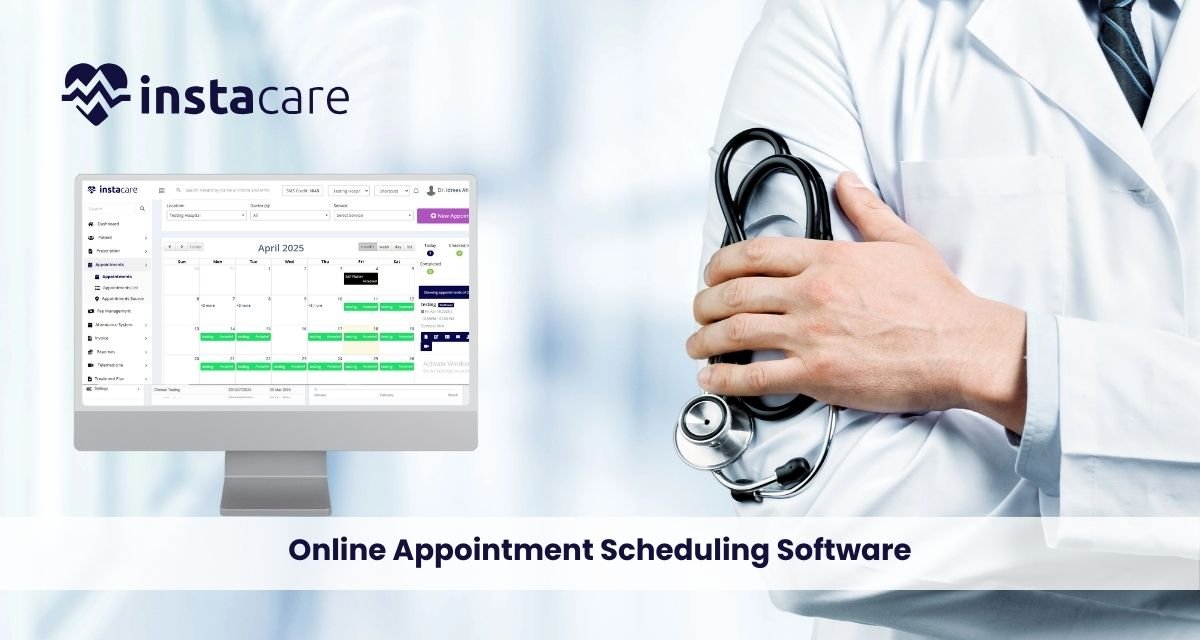
How Online Appointment Scheduling Software Is Transforming Medical Practices? As our digital age of living is in full gear, Online Appointment Scheduling Software is changing the face of medical practice. This revolutionary tool makes the entire process of scheduling appointments easy by enabling patients to schedule, reschedule, or cancel appointments at their convenience, anywhere, anytime. For medical professionals, it significantly reduces administrative tasks by eliminating scheduling work, lowering no-shows through automated reminders, and freeing staff to focus on more critical tasks. Through its function of connecting the providers to the patients, the technology enhances communication, efficiency, and overall patient satisfaction. Additionally, it sends real-time updates to calendars, seamlessly integrates with electronic medical records (EMRs), and enables providers to save time. Such software, used by medical practices, allows them to manage their practices efficiently, on time, and with a patient-centered approach. Online scheduling software is no longer a luxury, but a necessity for all modern-day hospitals and clinics that wish to excel in the current fast-paced, technologically driven age. Streamlining Administrative Workflows Physicians have always performed multiple functions, from walk-ins to appointments. Procedural functions always led to overbookings, missed show-up visits, and administrative mismatches. Physicians’ movement towards scheduling electronically is making that practice distinct now. Real-time calendar synchronization makes the doctors’ staff immediately aware of available time slots and prevents them from getting confused when handling multiple calendars. That transparency also helps avoid conflicts during meetings. Additionally, cloud-based appointment systems securely store data and can be accessed remotely at any time. This is especially convenient for multi-site practices where telehealth operations are conducted, and makes scheduling seamless and centralized. Streamlining Patient Experience with Self-Scheduling Today’s patients are increasingly focused on convenience. They do not have to wait on the phone to book an appointment or plan their day around the availability of a clinic. That’s where patient self-scheduling systems come in. Through offering Online booking for clinics, practices place patients in control of their care journey. Patients can schedule, modify, or cancel appointments 24/7, significantly improving satisfaction and volume. Automated reminders can also help patients, minimizing no-shows and missed appointments to a minimum. Reminders may be sent via SMS, email, or push notifications, whichever method is available to the patient. Ideal for Security and Compliance Issues In a field as heavily regulated as healthcare, security is not a luxury. HIPAA-compliant appointment software is a mandatory necessity to ensure that patient information is secure and your practice remains compliant. A quality system should incorporate encryption, user authentication, audit trails, and permission-controlled access levels. Data center commitment and disaster recovery functionality are two of the key functionalities in other cloud-based scheduling software. Such security will foster patient confidence and ensure business continuity during outages or emergency scenarios. Offers Revenue Growth and No-Shows Elimination One less apparent but extremely valuable benefit of online appointment scheduling software is its ability to reduce no-shows. Automated appointment reminders via SMS, email, or app notifications remind patients about their appointments, thereby reducing revenue loss. By reducing last-minute cancellations and no-shows, practices create space for walk-ins or waitlisted patients, thereby increasing revenue and resource utilization. Additionally, by allowing physicians to book online, clinics can more efficiently schedule last-minute appointments, thereby maintaining a full calendar at all times. Serves as The Future of Appointment Booking The digital revolution in healthcare appears to be accelerating, rather than slowing down. With telemedicine going mainstream and patient expectations changing, having strong healthcare appointment software is no longer a choice; it’s a necessity. Emerging trends, such as AI-powered scheduling, voice booking, and predictive analytics, will rapidly transform the patient-doctor relationship once again. Visionary clinics are already ahead of the curve, leveraging online appointment scheduling software as both a tool and a business enabler. What are the Principal Features of Scheduling Software? When making a decision, a person should consider the features of scheduling software that can enhance efficiency in a practice. Among the most useful features are: HIPAA-compliant scheduling tools for the protection of sensitive patient data Customizable scheduling platforms to fit the unique needs of different practices EHR system integration to ensure smooth flow of information and constant process continuity Waiting list, repeat booking, and provider preference appointment scheduling software Such features confirm that the software has the capability to meet the complex needs of various specialties, whether it is a high-volume dental practice, a dermatology clinic, or a general practice. Benefits of Online Scheduling Software Online Scheduling software for medical practices is advantageous for both providers and patients in several ways. Some of the greatest Benefits of online appointment scheduling are: Increased efficiency and fewer manual errors Enhanced patient satisfaction and retention 24/7 availability for booking Enhanced workload management for healthcare professionals Enhanced communication through automated reminders Decreased no-shows and cancellations These advantages collectively lead to a healthier, patient-centered model of healthcare. Best Practices Of Online Scheduling Software Despite numerous available solutions, the ideal appointment scheduling software must possess some deal-breaker features. Consider the following: Real-time calendar sync to avoid scheduling conflicts Support for EHR systems for easy medical record management Mobile-friendly accessibility interfaces for all types of devices Adjustable scheduling platforms to suit various workflows Cloud-based appointment systems for remote access and scalability Further, choosing a multi-location supported solution with multilingual interfaces is optimal for growing practices. Choosing the Right Software for Your Practice Choosing practice scheduling software is more than selecting a familiar name. Each practice must consider its own particular needs, including the number of providers, patient volume, and means of communication. Most also prioritize integration with EHR systems to avoid switching between applications and minimize redundancy. Others require appointment management software that can manage a large staff or complex procedures. Trial periods, customer reviews, and vendor support are all factors that need
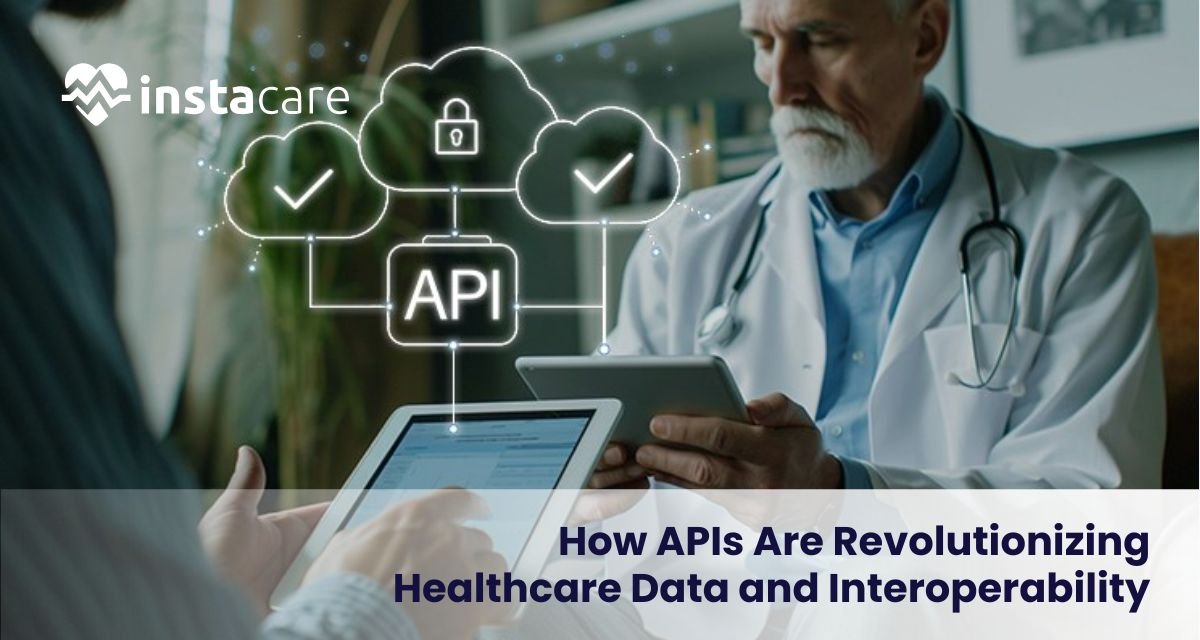
How APIs Are Revolutionizing Healthcare Data and Interoperability? In today’s fast-evolving world of medicine, APIs in Healthcare are quickly becoming an irreversible phenomenon, enabling systems, devices, applications, and providers to talk to each other in a seamless process. As the healthcare industry goes digital, APIs (Application Programming Interfaces) have proved to be the solution for the challenges posed by siloed systems, legacy systems, and the non-existence of patient data. APIs are transforming how stakeholders consume, share, and utilize health data, making healthcare more integrated, outcomes better, and the patient experience better. Discover the Role of APIs in Healthcare APIs in Healthcare allow various software systems to talk to each other. Whereas medical systems used to exist in silos earlier, APIs are breaking the walls with interoperability and real-time data sharing. APIs are providing data reliably, securely, and quickly from Electronic Health Records (EHRs) to telemedicine platforms and mobile health apps. Whatever the name—healthcare API Integration in hospitals or Use of APIs in Healthcare SaaS—such technology supports seamless, accurate, and efficient communication between platforms and others. Regulators calling for more integrated systems are pushing healthcare industry participants to depend on APIs for compliance solutions, efficiency enhancers, and seamless patient care. The Power of FHIR: A Standard for Healthcare APIs The revolutionary release of HL7’s FHIR (Fast Healthcare Interoperability Resources) API is a paradigm shift. It provides a standard for formatting health data on every platform and locking it to be exchanged across platforms. FHIR APIs simplify exchanging data, especially in the integration with EHRs, patient portals, or wearables. FHIR is RESTful, allowing developers to create scalable, flexible, and secure health technology solutions. Because of this standard, Healthcare APIs can handle large volumes of structured data between many healthcare providers, labs, and apps. Benefits of APIs for Healthcare The Benefits of APIs in Healthcare are many and profound. They relieve administrative drags, empower value-based care, and optimize operational workflows. Key Benefits Are: Faster Access to Patient Information: Real-time data recovery speeds up diagnosis and treatment. Improved Care Coordination: Doctors, labs, and specialists can seamlessly share information. Empowered Patients: APIs allow patients to see and manage their health records via portals and mobile applications. Reduced Cost: Reduced duplication and errors mean reduced cost of operations. Understanding the Role of API in Healthcare Data and Interoperability APIs in Electronic Health Records (EHR) APIs in Electronic Health Records (EHRs) are revolutionizing the way healthcare organizations handle clinical information. APIs allow EHRs to become interoperable with third-party systems such as analytics systems, mobile applications, and insurance repositories. API-powered EHRs allow providers to: Access patient histories in seconds. Synchronize the results of diagnostic tests. Auto-verify and auto-bill insurance. All this API automation eliminates clinician burnout, too, by limiting data entry and improving documentation quality. Sharing of Data by APIs: An Open, Patient-Centered Future Patient Data Sharing via APIs opens the door to an open, patient-centered future of care. APIs allow it to be simple for patients to see lab test results, medications, immunization history, and treatment history through safe mobile apps or websites. Accessibility engages patients more, improves compliance with treatment plans, and makes second opinions or virtual visits possible for care. This is how APIs make patients and healthcare professionals more empowered: Centralized Access: Patient records from different professionals are made accessible at one location. Secure Sharing: Information can be safely shared with caregivers or specialists. Telemedicine Support: APIs support telemedicine assistance by integrating patient history, diagnosis, and medical records. API Security in Healthcare: Preserving Secure Data Exchange With a vast data exchange capacity comes the need to safeguard it. API Security in Healthcare is likely the most vital implementation aspect. Data breaches, unauthorized access, and identity theft can spell cataclysmic effects for a healthcare environment. Modern APIs are built with solid security controls such as: OAuth 2.0 and Open ID Connect for authentication. Encryption via TLS for secure communication. Audit logs for monitoring access and changes. These measures help create HIPAA-compliant healthcare APIs that meet all legal standards for confidentiality and data security. Interoperability through Healthcare APIs Interoperability through Healthcare APIs serves as the basis for collaborative healthcare systems. It enables heterogeneous vendor or departmental systems to share and use information without hindrance. This interoperability results in: Reduced medical errors due to missing information. Less complex workflows and fewer bottlenecks. Better coordination among pharmacies, labs, and primary care. APIs in Telemedicine Platforms APIs in Telemedicine Platforms have enabled healthcare providers to deliver better care remotely. APIs combine video conferencing devices, patient information, diagnostic tools, and scheduling into a single platform. API-enabled telemedicine capabilities are: On-demand viewing of health history during remote consultation. Interoperability with Medical Device Integration with APIs such as pulse oximeters or ECG monitors. Real-time e-prescriptions and follow-up appointments. Custom API Development for Healthcare Providers For proprietary workflows of such companies, Custom API Development for Healthcare delivers customized solutions. Specialty to specialty practice management software, specialty Clinical dashboards, specialty, custom APIs deliver unsoiled connectivity from internal to external systems. Custom APIs can rectify: Compliance requirements on some. Proprietary device integration. Complex multi-system environments. Mobile Health App APIs: Empowering Patient Engagement Mobile Health App APIs Programming Interfaces revolutionize patients’ interaction with healthcare. APIs allow mobile apps to interface with EHRs, wearables, and scheduling platforms to offer a customized health experience in real time. As digital-first care models become the order of the day, the apps offer the following services: Medication reminders Fitness tracking Real-time consultations Health monitoring alarms Real-Time Data Exchange in

How Telehealth Is Transforming Rural Healthcare Access? Telehealth in Rural Areas has been a revolution for hundreds of millions of residents of remote areas in recent years. Lack of access to health professionals, distances, and the affordability of specialist centers have long tormented rural communities. But with telemedicine, the gap between rural communities and good treatment has been narrowed, improving the availability, efficacy, and potential punctuality of healthcare. What includes Rural Telemedicine Success Stories? Across the United States, many rural telemedicine success stories speak volumes about its broad reach. One such story is of a rural patient in Nebraska with a heart condition in Nebraska who avoided regular hospital visits through remote monitoring. An Alaskan child was also treated for timely neurological care using Telehealth in Rural Areas, both saving time and travel costs. These anecdotal examples illustrate how technology can diffuse care geographically more evenly. Learn About the Relevance of Telehealth in Rural Counties Telehealth in Rural Areas fills the most significant gap: geospatial remoteness. While the overwhelming majority of small villages and remote hamlets have experienced poor health provider availability overall, if not specifically, specialist care telehealth in rural communities can hardly be downgraded since it expands the fact of speedy consultation, diagnosis, and check-up with a visit. The importance of Telehealth in Rural Communities is significant. Telemedicine enables patients to have primary care physicians, mental health therapists, and chronic disease management providers in the comfort of their own homes. This convenience is particularly valuable to those with chronic illnesses or mobility impairments. Virtual Care for Underserved Populations: A Lifeline Virtual Care for Underserved Populations is not something one can pay for; it must be done. Poor and elderly patients greatly benefit from virtual visits. The Benefits of virtual care extend beyond convenience—it includes improved access through language services, disability accommodations, and integrated behavioral health programs, all designed to ensure that no patient is left behind. Telehealth Services for Rural Seniors By far the most compelling success story is the innovation of Telehealth Services for Rural Seniors who live in rural districts. These citizens have a combination of chronic ailments with mobility issues. Telehealth in Rural Areas enables the elderly to: Discuss their primary physicians consistently Have access to networked monitoring of their vital signs Take medications online with electronic reminders Get visited virtually for physical therapy visits These services are instrumental in facilitating independence with round-the-clock care, even in the home. Mobile Health Clinics and Telehealth Integration Mobile Health Clinics and Telehealth complement each other to increase access to health care for the most difficult-to-reach individuals. Mobile clinics are equipped with technology so that patients can still be connected to remote physicians as on-site nurses administer standard treatment procedures. Its key features are: Diagnostic testing and screening while on the move Video consultation with city-based experts Immunization service and education Remote instrument-assisted evaluation of chronic disease This hybrid model is especially useful in areas where the nearest hospital is hours away. Rural Healthcare Telehealth Policy: Role of the Government An effective Telehealth Policy for Rural Healthcare is needed to ensure long-term success. Government programs include the expansion of telehealth reimbursements, broadband penetration promotion, and endorsement of cross-state licensure for medical doctors to practice virtually. The policies are aimed at: Eliminating regulatory hurdles to rural providers Encouraging hospital and clinic use of telehealth Backing telehealth training programs Policymakers will need to continue to fight for equal access to virtual health resources across all regions. Benefits of Telehealth for Rural Patients One of the most significant benefits of telehealth for rural patients is its convenience. It is time and money-saving, as it spares travel, which is usually time-consuming and expensive. The patient is also treated earlier before complications set in as a result of delayed treatment. Other advantages are: Specialized cardiology, psychiatry, and endocrinology services are provided at access Remote fill prescriptions and review lab tests Scheduling is flexible to patients’ daily schedules Waiting time and the emergency department have been reduced With care continuity facilitation and patient control, telehealth tremendously enhances the outcome of rural residents. Understanding the Increased Rural Telemedicine Access Despite all of this, there are issues with Telemedicine Access in Remote Areas. These include being unable to connect, using digital applications, and having no device. Efforts are, however, underway across the country to expand the Telehealth Infrastructure in Rural Areas. Federal and state investments are now focused on: Broaden broadband services Supplying finance for the clinic’s mobile technology Educating local healthcare providers to use telehealth software Improve cybersecurity for safe information transmission This expanding infrastructure must modernize and maintain telemedicine solutions in rural and underserved areas. Challenges to Telehealth in Rural Communities Even with such advances being extremely promising, there remain Barriers to Telehealth in Rural Areas. Poor high-speed internet Poor training of providers and patients Data security issues Huge investment budget restrictions for small clinics These challenges will take multi-stakeholder planning and effort in the long run. Overcoming Healthcare Challenges in Rural Regions Rural care is confronted with the majority of the Healthcare Challenges in Rural Regions as a result of shortages of providers, namely for mental illness and chronic disease management. Patients defer care due to unavailability and suffer from avoidable complications. Telehealth provides a solution for Improving Healthcare Access Through Telemedicine by: Linking patients to out-of-state experts Offering evening virtual urgent care Enabling early diagnosis through constant monitoring With strategic deployment, telehealth can minimize these long-standing rural healthcare hurdles. Know about Remote Patient Monitoring in Rural Areas Remote Patient Monitoring in Rural Settings

What Are Healthcare SaaS Solutions and How Do They Benefit Healthcare Providers? Healthcare SaaS Solutions have transformed the processing, storage, and retrieval of patient information in medical centers, leading to overall operational efficiency. With web-based software, healthcare businesses can install applications within the internet domain without being bound to costly, traditional IT infrastructure. Though rapid access to patient information, security, and scalability remain the major concerns for healthcare businesses, SaaS has been a game-changer. They function as a budget-friendly and adaptable off-site software that surpasses on-location software in improving both administrative automation and clinical outcomes. What are Healthcare SaaS Solutions? Clinics, hospitals, and other healthcare facilities use web-based software that runs through cloud hosting systems. Users obtain access to programs through their web browser instead of installing software on each device. This saves money in the initial phase and allows for software updates in real time, thereby making SaaS Solutions for Health IT more responsive and scalable. What are SaaS Solutions in Healthcare? Simply put, they are computer software and services that run on cloud infrastructure and are supplied on subscription terms to healthcare organizations. They are being widely adopted across all segments of the healthcare ecosystem, from small-sized practices to large-sized hospital groups. Some examples include: EHR SaaS Platforms for management of electronic patient records. Telehealth SaaS Platforms for remote consultations. Medical Billing SaaS Software for simplification of revenue cycle management. Patient Management SaaS Solutions for appointment scheduling, communication, and workflow management. Key EHR SaaS Platform Features Centralized electronic records and remote access Smooth integration with lab and imaging devices Simplified data entry forms and enhanced accuracy Role-based access to facilitate greater data security Interoperability with health information exchanges (HIE) All these features allow the clinical space to be more efficient and coordinate patient care better. Healthcare SaaS Trends Healthcare SaaS Trends mirror increasing interest in: Integration of artificial intelligence (AI) and machine learning Predictive patient outcome analytics Voice-activated digital note-taking assistants Wearable health device integration Blockchain secures patient data sharing All these advancements are a testament that SaaS healthcare is not a transitory process but a natural progression in health technology. Advantages of Healthcare SaaS Solutions The use of healthcare cloud solutions has a plethora of advantages. The most essential Benefits of Healthcare SaaS Solutions are discussed in brief below: Scalability: Add services as and when necessary without hardware modifications or upgrades. Accessibility: Access by authorized individuals from anywhere. Cost Savings: Subscription instead of investing colossal sums of money initially. Automated Upgrades: No user guide or software installations or upgrades are necessary. Higher Collaboration: Teams of people collaborating in real time, department or location-based. Advantages of Healthcare SaaS Solutions also involve greater healthcare regulatory compliance, like HIPAA, due to strong security. Use Cases: SaaS for Hospitals and Clinics Hospitals and clinics increasingly utilize SaaS for Hospitals and Clinics to enhance operating efficiencies. Healthcare SaaS Solutions assist in managing a range of functions: Patient intake and scheduling Clinical documentation and diagnostics Billing and insurance claims Inventory and pharmacy management By using SaaS platforms to replace traditional legacy systems, healthcare professionals can keep better records, engage with patients more effectively, and have a smoother administrative process. How Cloud-Based Healthcare Software Revolutionizes Healthcare? Cloud-based healthcare Management Software involves some variation from legacy on-premise systems: Remote Access: Physicians and personnel can access information at home, mobile, or remote access points. Real-Time Data Synchronization: The information synchronizes in real time between all devices. No Disruption for Updates: Updates are conducted without causing process disruptions. Also, backup and disaster recovery procedures are supported by cloud-based platforms, which are strongly imperative in healthcare, where data integrity is the principal requirement. Adding Security: Data Security in Healthcare SaaS One of the most significant issues with electronic health systems is data security. All the best: Data Security in Healthcare SaaS is a top concern with developers. These solutions deploy robust encryption, access controls, and audit trails to protect patient-sensitive information confidentiality. Most healthcare SaaS solutions integrate compliance with healthcare data policy under HIPAA, GDPR, and HITRUST, which assures healthcare professionals. Personalization with SaaS Customizable for Healthcare Providers Indeed, the most attractive feature of such solutions is their flexibility. Customizable SaaS for Healthcare Providers can be designed so that clinics can customize it based on their unique workflow, patient pool, and operational needs. SaaS’s flexibility, from adding new modules to utilizing third-party software, makes it a perfect solution for dynamic healthcare environments. SaaS vs On-Premise: Comparison For comparing SaaS vs On-Premise Healthcare Software, SaaS certainly has an advantage over the following: Cost (low initial cost) Deployment time (quicker deployment) Maintenance (Vendor support) Flexibility (ease of remote access and scalability) On-premise solutions remain available to some large organizations that have specialist IT staff, but SaaS is the choice of most healthcare providers today. Role of AI in AI-Powered SaaS in Healthcare AI-powered SaaS in Healthcare is empowering physicians to diagnose and treat patients quickly and precisely. Such tools can: Process vast amounts of information to identify patterns Automate administrative routine tasks Enabling clinical decision-making through informed decisions Artificial intelligence enhances SaaS and turns it into an engaged tool instead of a passive system. Enhancing Operations with Patient Management SaaS Tools Reminders and scheduling of appointments Secure messaging among providers and patients Integrated billing and claims Automation of workflows and tasks Custom care coordination dashboards

Telehealth for Elderly: A Modern Shift in Senior Healthcare Telehealth for Elderly is transforming how elderly people are treated medically. Using technology, elderly people can get treated at home, reducing hospital visits. Telehealth facilitates virtual consultations, regular check-ups, medication management, and round-the-clock monitoring, all from the comfort of their own homes. In recent years, especially after the COVID-19 pandemic, the healthcare industry has experienced an overnight boom in virtual care solutions for elderly individuals. Ranging from home-based to mobile health applications, older individuals are gradually adopting digital healthcare solutions for chronic condition management, specialty care, and well-being. The Advantages of Telehealth for Seniors The Benefits of Telehealth for Seniors are numerous and contribute to their overall well-being. By minimizing travel time and providing quicker access to medical consultation, elderly people have both comfort and improved healthcare. Less stress and travel expense Quicker consultation for chronic conditions Less exposure to infectious diseases Easy access to experts Improved medication compliance with digital reminders The main advantage is regular contact with primary care practitioners. Regular contact allows for case following up on medical trends, recording early signs of deterioration, and preventing emergencies, particularly among the elderly with multiple states of illness or living alone. Principal Telemedicine Services to Older Patients Older patient telemedicine care has expanded exponentially. They include virtual consultation, online counseling of the mind, physical rehabilitation guidance, and monitoring of chronic diseases. The following are the Telemedicine Services for Elderly Patients: Video call-based first care visits Post-hospital discharge follow-ups Treatment of anxiety and depression remotely for mental health Electronic management of prescriptions Tracking vital signs with wearable technology Telemedicine facilitates greater care coordination among specialists, caregivers, and family members. Doctors can share electronic notes on the same platform and refer patients to physical therapists or nutritionists as needed. How Seniors Can Use Telehealth? We must realize How Seniors Use Telehealth to develop systems ideally suited to their requirements. Older persons primarily utilize telehealth via smartphone, tablet, or desktop computers to call physicians, ask for medication refills, or attend therapy. Today’s older population increasingly makes appointments online, receives follow-up test results via telehealth portals, and even consults a dietician remotely to ensure nutrition. Others utilize devices connected to telehealth systems, which allow physicians to analyze health in real time. Proper training and technical assistance make seniors capable telehealth users. Technology Barriers in Elderly Telehealth One of the biggest challenges in the growth of technology barriers in elderly telehealth is the digital divide. Most elders have trouble with: No access to high-speed internet Lack of familiarity with smartphones or computers Physical disability (hearing, vision, dexterity) Concerns regarding privacy and data security Technophobia is another significant barrier. Sure, seniors are unwilling to accept telehealth because they are unfamiliar with it, leading to frustration or avoidance. This can be addressed with easy-to-use sites, guides, and quick technical support. Steps are also taken to provide low-cost or subsidized internet plans and easy-to-use devices to seniors. Caregiver support and community education classes also facilitate seniors’ use of Telehealth for Elderly equipment. Senior-Friendly Telehealth Sites To be used optimally, telehealth sites utilized by seniors must be easy to use. Easy-to-use features with fewer complexities are: High-contrast color and large print Easy one-click scheduling Captions and audio cues Technical support via phone or chat HIPAA-safe secure connections A good platform is not merely interested in appearances; it also considers seniors’ motor skills and brain processes. Simplification, reducing the number of steps, and using graphical icons rather than textual menus are examples of usability. Some health practitioners now have senior helplines and tutorial videos specifically for seniors. These provide seniors with the capability to receive Telehealth for the Elderly easily. Remote Healthcare for Older Adults Remote Healthcare for older adults isn’t a band-aid; it’s an effective model for continuing care. Physicians can detect early signs of declining health by conducting continuous remote checks and adjusting care plans accordingly. Remote medicine also enhances chronic disease management, such as: Hypertension Diabetes Arthritis Heart disease COPD It improves patient outcomes and decreases hospital readmission. Seniors no longer need to wait for signs and symptoms to worsen before visiting a physician; timely care via digital is now available. Home-Based Telehealth for Seniors: Bringing Care Close Home-based telehealth for Seniors brings medical services to their doorsteps virtually. They no longer have to take the highway to clinics for all those minor complaints. The advantages of Senior-Friendly Telehealth Platforms are: Off-site diagnosis through mobile applications Regular follow-ups conducted through video consultations Home-based drug delivery according to prescription Health counseling and lifestyle counselling This model is useful, particularly for elderly individuals living in rural or dispersed environments. It offers level access to quality service and avoids excluding them on geographic grounds. In addition, home care is economic. It keeps ambulatory treatment, ER usage, and unwarranted admission to a minimal level. It also maintains minimal stress and an environment conducive to peaceful healing. Telehealth Solutions for the Aging Population Creating effective Telehealth Solutions for the Aging Population requires a combination of medical expertise and technology based on user experience. The solutions tend to include: Easy-to-use personalized apps 24/7 virtual nurse phone helplines Telehealth-connected emergency alert systems Live health monitoring using smartwatches Coordination between experts, caregivers, and family members These technologies, including tools like a Clinic Management System, bridge the gap in medical care for elderly people who need regular consultations with a physician. They also empower older adults
Transforming Best Healthcare with Automation From electronic health records (EHRs) to medical imaging systems, healthcare with automation is rapidly transforming the way. Automation has allowed clinicians to better manage their workflow, improve accuracy and efficiency in providing care, and ultimately respond more effectively and quickly to patients’ needs. As healthcare continues to go digital, automation can become an invaluable tool for providers by offering a wide range of benefits that will help shape the direction of modern medicine far into the future. In this blog post, we’ll look at how healthcare providers are leveraging automation technology to provide better service while streamlining operations and improving outcomes for patients across all areas of health. How Automation is emerging as a Major Factor in the Healthcare Industry Healthcare with automation is proving to be a game-changing development in the medical world. With the increasing pressure on practitioners to deliver high-quality care, automation is emerging as a vital factor in keeping up with the demand. Automation has transformed medical care by making previously time-consuming and complex processes, such as medical records management and patient monitoring, more efficient and effective. Furthermore, it has helped minimize human error and free up medical professionals to focus on more critical and complex medical procedures. Healthcare automation is transforming the way medical professionals manage care, leading to better health outcomes for patients, and revolutionizing the industry as we know it. Book Free Demo Benefits of Automation for Patients and Professionals Advancements in medical automation have been a game-changer for both patients and professionals in the healthcare industry. With complex algorithms and cutting-edge technology, the benefits of automation are undeniable. Patients are experiencing improved accuracy in diagnosis and treatment, as well as faster turnaround times when it comes to receiving test results. Meanwhile, healthcare professionals are able to streamline processes, reduce the margin of error, and ultimately provide better care to their patients. By allowing technology to handle repetitive tasks, medical professionals are able to focus on providing personalized care to their patients. All in all, the implementation of medical automation is a crucial step towards more efficient and effective healthcare delivery. Challenges Faced by Automation in Healthcare The advancements in technology are driving automation and digitalization in various industries, and healthcare is no exception. Although automation has been adopted by many healthcare institutions to simplify processes and reduce errors, there are still challenges to its widespread adoption. One of the significant challenges faced by automation in healthcare is optimizing the healthcare process. Physicians, nurses and other healthcare workers have a lot of responsibilities to ensure quality patient care. Hence they need a smooth and efficient process to maintain accuracy and minimize delays. However, automation can sometimes halt certain processes due to technical errors or conflicting data. Therefore, healthcare institutions must optimize their processes before the adoption of automation so that the integration of technology can lead to improved healthcare outcomes. Examples of healthcare with automation Automation has become an increasingly important tool in many industries, including healthcare. One area where it has made a significant impact is in automated patient care. This technology allows for medical professionals to better monitor and treat patients remotely, reducing the need for in-person visits and providing more efficient care. For example, some hospitals have implemented automated bedside monitoring systems that track vital signs and alert nurses to potential problems, allowing for quick and effective intervention. Other applications include automated medication dispensing systems and robot-assisted surgeries. As technology continues to advance, we can expect to see even more innovative uses of automation in healthcare. View More: Streamline Your Medical Billing with Medical Billing Software Exploring the Potential of AI and Machine Learning in Healthcare The healthcare industry is continuously seeking innovative solutions to improve the quality and efficiency of their services. One of the most promising advancements in this field is the integration of Artificial Intelligence (AI) and Machine Learning techniques. By relying on technology to analyze vast amounts of data, healthcare providers can access valuable insights that inform better decision-making for patients’ health. With the rise of digital healthcare solutions, AI and Machine Learning have become even more critical in providing accurate and timely diagnoses, reducing medical errors, and personalizing treatment plans for patients. The potential of these technologies to transform healthcare is undeniable, and the industry is moving towards greater reliance on AI and Machine Learning to provide effective and efficient solutions. The Impact of Automation on Cost, Quality, and Accessibility The healthcare industry has seen a significant shift towards automation in recent years, with machines and advanced technologies changing the way medical services are delivered. This shift has brought about several advantages, including lower costs, improved quality, and greater accessibility. With automation, processes that were once labor-intensive and time-consuming have become streamlined and efficient, and this has resulted in reduced costs for patients and providers alike. Additionally, healthcare with automation has improved the quality of healthcare services by minimizing errors and enabling more accurate diagnoses. Finally, automation has made healthcare services more accessible by expanding possibilities for remote monitoring and treatment, particularly for patients with chronic conditions. The impact of automation on cost, quality, and accessibility in the healthcare industry is truly transformative and will continue to be an area of significant innovation in years to come. Conclusion Transforming healthcare with automation holds great potential for streamlining and improving medical operations. Automation can allow patients to have faster, more accurate diagnosis, as well as increased access to quality homecare services. Not only this, but implementation of automated systems can also boost lower-division staff efficiency and reduce costly mistakes in the long run. In short, automation is a tool that has immense potential in revolutionizing the entire scope of care given to patients, and health professionals should begin integrating it into their workflow sooner than later. Automation does not replace patient care; instead it empowers healthcare workers to provide better service, allowing them the time to focus on addressing individual needs while improving accuracy and quality. By looking at where
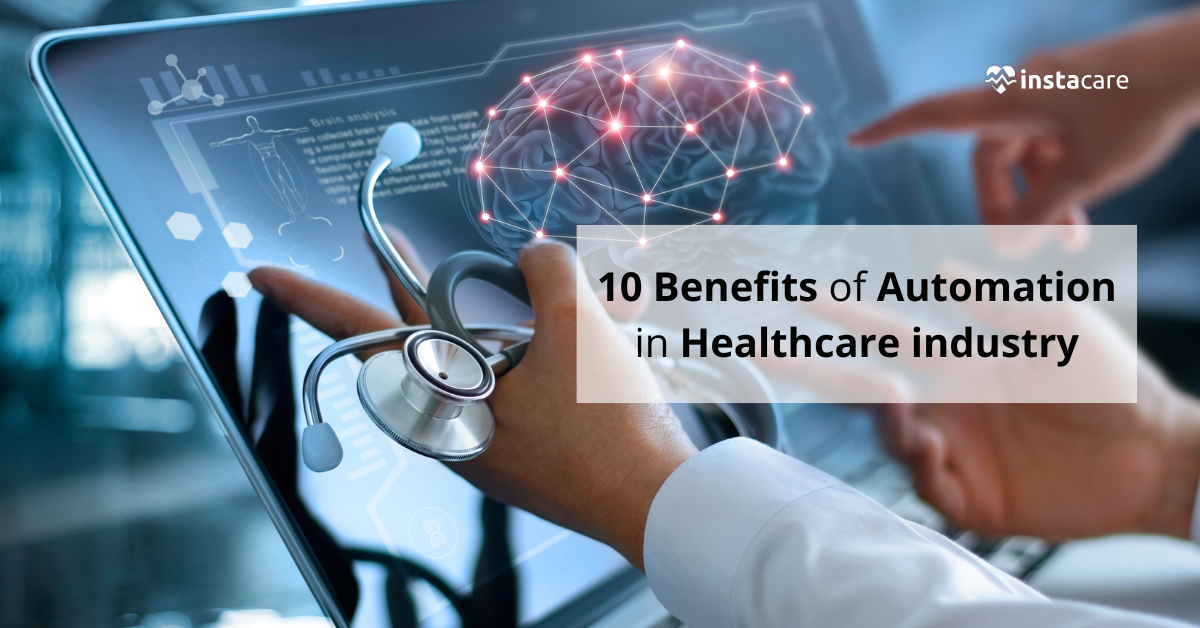
10 Benefits Of Automation In Healthcare Industry It’s important to understand what automation in healthcare actually entails first. Although vendors frequently claim that their goods or services include some automation, this isn’t always the case. Products that must be started by staff members before they can function aren’t truly automated. True automation in healthcare based services and products operate in the background without constant attention. Automated solutions are those that can complete a sequence or task, even when staff members are not aware they are doing so. Remember that for a solution to qualify as automatic, it must be able to start, run, and finish without the need for human involvement or assistance. Benefits of automation in healthcare are as follows: Lower Costs One of the main benefits of automation in healthcare is helps lower costs. Automation helps do this in several ways, such as Reduced errors Less overtime Superior efficiency Automation allows practitioners to complete even more tasks in a shift, which reduces overall stress. The decrease in overtime also enables staff to devote more time to patient care, resulting in fewer medical errors necessitating significant payouts. View More: 5 Reasons Why Your Paper Based System is Slowing Your Practice Down Easy Scheduling Due to scheduling conflicts and the requirement to match patients with the appropriate location and provider, manual scheduling requires time and frequently proves challenging. This can be done more successfully by automating scheduling, which improves the effectiveness of making and canceling appointments. Improved Information Access and Transfer Automation of data transfer and immediate addition of patient data after collection to a database Data sharing with other departments or organizations is made simple as a result. In the healthcare sector, data sharing is frequently a challenge, and automating this procedure eases treatment workflow bottlenecks when several departments must collaborate on a patient’s diagnosis or treatment. Changing With The Times Many healthcare systems now use machine learning, a form of automation, to more easily adapt to change, such as sudden changes in patient volume. This frequently helps emergency rooms because it enables them to change their staffing levels as patient volumes change. Additionally, it reduces ambulatory service wait times. Decrease In Errors Reduced human involvement in automated care lowers the possibility of human error. Although automated provider tools are used to aid in patient diagnosis and treatment, automating administrative operations processes also has significant advantages. Book Free Demo Rapidity And Accuracy Of Diagnoses When diagnosing patients, especially those with serious illnesses, time is of the essence. The likelihood of more serious complications or even death rises when a diagnosis is postponed. Automating procedures enables clinicians to provide patients with quicker, more accurate results. Improving Patient Privacy Respecting the Health Insurance Portability and Accountability Act is crucial for safeguarding patients’ protected health information and personally identifiable information. By automating case management data, it is possible to ensure HIPAA compliance and limit access to personal health information to only those who are authorized. Managing Healthcare Workflows Operating healthcare facilities requires managing a variety of workflows, including remote monitoring, hiring, scheduling, and supervising staff as well as case management, utilization management, and patient wellness. Every workflow contains details about common but crucial tasks that are necessary for patients and providers. Staff must invest a lot of time in manually managing these workflows. Improved Patient Satisfaction Patient satisfaction is influenced by many variables. While the caliber of care received is an important consideration, patients’ satisfaction is also impacted by how simple it is to check in, schedule appointments, and complete those appointments. Patient satisfaction is also impacted by the overall appointment time, which includes wait time and the time it takes to schedule an appointment. Improved Clinical Diagnosis And Decision-Making One of the main benefits of automation in healthcare is that it can improve clinical judgments and support evidence-based practice, which combines clinical practice with the application of research to identify the best methods for diagnosis and treatment. Conclusion Automation in healthcare continues to become more common in the healthcare industry, and many tasks within healthcare lend themselves to automation. For the best Automation in healthcare industry feel free to contact us https://instacare.com.pk/.