


InstaCare Partners with LCCI to Provide Premium Healthcare Benefits to 46,000+ Businesses Across Pakistan InstaCare, Pakistan’s leading healthcare platform, has officially partnered with the Lahore Chamber of Commerce & Industry (LCCI). This collaboration offers over 46,000 businesses across Pakistan access to exclusive healthcare benefits, including up to 30% discounts on lab tests, radiology, and consultations. Exclusive Healthcare Benefits for LCCI Businesses Through this strategic MoU, InstaCare provides affordable healthcare solutions to employees of LCCI-affiliated businesses. Key benefits include: 30% discount on essential lab tests, radiology services, and medical consultations. Access to InstaCare’s Super Health App for seamless health management. Workshops and digital health tools to promote wellness across the corporate sector. This partnership aims to make healthcare more accessible and cost-effective for businesses across Pakistan. Corporate Health Transformation: A Nationwide Initiative The collaboration is set to reshape corporate health programs in Pakistan. By leveraging digital innovations and workshops, InstaCare will support businesses in prioritizing employee health and wellness. These programs are part of a broader initiative to transform corporate healthcare in Pakistan, ensuring employees have access to high-quality services at discounted rates. InstaCare’s CEO (Bilal Amjad) said, “This partnership will significantly improve access to healthcare for thousands of employees across Pakistan. We are excited to offer these benefits to help businesses create healthier, more productive environments.” How InstaCare is Making Healthcare More Accessible As part of this initiative, InstaCare is bringing advanced healthcare technology directly to employees of LCCI-affiliated businesses. Through the InstaCare Super Health App, users can: Book appointments for consultations and tests. Access digital health tools to monitor and manage their health. Find nearby healthcare facilities offering discounted services. The app ensures quick access to healthcare services, making it easier than ever for businesses to maintain the well-being of their employees. About InstaCare: “InstaCare is a leader in corporate healthcare solutions, partnering with businesses across Pakistan to provide high-quality healthcare benefits for employees. With a mission to transform corporate wellness, InstaCare brings innovative health solutions to organizations, enabling them to provide affordable healthcare options for their workforce.” About Lahore Chamber of Commerce & Industry (LCCI): The Lahore Chamber of Commerce & Industry (LCCI) represents businesses across Pakistan, advocating for better policy and promoting business growth. The LCCI network serves as a platform for business collaboration and community development. Contact Information: Website: Instacare.com.pk Phone: (92) 309-4447192 Email: business@InstaCare.com.pk App Download: [Download InstaCare Super Health App]
Product-Led Growth (PLG) in SaaS: Strategy, Benefits & Best Practices In the fast-changing and competitive SaaS landscape of today, Product-Led Growth (PLG) is now among the most successful ways of scaling SaaS companies. Compared to traditional paradigms of marketing and sales, PLG trusts in enabling the product itself to be responsible for user acquisition, retention, and expansion. By doing this, the process puts the product experience at the center of the customer journey, and it results in more natural and scalable growth. This guide explores what PLG is, why SaaS cares about it, its basic building blocks, most popular benefits, and best practices to make it successful. What is Product-Led Growth (PLG)? Product-Led Growth (PLG) refers to a business strategy where the product itself is the key driver of customer acquisition, activation, and retention. In a PLG model, users self-discover and start using a product themselves, typically through a freemium in PLG or trial, isolated from contacting sales or support teams. This is a reversal of the old funnel. Instead of sales or marketing efforts first, users experience the value of the product directly. It’s a bottom-up strategy with an emphasis on a user experience that effortlessly turns free users into paid customers. One famous product-led growth example is Slack, which was broadly adopted through its clean design, easy onboarding, and ability to solve communications pain points directly without needing a long sales pitch. Why PLG Matters in SaaS? SaaS companies exist on scale, automation, and retention. PLG just perfectly fits these needs. Traditional go-to-market strategies outsourced sales and expensive marketing may struggle to keep pace with the expectations of current B2B and B2C buyers. They would rather “try before they buy,” educate themselves, and self-onboard. This is where PLG shines. It allows users to learn the product value upfront, with more control and confidence. Contrast product-led vs sales-led growth, PLG offers a less expensive and more scalable path, especially for companies targeting global markets or SMBs with low contract value. Core Elements of a PLG Strategy To build a successful PLG motion, SaaS companies need to be sensitive to several fundamental building blocks: 1. Frictionless Onboarding A successful PLG onboarding experience allows customers to learn and gain access to the core value of the product in an instant. Think guided tours, templates, interactive walkthroughs, and contextual tips that reduce time to value (TTV). 2. Self-Serve Infrastructure One of the basic foundations of the self-serve SaaS model, it is about allowing customers to sign up, upgrade, bill, and even cancel without ever having to talk to sales or support. One of the most significant considerations for reducing customer acquisition cost (CAC) and maximizing scalability. 3. User Activation User activation in PLG is the moment when a user receives a beneficial consequence from the product. Activation matters since that’s where the periodic user is turned into a potential long-term customer. Activation metrics help in bringing forth friction points in the user experience. 4. Product Qualified Leads (PQLs) Product qualified leads (PQLs) are users who have experienced notable product value and are very likely to be paying customers. Unlike regular MQLs or SQLs, PQLs are based on usage patterns and in-product signals. 5. PLG Metrics Track the appropriate product-led growth metrics to refine your strategy. These are activation rate, time to value, expansion revenue, product engagement score, churn rate, and PQL conversion rate. Book Your Free Marketing Consultation Benefits of Product-Led Growth Embracing PLG releases numerous strategic advantages for SaaS businesses: ● Lower Customer Acquisition Costs Since users can onboard themselves and experience the product without any direct intervention from sales, CAC declines significantly. ● Lower Time-to-Value (TTV) By making it easy for users to view immediately how the product can help them, PLG makes the adoption period shorter from sign-up. ● Higher Retention and Expansion Heavy users are more likely to stick around, add on features, and upgrade plans. ● Scalability PLG makes it possible to onboard thousands (millions) of users simultaneously without requiring proportional sales efforts, and it’s ideal for explosive growth. ● Improved Customer Experience PLG places the power in the user’s hand, allowing them to find out, experiment with, and purchase on actual product experience. This results in increased satisfaction and trust. The following are only a few of the benefits of product-led growth, but collectively, they can be a gigantic competitive advantage for SaaS companies today. Best Practices for Implementing PLG in SaaS To successfully convert or launch with a PLG motion, remember the following tested and proven best practices: ● Design for the End User Create product features and design for what the end customer needs, not just the buyer persona. This fosters adoption and advocacy on the grassroots level, subsequently influencing top-down buying decisions. ● Simplify Sign-Up and Onboarding Use one-click sign-ups, minimize unnecessary form fields, and get users to their “aha moment” as quickly as possible. A strong PLG and onboarding experience is essential in locking value early. ● Leverage Freemium or Free Trials Afreemium model in PLG allows users to learn about the product without friction. Make your free version provide real value, but holds back enough premium features to necessitate a step up. ● Measure and Refine PLG Metrics Track each touchpoint from onboarding to feature adoption to locate where users drop off and what drives activation. Use product-led growth metrics to refine and tailor user experiences. ● Enable Viral Loops and Referrals Attributes such as “invite a team member” or “share a report” enable users to proliferate the product within and between organizations, fueling organic growth. ● Bring Teams Together Around the Product PLG necessitates cooperation between product, marketing, sales, and customer success. Everyone needs to be aligned on common metrics, e.g., PQLs and activation rates. ● Create SaaS Growth Strategies Around Usage Different from traditional strategies that focus on campaigns and leads, SaaS growth tactics for PLG are built around driving growth, engagement, and usage from within

Edge Computing in Healthcare: Transforming Real-Time Patient Care Modern healthcare depends heavily on digital technology to propel patient care and process automation. Of all those technologies, edge computing is arguably the most important. Edge computing processes data at or near its origin, near the patient or medical device, instead of having all of it routed to distant cloud servers. This edge computing enables low-latency healthcare applications, which are critical in real-time patient monitoring and remote patient monitoring systems. Healthcare providers can enable faster, safer, and more reliable data processing at the edge through the assistance of edge computing, with direct effects on patient outcomes. With growing numbers of medical IoT devices and connected health platforms, healthcare ecosystems are rapidly becoming more complex and edge computing offers solutions to volume, speed, and data privacy. This article here explains what edge computing is, why it is so important in the context of healthcare, its key applications, benefits, and upcoming trends shaping the future of healthcare delivery. What is Edge Computing? Edge computing is a distributed IT platform where the processing happens at or near the edge where the data is created instead of shipping it to a remote data center or cloud. “Edge” refers to the physical site at the network edge, like a ward in a hospital, a wearable, or an off-site clinic. In healthcare, edge computing enables processing at the edge, on nearby devices or intelligent devices, and carries computation to patients, introducing less latency for data transmission required by time-sensitive healthcare processes. The technology enables applications with secure real-time health data that can make medical decisions feasible in a timely and reliable manner. In contrast to bandwidth and latency-constrained traditional cloud computing, edge computing offers an appealing and real-time processing of immense amounts of health data that are generated by internet-connected devices. Applications of Edge Computing to Healthcare Healthcare is uniquely suited to adopt edge computing because of the demands of fast data processing and privacy safeguarding. Edge computing has a variety of its most important applications in the healthcare sector: Real-time monitoring of patients: Sensors and wearables monitor patients’ vital signs in real-time. Real-time analysis is done by edge computing, allowing healthcare providers to respond early to dramatic changes. Security and privacy of data: Personal health data is processed locally, reducing the likelihood of transmission breach. Conservation of bandwidth: No data is transmitted to the cloud; only processed or necessary data is sent, defragmenting the network. Better decision-making: Real-time analysis at the edge device enables timely, informed clinical decisions. Rural and remote healthcare: Edge computing ensures effective delivery of health even in areas with sparse or patchy internet coverage. As 5G and edge in healthcare continue to expand, data reliability and speed are enhanced, enabling more sophisticated healthcare applications. Major Applications of Edge Computing in Healthcare Edge computing enables different healthcare innovations and solutions: Remote patient monitoring systems: Medical devices that track important indicators like heart rate, blood glucose, and oxygen level remotely process them locally to trigger alarms on abnormalities. It is vital for the management of chronic conditions as well as post-operative monitoring. Edge AI in healthcare: Edge AI in healthcare algorithms to support early diagnosis, personalized treatment plans, and predictive analysis without ever relying on the cloud. Edge analytics in healthcare: Healthcare organizations utilize edge analytics in patient care to track machine performance, predict failures, and streamline processes. Medical edge devices: Intelligent medical devices such as infusion pumps, ventilators, and imaging scanners use edge computing to work at their best and in a secure manner. Processing data at the edge: Processing data close to the patient location, healthcare workers eliminate delays, optimizing response in the case of an emergency. Medical IoT and edge computing: Connected healthcare equipment produces continuous, fluid streams of data, processed by edge computing to enable real-time monitoring and control. Edge computing use cases in hospitals: From intelligent operating rooms to patient flow management automation, edge computing enhances hospital workflows. Book Free Demo Edge Computing in Healthcare Benefits Healthcare acceptance of edge computing is followed by an array of benefits: Decreased latency: Faster processing enables rapid, time-sensitive, critical decisions in emergency and critical-care situations. Enhanced data security: Local processing lowers exposure to cyber attacks and enables easy compliance with privacy regulations like HIPAA. Enhanced patient care: Real-time observations and rapid data analysis facilitate on-time intervention and enhanced treatment protocols. Reduced costs: Reduced data transmission and cloud storage requirements save healthcare centers on IT expenses. Business continuity: Edge devices can operate in isolation during network downtime, enabling uninterrupted healthcare services. Smart healthcare infrastructure support: Connecting with 5G networks increases data speed and dependability, facilitating pioneering health technology. Health organizations embracing the edge computing benefits in healthcare realize increased efficiency, patient satisfaction, and data security compliance. Edge Computing Innovations and Future Trends The future of healthcare edge devices is auspicious, with loads of innovation on the way: 5G adoption: 5G network rollout adds edge computing with low-latency healthcare solutions and super-high-speed connectivity critical to telemedicine and real-time health monitoring applications. Enhance edge AI: Edge device AI applications will continue to evolve and get better at enhancing diagnostics, patient risk stratification, and individualized care. Healthcare edge device innovation: Networked medical devices and intelligent wearables will fuel edge data generation and processing. Improved security: As more organizations move to the edge, encryption and strong defense mechanisms for protecting real-time health information will be critical. Cloud-edge hybrid models: Blending the elasticity of the cloud

Ethics of AI in Healthcare Artificial Intelligence (AI) is revolutionizing the healthcare sector with advancements in diagnostics, treatment planning, predictive analysis, and administrative effectiveness. Right from AI-enabled radiology to virtual health assistants, applications of intelligent systems are enabling doctors to render faster, more precise, and more customized care. Yet, these advantages are paired with stern moral issues. AI algorithmic discrimination, patient self-determination, patient data privacy, AI accountability, and transparency are some of the direct concerns. Healthcare AI ethics is not an add-on; it is an urgent framework demanded to inform responsible innovation. This blog acknowledges the AI bias in medicine and highlights significant ethical standards and best practices required for ethical use and deployment. The Role of AI in Healthcare The uses of AI in the healthcare sector are far-reaching and continuously changing. Here are some of the main areas where AI is making its mark, with potential and moral issues. 1. Diagnostic Imaging AI algorithms analyze X-rays, MRIs, and CT scans quickly than human radiologists. AI speeds up early disease diagnosis like cancer, stroke, and retinal diseases. This improves diagnostic accuracy and speed, yet bias in AI analysis is a problem if the training data are not representative and ends in misdiagnosis of minority populations. 2. Predictive Analytics Machine learning algorithms can predict patient decline, readmission to the hospital, or outbreak of epidemics. These systems enhance preventative treatment but can develop responsibility issues in AI systems when the prediction is wrong or induces unwarranted panic. 3. Personalized treatment AI can provide personalized treatment regimens based on patient history and international medical literature. These applications are excellent decision tools, but still require human supervision in AI-enhanced care. An entirely automated process risks dehumanizing care and reducing clinician autonomy. 4. Virtual Health Assistants Chatbots and virtual assistants enable activities such as scheduling appointments, symptom checking, and medication reminders. These are fashionable but raise ethical concerns in AI diagnostics and data security in AI healthcare tools. 5. Administrative Automation Paper is minimized to an absolute minimum, and billing, insurance processing, and record-keeping are accelerated through AI. Although it streamlines procedures, automated errors or biases can be disastrous, particularly for insurance claims and medical coding. Ethical AI Practice in Medicine Ethical AI practice in medicine relies on integrating novel technologies into fundamental values of medical ethics and artificial intelligence, beneficence, non-maleficence, justice, autonomy, and accountability in AI systems. 1. Beneficence and Non-Maleficence AI technologies must be designed to benefit patient health without harming them. Algorithms must be carefully examined for accuracy, safety, and representativeness. Failing to correct AI errors or admitting poorly trained models to practice contravenes this value. 2. Autonomy and Informed Consent Patients should be informed whenever AI is applied in their care and be capable of comprehending its use. Ethical AI must ensure informed consent and AI-informed care. This is achieved by providing transparent descriptions of how AI affects diagnoses or choices, possible harm, and information on what data is gathered. 3. Fairness and Justice There is fairness in healthcare AI algorithms in the sense of treating all patients equally, regardless of race, gender, or socioeconomic status. AI algorithms created from biased data may further aggravate existing biases. Algorithms have to be tested on heterogeneous populations by developers. 4. Transparency and Explainability One of the most controversial issues is the “black box” nature of AI. Clinicians and patients require transparency in medical AI so that they can trust its recommendations. Explainable AI (XAI) can enhance understanding and responsibility by demonstrating the mechanism by whereby conclusions were drawn. 5. Responsibility and Liability In medicine, if something goes wrong, there has to be clear delegation of responsibility. If a computer AI is giving a false diagnosis or advice, is the doctor, the hospital, or the programmer at fault? There has to be legal and ethical responsibility assigned to AI systems. 6. Privacy and Confidentiality Artificial intelligence systems need large quantities of health information, typically drawn from electronic health records (EHRs), imaging data, wearables, or mobile apps. Preserving data privacy in AI systems involves protecting consent, de-identifying data, and complying with policies such as HIPAA and GDPR. Greatest Challenges to Ethical Adoption of AI Despite the best efforts globally towards the ethical implications of AI in healthcare, some challenges are responsible for slowing it down: 1. Biased Training Data If AI models are trained mainly on information about specific geographic or demographic populations, what emerges won’t apply to others. This creates AI bias in healthcare, which exacerbates health disparities rather than enhancing results. 2. Flawed Regulation AI development is outpacing regulation. In many regions, there are no clear standards for clinical validation, deployment, or post-market surveillance of AI tools. As a result, developers may not be held accountable for flaws or misuse. 3. Lack of Explainability Deep learning models are often complex and difficult to interpret. If clinicians cannot understand or challenge an AI’s output, ethical problems arise, particularly in life-or-death scenarios where reasoning must be transparent. 4. Inconsistent Human-AI Collaboration AI must be employed to augment, not substitute for, healthcare professionals. But if not taught to engage with AI systems, clinicians will be likely to rely too heavily on buggy suggestions or ignore rich information. Managing human supervision of AI-driven care is crucial. Book Free Demo Best Practices for Ethical AI in Healthcare Software developers and healthcare providers should incorporate practices to maximize the application of AI for good and patient-oriented purposes. 1. Use Varied, Representative Data Training data must cover all ethnic backgrounds, ages, sexes, and histories to prevent AI diagnosis bias. Algorithmic bias can be identified and rectified over time through ongoing audits. 2. Use Explainable AI Use transparent and explainable models that offer justification for their suggestions to establish trust among healthcare providers and patients and enable AI decision-making in clinical settings based on informed information. 3. Design Oversight Mechanisms Hospitals and clinics should establish AI ethics committees that include a balance of ethicists, clinicians, patients, and data scientists as members. These committees can pre-screen tools before deployment
ChatGPT vs Healthcare-Specific AI: Which Model Helps Medical Software More? AI is making a positive impact on healthcare by boosting the performance and accuracy of medical software. AI tools today can be classified into two categories: those designed for broad use, such as ChatGPT, and those for use in healthcare. Discussions around ChatGPT vs Healthcare-Specific AI point out some important factors, for example, adaptability, compliance, and expertise in healthcare. Medical institutions and developers must decide on the model that best meets their planned improvements in diagnostics, managing tasks, or patient communication. This article compares ChatGPT with custom healthcare AI systems, detailing the main differences, highlighted strong points, potential challenges and their applications in software used in healthcare. Understanding ChatGPT and Healthcare-Specific AI? ChatGPT ChatGPT is a language model that OpenAI has developed for general use. It can handle human-style communication and is often applied for creating content, helping with customer support, and responding to basic questions. One use of ChatGPT in medical software is to assist in making simpler patient notes, listing instructions for patients, and making it easier to communicate with them. AI Designed for Healthcare Alternatively, AI designed for healthcare is prepared using the rules and standards found in medical data. In most cases, these models are tied to EHRs, diagnostic tools, and how clinicians work in their specialty. While there are more ChatGPT medical applications, their overall design has some restrictions. Sometimes, they cannot access the proper knowledge for their field, manage difficult terms in medicine and find it tough to deal with sensitive data of patients. The Main Differences Between the Two ChatGPT This technology is a general-purpose language model. It can handle different topics in text, though not specifically designed for medical language, procedures, or industry processes. ChatGPT does not meet HIPAA standards on its own. Dealing with patient information in general requires considerable changes, encryption, and updated healthcare privacy technology. Because ChatGPT does not explain its reasoning, it may be difficult to rely on it in making medical decisions. Healthcare Specific AI AI technology used in healthcare is made with medical areas in mind. With the help of medical information and guidelines, models in this field gain accuracy and dependability. The Healthcare-specific AI tools made for healthcare are all created with compliance to both HIPAA and other regulations in the sector. They always ensure that your data is private and secure. Specific AI models for healthcare often help explain the process behind a recommendation or diagnosis. This helps healthcare professionals trust each other and provide treatment based on research. Book Free Demo Use Cases In Medical Software While both types of approaches help, the results can depend on the chosen application. Here, we compare the use of different models in examples: AI Applications in Electronic Health Records: The purpose of using AI for electronic health records (EHR) is to lessen the amount of paperwork and improve the way data is accessed. Models used in healthcare often do data entry tasks, condense doctors’ notes, and discover errors in medical records with more reliability since their data is organized. Enhancing Healthcare with Natural Language Processing: Without NLP, interpreting doctors’ notes, radiology reports, or discharge summaries would not be practical. Although ChatGPT is effective in general NLP in healthcare, healthcare-specific NLP tools are more accurate at identifying elements in medical records and codes. Many times, these tools are included in decision tools and automated checking methods. Supporting Clinicians Through Decision Tools: With clinical decision support AI, physicians use patient information and get guidance based on evidence. An advantage of AI tools for healthcare is that they rely on methods and tools verified in real clinical settings. Forecasting Patient Outcomes: Predictive analytics in healthcare AI to predict a patient’s outcomes, the possible need for readmission, and the future stages of a disease. Custom AI models trained with hospital data are more accurate than others. Improving Telemedicine with AI in Patient Communication: It is becoming increasingly necessary to apply AI for patient communication in telemedicine and after leaving the hospital. ChatGPT can communicate with patients to respond to basic inquiries, remind people of their appointment,s or offer background information. Ensuring Patient Privacy: It is important to use HIPAA compliance and AI to ensure the privacy of patients is protected. The development of healthcare-related AI systems considers compliance issues and includes encryption, access control and audit logs. Automating Administrative Tasks in Healthcare with AI: It is helpful for healthcare to use AI to automate the repetitive duties of making appointments and issuing bills. But when it comes to AI integration in hospital software, using internal systems and rules for each patient, AI in healthcare does the work best. Comparing Medical Chatbots and Custom AI Solutions Unlike custom AI systems, AI chatbots in healthcare are simple to add and can handle a large workload, though they are less knowledgeable about medicine. Although it takes more time to build a custom AI system, the results are more accurate, conform better to rules, and keep patients more involved with their own health information and treatment plans. Role of OpenAI in Advancing Healthcare Technology OpenAI is being incorporated in healthcare by forming partnerships with healthcare technology firms and research teams, including its integration into Clinic Management Software to enhance administrative efficiency and decision-making. At the same time, there are still concerns related to protecting data, ensuring its accuracy, and maintaining regulatory compliance. To effectively use OpenAI in critical medical settings, additional safeguards and system enhancements are necessary. Conclusion Whether to use ChatGPT or a healthcare-specific AI depends on the organization’s plans, the amount of money available, and the rules they have to follow. While ChatGPT is convenient to use and covers many NLP tasks quickly, it may not meet clinical accuracy, compliance, or integration requirements. FAQs [sc_fs_multi_faq headline-0=”h3″ question-0=”Is there a difference between ChatGPT and healthcare-related AI?” answer-0=”While ChatGPT can be used for various applications, healthcare-specific AI is built
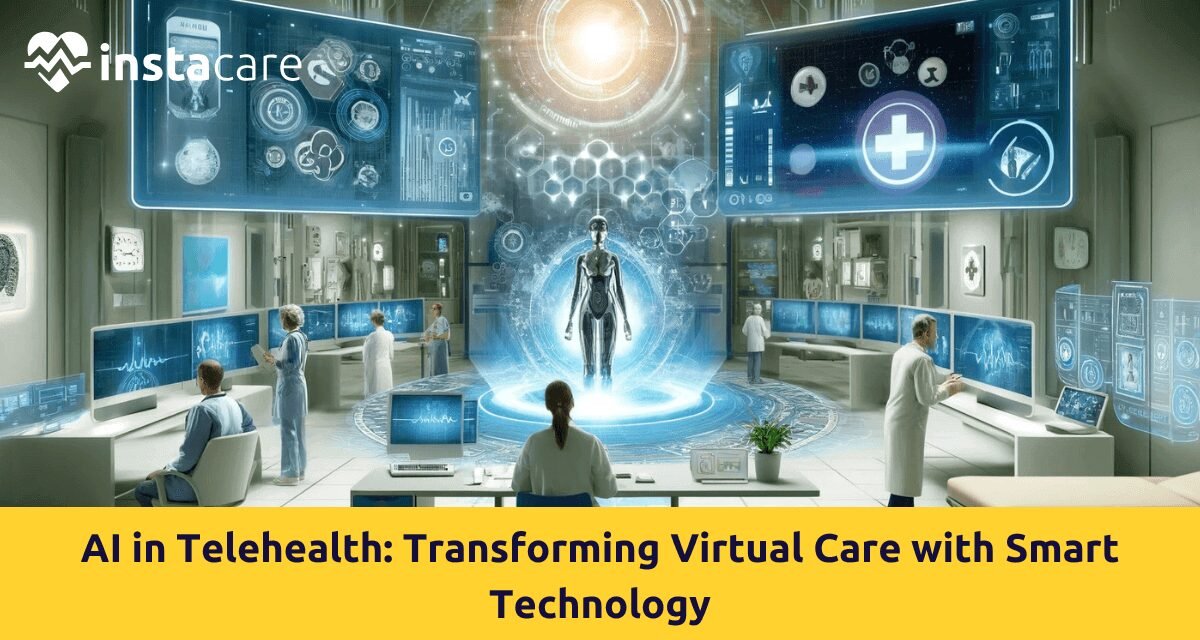
AI in Telehealth: Transforming Virtual Care with Smart Technology With digital health taking off around the globe, Artificial intelligence in healthcare is introducing a new paradigm of customized, effective, and affordable virtual care. Telehealth, once a novelty relegated to rural or underserved locations, has now transformed into a mainstream healthcare practice, particularly during the COVID-19 pandemic era. AI has driven this growth much faster through automating workflows, improving decision-making, and supporting more preventative models of care. From Telemedicine AI tools that support physicians with diagnoses to AI-based healthcare apps empowering patients to manage chronic illnesses, artificial intelligence is transforming how care is delivered remotely. With the promise of cost savings, scalability, and better patient outcomes, AI is no longer something out of the future it is the future and present of telehealth. The Evolution of Telehealth Telehealth has existed for decades, with initial simple audio and video interactions between patients and physicians. As technology evolved with better internet connectivity, wearable devices, and cloud computing, the reach and availability of virtual medical services improved. However, a complete shift only occurred with the injection of AI technologies. The incorporation of Machine learning in telehealth enables systems to learn from patient information and get better with time, which helps providers deliver more accurate and effective care. The transition towards telehealth automation is also minimizing administrative weight, simplifying workflows for patients, and enabling healthcare professionals to concentrate more on important tasks Telehealth is not just video calls anymore. It now involves remote patient monitoring with AI, mobile health apps, and even AI-driven robots that engage patients. The convergence of telehealth and AI provides a more complete, interactive, and data-based solution for healthcare. Key Applications of AI in Telehealth AI-Based Diagnostics: One of the most compelling uses of AI in telemedicine is in AI-based healthcare apps diagnostics. Through patient history, lab tests, and image analysis, AI can assist clinicians in achieving faster and more accurate diagnoses. This reduces diagnostic error and reduces treatment time both essential in managing health outcomes. AI for Virtual Consultations: Virtual consultation AI leverages natural language processing (NLP) and machine learning to allow real-time doctor-patient interaction. Conversational speech may be transcribed by AI systems, provide possible diagnoses, or even alert providers to inconsistencies or left-out information within a patient’s clinical history. AI for Patient Triage: In crises or peak-demand cases, AI patient triage prioritizes cases according to severity. AI programs examine symptoms and medical histories to direct patients to the right level of care, self-care, virtual consultation, or emergency care. Remote Patient Monitoring: With the advent of wearables and IoT devices, remote patient monitoring using AI has also picked up much steam. Data from heart rate monitors, glucose meters, and other sensors is interpreted by AI algorithms to identify abnormalities and alert doctors in real time. Predictive Analytics in Telemedicine: Predictive analytics for telemedicine helps healthcare professionals anticipate complications even before they occur. AI can recognize trends and patterns in patient information to predict hospital readmissions, medication non-adherence, or impending disease outbreaks. Chronic Disease Management: For patients suffering from chronic diseases, AI chronic disease management offers sustained, individualized care. AI algorithms can observe vitals, modify treatment suggestions, and warn healthcare professionals about deteriorating conditions, allowing for more proactive intervention. Benefits of AI-Enhanced Telehealth Enhanced Accuracy and Efficiency: AI technologies automate processes involving the execution of routine tasks and enable informed decisions. Healthcare providers are given tools that learn and improve continuously in AI-based diagnostics and machine learning, which in turn leads to higher clinical accuracy. Increased Accessibility: By triaging and consultative services using AI, healthcare services are made more available through rural or underserved areas. 24/7 access to health care is offered by the Chatbots in telehealth and the AI-based virtual consultations, especially to people who have a limited mobility or no access to traditional clinics. Personalized Patient Care: AI analyzes overwhelming volumes of patient information in order to produce highly individualized recommendations. Healthcare apps based on AI can be adjusted to the peculiarities of each patient, making fitness, nutrition, and medication plans tailored to meet specific needs; this will increase engagement and outcomes. Cost Savings: AI automation lessens the necessity for in-office visits and eliminates excessive tests or procedures. Telehealth automation slashes administrative and operational expenses considerably, rendering healthcare more affordable. Early Detection and Prevention: With predictive analytics in telemedicine, possible health threats can be identified early. AI algorithms evaluate past and present data to raise warning flags about chronic conditions or acute illnesses, often before symptoms become apparent. Less Burnout for Clinicians: By handling routine questions, bureaucratic paperwork, and data entry, AI lets clinicians off bureaucratic duties. This enables them to focus on more relevant cases, therefore improving their job satisfaction and preventing burnout. Book Free Demo The Future of AI in Virtual Healthcare The prospects for AI in telehealth are huge. Advances in healthcare, Natural language processing in healthcare will make patients’ interactions with AI systems less formal and more sensible. NLP can not only be utilized to record consultations but also to monitor patient sentiment, mood, and mental health status. Another critical growth space is AI-powered healthcare applications, which will become smarter and more user-focused. Such applications will harness behavioral information and feedback to improve and evolve continuously, making health plans seamless. Telemedicine AI systems will continue to develop, whereby they will be multi-modal systems for diagnostics, treatment planning, and follow-up management. Interoperability will improve as AI systems will be able to draw and work with data from various e-health records, lab systems, and patient-generated sources. Conclusion The rollout of artificial intelligence throughout healthcare is revolutionizing the telehealth by facilitating more intelligent, faster, and personalized virtual care. From remote patient monitoring with help of AI to predictive analytics for telemedicine, AI is changing all patient touchpoints. Looking forward, the collaboration between clinicians, technologists, and policymakers will be important in actualising the full potential of AI in telehealth. Smart
15 Most Common Types of Healthcare Software The aspect of health industry is fast changing and technology is at the centre of this change. Since bettering patient care to simplifying administrative processes, contemporary health care is dependent on software solutions. As the expectation levels of the patients increase and with the compliance demands also growing and the necessity for being efficient, the hospitals and clinics are coming increasingly to relying on the digital facilities. Whether managing patient data or facilitating teleconsultation, healthcare software is creating the future of medicine. What is Healthcare Software? Healthcare software refers to specific digital products created to assist the medical field in clinical, administrative, and operational functions. Such tools support healthcare professionals in diagnosing, treating, and monitoring patients and facilitate internal workflow management in institutions. Healthcare software has a huge variation, from storage and scheduling software to much more intricate systems that include diagnostics, imaging, and decision support. Importance of Healthcare Software in the Medical Sector Getting software tools for healthcare in 2021 is not an option anymore – it is now a necessity. It enhances the precision of diagnostics; it improves the availability of the data, and optimizes patients’ experiences. In addition, healthcare software helps minimize manual errors, reduce operational costs as well and meet healthcare regulations. This technology also facilitates data-driven decisions that would result in better outcomes for the treatment process as well as efficient resource management. Types Of Healthcare Software You Must Know Let’s get into the top 15 most common types of healthcare software systems changing things up in the medical world nowadays: 1. Electronic Health Records (EHR) Software In the core of modern healthcare systems lays the Electronic Health Records (EHR) software, which contains the complete medico-history for patients. It enables access to such information by authorised personnel such as previous treatments, allergies, lab results, and imaging. EHR software helps to coordinate between departments, reduces paper work and allows doctors to make better clinical decisions with real time access to data. 2. Practice Management Software Practice Management Software is a special software system for facilitating management of everyday administrative activities for clinics and hospitals. This entails appointment scheduling, billing and reporting, tracking of patients’ related information. It makes operations easy, eliminates much of the manual labor and guarantees the medical professionals concentrate on the patients leaving them with less of back-end logistics. 3. Medical Billing Software Effective billing in healthcare is very important, and Medical Billing Software is a solution for automatic invoicing and the claim process. This software makes fewer mistakes in cash flow and precise financial records. It also upholds several health insurance laws, as well as dictates regarding health insurance. 4. Telemedicine Software Remote consultations are becoming the standard; therefore, Telemedicine software contributes to video calls, remote diagnostics, and patient monitoring. It is now essential for healthcare access in rural or underserved areas. With this software, the patients can gain medical advice without having to go to a clinic physically, hence convenience and provision of services via book internet is enhanced. 5. e-Prescribing Software A doctor can send prescriptions electronically to pharmacies through the use of e-Prescribing software. This extinguishes handwritten inaccuracies and hastens the prescription process so customers can get prescriptions faster. It also assists in tracking patient drug history and warns providers against any potential drug interactions. 6. Hospital Management Software Hospital Management Software is a comprehensive hospital operation solution including, but not limited to, modules such as patient registration, billing, inventory, pharmacy, and HR. It simplifies all processes and smooth flow of departmental communication. Such systems increase hospital efficiency and affect patient experience. 7. Laboratory Information Management System (LIMS) For clinical laboratories, Laboratory Information Management System (LIMS) software is meant to monitor samples, as well as wanting to store test results, control inventory, and manage quality. LIMS increases a lab’s efficiency; reduces error, hence improves conformity to the regulatory measures, which is vital in the case of diagnostic and research labs. 8. Radiology Information System (RIS) The point, in this case, is to use a Radiology Information System (RIS) for controlling medical imagery and data. Such software is utilised by radiologists in monitoring imaging orders, keeping reports, among other workflow management. It is typically integrated with PACS and EHR systems to see all the patients’ records in full and make diagnoses more expeditious. 9. Picture Archiving and Communication System (PACS) Picture Archiving and Communication System (PACS) archives and retrieves certain medical images, including X-rays, MRI, and CT scans. It eliminates use of film-based storage hence enabling healthcare providers view, share and analyse images in digital format. The PACS also interoperates with RIS and EHR for increased accuracy and efficiency of diagnosing. 10. Clinical Decision Support System (CDSS) The Clinical Decision Support System (CDSS) is a powerful piece of software intended to assist the clinician in making well-informed decisions. It works with the data of patients and alerts and reminds them, as well as offers treatment. CDSS will enhance outcomes and compliance with best practices as errors by humans will be eliminated as well and there is a standard level of care provided by CDSS. Book Free Demo 11. Pharmacy Management Software Pharmacy Management Software supports pharmacists with drug inventory, which automates refilling and answers billing and compliance with regulations. It enhances safe medication by alerting about potential interaction, contraindications and it frequently integrates with EHRs and billing systems to the purpose of making the functionality, as easy as possible. 12. Healthcare CRM Software Healthcare CRM software is aimed at enhancing patient interaction, communication and services. It captures and manages patient data, preferences and communication history. This assists healthcare providers in providing individualized services and send reminders as well as long term relationships with patients. 13. Healthcare Analytics Software Healthcare analytics Software sifts through stupendous amounts of clinical, operational, and financial data to create insights. Hospitals use this software to enhance the delivery of care and cost management, as well as cost projection. It facilitates predictive analytics, population health management, and performance benchmarking.
Learning Electronic Remittance Advice (ERA) in Medical Billing Timeliness and speed of communication between health service providers and payers are of utmost importance to medical billing. Of all the gadgets facilitating communication, Electronic Remittance Advice (ERA) is one of the most precious gadgets. It makes payment smoother, reduces manual labor to a great extent, and enables practices to enjoy an uninterrupted revenue cycle. ERAs are digital Explanation of Benefits (EOBs) issued by insurance firms to notify health care providers of claim status. ERAs replace paper EOBs and contain such details as paid, denied, or adjusted. By understanding how ERAs work, medical billers and providers can accelerate payments and reduce administrative burden. Introduction of ERA into Your Medical Billing System The initial step every insurance payer demands is enrolling a provider before accepting ERA files. This typically involves completing a form or online ask through the payer’s portal or clearinghouse. After approval, ERA files begin appearing in the provider’s billing system. All current EHRs and most current billing systems have built-in ERA processing capabilities of automated posting and payment matching. Your practice system should be set up so that it can: Read the ANSI 835 format Automate posting into the proper patient accounts Locate unmatched payments and errors to reconcile Moreover, your employees will need to be trained so that the staff knows how to work on, read, and repair ERA reports. Shifting the Payment Cycle via ERA ERA Streamlines Claims Payment and Posting. Before electronic billing systems, payers would wait for paper EOBs to be mailed to them. They might take days to come, putting billing personnel in suspense. ERAs are now commonplace in healthcare reimbursement, giving faster and more systematic information electronically. An ERA will typically be transmitted after a claim is accepted and processed. It will include: Claim details and patient details Amounts paid, denied, or adjusted Explanation codes for payment adjustments Claim status indicators Files are usually sent via clearinghouses or directly to practice management systems. The instant delivery allows providers to post payments quickly and process denials efficiently. ERAs adhere to the ANSI X12 835 standard, a HIPAA-compliant format that allows for system and payer standardization. Standardization is automation’s key — the vehicle to apportion payments automatically to claims, minimizing keying. Book Free Demo Why ERA Is Crucial to Billing Teams? Medical billing professionals rely on timeliness and accuracy to keep revenues flowing. ERA in medical billing makes it so by doing more than just listing payments. They offer an official, electronic method of understanding how payers compute each claim. For example, in instances of partial denial based on coding errors or partial coverage, the ERA will include reason for denial codes. This enables billers to act quickly, e.g., resubmit corrected claims or appeal. In addition, since ERAs can be integrated into electronic health records (EHRs) and revenue cycle platforms, billing personnel can: Track payments in real-time Update patient balances automatically Reconcile bank deposits with posted payments Catch rejections or underpayments in real time Such information transparency not only simplifies the billing process but also detects underlying causes in claim submission, enabling process improvement over the long term. Top Benefits of ERAs The benefits of ERA in healthcare provide different strategic advantages to healthcare practices, clinics, and billing firms. Quicker Payment Posting: ERA files reduced delay due to mailing and keying. Payments are posted in minutes when files arrive. Less Human Mistakes: Automation eliminates the chance for transcription errors, giving correct financial records. Enhanced Denial Management: Clean reason codes allow for real-time resolution of denials, expediting the correction and resubmission process. Reduced Administrative Cost: Printing, scanning, and manual filing of paper EOBs are not necessary. Simplified Reconciliation: As one ERA covers one claim and payment, reconciliation is easier against bank deposits. Also, submitting the providers as ERAs eliminates the workers from having to handle massive quantities of payment details, especially for these practices that submit hundreds of claims daily. Difference Between ERA and EOB While ERAs and EOBs look alike, they are not. An EOB is patient-focused and lays out how a patient’s coverage was spent on a claim. It is simple to read, typically mailed or sent by email, and has a breakdown of patient responsibilities. On the other hand, ERA is an electronic provider report that is in electronic form. It is there to facilitate automated financial processing as well as notify medical billing personnel of payment activity. The most significant differences are: Format: ERAs are in machine-readable form; EOBs are in human-readable form. Recipient: ERAs are transmitted to providers; EOBs are transmitted to patients. Functionality: ERAs are input into billing systems to automate. Finding the difference ensures providers and patients get the proper information in the proper format. ERA Challenges and Solutions to Overcoming Them While it has its merits, working with ERA can prove to be problematic. Legacy processes may be plagued by compatibility issues. Moreover, not all payers, especially smaller or local insurers, enable full ERA capability. Common problems are: CARC (Claim Adjustment Reason Codes) and RARC (Remittance Advice Remark Codes) issue Variations in ERA data format among payers Technical support or enrollment delays To avoid such a scenario, choose a well-known clearinghouse, plan with your software vendor, and provide periodic training to billers. Going through the ERA reports weekly can help pick up and eliminate issues early. Successful Processing of ERAs Maximizing Benefit with Each Electronic Payment File. Once received, it is time well spent to process them properly. Having them filed and evaluated regularly makes cash flow easier and less billing misery. Some of the best

Why InstaCare Is the Best Clinic Management System for New Practices With the fast-paced nature of the healthcare industry, clinics need efficient mechanisms for everyday operations that deliver quality patient care. InstaCare, as the Best Clinic Management Solution, offers a holistic solution to oversee everything from patient records to scheduling and billing, automating clinic procedures and guaranteeing hassle-free clinic operation. For modern-day healthcare practice, InstaCare makes administration easy and helps clinics stay organized while delivering quality care. InstaCare is not merely a software solution, but an overall system that streamlines clinic efficiency, minimizes overhead, and maximizes patient satisfaction. The centralization of several clinic management tasks within one system allows medical professionals to dedicate themselves to curing patients and as little time as possible to administration. InstaCare Clinic Management Software Features InstaCare as the Best Clinic Management Solution could come with a variety of powerful features for making the life of the clinic easy for both solo practitioners and health centers having multiple staff members. Be it a one-person practice or a coordinated team of healthcare professionals, InstaCare Clinic Management Software Features will deliver flexibility and usability associated with a tailored solution ideal for the specific requirements of particular clinics, resulting in simplified operations and ultimately increased efficiency. Patient Records Management: InstaCare combines patient records, providing instant access to medical history, test results, and treatment plans. With all the necessary information within reach, healthcare providers can make faster, more informed decisions with less effort. Appointment Scheduling: InstaCare’s user-friendly scheduling module allows easy scheduling of patient appointments. Auto-sent reminders to patients and clinic staff avoid no-shows and maintain the clinic’s smooth operation. Billing and Invoicing: InstaCare streamlines billing, enabling accurate billing and payment tracking. It provides financial reports that enable clinic administrators to track cash flow and avoid missing any payments. Inventory Management: InstaCare monitors medical supplies in real time, so clinics never run out of vital supplies. Low stock alerts enable clinics to prepare in advance, avoiding any disruption to patient treatment. Reports and Analytics: InstaCare’s reporting capabilities provide live information on all aspects of clinic operations. Patient load, revenue streams, and other critical statistics are at the disposal of managers and owners and can be utilized for taking decisions. These features make InstaCare the Best Clinic Management Solution today because it enables them to automate operations and enhance efficiency on all sides of operations. Advantages of Deploying InstaCare in Clinics There are many Benefits of using InstaCare for Clinics; it provides a simple method by which clinics can maximize efficiencies, reduce administrative costs, and enhance patient care. InstaCare automates and enables clinics to streamline scheduling, billing, and record management, allowing them to focus more on patient outcomes than on administrative tasks, ultimately enhancing the success of their practices. Improved Efficiency: InstaCare removes redundant administrative tasks like scheduling, billing, and record-keeping. This enables clinic staff to spend more time on patient care and streamlines workflow. Enhanced Patient Experience: With features such as appointment reminders and rapid check-ins, InstaCare enhances the patient experience. Decreased patient wait times and enhanced clinic layout are the consequences, thus improving patient satisfaction. Decreasing Costs: With no requirement for labor and reduced administrative mistakes, InstaCare saves clinics money in operations and staff expenses. Electronic billing and automatic stock management dispense with waste and errors too, bringing cost-saving benefits. Improved Decision Making: Built-in analysis features of InstaCare offer owners of clinics useful information about their clinics. From the financial status to patient trends, an analytics-driven model enables the clinics to take evidence-based decisions, resulting in improved outcomes. Compliance and Data Safety: InstaCare is fully compliant with industry regulations, and patient data is stored securely. The software utilizes robust encryption methods to secure sensitive data, ensuring clinics remain compliant and avoid incurring substantial fines. InstaCare is not simply automation; InstaCare assists clinics in lowering overhead, enhancing patient satisfaction, and making informed expansion decisions. Get InstaCare to Optimize Your Practice While the demands of administration and other non-patient-centered activities can take their toll on the quality of patient care, InstaCare enters the scene to fit the bill. Where InstaCare, as the Best Clinic Management Solution, comes in, all patient history, appointment, billing, and inventory can be considered from one point, and there are no more multiple systems or manual processes to deal with. This great reduction in concurrency will drastically Streamline Your Practice with InstaCare, saving time and increasing efficiency and minimizing errors even more. Seamless Integration: InstaCare combines a number of clinic functions such as scheduling, billing, and patient management into one. InstaCare makes it easy to manage the clinic and provides good communication between staff. Time-Saving Automation: InstaCare is saving time for employees and patients in clinics with task automation such as appointment reminders and billing. Automation of these routine tasks keeps them on schedule, freeing up employees to tackle more pressing issues when it comes to patient care. Streamlined Communication: InstaCare streamlines communication within from real-time patient information, scheduling, and inventory levels. This eliminates the likelihood of miscommunication and ensures that everyone on staff is on the same page. By implementing InstaCare, clinics can significantly reduce their administrative burdens, streamline processes, and allocate more time to delivering exceptional patient care. The convenience of the software in eliminating manual tasks and facilitating streamlined processes makes it an essential tool in healthcare businesses today. Conclusion Overall, InstaCare, as the Best Clinic Management Solution, offers revolutionary practices in the healthcare sector with a one-stop shop for daily management. With patient record management, scheduling, billing, and inventory management features, InstaCare helps clinics operate efficiently and reduce administrative costs. The capacity of InstaCare software to automate processes and optimize efficiency in clinics makes it the best solution for any clinic that can invest in improving patient care as well as ramp up operations. InstaCare is a whole package that not only assures clinics undergo a shift in adapting to their in-house challenges but also promotes patient satisfaction and
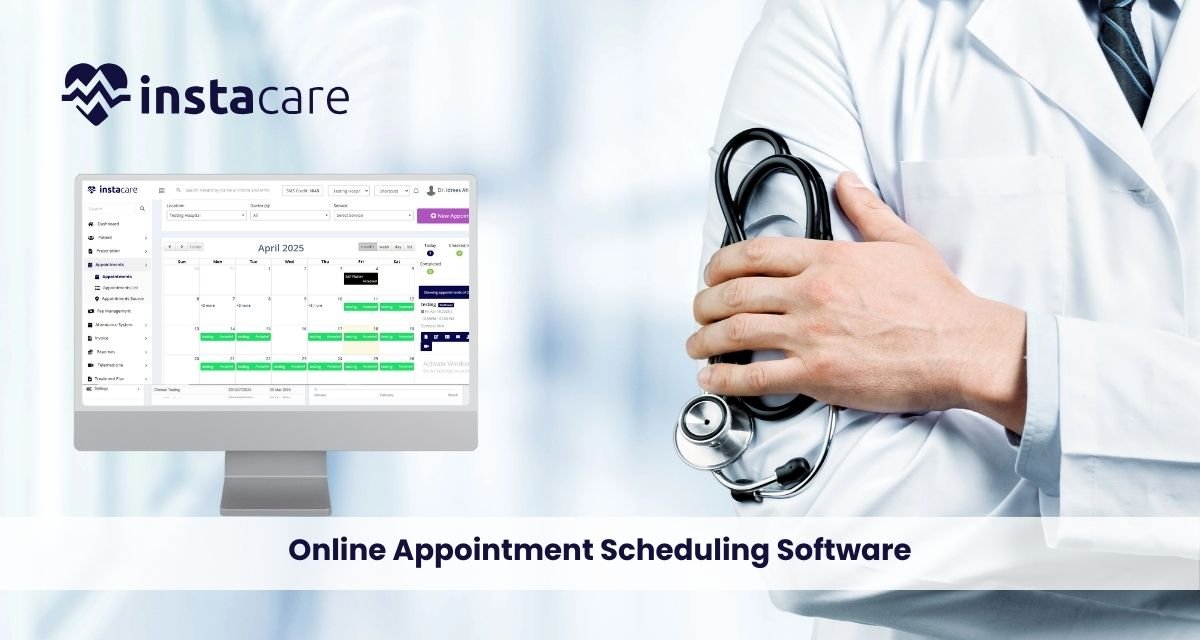
How Online Appointment Scheduling Software Is Transforming Medical Practices? As our digital age of living is in full gear, Online Appointment Scheduling Software is changing the face of medical practice. This revolutionary tool makes the entire process of scheduling appointments easy by enabling patients to schedule, reschedule, or cancel appointments at their convenience, anywhere, anytime. For medical professionals, it significantly reduces administrative tasks by eliminating scheduling work, lowering no-shows through automated reminders, and freeing staff to focus on more critical tasks. Through its function of connecting the providers to the patients, the technology enhances communication, efficiency, and overall patient satisfaction. Additionally, it sends real-time updates to calendars, seamlessly integrates with electronic medical records (EMRs), and enables providers to save time. Such software, used by medical practices, allows them to manage their practices efficiently, on time, and with a patient-centered approach. Online scheduling software is no longer a luxury, but a necessity for all modern-day hospitals and clinics that wish to excel in the current fast-paced, technologically driven age. Streamlining Administrative Workflows Physicians have always performed multiple functions, from walk-ins to appointments. Procedural functions always led to overbookings, missed show-up visits, and administrative mismatches. Physicians’ movement towards scheduling electronically is making that practice distinct now. Real-time calendar synchronization makes the doctors’ staff immediately aware of available time slots and prevents them from getting confused when handling multiple calendars. That transparency also helps avoid conflicts during meetings. Additionally, cloud-based appointment systems securely store data and can be accessed remotely at any time. This is especially convenient for multi-site practices where telehealth operations are conducted, and makes scheduling seamless and centralized. Streamlining Patient Experience with Self-Scheduling Today’s patients are increasingly focused on convenience. They do not have to wait on the phone to book an appointment or plan their day around the availability of a clinic. That’s where patient self-scheduling systems come in. Through offering Online booking for clinics, practices place patients in control of their care journey. Patients can schedule, modify, or cancel appointments 24/7, significantly improving satisfaction and volume. Automated reminders can also help patients, minimizing no-shows and missed appointments to a minimum. Reminders may be sent via SMS, email, or push notifications, whichever method is available to the patient. Ideal for Security and Compliance Issues In a field as heavily regulated as healthcare, security is not a luxury. HIPAA-compliant appointment software is a mandatory necessity to ensure that patient information is secure and your practice remains compliant. A quality system should incorporate encryption, user authentication, audit trails, and permission-controlled access levels. Data center commitment and disaster recovery functionality are two of the key functionalities in other cloud-based scheduling software. Such security will foster patient confidence and ensure business continuity during outages or emergency scenarios. Offers Revenue Growth and No-Shows Elimination One less apparent but extremely valuable benefit of online appointment scheduling software is its ability to reduce no-shows. Automated appointment reminders via SMS, email, or app notifications remind patients about their appointments, thereby reducing revenue loss. By reducing last-minute cancellations and no-shows, practices create space for walk-ins or waitlisted patients, thereby increasing revenue and resource utilization. Additionally, by allowing physicians to book online, clinics can more efficiently schedule last-minute appointments, thereby maintaining a full calendar at all times. Serves as The Future of Appointment Booking The digital revolution in healthcare appears to be accelerating, rather than slowing down. With telemedicine going mainstream and patient expectations changing, having strong healthcare appointment software is no longer a choice; it’s a necessity. Emerging trends, such as AI-powered scheduling, voice booking, and predictive analytics, will rapidly transform the patient-doctor relationship once again. Visionary clinics are already ahead of the curve, leveraging online appointment scheduling software as both a tool and a business enabler. What are the Principal Features of Scheduling Software? When making a decision, a person should consider the features of scheduling software that can enhance efficiency in a practice. Among the most useful features are: HIPAA-compliant scheduling tools for the protection of sensitive patient data Customizable scheduling platforms to fit the unique needs of different practices EHR system integration to ensure smooth flow of information and constant process continuity Waiting list, repeat booking, and provider preference appointment scheduling software Such features confirm that the software has the capability to meet the complex needs of various specialties, whether it is a high-volume dental practice, a dermatology clinic, or a general practice. Benefits of Online Scheduling Software Online Scheduling software for medical practices is advantageous for both providers and patients in several ways. Some of the greatest Benefits of online appointment scheduling are: Increased efficiency and fewer manual errors Enhanced patient satisfaction and retention 24/7 availability for booking Enhanced workload management for healthcare professionals Enhanced communication through automated reminders Decreased no-shows and cancellations These advantages collectively lead to a healthier, patient-centered model of healthcare. Best Practices Of Online Scheduling Software Despite numerous available solutions, the ideal appointment scheduling software must possess some deal-breaker features. Consider the following: Real-time calendar sync to avoid scheduling conflicts Support for EHR systems for easy medical record management Mobile-friendly accessibility interfaces for all types of devices Adjustable scheduling platforms to suit various workflows Cloud-based appointment systems for remote access and scalability Further, choosing a multi-location supported solution with multilingual interfaces is optimal for growing practices. Choosing the Right Software for Your Practice Choosing practice scheduling software is more than selecting a familiar name. Each practice must consider its own particular needs, including the number of providers, patient volume, and means of communication. Most also prioritize integration with EHR systems to avoid switching between applications and minimize redundancy. Others require appointment management software that can manage a large staff or complex procedures. Trial periods, customer reviews, and vendor support are all factors that need