
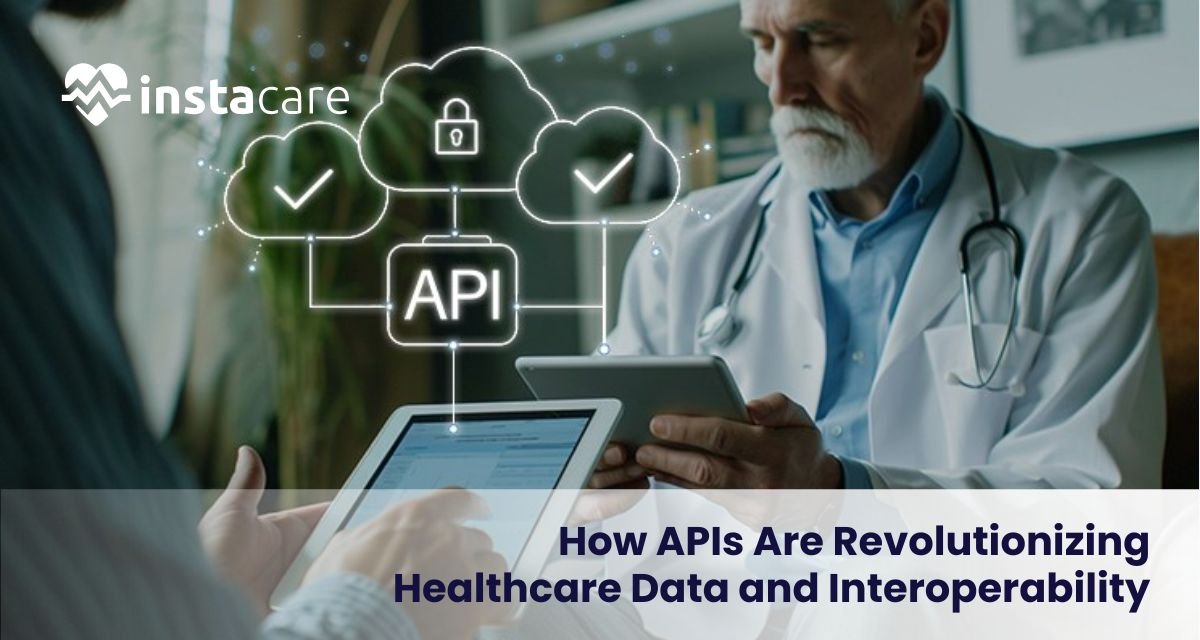
How APIs Are Revolutionizing Healthcare Data and Interoperability? In today’s fast-evolving world of medicine, APIs in Healthcare are quickly becoming an irreversible phenomenon, enabling systems, devices, applications, and providers to talk to each other in a seamless process. As the healthcare industry goes digital, APIs (Application Programming Interfaces) have proved to be the solution for the challenges posed by siloed systems, legacy systems, and the non-existence of patient data. APIs are transforming how stakeholders consume, share, and utilize health data, making healthcare more integrated, outcomes better, and the patient experience better. Discover the Role of APIs in Healthcare APIs in Healthcare allow various software systems to talk to each other. Whereas medical systems used to exist in silos earlier, APIs are breaking the walls with interoperability and real-time data sharing. APIs are providing data reliably, securely, and quickly from Electronic Health Records (EHRs) to telemedicine platforms and mobile health apps. Whatever the name—healthcare API Integration in hospitals or Use of APIs in Healthcare SaaS—such technology supports seamless, accurate, and efficient communication between platforms and others. Regulators calling for more integrated systems are pushing healthcare industry participants to depend on APIs for compliance solutions, efficiency enhancers, and seamless patient care. The Power of FHIR: A Standard for Healthcare APIs The revolutionary release of HL7’s FHIR (Fast Healthcare Interoperability Resources) API is a paradigm shift. It provides a standard for formatting health data on every platform and locking it to be exchanged across platforms. FHIR APIs simplify exchanging data, especially in the integration with EHRs, patient portals, or wearables. FHIR is RESTful, allowing developers to create scalable, flexible, and secure health technology solutions. Because of this standard, Healthcare APIs can handle large volumes of structured data between many healthcare providers, labs, and apps. Benefits of APIs for Healthcare The Benefits of APIs in Healthcare are many and profound. They relieve administrative drags, empower value-based care, and optimize operational workflows. Key Benefits Are: Faster Access to Patient Information: Real-time data recovery speeds up diagnosis and treatment. Improved Care Coordination: Doctors, labs, and specialists can seamlessly share information. Empowered Patients: APIs allow patients to see and manage their health records via portals and mobile applications. Reduced Cost: Reduced duplication and errors mean reduced cost of operations. Understanding the Role of API in Healthcare Data and Interoperability APIs in Electronic Health Records (EHR) APIs in Electronic Health Records (EHRs) are revolutionizing the way healthcare organizations handle clinical information. APIs allow EHRs to become interoperable with third-party systems such as analytics systems, mobile applications, and insurance repositories. API-powered EHRs allow providers to: Access patient histories in seconds. Synchronize the results of diagnostic tests. Auto-verify and auto-bill insurance. All this API automation eliminates clinician burnout, too, by limiting data entry and improving documentation quality. Sharing of Data by APIs: An Open, Patient-Centered Future Patient Data Sharing via APIs opens the door to an open, patient-centered future of care. APIs allow it to be simple for patients to see lab test results, medications, immunization history, and treatment history through safe mobile apps or websites. Accessibility engages patients more, improves compliance with treatment plans, and makes second opinions or virtual visits possible for care. This is how APIs make patients and healthcare professionals more empowered: Centralized Access: Patient records from different professionals are made accessible at one location. Secure Sharing: Information can be safely shared with caregivers or specialists. Telemedicine Support: APIs support telemedicine assistance by integrating patient history, diagnosis, and medical records. API Security in Healthcare: Preserving Secure Data Exchange With a vast data exchange capacity comes the need to safeguard it. API Security in Healthcare is likely the most vital implementation aspect. Data breaches, unauthorized access, and identity theft can spell cataclysmic effects for a healthcare environment. Modern APIs are built with solid security controls such as: OAuth 2.0 and Open ID Connect for authentication. Encryption via TLS for secure communication. Audit logs for monitoring access and changes. These measures help create HIPAA-compliant healthcare APIs that meet all legal standards for confidentiality and data security. Interoperability through Healthcare APIs Interoperability through Healthcare APIs serves as the basis for collaborative healthcare systems. It enables heterogeneous vendor or departmental systems to share and use information without hindrance. This interoperability results in: Reduced medical errors due to missing information. Less complex workflows and fewer bottlenecks. Better coordination among pharmacies, labs, and primary care. APIs in Telemedicine Platforms APIs in Telemedicine Platforms have enabled healthcare providers to deliver better care remotely. APIs combine video conferencing devices, patient information, diagnostic tools, and scheduling into a single platform. API-enabled telemedicine capabilities are: On-demand viewing of health history during remote consultation. Interoperability with Medical Device Integration with APIs such as pulse oximeters or ECG monitors. Real-time e-prescriptions and follow-up appointments. Custom API Development for Healthcare Providers For proprietary workflows of such companies, Custom API Development for Healthcare delivers customized solutions. Specialty to specialty practice management software, specialty Clinical dashboards, specialty, custom APIs deliver unsoiled connectivity from internal to external systems. Custom APIs can rectify: Compliance requirements on some. Proprietary device integration. Complex multi-system environments. Mobile Health App APIs: Empowering Patient Engagement Mobile Health App APIs Programming Interfaces revolutionize patients’ interaction with healthcare. APIs allow mobile apps to interface with EHRs, wearables, and scheduling platforms to offer a customized health experience in real time. As digital-first care models become the order of the day, the apps offer the following services: Medication reminders Fitness tracking Real-time consultations Health monitoring alarms Real-Time Data Exchange in

What You Must Know About Patient Engagement Solutions? In the rapidly evolving healthcare landscape of today, Patient Engagement Solutions are arising to transform how and when care is received and embraced. These solutions are customised to facilitate meaningful interactions between patients and healthcare professionals through technology as a way of informing, empowering, and actively engaging people with their health. From AI platforms to health communication platforms tailored for every patient, medical advancements are fast redefining the medicine of the future today. From improved communication to enabling chronic disease care to maximizing learning, patient engagement is at the core of Improving Patient Satisfaction with Technology. With an oppressive system, digital platforms are streamlining processes, closing gaps in care, and building trust. The Importance of Patient Engagement in Modern Healthcare In value-based care, the measures are outcomes, and patient engagement is number one. With Patient Engagement Solutions, healthcare is a two-way process where patients are not passive patients but informed decision-makers. These solutions ensure that healthcare is accessible and engaging by providing services such as real-time messaging, personalised dashboards, mobile reminders, and patient portals. They ensure that preventive care is achievable through timely reminders for check-ups, screenings, and vaccinations. Aside from that, Patient Communication Tools in Healthcare are setting the pace when it comes to shattering barriers of communication among patients and caregivers, most surprisingly in home-care or outpatient contexts. From telemedicine consultations to secure messaging software, the tools guarantee that the patient is never left in the dark regarding his or her health status. Effective Patient Engagement Strategies To truly engage patients, clinicians need to embrace reflective, thoughtful practices that transcend boilerplate outreach. Targeted Patient Engagement Strategies include constructing rich, contextually grounded interactions based on patient behavior, preference, and demographics. Effective strategies are widely used by healthcare organizations as described below: Segment patients by risk level, age, and communication style Leverage patient feedback to enhance service delivery Construct mobile-first systems for communications Offer culturally sensitive educational materials Use automated workflows for follow-up and post-discharge care A strategic plan not only boosts enhanced patient Satisfaction with Technology but also minimizes readmissions and maximizes compliance rates. Patient Engagement Drivers 1. Communication & Educational Tools Patient education is the key to patient empowerment. Web-based tools like apps, video, symptom checkers, and individualized care pathways break information into smaller pieces. They also empower patients more and stress them less. Patient Education and Engagement Tools facilitate learning outside of the care environment, from taking medication to post-operative follow-up. These solutions are designed to provide patients with a firm understanding of their condition, treatment possibilities, and what it will take to get well. Digital Health Engagement Platforms, in turn, offer seamless access to records, reminders, live chat help, and health advice, which are simple to share and invite patients to self-manage. 2. Patient Portals and Mobile Integration Personal health information access is among the leading causes of participation. Patient Portal Integration provides patients with secure access to test results, medical history, prescriptions, and appointment dates. When used with mobile applications, it provides a single, uncomplicated experience. Furthermore, Mobile Apps for Patient Engagement provide an immediate means of using healthcare systems anywhere, anytime. Push notification for medication refilling is easier, and ease dominates, a contributing factor toward the perpetuation of hectic lives. Main Features of the Patient Engagement Software Today’s engagement platforms are packed with features and very customizable. Key Patient Engagement Software Features include: Real-time Patient Communication for Healthcare through video consults, live chat, and secure messaging Remote Patient Engagement Solutions for long-term care, telemonitoring, and home-based diagnosis Seamless integration with Healthcare CRM and Patient Retention software for active patient follow-up Personalized alerts and Custom Healthcare Communication by treatment plans Voice and chatbot support for repetitive question handling Ease of use through mobile and web-based access All these features make it easier for a more streamlined, personalized delivery of care. Enhancing Patient Experience with Technology The digital experience is as relevant as individual one-to-one treatment. Healthcare services need to be easy, agile, and accessible. Enhancing Patient Experience through Technology means reducing friction and delay and making information more accessible. For example, wearable devices that track vitals and present them to healthcare providers help detect issues early. Virtual visits are made convenient without compromising care quality. Digital consent forms, billing, and automated feedback save administrative time while keeping patients informed and engaged. By integrating Patient Engagement Solutions into these touchpoints, providers build a better, more human-centered healthcare experience. Role of AI and CRM in Modern Patient Engagement AI is increasingly contributing to healthcare engagement. The Role of AI in Patient Engagement includes natural language processing for chatbots, predictive analytics for determining patients at high risk, and content personalization for engagement campaigns. The Role of AI in Healthcare is evident in how it analyzes patient behavior patterns to send timely, context-sensitive messages or reminders. For instance, if a diabetic patient hasn’t logged a blood glucose level in a few days, the system can issue a gentle prompt or initiate a call to connect them with a nurse. Furthermore, Patient Retention and Healthcare CRM offerings maintain patient information for optimal retention and interaction. They can tailor contact by patient characteristics, history of visits, and even level of satisfaction, guaranteeing continuous, customized communication. Personalized and Real-time Communication One of the most potent Patient Engagement Solution differentiators is the ability to communicate effectively and in real-time. Some of the most critical elements of personalized, Real-time Communication in Healthcare are listed below: AI-driven care reminders, personalized by health status Multilingual SMS/email messaging for multilingual populations Virtual assistant robots for appointment booking and FAQ Personalized video messages or voice messages from doctors after treatment Feedback-informed outreach for continuous quality improvement Wearable device

How Telehealth Is Transforming Rural Healthcare Access? Telehealth in Rural Areas has been a revolution for hundreds of millions of residents of remote areas in recent years. Lack of access to health professionals, distances, and the affordability of specialist centers have long tormented rural communities. But with telemedicine, the gap between rural communities and good treatment has been narrowed, improving the availability, efficacy, and potential punctuality of healthcare. What includes Rural Telemedicine Success Stories? Across the United States, many rural telemedicine success stories speak volumes about its broad reach. One such story is of a rural patient in Nebraska with a heart condition in Nebraska who avoided regular hospital visits through remote monitoring. An Alaskan child was also treated for timely neurological care using Telehealth in Rural Areas, both saving time and travel costs. These anecdotal examples illustrate how technology can diffuse care geographically more evenly. Learn About the Relevance of Telehealth in Rural Counties Telehealth in Rural Areas fills the most significant gap: geospatial remoteness. While the overwhelming majority of small villages and remote hamlets have experienced poor health provider availability overall, if not specifically, specialist care telehealth in rural communities can hardly be downgraded since it expands the fact of speedy consultation, diagnosis, and check-up with a visit. The importance of Telehealth in Rural Communities is significant. Telemedicine enables patients to have primary care physicians, mental health therapists, and chronic disease management providers in the comfort of their own homes. This convenience is particularly valuable to those with chronic illnesses or mobility impairments. Virtual Care for Underserved Populations: A Lifeline Virtual Care for Underserved Populations is not something one can pay for; it must be done. Poor and elderly patients greatly benefit from virtual visits. The Benefits of virtual care extend beyond convenience—it includes improved access through language services, disability accommodations, and integrated behavioral health programs, all designed to ensure that no patient is left behind. Telehealth Services for Rural Seniors By far the most compelling success story is the innovation of Telehealth Services for Rural Seniors who live in rural districts. These citizens have a combination of chronic ailments with mobility issues. Telehealth in Rural Areas enables the elderly to: Discuss their primary physicians consistently Have access to networked monitoring of their vital signs Take medications online with electronic reminders Get visited virtually for physical therapy visits These services are instrumental in facilitating independence with round-the-clock care, even in the home. Mobile Health Clinics and Telehealth Integration Mobile Health Clinics and Telehealth complement each other to increase access to health care for the most difficult-to-reach individuals. Mobile clinics are equipped with technology so that patients can still be connected to remote physicians as on-site nurses administer standard treatment procedures. Its key features are: Diagnostic testing and screening while on the move Video consultation with city-based experts Immunization service and education Remote instrument-assisted evaluation of chronic disease This hybrid model is especially useful in areas where the nearest hospital is hours away. Rural Healthcare Telehealth Policy: Role of the Government An effective Telehealth Policy for Rural Healthcare is needed to ensure long-term success. Government programs include the expansion of telehealth reimbursements, broadband penetration promotion, and endorsement of cross-state licensure for medical doctors to practice virtually. The policies are aimed at: Eliminating regulatory hurdles to rural providers Encouraging hospital and clinic use of telehealth Backing telehealth training programs Policymakers will need to continue to fight for equal access to virtual health resources across all regions. Benefits of Telehealth for Rural Patients One of the most significant benefits of telehealth for rural patients is its convenience. It is time and money-saving, as it spares travel, which is usually time-consuming and expensive. The patient is also treated earlier before complications set in as a result of delayed treatment. Other advantages are: Specialized cardiology, psychiatry, and endocrinology services are provided at access Remote fill prescriptions and review lab tests Scheduling is flexible to patients’ daily schedules Waiting time and the emergency department have been reduced With care continuity facilitation and patient control, telehealth tremendously enhances the outcome of rural residents. Understanding the Increased Rural Telemedicine Access Despite all of this, there are issues with Telemedicine Access in Remote Areas. These include being unable to connect, using digital applications, and having no device. Efforts are, however, underway across the country to expand the Telehealth Infrastructure in Rural Areas. Federal and state investments are now focused on: Broaden broadband services Supplying finance for the clinic’s mobile technology Educating local healthcare providers to use telehealth software Improve cybersecurity for safe information transmission This expanding infrastructure must modernize and maintain telemedicine solutions in rural and underserved areas. Challenges to Telehealth in Rural Communities Even with such advances being extremely promising, there remain Barriers to Telehealth in Rural Areas. Poor high-speed internet Poor training of providers and patients Data security issues Huge investment budget restrictions for small clinics These challenges will take multi-stakeholder planning and effort in the long run. Overcoming Healthcare Challenges in Rural Regions Rural care is confronted with the majority of the Healthcare Challenges in Rural Regions as a result of shortages of providers, namely for mental illness and chronic disease management. Patients defer care due to unavailability and suffer from avoidable complications. Telehealth provides a solution for Improving Healthcare Access Through Telemedicine by: Linking patients to out-of-state experts Offering evening virtual urgent care Enabling early diagnosis through constant monitoring With strategic deployment, telehealth can minimize these long-standing rural healthcare hurdles. Know about Remote Patient Monitoring in Rural Areas Remote Patient Monitoring in Rural Settings

Telehealth for Elderly: A Modern Shift in Senior Healthcare Telehealth for Elderly is transforming how elderly people are treated medically. Using technology, elderly people can get treated at home, reducing hospital visits. Telehealth facilitates virtual consultations, regular check-ups, medication management, and round-the-clock monitoring, all from the comfort of their own homes. In recent years, especially after the COVID-19 pandemic, the healthcare industry has experienced an overnight boom in virtual care solutions for elderly individuals. Ranging from home-based to mobile health applications, older individuals are gradually adopting digital healthcare solutions for chronic condition management, specialty care, and well-being. The Advantages of Telehealth for Seniors The Benefits of Telehealth for Seniors are numerous and contribute to their overall well-being. By minimizing travel time and providing quicker access to medical consultation, elderly people have both comfort and improved healthcare. Less stress and travel expense Quicker consultation for chronic conditions Less exposure to infectious diseases Easy access to experts Improved medication compliance with digital reminders The main advantage is regular contact with primary care practitioners. Regular contact allows for case following up on medical trends, recording early signs of deterioration, and preventing emergencies, particularly among the elderly with multiple states of illness or living alone. Principal Telemedicine Services to Older Patients Older patient telemedicine care has expanded exponentially. They include virtual consultation, online counseling of the mind, physical rehabilitation guidance, and monitoring of chronic diseases. The following are the Telemedicine Services for Elderly Patients: Video call-based first care visits Post-hospital discharge follow-ups Treatment of anxiety and depression remotely for mental health Electronic management of prescriptions Tracking vital signs with wearable technology Telemedicine facilitates greater care coordination among specialists, caregivers, and family members. Doctors can share electronic notes on the same platform and refer patients to physical therapists or nutritionists as needed. How Seniors Can Use Telehealth? We must realize How Seniors Use Telehealth to develop systems ideally suited to their requirements. Older persons primarily utilize telehealth via smartphone, tablet, or desktop computers to call physicians, ask for medication refills, or attend therapy. Today’s older population increasingly makes appointments online, receives follow-up test results via telehealth portals, and even consults a dietician remotely to ensure nutrition. Others utilize devices connected to telehealth systems, which allow physicians to analyze health in real time. Proper training and technical assistance make seniors capable telehealth users. Technology Barriers in Elderly Telehealth One of the biggest challenges in the growth of technology barriers in elderly telehealth is the digital divide. Most elders have trouble with: No access to high-speed internet Lack of familiarity with smartphones or computers Physical disability (hearing, vision, dexterity) Concerns regarding privacy and data security Technophobia is another significant barrier. Sure, seniors are unwilling to accept telehealth because they are unfamiliar with it, leading to frustration or avoidance. This can be addressed with easy-to-use sites, guides, and quick technical support. Steps are also taken to provide low-cost or subsidized internet plans and easy-to-use devices to seniors. Caregiver support and community education classes also facilitate seniors’ use of Telehealth for Elderly equipment. Senior-Friendly Telehealth Sites To be used optimally, telehealth sites utilized by seniors must be easy to use. Easy-to-use features with fewer complexities are: High-contrast color and large print Easy one-click scheduling Captions and audio cues Technical support via phone or chat HIPAA-safe secure connections A good platform is not merely interested in appearances; it also considers seniors’ motor skills and brain processes. Simplification, reducing the number of steps, and using graphical icons rather than textual menus are examples of usability. Some health practitioners now have senior helplines and tutorial videos specifically for seniors. These provide seniors with the capability to receive Telehealth for the Elderly easily. Remote Healthcare for Older Adults Remote Healthcare for older adults isn’t a band-aid; it’s an effective model for continuing care. Physicians can detect early signs of declining health by conducting continuous remote checks and adjusting care plans accordingly. Remote medicine also enhances chronic disease management, such as: Hypertension Diabetes Arthritis Heart disease COPD It improves patient outcomes and decreases hospital readmission. Seniors no longer need to wait for signs and symptoms to worsen before visiting a physician; timely care via digital is now available. Home-Based Telehealth for Seniors: Bringing Care Close Home-based telehealth for Seniors brings medical services to their doorsteps virtually. They no longer have to take the highway to clinics for all those minor complaints. The advantages of Senior-Friendly Telehealth Platforms are: Off-site diagnosis through mobile applications Regular follow-ups conducted through video consultations Home-based drug delivery according to prescription Health counseling and lifestyle counselling This model is useful, particularly for elderly individuals living in rural or dispersed environments. It offers level access to quality service and avoids excluding them on geographic grounds. In addition, home care is economic. It keeps ambulatory treatment, ER usage, and unwarranted admission to a minimal level. It also maintains minimal stress and an environment conducive to peaceful healing. Telehealth Solutions for the Aging Population Creating effective Telehealth Solutions for the Aging Population requires a combination of medical expertise and technology based on user experience. The solutions tend to include: Easy-to-use personalized apps 24/7 virtual nurse phone helplines Telehealth-connected emergency alert systems Live health monitoring using smartwatches Coordination between experts, caregivers, and family members These technologies, including tools like a Clinic Management System, bridge the gap in medical care for elderly people who need regular consultations with a physician. They also empower older adults
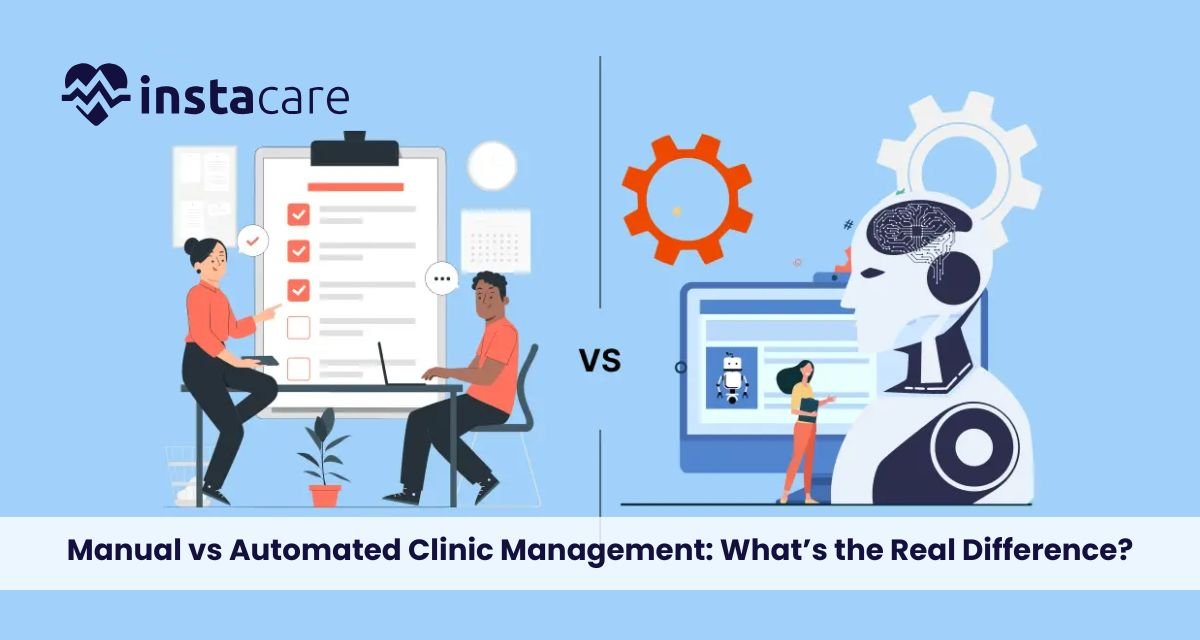
Manual vs Automated Clinic Management: What’s the Real Difference? Much has been written about Manual vs Automated Clinic Management as health facilities seek to optimise administrative costs and improve patients’ welcomes. Most clinics typically rely on manual systems such as paper records and human input for administrative tasks. However, means have developed over the last years with many modern systems that automate processing and provide other benefits that can radically change a clinic’s operations. Thus, healthcare providers must understand the distinction between the two to better manage themselves. The Manual Clinic Management Manual clinic management generally implies practices that have been basic for healthcare administration for many decades. It usually means using paper files, handwritten notes, and manual scheduling systems. These methods might have performed their functions; however, they leave much to be desired in their drawbacks, which can hinder clinic operation efficiency and patient care. Time-Consuming Task Patients’ medical records are stored in physical files manually, making recovery time-consuming and, in most unfortunate cases, the a danger of losing or destroying files. Also, introducing human input into data entry has created a health risk environment that establishes a high disorder or error state in patient information. Such symptoms contribute to a poorer workflow, severely affecting patient satisfaction and the entire clinic’s performance. Administrative Effort They often require a lot of administrative effort, which clinic staff invest almost all their working time into, eventually leading to an inevitable diversion from patient-centred activities. Such experiences are the precursors of burnout among healthcare workers, impacting the quality of patient services. Such gaps in clinic management will become glaringly visible as changes in the healthcare sector continue shaping demand for better alternatives. Understanding Automated Clinic Management On the other hand, automated clinic management software depends largely on different kinds of digital systems to optimise the efficiency and accuracy of various processes in healthcare settings. Electronic health records (EHR), billing systems, and appointment scheduling tools are automated systems designed to facilitate a perfect run of course in the management of a clinic. Professional Patient History With automated systems, professional patient history is stored in digital form; thus, it can be accessed quickly and securely for authentication. It reduces time consumption in carrying out administrative tasks and also reduces human errors related to manual data entry. For example, automatic systems can ensure that patient folders are updated with treatment work readily available to health professionals, enabling them to make immediate decisions. To Increase Efficiency In The Workflow Furthermore, automated systems are often equipped with techniques to increase efficiency in the workflow. For example, reminders can be set up to alert staff concerning upcoming appointments, follow-ups needed, or critical billing deadlines, which helps reduce the chances of missing assignments. Such an organisation cultivates a more cohesive working environment so that healthcare professionals can devote their attention to where it truly matters: patient care. Advantages of Automated Clinic Systems When considering the benefits of automated clinic systems, it is found that these are just some of the solutions through which most manual management problems can be addressed. Such change does bring modernisation to the ruins of a clinic; however, the transition from paper to digital introduces the following significant changes. Improved Efficiency Improved overall efficiency is by far the greatest benefit of automated clinic management. In effect, automating routine stuff streamlines working processes within the clinic and, in this manner, enables clinicians to spend more time talking to their patients instead of doing administrative work. This results in speedier processing of patients and a more organised approach to managing appointments and records. Automated scheduling systems enable patients to make appointments online, relieving the administrative staff from extra burden and reducing scheduling conflicts. This adds convenience to the patient’s experience and helps clinics optimise their schedules to better allocate their resources. Reducing Errors Reducing errors is another important advantage of automated systems. Automatic systems eliminate the possibility of human error at this stage as far as data entry is the outcome being wrong. But above all that, automatic systems always include built-in checks and balances that notify potential errors long before they become an issue. For example, if a health provider tries to enter different information, the computer can output an alert, allowing immediate correction. This level of oversight is immensely valuable for the precision of patient information, as well as ensuring that healthcare providers will have accurate information available for their patients. Enhanced Patient Experience Apart from this, automated clinic management systems also contribute to a much better patient experience. Features such as easy online appointment scheduling and secure portals for patients will increase the flexibility of healthcare activities. These will empower patients since they can now manage more on their own, such as gaining access to their medical records, seeing the outcomes of tests, and communicating directly with their healthcare providers. From A Paper-Based Management System to an Automated Shifting from a paper-based management system to an automated one may be intimidating; however, clinics have succeeded in this transition. A transition becomes successful with careful planning and good execution. These clinics should begin as far away from the final implementation as possible in evaluating existing workflows for situations that most deserve automation. This could include administrative processes, management of patient data, or billing practices. After recognising the areas that require improvement, clinics can then choose suitable software products based on those needs. It becomes important to involve the staff in this phase, as their input may give very relevant context to the selection of systems that will work best. Following this, training the staff on the new technology becomes very important so that everyone feels good and can use the automated tools in their work. Follow system implementation with ongoing support and feedback possibilities to keep improving. As the staff becomes increasingly comfortable with the automated processes, clinics can optimise the potential of their new systems and reap the benefits of enhanced efficiency and fewer errors. Digital Healthcare Management With healthcare constantly evolving, digital healthcare
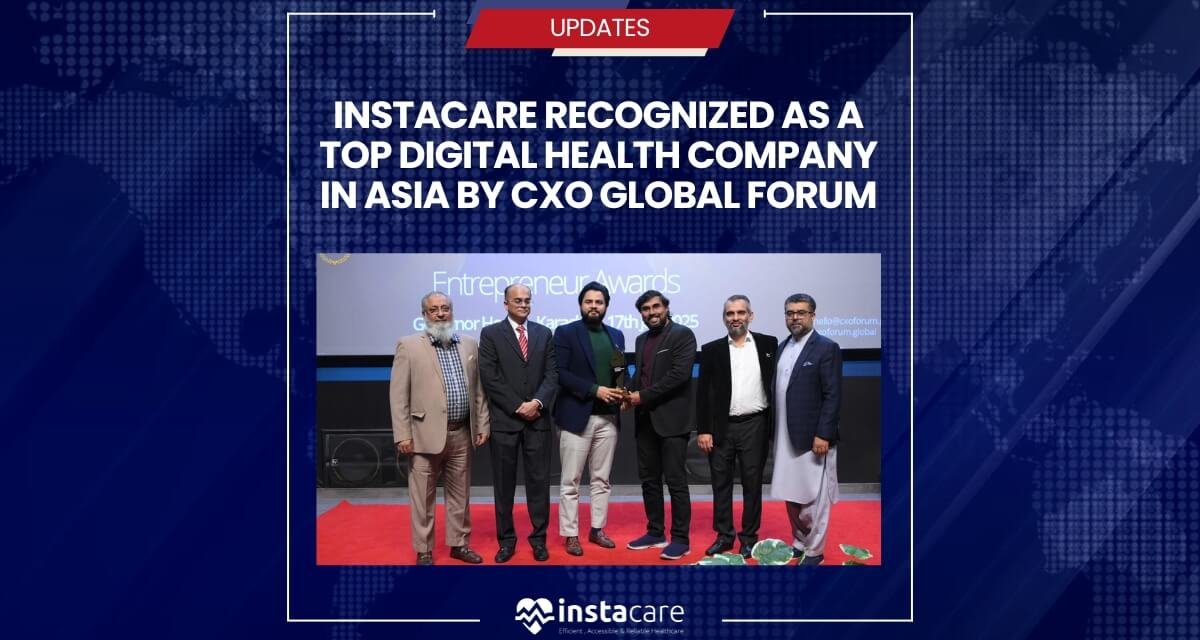
Top Digital Health Company in Asia by CXO Global Forum InstaCare is proud to announce that the CXO Global Forum has honored it with the prestigious ‘Top Entrepreneur Award’. This recognition reinforces InstaCare’s position as the Top Digital Health Company in Asia and a pioneer in revolutionizing the healthcare landscape. Our innovative solutions and unwavering commitment to healthcare excellence have also earned it multiple accolades, including: Top Digital Health Company in Pakistan Best Healthtech Startup in Pakistan Best EMR and Practice Management Company in Asia These achievements reflect InstaCare’s dedication to leveraging technology to enhance healthcare accessibility, efficiency, and outcomes across the region. Bilal Amjad Reflects on InstaCare’s Commitment “This award is a testament to our mission of transforming healthcare through advanced digital solutions,” said Bilal Amjad, CEO of InstaCare. “We are committed to empowering healthcare providers and patients with tools that elevate care delivery and contribute to a healthier future for everyone.” As a leading digital health platform, we continue to innovate and deliver impactful solutions, including: Electronic Medical Records (EMR) Practice Management Systems Telemedicine Patient Engagement Tools Our efforts are bridging the gap between patients and healthcare providers, ensuring that healthcare is more accessible, efficient, and affordable across Pakistan and beyond. The recognition by CXO Global Forum underscores InstaCare’s vision of setting new benchmarks for healthcare technology, bringing innovation, and making a lasting impact on the healthcare industry.

InstaCare Participates in 3rd International Family Planning Summit at Jinnah Sindh Medical University InstaCare, a leader in digital health, participated in the 3rd International Family Planning Summit at Jinnah Sindh Medical University (JSMU), Karachi. The event brought together experts to discuss strategies for improving family planning services and healthcare access in Pakistan. Youth and Male Engagement in Family Planning Through Digital Solutions Bilal Amjad, CEO of InstaCare, joined a panel discussing “Youth and Male Engagement in Family Planning.” The session explored how digital health platforms can increase family planning uptake, especially among youth and men. The discussion was part of Population Services International (PSI), Pakistan’s initiative to integrate technology with healthcare access. InstaCare and PSI Partner to Improve Family Planning Accessibility Across Pakistan InstaCare’s collaboration with PSI aims to expand family planning services nationwide by integrating digital health solutions with community outreach programs. The partnership focuses on making family planning services more accessible, affordable, and impactful. “We are excited to partner with PSI. Thank you, JSMU, for hosting this event,” said Bilal Amjad. “Together, we’re improving healthcare access and ensuring modern solutions reach everyone in Pakistan.” InstaCare Thanks Karachi for Hosting the 3rd International Family Planning Summit InstaCare extends its gratitude to Karachi for its warm hospitality and support in making the summit a success.

Keynote Of Health Minister – InstaCare Future Health Forum 2023 InstaCare future health forum 2023, In a world where the integration of technology and healthcare is rapidly reshaping the medical landscape, the visionaries leading this transformation are driving a revolution that promises to elevate the healthcare system to unprecedented heights. At the forefront of this revolution is Professor Dr. Javed Akram, a distinguished leader and the Minister of Health Punjab, Pakistan. In his capacity as the Minister of Health and Social Welfare, Prof. Dr. Javed Akram has embarked on a journey to redefine healthcare in Punjab, leveraging the power of digital health initiatives. In this article, we delve into his visionary speech at the InstaCare Future Health Forum 2023, highlighting his focus on top digital health initiatives in Pakistan. The Digital Health Revolution in Pakistan Pakistan, as one of the most populous nations in the world, faces unique healthcare challenges. Access to quality healthcare, particularly in rural and underserved areas, has long been a concern. However, Prof. Dr. Javed Akram sees these challenges as opportunities for innovation and transformation. His vision is grounded in the belief that technology, particularly artificial intelligence (AI) and machine learning (ML), can be harnessed to address these barriers and improve healthcare access and outcomes. Telemedicine: Bridging Healthcare Gaps One of the standout digital health initiatives championed by Prof. Dr. Javed Akram is the widespread adoption of telemedicine. Telemedicine involves the use of telecommunications technology to provide clinical healthcare services remotely. This initiative has the potential to revolutionize healthcare accessibility, particularly in underserved rural areas of Punjab and Pakistan at large. Through telemedicine, patients can consult with healthcare providers without the need for physical visits. This not only reduces the burden on healthcare facilities but also enhances patient convenience, especially for those living in remote regions. Telemedicine promises to bring expert medical advice and consultations to the doorstep of every Pakistani, ensuring that healthcare is truly inclusive and accessible. InstaCare EHRs – Streamlining Patient Data Efficient management of patient health records is essential for delivering quality healthcare services. Prof. Dr. Javed Akram recognized the need for a robust electronic health records (EHR) system in Punjab such as InstaCare. EHRs digitize patient health information, making it easily accessible to healthcare providers and eliminating the hassle of paper-based records. With EHRs, healthcare professionals can access a patient’s medical history, diagnoses, treatments, and test results at the click of a button. This not only improves the accuracy and speed of diagnosis but also enables better coordination of care among multiple healthcare providers. The implementation of EHRs is a pivotal step towards a more efficient and patient-centric healthcare system in Punjab. Health Information Exchange (HIE) – Seamless Data Sharing To further enhance the healthcare ecosystem, Prof. Dr. Javed Akram has championed the establishment of Health Information Exchanges (HIEs). HIEs facilitate the secure exchange of patient health information between different healthcare organizations, ensuring that critical data is readily available when needed. Imagine a scenario where a patient can seamlessly transition from a primary care physician to a specialist, and all their medical records, test results, and treatment history seamlessly follow them. This is the promise of HIEs. They promote interoperability among healthcare systems, reducing redundant tests, minimizing errors, and improving patient outcomes. Mobile Health (mHealth) Apps – Empowering Patients In the digital age, smartphones have become ubiquitous, and Prof. Dr. Javed Akram recognizes their potential as powerful healthcare tools. Mobile health (mHealth) apps are emerging as essential components of digital health initiatives in Punjab and Pakistan as a whole. These apps empower patients to take control of their health and well-being. Through mHealth apps, patients can monitor their vital signs, track medication adherence, access health education resources, and even schedule virtual consultations. These apps not only improve patient engagement but also enable early intervention and preventive care. By promoting health literacy and self-care, mHealth apps are changing the way Pakistanis manage their health. Recognizing Excellence In a celebration of innovation and dedication, Prof. Dr. Javed Akram, Minister of Health Punjab and Minister of Social Welfare Punjab, played a pivotal role at the InstaCare Future Health Forum 2023 by presenting awards to partners and employees of InstaCare. This momentous occasion marked a significant step in acknowledging the outstanding contributions of individuals and organizations in the field of digital health and healthcare transformation. Prof. Dr. Javed Akram’s visionary leadership in spearheading top digital health initiatives in Punjab, Pakistan, is a testament to his commitment to the well-being of citizens. By embracing digital health technologies, he is determined to bridge gaps in healthcare access, enhance disease surveillance, improve healthcare quality, and empower individuals to take charge of their health. The future of healthcare in Punjab looks promising, driven by innovation, technology, and a steadfast commitment to improving the lives of the people it serves.

InstaCare is the rapidly-growing digital health company in Pakistan that enables healthcare accessible, reliable, and efficient. Founded by M Bilal Amjad, Commonwealth Award Holder who has been promoting digital health for many years. InstaCare holds a strong position in Pakistan and comes among award-winning top digital health companies in the region. InstaCare offers the best digital transformation services through its exceptionally comprehensive frameworks. InstaCare has already digitized over 4000+ clinics across Pakistan and more than 400,000 Patients get healthcare services through InstaCare each month. Digitalizing Specialists, Clinics, Labs, and Drug stores are the key center zone of the company. Chughtai Lab one of Pakistan’s top and most reliable and efficient lab testing services providers. They have been known for providing high-quality diagnostic services in Pakistan since 1983 and have expanded into multiple areas of healthcare. InstaCare, the top health tech provider in Pakistan, is teaming up with another industry leader; Chughtai Lab in the healthcare industry. Keeping the crucial requirements of our esteemed clients as our center mandate, InstaCare Pvt. Ltd and Chughtai Lab have joined hands to use advanced AI-based clinic automation systems to digitalize and automate the overall patient care experience This partnership will help Chughtai Lab by: Making Medical Clinics Paperless to increase efficiency and productivity. Maintaining Electronic Medical and Health Records (EMR/EHR). Improving Patient Experience with Electronic Appointments for better time management The main objective of both InstaCare and Chughtai Lab is to enhance overall healthcare journey for its patients through the technological advancements and complete implementation of InstaCare Smart Clinic. Through this one-stop solution, Chughtai Lab will be able to record a complete hub of patient information. This will enable the proper and efficient management of patients in a well-organized way while improving the customer experience journey. “We are excited to announce our partnership with the Chughtai Lab, For the digitalization of Patient experience through InstaCare Smart Clinic throughout Pakistan. This partnership will help to bridge the gap between technology and other healthcare service providers. I am proud that it has been achieved by InstaCare,” said Bilal Amjad, CEO InstaCare Pvt. Ltd. InstaCare’s clinic automation systems are increasing the productivity of doctors and reducing the chances of medication errors. Book Your Demo Now: https://instacare.com.pk/ or reach us out at 03100002273, hello@instacare.pk
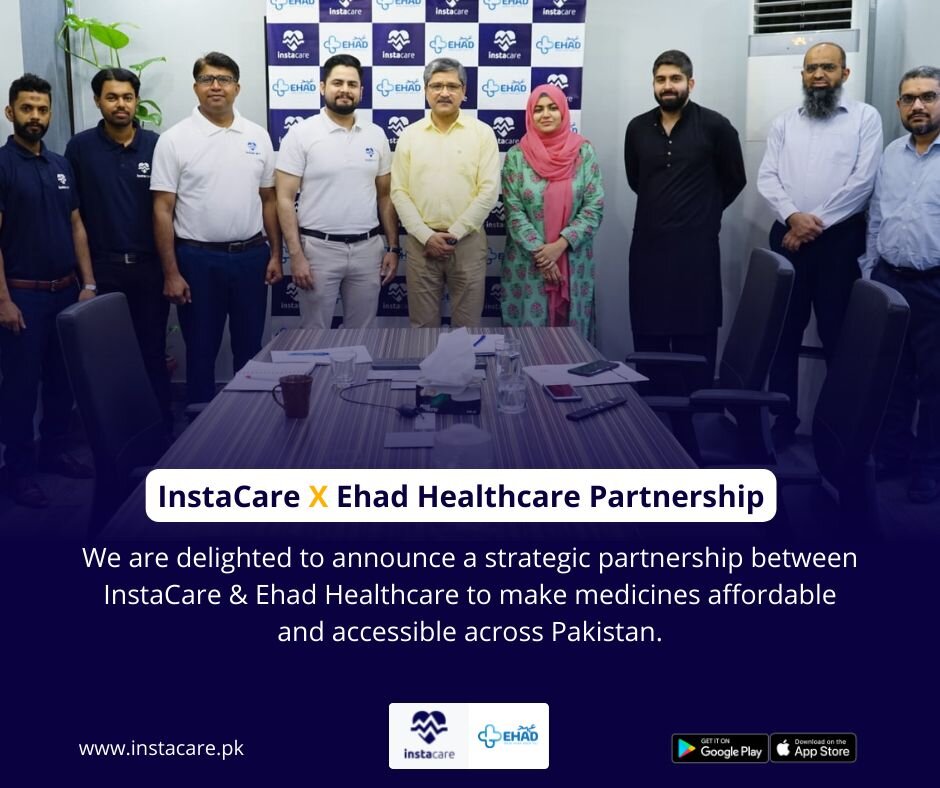
InstaCare Pvt. Ltd has entered into a strategic partnership with Ehad Pharmacy in Karachi. The collaboration is a result of the high traffic of patients using online platforms for ordering medicines. As a new norm, the use of technology in a post-Covid era in all sectors has seen a great ascend. Digitization of businesses trends to increase tenfold. The use of 3G/4G technologies in the palm of hands has made it possible to connect without limitations and boundaries, which adds more to value addition and reduces mobility costs to a great length in these times of inflation. Keeping the essential needs of our valued customers as our core mandate, InstaCare Pvt. Ltd and Ehad Pharmacy joined hands to bring a friendly, accessible, affordable, and efficient way to have your medicines delivered to your doorstep. InstaCare Pvt. Ltd. is the fastest-growing digital health-tech aggregator in Pakistan that aims to bring changes in the healthcare ecosystem by collaborating with significant partners and handholding including patients, hospitals, medical professionals, healthcare professionals, and pharmaceuticals to promote affordable and reliable healthcare for the masses. Similarly our partner Ehad Pharmacy takes pride in being the largest chain of pharmacies operating in Karachi which is one of the most populated cities of Pakistan and represents the business backbone of Pakistan with over several million in Population. The core is to provide the best products, healthcare facilities, and services and focuses mainly on the health and well-being of our communities professionally. InstaCare Pvt. Ltd will enable Ehad Pharmacy in digitizing its services using our user-friendly easy-to-use application allowing users to order online medicines by adding their prescription with discounts of up to 7% to regular customers using our platforms. At InstaCare Pvt. Ltd., we believe that through this strategic partnership with Ehad Pharmacy we add another pathway for our valued customers to bring to them a one-stop-shop solution for all their healthcare needs. As a digital partner in healthcare, InstaCare is endeavoring to assist stakeholders within the industry to take a leap and top up their abilities using technology as a pathway to sustainability and growth. We are committed to be one step closer to higher patient satisfaction by transforming the patient care journey in all possible ways through our linkages and partnerships with domain leaders in the healthcare industry. Avail medicine Delivery with amazing discounts at your doorstep at instacare.pk