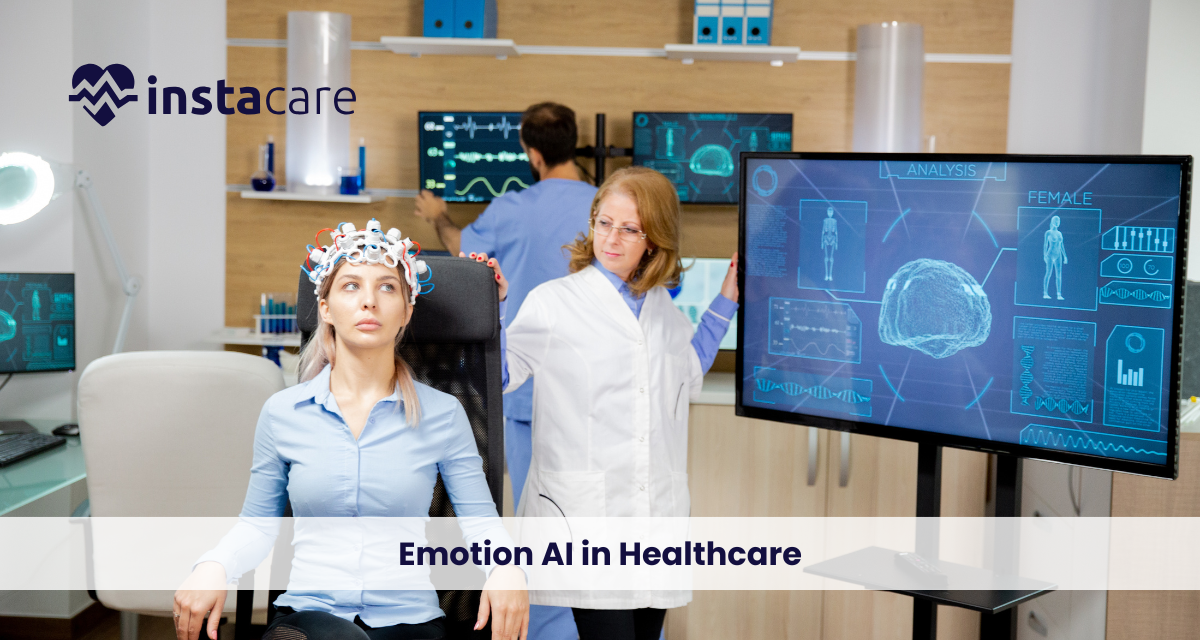
Emotion AI in Healthcare: Transforming Patient Care with Emotional Intelligence The field of healthcare is being revolutionized by incorporation of new and sophisticated technologies and Emotion AI in healthcare is a revolution that is taking shape. This is a technology that examines the emotions of humans based on artificial intelligence and this will allow the providers to comprehend the emotional condition of the patients in addition to their physical condition. Emotional intelligence is able to be integrated with clinical data to enable healthcare providers to provide more individualized care, enhance patient interaction, and streamline clinical processes. Emotion AI can be used in mental health monitoring, patient communication and behavioral health interventions, which is why this technology is a force to introduce into the modern healthcare system. What is Emotion AI? Affective computing or emotion AI is an AI hominoid technology that detects, analyzes, and reacts to human emotions. It works by using algorithms to handle facial expressions, speech patterns, voice tone and physiological signatures. These systems are useful in the healthcare setting to detect emotional distress, anxiety, depression, or stress in patients. Contrary to the conventional AI that is solely concerned with clinical outcomes, Emotion AI integrates AI sentiment analysis in healthcare, enabling the practitioner to comprehend the psychological and emotional aspects of health, which are fundamental in the overall well-being. How Emotion AI Works in Healthcare? Emotion AI works with the analysis of various kinds of information gathered during the interactions with the patients: Facial Recognition and Expression Analysis AI algorithms read micro-expressions, eye movements, and facial expressions that reveal emotions. Voice and Speech Analysis Tone, pitch, and speech cadence may indicate anxiety or depression (or any other emotional state). Behavioral and Physiological Data Wearable sensor, Skin conductance, and Heart rate, information show the level of emotional stress. With these inputs and the clinical records, AI for behavioral health monitoring can detect patterns that would have otherwise been ignored. The AI system then provides actionable insights to the physicians, therapists, and care teams, which enables prompt intervention. Applications of Emotion AI in Healthcare There are several applications of emotion AI in a healthcare environment: Patient Engagement AI emotion recognition systems may direct patient communication, changing to suit emotional responses to enhance comprehension and adherence. Mental Health Monitoring Patients who show emotions can be analyzed continuously, and the provider can identify the first signs of depression, anxiety, or stress in order to implement proactive measures. Therapeutic Support AI can be used to give feedback during therapy sessions to assist psychologists and counselors in designing treatment applications depending on how patients emotionally react. Scientific Research Emotion AI will be used in patient-centered science by measuring the emotional states enhancing the quality of research in behavioral health. These applications also improve patient care and clinical effectiveness, and emotional health is monitored both with physical health. Benefits of Emotion AI in Healthcare Emotion AI in healthcare is associated with many benefits: Better Patient Experience By knowing how the patients feel, providers will be able to react empathetically, and they will be able to make their care environment more comfortable. Early Intervention in Mental Health Problems The constant observation will identify emotional disturbances before it degenerates into serious cases. Data-Driven Insights AI emotional analytics in healthcare empowers making evidence-based decisions to use an individualized treatment plan. Improved Clinical Workflow Automated emotional analysis lessens the need to resort to manual observation to enable the healthcare personnel to concentrate on treating patients. Remote Patient monitoring Emotion AI is useful in telehealth to analyze emotions during virtual visits and increases care quality without meeting in person. All in all, Emotion AI enhances relationships between patients and providers and makes the medical services more efficient. Book Your Free Marketing Consultation Challenges and Ethical Concerns Emotion AI presents numerous challenges, in spite of its potential: Data Privacy and Data Security Emotional information is sensitive and should adhere to the regulations to avoid abuse or violation. Bias and Accuracy There are some cultural, linguistic, and demographic variations that may affect emotion recognition and, therefore, accuracy. Patient Consent Patients should know how the data of their emotions are gathered and utilized. Integration Complexity Implementing Emotion AI into the current Electronic Health Records (EHR) systems needs technical skill and training. To make AI-based patient care effective and ethical, healthcare organizations should take care of those problems. Future of Emotion AI in Healthcare Emotion AI for patient care has a bright future, and the new applications are improving not only diagnostics but also patient care: Predictive Behavioral Analytics Complex AI systems will anticipate emotional distress and mental health issues in advance. Connection with Virtual Health Assistants Emotion AI will complement AI assistants in the form of emotional responses upon interacting with a patient. Individualized Therapy Advice A combination of emotional feedback, cooperating with medical records, will enable highly personalized treatment plans in the field of behavior health. Growth in Telehealth Services Emotion AI will keep enhancing remote patient-emotion monitoring, adding to the access to mental health services. With the advancement in the technology, AI psychology and healthcare technology will form a foundation of the comprehensive treatment of the patient in addition to the usual clinical approach. Conclusion The use of emotion AI in healthcare is changing the way patients are treated as it is offering emotional intelligence to the clinical decision process. To mental health tracking and enhanced interaction with patients, emotion recognition systems based on AI assist providers in offering personalized, sumpter, and effective care. Although issues such as data privacy and integration are present, the advantages of using Emotion AI are more significant, which makes it an essential tool in the healthcare delivery of the present day. FAQs What is the value of Emotion AI in patient care? Emotion AI interprets and analyzes signs of emotion (facial expression, voice tone, and behavioral information) to deliver personal insights that allow the provider to react more empathetically and customize treatment plans. Does Emotion AI jeopardize patient privacy? Yes. With appropriate measures to
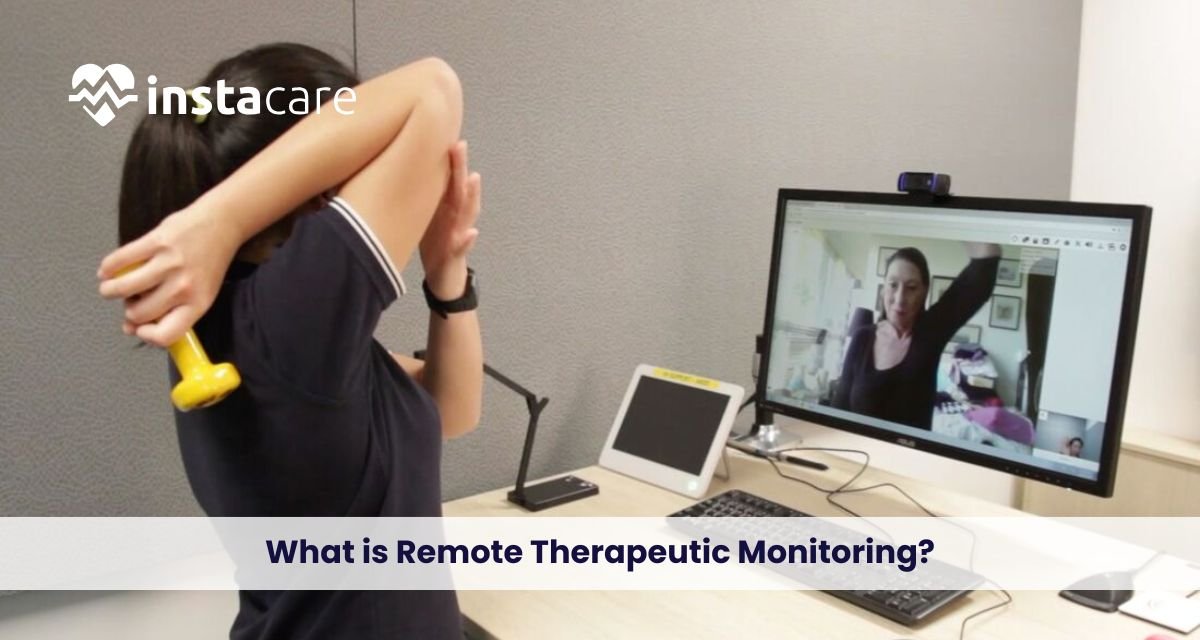
What is Remote Therapeutic Monitoring? The health care industry is undergoing the process of digitalization as technology is revolutionizing the way care is being traditionally delivered. Telecare cannot be an indulgence anymore; it’s increasingly becoming a necessity, chiefly for chronic disease management, musculoskeletal diseases, and post-surgical recovery. Among the more recent innovations brought by the Centers for Medicare & Medicaid Services (CMS) is Remote Therapeutic Monitoring (RTM), a care service to uphold the provider-patient relationship beyond the clinic. RTM allows health care professionals to track the status of a therapy patient in real time, maintain therapy sessions intact, and adjust them as needed. RTM bridges gaps between office visits with an illusion of uninterrupted care that speeds healing, promotes patient independence, and enables outcomes. What is Remote Therapeutic Monitoring (RTM)? Remote Therapeutic Monitoring is the use of networked devices and computerized equipment to monitor non-physiological patient information such as musculoskeletal function, pain, medication, or functional ability. RTM differs from more traditional care plans in that clinicians can obtain reliable information without having to have patients visit the clinic on multiple occasions. For example, Remote therapeutic monitoring in physical therapy may involve monitoring patients’ adherence to their exercise as prescribed, monitoring improved mobility, or even pain flare reported through a mobile app. RTM in occupational therapy can also be activity of daily living-specific, like fine motor, grip strength, or functional independence. To simplify adoption, has developed several Remote therapeutic monitoring CPT codes for remote therapeutic monitoring to allow providers to be paid to review, message, and monitor patients. Coding is a giant leap in the direction of encouraging providers to incorporate RTM into routine care. How Does RTM Work? RTM operates through an amazing but coercive process: Data Collection – Progress is tracked by patients with applications, wearables, or associated sensors. For example, remote therapeutic monitoring devices might track gait, posture, or completion of exercises. Transmission to Providers – Data is securely transmitted with remote therapeutic monitoring software, which is linked to the provider’s clinical dashboard or EHR system. Analysis & Review – Providers assess information to ascertain whether or not the patient is adhering to the treatment plan and the efficacy of the treatment that has been followed. Communication & Engagement – Therapists provide feedback, encouragement, or adjust according to patient performance. A step-by-step in-home therapeutic monitoring process removes any phase from being omitted, from setting patient goals to data collection and altering treatment plans. Book Your Free Marketing Consultation Benefits of Remote Therapeutic Monitoring Benefits of Remote Therapeutic Monitoring to patients and medical professionals: Greater Patient Engagement – The patient is engaged directly in the treatment as they are monitoring progress and receiving immediate feedback. Better RTM and patient engagement heighten compliance with therapy. Reduced Recovery Time – Real-time data enables immediate intervention adjustments, which lead to better results of treatment. Convenience to the Patients – For rural or mobility-impaired patients, RTM spares them the inconvenience of making regular trips to clinics. Opportunities for Reimbursement – Remote therapeutic monitoring reimbursement opens opportunities for reimbursement for healthcare practitioners, thereby promoting digital health adoption with no additional cost. Musculoskeletal Specialized Care – Post-operative recovery, back injury, or arthritis are perfect conditions for RTM. Remote therapeutic monitoring for musculoskeletal conditions is one of the most rapidly changing uses. Case Example: Patient undergoing knee surgery has a wearable device with a sensor to monitor range of motion exercise. Automatically, the information is transmitted to the therapist, and the therapist is alerted that the regimen of rehabilitation treatment of the patient is off track. The therapist makes changes to the exercise regimen before the next visit, thereby preventing complications. Remote Therapeutic Monitoring vs. Remote Patient Monitoring All except the most sophisticated players are getting used to the Difference between RTM and RPM. While they’re similar, they address different objectives: Remote Patient Monitoring (RPM) is after physiological data like heart rate, glucose, or oxygen saturation. Remote Therapeutic Monitoring (RTM) is after therapeutic and behavioral metrics like exercise compliance, functional status, and patient-reported outcomes. From the compliance perspective, CMS guidelines for remote therapeutic monitoring suggest that RTM can be self-reported, while RPM needs to include device-derived physiological data. Having that data provides payers the opportunity to bill correctly, remain compliant, and choose the right service model for patients. Who Can Benefit from RTM? RTM is so versatile that it is worth it for so many practitioners and patients: Rehabilitation Patients – For trauma or surgical, or disease patients, frequent feedback and monitoring by therapists is worth it. Physical & Occupational Therapy Clients – from ADLs to gait, patient therapy outcome is improved when patients are maintained in balance with electronic monitoring. Musculoskeletal Patients – RTM’s ability to monitor functional attainment, posture, and activity is particularly well-suited to orthopedic rehab. Chronic Disease Patients – RTM vs chronic care management, both used in combination, can lead to an integrated care plan tracking therapy progress as well as long-term condition management. The Future of Remote Therapeutic Monitoring The RTM potential is boundless. Machine learning and artificial intelligence are driving the trends at historic velocities, and Virtual Care solutions enable providers to predict patient relapses more effectively. The algorithms, for instance, can identify treatment nonadherence signals in time, prompting providers to take swift and proactive action. There will be increased usability and accuracy with increased use of wearables and mobile apps. Voice-activated digital assistants can even provide instructions to patients for the performance of exercises in their home environment and provide data for clinicians. On the billing front, there is going to be a learning experience for billing remote therapeutic monitoring. There is documentation, appropriate coding, and Remote therapeutic monitoring workflow coordination that will pay back providers at the moment. Professional associations also publish remote therapeutic monitoring best practice guidelines such that care will be effective and trustworthy across health systems. RTM’s future is patient-centric models of care, as well. Merging RTM with virtual visits, digital
Benefits Of Remote Vital Sign Monitoring In Healthcare Today’s healthcare system is continuously changing, with technology integration as its backbone. Patient care has entirely new dynamics, which has brought a new way of healthcare management. Another area where high technologies have had a significant impact is remote vital sign monitoring, which has rapidly become very popular in the last few years. For remote monitoring of patients’ vital organs, healthcare providers can monitor home-side patients’ heart rate, blood pressure, and blood oxygen levels from some miles away. In this comprehensive article, we will indeed cover the reasons why it is necessary, the private or professional needs the monitoring may fulfil, and its positive effects on healthcare services. Importance Of Remote Vital Sign Monitoring Early Detection Of Health Issues: Remote vital sign monitoring permits healthcare staff to monitor patients’ vital sign feeds and detect continuously, in time, any deviation from the standard values. As such, this strategy promotes timely interference when health problems are first identified, thus keeping the severity of the issues in control for the patient’s benefit. Chronic Disease Management: Patients with conditions like hypertension, diabetes, and heart complications need frequent monitoring, particularly of their vital signs, to control their conditions properly. Remote vital sign monitoring allows patients to master their health by means of immediate feedback and alerts sent to healthcare providers, thereby permitting the adoption of proactive management of chronic conditions. Reduced Healthcare Costs: By prompting preventive care and stopping emergency room visits or needless hospitalizations, remote vital sign monitoring is a payment-efficient option for combating chronic conditions. Furthermore, it provides more practical guidelines for healthcare entities to achieve success in healthcare delivery without overburdening healthcare establishments and staff. Enhanced Patient Engagement: Through remote vital sign monitoring, citizens are more encouraged and enthusiastic to assume control of their health and be accountable for managing it. Patients can now organise themselves by measuring their vital indices themselves, fostering treatment adherence, and communicating with their healthcare providers. This form of shared leadership delivers the feeling of influence and improves the level of patient satisfaction. Book Free Demo Uses Of Remote Vital Sign Monitoring 1-Post-Discharge Monitoring Following discharge from the hospital, patients are entitled to particular concerns, including follow-up programs, which will ensure their condition progresses without any complications and reduce readmissions. The conditions are made more favourable by the remote monitoring of vital signs, where physicians can view patients’ vital signs in real-time, making rapid interventions possible in the event of problems. 2-Home Health Monitoring Health monitoring with remote devices for vital signs is essential in the care of individuals with chronic conditions and those requiring long-term care. These smart devices have helped patients in their health monitoring right within their home’s confines, which in turn has reduced the need for going to a clinic often and improved overall health. 3-Telemedicine Consultations Virtual doctor-patient consultations in the age of telemedicine are greatly enhanced by remote vital sign monitoring, meaning that crucial information can be acquired remotely. Every patient can send their vital sign data to healthcare providers in real-time, which is then used by doctors for precise diagnoses. The patients found to be in need are treated without the need for in-person visits. 4-Clinical Research And Trials Remote vital signs monitoring is increasingly used in research and trials to measure subjects’ data in real-time. This equips investigators with valuable information about participants’ general conditions and reactions to different procedures, helping make clinical studies more precise and fast. View More: Maximizing Efficiency with Smart Clinic Software The Main Advantages Of Remote Vitals Monitoring Let’s dive deeper into the value added as well as key benefits of remote vital monitoring. 1-Increased Availability Of Value-Based Care By abandoning the former fee-for-service reimbursement system, the value-based care model links financial reimbursement to the quality of patient care. Value-based care implementation is a practical approach that leads to better patient outcomes with reduced costs, but the health system faces some obstacles. Resource shortage is one of the most pressing problems facing organizations that would like to implement value-based care. Remote vitals monitoring simplifies the task of providers by allowing them to expand their capacity. By using virtual visits and remote vital monitoring, providers can complete more tasks in less time and dedicate more of their energy to the patients with the highest risk of failure. Overall, each telehealth nurse can monitor 80 to 100 patients, depending on the number of clients. 2-Improved Patient Outcomes Monitoring parameters like heart rate, blood pressure, and blood sugar still necessitates booking a face-to-face appointment with the doctor. It can be stressful for those who have to take time off from work or arrange their family members for transportation. Yet, the adoption of remote monitoring technology allows patients to share their vitals using Bluetooth-enabled biometric devices from their homes, so it becomes more convenient for patients and family caregivers to have a more significant say in the management of health, thus bettering health outcomes. 3-Healthcare Cost Savings Remote monitoring of vital signs can significantly reduce unnecessary ER visits, avoidable hospitalizations, and readmissions, reducing healthcare costs. The essential monitoring devices can make the patient realize the severity of his disease, and the risk alerts may send a message to the care providers about the rising patient risk. This enables doctors to assess their patients and intervene promptly without unnecessary expenses and hospital admissions. 4-Enhanced Patient Engagement In the conventional healthcare setting, care ceases as soon as a patient leaves the doctor’s clinic until the moment of the subsequent attendance. Without a sense of observation of what is happening with the patients, the staff participating in the care can no longer be at arm’s length. Patients can only accommodate advisory skills and are not responsible for compliance. The physical audience is the interface that prevents healthcare providers from conducting real-time observation when remote monitoring is used, as opposed to this obstacle being removed with real-time observation. Reallocation Of Healthcare Providers’ Time To More Fruitful Areas Such As Preventive Care And
What Is The Significance of Remote Patient Monitoring in the Healthcare Sector? Remote Patient Monitoring (RPM) is a pivotal innovation in medical care that has changed how patients get clinical consideration and how specialists give it. This article examines RPM’s significance, including its advantages, operation, application, challenges, and prospects. RPM allows specialists to monitor patients from a distance, utilizing contraptions like wearable sensors and telephone applications. It’s beneficial for individuals with ongoing circumstances like diabetes or heart issues, as it can get problems early and save excursions to the specialist. Although RPM needs to be fixed, there are worries about protecting and ensuring the innovation works dependably. Despite this, RPM is likely to continue developing and working in the years ahead, making medical care more advantageous and viable for some individuals. Advantages Of Remote Patient Monitoring Improved Patient Outcomes One of the essential advantages of RPM is its capacity to upgrade patient results. Healthcare professionals can spot early indications of weakening or complications by remotely monitoring vital signs and health metrics, allowing quick intervention. This proactive methodology lessens the probability of unfavorable occasions like clinic readmissions and works on generally tolerant well-being. Enhanced Patient Engagement RPM encourages more noteworthy patient commitment by engaging people to function in dealing with their well-being. Through wearable gadgets and versatile applications, patients can follow their well-being information progressively, gain experiences with their condition, and settle on informed conclusions about their way of life and treatment choices. Improved health outcomes result from improved treatment plan adherence as a result of this increased engagement. Cost-Effectiveness As well as working on quiet results, RPM offers financially savvy answers for medical care conveyance. By remotely checking patients, medical care suppliers can lessen the requirement for successive in-person visits, which can be costly and tedious for the two patients and suppliers. In addition, early location of medical problems through RPM can forestall exorbitant clinical mediations and hospitalizations, bringing about colossal expense reserve funds for medical care frameworks. Book Free Demo How Remote Patient Monitoring Works? Remote Patient Monitoring (RPM) relies upon wearable sensors, telephone applications, and remote observing frameworks to assemble and send patient data. These devices monitor significant signs like pulse, circulatory strain, glucose, and movement levels constantly. As it happens, they send this data directly to healthcare providers. This means that nurses and doctors can monitor patients’ health from afar. Supposing they notice any progressions or issues, they can step in rapidly to help. RPM resembles a virtual regular checkup, where the specialist can perceive how you’re managing without venturing out from home. It’s a helpful method for keeping steady over your well-being, particularly assuming that you have a condition that needs customary observing. Applications Of Remote Patient Monitoring RPM has diverse applications across various healthcare settings, including: Chronic Disease Management RPM is essential in overseeing ongoing circumstances like diabetes, hypertension, and coronary illness. By observing patients’ well-being measurements from a distance, medical services suppliers can distinguish changes in condition early and change therapy designs promptly, lessening the gamble of difficulties and working on personal satisfaction for patients with persistent illnesses. Post-Operative Care Patients frequently require close checking to guarantee legitimate mending and healing after a medical procedure. RPM permits medical services suppliers to remotely screen patients’ critical bodily functions and recuperation progress, empowering early discovery of inconveniences like disease or careful site complexities. This proactive way to deal with post-employable consideration can abbreviate clinic stays, decrease readmission rates, and work on understanding results. Elderly Care RPM is likewise significant in being cared for by old patients, particularly those with numerous constant circumstances or restricted versatility. By constantly observing indispensable signs and action levels, RPM empowers early recognition of medical problems and falls, lessening the gamble of unfavorable occasions and empowering ideal mediation. Moreover, RPM gives inner serenity to old patients and their parental figures, realizing that help is accessible at the bit of a button. View More: Simplifying Record-Keeping with a Patient Record Management System Challenges And Solutions To Keep In Mind Regardless of its various benefits, Remote Patient Monitoring (RPM) presents a few difficulties that need tending to: Data Security And Privacy Concerns: The transmission and capacity of touchy well-being information through Remote Patient Monitoring (RPM) frameworks raise critical worries regarding patient protection and information security. Patients legitimately stress over the privacy of their clinical data and the likely dangers of unapproved access or breaks. Medical care suppliers should execute vigorous safety efforts inside RPM stages to address these worries. Integration With Existing Healthcare Systems: Coordinating RPM innovation into existing medical care frameworks presents a complex test. The different clusters of gadgets and stages utilized in RPM might need similarity with laid-out electronic well-being record (EHR) frameworks, blocking consistent information trade and interoperability. To close compatibility gaps, healthcare providers must invest in interoperable technologies and develop standard protocols. This includes making secure connection points and information norms that work with consistently joining RPM information with EHRs, empowering medical services experts to get to thorough patient data progressively. Patient Acceptance And Adherence: Accomplishing far-reaching reception and adherence to Remote Patient Monitoring (RPM) programs among patients requires tending to different boundaries and concerns. Patients might hold onto second thoughts about RPM because of vulnerabilities encompassing information security, ease of use difficulties, or an absence of experience with innovation. To beat these obstructions, medical care suppliers should participate in thorough patient training drives, featuring RPM’s advantages and tending to misguided judgments every day. This entails making information about RPM’s operation, its potential impact on patient outcomes, and the safeguards in place to protect data privacy readily available. Conclusion Finally, remote patient monitoring, or RPM, is vital in the medical services industry and enjoys a few benefits, including a better understanding of results, expanded patient commitment, and cost viability. RPM makes it conceivable to give individualized care, brief mediation, and early finding of medical problems by ceaselessly checking patients’ well-being from a distance. Despite hindrances like information security stresses and mixed hardships, RPM can change medical care conveyance
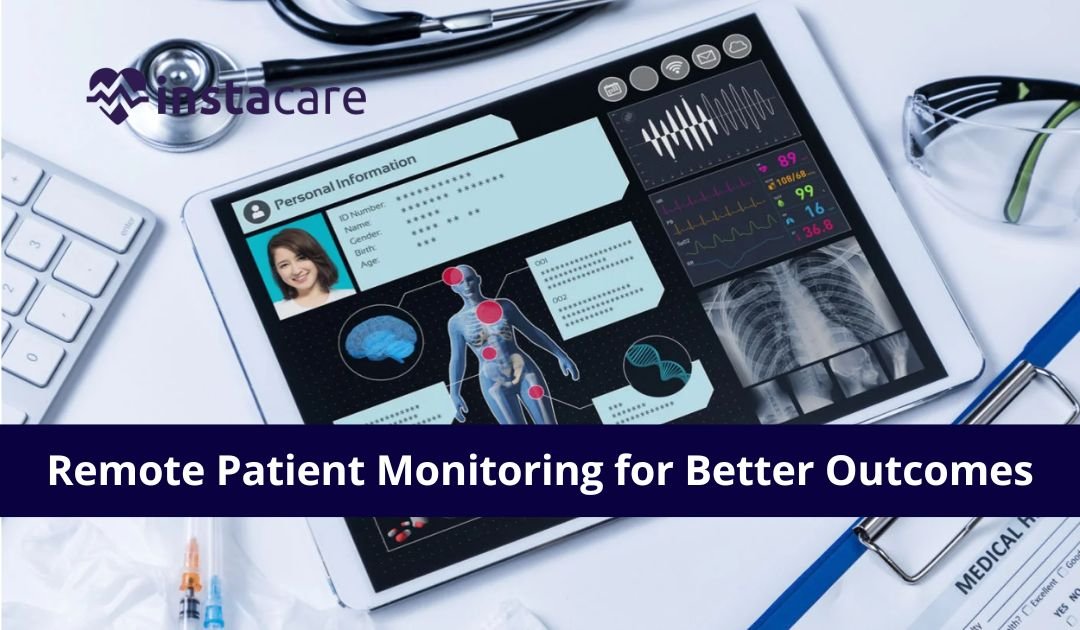
Remote Patient Monitoring for Better Outcomes In a fast-paced world buzzing with health concerns, remote patient monitoring services are proving to be an innovative and transformative solution that could drastically improve the way healthcare is delivered for better outcomes. Remote monitoring allows clinicians to monitor a wide range of health status such as vital signs, activity levels, stability in chronic conditions over time—all from afar without having the patient still on hospital premises or being physically present at doctor’s office visits. With this revolutionary technology paving its way into the medical industry, many questions linger around how effective it can prove to be and what benefits will it bring for patients globally. In this blog post we dive deep into understanding how remote patient monitoring works and why more and more doctors are increasingly turning towards using this tool for their practice. What is Remote Patient Monitoring and How Does It Work In today’s age of advanced technology, remote patient monitoring has revolutionized the way healthcare is delivered. Simply put, remote patient monitoring is a system that allows healthcare providers to track a patient’s health data from afar. It typically involves devices such as wearables, sensors and mobile apps that collect and transmit data such as blood pressure, heart rate, and blood sugar levels to healthcare professionals. This real-time data enables healthcare professionals to identify trends and intervene in times of need, potentially avoiding complications and improving outcomes. The process is seamless, efficient, and more importantly, it enables patients to receive the high-quality care they need no matter the distance. Book Free Demo Benefits of Remote Patient Monitoring for Clinicians and Patients Remote health monitoring has revolutionized the way healthcare is delivered, benefiting both clinicians and patients alike. Through this technology, healthcare providers are able to continuously monitor their patients’ health conditions, allowing them to respond promptly to any issues that arise. For patients, remote health monitoring offers the convenience of receiving medical care from the comfort of their own homes, eliminating the need for frequent hospital visits. This leads to improved patient outcomes and satisfaction, as well as reduced costs associated with hospitalizations and emergency room visits. Clinicians also benefit from this technology as they are able to track patient progress more accurately, adjusting treatment plans as necessary and providing more personalized care. All in all, remote patient monitoring is a win-win approach to healthcare delivery. Different Types of Remote Patient Monitoring Systems With advancements in technology, remote patient monitoring systems have become increasingly popular in the healthcare industry. These systems allow healthcare professionals to track the health status of their patients in real-time, without the need for in-person visits. One type of remote patient monitoring system is virtual patient tracking, which uses software to monitor patients’ vital signs, medication usage, and other health-related information. This information is then transmitted to healthcare providers, who can use it to make informed decisions about treatment and care plans. This technology has revolutionized the healthcare industry, providing patients with more accessible and efficient care, while also reducing healthcare costs. View More: Streamline Your Medical Billing with Medical Billing Software Best Practices for Implementing Remote Patient Monitoring Telehealth has revolutionized healthcare by bridging the gap between patients and providers, especially during the pandemic. However, when it comes to remote patient monitoring, it’s not just about the technology. Implementing best practices is crucial in ensuring successful adoption and patient engagement. For starters, healthcare professionals should select the most appropriate remote monitoring devices for their patients and equip them with the necessary skills to use them. Additionally, a comprehensive risk management plan should be put in place to ensure data security and privacy. Furthermore, healthcare providers should establish clear communication channels with their patients and set achievable goals to make the most of the remote monitoring technology. By following these best practices, healthcare providers can enable continuous monitoring of their patients’ health and deliver efficient care, regardless of their location. Challenges of Integrating Remote Patient Monitoring into Healthcare Settings The integration of remote patient monitoring into healthcare settings poses a plethora of challenges that need to be addressed. One major challenge is the distance that exists between patients and healthcare providers. This creates a gap that needs to be bridged through innovative technology and practices that enable efficient real-time monitoring of patients. Healthcare providers must have the infrastructure and resources necessary to collect and analyze data generated from remote monitoring devices. They also need to be trained on how to interpret the data, use it to make informed clinical decisions, and act accordingly. Another challenge involves ensuring that the privacy and security of patient data are protected. It is crucial to implement secure and comprehensive communication systems between patients, providers, and other relevant stakeholders. These challenges and more highlight the need for adequate preparation, planning, and collaboration between healthcare providers and technology companies. Only then can we realize the full potential of remote patient monitoring and improve the quality and accessibility of healthcare for patients. Strategies to Overcome the Challenges of Adopting Remote Patient Monitoring The world of medicine is constantly advancing and implementing new technology, and remote patient monitoring is one of the latest breakthroughs. While it presents numerous benefits, such as increased efficiency and accessibility, there are also challenges that need to be addressed. Strategies to overcome these hurdles are crucial to the success of adopting remote patient monitoring. One approach is to provide adequate training to both medical professionals and patients on how to use the technology effectively.Another solution is to maintain an open line of communication between patients and healthcare providers, as this will enable them to identify and address any issues as they arise. Ultimately, by implementing these strategies, healthcare organizations can maximize the potential of remote patient monitoring to improve patient care and outcomes. Conclusion Remote patient monitoring is an incredible breakthrough for modern medicine, allowing doctors to offer more personalized treatments and establish better outcomes for their patients. This is significant because it reflects the amount of