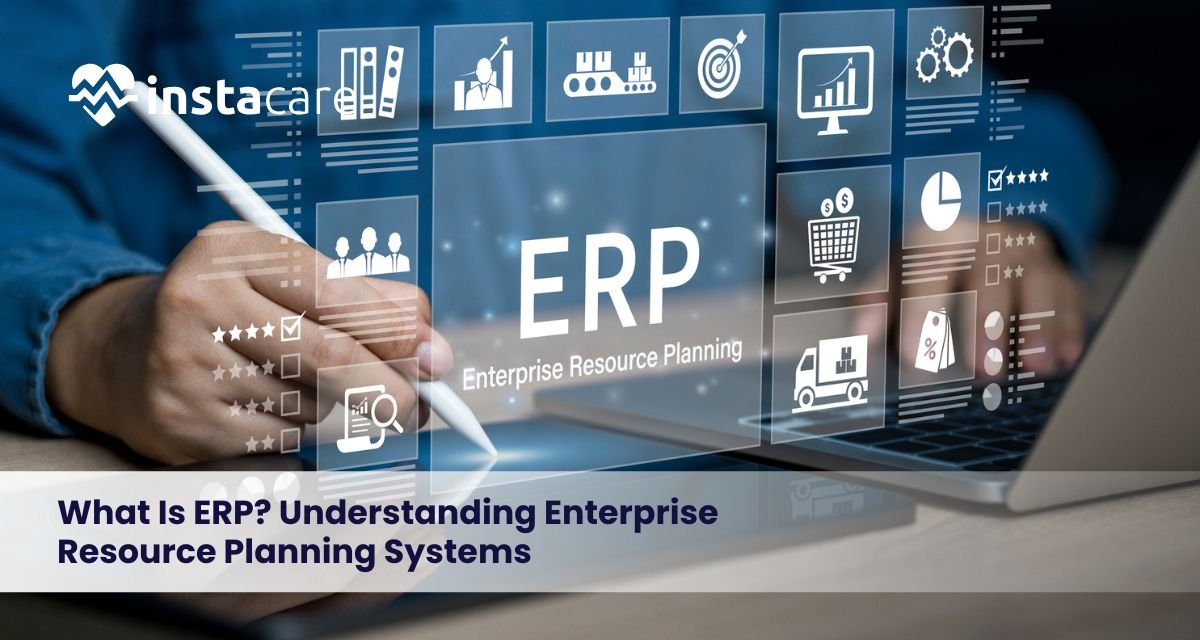
What Is ERP? Understanding Enterprise Resource Planning Systems In the present-day day fast-paced, and data-driven business world, organizations are adopting integrated systems within their operations in order to be efficient in running business operations. With the growth of the business, there is no easy way to manage departments like finance, human resources, supply chain, sales, and inventory independently. Enterprise Resource Planning systems are also instrumental in this. ERP systems can assist the organization centralize data, automate their processes and make better decisions. An ERP system helps companies achieve a more efficient, cost-effective, and productive operation by allowing the adaptation of several business functions into one platform. What Is ERP? ERP is an acronym that refers to Enterprise Resource Planning, software, which is used to coordinate and administer fundamental business activities in an organization. ERP enables all functions to be run on a single database as opposed to separate systems used by different departments. With an ERP software system, data within various business regions is collected, stored and processed in real time. This will guarantee uniformity, precision and availability of information throughout the organization. ERP systems are popular among small, medium, and large enterprises to automate the processes and improve working together. ERP, at its simplest, is a way of utilizing organizational resources, be it people and processes, better to accomplish organizational objectives through the use of technology. Key Features of ERP Systems The contemporary ERP systems have broad features that cater to the functions of the business in various departments. These ERP software features are meant to enhance efficiency, transparency and control. Key features include: Database that is centralized to access real-time data. Routine business process automation. Unified financial management and accounting. Supply chain and inventory tracking. Payroll management and human resource. Reporting and analytics dashboards. ERP modules are ready to be customized by modular design to suit the demands of various industries and business scales. Types of ERP Systems Types of ERP systems come in various forms which are tailored to suit different business needs, financial constraints and preferences of deployment. On-Premise ERP On-premise ERP solutions get installed and supported on the own servers of a firm. They are very controllable and customizable but demand a large outlay and IT. Cloud-Based ERP Cloud ERP systems are stored on those of the vendor and are accessed through the internet. Such systems are affordable, expandable and less technical to maintain and have become popular with the current business world. Hybrid ERP Hybrid ERP integrates cloud and on-premise platform and enables businesses to store sensitive data in-house and enjoy the flexibility of cloud computing. Industry-Specific ERP Other ERP solutions are targeted at particular industries including manufacturing, healthcare, retail and education providing specialized ERP modules and workflow, such as Lab Management Software designed for diagnostic centers and medical laboratories. Benefits of Implementing ERP Adopting ERP system has many benefits that facilitate business development in the long term. The ERP benefits are not limited to the efficiency of operations but also to strategic planning and customer satisfaction. Major benefits include: Enhanced proper data quality and consistency. Improved interdepartmental cooperation. Automation leads to increased productivity. Decision-making and reporting in real time. Low operation and administrative expenses. Better compliance and risk management. ERP solutions for enterprises help organizations have more visibility of the operations and thus proactively make plans and responsive operations to changes in the market. Challenges of ERP Implementation Although ERP has benefits, it also has its own challenges. The ERP implementation process may give delays, overruns on budget and resistance to change by users in case the implementation process has not been laid out properly. Common challenges include: Expensive first-mover expenses. System complexities in customization. Opposition to change by employees. Data migration issues Training and skill gaps In a bid to address these challenges, organizations should invest in adequate planning, involvement of stakeholders, and continued support. Book Your Free Marketing Consultation How to Choose the Right ERP System? The choice of appropriate ERP solution is essential in attainment of desirable business results. Organizations ought to be keen in analysing their requirements then selecting an ERP platform. Using the following as the main factors to be considered: The size of the business and industry demands. Necessary ERP modules and scalability. Preference to deploy (cloud, on-premise or hybrid) Total cost of ownership and budget. Customer service and reputation of the vendor. Intuitiveness and integration. The right ERP software solution helps to match the business objectives and provides future expansion without the complexity that should not exist. Conclusion ERP systems have become a necessity for all organizations that aim to gain efficiency in their operations and strategic leveraging. ERP systems enhance accurate and transparent business operations and interdepartmental cooperation by removing business processes as isolated entities. Even though the ERP implementation process is complicated, the long-term advantages greatly exceed the obstacles, provided they are adequately implemented. ERP can change the way enterprises use resources, make decisions, and grow with the appropriate planning and solution. FAQs Why is an ERP system important? An ERP system is primarily aimed at unifying and automating the key business procedures to supply one location of precise information to enhance effectiveness and decision-making. Does ERP software apply to large organizations only? No, small and medium-sized businesses can also use modern ERP software, which has scalable solutions depending on the needs of organizations. What is the time the ERP implementation takes? Depending on the complexity of the systems, customization and the preparedness in the organization, ERP implementation may be completed in few months to more than one year. What are ERP modules? ERP modules are specific parts of an ERP system (finance, HR, inventory, or sales) that can be implemented in a business jointly or separately, depending on the business requirements.
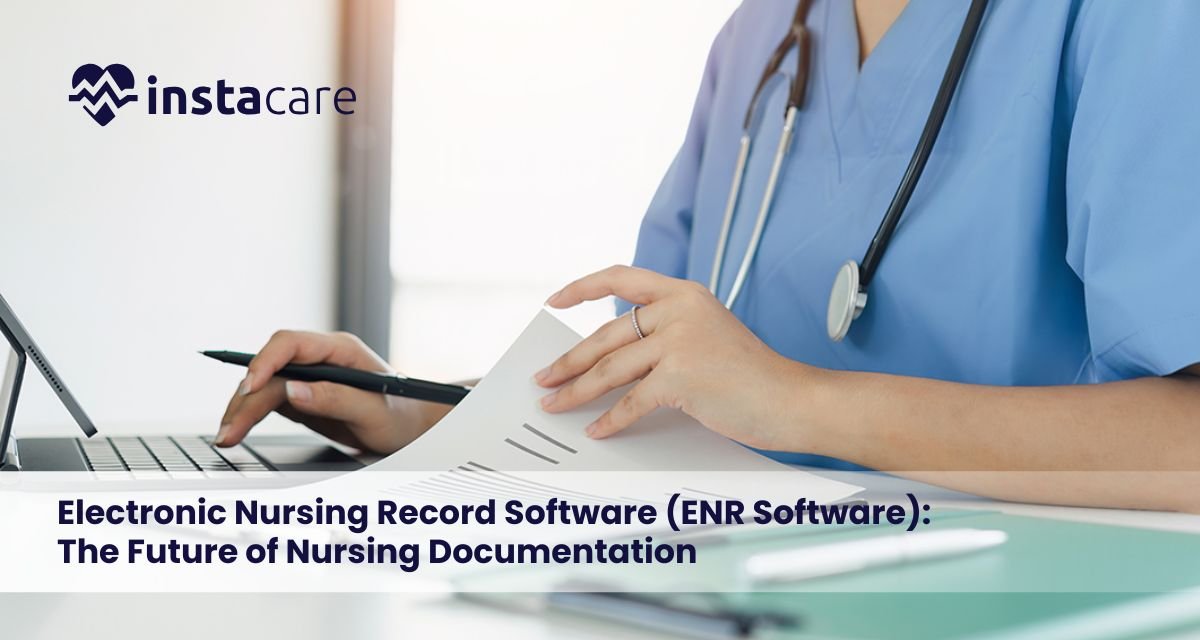
Electronic Nursing Record Software (ENR Software): The Future of Nursing Documentation The field of healthcare is quickly becoming digitised, and nursing documentation is not an exception. Nurses are at the front line in providing care to the patients and in most cases, the traditional paper-based records and the divided systems tend to slow them down and thus prone to make errors. ENR software has become an effective tool that allows one to document appropriately, in real-time, and patient-centred. ENR software is changing the way nurses in healthcare facilities document, communicate and provide care through the simplification of workflows and access to clinical data. What Is Electronic Nursing Record (ENR) Software? Electronic Nursing record software is a dedicated healthcare record system that was developed and intended to be used by nurses in easy access, management, and recording of patient care information electronically. In contrast to the general electronic health record for nurses, ENR is built around such nursing-specific data as assessment, care plans, medication administration, vital signs and progress notes. Electronic nursing records enable nurses to record patient details in an instant with structured templates and standardised terminologies. This software is a component of an ENR system in healthcare and functions well with the larger systems of the hospital to provide continuity in care and accuracy of data throughout the patient experience. Key Features of ENR Software The current nursing documentation software has a vast spectrum of functions capable of supporting clinical efficiency and patient safety. Common features include: Assessment, interventions, and outcomes: customisable nursing charting software. Automated time stamps and real time documentation. Computerized patient care records that are available in different departments. Medication, vitals, and care reminders and clinical alerts. Development of care plans and revision depending on the state of the patient. Laboratory/ pharmacy/ physician systems integration. Support of mobile and bedside documentation. Role-based access control to data storage. All these characteristics make the digital nursing documentation both extensive and convenient in the fast-paced clinical setting. Benefits of ENR Software Implementation of ENR software provides tremendous benefits to both nurses, health institutions and patients. In the case of nurses, it saves them time that would otherwise be associated with paperwork and manual charting and direct patient care can be given more attention. In the case of healthcare organisations, it enhances the accuracy of documentation, standardisation, and compliance with regulations. Better communication between care teams promotes safer and more coordinated care to patients. The other advantages are: Minimized documentation errors. Greater efficiency on nursing workflow management software. Quicker patient data accessibility. Greater interdisciplinary cooperation. More quality improvement data analytics. In general, ENR software helps to maintain a more effective and responsible healthcare documentation system. How ENR Software Supports Quality Patient Care? Timely, accurate, and comprehensive documentation is the key to high-quality nursing care. This is facilitated by ENR software which allows nurses to document patient assessment, intervention and reactions in real time. This will guarantee that the impact of a patient in his or her health is seen instantly by the whole treatment team. Nurse-specific electronic health records facilitate standardised care delivery with the aid of evidence-based templates and clinical pathways. This minimizes variability in care, and serves to aid in making informed clinical decisions. Also, there are inbuilt warnings and verification systems that can eliminate medication mistakes and omissions in interventions, thus directly affecting patient safety. Implementation: What Healthcare Facilities Should Know? The use of hospital nursing software should be properly planned and coordinated. Starting with evaluating clinical needs, current infrastructure, and staff preparedness, healthcare facilities should start with it. Implementation can be achieved successfully by choosing a system that can fit the nursing processes and not by interfering with them. Key considerations include: Training of staff and managing change. Integration of the system with the current electronic medical records for nurses. Paper/legacy system data migration. System scalability and technical support. The adoption and the success in the long term require leadership involvement and nurse involvement in the implementation. Common Challenges and Solutions With all these advantages, ENR software implementation is not easy. The opposition to change is not unique, particularly concerning the employees who are used to the paper-based documents. This can be taken care of by intensive training, continuous support and including nurses in designing the system. The complexity of the system, data overload and interoperability problems are other challenges. The obstacles can be overcome by selecting an easy-to-use nursing informatics software and making sure that it can be easily integrated with other systems. The usability can also be enhanced in the long run by regular system updates and feedback loops. Book Your Free Marketing Consultation Regulatory and Compliance Considerations ENR software should adhere to healthcare policies concerning patient privacy, data security and clinical documentation standards. Audit trails, secure access control, and encryption should be supported by systems to aid in secure storage of patient information. Observation of the national and international standards of healthcare shows that the electronic patient care records are legally sufficient and ethically controlled. Healthcare organisations should also be able to practice proper documentation in order to fulfil the accreditation and reporting requirements. Future Trends in ENR Software The development of the ENR software is directly related to the development of healthcare technology. There is an increased adoption of artificial intelligence and predictive analytics to aid in clinical decision-making and early detection of patient risks. Other current trends are: Nursing charting voice recognition software. Suggestions on AI-assisted documentation. Nursing outcome advanced data analytics. Mobile-first and cloud-based platforms. Complete integrated EHR and ENR systems. The innovations will further improve efficiency, accuracy and patient-centred care. Choosing the Right ENR Software Nursing care management software needs to be chosen with a clear grasp of the clinical requirements, as well as organisational objectives. The healthcare facilities must focus on intuitive, scaled and interoperative systems. The important evaluation criteria are: Ease of use for nursing staff Customisation options Connection with current clinical documentation software. Vendor support and training Meeting healthcare regulations. The selected ENR solution can
Healthcare Analytics Software: How Data Is Transforming Modern Patient Care In modern healthcare, results depend more on how data is used. Because of this, clinics and hospitals now apply analysis tools to support choices in treatment, cut delays, reduce waste, also lift service quality. These systems give live updates on patient patterns, staff workloads, and equipment needs, while forecasting risks before they grow serious. They turn unorganized information into practical steps for care teams. What Is Healthcare Analytics Software? Healthcare analytics tools gather patient and system information to support better choices. These systems analyze medical records, use forecasts, show reports, plus display insights through interactive screens. Data flows in from EMRs, labs, or wearables, enabling clinics to track treatment progress while spotting dangers early. Providers gain clearer oversight, helping them act ahead of time to improve results. Key capabilities: Data aggregation across multiple sources Display of client data alongside system performance measures Predicting how illnesses develop plus sorting patient risks Linking EMR or EHR platforms to support smooth daily operations Why Healthcare Analytics Matters Today Today’s medical system deals with more patients, widespread long-term illnesses, plus higher running expenses. Using data tools matters greatly because it helps manage these challenges effectively through better insights and planning over time Improving patient results by using data-driven choices instead of assumptions Lowering hospital readmission rates while cutting mistakes in treatment Improving how workers are assigned, alongside better handling of supplies Using shared data to help public health efforts through combined analysis Groups that apply data tools in healthcare see higher satisfaction from patients, fewer workflow issues, also stronger adherence to rules. Key Features of Healthcare Analytics Software Healthcare medical analytics platforms offer a range of specialized features tailored for clinical and operational needs: Live health data tracking: instant updates on vital signs, test outcomes, triggering faster care actions when needed. Healthcare Dashboard Software: healthcare dashboard software tools let users adjust views to show key data, patterns, or patient details, helping leaders and care teams check info fast through tailored layouts that improve clarity and decision speed by organizing inputs clearly. Predictive Analytics for Healthcare: predictive analytics for healthcare uses machine learning to forecast illness trends, estimate needed resources, while also sorting patient risks by likelihood. Population Health Analytics Tools: Population health analytics tools assess community patterns, helping spot vulnerable patients, so clinics can act early. These systems track outcomes while guiding prevention strategies through data use instead of guesswork. AI-Based Healthcare Capabilities: Use AI-based healthcare to spot issues automatically. Or streamline daily operations efficiently. Also assist doctors with smart tools for better choices. EMR/EHR Analytics Integration: EMR/EHR analytics integration combines patient records with lab outcomes through a single analytical platform, also linking imaging details efficiently. Types of Healthcare Analytics Healthcare clinical data analysis falls into four main kinds Descriptive Analytics: gives an overview of past information to notice trends in patient entries, recovery results, or how equipment is used, using insights from earlier records while focusing on practical observations rather than complex theories. Diagnostic analytics: looks into causes of results, like why readmissions are frequent or treatments don’t work well, by examining patterns from past data using logical review methods. Predictive Analytics: Leverages math-based tools to estimate health risks, track illness development, or anticipate workload needs. Prescriptive Analytics: Recommends actionable strategies, including optimized treatment plans, staffing schedules, or resource allocation. Every kind supports different goals, some help hospitals track data, while others improve community well-being. Benefits of Healthcare Analytics Software Implementing robust analytics software provides tangible benefits: Data-Driven Decision Making: Data-driven decision boost clinical choices by using actual patient information to guide actions, through this, accuracy increases while assumptions fade. Operational Efficiency: Streamlined operations improve bed use, staffing plans, or supply tracking, cutting down on excess. Each part works better when linked through clear processes instead of isolated fixes. Enhanced Patient Outcomes: Patient results improve when forecasts and risk checks support timely actions or prevention steps. Regulatory Compliance: Simplifies documentation for HIPAA alongside ICD-10, meeting key healthcare requirements efficiently. Cost Reduction: Pinpoints key expenses, cuts redundant steps, while improving how resources are used. Essential Integrations & Technologies To work best, healthcare hospital analytics solutions tools need to connect with current systems through seamless compatibility. EMR/EHR Systems: EMR or EHR Software are essential; they enable ongoing patient information access. Lab Information Systems (LIS): Lab Information Systems deliver test outcomes, enabling timely medical decisions through immediate data access. Imaging Systems (PACS): Combines radiology info with visual records to support full patient review. IoT & Wearable Devices: IoT and wearable tools track health signs nonstop, sending instant warnings when needed. Business Intelligence & Visualization Tools: Business intelligence tools help create reports for hospital leaders. These systems turn data into clear visuals. They assist decision-makers with up-to-date insights. Information is shared through dashboards tailored to management needs. Good integration allows smooth operations, correct reports, or shared data access. Book Your Free Marketing Consultation Challenges in Implementing Healthcare Analytics Even though the benefits are obvious, hospitals struggle with putting things into practice because of various obstacles. Data Quality & Standardization: Data quality varies between EMRs, lab results, or imaging records, which impacts analysis accuracy. Different formats from sources like clinics plus hospitals create mismatches that slow down processing. Uniform standards help align entries yet gaps remain common in practice. Expense to set up: Requires big initial spending on tools, equipment, or learning. Costs rise due to technology purchase, setup needs, also employee education. Compatibility problems: Challenges linking various platforms between teams or locations, due to mismatched standards. Systems often fail to communicate properly, creating delays, especially when software versions differ widely. Data Privacy & Security: Using secure systems that follow HIPAA rules, access is limited, sharing happens under strict checks, while storage stays protected through monitored protocols. Resistance to Change: Some clinicians resist shifting to data-based methods instead of familiar approaches. To tackle these issues, a careful strategy is needed along with a step-by-step rollout while preparing those involved. Future Trends in Healthcare Analytics The future of
Today’s companies deal with growing challenges when handling tasks in IT, human resources, finances, office operations, or related areas. Staff now want quick, smooth support, much like the service they get as shoppers. Because of this shift, more firms use Enterprise Service Management (ESM): an organized method spreading trusted processes company-wide. Through digital upgrades, ESM supports smoother operations, better outcomes, and stronger performance across departments. What Is Enterprise Service Management? Enterprise Service Management means using IT service methods beyond IT, like in HR or finance. Rather than working separately, teams share one system to handle tasks, issues, steps, and sign-offs. ESM works by using set methods to provide services smoothly, relying on organized lists of offerings alongside common automated tools. When adding staff members, handling budget permissions, or dealing with office maintenance needs, ESM keeps performance steady across teams. While standardization supports speed, unified systems reduce errors during operations. Why ESM Matters Today? Companies now face fast-moving markets, mixed workplace setups, or higher staff demands. Outdated hand-done methods reduce speed while raising mistakes. Instead, ESM helps handle company workflows through smarter task coordination along with improved procedures. In today’s work environment, staff expect simpler ways to get things done, juggling several platforms isn’t acceptable anymore. Because of ESM, Cross-department service delivery come together under one system. This improves tracking, ensures responsibility, and supports rules adherence, all without complexity. Key Components of an ESM Framework A well-structured service management system depends on key parts, these elements function together through integration to create benefits 1. Unified Service Platform A Unified service platform where various teams handle tasks, processes, and information together, removing duplicate software while boosting teamwork through shared access. 2. Service Catalog Management A clear list showing every service, type of request, and how things get done. Service catalog management allows staff to submit needs quickly while understanding next steps. 3. Workflow Automation Workflow automation systems cut hands-on tasks, speed up sign-offs through streamlined steps. These Enterprise workflow management tools help drive such improvements by linking processes together efficiently. 4. Incident and Request Management Uniform methods for Incident and request management service requests, while dealing with incidents or escalations between teams, lead to quicker fixes along with better support outcomes. 5. Service Lifecycle Management ESM handles every stage of business services, from planning and launch to tracking results while making ongoing upgrades, using feedback loops. Service lifecycle management combines setup processes with real-time monitoring so operations stay efficient over time through small adjustments. 6. Service Governance and Compliance Built-in oversight makes sure Service governance and compliance comply with company rules, legal norms, or inspection criteria. Benefits of Enterprise Service Management Adopting Enterprise Service Management offers measurable benefits across the organization: Improved Employee Experience With employee service management, staff get quicker replies; information is shared clearly while access to tools becomes simpler through intuitive self-help options. Operational Efficiency Using automated workflows along with set procedures helps groups cut down repetitive jobs, shifting attention toward more meaningful tasks. Enhanced Visibility and Control ESM offers live updates through dashboards, so managers can monitor progress while spotting delays. This allows quicker choices based on current information instead of guesswork. Cost Reduction Centralizing tools, alongside automation, cuts expenses while boosting efficiency. Scalable Service Delivery When companies expand, ESM adjusts smoothly while avoiding extra hassle. Book Your Free Marketing Consultation How ESM Works Across Different Departments? One key advantage of Enterprise Service Management lies in how well it adjusts to different teams: IT Department IT teams expand standard ITSM functions by linking Service desk solutions with incident handling through workflow tools across the business. While connecting these elements improves coordination, adjustments are needed to fit wider operational demands. Each integration supports smoother operations without relying on outdated methods or vague terminology. Human Resources HR applies ESM during hiring, leaving processes, salary questions, or rule-related inquiries, improving integration quality while monitoring adherence more effectively. Finance Finance teams use automation for expense checks, purchase forms, or spending plans, resulting in fewer errors and faster processing. Facilities Management Facilities staff handle repair tasks, monitor equipment locations, while organizing office spaces via unified request systems. Legal and Compliance ESM handles contract checks, authorizes policies, also manages compliance, using automation plus clear tracking records. Through shared workflows across units, ESM helps groups use uniform methods, yet keeps room for team-specific adjustments. Steps to Implement Enterprise Service Management Putting ESM into action works best with a clear plan: 1. Identify High-Impact Use Cases Begin by focusing on steps that often lead to hold-ups or irritation, like employee setup or sign-off procedures. 2. Standardize Processes Record workflows first, then set standards, to maintain uniformity while allowing growth. Use clear steps before automation takes place, so systems can expand smoothly over time. 3. Choose the Right Technology Select a platform offering enterprise automation tools, alongside smooth integration capabilities. It should scale easily while ensuring solid usability throughout use. 4. Build a Service Catalog Create an easy-to-read catalog that shows staff what services they can access along with how to apply for them. 5. Automate and Integrate Automate routine work to save time, connect current tools so information moves smoothly. While doing this, ensure compatibility across platforms by aligning workflows step by step. 6. Train and Communicate Make sure those involved grasp the advantages while getting adequate instruction to use it. While doing so, support their learning process through clear guidance and consistent feedback during rollout. 7. Measure and Optimize Business process optimization monitor key metrics for process efficiency, service standards, or staff morale, adjust workflows regularly using clear feedback loops. Future of Enterprise Service Management The future of Enterprise Service Management links directly to changes in Enterprise digital workplace. Because companies adopt artificial intelligence, ESM systems grow smarter, also more responsive over time. Predictive analytics can speed up solving problems, meanwhile, smarter automation improves how businesses manage tasks. Linking systems with teamwork apps boosts the digital workspace, so services become more relevant and easier to reach. ESM is set to boost company-wide tech growth
Psychometric Software: The Future of Smarter Hiring and Talent Assessment In a tough job scene, spotting the right person isn’t just about CVs or chat sessions. Companies now lean on psychology-based tools to speed up choices and boost precision in hiring. Instead of guessing, they tap into mental skills, character patterns, and how someone tends to act. These insights let bosses foresee how well a new hire might perform, or mesh with team vibes – making it easier to bring people on board who stick around longer. What Is Psychometric Software? Psychometric Software is a tech tool built to check someone’s thinking skills, character, and how they act. Instead of relying on gut feelings from chats, these systems give clear data points so hiring folks can choose wisely. The software usually comes with parts such as aptitude test software programs, psychometric assessment tools, talent assessment platform, or employee assessment software. These resources shift hiring away from hunches – turning it into something guided by actual numbers. How Psychometric Software Works? HR psychometric tools use step-by-step web quizzes. Test takers go through evaluations checking thinking skills, behavior patterns, or job-related strengths. After finishing, systems instantly review answers while producing detailed summaries. These reports point out what people are good at, where they struggle, plus how well they fit a job – so hiring teams can pick who to call back without second-guessing. Lots of tools link right into HR software, which keeps things moving smoothly while saving time along the way. Benefits of Using Psychometric Software Businesses using personality and skill tests tend to see a few solid benefits: Objective Decision-Making: cuts down on personal preferences getting in the way. Better role match: spots applicants who fit the job well – while also clicking with how the workplace vibes. Time and Cost Efficiency: cuts manual tasks by handling checks alone, so staff can focus elsewhere. Predictive Insights: Gives a heads-up on how well things might go over time, while also hinting at who’s likely to stick around. Beyond hiring, these psychometric test software for recruitment help shape team strategy, grow skills over time – while also tracking how people do at work; that’s why today’s HR groups can’t really go without them. Applications Across Industries Psychometric tools aren’t just for hiring. They’re used across many fields – education relies on them, healthcare applies them too; even sports teams use such systems now because they help understand behavior patterns better than traditional methods sometimes can Education: Figuring out how students learn best + what they’re good at. Medical teams: checking how workers interact + fit together. IT and tech: checking how well you solve problems plus think things through. Business: Steering the team along with preparing who steps up next. Retail plus hospitality: checking how well someone helps customers, also their people skills. With a clearer look at thinking skills and how people act, companies can choose wisely – not just for hiring but also when moving folks up, teaching new skills, or placing them where they fit best. Key Features to Look For While picking staff evaluation tools, think about: Adjustments: Lets you tweak tests based on job types or fields. Integration: Works well with hiring tools + HR software. Data Security: Keeps applicant details safe through coding tech plus meets legal rules. Scalability: Handles tiny squads or big company hiring – works either way. Reporting: Reporting gives straightforward insights through easy-to-read charts that help you make choices. Smart functions in employee performance assessment tool, such as real-time skill checks or performance tracking – add extra worth for hiring pros and people ops teams by making decisions easier. The Role of AI and Machine Learning A smart hiring tool uses artificial intelligence to study behavior trends, guess who’ll do well, yet improve tests gradually. Computer-based findings may spot top applicants by matching role needs with personal traits – also cutting down hidden prejudices. Using workforce analytics software alongside AI lets companies spot patterns, pinpoint top employees, while acting early on staffing choices. Cognitive and Behavioral Assessments A strong personality test software mixes mental ability checks with personality analysis – using one helps shape the understanding of the other, while each part adds depth through different angles Cognitive Ability Testing Software: cognitive ability testing software check how well you solve problems, use logic – also handle number-based thinking. Behavioral Assessment Software: behavioral assessment software checks character features, measures ability to lead – also shows how well someone fits within a group setting. These tests used side by side offer a full picture of what someone can do – also showing if they fit the job and how things work around here. Book Your Free Marketing Consultation Managing Assessments Effectively A web-based testing tool makes exam handling easier. Hiring managers set up various quizzes, follow updates live – then pull individual summaries using built-in reporting features. This cuts down on human mistakes, does away with paper checks, while keeping things uniform no matter the site. Online assessment management system let evaluations happen from afar – key now that hiring spans countries and mixes office-remote setups. Challenges and Ethical Considerations Though psychometric tools bring advantages, ethics still matter – because skipping them can cause real harm Data privacy: means keeping applicant info safe while meeting legal rules – also making sure systems protect details properly; this follows standards without sharing carelessly or storing weakly. Cultural bias: tests should work equally well for everyone, so they’re built without favoring any group. Proper Interpretation: HR staff need practice to
Loan Management System: Streamlining the Future of Financial Lending Technology in the fast-changing financial industry has changed the manner in which loans are being processed, traced, and controlled. The time of manual loan handling has passed, and today financial institutions have agreed to use automated systems which are accurate, efficient, and customer-friendly. A Loan Management System (LMS) is a key to this change. An LMS streamlines all the processes involved in loan origination, loan repayment monitoring and the lending process is quick, transparent and trustworthy. It does not matter whether you are a bank or a credit union or a microfinance institution, the trick towards smarter lending and sustainable growth is to have a loan tracking system implemented. What Is a Loan Management System? A Loan Management System refers to a specialized financial institution software that employs the complete loan lifecycle of a loan. It automates application intake, credit assessment, approval, disbursement and repayment tracking. Conventionally, managing loans used to entail manual keeping of records, paper work and human checking of records, all which was likely to cause delays and error. An online lending platform removes all these inefficiencies by automated digitization of all operations to provide a smooth and safe management of loan portfolios. An LMS has the ability to act as: An accessible and scalable cloud-based loan management system Repayment loan software on premise that allows banks to retain control over their data A microfinance loan software designed in micro lending organizations and cooperatives Key Functions of a Loan Management System A contemporary loan servicing software encompasses a number of key functions that make things easy: 1. Loan Origination The LMS simplifies the loan origination system flow – including customer registration and credit assessment, loan passage, and delivery. It provides the stability of decision-making based on pre-determined credit guidelines and analytics. 2. Loan Servicing After a loan is given out, LMS also takes care of the other continuous activities which include loan repayment tracking, calculation of interest on the loan, and rescheduling. This assists in keeping a good balance of payments and balances. 3. Customer Management The system keeps a digital record of the entire borrowers, their financial background, credit rating as well as history of communication with them making it easy to offer customized service. 4. Compliance and Reporting The strict legal and regulatory frameworks require financial institutions to comply with them. The LMS is automatic in generating reports and enforcing laws and data protection measures on loans. 5. Loan Portfolio Management An LMS enables lenders to track the efficiency of their loan portfolio management by providing real-time analytics to assist them in identifying risks and defaults and detecting growth opportunities early. Core Features of a Modern LMS An effective lending management software has high-performance tools that aim at optimizing the customer experience and efficiency. Here are some key features: 1. Workflow Management and Automation Under loan processing automation, tedious duties like data entry, verification of documents and routing approval are automated. This saves on the manual work and enhances accuracy. 2. Integrated Payment Systems The system is connected with online banking, digital wallets, and payment gateways so that the system operations in the loan collection management system are smooth and safe. 3. Cloud-Based Architecture A loan management system that is based on the cloud enables the financial institutions to view data at any time and any place. It facilitates remote access, real-time access, and scalability. 4. Risk Analysis and Credit Scoring The LMS will be connected to credit bureaus and its algorithms will be built using AI to determine the creditworthiness of a borrower, minimizing the risk of issuing credit to a risky client. 5. Customizable Dashboards All loan transactions including pending approvals and overdue can be tracked by managers and administrators using one dashboard. 6. Notifications and Alerts Email and SMS alerts are automated to remind customers about impending payments or outstanding loans and enhance the collection and customer satisfaction levels. 7. Data Security and Backup Having an inbuilt encryption and frequent data backups, an LMS guarantees total security against data invasion and information loss. Book Your Free Marketing Consultation Benefits of Implementing a Loan Management System Embracing an LMS provides financial organizations with a very diverse set of advantages, which do not necessarily mean operational efficiency. 1. Streamlined Operations Automation saves time and lessens the use of manual paperwork within the lending cycle by the institutions. Automated loan management makes it more productive and accurate. 2. Better Decision-Making With the assistance of sophisticated analytical and reporting systems, lenders are able to make credible credit decisions and minimize the possibility of non-recovery. 3. Higher Customer Satisfaction Borrowers are able to easily access loans and monitor their loans and even paying them online making it convenient and transparent. 4. Cost Efficiency An automation will decrease the cost of administration, employee workload, and physical documentation, which results in savings in the long term. 5. Enhanced Compliance Audit trails and automated reporting make regulatory compliance easier and less time-consuming. 6. Real-Time Loan Tracking A centralized loan tracking system allows institutions to know all loans Real-Time to a minimum risk of oversight or fraud. 7. Scalability Cloud-based loan administration system will have the capacity to manage larger loan portfolios and customer bases with minimum infrastructure investments. Types of Loan Management Systems The various institutions demand various models of LMS solutions based on their lending models. 1. Bank Loan Management System Enterprise-level software is used by banks that interfaces with core banking systems to administer an extensive variety of loans – personal and home loans to corporate financing. A bank loan management system is crucial for large-scale operations. 2. Microfinance Loan Software This system is designed to serve small lending organizations and rural cooperatives and promotes group lending, microloans, and streamlined approval procedures. 3. P2P Lending Solutions These online lending companies match single lenders and customers and provide convenient rates and quicker loans using a digital lending platform. 4. Consumer Lending Management Applied to credit card firms, auto lenders,
HCMS Software: Streamlining Healthcare Management with Smart Digital Solutions In the modern day technological world, healthcare institutions are ever-changing, in a bid to better patient care, operational effectiveness, and data security. Without the help of computers, it may be difficult to manage a lot of clinical and administrative data. It is at this point that a superior healthcare content management system. The HCMS software is meant to support clinic workflow, patient records, and administrative records in a well-organized manner to ensure that hospitals and clinics run smoothly without failing to satisfy the regulations and patients. What Is HCMS Software? HCMS in healthcare can be defined as a unified digital platform that handles, structures, and safeguards healthcare-related data, records and processes. It is a centralized solution that links different departments of a hospital, including admissions and billing, diagnostics and patient management. Hospital content management software is unlike the traditional manual system which makes sure that data is readily available in real-time improving the flow of information within the hospital and enabling healthcare professionals to make decisions based on data. It combines various healthcare operations such as patient records, scheduling and document storage into a single system. Core Features of HCMS Software A good hospital information management software would have all the tools needed to streamline all the complicated activities. Common features are usually: Centralized Data Repository: A repository that holds all the patient, administrative and clinical data in a secure central repository. Medical Document Management Software: Facilitates the simple storage, retrieval and sharing of medical documents. Automation of Workflow in Healthcare: Automation of monotonous activities like scheduling appointments, billing, and reporting. Electronic Health Record Integration: Integrates patient information across multiple systems to form a single medical record perspective. Healthcare Compliance Management: Provides compliance with both local and international healthcare rules. Patient Record Management System: Keeps proper and updated patient records, laboratory tests, and treatment. Healthcare Data Management System: Sorts data analytics, reporting, and insights on performance improvement. The features enable the healthcare facilities to provide quality services and ensure transparency and control of their operations. Benefits of Implementing HCMS Software The benefits of HCMS software are quite many and have a direct impact on the clinical productivity and patient satisfaction. Improved Efficacy: healthcare workflow automation lowers paperwork, decreases administrative lag times and liberates personnel to attend to patients. Greater Accuracy: Digital data management has low chances of error in patient records and billing by humans. Real-Time Data Access: Anywhere, clinicians can have access to patient histories, lab results, and medical reports. Data Protection: Sensitive patient information against unauthorized access and breaches is guaranteed with medical data security software. Regulatory Compliance: Inbuilt tools assist hospitals to remain in line with the data protection laws as well as the healthcare privacy laws. Cost-Effectiveness: Eliminating manual operations and records decreases the cost of operations in the long run. Improved Patient Experience: Reduced registration time, fast access to medical history, and smooth appointment management increase the level of patient satisfaction. These advantages demonstrate that the use of digitalization in the form of HCMS has a great influence on the delivery of healthcare services. How HCMS Software Works? HCMS software works on the principle of linking all the elements of the ecosystem of a healthcare facility into a single digital network. When installed, it integrates patient records, medical records and administrative data in a central repository. Employees are then able to access and update information with authorized interfaces and there is the smooth flow of information between the departments. Once a patient enters into the hospital, all the data of the patient is stored in the patient record management system that is automatically updated in other modules, like billing and lab records. The electronic health record integration option will make sure that the patient information provided by other healthcare systems is aligned. All in all, the workflow automation process decreases redundancy, increases accuracy, and contributes to the evidence-based care decision. Choosing the Right HCMS Software The choice of the best system is dependent on your size, budget and operational needs of your organization. Healthcare facilities must focus on scalability, ease of the user interface, and support by the vendor when selecting cloud-based HCMS solutions. The deployment of cloud means that the information of multiple branches can be accessed in real-time, which is perfect in large healthcare networks. The main issues to consider are: Integration with pre-existing healthcare IT solutions. Security and certification certifications. Simple connection with third-party tools and databases. After sales technical support and training. Flexibility in customization as per the departmental requirements. Careful choice of a solution will guarantee the adoption process is smoother and efficiency will be increased in the long term. Use Cases Across Healthcare Sectors The HCMS software is useful in different fields of healthcare, including small clinics and large hospitals and research centers. For example: Hospitals: HCMS can be used to schedule, centralize data, and analyze performance. Clinics: Enjoy ease of appointment and billing services. Laboratories: Store test records, reports and compliance documents electronically. Pharmacies: Pharmacy is tracking inventory and prescription data. Public Health Organizations: Population health analytics and policy development. This flexibility renders HCMS unavoidable throughout the healthcare ecosystem. Book Your Free Marketing Consultation Future of HCMS Software The future of HCMS software is in the further digital revolution of healthcare. Predictive data analysis, disease forecasting and personalized treatment planning are all fields that artificial intelligence (AI) and machine learning will make significant contributions. Real-time data monitoring of patients will also continue to increase, as more Internet of Things (IoT) devices are integrated to provide even more opportunities to monitor the patient. In addition, the increasing need of IT-related solutions in healthcare will promote the interoperability of hospitals, clinics, and telemedicine platforms, which will allow adhering to a single approach in care delivery. Challenges in Implementation Although it has benefits, installing HCMS software is
Why Clinics Choose On-Premise OPD Software: Benefits, Challenges & Best Practices? In contemporary medical institutions, technology has become an important part of running a clinic, whereby it helps in the management of patients, records, and appointments. Clinics especially require effective systems that will facilitate the operations of their outpatients. Here, an OPD management system is required. On-premise solutions are preferable to many healthcare providers due to the fact that they provide greater control, privacy of data, and customisation. The reason as to why clinics opt for on-premise OPD software is useful in making informed decisions in the quest to ensure improved operational efficiency and patient satisfaction. What is On-Premise OPD Software? On-premise hospital software is deployed and runs straight off the local servers of the clinic as opposed to being run in the cloud. This provides the healthcare administrators with full control of their system infrastructure and data security. The outpatient department software assists the medical professionals to handle the registration of patients, appointments, consultations, billing, and reports within the premises. It is not reliant on any external servers on the internet as compared to a cloud based system and therefore it is best suited to clinics that place control and data security at a low level. Key Features for OPD Management (on-premise) In the case of selecting an on-premise solution, it is important to be aware of the OPD software features. An effective system must offer: Full registration of patients by an inbuilt OPD registration system that reduces manual and error entries. Workflow management tools that have automated the daily Hospital OPD workflow management such as patient check in and discharge. OPD appointment scheduling software enables clinics to organize and control the availability of the doctors, minimize the waiting time, and enhance patient experience. EMR integration in OPD software to allow easy access to the electronic medical record to facilitate a more accurate diagnosis and treatment. Customer support capabilities of Patient record management system to have structured, secured and easily accessible data. Intensive OPD billing software to ease the payment processing, insurance claims and invoicing. OPD queue management system that enhances the flow of patients and minimizes congestion in waiting rooms. Benefits of On-Premise OPD Software Benefits of on-premise OPD software that clinics would be tempted to go to this model: Data Security and Control: Clinics are fully in control of their databases and so their secure OPD data management without having to use external servers. Personalization: On-premise systems are customizable to suit the clinic in terms of its needs, workflow and departmental organization. Offline Capability: It is not reliant on an internet connection and therefore, functions will not be affected by the failure of a network. Better Response Time: The speed of data retrieval and internal communication is faster since the system is running in the local network. Regulatory Compliance: The clinics are able to accomplish regulatory safety on healthcare data protection by managing the access permissions within the internal system. Challenges & Considerations of On-Premise OPD Software The benefits are impressive, but there are other issues to address prior to deploying an on-premise solution: Initial Investment: Once server and infrastructure are set up to run an on-premise OPD system, the initial cost is higher in opposition to cloud systems. Maintaining and Updates: The IT department of the clinic should handle software updates, backups, and technical support which may serve as an addition to operational tasks. Scalability Problems: There may need to be more hardware investment in order to scale system capacity. Data Backup Risks: In case it is not configured correctly, local data might be lost in technical malfunctions or physical damages. These limitations should be considered by the clinics against their long-term objectives and resources before they opt to adopt on-premise models. This analogy results in the comparison of on-premise vs cloud OPD software in a bid to establish the most suitable. Book Your Free Marketing Consultation Implementation of Best Practices On-Premise OPD Software A proper planning and execution are necessary in order to implement on-premise systems. Here are a few best practices: Needs Assessment: Decipher what the clinic needs: both in terms of functionality and technicality. Vendor Selection: Select a provider with good reputation in OPD software for clinics and with after sales services. Infrastructure Preparedness: The clinic should have a well-built hardware, power backup system, and safe data storage systems. Staff Training: Educate the doctors, nurses and administrative personnel with the features of the software in order to adapt to it. Periodic Maintenance: Have routine audits of the system, security check ups, and updates to ensure that the system is functioning at optimal levels. Data Security Procedures: Have stringent access control and backup procedures to ensure safe storage of information. The practices assist the clinics in maximizing the efficiency of software with a minimum of technical disruptions. When On-Premise Makes Sense? The on-premise system is advantageous, especially under certain situations. Clinics with high confidentiality over patient information, internal IT department, or work in areas with poor internet connectivity are the most beneficial. It is also perfect where there is a need for customization of facilities or integration with older systems. As an illustration, small-to-medium hospitals and diagnostic facilities that put more emphasis on in-house data control find on-premise deployment to be the most suitable option to their operations. How to Choose the Right On-Premise OPD Software? When deciding on the appropriate on-premise system, various factors should be considered: Compatibility: Let the software be compatible with these other tools and hospital systems. User-friendliness: Select a solution with a user-friendly interface at every level of staff. Support and Training: Go to vendors that provide on-going technical support and training opportunities. Scalability: Select software with the ability to scale to your clinic as it grows and as your patient volume increases. Security Standards: Make sure that it complies with
Employee Separation Software: Streamlining Offboarding for a Smarter, Smoother Exit Process In the modern digitized workplace, employee exits should be treated like hiring. Separations that are manually managed may cause compliance risks, data breaches, and communication gap. That is where the employee offboarding software can be used – it is a high-tech tool that will ease the process of offboarding, make it more automated, and safer. Organizations are investing in the digital tool to streamline the employee separation process, make it more compliant and transparent. In gathering responses to feedback to shutting down access to a system, automated systems guarantee that all processes pass without hitches without any form of unprofessionalism or organizational insecurity. What Is Employee Separation Software? Employee separation software is an HR software that handles the complete process of offboarding of employees, including resignation and clearance. It standardizes work, provides accountability and automation over redundant tasks related to exits. Essentially, it serves as an employee exit management system which oversees and manages all the separation processes such as asset recovery, exit interviews and documentation. Why Offboarding Matters? Offboarding is not merely a bid farewell, it is a practice that helps guard organizational integrity and continues to enjoy good relationships. An organized offboarding process will be legally and ethically bound, protects company resources, and maintains the employer brand. Effective offboarding will facilitate HR compliance during offboarding process, whereby all documents, payments and benefits are processed in line with the company policies and labor codes. Key Features of Employee Separation Software Current offboarding software is also rich in features that guarantee accuracy, safety as well as efficiency. Among the main elements, there are: Automated Workflows: Automates every process of the exit journey with offboarding workflow automation to make sure that everything is not missed. Exit Interview Management: With the exit interview management software, the HR teams are in a position to receive useful feedback and insights of the departing employees. Clearance and Access Management: Ensures that inventory such as ID cards, laptops and system credentials are returned and turned off by employee clearance management modules. Documentation Automation: Automatically produces resignation letter, experience certificates and final settlements based on templates. Compliance and Audit Trail: Records all the actions to comply with HR compliance during offboarding process. Benefits of Using Employee Separation Software The introduction of a digital offboarding solution has many benefits that extend beyond time and cost savings. Some key benefits include: Efficiency: Automates simple administrative processes and makes things run in a standard manner throughout the company. Error Lessening: Eliminates human error in using manual record keeping or improper communication. Increased Security: Facilitates data security in employee offboarding by guaranteeing access to sensitive systems is revoked on time. Employee Experience: A well-organized and respectful exit procedure and enhances the final impression of the employee concerning the company. Regulatory Compliance: Ascertains compliance with regulations in connection with data protection, severance, and benefits. How Employee Separation Software Works? A workflow based on the automated separation of an employee is a step by step process that incorporates all the major steps of the separation process. This process usually involves: Initiation: This is activated when an employee enters a resignation using employee resignation process software interface. Task Assignment: Automatic distribution of tasks to the HR, IT, finance, and administration departments. Data Management: This is to ensure that the employee data are archived, backed, or erased according to the policy. Clearance and Approval: The termination management system will authenticate all the handovers, dues and document submissions. Exit Interview: This will be done through the exit interview management software module to gather insights. Final Settlement: Pushes through salary, benefits and reimbursements. Book Your Free Marketing Consultation Integration with Other HR Tools A good offboarding system is able to easily integrate with current employee lifecycle management software and other HR systems to provide extra efficiency. It links itself with payroll systems and access management tools as well as ERP platforms to maintain consistency of data. Other systems such as attendance, performance, and document management systems make employee separation easier and it becomes part of the overall HR process. Use Cases Across Industries An automated offboarding strategy can be applied to every industry, but their priorities can differ too. Healthcare: Makes sure that there is adherence to the privacy of patient data at the exits. Finance: Keeps a tight rein on secret financial data. Technology: Can manage the mass movement of employees with minimum disturbance. Education: Deals with resignations effectively within various departments. Manufacturing: Tracks returns and clearance of assets through offboarding checklists automation tools. Choosing the Right Employee Separation Software Scalability, security and integration abilities are factors that businesses would want to put into consideration when choosing an offboarding tool. The perfect software must be able to support: Offboarding workflow automation and end-to-end automation. Templates which can be customized to different types of Separations. Effective data security in employee offboarding procedures. Connectivity with payroll and HR systems. Insight and compliance monitoring analytics dashboard. An effective system of employee exit management system must be able to fit the size, policies, and regulatory environment of the organization. Vendor comparisons and demos are vital in ensuring that the software selected fits in long term business objectives. Future of Employee Offboarding Automation Automating HR offboarding in the future is in the intelligent systems that will be run using AI and analytics. Machine learning has the ability to forecast turnover trends, automate communication, and personalize exit experiences. Chatbots will soon help the employees to go through the offboarding process all by themselves. Moreover, predictive analytics will make human resource management more supply chain-style precision and allow the HR teams to determine high-risk areas even before an employee quits his or her position. With changing data-driven insights, employee offboarding software will be a core element in digital transformation plans, enhancing compliance, efficiency, and retention
Healthcare Supply Chain Management: Ensuring Efficiency, Quality, and Patient Safety Hospital supply networks keep today’s medical services running, making sure clinics and care centers get the necessary gear, drugs, and tools when needed. When these systems work well, patients do better, expenses stay lower, otherwise, quality dips. With rising demands to spend less without sacrificing treatment standards, fine-tuning medical supply chain optimization matters more now than before. What Is Healthcare Supply Chain Management? Getting medical stuff from makers to patients means handling how it’s bought, stored, moved, also used. This setup needs different groups to work together, keep track of huge amounts of supplies, follow rules strictly, while making sure everything stays safe and effective as it moves around. The healthcare logistics works way differently than regular ones because of strict rules, how delicate the products are, limited shelf life, yet availability being non-negotiable. Hospital supply chain management needs to keep expenses low – but never at the cost of missing vital medical items. Key Stakeholders in the Healthcare Supply Chain The supply chain management in healthcare includes many linked players: Drug makers, device builders, or gear suppliers create healthcare items that follow safety rules – each crafting their part under strict guidelines Distributors or wholesalers – these middlemen buy goods straight from producers then ship them off to medical centers, handling storage, moving stuff around, plus all the behind-the-scenes coordination work Group Purchasing Organizations – these groups team up hospitals and clinics to pool their orders, so they can haggle better deals from vendors using combined demand Hospitals, clinics, nursing homes – these places need smart ways to track supplies so they can care for people without delays Groups such as the FDA keep an eye on how safe meds are, check if they meet set rules, also make sure companies follow guidelines across the drug delivery path The Healthcare Supply Chain Process The healthcare supply chain efficiency works through multiple linked steps: Procurement: Buying stuff for healthcare starts by figuring out what’s needed, then picking suppliers, working out deals, finally getting the goods. Smart shopping through the healthcare procurement process aims to save money without risking quality or trustworthiness. Inventory Management: Keeping tabs on supplies through healthcare inventory management starts when they arrive, continues during storage, then follows how they’re handed out. Good oversight stops shortages of key materials, yet also reduces overstock and losses due to items going bad over time. Storage and Warehousing: Keeping things in the right spot keeps them working well, especially for meds that need cool spots or biological stuff that’s picky about where it sits. Distribution and Logistics: Moving medical supplies relies on careful planning so items arrive on schedule – this means keeping temperature-sensitive goods cool throughout transit while also following strict handling rules through the healthcare distribution network. Utilization: Clinical workers grab what they need at the bedside – usage gets logged automatically, so when stocks run low, restocking kicks in right away. Challenges in Healthcare Supply Chain Management Healthcare supply chain challenges? They’re plenty – plus they’re tricky to handle: Supply Chain Disruptions: Storms, outbreaks, or global tensions mess up medical supplies. When factories stall, hospitals feel it fast. The coronavirus crisis showed how fragile things really are – masks, breathing machines, even drugs started vanishing overnight because supply chain disruptions in healthcare couldn’t cope. Inventory Complexity: Healthcare sites handle tons of different supplies – each one lasts a different amount of time, needs unique storage, gets used at its own pace. Keeping enough on hand without letting items expire means relying on smart inventory control in healthcare tools built for medical settings. Cost Pressures: Money squeeze: clinics and hospitals always need to spend less without ruining care. Buying supplies eats up big chunks of their budget, so streamlining how they get medical gear isn’t optional – it’s critical. Regulatory Compliance: Rules in pharmaceutical supply chain are tight – firms must keep clear records, track products at every stage, while ensuring consistent quality from start to delivery. Demand Variability: Demand changes all the time – bed counts swing, flu seasons hit hard at different times, or sudden crises pop up, which throws off predictions through demand forecasting in healthcare supply chain. The Role of Technology in Transforming HSCM Healthcare supply chain software mixed with new tech boost efficiency in unexpected ways: ERP Systems: These tools link buying, stock tracking, and money tasks together – giving live updates all throughout supply operations. Automated Inventory Systems: Auto inventory setups use RFID tags along with barcode readers or smart cabinets to follow where items go, cut down on human mistakes while giving solid stock numbers. AI and Machine Learning: AI helps healthcare supply chains guess demand better, using old trends along with live info to adjust stock levels while spotting possible hiccups ahead. Blockchain Technology: Blockchain tech uses a shared record system that tracks meds all along the supply path – helping spot fakes while confirming real products through transparent updates instead of relying on single sources. Data Analytics: Sophisticated analysis spots patterns, sharpens buying choices – uncovering openings that boost performance in healthcare supply networks. Book Your Free Marketing Consultation Best Practices for an Efficient Healthcare Supply Chain Putting tested methods into action improves how hospitals handle supplies: Standardization: Using the same products across the board cuts down on variety, making it easier to track supplies in hospitals, while bulk buying boosts cost savings because of larger orders – on top of that, staff need less time to learn how to use fewer items. Vendor Management: Working closely with trustworthy suppliers means steady quality, lower costs, or faster access when supplies run low. Cross-Functional Collaboration: Clinicians work together with buyers and managers on supply choices – this way, what gets picked fits patient care needs yet saves money too. Risk Mitigation: Handling supply chain risk management in healthcare means spreading orders across multiple vendors, keeping essential items stocked just in case, or preparing backup moves when things go sideways. Sustainability