


How AI Agents Are Transforming Modern Business Operations? Artificial intelligence is not an additional operation in business; it is emerging as the support of the future AI in business operations. Automation, decision-making support, and intelligent task execution are being adopted in organisations today as a way of minimizing human efforts and maximizing efficiency. AI Agent for Business are ushering in this change and they are programmed to act, learn and make autonomous decisions. By the year 2025, AI has ceased being an early experimentation tool to a business transformation tool where businesses can work smarter, faster and at reduced operational expenses. With the increase in the competitiveness of industries, AI-powered systems are setting new productivity and customer experience standards. What Are AI Agents and How Do They Work? AI Agents are smart computer systems which do the tasks independently by processing information, making a decision, and acting upon it with minimal human involvement. The AI agents are able to learn through experience, change as per current data context, and optimize performance on-the-fly unlike the traditional software programs which use coded instructions only. These are machine learning powered agents, natural language processing agents, deep learning network powered agents, and workflow logic powered agents that allow them to act independently. The behavior of the AI agents is generally composed of three essential steps: Input Interpretation – The agent gathers information through various channels which include CRM platforms, websites, emails, spreadsheets, or communication channels. Decision Processing- Algorithms consider and analyse the available data and compare patterns, predict and decide on the best course of action. Output Execution – The agent executes the necessary operation, responds to a query, transmits a reply, produces a document or initiates automated processes. Key Benefits of AI Agents for Businesses AI agents can provide quantifiable value by enhancing productivity, decreasing the operational expenses, and assisting the companies in their more efficient functioning. The major benefits include: Automated performance of tasks with reduced manual workload. More rapid decision-making on a real-time basis. More accurate data-dependent tasks. Scalability with no extra labour expense. 24/7 performance, which offers 24/7 operational performance. This is the reason why various organisations currently embrace AI agents on behalf of companies as a necessary addition to the workforce. Practical Use Cases Across Industries Artificial intelligence is reshaping various industries, including retail and healthcare, finance, logistics, etc. In real life, they can be used in: Retail & E-Commerce AI agents will study the behaviour of consumers, keep track of inventory, price optimisation, and product recommendations. They also automate processes of order processing and logistics Banking and Finance Agents identify fraud, automate loan checks, create financial reports and analyse credit scoring swiftly and accurately. Healthcare AI Agents help in diagnosing the patient, scheduling appointments, recording data, and predictive treatment planning. Supply Chain and Manufacturing. Agents control the production cycles, predict demand, minimize waste, and predictive maintenance of machinery. Hospitality & Travel The AIs are in charge of making a reservation, answering client requests, and personalising travel suggestions and simplifying the check-in procedures. These applications demonstrate the AI agent use cases in business when industries are shifting to smart automation. Book Your Free Marketing Consultation How AI Agents Improve Customer Experience? One of the fastest-growing fields of AI implementation is customer engagement and support. Smart systems can process high requests, respond immediately and present customised customer experiences. Chatbots and AI-based help desks steer the users towards queries, order tracking, payments and troubleshooting without human interruptions. Such improvements result in a higher level of satisfaction, faster resolution of cases and improved quality of communication. The AI agents are also used to study the emotions, preferences, and historic interactions of customers to personalize every service. It has rendered AI agent for customer support one of the most used types of enterprise AI implementation. Implementation: How Businesses Can Get Started The implementation of AI agents in business activities must be effectively planned and implemented in phases. The organisations need to identify areas of inefficiency, redundancy of processes and areas of operation where automation would bring the most value. Upon identification, the subsequent actions are involved: Mapping automatable business processes. Choosing the appropriate AI tools, platforms, and deployment structures. Training based on previous business information. Controlled experimental testing prior to full implementation. Slowly expanding implementation into departments. Several firms are currently embracing business automation with AI agents, which they are exploring to automate all the functions of the company starting with HR onboarding, accounting, and daily business communication. Businesses also use tools that are aimed at enhancing performance like AI productivity tools for business, which makes automation accessible and scalable. In the case of small firms just entering the arena of AI transformation, such solutions as small business AI solutions can provide inexpensive entry points to the world of AI transformation without extensive technical investment. Challenges and Considerations Although AI agent benefits for enterprises, there are also implementation issues that a company should consider. These include: Issues of data safety and confidentiality. First-level complexity of integration. Skill gaps and training needs of the workforce. Reliance on quality information in order to produce best outputs. Autonomous decision-making has an ethical implication. Those enterprises which are able to overcome these obstacles have the greatest returns- a key point being AI agent benefits as a long-term growth resource to an enterprise. The Future of AI Agents in Business Multi-stage tasks that are performed with a small amount of supervision are the future of artificial intelligence as it will be powered by independent reasoning systems. The next-generation agents of AI will handle end-to-end processes, i.e., data analysis and workflow triggers up to long-term forecasting and decision-making. The use of autonomous AI agents for business is also increasing, and they are meant to perform similarly to digital workers. These agents have the ability to learn, devise working processes, interact with software and generate strategic output. These developments are a transition between conventional
Today’s companies deal with growing challenges when handling tasks in IT, human resources, finances, office operations, or related areas. Staff now want quick, smooth support, much like the service they get as shoppers. Because of this shift, more firms use Enterprise Service Management (ESM): an organized method spreading trusted processes company-wide. Through digital upgrades, ESM supports smoother operations, better outcomes, and stronger performance across departments. What Is Enterprise Service Management? Enterprise Service Management means using IT service methods beyond IT, like in HR or finance. Rather than working separately, teams share one system to handle tasks, issues, steps, and sign-offs. ESM works by using set methods to provide services smoothly, relying on organized lists of offerings alongside common automated tools. When adding staff members, handling budget permissions, or dealing with office maintenance needs, ESM keeps performance steady across teams. While standardization supports speed, unified systems reduce errors during operations. Why ESM Matters Today? Companies now face fast-moving markets, mixed workplace setups, or higher staff demands. Outdated hand-done methods reduce speed while raising mistakes. Instead, ESM helps handle company workflows through smarter task coordination along with improved procedures. In today’s work environment, staff expect simpler ways to get things done, juggling several platforms isn’t acceptable anymore. Because of ESM, Cross-department service delivery come together under one system. This improves tracking, ensures responsibility, and supports rules adherence, all without complexity. Key Components of an ESM Framework A well-structured service management system depends on key parts, these elements function together through integration to create benefits 1. Unified Service Platform A Unified service platform where various teams handle tasks, processes, and information together, removing duplicate software while boosting teamwork through shared access. 2. Service Catalog Management A clear list showing every service, type of request, and how things get done. Service catalog management allows staff to submit needs quickly while understanding next steps. 3. Workflow Automation Workflow automation systems cut hands-on tasks, speed up sign-offs through streamlined steps. These Enterprise workflow management tools help drive such improvements by linking processes together efficiently. 4. Incident and Request Management Uniform methods for Incident and request management service requests, while dealing with incidents or escalations between teams, lead to quicker fixes along with better support outcomes. 5. Service Lifecycle Management ESM handles every stage of business services, from planning and launch to tracking results while making ongoing upgrades, using feedback loops. Service lifecycle management combines setup processes with real-time monitoring so operations stay efficient over time through small adjustments. 6. Service Governance and Compliance Built-in oversight makes sure Service governance and compliance comply with company rules, legal norms, or inspection criteria. Benefits of Enterprise Service Management Adopting Enterprise Service Management offers measurable benefits across the organization: Improved Employee Experience With employee service management, staff get quicker replies; information is shared clearly while access to tools becomes simpler through intuitive self-help options. Operational Efficiency Using automated workflows along with set procedures helps groups cut down repetitive jobs, shifting attention toward more meaningful tasks. Enhanced Visibility and Control ESM offers live updates through dashboards, so managers can monitor progress while spotting delays. This allows quicker choices based on current information instead of guesswork. Cost Reduction Centralizing tools, alongside automation, cuts expenses while boosting efficiency. Scalable Service Delivery When companies expand, ESM adjusts smoothly while avoiding extra hassle. Book Your Free Marketing Consultation How ESM Works Across Different Departments? One key advantage of Enterprise Service Management lies in how well it adjusts to different teams: IT Department IT teams expand standard ITSM functions by linking Service desk solutions with incident handling through workflow tools across the business. While connecting these elements improves coordination, adjustments are needed to fit wider operational demands. Each integration supports smoother operations without relying on outdated methods or vague terminology. Human Resources HR applies ESM during hiring, leaving processes, salary questions, or rule-related inquiries, improving integration quality while monitoring adherence more effectively. Finance Finance teams use automation for expense checks, purchase forms, or spending plans, resulting in fewer errors and faster processing. Facilities Management Facilities staff handle repair tasks, monitor equipment locations, while organizing office spaces via unified request systems. Legal and Compliance ESM handles contract checks, authorizes policies, also manages compliance, using automation plus clear tracking records. Through shared workflows across units, ESM helps groups use uniform methods, yet keeps room for team-specific adjustments. Steps to Implement Enterprise Service Management Putting ESM into action works best with a clear plan: 1. Identify High-Impact Use Cases Begin by focusing on steps that often lead to hold-ups or irritation, like employee setup or sign-off procedures. 2. Standardize Processes Record workflows first, then set standards, to maintain uniformity while allowing growth. Use clear steps before automation takes place, so systems can expand smoothly over time. 3. Choose the Right Technology Select a platform offering enterprise automation tools, alongside smooth integration capabilities. It should scale easily while ensuring solid usability throughout use. 4. Build a Service Catalog Create an easy-to-read catalog that shows staff what services they can access along with how to apply for them. 5. Automate and Integrate Automate routine work to save time, connect current tools so information moves smoothly. While doing this, ensure compatibility across platforms by aligning workflows step by step. 6. Train and Communicate Make sure those involved grasp the advantages while getting adequate instruction to use it. While doing so, support their learning process through clear guidance and consistent feedback during rollout. 7. Measure and Optimize Business process optimization monitor key metrics for process efficiency, service standards, or staff morale, adjust workflows regularly using clear feedback loops. Future of Enterprise Service Management The future of Enterprise Service Management links directly to changes in Enterprise digital workplace. Because companies adopt artificial intelligence, ESM systems grow smarter, also more responsive over time. Predictive analytics can speed up solving problems, meanwhile, smarter automation improves how businesses manage tasks. Linking systems with teamwork apps boosts the digital workspace, so services become more relevant and easier to reach. ESM is set to boost company-wide tech growth
AI in Mental Health: Transforming Care and Support for Everyone The increasing need of having affordable, effective, and available mental health care has driven the healthcare industry into high technology. Artificial intelligence in mental health is transforming the way people are being supported, clinicians diagnose mental disorders, and ways treatment plans are customized today. Since it is not only identified at an early stage but also analyzed in order to produce data during the whole process, AI is changing mental health to a more active, involving, and data-driven process. What Is AI in Mental Health? AI in mental health is the domain of using digital systems and algorithms to process behavior, emotions, speech patterns, and physiological data and assist in the diagnosis, prevention, and treatment of mental health conditions. These systems will be able to detect the slightest indicators of distress, monitor progress, and prescribe interventions depending on the behavior of the user. AI mental health diagnosis platforms and intelligent applications are expected to support human professionals, and not to substitute them, offering their in-depth analysis and faster assessments. As AI has become a regular part of everyday life, mental health practitioners can employ such technologies to gain a clearer insight into patients in terms of their emotional conditions, Behavioural patterns, and psychological requirements. Assessments that are based on data minimize guesswork and enhance clarity, particularly in instances where symptoms are hard to judge. How AI Is Used in Mental Health? AI has brought a set of ground-breaking innovations that are currently employed throughout the mental health sector: Early Detection and Screening: AI can process speech, writing, sleeping behavior, social media use, and facial expressions to identify early warning signs of emotional distress. Nowadays, AI can detect depression earlier, when it is not severe yet. AI Therapy and Support: The emergence of AI therapy applications and chatbot has assisted individuals in getting mental health care at any time. These applications offer coping, mood monitoring, and personal advice. Digital Mental Health Apps: There are now numerous AI-based mental health apps, such as those that assist users in tracking their stress, anxiety, sleep, and emotional triggers. They offer live feeds and develop tailored courses of action to improve the emotional state. Predictive Behavioral Insights: Systems that provide AI-assisted insights into behavioral health assist professionals in predicting patterns, including a risk of relapse or emotional breakdowns based on data analytics. Constant Monitoring: Mental health monitoring using AI of sensors and wearables is more accurate. The devices monitor heart rate variation, sleep patterns, and daily behavior, which are used to alert about mood swings. AI for anxiety management: Fresh technologies offer tips to help with stress management, relaxation methods, and cognitive assistance with anxiety management, so that people can better cope with symptoms on their own. Automation: Automated communication systems and predictive analytics in mental health help hospitals and clinics to organize the appointment schedule, remind patients about the exercises of the therapy, and monitor the progress. Digital Mental Health Platforms: Technology-based platforms are platforms that provide integrated and seamless digital mental health solutions, which make care more accessible to remote populations. Benefits of AI in Mental Health AI has many benefits of AI in mental health treatment to patients and mental health practitioners: More rapid and Accurate Diagnosis: Machine learning in mental health can enable clinicians to consider patterns that a human can miss. This has the benefit of lessening the diagnostic lag and enhancing treatment results. Easy Availability of Support: AI chatbot for mental health provides 24/7 support which means that people will get guidance even in case they cannot get professional help. Individual Treatment Plans: Algorithms know the behavior of a person and make specific plans depending on the emotional pattern and lifestyle. The opportunities of AI in the treatment of mental health are increased engagement and increased recovery rates. Inclusive Mental Healthcare: Remote and underserved communities will have the ability to gain access to resources and tools that they did not have before. Efficiency in Professionals: AI can perform tasks such as documentation and monitoring, and therapists can dedicate their time to individual sessions. Improved Clinical Decision-Making: Clinical insights aid clinicians in making evidence-based decisions to support more accurate interventions. Book Your Free Marketing Consultation Challenges and Limitations Although it has its advantages, AI in mental health has a number of challenges: Privacy of Data: Data of an emotional and medical nature is sensitive and needs to be highly secured. The increase in the number of ethical issues in AI mental health underscores the necessity of secure systems and open data use. Absence of Human Compassion: The most sophisticated technology is not able to substitute the emotional attachment or the cultural knowledge. AI should not replace human therapists, but they are supposed to be assisted by it. Biases of the Algorithms: When AI systems are trained on biased data, there is a likelihood of them being misleading to some demographics. Excessive reliance on Technology: Automated systems alone can decrease the amount of human interaction needed to conduct most therapies. Regulation and Standards: The government and other organizations need to develop effective guidelines as the industry advances to make sure that there is safe and responsible usage. The Future of AI in Mental Health The future of AI in mental healthcare is likely to introduce very sophisticated technologies that will develop immersive, predictive, and personal mental health experiences. Future developments entail: Hyper-Personalized Therapy: AI will give an immediate emotional response to adjust therapy sessions in real-time. Sensitive Devices: Wearables will be able to sense stress or panic and prevent its development to a higher level. Virtual Therapists: More complex chat bots will provide AI therapy tools with the help of human therapists. Integrated Care Platforms: Sleep, mood, stress, cognitive performance, and all other mental health data will be integrated into one platform to conduct the holistic analysis. Accessibility around the world: AI-powered systems will enable mental health accessibility across various languages and across regions. These innovations are bound to de-stigmatize,
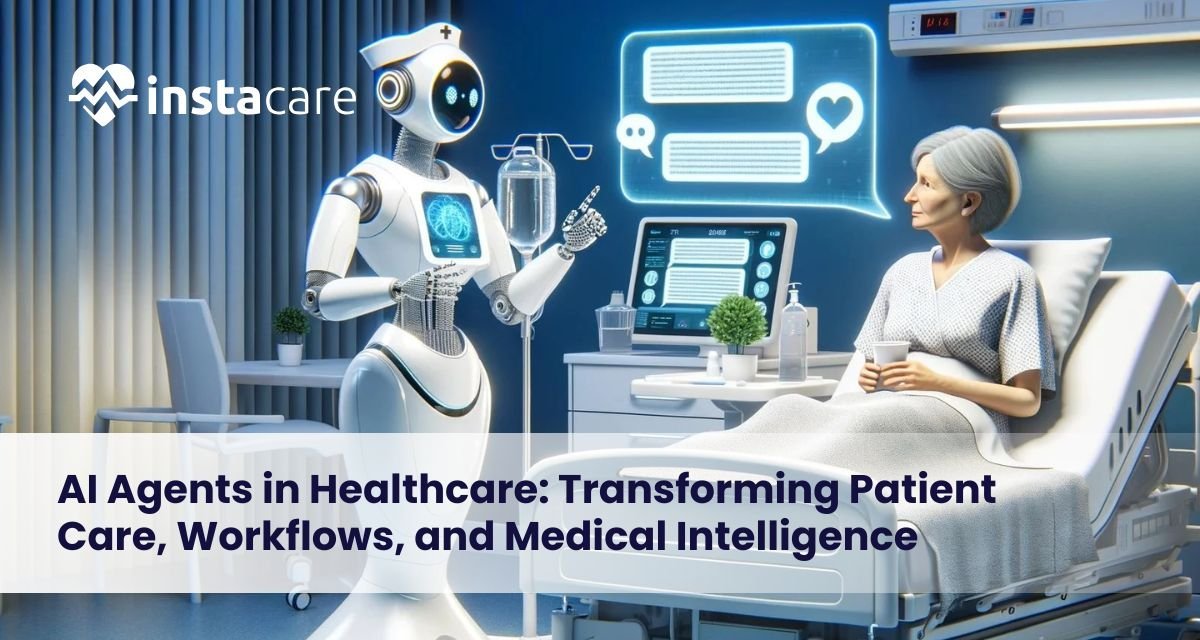
AI Agents in Healthcare: Transforming Patient Care, Workflows, and Medical Intelligence Artificial Intelligence is changing healthcare step by step, bringing new ways to boost recovery results, make processes smoother, also assist doctors and nurses. Within this tech wave, smart AI helpers are becoming key players. Instead of people, these tools take on jobs like watching patients, handling records, organizing visits, either alone or with some guidance. When added into clinics, hospitals, or online health services, they speed things up, cut down mistakes, besides improve how patients feel about care. Thanks to them, medical staff spend less time on routine work; instead, attention shifts toward personal treatment, since machines manage complicated repeat actions accurately. These advances illustrate the potential of autonomous AI agents in healthcare to transform medical workflows. What are AI Agents in Healthcare? AI Agents work alone or with some guidance to get certain jobs done. When used in health settings, they rely on pattern recognition, text analysis, and forecasting tools to aid treatment processes and services for patients. Some examples are smart helpers that give physicians diagnostic advice, digital aides handling conversations with individuals seeking care, while others function as tech-based advisors assessing detailed medical records. Some agents work alone using set rules; others assist medical staff by offering advice. Using several connected systems lets clinics improve operations in different areas at once. This includes clinical AI agents that support specialized departments, ensuring accurate, data-driven insights. Types of AI Agents Used in Healthcare Medical systems use various AI tools, each built for specific tasks. Some handle diagnostics while others manage patient records or support treatment planning AI Patient Monitoring Agents: AI tools watch patient health nonstop, notifying doctors at once when something seems off. Suitable for critical wards or checking patients from a distance. AI Agents for Diagnostics: AI tools help spot health issues by studying scans, test data, or records, supporting physicians with faster, clearer insights. They combine image reviews, lab values, and past cases while improving detection speed through pattern recognition. These systems work alongside clinics to reduce delays using digital analysis instead of guesswork. Generative AI Agents in Healthcare: Generate patient reports, summaries, or treatment suggestions using advanced natural language processing. AI Agents for Appointment Scheduling: AI helpers handle appointment scheduling, streamlining booking, setting alerts, or managing check-ins to free up team hours. Predictive Analytics Agents in Healthcare: Predictive analytics tools help healthcare by estimating how patients might worsen, using past records. These agents track illness patterns over time, giving insights into future demands. Hospitals use them to anticipate bed or staff shortages, not just react. Insights come from data trends rather than guesswork, supporting timely choices. Conversational AI Agents for Healthcare: Chat-based AI helpers in medicine work like bots or spoken tools, leading users through typical questions plus basic check-ups. Such agents together create a digital environment that helps hospitals, as well as clinics and telehealth systems, offer timely and accurate treatment. They integrate seamlessly into multi-agent systems in healthcare for holistic operations. Key Benefits of AI Agents in Healthcare The use of AI agents in hospitals or clinics offers several advantages: Improved Patient Care: AI tools help patients by spotting issues fast, which means quicker care and fewer emergencies. Alerts go out sooner because systems watch closely, so problems get caught earlier instead of later. Enhanced Workflow Automation: AI automates hospital workflows, improving schedules, documentation, or back-office duties, so healthcare workers spend more time on patient care instead. This highlights the importance of ai workflow automation in hospitals. Data-driven Choices: AI tools analyze medical information, helping doctors decide with support from forecasting methods, this boosts accuracy in identifying illnesses while shaping care strategies through statistical insights. Operational Efficiency: Multi-agent setups in healthcare help separate units share info clearly, cutting repeats while speeding up workflows through smoother coordination instead of siloed actions. Custom Care: AI tools guide choices, using a person’s past health and wishes to shape treatments. Machine learning adapts plans, so each fits better. Hospitals using such tools see better performance, lower expenses, alongside happier patients, showing how AI patient monitoring agents and analytics agents can shift operations meaningfully. Book Your Free Marketing Consultation Challenges & Limitations Even though there are advantages, AI systems come with some difficulties: Data Privacy and Security: Managing confidential patient details means following rules such as HIPAA closely, yet care must stay consistent. While standards apply, adherence ensures trust; each step protects personal records without delay or error. Connecting to Old Systems: Outdated hospital technology might not allow modern AI tools to work properly, compatibility becomes an issue when upgrading is limited, some setups simply can’t adapt. Reliability Concerns: Although AI tools suggest solutions, mistakes can happen when information is inaccurate. Staff Training & Acceptance: Medical staff need proper guidance to work well alongside artificial intelligence tools, training ensures smoother adoption across teams. Ethical Considerations: The autonomy of AI brings up issues around responsibility, also, whether patients agree matters. Trust becomes a concern when machines make choices instead. Addressing these constraints calls for thoughtful preparation; a strong technology setup also plays a key role. Meeting legal standards is essential, this supports secure, responsible implementation. Incorporating ai agents for medical data analysis ensures precise insights without compromising patient confidentiality. Future of AI Agents in Healthcare The future of AI agents in health care looks strong. Because of advances like automated systems in clinics, these tools are used more often in medical settings. As a result, treatments can be predicted ahead of time, stopped before they start, or tailored to individuals. When linked to online consultation services, smart helpers talk to people from a distance, so fewer go into hospitals while access improves. Advanced multi-agent setups let AI work together across teams, keeping processes smooth, from diagnosis through care to check-ins. Since machine learning keeps advancing, these AIs should offer sharper advice, helping doctors act quicker with better accuracy. Also, stronger cybersecurity in healthcare safeguards private information, building confidence and encouraging broader use. Integration with autonomous AI agents
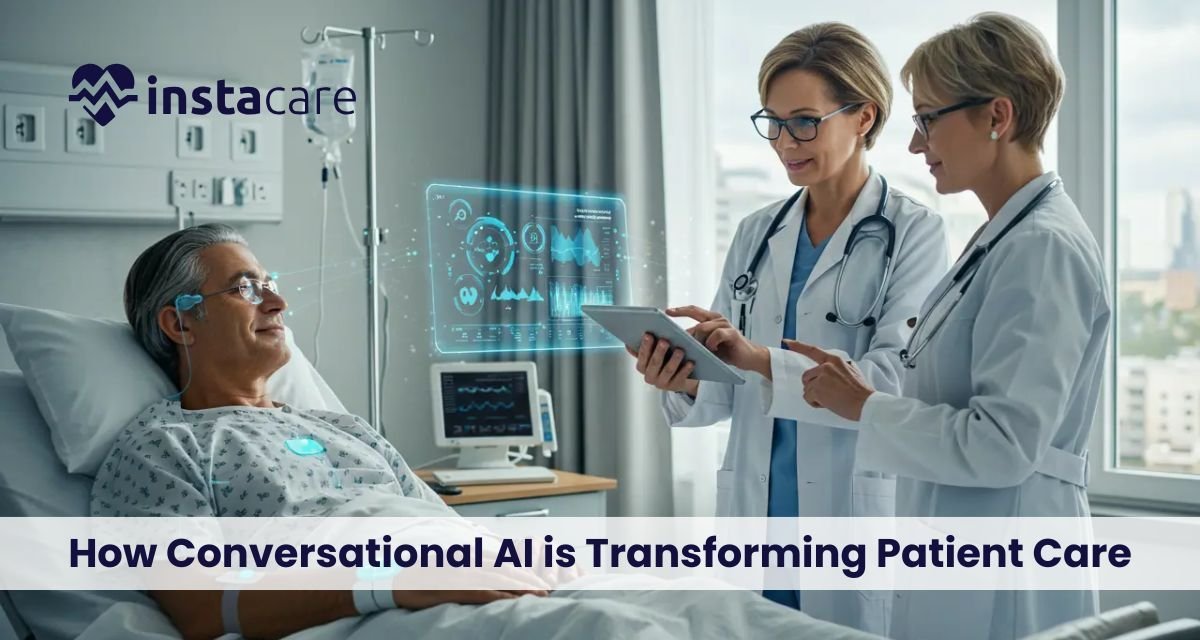
Revolutionizing Healthcare: How Conversational AI is Transforming Patient Care Healthcare is undergoing a significant transformation due to the emergence of conversational AI. Hospitals, clinics and online health platforms are currently implementing AI-based tools that facilitate communication, symptom analysis and administration. The interaction between providers and patients is currently changing rapidly with the emergence of new technologies like AI chatbots for healthcare. This change is turning healthcare to be more accessible, efficient and personalized. What is Conversational AI in Healthcare? Conversational AI is a type of intelligent tool that can have a conversation with you, either in written or spoken form. This also covers virtual health assistants in the healthcare sector that can assist patients, provide responses to their questions, and even support medical personnel. Advanced algorithms, speech recognition, and NLP in healthcare in these systems to learn what the patient means and provide correct answers. These tools have promptly been embraced in healthcare organizations due to their capacity to handle large numbers of patients and also the elimination of administrative workload. Key Applications of Conversational AI Medical applications of conversational AI can be used in medical care in many ways, including as a clinical aid or as an administrative assistant. Among the most influential applications, there are: Automated Patient Support Hospitals are under a continuous stream of inquiries by patients. Conversational tools offer automated patient support, which enables the patients to receive responses 24/7. These systems deal with FAQs regarding hospital schedules, lab results, prescriptions and others as well- ease the burden of manual work, and take the strain off the staff when it comes to communication. AI-Powered Symptom Checkers and Triage The latest symptom checkers are AI-driven to assist patients in evaluating health issues at home. The tools gather the symptoms by natural discussion, interfere with medical databases, and propose symptoms on whether immediate attention should be applied. Smart AI triage systems also direct patients to the appropriate department, specialist, or emergency care, enhancing the response time and decreasing the number of visits. Enhancing Patient Engagement and Experience Patient engagement automation is one of the largest contributions conversational AI is making. Healthcare facilities can offer patients with automation that helps them with reminders, follow-ups, medication reminders, and wellness tips to keep them involved even after they have come out of the hospital. Administrative and Workflow Support Conversational tools facilitate communication, and organizational work in a busy setting. As an example, an AI-based solution applicable in a hospital helps nurses and doctors by retrieving patient information or updating their record or sending a message. Such tools minimize mistakes and speedy processes, which enhance the efficiency of hospital teams. Healthcare Chatbot Applications The emergence of healthcare chatbot applications is transforming digital patient experience. The chatbots assist in making appointments online, insurance, billing insights, and pre-admission. They are presenting a vital intermediary between the healthcare provider and patients in that they provide real-time, precise assistance without prolonged waits in the call center. Improving Digital Experiences Conversational applications are also improving the online patient experience by providing a smooth customer experience in mobile applications, telehealth, and hospital websites. Patients will feel free to communicate with a smart system that is fast to react, comprehends situations and offers explicit instructions. Book Your Free Marketing Consultation Benefits of Conversational AI in Healthcare Conversational AI is associated with numerous benefits that can be of benefit to both hospitals and clinicians and patients. 1. Improved Efficiency The AI makes the healthcare industry less burdened with routine tasks, and the health care provider is able to have time to attend to important cases. Thousands of interactions are handled in automated systems at a time reducing waiting time and speeding up the workflow in hospitals. 2. Enhanced Communication and Coordination Hospital-specific conversational AI for hospital communication in and out of the organization. Clinicians are able to get necessary updates quicker and the patients are notified timely and the healthcare teams are able to work together across the departments. 3. Cost Savings and Resource Optimization Conversational AI for hospitals reduces the expenses on labor since it decreases the necessity of manual operations, eliminates delays, and minimizes the use of hospital resources. 4. Better Clinical Support Assistants powered by AI offer medical professionals access to patient information and treatment plans and initial diagnostics in real-time. With these automation tools in healthcare, there is a great deal of human error minimization, and all decisions are made on the basis of appropriate information. 5. Improved Patient Outcomes AI-based care is beneficial to patients on a big scale. Improved adherence, reduced complications and increased satisfaction levels are achieved through better communication, on time reminders, and responsiveness. These improvements are indicative of the larger medical chatbot benefits that are currently being reaped by contemporary healthcare organizations. Challenges and Limitations Although conversational AI is positive, it is associated with a number of difficulties: Accuracy and Reliability AI technologies should be able to comprehend medical terms and patient-related information correctly. The wrong guidance may result in misinterpretation and that is why training and improvement are to be performed continuously particularly in case of using conversational interfaces in healthcare. Data Privacy Concerns Healthcare is a very sensitive matter. Before the adoption of conversational systems, it is essential to ensure the security of data, encryption, and adherence to the regulations, such as the HIPAA. Integration with Existing System Many hospitals have several systems of management. The incorporation of conversational AI into the EHRs, lab software, and billing systems may be complicated and involves technical skills and planning. Limited Human Touch Although AI is very efficient, there are still patients who like to be interacted with by a human being. The issue of striking the right balance between technology and individual care is one of the challenges facing most healthcare institutions. The Future of Conversational AI in Healthcare Conversational technology promises to have a promising future in the healthcare industry. The smarter the AI is, the more the hospitals will depend on the support systems that will act automatically.

IPD Management in Hospitals: A Complete Guide to Efficient Inpatient Care Inpatient care is the main support of the hospital services that provide patients with the complete service in case of hospitalization. The Inpatient department management is required to be efficient in providing quality care with an uninterrupted flow of the hospital. The processes involved in the treatment of a patient including the period of admission until the time of discharge are to be carefully planned, coordinated, and monitored. Hospitals are turning to contemporary systems and technologies to simplify the process of IPD and improve patient outcomes because healthcare is becoming more and more complex. What is IPD Management? The IPD Management can be defined as the systematic method through which hospitals handle patients admitted to stay overnight or on a long term basis. It covers registration, planning of treatment and medical follow-up all the way to billing and discharge. The vision is to deliver effective, safe, and smooth, inpatient services and utilize hospital resources and staff utilization to the best. Management will make sure patient care takes precedence, and the operations have bottlenecks that are minimal. Core Components of IPD Management Effective Hospital IPD workflow depends on a number of important elements: Admission process of IPD patients- This is the initial important step in the inpatient care. It is the process of checking the details of patients, bed assigning, and documentation of medical history. Uncomplicated admission procedure reduces time wastage and creates an opportunity to prioritize medical personnel with high-priority cases. Inpatient record management– keeping of proper patient records that are current and up-to-date records will make sure that the doctors, nurses and other healthcare professionals have access to all pertinent medical records. Digital systems have ensured that record-keeping is efficient, safe and accessible. Hospital bed management – It is essential to allocate and monitor the hospital beds properly so as to accommodate patients. Hospitals have to manage the availability of beds and demand of patients and keep hygiene and safety standards. Monitoring of IPD patients: It is important that patients should be continuously monitored in terms of their vital signs and general health condition. These involve a regular examination, surveillance, and the early detection of complications in order to offer interventions in time. IPD discharge process– Discharge: This entails synthesising the treatment of the patient, record updating and making future care plans. The procedural discharge process will eliminate delays, enhance patient satisfaction, and adherence to medical procedures. IPD billing system- Hospital revenue and patient transparency involve proper billing and insurance payment. Contemporary IPD billing systems make payment automatic, which minimizes errors and administration. Core Components of IPD Management The IPD department software has changed into a centralized point of managing inpatient services due to technology. The management systems in hospitals incorporate a number of functions including patient admission, bed allocation, monitoring, billing, and maintenance of records. Electronic Health Records (EHRs) help to ease the process of IPD documentation due to the possibility of secure and real-time updates. The use of automated alerts and monitoring devices provides the IPD patient safety measures with a higher level of efficiency by making sure that critical healthcare changes are identified and properly managed. Remote consultation is also made possible by telemedicine devices to minimize unnecessary visits to hospitals and better manage the coordination of inpatient care. Technology’s Role in Enhancing IPD Operations Regardless of the improvements, there are a number of women facing hospitals in IPD management: The lack of enough beds and overcrowding has the potential of overworking the Hospital ward management and staff. Poor documentation and manual record-keeping has the potential to impair the Inpatient record management and patient safety. Technology integration needs training and management change because employees should be able to adjust to new IPD operational efficiency tools. Hospital inpatient services have been faced with a challenge of ensuring patient satisfaction at a desired cost-effectiveness. To overcome such challenges, strategic planning, staff training, and embracing of sound management systems are needed. Book Free Demo Key Challenges in IPD Management The best practices that hospitals should adopt to maximize inpatient care are the following: Standardize the procedure of admission of IPD patients using clear procedures and pre-admission assessments. Employ electronic methods of keeping Inpatient records to ensure a well-kept and accessible information about a patient. Adopt intelligent Hospital bed management systems that monitor the occupancy of beds in real time. Implement technologies of constant IPD monitoring of patients to identify the initial indicators of deterioration. Enhance the IPD discharge process to minimize bottlenecks besides enhancing patient satisfaction. Install billing software to improve on the IPD billing system to minimize errors and manual labor. Provide training to the train staff on inpatient care coordination and IPD patient safety protocols to guarantee high standards of care. Best Practices for Effective IPD Management Effective management of the Inpatient department management has a number of advantages: IPD patient admission process to be attributed to timeline interventions and coordinated care. Better patient record management, reducing turnover time in admissions, transfers and discharges. More efficient use of the resources in the Hospital bed management, such as personnel, equipment, and beds. A rise in patient satisfaction due to a systematic IPD chart and a clear billing policy. Less medical errors due to constant IPD patient monitoring and regular protocols. Hospitals can use optimized IPD systems to increase services without sacrificing the quality of care. Advantages of an Optimized IPD System Technology and patient-centred care are the key factors that define the future of Hospital inpatient services. Key trends include: High-tech AI-based monitoring devices that improve IPD monitoring of patients. Hospital bed analytics and resources allocation analytics. IPD department software on mobile and cloud to access the patient records seamlessly. Improved coordination of telehealth services to enable coordinated Inpatient care. Intelligent automation in the documentation and billing
Healthcare IT Outsourcing: Benefits, Challenges, and Best Practices for Modern Healthcare Technology has become a key instrument in the modern rapidly changing healthcare sector to better patient care, increase efficiency in operations, and ensure regulatory compliance. Customised IT solutions continue to be embraced by hospitals and healthcare providers to facilitate various procedures, including electronic medical records, telehealth, cybersecurity, and data management. In-house IT development and management may, however be costly and time-consuming. This is where medical IT outsourcing and Healthcare IT services come in as viable and economical solutions to contemporary healthcare organisations. IT outsourcing in healthcare enables hospitals and clinics among other medical facilities to tap into expertise outside the organisation in handling the complex technological requirements. Organisations can have access to scalable solutions, adopt the most advanced technologies, and ensure that they adhere to the strict healthcare regulations by collaborating with provides. What is Healthcare IT Outsourcing? Healthcare IT outsourcing refers to the process of outsourcing third party vendors or service providers to operate, design, or maintain IT infrastructure and software in healthcare organizations. Such services may include outsourcing of software development to healthcare and also to hospitals, as well as telehealth outsourcing of IT services. Outsourcing can cover: EMR/EHR support: The effective management of electronic health records. Healthcare cybersecurity services: Data protection and regulation. Medical cloud computing: It provides storage and access to medical information, which is safe and scalable. Healthcare data management services: Gathering, examining and protecting patient and operational data. Outsourcing these tasks, hospitals do not have to worry about technology management as it is a competency that is left to special professionals. It further enables organizations to be flexible towards embracing digital transformation in healthcare IT. Major Advantages of Healthcare IT Outsourcing IT Healthcare software development outsourcing has many benefits. The most prominent benefits are the following: Cost Effectiveness Outsourcing will not necessitate the inclusion of huge in-house IT departments and the huge investment of capital. The services of the hospitals are paid on a case by case basis and this makes the IT outsourcing for hospitals a cost effective one. Availability of Specialization Third-party providers can provide expertise in Healthcare IT consulting, cybersecurity, and developing software. This makes the hospitals keep pace with the current technologies. Scalability Outsourced solutions entail the ability of healthcare providers to scale operations based on the volume of patients and the needs of the operations. IT system outsourcing to healthcare also makes sure that IT systems expand with organizational needs. Regulatory Compliance Trusted providers are HIPAA compliant and deliver HIPAA compliant IT outsourcing which reduces the chances of legal and compliance claims. Enhanced Patient Experience The outsourced EMR/EHR support and telehealth solutions enhance appointment management, data accuracy, and communication with patients. Greater Security Healthcare cybersecurity protects sensitive medical information against breaches, ransom attacks and unauthorized access. Consider Core Services When IT duties are outsourced, hospital employees have an opportunity to concentrate on patient care and quality enhancement, as well as on strategic activities. These advantages render healthcare IT outsourcing a viable solution to organizations that aim at efficiency, professionalism and technology without overwhelming their internal capabilities. Hardships in Healthcare IT Outsourcing Along with the advantages, the outsourcing of healthcare IT services also has certain difficulties: Data Privacy Issues The process of transferring sensitive patient information to third-party vendors needs to be highly data-protected. Organizations need to make sure that vendors are IT outsourced under the HIPAA compliant standards. Integration Problems The incorporation of the outsourced systems with the existing IT system may be complicated. Outsourced medical billing services or hospital IT support services may also be incompatible with the hospitals. Vendor Reliability Selecting an inappropriate provider may cause delays, technical glitches or disruption of services. The vendor must have experience in Healthcare technology outsourcing. Unknown Expenses Certain outsourcing deals could have undisclosed charges on upgrades, maintenance, or other support. Sustainable outsourcing contracts need transparent pricing. Communication Barriers Using offshore or remote IT teams can create difficulties related to real-time communication and collaboration and impact the timelines of service delivery. Through these issues, hospitals can make wise choices, identify reputable providers as well as institute risk mitigation measures to healthcare IT services. Book Free Demo Best Practices to effective healthcare IT outsourcing Best practices can help healthcare organisations to reap the greatest benefits of IT outsourcing: State Requirements Clearly Determine scope, deliverables, and the anticipated results of the services, including outsourced EMR/EHR support or telehealth IT outsourcing. Select long-term Vendors Find an outsourcing provider of software development and healthcare cybersecurity services. Guarantee Regulatory Compliance Check that the vendors comply with HIPAA and other local healthcare laws to ensure patient data are safe. Determine Communication Rules Frequent reporting, status updates, and collaborative software enhance visibility and organization Monitor Performance Track KPIs, Quality of the services, and user feedback to make sure the outsourced team performs as expected. Data Backup and Security The backup and encryption of data should be robust to ensure that information on patients and the organization is protected. Ongoing Training Promote constant training and updating to ensure outsourced teams have access to knowledge on the trends and changes in healthcare, software, and digital transformation in healthcare IT. These best practices will guarantee the success of the outsourcing relationship, which will enable the hospitals to utilize the potential of the hospital IT support services and other specialized IT solutions. Healthcare IT Outsourcing in the Future There is more expected digital transformation in the healthcare sector, and the role of IT outsourcing will be critical in the transformation. Key trends include: AI and automation integration: Outsourced IT providers will start to be more integrated with AI to provide predictive analytics, workflow automation, and patient monitoring. Telehealth Expansion: The increase in demand of remote care will help expand telehealth IT outsourcing that would implement virtual consultations and remote patient monitoring. Cloud-Based Solutions: Cloud adoption solutions in the healthcare ensure scalability, data security storage
Generative AI in Healthcare: Transforming Diagnostics, Treatment, and Patient Care The healthcare sector is experiencing an enormous digital revolution, and Generative AI is at the center of them. Generative AI has also brought a new age of precision-based, intelligent, and flexible medical arrangements by utilizing powerful models that can generate new data, insights, predictions, and simulations. The technology is transforming the way clinicians practice and how patients are treated with technologies tailoring treatment plans to an individual disease, as well as disease prediction. Advanced algorithms will become more and more popular among hospitals, pharmaceutical companies, and health systems to improve results, decrease workloads, and increase the overall efficiency of operation. What Is Generative AI? Generative AI can be defined as those models and algorithms that can create new content, including images, text messages, predictions, or simulations, using large datasets. The models in healthcare have the potential to produce artificial medical images, generate clinical records, design drug molecules, simulate patient outcomes, and help with predictive analytics. Conventional AI is concerned with identification and marking. Generative AI however builds on this by coming up with new possibilities which assist clinicians in having a better understanding. As an example, synthetic medical imaging AI tools can be used by radiologists to create a superior model, and generative analytics can create several treatment pathways simulations using past and real-time data about a patient. Why Healthcare Needs Generative AI? The global healthcare systems experience the growing patient numbers, the increased rates of chronic illnesses, deficits in personnel, and the rising complexity of operations. Generative AI can provide a solution that will reduce the number of administrative tasks, decrease the error rates, and shorten the diagnostic and treatment process. One of the most significant advantages is the fact that it is possible to process the huge amount of electronic health data and make meaningful conclusions. Generative models allow the use of AI in clinical decision-making with the ability to diagnose faster and provide better treatment suggestions due to the enhanced computational power of these systems. Key Applications of Generative AI in Healthcare Generative AI is changing the process of care delivery in many fields. applications of generative AI in healthcare in the following fields: Diagnostics and Predictive Analysis Generative models are used to aid AI-based medical diagnosis, determine patterns in medical images, laboratory findings, and diagnosis reports. The tools are useful in the early warning of diseases like cancer, heart diseases, and neurological diseases. Simulations are also produced using the predictive models, which enable the clinicians to predict the risk of patient deterioration. Advanced Medical Imaging Artificial intelligence (AI) medical imaging technologies are becoming useful in improving image quality, decreasing noise, and creating high-quality scans. With generative AI, the radiologist can complete missing data in images and reach an earlier diagnosis and determine disease progression more precisely. Drug Discovery and Development Generative algorithms are used to create new drug molecules and recreate biological interactions, significantly accelerating research timeframes. This helps in the development of AI-driven medical diagnosis, which reduces the number of years in the process of developing a drug. Clinical Workflow Automation To healthcare automation with AI, hospitals use AI to support patient monitoring schedules, documentation and automate scheduling. Administrators can generate clinical summaries, discharge notes, and treatment plans automatically through generative AI, which lessens the burden of administrative staff. Patient Care and Engagement Generative models aid the virtual patient assistant, tailored treatment recommendation, and continuous remote observation. These applications can boost generative AI for patient care by forecasting their needs, possible complications, and prescribing lifestyle changes. Electronic Health Records Enhancement Generative AI enhances the quality of documentation and makes the clinical data more organized to access it faster. It is combined with AI in electronic health records (EHR/EMR), which guarantees more precise clinical histories, reduced occurrence of documentation errors, and improved patient tracking abilities. Medical Research and Simulation Generative AI facilitates initial trial with machine learning in healthcare models that produce synthetic data that is used to train. These simulations facilitate the quickening of clinical trials and minimizing expenses and safety improvements prior to actual application in the real world. Applications in Multiple Healthcare Fields Personalised oncology, cardiology decision support, mental health therapy chatbots, surgical planning, and genomic analysis are now among the many generative AI use cases in medicine. Book Free Demo Benefits of Generative AI in Healthcare Generative AI has a number of most outstanding benefits of generative AI for hospitals, such as: Improved Accuracy and Faster Diagnosis Generative models assist clinicians in identifying diseases earlier, scans with high precision, and minimize the possibility of a misdiagnosis. Reduced Administrative Burden The healthcare automation with AI will enable physicians and nurses to pay more time and attention to direct patient care instead of paperwork. Cost Efficiency AI can reduce the cost of operation by ensuring that resources are well distributed, unnecessary tests are eliminated, and resources are not duplicated. Personalized Treatment Plans Generative models can analyze the patient data to create specific plans based on the condition of the particular patient, history, and pattern of response. Enhanced Research and Innovation Predictive modeling and simulation via AI can accelerate the development of new solutions in pharmaceutical companies and research institutions, since AI can be used to create new, more rapid solutions. Improved Patient Experience Predictive alerts, chatbots, and personalized guidance make healthcare smoother, more predictive and supportive to patients. Challenges and Concerns of Generative AI in Healthcare No matter how huge its potential is, Generative AI has a number of challenges. Data Privacy and Security The information in healthcare is confidential and patient information must be secured. Unsecured AI systems may result in data violation and abuse of information. Ethical and Bias Issues The results of models that have been trained using biased data are likely to be unfair. This brings ethical issues to healthcare AI, particularly when algorithms affect the treatment decision. Regulatory Compliance To ensure that the clinical standards, medical devices regulation and other international privacy laws are observed, close monitoring is
Explainable Artificial Intelligence (XAI) In Healthcare XAI implementation in healthcare is changing the medical sphere and making AI more transparent, credible, and helpful in clinical practice. Doctors and patients are seeking answers to the question of how these systems conclude as they become more dependent on machine-learning-based tools in hospitals. This increased desire to be transparent has led to explainable systems which bring about a glimpse into complicated medical algorithms. What Is Explainable Artificial Intelligence (XAI)? Explainable Artificial Intelligence (AI) describes approaches and models of AI’s that aim to explain their decisions to humans. XAI does not generate anything opaque but underlines the logic of predictions. This eliminates the black box AI vs explainable AI confusion by providing clinicians with insight into how algorithms process data and give recommendations. Why Explainability Matters in Healthcare? It is necessary that explainability is important since healthcare decisions are made in the context of actual human lives. In the case when algorithms create treatment recommendations, physicians must be convinced that the logic of the system is sound in its medical aspects. This would be of particular importance to AI decision-making in medicine, where transparency assists with safer and more dependable clinical decisions. The transparent models also give the patients more power, and they get the confidence that the technology that is used to guide them is ethical and evidence-based. Key Applications of XAI in Healthcare XAI in healthcare is affecting an enormous range of explainable AI medical applications, enhancing trust and acceptance in clinical practice. Diagnostics: XAI allows radiologists to have insight into the imaging models used in the detection of tumors or anomalies. This justifies the use of XAI for diagnostics, which minimizes mistakes and enhances trust in automated testing. Predictive Analytics: There are XAI-based tools that are used in predicting risks like sepsis or readmission in hospitals. Treatment Planning: Clinicians use explainable systems to analyze treatment trajectories based on patient data. Monitoring & Alerts: XAI also improves early-warning systems of critical care by describing graphically triggers of an alert, which belongs to XAI patient safety in rapidly changing settings. Techniques Used in XAI A number of explainable machine learning healthcare techniques are supported: 1. Feature Importance This technique prioritizes the variables that affect a forecast. In the medical field, it provides a clear understanding of what symptoms, biomarker, or imaging characteristics contributed to the outcome. 2. Local Interpretability Model-Agnostic Explanations (LIME). LIME generates human-readable approximations of complicated models. Healthcare providers can use it to decipher personal patient recommendations. 3. SHAP Values SHAP constructs a single score of significance of each feature. In medicine, SHAP can be used to understand the effect of each variable on the classification of a disease or treatment recommendations. 4. Rule-Based Models The logic will be transparent in itself when decision trees or rule engines are utilized. This is in line with the fact that interpretable AI healthcare has to be sought after and professionals can more readily validate models. 5. Visual Explanation Tools A particular application of heatmaps and highlight overlays in the imaging field can also help clinicians identify what exactly in an X-ray or MRI image is causing the AI to make a specific decision. Book Free Demo Benefits of XAI for Healthcare Stakeholders The predictable AI in healthcare has a variety of advantages: For Clinicians Offers clarity required to authenticate AI results. Favours trusting in computerized suggestions. Facilitates making of more reliable and accurate diagnoses. For Patients Establishes confidence in technology-based care. Provides transparency in the manner medical decisions are arrived at. Improves patient interaction and satisfaction. For Administrators Makes auditing and compliance easier. Favors effective implementation of hospital technologies. Collectively, these effects reinforce clinical decision support XAI, improving the quality of care and efficiency. Challenges and Limitations of XAI in Healthcare Although there are several benefits of explainable AI in medicine, it is associated with several issues. The existing models can not always provide strong performance and total interpretability, and these trends demonstrate the existing issues of XAI in the healthcare industry. There are medical tasks in which there are very sophisticated algorithms in which interpretability is sacrificed to accuracy. Also, AI explanations cannot be readily adopted because many clinicians are not trained to comprehend them. The other area of concern is the reliability of explanations. When interpretability tools make model logic too simple, it is likely to deceive specialists. All these restrictions render AI accountability in healthcare a developing, but crucial field of interest. XAI and Healthcare Regulations Governments are undergoing changes in digital health policies and are focusing more on transparency, as their policies are updated. Regulators are urging hospitals to shift towards AI model transparency healthcare as one of the risk-mitigation and quality-assurance models. The need to generate justifiable results, which are required by many compliance standards, supports the relevance of ethical AI in healthcare and the need to make sure that the decisions made by the automated systems are justified and do not contradict medical practice and the rights of the patients. The Future of XAI in Healthcare There are more innovative systems that are yet to be developed in healthcare principles even in future with transparent AI in healthcare. Explainability will form a basis of emerging technologies, i.e., federated learning, multimodal AI models, and adaptive decision-support tools. With the advancement of hospitals towards intelligent automation, the automation system of the hospital and automated clinical platforms will rely on readable and reliable algorithms. Finally, the development of digital medicine will require transparency on all levels, where patients and professionals will know how data-driven systems work. Conclusion Explainable AI is transforming healthcare into a more trustworthy, transparent, and useful digital system. Enhancing the transparency of algorithmic decisions, healthcare organizations will be able to take the full advantage of advanced technologies and ensure safety and accountability. With the development of the field, the incorporation of interpretable systems will become a crucial part of providing quality patient care
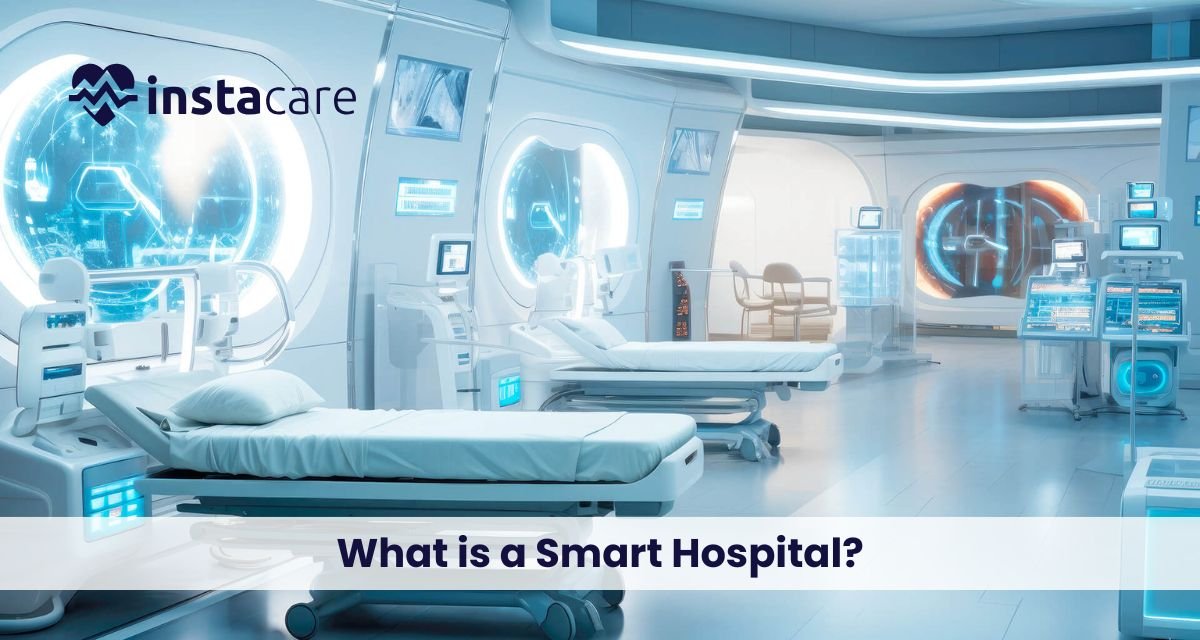
Smart Hospitals: The Future of Healthcare Driven by Technology The healthcare systems of the world are experiencing a significant change and the development of smart hospitals is one of the most radical changes. The merging of digital solutions, automation, artificial intelligence, and high-end connectivity is transforming the delivery of medical services. Hospitals today are ceasing to simply utilize the old mechanisms of operations but are integrating intelligent hospital solutions in order to maximize accuracy, improve patient experience and lessen the workload. What is a Smart Hospital? A smart hospital is a medical center that targets the use of sophisticated digital systems, automated procedures, artificial intelligence, and interconnected equipment to streamline the patient care process, promote medical processes, and overall efficiency. The vision of these hospitals is to become a complete digital hospitals in which technology will assist in all the steps of the patient journey, admission, treatment, and discharge. AI in hospitals, which are going to be smart and enable quicker diagnostics, auto-documentation, customized treatment, and predictive analytics. They also rely on interconnected devices and sensors that run on IoT in healthcare, which forms real-time data streams that enhance the decision-making of healthcare personnel. Core Components of a Smart Hospital ● Advanced Connectivity and IoT Devices Smart hospitals rely heavily on connectedness with the help of sensors, medical equipment, and automation software. Connected healthcare systems are based on these interconnected systems that make it possible to monitor patients in real-time, track their location, issue automatic notifications, and share medical information. ● Hospital Automation and Robotics To enhance the accuracy and decrease the human workload, automation is necessary. Robots are employed in the transportation of medication, room disinfection, or even surgeries. These systems are included in hospital automation systems that facilitate the flows of operations and decongest the staff to attend to patients. ● Digital Infrastructure and Data Systems Smart hospitals are based on the robust digital framework that is able to store, process, and analyze enormous volumes of medical information. The high-tech platforms can contribute to the healthcare digital transformation, as they allow centralizing electronic records, diagnostics, imaging, and workflow management into a single system. ● Integrated Smart Solutions The interconnected solutions used in smart hospitals include AI-based diagnostic solutions, automated pharmacies and telemedicine portals, and virtual reality therapy. These systems are classified as smart hospital solutions, which can assist physicians and personnel to provide more precise medical services at a higher speed. ● Enhanced Monitoring and Wearables Smart hospitals include real-time monitoring of patients. Devices and sensors will deliver constant information that facilitates early complications identification. This is referred to as smart patient monitoring and this is relevant in minimizing hospital readmissions and avoiding medical emergencies. ● Strong Technological Foundation Smart hospitals require a sound digital base called smart healthcare infrastructure to provide continuous services, and it consists of networks, cybersecurity, cloud, and digital storage. ● Automated Hospital Management Not only digital appointments, but also automated billing, modern hospitals are dependent on the automation of hospital management to minimize the number of manual errors and increase administrative efficiency. These systems facilitate the internal operations and the internal departmental orderly operations. ● Virtual Healthcare and Telemedicine One of the greatest strengths of the modern hospitals is their capability to provide care past physical walls. They promote virtual healthcare systems that enhance accessibility and convenience to the patients across the globe through virtual consultations, remote diagnostics, and follow-ups. ● Innovations in Health Technology The emergence of health tech innovations (AI diagnostics, robotics and digital wearables) will ensure the smart hospital of tomorrow will be more developed and patient-centred. ● Paperless Operations Innovative hospitals are determined to get rid of the old paper trails and move entirely to the electronic system. This idea is called paperless hospitals and contributes to the minimization of administrative delays, enhancement of the quality of data, and environmental sustainability. Book Your Free Marketing Consultation Benefits of Smart Hospitals ● Improved Patient Care Smart hospitals guarantee more precise diagnoses, quicker treatment and customized care plans. It is also possible to provide doctors with a rapid response to the needs of patients with the help of continuous monitoring and data-driven insights. ● Reduced Human Error Having automated processes that cover the routine operations, the hospitals could minimize the risks of human errors in the documentation process, medication, or diagnostics. ● Enhanced Efficiency Workflow enhancement across departments is enhanced through automation. The processes of admission, discharge, medical imaging, lab reporting and the process of pharmacy become quicker and more structured. ● Cost Savings Smart hospitals minimize unnecessary tests, decrease hospitalization, and enhance resource utilization, which lead to financial savings in the long term both to patients and hospitals. ● Better Patient Experience Patients get to get quicker services, more convenient appointments, and more individualized care. Smart environments make the environment comfortable, transparent, and well communicated. Challenges and Considerations of Smart Hospitals ● High Initial Investment The development of a smart hospital will consume a lot of financial resources in digital products, cloud computing, hardware, software, and training solutions. ● Cybersecurity Risks Hospitals are at risk due to cyberattacks with increased dependence on digital systems. Good security systems are required to safeguard patient information. ● Staff Training There is a need to embrace new smart hospital technologies by doctors, nurses, and administrators. Training requires time and could cause a disruption in the normal work process in the first place. ● Integration Issues Various software platforms are used in healthcare systems. The process of seamless integration of devices, applications and departments can be complicated. The Future of Smart Hospitals Hospitals will become fully automated, their diagnostics will be supported by artificial intelligence, and remote