

Take Control of Your Practice with a Comprehensive Guide to Telemedicine Solutions Are you looking to reduce wait times, simplify workflows, and improve patient engagement in your medical practice? Then telemedicine solutions might be just the thing for you. Telemedicine is an emerging trend that can provide a feature-rich suite of tools and resources to help streamline many of your processes. In this comprehensive guide, you’ll learn how telemedicine can help men’s health clinicians, women’s health specialists, and others deliver great care while still remaining responsive to patients’ needs. Read on to see why providing leveraged technology via telemedicine solutions is an important part of modern healthcare practices! What is Telemedicine? Telemedicine refers to the delivery of healthcare services remotely through technology such as video conferencing, messaging, and other digital means. This innovative approach to medicine has become increasingly popular in recent years, particularly in light of the COVID-19 pandemic. Telemedicine allows patients to access medical care from the comfort of their own homes, helping to alleviate the burden of travel time and expenses. Moreover, it has expanded the availability of healthcare services to people in remote or underserved areas. With the use of telemedicine, patients can consult healthcare professionals, receive a diagnosis, and even have prescriptions filled—all virtually. Although it does not replace in-person medical care entirely, it has become an essential option for patients who require medical attention but cannot leave their homes. How Can Telemedicine Benefit Your Practice? As the world becomes more reliant on technology, it’s no surprise that telemedicine solutions is becoming increasingly popular. Telemedicine allows healthcare providers to connect with their patients without the need for physical office visits. This can provide numerous benefits to both the provider and the patient. For providers, telemedicine can reduce the need for office space and staff, while also allowing them to see more patients. Patients, on the other hand, can benefit from reduced wait times, greater convenience, and more accessible healthcare services. Telemedicine can also expand access to healthcare for those in rural areas or for those with mobility issues. With these benefits combined, it’s clear that telemedicine solutions can help to significantly improve the delivery of healthcare services, making it an increasingly popular option for healthcare providers across the globe. Book Free Demo Gather Necessary Resources and Equipment to Get Started with Telemedicine Solutions In today’s fast-paced world, telemedicine solutions are essential for healthcare providers to effectively meet the needs of their patients. Gathering the necessary resources and equipment to get started with telemedicine solutions is critical for success. This can include high-speed internet, a secure platform for video conferencing, and specialized devices such as a digital stethoscope or otoscope. Additionally, it is important to have a well-trained team and clear processes in place to deliver quality care remotely. With the right resources and equipment, healthcare providers can seamlessly connect with their patients, regardless of their physical location, and deliver the care they need. Understanding the Privacy Regulations of Virtual Medical Services As technology continues to improve and become more ingrained in our daily lives, the medical field is no exception. Virtual medical services, also known as telemedicine, have become increasingly popular, especially in light of the COVID-19 pandemic. However, with these services comes the need for strict privacy regulations. It’s critical to understand the laws and guidelines that govern virtual medical services to protect the privacy and security of patients’ personal and medical information. This includes knowing who has access to sensitive data, how it’s stored, and how patients can control their information. By staying informed about these regulations, we can ensure the safety and confidentiality of our health information in the digital age. Create an Efficient Workflow for Your Telemedicine Service As the demand for telemedicine services grows, healthcare providers need to create an efficient workflow to meet the needs of their patients. Developing a streamlined process can not only save time but improve patient satisfaction and outcomes. One essential step is selecting the right technology platform that best fits your organization’s needs. Then, create a standardized process for scheduling virtual appointments, communicating with patients, and documenting patient data. Efficient workflows should also include measures to ensure data security and adhere to regulatory requirements. Regularly evaluating and refining your telemedicine workflow can ensure it remains efficient and effective for both providers and patients. With the right approach, telemedicine can provide a convenient, accessible, and effective means of healthcare delivery. View More: Streamline Your Medical Billing with Medical Billing Software Implementing Security Measures for Patient Information Storage The security of patient information is of utmost importance to healthcare organizations. With the increasing number of data breaches and cyber threats, it has become crucial for them to implement robust security measures to safeguard patient information. Data encryption and access control systems can help prevent unauthorized access to sensitive patient data. Secure data storage facilities, password protection mechanisms, and regular data backups are other essential measures that can ensure the security and confidentiality of patient data. By implementing such security measures, healthcare organizations can not only comply with the regulatory requirements but also earn the trust of their patients. Leverage Your Existing Technology for Maximum Telemedicine Efficiency Telemedicine has become a vital tool for healthcare providers to ensure accessibility and continuity of care amid the ongoing pandemic. Leveraging existing technology can help maximize telemedicine efficiency, making it a more efficient and profitable avenue for healthcare practices. By utilizing tools such as electronic health records (EHRs), secure messaging platforms, and video conferencing software, healthcare providers can streamline their workflow and provide high-quality care remotely. EHRs can be accessed remotely, allowing doctors to review patient records and history before a telemedicine appointment. Secure messaging platforms facilitate quick and secure communication between patients and healthcare providers, while video conferencing software enables real-time patient consultations. With the right technology in place, healthcare providers can provide excellent telemedicine services, resulting in happier patients and a more profitable practice. Conclusion Telemedicine solutions are an effective and accessible way to gain a competitive edge
How to Provide Timely Care And Save On Costs Through Telemedicine? Are you looking for ways to provide timely healthcare services and reduce costs? In recent years, telemedicine has emerged as an important tool for providing medical care in a convenient and cost-effective manner. From primary care physicians to specialists, clinics, hospitals and beyond, the use of telemedicine has enabled health providers to expand their reach while maintaining patient engagement and improving overall outcomes. In this blog post we will explore how remote healthcare technology can make a difference in your practice by cutting down on treatment time and reducing costs. By offering timely care through automated processes like virtual consultations, video visits or chatbots you are sure to improve your patients’ experience while saving precious resources! Introducing the Benefits of Telemedicine Telemedicine is a revolutionary health care delivery system that is fast gaining popularity among patients and doctors alike. With telemedicine, patients can now access remote medical care from the comfort of their homes, without having to worry about the long waiting times and the high cost associated with traditional office visits. Thanks to telemedicine, patients living in remote areas or with mobility issues can also enjoy improved access to quality healthcare services. Additionally, telemedicine offers doctors the ability to improve patient outcomes, enhance their practice, and reduce overhead costs. With telemedicine, patients and doctors can communicate through video or phone calls, which allows doctors to diagnose, treat, and monitor their patients remotely. The benefits of telemedicine are numerous, and it is rapidly becoming an integral part of the healthcare delivery system. Exploring The Cost-Savings of Telemedicine Telemedicine has emerged as a cost-effective alternative to traditional healthcare in recent years. The use of telemedicine has shown significant results, reducing costs and saving time for both patients and healthcare providers. By connecting patients with their providers through telecommunication technology, healthcare services can be delivered remotely. Therefore, patients are no longer required to travel to medical facilities for routine checkups or appointments. This shift has been crucial, especially in rural communities where access to medical facilities is limited. Additionally, telemedicine has been proven to reduce hospitalizations and readmissions, thus making the healthcare delivery system more efficient. These cost-saving benefits are making telemedicine an essential part of healthcare delivery systems around the world. Understanding How Telemedicine Increases Access to Care Telemedicine is revolutionizing the healthcare industry, expanding access to care for people who may have previously struggled to receive medical attention. With telemedicine, patients can connect with healthcare professionals remotely, using technology like video conferencing and messaging systems. This eliminates barriers to care caused by distance, transportation, and other obstacles, making healthcare more accessible than ever before. Telemedicine is particularly useful in rural and remote areas, where access to care can be limited. It also provides a convenient and efficient option for patients with busy schedules or mobility issues who may find it difficult to attend in-person appointments. Overall, understanding the benefits of telemedicine can help us appreciate the vital role it plays in increasing access to care and improving health outcomes for patients. View More: 5 Benefits Of Technology In Healthcare Examining The Quality of Care Provided Through Telemedicine As telemedicine continues to grow in popularity, it is becoming increasingly important to examine the quality of care patients are receiving through these virtual visits. While telemedicine offers convenient access to healthcare for those who may not be able to leave their homes or live far from medical facilities, it is crucial that the quality of care is not compromised. Studies have shown that telemedicine can offer comparable outcomes to traditional in-person care, but this does not mean that all telemedicine services are equal. Ensuring that healthcare providers are following best practices and providing proper diagnoses and treatment is essential for maintaining the highest level of care possible. As the use of telemedicine continues to evolve, monitoring and evaluating its quality of care will remain a crucial aspect of its success. Gaining Insight into Patient Satisfaction With Telemedicine Telemedicine has revolutionized the way healthcare is delivered, especially in times of crisis. However, measuring patient satisfaction with this new approach can be challenging. That’s where gaining insight becomes paramount. By using both quantitative and qualitative data, healthcare providers can get a better understanding of their patient’s needs and preferences when it comes to telemedicine. For example, surveys can pinpoint which areas of the virtual care appointment went well and which could be improved. Open-ended questions can also provide more in-depth feedback, allowing doctors and nurses to build a better relationship with their patients and improve the overall telemedicine experience. With the insights gathered, healthcare providers become better equipped to provide patient-centered care and tailor their services to suit the needs of their patients. Reviewing The Regulatory Implications for Providers Using Telemedicine Telemedicine is a rapidly growing field that continues to challenge traditional healthcare practices. While the benefits are significant, such as increased access to care for underserved communities and reduced healthcare costs, the regulatory implications for providers cannot be overlooked. Providers using telemedicine must navigate a complex landscape of federal and state laws, license requirements, and reimbursement policies. Failure to comply with these regulations can result in penalties or even legal action. As telemedicine continues to revolutionize the healthcare industry, providers must stay up-to-date with the evolving regulatory landscape to ensure they are providing quality care while also protecting themselves and their patients. Conclusion Providing timely care through telemedicine has many undeniable benefits and can be the difference between life and death in some cases. It is a great way to save on costs while providing better access to health care, especially in rural areas where medical services may be limited or non-existent. Additionally, patients can avoid trips to the hospital as well as expensive emergency room visits – this not only saves them money but also precious time. Telemedicine can prevent minor issues from becoming chronic conditions, ultimately improving patient wellbeing. With greater access to quality care, people who may have
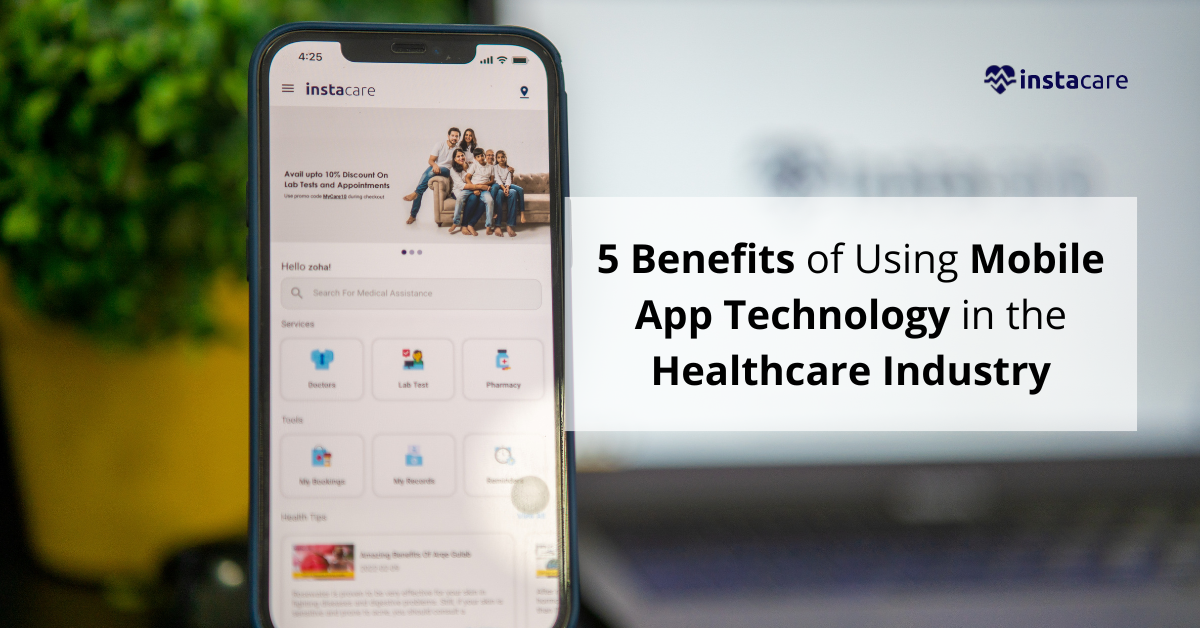
5 Benefits Of Using Mobile App Technology In The Healthcare Industry Sometimes, patients had to stand in lengthy queues in the hospital’s waiting rooms. These waiting rooms were unpleasant and time-consuming and wasted a lot of time. However, things have changed due to the growth of Mobile App Technology in Healthcare. Compared to other forms of communication, mobile phones are ubiquitous. Their products may be helpful to people of all ages because they are made to appeal to the younger generation. Access to Mobile App Technology in Healthcare is one of the numerous benefits of this technology. With the aid of this Mobile App Technology in Healthcare, almost any problem may be resolved. The best solutions are being explored as healthcare mobile apps for hospital concerns are being handled. The mobility, affordability, and accessibility of these healthcare mobile apps for hospitals contribute to their popularity. Distance Is Not An Issue With Mobile App Technology Modern healthcare mobile apps for hospitals still can’t transfer patients to physicians. However, they may at least make it easier for residents in rural and isolated locations to get high-quality services and expert advice and schedule appointments with doctors without having to visit a hospital, only to ask the receptionist to add their name to the list of patients. Additionally, this telemedicine app in Pakistan allows users to purchase medications without ever leaving their homes. Reduced Costs Introducing a mobile app in the healthcare sector is an excellent way to save patient costs because many chores may be completed through the app itself. Patients may also view the prices in real time while communicating with the hospital via an app. As a result, they will get a final price that won’t shock them or their families because they have time to prepare a budget. Book Free Demo Facilitated And Secured Payment Processes When you have medical bills to pay, how does a regular payment procedure seem? Yes, you now have the choice to pay with a card or cash. However, to accomplish that, you must wait in line. With an app, you may do it with a few taps in a short amount of time. Moreover, you can be confident that your money is secure thanks to the protected payment channels that are often included in telemedicine apps in Pakistan today. There are also a few more benefits associated with payments. Initially, your app will notify you if you neglect to make a payment. And secondly, you may often select the best payment plan using an app. Enhanced Workflow For Healthcare Professionals Do you know how medical personnel used to manage all of their paperwork during the “pre-IT” era? They had to contain countless numbers of paperwork. Such a method of working was highly time-consuming and inconvenient. Doctors and nurses may now keep patient information using various types of software. There, too, smartphone apps are beneficial. Additionally, doctors may immediately offer advice via an app for urgent instances, potentially saving lives. Increased Diagnostic Accuracy Better workflow increased higher accuracy. The possibility of a diagnostic error is reduced since clinicians can access a healthcare data network via an app. Doctors can provide the best practical care since they can access a patient’s medical history. Additionally, the use of technologies like machine learning can have a positive impact on the industry. To minimize errors, machine learning for medical diagnosis might provide extra support for the doctor’s point of view. Conclusion As you can see, both sides of the industry can substantially benefit from mobile healthcare apps. Additionally, they may offer several benefits to regulators and a third party. This fact is just another justification for why it is essential in this sector to promote mobile apps. For the best telemedicine app in Pakistan, check out this website https://instacare.com.pk/ and feel free to contact InstaCare professionals.