

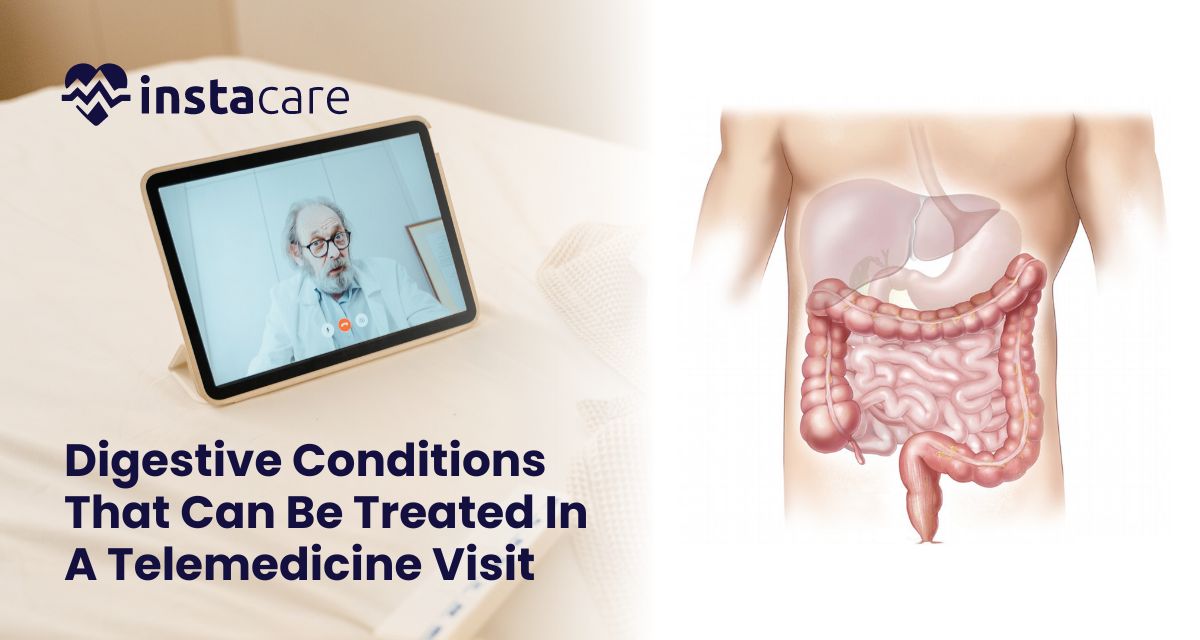
Digestive Conditions That Can Be Treated In A Telemedicine Visit With the development of telemedicine, receiving professional attention from the comforts of one’s home is now easier than it has ever been in recent memory. This is very useful for managing a few Digestive Conditions. Many stomach-related problems can be accurately diagnosed and treated with an online appointment with a physician. You can speak with your vital consideration doctor over the phone or on your computer instead of going to the expert’s office. In this blog post, we’ll look at a few common stomach-related ailments that can be treated with telemedicine. You will discover which stomach-related difficulties can be managed online, how they can help you save time and improve your mental state, and which problems can be resolved in that manner. Gastroesophageal Reflux Disease GERD is a chronic stomach disease in which stomach acid frequently runs back into the throat, producing symptoms like indigestion, nausea, and difficulty swallowing. If GERD is not addressed, it might eventually damage the esophageal coating and cause more severe problems. How Could Telemedicine Be Used To Treat GERD? Generally speaking, a telemedicine visit is an effective means for a provider of medical services to assess and manage GERD: 1-Side Effect Survey The provider can learn more about the frequency, severity, and impact of their GERD side effects, including indigestion, vomiting, and difficulty swallowing. Clinical history: The provider can ask about the patient’s past medical history, particularly any GERD or related illness medications. 2-Management Of Medications The physician or nurse can recommend or administer over-the-counter or prescription drugs for mild to moderate GERD in order to lower stomach acid production, relieve symptoms, and monitor the patient’s reaction. 3-Lifestyle Recommendations The doctor may advise avoiding foods that worsen GERD, decreasing weight, and increasing sleep as ways to improve one’s diet and way of life. 4-Follow-Up Care To monitor the patient’s development and make any required modifications to the treatment plan, the physician might schedule routine telemedicine follow-up appointments. 5-Irritable Bowel Syndrome Constant abdominal pain, swelling, blockage, or even looseness of the bowels are symptoms of irritable bowel syndrome (IBS). Although the exact cause isn’t entirely understood, a variety of factors, such as food, stress, and modifications in stomach movement, are acknowledged. Book Free Demo How Could Telemedicine Be Used To Treat IBS? Generally speaking, telemedicine can work well for medical service providers in monitoring and evaluating IBS side effects: 1-Assessment Of Symptoms The physician can oversee a thorough evaluation of the patient’s IBS side effects, taking into account factors including repetition, severity, and impact on daily life. By inquiring about certain foods, stress levels, or alterations in routine, they can assist in identifying possible factors. 2-Nutritional Advice The provider may suggest changing the diet to identify trigger foods, such as increasing fiber intake, limiting foods that release gas, or trying an end-of-cycle diet. Together, they can create a personalized meal plan that will help control the patient’s IBS symptoms. 3-Medications A doctor may give the same medication to treat additional symptoms, assist control bowel movements, and ease stomach discomfort in those with moderate to severe IBS. They are able to monitor the patient’s response to medication and adjust as necessary. 4-Life Path Direction In order to reduce the side effects of IBS, the provider may recommend work-out plans, pressure-board procedures, and other lifestyle adjustments. They can provide guidance and support to enable the patient to implement these adjustments. Constipation Constipation is a common digestive disease that manifests as infrequent bowel motions, difficulty passing stool, or the feeling of an incomplete evacuation. It could very likely be caused by a variety of factors, such as changes in routine, medication side effects, food, or underlying health issues. How Might Telemedicine Be Used To Treat Constipation? Most of the time, telemedicine can be an effective method for providers of medical services to evaluate and manage harmful side effects: 1-Assessment Of Symptoms The healthcare professional can examine the patient in detail to determine the cause of their constipation, including frequent bowel motions, difficulties passing stool, and any related pain or discomfort. They can ask questions to identify potential contributing factors, such as prescription use, active work, diet, and hydration. 2-Nutrition And Lifestyle Ideas To enhance the patient’s intake of fiber, the healthcare professional may recommend dietary modifications, such as adding more fruits, vegetables, and whole grains. Additionally, they can recommend methods to improve hydration and vigorous work, both of which can help regulate entrail capacity. The provider can provide guidance on how to set up a dependable bathroom use schedule to promote usual defecations. Ulcerative Colitis And Crohn’s Disease Among the most well-known types of inflammatory gastrointestinal diseases (IBDs) are Crohn’s disease and ulcerative colitis. Even though they are somewhat similar, their causes, consequences, and approaches to therapy are very different. 1-Ulcerative Colitis This chronic illness is characterized by inflammation and ulceration of the membranes surrounding the colon and the rectum. Possible symptoms include weight loss, diarrhea, rectal bleeding, abdominal pain, and an urgent desire to pee. Typically, only the colon and rectum are irritated. 2-Crohn’s Disease Crohn’s disease is a chronic inflammatory illness that can affect any part of the digestive system, but it typically affects the wall of the ileum, which ends the small intestine, and the beginning of the colon. Possible symptoms include weariness, diarrhea, weight loss, hunger, and abdominal pain. Patches of diarrhea may occur, with healthy tissue scattered in between bad areas. Methods In Telemedicine Telemedicine can be used effectively for the two situations for initial evaluation, ongoing monitoring for side effects, and prescription delivery. Physicians can review a patient’s past medical history, assess their present symptoms, and modify therapies as needed during virtual sessions. Remote monitoring and more regular check-ins are made possible by telemedicine in the treatment of chronic, relapsing-remitting illnesses such as IBD. For more serious episodes or consequences, the telemedicine worker might recommend an in-person assessment and potential care promotion, like a referral to a physician. Additionally, telemedicine can facilitate
10 Ways Telemedicine Is Changing the Healthcare Industry Telemedicine is changing the healthcare industry where patient contact with healthcare services increases significantly and unit costs continue to decline. Living in the modern century, we go forward looking into the future of healthcare where the use of telemedicine would increase in value more than the present times. Here are 10 ways telemedicine is changing the healthcare industry: Improved Access to Care One of the first important advantages of telemedicine is increased availability of health care, which may be considered a major priority for certain patients who live in rural areas and can seldom get medical help close to their home. This is particularly important for persons with walking difficulties, those with chronic health complications or who have access to limited transports. Telemedicine unites the patients and doctors and helps to transform lives so that everyone, including those confined to their homes or with mobility issues, can get the treatment he or she requires. Reduced Wait Times Patients get access to services from healthcare providers within a shorter period, in turn, minimizes the time spent waiting for an appointment. Instead of waiting for weeks or months to do an office visit patient can imagine doing a video visit in a few days or hours. This has in turn has an impact on access and utilization of health services, and can result in early diagnosis, quicker health care provision, and improved prognosis. Faced with long waiting lists, telemedicine has revolutionized the process of booking an appointment and use of digital technology. Enhanced Chronic Disease Management Telemedicine is being considered very useful for the cases of chronic diseases like diabetics, cardiovascular diseases, and respiratory diseases. Wearable devices in tele monitoring apply in recording the health statuses of a patient such as their cardiac rhythms, prescription compliance, and even blood pressure, which may benefit both the doctors in tracking their patients’ progress and making necessary changes. It assists in avoiding the multiple hospitalization and other complexities that may ensue in the future. Improved Patient Engagement Telemedicine can promote patient autonomy and active participation in the ways of their treatment. This type of technological advancement enhances patient influence on their well-being through offering patients a platform for which they can directly contact the service providers and personally retrieve/print their medical records with the intention of assisting with their care. Consequently, it can potentially enhance patients’ compliance with their prescribed regimes, raise their level of knowledge regarding their conditions, and deepen patient-doctor cooperation. Book Free Demo Cost Savings It has been identified that through telemedicine implementation, there are financial savings in cost that are both in patients and the overall healthcare sector. Thus, compared with non-telemedicine services, telemedicine comes with the possible reduction of the patient’s out-of-pocket payments. Appointments they get from distant healthcare providers also entail no costs for transport, childcare, or time off from work. Increased Convenience One of the most impressive benefits of telemedicine is that patients do not need to travel to the healthcare provider’s place to receive the necessary help but can do it from the comfort of their homes or offices. This is very advantageous in that it would be suitable for people with little time, people with disability, or those who reside in areas that are hard to access. The primary and most important benefit of accessing care at any one time is that virtually all patients would wish to receive care over a time convenient for them. Improved Continuity of Care Telemedicine can support continuity of care more effectively than conventional face-to-face interactions especially to clients with specialized care needs or those who interact with different caregivers. Since telemedicine has an integrated method of communication and information exchange it flow that all the health care giver involved in decision-making of the patient’s article corridor, thereby enhancing better-coordinated and effective health care delivery. This means that when integrated patient data such as medical history, test results, and past and current treatment plans can be shared among different providers. Telemedicine Is Changing the Healthcare Industry And Enhanced Specialty Care Access It is most effective when practiced in specialties such as mental health, dermatology, or pediatric care since it helps in expediting the accessibility to care. Due to a lack of accessibility of specialist doctors across the country, the patient can now virtually consult with doctors in different regions of the country, so the patient gets the necessary specialized treatment. This is particularly advantageous for people who might have encountered a problem with the access to such services due to geographical/transportation/financial constraints. Reduced Strain on Healthcare System Because the need for healthcare services will continue increasing in the future, telemedicine will be useful in addressing the increasing demand. Telemedicine should be used as ways to ease demand on the conventional care delivery systems including emergency departments, primary care clinics, and other health care facilities by providing them with an opportunity to decline simple and routine cases and address complex or emergent ones. If patients are able to benefit from telemedicine for their day-to-day checkups or for their chronic diseases, this saves time on less critical cases, so that more attention can be given to the truly severe cases. Improved Disease Outbreak Response The COVID-19 pandemic situation also brought into focus the important use of telemedicine in addressing communicable health crises. Telemedicine was particularly useful during the pandemic to allow hospitals to continue operating but with less risk involved. As to the future, one of the major roles is expected to belong to telemedicine in terms of organizational readiness and precaution mechanisms for treating future disease outbreak response. As it is shown above, these forms of communication limit face-to-face contacts and thus can help to prevent the spread of hazardous diseases. Conclusion In the given time of the progressive advancement in the operation of the health system telemedicine will undoubtedly stays one of the key trends in the development of modern healthcare. In this way, telemedicine contributes to making it easier for