
Last Updated on 1 year ago by Ahmed Usman The Features To Look For In A Clinic Management System In Pakistan When it comes to making sure that you have the most up-to-date and efficient clinic management system in Pakistan, there are a few features that you should be looking for. A good clinic management system can help streamline your business processes and enhance workflow efficiency while also providing secure options for patient data storage and communication. At the same time, this type of technology division helps minimize costs by reducing manual labor requirements. In this blog post, we’ll discuss what makes a great clinic management system in Pakistan as well as provide helpful information about available services on the market today. Read on to learn more! Features of clinic management system in Pakistan Appointment scheduling A clinic management system in Pakistan is an essential tool for any healthcare facility to streamline their daily operations. One crucial feature of this system is appointment scheduling. With the help of appointment scheduling, patients can book their desired appointment time, which decreases the waiting time and enhances the overall patient experience. Moreover, doctors can manage their daily patient appointments through this system, and it helps them to plan their workday accordingly. This feature also helps reduce administrative workload and improves the accuracy of the medical record-keeping process. The appointment scheduling feature in a clinic management system is a valuable asset that enhances patient satisfaction and productivity for healthcare providers. Patient registration In the constantly evolving world of healthcare, a reliable clinic management system has become a fundamental necessity for healthcare providers in Pakistan. One of the essential features of such a system is the patient registration process. This process allows healthcare professionals to capture essential patient information such as demographic details and contact information. It also enables quick and easy identification of repeat patients with a comprehensive patient tracking system. Patients are also provided with unique identification numbers, which help healthcare providers to efficiently track patient visits, test results, and treatment progress. Overall, an efficient patient registration system is crucial for the smooth and effective functioning of a healthcare facility, providing an excellent patient experience while improving clinical outcomes. Book Free Demo Electronic medical records (EMR) Clinic management systems (CMS) in Pakistan have revolutionized the way medical records are maintained by healthcare providers. The Electronic Medical Records (EMR) feature, in particular, allows for patient data to be recorded and stored in a digital format, eliminating the need for paper-based record-keeping. This not only helps in reducing errors but also enables healthcare professionals to access patient information instantly. EMR also enables patients to view their medical records online, making it easier for them to keep track of their health and treatment progress. The implementation of EMR in CMS has made healthcare in Pakistan more efficient and reliable and has contributed to improved patient outcomes. cloud-based setup and ease of use Clinic management system is an innovative solution that streamlines the daily operations of medical facilities across Pakistan. The cloud-based setup enables easy access to patient records, scheduling appointments, and billing, eliminating the need for physical storage or paper-based systems. The ease of use is a bonus, making it accessible to even the non-tech-savvy staff members with minimal training. The software also offers customizable templates that cater to the specific needs of medical professionals. Overall, clinic management systems have transformed how medical facilities operate, resulting in improved patient care and increased productivity. Identify the need for secure data storage and patient privacy As technology continues to advance, a clinic management system in Pakistan becomes a desirable solution in streamlining operations and ensuring efficient patient care. When implementing any such system, a critical consideration is secure data storage and patient privacy. Important data shared by patients and healthcare service providers must be safeguarded against theft, loss, or manipulation, and this responsibility rests with the clinic management system. Additionally, patient privacy should be maintained to uphold an ethical and professional standard of care. Therefore, a management system that goes the extra mile to ensure secure data storage and patient privacy is a worthy investment for healthcare providers in improving their sector’s practices and facilitating a safer healthcare environment. Consider the availability of different payment methods Clinic management systems have become increasingly prevalent in Pakistan’s healthcare industry, providing a range of features that facilitate decision-making, administration, and patient satisfaction. One of the most significant advantages that these systems offer is the availability of multiple payment methods, enabling patients to pay for their healthcare using cash, credit/debit cards, or through online transfers. This not only makes the payment process more convenient for patients but also benefits healthcare providers who can now manage their finances more efficiently. Other notable features of these systems include medical records management, appointment scheduling, inventory management, and staff management. Overall, the implementation of a clinic management system in Pakistan brings numerous benefits for healthcare providers and patients alike, making medical facilities more organized, efficient, and accessible. Billing and invoicing One of the key features of clinic management systems in Pakistan is billing and invoicing. These systems are designed to facilitate the billing process by automating various tasks such as generating invoices, sending payment reminders, and recording payments. Additionally, clinic management systems offer real-time data on billing and payments, allowing healthcare providers to track their revenue streams effectively. This feature is particularly beneficial for clinics that often struggle with financial management due to manual billing processes that are prone to errors and inconsistencies. With a clinic management system in place, billing and invoicing become a streamlined and hassle-free process, allowing healthcare providers to focus on providing quality care to their patients. Inventory management Clinic management systems in Pakistan offer various features to streamline operations and enhance efficiency in healthcare settings. One of these features is inventory management, which enables clinics to keep track of their stocks of medications, equipment, and other supplies. With inventory management, clinics can monitor stock levels, receive alerts when items run

Last Updated on 1 year ago by Ahmed Usman 5 Tips To Reduce Patient Waiting Time Using Queue Management Software Waiting around in medical clinics can be a stressful experience for both patients and staff. Long queues, lengthy wait times and extended delays not only affect the patient’s mood but also impact operational efficiency of any clinic. As a result, it is important to find solutions that reduce waiting time in order to increase patient satisfaction and optimize productivity. Luckily, there are plenty of strategies available that make reducing idle time possible – from improving organization within teams to utilizing technology advancements. In this article we will discuss five simple tips including queue management software that have been proven to be successful in minimizing patient wait times at clinics. Keep reading for more! Invest in digital check-in systems to speed up the registration process Digital check-in systems are the way of the future when it comes to efficient registration processes. With the increasing demand for instant gratification, traditional manual methods just don’t cut it anymore. Investing in digital check-in systems will not only speed up the registration process for your clients but also improve customer satisfaction. These systems provide a quick and easy registration process, reducing waiting times and the frustration that comes with them. Additionally, digital check-in systems offer flexibility in capturing data and allows for real-time updates on room occupancy and more. So, if you want to stay ahead of the competition, investing in cutting-edge technology like digital check-in system is well worth it. Book Free Demo Use queue management software Queue management software has become an indispensable tool for any organization that wants to provide seamless services to its clients. With this software, you can easily manage customer flow, reduce wait times, and improve overall efficiency. The software allows you to create customized queueing systems that can be designed to meet your specific business requirements. Additionally, it can be integrated with other business systems to provide real-time data through analytics and reporting tools, giving you a complete overview of your customer services. Most importantly, queue software ensures that your customers are attended to promptly, thereby improving customer satisfaction and loyalty. By automating the queueing process, your staff can focus on more critical tasks, and your customers can enjoy a hassle-free experience when interacting with your business. Educate staff on best practices for managing patient queues Patient queues can oftentimes be a source of frustration for both staff and patients alike. However, there are ways to effectively manage those queues to ensure a smooth and efficient experience for everyone involved. One important best practice is to clearly communicate wait times and keep patients informed throughout their wait. Another key strategy is to prioritize patients with urgent needs to minimize wait times and prevent any potential delay in care. Additionally, having a system to track patient flow and identify any bottlenecks can provide insights for process improvements. By implementing these best practices and training staff on effective queue management, healthcare facilities can improve patient satisfaction and optimize their operations. You can do this by using queue management software. Utilize appointment reminders and automated calls to reduce no-shows Missing appointments can be a frustrating and costly issue for any business. Fortunately, there are solutions that can help reduce the frequency of no-shows. One effective method is utilizing appointment reminders and automated calls. By sending out reminders to customers ahead of their scheduled appointments, they will be less likely to forget or accidentally miss their appointment altogether. Automated calls can also be used to confirm appointments, making it easier for customers to reschedule if necessary. Implementing these measures not only reduces the likelihood of no-shows, but also improves customer satisfaction and loyalty. With the help of appointment reminders and automated calls, businesses can keep their schedules organized and avoid losing valuable time and resources due to empty appointment slots caused by no-shows. View More: 5 Tips To Improve Clinic With Clinic Management System Software Allow patients to book appointments online using Patient Management System Software In Pakistan As modern technology rapidly advances, healthcare providers in Pakistan are taking advantage of all the benefits it has to offer. A Patient Management System Software is a perfect example of how technology can streamline healthcare services. This software allows patients to book appointments with their healthcare providers online, saving time and effort for both the patient and the healthcare provider. With this software, patients can easily schedule, reschedule, or cancel appointments without having to call the clinic, ensuring a hassle-free experience. Moreover, healthcare providers can easily manage their appointments and access files and records with the help of this easy-to-use software. Embracing these types of technological solutions in healthcare can go a long way in improving patient satisfaction and overall healthcare outcomes. Offer digital tools such as virtual consultations to answer common questions quickly In a world where instant gratification is the norm, it’s not surprising that customers want their questions answered quickly and easily. This is why offering digital tools such as virtual consultations can be incredibly valuable for businesses. Providing a platform where customers can easily access information and get their questions answered from the comfort of their own homes is not only convenient but also enhances the overall customer experience. By offering virtual consultations, businesses can connect with their customers on a deeper level, and it’s a great way to show them that their needs are being taken seriously. With the convenience of digital tools, businesses can provide fast, efficient, and personalized service that will keep customers coming back for more. Conclusion Ultimately, reducing patient wait time in clinics should be a priority for healthcare providers. An easy way to ensure that this goal is achieved is by following the 5 simple tips outlined in this blog post. From small things like staff taking regular breaks and streamlining administrative processes, to larger tasks such as scheduling to fit demand and investing in technology like queue management software, there are many

Last Updated on 1 year ago by Ahmed Usman 5 Strategies to Increase Clinic Profits without Sacrificing Quality Care Making a profit in the healthcare industry isn’t easy, especially with mounting regulations and ever-increasing expenses. As a clinic manager or business owner, you must stay competitive to ensure your financial stability – but quality patient care should always be top priority. Fortunately, there are ways to increase clinic profits without sacrificing excellence in treatment and services. With these five strategies, you can create an effective plan for both short-term success and long-term growth while maintaining great care for your patients. Keep reading to get started today! Improve patient retention As healthcare providers, we understand the importance of patient retention. When patients feel satisfied and valued, they are more likely to stick with our practices for the long haul. One effective way to improve patient retention is through communication. Taking the time to listen to our patients and address their concerns can go a long way in building trust and loyalty. It’s also important to keep patients informed about their health, treatment options, and any changes to their care plan. Providing personalized and compassionate care is key in making patients feel valued, which in turn can lead to higher patient retention rates. By focusing on communication and personalized care, we can create a positive and lasting impact on the health and well-being of our patients. Optimize scheduling and resource utilization Optimizing scheduling and resource utilization is essential for the success of any business. In today’s fast-paced world, it is more critical than ever to make the most efficient use of resources and time. By analyzing your scheduling practices and evaluating how you use your resources, you can reduce costs, increase productivity, and improve customer service. Scheduling should be done based on customer demand, and resources must be allocated effectively to ensure maximum utilization. Implementing technology such as automation and machine learning can help streamline complex scheduling tasks and improve resource allocation. Optimizing your scheduling and resource utilization allows you to adapt to changing business conditions and stay ahead of the competition. Book Free Demo Utilize technology use EHR,EMR to increase clinic profits The electronic health record (EHR) and electronic medical record (EMR) have revolutionized the way healthcare providers document and share patient information. With the use of these technological tools, healthcare professionals are able to quickly and accurately access a patient’s medical history, allergies, medications, lab results, and more. This ensures that patients receive the highest quality of care possible, as providers have all the necessary information they need to make informed decisions about diagnosis and treatment. Not only does the EHR/EMR improve patient care, but it can also save time and increase efficiency for healthcare providers. Overall, utilizing technology such as the EHR/EMR is a crucial component in the evolving landscape of healthcare. Identify and implement strategies to reduce operational costs while still offering quality care Reducing operational costs while maintaining quality care is vital to the success of any organization can increase clinic profits. One strategy is to streamline processes to eliminate waste and redundancy. This involves carefully analyzing every department’s operations, identifying areas of inefficiency, and developing and implementing a plan to streamline processes and reduce costs. Another strategy is to negotiate with suppliers to ensure that the organization is getting the best prices for goods and services. This may involve forming partnerships with specific vendors and leveraging purchasing power to negotiate better pricing. A third strategy is to invest in technology that can automate certain processes, reduce manual labor, and provide useful data insights for continued improvement. Implementing these strategies can help organizations save money without sacrificing quality care for their patients. View More: How Hospital Management Systems are Revolutionizing Healthcare Develop a comprehensive patient care plan to increase clinic profits Developing a comprehensive patient care plan is essential for improving the overall quality of health care and to increase clinic profits. It involves creating a personalized plan that outlines the patient’s medical needs, treatment goals, and expected outcomes. To develop such a plan, healthcare providers need to consider various factors such as the patient’s medical history, current health status, lifestyle, and preferences. They should use evidence-based practices and involve the patient and their family members in the decision-making process. The plan should also be regularly evaluated and updated to ensure it is meeting the patient’s needs. A well-designed patient care plan can improve communication between healthcare providers and patients, increase patient satisfaction, and ultimately lead to better health outcomes. Conclusion The truth is, there’s no one size fits all approach to increase profits and maintain high-quality care. Finding a balance between the two can be an uphill climb, and it’s important to keep trying different strategies until you find one that works best for your clinic. In any case, these five strategies can provide an effective and meaningful starting point on your path to healthier financials without compromising quality care. So don t be afraid to get creative! Evaluate what matters most to your clinic, craft a plan of attack, and give yourself the edge needed for success. Your chances of success will exponentially increase if you implement a combination of these five strategies with determination and consistency. Are you ready to take your clinic from good to great?

Last Updated on 1 year ago by Ahmed Usman 5 Ways To Improve Patient Care Quality It’s no secret that quality healthcare is essential for maintaining our overall health and wellbeing. But ensuring consistent high-quality care can be a challenge for many doctors, nurses and other medical professionals. So how can we as individuals strive to improve the quality of patient care? Here are five ways you can help ensure that every individual receives superior attention and treatment in any medical environment. Let’s see improve patient care quality. Create a strong relationship with your patients to improve patient care quality Create a strong relationship with your patients by listening to their concerns and educating them about their condition and treatment. As a healthcare provider, it’s crucial to establish a strong relationship with your patients. One of the best ways to achieve this is by offering them a listening ear and educating them about their condition and treatment. Listening to your patients’ concerns will not only help them feel heard and valued but also enable you to understand their unique needs. It’s also vital to educate your patients about their condition and treatment, empowering them to take charge of their health. Educating patients can improve treatment compliance, resulting in better health outcomes. By establishing a strong relationship with your patients built on trust, communication, and education, you can provide high-quality, patient-centered care. Book Free Demo Ensure your practice is up to date on the latest technology Ensure your practice is up to date on the latest technology, such as electronic medical records and telemedicine. Keeping up with the latest technology in your medical practice is an essential part of providing the best possible care for your patients. With the advent of electronic medical records and telemedicine, there are more opportunities than ever to streamline your practice and improve patient outcomes. Electronic medical records allow you to store and access patient information quickly and easily, while telemedicine allows you to provide remote consultations and care to patients who might not otherwise have access to medical services. By staying up to date on these and other technological advances, you’ll be better equipped to provide the highest level of care to your patients, and stay ahead of the curve in an ever-evolving healthcare landscape. Take the time to review patient notes before appointments Take the time to review patient notes before appointments and consider any questions they may have or special requests they may have in order to provide personalized care. As healthcare providers, it is important to prioritize personalized care for each and every patient that comes through our doors. One simple way to achieve this is by taking the time to review patient notes prior to appointments. By doing so, we can consider any questions or concerns the patient may have, as well as any special requests they may have regarding their care. This allows us to tailor our approach to each patient, taking into account their unique needs and preferences. Ultimately, by providing personalized care, we can build stronger patient-provider relationships and help our patients feel more confident and comfortable in their healthcare journeys. View More: 8 Tips To Attract More Patients To Your Clinics Use right resources for patient follow-up to improve patient care quality Make sure you have the right resources available for patient follow-up, such as nurse call lines, support groups and online support forums. Patient follow-up is a crucial part of providing quality healthcare. It ensures that patients receive appropriate care and support even after they leave the hospital or clinic. To achieve this, having the right resources is essential. Nurse call lines give patients direct access to healthcare professionals, who can answer their questions and provide advice. Support groups offer patients a chance to connect with people who are going through similar experiences, allowing them to share their stories, fears, and successes. Online support forums are a convenient way for patients to access information, ask questions, and communicate with others at any time of the day. By providing these resources, healthcare providers can ensure that their patients have access to the support they need to achieve optimal health outcomes. Utilize social media to stay connected with your patients Utilize social media to stay connected with your patients and spread awareness about your practice’s services. In today’s digital age, social media has become an integral part of our daily lives. As a healthcare provider, utilizing social media can help you stay connected with your patients and spread awareness about your practice’s services. Platforms like Facebook, Instagram, and Twitter are great tools that can be used to share educational content, promotions, and updates about your practice. By engaging with your patients on social media, you can improve patient retention, attract new patients, and ultimately grow your practice. Social media also offers an opportunity to showcase your expertise in your field, establish your practice as a thought leader, and build trust with your patients. So why not take advantage of this powerful tool to enhance your patient communication and grow your practice? Conclusion In conclusion, patient care quality is an essential part of successful healthcare systems. There are a number of different strategies and methods that can be used to improve patient care quality, from increasing the availability of resources to implementing best practices. All of these strategies will help to ensure that patients receive high-quality care and attention. Moreover, it’s important for healthcare organizations to prioritize patient safety and convenience when planning for new initiatives and programs. Investing in to improve patient care quality is an investment in the future health of our communities and should be taken seriously. The goal is always to create a safer, more comfortable environment for both healthcare providers and patients alike so that everyone involved can enjoy the highest possible standard of care. With the right strategies in place, it is absolutely possible to achieve improved outcomes with greater patient satisfaction.

Last Updated on 1 year ago by Ahmed Usman 8 Tips To Attract More Patients To Your Clinics As the healthcare industry continues to grow, the competition in our field is becoming more fierce. To stay ahead of your competitors and ensure that you consistently attract new patients to your clinics, it’s important to have a detailed strategy in place. By utilizing techniques like cultivating relationships with local partners or encouraging word-of-mouth referrals from past patients, you can increase patient traffic and provide quality care for those who visit your centers. In this blog post, we’ll give you 8 tips on how you can start growing your patient base today using clinic management software! 1- Improve Your Online Presence As we continue to shift towards a digitalized world, having an online presence is now essential as clinic management software. Your online presence is a reflection of your brand and what you can offer to the world. So how can we improve our online presence? First and foremost, establish yourself on various social media platforms and post regularly. Interact with your audience by responding to comments and messages. Ensure that your website is user-friendly and easily navigable. Create valuable content that is relevant and informative to your target audience. Invest in SEO techniques to drive traffic to your website and increase your visibility. With consistent effort and dedication, improving your online presence using clinic management software will undoubtedly increase your chances of success in the digital world. 2- Leverage Social Media In today’s digital age, businesses have the opportunity to connect with their audience on a personal level like never before. Social media platforms have turned into a huge part of our daily communication, and leveraging them can mean the difference between being seen and being forgotten. By creating a strong social media presence, companies can engage with their customers, build brand loyalty, and even generate leads. You can use clinic management software. Whether it’s Facebook, Twitter, Instagram, or LinkedIn, the key to leveraging social media is understanding your audience and delivering valuable content consistently. With the right strategy, social media can help boost your business’s visibility and take your brand to the next level. 3- Offer Online Appointment Scheduling In today’s fast-paced world, convenience is key. That’s why we’re excited to offer online appointment scheduling for all of our services. Whether you’re in need of a routine check-up or a complex procedure, you can now book your appointment from the comfort of your own home or on-the-go. No more waiting on hold or playing phone tag with receptionists. With our user-friendly system, you can easily select a time and day that works best for you. Plus, you’ll receive automatic reminders so you never have to worry about forgetting your appointment. We’re committed to making your experience as seamless and stress-free as possible. Give our online scheduling a try and see the difference for yourself. View More: How Hospital Management Systems are Revolutionizing Healthcare 4- Use Patient Referral Programs Patient referral programs can be a powerful tool for growing any healthcare practice. By tapping into the trusted relationships that already exist between patients and their friends and family, doctors and other medical professionals can quickly expand their reach and build valuable new relationships. However, it’s important to approach these programs strategically, with an eye towards ensuring that they are both effective and ethical. By offering incentives that are genuinely valuable to patients, carefully tracking referral sources and results, and staying committed to providing the highest level of care to all patients, healthcare providers can use referral programs to create a virtuous cycle of growth and success. You should consider clinic management software for better experience. 5- Provide Excellent Patient Care As healthcare providers, providing excellent patient care should always be at the forefront of our minds. Patients entrust us with their well-being and it is our responsibility to deliver the best care possible. To achieve this, we must have a deep understanding of each patient’s unique needs and concerns. It is important to listen to them, communicate clearly, and show empathy. We must also be skilled in our craft, constantly updating our knowledge and techniques to provide the most effective treatments. From the moment a patient walks through our doors, our primary focus should be to provide the best possible experience. This means addressing their questions and fears, easing their pains, and respecting their privacy. By providing excellent patient care using clinic management software, we not only improve their health outcomes, we also build lasting relationships that benefit everyone involved. 6- Utilize EMR/EHR Software Electronic Medical Records (EMR) and Electronic Health Records (EHR) are rapidly becoming must-have tools for healthcare providers. These software systems are designed to streamline the patient record-keeping process and eliminate inefficient paperwork. With EMR/EHR software, clinic management software, medical professionals can easily track patient medical history, manage appointments, and access lab results securely and remotely. Additionally, these systems can increase office efficiency, reduce errors, and improve patient care. Healthcare organizations of all sizes are adopting EMR/EHR systems as the benefits of utilizing these software tools continue to be recognized. If you’re a healthcare provider, it’s important to stay up-to-date with current technologies like clinic management software to provide the best care to your patients and maintain an edge in the competitive healthcare industry. Book Free Demo 7- Offer Telehealth Services Telehealth services have become increasingly important in the realm of healthcare, especially in light of recent events. With the ability to connect patients with healthcare providers virtually, telehealth services offer convenience, accessibility, and affordability. Patients no longer have to wait in long lines or make appointments months in advance to see a healthcare provider. Instead, they can simply log onto their computer or smartphone and connect with their provider from the comfort of their own home. Telehealth services also provide a swift response for healthcare providers, allowing them to diagnose and treat patients more effectively. Overall, telehealth like clinic management software services have revolutionized the way

Last Updated on 1 year ago by Ahmed Usman How to Run a Successful Dental Practice in 2023 In this fast-paced and ever-evolving world, it can be difficult to stay ahead of the curve as a business owner. But if you’re looking to remain competitive in 2023, one of the most important things to consider is how your dental practice operates with dental practice management software; from appointment booking systems and patient management software to technological advancements like digital dentures and 3D printing. With so much going on in the world of dentistry, it pays (literally) for owners to know the essentials when it comes to running a successful practice. From implementing best practices for financial health and staying up-to-date with new technologies, there are plenty of ways you can ensure that your business not only survives but thrives throughout the coming year. In this blog post, we will share tips on how men’s health providers as well as women’s healthcare professionals can effectively manage their dental practice in 2023! Leverage Technology for Efficiency Utilize electronic health records, patient portals, and digital radiography to streamline operations. As technology continues to advance, it is crucial for healthcare providers to leverage it to improve efficiency. One way to do this is by utilizing electronic health records (EHRs). EHRs allow for easy sharing of patient information among healthcare professionals, reducing the risk of errors and improving communication. Additionally, patient portals allow for patients to schedule appointments, request prescription refills, and view their medical history from the comfort of their own homes, reducing administrative tasks for staff. Digital radiography, another technological advancement, allows for quicker and more accurate diagnoses, improving patient outcomes. By leveraging technology in healthcare operations, providers can improve overall efficiency and provide better care to their patients. Enhance Patient Services Implement a customer service program that includes appointment reminders, post-visit follow-up calls, and educational materials. Improving patient services is an essential goal for healthcare providers, and implementing a customer service program can make a significant impact. By incorporating features such as appointment reminders, post-visit follow-up calls, and educational materials, healthcare providers can ensure that their patients feel supported and engaged throughout their healthcare journey. Appointment reminders can help patients stay on track and avoid missed appointments, while post-visit follow-up calls can provide valuable feedback and help identify any areas for improvement. Educational materials are also an excellent resource for patients and can help them stay informed about their health and treatment options. Overall, a customer service program can help healthcare providers enhance the patient experience and improve outcomes for their patients with the help of dental practice management software. Book Free Demo Build a Positive Digital Presence Make sure you have an active website, active social media accounts, and online reviews so potential customers can find your practice easily. Having a positive digital presence is essential in today’s business world. To ensure that potential customers can find your practice easily, it is important to have an active website, social media accounts, and online reviews. By having an updated and easily accessible website, customers can gain a better understanding of your practice and services. Furthermore, staying active on social media platforms can showcase your expertise and allow for direct communication with customers. Lastly, online reviews provide valuable feedback and can attract new customers. Building a positive digital presence takes time and effort, but the benefits for your practice are invaluable. Establish a Referral Network Develop relationships with other dentists in the area to share resources and referrals. As a dentist, building a referral network is crucial for the growth and success of your practice. Developing positive relationships with other dentists in the area can not only help with sharing resources such as equipment and supplies, but it can also lead to increased patient referrals. Referral networks are beneficial for patient care as well, as it allows for seamless communication and coordination between practices. By working together with other professionals in the field, you can ensure that your patients receive the best possible care and treatment, ultimately leading to a thriving dental community. View More: How to Maximize Potential with Hospital Management System? Use Automation to Improve Workflows Invest in automated tools such as voice recognition software and automated billing systems to reduce manual labor. Automation is the way of the future when it comes to improving workflows. There is no denying that manually completing tasks can be a time-consuming and tedious process, especially when it comes to repetitive ones. Investing in automated tools such as voice recognition software and automated billing systems can greatly reduce the amount of manual labor needed and increase overall productivity. With voice recognition software, dictation and transcription can be done accurately and efficiently, freeing up time for other important tasks. Automated billing systems can streamline the invoicing process and eliminate human errors. By implementing automation in your workflows, you can significantly improve efficiency, save time, and ultimately increase profits. Cultivate Financial Responsibility Be mindful of expenses and track performance metrics so you can make proactive decisions regarding your finances. Cultivating financial responsibility is essential for securing financial stability and freedom. It requires being mindful of expenses and tracking performance metrics to help make proactive decisions regarding your finances. This practice empowers individuals to take control of their financial lives. By monitoring expenses, you can identify areas in which you can cut back, while also prioritizing essential expenses. Additionally, tracking metrics such as income and debt-to-income ratio can help you take necessary steps to improve your financial health. While it may seem daunting at first, cultivating financial responsibility is a lifelong journey that ultimately leads to peace of mind and financial success. Conclusion All in all, running a successful dental practice in 2023 will require an extensive amount of planning and strategizing. Dental practices need to take advantage of the latest technology, stay up-to-date on industry trends, and manage their social media in order to be competitive. Also, it is essential that they hire quality staff that

Last Updated on 1 year ago by Ahmed Usman 6 Tips How To Choose Practice Management Software When it comes to managing our practices, it can be difficult to determine which software best fits our unique needs. With so many options available, it’s essential that we invest in a practice management system that ensures efficiency and accuracy throughout the workflow process. Fortunately, with the right research and knowledge about this specialized software, you can find a solution customized for your specific requirements. In this blog post, we will explore how to choose practice management software—taking into account key factors such as cost-effectiveness, data security measures, scalability of services and more. Read on for everything you need to know when investing in this invaluable tool! Tips for Practice Management Software 1- Assess Your Needs Assessing your needs is an important first step in making any decision, from something as small as choosing what to have for dinner to something as big as buying a house. When it comes to assessing your needs, it’s important to take a few factors into consideration. First, think about what your ultimate goal or objective is. Second, consider what resources you have available to you, such as time, money, or technology. Finally, think about any potential obstacles that may stand in your way. By taking these things into consideration, you can make a well-informed decision that will help you accomplish your goals. When it comes to assessing your needs, it pays to do your research and take your time. 2- Research Different Platforms Read reviews and compare pricing plans. There are a variety of platforms available for conducting research, each with their own unique features and pricing plans. To ensure you select the right platform for your specific needs, it’s important to do your research beforehand. Start by reading reviews from other users to gain insight into the platform’s strengths and weaknesses, and then compare pricing plans to see which one fits your budget. Taking the time to do this upfront will save you time and money down the road and ensure you have a positive research experience. For all these task you need a practice management software. Book Free Demo 3- Talk To Current Users Ask them about the pros and cons of their software. One of the best ways to learn about a software product before you invest in it yourself is to talk to current users. By getting their perspectives on the pros and cons of the software, you can gain valuable insights that aren’t always apparent from a brochure or website. When talking to current users, ask them about specific features they find helpful or frustrating, as well as any issues they’ve experienced with the software. It’s also worth asking how the software has improved their workflow or saved them time and money. By gathering this information, you can make a more informed decision about whether the software is the right fit for your needs. 4- Consider Scalability Select a practice management software that can grow with you as your practice grows. Scalability is a crucial factor to consider when selecting a platform for your practice. As your practice grows, you don’t want to be limited by a platform that can’t accommodate your expanding needs. You should be able to seamlessly add more users, features, and capabilities as required. Therefore, it’s essential to choose a platform that is designed with scalability in mind. By selecting a platform that can grow with you, you’ll save time, resources, and money in the long run, and you’ll be able to focus on what matters most, growing your practice. View More: 5 Powerful Applications of OpenAI ChatGPT in the Healthcare Revolution 5- Test It Out Demo different versions to see which one best fits your needs. When making decisions that impact our daily lives, it’s important to choose the option that best fits our needs. This is especially true when it comes to selecting software or technology solutions. But how can we be sure we’re making the right choice? One effective approach is to test out different versions and compare them against each other. By conducting demos of various options, we can easily identify which features are most important to us and which version best satisfies our requirements. Taking the time to try things out and find the best fit can save us time, money, and frustration in the long run. So go ahead, test it out – the results may just surprise you. 6- Make Sure It’s Secure Check the vendor’s security measures to ensure your data is safe. In today’s digital age, security should always be a top priority. With the fast-paced advancements in technology, it’s essential to make sure that your data is secure, especially when entrusting vendors with your sensitive information. Checking the vendor’s security measures is crucial in ensuring that your data is safe. Take the time to investigate their security protocols, data encryption methods, and privacy policies. A reputable vendor will always be transparent about their security measures and will have no problem providing you with all the necessary information you need to make an informed decision. By taking the necessary steps to verify a vendor’s security measures, you can rest assured that your data is safe and well-protected. This is the main feature of practice management software. Conclusion With the right objective criteria and research, making an informed decision about a practice management software is within reach. Be sure to talk to a provider’s existing customers, do a live demonstration of any features you are considering, and make sure the vendor has an established help desk. Compare pricing carefully and consider the long-term value of the product, not just short-term savings. Above all else, think through who will be using the new system, how it integrates with other technologies already in place and what features are most relevant for your team. Taking time to ask these questions can save more time down the road when you’re running with

Last Updated on 1 year ago by Ahmed Usman 5 Tips To Improve Clinic With Clinic Management System Software Are you looking for ways to make your clinic more efficient? Use clinic management system. Are you tired of inefficient workflow and long wait times, or are you new to managing a medical office and looking for ways to streamline the process? Either way, there’s never been a better time than now to start improving clinic efficiency. In this blog post, we’ll explore five tips for making your healthcare facility run smoother and faster. From improved patient communication strategies to smarter staff scheduling practices, these suggestions will help make sure that every visit is as timely and comfortable as possible. Read on to discover how implementing small changes can lead to big improvements in your clinic operations with clinic management system! Tips To Improve Clinic Efficiency Streamline Patient Registration By Using Electronic Forms Patient registration can be a long and frustrating process, especially for healthcare providers who may be overwhelmed with paperwork. But there is a solution – electronic forms. By using electronic forms, patients can complete their information online before arriving for their appointment, saving time and reducing errors. Electronic forms also allow for easy integration and storage of patient data, making it readily accessible for providers during appointments and ensuring accuracy in patient records. With the growing use of technology in healthcare or clinic management system, electronic forms are becoming more widely adopted and are a valuable tool for improving the patient experience and streamlining administrative tasks for healthcare providers. Book Free Demo Utilize A Secure Electronic System To Store And Access Patient Records In today’s fast-paced world, healthcare providers must be able to access their patient’s records quickly and securely. The utilization of a secure electronic system for patient record storage and access is an excellent way to ensure that patient information is accurate and up-to-date. Not only does an electronic system allow for easy access to patient records, but it also ensures that sensitive patient information is kept private and confidential. This type of system also allows for more efficient communication between healthcare providers, leading to better overall patient care. By utilizing a secure electronic system, healthcare providers can ensure that their patients receive the best care possible while maintaining the highest level of confidentiality. Schedule Appointments Online To Reduce Waiting Times As our lives become increasingly busy, the traditional method of scheduling appointments by phone can be a hassle. Fortunately, you can now schedule appointments online, saving you both time and energy. By utilizing this technology, you can circumvent long wait times on hold or on the phone, and instead quickly find availability that works with your schedule. This efficient system not only benefits you, but it also helps businesses by reducing the burden on administrative staff. So, the next time you need to schedule an appointment, consider using an online system like clinic management system and enjoy the ease of booking at your convenience. Develop Workflow Templates To Help Staff Quickly Complete Routine Tasks Wouldn’t it be nice if your team could complete their routine tasks in half the time it currently takes them? Creating workflow templates can do exactly that. These templates can serve as a guide for employees to follow step-by-step, ensuring they don’t miss important steps. It’s a simple solution that has the potential to greatly increase productivity and save valuable time. By taking the time to develop and implement these templates, you’re setting your team up for success. Not only will they be able to complete their tasks quicker, but they’ll also be more consistent and accurate in their work. Overall, investing in workflow templates is a smart move for any organization looking to streamline their processes. View More: Why Your Clinic Needs A Clinic Management System Invest In Technology That Automates Administrative Tasks Investing in technology like clinic management system that automates administrative tasks can be a game-changer for medical practices. With the latest advancements in technology, billing, document preparation, and follow-up communication with patients can be streamlined and simplified. The benefits of automation go beyond just saving time and reducing errors. It can also lead to improved patient satisfaction and better patient outcomes. Patients value receiving timely and accurate information and having a smooth and timely payment process. By implementing automation, medical practices can focus on delivering high-quality patient care and leave administrative tasks to machines. Overall, investing in technology for administrative tasks is a win-win for both the practice and the patients such as clinic management system. Conclusion After reading through the five tips to improve clinic efficiency, you’ve learned how critical it is to create systems that streamline communication, reduce unnecessary tasks, and make use of process automation. You now understand the importance of having visibility into your data as well as managing staff and patient expectations. Ultimately, these tips can help you get the most out of every minute in your day. By increasing efficiency, you can stay on top of new growth opportunities while maintaining top-notch customer service at all times with the clinic management system. Whether it’s eliminating redundant workflows or ensuring patient safety, implementing processes for clinic efficiency is essential for success. With the right strategies in place and a top-down attitude toward building an efficient clinic, you should be well on your way to achieving long-term financial and operational triumphs!

Last Updated on 1 year ago by Ahmed Usman Why Your Clinic Should Go Paperless With Clinic Management System? Are you still using pen and paper to manage patient records in your clinic? If so, then you’re likely aware of the time-consuming nature of paperwork with all its manual data entry tasks. But did you know that going paperless can help dramatically reduce administrative work for your staff. As well as create a more secure environment for patient data? Achieving full digital documentation offers or clinic management system numerous medical benefits – from streamlining paperwork processes to helping prevent costly medical errors and ensuring faster care delivery. Making it a worthwhile venture for any healthcare practice. In this blog post, we’ll provide an overview of why your clinic should go paperless and explain how digital document storage provides powerful advantages when compared to traditional recordkeeping methods. Overview of paperless systems Paperless systems have become increasingly popular in recent years as organizations look for ways to streamline their operations and improve efficiency. By eliminating the need for paper-based processes, companies can save time and money while also reducing their environmental impact. Clinic management system systems allow for the seamless transfer of information between departments and can be accessed from anywhere with an internet connection. Additionally, the use of paperless systems can help to reduce errors and increase data security. As technology continues to advance, we can expect to see more companies making the switch to paperless systems in the coming years. Benefits of paperless systems As we progress towards a more environmentally conscious world, choosing a paperless system is one of the most significant steps in the right direction. There are several benefits of digital documentation or clinic management system that not only help the environment but also make work more manageable. For starters, it’s easier to search and find documents by using keywords instead of manually sifting through mountains of paper. Furthermore, digital systems take up less space, enhancing office productivity by freeing up space traditionally used for paper storage. Paperless systems also reduce the likelihood of data loss through wear and tear and help save on printing costs. By making the switch to paperless systems, you’re not only helping the environment, but you’re also simplifying everyday work processes. Book Free Demo An explanation of the various technologies available for clinics to go paperless As technology continues to evolve, so do our healthcare systems. One aspect that has seen significant changes in recent years is the move towards paperless clinics. Electronic Health Records (EHR) is one technology that clinics can utilize to go paperless. EHRs offer a secure and confidential way for healthcare providers to document patient care electronically. In addition to EHRs, voice recognition technology can also be used to update patient records in real-time, making documentation more efficient and accurate. Another option for clinics is electronic prescribing, where medications are ordered and sent directly to the pharmacy from the provider’s computer. This eliminates the need for paper prescriptions, making the entire process faster and more efficient. By going paperless, clinics can not only reduce their impact on the environment but also improve patient care by streamlining processes and reducing errors. How a paperless system can help improve patient care and satisfaction As the healthcare industry continues to evolve, paperless systems are becoming more prevalent in hospitals and clinics. By using electronic records or clinic management system, medical staff can access patient information quickly and easily, leading to improved patient care and satisfaction. Without the need to shuffle through stacks of paper, doctors and nurses can get a comprehensive view of a patient’s medical history and make informed decisions about their treatment. This streamlined approach can also reduce errors and save time, allowing staff to spend more time with patients rather than on administrative tasks. Additionally, patients often appreciate the convenience of electronic communication and digital access to their medical records. Overall, transitioning to a paperless system can be a significant step towards better patient care and satisfaction. Advantages of using digital records, including cost savings and improved accuracy In today’s digital age, the use of digital records has become increasingly popular due to its numerous advantages. One of the most significant benefits of using digital records is the cost savings it offers. Unlike traditional paper records, digital records eliminate the need for expensive storage space, printing costs, and the cost of physically transporting files from one location to another. Moreover, clinic management system promote improved accuracy as they are easily searchable, trackable, and can be accessed anytime, anywhere. This makes it easier to find and retrieve the information required quickly, without the need for endless searching through paper files. Overall, the use of digital records is an intelligent investment as it saves time, and money, and enhances accuracy in information management. How a paperless system can reduce office clutter and streamline administrative processes In today’s digital age, many businesses are shifting towards a paperless system to reduce office clutter and streamline administrative processes. A paperless system is not only environmentally friendly, but it also saves workspace and eliminates the need for expensive filing cabinets and storage space. By going paperless, businesses can easily access their data and documents with just a click of a button, making their administrative operations more efficient and less time-consuming. Additionally, a paperless system also reduces the risk of lost, damaged, or stolen documents, ensuring that important information is always safe and secure. Overall, making the switch to a paperless system is an excellent way for businesses to simplify their administrative processes and reduce the clutter in their offices. View More: What is Patient Record Management Software? Tips for transitioning to a paperless system in your clinic, including training staff and handling data security concerns Transitioning to a paperless system can be daunting, but it can make a significant difference in your clinic’s workflow. The key to success is to train your staff adequately and to address any data security concerns. When it comes
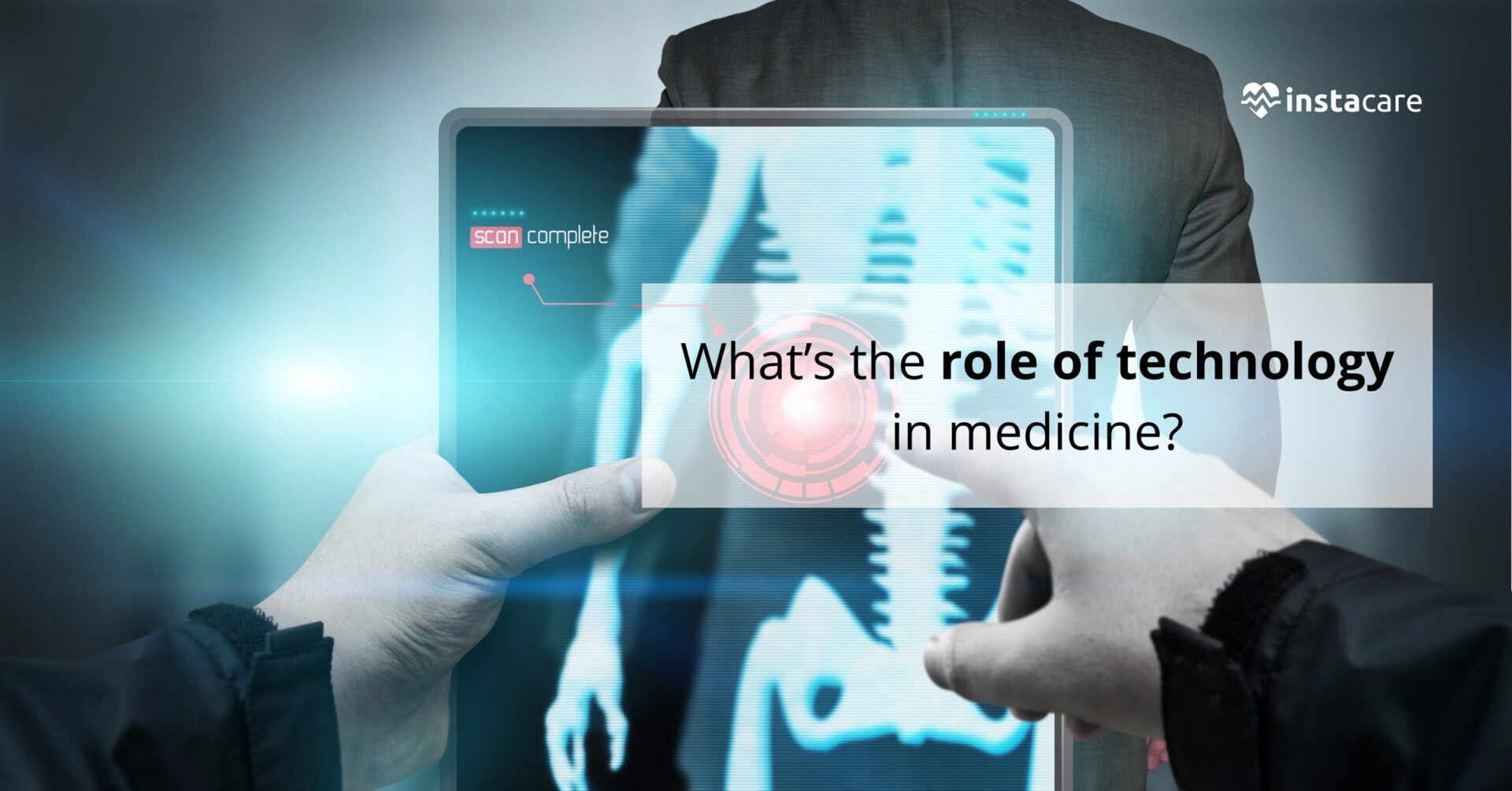
Last Updated on 1 year ago by Ahmed Usman What’s The Role Of Technology In Medicine? In this era of rapid technological development, it is no surprise that medicine has seen its fair share of advantages. There is a great role of technology in medicine. From remote diagnosis to improved treatments and smarter medical tools, the incorporation of technology in the field of medicine is revolutionizing our ability to improve patient care and outcomes. In this blog post, we will explore how modern technologies are changing healthcare for the better – from automated medical records processing to virtual assistants to advanced treatments like precision medicines. We’ll also discuss potential implications for health-related privacy issues that may arise in a world where electronic health information (EHI) is increasingly exchanged between different stakeholders. By diving into the many ways technology is impacting medicine today, we can gain a better understanding of its true transformative power! Impact of Technology on Medical Practice Technology has revolutionized the medical field in ways that were once unimaginable. With the help of innovative technologies, medical professionals can now provide better patient care, diagnosis, and treatment. Electronic health records and telemedicine technology, for instance, have made it easier for doctors to communicate with their patients and colleagues. In addition, the use of artificial intelligence and machine learning is helping doctors to analyze and interpret patient data more accurately, and to identify patterns in disease progression. Technology has also enabled medical professionals to conduct surgeries with greater precision, using advanced instruments and robotic systems. Overall, role of technology in medicine is that technology is playing a major role in improving the accuracy, speed, and efficiency of medical practice. Different Types of Tech in Medicine Technology has revolutionized the field of medicine, providing innovative solutions that are changing lives daily. The advancements in medical technology are awe-inspiring, and they range from simple apps to life-saving machines. The different types of tech in medicine include telemedicine, robotics, wearables, electronic health records, and even artificial intelligence. Telemedicine has made healthcare accessible to those living in remote areas, while robotics have been used in surgeries, enabling surgeons to operate with great precision and accuracy. Wearables such as fitness trackers, smartwatches, and ECG monitors have made it possible to monitor vital signs and detect abnormalities early on. Electronic health records have made storing medical information more efficient and accessible. Finally, artificial intelligence has opened up possibilities for predicting health outcomes and providing personalized treatment plans. All of these technologies are transforming the world of medicine and paving the way for a healthier future. Book Free Demo How AI and Robotics Are Changing Health Care Delivery Artificial Intelligence (AI) and robotics are revolutionizing the way healthcare is delivered. The advent of this technology addresses significant challenges faced by the healthcare industry, including the shortage of healthcare providers, rising costs, and the need for faster diagnosis. AI and robotics can help make healthcare services more readily available to individuals in remote areas or regions with scarce healthcare resources, bringing medical care right to their doorstep. Additionally, AI-powered analytics tools can assist healthcare providers in identifying patterns and predicting possible outcomes from patient data, leading to better diagnoses and personalized treatments. The benefits of this technology in healthcare are vast, making it an incredibly significant and exciting development. Role of Telemedicine in Connecting Patients and Doctors Telemedicine is revolutionizing the healthcare industry by providing patients with remote access to medical professionals. With just a few clicks, patients can connect with their doctors through video appointments, phone calls, and messaging platforms. Telemedicine has proven to be especially useful for individuals who live in rural or remote areas, who may not have access to quality healthcare facilities. The benefits of telemedicine also extend to those with mobility limitations or transportation barriers. Furthermore, telemedicine has helped to reduce healthcare costs and streamline the patient care process. With the use of telemedicine, patients can receive medical advice, get prescriptions filled, and even receive lifestyle recommendations, all from the comfort of their own homes. As technology continues to advance, it is likely that telemedicine will play an increasingly important role in connecting patients and doctors. Benefits and Potential Pitfalls of Increasingly Automated Healthcare Systems As healthcare technology advances, so does the integration of automated systems within this field. From electronic health records to surgical robots, these systems can improve efficiency in healthcare delivery, accuracy in diagnoses, and patient outcomes this is the role of technology in medicine. However, there are potential pitfalls to consider as well. Automated systems may result in job loss for healthcare workers or increase the risk of errors if improperly designed or maintained. Additionally, patient privacy and confidentiality must be safeguarded in an increasingly digitized healthcare system. While the benefits of automation in healthcare are clear, it is important to weigh the potential drawbacks and ensure that any implementation of these systems is done with care and consideration. Conclusion Technology has the potential to revolutionize the world of medicine, and it is certainly an exciting field to watch. We are already seeing doctors utilizing mobile medical apps that enable quick communication with patients and allow for greater access to consultation from remote areas. In addition, technology has enabled physicians to diagnose diseases much more quickly, providing treatment that is tremendously beneficial for patient care. With advancements in artificial intelligence and machine learning, there is no telling what may be achievable in the future when it comes to medical technology. We must continue to explore new ways to use technology in healthcare so that we can provide more effective and reliable treatments for our patients. As we progress further into this digital age, the integration of modern technology into the practice of medicine may prove invaluable to saving lives.