
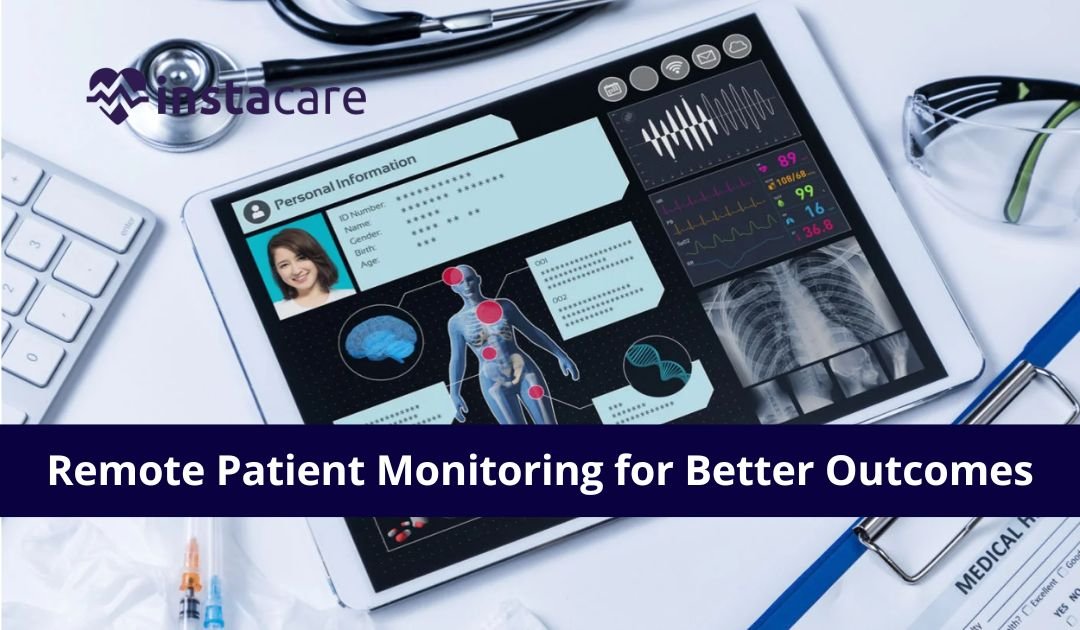
Remote Patient Monitoring for Better Outcomes In a fast-paced world buzzing with health concerns, remote patient monitoring services are proving to be an innovative and transformative solution that could drastically improve the way healthcare is delivered for better outcomes. Remote monitoring allows clinicians to monitor a wide range of health status such as vital signs, activity levels, stability in chronic conditions over time—all from afar without having the patient still on hospital premises or being physically present at doctor’s office visits. With this revolutionary technology paving its way into the medical industry, many questions linger around how effective it can prove to be and what benefits will it bring for patients globally. In this blog post we dive deep into understanding how remote patient monitoring works and why more and more doctors are increasingly turning towards using this tool for their practice. What is Remote Patient Monitoring and How Does It Work In today’s age of advanced technology, remote patient monitoring has revolutionized the way healthcare is delivered. Simply put, remote patient monitoring is a system that allows healthcare providers to track a patient’s health data from afar. It typically involves devices such as wearables, sensors and mobile apps that collect and transmit data such as blood pressure, heart rate, and blood sugar levels to healthcare professionals. This real-time data enables healthcare professionals to identify trends and intervene in times of need, potentially avoiding complications and improving outcomes. The process is seamless, efficient, and more importantly, it enables patients to receive the high-quality care they need no matter the distance. Book Free Demo Benefits of Remote Patient Monitoring for Clinicians and Patients Remote health monitoring has revolutionized the way healthcare is delivered, benefiting both clinicians and patients alike. Through this technology, healthcare providers are able to continuously monitor their patients’ health conditions, allowing them to respond promptly to any issues that arise. For patients, remote health monitoring offers the convenience of receiving medical care from the comfort of their own homes, eliminating the need for frequent hospital visits. This leads to improved patient outcomes and satisfaction, as well as reduced costs associated with hospitalizations and emergency room visits. Clinicians also benefit from this technology as they are able to track patient progress more accurately, adjusting treatment plans as necessary and providing more personalized care. All in all, remote patient monitoring is a win-win approach to healthcare delivery. Different Types of Remote Patient Monitoring Systems With advancements in technology, remote patient monitoring systems have become increasingly popular in the healthcare industry. These systems allow healthcare professionals to track the health status of their patients in real-time, without the need for in-person visits. One type of remote patient monitoring system is virtual patient tracking, which uses software to monitor patients’ vital signs, medication usage, and other health-related information. This information is then transmitted to healthcare providers, who can use it to make informed decisions about treatment and care plans. This technology has revolutionized the healthcare industry, providing patients with more accessible and efficient care, while also reducing healthcare costs. View More: Streamline Your Medical Billing with Medical Billing Software Best Practices for Implementing Remote Patient Monitoring Telehealth has revolutionized healthcare by bridging the gap between patients and providers, especially during the pandemic. However, when it comes to remote patient monitoring, it’s not just about the technology. Implementing best practices is crucial in ensuring successful adoption and patient engagement. For starters, healthcare professionals should select the most appropriate remote monitoring devices for their patients and equip them with the necessary skills to use them. Additionally, a comprehensive risk management plan should be put in place to ensure data security and privacy. Furthermore, healthcare providers should establish clear communication channels with their patients and set achievable goals to make the most of the remote monitoring technology. By following these best practices, healthcare providers can enable continuous monitoring of their patients’ health and deliver efficient care, regardless of their location. Challenges of Integrating Remote Patient Monitoring into Healthcare Settings The integration of remote patient monitoring into healthcare settings poses a plethora of challenges that need to be addressed. One major challenge is the distance that exists between patients and healthcare providers. This creates a gap that needs to be bridged through innovative technology and practices that enable efficient real-time monitoring of patients. Healthcare providers must have the infrastructure and resources necessary to collect and analyze data generated from remote monitoring devices. They also need to be trained on how to interpret the data, use it to make informed clinical decisions, and act accordingly. Another challenge involves ensuring that the privacy and security of patient data are protected. It is crucial to implement secure and comprehensive communication systems between patients, providers, and other relevant stakeholders. These challenges and more highlight the need for adequate preparation, planning, and collaboration between healthcare providers and technology companies. Only then can we realize the full potential of remote patient monitoring and improve the quality and accessibility of healthcare for patients. Strategies to Overcome the Challenges of Adopting Remote Patient Monitoring The world of medicine is constantly advancing and implementing new technology, and remote patient monitoring is one of the latest breakthroughs. While it presents numerous benefits, such as increased efficiency and accessibility, there are also challenges that need to be addressed. Strategies to overcome these hurdles are crucial to the success of adopting remote patient monitoring. One approach is to provide adequate training to both medical professionals and patients on how to use the technology effectively.Another solution is to maintain an open line of communication between patients and healthcare providers, as this will enable them to identify and address any issues as they arise. Ultimately, by implementing these strategies, healthcare organizations can maximize the potential of remote patient monitoring to improve patient care and outcomes. Conclusion Remote patient monitoring is an incredible breakthrough for modern medicine, allowing doctors to offer more personalized treatments and establish better outcomes for their patients. This is significant because it reflects the amount of
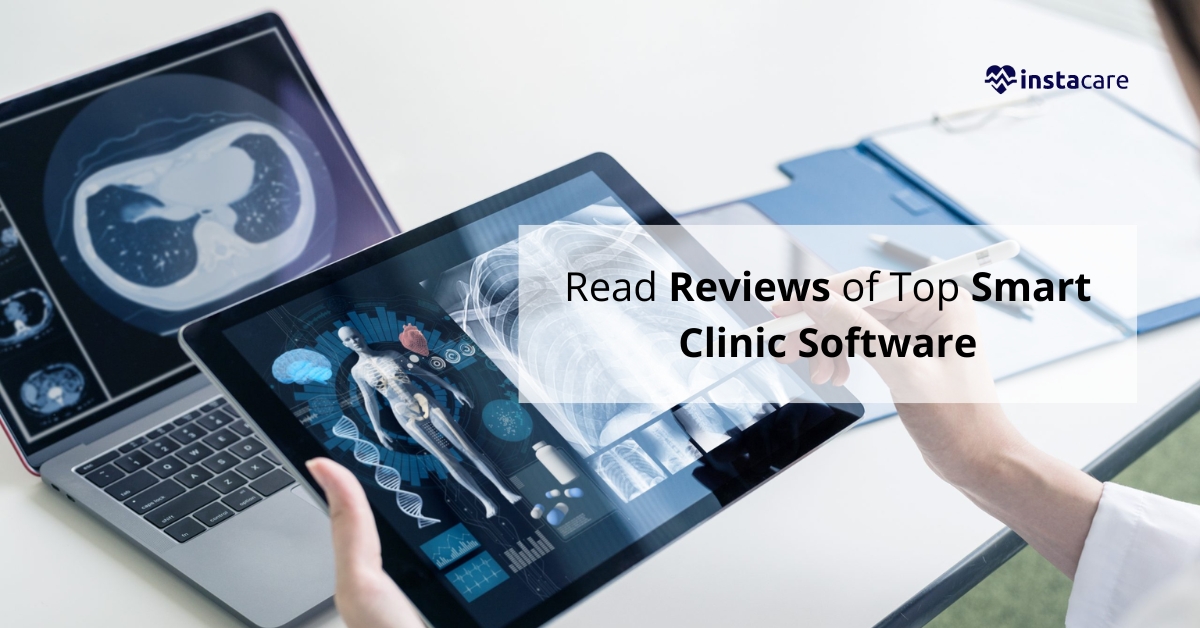
Read Reviews of Top Smart Clinic Software Are you looking for the top smart clinic software to bring your healthcare services up to date? Look no further! With so many options available, it can be difficult to know which one is right for you. That’s why we’ve taken the time to review some of the top smart clinic software solutions on the market today. Here we’ll discuss features and pricing, how these solutions work in practice, as well as customer feedback from real users who have already made the switch. Read on for a comprehensive look at some of your options and learn more about what choosing 🔥smart clinic software🔥 could mean for improving both patient care and overall organizational efficiency Introduce readers to smart clinic software and its features As healthcare technology advances, clinics are taking advantage of new software to improve patient care and streamline operations. One of the most popular options is top smart clinic software. This innovative platform offers a range of features that facilitate everything from appointment booking to billing, and it’s become an essential tool for many modern healthcare providers. With smart clinic software reviews consistently singing its praises, there’s no doubt that this technology is here to stay. Its intuitive design and user-friendly interface make it accessible to both medical professionals and patients, and its ability to store and analyze data helps to ensure that clinics can provide individualized care that’s tailored to each patient’s needs. Overall, smart clinic software is a game-changer for clinics looking to provide the best possible care to their patients while also improving their own efficiency and organization. Discuss the importance of researching and reading reviews on top software options In today’s world of technology, there are countless software options to choose from. When searching for top smart clinic software, reading reviews and doing research is critical. Not only will this allow you to gauge the effectiveness and user-friendliness of the software, but it will also give you an idea of how it will fit into your specific needs and workflow. Testimonials from other healthcare providers can be invaluable in helping you make the right decision. By taking the time to research and read reviews, you can ensure that the software you choose will meet your needs and improve the efficiency of your clinic. Don’t overlook this important step in the software selection process- it can save you time and money in the long run. Book Free Demo Explain how to identify reliable review sources for smart clinic software When searching for reliable review sources for top smart clinic software, it can be overwhelming to sift through the multitude of options available online. However, taking the time to identify trustworthy sources can save you from potentially detrimental choices down the line. Look for sources that provide user feedback specifically related to smart healthcare software. This ensures that the reviews you read are tailored to your needs and concerns. Additionally, seek out sources with a diverse range of reviewers, such as healthcare professionals, IT specialists, and patients. This can provide a well-rounded perspective on the software’s overall effectiveness. By doing your due diligence and seeking out reliable review sources, you can make an informed decision on the best smart clinic software for your needs. View More: Simplifying Record-Keeping with a Patient Record Management System Introduce readers to some popular Top smart clinic software options and explain their key features As technology advances, more and more healthcare providers are turning to smart clinic software to enhance their practice. These medical software tools offer a variety of features that can streamline workflows, improve patient care, and simplify administrative tasks. When researching options, it’s essential to consider factors such as ease of use, data security, and integration with other systems. Some popular options include Practice Fusion, AdvancedMD, and CareCloud. Practice Fusion is known for its user-friendly interface and customizable charting tools, while AdvancedMD boasts top-notch patient engagement and management features. CareCloud offers robust revenue cycle management tools and integrated telemedicine capabilities. Reading reviews for these tech-enhanced medical practice tools can provide valuable insights into their key features and help healthcare providers make informed decisions. Compare the pros and cons of each option based on user reviews The success of any business is dependent upon the tools used to manage it. With the emergence of smart clinic management software, healthcare providers can now streamline their processes, increase efficiency, and provide better patient care. However, with so many options to choose from, it can be difficult to determine which software is the best fit for your needs. That’s why user reviews are so important. By comparing the pros and cons of each option based on feedback, healthcare professionals can make informed decisions about the software they choose. User reviews provide valuable insight into the functionality, ease of use, and overall satisfaction with a product. While some options may have higher ratings for their advanced features, others may be more user-friendly. It’s important to weigh the feedback and determine which factors are most important for your clinic’s success. Summarize key insights from the reviews to help readers make an informed decision When it comes to choosing a top smart clinic software, reading reviews from other users is essential. Not only do these reviews provide valuable insights into the software’s features and functionality, but they also give readers an idea of the user experience. Summarizing these reviews can be a tremendous help in making an informed decision. By highlighting key points and takeaways from multiple reviews, readers get a comprehensive view of the software’s pros and cons. Whether it’s ease of use, customer support, or pricing, summarizing the reviews helps readers quickly determine if the software is right for their needs. So, if you’re looking for a top smart clinic software, take the time to read the reviews and get a better understanding of what to expect. Conclusion In conclusion, top smart clinic software can make life more convenient for healthcare providers and their patients

Find Best Affordable Clinic Software for Your Practice Finding the right affordable clinic software for your healthcare practice can feel overwhelming. With so many options out there, it’s difficult to know which one is best suited for your particular needs and budget. That’s why we have compiled some key information on affordable clinic software that will make it easier to narrow down the choices until you find the right fit for your practice. This comprehensive guide outlines what features to look for in a successful system as well as tips on where to find quality clinic software on a tight budget. Keep reading to level up your healthcare practice with cost-effective and reliable technology! Identify What Features You Need in a Clinic Software Provider When searching for a affordable clinic software provider, one of the most important factors to consider is affordability. The last thing anyone wants is to select a software provider that leaves them financially strapped. In addition to affordability, it’s also important to identify the features that your clinic requires. Consider what programs you will be using most frequently, and what features will work best for your specific needs. Ultimately, finding the perfect software provider means balancing cost-effectiveness with all the necessary tools to keep your clinic running smoothly. Book Free Demo Compare Different Providers and Prices For Affordable Clinic Software When it comes to finding the right affordable clinic software for your business, comparing different providers and prices is key. With so many software options out there, it can be overwhelming to know which one to choose. But by doing your research and considering factors such as cost, features, and ease of use, you can ultimately find the most cost-effective clinic software that best fits your needs. By comparing different providers and their offerings, you can ensure that you not only find the right software for your business but also get the most bang for your buck. With the right software in place, you can streamline your processes, improve patient care, and ultimately increase revenue for your clinic. Consider Cloud-Based Solutions for Simplified Management In today’s fast-paced, digital world, finding ways to simplify practice management while staying within budget is more important than ever. Cloud-based solutions have emerged as an attractive option for those looking to streamline their operations without breaking the bank. Not only do cloud-based solutions offer real-time access to information from anywhere, they also eliminate the need for costly hardware and software upgrades. By investing in affordable, budget-friendly practice management software hosted in the cloud, teams can efficiently manage tasks and improve communication, all while achieving optimal productivity. Say goodbye to outdated, time-consuming management practices and embrace the ease and accessibility of cloud-based solutions. View More: Simplifying Record-Keeping with a Patient Record Management System Take Advantage of Free Trials to Test Software Options Affordable patient management tools are essential for healthcare facilities of all sizes. However, with so many options available, it can be challenging to determine which tool is the best fit for your practice. This is where free trials come in handy. By taking advantage of free trials, you can get a feel for different software options without committing to long-term contracts or payment plans. Free trials are an excellent way to test a tool’s features, user interface, and overall effectiveness before making a decision. Additionally, you can also assess whether the software integrates with your current system and team workflow. Therefore, free trials allow you to make informed decisions and ultimately choose the best affordable clinic software software option for your practice and patients. Ensure Your Chosen Software is Compatible with Existing Systems In today’s era, technology has revolutionized healthcare, making it easy to manage patient data, thus leading to better patient care. However, while striving for improvement and efficiency, it is essential to ensure that new affordable clinic software is compatible with existing systems. This is especially important when searching for affordable patient management tools that meet the needs of the healthcare center. While affordable software sounds like an excellent solution, it can quickly become an expensive nightmare if it fails to integrate with other systems. Therefore, medical practitioners should take the necessary time and effort to analyze potential compatibility issues that might arise before making the final decision on the ideal software to invest in. Read Online Reviews to Find the Right Vendor for Your Practice When it comes to choosing the right vendor for your practice, the search can seem daunting. You want to ensure that the software solution you invest in is reliable, efficient, and affordable. One way to help you make an informed decision is to read online reviews. Doing so can give you valuable insight into the product and the customer experience. By taking some time to research and compare affordable clinic software vendors, you’ll be able to find the perfect fit for your practice. Remember, it’s always better to invest in a quality software solution that will save you time and energy in the long run. Conclusion Finding the right affordable clinic software for your practice is essential to ensure your team is up-to-date on all the latest standards and trends. With so many options available, it can be overwhelming to determine the best solution for your clinic. Taking the time to evaluate the different available software platforms, considering price, additional features, scalability, and customer support will help you find a platform that meets your specific needs at an affordable price. Ultimately, selecting the right affordable clinic software can be one of the most efficient ways to improve patient experience while maintaining a high standard of care in your medical facility. Keeping these strategies in mind can lead you to finding an effective yet economical clinic software solution for your practice!
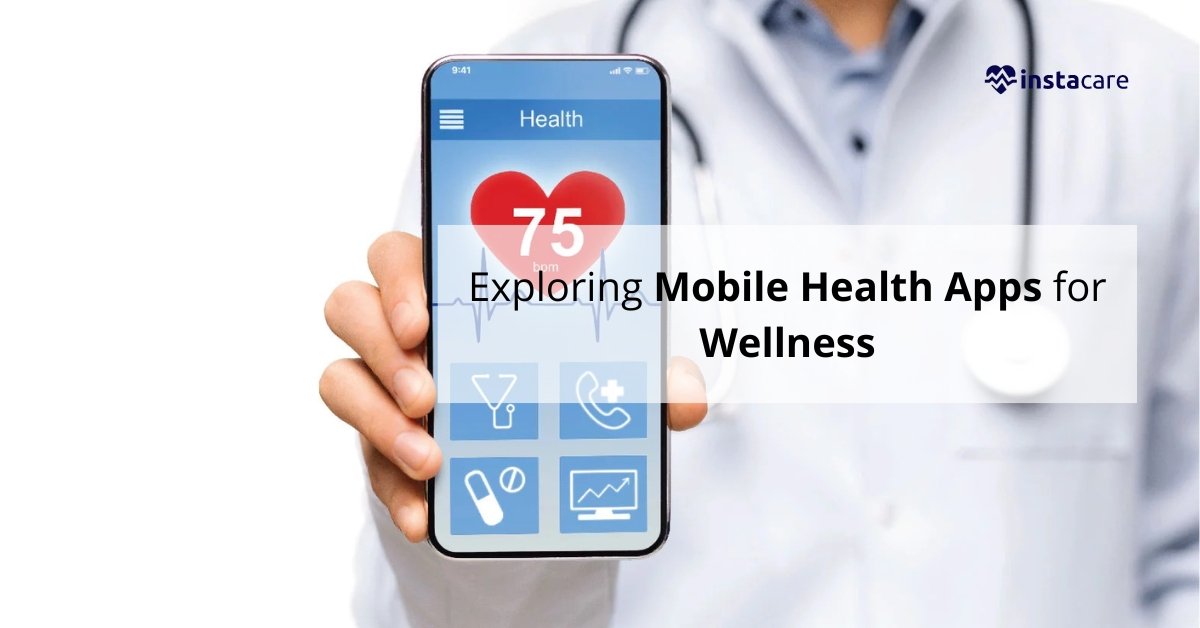
Exploring Best Mobile Health Apps for Wellness Are you looking to improve and maintain your health, but feel stuck in your current wellness routine? Have you ever considered exploring mobile health apps as a way to help? In this blog post, we’ll discuss the potential of mobile health apps for improving overall wellness. From physical activity tracking to virtual doctor visits – there are tons of user-friendly health solutions readily available on our smartphones that can make staying healthy simpler and more convenient than ever before. Curious about what these digital tools can do for your well-being? Read on! Overview of Mobile Health Apps and How They Can Help You Manage Your Wellness Mobile health apps have taken the wellness world by storm, offering a range of features and benefits to help you manage your overall health and well-being. Whether you’re trying to track your daily calorie intake, monitor your heart rate, or log your workouts, there’s a mobile health app out there for virtually every need imaginable. These apps make it easier than ever to stay on top of your health goals, providing helpful reminders, personalized recommendations, and real-time feedback to help you stay motivated and focused. From mental health to physical fitness, mobile health apps are quickly becoming an essential tool for anyone looking to take their health and wellness to the next level. So why not give them a try and see how they can help you achieve your wellness goals? Book Free Demo Benefits of Using a Mobile Health App to Track and Monitor Your Activity, Diet, and Sleep In today’s fast-paced world, keeping track of one’s health can be a daunting task. Thanks to healthcare mobile applications, things have gotten much easier. These apps offer several benefits that can improve the quality of your life. They enable you to monitor your activity levels, dietary habits, and sleep patterns. With this information, you can make informed decisions about your health and fitness goals. Additionally, most mobile health apps come equipped with features that can help you connect with nutritionists, dieticians, and personal trainers – all at the touch of a button. Overall, using a mobile health app to track and monitor your health can go a long way in ensuring that you stay on top of your fitness game. Tips for Choosing the Right App for You In a world where technology reigns supreme, mobile health apps have become a popular tool for managing our health and well-being. But with so many apps available, it can be overwhelming to choose the right one for you. From sleep tracking to calorie counting, each app offers unique features, making it essential to identify your specific needs before making a decision. Researching apps and reading reviews can also provide valuable insights into usability and effectiveness. Ultimately, the key is finding an app that aligns with your lifestyle and goals, helping you stay motivated and on track towards a healthier you. View More: Streamline Your Medical Billing with Medical Billing Software Review of Popular Mobile Health Apps and Their Features As our lives become busier, technology continues to help us manage our health on-the-go. One solution that has taken the world by storm is telemedicine apps. Rather than taking time out of our day to visit a doctor, telemedicine apps allow us to receive consultations and even diagnosis on-the-go. Each app has its unique features and professionals at Betterhelp give us an idea of which app suits our needs the most. Whether you’re dealing with a minor illness or looking for a specialist, these apps have you covered. In this review of popular mobile health apps, we’ll explore the features of each one and the benefits they bring to the table. Whether you’re new to the world of telemedicine apps or looking to switch to a new provider, we’ve got you covered. Pros and Cons of Using a Mobile Health App Mobile health solutions have become increasingly popular in recent years, with a wide range of apps available for everything from weight loss to heart rate monitoring. While there are certainly benefits to using a mobile health app, such as the ability to track your progress and access personalized advice, there are also potential downsides to keep in mind. For example, some apps may not be as accurate as traditional medical equipment, and there’s always a risk of information being leaked or hacked. It’s important to weigh these pros and cons carefully before deciding whether to use a mobile health app, and to do your research to ensure that any app you choose is safe and effective. Practical Strategies to Get the Most Out Of Your App and Stay Healthy Mobile health apps have become an indispensable tool for anyone looking to adopt a healthier lifestyle. However, with so many apps available, it can be overwhelming to choose the right one. So, how can these apps help you stay on track and achieve your health goals? The key is to find a mobile health app that fits seamlessly into your daily routine and offers practical strategies for making healthy choices. For example, some apps offer features like reminders to take medication or notifications to encourage you to exercise and eat well. Others provide personalized insights based on your habits and preferences, allowing you to track your progress and adjust your routine over time. By finding a mobile health app that works for you, you can stay motivated and committed to living your best life. Conclusion In short, while mobile health apps can be an excellent tool in managing wellbeing, it is important to remember that they should not replace traditional medical care. While powerful, apps available are not always regulated for accuracy and users should do their own research before relying on any information provided. Despite this caveat however, those interested in harnessing the full potential of digital health should take the time to explore what’s out there – you may find something that changes your wellness experience for
Ensuring Data Security in Healthcare Data security in healthcare is an important and pressing issue in the healthcare industry. With more information than ever being collected electronically, healthcare organizations require robust protocols to protect patients’ need-to-know information from getting into the wrong hands. While ensuring patient privacy and data security can be complex, it’s essential for keeping your practice secure and compliant with relevant regulations. In this blog post, we will explain why establishing strong data security processes within a healthcare organization is so important, along with some tips on how to get started implementing them effectively. Understanding the impact of data breaches in healthcare Data security in healthcare is of paramount importance, and the impact of data breaches cannot be overstated. With electronic health records containing sensitive personal data such as medical history, demographics and insurance information, the healthcare sector is often a prime target for cyberattacks. The intrusion of these data breaches not only violates the privacy of patients, but can also result in financial and legal consequences for healthcare providers. In addition, when breaches do occur, they can take days, weeks or even months to identify, leading to prolonged vulnerability and exposure of protected health information. It is essential that healthcare providers take proactive measures such as robust security protocols and regular risk assessments to safeguard patient data and mitigate the effects of data breaches. Identifying common vulnerabilities in health IT systems Health IT systems are an essential part of the healthcare industry. They help doctors, nurses, and other healthcare professionals make better decisions and provide better patient care. However, like any other technology, health IT systems are not without their flaws. Identifying these vulnerabilities is crucial, especially when it comes to medical data protection. Medical data is incredibly sensitive, and any breach can lead to serious consequences. By doing regular checks on the systems, we can identify and address these vulnerabilities before they turn into major issues, ensuring that the medical data remains secure and protected at all times. Book Free Demo Implementing data security in healthcare to protect patient information The healthcare industry is one of the most vulnerable sectors when it comes to data breaches and cyber-attacks. Protecting patient information is of utmost importance, and this is where encryption strategies come into play. By implementing robust encryption techniques, healthcare providers can secure sensitive data from unauthorized access and theft. The data security in healthcare uses complex algorithms to convert sensitive data into an unreadable format that only authorized users with the decryption key can access. This method ensures that healthcare privacy is maintained and patients’ personal information remains secure. Encryption strategies help healthcare providers to comply with relevant data protection regulations and safeguard their patients’ confidential information. Utilizing multi-factor authentication for access control With the increasing number of data breaches in the healthcare industry, it’s essential to utilize effective access control techniques to secure sensitive information. Multi-factor authentication is one such technique that’s gaining popularity due to its ability to provide an additional layer of security. By requiring users to provide two or more factors of identification, such as a password and a fingerprint, unauthorized access can be prevented. This method not only helps in preventing data breaches, but it also helps in complying with regulatory requirements such as HIPAA. In conclusion, multi-factor authentication is an ideal access control technique that can help healthcare organizations protect their sensitive data from potential cyber threats. View More: Streamline Your Medical Billing with Medical Billing Software Developing a response strategy to mitigate risks from cyber threats In today’s digital age, electronic health records (EHRs) have become the standard for managing patients’ medical information. While this has provided easy access to information for medical professionals, it has also made patient data vulnerable to cyber threats. With the increasing frequency and sophistication of cyber attacks, healthcare organizations must develop a response strategy to mitigate the risks associated with these threats. This strategy should include measures such as data security in healthcare, employee training on cyber security best practices, and a comprehensive incident response plan. By staying proactive and taking a comprehensive approach, healthcare organizations can ensure that their patients’ EHRs remain secure and protected from cyber threats. Utilizing secure networks and cloud technologies for data storage and transmission The importance of data security in healthcare cannot be overstated. As the amount of sensitive information continues to grow, so too do the risks associated with storing and transmitting it. One way healthcare organizations are combatting these risks is through the utilization of secure networks and cloud technologies for data storage and transmission. These tools not only help to protect against cyber attacks, but also enhance the efficiency and accessibility of healthcare services. By implementing new and innovative technologies, healthcare providers can offer patients peace of mind knowing that their personal health information is being handled with the utmost care and attention to security. Conclusion Data security in healthcare is a crucial component of the healthcare industry. No matter the size or skill level of your organization, understanding key data practices and implementing the right technology is essential for protecting patient information. Setting up regular staff training and developing effective incident response plans can help ensure that any security breaches are identified and resolved early. Healthcare organizations need to continuously monitor their systems and stay on top of updated technologies in order to better protect sensitive patient information. Ultimately, protecting patient data requires not only knowledge but also vigilance from every stakeholder in a healthcare ecosystem. With an emphasis on prevention and continuous evaluation, we can take steps towards ensuring safe health data management across all access points.
Compare Best Pricing of Smart Clinic Software Are you looking to save money and improve efficiency when it comes to running your healthcare clinic through the best pricing of smart clinic software? Smart clinic software can be a beneficial resource that allows you to do both. With so many different types of health software out there, how do you know which one best suits your needs? Understanding the pricing and features that each option offers is key in making an informed decision. In this blog post, we’ll explore the various pricing models for smart clinic software so that you can choose the right fit for your practice. Overview of Smart Clinic Software and its Benefits Smart Clinic Software is an innovative solution for healthcare providers looking to streamline their operations and improve patient care. By automating administrative tasks such as appointment scheduling, patient record-keeping, and billing, this software can greatly enhance the efficiency of healthcare facilities. However, many providers may be hesitant to invest in this technology due to concerns about pricing. The good news is that there are a wide range of options available, from free versions with basic features to more robust paid versions with comprehensive functionality with best pricing of smart clinic software. Ultimately, choosing a smart clinic software that fits your needs and budget can lead to significant benefits for both providers and patients alike. Advantages of Using a Smart Clinic Software Platform The healthcare industry is constantly evolving, and with that evolution comes new and innovative ways to streamline patient care. One such way is through the use of intelligent clinic software platforms. These platforms offer a multitude of advantages, including increased efficiency and accuracy in record-keeping, improved communication among healthcare providers, and enhanced patient engagement. While some may argue that the initial costs of implementing such a system may be high, the long-term benefits far outweigh the expenses. By utilizing smart clinic software, healthcare providers can improve patient outcomes, reduce administrative burdens, and ultimately provide better care to those in need. Book Free Demo Pros and Cons of Different Best Pricing of Smart Clinic Software As technology continues to advance and revolutionize the healthcare industry, it’s important to consider the pros and cons of different pricing of smart clinic software. These plans can vary from per-user pricing to one-time fees, and it’s crucial to determine which option best fits your specific needs. The benefits of some pricing models might include scalability and flexibility, while others might be more cost-effective in the long run. However, it’s important to weigh these advantages against potential drawbacks, such as hidden fees or limitations on usage. Ultimately, it’s up to each individual healthcare organization to evaluate their own unique circumstances and choose the pricing plan that will help them provide the most effective and efficient care possible. Factors to Consider When Choosing the Right Plan for Your Practice When deciding on the best plan Pricing of Smart Clinic Software, there are several key factors to consider. One of the most important is smart clinic management software – does the plan include this technology and, if so, how intuitive and user-friendly is it? Additionally, you’ll want to carefully examine the fees associated with each plan. Are there hidden costs or unexpected charges that could impact your practice’s bottom line? By taking a thorough and thoughtful approach to selecting the right plan, you can ensure that your practice is well-positioned for success in the years ahead. View More: Simplifying Record-Keeping with a Patient Record Management System Tips for Getting the Most Out of Your Features In today’s world, smart clinic solutions are becoming increasingly popular due to their ability to make patient care more efficient and streamlined. However, it’s important to note that many of these solutions come at a cost that can add up quickly. To get the most out of your features, it’s important to take the time to explore all the different options available to you and choose the ones that suit your specific needs. Additionally, regularly updating your software and staying on top of any new developments can help ensure you’re always benefiting from the latest advancements. By investing in your smart clinic solutions wisely, you can improve patient care while also keeping your budget in check. Common Mistakes to Avoid When Setting Up Your Smart Clinic Software Setting up smart clinic software can be a game-changer for healthcare providers. With its plethora of advanced features, improved accuracy, and increased efficiency, the software can streamline operations and enhance patient care. However, if not done carefully, mistakes can be made that would make the process frustrating and costlier than anticipated. One common mistake is not considering smart clinic software pricing before installation. Before you start the setup process, ensure you do thorough research to ensure that you’re getting the best pricing of smart clinic software. Don’t be scared to negotiate deals, and if an offer sounds too good to be true, do your due diligence to avoid hidden costs that are often a burden on your budget. Get it right from the start, and your clinic will be on its way to reap maximum benefits from this wonderful integration. Conclusion In conclusion, it’s important to consider all aspects of pricing of smart clinic software and features when selecting the best Smart Clinic software for your medical practice. The cost of the software you choose can vary greatly depending on what it provides and how user-friendly it is for both you and your patients. While free software may seem like an attractive option, going with a quality provider who offers extra features and more support could save you time and money in the long run. It’s worth considering different providers to determine which one is right for you, so that your practice can benefit from powerful technology solutions that make the healthcare experience easier, smoother, and more efficient. Don’t forget – your patients are counting on you to make their visits as convenient as possible!
Discover a User-friendly EMR for Doctors Are you a doctor looking for an easy and effective way to manage patient medical records? A User-friendly EMR for Doctors is the perfect solution. It not only simplifies and enhances existing processes, but it also helps make sure that all of your patients receive the best possible care. With so many options available on the market today, finding a user-friendly EMR may seem like a daunting task. But don’t worry – we can help! In this blog post, we’ll take a look at what makes an EMR useful for doctors and how to find one that matches your specific needs. Read on to find out more! Introduce the Benefits of User-friendly EMR for Doctors It’s no secret that doctors have some of the busiest and most demanding jobs out there. With so many patients to see and records to keep track of, it’s no wonder that finding innovative solutions to streamline their workdays has become a top priority. That’s where user-friendly EMR (electronic medical records) systems come in. EMR systems allow doctors to easily access patient records and medical histories, make notes, track test results, and more, all in one centralized location. With these powerful tools at their disposal, doctors can work more efficiently, while also providing better care to their patients. So if you’re a doctor looking for ways to simplify your day-to-day work, don’t hesitate to explore the many benefits of EMR. Explain What an EMR is and How It Impacts Patient Care An EMR, or electronic medical record, is changing the game when it comes to patient care. By transitioning to intuitive electronic medical records, healthcare providers can now easily access all medical information for a single patient in one place. This means no more searching through stacks of paperwork and multiple filing cabinets in an attempt to find patient information. With EMRs, physicians can now access a complete history of a patient’s medical care, making it easier to spot trends and create well-informed treatment plans. This increased efficiency in patient care has the potential to improve treatment outcomes and save lives. Book Free Demo List the Different Types of User-friendly EMR Available for Physicians As physicians continue to turn to electronic record keeping, there are now various types of EMR software available to meet their needs. Some of the most popular options include cloud-based EMRs, on-premise EMRs, and hybrid EMRs. Regardless of the choice, physicians are looking for easy-to-use EMR software that can help streamline their workflow and ultimately improve patient care. Ultimately, selecting the right EMR software can make all the difference in a physician’s daily work life. Analyze the Pros and Cons of Different EMR Systems Electronic Medical Record (EMR) systems have revolutionized the way healthcare providers store, manage, and share patient information. However, not all EMR systems are created equal. Different platforms offer various pros and cons that healthcare institutions should consider when choosing the most suitable system for their needs. One crucial factor to look out for is user-friendliness. A User-friendly EMR platform can help increase productivity, cut training time, and ultimately improve patient care. While some EMR systems require comprehensive training, others offer a more streamlined and intuitive interface that can boost user adoption rates. Nonetheless, even user-friendly EHR systems come with their own set of challenges. They may not necessarily offer the most comprehensive data analysis tools or adequately address all compliance requirements. Therefore, healthcare institutions must weigh the trade-offs when analyzing different EMR systems to choose the one that best suits their organizational needs. View More: Simplifying Record-Keeping with a Patient Record Management System Describe How to Choose the Right System for Your Practice Choosing the right system for your practice can be a daunting task, but it is incredibly important. One of the most important factors to consider is how intuitive the software is. An intuitive health data software is critical for seamless integration into your practice workflow. This ensures that your team can quickly and easily access and input patient data, ultimately leading to better care for your patients. Another important factor is finding a system that is adaptable to your unique practice needs. This includes ease of use, customization options, and compatibility with your current systems. By considering these factors, you can confidently choose the right system for your practice and elevate the care you provide to your patients. Outline Steps Needed to Implement a New EMR in Your Office As technology continues to advance, many medical offices are making the switch to User-friendly EMR to improve productivity and efficiency. While electronic records provide a wide range of benefits, implementation can require a great deal of planning and coordination. To get started, take inventory of your current technological capabilities and determine what features are most important to your office. Consider investing in a user-friendly EMR that is easy to navigate and can be customized to your office’s needs. Assign a team to manage the implementation process and ensure that all staff members receive proper training. Finally, establish a plan for data migration and transition, as this can be a complex and time-consuming process. By taking the necessary steps, your office can successfully implement a new EMR and enjoy the many benefits of streamlined record-keeping. Conclusion Investing in a user-friendly EMR is essential for any doctor or healthcare practitioner – not only to power their practice but to provide the best service to patients. Whether you’re a single-practice doctor seeking autonomous control of your EMR system or an institution operating multiple clinics, prioritizing your needs and evaluating available solutions is the key to making an informed decision. With many options available on the market today, it’s clear that some providers stand out due to their proven success rate. Ultimately, selecting the right EMR system can make or break your practice – so take care when making the all-important choice! Actively considering practical matters such as cost-effectiveness and technical support before committing corresponds with potential growth and development. Therefore, take full
Efficient Medical Billing Software for Practices Are you a healthcare provider or office manager looking for the best medical billing software for your practice? You’re in luck! Today, there are various easy-to-use and efficient medical billing solutions to choose from that can save time and money while helping you maintain accuracy and security. From cloud-based systems to customizable options, the world of medical billing software is filled with amazing opportunities to streamline payment processing, automated patient payments, and data management. In this blog post, we will discuss the different types of medical billings software available – including what features make one program stand out against another – so your practice can make an informed decision when choosing the optimal solution. Overview of Medical Billing Software – what it is, how it works and why it’s important for practices Medical billing software is an essential tool for any medical practice looking to streamline their billing process and improve their bottom line. This software enables practices to create, submit, and track insurance claims electronically, reducing errors and increasing efficiency. With medical billing software, practices can also manage patient information and billing histories in one central location, saving time and reducing administrative costs. The importance of medical billing software is not only due to its practical benefits, but also because it ensures compliance with regulatory requirements and helps practices stay up-to-date with changing industry standards. By implementing medical billing software, practices can improve their revenue cycle management and focus on providing high-quality care to their patients. Book Free Demo Benefits of Using Medical Billing Software – ease of use, accuracy, time-saving, and cost-efficiency Medical billing software has become an essential tool for the healthcare industry, providing a range of benefits that cannot be ignored. With the use of a medical invoicing system, healthcare providers can simplify their billing process by reducing errors and improving accuracy. This not only saves time, but it also ensures that payments are processed efficiently, making it easier to keep track of revenue streams. In addition to accuracy and time-saving benefits, medical billing software also offers cost-efficiency as it eliminates the need for manual data entry and reduces administrative costs.With all these benefits, it’s no wonder that medical billing software is becoming increasingly popular in healthcare practices worldwide. Types of Medical Billing Software Available – cloud-based, onsite and hybrid solutions Medical reimbursement software is an essential tool for healthcare providers looking to streamline their billing and payment processes. With so many different types of medical billing software available, it can be difficult to choose the right solution for your practice. Cloud-based software is becoming increasingly popular, offering the flexibility and convenience of access anywhere, anytime. Onsite solutions provide greater control and security, while hybrid solutions offer the best of both worlds. Ultimately, the right choice will depend on your practice’s specific needs and goals. Regardless of which medical billing software type you choose, it’s important to select a reputable provider that offers robust features and responsive support to simplify your billing and reimbursement processes. Steps to Select the Right Medical Billing Software – research features, understand user feedback and compare pricing Choosing the right practice management software can be a daunting task, but it doesn’t have to be. Take the right steps to ensure you select the best medical billing software for your practice by starting with research. Make a list of features that are important to you and your practice’s needs. Then, take time to understand user feedback and reviews to see how the software is performing in real-world situations. Finally, compare pricing to ensure you’re getting the best value for your investment. All of these steps will help you make a well-informed decision and ultimately select the right medical billing software for your practice. View More: Streamline Your Medical Billing with Medical Billing Software Advantages of Automated Medical Billing – reduce paperwork, streamline processes and improve accuracy In today’s fast-paced healthcare industry, it’s no secret that managing financials can be quite the challenge. Fortunately, automated medical billing offers a solution – and not just any solution, but one that is efficient, precise, and simpler. By reducing paperwork, streamlining processes and improving accuracy, automated medical billing is well worth considering for healthcare financial management. Whether it be for a small clinic or large hospital, automated billing can help reduce stress, streamline the billing process, and increase overall financial productivity. Gone are the days of paper trails, lost receipts, and incorrect billings – it’s time to take the leap towards automated medical billing. How to Optimize Your Medical Billing System – implement best practices for billing process optimization Having an efficient medical billing system is critical to the success of any healthcare provider. With the right tools and processes, you can streamline your billing procedures, reduce errors, and ensure that payments are received promptly. One way to achieve this is by implementing best practices for billing process optimization, using state-of-the-art medical billing software. With this software, you can automate many of your billing tasks, making the billing process faster and more accurate. Additionally, you can easily track reimbursements, insurance claims, and patient payments, giving you greater visibility into your financial health. By optimizing your medical billing system, you can improve your cash flow, reduce risk, and focus on what really matters: providing high-quality patient care. Conclusion Thankfully, with the advent of efficient medical billing software, practices are now able to keep up with streamlining their billing processes. It is important for practices to remain knowledgeable about the ever-evolving advances in medical billing technology so they can make sure that they are utilizing the best possible option and fully maximizing profits. Moreover, having an adequate medical billing software ensures a practice has access to secure data storage – allowing them to readily track patient records no matter where they are located. Overall, this leads to better accuracy which translates into greater overall revenues for practices over time. Given the overwhelming capabilities of such software – it’s worth investing in
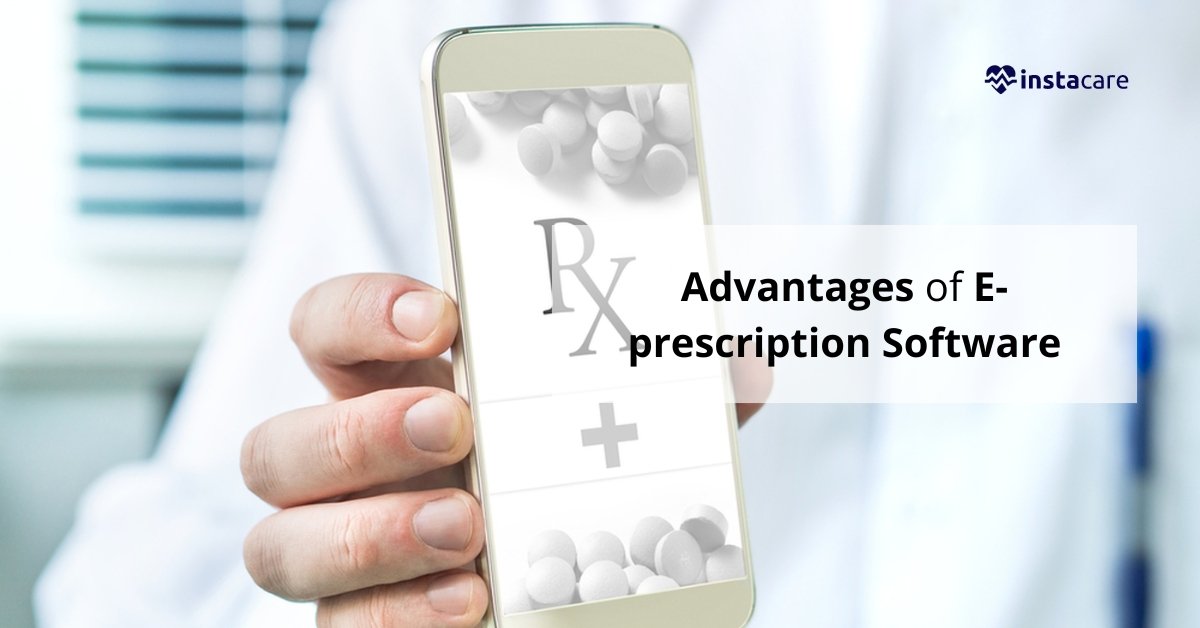
Advantages of E-prescription Software Healthcare is constantly evolving, and with that evolution come new technologies focused on improving patient care, with e-prescription software, which has revolutionized how prescription medication can be safely and quickly dispensed to patients. This revolutionary technology offers countless advantages for healthcare providers, from reduced paperwork to an increased level of accuracy in ordering medications. In this blog post, we will discuss the many benefits of e-prescription software and how it can help streamline your medical practice. Get ready to learn about how you can use this helpful tool to make better patient care a reality! Overview of what e-prescription software is and how it works E-prescription software is revolutionizing the way healthcare professionals prescribe medications to their patients. This type of software streamlines the prescription process by allowing doctors to send prescriptions directly to pharmacies, eliminating the need for patients to physically pick up and drop off paper prescriptions. E-prescription software also alerts doctors to any potential prescription errors or drug interactions, increasing patient safety. Overall, this technology has made the prescription process faster, more efficient, and much safer for patients. Book Free Demo Benefits of using electronic prescriptions, such as improved accuracy and safety Electronic prescriptions offer numerous benefits for both patients and healthcare providers. One of the most significant advantages of using eRx software is the improved accuracy and safety of prescriptions. Gone are the days when doctors had to scribble drug names and dosages on a piece of paper, which could easily result in errors and confusion. With electronic prescriptions, healthcare providers can send accurate and legible prescriptions directly to the pharmacy, reducing the risk of misinterpretation and medication errors. Additionally, eRx software helps doctors avoid prescribing potentially harmful drug combinations or doses that might be unsafe for a particular patient. This innovative technology provides significant benefits for patient safety and peace of mind for their healthcare providers. Cost savings associated with e-prescription software vs paper prescriptions In today’s technological world, medical professionals have access to advanced digital prescription management systems that are revolutionizing the healthcare industry? E-prescription software allows doctors to send prescriptions securely and quickly to pharmacies, eliminating the tedious and lengthy process of paper prescriptions. Not only does this save time for both doctors and pharmacists, but more importantly, it can significantly reduce costs associated with errors made with paper prescriptions, leading to a safer and more efficient healthcare system. With e-prescription software, doctors can also view patient medication history and interact with insurance companies to ensure that patients receive the best possible care and cost savings associated with their prescriptions. By eliminating the need for paper and streamlining prescription management, healthcare providers can continue to focus on delivering high-quality care to their patients while keeping costs down. View More: Streamline Your Medical Billing with Medical Billing Software Increased patient satisfaction when using digital solutions for healthcare Modern technology has transformed healthcare as we know it, and one of the latest digital innovations that have accelerated the transformation is the virtual prescription system. This revolutionary tool has been found to significantly increase patient satisfaction in the healthcare industry. By eliminating the hassle of physical prescriptions and waiting in long lines, patients can now receive their prescribed medications online, saving them time, money, and energy. Patients can enjoy more convenience and a systematic, easy-to-follow process that ensures better treatment outcomes than the traditional paper-based prescription system. With a virtual prescription system, patients now feel more confident in their healthcare experience, which ultimately leads to higher satisfaction rates, a healthier patient population, and lower healthcare costs. Improved efficiency and quality of care by automating processes Healthcare professionals are constantly exploring new ways to improve the efficiency and quality of care they provide to their patients. One solution gaining popularity is the use of eHealth prescription tools to automate processes. These innovative tools not only make life easier for physicians and pharmacists, but they also streamline the healthcare process for patients. With eHealth prescription tools, physicians can easily prescribe medications and treatments, which in turn, helps pharmacists more accurately fill prescriptions and ensure patient safety. This automation also reduces errors and administrative stress, freeing up time for healthcare professionals to focus on what matters most: delivering high-quality patient care. Recommendations for selecting the best e-prescription software for your needs In today’s fast-paced world, finding the best e-prescription software is crucial for any healthcare professional. With so many options on the market, it can be overwhelming to sift through each one. However, there are specific criteria to consider when selecting the right software for your needs. The software should have a user-friendly interface, provide access to a comprehensive drug database, allow for easy integration with your current EHR system, and prioritize patient safety with features such as clinical alerts and decision support. Only by carefully evaluating each of these factors will you be able to find the best e-prescription software to suit your unique needs and ensure optimal patient experience and care. Conclusion Overall, e-prescription software can prove to be a valuable tool for increasing patient safety, reducing medication errors, improving communication between healthcare providers and reducing costs. By utilizing this technology, healthcare providers can be sure that they are providing timely and effective care while also mitigating the chances for medical errors. Furthermore, proper instruction and training can help ensure that its features are fully utilized and that its advantages can be realized. Ultimately, an understanding of the diverse possibilities of e-prescription software can help in bringing about positive change in healthcare centers across the country. As technology advances further still, e-prescriptions will continue to become commonplace as they offer a high degree of data security while removing the chance for human error – a clear win/win situation!
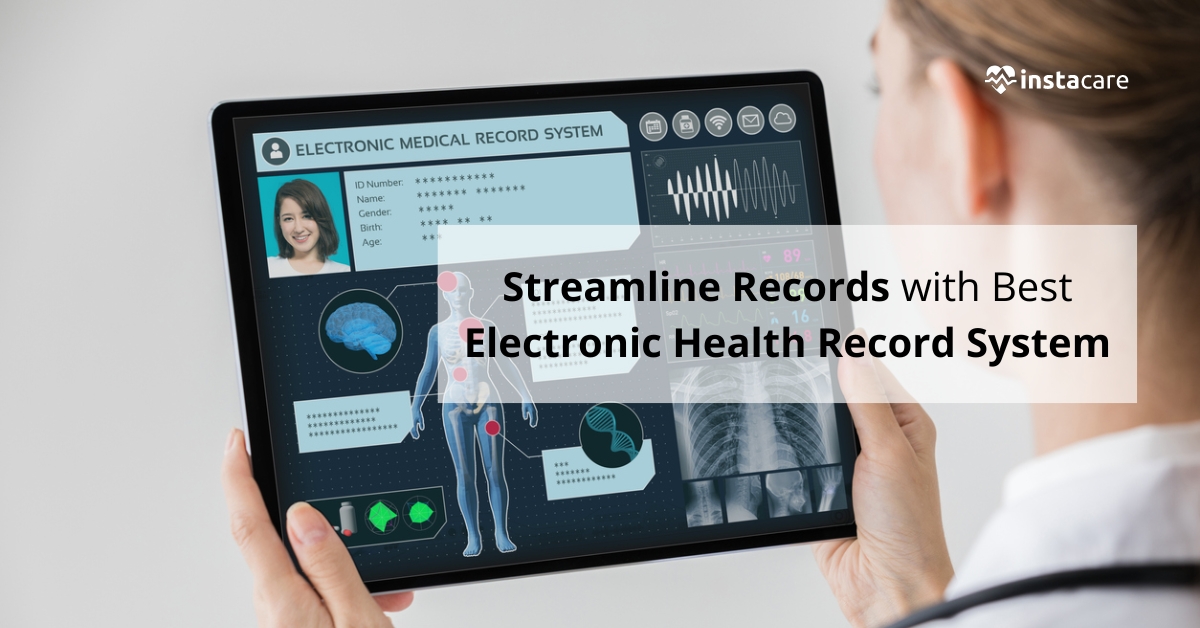
Streamline Records with Best Electronic Health Record System When it comes to health, nothing can compare to the quality of record delivery by the Electronic Health Record system. While traditional paper filing systems may have been reliable in the past, they are now overwhelmed with details and paperwork that can be hard to keep up with. To manage these large volumes of information in a way that is safe, fast, and organized, many medical institutions are turning to electronic health systems – tools designed specifically for streamlining their records management processes. In this blog post, we’ll explore how a modern electronic health system can simplify record-keeping and improve patient care. We’ll look at why these solutions are becoming increasingly popular within the healthcare industry as well as discuss some best practices for implementing them effectively. So if you’re ready to make your day-to-day operations smoother while improving patient satisfaction – read on! What is an Electronic Health System (EHS) and why is it important for streamlining records An Electronic Health System (EHS) is a digital platform used by healthcare providers to manage patient information, streamline records, and improve patient care. At its core, an EHS is essentially an electronic health record (EHR) that provides a platform for real-time access and exchange of information between different providers. One major advantage of an EHS is the ability to improve communication and collaboration between different healthcare stakeholders, including doctors, nurses, pharmacists, and other care providers. This not only improves efficiency and reduces errors, but also helps to improve the overall quality of care. Thus, an EHS is a vital tool for healthcare providers seeking to improve quality of care and offer streamlined services to patients. Book Free Demo How EHS helps reduce paperwork and streamline processes The Electronic Health Record Software has revolutionized the way healthcare institutions store and manage patient data. With Electronic Health Records systems, EHS has now become a powerful tool to help reduce paperwork and streamline processes. EHS gives healthcare providers with instant access to a patient’s medical information, allowing for quick medical diagnoses and reducing the need for paper-based methods. This not only saves time but also reduces the likelihood of human error, making patient care more efficient and effective. By utilizing Electronic Health Record Software, healthcare providers can focus more on providing exceptional care to their patients, while EHS handles the administrative tasks behind the scenes. Benefits of using EHS to access patient records quickly In this fast-paced world, time is of the essence. With electronic health record implementation, doctors and healthcare professionals can access patient records quickly and efficiently, which translates to better patient care. EHS provides a streamlined approach to accessing health records while also offering real-time updates on patients’ treatment progress. This has made it possible for healthcare providers to collaborate effectively and come up with more personalized treatment options for patients, leading to faster recovery times and improved overall health outcomes. Additionally, EHS helps reduce administrative costs by eliminating paperwork, allowing healthcare providers to focus more on improving patient care. It’s easy to see why electronic health record implementation has become a crucial part of modern healthcare, delivering better results in the most efficient way possible. View More: Simplifying Record-Keeping with a Patient Record Management System Steps to create an efficient EHS system in your practice When it comes to creating an efficient EHS system in your practice, one important step is electronic health record adoption. By implementing electronic health records, you can streamline your healthcare operations and improve patient care. With EHRs, your practice will no longer have to rely on paper records, which can be time-consuming and prone to errors. Additionally, EHRs can help you to provide more personalized care to your patients by allowing you to easily access and analyze patient information. With all of these benefits, it’s clear that electronic health record adoption should be a key component of any effort to create an efficient EHS system in your practice. Strategies to ensure patient data is secure within the Electronic Health Record System In today’s digitized healthcare landscape, electronic health record (EHR) systems have become a cornerstone of modern medicine. While they have revolutionized the way healthcare providers store and access patient data, there is no escaping the fact that EHRs are still prone to data breaches and cyber-attacks. That’s why implementing strategies to ensure patient data is secure within the EHR system is critical. From advanced authentication protocols to data encryption and employee education, there are a number of proactive approaches that organizations can take to safeguard sensitive patient data from unauthorized access or theft. By investing in robust security measures and training their staff on best practices, healthcare organizations can help mitigate the risks and protect the privacy of their patients. Conclusion To summarize, an electronic health system is the perfect way to streamline records and enhance patient care. It offers a multitude of benefits, from eliminating paper-based storage and record keeping to ensuring timely availability of medical history for healthcare providers. Additionally, it helps ensure that data is securely guarded, as all information is encrypted and stored in a cloud environment; this allows for increased security standards and policies, resulting in greater privacy control. With its streamlined features, an electronic health system makes it easier to manage records and patient care effectively. The long-term use of this system boosts efficiency and creates better outcomes for both patients and healthcare providers alike. Overall, making the switch to an electronic health system is a worthwhile investment for any medical organization looking to increase productivity while providing superior patient care.
- 1
- 2