

Last Updated on 5 months ago by zuraiz Large Language Models in Healthcare: Revolutionizing Medical Intelligence Artificial Intelligence (AI) has steadily been transforming industries across the board, and healthcare is no exception. Among AI’s most groundbreaking innovations are Large Language Models (LLMs), like OpenAI’s GPT series, that can analyze, generate, and understand human language with exceptional accuracy. These models are reshaping how medical professionals access, process, and utilize information. What is a Large Language Model in Healthcare? Healthcare applications with Large Language Models utilize AI systems that receive extensive medical data training to create texts resembling human-written content. Large Language Models help healthcare professionals through document creation while also offering clinical decision assistance and patient solutions, and performing medical research. The implementation of these systems improves operational efficiency as well as accuracy and accessibility, yet introduces risks related to data security and data truthfulness. Impact of Large Language Models in Healthcare Enhancing Clinical Decision-Making One of the most thrilling uses of LLMs in medicine is helping with clinical decision-making. They can scan through extensive medical literature, patient histories, and diagnostic data to give precise diagnoses and treatment recommendations. Physicians can utilize LLMs to double-check patient histories, medication interactions, and symptoms and save precious minutes in emergency and regular care. These technologies do not supplant human judgment but are sound decision-support systems and decrease the likelihood of oversight or mistake. Additionally, LLMs have the ability to provide case-specific evidence-based guidance, useful in unusual or unprecedented cases. Having AI added into Electronic Health Records (EHRs) also enhances their usefulness by streamlining processes and lowering administrative burdens. Medical Research and Literature Analysis In medicine, one has to keep up with new evidence but more and more challenging. LLMs are able to scan thousands of scientific articles in a matter of seconds and extract findings as well as identify important points of data for researchers. With multidisciplinary data set pattern discovery, LLMs assist scientists in finding areas of missing knowledge and suggesting novel hypotheses. It speeds up the research cycle and enables innovation in pharmaceuticals, disease modeling, and public health policy. In addition, LLMs can generate literature reviews, summarize clinical trial results, and aid regulatory documents, all in a time and cost-effective manner for medical researchers. Patient Engagement and Health Education Good-quality healthcare is the bedrock of doctor-patient interaction. Medical terminology, though, introduces misunderstandings, particularly by non-medical people. LLMs are doing commendable work in ensuring health literacy. By application of chatbots and virtual assistants via AI and LLMs, the following is possible: Translating medical jargon into plain language. Offering answers to straightforward health queries. Publishing post-treatment guidance and reminders. This real-time assistance empowers and engages patients, potentially enhancing compliance and outcomes. Multilingual capability also enables communication with more individuals, bridging the language gap in more diverse healthcare systems. Book Free Demo Various Hospital and Clinic Use Cases for LLMs LLMs are already proving useful in many hospital and clinic environments. Some of the most promising uses are: Clinical Documentation: Automatically generating SOAP notes from physician-patient conversation. Medical Transcription: Transcribing dictations into medical text with formatting. Triage Support: Computerized aides direct patients to the right levels of care. Pre-visit Planning: Patient history summaries for doctors before visits. Coding and Billing: Software automatically determines billing codes and diagnosis codes in insurance claims processing. Such services offer clinicians time-saving benefits and allow increased efficiencies in service delivery. LLMs in Mental Health Treatment The mental health industry is also being enriched by LLM utilization: Virtual Therapy Support: AI buddies providing cognitive behavior therapy (CBT) methods. 24/7 Emotional Support: Chatbot provides immediate responses during a crisis. Anonymized Feedback Tools: Collecting patient feedback without stigma or bias. Mood and Language Analysis: Monitoring language patterns for early depression or anxiety detection. These tools supplement professional mental health treatment but introduce layers of care, particularly where access is limited. Read More about Mental Health Ethical Concerns and Data Privacy via LLMs With the fast speed of LLMs in healthcare, there also arise numerous severe ethical issues. Patient information is highly sensitive, and the use of AI tools is an issue of privacy, consent, and data security. Use of LLMs will be on the understanding that they are used as per the law as embodied in the regulations like HIPAA (US) or GDPR (EU). Any model used must maintain the anonymity of the patient and must remain unbiased while making decisions. Bias is the largest hurdle. If LLMs are not trained on representative data, they will generate biased output, which impacts patient care quality. The systems need to be audited and refreshed from time to time by the developers to ensure safety and fairness. Transparency is also needed. Physicians and patients need to be informed as to how these systems work and the limitations thereof so that they can make intelligent decisions about their use. LLMs and Training and Implementation Issues While LLMs are enormous in potential, implementation in actual healthcare environments presents technical and logistical issues. Hospitals need to invest in infrastructure and training to allow staff to use AI tools to the fullest. Apart from that, compatibility with current healthcare systems like EHRs would also involve vendor and inter-departmental cooperation. The clinicians would also fight against the systems in case they perceive them as invasive or unreliable. The cost is also an issue. LLMs are computationally intensive, and healthcare organizations will have to account for thinking about long-term return on investment. LLMs – The Future of Personalized Medicine LLMs will be at the forefront of the precision medicine revolution, with treatment plans customized according to an individual’s genetic profile, lifestyle, and surroundings. LLMs, using genomic information, medical history, and live health inputs, can assist in creating extremely customized care plans. They can be applied for predictive diagnosis, recognizing potentially high-risk patients

Last Updated on 5 months ago by zuraiz What is LIMS Systems? Overview, Benefits, Features, and Importance In the last few years, as data-based industries have become a standard rather than an alternative, labs have felt mounting pressure to deliver rapid, accurate results together with conformance to regulations and guidelines. Thus, Laboratory Information Management Systems (LIMS) are emerging as an essential software package for labs nowadays. A LIMS enables labs to handle samples in a timely, efficient manner, automates trivial tasks, and ensures extremely high levels of data integrity. Understanding the true scope of LIMS can help laboratories streamline their workflow, report more effectively, and make their entire data handling process more efficient. Let’s define what LIMS systems are, what they can provide, what they can accomplish, and why they are such an excellent resource for laboratories today. Understanding LIMS Systems A LIMS leverages computerization and automation in a laboratory environment. It controls sample movement, laboratory operations, and related data, and offers a formal environment to ensure maximum efficiency, accuracy, and regulatory compliance. LIMS is able to be far more than basic sample tracking systems because they have become complete systems that can carry out inventory control, instrument calibration schedules, billing, customer relationship management, and advanced reporting capabilities. Current LIMS packages are capable of interacting with most of the instruments of a laboratory and enterprise systems such that laboratory data are collected in a single place within a facility and departmental communications are enabled. LIMS software is a very convenient tool to interact with diverse industrial applications like pharmaceutical, environmental science, clinical R&D, testing food and beverages, chemical lab, biotechnology, and forensic science. By employing LIMS packages, laboratory environments can eliminate manual reporting, reduce the degree of human error, and achieve an end-to-end audited trail for all laboratory procedures or tests being performed. Key Advantages of LIMS Systems LIMS systems have numerous advantages that increase operational efficiency, data integrity, and business development. Some key advantages are discussed in detail below: Automation of Manual Process: Does away with manual repetitive tasks such as sample tracking, reporting, and logging. Better Handling of Samples: Trace samples in real-time from collection to final disposal, traceable to the last level. Regulation Compliance: Brought labs into conformity with international standards such as ISO 17025, GLP, GCP, and FDA 21 CFR Part 11. Enhanced Entry: Does away with entry mistakes and lab activity consistency. Ease of Time and Space: Provides trained personnel access to laboratory data anywhere across the globe, so remote work is not a concern. Saving Costs: Reduces the operating expense by rationalizing the procedures, preventing wastage, and maximizing the utilization of resources. Real-time Business Decision Making: Provides instant access to sound data and analysis reports for informed business decisions. Enhanced Client Satisfaction: Effective and timely reporting allows laboratories to deliver enhanced services to clients and enhance client relations. Integrity and Security of Data: Sensitive laboratory information is safeguarded from unauthorized access through user authentication, encryption, and audit trails. Implementation of a LIMS system enhances productivity within as well as service quality and reputation without. Book Free Demo Principal Features of a LIMS System A well-designed LIMS system is replete with features that can be customized to meet the advanced needs of today’s laboratories. Some of the most valuable features are: Sample Tracking and Management: Sample location, status, and custody tracking throughout the workflow. Workflow Automation: Streamline workflow to automatically assign work, set due dates, and locate overdue items. Inventory and Supplies Management: Monitors laboratory reagents, consumables, and equipment to avoid stockouts. Laboratory Instrument Integration: Easily integrates with laboratory instruments to import and automatically analyze test results. User Role Management: Offers varying levels of access based on user roles to ensure data privacy. Document Management: Store and archive crucial documents such as SOPs, certificates, and audit reports in a common repository. Audit Trails: Trace all the activity in the system to support traceability and accountability in internal and external audits. Reporting and Analytics: Provides configurable reports and dashboards to return data on laboratory operation and performance. Regulatory Compliance Support: Comprises capabilities to enable support of data integrity, electronic signatures, and validation procedures needed to facilitate approval following regulatory directives. Upon the selection of a LIMS, the lab has to verify that the system complies with their requirement for workflow, goals in scalability, and regulation. Importance of LIMS in Modern Laboratories The laboratory setup has completely changed over the past ten years. The data volumes have increased exponentially, regulatory requirements have increased, and customers desire faster turnaround times. In this kind of dynamic setup, the function of LIMS cannot be exaggerated. A well-planned LIMS allows for better development to accommodate higher numbers of samples with precision. A LIMS allows laboratories to sustain operational levels whether they grow big operations or not. Highly regulated entities use LIMS as the solution for having records available in an audit-ready form and complying with nation-wide and world-wide quality standards. Besides, recent research studies have also been carried out at numerous places that are collaborative in nature. A web-based LIMS system allows for information sharing between individuals who are geographically distant from one another. The second key planning aspect is future-proofing laboratory operations. While digitalization can no longer be optional today, those labs with LIMS capabilities are in a position to choose newer technologies

Last Updated on 5 months ago by zuraiz AI for Medical Diagnosis: How Artificial Intelligence Is Transforming Disease Detection and Treatment Artificial Intelligence (AI) is transforming medicine in ways people’s imaginations a decade ago could not possibly conceive. No longer science fiction, AI is indeed transforming detection, diagnosis, and disease treatment by physicians. Medical AI diagnosis is the most thrilling development in medicine today, and real-world applications are already transforming lives globally. Let us discuss how artificial intelligence is revolutionising medical diagnosis and the future of medicine. Early Detection Saves Lives One of the best reasons why AI has been applied so extensively to the medical diagnostic process is that it identifies disease early. Early identification is a big determining factor in treatment success. The sooner a condition is identified, the more treatments are available to doctors to treat it, and the better the patient will heal. AI can analyse vast quantities of patient data, lab tests, imaging studies, and genetic markers, faster and more accurately than doctors. To give an example, AI computer algorithms trained on thousands of mammograms can identify fine textures in breast tissue that a radiologist cannot see, such as cancers when they are in stage one. Such precision can enable potentially life-threatening illnesses to be detected before the point at which it is too late to treat. Outside of cancer, AI also diagnoses diabetic retinopathy, heart disease, pneumonia, and even mental illness by interpreting patterns of scans or patient behaviour. Its true value lies in its learning and adapting over time and improving with each iteration. AI in Diagnostic Imaging One of the fields where AI has left an enormous mark is medical imaging. X-rays, MRI, and CT scans are expensive diagnostic machines, but they take time, expertise, and frequency to read. Step into AI. Now, medical computers can also read medical scans with incredible precision. The computers were trained on hundreds of thousands of radiology exams and can identify diseases such as tumors, bone fractures, and internal bleeding in organs. AI in Medical Diagnostics is also utilized occasionally, identifying areas of interest even before a radiologist lays eyes on them. It does this with a reduced turnaround time, allowing doctors to treat critical cases more quickly and efficiently. In neuroimaging, AI has been detecting neurological diseases like Alzheimer’s and Parkinson’s years before conventional means. Algorithms detect subtle differences in brain anatomy or perfusion that the human brain might not be able to detect. In cardiology, AI helps diagnose blocked arteries and arrhythmias, leading to heart attack or stroke. Through Image review faster and with reduced diagnostic errors, Image enhancement is improving outcomes and patient safety. Decision Support for Doctors Doctors today are more inundated than ever. But information will not be enough—information must be properly interpreted and in timely relevant. Clinical Decision Support Systems (CDSS) based on AI help doctors make improved decisions by taking into account medical history, signs and symptoms, test results, and treatment in real-time at the same time. These systems are a second brain, reading vast medical databases and studies in real time to give likely diagnoses. This isn’t replacing physicians, it’s providing them with a tool they can use to double-check, confirm suspicions, or even diagnose obscure diseases they may not have otherwise thought of. By taking the chance of human error out of the equation and removing diagnostic delay, AI is becoming an indispensable business partner for today’s clinics. Book Free Demo Real-World Application in Hospitals Hospitals and clinics across the globe are already reaping the benefits of AI-powered diagnostic technology. Leading institutions like the Mayo Clinic, Mount Sinai, and Stanford Medicine have integrated AI into business-as-usual operations. For example, Mount Sinai uses an AI system to anticipate which ICU patients will get sepsis—a potentially fatal disease, before they ever present themselves with symptoms, hours in advance. It lets doctors act and save lives. In cancer clinics as well, AI is being used to help decide the best treatment for a tumor based on its genes so that patients are treated as unique individuals. Hospitals are utilizing AI to provide automated administrative diagnoses, i.e., quick abnormal laboratory test results for timely examination. Such applications, besides improving care, also eliminate the physicians’ workload, bringing it down to burnout. Challenges and Concerns Healthcare AI does have some serious concerns to tackle, however. Privacy is one of them. AI systems handle a lot of patient data, and it must be secure, anonymized, and responsibly used. Bias in machine learning algorithms is a problem as well. Training data to which an algorithm is being trained, unless representative, will not allow the algorithm to generalize over populations. Such a system for diagnosing skin cancer trained on mostly light-skinned patients, for instance, will perform poorly with dark skin. Developers need to make training data representative across all segments. Doctors and patients are rebelling as well. AI technology becomes more reliable, but for others, concerns that too much reliance on computers will mean errors in diagnosis persist. Human management and control must be established in place to place trust. Where AI Excels? Although AI is useful in all fields, there are some diagnostic specialties in which AI is far better than the conventional way. Let us find out where AI works best: Radiology: Identification of lung nodules, fractures, or intra-abdominal hemorrhage. Dermatology: Identification of skin cancer from photographs. Ophthalmology: Identification of diabetic eye disease and glaucoma. Pathology: Identification of abnormally growing cells in biopsy tissue. In each of these fields, AI pattern recognition technology is boosting speed and diagnostic confidence. Rather than substituting for doctors, it allows them to focus on patient care and complex decision-making. How AI Empowers Patients and Providers? AI places very high importance in the providers’ and patients’ hands if used ethically: Faster Turnaround Time: AI allows quicker turnaround time. More Accuracy: Less misdiagnosis equals improved outcomes. Cost-Effectiveness: Prevention through early detection saves expensive end-stage treatment. Fair Care: Where there is a

Last Updated on 5 months ago by zuraiz Immunization Tracking through EMR Software Made Easier As healthcare increasingly shifts to digital solutions, Immunization Tracking through EMR software is transforming how we manage and monitor vaccinations. What was once a complex, paper-based process is now a streamlined, efficient system powered by advanced software, giving both practitioners and patients complete control. From flu shots and travel vaccinations to routine pediatric immunizations, EMR systems are essential for ensuring timely doses, minimizing errors, and providing healthcare providers with centralized, easy access to patient records. This is especially valuable in today’s interconnected, networked healthcare landscape. Major Features Of EMR Immunization EMR software provides measurable benefits of much greater value than convenience. Here’s the payoff in its entirety: Real-Time Record Keeping: Eliminates delay and errors associated with manual entry. Reminders and Alerts: Provides automated reminders, reducing the likelihood of dose omissions. Improved Data Sharing: Conveniently shares vaccine history with schools, employers, or other healthcare providers. Compliance Support: Helps clinics meet national vaccination standards and reporting mandates. Time Savings: Freeing up valuable administrative time, enabling providers to devote more time to patient care. All these amount to improved practice, improved patient safety, and improved public health. Application & Benefits Of Immunization Tracking by EMR Software The Value of Accurate Immunization Records Vaccines are a foundation of public health. Vaccines prevent infectious disease spread and save a million lives annually. But vaccines are only effective if there is the schedule and dosing adherence. That is where accurate immunization records come into play. Paper or tainted records, however, have the undesirable consequence of causing missed doses, duplicate injections, and even becoming a health risk. They are misplaced or missing in emergency conditions or patient transfer between providers. These problems are addressed by EMR systems. Monitoring computerized allows all doses administered to be accurately documented, creating an entire lifetime history of immunizations available at any authorized location. Successful Vaccine Management through EMR Systems Core EMR software must have the ability to automate sophisticated clinical workflows. Immunization tracking is now baseline functionality for almost all EMR systems, and this is how it works: If a vaccine is given, it’s entered on the patient’s electronic record. The software captures important information like the type of vaccine, the manufacturer, the lot number, the location where given, and the provider. This information is then stored indefinitely and added to the patient’s entire medical record. Much more importantly, the system tracks follow-up doses and reminds providers and patients of due or past-due immunizations. This automation avoids vaccinating on schedule delays without reminders. Automated Alerts: Provider Safety Net The favorite thing about EMR-based monitoring for immunization is the automated alert. The provider does not have to go on a wild search for patient records to discover upcoming vaccinations. The system uses reason-based scheduling to produce reminders for all patients based on age, medical history, and recommended vaccinations. For example, children are tracked against early child vaccine schedules, and adults are reminded of shingles, pneumonias, or flu vaccines. The predictive alerts prevent failure of vaccination, thus making individuals and populations safe otherwise at risk. Patient Empowerment Through Digital Portals Healthcare today is heading towards the patient-focused direction, and EMRs are at the center of it. By integrating patient portals with EMR systems, now patients can conveniently access from home to see their immunizations, appointment reminders, and even place orders for copies of their records online. This puts patients well-informed and activated. Parents can track vaccination history on children, adults can track booster shots and flu shots, and travelers can track being ready to go at the destination. Second, electronic reminders timed, through SMS, email, or push notification, radically increase rates of compliance. Integration with National and Global Registries Most EMR solutions are also designed to integrate easily into government immunization registries and health information exchanges. This allows clinics to Develop reports needed by national or local health authorities. Use state-wide or nationwide immunization statistics as a reference. Improve disease surveillance and response to outbreaks. The unity strengthens public health infrastructure and facilitates quick response during emergencies like pandemics or disease outbreaks. AI and Predictive Vaccine Management As EMR software matures, artificial intelligence and machine learning are being used to enhance the forecasting of vaccines and activation of patients. For instance, EMRs will be in a position to forecast who will be most likely to miss an upcoming vaccination and automatically schedule follow-ups. They can even use population-level information to inform policymakers where they have to prioritize vaccinations during crisis. This idea of leadership reframes immunization tracking from passive to active, proactive, serving the entire healthcare ecosystem. Best Practices for Optimum EMR Immunization Solutions To aim towards maximum benefits of monitoring immunizations using EMR software, doctors and health practitioners must have the following in place: Train Healthcare Personnel Appropriately: Train all health personnel in recording vaccine information and viewing immunization calendars on the software. Standardize Documentation: Document on the same types of documents across the entire network, avoiding error entries and enhancing the quality of information. Make It Cross-Accessible: Allow sharing immunization records in real-time across departments or even offices within the network of health centers. Audit Records Frequently: Regular audits prevent missed doses, repeated doses, or incorrect recording. Budzing these practices into work on a daily basis, health centers are able to provide more uniform and reliable immunization services. Real-World Impact: Community Health at Scale When EMR immunization software is effectively installed in clinics, schools, pharmacies, and hospitals, the effect quickly scales. Where EMR integration is strong, governments have reported: Improved vaccination coverage Improved speed

Last Updated on 5 months ago by zuraiz InstaCare at the 8th International Patient Safety Conference: Leading the Future of HealthTech in Pakistan InstaCare proudly participated in the 8th International Patient Safety Conference, held in Karachi and jointly organized by Aga Khan University and Riphah International University. This high-profile healthcare event brought together thought leaders, medical professionals, healthtech innovators, and academics from across Pakistan to discuss the most pressing challenges and emerging solutions in patient safety, digital transformation, and the future of Digital Healthcare in Pakistan. Our CEO, Bilal Amjad, was invited as a distinguished panelist to share insights on the critical role of Artificial Intelligence (AI) and digital health in improving patient safety and healthcare delivery. Representing InstaCare’s mission to build a safer, smarter, and more accessible healthcare ecosystem, Bilal highlighted the need to empower real healthcare experts—not quacks—through ethical technology and responsible innovation. Why Patient Safety Matters More Than Ever In a rapidly evolving healthcare environment, patient safety in Pakistan has emerged as a national priority. Misdiagnoses, medication errors, lack of access to licensed doctors, and delayed treatments continue to impact millions of lives every year. The conference addressed these systemic challenges and emphasized the urgent need for digital solutions in healthcare that are not only innovative but also ethical and reliable. As a healthtech leader in Pakistan, InstaCare recognizes that digital transformation must align with core healthcare values—safety, trust, and accessibility. It’s not just about deploying cutting-edge tools but ensuring that these tools are used by trained, qualified professionals to enhance patient outcomes. The Role of AI and Digital Health in Revolutionizing Patient Safety During the panel discussion, Bilal Amjad spoke on how AI, telemedicine, and cloud-based health platforms are redefining patient engagement, diagnostics, and data-driven treatment decisions. However, he stressed that the real potential of AI in healthcare can only be realized if deployed within a framework that prioritizes integrity, accountability, and transparency. “We must ensure that technology strengthens real healthcare systems—not replaces them with unverified or unsafe alternatives. Real change starts with enabling real experts, not quacks,” — Bilal Amjad, CEO, InstaCare. This message deeply resonated with the conference’s core theme and sparked a rich dialogue among fellow panelists and attendees about the future of digital health in Pakistan. InstaCare’s Commitment to Responsible and Impact-Driven HealthTech At InstaCare, we are driven by a simple yet powerful mission: to make healthcare in Pakistan more efficient, accessible, and safe for everyone. Our platform is designed to eliminate barriers between patients and verified medical professionals through: Online doctor appointments with PMDC-verified doctors AI-powered health records management for smarter care decisions Pharmacy integrations for safe and convenient medicine ordering Healthtech solutions for clinics and hospitals to optimize workflows and reduce errors By integrating ethical innovation with real-world healthcare needs, InstaCare is actively contributing to healthcare reform in Pakistan—building systems that are not only tech-enabled but also deeply patient-centric. A Powerful Platform for Reform and Collaboration We are immensely grateful to Aga Khan University, Riphah International University, and the organizing bodies for hosting a world-class platform that allowed voices from across the healthtech spectrum to connect, collaborate, and co-create the future of healthcare in Pakistan. It was inspiring to share space with fellow leaders, healthcare practitioners, and academics who are just as passionate about reimagining healthcare in Pakistan through responsible innovation. These dialogues are not only vital for reform but for shaping a digitally inclusive healthcare future. Looking Ahead: The Future of Patient-Centered Digital Healthcare The 8th International Patient Safety Conference served as a reminder that we’re at a critical juncture in the digital health journey of Pakistan. Technology is advancing rapidly, but its application must be guided by ethical standards and patient-first values. We remain committed to pushing the boundaries of what’s possible—through AI in healthcare, smart digital platforms, and by continuously listening to the needs of the communities we serve. With a clear focus on safety, transparency, and accessibility, we will continue to drive change that uplifts the quality of care for millions of Pakistanis. Stay Connected with InstaCare To learn more about our products and how we’re transforming digital healthcare in Pakistan, visit instacare.com.pk
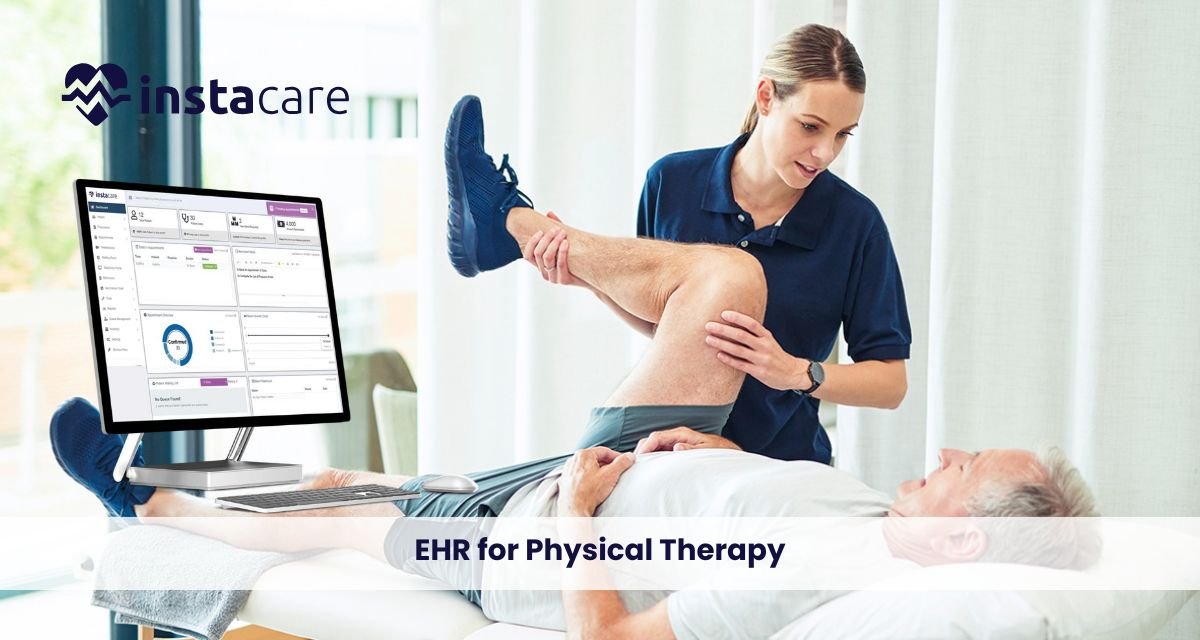
Last Updated on 5 months ago by zuraiz Know All About EHR for Physical Therapy Electronic Health Records (EHRs) have transformed healthcare practice. For physical therapists, who must carefully monitor and document the history of every patient, EHRs are the solution. Whether it’s treating post-operative physical rehabilitation or chronic pain care, physical therapy clinicians need technology that ensures clinical excellence and business acumen. Manual documentation is tedious, prone to errors and full of mistakes. Put that next to an EHR for physical therapy with template notes, well-organized treatment reports, immediate access to information, simplified billing, all those things which are required to provide quality care and reduce workflow. Advantages of Using EHR in Physical Therapy Physical therapists have enough on their hands already: clinical documentation, calling patients back, physician coordination, and billing. An EHR for PTs automates all of these, so the therapist can worry less about what happens to the patient and less paperwork. 1. Increased Clinical Efficiency With an EHR, therapists can document sessions within pre-formatted templates. SOAP notes (Subjective, Objective, Assessment, and Plan) with static fields give session-to-session consistency. Speech-to-text and dropdown menus reduce typing time and errors. 2. Seamless Patient Management Appointment history, treatment plans, progress notes, and home exercises are all in one place. Convenient so therapists can easily customize care plans and make changes along the way. 3. Streamlined Billing and Compliance Government programs and payers require accurate documentation for reimbursement. EHR systems code automatically, reduce human error, and generate clean claims, leading to faster payments and fewer denials. 4. Enhanced Communication Integrated communication tools allow therapists to send a message with staff, physicians, or patients. This facilitates care coordination and referrals, result sharing, or modifying treatment on the fly. 5. EHR is a Source of Security and Compliance Security is extremely critical in each healthcare setting. The EHR systems are constructed with encrypted cloud storage, two-factor authentication, and role-based authorization so others can be authorized to view or modify confidential details. Supported, it possesses features like audit trails, version history, and backup scheduling to guarantee records’ integrity and prepare your clinic for any type of audits or judicial inspections. All these preventatives guarantee patient data is handled securely in clinics without any type of offenses. 6. EHR & Integration with Telehealth and Mobile Devices In the COVID era, telemedicine is here to stay. Almost all contemporary EHRs include telehealth modules by which physical therapists can conduct sessions remotely. Remote posture assessment by supervised exercise, and even on-site treatment, are facilitated. Mobile access is another major benefit. Remote work, home calls, and web browsing between appointments notwithstanding, mobile-enabled EHRs provide immediate access to patient records anywhere at any time. This flexibility allows physical therapists to provide more comprehensive treatment, considering the timings and preferences of patients. Book Free Demo Key Features to Look for when Choosing a Physical Therapy EHR Choose an EHR for your practice that is focused on physical therapy and is not generic healthcare software. PT-Specific Documentation Templates: Pre-filled templates for orthopedic, neurological, pediatric, and geriatric therapy visits. Integrated Scheduling Tool: Intelligent calendar to monitor therapist rotations, patient visits, and resource scheduling. Automated Outcome Measurement: Monitoring of clinical progress based on standardized tests such as Oswestry, DASH, or Gait Analysis. Integrated Billing Features: Claim posting, payment posting, and clearinghouse integration to allow transactions. Patient Access Portal: Secure patient portal to schedule appointments, review progress reports, and view their home exercise videos. HIPAA & Medicare Compliance Checks: Automated notifications that bring non-compliant or incomplete notes to the provider’s attention before submission. All of these functions not only ease documentation and billing but also enhance the patient experience, which leads to enhanced retention and satisfaction. Impact on Patient Outcomes EHRs are not administrative in function; they also have a direct impact on patient outcomes by providing structure and continuity to care. Therapists can monitor patient progress in real time, establish measurable outcomes, and modify interventions. For instance, a patient after ACL (anterior cruciate ligament) rehabilitation will have ROM and strength values recorded at each session. The measurements can then be graphically interpreted by the therapist and adjusted in the exercise program based on real data rather than observation. Besides this, presenting these outcomes to the patient through a portal gives them interest and motivation. If patients can see concrete outcomes of their work, they will be more likely to follow home exercises. Challenges and Overcoming Them There are some challenges in the implementation of an EHR system. But with proper strategies, these can be overcome. 1. Learning Curve It may be difficult for some therapists to transition to a new computer system. Solution: Select a welcoming user interface and design thorough onboarding sessions. Hands-on training and support on a regular basis are typically bundled by most vendors as well. 2. Data Migration Issues Not being able to move away from the paper charts or an outdated system may become overwhelming. Solution: Hire a vendor that offers migration services to transfer existing patient histories, templates, and billing data. 3. Costs Initial software, installation, and training fees will deter small practices. Solution: Implement cloud-based EHRs with subscription-based models. These reduce upfront costs and offer scalability and flexibility for upkeep. Why Physical Therapists Are Making the Switch? Private clinics, outpatient facilities, and rehab hospitals’ therapists are rapidly adopting digital technology, particularly through the use of a Clinic Management System that often includes features like Electronic Health Records (EHRs), appointment scheduling, and billing integration. Here’s why: Streamlined Operations: All paperwork, communication, and billing in one location. Enhanced Workflow: More patient time and less staff time spent on mundane drudgery. Increased Revenue: Fewer mistakes and faster reimbursements boost monthly revenues. Compliance Confidence: Stop second-guessing compliance with insurance regulations and laws. Increased Patient Engagement: Sophisticated systems with portals, reminders, and notifications involve patients in the
Last Updated on 5 months ago by zuraiz Learning Electronic Remittance Advice (ERA) in Medical Billing Timeliness and speed of communication between health service providers and payers are of utmost importance to medical billing. Of all the gadgets facilitating communication, Electronic Remittance Advice (ERA) is one of the most precious gadgets. It makes payment smoother, reduces manual labor to a great extent, and enables practices to enjoy an uninterrupted revenue cycle. ERAs are digital Explanation of Benefits (EOBs) issued by insurance firms to notify health care providers of claim status. ERAs replace paper EOBs and contain such details as paid, denied, or adjusted. By understanding how ERAs work, medical billers and providers can accelerate payments and reduce administrative burden. Introduction of ERA into Your Medical Billing System The initial step every insurance payer demands is enrolling a provider before accepting ERA files. This typically involves completing a form or online ask through the payer’s portal or clearinghouse. After approval, ERA files begin appearing in the provider’s billing system. All current EHRs and most current billing systems have built-in ERA processing capabilities of automated posting and payment matching. Your practice system should be set up so that it can: Read the ANSI 835 format Automate posting into the proper patient accounts Locate unmatched payments and errors to reconcile Moreover, your employees will need to be trained so that the staff knows how to work on, read, and repair ERA reports. Shifting the Payment Cycle via ERA ERA Streamlines Claims Payment and Posting. Before electronic billing systems, payers would wait for paper EOBs to be mailed to them. They might take days to come, putting billing personnel in suspense. ERAs are now commonplace in healthcare reimbursement, giving faster and more systematic information electronically. An ERA will typically be transmitted after a claim is accepted and processed. It will include: Claim details and patient details Amounts paid, denied, or adjusted Explanation codes for payment adjustments Claim status indicators Files are usually sent via clearinghouses or directly to practice management systems. The instant delivery allows providers to post payments quickly and process denials efficiently. ERAs adhere to the ANSI X12 835 standard, a HIPAA-compliant format that allows for system and payer standardization. Standardization is automation’s key — the vehicle to apportion payments automatically to claims, minimizing keying. Book Free Demo Why ERA Is Crucial to Billing Teams? Medical billing professionals rely on timeliness and accuracy to keep revenues flowing. ERA in medical billing makes it so by doing more than just listing payments. They offer an official, electronic method of understanding how payers compute each claim. For example, in instances of partial denial based on coding errors or partial coverage, the ERA will include reason for denial codes. This enables billers to act quickly, e.g., resubmit corrected claims or appeal. In addition, since ERAs can be integrated into electronic health records (EHRs) and revenue cycle platforms, billing personnel can: Track payments in real-time Update patient balances automatically Reconcile bank deposits with posted payments Catch rejections or underpayments in real time Such information transparency not only simplifies the billing process but also detects underlying causes in claim submission, enabling process improvement over the long term. Top Benefits of ERAs The benefits of ERA in healthcare provide different strategic advantages to healthcare practices, clinics, and billing firms. Quicker Payment Posting: ERA files reduced delay due to mailing and keying. Payments are posted in minutes when files arrive. Less Human Mistakes: Automation eliminates the chance for transcription errors, giving correct financial records. Enhanced Denial Management: Clean reason codes allow for real-time resolution of denials, expediting the correction and resubmission process. Reduced Administrative Cost: Printing, scanning, and manual filing of paper EOBs are not necessary. Simplified Reconciliation: As one ERA covers one claim and payment, reconciliation is easier against bank deposits. Also, submitting the providers as ERAs eliminates the workers from having to handle massive quantities of payment details, especially for these practices that submit hundreds of claims daily. Difference Between ERA and EOB While ERAs and EOBs look alike, they are not. An EOB is patient-focused and lays out how a patient’s coverage was spent on a claim. It is simple to read, typically mailed or sent by email, and has a breakdown of patient responsibilities. On the other hand, ERA is an electronic provider report that is in electronic form. It is there to facilitate automated financial processing as well as notify medical billing personnel of payment activity. The most significant differences are: Format: ERAs are in machine-readable form; EOBs are in human-readable form. Recipient: ERAs are transmitted to providers; EOBs are transmitted to patients. Functionality: ERAs are input into billing systems to automate. Finding the difference ensures providers and patients get the proper information in the proper format. ERA Challenges and Solutions to Overcoming Them While it has its merits, working with ERA can prove to be problematic. Legacy processes may be plagued by compatibility issues. Moreover, not all payers, especially smaller or local insurers, enable full ERA capability. Common problems are: CARC (Claim Adjustment Reason Codes) and RARC (Remittance Advice Remark Codes) issue Variations in ERA data format among payers Technical support or enrollment delays To avoid such a scenario, choose a well-known clearinghouse, plan with your software vendor, and provide periodic training to billers. Going through the ERA reports weekly can help pick up and eliminate issues early. Successful Processing of ERAs Maximizing Benefit with Each Electronic Payment File. Once received, it is time well spent to process them properly. Having them filed and evaluated regularly makes cash flow easier

Last Updated on 5 months ago by zuraiz Why InstaCare Is the Best Clinic Management System for New Practices With the fast-paced nature of the healthcare industry, clinics need efficient mechanisms for everyday operations that deliver quality patient care. InstaCare, as the Best Clinic Management Solution, offers a holistic solution to oversee everything from patient records to scheduling and billing, automating clinic procedures and guaranteeing hassle-free clinic operation. For modern-day healthcare practice, InstaCare makes administration easy and helps clinics stay organized while delivering quality care. InstaCare is not merely a software solution, but an overall system that streamlines clinic efficiency, minimizes overhead, and maximizes patient satisfaction. The centralization of several clinic management tasks within one system allows medical professionals to dedicate themselves to curing patients and as little time as possible to administration. InstaCare Clinic Management Software Features InstaCare as the Best Clinic Management Solution could come with a variety of powerful features for making the life of the clinic easy for both solo practitioners and health centers having multiple staff members. Be it a one-person practice or a coordinated team of healthcare professionals, InstaCare Clinic Management Software Features will deliver flexibility and usability associated with a tailored solution ideal for the specific requirements of particular clinics, resulting in simplified operations and ultimately increased efficiency. Patient Records Management: InstaCare combines patient records, providing instant access to medical history, test results, and treatment plans. With all the necessary information within reach, healthcare providers can make faster, more informed decisions with less effort. Appointment Scheduling: InstaCare’s user-friendly scheduling module allows easy scheduling of patient appointments. Auto-sent reminders to patients and clinic staff avoid no-shows and maintain the clinic’s smooth operation. Billing and Invoicing: InstaCare streamlines billing, enabling accurate billing and payment tracking. It provides financial reports that enable clinic administrators to track cash flow and avoid missing any payments. Inventory Management: InstaCare monitors medical supplies in real time, so clinics never run out of vital supplies. Low stock alerts enable clinics to prepare in advance, avoiding any disruption to patient treatment. Reports and Analytics: InstaCare’s reporting capabilities provide live information on all aspects of clinic operations. Patient load, revenue streams, and other critical statistics are at the disposal of managers and owners and can be utilized for taking decisions. These features make InstaCare the Best Clinic Management Solution today because it enables them to automate operations and enhance efficiency on all sides of operations. Advantages of Deploying InstaCare in Clinics There are many Benefits of using InstaCare for Clinics; it provides a simple method by which clinics can maximize efficiencies, reduce administrative costs, and enhance patient care. InstaCare automates and enables clinics to streamline scheduling, billing, and record management, allowing them to focus more on patient outcomes than on administrative tasks, ultimately enhancing the success of their practices. Improved Efficiency: InstaCare removes redundant administrative tasks like scheduling, billing, and record-keeping. This enables clinic staff to spend more time on patient care and streamlines workflow. Enhanced Patient Experience: With features such as appointment reminders and rapid check-ins, InstaCare enhances the patient experience. Decreased patient wait times and enhanced clinic layout are the consequences, thus improving patient satisfaction. Decreasing Costs: With no requirement for labor and reduced administrative mistakes, InstaCare saves clinics money in operations and staff expenses. Electronic billing and automatic stock management dispense with waste and errors too, bringing cost-saving benefits. Improved Decision Making: Built-in analysis features of InstaCare offer owners of clinics useful information about their clinics. From the financial status to patient trends, an analytics-driven model enables the clinics to take evidence-based decisions, resulting in improved outcomes. Compliance and Data Safety: InstaCare is fully compliant with industry regulations, and patient data is stored securely. The software utilizes robust encryption methods to secure sensitive data, ensuring clinics remain compliant and avoid incurring substantial fines. InstaCare is not simply automation; InstaCare assists clinics in lowering overhead, enhancing patient satisfaction, and making informed expansion decisions. Get InstaCare to Optimize Your Practice While the demands of administration and other non-patient-centered activities can take their toll on the quality of patient care, InstaCare enters the scene to fit the bill. Where InstaCare, as the Best Clinic Management Solution, comes in, all patient history, appointment, billing, and inventory can be considered from one point, and there are no more multiple systems or manual processes to deal with. This great reduction in concurrency will drastically Streamline Your Practice with InstaCare, saving time and increasing efficiency and minimizing errors even more. Seamless Integration: InstaCare combines a number of clinic functions such as scheduling, billing, and patient management into one. InstaCare makes it easy to manage the clinic and provides good communication between staff. Time-Saving Automation: InstaCare is saving time for employees and patients in clinics with task automation such as appointment reminders and billing. Automation of these routine tasks keeps them on schedule, freeing up employees to tackle more pressing issues when it comes to patient care. Streamlined Communication: InstaCare streamlines communication within from real-time patient information, scheduling, and inventory levels. This eliminates the likelihood of miscommunication and ensures that everyone on staff is on the same page. By implementing InstaCare, clinics can significantly reduce their administrative burdens, streamline processes, and allocate more time to delivering exceptional patient care. The convenience of the software in eliminating manual tasks and facilitating streamlined processes makes it an essential tool in healthcare businesses today. Conclusion Overall, InstaCare, as the Best Clinic Management Solution, offers revolutionary practices in the healthcare sector with a one-stop shop for daily management. With patient record management, scheduling, billing, and inventory management features, InstaCare helps clinics operate efficiently and reduce administrative costs. The capacity of InstaCare software to automate processes and optimize efficiency in clinics makes it the best solution for any clinic that can invest in improving patient care as well as ramp up operations. InstaCare is a whole package that not only assures clinics undergo a shift in adapting to their

Last Updated on 5 months ago by zuraiz 6 Tips to Attract More Patients to Your Clinic In today’s competitive healthcare industry, bringing new patients through the door is one of the biggest challenges for medical professionals. Whether you’ve just opened your clinic or are looking to expand your medical practice, it’s essential to employ effective patient acquisition strategies to attract and retain more patients. These six tried-and-true methods will help you develop clinic foot traffic and attract more patients without discouraging your current patients’ interest and satisfaction. 1. Establish a Strong Online Presence Patients nowadays conduct internet research before choosing their healthcare provider. A clinic that lacks a presence in local listings, along with an unprofessional website, will never be considered. Start with a clean, mobile-optimized website that showcases your services, address, contact information, and doctor profiles to increase clinic foot traffic. Add a blog with valuable content, ranging from health tips to wellness guides, to create organic traffic. Another critical part of your online presence is local search visibility. That is where Local SEO for doctors comes into play. Claim and optimize your Google Business Profile. Optimize page titles and meta descriptions using locally focused keywords. Encourage patients to leave reviews and share photos to establish credibility and visibility in your region. When potential patients can locate and trust your clinic online, it becomes simpler to turn clicks into appointments. 2. Take Advantage of Online Reviews and Reputation Patient’s Online reviews for clinics do work when attempting to get someone to make an appointment. They want to know they will be treated well, and online review sites for clinics often make a first impression. Motivates good patients to provide honest reviews about your practice on Google, Facebook, Healthgrades, and other online health-related directories. Post positive feedback on your website and social media accounts. And for goodness’ sake, don’t let that bad review just remain there, too. Respond fast, take the responsibility, and attempt to repair. A positive web presence further enhances trust and serves as the crown jewel for all your efforts in patient generation. Include review requests in your follow-up process, and consider allowing automated platforms to facilitate them for added convenience. 3. Leverage Targeted Digital Advertising Campaigns Advertising is no longer done with the widespread use of blanket flyers and road signs. These are changing times, where digital marketing for clinics serves as a targeted form of reaching patients in need of their services. Google AdWords and Facebook paid posts enable you to target users based on age, location, interests, and even their web search history. If your clinic is also linked with dermatology, contact the users searching for “skin treatment near me.” Effective campaign methods are: Targeting the public by medical need or age group Writing wonderful titles with hard-and-fast benefits to the patients Including professional images or patient endorsements in the advertisements Incorporating call-to-action buttons like “Book Your Visit” or “Schedule Now” Including seasonal specials on check-ups or specialty procedures Email marketing is an affordable way to keep your clinic top of mind. Remind patients regularly of services, wellness tips, or success stories to stay connected with your audience. 4. Optimize Your Clinic for Patient Retention Acquiring new patients is just half the battle; retaining them is what creates long-term growth. A seamless, patient-focused clinic visit is the key to patient retention. How to attract new patients. Begin with small but effective changes, such as streamlining scheduling (whether by phone or online), reducing wait times, and educating staff to be empathetic communicators. Provide customized care plans and follow up on critical treatments to ensure optimal patient outcomes. To improve patient retention: Put in place reminder systems for regular checkups Provide patient reward or loyalty programs Provide post-visit surveys to get feedback Provide flexible scheduling or telehealth visits Satisfied patients will become brand advocates, referring co-workers, family, or friends by word of mouth, one of the most valuable sources of healthcare promotion. 5. Network Locally and Partner Perhaps the most effective way to expand clinic volume is by forming genuine relationships within your local community. Look beyond your clinic doors and locate businesses with similar values. Partner with local gyms to sell wellness packages or with pharmacies to sell check-up vouchers. If your clinic is a children’s clinic, consider partnering with local schools for regular health check-ups or health education seminars. Good Local Networking Ideas: Join local business associations or local chambers of commerce Partner with local cafes or salons and provide cross-promotions Host free camps on health in local shopping centers or community halls Host offline or online awareness programs Advertise space in local newsletters, local dailies, or local community radios Partnering at a local level not only makes you credible but also generates buzz where it will have the greatest impact, within your target community. 6. Monitor Results and Make Changes Often What gets measured gets managed. Regardless of how creative your clinic’s Healthcare marketing concepts are, they will succeed only if you regularly monitor their performance. Utilize software such as Google Analytics, Facebook Insights, or CRM software to monitor where new patients are coming from. Monitor key metrics such as: Website traffic and bounce rate Appointment booking by channel ROI of ad campaigns Social media engagement rates Rebooking and referrals Clinic Marketing Tips for Faster Growth: Online campaign conversion rates Cost per acquisition of new patients Average patient lifetime value Trends in feedback from reviews or surveys Best services or procedures All of that information will help you to tailor your approach and double down on what is working best. Conclusion Being clinically competent in today’s healthcare system does not fulfill the requirements. Your successful adoption of digital trends, combined with effective community engagement, superior patient experiences, and a robust Clinic Management System, controls your pace for acquiring fresh patients as well as holding onto existing ones.
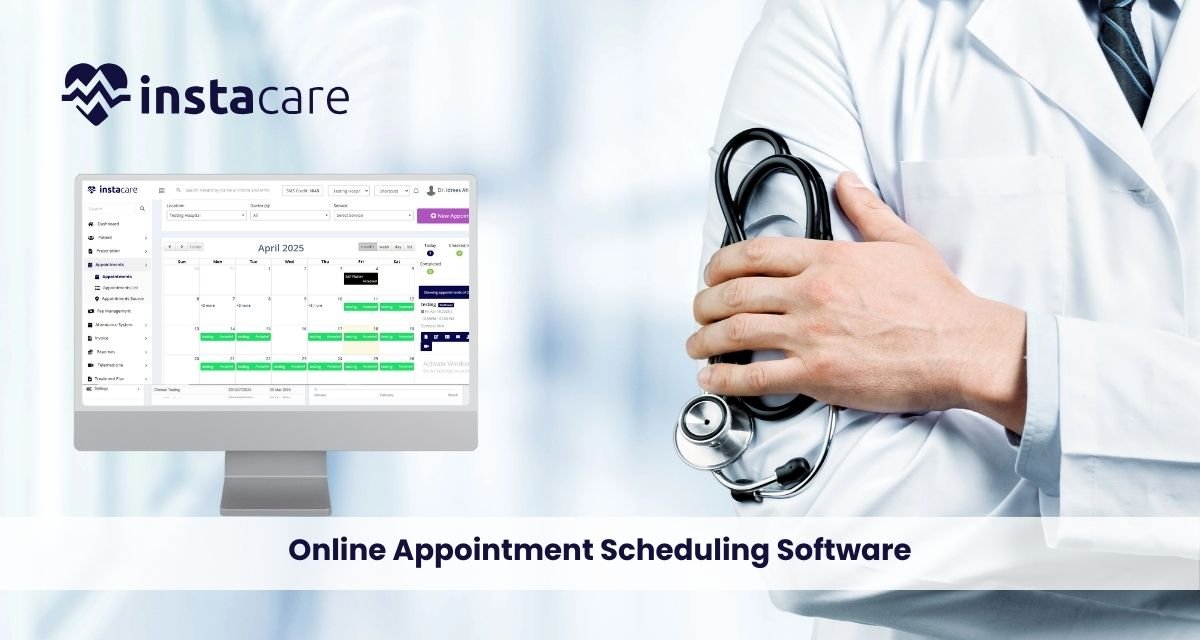
Last Updated on 5 months ago by zuraiz How Online Appointment Scheduling Software Is Transforming Medical Practices? As our digital age of living is in full gear, Online Appointment Scheduling Software is changing the face of medical practice. This revolutionary tool makes the entire process of scheduling appointments easy by enabling patients to schedule, reschedule, or cancel appointments at their convenience, anywhere, anytime. For medical professionals, it significantly reduces administrative tasks by eliminating scheduling work, lowering no-shows through automated reminders, and freeing staff to focus on more critical tasks. Through its function of connecting the providers to the patients, the technology enhances communication, efficiency, and overall patient satisfaction. Additionally, it sends real-time updates to calendars, seamlessly integrates with electronic medical records (EMRs), and enables providers to save time. Such software, used by medical practices, allows them to manage their practices efficiently, on time, and with a patient-centered approach. Online scheduling software is no longer a luxury, but a necessity for all modern-day hospitals and clinics that wish to excel in the current fast-paced, technologically driven age. Streamlining Administrative Workflows Physicians have always performed multiple functions, from walk-ins to appointments. Procedural functions always led to overbookings, missed show-up visits, and administrative mismatches. Physicians’ movement towards scheduling electronically is making that practice distinct now. Real-time calendar synchronization makes the doctors’ staff immediately aware of available time slots and prevents them from getting confused when handling multiple calendars. That transparency also helps avoid conflicts during meetings. Additionally, cloud-based appointment systems securely store data and can be accessed remotely at any time. This is especially convenient for multi-site practices where telehealth operations are conducted, and makes scheduling seamless and centralized. Streamlining Patient Experience with Self-Scheduling Today’s patients are increasingly focused on convenience. They do not have to wait on the phone to book an appointment or plan their day around the availability of a clinic. That’s where patient self-scheduling systems come in. Through offering Online booking for clinics, practices place patients in control of their care journey. Patients can schedule, modify, or cancel appointments 24/7, significantly improving satisfaction and volume. Automated reminders can also help patients, minimizing no-shows and missed appointments to a minimum. Reminders may be sent via SMS, email, or push notifications, whichever method is available to the patient. Ideal for Security and Compliance Issues In a field as heavily regulated as healthcare, security is not a luxury. HIPAA-compliant appointment software is a mandatory necessity to ensure that patient information is secure and your practice remains compliant. A quality system should incorporate encryption, user authentication, audit trails, and permission-controlled access levels. Data center commitment and disaster recovery functionality are two of the key functionalities in other cloud-based scheduling software. Such security will foster patient confidence and ensure business continuity during outages or emergency scenarios. Offers Revenue Growth and No-Shows Elimination One less apparent but extremely valuable benefit of online appointment scheduling software is its ability to reduce no-shows. Automated appointment reminders via SMS, email, or app notifications remind patients about their appointments, thereby reducing revenue loss. By reducing last-minute cancellations and no-shows, practices create space for walk-ins or waitlisted patients, thereby increasing revenue and resource utilization. Additionally, by allowing physicians to book online, clinics can more efficiently schedule last-minute appointments, thereby maintaining a full calendar at all times. Serves as The Future of Appointment Booking The digital revolution in healthcare appears to be accelerating, rather than slowing down. With telemedicine going mainstream and patient expectations changing, having strong healthcare appointment software is no longer a choice; it’s a necessity. Emerging trends, such as AI-powered scheduling, voice booking, and predictive analytics, will rapidly transform the patient-doctor relationship once again. Visionary clinics are already ahead of the curve, leveraging online appointment scheduling software as both a tool and a business enabler. What are the Principal Features of Scheduling Software? When making a decision, a person should consider the features of scheduling software that can enhance efficiency in a practice. Among the most useful features are: HIPAA-compliant scheduling tools for the protection of sensitive patient data Customizable scheduling platforms to fit the unique needs of different practices EHR system integration to ensure smooth flow of information and constant process continuity Waiting list, repeat booking, and provider preference appointment scheduling software Such features confirm that the software has the capability to meet the complex needs of various specialties, whether it is a high-volume dental practice, a dermatology clinic, or a general practice. Benefits of Online Scheduling Software Online Scheduling software for medical practices is advantageous for both providers and patients in several ways. Some of the greatest Benefits of online appointment scheduling are: Increased efficiency and fewer manual errors Enhanced patient satisfaction and retention 24/7 availability for booking Enhanced workload management for healthcare professionals Enhanced communication through automated reminders Decreased no-shows and cancellations These advantages collectively lead to a healthier, patient-centered model of healthcare. Best Practices Of Online Scheduling Software Despite numerous available solutions, the ideal appointment scheduling software must possess some deal-breaker features. Consider the following: Real-time calendar sync to avoid scheduling conflicts Support for EHR systems for easy medical record management Mobile-friendly accessibility interfaces for all types of devices Adjustable scheduling platforms to suit various workflows Cloud-based appointment systems for remote access and scalability Further, choosing a multi-location supported solution with multilingual interfaces is optimal for growing practices. Choosing the Right Software for Your Practice Choosing practice scheduling software is more than selecting a familiar name. Each practice must consider its own particular needs, including the number of providers, patient volume, and means of communication. Most also prioritize integration with EHR systems to avoid switching between applications and minimize redundancy. Others require appointment management software that can manage a large staff or complex procedures. Trial periods, customer reviews,
- 1
- 2