


Last Updated on 8 months ago by Ahmed Usman Performance Management Software: Features, Benefits & More Every organization wants to enhance the productivity level of employees and accomplish goals sooner. To do this, organizations need better tools than spreadsheets or paper reviews. Performance management software serves this purpose. Performance management software offers a structured way of performance tracking software progress. It helps in evaluating employees and supports ongoing improvement. Organizations that use such tools save time. They remove prejudice. They also promote workplace culture. In this post, we establish what performance management software is. We outline its features and benefits. We also explore future tendencies. Finally, we explain why every firm should make use of performance management solutions. What is Performance Management Software? Performance management software is a computerized system used to monitor, evaluate, and improve the performance of employees. It replaces paper reviews with a smart and automated process. Performance management tools monitor goals, offer feedback, and help managers decide on training needs. They are also called: Employee performance management system Performance review software Performance appraisal software HR performance management system The names may differ. The purpose is the same. It makes them more effective. It aligns their growth with corporate goals. Cloud-based tools are the most fashionable ones currently. Managers can see data anytime using cloud-based performance management software. Performance can be viewed by employees anywhere too. It is flexible and simple to monitor. Key Features of Performance Management Software Recent Performance evaluation software offers many features to small, medium, and large enterprises. Some of the most notable ones are: 1. Goal Tracking Goal tracking software allows managers and employees to set measurable goals. Progress can be monitored in real time so that it is always in line with business goals. 2. Continuous Feedback Managers do not need to wait until they conduct annual reviews to provide feedback. Continuous feedback keeps performance management going and enables workers to grow quickly. 3. 360-Degree Feedback 360-degree feedback software collects suggestions from managers, coworkers, and even customers. This creates a balanced and fair perspective of employee performance. 4. Performance Appraisals Performance appraisal software automatically conducts review cycles. It offers pre-filled templates. It provides scales of rating. It also stores historical records. These features make judgments accurate. They also do away with bias. Managers save time and rate employees objectively. 5. Employee Development Employee development software capabilities are in most software. They provide training recommendations. They display training material. They provide skill analysis. They help with career advancement. Employees learn faster. Organizations build stronger teams. Development becomes automatic and structured. 6. Performance Analytics Performance measurement software generates reports with charts and remarks. Managers can identify top performers, areas of opportunity for improvement, and workforce trends. 7. Integration with HR Systems Most performance management systems are tied to payroll and HR software. This offers simple management of employee information, bonuses, and promotions. Benefits of Using Performance Management Software Utilizing the right performance management software offers numerous advantages: 1. Time-Saving Manually reviewing is time-consuming. Computerized software speeds up the process, reduces paperwork, and stores data safely in one place. 2. Improved Accuracy Computerized monitoring reduces human error and bias. Reports are produced on data, not guesses. 3. Boosts Employee Engagement Transparency of progress, appreciation, and frequent feedback motivate employees. Employees appreciate their progress being monitored. 4. Supports Growth Talent management software offers employees training and skill direction. This produces a learning culture and prepares them for tomorrow’s jobs. 5. Provides Greater Transparency Expectations, objectives, and outcomes are transparent to all. This promotes manager-employee trust. 6. Encourages Continuous Improvement As a contrast to annual reviews, Continuous performance management sees progress in the works constantly. Employees can quickly adjust instead of looking for feedback every year. 7. Higher Retention Companies that invest in employee development software see higher retention. Growth opportunities and recognition lower turnover. How Performance Management Software Drives Improved Workplace Culture Workplace culture is shaped by communication, appreciation, and trust. A well-functioning employee performance management system fosters all three. Open Communication: There is frequent and constructive feedback, reducing misunderstandings. Recognition: Employees are rewarded for achievement in dashboards and appraisal systems. Trust: Transparent goal monitoring removes prejudice and fosters equality. Collaboration: Teams collaborate more effectively when goals are clear to all. Overall, performance management software transforms the workspace from a review environment into a culture of constant growth. Book Your Free Marketing Consultation Future Trends in Performance Management Software The business world is changing very fast, and performance monitoring software is also catching up. Here are the key future trends: 1. Insights Powered by AI AI will review the performance and behavior of employees. It will suggest individual development plans for every employee. Performance monitoring software will turn predictive. It will help managers with data. This makes decisions smarter and fair. 2. Real-Time Feedback Tools Companies will prefer real-time feedback over longer reviews. Constant performance management is a reminder every day for the employees. Instant feedback energizes the workers. It also rectifies mistakes faster. This movement boosts collaboration and improves communication between the employees and the managers. 3. Mobile-Friendly Platforms Employees want access at any time and from anywhere. Reviews, goals, and feedback will be highlighted in mobile apps. Mobile phone-optimized cloud-based performance management software will be used. Managers can review work even when away from the desk. This makes tracking flexible, simple, and efficient for everyone. 4. Integration with Collaboration Tools Performance software will also integrate with Slack, Teams, and project management tools. This connects performance with daily tasks. Staff do not have to switch platforms. Flows are seamless. Updates, goals, and reviews are all in one place. Saves time and avoids confusion. 5. Prioritize Employee Wellbeing HR performance systems tomorrow will track well-being and engagement too. Mental well-being will be treated the same as productivity. Employers will track stress levels.

Last Updated on 8 months ago by Ahmed Usman Work in Process Inventory: Meaning, Formula, Calculation & Examples The work-in-progress inventory is a major component of the manufacturing companies that reflects products under consideration of entering the production process but being unfinished. Work-in-progress inventory needs to be managed by companies to maintain an eye on their cost of manufacturing and maximize the effectiveness of their own manufacturing process. This article will tell you everything you want to know about WIP inventory, such as calculations, examples, and tips on how to manage it correctly. What Is Work in Process (WIP) Inventory? WIP inventory refers to the semi-manufactured products that are being produced. They have initiated their production but have not yet sold out to the customers. Work in process inventory in manufacturing carries partially worked raw material, finished goods awaiting completion, and goods awaiting quality tests. In contrast to merchandise held for sale, WIP inventory is the cost of materials, labor, and overheads that have already been paid on goods still in the process of further processing. For instance, let’s take a furniture manufacturer that makes chairs. The work in process inventory could be chair frames awaiting cushions, for paint, or assembly. They are no longer raw materials but yet to be complete products. Components of WIP Inventory Work in process inventory is identified three key cost components: Raw Materials These are raw materials removed from stock and put on products in production. Putting raw materials into production puts them into the WIP inventory until the final product. Direct Labor This entails salaries to those workers directly involved in the production of the products. Work in process inventory cost flow must account for the time workers spend working on each of the products as it is shifted from stage to stage of production. Manufacturing Overhead These are indirect costs such as factory rent, utility costs, equipment maintenance, and wages for supervisors. These are applied to all the products that are under production and also in the WIP inventory valuation. Formula for Calculating WIP Inventory The simple work-in-progress inventory formula is: WIP Inventory = Beginning WIP + Raw Materials Used + Direct Labor + Manufacturing Overhead – Cost of Goods Manufactured The above equation assists you in the work in process inventory calculation of the value of goods in process at the end of a given time period. Alternative Formula Alternatively, calculate WIP inventory with: Ending WIP Inventory = Beginning WIP Inventory + Total Manufacturing Costs – Cost of Goods Manufactured Both the above equations provide the same amount and assist in work in process inventory calculation. How to Calculate WIP Inventory? Let us divide the work in process inventory calculation into easy-to-understand steps: Step 1: Calculate Beginning WIP Inventory Beginning work in process inventory is the quantity of goods that are in the process of production at the beginning of the period you are calculating. Step 2: Add Costs of Manufacturing Add all the costs that were incurred during the period: Raw material used during manufacturing Direct labor wages Manufacturing overheads Step 3: Subtract Cost of Goods Manufactured This is the value of total goods completed within the period. Step 4: Calculate Ending WIP Ending work in process inventory is equal to starting WIP plus additional costs minus completed goods cost. Practical Example of Calculation A work in process inventory example is shown below: Beginning work in process inventory: $50,000 Raw materials used: $80,000 Direct labor: $40,000 Manufacturing overhead: $30,000 Cost of goods manufactured: $120,000 Work in process inventory calculation: WIP = $50,000 + $80,000 + $40,000 + $30,000 – $120,000 = $80,000 This indicates that you have $80,000 of work in process inventory at the end of the period. Book Your Free Marketing Consultation Importance of WIP Inventory Management Cost Control Prompt work in process inventory management allows companies to maintain cost of production within control by monitoring precisely how much money is spent on work in progress. This information assists managers to utilize resources more efficiently. Cash Flow Management Increased levels of WIP have more funds locked up in the production process. With work in process inventory turnover management, businesses are able to maximize cash flow and have fewer funds tied up in incomplete products. Production Planning Understanding the amount of WIP enables production schedules to be better planned by managers. Too high of work in process inventory can indicate that the production is being carried out at a rate that is too slow or there is a bottleneck in the process. Financial Reporting Work in process inventory accounting must yield accurate financial statements. WIP inventory must be treated as a current asset on the company’s balance sheet. Practical Examples of WIP Inventory Example 1: Manufacturing of Cars 100 cars are at various stages of manufacturing: Chassis assembly: $15,000 per car Engine installation: $25,000 per car Interior fitting: $35,000 per car Quality checking: $40,000 per car Assume there are 100 units at every stage. Total work in process inventory is $11,500,000. Example 2: Food Processing A bakery producing bread has: Initial work in process inventory: $5,000 Used ingredients and flour: $20,000 Baker wages: $8,000 Utility and oven rental fees: $3,000 Cost of finished bread: $25,000 Ending work in process inventory = $5,000 + $20,000 + $8,000 + $3,000 – $25,000 = $11,000 Example 3: Textiles Production A clothing company monitors WIP through the following steps: Cutting cloth Sewing Inspection for quality Preparing for packaging Each process brings overhead and labor cost to the value of work in process inventory. Work in Process Journal Entry Work in process inventory journal entry is normally prepared for: When raw material is placed into production: Debit: Work in Process Inventory Credit: Raw Materials Inventory When directly applied to labor: Debit: Work in Process Inventory Credit: Wages Payable When directly applied to produce overhead: Debit: Work in Process Inventory Credit: Manufacturing Overhead When the products are complete: Debit: Work in Process Inventory Credit: Finished Goods Inventory Improving WIP Inventory Turnover Work in process
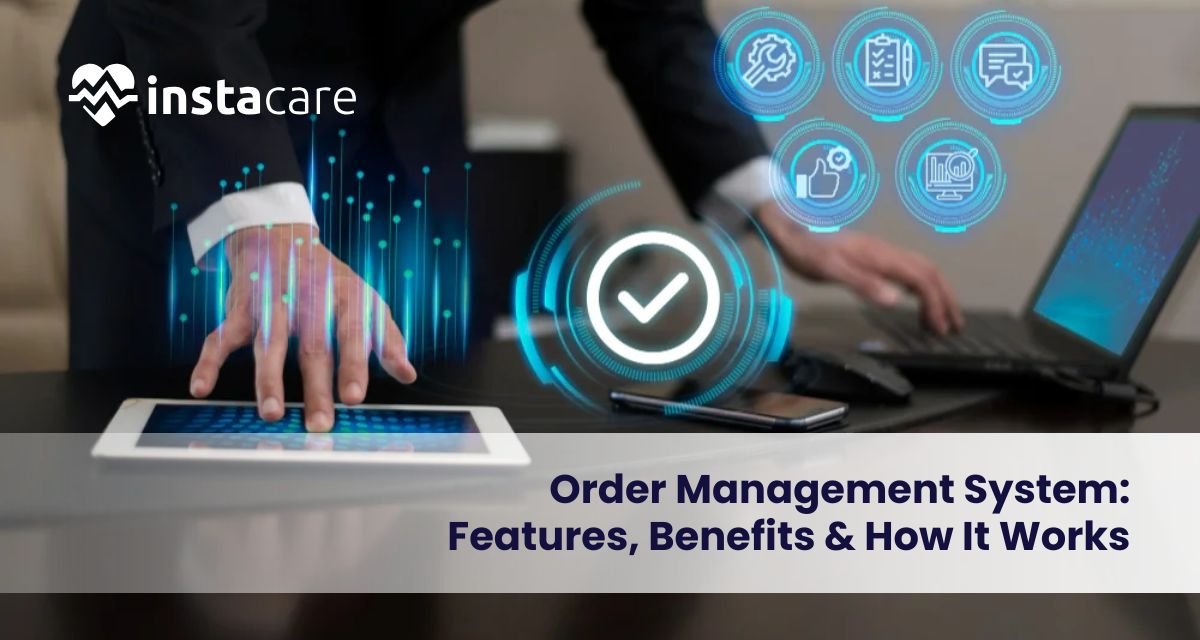
Last Updated on 8 months ago by Ahmed Usman Order Management System: Features, Benefits & How It Works All businesses these days are receiving orders from various sources. They are tedious and error-prone when they are manually processed. Shipment, billing, or inventory errors result in loss of business as well as dissatisfied customers. An order management system (OMS) fills in the gap. It follows orders from beginning to end, automates inventory control, and plans delivery. Orders are processed quickly and with fewer mistakes. Today’s order management software generally contains order management automation. It works with e-commerce websites, retail stores, and marketplaces. Inventory levels are updated automatically, and customers receive timely reminders. OMS generally automates the administration and saves precious time. What is an Order Management System (OMS)? An OMS is a computer program that processes the tracking and controlling of sales, inventory, and orders. It tracks each step, from taking the order to shipping it. Nothing slips through the cracks. Most businesses utilize a cloud-based order management system today. They provide anywhere, anytime access. Such processes as order processing, inventory refresh, and alerting are automated. With an OMS, businesses can save time, minimize errors, and enhance customer satisfaction. Orders operate seamlessly, the stock is always up to date, and staff members can get involved in more valuable work. Key Attributes of an Order Management System An effective OMS has some important attributes behind it. Order Tracking System: Monitor all orders in real time. Customers and staff members can view status updates. Inventory and Order Management System: Have exact inventory and never overbook. Order Processing System: Invoicing, packaging, and status updates are automated. Multi-Channel Order Management System: Manage all orders within a single system. Treat e-commerce websites, bricks-and-mortar stores, and marketplaces as an aggregate. View everything at the same time. Minimize errors. Save time. Make order processing quick and easy. Order Management Automation: Less manual intervention and faster order processing. Reporting and Analytics: See sales patterns, inventory levels, and shipping performance. Customer Notifications: Send them automatically by email or message. All of these qualities make it more efficient, faster, and more reliable to manage orders. Advantages of an Order Management System OMS is associated with numerous advantages. Some of the primary benefits of an order management system are: Quicker Order Processing: Orders shift rapidly from order to delivery. No more delay due to manual processing. Higher Quality: Billing and shipping mistakes are a thing of the past. Customers receive what they ordered. Improved Inventory Handling: Overselling and stockouts are a thing of the past. Inventory is current. Improved Customer Satisfaction: Instant notification and timely delivery heighten satisfaction. Satisfied customers come back. Time and Money Savings: Automation erases the need for manual labor and errors, dollars. Scalability: As your business expands, the OMS will process more orders without any added employees. Insightful Analytics: Data insights drive inventory planning, demand forecasting, and business decision-making. For online businesses, an order management system for ecommerce is crucial. It streamlines the process of managing heavy volumes of online orders and multi-channel sales. How an Order Management System Works An OMS coordinates the whole order management process. Here’s how: Order Capture: Orders are received from online retailers, marketplaces, or brick-and-mortar stores. No order is ever lost. Check on Inventory: The Inventory and order management system keeps a check on the goods. Goods out of stock are indicated in real time. Processing of Order: The system automatically generates the bills. The system packs the order with care. Status messages are transmitted in real time. Orders move smoothly. Mistakes are minimized. Customers are kept informed. Order Fulfillment System: Dispatch and packing of orders. Customers receive tracking information. Buyer Notifications: Notification to customers at every stage. They have a very clear idea of when they will receive their order. Reporting: Sales, inventory, and delivery performance reports are given by the system. With automation of order management, all these tasks automatically occur. Companies save time and make fewer errors. Who Needs an OMS? Any business can use an OMS: E-commerce Websites: Online stores process dozens of orders a day. An OMS makes it simple. Retail Companies: Bricks and mortar stores require accurate inventory tracking and quicker filling of orders. Distribution and Wholesale: Big orders are a breeze with an OMS. Manufacturers: Manage raw materials, produce, and deliver efficiently. Multi-Channel Sellers: Manage all orders across all platforms within a single system. Everything is linked. Errors decrease. Time is conserved. Order management is easy and efficient. Simply put, any business order management system can be used for taking orders. Book Your Free Marketing Consultation Selecting the Appropriate OMS for Your Business The correct decision is most important. Remember these: Scalability: Will it keep pace with your business? Integration: Compatible with e-commerce platforms, CRM, and accounting software. Cloud-Based vs On-Premise: Cloud order management systems provide access anywhere. Automation Features: Seek order management automation to save time. Reporting Tools: Data assists with planning inventory and enhancing service. Support & Training: Make sure the provider provides training and customer support. Cost: Weigh features against cost for best value. Compare a few to select one that suits your order management workflow. OMS vs ERP Most businesses mix up OMS vs ERP: OMS (Order Management System): Handles order processing, inventory, and fulfillment. ERP (Enterprise Resource Planning): Automates every business function. Includes finance, HR,
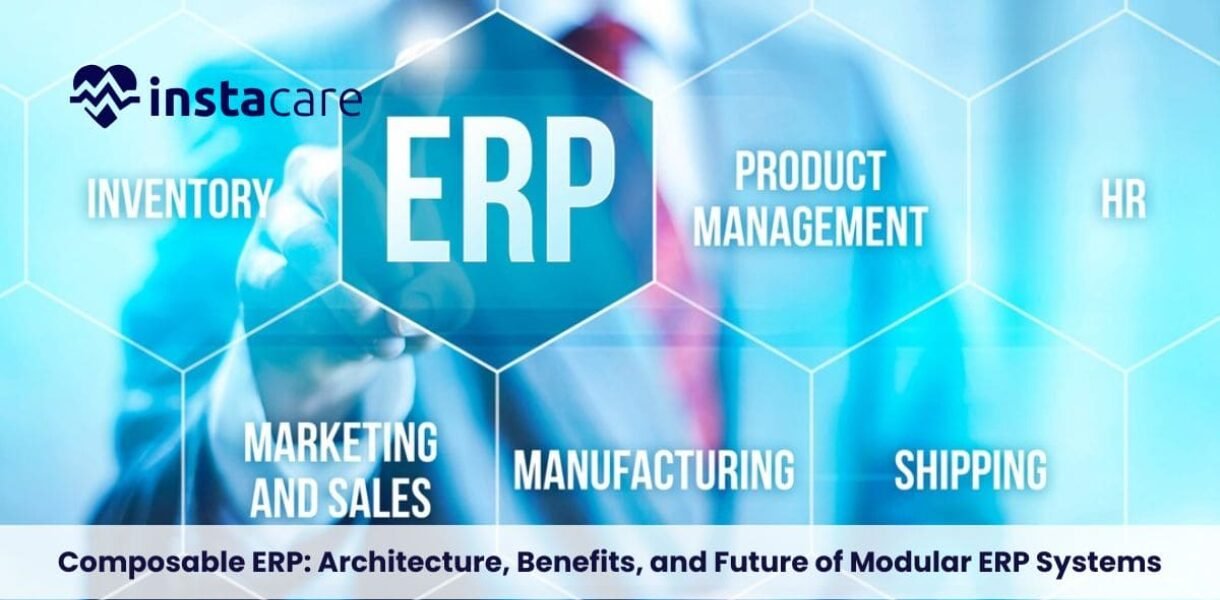
Last Updated on 8 months ago by Ahmed Usman Composable ERP: Architecture, Benefits, and Future of Modular ERP Systems ERP systems have been the workhorse of corporations for decades, such as basic processes as finance, human resources, procurement, supply chain, and customer service. ERP systems in previous years were once enormous, monolithic systems complex, inflexible, and costly to update. Although stable by design, the systems would typically resist flexibility, and corporations struggled to rapidly shift course in fast-evolving markets. With the pace of digitalization and globalization, companies today need more flexibility than ever. Companies are moving away from composable ERP to traditional ERP, which breaks down ERP into independent, modular, and variable components. Rather than being shackled with one-for-all platforms, organizations are now in a position to create a system based on their own single requirements, patching applications together that can change and grow over time. What is Composable ERP? Composable ERP is a corporate-scale software design that divides up ERP systems into independent, interacting pieces instead of a single monolithic application. It’s founded on the concept of composability, the idea that companies should be able to “compose” their systems by choosing the optimum applications for their processes. Among the strongest aspects of this strategy are composable business applications, pre-composed units or services which are intended to support certain business functions like payroll, order management, or customer relationship. Applications can be composed and replaced as desired, thus offering flexibility and quick response. Architecture of Composable ERP Its design is what separates composable ERP and makes it so durable. It’s not a single big piece of software, but composed of numerous little, reusable bits. Multiple layers and concepts make up the foundation: 1. Microservices at the Core Below are ERP microservices-independent, light-weight services that facilitate a single operation. For instance, there exists a single service for invoices, another for inventory tracking. This is what enables organizations to change or upgrade one service without changing the rest of the system. 2. Modular ERP Systems All these microservices aggregate sum up to form modular ERP systems, and a firm can actually construct only what they need. Rather than buying an entire set of tools, organizations can construct modules like HR, procurement, or sales management on an as-needed basis. Not only is it cost-effective, but also devoid of redundant complexity. 3. API-First Connectivity For modules to communicate with one another with ease, they must communicate with ease. API-driven ERP enables interoperability through the provision of a capability to support various applications and services, both internal and externa,l to integrate seamlessly into one another. 4. Headless Architecture Companies are most commonly implementing headless ERP, in which back-end capabilities are kept separate from front-end interfaces. This enables companies to create employee-specific, customer-specific, or partner-specific user interfaces without affecting back-end processes. 5. Cloud-Native Design Scalability and flexibility are also increased with a composable ERP in the cloud. Cloud deployment wipes out the on-premises agony, lowers operation costs, and facilitates instant updates. Key Benefits of Composable ERP The benefits of composable ERP are many and groundbreaking. Businesses that use this solution can look forward to: 1. Unparalleled Agility Businesses can respond very quickly to market fluctuations by inserting, altering, or replacing modules with complete freedom. This is particularly useful for businesses involved in manufacturing and retail, in which customer needs and supply chain issues change very rapidly. 2. Best-of-Breed Functionality Companies can’t just wait for one vendor to deliver everything. Instead, companies can take the best from several vendors. Composable ERP software enables companies to merge custom apps with strong performance in a particular area, like CRM, HR, or analytics. 3. Lower Costs and Lower Risk By step-up build-out, no firm invests heavily in the beginning. Costs are staged, aligned to growth and revenues. Additionally, firms pay for used modules only, and that constrains wastage and inefficiency. 4. Increased Speed of Innovation and Experimentation Composable ERP allows experimentation. Use of new technologies in experimental periods, such as AI analytics or IoT connectivity, is possible without contaminating the rest of the system. It allows speed and volume in innovation. 5. Better User Experience With the agility of custom workflows and a composable ERP strategy, organizations have the ability to design experiences for various departments or personas. Employees engage with intuitive systems that fit their own processes, raising adoption and impact. 6. Resilience and Continuity As modules are isolated, a glitch in one will not bring down the whole ERP. The resiliency provides continuity for mission-critical activities like finance or supply chain management. Book Your Free Marketing Consultation Challenges and Challenges While as much potential as there is is promised by composable ERP, there are issues that must be solved by businesses. Planning and foresight must come before successful composable ERP implementation. Integration Complexity: Whether or not APIs are involved, interoperability among standalone vendor solutions is typically challenging to realize. Robust governance patterns are required by businesses. Vendor Management: Many vendors result in division of responsibility, making it hard to fix issues. Cultural Changes: Vintage-style ERP apps-vintage managers and staff-vintage resistance to change-nice change management will be necessary. Security Risks: The more integration interfaces and modules, the higher the risk of a cyber attack. Companies have to spend money on good security processes. Migration Cost: Composable ERP is a long-term cost-effective strategy, but a costly one in the short term when migrating from a monolithic architecture. Composable ERP Future Composable ERP’s future certainly is composable. The composable ERP trends march in a direction of increased modularity, cloud deployment, and digital innovation. The main directions are: AI and Predictive Analytics: Artificial intelligence will become further ingrained in composable systems to provide predictive insights into finance, HR, and operations. Industry-Specific Microservices: ERP providers will provide industry-specific microservices to healthcare, logistics, and retail segments to facilitate higher specialization. Cloud Expansion: Cloud-based, composable ERP allows organizations to expand fast and accommodate remote workers. Platform-Driven Platforms: Through API-first ERP development, organizations will have the capability
Last Updated on 8 months ago by Ahmed Usman AIaaS (Artificial Intelligence as a Service): Definition, Platforms, Use Cases & Future Artificial Intelligence as a Service (AIaaS) is transforming the way businesses are embracing digital transformation. Cloud enablement of artificial intelligence functionality allows organizations to access powerful tools without establishing costly facilities internally. Ease has been one of the greatest drivers of global adoption, providing innovation, automation, and scalability to any business firm size. With AIaaS vendors, businesses now employ machine learning, natural language processing, data analytics, and computer vision without or with little initial capital expenditures. The explosive increase in the AIaaS market size only reflects how precious such services have become to industries such as finance, healthcare, retail, manufacturing, and technology. What is AIaaS? AIaaS refers to the artificial intelligence capability that is provided by the cloud. Instead of using massive AI teams or building custom infrastructure, AIaaS companies can subscribe to the services of AI offered by large cloud AIaaS providers. They range from simple chatbots to advanced predictive analytics and deep learning models. Key benefits are cost efficiencies, lower time to implement, and easy access to AI innovation. Organizations can select AIaaS pricing models like pay-per-use, month-to-month subscription, or company-wide contracts based on size and needs. AIaaS vendors offer plug-and-play AI offerings, making intelligence available to everyone from startups to multinationals, driving high growth rates of AIaaS across the world. Central Building Blocks of AIaaS AIaaS is not a product or product suite but a collection of services to meet different business needs. The most crucial ones are usually: 1. Machine Learning (ML) Services Machine learning allows computers to make predictions and recognize patterns from data. With AIaaS, businesses can utilize pre-trained models to detect fraud, forecast churn, or predict demand. AIaaS ML capabilities can be deployed today compared to resource- and time-consuming traditional development. 2. Natural Language Processing NLP enables computers to read, comprehend, and produce natural language. NLP technologies are being utilized by AIaaS in business to introduce chatbots, voice assistants, and machine-learning-based translation software. Call centers use NLP to offer enhanced customer service via the real-time analysis of conversations. 3. Computer Vision Computer vision services read and interpret visual data. Businesses apply them to intelligent inventory management, and hospitals to diagnostic imaging. AIaaS makes them available to everyone, even where there is no native support of AI. 4. Data Analytics & Predictive Insights Today’s AIaaS in business is facing massive amounts of data. AIaaS providers use platforms to process them in an efficient manner, find the patterns lying beneath, and forecast things that will yet occur. Whether risk modeling of finances, supply chain management, or predictive analytics makes better-informed decisions. 5. Robotics & Process Automation AIaaS enables workflows to be automated through the replacement of repetitive human steps by AI-driven bots. It simplifies operations while concentrating human labor on more valuable tasks. These, together, are transforming AIaaS platforms into the panacea that can be utilized by nearly any business. Popular AIaaS Platforms Leveraging the utilization of AIaaS first are large cloud vendors with highly elastic and scalable AI offerings. Popular AIaaS platforms are: Amazon Web Services (AWS AI Services): Offers Amazon Rekognition (video and image analysis), Lex (voice interface), and Polly (text-to-speech synthesis). AWS enables enterprise-level reliability and scalability. Google Cloud AI: Provides AutoML for creating proprietary models, Vision AI, and Natural Language APIs. Google AIaaS is primarily utilized for research and development. Microsoft Azure AI: Has Azure Machine Learning, Bot Services, and Cognitive Services. Utilized primarily by organizations for effortless integration with Microsoft’s platform. IBM Watson: Famous for NLP, Watson leads AIaaS that has extensive AIaaS in healthcare and business analytics. Oracle AI Services: Offers AI-driven automation and predictive analytics, ideally suited for enterprise data-driven organizations. Niche specialist start-ups are preceded by AIaaS market size and new-age AIaaS solution start-ups. Applications of AIaaS AIaaS uses are numerous and growing day by day. Some of the most common ones are: Customer Experience: AI chatbots and recommendation engines are used by shopping and service enterprises to make customer interactions personalized. Finance: AI is utilized by banks for fraud detection, credit risk assessment, and customer analysis. Healthcare: Hospitals employ AI diagnostics in radiology, prognosis-driven health monitoring, and drug development. Expansion in healthcare AIaaS shows the requirement in the sector for timely, accurate processing of data. Manufacturing: Predictive maintenance reduces downtime with predictions of equipment malfunction before occurrence. E-commerce: Websites rely on AI for enabling targeted purchasing, price optimization, and supply management. Marketing & Sales: Businesses utilize AI to make better customer decisions, improve targeting, and gain greater ad spend control. Real-world applications of AIaaS are the recommendation algorithm used by Netflix, banks utilizing AI anti-fraud solutions, and hospitals utilizing computer vision for disease diagnosis. Book Your Free Marketing Consultation Benefits of AIaaS to Organizations The AIaaS use cases are operational and strategic: Cost Savings: Free up companies from the expense of expensive AI infrastructure. Rapid Deployment: Organizations deploy pre-trained models within days rather than months. Accessibility: AIaaS is opened up to new startups and small and medium businesses. Scalability: The services are scalable without much effort as usage and data scale up. Continuous Innovation: Providers update models with new AI techniques. By becoming part of the work process, business AIaaS offers a competitive advantage, superior decision-making, and innovation. Challenges & Considerations Deployment of AIaaS is difficult: Data Privacy & Security: Information stored on third-party hardware needs to adhere to serious regulatory requirements like GDPR and HIPAA. Customization Constraints: Though deployment is rapid through pre-trained models, they can be irrelevant in uncommon business contexts without customization. Challenges in Integration: Integration with existing systems and AIaaS products could be cumbersome. Vendor Lock-In: Single vendor sole reliance could limit adaptability. Cost Management: Unwarranted utilization of pay-per-use types of AIaaS can result in excessive expenditure. These have to be weighed to achieve maximum return on investment. The
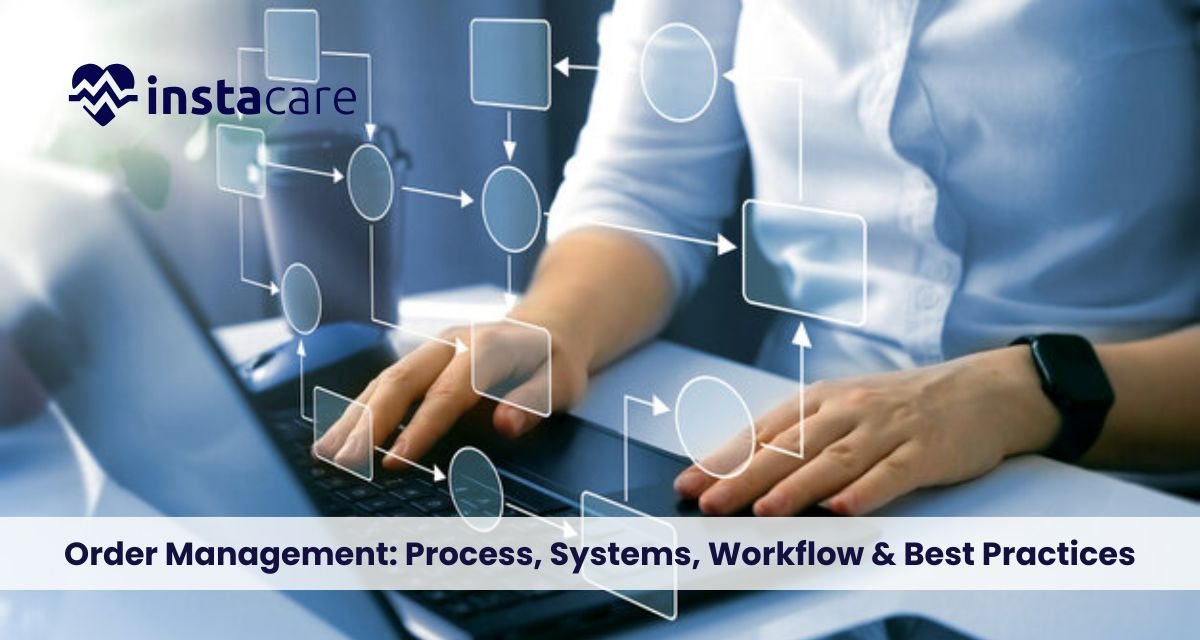
Last Updated on 8 months ago by Ahmed Usman Order Management: Process, Systems, Workflow & Best Practices In the age of quick business, organizations need to emphasize hassle-free transactions, prompt delivery, and customer satisfaction to emerge as industry leaders. Order management with procedural processes must be adopted to address these needs. Right from taking orders at the customer level to easy dispatch, order management takes care of each phase of the customer life cycle. Properly streamlined organizations are capable of maximizing their cost, improving efficiency, and experiencing better customer relationships. Here, the concept of order management is being described from process and systems to order management workflow and challenges, and finally, the future trends. After realizing its significance, organizations can apply the best order management practices to practice and get maximum accuracy, minimize delays, and be market competitive. What is Order Management? Order management is an end-to-end process of each order from receipt, tracking, and storage of customer orders. Order management is a set of activities like order entry, payment validation, inventory verification, picking, packing, shipping, and ultimate delivery. The seamless order lifecycle begins from the moment an order is placed by a customer until he or she gets a product or service. Firms use specific computer software, like an order management system, to automate and streamline. This software ensures visibility across all the parties involved, like suppliers, warehouse personnel, shipping companies, and customer service personnel. Order management in the correct manner, not merely eliminating faults, but also increases the customer experience. Step-by-Step flow of Order Management Process Smooth order-to-cash process ensures that each order is accurately captured, processed, and shipped in due time. Order-to-cash process typically comprises the following sequentially: Order Capture – Orders are captured via websites, mobile phones, or sales representatives. Order Verification – Product availability verification and payment validation. Inventory Confirmation – A Proper inventory system verifies inventory availability and the correct allocation of inventory. Order Fulfillment – Orders arrive at the warehouse to be picked and packed, usually with the help of automated order management software. Shipping & Logistics – Orders are dispatched to shipping partners to ensure timely delivery. Order Tracking – Businesses and customers trace shipments through an advanced order tracking capability. Delivery & Fulfillment – The Last order fulfillment process hands over the product to the customer in a brand-new state. Returns & Refunds – Business always enables returns in a customer confidence-building manner. All these attributes are precise, streamlined, and customer-centric. What includes Order Management Systems (OMS)? An order management software, or OMS, is a computer program that automates and aggregates order-driven processes. These systems get integrated with various platforms such as eCommerce websites, payment gateways, inventory management databases, and shipping partners. Key features are: Centralized order entry and validation Real-time visibility of stock Integration with freight and payment partners Returns and refunds Understand Order Management Workflow Advanced Ecommerce order management software that is advanced is extremely flexible and can be implemented in companies of any size. They provide scalability to ensure that if volumes of sales are on the rise, the system will be able to manage demand effectively. The order process establishes a formal sequence of actions from start to order fulfillment. A simple process starts with customer order entry and moves through the coordination of sales, warehouse, and logistics personnel. A basic sequence is as follows: Sales order entry → Inventory check → Picking and packing → Shipping assignment → Receipt of delivery → Customer response Utilization of sales order management in the process keeps the order fulfillment group and the sales group on the same page. Being on the same page prevents miscommunication and leads to greater customer satisfaction. Book Your Free Marketing Consultation Best Practices for Order Management Organizations willing to outperform the competition in process excellence and customer satisfaction need to adopt order management best practices. Some of these best practices are: Invest in Technology – Leverage strong OMS solutions to automate and simplify the process. Improve Inventory Visibility – Leverage real-time information to prevent overselling and stockouts. Optimize Multi-Channel Integration – Leverage multi-channel order management to bring online, offline, and marketplaces orders into a single fold. Automate Repetitive Tasks – Automation is time and error-saving. Keep Customers First – Provide timely notifications to customers, save delivery time, and make returns easy. Monitor Key Metrics – Monitor KPIs like shipping cost, return rate, and fill time regularly. Employee Training – Train the employees in the use of processes and equipment for improved efficiency. Challenges in Order Management Even with all the technology at hand, companies have their fair share of problems managing orders efficiently: Inventory Count Mistakes – Inaccurate communication between inventory databases and sales can result in over-selling. Logistical Complexity – Transacting across regions and carriers introduces complications. High Return Rates – eCommerce has high return rates and exchange. Scalability Challenges – Poor players can’t scale. Customer Needs – Higher requirements for fast response and fast delivery put firms on thin ice. These are challenges that call for companies to leverage digital technologies and perform. Future Trends in Order Management Future ordering is technology and customer-need-driven. The key trends are: Artificial Intelligence & Machine Learning – Support for demand forecasting and customer personalization. IoT Integration – Smart tracking of shipments and automated warehouses. Cloud-Based Solutions – Scalable and low-cost order management solutions. Blockchain Technology – Secure, tamper-free, and transparent supply chain transactions. Sustainability Practices – Green packaging and green logistics. As business is going global, there will be more demand for efficient, flexible, and customer-centric systems. Conclusion Lean-order management is required by the contemporary business to reconcile efficiency of operations and customer satisfaction. Order management process transparency, utilization of digital technologies, and best order management practices help companies streamline processes, maintain efficiency, and engage with customers. Whether driven by automation, emergent coordination, or revolutionary
Last Updated on 8 months ago by Ahmed Usman Patient Consumerism: Empowering Patients in the Age of Value-Based Care Healthcare is undergoing a big change. Patients are no longer content to sit silently while physicians tell them what to do. Patients now wish to have a say in what happens to them. They want to know the costs, comparison shop, and make selections for themselves. This is called patient empowerment – making healthcare decisions as if shopping for anything else. All the while, value-based healthcare is growing fast. That is a model in which physicians and hospitals are paid for how well they keep patients healthy instead of just for how many procedures they do. The healthcare digital transformation enabled it by enabling patients to look up treatments on the internet and talk to doctors in new ways. What is Patient Consumerism? Patient consumerism is when patients act like smart consumers when deciding on their healthcare. This consumer-driven healthcare type of thinking in healthcare involves: Purchasing symptoms and treatment online Hospital and doctor price comparison Reading patient comments Asking many questions about treatment plans Healthcare consumerism trends of today show that patients want clear prices, easy access to their medical records, and personalized healthcare that suits how they live. This puts the patient in the driving seat of their own healthcare. The Rise of Value-Based Healthcare Value-based healthcare is a different way of compensating for healthcare. Instead of being compensated for every procedure or test, physicians get compensated for taking patients well and happy. This strategy is focused on: Good care instead of excessive care Patient satisfaction metrics that show concrete results Better health at reduced expense Preventing illness before it happens This is excellent with patient consumerism as both want the best patient outcomes. New rules on healthcare price transparency mandate that hospitals display their prices for everyone to see. This allows patients to make wise choices and puts pressure on hospitals to compete with each other. How Patient Consumerism Empowers Patients? Patient empowerment takes place in several important ways: Better Access to Information Contemporary technology offers patients immense access to medical information. Healthcare cost comparison tools show prices at different sites, and patient feedback helps others select physicians based on other people’s experiences. Decision-Making Patient decision-making gets simpler for patients when people have simple, understandable information. Second opinions get simpler through telehealth and patient consumerism, and patients receive information about costs prior to receiving the treatment. More Control Over Care Health care today delivers patient-centered care that puts patients’ needs first. Physicians use patient engagement strategies that engage patients and enable patients to communicate with their doctors in whatever way feels most comfortable for them – phone, text, or online. Benefits of Patient Consumerism in Healthcare Patient consumerism is a win-win for all: For Patients Patients are given a much better patient experience in healthcare with more convenience and individualized attention. They save money through smart shopping and gain better health outcomes through engagement in their care. This makes patients more satisfied with their healthcare choices. For Healthcare Providers Physicians and hospitals get better patient satisfaction metrics and better ratings from satisfied patients. Patient loyalty in healthcare increases because patients feel heard and valued. Work is easier due to technology, and more patients are attracted. For the Healthcare System The healthcare revolution has less paperwork and shorter waiting times for everyone. Telehealth and patient consumerism allow rural people to experience quality care. When hospitals compete with each other, quality improves and prices stay affordable. Book Your Free Marketing Consultation Challenges and Issues of Consumerism in Healthcare While patient consumerism is good, it has some challenges: Information Issues There’s too much health information on the internet, and it becomes confusing to patients. Not all health websites are truthful or provide accurate information. Patients do not understand what medical jargon means. Social media can circulate false health falsehoods that hurt people. Fairness Issues Not everyone has the money to shop for the finest care. Individuals who did not finish school might have difficulty making patient decisions. Non-English speakers can’t make decisions. Individuals who live in small towns don’t have many doctors to select from. Quality Problems Patients opt for cheaper care that is actually not so good for them. Individuals wait to receive treatment because they would prefer to save some money. Healthcare decisions are hard and occasionally you have to have a doctor help you out. Emergency treatment does not give you time to shop around. Strategies to Strengthen Patient Empowerment Some things healthcare organizations can do will make patient empowerment work better: Technology Solutions Organizations need to create uncomplicated healthcare cost comparison tools available to everyone. Developing phone apps for appointment scheduling is good for patients. Giving patients online access to their medical records with safety empowers them. Adding telehealth and patient consumerism options makes care to get easier. Education Programs Healthcare systems are required to teach patients how to understand medical information in their own language. Offering personalized healthcare teaching based on what is wrong with each individual allows them to make more knowledgeable choices about getting better. Improved Services Health care should always be patient-centered care in all encounters with patients. Organizations should have patient engagement strategies that work for patients regardless of their ages and backgrounds. They should measure patient satisfaction metrics and respond to it when patients complain. Better Communication Doctors must explain treatment in plain terms that patients can comprehend. Giving patients cost estimates before procedures enables them to budget their finances. Balancing consumer-driven healthcare decision-making and safeguarding patients from damage necessitates intelligent training and equilibrium. Conclusion Patient consumerism is bettering care for everyone. Patients get healthier and happier with their care when they have better information, choices, and decision-making power with respect to their treatment. Value-based healthcare makes it possible for this to happen by reimbursing physicians for good results rather than just for doing lots of procedures. The healthcare digital transformation makes it possible for patients to get information and

Last Updated on 8 months ago by Ahmed Usman Physical Therapy Marketing: Proven Strategies to Grow Your Clinic The healthcare industry is now highly competitive, and physical therapy clinics are no different. Increasingly more and more clinics are being opened, and patients have plenty of choices, so it is crucial to stand out. That is where physical therapy advertising strategies are necessary. Effective marketing not only brings new patients but also helps establish healthy relationships with your existing patients so that they become a part of long-term development for your clinic. Combining new-age internet tactics with old-time-honored tactics, clinics can ensure lasting success. What is Physical Therapy Marketing? Physical therapy marketing is the act of performing a certain campaign and strategy to market a clinic’s service and interact with patients. Offline and online platforms vary from physical therapy clinic marketing concepts, such as workshops, referral schemes, and community advocacy, to sophisticated web methods such as physical therapy SEO and pay-per-click advertising. Last but not least, physical therapy marketing is about making people know, understand, and believe in the reasons why your clinic is the right choice. A good marketing plan guarantees that when patients need assistance with mobility challenges, sports injuries, or surgery, they are reminded of your clinic. Physical Therapy Marketing Strategies 1. Use Social Media to Build Trust and Engagement Physical therapy social media marketing is the need of the times for physical therapy. You can post patient feedback, educational videos, and behind-the-scenes information on Facebook, Instagram, and LinkedIn. You can rely upon it and convert your clinic into a go-to information source with engaging content. Live Q&A or brief exercise demonstrations that you post can make your audience stick and ready to schedule an appointment. 2. Search Engine Optimization (SEO) as a priority Physical therapy SEO is the optimum means of online visibility. Ensuring your clinic website pages, blogs, and service pages are filled with the right keywords makes your clinic appear higher in the Google search results. For instance, if the patient searches for “best physiotherapist near me,” your clinic would surely be found using SEO. Placing location-related keywords and adding a blog at intermittent periods with patient-based articles can make it more visible. 3. Leverage Digital Marketing Campaigns Apart from SEO, physical therapy digital marketing incorporates pay-per-click, email marketing, and video marketing. An effective digital campaign allows your clinic to engage with patients across platforms. From specific Google ads to inspiring videos on YouTube, digital campaigns are an avenue of lead generation and brand awareness that expands. 4. Utilize Email Marketing Campaigns Patients will forget follow-up after the initial visit, and so physical therapy email marketing campaigns become even more important. Personalized newsletters, reminders for appointments, and patient education help you keep continuity with patients. Providing stretching tips or tips for post-care treatment not only educates but patient re-visit and loyalty enable too. 5. Invest in Content Marketing Creating useful and informative content is a time-consuming approach that builds authority. Through content marketing for physical therapists, you can produce blogs, videos, and guides that explain questions normal patients have every day. For instance, a blog “How to Heal Sports Injuries Faster” will get you sports players looking for answers on the internet. Content develops trust, enhances search engine ranking, and places your clinic in the position of being the authority in rehabilitation services. 6. Make Your Site Search Engine Friendly Your site is probably the first impression your clinic has of a potential patient. Proper physical therapy website optimization makes it fast to load, loads well on mobile devices, and properly displays your services. Adding additional online booking capabilities, patient reviews, and educational blog entries provides an improved user experience as well as conversion increase. Book Your Free Marketing Consultation 7. Set Up Referral Networks Word-of-mouth is still strong in medicine. Physical therapy referral marketing allows you to reestablish your connection with local physicians, chiropractors, fitness clubs, and wellness centers. Referring professionals or patients with rewards can also grow your patient base. A well-designed referral program gets a regular flow of new patients from their sources of value. 8. Retain Patients for Long-Term Growth It is perhaps more costly to get a new patient than to retain a current one. Physical therapy patients need to be retained. Follow-up contact, loyalty discounts, and individualized care plans can win patients over to return and follow up. Retained patients will refer too. 9. Prioritize Local Marketing Since most patients look for clinics within their environment, local physical therapy marketing should be number one on your list. Google Business Profile listing, participation in local health fairs, and sponsorship of local events by your company can increase your visibility. Local SEO strategies, like mentioning your city or neighborhood within content online, also increase search rankings. 10. Implement the Best Marketing Secrets Using the best marketing tips for physical therapy and putting them into practice makes every effort worthwhile. These include the creation of patient-focused blogs, video feedback, holiday promotions, and free clinics. Tracking what works and what doesn’t mean that your marketing budget goes where it maximally impacts. 11. Run PPC Advertising Campaigns In order to get immediate results, physical therapy PPC advertising is an excellent idea. Google or social media pay-per-click advertisements appeal to patients in need of therapy services. Having quality keywords has traffic land directly on your page and become patients in just a few seconds. 12. Maintain Your Online Reputation Trust is crucial in the medical business. Physical therapy reputation management encompasses tracking internet reviews, being proactive with patient feedback, and ensuring your clinic is well-represented online. A good Google and review site ranking builds trust with patients and invites new visits. 13. Develop an overall marketing plan All these physical therapy marketing plans work best when used concurrently as a formatted physical therapy business plan. Your plan should detail your objective, public, funding level, and preferred marketing methods. Continual re-evaluation and readjustment of your strategy based on results leads your clinic to evolve organically.

Last Updated on 8 months ago by Ahmed Usman Hybrid Health Record: Definition, Benefits, Challenges, and Examples The health care industry has been experiencing a huge transformation, from making use of traditional paperwork to advanced computerized systems. Nevertheless, the scrapping of paper-based processes entirely has not been a straightforward affair for the majority of health care organizations. This has resulted in health care organizations embracing hybrid health record systems, which make use of both paper-based vs electronic health records. These records act as a bridge, enabling providers to work with patient information in the transition from paper to EHR (Electronic Health Record) in a gradual process with both efficiency and compliance. What is a Hybrid Health Record? It is referred to as a hybrid medical record definition, which highlights it as an admixture of paper and electronic records, which eventually leaves a blended patient record. It is actually midway between all-computer systems and all-manual systems. A hospital may store clinical notes electronically but have charted papers for previous records or some diagnostic reports. The electronic health record vs hybrid health record has been ongoing, with paper giving ease of use and familiarity, and digital giving speed and aggregation of data. The hybrid model combines the two, with potential for flexibility between healthcare providers as they implement systems in incremental steps. The model is most common in hospitals or clinics that have not yet adopted completely digital systems. Benefits of Hybrid Health Records Advantages of hybrid health records are multifarious, especially for organizations that are not yet ready for complete migration to electronic records. Some of the key advantages are: Cost-Effective Transition: Complete rollout of electronic records is expensive. A hybrid approach allows organizations to shift step by step without requiring a shift. Flexibility and Accessibility: The paper-based component remains accessible to those well-versed in systems based on paper, and the electronic component allows speed and coordination of information. Improved Workflow: A merged health record workflow can reduce duplication of effort through an amalgamation of the two systems. Doctors, for example, can access electronically lab results but keep writing some information on paper. Enhanced Continuity of Care: Paper records aren’t altered, and new data are captured electronically, thereby nothing goes missing. Ease of Legal and Compliance: Some regulations require original paper records. Hybrid systems allow organizations to retain them while digitizing newer processes. Ideal for Small Organizations: Small hospitals or clinics find hybrid medical record system benefits because they’re relieved of the cost of a huge IT infrastructure investment. Hybrid Health Record Challenges A few challenges of hybrid health record systems have to be bridged by organizations, not with standing their benefits: Replication of Data: Two forms with existing duplicates have a chance of inconsistencies or duplicate entries. Additional Difficulty in Management: Hybrid health records are more difficult to manage since they require additional effort to maintain paper and electronic ones in harmony. Risk of Data Loss: Paper records can still be lost, whereas electronic records can be compromised by cybersecurity attacks. A solid hybrid health record privacy and security system should be able to support both. Disorientation in Workflow: Employees could become disoriented with ambiguous processes when deciding which system to employ to carry out some functionality. Excessive Maintenance Costs: Although cheaper compared to a full EHR in the first place, maintaining both systems long term may prove to be high maintenance costs. Resistance to Change: Workers accustomed to paper records will resist adopting digital tools, thus resisting training and implementation. In a hybrid health record versus electronic health record comparison, hybrids are found to be flexible but more complex. This places them as temporary measures rather than long-term solutions for most healthcare facilities. Book Your Free Marketing Consultation Examples of Hybrid Health Records in Practice Examples of Hybrid health records are very common in hospitals, clinics, and specialized health centers. Examples of the common ones include: Hospitals: Large hospitals are likely to have patient charts on-site with an embedded electronic health record system of test results, images, and billing. This integrates the old-fashioned patient record without eliminating it, with the facilitation of existing efficiencies. Primary Care Clinics: Small clinics are likely to employ hybrid systems with phased implementations. For instance, patient histories are held in paper records while new patient visits are held electronically. Specialty Practices: Certain specialties, like radiology, can be highly dependent on digital images but otherwise use paper physician notes or consent forms. Hybrid Health Record Implementation in Hospitals: Examples include hospitals implementing EHR for inpatient care but maintaining paper-based discharge summaries for legal reasons. Thus are the cases that affirm the fact that hybrid systems deliver compromise of usefulness and modernization with continuity of care and minimal disruption. The Future of Hybrid Health Records While hybrid systems are cost-effective now, the ideal future of healthcare is complete digitization. It would be challenging to maintain two systems, and organizations will have no choice but to implement full electronic records in the not-too-distant future. However, hybrid models will be present in some contexts: Third World Countries: Third-world country hospitals can support hybrids for extended periods due to limitations on infrastructure. Specialized Regulatory Needs: There will always be documentation that is required in paper format for regulatory purposes. Cost Obstacles: Small businesses can delay complete digital uptake, utilizing hybrid systems for many years. The future also holds better integration solutions, enabling the hybrid health record in healthcare to become easier to manage with new scanning, AI-driven indexing, and secure cloud storage. Conclusion A hybrid system of health records is between paper and electronic systems. It can provide flexibility, economy, and continuity with added management, privacy, and hybrid health record workflow intricacies. The advantages of hybrid health records are the benefits to healthcare organizations, but it must overcome the disadvantages of hybrid health records in order to be effective. Lastly, although hybrid records are indeed a beneficial bridging mechanism,
Last Updated on 8 months ago by Ahmed Usman Telehealth Therapy vs In-Person Therapy: Benefits, Effectiveness, and Key Differences Mental health therapy has completely transformed over the last few decades. Nowadays, people can either get to have their own private therapists or chat with them via telehealth therapy. Both are in good practice, but are made up of some plus and minus points each. This handbook will get you into difference-oriented mode in an extremely easy manner so that you can opt for what is best for you. What is Telehealth Therapy? Telehealth mental health counseling is when you conduct your counseling session through video call, phone call, or messaging. You can talk to your counselor wherever you have internet, at home, at the office, or even while on the go. It is also referred to as online counseling, teletherapy, or virtual counseling. Most teletherapy is conducted via video calls on an application such as Zoom or a specific therapy software. Some long-term clients prefer it over speaking on the phone, but others like message therapy when they exchange messages with their therapist. What is In-Person Therapy? Face-to-face therapy is the old-fashioned method of obtaining mental health counseling. You simply sit in the same room as your counselor in his or her office. The sit-down face-to-face interview has been the norm for receiving therapy for many decades. With in-person sessions, you and your therapist can make use of nonverbal communication, share a gaze, and share a room. Certain therapists utilize specialized equipment or drills that function more effectively in person. Benefits of Telehealth Therapy Convenience and Accessibility The biggest benefit of telehealth therapy is how accessible it is. You will not have to drive, park, and wait in waiting rooms. This is wonderful for people who don’t have a therapist where they are or who live busy lives. The accessibility of telehealth therapy makes it particularly valuable for those in remote areas. The convenience of telehealth therapy extends beyond just location, offering flexible scheduling and eliminating travel time. Understanding the benefits of telehealth therapy helps many people overcome barriers to seeking mental health support. Telehealth counseling costs less than session-by-session counseling. You also don’t spend money on gas and parking, or on missed workdays. Even some insurance organizations pay back telehealth counseling more than regular counseling. The cost of telehealth therapy vs in-person often favors the virtual option for many clients. Comfort of Your Own Space Most people wish to be more relaxed when handling personal matters in their own sphere. Having the right to relax where you are does away with tension and relaxes you so that you can lower your guard and no longer worry so much about therapy. Better Privacy With telehealth therapy, you never have to be concerned with catching a glimpse of someone familiar sitting in a therapist’s waiting room. You can receive your therapy entirely in private. Less Inconvenient Scheduling A lot of web therapy is also less inconvenient with scheduling. Some therapists can work with you in the evenings or weekends when regular offices aren’t open. If you are relocating to a new town or take frequent flights on an airplane, you can still access the same therapist with telehealth. Then, you remain on track without having to begin anew with another one. Benefits of In-Person Therapy Greater Personal Connection Face-to-face sessions are in a better position to get you and your therapist closer. Eye contact, sitting at the same position as the other individual, and sitting in the same room as the individual can bring the closeness closer and more frequent. The in person therapy advantages include this enhanced personal connection. Better Communication In-person therapy allows therapists to observe your body language and notice small things that get lost behind the camera. This allows them to know you better and react to you better. Less Interruptions A therapist’s office is where a therapist can create a quiet, secluded area. In your home, you can be interrupted by the people who reside with you, pets, or background noise. Specialized Treatment Options Some modalities are optimally done face-to-face. Those who are dependent upon art, music, or body movement, and certain trauma or severe mental illness-specific interventions. Total Confidentiality Online counseling is done inside a soundproof room professional enough that no one can overhear your discussion or unintentionally view your session. Improved Crisis Care If you are in crisis, your therapist is able to provide you with a quicker solution and send you on to local services once you see them in person. Effectiveness: Telehealth vs In-Person Research indicates that telehealth therapy is as effective as going to see a therapist in person for the majority of psychiatric conditions. The effectiveness of telehealth therapy has been demonstrated through several studies that have reported both treatments decrease symptoms of depression, anxiety, and other prevalent mental illnesses. The recipients of telehealth therapy are equally satisfied and show the same amount of progress in their mental health as individuals who see therapists in person. Patient satisfaction telehealth vs in-person surveys show comparable results. Most importantly, make sure you have a good therapist that you enjoy, whether one whom you get to meet in person or one you see online. When asking is telehealth therapy effective, research consistently shows positive outcomes. But then certain conditions would be better suited to a face-to-face setting. They are severe mental illnesses, eating disorders, and in the case of an individual who may hurt himself or other individuals. Book Your Free Marketing Consultation Key Differences Between Telehealth and In-Person Therapy Technology Needs Telehealth therapy requires the use of a sufficient internet connection, a computer or cell phone with a camera function, and a quiet, private area. Technical issues occasionally interrupt sessions. Therapist Availability You can connect with more therapists via telehealth since location is no longer a factor. Therapists must still be licensed where they live to provide telehealth, however. The online therapy vs in-person therapy options differ significantly in terms of