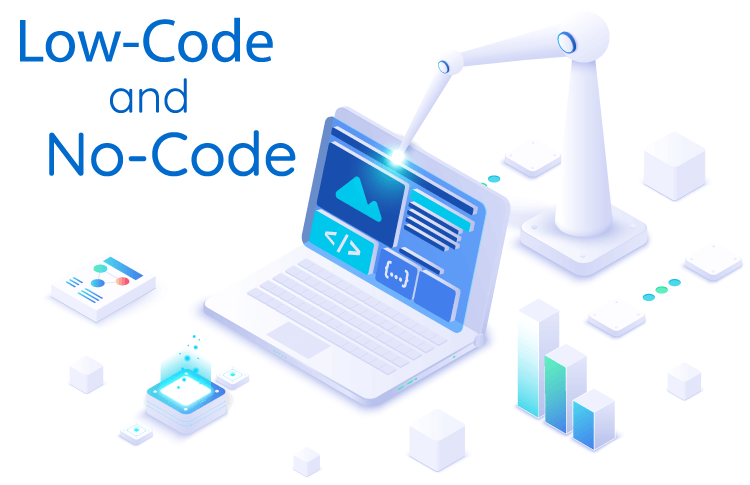
Last Updated on 5 months ago by Ahmed Usman Low-Code & No-Code in Healthcare: Transforming Digital Innovation Without Heavy Coding The healthcare sector faces fast tech changes, yet standard software methods tend to be sluggish, costly, or rely heavily on scarce IT staff. That’s why low-code healthcare platforms and no-code healthcare solutions are gaining ground in medical settings. Instead of coding from scratch, care centers can now create apps through visual interfaces. Automation becomes easier for routine tasks across clinics and health networks. With these platforms, teams design tools tailored to their needs, even without developer support. In this guide, we’ll look at what these systems are; then examine why healthcare relies on them. Real examples show where they’re used, highlighting advantages alongside obstacles. Finally, discover how such tools influence future advancements in health technology. What Are Low-Code and No-Code? Low-code and no-code platforms are software development tools that allow users to create applications with minimal or no coding. Low-Code Platforms Low-code solutions offer: Drag-and-drop interfaces Pre-built components Adaptation using simple coding These tools work well for creating simple low-code EMR software, hospital systems with minimal coding, low-code clinical software that requires less programming, also digital health products built quickly. No-Code Platforms No-code tools let people create apps through drag-and-drop screens or form creators, using automation features instead of code. These often serve to build: No-code telemedicine platforms No-code patient management tools for handling patients No-code EHR solutions No-code digital health tools for digital health Each method lets medical groups build systems more quickly while cutting costs compared to standard methods. Why Healthcare Needs Low-Code and No-Code Solutions? Healthcare faces distinct issues like strict rules, not enough workers, complicated processes, also ever-increasing patient information. Low-code and no-code tools solve these pain points by enabling: 1. Faster Digital Transformation Hospitals can skip long waits for software. Because of fast development, medical apps are built quickly through rapid healthcare app development. Teams now release tools in days, sometimes just a few weeks. 2. Reduced IT Burden Some medical centers don’t have big tech groups. Still, these systems let nurses and office workers create what’s necessary, without coding skills. 3. Affordable Technology Expansion Classic bespoke software comes at a high price. Meanwhile, low-code or no-code options cut expenses by around 60% to 80%. 4. Improved Workflow Efficiency Several medical centers continue using handwritten records. Yet digital health automation streamlines operations, cutting mistakes while boosting efficiency. 5. Better Patient Care Digital health tools help doctors save time, so diagnoses happen quicker; this boosts teamwork among staff while patients get healthier results. Healthcare needs better tech that adapts quickly, so low-code or no-code tools are now essential rather than optional. Book Your Free Marketing Consultation Key Use Cases in Healthcare Low-code or no-code tools open many practical options. Among the strongest examples are: 1. Electronic Medical Records (EMR) & Electronic Health Records (EHR) Hospitals may develop custom low-code EMR tools, while also designing no-code EHR systems that match their processes. 2. Telemedicine Applications Clinics might build no-code telehealth tools fast, using them for virtual visits, web-based booking, or e-prescriptions. 3. Patient Management Systems Create simple digital tools without coding: Manage appointments through automated reminders Use dashboards to handle check-ins instead of manual logs Streamline payments via integrated invoicing systems Enable messaging features for smoother conversations between visits 4. Hospital Management Tools Low-code hospital management system simplifies creating hospital tools for admissions, also streamlining how staff are assigned. It supports pharmacy monitoring while improving control over supplies. Systems become quicker to deploy due to reduced coding needs. Each function integrates smoothly without complex programming. 5. Clinical Decision Support Tools Using simple coding tools, healthcare groups build logic-driven apps that help physicians decide on diagnoses or therapies. These systems guide medical choices via automated rules instead of complex programming. 6. Digital Health Automation Healthcare workflow automation includes: Lab reporting workflows might use digital tools to run automatically Insurance claim steps could operate via tech solutions Triage setups may function through system automation Discharge summary tasks can work using smart software 7. Custom Mobile Apps Groups may create phone tools for nurse checks through healthcare app development, handling equipment, gathering patient opinions, or sharing messages inside departments. 8. Data Dashboards & Analytics Low-code platforms can integrate real-time data to provide dashboards for hospital administrators. These examples reveal how simple and strong low-code or no-code platforms are within today’s medical setups. Benefits for Healthcare Organisations Adopting low-code and no-code tools offers major advantages: 1. Speed Companies may develop software ten times quicker by leveraging fast medical application builders. 2. Lower Cost Less demand for big coding groups or costly tailored programs. 3. Customization Hospitals may adapt tools to fit how they work rather than reshaping routines around programs. 4. Empowered Staff Non-tech team members are able to build digital health solutions addressing actual needs, using simple methods or practical approaches, to reach meaningful outcomes. 5. Easy Integration Many platforms work well with current health tools, such as EMRs or labs, and also connect to hospital records. While some link directly, others need minor adjustments; each setup varies by site. Compatibility depends on structure, yet most adapt without major changes. 6. Better Patient Experience Faster service comes through automation; better care follows clearer communication. 7. Scalability Applications scale smoothly when businesses expand, while updates roll out without hassle. Challenges & Considerations of Low-Code and No-Code Though strong, these tools bring difficulties too, yet they’re useful despite drawbacks. However, issues arise alongside benefits; still, people keep using them regardless. 1. Data Security and Privacy Medical services deal with private details. Firms need to confirm systems meet HIPAA rules, follow GDPR standards, or adhere to regional laws. 2. Limited Customization in No-Code No-code solutions might limit advanced app features. 3. Vendor Lock-In Some platforms limit moving data or apps to different systems, migration becomes a challenge due to restrictions built into the design. 4. Need for Basic Training Although programming isn’t necessary, employees must learn how to build smooth processes, through
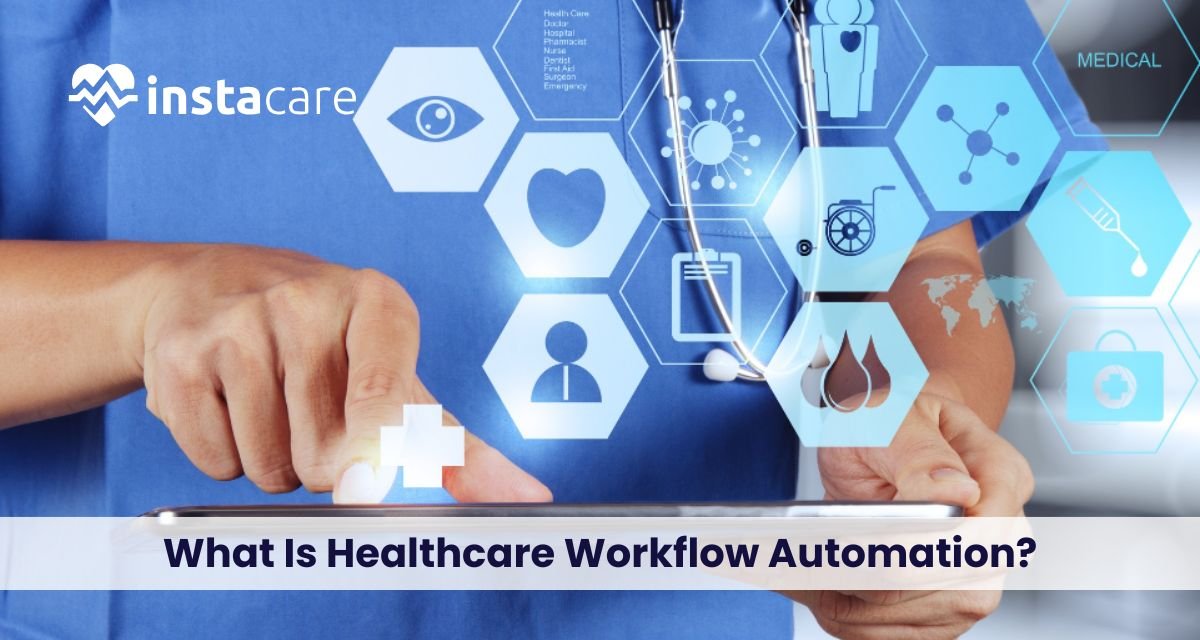
Last Updated on 5 months ago by Ahmed Usman What Is Healthcare Workflow Automation? Healthcare changes fast as digital tools improve how patients are treated and systems run. Among key advances, automating workflows stands out by simplifying tasks across hospitals, clinics, or health networks. When these automated healthcare processes are used, staff spend less time on paperwork, make fewer mistakes, and meanwhile dedicate greater attention to individuals needing care. With tools like automatic booking and electronic records management, clinics use these systems to boost precision, efficiency, and patient results. Knowing their advantages, tech setup, or real-world uses helps medical organizations adapt during digital transformation in healthcare. What Is Healthcare Workflow Automation? Healthcare workflow automation means applying tools to simplify routine, lengthy duties across medical and office settings. This includes activities like signing in patients, setting appointments, handling test results, processing payments, also organizing treatment plans. Using automation in healthcare helps hospitals cut mistakes while freeing up employee hours; this also boosts how patients feel about their treatment. Tools such as systems that organize hospital duties or refine clinical workflow automation offer clear methods for handling workflows, each part of care stays on track without gaps. Why Healthcare Workflow Automation Matters? Healthcare systems involve many teams, plus different people working together. Outdated methods often take more time, carry mistakes, or demand extra effort. Digital tools help manage tasks better through smarter organization Lessening paperwork tasks for healthcare workers. Enhancing patient happiness by streamlining clinic processes via digital tools. Enhancing operational efficiency and cost-effectiveness. Meeting rules through precise records or verified logs. Hospitals using automated appointment scheduling may speed up treatment, reduce wait times, leading to better patient results through streamlined workflows. Examples of Healthcare Workflow Automation Examples of real-world uses are: Automated appointment scheduling: Patients pick, shift, or skip visits online, less pressure on office staff. EMR workflow automation simplifies handling digital patient files, improving consistency while supporting access between teams through integrated systems that reduce errors over time by maintaining updated information without delays during transfers from one unit to another. Automated medication handling helps give the right dose at the right time, boosting care reliability. These tools reduce mistakes by streamlining delivery schedules through digital oversight. Billing plus insurance tasks get easier, fewer mistakes in codes, claim handling, or balancing payments thanks to automation. Lab and diagnostic processes get automated, test requests move smoothly, outcomes reach doctors quickly, while warnings pop up when needed. These cases show how healthcare automation tools improve medical tasks as well as office work, leading to smoother operations in hospitals. Technologies Used in Workflow Automation Modern healthcare automation relies on various digital technologies: Robotic Process Automation (RPA) handles routine jobs like entering data or creating reports by using software bots that mimic human actions. These tools follow set rules to complete tasks quickly without manual effort involved in daily operations across departments. Artificial Intelligence, along with Machine Learning, aids in forecasting trends, assessing patient risks, or improving clinical choices. Cloud computing allows safe storage while making patient files easy to reach. It supports business information access through digital systems instead of physical servers. Data stays protected yet available when needed across locations using network connections. Integration platforms link various hospital systems, enabling smooth interaction between units through unified data exchange. Apps on phones or online help streamline how patients are managed, also supporting distant healthcare delivery. These tools work together, creating a full system that supports change in health care through digital means. Book Your Free Marketing Consultation Key Areas Where Automation Delivers the Biggest Impact Automation impacts various hospital workflow management tasks differently: some areas improve quickly, others change slowly, while certain processes adapt over time through gradual shifts in workflow standards Medical workflow optimization simplifies how patients are registered, cared for, and tracked, using smart tools that reduce manual steps while improving accuracy across departments by connecting data smoothly between stages. Healthcare operations automation: Optimizes administrative functions, including staffing, inventory, and billing. Healthcare task automation boosts productivity by handling routine work, cutting mistakes while allowing workers to focus more on patients through streamlined processes that replace manual efforts with reliable systems operating consistently over time. Patient workflow automation: Enhances record accuracy, accessibility, and compliance with healthcare regulations. Hospital process automation: makes scheduling easier, cuts missed visits, boosts patient happiness through smoother rescheduling plus reminders. Focusing here helps hospitals improve results while boosting daily performance. How Healthcare Workflow Automation Works? The process of automating hospital workflows generally follows these steps: Process mapping: spot recurring tasks that often fail, then pick ones fit for automated solutions using logical workflows instead. Install healthcare workflow software that work with current hospital tech platforms. Task automation: Apply software to manage appointments, alerts, medical records changes, payments, also post-visit checks. Monitoring plus analytics help measure results, check patient feedback, also assess how well systems work. Keep improving: adjust processes by using data insights along with input from employees and those receiving care. Through consistent automation, healthcare facilities may improve operations without compromising treatment standards. Role of AI in Improving Healthcare Workflows AI helps improve how healthcare tasks are managed. These systems streamline processes through smart technology Predict hospital intake while adjusting team shifts accordingly. Detect irregularities in patient files, enabling quicker choices. Help manage hospital operations through suggested distribution of resources. Streamline healthcare tasks through guidance on difficult diagnoses, using smart tools that help professionals choose next steps. Instead of manual checks, systems suggest actions based on patient data patterns. Analyzing big data helps boost performance while enhancing care results. Smart systems using artificial intelligence, alongside automated health tools, help clinics respond faster and work better. Conclusion Medical centers now use smart systems to manage daily tasks more smoothly. Thanks to digital tools, services become faster while mistakes drop sharply. Staff perform better under less pressure thanks to streamlined routines. Systems like automatic records handling or booking appointments save time as well as money. Putting money into digital upgrades helps clinics stay ahead, yet improve care quality.
Last Updated on 5 months ago by Ahmed Usman How Digital Health is Shaping the Future of Medicine? The medical industry is experiencing a radical change, which is brought about by the Telemedicine advancements. Digital tools are transforming the experience and delivery of medicine, whether it is in patient care or hospital management. Knowing the trends in digital health is important to the providers, policymakers, and patients to move through this changing environment. Digital health is a combination of technologies, data analysis, and communication systems aimed at enhancing access, quality, and efficiency of healthcare. The future of healthcare technology will ensure that hospitals and clinics provide quicker diagnoses, treatments tailored to each person, and constant checkups to build a patient-centred healthcare system. What is Digital Health? Digital health is defined as the application of the use of digital technology to improve health care delivery and administration. It includes an extensive set of tools, starting with the telemedicine platforms and wearable devices and ending with AI-based diagnostics and electronic health records (EHR). Digital health has the primary aim of enhancing patient outcomes in addition to streamlining clinical operations. In comparison to traditional healthcare which has been largely based on the traditional face-to-face communication, digital health incorporates virtual health models, remote patient care, and mobile apps to ensure patients and providers remain constantly in touch. Key Components of Digital Health The most important elements of the digital health ecosystem are a combination that promotes efficiency, innovation, and patient-centered care. Evolution of Telemedicine: Remote visits enable patients to meet providers at any time and save them time on the road and enhance access to care. AI in Healthcare: Artificial intelligence assists with diagnostics, predictive analytics, treatment planning, and automation of administration. Remote Patient Monitoring: Sensors and devices that monitor patient health in real time allow preventive actions and chronic disease treatment. Electronic Health Records (EHR): Centralized records of patients enhance sharing and coordination of information and accuracy in the health care systems. Digital Therapeutics: Evidence-based computer applications control disease prevention, management, and rehabilitation. Health Data Analytics: Aggregation and analysis of patient data gives information on improved clinical and operational decisions. Combining these parts, a full-fledged patient-oriented digital care model will be created that enhances efficiency, accuracy, and accessibility. Key Stakeholders in Digital Health The healthcare innovation ecosystem is a diverse group of stakeholders that help to introduce and achieve success of digital health initiatives. Patients: The primary beneficiaries of digital health by having wearable technology, apps, and virtual care. Healthcare Providers: Hospitals, clinics, and individual practitioners who utilize technology in order to enhance service delivery. Technology Developers: Firms developing AI algorithms, computer programs, applications in mobile devices and medical devices. Pharmaceutical and Biotech Firms: Incorporating digital therapeutics into treatment and assessing drug effectiveness. Insurance Companies: Use Data to streamline the claims, risk management and enable telemedicine reimbursements. The idea of successful cooperation between these stakeholders will guarantee a successful digital transformation in healthcare that will produce tangible benefits to both patients and providers. Book Your Free Marketing Consultation The Flow of Value in Digital Health With the introduction of digital tools, the value flow in the healthcare sector has changed considerably. The providers can now predict the needs of the patient and act early instead of responding to them. Wearable, remote patient monitoring, and health data analytics data is processed through EHR systems and can be used to make predictive insights and customized care. The diagnostics and healthcare automation with the help of AI are used in hospitals to optimize the workflow, minimize errors, and increase patient satisfaction. Challenges in Digital Health Regardless of the potential, digital health has a number of challenges to overcome to be embraced by many: Privacy and security: Sensitive patient information mustn’t fall into the hands of hackers. Interoperability Problems: A large number of the systems are unable to interact with each other and impede the flow of data. Digital Literacy: Knowledge on how to use digital tools in a manner that is effective should be trained to both the patient and the providers. Regulatory barricades: Adherence to changing health technology regulations may hamper it. Cost Constraints: Costs of early technology adoption by hospitals and clinics may be high. These challenges need to be addressed in order to achieve the full potential of future of healthcare technology and secure sustainable use of digital health. The Role of Technology and Digital Transformation Digital transformation in healthcare exploits the use of advanced technology to improve the care of patients and operational effectiveness. AI algorithms can help to diagnose diseases with great precision, whereas digital therapeutics offer remote treatment. Telemedicine services lessen geographic boundaries and mobile health (mHealth) applications involve the patients when it comes to health management. Also, wearable health devices offer sustained monitoring, producing real-time data, which can be used to make clinically-related decisions. The combination of EHR and analytics will facilitate a smooth flow of information among providers and minimize errors and redundancies. It is a technology-based solution that changes the concept of healthcare delivery to a proactive, information-driven, patient-centered digital care system, with clinical decisions based on the information obtained through live data analysis. Opportunities for Optimization Digital health is associated with many opportunities to streamline healthcare delivery: Diagnosis with AI: Diagnosis will be quicker and more precise. Expansion of Telemedicine: The expansion of care to remote and underserved groups. Predictive Health Analytics: The early detection of risk factors to preventive actions. Integrated Digital Platforms: Connecting EHR, wearable to patient apps to enable data flow. Remote Care Solutions: Virtual care models and post-discharge follow-ups: chronic disease management. Automation of Administrative Processes: Release of clinicians to work on patient care with healthcare automation. These measures would lead to efficiency, cost reduction, and patient satisfaction, as well as create a continuous advancement in healthcare. The Future of Digital Health Medicine of the future is becoming more
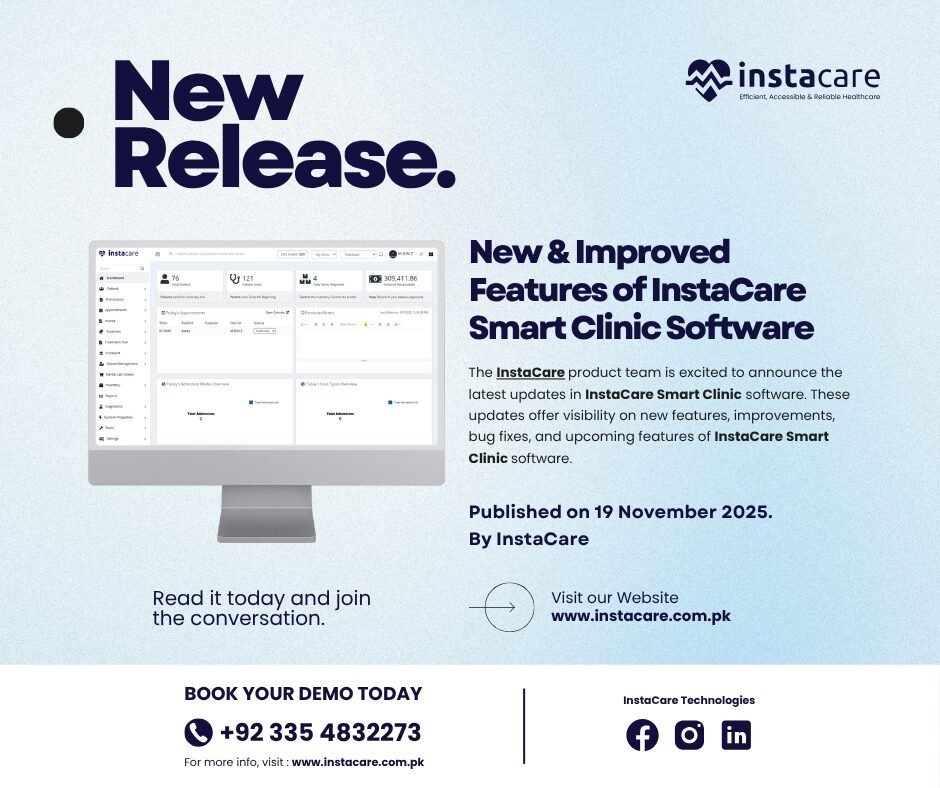
Last Updated on 5 months ago by Ahmed Usman The InstaCare Product Team is pleased to announce the latest updates to the Coremedix software. These updates provide enhanced visibility into new features, performance improvements and enhancements designed to make your clinic management experience even smarter and more efficient. Improved Features of InstaCare Cormedix Software Invoices Appointments Visits In-Patient Clinical notes Diagnostics Treatment plan Prescription Expected Features InstaCare Cormedix Software in the next update Whatsapp integration Feature Meet & Greet & Have a Cup of Coffee If you want to have a cup of coffee with our team, schedule a visit with us at InstaCare Head Office in Lahore, Pakistan.
Last Updated on 5 months ago by Ahmed Usman Telehealth Training 101: A Beginner’s Guide for Medical Students The growth of online healthcare has turned telehealth into a key piece of today’s medicine. Because of it, doctors can treat patients from a distance through video chats or smartphone apps. As a result, medical students must now learn telehealth training for medical students, which is central to their training in digital health. As telemedicine grows globally, learners require organized instruction to develop basic telehealth abilities, such as online consultations, using digital tools, while managing clinical processes efficiently through guided practice. What is Telehealth Training 101? Telehealth Training 101 is never a single standardized course. Still, it is often used as the generic name under which numerous organizations (including the California Telehealth Resource Center (CTRC) and the Northwest Regional Telehealth Resource Center (NRTRC)) provide introductory training resources that outline the basics and best practices of providing medical care remotely through the use of technology. These orientation programs are generally supposed to prepare health practitioners with the background information they need to utilize and apply telehealth in their practice properly. Understanding telemedicine workflow Getting used to doing medical checks online Familiarity with basic telehealth tools Building abilities in online health talks Training modules usually feature web-based skill practice, scenario exercises, or live instructor feedback. Such courses help learners handle actual situations without compromising care standards or conduct. Key objectives of the introduction to telemedicine for students include: Improving how doctors talk to patients online Guaranteeing precise information gathering from a distance Understanding rules plus morals in online medical talks Finding out how telemedicine systems work, also exploring useful software options Various Telehealth Technologies Telehealth technology basics use various digital tools along with online systems. To deliver proper care, students need to adapt to such technology Video Conferencing Tools – Zoom, Microsoft Teams, and dedicated telemedicine tools and platforms Electronic Health Records (EHRs) – Systems for storing and accessing patient data remotely Remote Monitoring Devices – Wearable devices, home diagnostic kits, and patient portals Mobile Health Apps – For appointment scheduling, messaging, and patient engagement AI & Decision Support Systems – Assist in diagnosis, triage, and patient education Familiarity with these tools forms a core element of telemedicine learning, also vital for today’s healthcare delivery. Key Skills for Telehealth Consultations Future doctors need certain abilities to do well in online appointments: different tools help them connect clearly with patients using tech platforms designed for remote care Telehealth communication skills mean explaining things clearly. Also, paying attention when others speak matters a lot. At the same time, understanding how people feel helps build trust Clinical Reasoning Remotely – Interpreting patient symptoms without physical examination Skilled in managing video meetings, programs, or troubleshooting systems without hesitation Documentation Skills – Accurate recording in EHRs during virtual visits Managing time well, handling visits smoothly while covering every health question Learning these abilities allows learners to manage online clinical skills training well, also boosting care recipient approval. Telehealth Etiquette and Best Practices Being professional matters a lot when doing telehealth. Students should follow telehealth etiquette and professionalism rules for proper behavior during virtual care sessions. This includes acting appropriately on camera while representing themselves as future healthcare providers Dress suitably; keep your backdrop neat during video meetings Keep patient details private while using secure methods in online meetings Express ideas plainly; skip complex terms Verify who the patient is before beginning the session Adhere to the organized telemedicine workflow training phases Reply quickly to questions or notes Such methods support reliability while maintaining secure, fair, plus functional distant treatment. Book Your Free Marketing Consultation Challenges and Limitations Although telehealth provides several advantages, it brings certain difficulties Limited Physical Examination – Some conditions require an in-person assessment Connectivity Issues – Poor internet can affect consultation quality Patient Technology Literacy – Not all patients are comfortable with digital tools Data Security Concerns – Maintaining confidentiality is crucial Regulatory Barriers – Different countries have varying telemedicine laws Knowing these limits matters so learners can deliver proper care in distant areas, which means being aware, prepared, yet cautious at each step. While telehealth skills for beginners are key, judgment plays a bigger role when help isn’t nearby. Telehealth in Medical Education Telehealth is becoming more common in medical training. While some schools add it through digital health education for medical students, others include live virtual sessions; both methods teach students how to conduct virtual clinical exams. Curriculum updates now reflect this shift, preparing future doctors for digital care settings Getting started with remote healthcare for learners: Telehealth learning modules Interactive online medical assessments Simulated teleconsultations Online case discussions Digital health ethics and compliance These units let learners apply telemedicine best practices for students effectively, preparing them for real-world placements as well as evolving online health settings. Future of Telehealth Telehealth could change how care is given. Coming shifts involve: AI-assisted Consultations – Helping in triage and diagnostics Wearable Devices – Continuous monitoring of vital signs and chronic conditions Global Telemedicine Access – Connecting patients in remote areas with specialists Enhanced Training Platforms – Virtual reality simulations for clinical skills Integration with Traditional Care – Combining in-person and remote care seamlessly Future doctors who learn telemedicine can adapt easily to new tech, also deliver strong care online. Conclusion Telehealth education has become essential for future healthcare workers. Gaining basic telehealth competencies gives learners technical know-how, digital confidence, plus effective interaction techniques suited to today’s care environments. Through virtual patient consultations training, learners gain confidence in digital health tools. Because they train with simulated patients, they adapt more easily to real-world demands. While working through virtual cases, their decision-making improves under pressure. As workflows are practiced repeatedly, efficiency grows naturally. Since technology changes fast, this preparation matters more than ever. When guidance is clear, students perform better across settings. FAQs 1. What is telehealth training for medical students? Telehealth training for med students means learning to run online visits through organized courses. These classes
Last Updated on 5 months ago by Ahmed Usman Psychometric Software: The Future of Smarter Hiring and Talent Assessment In a tough job scene, spotting the right person isn’t just about CVs or chat sessions. Companies now lean on psychology-based tools to speed up choices and boost precision in hiring. Instead of guessing, they tap into mental skills, character patterns, and how someone tends to act. These insights let bosses foresee how well a new hire might perform, or mesh with team vibes – making it easier to bring people on board who stick around longer. What Is Psychometric Software? Psychometric Software is a tech tool built to check someone’s thinking skills, character, and how they act. Instead of relying on gut feelings from chats, these systems give clear data points so hiring folks can choose wisely. The software usually comes with parts such as aptitude test software programs, psychometric assessment tools, talent assessment platform, or employee assessment software. These resources shift hiring away from hunches – turning it into something guided by actual numbers. How Psychometric Software Works? HR psychometric tools use step-by-step web quizzes. Test takers go through evaluations checking thinking skills, behavior patterns, or job-related strengths. After finishing, systems instantly review answers while producing detailed summaries. These reports point out what people are good at, where they struggle, plus how well they fit a job – so hiring teams can pick who to call back without second-guessing. Lots of tools link right into HR software, which keeps things moving smoothly while saving time along the way. Benefits of Using Psychometric Software Businesses using personality and skill tests tend to see a few solid benefits: Objective Decision-Making: cuts down on personal preferences getting in the way. Better role match: spots applicants who fit the job well – while also clicking with how the workplace vibes. Time and Cost Efficiency: cuts manual tasks by handling checks alone, so staff can focus elsewhere. Predictive Insights: Gives a heads-up on how well things might go over time, while also hinting at who’s likely to stick around. Beyond hiring, these psychometric test software for recruitment help shape team strategy, grow skills over time – while also tracking how people do at work; that’s why today’s HR groups can’t really go without them. Applications Across Industries Psychometric tools aren’t just for hiring. They’re used across many fields – education relies on them, healthcare applies them too; even sports teams use such systems now because they help understand behavior patterns better than traditional methods sometimes can Education: Figuring out how students learn best + what they’re good at. Medical teams: checking how workers interact + fit together. IT and tech: checking how well you solve problems plus think things through. Business: Steering the team along with preparing who steps up next. Retail plus hospitality: checking how well someone helps customers, also their people skills. With a clearer look at thinking skills and how people act, companies can choose wisely – not just for hiring but also when moving folks up, teaching new skills, or placing them where they fit best. Key Features to Look For While picking staff evaluation tools, think about: Adjustments: Lets you tweak tests based on job types or fields. Integration: Works well with hiring tools + HR software. Data Security: Keeps applicant details safe through coding tech plus meets legal rules. Scalability: Handles tiny squads or big company hiring – works either way. Reporting: Reporting gives straightforward insights through easy-to-read charts that help you make choices. Smart functions in employee performance assessment tool, such as real-time skill checks or performance tracking – add extra worth for hiring pros and people ops teams by making decisions easier. The Role of AI and Machine Learning A smart hiring tool uses artificial intelligence to study behavior trends, guess who’ll do well, yet improve tests gradually. Computer-based findings may spot top applicants by matching role needs with personal traits – also cutting down hidden prejudices. Using workforce analytics software alongside AI lets companies spot patterns, pinpoint top employees, while acting early on staffing choices. Cognitive and Behavioral Assessments A strong personality test software mixes mental ability checks with personality analysis – using one helps shape the understanding of the other, while each part adds depth through different angles Cognitive Ability Testing Software: cognitive ability testing software check how well you solve problems, use logic – also handle number-based thinking. Behavioral Assessment Software: behavioral assessment software checks character features, measures ability to lead – also shows how well someone fits within a group setting. These tests used side by side offer a full picture of what someone can do – also showing if they fit the job and how things work around here. Book Your Free Marketing Consultation Managing Assessments Effectively A web-based testing tool makes exam handling easier. Hiring managers set up various quizzes, follow updates live – then pull individual summaries using built-in reporting features. This cuts down on human mistakes, does away with paper checks, while keeping things uniform no matter the site. Online assessment management system let evaluations happen from afar – key now that hiring spans countries and mixes office-remote setups. Challenges and Ethical Considerations Though psychometric tools bring advantages, ethics still matter – because skipping them can cause real harm Data privacy: means keeping applicant info safe while meeting legal rules – also making sure systems protect details properly; this follows standards without sharing carelessly or storing weakly. Cultural bias: tests should work equally well for everyone, so they’re built without favoring any group.

Last Updated on 5 months ago by Ahmed Usman Loan Management System: Streamlining the Future of Financial Lending Technology in the fast-changing financial industry has changed the manner in which loans are being processed, traced, and controlled. The time of manual loan handling has passed, and today financial institutions have agreed to use automated systems which are accurate, efficient, and customer-friendly. A Loan Management System (LMS) is a key to this change. An LMS streamlines all the processes involved in loan origination, loan repayment monitoring and the lending process is quick, transparent and trustworthy. It does not matter whether you are a bank or a credit union or a microfinance institution, the trick towards smarter lending and sustainable growth is to have a loan tracking system implemented. What Is a Loan Management System? A Loan Management System refers to a specialized financial institution software that employs the complete loan lifecycle of a loan. It automates application intake, credit assessment, approval, disbursement and repayment tracking. Conventionally, managing loans used to entail manual keeping of records, paper work and human checking of records, all which was likely to cause delays and error. An online lending platform removes all these inefficiencies by automated digitization of all operations to provide a smooth and safe management of loan portfolios. An LMS has the ability to act as: An accessible and scalable cloud-based loan management system Repayment loan software on premise that allows banks to retain control over their data A microfinance loan software designed in micro lending organizations and cooperatives Key Functions of a Loan Management System A contemporary loan servicing software encompasses a number of key functions that make things easy: 1. Loan Origination The LMS simplifies the loan origination system flow – including customer registration and credit assessment, loan passage, and delivery. It provides the stability of decision-making based on pre-determined credit guidelines and analytics. 2. Loan Servicing After a loan is given out, LMS also takes care of the other continuous activities which include loan repayment tracking, calculation of interest on the loan, and rescheduling. This assists in keeping a good balance of payments and balances. 3. Customer Management The system keeps a digital record of the entire borrowers, their financial background, credit rating as well as history of communication with them making it easy to offer customized service. 4. Compliance and Reporting The strict legal and regulatory frameworks require financial institutions to comply with them. The LMS is automatic in generating reports and enforcing laws and data protection measures on loans. 5. Loan Portfolio Management An LMS enables lenders to track the efficiency of their loan portfolio management by providing real-time analytics to assist them in identifying risks and defaults and detecting growth opportunities early. Core Features of a Modern LMS An effective lending management software has high-performance tools that aim at optimizing the customer experience and efficiency. Here are some key features: 1. Workflow Management and Automation Under loan processing automation, tedious duties like data entry, verification of documents and routing approval are automated. This saves on the manual work and enhances accuracy. 2. Integrated Payment Systems The system is connected with online banking, digital wallets, and payment gateways so that the system operations in the loan collection management system are smooth and safe. 3. Cloud-Based Architecture A loan management system that is based on the cloud enables the financial institutions to view data at any time and any place. It facilitates remote access, real-time access, and scalability. 4. Risk Analysis and Credit Scoring The LMS will be connected to credit bureaus and its algorithms will be built using AI to determine the creditworthiness of a borrower, minimizing the risk of issuing credit to a risky client. 5. Customizable Dashboards All loan transactions including pending approvals and overdue can be tracked by managers and administrators using one dashboard. 6. Notifications and Alerts Email and SMS alerts are automated to remind customers about impending payments or outstanding loans and enhance the collection and customer satisfaction levels. 7. Data Security and Backup Having an inbuilt encryption and frequent data backups, an LMS guarantees total security against data invasion and information loss. Book Your Free Marketing Consultation Benefits of Implementing a Loan Management System Embracing an LMS provides financial organizations with a very diverse set of advantages, which do not necessarily mean operational efficiency. 1. Streamlined Operations Automation saves time and lessens the use of manual paperwork within the lending cycle by the institutions. Automated loan management makes it more productive and accurate. 2. Better Decision-Making With the assistance of sophisticated analytical and reporting systems, lenders are able to make credible credit decisions and minimize the possibility of non-recovery. 3. Higher Customer Satisfaction Borrowers are able to easily access loans and monitor their loans and even paying them online making it convenient and transparent. 4. Cost Efficiency An automation will decrease the cost of administration, employee workload, and physical documentation, which results in savings in the long term. 5. Enhanced Compliance Audit trails and automated reporting make regulatory compliance easier and less time-consuming. 6. Real-Time Loan Tracking A centralized loan tracking system allows institutions to know all loans Real-Time to a minimum risk of oversight or fraud. 7. Scalability Cloud-based loan administration system will have the capacity to manage larger loan portfolios and customer bases with minimum infrastructure investments. Types of Loan Management Systems The various institutions demand various models of LMS solutions based on their lending models. 1. Bank Loan Management System Enterprise-level software is used by banks that interfaces with core banking systems to administer an extensive variety of loans – personal and home loans to corporate financing. A bank loan management system is crucial for large-scale operations. 2. Microfinance Loan Software This system is designed to serve small lending organizations and rural cooperatives and promotes group lending, microloans, and streamlined approval procedures. 3. P2P Lending Solutions These online lending companies match single lenders and customers and provide convenient rates and quicker loans using a digital lending platform. 4. Consumer
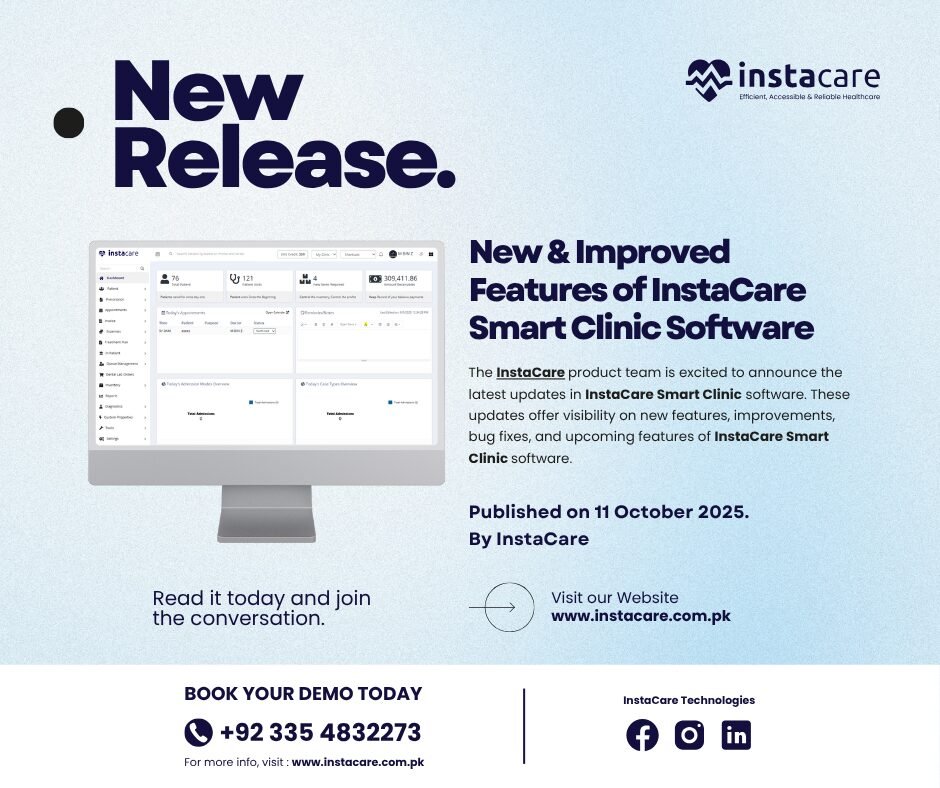
Last Updated on 6 months ago by The InstaCare Product Team is pleased to announce the latest updates to the Coremedix software. These updates provide enhanced visibility into new features, performance improvements and enhancements designed to make your clinic management experience even smarter and more efficient. New Feature of InstaCare Cormedix Software Advance Payment Module: The Advance Payment Module allows users to record, manage, and utilize prepayments made by patients against future invoices. This module ensures accurate financial tracking and automatic adjustment of advance balances during invoice creation. Feature / Enhancement New Permissions Added: Three new permissions added under Bills → Settings → User & Roles: – Advance Payment – Create – Advance Payment – View – Advance Payment – Print Pre-Payment Mode Check: New setting added in Invoice Module → Settings to enable pre-payment mode validation. Advance Payment Summary Tab: Introduced a new “Advance Payment Summary” subtab under the Invoice module for tracking advance payments. Payment Mode Update: Added “Advance” as a valid Payment Mode in system configuration. Advance Payment Addition: Users can add Advance Payment either from: – Advance Payment Summary → Add Advance Payment button – Invoice → Create → Advance Payment button Advance Payment Logic: Patient-specific Advance Wallet introduced. During invoice creation, balance is auto-fetched and adjusted. Only when balance is zero, other modes are enabled. Advance Payment Reports: Advance Payment Summary Report added under Reports → Financials. Ledger Management: Debit/Credit Ledger maintained for each patient in the Patient Advance Payment Details screen. Meet & Greet & Have a Cup of Coffee If you want to have a cup of coffee with our team, schedule a visit with us at InstaCare Head Office in Lahore, Pakistan.
Last Updated on 6 months ago by Ahmed Usman Understanding MRP Software: The Backbone of Efficient Manufacturing In today’s tough manufacturing world, being efficient isn’t a choice, it’s a must. Because of this, tools like material requirements planning software are stepping up, changing how factories handle output, stock, and supplies. This full walkthrough shows the real way MRP systems shake up daily plant operations. What Is MRP Software? Material needs planning tools are digital setups made to help handle factory work, figuring out what supplies are needed along with when things should be built. Starting back in the 1960s, this system has grown – not just counting stock anymore, but now linking various company operations through advanced planning tech. Today’s MRP setups act like the brain of factory work, handling tasks from buying supplies to shipping final products. Instead of simple stock trackers, they offer full-scale planning features that match available materials with what’s needed for making goods. This is the foundation of manufacturing resource planning. How MRP Software Works? MRP software runs using three key pieces of info: the master production plan, a list of parts, also known as bill of materials, along with how much stock is on hand right now. It crunches these numbers to figure out which supplies are necessary, the amount needed, plus when exactly they should arrive. The software keeps an eye on what’s needed for production, then triggers purchase orders once stock dips under set levels. Because it runs on its own, this automated inventory control system cuts out uncertainty while lowering mistakes people might make when buying supplies. Live tracking of production lets factories check the status of every order as it moves through manufacturing. When supplies come in, tasks advance, or products go out, the software changes itself instantly – giving a clearer look at how things run than ever before. This real-time production tracking capability is crucial for modern operations. Key Features of MRP Software Understanding MRP system features helps manufacturers make informed decisions: Demand Forecasting: A modern MRP setup uses prediction tools to study past numbers along with market shifts, spotting what materials will be needed later. By staying ahead, this demand forecasting software avoids running out of supplies while also keeping overstock low. Production Scheduling: Factories use manufacturing scheduling tools to line up tasks when materials, time, and machine limits fit. These programs juggle different demands so plans actually work in real life. Cloud Integration: Cloud-based MRP software is getting more common, letting people log in from any spot with a web connection. These options skip the need for costly gear, instead rolling out updates on their own and boosting protection over time. Inventory Tracking: Keeping tabs on inventory management in MRP isn’t just about counting stuff. It follows batch IDs, use-by dates, and approval papers – handles several storage spots without a hitch. Benefits of Using MRP Software The benefits of MRP software are clear and show real results: Cost Reduction: Most manufacturers see inventory expenses drop by 20-30% during the first year after setup. With better stock control, businesses unlock money once stuck in surplus supplies. Improved Efficiency: Work runs way smoother once scheduling tools fix hold-ups while boosting how materials and time get used. Firms see output jump 15-25% because tasks flow better over time. Better Customer Satisfaction: Happy customers come when makers keep hitting their delivery targets. With live updates on how things are being built, companies can set realistic deadlines while warning buyers early if something might take longer. Reduced Waste: Materials showing up right on time means less gets tossed by accident. This way of doing things slashes waste, cuts down on outdated stock, besides lowering space expenses – all while helping the planet without trying too hard. Book Your Free Marketing Consultation Challenges & Considerations of MRP Software Implementation Complexity: Setting up MRP software implementation needs clear prep plus solid team effort. This work usually takes many weeks, needing focused time for moving data, checking systems, or teaching staff. Initial Investment: Upfront expenses might run high, especially with full-featured setups. Still, compact small business MRP solutions come with low starting prices and abilities that expand as the business does. Data Accuracy Requirements: Getting the numbers right matters most – without accurate inventory, material lists, or how things are built, the whole setup falls apart. So teams need solid ways to handle and track that data. Change Management: Switching things up is tough. Workers used to doing tasks by hand might push back when new tools come in. Getting it right takes leaders who stand behind the change, while also giving teams solid practice sessions. Choosing the Right MRP Software Picking the best MRP software for manufacturing starts by clearly understanding your unique needs: Assess Your Needs: Think about things such as how much you produce, how intricate your products are, or what systems you already use and how they’ll connect. MRP vs ERP Consideration: When checking out MRP vs ERP, keep in mind MRP zeroes in on making products, whereas ERP covers more areas like money stuff, people management, and customer relations. A bunch of makers begin with MRP, then move toward full ERP down the line. Scalability: Scaling up is a big deal. Pick tools that grow with you instead of forcing a full overhaul later. Cloud MRP usually handles bigger workloads more smoothly. Vendor Support: How well a seller is seen really matters, also their ability to help when things go south. When setup hits snags – and it will – quick tech help plus solid guides make all the difference right when you need it most. Future of MRP Systems AI-Powered Forecasting: AI tools are changing how software guesses future sales. By studying huge amounts of data, they spot trends better than before, so businesses can stock smarter. These systems learn over time, adjusting predictions as new info comes in, which helps avoid overstock or shortages. IoT Integration: IoT links machines straight to MRP software, so live
Last Updated on 6 months ago by Ahmed Usman HCMS Software: Streamlining Healthcare Management with Smart Digital Solutions In the modern day technological world, healthcare institutions are ever-changing, in a bid to better patient care, operational effectiveness, and data security. Without the help of computers, it may be difficult to manage a lot of clinical and administrative data. It is at this point that a superior healthcare content management system. The HCMS software is meant to support clinic workflow, patient records, and administrative records in a well-organized manner to ensure that hospitals and clinics run smoothly without failing to satisfy the regulations and patients. What Is HCMS Software? HCMS in healthcare can be defined as a unified digital platform that handles, structures, and safeguards healthcare-related data, records and processes. It is a centralized solution that links different departments of a hospital, including admissions and billing, diagnostics and patient management. Hospital content management software is unlike the traditional manual system which makes sure that data is readily available in real-time improving the flow of information within the hospital and enabling healthcare professionals to make decisions based on data. It combines various healthcare operations such as patient records, scheduling and document storage into a single system. Core Features of HCMS Software A good hospital information management software would have all the tools needed to streamline all the complicated activities. Common features are usually: Centralized Data Repository: A repository that holds all the patient, administrative and clinical data in a secure central repository. Medical Document Management Software: Facilitates the simple storage, retrieval and sharing of medical documents. Automation of Workflow in Healthcare: Automation of monotonous activities like scheduling appointments, billing, and reporting. Electronic Health Record Integration: Integrates patient information across multiple systems to form a single medical record perspective. Healthcare Compliance Management: Provides compliance with both local and international healthcare rules. Patient Record Management System: Keeps proper and updated patient records, laboratory tests, and treatment. Healthcare Data Management System: Sorts data analytics, reporting, and insights on performance improvement. The features enable the healthcare facilities to provide quality services and ensure transparency and control of their operations. Benefits of Implementing HCMS Software The benefits of HCMS software are quite many and have a direct impact on the clinical productivity and patient satisfaction. Improved Efficacy: healthcare workflow automation lowers paperwork, decreases administrative lag times and liberates personnel to attend to patients. Greater Accuracy: Digital data management has low chances of error in patient records and billing by humans. Real-Time Data Access: Anywhere, clinicians can have access to patient histories, lab results, and medical reports. Data Protection: Sensitive patient information against unauthorized access and breaches is guaranteed with medical data security software. Regulatory Compliance: Inbuilt tools assist hospitals to remain in line with the data protection laws as well as the healthcare privacy laws. Cost-Effectiveness: Eliminating manual operations and records decreases the cost of operations in the long run. Improved Patient Experience: Reduced registration time, fast access to medical history, and smooth appointment management increase the level of patient satisfaction. These advantages demonstrate that the use of digitalization in the form of HCMS has a great influence on the delivery of healthcare services. How HCMS Software Works? HCMS software works on the principle of linking all the elements of the ecosystem of a healthcare facility into a single digital network. When installed, it integrates patient records, medical records and administrative data in a central repository. Employees are then able to access and update information with authorized interfaces and there is the smooth flow of information between the departments. Once a patient enters into the hospital, all the data of the patient is stored in the patient record management system that is automatically updated in other modules, like billing and lab records. The electronic health record integration option will make sure that the patient information provided by other healthcare systems is aligned. All in all, the workflow automation process decreases redundancy, increases accuracy, and contributes to the evidence-based care decision. Choosing the Right HCMS Software The choice of the best system is dependent on your size, budget and operational needs of your organization. Healthcare facilities must focus on scalability, ease of the user interface, and support by the vendor when selecting cloud-based HCMS solutions. The deployment of cloud means that the information of multiple branches can be accessed in real-time, which is perfect in large healthcare networks. The main issues to consider are: Integration with pre-existing healthcare IT solutions. Security and certification certifications. Simple connection with third-party tools and databases. After sales technical support and training. Flexibility in customization as per the departmental requirements. Careful choice of a solution will guarantee the adoption process is smoother and efficiency will be increased in the long term. Use Cases Across Healthcare Sectors The HCMS software is useful in different fields of healthcare, including small clinics and large hospitals and research centers. For example: Hospitals: HCMS can be used to schedule, centralize data, and analyze performance. Clinics: Enjoy ease of appointment and billing services. Laboratories: Store test records, reports and compliance documents electronically. Pharmacies: Pharmacy is tracking inventory and prescription data. Public Health Organizations: Population health analytics and policy development. This flexibility renders HCMS unavoidable throughout the healthcare ecosystem. Book Your Free Marketing Consultation Future of HCMS Software The future of HCMS software is in the further digital revolution of healthcare. Predictive data analysis, disease forecasting and personalized treatment planning are all fields that artificial intelligence (AI) and machine learning will make significant contributions. Real-time data monitoring of patients will also continue to increase, as more Internet of Things (IoT) devices are integrated to provide even more opportunities to monitor the patient. In addition, the increasing need of IT-related solutions in healthcare will promote the interoperability of hospitals, clinics, and telemedicine platforms, which will allow adhering to a single approach in care delivery. Challenges in