
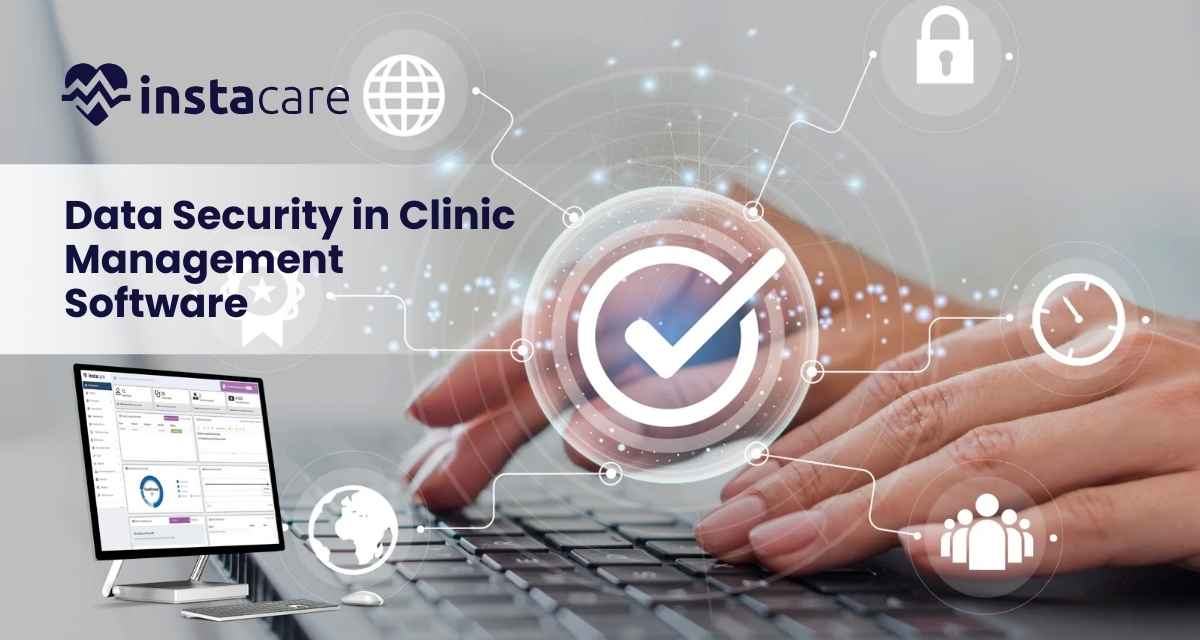
Data Security in Clinic Management Software: Best Practices For 2024 The advancement of healthcare appears to be happening at a constant pace. The safety of patient data is a worry that appears to be established in each and every one of us. The usage of clinic management software in the modern day requires even stronger protection of personal data. The best techniques for data security in clinic management software in 2024 are covered in this blog. Why Data Security? Data security is an important aspect of clinic management software since it protects sensitive and private patient data, including billing information, personal information, and treatment histories. Such hacking might put them in trouble or occasionally even result in more significant legal concerns like fraud or identity theft. Strict security in hospitals is now essential for building patient confidence as well as maintaining a hospital’s good reputation. It is no more merely a government or administrative duty. New Type of Cyber Attacks Health care organizations are being targeted by extensive cyberattacks; therefore, it is important to be informed about these threats and request a suitable solution in a timely manner. Examples of these devastating risks that affect clinics are ransomware, phishing scams, and data breaches. Best Practices to Ensure Data Security in Clinic Management Software Implementation of Strong Authentication Mechanisms Multi-Factor Authentication (MFA) The requirement to “implement MFA” adds an additional degree of protection and may be the most widely held misconception regarding security control of any kind. Users will now need to go through an authentication procedure that requires two or more factors, including a password and a temporary code that the mobile device receives, in order for it to access data. Password Policies Establish strict guidelines for complicated, strong, and frequent password changes. This includes advising password users to use a combination of letters, numbers, and special characters. Implement Comprehensive Encryption Protocols Encrypt the Data at Rest and In Transit All patient data, whether it be stored, in motion, or in transit (transmitted), should be secured. It will stop any unlawful entry if the attacker manages to intercept it or have access to it. Encryption Standards Employ modern encryption standards, such as AES-256, which is currently regarded as one of the safest encryption algorithms. Software Updates And Patches: Update Regularly With The Latest Patches On The Software. Rapid Upgrades Install the most recent patches and upgrades for the clinic management software and any other related systems. Most of the time, this has even included security updates to stop newly found weaknesses. Automated Patch Management Using automated patching management technologies guarantees that security fixes are applied immediately and even lower the possibility of human error. Book Free Demo Regular Security Audits Vulnerability Assessments In order to recognize and eventually remove any security risks, this needs to be done on a regular basis. It needs to be done by people who are sufficiently skilled to provide useful advice. Penetration Testing To truly prove the effectiveness of your security measures, do periodic attacks that replicate the effects of cyberattacks. Train and Educate Staff Security Awareness Training Organize regular training for all the staff, and brief them on best data security practices, phishing, and dealing with confidentiality. Staffs are mostly on the front lines first in preventing any breach of security. Prudent Security Policies Data security policies and procedures vary; it ensures that everybody knows what they should be doing in the protection of patient information. Role-Based Access Control (Rbac) Least Privilege Principle Implement access based on the least privilege principle while allowing permissions as employees may be reached only by those data that are specific to their role. Review of Access Periodically Review and update permission granted to access data on a periodic basis due to role changes and staff departures. This way, employees can never access any information they shouldn’t. Regular Data Backup Automated backup There should be automatic backup systems that result in periodic automatic backup of clinic data. This implies that there should exist periodic activity, even daily or every few hours depending on the volume of clinic data and clinic needs. Safe Off-site Storage Store the back-up at a safe location. Off-site, cloud-based with high-level security is best, so it will be protected in case of physical damage or theft. Incident Response Plan Should Be Fully Developed Incident Response Team Assemble an incident response team focusing on security breaches and the breach of data, so as to tend to data breach incidents. Ensure that the team gets training along with the necessary resources to carry out timely service. Response Procedures Identify and formulate comprehensive procedures about detecting, documenting, and responding to security violations. Ensure that such procedures are reviewed and improved continuously to know the most recent emerging threats and lessons learned from the consequence of previous incidents. Implement Advanced Security Technologies IDS Scans network traffic for intruder attempts. The administrators in real time identify it at any suspected security breach. Firewalls and Antivirus Tools Have strong firewalls and antivirus software that guard one against hacking attempts and the entrance of viruses, Trojans, etc. Tools should be updated on regular basis. Follow Norms of Regulations HIPAA Select clinic management software that has compliance with legal regulatory standards such as HIPAA or Health Insurance Portability and Accountability Act. That way, it would definitely ensure a data security measure meeting the standard in that industry. Other Data Protection Laws Learn and put into practice any other law that has information protection applicable to your jurisdiction, such as the General Data Protection Regulation of the European region called the GDPR. Conclusion Data security in clinic management software is a worry as the healthcare industry develops and advances. As a result, the healthcare provider will have a strong security posture, patient data protection, and continuing trust. A effective data security plan has been built on the foundation of quarterly updates, employee training, and respect to regulatory standards. Thus, adopting it will safeguard confidential data, and your clinic management application will continue to
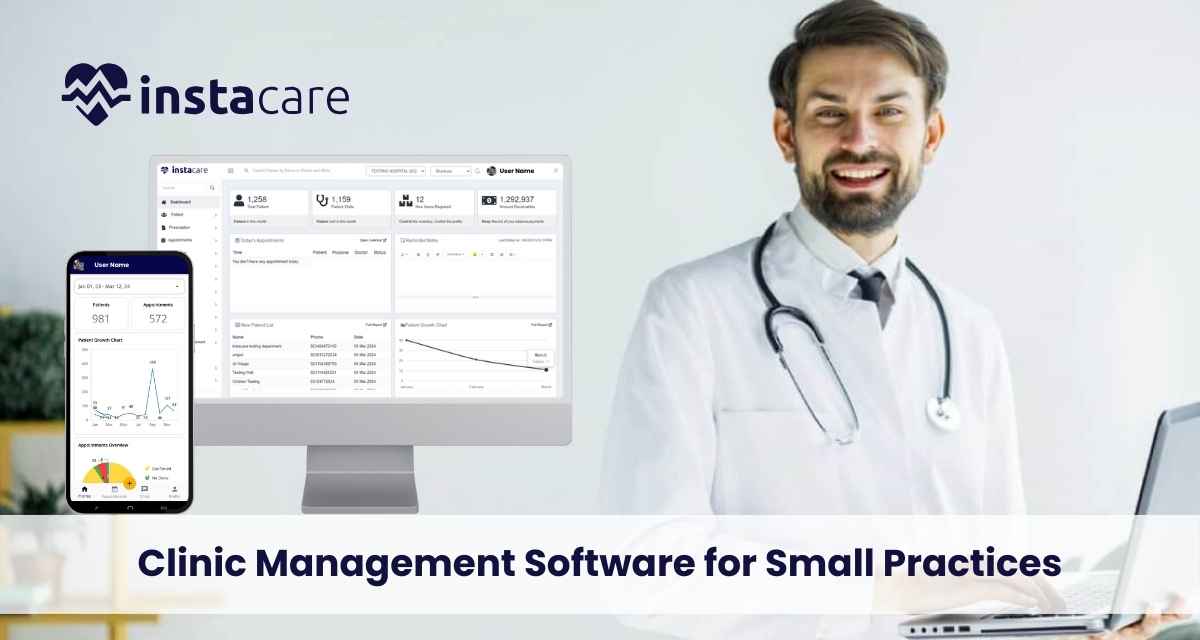
Guide to Choosing the Right Clinic Management Software for Practices As the health world keeps changing, small medical practices continue to adopt technologies that help them streamline their activities and improve patient care, therefore generally raising overall efficiency. Clinic management software acts as one important tool through which a small practice can manage everything from scheduling and billing to EHR and telemedicine. Choosing the appropriate clinic management software is a well-thought-out decision, perhaps, which will determine the functionality and success of the practice. This comprehensive guide is in place to outline the core factor for consideration and steps that are to be undertaken while choosing an appropriate clinic management software for small practices. Understanding Clinic Management Software The clinic management software was basically designed to manage, automate, and integrate various facets of operations concerned with clinics. It normally consists of modules related to the management of the patient, appointment scheduling, billing, electronic health records, and other advanced functions such as telemedicine and practice analytics. The main intention behind this type of software is to ease administrative tasks, minimize manual errors, and enhance the care provided to the patients. Key Features to Consider Patient Management The core function of any clinic management software is patient management. It should enable users to perform all-purpose management, creation, and maintenance of patient information: demography, medical history, allergies, treatment plans, and so on. Find ease of use in software with a user-friendly interface where viewing and updating of patient records is an easy task. It must be integrated with EHRs so that the exchange of patient data goes smoothly between them. Appointment Scheduling It is necessary for the system to provide for efficient appointment scheduling to ensure that there is good workflow and satisfaction for the patients. Therefore, the software should have a user-friendly scheduling system in which staff would easily book, reschedule, and cancel appointments. In relation to this, features to look at include: automated reminders through email or SMS, options for self-scheduling by the patient, and calendar integration that may help avoid double-booking. Billing and Coding In effect, correct billing and coding are essential for sound financial health and compliance. The software should provide electronic submission of claims, auto-suggestions for coding, and integrated relations with insurance providers. Furthermore, strong reporting functionality will allow you to track revenue, manage claims denials, and ensure timely reimbursement. Electronic Health Records (EHR) EHR functionality is a cornerstone of modern clinic management software. It needs to allow the creation, storage, and management of patient records in digital format, with facilities for custom templates, integrations with other health systems, and recording means for clinical notes, prescription, and lab results. The module also needs to be compliant with relevant regulatory standards, such as HIPAA. Practice Management and Analytics Advanced practice management may afford a wider view of critical insight into the functions of a clinic. Analytics software may allow for tracking of key performance indicators, or KPIs, such as patient volume, revenue per visit, and appointment no-show rates. This provides insights toward well-informed decisions and points out areas where improvement needs to be done. Book Free Demo Telemedicine Integration Telemedicine has increasingly become an important aspect of healthcare delivery. If your practice is offering or intending to offer telehealth services, then select software that is compatible with the working of telemedicine platforms. The feature list should include video conferencing, remote patient monitoring, and secure lines of communication. User Interface and Support A user-friendly interface means that staff will be able to work with the software without much training. Besides, consider the extent of customer support provided by the vendor. Good support can become irreplaceable in solving technical problems and ensuring flawless operation. Customization and Scalability Every clinic has different needs, and the software should be able to be adjusted as necessary to meet the needs of your practice. Another factor is scalability: you need a solution that will grow with your practice and give the practice an opportunity to adjust to changes in the volume of patients and/or services offered. Data Security and Compliance Security should be as strong as possible since the information on the patients is very sensitive. The software should be compliant with all regulations regarding data on patients, for instance, the United States should ensure they areHIPAA compliant. The features that shall be employed are data encryption, users’ authentication in a secure manner, and frequent updating of the software for patching security concerns. Integration with Other Systems Integration capability is key to seamless integration of clinic management software with other systems at use in your practice. This would include laboratory systems, imaging systems, pharmacy systems, and any other tool that forms a part of your ecosystem. Seamlessness in data flow between the systems reduces manual data entry and enhances efficiency for all stakeholders involved. Evaluating Software Options The following steps should be considered when evaluating various clinic management software options to get the best fit for your practice: Understand Your Needs and Priorities Begin with an analysis of precisely what your practice needs. Think about the size of your clinic, the number of staff members, services you provide, and any particular issues you have. Based on these, draw up a list of things you really need versus those you would like to have. Research and Compare Software Vendors Find out as much as possible about the various software vendors available. Read product reviews, ask other practices for their recommendations, and do research about the reputation of the vendors. Compare the options from each vendor based on their features, pricing, and customer support. Most vendors have a free trial or demo that can be taken advantage of for more hands-on comparison. Cost and Pricing Models Evaluate software costs, considering the setup cost, license fees, and other recurring maintenance costs. The pricing models vary; hence some vendors provide subscription-based models, whereas others offer options to purchase once in a lifetime. Keep in mind the budget you set and look out for solutions that guarantee value for money.
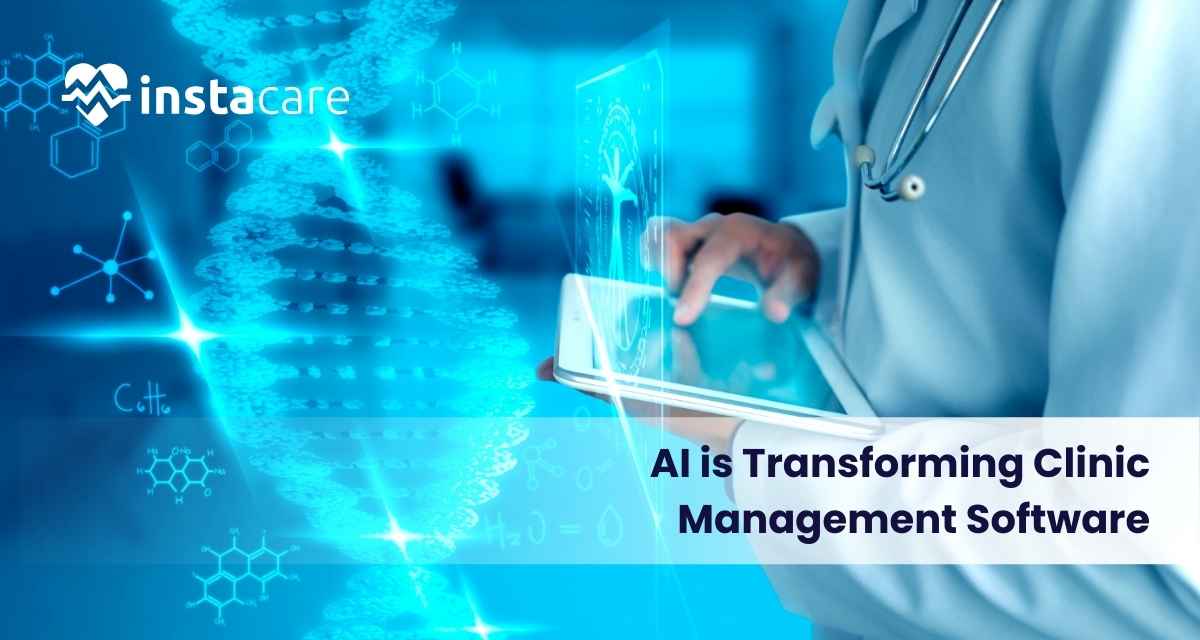
How AI is Transforming Clinic Management Software? AI causes a change in many aspects of life, and it cannot be otherwise with healthcare. In clinic management software, AI technologies drive serious changes toward making clinics highly efficient, improving patient care, and smoothing administrative tasks. The article discovers how AI is becoming a game changer for modern clinic management software by exploring its benefits, applications, and the prospective future of AI-driven solutions. Understanding AI in Clinic Management Software Clinic Management Software to use clinic management software, the software is also going to be powered with Artificial Intelligence. AI is a combination of Machine learning, Natural language processing, Predictive analytics among other complex algorithms-techniques that has the capability to handle a vast amount of data, perform an operation without help and provide results with the potential to be used. Some of the applications of AI in clinic management software includes; scheduling, patient communication, organization of office operations, and clinical recommendation. Key AI-Driven Features in Clinic Management Software Enhanced Scheduling and Resource Management Predictive analytics for Scheduling AI algorithms analyze data on appointment history, no-show patterns of patients, and availability of staff to make predictions and build a good schedule. This will reduce gaps in appointments, better handle peak times, and thereby bring general efficiency to the clinic. Automate Rescheduling AI-enabled systems auto-suggest dates for appointments in cases of conflict or when anyone of the participants needs rescheduling. It reduces administrative overload while handling such activities and helps in keeping the appointment running with no manual interference. Resource Planning AI can plan and manage such resources as examination rooms, medical equipment, and staff within clinics. The recommendations of AI in resource planning that will minimize idle time and increase productivity can analyze resource utilization with respect to patient flow. Book Free Demo Improved Patient Communication and Engagement Patient Personalization AI processes data regarding patients and presents personalized recommendations and interactions. Example: AI-driven Chatbot, for instance, can respond to various patient inquiries about appointments, health tips, and so on for different issues based on the history of a patient. Virtual Health Assistants AI-powered virtual assistants help patients in performing routine tasks such as appointment setting, answering frequently asked questions, and health information. With that, virtual assistants might enable 24/7 services for patients, which could offer them more engagement and support than what may be provided during office hours. Sentiment Analysis AI will analyze patient feedback and interactions for sentiment and satisfaction. AI will process natural language information from surveys, reviews, and other forms of communications to enable clinics to take preliminary steps to assure patient satisfaction. Smoothening Administrative Processes Automation of Documentation and Coding: AI technologies, like NLP, can automate clinical documentation regarding physician notes while simultaneously coding these into suitable formats. This reduces manual data entry and hence facilitates more accurate and efficient billing and coding. Claims Processing and Denial Management AI automates claims submission, manages denials by analyzing claim data, and lists the most frequent reasons it gets rejected. This may help the clinics to fix up the problems much faster, reduce claim denials, and hence improve revenue cycle management. Optimization of Billing and Payment The AI-powered system would have the ability to optimize billing processes in terms of predictions about patient payment behavior, identification of errors in billing, and most suitable plans for the presentation of payments. This improves financial management and enhances cash flow in clinics. Data-Driven Decision Making AI-Based Predictive Analytics for Patient Outcomes AI enables the viewing of a patient’s data for predicting health outcomes with possible risks. This way, immense historical data and complex machine learning algorithms will eventually assist healthcare providers in being more effective in decisions regarding patient care and treatment plans. Clinical Decision Support AI-enabled decision support systems may also support health professionals by providing evidence-based recommendations and alerts. These systems analyze data from patients, medical literature, and clinical guidelines to provide support in real time for the care of patients. Population Health Management AI makes sense of massive volumes of data regarding the trends and patterns of the patient population. The extracted knowledge will contribute to the clinic in appropriately devising targeted interventions aimed at better management of chronic conditions for an improvement in the overall population health outcomes. Enhanced Security and Compliance Anomaly Detection AI ensures better data security by detecting any patterns and anomalies in the way systems are gaining access and using data. To this end, it identifies potential security breaches and fraudulent activities that in turn protect patient data. Regulatory Compliance AI helps in promoting compliance with regulations in health through the automation of activities related to monitoring and reporting on compliance matters. These are going to involve document management, monitoring changes in laws and regulations, data protection standards, among others. Future of AI and Their Potential in Clinic Management SoftwareIntegration with Internet of Things (IoT) Artificial intelligence integrated into the functioning of devices combined with the concept of the Internet of Things is expected to further strengthen clinic management. These IoT devices, such as wearable health monitors and smart medical equipment, generate big volumes of data that can be analyzed by AI for real-time insight into improvements in patient care. Enhanced Natural Language Processing NLP technologies keep on evolving, which provides greater scope for AI systems to understand human languages and act accordingly. More sophisticated NLP capabilities would also engrain in future clinic management software, thus allowing better documentation, improved communication with patients, and advanced data analysis. AI-Powered Personalized Medicine In the not-so-distant future, AI will also play a very serious role in personalized medicine through analysis of data from genetics, lifestyle, and environment for creating particular protocols of treatment. Indeed, such an approach promises great improvement in the treatment results, as therapies will be much more focused and, therefore, highly effective. AI-Enhanced Telemedicine AI will be increasingly integrated into such telemedicine platforms to offer higher levels of functionalities, such as virtual triage, symptom-checking, and real-time decision support of virtual consultations, thus improving quality and efficiency in
The Role of Telemedicine in Modern Clinic Management Systems Among other disruptive innovations in recent years, telemedicine has turned upside down the management of clinics and access by patients to interventions. Just think about a patient who can consult with a doctor from the comfort of his house and avoid a long waiting in a crowded waiting room; this is not a dream, it’s the reality developed by telemedicine. Technical requirements of telemedicine develop the opportunity to get integrated into the modern healthcare system through streamlining the services in the clinics. However, there exists a dire need of understanding the concept of telemedicine, benefits, challenges, and thus, what the future holds. Understanding Telemedicine In simple language, it means the use of technology in delivering clinical health from afar. It includes everything from simple consultations on the phone to comprehensive video. This model allows health professionals to access their patients irrespective of their location, which improves their access to medical care immensely. Key Features of Telemedicine Following are some of the key features of telemedicine that go a long distance in improving the patient experience and the functioning of a clinic: Virtual Consultation: The term simply means that one consults his doctor through video calls for convenience, enabling one to get care without necessarily having to make a visit to the clinic. In this regard, remote monitoring will facilitate continuous monitoring of patients suffering from any chronic condition with wearable devices and mobile applications. This also facilitates proactive management of their health. Access to Specialists: Distance would mean little in such aspects as consulting specialists, since it covers distances for patients unable to consult specialists due to geography or other reasons without the added burden of travel. Cost-Effectiveness: The method does reduce travel costs and time for both patients and health professionals; hence, this would be most effectively making healthcare more accessible and time-effective. Integration of Telemedicine in Clinic Management Systems The present-day clinic management system has been designed in order to assist the administrative, patient data, and billing-related tasks to be managed in an organized manner. The integration of telemedicine into the same would tend the clinics to be in a better position in accomplishing functionality on many more counts besides being able to cater to the patients in a better manner. Advantages of Integration Smoothening of operations: Once telemedicine gets integrated into the CMS, appointment scheduling, follow-up of patients, and maintenance of records all become quite smooth and easy. This efficiency frees up more time for the staff since there are less administrative burdens; staff can then be more caring for their patients. Improved Patient Convenience: This in itself improves the experience of patients in seeking home care. One need not worry about long waits in the clinic or taking time off from work. Appointments are easily attended to in comfort. Improved health outcomes: Through regular monitoring and timely follow-ups, telemedicine will offer better management of chronic diseases, reduce hospital admissions, and thus improve health outcomes in general. Data Management: Telemedicine generates a great amount of data; this, integrated with CMS, enables clinics to do better analyses of the patient trends and work toward positive modification of the care protocols for improved outcomes in patients. More Significant Revenue Streams: With telemedicine services, the clinic is afforded the chance to take more patients on board without the use of space. This may lead to increased revenues while catering much-needed care to more patients. Challenges of Telemedicine in Clinic Management Though these benefits are considered significant in number, there have been certain challenges that must be overcome if telemedicine is to find appropriate alignment with clinic management systems. Book Free Demo Compliance and Regulatory Issues Telemedicine faces different regulations that may be very different from region to region. They have to take into consideration a lot of complicated legal issues for clinics to make sure they follow the laws of patient privacy and licensing. This might get particularly tricky for those operating their services across state or national lines. Technology Barriers Not all patients have access to the technology that such services require, let alone reliable connectivity to the Internet. This creates a digital divide in access to care, and for this reason, clinics should begin seeking solutions that will help in realizing equity in the health care provided. Resistance to Change It is generally true that change is quite scary, more so to the health facilities that have been in operation for many years. A few health professions may not embrace the idea of telemedicine because they are conversant with other technologies or have no faith in the technology. Thus, substantial training and continuous support would be required to overcome any such resistance. Quality of Care Concerns Debates are gaining momentum amongst experts whether telemedicine could assure a level of care equivalent to what is received during clinic visits. For that, the clinics need to establish protocols and guidelines that guarantee telemedicine consultations meet high standards of quality in order to maintain the quality of care the patients expect. The Future of Telemedicine in Clinic Management The future of telemedicine in clinic management systems is bright and is going to be shaped by a variety of trends. Artificial Intelligence and Machine Learning AI and machine learning are already being incorporated into the telemedicine platform in the hope of creating an utterly new model of patient care. The technologies analyze massive volumes of patient data, predict health outcomes, and provide personalized care plans. It is a level of sophistication that opens up the possibility of such a service being more efficient and effective. Wearable Health Technology Wearables are increasingly deployed in service to monitor vital signs and health parameters. The integration of such data from wearables into clinic management systems allows practitioners to track patient health status in real-time. This capability allows for timely interventions, thereby improving patient outcomes. More Emphasis on Mental Health However, telemedicine proved to be of particular service in the case of mental health provisions by
Top Features to Look for in Clinic Management Software in 2024 The Healthcare sector has grown so much with time that these days, heavy reliance is given to the clinic management software to ease and enrich patient care with deep efficacy at the clinics. As such, with trundling through 2024, the demands from the software have been manifold for more advanced functionality, catering precisely to the challenging aspects of modern-day healthcare providers. This paper intends to describe what features one is looking for in the clinic management software of 2024 and will give a full overview of what constitutes this system effective and efficient. Key Features of Modern Clinic Management Software Comprehensive Patient Management Patient Records In any modern clinic management system, the patient management system should be strong enough, fully updated, maintaining records concerning patients. These include personal information related to the patient, medical history, allergic conditions, medication, and treatment plans. The system should designate a method by which information related to the patients can be accessed easily and updated for their proper and timely care. Appointment Scheduling The major feature of any clinic is appointment scheduling. You need to get software that will provide you with online booking, automated reminders, and real-time scheduling updates. Integration of calendar views and multi-provider scheduling management are other great features that will further ease your appointments. Integrated Electronic Health Records (EHR) EHR Integration This is the integration with electronic health records, one of the standard inclusions in modern clinic management software that allows for the proper recording of patient information for accessibility by different departments/service providers. EHR integration enhances care coordination and supports data-driven decisions. Clinical Documentation It shall facilitate the facility of clinical documentation effectively through note, chart, and prescription templates. Facilities for voice recognition or handwriting recognition may save a lot of time from the documentation burden and divert it to administrative functions. Data Security and Compliance Security and compliance of the patient data are very important. It should be able to comply with regulations such as HIPAA, with security measures in place like encryption, control of access, and frequent audits, so that the sensitive information of the patients is well protected. Billing and Financial Management Automated Billing This could automate the billing process through the clinic management software, which would easily be able to generate invoices and send them via email or by post. It would include support for multiple modes of payment processing, integrated insurance providers for direct claims, and automated claims processing to reduce paperwork. Insurance Verification It should provide means of verification for a patient’s insurance coverage and benefits in real time. This is important in minimizing denials of claims and also ensures that the patients will know what they owe ahead of their appointments. Financial Reporting: At the very heart of monitoring revenues, expenses, and overall clinic health will be comprehensive financial reporting tools. You will be looking for software capable of custom reports, analytics, and dashboards that, by turns, will keep track of key financial metrics for you to make decisions more effectively. Practice Management and Workflow Optimization Automation of Task Management Perhaps the compelling feature is assigning and tracking tasks in a clinic workflow optimization. Such tasks may pertain to follow-up calls, test results, and administrative duties. This way, such a feature will not allow any issues to fall through the cracks and will assure timely completion of the tasks. Book Free Demo Automation of Workflows Workflow automation can increase efficiency in clinics by automating routine tasks, such as appointment reminders, billing processes, and document management. Automation lessens the manual work, reduces errors, and frees up staff time toward more patient-centric activities. Reporting and Analytics Ensure the software will provide deep insights into clinic performance through advanced reporting and analytics functionality. Look for customized reports with data visualization tools that help track key performance indicators, patient outcomes, and operational efficiency. Patient Portal and Self-Service Features Patient Portal The portal to the patient is the add-on advantage to see the health information, schedule a meeting, ask for prescription refills, and communicate with healthcare. This should be user-friendly, very secure, and handy for the patients in accessing their medical records and clinic services. Mobile Accessibility Mobile access is a matter of everyday importance, both for patients and clinic staff. It needs to provide access on mobile-friendly interfaces and apps for the purpose of accessing information about the clinic and performing their tasks on either smartphones or tablets. Integration with Telemedicine Virtual Consultation With the advent of telemedicine, this feature is a must-have in clinic management software. This module should have interfaces with EHR systems that will ensure continuity of care. This module should possess secure video conferencing and appointment scheduling for virtual visits. Telemedicine Compliance The software must support telemedicine regulations and standards on information security and consent from the patients. Virtual consultations will, thus, certainly be carried out in a secure and legal manner. Customizability and Scalability Customization Options Each clinic may vary in needs and peculiarities. It is, therefore, important that such software allows for customization. One will be better off checking for systems with features that one can allow, customize templates, and even those open to customization to fit what the clinic might actually want. Scalability It would mean that the software must, therefore, be able to upscale with the growth or expansion of services at the clinics. You should, therefore, consider picking a system that can handle more patients, users, and functionalities without having to institute an overhaul. Integration with Third-Party Systems Seamless integration of the software with third-party systems and applications for enhanced functionality in moving towards a seamless workflow, including but not limited to lab systems, radiology systems, and external billing platforms. Conclusion With constant improvement in the year 2024, upgrades to clinic management software will contain up-to-date features, therefore helping one through the rise in the complexities of care nowadays. Stressing aspects of comprehensive patient management, integrated EHR systems, proficient billing, and optimization of workflow would keep
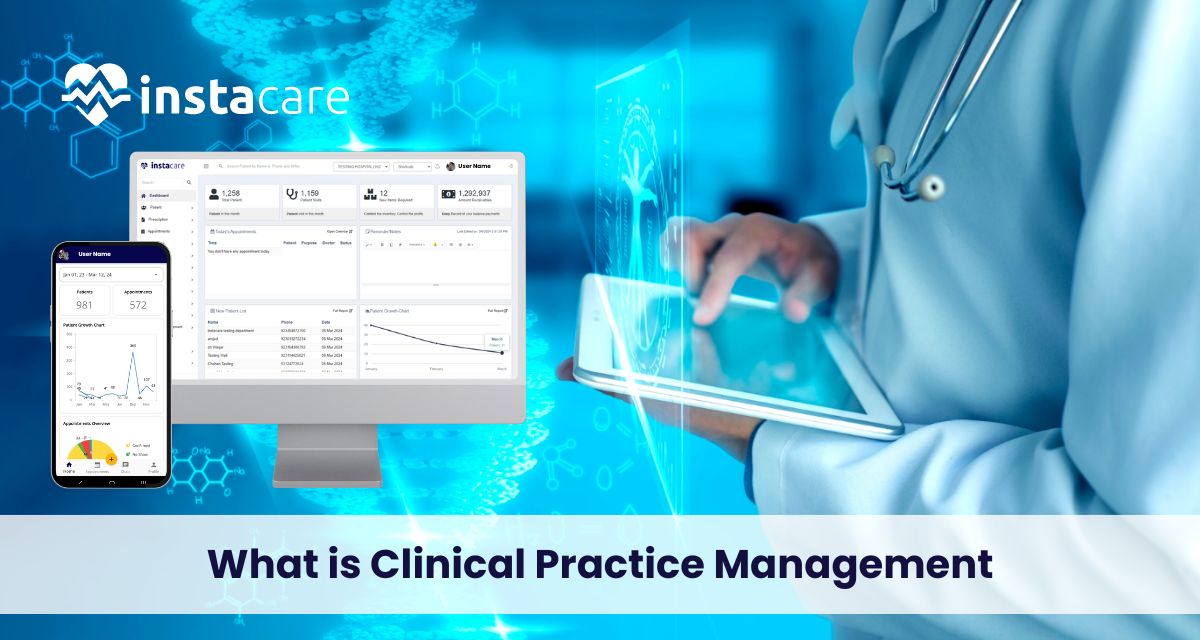
What is Clinical Practice Management? Clinical practice management can be defined as structured coordination of multiple features in a healthcare practice for efficient service delivery. It deals with the integration of all administrative, financial, and operational procedures up to optimum standards in healthcare, improvement of workflow, and better performance of health facilities. This concept is of great importance both to small clinics and large institutions in health since it affects the quality of care delivered and the financial survival of a practice. Elements of Clinical Practice Management Clinical practice management has various elements that work together in perfect unison to help a clinical site. These include scheduling appointments, patient management, billing and coding, regulatory compliance, and management of the staff. The level of excellence in managing these five items ensures success for any clinical practice. Scheduling Appointments and Patient Flow The management of patient appointments is an important role in clinical practice management. Effective scheduling of time helps the facility to avoid delays experienced by patients, promotes effective deployment of clinical resources within the facility, and assures good utilization of health providers’ time. Effective patient flow management involves planning appointments, cancellations, and providing timely attention to patients. Patient Management and Communication Patient management can be defined as the clinical practice management concerned with the maintenance of accurate and up-to-date patient records, the assurance of continuity of care, and promotion of communication between all providers and patients. This includes being sure that information concerning a patient, treatment plans, and adequate information regarding a patient’s treatment and follow-up care are appropriately handled. Effective patient communication is essential in improving patient satisfaction and outcomes. Billing and Coding in Clinical Practice Management It is in any clinical practice management that billing and coding go directly to the financial health of the healthcare practice. Good coding ensures a provider’s services are well compensated, while good billing practices reduce the number of denied claims and potential lost revenue. Clinical practice management takes care of the whole cycle: from coding services provided like submission of claims to management of payment. Compliance and Regulatory Requirements One of the major parts of clinical practices management deals with the compliance of healthcare rules and standards. This means that a wide array of legislations, like the Health Insurance Portability and Accountability Act, needs to be met by properly maintaining the privacy and information security of patients. Clinical practice management has facilitated adherence to all legislations by avoiding lawsuit cases or fines against the practice. Staff Management and Training Effective management of staff in a clinical practice instills much-needed impetus to its operations. It includes organizing, training, and supervising clinical and administrative workers for their effective performance of duties. Training and development are very vital and must be constantly done to maintain high-quality patient care and to keep the employees informed and updated regarding new healthcare practices and technologies. Financial Management of a Clinical Practice Some of the essential parts include the clinical practice management of financial management, which includes budgeting, financial planning, and management of revenues. Proper financial management would ensure that high-quality care be delivered to patients with a profit-making aspect of the practice. This manages expenses, monitors cash flow, and makes well-informed decisions, hence ensuring optimum financial health for the practice. Technology and Clinical Practice Management Technology has played an important role in clinical practice management over the years. These tools are used to help keep the operations running efficiently, improve patient care, and create effective communication within the healthcare practice. This would include selecting the right technology for implementation, dependent upon the needs of the practice. Book Free Demo Quality Improvement and Patient Outcomes QI is the continuous process of managing clinical practices for improved quality and health outcomes. It encompasses periodic evaluation of the quality of services extended, identification of opportunities for improvement in services offered, and the introduction of those changes that would bring about improved health outcomes for patients. Clinical practice management must be managed effectively with a focus on patient care, ensuring that every practice is aimed at achieving better health outcomes for patients. Risk Management in Clinical Practice Risk management in this aspect of clinical practice management incorporates the identification, assessment, and mitigation of possible risks that may have an impact on the practice. This includes risks towards patient safety, legal issues, financial stability, and staff performance. Effective risk management strategies protect the practice and the safety and wellbeing of both patients and staff. Role of Leadership in Clinical Practice Management Success in clinical practice management is dependent on the leadership. It is because good leadership supports the running of the practice, smooth, well-motivated, highly trained staff, and guarantees high-quality care for their patients. The leaders outline goals, strategies, and decisions enabling clinical practice management to execute successful execution. The effective leader encourages a good working atmosphere and continuous improvement culture. Patient Satisfaction and Clinical Practice Management Successful management of clinical practice is characterized by patient satisfaction. Satisfied patients are likely to return for future care and recommend the practice to others. Dimensions place in the model states that clinical practice management seeks to improve patient satisfaction through efficient operations, effective communications, and quality care. There is a need to maintain high levels of patient satisfaction through monitoring of patients’ feedback upon which changes are implemented. Challenges to Clinical Practice Management This is characterized by a good number of challenges that health care providers have to sail through. The challenges are complexities in billing and coding, compliance with regulatory requirements, and needs catering of a diversified patient base. On the other hand, it is tough to manage staff, maintain financial stability, and integrate new technologies. In essence, clinical practice management is successful if one is able to adapt, learn continuously, and solve problems proactively. Future of Clinical Practice Management Growth in technology, change in healthcare regulations, and shifting in patient expectation will most likely all play a big part in setting out the future for clinical practice management. Interest in innovation, staff
Healthcare Purchasing: Key Opinion Leaders vs. Decision-Makers In the often-changing and competitive sphere of healthcare purchasing, it is essential to comprehend the functions of KOL and DM. Both of these groups have vital tasks in influencing purchasing decisions, but they do this in different ways and from different perspectives. This article discusses KOLs and decision-makers in the context of purchasing in the healthcare industry, the bios of these two entities, and the nature and degree of influence they share, as well as the conflicts that exist when their conclusions align in an effort to purchase appropriately for treatment. What are Key Opinion Leaders (KOLs)? Definition and Role KOLs are authorities of their fields, who can be awarded for their scientific achievements, experience, and discoveries in the sphere of medicine. They are usually physicians, researchers or professors of university with good track records whose work are disseminated in research journals, clinical trials, and invited lectures. They enjoy respect from their peers, healthcare providers and even patients hence the making of opinion leaders in the healthcare sector. Influence on Healthcare Purchasing KOLs play a likely critical role in HC purchasing decisions, especially with regard to the adoption of new technologies, drugs, or medical devices. This is a big boost for matters regarding their endorsements that can shift the stance of other health care practitioners and institutions. For example, when a KOL gives a good word about the new medical device, doctors or other medical practitioners in the hospitals or clinics will embrace it. However, KOLs are more inclined mainly to the clinical utility and evidence-based adage of products. It is not the cost, or whether the device is easy to transport or how it fits in the healthcare system that concern them but rather how the new product will enhance the quality of patients’ care or the general practice of medicine in any way. This makes their input highly useful especially in cases where the main criteria for assessment are uniqueness or application in the clinical field. Challenges Faced by KOLs But then again, KOLs can endorse products and recommend solutions which may not be in harmony with the reality of the budget or procurement procedures now in place. Also, the second and third objectives major on innovation, meaning they might miss the whole picture of adopting a product, like extra training that will be needed, or compatibility with other systems. An Analysis of Healthcare Purchasing Decision Makers Definition and Responsibilities HC Purchasing Decision-Makers are the formal buyers learning decision-making power over HC purchasing either as individuals or in the committees. Such could be the hospital officials, procurement agents, the financial directors, or perhaps a purchasing committee. Their purpose is to compare different options by a set of factors, which comprises the price per item, the quality, compatibility with the rest of the equipment, and the ability to sustain the acquisition. Influence on Healthcare Purchasing Deciders are the ultimate authorities in the decision making of a purchase. They do account for the clinical relevance of products, or rather their clinical utility, yet they are far more concerned with costs, standards, and implement ability. As stewards of organizational funds, they must confirm that any purchase is within the organization’s better interest either financially or in the strategies on the ground making KOLs less risky. Often, Decision-Makers make their decisions based on the information they are given by KOLs. However, others also consider facets like credibility of a supplier, cost attached to the product throughout its usage, and the profit that may well be earned out of the deal. This broader point of view makes certain that the last decision made is the right one clinically and fiscally. Book Free Demo Challenges Faced by Decision-Makers Managers and/or leaders have the dilemma of interfacing between KOL prescriptions and the business facts concerning the company. It has to strike the balance between innovation and cost control, making decisions that can at times be politically sensitive. Also, they bear responsibility for the outcomes of their decisions; it places pressure on the choice made not just in terms of efficiency, but also in terms of where blame resides. Superimposing the Concepts of KOLs and Decision-Makers Collaboration and Communication It can be said that KOLs and Decision-Makers need to work hand in hand most of the time when it comes to successful purchase of healthcare. KOLs present the medical perspective that enables them to evaluate the prospects of new products, while Decision-Makers show the financial and practical approaches to effective purchases. When both these groups of people come together, it is possible to make informed decisions that would be creative, yet would be feasible. As in most such relationships, communication is the most important thing in this partnership. When communicating with Decision-Makers, KOLs must adapt and present their arguments according to the opinions of such individuals: for instance, persisting on the clinical efficiency of a new technology, although DMs might be more fascinated by the long-term advantages. Balancing Innovation and Cost If one is looking at factors influencing healthcare purchasing, then one of the most critical aspects that have to be managed is the tension between innovation and rationalization. Being concerned with clinical results, KOLs can promote the implementation of state-of-the-art solutions that could bring large values to patients. But these are useful and effective often enough because they require more money to be spent at the initial stage and are a concern for Decision-Makers who are to oversee the expenditures of their organizations. To this end, it is important for KOLs and Decision-Makers to engage in a conversation and consult one another on possible proximate and distant effects of a purchase. For instance, a new technology may be costly in the first instance, but over the course, it may offset the costs through, for example, through patients’ better health, few readmissions or technologies that are easier to maintain. Issues Present When Attempting to Coordinate KOL and Decisions Maker Differing Priorities Among the issues that relate to the
The Reshaping of Medical Affairs with Better Data Leaders in medical affairs are exposed to many of the latest advancements in the life sciences sector. However, they are also at the forefront of overcoming scientific communication barriers to provide the newest medications or technology to the market. Medical affairs professionals must look for new technology, skills, and data sources to successfully improve scientific communications’ transparency and teamwork. The Field Of Medicine Is Changing Due To Precision Medicine The expanding emphasis on precision medicine has contributed to a steady increase in the life sciences industry’s investment in medical and scientific affairs. The healthcare sector is changing as a result of precision medicine’s contribution to patient-centric treatment. Nonetheless, scientific communication between medical affairs and healthcare practitioners becomes even more crucial in precision medicine because of its frequently intricate and customized treatment alternatives. To fulfill the promise of precision medicine, top life sciences organizations are reimagining their execution skills. Medical affairs must be built on data and analytics. Teams in charge of medical affairs are now expected to take on a more strategic and cross-functional role within their companies. It is anticipated that they will: Boost Medical Engagement Medical Affairs personnel now need to comprehend the changing demands and difficulties that healthcare practitioners encounter on a deeper level. Through the use of information-driven bits of knowledge, they might upgrade their capacity to associate with doctors, medical caretakers, and other significant partners by offering personalized showing materials and help. Enhance Patient Outcomes Medical Affairs teams are investing increasingly more energy into finding out about the real understanding experience and utilizing information to track down ways of further developing results and patient consideration. This could be looking at outcomes as reported by patients, figuring out what needs aren’t being met, or working with medical professionals to create patient support initiatives. Inform Decision-Making Medical Affairs teams have access to a multitude of data, including real-world evidence and clinical trial results, which allow them to offer insightful analysis that can guide strategic decision-making throughout the company. This includes market access, product development, and marketing strategy. Foster Cross-Functional Collaboration As the roles of Medical Affairs continue to increase, their integration with functions such as R&D, Regulatory, and Commercial becomes very key. This kind of cross-functional integration can be allowed and alignment of the value proposition made by the organization to the patients and healthcare professionals through insights generated by the data. Medical Affairs teams must understand the true power of data and develop the necessary competencies that will enable appropriate harnessing of it to navigate these changing surfaces. This comprises: 1- Improving Data Literacy A good medical affairs professional needs relevant knowledge and skill sets for the interpretation, analysis, and communication of data-driven insights. For this to happen, there should be constant education and training in the areas of narrative, data analysis, and visualization. 2- Integrating Cross-Functional Data Sources The medical affairs teams are responsible for piecing together data from a plethora of sources, from CRM systems to real-world evidence, through clinical trials, to market research. If data silos are removed, they could develop a granular view of the healthcare environment and would be able to drive better decision-making. 3- Leverage Advanced Analytics That is, sophisticated analytics techniques, such as predictive modeling, machine learning, and natural language processing, may help Medical Affairs teams make more in-depth analyses and detect new patterns for developing a more focused and successful strategy for engaging patients and health providers. 4- Embracing Digital Transformation With increased digitization in the healthcare sector, opportunities are opened up for Medical Affairs to engage with several stakeholders. Digital data-driven efforts can improve reach and effectiveness in many contexts, such as online education platforms and virtual advisory boards, among others. 5- Fostering a Data-Driven Culture In the end, Medical Affairs’ ability to succeed in this new era will rely on its capacity to establish an internal data-driven culture. Strong leadership, skillful change management, and a dedication to ongoing learning and development are necessary for this. Book Free Demo In The Age Of Value-Based Healthcare, Data Is King Medical affairs teams and their commercial counterparts must use better tactics to comprehend and satisfy the evolving expectations of the treating community as patient care grows more complex. Even if it’s impossible to forecast medical affairs trends with 100% precision, data will likely remain the most crucial resource that businesses need to use to guide their medical strategy. Improved and expanded data sets will be required to fulfill the promise of value-based care, a care model that pays physicians for helping patients live better lives and lessen the symptoms and incidence of chronic disease. In the era of value-based care, medical affairs leaders must rethink the definition and generation of strategic insights. Integration of data from several sources can yield insights that represent the experience and behavior of the physician, and enhanced analytics will play a crucial role in creating customized engagement programs. These new insights, which combine clinical trials, real-world facts, expert profiling, and stakeholder involvement, will permanently enhance the collaboration between industry and physicians. The medical community will look to medical affairs as dependable partners as data utilization becomes more sophisticated. The Modern Function Of Medical Affairs The medical affairs sector is actively creating new avenues for success as it looks to the future. Organizations need to know how their peers are handling contemporary issues and how to take the lead in medical affairs. The days of conducting ad hoc, transactional meetings with outside specialists are long gone. Rather, medical affairs must foster knowledgeable expert partnerships enhanced by concrete measurements and KPIs. Furthermore, medical affairs should reconsider the scientific exchange with non-traditional professionals when it comes to new treatments. Care teams, advocates, and leaders in allied health should now be included in the scientific exchange as they can offer invaluable insights and assist in developing the commercialization strategy for a therapy or device. Medical affairs may build meaningful connections with more medical stakeholders by using an advanced strategy
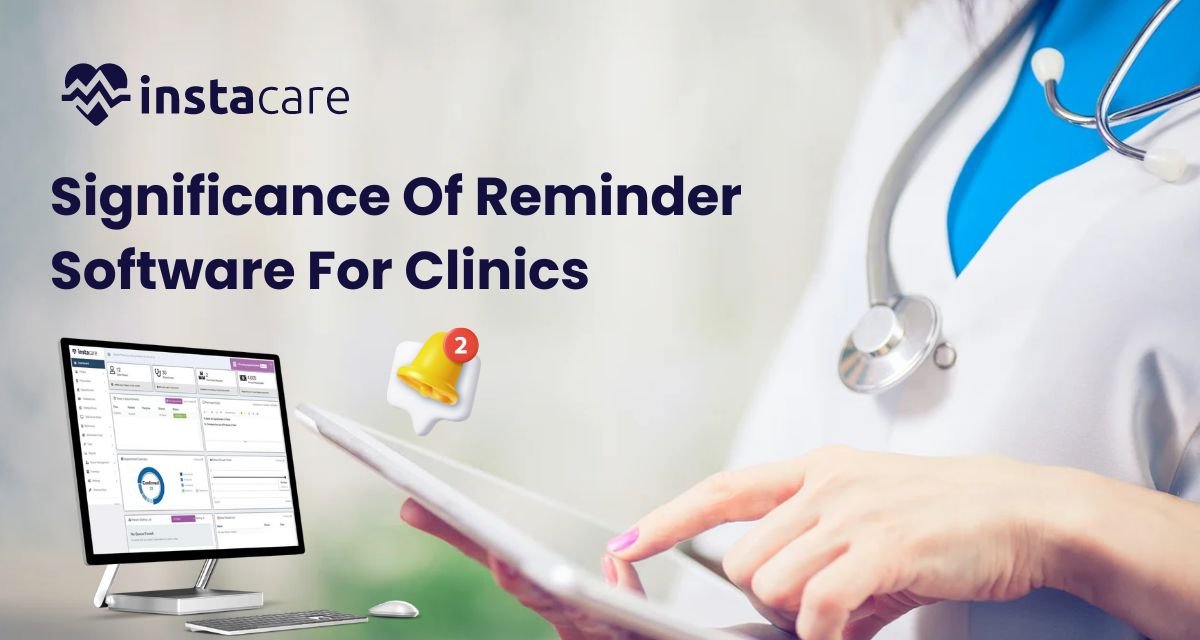
Significance Of Reminder Software For Clinics This Year In the quickly developing medical services scene, clinics need help in overseeing arrangements, improving patient adherence with reminder software and optimizing work processes. Luckily, reminder software for clinics has arisen as a distinct advantage, changing how clinics work. With its high-level elements and easy-to-understand interface, it is progressively turning into an essential device for facilities to smooth out their tasks and work on quiet results. In this blog, we will conveniently explore the meaning of reminder software for facilities in 2024, investigating its effect on executive arrangement, patient commitment, and, generally speaking, medical services proficiency. Enhanced Appointment Management The practical arrangement of the board is fundamental for facilities to guarantee smooth activities and expand patient consideration. Software’s assumes an essential part in this viewpoint via computerizing and working on the arrangement of the executive cycle. Gone are the times of depending entirely on manual calls or paper-based systems. With reminder software, facilities can send computerized suggestions to patients through different channels like SMS, email, or pop-up messages. These reminders incorporate fundamental subtleties like arrangement date, time, area, and any pre-arrangement guidelines. Via computerizing reminders, clinics can essentially decrease flake-out rates, limit arrangement scratch-offs, and streamline their planning processes. This, at last, prompts upgraded facility effectiveness, diminished holding up times and worked on understanding fulfillment. Book Free Demo Improved Patient Engagement Patient commitment is a vital factor in accomplishing better medical service results. Reminder software plays an urgent role in cultivating patient commitment by keeping patients educated, involved, and responsible for their medical care on the board. Through customized reminders and warnings, clinics can engage patients to play a functioning job in their health. Software can be modified to send medicine reminders, follow-up arrangement warnings, and health schooling materials. By conveying convenient and significant data, clinics can support drug adherence, brief patients to plan vital subsequent visits, and give critical instructive assets. This proactive methodology reinforces the patient-supplier relationship, works on tolerant trust, and upgrades the general understanding of commitment. Streamlined Communication Compelling correspondence is the foundation of adequate medical services on the board. Reminder software works with smoothed-out correspondence among facilities and patients, limiting correspondence holes and guaranteeing precise data trade. With two-way correspondence abilities, patients can undoubtedly affirm, reschedule, or drop arrangements straightforwardly through the management software. Besides, reminder software can cause quiet reactions to the proper clinic staff, taking into consideration expeditious and effective correspondence. This consistent correspondence process diminishes managerial weights, saves time, and empowers clinics to convey customized care. Patients feel more associated and upheld all through their medical services venture, prompting expanded patient fulfillment and further developed health results. Integration With Electronic Health Records In the present computerized age, the mix of reminder software with electronic health records (EHR) systems is essential for proficient medical care. Softwares, like InstaCare, frequently consistently incorporates EHR systems, permitting facilities to access patient information and arrange chronicles and clinical records from a concentrated level. This reconciliation empowers facilities to produce computerized reminders and warnings in view of individual patient necessities and ailments. For example, facilities can send custom-fitted reminders for medicine tops off, preventive screenings, or constant sickness to the executives in view of the patient’s EHR information. By utilizing patient-explicit data, facilities can give customized care, further develop therapy consistency, and decrease the gamble of clinical mistakes. View More: Simplifying Record-Keeping with a Patient Record Management System Efficient Resource Utilization Reminder software empowers facilities to streamline asset use by lessening arrangement flake-outs and abrogations. At the point when patients are helped to remember their arrangements ahead of time, they are bound to join in, limiting void openings in the timetable. This permits clinics to designate their staff, gear, and offices, all the more actually guaranteeing that assets are used effectively. By expanding the use of assets, facilities can further develop efficiency, lessen costs, and give reasonable consideration to a more prominent number of patients. Compliance With Regulatory Requirements In the medical care industry, consistency with administrative prerequisites is vital. Reminder software helps clinics gather these necessities by providing documentation and reviewing trails of patient correspondences. Robotized reminders and warnings sent through the product can be followed, guaranteeing that clinics have a record of connecting with patients for significant medical care-related matters. This documentation assists facilities in complying with guidelines like HIPAA (Health Care Coverage Versatility and Responsibility Act) and other security and information insurance principles. By using such software, clinics can maintain a powerful consistency system, moderating expected chances and guaranteeing patient security. Data-Driven Insights And Analytic Reminder software offers clinics important information-driven experiences and examinations, enabling them to make informed choices and work on functional proficiency. These systems capture information connected with patient reaction rates, arrangement participation, and patient commitment measurements. Facilities can use this information to distinguish examples, patterns, and regions for development. For instance, in the event that a specific group of patients reliably misses arrangements, facilities can carry out designated mediations or change their reminder techniques. Information-driven experiences empower facilities to refine their cycles, upgrade patient results, and enhance the viability of their reminder systems. Improved Patient Satisfaction And Loyalty Reminder software plays a critical part in upgrading patient fulfillment and cultivating patient faithfulness. By sending ideal reminders and notices, clinics exhibit their obligation to give great patient consideration and keep up with proficient correspondence. Patients value the comfort and proactive methodology of getting reminders by healthcare providers, which assists them with remaining coordinated and ready for their arrangements. Further developed patient fulfillment prompts higher patient standards for dependability and positive informal exchange references. These software adds to making a positive patient encounter, fortifying the facility’s standing, and building long-haul patient reliability. Time And Cost Savings Reminder software offers critical time and cost reserve funds for facilities. Mechanizing arrangement reminders takes out the requirement for manual calls or sending actual letters, saving staff individuals significant time that can be diverted to additional basic errands. Moreover, the decrease in missed arrangements and undoing through management software
What Is Clinical Data Management? How Can You Get Benefits From It In Healthcare? In the complex embroidery of present-day medical care, clinical data management (CDM) is a foundation that coordinates the demanding reminder and use of priceless clinical data. This discipline incorporates several cycles to gather, assemble, approve, and examine information from different sources, including clinical preliminaries, patient consideration settings, and clinical examination tries. Understanding The Significance Of CDM At its core, Clinical Data Management serves as the foundational bedrock upon which evidence-based decision-making in healthcare is built. By ensuring the accuracy, integrity, and security of clinical data, CDM empowers healthcare professionals to navigate the complexities of patient treatment with precision and confidence. It acts as a vital bridge between raw data and meaningful insights, providing healthcare providers with the necessary tools to deliver optimal care while adhering to rigorous quality and compliance standards. Furthermore, Clinical Data Management is crucial in driving clinical research and innovation advancements. By facilitating the collection and analysis of vast datasets, CDM contributes to discovering new therapies, treatments, and clinical interventions, ultimately enhancing patient outcomes and transforming the landscape of healthcare delivery. In essence, Clinical Data Management is not just a technical process but an essential imperative for healthcare organizations seeking to harness the power of data to improve patient care, advance medical knowledge, and ultimately, save lives. CDM’s systematic data management and analysis approach paves the way for a future where healthcare is reactive, proactive, personalized, and patient-centred. Book Free Demo The Role Of CDM In Healthcare: A Comprehensive Overview Data Collection And Acquisition: So, when it comes to clinical data management (CDM), it all begins with gathering data from various sources, such as electronic health records (EHRs), lab reports, and even patient input through surveys. Think of it like building the foundation for smart healthcare decisions. This process weaves together a rich tapestry of information, helping us understand different aspects of a patient’s health, how well treatments work, and how a disease progresses. Data Validation And Cleaning: Once all the data is gathered, it embarks on a meticulous journey of validation and cleaning. This crucial step aims to correct errors, inconsistencies, and discrepancies that could doubt the reliability of the data. CDM upholds the highest data quality standards by adhering to strict validation protocols, ensuring that healthcare professionals can rely on accurate and dependable information to guide their clinical decisions and interventions. Data Storage And Management: At the heart of Clinical Data Management is the need to establish a robust information storage infrastructure. Leveraging cutting-edge technologies like cloud computing and secure databases, CDM ensures the safekeeping and accessibility of data. By implementing rigorous security measures and data encryption protocols, CDM mitigates the risks of unauthorized access, data breaches, and information loss, safeguarding patient confidentiality and privacy. Data Analysis And Interpretation: From the perspective of complex scientific methods, CDM opens the groundbreaking capability of information examination and understanding. Medical services experts can extricate noteworthy experiences and distinguish examples, patterns, and connections pertinent to patient consideration and clinical examination by exploring tremendous and complex datasets. This empowers specialists to go with proof-based choices, tailor therapy designs, and improve medical care conveyance while at the same time upgrading patient results and propelling clinical information. View More: Simplifying Record-Keeping with a Patient Record Management System Benefits Of Clinical Data Management: Enhancing Healthcare Delivery Enhanced Patient Care: The board (CDM) engages medical care suppliers to tweak therapy plans as indicated by the extraordinary requirements of individual patients. This custom-made approach guarantees that patients get the best intercessions, and motivation further develops well-being results and improved patient fulfilment. Improved Decision-Making: Admittance to extensive and dependable information fills in as a foundation for proof-based dynamics in medical services. With the guidance of CDM, medical care experts can get abundant data that illuminates their clinical decisions and intercessions. This information-driven approach allows professionals to pursue informed choices that improve clinical results and work on quiet security. Efficient Resource Allocation: One of the critical advantages of Clinical Data Management is its capacity to improve asset allotment inside medical care associations. By examining information patterns and examples, CDM distinguishes regions where assets can be allotted all the more effectively. This essential methodology diminishes costs and upgrades the general proficiency of medical services conveyance, guaranteeing that assets are coordinated to where they are generally required. Facilitates Research and Development: The information gathered through CDM is a significant asset for innovative work drives in the medical services industry. By giving specialists admittance to extensive and top-notch information, CDM works with the revelation of new therapies, treatments, and clinical intercessions. This, thus, drives development and advances clinical information, eventually prompting enhancements in persistent consideration and results. Improved Patient Safety: Limiting Mistakes and Unfavorable Occasions Through the fastidious association and examination of clinical information, Clinical Data Management (CDM) is vital in upgrading patient security. By recognizing likely dangers and antagonistic occasions almost immediately, medical care suppliers can execute preventive measures and mediations to alleviate hurt. This proactive methodology lessens clinical blunders and encourages a culture of ceaseless improvement and patient-focused care. Enhanced Regulatory Compliance: Consistency with administrative guidelines is principal in an undeniably controlled medical services climate. CDM works with organizational consistency by guaranteeing clinical information’s precision, respectability, and security per relevant regulations and rules. By sticking to administrative prerequisites, medical care associations can avoid exorbitant punishments and reputational harm while maintaining the trust and certainty of patients and partners. Data-Driven Quality Improvement: By saddling the force of information examination and execution measurements, CDM empowers medical services associations to drive persistent quality improvement drives. Through continuous checking and investigation of key execution markers, for example, patient results and fulfilment scores, medical services suppliers can distinguish regions for development and carry out designated mediations to upgrade the quality and effectiveness of care conveyance. This information-driven approach encourages a culture of greatness and guarantees that medical care associations stay spry and receptive to developing patient necessities and industry patterns. Conclusion Clinical Data Management (CDM) is the foundation