

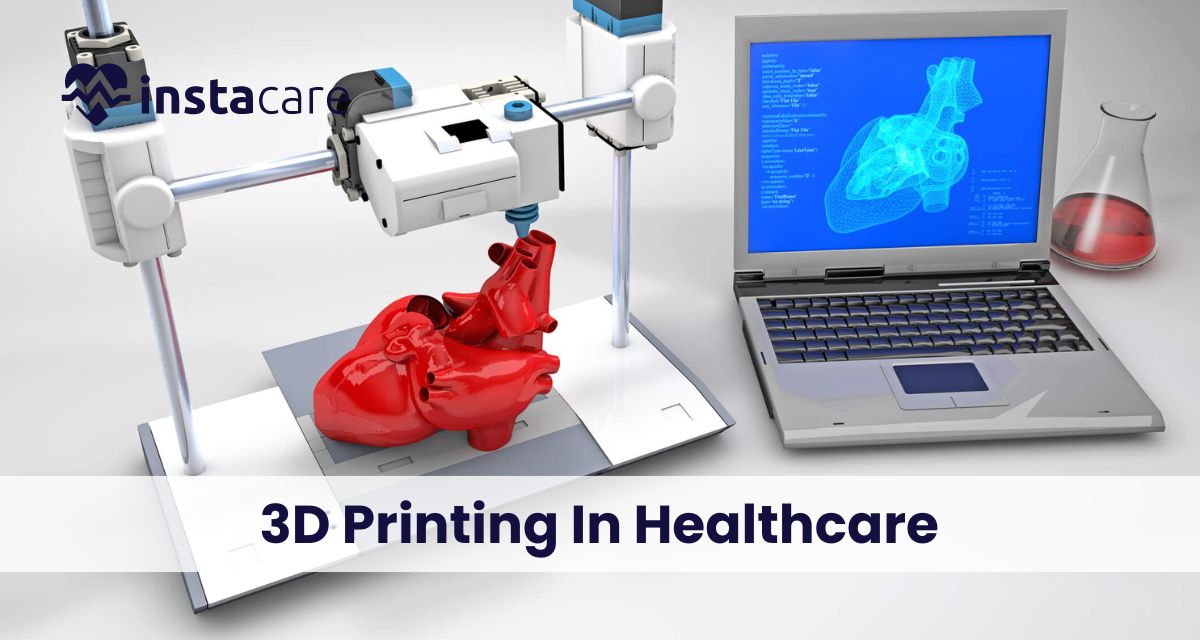
All You Must Know About 3D Printing In Healthcare Making It Personal First known term of 3D printing in Healthcare, or as it is authoritatively named, added substance producing, can be followed back to the 1980s. Since its development it has been placed in different applications in ventures, for example, the clinical and medical services industry where it has heaps of potential. It has even been applied in the growth of replacement organs, prosthetics and other medical equipment and applications. In this article I will explain more about the possibilities of using additive manufacturing in the sphere of medicine. Regarding this technology, let us consider the benefits, limitations and issues involving its deployment in this sector of the medical field; we shall also briefly look at FDA guidelines on the safety of products made from additive manufacturing for use in the medical sector. Finally, we will look into other uses of Additive manufacturing in the present and future. What Is 3D Printing In Health Care? Manufacturing is the process of transforming materials into an object and 3D printing is a unique way accomplishing this process in a manner that opposes the conventional approach. Unlike the traditional manufacturing techniques which require a block of raw material to be cut, sculpted, or milled to create the desired final product, 3D printing constructs objects from a digital blueprint by adding successive layers of a chosen material such as plastics, metals, or ceramics. These objects are created from digital files such as Magnetic Resonance Imaging (MRI) or computer aided designs (CAD), and are versatile when it comes to changes during the production or planning. There are hundred types of 3D printers in the market that are both inkjet and laser and come in models suitable for home or industrial use for the manufacturing of many types of goods. Custoized Prosthetics An Unrest in Appendage Substitution 3D printing has introduced another period in the development of prosthetics, offering a groundbreaking way to deal with making redid appendage substitutions customized to every individual’s particular life structures. This momentous progression has re-imagined the ordinary techniques for prosthetic assembling, delivering a scope of advantages that essentially lift the solace and usefulness of prosthetic gadgets. Customization And Accuracy One of the vital benefits of 3D imprinting in prosthetics is the unmatched degree of customization it offers. By using progressed checking and imaging advancements, prosthetists can catch exact estimations and shapes of the remaining appendage, empowering the creation of prosthetic parts that impeccably line up with the singular’s remarkable life systems. This degree of customization guarantees a dominant fit and solace, tending to the impediments of off-the-rack prosthetics. Improved Solace And Usefulness Fit, comfort, and functionality are frequently issues with traditional prosthetics. With 3D printing, the prosthetic attachment and parts can be custom-made to the singular’s particular requirements, bringing about a more agreeable and useful prosthetic arrangement. This customized approach limits issues like skin bothering, inconvenience, and unfortunate arrangement, offering clients a prosthetic gadget that consistently incorporates with their body and upgrades their versatility and personal satisfaction. Developed Style And Plan Adaptability 3D printing considers multifaceted and stylishly satisfying plans, offering people the chance to communicate their own style and inclinations through their prosthetic gadgets. The flexibility of 3D printing empowers the formation of prosthetic appendages that have the capability to ideally mirror the singular’s character and personality, advancing a feeling of strengthening and certainty. Book Free Demo Availability And Moderateness Many amputees have faced significant obstacles due to the high cost and lack of availability of individualized prosthetics. 3D printing can possibly address these difficulties by smoothing out the assembling system and decreasing creation costs, making redid prosthetics more open to a more extensive populace. Propelling Recovery And Prosperity Individuals who have lost limbs may benefit from the personalized nature of 3D-printed prosthetics’ rehabilitation and well-being. By giving prosthetic arrangements that are custom fitted to their interesting necessities and inclinations, 3D printing adds to improving the by and large physical and close-to-home prosperity of prosthetic clients. Personalized prosthetics have undergone a paradigm shift as a result of 3D printing, which has revolutionized the manufacturing process. This headway tends to the restrictions of conventional prosthetics and engages people with appendage misfortune by furnishing them with altered, agreeable, and utilitarian arrangements that line up with their particular physical prerequisites. Careful Preparation And Practice With 3d Printing in Healthcare Models Fastidious Methodology Readiness: Specialists are outfitting the force of 3D printed models to design and plan for complicated and high-stakes methods carefully. Surgeons can effectively visualize and evaluate the surgical site, anticipate potential obstacles, and plan the precise execution of the procedure by utilizing these patient-specific 3D models. Improved Accuracy And Ability Refinement The usage of 3D printed models permits specialists to refine their procedural strategies and gain important active involvement with a recreated climate. As a result, surgical errors are reduced and patient outcomes are improved thanks to this practice’s significant improvement in precision and proficiency. Lessening Careful Dangers The pre-careful utilization of 3D printed models supports distinguishing and tending to expected difficulties or varieties in understanding life structures, in this manner, moderating dangers related to the method. This proactive methodology limits the probability of blunders during a medical procedure and advances more secure, more successful mediations. Worked On Persistent Results Through fastidious preparation and rehearsed planning with 3D printed models, specialists can accomplish increased degrees of readiness, prompting work on persistent results, diminished inconveniences, and improved by and large careful achievement rates. Progressing Careful Schooling Furthermore, 3D printed models act as significant instructive devices, giving a stage to careful students to master and refine their abilities in a reasonable and material way, at last adding to the headway of careful schooling and capability. In outline, the joining of 3D printed models in careful preparation and practice enables specialists to fastidiously plan, refine their abilities, and at last lift the norm of patient consideration through upgraded accuracy, decreased blunders, and worked on careful results. Customized Prescriptions With 3D printing, the
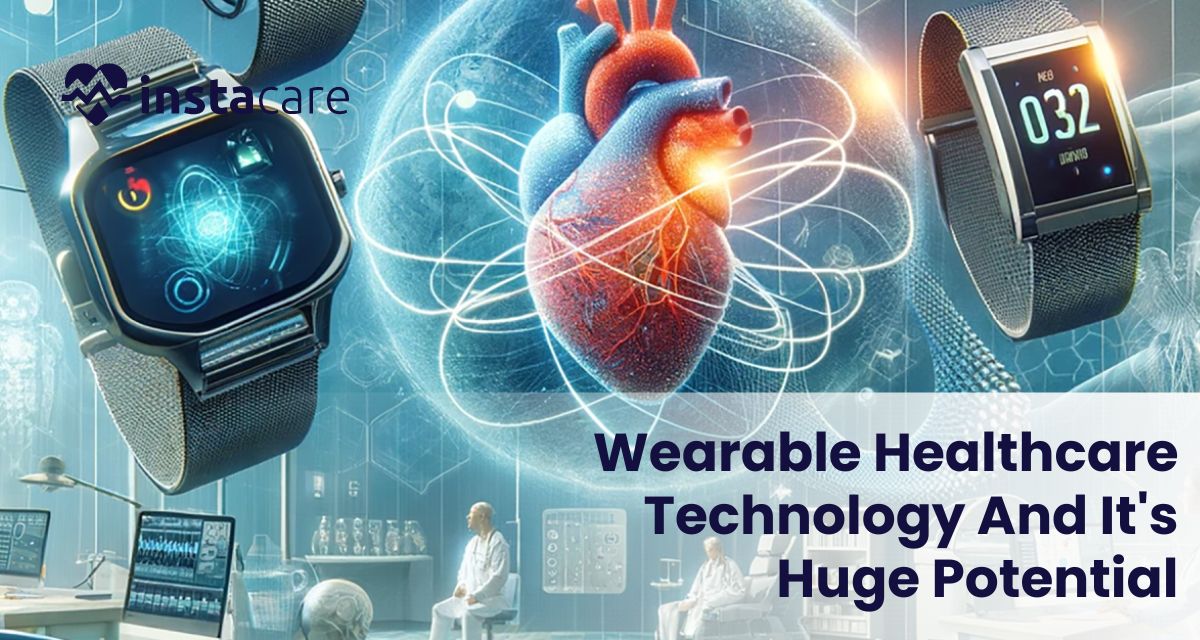
Understand All Wearable Healthcare Technology And It’s Huge Potential Wearable healthcare technology innovation has arisen as a progressive power in the medical care industry, changing how people screen and deal with their wellbeing. These gadgets, which range from wellness trackers to cutting-edge clinical screens, offer constant experiences within different wellbeing boundaries. The reconciliation of wearables with advanced wellbeing stages empowers persistent observation, early discovery of potential medical problems, and customized medical care mediations. As innovation progresses, the capability of wearable medical services gadgets keeps on extending, promising huge upgrades in wellbeing results and patient consideration. Understanding The Impact Of Wellness Health Trackers and Smartwatches Wellness trackers and smartwatches have become universal in the domain of wearable medical services innovation. These gadgets becomes the trend in healthcare industry, worn on the wrist, consistently screen an assortment of wellbeing measurements, furnishing clients with significant experiences into their actual prosperity. Some Notable Features Of Wearable Healthcare Technology You Must Know About Active Fitness Checking Wellness trackers and smartwatches count steps, track distance traveled, and compute calories consumed. Setting daily fitness goals and receiving feedback on how well they’re doing helps users stay active. Monitoring Your Heart Rate Outfitted with optical sensors, these gadgets ceaselessly screen pulses, permitting clients to comprehend their cardiovascular wellbeing better. This component is especially valuable during exercises, as it assists clients with keeping up with ideal pulse zones for compelling preparation. Rest Following: By examining development and pulse during rest, these gadgets give point-by-point reports about rest length and quality. This data assists clients with further developing their rest propensities, which are urgent for general wellbeing. Extra Fundamental Aspects Checking High-level models can screen blood oxygen levels, electrocardiograms (ECG), and feelings of anxiety, offering an extensive perspective on the client’s wellbeing status. Customized Treatment Plans And Quick Reactions The basic information given by these clinical checking gadgets empowers customized treatment plans and quick reactions to wellbeing changes. This proactive methodology forestalls crises, upgrades patient security, and further develops general wellbeing results. Book Free Demo Some Of The Benefits for Health and Lifestyle Via Wellness Trackers and Smartwatches Wellness trackers and smartwatches empower sound ways of life by giving continuous criticism and inspiration. They assist users in establishing and achieving fitness objectives, sustaining regular physical activity, and making well-informed health decisions. By incorporating consistently with cell phones and wellbeing applications, these gadgets offer a helpful and incredible asset for individual wellbeing the executives. Medical Monitoring Clinical checking gadgets are fundamental apparatuses intended to help patients with explicit ailments, offering consistent, continuous information that guides in powerful sickness the executives. These gadgets are custom fitted for conditions like diabetes, cardiovascular illnesses, and respiratory issues, guaranteeing that patients and medical services suppliers can screen basic wellbeing measurements intently. Consistent Glucose Screens (CGMs) Continuous Glucose Monitors (CGMs) are revolutionary tools for diabetes management. These gadgets consistently track glucose levels over the course of the day, giving itemized experiences into glucose patterns. CGMs assist patients and medical services suppliers with settling on informed conclusions about diet, medicine, and way of life changes, essentially improving glycemic control and decreasing the gamble of diabetes-related confusion. Wearable ECG Screens Wearable ECG screens are urgent for patients with cardiovascular circumstances. These gadgets distinguish and record heart rhythms, recognizing abnormalities like arrhythmias. Wearable ECGs can alert users and healthcare providers to potential issues before they become critical by continuously monitoring heart activity. This enables prompt medical interventions and improved long-term management of heart conditions. Wearable Biosensors Wearable biosensors address the front line of wearable medical services innovation, offering refined and painless well-being check sg. These gadgets dissect biomarkers from organic liquids like perspiration, interstitial liquid, and spit, giving a far- reaching perspective on a person’s wellbeing status. High- Level Checking Capacities Of Wearable Technology Hydration Levels By recognizing changes in the structure of sweat, wearable biosensors can screen hydration status and help people in keeping up with ideal hydration, which is fundamental for in general wellbeing and athletic execution. Stress Markers By assessing biomarkers, for instance, cortisol levels, wearable biosensors can give bits of knowledge into a singular’s sensations of nervousness. This information is significant for overseeing pressure- related conditions and working on emotional well-being. Metabolic States These gadgets are able to monitor changes in metabolism, such as lactate levels, which can indicate physical exertion and recovery. This data is especially helpful for competitors and people took part in serious proactive tasks. Possible Effect Of Wearable Technology You Must Know Wearable biosensors can possibly reform diagnostics and customized medication. By offering consistent, harmless wellbeing observation, they empower early recognition of medical problems, customized therapy plans, and better administration of persistent circumstances. The incorporation of biosensors with advanced wellbeing stages can additionally upgrade the openness and convenience of wellbeing information, engaging clients to make proactive strides towards keeping up with and working on their wellbeing. The progressions in clinical observing gadgets and wearable biosensors are making ready for another period in medical services. These advances give priceless information that supports customized, convenient, and viable medical care mediations, eventually improving patient results and personal satisfaction. Monitoring in Real Time Via Wearable Technology Wearable gadgets offer the benefit of constant wellbeing observation, furnishing clients and medical care suppliers with quick information on fundamental signs and other well-being measurements. This persistent stream of data can prompt the early location of medical problems, opportune clinical mediations, and further developed administration of ongoing circumstances. The data accumulated by wearable devices engages redid clinical consideration, fitting treatments and intercessions to the solitary specific necessities. Clinical screens, then again, can change prescription measurements in view of continuous information, and wellness trackers, then again, can help clients in planning individual activity programs. Wearable Technology The Understanding Utmost Responsibility Patient Commitment Wearable medical care innovation enables patients by giving them more command over their wellbeing. Expanded patient commitment prompts better adherence to treatment plans, better way of life decisions, and at last, further developed wellbeing results. Wearable gadgets offer the benefit of constant wellbeing checking, furnishing clients
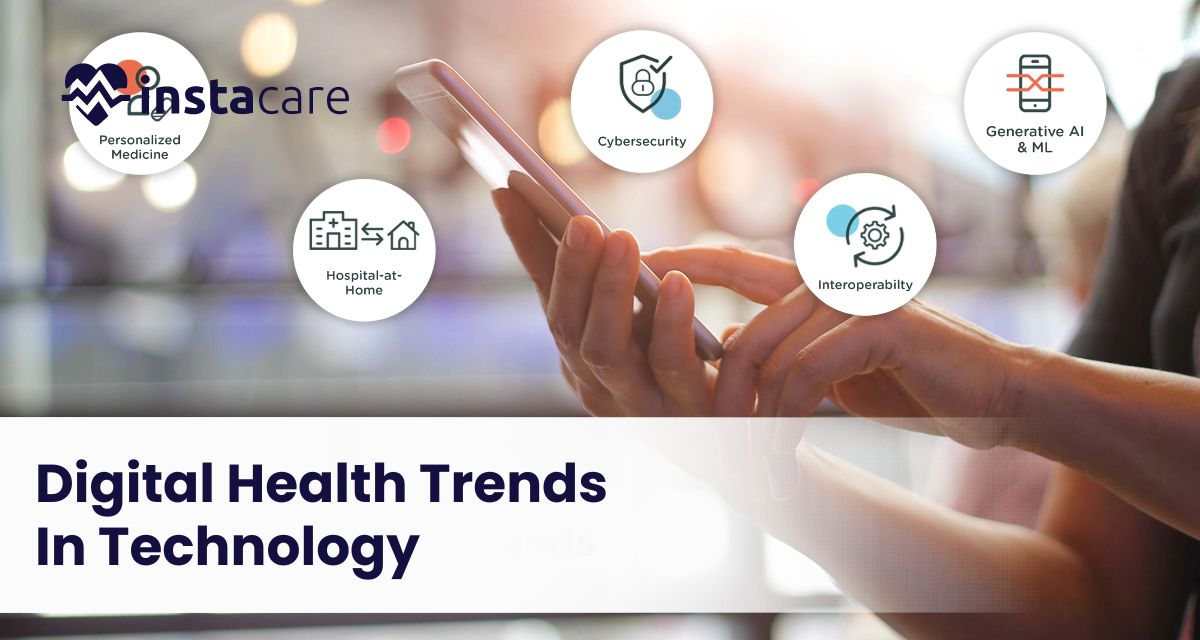
Here Are The Top 8 Digital Health Trends In Technology On account of innovation and forward leaps that significantly impact how we oversee and give medical care benefits, the medical care climate is evolving rapidly. Computerized well-being improvements, for example, telemedicine and man-made consciousness, are changing patient considerations, expanding proficiency throughout the medical services continuum, and further developing outcomes. We will take a gander at the main eight digital health trends In technology impacting medical care later on here. 1-Virtual Care And Telemedicine Patients may now talk with medical care specialists remotely because of telemedicine, which has turned into a crucial part of current medical services conveyance. Virtual consideration frameworks permit patients and specialists to impart progressively, disposing of the requirement for in-person visits for conclusion, treatment, and follow-up care. Accessibility And Convenience Patients might acquire medical care administrations from the solace of their homes by means of telemedicine, which takes out movement necessities and abbreviates stand by times. Better Access To Healthcare Individuals who live in remote or immature areas presently have better admittance to medical services on account of telemedicine, which permits them to talk with trained professionals and get care rapidly. Savings On Costs Telemedicine brings down medical services costs for patients and suppliers by wiping out the requirement for in-person arrangements and clinic stays. Improved Care Continuity Virtual consideration stages work with smooth correspondence between clinical experts, empowering collaboration and ensuring patients get steady treatment in different scenes. Care Quality Through safe video meetings, telemedicine maintains the norm of care by permitting clinical experts to do exhaustive assessments and oversee proof based treatments in a good way. Book Free Demo 2-Health Technology Wearables Digital Health Trends Wearable innovation, as smartwatches and wellness trackers, is empowering individuals to watch out for their wellbeing progressively. These contraptions screen imperative signs, movement levels, and rest designs, giving clients smart information on their overall wellbeing and prosperity. Monitoring Health In Real Time With the utilization of wearable wellbeing innovation, individuals may ceaselessly screen their pulse, oxygen immersion, pulse, and other imperative pointers to get constant criticism on their wellbeing. Monitoring Of Activities To propel clients to keep a functioning way of life and arrive at their wellness targets, wellness trackers and smartwatches track day to day action levels, including steps taken, distance voyaged, and calories consumed. Analysis Of Sleep To augment helpful rest, wearable gadgets measure rest examples, term, and quality. This assists clients with understanding their rest propensities and feature regions for advancement. Health Trends And Insights Wearable prosperity helps people with managing tenacious infections and changing their lifestyle proactively by giving them encounters into their overall prosperity plans through the examination of data collected for a really long time. 3-Augmented Reality (Ar) And Virtual Reality (Vr) Computer generated reality and increased truth are changing patient instruction, remedial therapies, and clinical preparation. Drenching careful reproductions and virtual recovery programs are just two instances of how these innovations give new ways to deal with work on understanding contribution and envision multifaceted clinical thoughts all these are part of new digital health trends. Training And Simulation In Medicine Clinical professionals and understudies might rehearse careful methods, physical analyses, and clinical situations in a protected and controlled setting with the assistance of VR and AR practical reproductions. Therapy And Education For Patients Through intelligent encounters, VR and AR applications show patients their clinical issues, accessible medicines, and recovery exercises, improving appreciation, adherence, and results. 4-Blockchain Technology In Medical Blockchain innovation is changing medical care through improved straightforwardness, interoperability, and information security. Blockchain further develops information honesty, speeds up regulatory systems, and grants safe trade of clinical records by laying out carefully designed, decentralized records. Safe Exchange Of Medical Records Blockchain makes it workable for patients, medical services experts, and different partners to safely share clinical records, bringing down the chance of information breaks and undesirable access while safeguarding patient security. Administrative Procedures Simplified Blockchain robotizes tasks, decreases desk work, and limits missteps to smooth out authoritative obligations including inventory network the executives, charging, and guarantees handling. This lessens expenses and increments functional proficiency. 5-Machine Learning And Artificial Intelligence By examining huge volumes of information to track down patterns, gauge results, and redo treatment regimens, man-made consciousness and AI advances are changing the medical services industry. Artificial intelligence is further developing clinical navigation and prodding advancement in tolerant consideration through applications, for example, prescient examination and analytic imaging. Analyzing Data And Identifying Patterns To track down examples, patterns, and relationships that take into consideration early sickness ID and individualized treatments, man-made consciousness calculations assess an assortment of medical care information sources, for example, hereditary information, electronic wellbeing records, and clinical imaging. Customized Care And Proactive Analytics Prescient investigation driven by computer based intelligence utilizes patient information to expect unfavorable occasions, treatment reactions, and the course of the infection. 6-Robotics In Telehealth Since they empower distant meetings and activities, telehealth mechanical technology is altering how care is conveyed. These innovations, which range from automated exoskeletons to careful robots, work on quiet results, give admittance to expert treatment, and widen the extent of medical services experts. Distant Consultations And Protocols In underserved or rural locations with limited access to experts, telehealth robots provide real-time interaction, examination, and diagnosis during remote consultations between patients and healthcare practitioners. Better Access And Better Results Healthcare practitioners may give prompt, personalized treatment to patients anywhere by utilizing telehealth robots. This reduces wait times, travel expenses, and healthcare inequalities, all of which eventually increase patient outcomes and satisfaction. 7-Remedial Arts Evidence-based treatments used to treat or manage medical diseases using software applications are referred to as “digital therapies.” These solutions, which range from diabetic management systems to applications for cognitive behavioral therapy, support conventional therapies and provide patients the tools they need to actively manage their health. Definition And Extent Digital therapies are a broad category of software-based interventions intended to improve general health and wellness or target particular medical disorders. These interventions use technology to provide evidence-based therapies,
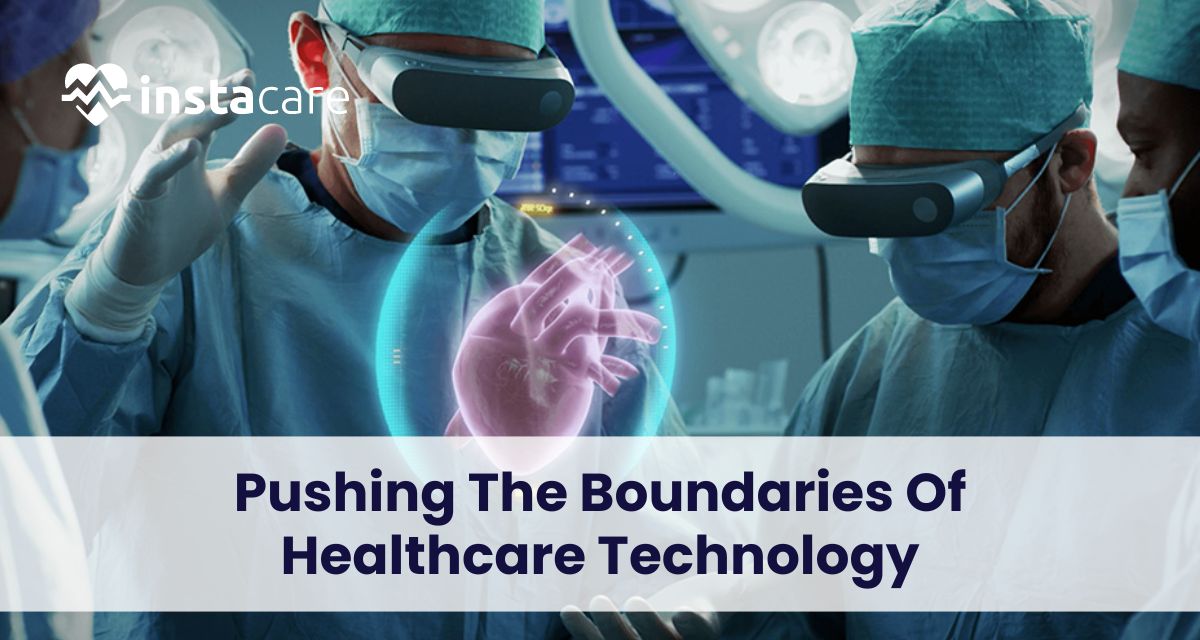
Pushing The Boundaries Of Healthcare Technology – Tips & Strategies Development has turned into an imperative instrument in medical services in the quickly advancing current scene. The blend of state of the art advancement with cutting edge care might have the option to push the limits of what is conceivable in clinical benefits, from working on understanding thought to adjusting legitimate cycles. In any case, tackling these likely calls for cautious preparation, imaginative reasoning, and a promise to beat snags. This post will look at some fundamental techniques and devices for capitalizing on medical services development. 1-Harnessing The Potential Of AI And Ml In Healthcare Technology By utilizing information investigation to spike bits of knowledge and innovativeness, man-made brainpower (computer based intelligence) and AI (ML) advancements can possibly totally change the medical services industry. Examining Extensive Data Sets Huge information in medical services, like hereditary data, demonstrative imaging, and patient records, is best handled by man-made intelligence and ML. Man-made reasoning (computer based intelligence) frameworks can track down examples, connections, and patterns in this information that probably won’t be noticeable to human eyewitnesses. Forecasting Abilities Prescient examination is one of the most astonishing purposes of computer based intelligence and ML in the clinical field. These advancements can distinguish individuals that are in danger, gauge patient results, and even anticipate sickness flare-ups by concentrating on authentic information. Medical services experts can make an early move thanks to this prescient expertise, which might assist with deflecting ominous events and upgrade patient results. Tailored Care Programs By tweaking treatment regimens for every patient, artificial intelligence and ML can work with altered medication. Computer based intelligence calculations can distinguish the best game-plan for every patient by analyzing hereditary, ecological, and way of life factors. This amplifies therapeutic viability and limits unfriendly impacts. Improving Judgment Making By integrating simulated intelligence and ML into clinical methodology, clinical faculty might get ongoing choice help. Computerized reasoning (man-made intelligence) calculations can enhance the information on human experts by giving proof based thoughts for finding, treatment determination, and care for the board. Making Resource Allocation More Efficient Medical care frameworks may likewise enhance asset assignment with the utilization of computer based intelligence and ML. Through the examination of patient stream, asset use, and functional failures, these advances can pinpoint regions that require improvement and upgrade processes, which thus prompt expanded efficiency and diminished costs. Increasing Patient Results Eventually, quite possibly integrating man-made intelligence and ML into clinical practice might upgrade patient results all around the medical care range. Medical services professionals may now offer greater consideration and further develop patient joy as a result of these innovations, which empower more exact determination, individualized therapies, and informed direction. Book Free Demo 2-The Importance Of Data Security And Privacy Protecting patient information is turning out to be progressively significant for medical organizations when medical services information is steadily moving into computerized designs. Strong Security Measures Implemented To improve information security, medical care associations need to utilize sweeping safety efforts that incorporate interruption location frameworks, access limitations, and encryption. By lessening the chance of information breaks and forestalling unapproved access, these safeguards help safeguard patient data’s classification and uprightness. Complying With Tight Privacy Laws Medical organizations need to ensure they are in accordance with severe protection regulations like the Health care coverage Convey ability and Responsibility Act (HIPAA). Patients’ and medical care suppliers’ trust is expanded when these norms are followed since they ensure that patient information is taken care of with the most noteworthy mystery and straightforwardness. Protection Of Private Data Solid information administration frameworks are important for medical care organizations to safeguard delicate information during its entire life expectancy. This involves setting up methodology for social occasions, putting away, sending, and disposing of information as well as performing routine reviews and appraisals to find and fix weaknesses from the get-go. Building Trust Medical care associations show their commitment to keeping up with moral principles and defending patient secrecy by putting a high need on information security and protection. This reinforces the patient-supplier association by empowering trust among patients and medical services experts as well as giving patient’s confidence in the genuineness of the medical services framework. 3-Cultivating Innovation with Healthcare Technology In Organizations Innovations ought to take on the substance of the medical care association that looks to change to the ongoing climate of medical services innovation and conveyance frameworks. Engaging Employees And Encouraging Them To Think Creatively It is basic that representatives are permitted to break free and all the more significantly think about new developments in their profession. HCOs ought to lay out an essential way to deal with ideation through planning open gatherings, hack-a-thons, and development rivalries where the laborer can submit and plan new answers for recent concerns. Experimenting With Emerging Technologies Another need is an emphasis on the utilization of late improvements in innovations for propelling medical services conveyance. Corporate elements ought to support the testing and utilization of advancements like man-made consciousness, telemedicine, and wearable gadgets to improve the conveyance of workforce clinical consideration, increment effectiveness, and overhaul inward cycles. Challenging The Status Quo As indicated by the data given, there is a need to continuously have a specific degree of interruption to the typical working of the medical services industry. It ought to turn into a standard practice in associations where representatives prompt a change and begin inquiring as to why things are finished in a specific way. Along these lines, and through introducing novel thoughts that pay attention to the impression of existing practices, medical services associations can foster new systems for advancement. Fostering Creativity And Collaboration Advancing techniques that animate thought age and participation is particularly significant in the medical care concern. Pioneers in associations ought to shape groups with laborers whose foundations and aptitude are very not quite the same as each other in order to streamline collaboration. Through powerful correspondence with others in the medical services associations, quite possibly the best component that can be rehearsed is individuals’
Understand How Digital Health Improving Maternal Healthcare? Digital transformation has become a primary and potent instrument in the field of healthcare since it modifies many tumors in medical practice. One key area that has been most impacted by this transition is the area of maternal health. This welcomed change behooves us to remain open to new ideas, new tools, and new strategies in digital health improving maternal healthcare. Now it is time to explore how digital health ensures a positive effect on the quality of life of both mothers and expectant moms. Empowering Digital Health Improving Maternal Healthcare digital health improving maternal healthcare, which comes as a result of use of technology, has provided a way through which pregnant women can access health care services easily. It is no longer a dream come true where women have to book as many prior appointments and travel long distances just for the regular prenatal check-up. Today, the patients have opportunities to be on a healthcare provider’s appointment list from their homes for a few clicks. This is because through virtual consultations, pregnant women can engage with a certified doctor, have a chance to express any issues they feel the need to address or seek clarification on aspects touching on prenatal care services. Not only does this reduce the time and energy spent by individuals in seeking medical care but also guarantees that pregnant women especially these who are in the rural or isolated areas, are able to access adequate health care. Enhanced Prenatal Monitoring with Wearable Devices Wearable technology is continuously evolving, and many women now get to monitor various factors regarding their pregnancy conveniently. Wearable devices that are embedded with sensors can therefore continuously record fetal contraction, fetal heart rate, fetal movements all important indicators of the status of the woman and the fetus. These devices allow pregnant women to frequently check on the condition of their bodies to ensure everything is fine and no compromise on health is made during the period of pregnancy. By monitoring the fluctuating factors like the blood pressure, heartbeat, and movement, the women can realize that there are changes with the regular patterns of their body and can contact a healthcare provider early enough in case they develop complications. Book Free Demo Improving Maternal Education and Awareness Through Mobile Apps These confirmed, that the mobile applications relating to the maternity became irreplaceable for expectation women helping them with a vast amount of information and sources at the palm of their hands. These apps provide detailed information about pregnancies, labor, and other concerns a woman may have in regard to the pregnancy, all based on the selected criteria. Whether it is about the right foods to eat and the kinds of exercises pregnant women should undertake, ways through which labor can be managed and tips and tricks on how to nurse a new born, these apps offer a wide area of coverage in beautifying the pregnancy period for expectant women. They also offer features like due date calculators, tracking symptoms, appointment reminders and among other tools aimed at ensuring that women expectant maintain high levels of conveniences while expectant. Facilitating Remote Maternal Care with Remote Monitoring Systems digital health improving maternal healthcare have become devices of great help to conventional approaches when it comes to maternal care especially for pregnancy that has been diagnosed to be at risk. Such systems enable health teams to stay connected and follow the condition of pregnant woman from the comfort of their houses and homes or if there is any complication, to attend to it promptly. Gathering information from the wearable devices, electronic health records, and remote sensors, these systems are useful to obtain the circumstances of the patients. Such a preemptive strategy allows healthcare providers to identify and manage early emerging challenges that may endanger the mother and/or the baby. Ensuring Continuity of Care Through Electronic Health Records Integrated EHRs have helped in improving maternal health by enhancing the continuity of care for expectant mothers from clinicians across various fields. Before its introduction, these electronic health records hold a vast amount of information about a patient’s medical history, previous and ongoing treatments by any registered healthcare provider at any one place and at any given time. EHRs enable integrated care across different care settings and it includes the ability within multiple disciplines to share information and work collectively. Regardless of whether the patient visits an obstetrician, primary care physician, or a specialist, pertinent information from the woman’s electronic health record is available to all of her healthcare providers. Providing Remote Prenatal Classes and Support Groups To elaborate the healthcare providers can use online spaces and conduct online meetings with a focus on such matters as childbirth preparation, breastfeeding practices, and care of the newborn. These classes enable pregnant women to gain lots of knowledge and resources using their computers and mobile phones from the comfort of their homes without having to go for physical classes. Furthermore, clinical and counseling services offer messages and online group support sessions for baby-mothers-to-be and other participants to interact with professionals and other participants. This feeling of community and support can be very help full especially when the woman is going through her pregnancy and feels lonely or stressed out at times. Remote Monitoring of High-Risk Pregnancies Apart from implementing regular prenatal check ups, digital health improving maternal healthcare is vital in managing high risk pregnant women through clinics. This means that for women with chronic diseases or pregnancy complications, close observation of fetal growth, maternal status, and other factors that could pose risks is very crucial in order to have a healthy baby and complication-free delivery. Telemonitoring lets clinicians maintain a lot of vigilance in view of these pregnancies although physical check-ups may not be made numerous times. It assists the healthcare teams through wearable devices, remote sensors, and telemonitoring systems to display the vital signs, perform fetal surveillance, and assess signs of dearth or any complications. Conclusion Digital innovation has impacted
Understand The Significance Of Telemedicine and Patient Privacy This Year In the landscape of healthcare, two pivotal aspects stand out in 2024: the potential of telemedicine and patient privacy rights. That is why as a growing utilization of technologies to present and access health services is established, these concepts become more essential. Telemedicine, the broad use of telecommunication and information technologies to deliver healthcare, has become one of the new industry shapers of the years. Geographically, its importance is that it outlines the delivery of a number of health care facilities with no consideration of the distance or geographical location. Healthcare Facilities With No Consideration Of The Distance And Location!! 1-Convenience and Accessibility The primary advantage of telemedicine, which is rather obvious, is the fact that through it, one can save a lot of time. People are no longer very restricted when it comes to places of destination and time they need to spend waiting in a hospital to be attended to. In a way of telemedicine, consultations can take time via online, thus saving time to make the efforts. 2-Improved Healthcare Outcomes Since it involves the use of technology to diagnosis and treat the patient over a distance, telemedicine helps to administer timely prevention and follow-up continually. This saves time, as patients can get their diagnosis, treatment, and continued monitoring and care for their conditions, improving overall treatment outcomes. In addition, telemedicine can similarly increase the access by the provider to a broader population than it would otherwise be able to see in traditional care setting while avoiding cases where some individuals are left behind with no access to necessary services. 3-Enhanced Confidentiality and Security Recognizing the importance of telemedicine and patient privacy ensures that individuals’ confidential medical information is protected and secure. By understanding the significance of patient privacy measures, healthcare providers can implement robust security protocols, such as encryption technologies and secure data storage practices, to safeguard sensitive patient data during telemedicine consultations. This enhanced confidentiality instills trust and confidence in patients, encouraging them to engage in telemedicine consultations knowing that their privacy is prioritized and protected. Book Free Demo 4-Efficient Healthcare Delivery With an understanding of telemedicine’s significance, healthcare providers can streamline healthcare delivery processes. Telemedicine allows for quicker access to medical consultations and reduces waiting times for patients. By embracing telemedicine and patient privacy optimizing its use, healthcare providers can increase the efficiency of their practices, leading to better patient satisfaction and improved healthcare outcomes. 5-Telemedicine And Patient Privacy in the Electronic Environment Conversely, employee productivity could be a weak link since telecommunication brings the office setting into the home, where patient privacy is more of a concern than in the workplace. Currently, due to advancement in healthcare provision or delivery most of the important data regarding patients can be easily accessed and shared through the use of the internet hence making it more difficult to protect the data than before yet very essential to do so. 6-Compliance with Regulations As a result of the typical nature of these records, along with many others, there are federal guidelines that healthcare providers need to follow in order to safeguard patient’s privacy such as the Healthcare Information Portability and Accountability Act (HIPAA). It describes the mode of handling, either in paper or electronically, of patients’ details and the measures we undertake to maintain their privacy and confidentiality. 7-Data Encryption and Security Measures Ensuring that patients’ information is safe is a critical aspect that requires effective implementation of various secure code encryption technologies and security features. Secure video conferencing, various messaging, and collaboration platforms help adhere to HIPAA rules and protect the patient’s data. 8-Informed Consent Telemedicine and Patient privacy is relevant to patient care, and there must be transparency and informed consent on the part of the patient. Telemedicine consultations need to provide patients with information regarding the ways their data will be utilized as well as shared, so that the patient could make satisfactory decisions regarding the healthcare process. Virtual Healthcare Services And Patient Rights To Privacy Telemedicine grows continuously and, in the year 2024, patient privacy concerns increase and are closely related to each other than ever before. With telemedicine being one of the fast-growing areas in the practice of medicine, patient privacy is emerging as a critical concern for care providers and government authorities. View More: Streamline Your Medical Billing with Medical Billing Software 1-Balancing Innovation with Ethics On personal note, despite the technological advancement that telemedicine presents in the delivery of healthcare services, patient privacy cannot be an option for a toss. Many hospitals and care practitioners continue to investigate ways to use technology in order to enhance patient care, while at the same time protect the patient’s right to privacy. 2-Education and Awareness: In expanding the knowledge of telemedicine, it has to be communicated to both the healthcare provider and consumers of the services that patient privacy is sacrosanct. By ensuring that every member of the team understand what good and bad practices of telemedicine are and what the guidelines of patient’s privacy are, we can make a positive change regarding telemedicine use. Conclusion Indeed, the application of telemedicine and patient privacy in 2024 could be described as critical. Because technology is increasingly becoming an integral part of the governing processes in the healthcare industry, the protection of the rights of patients is very important in every administrative process. From those arguments, we can infer about the subject of telemedicine and patient privacy as the foundation of a more convenient and efficient healthcare environment. FAQS What telemedicine actually is and how does it function? Telemedicine means to deliver health care services through the application of technology including telecommunication technology e.g. video conferencing and even home monitoring devices. Patients can ask doctors and other health care professionals questions, get a diagnosis, and even get prescriptions over the internet without the necessity to come in personally. Telemedicine can be defined as timely exchange of information between patients and healthcare providers while accomplishing healthcare
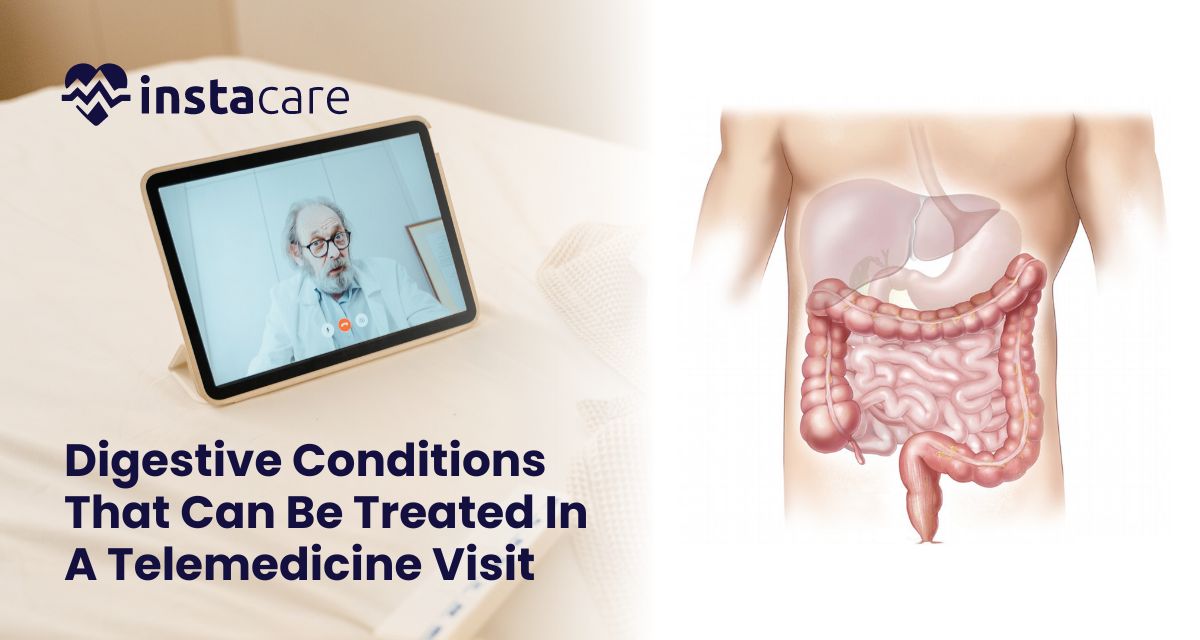
Digestive Conditions That Can Be Treated In A Telemedicine Visit With the development of telemedicine, receiving professional attention from the comforts of one’s home is now easier than it has ever been in recent memory. This is very useful for managing a few Digestive Conditions. Many stomach-related problems can be accurately diagnosed and treated with an online appointment with a physician. You can speak with your vital consideration doctor over the phone or on your computer instead of going to the expert’s office. In this blog post, we’ll look at a few common stomach-related ailments that can be treated with telemedicine. You will discover which stomach-related difficulties can be managed online, how they can help you save time and improve your mental state, and which problems can be resolved in that manner. Gastroesophageal Reflux Disease GERD is a chronic stomach disease in which stomach acid frequently runs back into the throat, producing symptoms like indigestion, nausea, and difficulty swallowing. If GERD is not addressed, it might eventually damage the esophageal coating and cause more severe problems. How Could Telemedicine Be Used To Treat GERD? Generally speaking, a telemedicine visit is an effective means for a provider of medical services to assess and manage GERD: 1-Side Effect Survey The provider can learn more about the frequency, severity, and impact of their GERD side effects, including indigestion, vomiting, and difficulty swallowing. Clinical history: The provider can ask about the patient’s past medical history, particularly any GERD or related illness medications. 2-Management Of Medications The physician or nurse can recommend or administer over-the-counter or prescription drugs for mild to moderate GERD in order to lower stomach acid production, relieve symptoms, and monitor the patient’s reaction. 3-Lifestyle Recommendations The doctor may advise avoiding foods that worsen GERD, decreasing weight, and increasing sleep as ways to improve one’s diet and way of life. 4-Follow-Up Care To monitor the patient’s development and make any required modifications to the treatment plan, the physician might schedule routine telemedicine follow-up appointments. 5-Irritable Bowel Syndrome Constant abdominal pain, swelling, blockage, or even looseness of the bowels are symptoms of irritable bowel syndrome (IBS). Although the exact cause isn’t entirely understood, a variety of factors, such as food, stress, and modifications in stomach movement, are acknowledged. Book Free Demo How Could Telemedicine Be Used To Treat IBS? Generally speaking, telemedicine can work well for medical service providers in monitoring and evaluating IBS side effects: 1-Assessment Of Symptoms The physician can oversee a thorough evaluation of the patient’s IBS side effects, taking into account factors including repetition, severity, and impact on daily life. By inquiring about certain foods, stress levels, or alterations in routine, they can assist in identifying possible factors. 2-Nutritional Advice The provider may suggest changing the diet to identify trigger foods, such as increasing fiber intake, limiting foods that release gas, or trying an end-of-cycle diet. Together, they can create a personalized meal plan that will help control the patient’s IBS symptoms. 3-Medications A doctor may give the same medication to treat additional symptoms, assist control bowel movements, and ease stomach discomfort in those with moderate to severe IBS. They are able to monitor the patient’s response to medication and adjust as necessary. 4-Life Path Direction In order to reduce the side effects of IBS, the provider may recommend work-out plans, pressure-board procedures, and other lifestyle adjustments. They can provide guidance and support to enable the patient to implement these adjustments. Constipation Constipation is a common digestive disease that manifests as infrequent bowel motions, difficulty passing stool, or the feeling of an incomplete evacuation. It could very likely be caused by a variety of factors, such as changes in routine, medication side effects, food, or underlying health issues. How Might Telemedicine Be Used To Treat Constipation? Most of the time, telemedicine can be an effective method for providers of medical services to evaluate and manage harmful side effects: 1-Assessment Of Symptoms The healthcare professional can examine the patient in detail to determine the cause of their constipation, including frequent bowel motions, difficulties passing stool, and any related pain or discomfort. They can ask questions to identify potential contributing factors, such as prescription use, active work, diet, and hydration. 2-Nutrition And Lifestyle Ideas To enhance the patient’s intake of fiber, the healthcare professional may recommend dietary modifications, such as adding more fruits, vegetables, and whole grains. Additionally, they can recommend methods to improve hydration and vigorous work, both of which can help regulate entrail capacity. The provider can provide guidance on how to set up a dependable bathroom use schedule to promote usual defecations. Ulcerative Colitis And Crohn’s Disease Among the most well-known types of inflammatory gastrointestinal diseases (IBDs) are Crohn’s disease and ulcerative colitis. Even though they are somewhat similar, their causes, consequences, and approaches to therapy are very different. 1-Ulcerative Colitis This chronic illness is characterized by inflammation and ulceration of the membranes surrounding the colon and the rectum. Possible symptoms include weight loss, diarrhea, rectal bleeding, abdominal pain, and an urgent desire to pee. Typically, only the colon and rectum are irritated. 2-Crohn’s Disease Crohn’s disease is a chronic inflammatory illness that can affect any part of the digestive system, but it typically affects the wall of the ileum, which ends the small intestine, and the beginning of the colon. Possible symptoms include weariness, diarrhea, weight loss, hunger, and abdominal pain. Patches of diarrhea may occur, with healthy tissue scattered in between bad areas. Methods In Telemedicine Telemedicine can be used effectively for the two situations for initial evaluation, ongoing monitoring for side effects, and prescription delivery. Physicians can review a patient’s past medical history, assess their present symptoms, and modify therapies as needed during virtual sessions. Remote monitoring and more regular check-ins are made possible by telemedicine in the treatment of chronic, relapsing-remitting illnesses such as IBD. For more serious episodes or consequences, the telemedicine worker might recommend an in-person assessment and potential care promotion, like a referral to a physician. Additionally, telemedicine can facilitate
How Do We Balance Digital Media Use In Our Lives Digital Media Use to remain in touch with the people in our lives can be entertaining. However, the more time we spend on digital media, the less time we probably have for engaging in in-person activities, spending time with friends and family, and focusing on our jobs or studies. It’s important to develop good digital media habits that balance time spent online with in-person contacts and constructive hobbies because excessive digital media use can have detrimental impacts on our physical and mental health. How Do I Know If I Need Digital Media Balance? Everyone uses digital media in a different way depending on their unique situation when it comes to health. Digital media could be essential to your work if you need to stay in touch with colleagues for a project at school or to keep up professional relationships. You could be interested in staying in touch with distant family members or participate in online community groups. Although digital media can be useful in our lives in various ways, using it while working or attending class might impair performance. Furthermore, using digital media when out with friends or at the family dinner table can be detrimental to our relationships. If you frequently check digital media when you shouldn’t, consider the following: Perhaps it’s time to think about taking a more sensible tack. Addiction to digital media is not considered a true addiction, unlike drug use disorders. People do, however, report having symptoms that are akin to those of an addiction, such as the need to use or check digital media continuously and feeling uneasy or anxious when they are unable to do so. It’s a good idea to monitor how often you use digital media and note how using it makes you feel, especially if you’re experiencing any discomfort or worry around using it or if you believe your use is worsening your mental health. It’s time to start restricting your use of digital media if you find that being away from your phone makes you anxious. Tips For Finding Digital Media Balance After you’ve made the decision to develop positive digital media habits, setting realistic objectives and using tools to keep you on track are excellent places to start. These are some recommendations to help create digital media routines that are healthful. 1-Set Time Limits Or Schedule Digital Media Time Allowances Strive to determine—and then adhere to—the amount of time you believe is appropriate to spend on digital media. One possible solution would be to check digital media once a day, but not right before bed. Another useful tool to help you remember to stay within your healthy boundaries is a timer. There are options on many smartphones that allow you to receive alerts when your screen time is getting close to or above certain restrictions. 2-Safeguard Your Sleep Stimulation and stress resulting from scrolling and posting can interfere with falling asleep and staying asleep. Avoiding digital media in the evening can help you wind down and feel calm. Staying off screens at least 30 to 60 minutes before bed can eliminate exposure to blue light that can disrupt the natural sleep cycle. 3-Put The Phone Away When You’re Spending Time Others When you have in-person interactions, try putting your phone away to be fully present. The dopamine rewards you experience from engaging in genuine connection with others may feel more fulfilling than potentially superficial rewards you attain from scrolling through your digital media feeds. 4-Turn Off Digital Media Alerts On Your Devices A constant stream of digital media alerts can be difficult to ignore. You might try turning off alerts so that you’re not tempted to check digital media outside of your “scheduled” time each day. 5-Remind Yourself Of The Realities — And Unrealities — Of Digital Media Try making a conscious effort to remember that digital media is not an accurate reflection of the complexity of most people’s lives. Digital media can be a great way to connect with others, but comparisons can be unrealistic and lead to negative feelings. 6-Make An Effort To Have In-Person Interactions Face-to-face interactions can be uplifting and keep us from feeling isolated. Try to focus on “in person” friends and loved ones. You might also consider volunteering for an important project or joining a group with interests to get out in the world. Book Free Demo How To Limit Digital Media Use Use an app tracker to track the amount of time you’re spending on digital media apps. Some apps have built-in timers that can help you track your time and set reminders to exit the app. 1-Switch your phone to grayscale. Phone apps are designed to be stimulating and fun. An easy, quick switch that you can do on your phone during times you would like to stay off it is to grayscale your phone. Delete digital media applications from your phone; this will make the apps less accessible to you all the time. If you don’t want to delete them altogether, putting them into a folder or off of your main home screen helps to decrease the time spent on them. 2-Turn off push notifications. Notifications are designed to get us to check apps, which increases the likelihood that we start scrolling. Turning them off can help you stay off apps. 3-Set up “No Phone Zones” in your space. Make rules based on the use you’re trying to cut down. For example, no checking your phone in bed at night or first thing in the morning, or no phones at the dinner table. How to Spend Your Time Differently Start small. Starting with a goal of decreasing digital media usage by 30 minutes a week will give you 30 more minutes every week to do things that are good for your mind and body. 1-Prioritize face-to-face connections Any time you choose to spend time talking to a friend or family member face-to-face over scrolling through digital media is
Understand The 5 Latest Trends In Digital Healthcare This Year The Trends In Digital Healthcare is making a dramatic impact on the healthcare sector across the globe, and the recent trends in digital healthcare are only accelerating the changes. These trends may result in the development of new methods for the prevention of diseases, diagnosis, and provision of suitable treatment. Digital developments such as blockchain technology and virtual reality remain major areas where life science business devotes its huge share of spending. To put it in a nutshell, Ai is adding value to diagnostics and treatments. Since the start of the COVID-19 pandemic, the pharmaceutical industry in particular has been experiencing the biggest changes across all the sectors. It is going through various changes, and it is associated with some of the new factors at the same time. There are a number of vital and innovative clinical technology trends, for example, the use of the healthcare system industry. These trends are merely the beginning; they will determine the course of its history further. Let’s unwrap the story of the state-of-the-art trends in digital healthcare. 1-Healthcare Analytics The healthcare industry is a fertile ground for data generation. They collect data from numerous sources such as electronic health records, medical imaging devices, wearables, and mobile health applications. This data analysis is becoming an integral part of healthcare systems. It helps achieve greater efficiency. Healthcare analytics offers clinicians the chance to have their decisions supported by whatever data they need in the real-time environment so that the doctor can make an appropriate diagnosis. Through the use of machine learning methods that enable spotting patterns from large datasets, predictive analytics determine patients who are going to develop specific conditions, for instance, diabetes or heart attack. This prepares the way for effective early intervention to be used in the prevention and management of such diseases. Through healthcare analytics, data is going to be an inseparable tool in public health management as well. The healthcare analytics utility is expanding further in the optimization of hospital operations related to scheduling of appointments, staff management and resource allocation. Shilling Offers Health Analytics-As-A-Service The American healthcare tech company Shilling comes up with the digital platform aimed for patient analysis and bed capacity planning. It in particular employs AI techniques to do proactive capacity monitoring and sending notifications in a developing necessity for accommodation. This allows clinic facilities to have a fixed order of patients’ flow: the appointments of their choice can be scheduled for breaks and appointments can be limited to the ones they choose. Besides, they created an option of dashboards in the system that allows clients to analyze their onboarding process. By looking at these results, pros determine what drives low engagement and they fix those barriers to be able to deliver quality patient care. Book Free Demo 2-Cloud Healthcare In healthcare cloud computing eliminates needlessly high infrastructure expenses and gives healthcare professionals and medical personnel more ease in management of a huge amount of data, i. e. EHRs or medical imaging data. Furthermore, more patients will enjoy the convenience of accessing their healthcare information at their fingertips. This draws the process of treatment with trends in digital healthcare closer to the standard of care and makes it possible for the caregivers to harmonize their effort in real time. Cloud based systems offer a backup report of healthcare data during natural calamities or any other accidents where original data is vulnerable. It can help to avoid crucial patient data that might be missing otherwise. Consequently, cloud computing also makes possible the provision of telemedicine services which were traditionally only accessible to those who were in the vicinity of doctor clinics. 3-Electronic Health Records EHRs have been underpinning the concept of more accurate, readily accessible, and simple use of the patient data over time. EHR provides physicians instant access to a patient’s full medical history thereby assisting in prompt diagnosis, treatment, and closely monitoring health conditions. A challenge in implementing EHR is that it is usually not interoperable, making it tough for the providers to access and share the health information with different platforms. Startups usually build facial recognition AI into EHR solutions not only for faster diagnosis but also for optimal treatment recommendations. Not only this but also voice-control EHR systems driven by NLP enable clinicians to document patients’ case records employing natural language. It prevents waste of time and increases accuracy and reliability of results as compared to the manual data insertion process. 4-Digital Therapeutics The digital therapeutics which is a recently emerged branch of medicine is more advanced in terms of treatment. It uses the newest technologies, such as software, wearable devices, and digital platforms, to carry out science-based interventions. They can be used for the prevention, the management and sometimes also in the treatment of other medical conditions. DT decision is fine-tuned to each patient’s unique needs hence it produces better treatment results. In addition to it, it is quite helpful in maintaining weight, managing sleep disorders, ordinary diseases, and other health issues. Also, the means of receiving treatments is more comfortable since the specific drugs are accessible everywhere, including home, without even an act of making sure that a patient appears for consultations. Additionally, it enables the healthcare professionals to keep surveillance on the patients in real-time, thereby arriving earlier at critical situations. 5–Patient Engagement In the current era of digital health, patients actively engage with the help of digital devices including mobile health apps, wearables, and patient portals. These digital tools represent a way to achieve rapid health information access by giving people the tools needed to access their test results, medicine lists, and treatment plans. AI-enabled chatbots not only help patients with their questions and ordering prescriptions, but they also serve to make the experience of using the healthcare system more efficient. People use internet tools to contact doctors, plan their visits or get notification when it should be time to order refills of medicines. This occurs because patients’ attendance
Understand The Role Of AI In Healthcare Artificial intelligence is rapidly advancing in the medical field and has the potential to greatly benefit Pakistani citizens AI in healthcare can improve healthcare procedures and aid in understanding of outcomes, but technology is unlikely to completely replace human specialists. Artificial intelligence can play a critical role in addressing some of the limitations of the medical care framework in Pakistan, where access to high-quality medical services is dependent upon passing a test. Advances in computer-based intelligence can assist professionals in identifying diseases, dissecting clinical images, and predicting the risk of particular situations. These skills can help overcome financial barriers and improve the accuracy and speed of clinical results, particularly in remote areas where specialized medical services expertise are needed. Introduction To AI In Healthcare The subject of artificial intelligence in medicine is one that is developing swiftly and involves using cutting-edge inventions and events to work on many aspects of the medical services sector. Artificial intelligence frameworks seek to replicate human knowledge processes, enabling computers and other devices to carry out tasks that typically call for human intelligence, such as reasoning, learning, navigation, and judgment. Additionally, the development of new medications and clinical examinations can be accelerated using artificial intelligence. Artificial intelligence computations, based mostly on biomedical data and logical language, are able to differentiate possible drug targets, enhance clinical early findings, and assist in the discovery of novel medicines and treatments. Book Free Demo Can AI Replace Human Doctors? The question of whether artificial intelligence can replace human professionals is a confusing and complicated one in Pakistan. Although artificial intelligence (AI) has greatly advanced healthcare globally, there are unique challenges and factors to be taken into account when applying AI in Pakistan’s healthcare sector. It is crucial to acknowledge the enormous potential of artificial intelligence in advancing the delivery of medical care in Pakistan. Technological advances in artificial intelligence, such as AI algorithms and vision analysis, can enhance the accuracy of analyses, enhance treatment plans, and streamline complying with regulations. In a country such as Pakistan, where access to high-quality healthcare services is frequently restricted, artificial intelligence may be able to fill gaps in the delivery of medical services by providing smart and timely solutions. Still, there is doubt and resistance in Pakistan’s medical community and society at large to the idea of artificial intelligence completely replacing human experts. This distrust is due to several factors: Cultural And Social Factors Pakistan possesses strengths when it comes to highlighting personal relationships and trust in healthcare providers. Due to its lack of emotional intelligence, AI might find it difficult to mimic the comforting and sympathetic traits that patients often look for in their doctors. Asset Requirements Although artificial intelligence (AI) promises to improve the outcomes of medical services, its widespread acceptance in Pakistan has been restricted by asset limitations, such as limited access to quality information, inadequate infrastructure, and a shortage of skilled professionals to design and carry out simulated agreements for intelligence. Administrative And Moral Concerns The moral effects of AI in healthcare, such as data security, algorithmic biases, and patient safety, need for careful consideration and solid oversight frameworks. Concerns over the moral application of simulated intelligence in medical services continue in Pakistan, where administrative control is still in its early stages. Fairness And Availability The widespread use of AI in healthcare could potentially make already-existing inequality in service accessibility worse, especially in Pakistan’s poor and rural areas where internet literacy and technological infrastructure are lacking. Notwithstanding these challenges, there is understanding that artificial intelligence AI in healthcare may enhance human specialists in Pakistan’s healthcare system rather than replace them. Medical services professionals can enhance patient consideration and outcomes while preserving the human touch that is essential to the practice of medicine in Pakistan by employing artificial intelligence devices to increase clinical direction, computerize repetitive tasks, and work on functional effectiveness. View More: 5 Benefits Of Technology In Healthcare Understanding AI In Healthcare In medical treatment, artificial intelligence refers to the application of cutting-edge discoveries and computations to evaluate and comprehend clinical data, support beneficial guidance, and improve comprehension. It involves the use of artificial intelligence (AI), natural language processing, and information analysis to extract meaningful experiences from vast amounts of medical data. AI in healthcare has the potential to transform the industry by improving diagnosis, treatment, and patient monitoring with greater accuracy and efficacy. It may analyze clinical images, such as X-rays and X-beams, to identify abnormalities and facilitate the early detection of illness. Additionally, artificially intelligent algorithms are capable of handling patient data, such as side effects, clinical history, and genetic information, to provide personalized treatment plans and recommend appropriate medications. Additionally, chatbots and menial helpers equipped with artificial intelligence can work with patients, respond to their requests, and provide basic medical care information. This increases access to medical services administrations in remote areas and lessens the burden on medical service providers. Finally, artificial intelligence in healthcare should be seen as a valuable tool that enhances the expertise of medical professionals, empowering them to make more informed decisions and treat patients with greater care. Conclusion Though there is a good chance that artificial intelligence may eventually replace human specialists in the medical field in Pakistan, this is risky. Specialists benefit from the use of artificial intelligence as it simplifies tasks, speeds up processes, and advances medical treatments. Be that as it may, things like grasping patients’ feelings, considering cautiously about what’s best for them, and ensuring everything is done morally are things no one but people can do. Thus, it’s critical to strike a good balance between the use of artificial intelligence and the participation of human experts. In this way, patients can always seek the thoughtful and insightful care they require, close to the benefits that artificial intelligence provides that are truly valuable. FAQs What role does artificial intelligence play in healthcare? Artificial intelligence plays a crucial role in the provision of medical services by assisting specialists with various tasks, such as diagnosis, scheduling