Electronic medical record systems serve as proper tools for patient management systems for healthcare managers who are interested in enhancing patient care services. Modern progression in technology has made it possible for the healthcare industry to get many features that can ease on operations, minimize on paper work and improve on patient satisfaction. These are the goals that must be met for choosing the right software for your practice. In this article, we will look at the main aspects that should guide the selection of the patient management software. 1-Symptom And Diagnosis Of all the components of patient management software, the most crucial is arguably the appointment schedule. When properly done it can greatly decrease cases of patients not showing up for their appointment, case of overcrowding and increase customer satisfaction. Look for a system that allows: Online Booking: Most clients need to be able to book an appointment through the website using an easy to navigate interface securely. This reduces phone calls and also gives the patients an easy time in trying to locate suitable timings. Automated Reminders: The software should be able to periodically remind its users through phone or email to help reduce instances where people fail to show up. This does not only educate patients with their condition but also allows clinics to reduce financial losses from unscheduled time off. Calendar Syncing: It also has the possibility for synchronization with some of the most common calendar applications like Google Calendar, which will be helpful for both, the patient and the healthcare provider, in terms of scheduling. 1- Integration Of Electronic Health Record (EHR) One of the best features that augment patient care is the perfect interface with the Electronic Health Records EHR. Another advantage of EHRs is that through integration, a health care provider can review a patient’s health information, his tests, and treatment speeches. Key benefits include: Centralised Data Storage: The software should be able to contain all patient data in one location; this will enable healthcare providers to get an all-around view of the patient’s care history. Interoperability: See to it that the software needs to be able to be interfaced with other health information systems. One of the benefits of having one social platform interact with another is that care and coordination between various health care givers is enhanced. Real-Time Updates: Current information is important so that any relevant information about a patient is current in the clinical setting to support faster decisions. 2- Billing And Invoicing Patient-managing software must have an accurate and functional system of billing and invoicing. This is especially so because there are various ways through which patients receive their bills, such as through insurer claims and acceptance of numerous forms of payment besides grappling with various provisions of healthcare laws. Refilling of invoices that are auto-generated on appointments, treatments, or service rendered will also help in avoiding time wastage and errors. Assure that the system can work with insurance claim processing and is connected with the insurance institution for eligibility verification. This makes the filing of claims easy and also helps to eliminate some mistakes. The integration with payment gateways enables the patients to make payments for the bills issued; the process is convenient. 3- Patient Portal The final vision for the patient portal should be as follows to make sure the patient engagement and patient satisfaction are improved: By being user friendly, it should ensure basic information accessibility. Key features to look for include: Paper based records of patient’s history and medication should be replaced with online services that enable the patients to see their records, test results, and treatment prescribed. The options for secure messaging are available so that patients can ask some questions, request for prescription refill or speak to their health care providers. This helps to cut on traffic in human relations and schedules free time for both the involved parties. Recall, the patient portal should also facilitate appointment booking and use notifications to enhance the number of patients attending appointments. 4- Telemedicine Capabilities As we know that telemedicine is on the rise particularly after COVID, it becomes very crucial that the patient management software has integrated a strong telemedicine interface. Each of these features enables the healthcare providers to practice virtual consultations as well as follow up on their patients from a distance hence increasing the rate of patient’s accessibility. Look for the following capabilities: Video Consultations: The software should provide safe technology for video calling to have an opportunity to consult patients remotely. Remote Monitoring: Some systems are connected to wearable equipment or smartphone applications that allow the patient to send the health data such as blood pressure or glucose levels without visiting the clinic or a doctor’s office very often. Secure Data Transmission: The software must also prevent the leakage of personally identifiable information by offering HIPAA compliant data transmission within virtual visits. Book Free Demo 5- Customizable Templates And Forms A high level of customizability is required so that the applications match the requirements of your practice. It is crucial for a patient management system to have some templates and forms specific to various types of patients’ meetings. Benefits of this feature include: Efficiency: Preprinted forms enable you to develop forms for standard operations or diseases that take a lot of time in documentation. Consistency: Practises specific forms are useful more so in large health organisations where many providers are involved in data collection because it can create cohesion in the practice. Flexibility: This means that the different forms can be programmed to meet the needs of your practice, without having to make major changes to the field structures since fields can be quickly added or removed to accommodate the specific requirements of your practice or firm. 6- Analytics And Reporting The efficiency of practice activities and the expert decision-making process depend on data analysis and reporting. The software should give explanations of several factors in the practice by way of reports. Key features to look for include: Patient
Efficiency is something the developing healthcare landscape is ever on the lookout for. The evolution of PMS or patient management software has been considered an extremely vital tool for healthcare providers in maximizing the efficiency of workflow, hence providing improved patient care. This report outlines how patient management software maximizes the operations of a healthcare delivery system by making even the smallest aspects-from scheduling appointments to billing contributions to better patient outcomes and smoother handling of patient management processes across the board. Electronic patient management software manages patient data, scheduling, billing, and communication. PMS simplifies routine patient information management and promotion of healthcare delivery. The patients and connections with a healthcare provider are improved through coordination and communication among administrative staff, patients, and providers using these systems that feature health care. 1-Streamlined Scheduling Process Automated Scheduling Another significant role that patient management software plays is automation of appointment scheduling, which often proves to be one of the most painful and laborious exercise when using traditional methods involving manual entry and phone calls which often give room for a lot of errors. Through the patient management system, you can easily automate the process of appointment scheduling by allocating time slots when a clinician is available, thus greatly reducing the chances of getting double-booked and missing appointments. Patient Self-Scheduling In many PMS solutions, patients are provided with access to patient portals that allow them to self-book, reschedule, or cancel appointments. This self-service mechanism, apart from empowering patients, saves staff time so that administrative personnel can be assigned to more important work. Administrative burden reduction will stream-line workflows and ensure patients’ satisfaction. Reminders and Notifications True game changers for no-show and last-minute cancellations are automated reminders via e-mail or SMS. Patient reminders will help the PMS ensure maximum provider schedules and minimal lost revenues in terms of time slot utilization. 2-Centralized Information of Patients Complete Records Easy access to relevant information pertaining to a patient is the foundation of effective patient management. The patient management software brings all relevant information together and makes them readily accessible to health professionals. They include history, medications, allergies, laboratory test results, and treatment plans. Everything is kept in one place, and providers can make decisions quickly during consultation. Interoperability Modern PMS solutions are nowadays connected to other health systems. They allow for seamless data interchange between laboratories, pharmacies, and specialists. These links allow for coordinated care, reduced errors, and easier reviews of lab results on a patient’s record. As quickly as these lab results update on a patient’s account, providers can view them in real-time for rapid treatment decisions. 3-Better Communication System Internal Communications Effective communication is an important need in the healthcare sector. As discussed earlier, patient management software supports internal communication by way of secure message systems that make the staff to converse instantly and easily. Thus, reliance on telephone calls and emails is reduced, decision making is faster, and teamwork is improved. Patient Communication PMS offers direct communication with patients through either portals or messaging features. Test results, reminders of appointments, and educative material can be forwarded directly to the patient by providers, hence increasing engagement levels. When the patient feels informed and involved in the treatment process, then compliance and satisfaction improve. Coordination with Specialists In healthcare, referrals to specialists are commonplace. PMS makes communication between the primary care and specialty providers easy, thereby ensuring that everyone involved in the treatment of the patient knows about the treatment plan and condition of the patient, improving the outcomes. Shared access to records of patients will enable specialists to have access histories and thus provide informed decisions, enhancing more coordinated and comprehensive care. Book Free Demo 4-Improved Billing and Insurance Processing Automated Billing Billing very often is one of the most time-consuming aspects of healthcare management. Patient management software makes billing tasks automated; hence, it streamlines this aspect as well. After a visit, PMS can automatically make invoices so that the charges will be correctly calculated based on services rendered. It avoids errors due to manual entry and accelerates the billing cycle, thus improving cash flow for healthcare practices. Insurance Verification Most PMS packages have real-time insurance eligibility verification. This helps avoid billing errors as the coverage of services is checked before the patient comes in for an appointment. Fast verification cuts down on the claims denials of the practice and thus the financial stability of the practice. Claims Management PMS typically allows electronic submission of insurance claims and enables tracking of the status and denials for a practice to effectively manage the revenue cycle. This automatically makes the practice aware of its financial health and capacity to collect claims in an efficient manner. Prompt claims resolution will ensure that the service providers are reimbursed by payers within the committed timelines. 5-Data Analytics and Reporting Performance Tracking This patient management software provide both analytics and reporting capabilities to offer rich data insights. The providers are able to track any of the KPIs, for instance, patient wait times, appointment volumes, and even the productivity level of employees. All this information helps to point out areas of improvement and thus informs operations-related strategies. Clinical Outcomes By analyzing the effectiveness and improvement in treatments, patient outcomes become possible. Based on proven evidence, care protocols can be changed by providers regarding the care of patients. Data analytics helps better understand trends and patterns concerning patient care, allowing providers to alter their practices based on evidence-based insights. Financial Reporting PMS generates financial reports showing practice revenues and expenditures, so the practice will know where its revenues come from and thus determine its financial health. Budget planning and resource allocation are easy to plan because practices can operate with sustainability, thereby providing high-quality care. 6-Improved Patient Experience Online Portals A positive patient experience is a key to healthcare success. The management of patients forms part of this since it enables the access to their health information and ability to schedule appointments online as well as communicate with providers through the
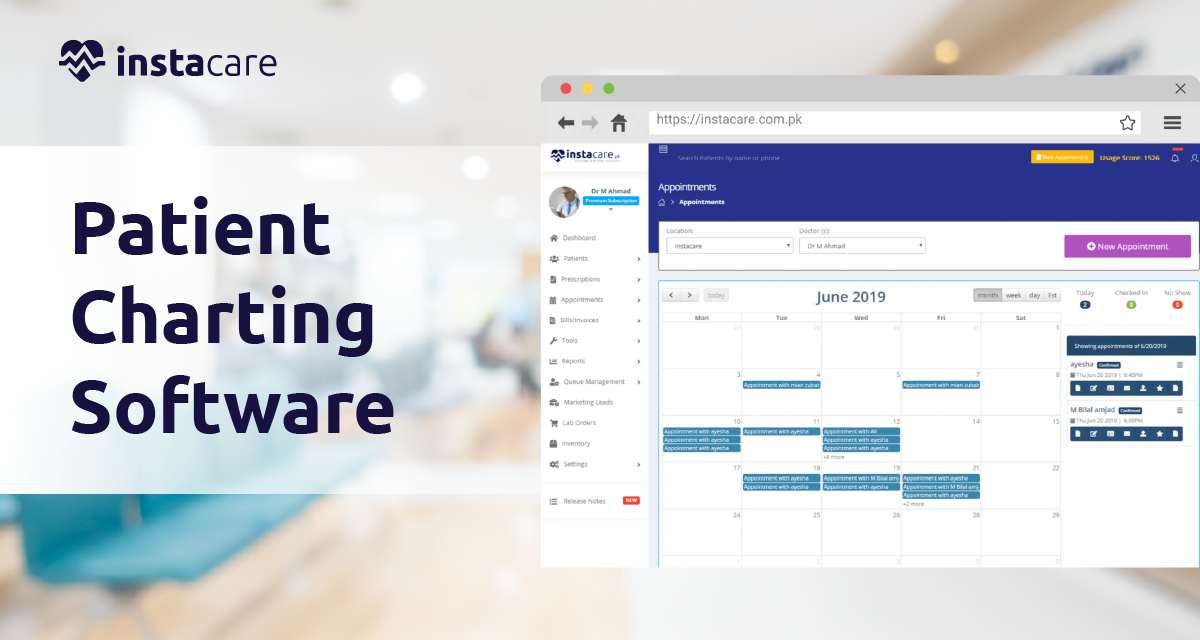
6 Key Features of Patient Charting Software You Should Know Patient charting software has totally changed the medical services scene. Managers are furnishing medical care suppliers with inventive devices to deal with patient data and improve their day-to-day tasks. On account of tireless progressions in innovation, current Patient Charting Software has developed to offer a broad cluster of highlights carefully planned to raise productivity, lift the nature of patient consideration, and maintain severe devotion to administrative necessities. These elements are necessary to enable medical care experts to explore the intricacies of their jobs effortlessly and viability. Let’s now look at the six most important features of modern Patient Charting Software that every healthcare professional needs to know about. These features not only make administrative tasks more straightforward to do, but they also make the experience of patients in general better, which ultimately leads to better health outcomes for people who are under their care. Continue Reading to learn about The 6 Key Features of Patient Charting Software!! 1-User-Friendly Interface An easy-to-use connection point is really significant in quiet Patient Charting Software. It is similar to having a straightforward road map. When you use this Patient Charting Software, you want to quickly and easily get to the information you need. That is where the smoothed-out route comes in. It’s like having smooth roads and clear signs that tell you exactly where to go. Imagine assuming the product had loads of confusing buttons and menus. It would resemble driving on a street packed with faults and impasses – genuinely disappointing! Yet, with an easy-to-use interface, everything is spread out conveniently. You can find what you’re searching for with only a couple of snaps, saving you piles of time. Presently, we should discuss the natural plan. This is tied in with making things straightforward. Like having directions are so clear that you don’t have to peruse them two times. In persistent Charting programming, the plan ought to be customized to suit medical services experts. That implies basic formats, symbols that appear to be legit, and dashboards that you can customize to suit your necessities. 2-Comprehensive Medical Records Management Far-reaching clinical records for the executives are a pivotal part of Patient Charting Software. It’s like having a very well-organized filing cabinet for all the information about your patients. One significant component is the joining of electronic well-being records (EHR). This implies the product can associate flawlessly with EHR frameworks, guaranteeing that all quiet information is connected consistently. Another convenient element is adaptable formats. Consider these as instant structures that you can change to suit your requirements. You can modify the templates to meet your particular needs, regardless of whether you are a specialist or a general practitioner. This makes diagramming a breeze and allows you to zero in on what’s genuinely significant – giving first-class care to your patients. Thus, with complete clinical records the executives and adjustable layouts, patient Charting programming turns into a substantial device for medical care experts, making their occupation more straightforward and more proficient. Book Free Demo 3-HIPAA Compliance and Data Security Guaranteeing the security of patient data is vital in quiet diagramming programming. It resembles having a stronghold around delicate information to hold it back from curious eyes. To accomplish this, Patient Charting Software should conform to severe HIPAA guidelines. These guidelines resemble the decisions that medical care suppliers should make to safeguard patient security. One vital part of HIPAA consistency is executing vigorous safety efforts. This requires the use of encryption protocols, which act like secret codes to scramble data and render it unreadable to outside parties. Also, access controls are set up to restrict who can see or alter patient data. It’s like having doors that are locked and can only be opened by certain people who have the right keys. View More: Maximizing Efficiency with Smart Clinic Software 4-Integration Capabilities with Other Systems Integration is a critical element of Patient Charting Software, and it’s really significant for ensuring different medical services frameworks can converse with one another easily. It resembles having telephones that can all utilize a similar charger – everything cooperates consistently. With interoperability, Patient Charting Software can impart data to different frameworks, identical to lab data sets, imaging frameworks, and charging stages, like a well-oiled machine. Understanding capacities makes this conceivable. For, interpreters can change data starting with one language over entirely and then onto the next so everybody sees each other impeccably. While Patient Charting Software incorporates different frameworks, it implies you don’t need to enter similar data on numerous occasions. This saves loads of time and diminishes the gamble of blunders. 5-Decision Support Tools High-level patient charting software goes past fundamental capabilities to offer choice help apparatuses that assist medical services suppliers in pursuing better decisions during patient consideration. These devices, as clinical choice emotionally supportive networks (CDSS) and proof-based rules, carry on like confided-in counselors, giving meaningful experiences and suggestions right when they’re required most – at the place of care. Consider it having a learned partner close by, giving thoughts given the most recent examination and best practices. These choices help devices assume a significant part in working on symptomatic exactness by featuring meaningful data and likely dangers. They additionally help with therapy arrangements by recommending the best medications based on patient information and clinical proof. 6-Telemedicine Integration In the present period of telemedicine, it’s fundamental for Patient Charting Software to stay aware of the times by offering support for virtual meetings and remote observing. This implies that the product ought to have the option to flawlessly associate with telemedicine stages, permitting medical services suppliers to directly get video visits, speak with patients from a distance, and proficiently oversee virtual arrangements. Consider it bringing the specialist’s office straightforwardly to the patient’s home through the screen of their PC or cell phone. With the joining between persistent diagramming programming and telemedicine stages, medical services suppliers can give excellent consideration to patients regardless of where they are found. This not
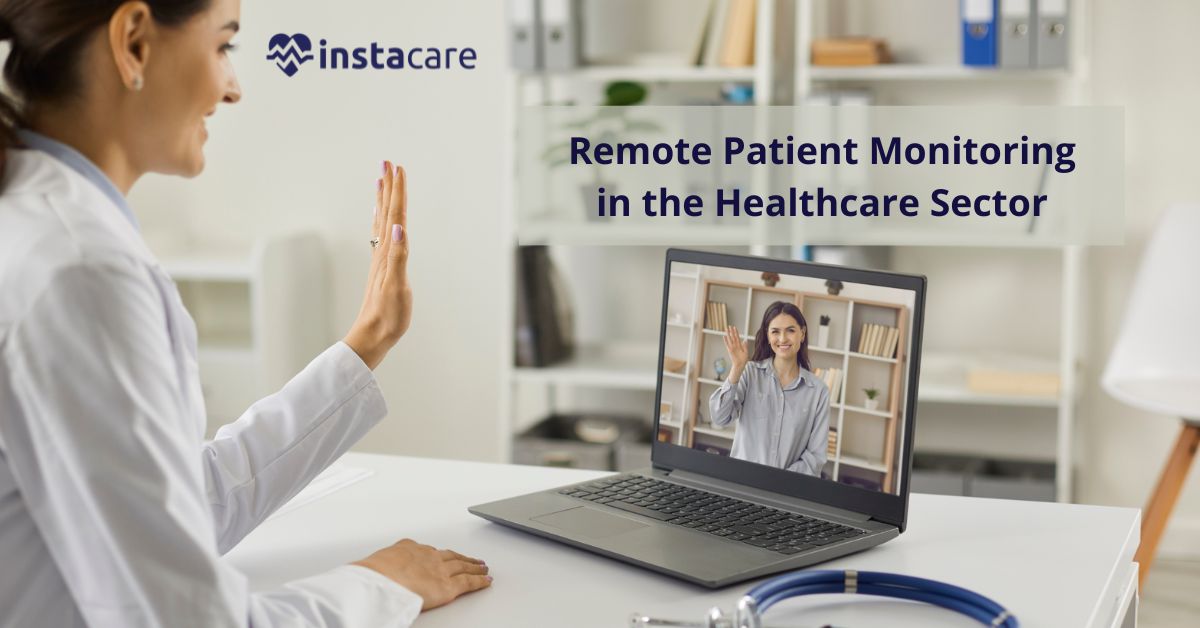
What Is The Significance of Remote Patient Monitoring in the Healthcare Sector? Remote Patient Monitoring (RPM) is a pivotal innovation in medical care that has changed how patients get clinical consideration and how specialists give it. This article examines RPM’s significance, including its advantages, operation, application, challenges, and prospects. RPM allows specialists to monitor patients from a distance, utilizing contraptions like wearable sensors and telephone applications. It’s beneficial for individuals with ongoing circumstances like diabetes or heart issues, as it can get problems early and save excursions to the specialist. Although RPM needs to be fixed, there are worries about protecting and ensuring the innovation works dependably. Despite this, RPM is likely to continue developing and working in the years ahead, making medical care more advantageous and viable for some individuals. Advantages Of Remote Patient Monitoring Improved Patient Outcomes One of the essential advantages of RPM is its capacity to upgrade patient results. Healthcare professionals can spot early indications of weakening or complications by remotely monitoring vital signs and health metrics, allowing quick intervention. This proactive methodology lessens the probability of unfavorable occasions like clinic readmissions and works on generally tolerant well-being. Enhanced Patient Engagement RPM encourages more noteworthy patient commitment by engaging people to function in dealing with their well-being. Through wearable gadgets and versatile applications, patients can follow their well-being information progressively, gain experiences with their condition, and settle on informed conclusions about their way of life and treatment choices. Improved health outcomes result from improved treatment plan adherence as a result of this increased engagement. Cost-Effectiveness As well as working on quiet results, RPM offers financially savvy answers for medical care conveyance. By remotely checking patients, medical care suppliers can lessen the requirement for successive in-person visits, which can be costly and tedious for the two patients and suppliers. In addition, early location of medical problems through RPM can forestall exorbitant clinical mediations and hospitalizations, bringing about colossal expense reserve funds for medical care frameworks. Book Free Demo How Remote Patient Monitoring Works? Remote Patient Monitoring (RPM) relies upon wearable sensors, telephone applications, and remote observing frameworks to assemble and send patient data. These devices monitor significant signs like pulse, circulatory strain, glucose, and movement levels constantly. As it happens, they send this data directly to healthcare providers. This means that nurses and doctors can monitor patients’ health from afar. Supposing they notice any progressions or issues, they can step in rapidly to help. RPM resembles a virtual regular checkup, where the specialist can perceive how you’re managing without venturing out from home. It’s a helpful method for keeping steady over your well-being, particularly assuming that you have a condition that needs customary observing. Applications Of Remote Patient Monitoring RPM has diverse applications across various healthcare settings, including: Chronic Disease Management RPM is essential in overseeing ongoing circumstances like diabetes, hypertension, and coronary illness. By observing patients’ well-being measurements from a distance, medical services suppliers can distinguish changes in condition early and change therapy designs promptly, lessening the gamble of difficulties and working on personal satisfaction for patients with persistent illnesses. Post-Operative Care Patients frequently require close checking to guarantee legitimate mending and healing after a medical procedure. RPM permits medical services suppliers to remotely screen patients’ critical bodily functions and recuperation progress, empowering early discovery of inconveniences like disease or careful site complexities. This proactive way to deal with post-employable consideration can abbreviate clinic stays, decrease readmission rates, and work on understanding results. Elderly Care RPM is likewise significant in being cared for by old patients, particularly those with numerous constant circumstances or restricted versatility. By constantly observing indispensable signs and action levels, RPM empowers early recognition of medical problems and falls, lessening the gamble of unfavorable occasions and empowering ideal mediation. Moreover, RPM gives inner serenity to old patients and their parental figures, realizing that help is accessible at the bit of a button. View More: Simplifying Record-Keeping with a Patient Record Management System Challenges And Solutions To Keep In Mind Regardless of its various benefits, Remote Patient Monitoring (RPM) presents a few difficulties that need tending to: Data Security And Privacy Concerns: The transmission and capacity of touchy well-being information through Remote Patient Monitoring (RPM) frameworks raise critical worries regarding patient protection and information security. Patients legitimately stress over the privacy of their clinical data and the likely dangers of unapproved access or breaks. Medical care suppliers should execute vigorous safety efforts inside RPM stages to address these worries. Integration With Existing Healthcare Systems: Coordinating RPM innovation into existing medical care frameworks presents a complex test. The different clusters of gadgets and stages utilized in RPM might need similarity with laid-out electronic well-being record (EHR) frameworks, blocking consistent information trade and interoperability. To close compatibility gaps, healthcare providers must invest in interoperable technologies and develop standard protocols. This includes making secure connection points and information norms that work with consistently joining RPM information with EHRs, empowering medical services experts to get to thorough patient data progressively. Patient Acceptance And Adherence: Accomplishing far-reaching reception and adherence to Remote Patient Monitoring (RPM) programs among patients requires tending to different boundaries and concerns. Patients might hold onto second thoughts about RPM because of vulnerabilities encompassing information security, ease of use difficulties, or an absence of experience with innovation. To beat these obstructions, medical care suppliers should participate in thorough patient training drives, featuring RPM’s advantages and tending to misguided judgments every day. This entails making information about RPM’s operation, its potential impact on patient outcomes, and the safeguards in place to protect data privacy readily available. Conclusion Finally, remote patient monitoring, or RPM, is vital in the medical services industry and enjoys a few benefits, including a better understanding of results, expanded patient commitment, and cost viability. RPM makes it conceivable to give individualized care, brief mediation, and early finding of medical problems by ceaselessly checking patients’ well-being from a distance. Despite hindrances like information security stresses and mixed hardships, RPM can change medical care conveyance
Features And Benefits Of Patient Management Software In the Healthcare Industry The care of patients should always come first for healthcare professionals, and the accumulation of routine tasks like scheduling, billing, and paperwork can sometimes get in the way. A medical practice management (MPM) system or patient management software can free up time so that you and your staff can concentrate on providing care rather than on these time-consuming tasks. Other names include medical patient software, patient management software, and clinic management software. It describes several effective automated systems that track patient data, diagnoses, prescriptions, interactions, and encounters in healthcare settings like hospitals or clinics. Features Of Patient Management Software Here are some features of patient management software: Patient Intake Forms Patients can fill out appointment forms created by patient management software either online or offline. Additionally, it gathers insurance qualification data and incorporates responses into encounter notes. Before their visit, it generates an electronic intake of appointments. The patient can check in electronically after arriving. The system can monitor wait times as part of performance analysis. The software automates the checkout procedure after the appointment, including the appointment scheduling for the patient’s follow-up visit. Medical Billing Payment information is tracked by patient management software. Medical billing automates the billing process and payment collection when a patient checks in, verifies insurance and ensures that everyone receives an equal payment. Patients can pay online through the software if a payment is missed, and it also notifies payment reminders. Scheduling Scheduling is a critical component of PMS. Through a patient portal, patients can make appointments using scheduling. They can also use the system to change and cancel their appointment times. The software then calls, texts, or sends messages as reminders after the appointment is scheduled. Additional Benefits Of Patient Management Software (PMS) Here are some additional benefits of patient management software: Offers Timely Care To Patients One of the benefits of patient management software is that it offers timely care to patients. When a patient sees a doctor, they anticipate getting treatment quickly. They are unconcerned with administrative duties and search for the simplest way to check in and out. Patients are made to feel secure by the Patient Management System by giving them control over the information they provide. Day-to-Day Operations The software streamlines multiple tasks. The members notice improvements as a result, which leads to better outcomes. Patients who receive treatment from medical professionals tell their friends about it and provide feedback. Healthcare professionals can treat more patients with PMS and still deliver high-quality care. Therefore, more patients equal more revenue. Overburdened Ease Admin staffing is one of the leading causes of high healthcare costs. Medical facilities like hospitals can cut administrative costs by automating routine tasks like patient flow management. This is achieved by reducing the amount of data entry work required of your front-desk staff, allowing them to maximize their available time. Additionally, it increases efficiency by enabling the same number of workers to complete better, more fulfilling work by reducing burdens. Practice Management Also, one of the benefits of patient management software is practice management. Due to their constrained resources, solo practices benefit significantly from patient/practice management systems. A patient management system can improve the efficiency of a medical practice’s charting, billing, scheduling, and claim-processing procedures. Small businesses might be able to get everything they need in a single straightforward bundle, whereas larger businesses might need to purchase separate software solutions for each of these needs. Conclusion Healthcare organizations can use facilities provided by patient management software. It raises the level of service, gives patients prompt attention, and makes daily operations easier. Are you interested in creating a hospital management system? InstaCare is on hand to assist. We are a committed group of perfectionists who consistently exceed clients’ expectations. We have extensive experience with health tech solutions over many years. For the best patient management software, visits our website.
The patient management software helps you in scheduling and tracking the patient’s appointments. It also alerts the staff via SMS about the appointments, bills, and payments, etc. The patient scheduling software helps in increasing the overall clinical productivity since it reduces the staff’s workload and manages procedures accurately. This patient scheduling software contains a feature of patient record management by which the clinician can manage the patients’ records and store every detail regarding their health. They can easily track and access the patient’s record anytime they need. The appointment management feature enables you to manage the appointments easily and reduces no-show visits. It reminds you via SMS about the patient’s appointments and the payments made so that you do not miss anything important. This feature helps in improving overall clinical productivity. How the patient management software supports your Medical Practice? The patient management software helps in increasing clinical productivity. In many ways, it helps you conduct the clinical practice more effectively. Some of those ways are described below. Patients Management The patient management software contains a feature of patient management by which the clinician can manage the patients’ records and store every detail regarding their health. Medical Billing The staff can create an easy-to-understand, simple and detailed bill of all the services being provided to the patients. They can also customize the bill by using the patient management software. Reporting You can generate a complete detailed report about your income, expenses, payments that are made and received, everything in one place. It will give you a complete insight into the progress of your business. Multi-User Access The patient scheduling software enables multiple people to access the same document at a time. However, this access is in the hands of the administrator, who can restrict it anytime they want. SMS Alerts It reminds you via SMS about the patient’s appointments and the payments made so that you do not miss anything important. Appointments Management The patient scheduling software contains an appointment management feature that enables you to manage the appointments easily and reduces no-show visits. Prescriptions & Health Records You can save the health records and prescriptions so that the physician can easily access history and change the prescription details whenever needed. You need not take complete history again and again. Telemedicine With the help of patient management software, you can consult with your doctor from the comfort of your home via telemedicine. You can talk to them via video chat or a phone call. Queue Management It enables you to manage the processes smoothly and effectively since it contains a queue management system. It helps in generating tokens for each department. One-Click Backups This software contains a feature of one-click backup. It lets you back up all the important data so that you do not lose it. Conclusion The patient management software is a system that saves patients’ information and manages all the activities going on in the hospital or clinic. It performs many activities simultaneously, eventually reducing your workload. Its use will be more common in 2021 day by day because of its beneficial features.

5 Amazing Benefits Of Clinic Management Software In Pakistan Doctors are often confused about choosing the best clinic management software in Pakistan. This is because of the wide variety of unreliable and less featured products available in the market. Today, in this article we will explain to you the benefits of using software for clinics along with sharing some Top EMR companies in Pakistan. What Is A Clinic Management Software Before we dig into other details, it is important to learn why top doctors use software for clinics. A Clinic management system is a set of software components that helps medical professionals with digital prescriptions, patient management, maintaining electronic health records, appointment scheduling, medical billing, and inventory management. It also helps doctors to completely automate the workflows in order to increase their efficiency and productivity. How Many Doctors Use Clinic Management Software According to research, less than 10,000 doctors use the software in Pakistan. These professionals use this software majorly for digital prescriptions, EMR/EHR management, billing, and, telemedicine appointment management. It is important to understand that digital health in Pakistan is a comparatively new market than any other. Till Year 2015, the adoption of medical software was very less due to the lack of trust in the technology. After 2016, Pakistan worked really hard to improve the access to the internet and mobile applications that helped in promoting the digital transformation in the healthcare industry as well. As of 2022, over 17% population use the internet in Pakistan. The growth of internet users has also helped in enabling digital health and we have seen a significant increase in the use of clinic and patient management software. What Are The Benefits Of Using Clinic Management System Paperless Information Management Best clinic management software will fulfill all the basic needs of your medical office. Good software comes with all the necessary options to help you get rid of papers. Such options may include digital patient record keeping, automatic appointment management, electronic digital prescriptions, digital billing for clinics, treatment planning, inventory management, and now with telehealth and video consultation features as well. Fast Access to Patient Medical Records There is no doubt that patient management software is much faster, accurate, and reliable than human beings. Within just a few seconds you can fetch the information of a patient out of thousands of records. Moreover, good software will provide you the facility of maintaining unlimited records. You can take backups of your information anytime and it is much more secure than papers in your clinics. Automatic Appointment Scheduling The biggest advantage of using clinic management software is its comprehensive appointment scheduling. With a proper alert system, appointment management software will increase the number of show-ups and patient inflow inside your clinic. Appointment Management Software also allows you to manage your daily, weekly, and monthly agendas in a much convenient way. While you can schedule an unlimited number of appointments with just a single clinic, you can also get some advanced features like SMS and email alerts to notify about their appointments and change in any appointment schedule. Electronic Prescriptions Creating, modifying, and finding an electronic digital prescription is much faster and easier than a handwritten prescription. one of the key benefits of electronic prescription is an increase in accuracy and fewer chances of medication errors. Some other benefits include immediate notification of allergies, drug interactions, and duplications. It also helps in reconciling of medical history quickly while prescribing medicines. It also reduces the chances of prescription loss. It also increases patient safety by a reduction in medical errors. Patient Satisfaction Do you know that patients are more satisfied and happy from the doctors and clinics who are enabled with digital health? It is because of the great patient satisfaction that clinics that are using patient management software are getting more patients. A good clinic management software will not only helps doctors to make their practices efficient and more productive but also makes patients more satisfied as they will be able to provide digital feedbacks, digital medical history, appointment notifications, and online appointment booking. The list of advantages and reasons why clinic management software should be used is countless and we will write more articles covering the benefits and advantages of implementing software for medical offices. In Pakistan, we see dental clinic management systems are most widely used because it helps dentists with digital treatment planning and appointment scheduling. However, now we have seen a significant increase in the number of specialists who are using specialty-based EMR systems for Clinics. Now let us help you identify the best software for clinics. What are the Best Clinic Management Softwares in Pakistan? There are not many specialized companies that are providing EMR/EHR Patient and Clinic management systems in Pakistan but there are some who are really doing very well in the industry. Currently, the following companies are providing software for doctors: InstaCare – Award Winning Clinic Management System InstaCare is the best-known digital health company in Pakistan that has already transformed over 3,000 clinics in Pakistan. The key features of InstaCare Clinic Automation Software include patient management, electronic prescription, medical billing, appointment scheduling, queue and token management system for clinics, inventory management system for clinics, accounts software for clinics, and telemedicine for doctors, clinics, and hospitals. The company is lead by Commonwealth Award Holder, Mr. Bilal Amjad under whose leadership, InstaCare has won tremendous awards including the International TakeOff Istanbul Top Foreign companies in digital health and the national P@SHA ICT Award in the health and well-being category. Other awards also include the APAC Insider award for best digital health startup in Pakistan. BOOK FREE DEMO OF INSTACARE CLINIC MANAGEMENT SOFTWARE CureMD CureMD is also a popular EMR Company in Pakistan with a wide variety of EMR Softwares.CureMD is a leading provider of innovative health information systems and services that transform the administrative and clinical operations of healthcare organizations of all sizes. Majorly CureMD operates in the American market however it has its offices established in